
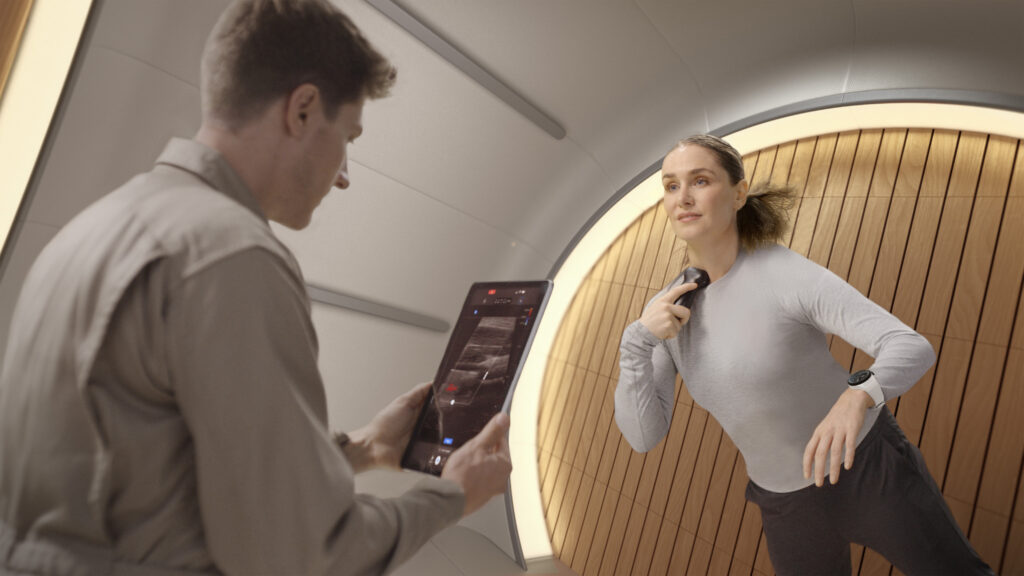
It took ninety years of aviation watches to arrive at this point: a timepiece without a crown. Not out of formal simplification, but out of absolute necessity – that of a gloved hand, in a diving suit, 400 kilometers above the Earth.
The Pilot’s Venturer Vertical Drive (Ref. IW328601), unveiled at Watches and Wonders in April 2026, is the first time the House of IWC Schaffhausen has designed from scratch for the space environment. Previous watches worn on the Inspiration4 and Polaris Dawn missions were modified aviation watches – adaptations. This one is a definition.
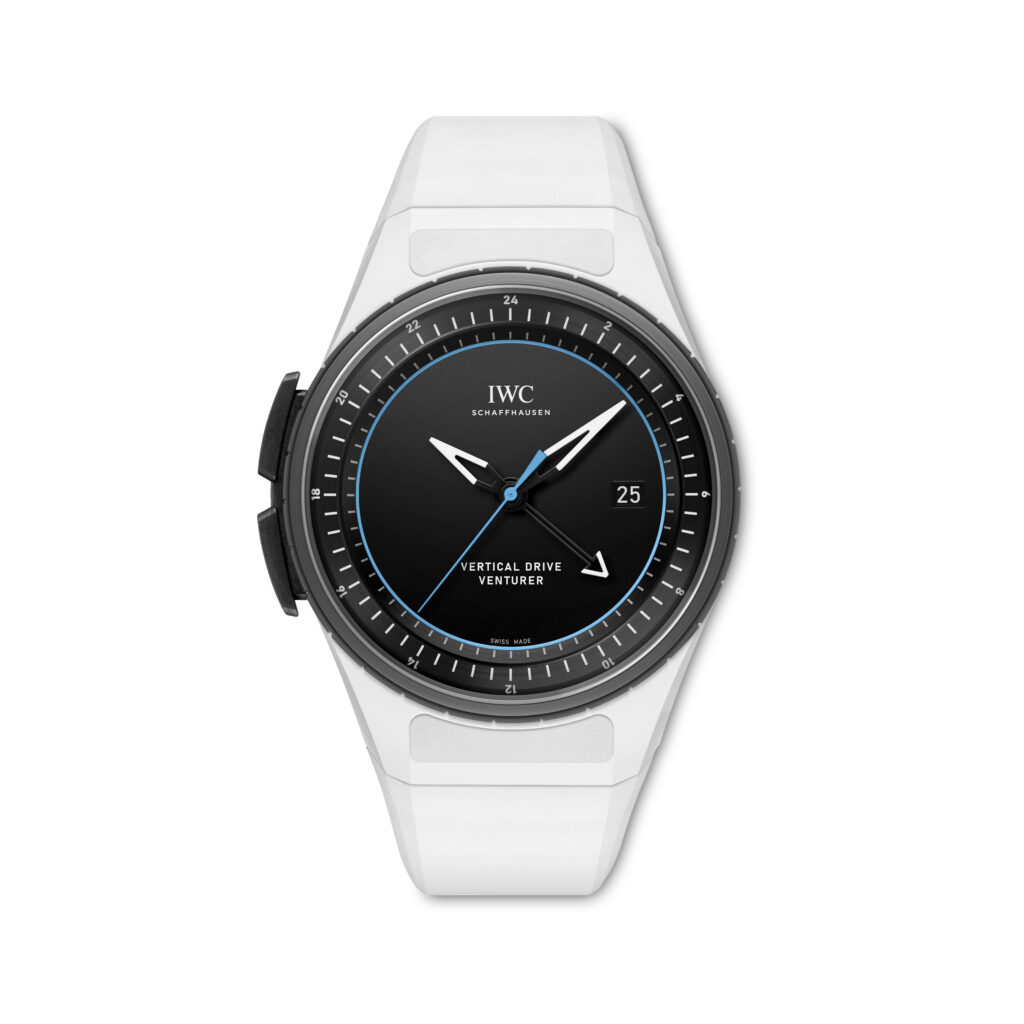
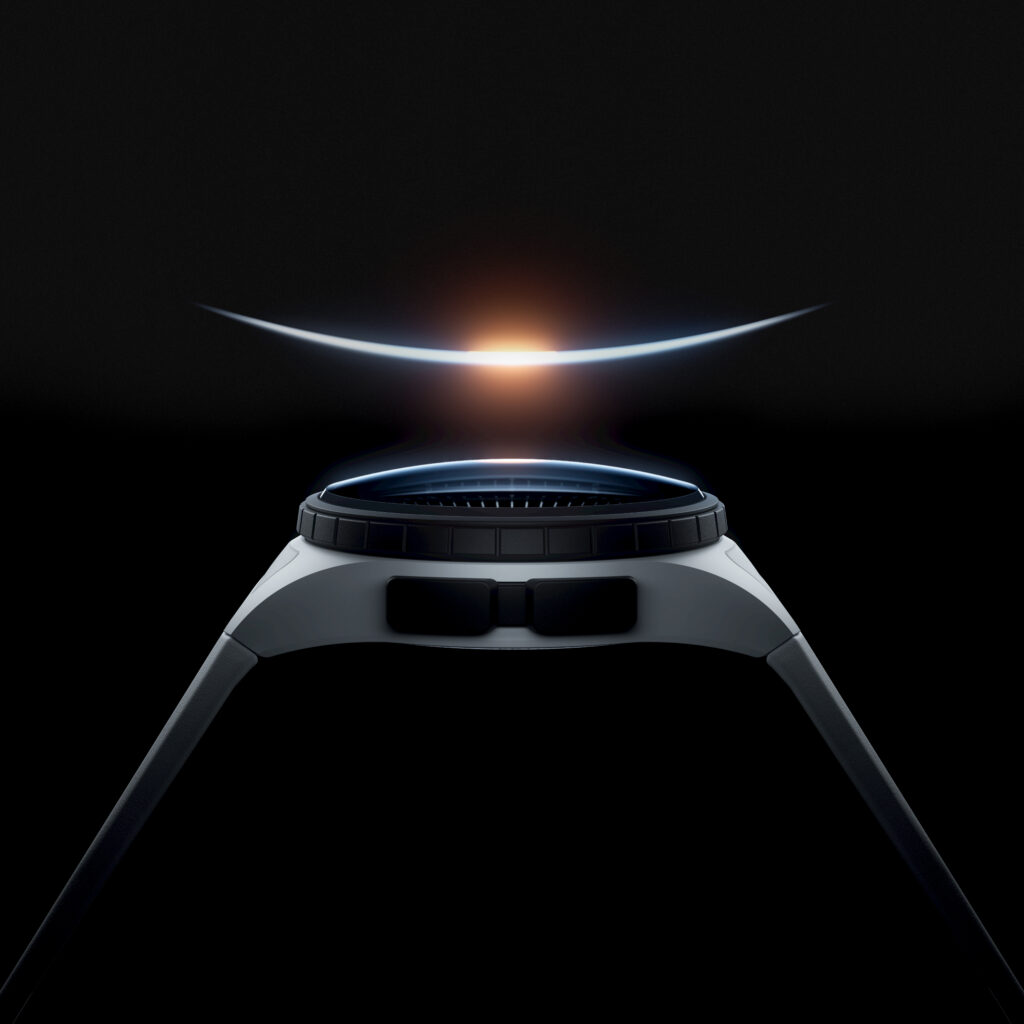
The problem posed to the XPL division was brutally clear: design an instrument that could be adjusted entirely with scuba gloves. The crown – a mechanical interface unchanged for two centuries – disappeared. In its place, a so-called “Vertical Drive” system: the rotating bezel transmits its movement to the winding stem via a clutch. A rocker switch on the side of the case toggles between functions – winding, reference time setting, second time zone display. The gesture is vertical, never pinching.
Detail
The bezel as winding stem. The Vertical Drive is based on a clutch that converts bezel rotation into axial movement transmitted to the internal crown. This mechanical principle – similar in logic to a worm screw system – provides sufficient haptic feedback to be perceived through gloves. Patent application pending.
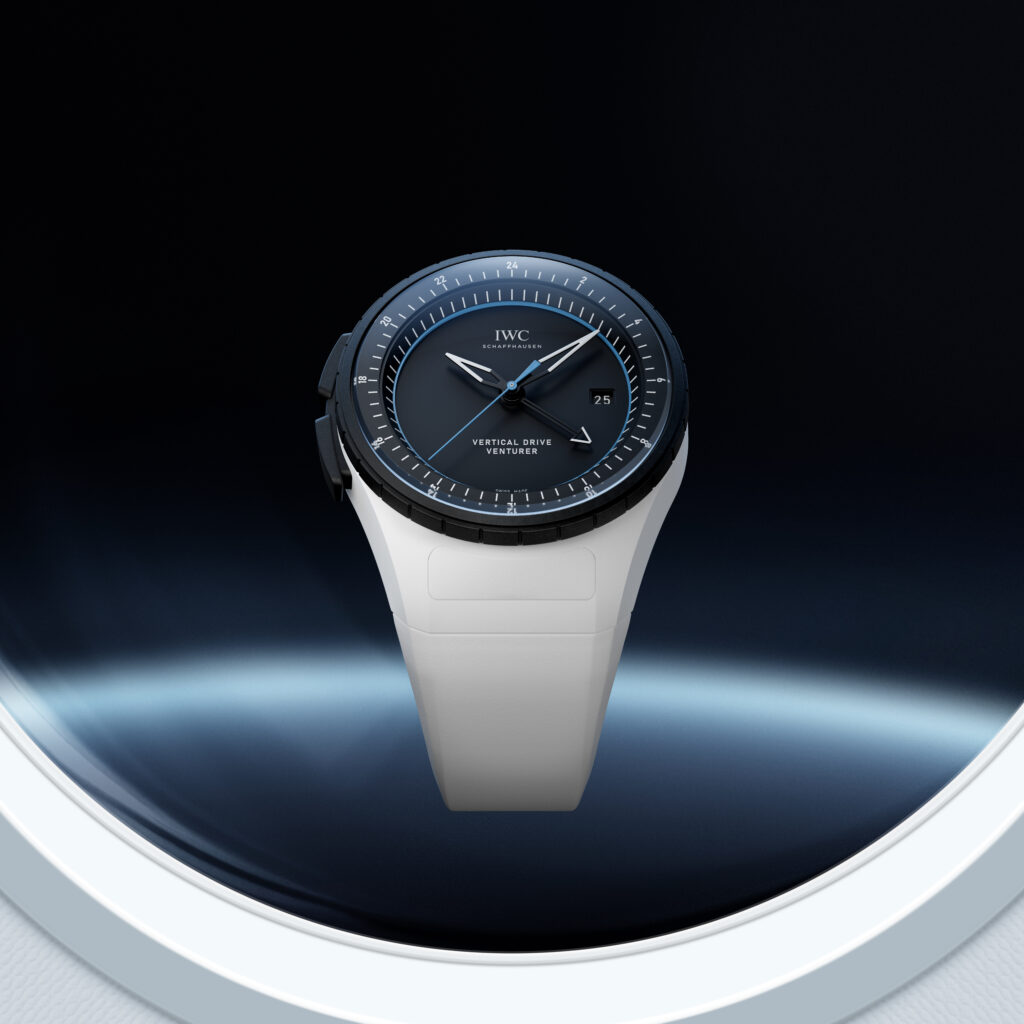
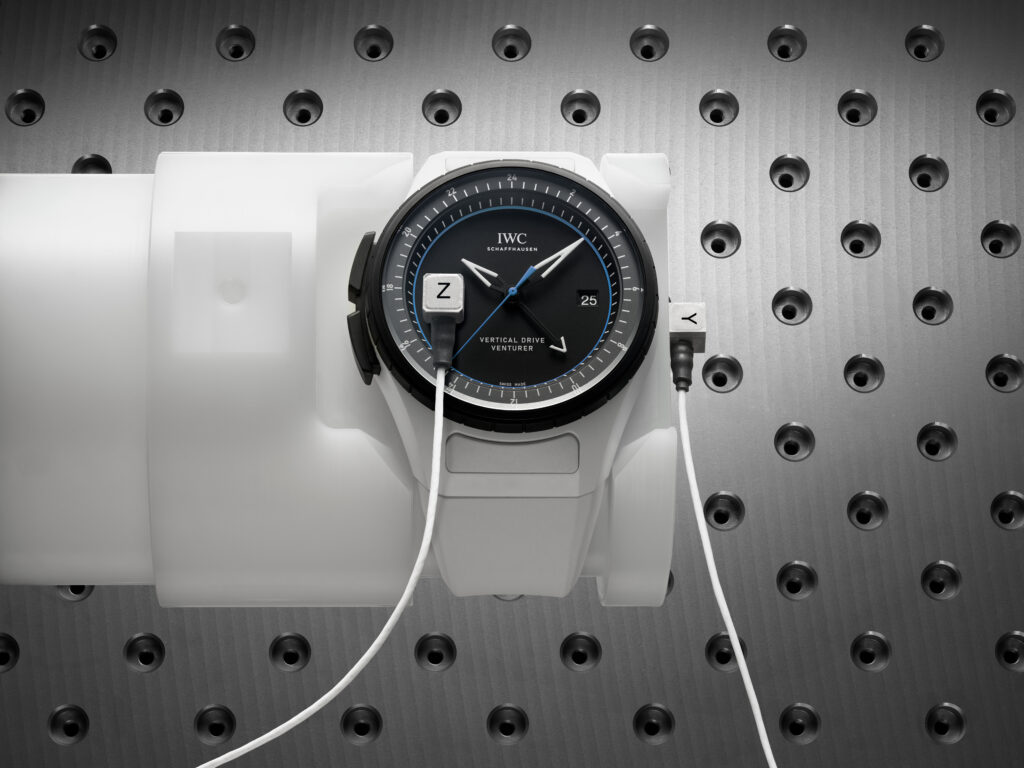
The matte black dial eliminates reflections – a direct optical constraint in an extremely bright and variable environment. Two types of time information coexist: local time via central hour/minute hands, and mission reference time via a dedicated hand on a full 24-hour scale, from 00:00 to 24:00. The need for this format stems from the orbital rhythm: a space station circles the Earth in 90 minutes, or sixteen sunrises per twenty-four-hour period. GMT or UTC remains the standard for life on board.
The 44.3 mm case in white zirconium oxide ceramic – Vickers hardness close to diamond – combines a bezel and caseback in Ceratanium®, an alloy developed in-house that combines the structural lightness of titanium with the scratch resistance of ceramic. Inside, the Manufacture caliber 32722 beats at 28,800 vibrations/hour and offers 120 hours of power reserve – five days of autonomy on a station where every energy recharge is planned.
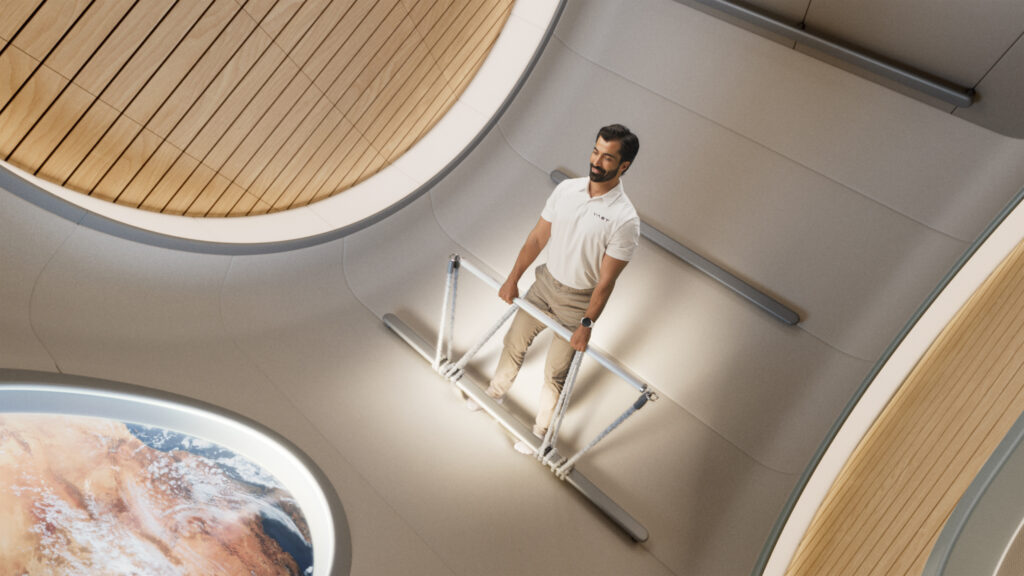
Qualification testing was carried out by Vast in Long Beach, California. The part was subjected to forces of up to 10g – beyond the 4g actually experienced at lift-off – before obtaining certification for Haven-1, scheduled to be the first commercial space station when it is launched in 2027.
“They didn’t just adapt an existing design for the space. They took a blank sheet of paper,” sums up Chris Grainger-Herr, Managing Director of IWC Schaffhausen. Precision watchmaking as an engineering discipline applied to an environment that does not forgive approximation.
The open question is not whether a mechanical watch can survive in space – it has already proved that. It’s whether mechanical watchmaking, by agreeing to disappear from the surface of a piece, can redefine what we still call a watch.

Cette publication est également disponible en :

