
 There are cities that are both mythical and sensual, complex and elusive, Hong Kong is undoubtedly one of them.
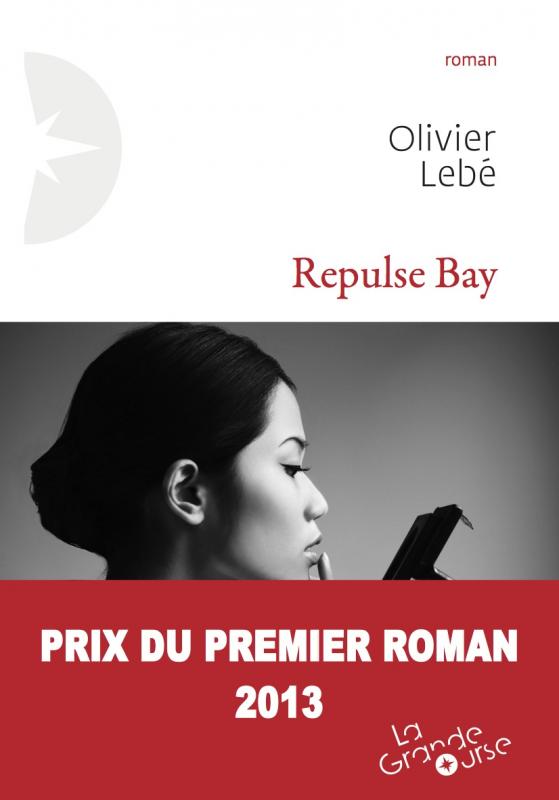
A few weeks ago we set off to Hong Kong in the wake of Olivier Lebé’s novel Repulse Bay, winner of the 2013 First Novel Award. This steamy, destructive love story is set against the backdrop of the city and was therefore a perfect introduction to Hong Kong. We were to experience a magnificent journey in the company of the writer, following in the footsteps of his characters.
First day
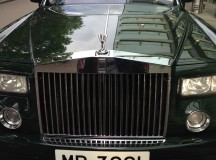
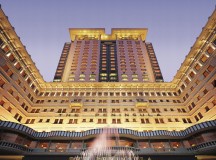
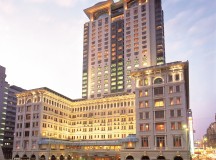
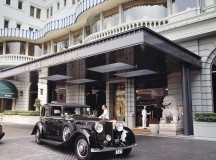
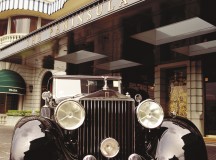
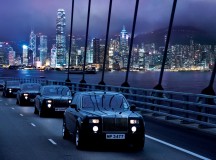
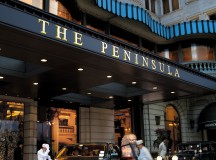
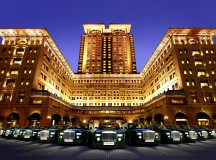
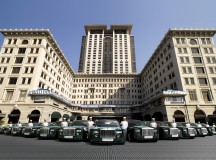
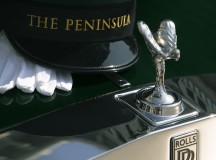
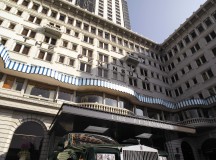
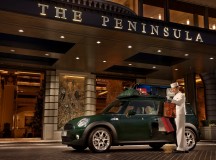
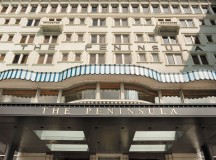
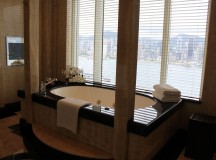
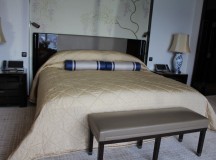
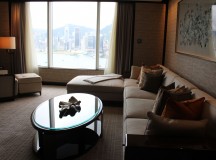
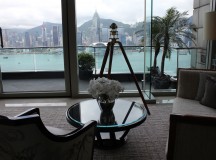
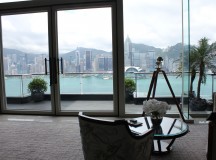
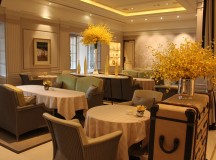
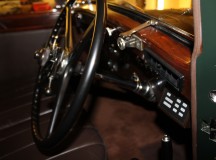
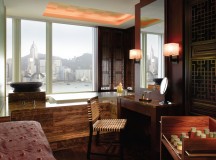
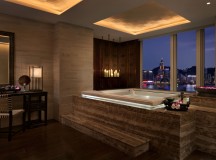
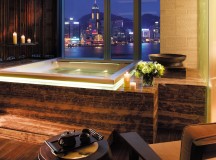
We arrived in Hong Kong to a royal welcome from our host hotel, the Peninsula Hong Kong, one of the city’s most legendary hotels. We needed no less than a fleet of green Rolls Royces to take us to our resort. Soaking up the city, cruising across the islands in these magnificent rolling palaces to reach our destination.
The warm welcome from the Hong Kong Tourism Bureau and the entire Peninsula staff convinced us that service and luxury would be at the heart of this trip.
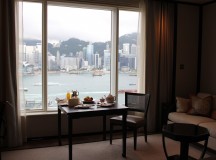
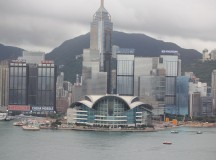
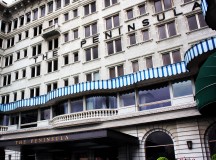
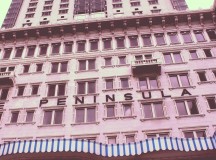
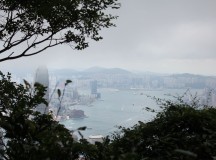
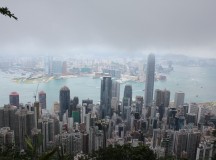
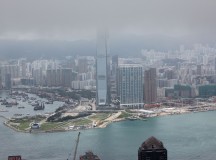
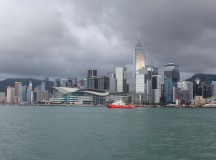
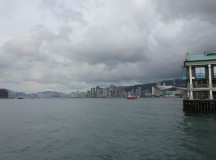
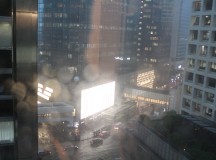
Once we’d relaxed from the long journey (12-hour flight), we set off in search of the fantastic Hong Kong we’d come to see. Accompanied by our guide Koko, we hurried off to visit the famous Peak Tram to Victoria Peak, often referred to as The Peak, Hong Kong’s most famous attraction. This streetcar, used for 120 years by locals and tourists alike, links the business district to the peaks of Hong Kong, and offers a magical moment in the city’s history. We were immediately struck by the poetry of the place and the city. Hong Kong is a blend of the most concrete, majestic skyscrapers and the wildest greenery. Two opposing shores, still linked by the famous ferries. The mist links all these landscapes, transforming them into a whole. A poetic, vaporous blend of nature, sea and glass.
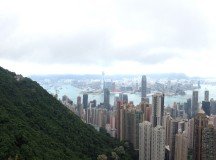
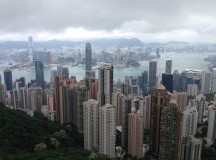
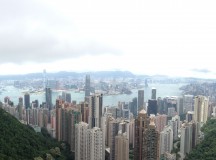
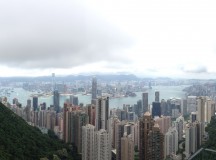
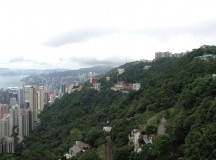
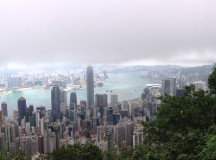
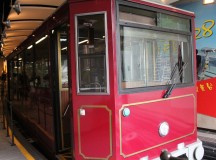
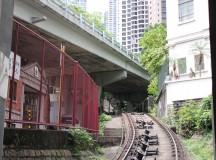
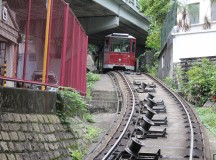
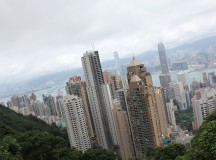
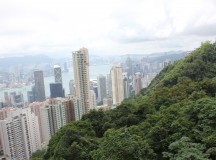
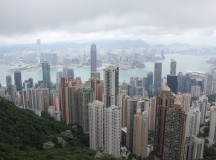
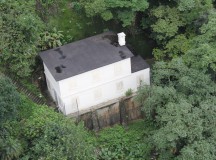
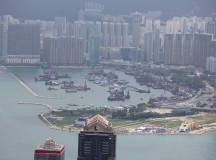
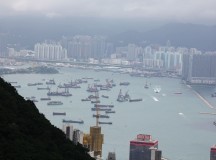
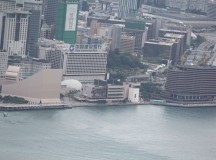
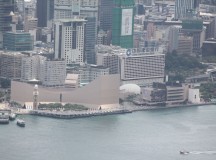
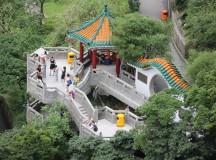
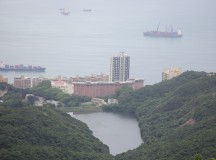
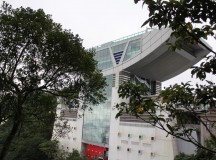
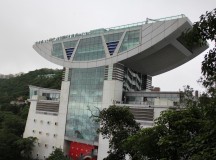
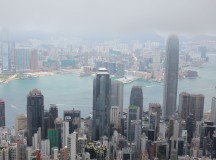
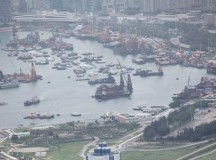
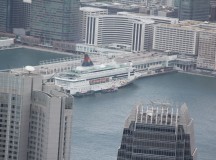
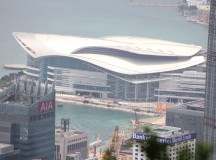
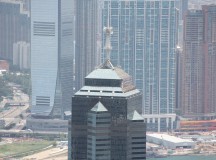
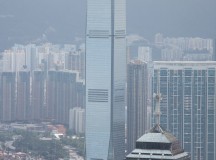
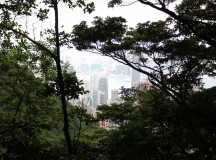
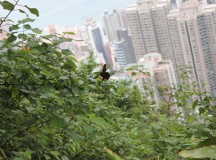
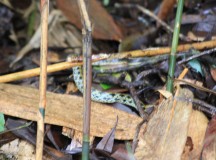
Once at the Peak, you can stroll through the various boutiques of this shopping mall, or prefer to get out into nature and take a hike in the heights of the business district. You’ll spend an unforgettable moment with a panoramic view of the city, while rubbing shoulders with butterflies, birds and even snakes.
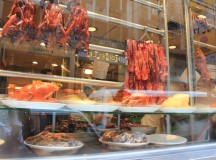
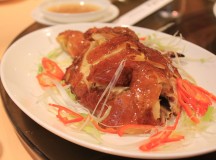
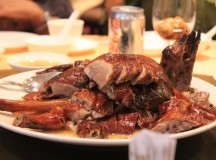
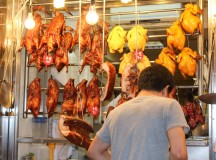
But these strolls had whetted our appetites, so we decided to eat at Central’s cult restaurant, Yung Kee (32-40 Wellington Street, Central). Yung Kee is a traditional Hong Kong restaurant frequented by Central’s elite, and offers, among other things, a succulent lacquered goose.
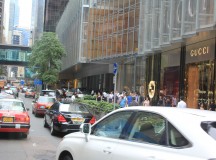
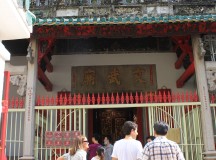
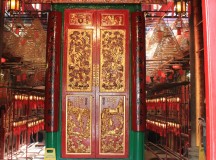
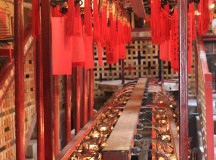
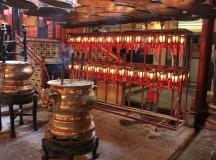
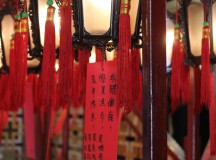
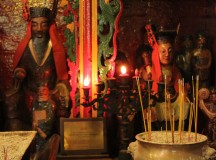
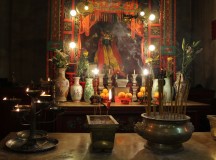
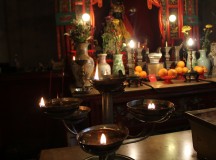
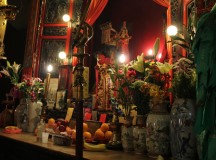
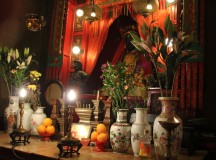
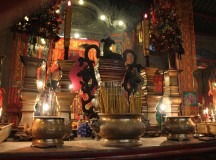
But let’s talk about Central. The heart of the city, located on Hong Kong Island, this is the financial district. You’ll find businessmen in suits bustling about, as well as a large number of luxury stores. It’s an ideal shopping district. You’ll also see the escalators that are used by all these workers as a means of transport, as the slopes are so steep. A little further on in the Sheung Wan district, you can discover the Man Mo Temple, one of the city’s most beautiful temples, where time has stood still. You can ask the gods for prosperity and burn some incense to bring you luck on your journey. This district is also full of antique shops.
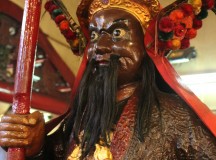
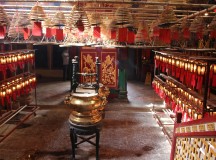
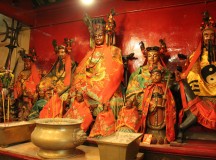
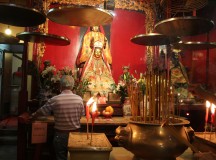
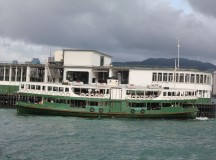
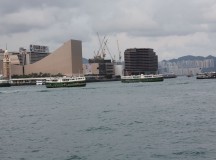
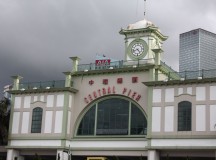
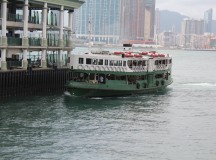
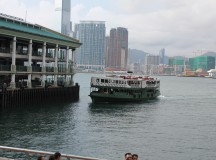
It’s time to head for the Kowloon peninsula on the famous Star Ferry, dating from 1898, whose crossing is as mythical as the boat itself.
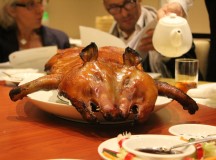
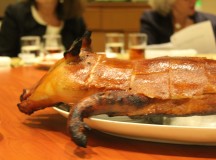
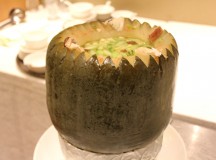
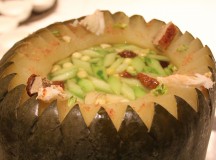
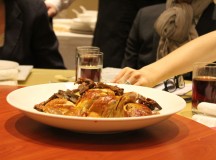
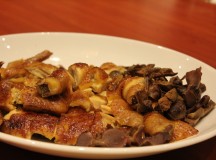
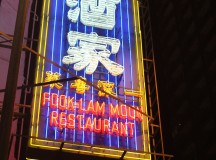
As night falls, we head for dinner at the Michelin-starred Fook Lam Moon (34-45 Johnston Road, Wan Chai). A true local institution, this restaurant is a prestigious place where Hong Kong and Chinese gastronomy are sublimated. On the menu we tasted whole roast pork, melon soup with lotus seeds, shrimps sautéed with almonds, pigeon émincé, chicken cooked with rock salt, rice and lotus leaves. An absolute delight.

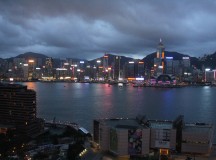
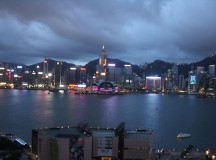
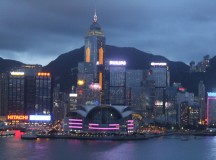
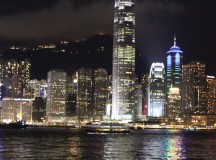
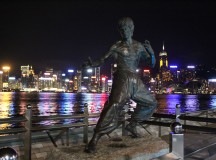
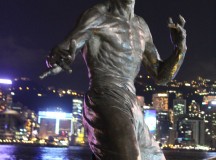
We returned to Kowloon Island, where the Peninsula is located, for a well-deserved digestive stroll along the Walk of Stars, a stroll along the bay where all the stars of Asian cinema have left their mark.
Day 2
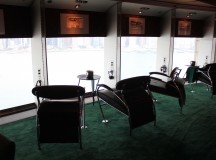
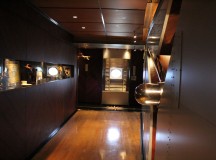
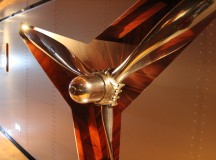
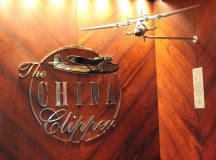
To better appreciate the city’s verticality. We have lunch at the China Clipper, the Peninsula’s private suite adjacent to the hotel’s helipad. This colonial charm reminds us of the great aviators who linked Asia and the world from Hong Kong.
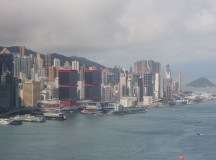
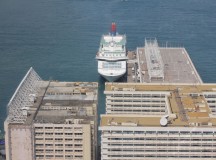
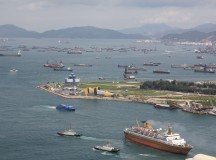
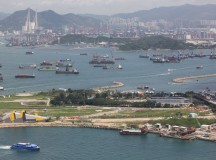
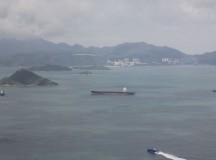
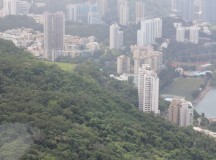
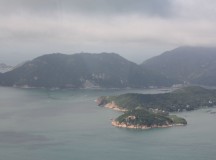
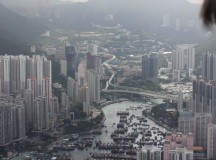
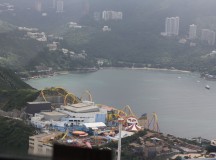
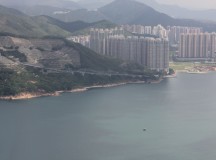
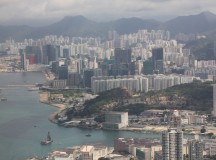
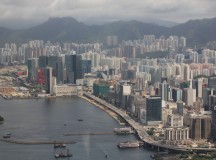
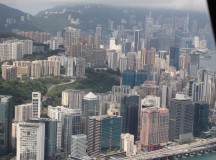
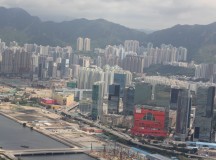
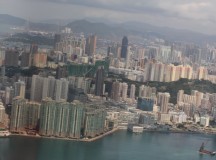
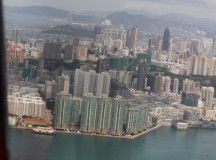
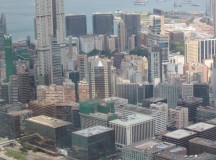
We board a helicopter for a memorable flight over Hong Kong Bay. It’s the most unforgettable view of skyscrapers, beaches, amusement centers and harbors, all bustling beneath our feet.
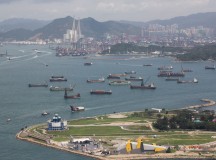
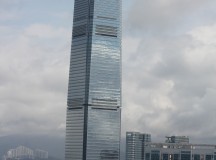
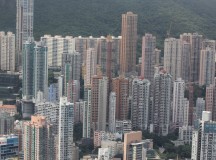
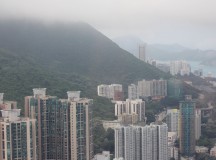
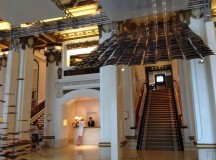
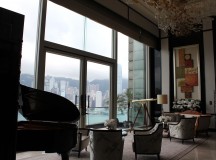
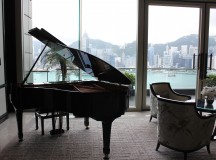
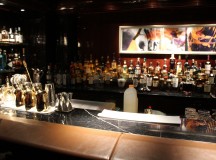
It’s time for us to delve into the history of this legendary Palace, which opened in 1928 and whose story we’ll be retracing shortly. The garage and its fleet of Rolls Royces, the bar, the kitchens, the patisserie, the chocolate factory, the presidential suite. The hotel holds no secrets for us.
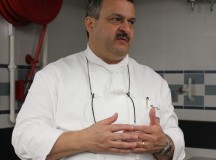
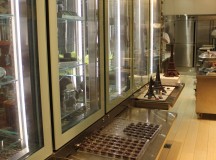
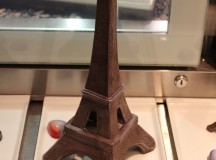
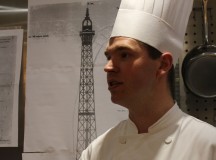
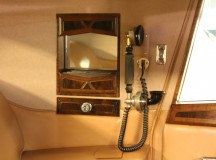
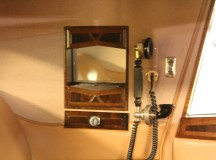
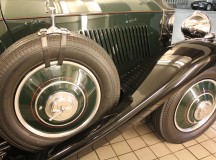
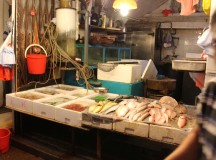
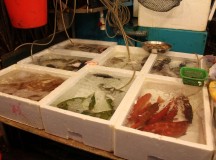
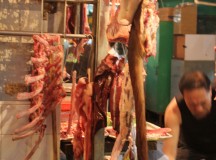
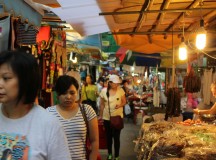
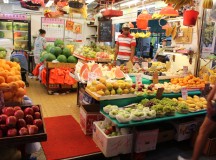
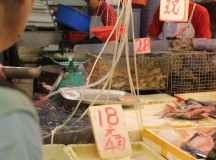
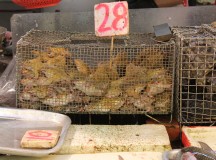
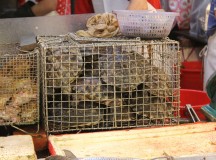
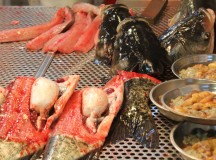
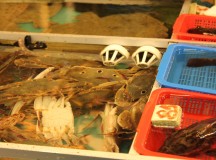
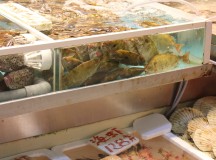
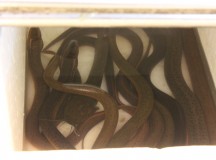
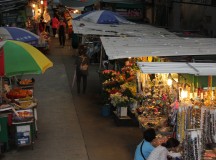
The fresh air has whetted our appetites, so we’re off to the Wan Chai district to discover The Pawn ( 2F, 62 Johnston road, Wan chai), a restaurant popular with Hong Kong’s many expatriates. Pleasant fusion cuisine. We then discover the Wan Chai district and its markets, where you can buy anything, including live animals to cook fresh. Stroll through Tai Yuen Street Market and Star or Ship street. Lose yourself in the stalls and markets.
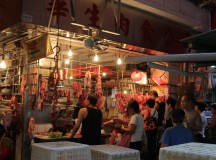
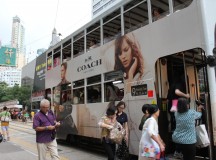
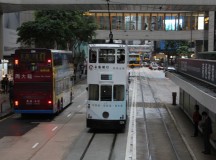
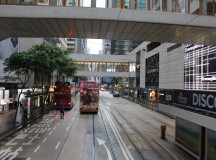
The Hong Kong people have a remarkable transportation system: subways, ferries, escalators and, above all, the famous Ding Ding. This streetcar is undoubtedly one of our favorite means of transport. Ideal for getting to Central, where we begin a tour of the Pedder Building’s art galleries, notably Gagosian.
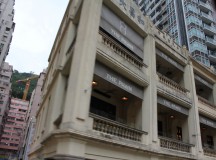
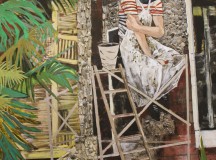
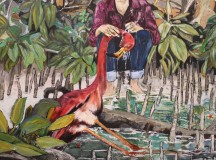
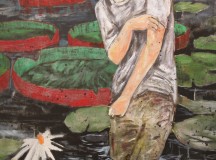
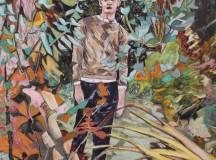
In just a few years, Hong Kong has become Asia’s art city. The famous Art Basel art fair has just been held here, and galleries abound.
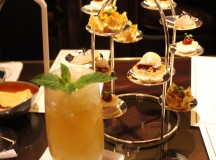
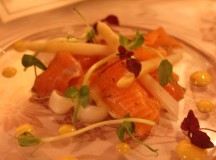
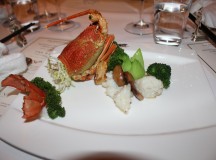
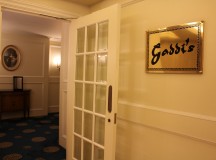
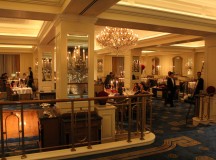
Our evening at the Peninsula turned out to be incredible, as it took us on a culinary journey through all the hotel’s restaurants, each of which served us iconic dishes.
Day 3
Hong Kong is made up of many different islands and districts, and it’s sometimes necessary to leave Kowloon or Central to discover the changing face of the city.
This morning’s program was dedicated to a visit to Aberdeen and Ap Lei Chau Island.
Aberdeen, a former fishing port, is still a must if you’re looking for authenticity and postcards of Hong Kong’s past. A trip on a traditional boat will make you forget the hustle and bustle of the city, and you’ll be amazed by the Jumbo Kingdom. This oversized floating restaurant has been used as a set for many films, including James Bond.
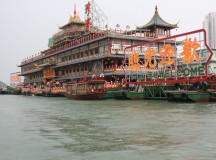
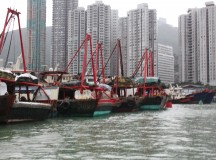
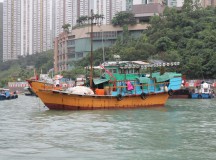
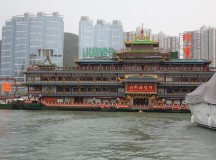
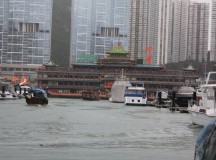
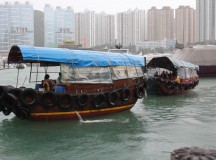
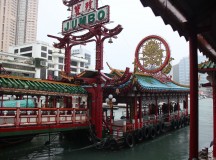
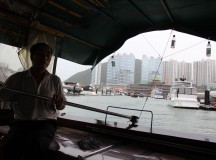
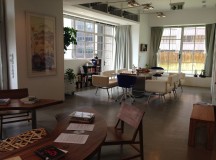
The Aberdeen district is also slowly changing from an industrial area to a more mixed-use zone, where you’ll find exciting new art galleries such as Spring Workshop, Galerie Yallay and Exit.
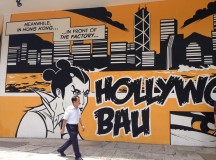
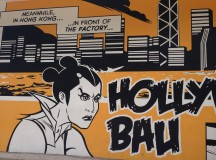
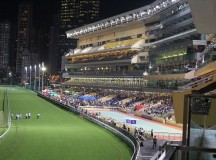
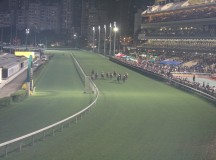
A little later, we make our way to Happy Valley racecourse. If you’re ever in Hong Kong, you can’t afford to miss the races, which are so much a part of the city’s culture. It’s one of the city’s most exclusive venues, frequented by the city’s elite.
Last day
For our last day, we had planned to take a long walk along one of Lonely Planet’s most beautiful trails in the world, as Hong Kong is an incredible region if you like hiking. But the elements didn’t help, so we opted for a morning of cocooning and massage in one of the city’s many massage shops. Foot massages are very popular with the locals.
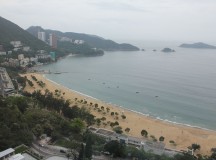
We then set off for Repulse Bay, a seaside paradise with the most beautiful beach on Hong Kong Island, the setting for Olivier Lebé’s book. What a pleasure to find the buildings, beaches and places described in this book that captured our attention.
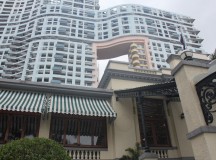
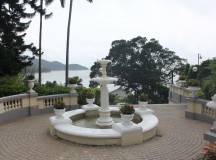
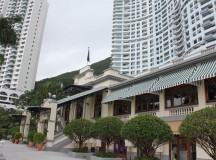
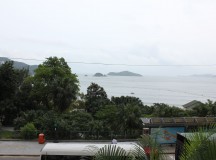
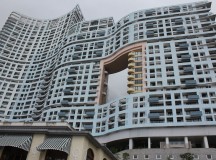
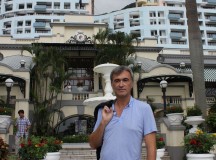
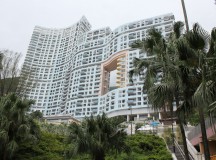
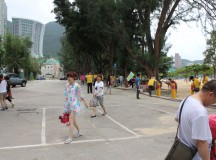
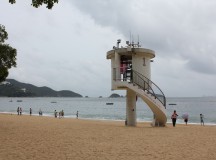
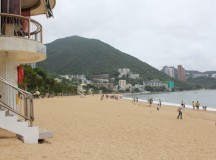
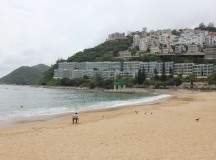
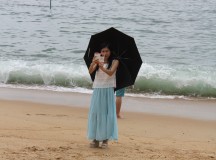
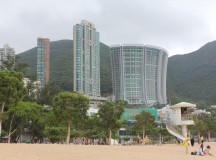
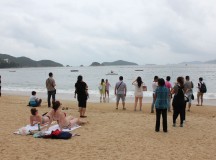
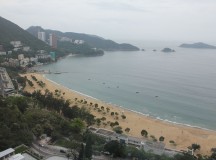
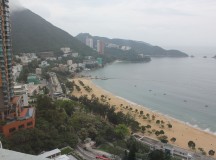
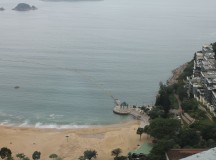
Repulse Bay is also, and above all, a luxury restaurant and residence. A place of colonial charm and tradition, seductive by its tranquillity and the quality of its cuisine.
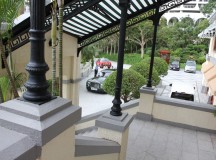
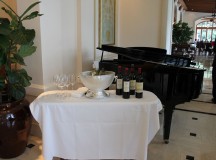
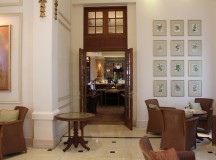
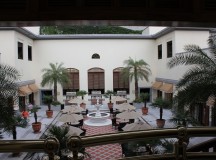
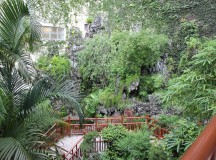
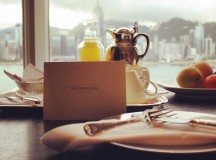
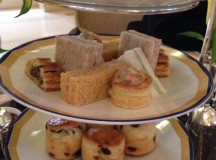
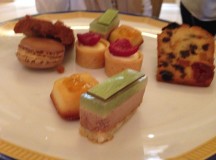
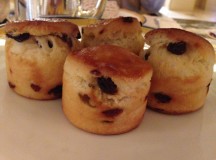
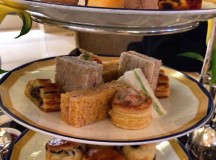
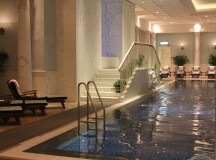
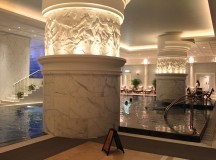
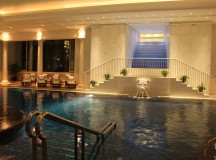
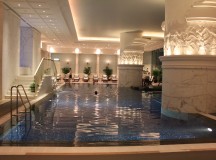
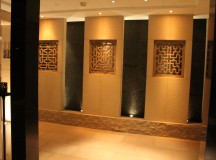
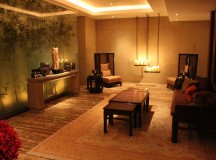
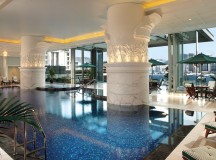
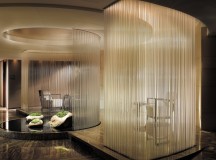
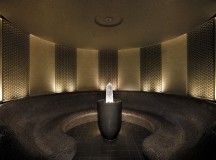
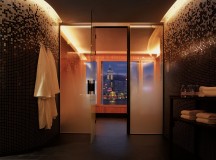
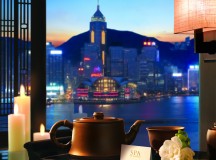
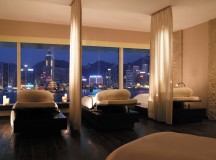
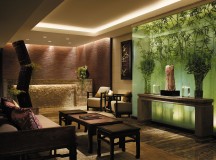
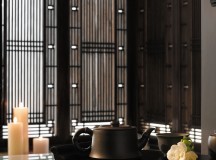
It was time for us to bid farewell to the city and enjoy our last moments at the Peninsula. The afternoon tea that all Hong Kong had been talking about was there waiting for us before a final moment of relaxation at the Peninsula spa.
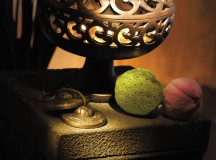
Goodbye Hong Kong.
Cette publication est également disponible en :

