
There are watches one wears. And there are watches one keeps. The Vacheron Constantin Traditionnelle Twin Beat Quantième Perpétuel decidedly belongs to the second category — not for its weight in platinum, nor for the solemnity of its skeleton dial, but for an idea the Geneva manufacture has just refined for a second edition: that of a movement which never truly sleeps.
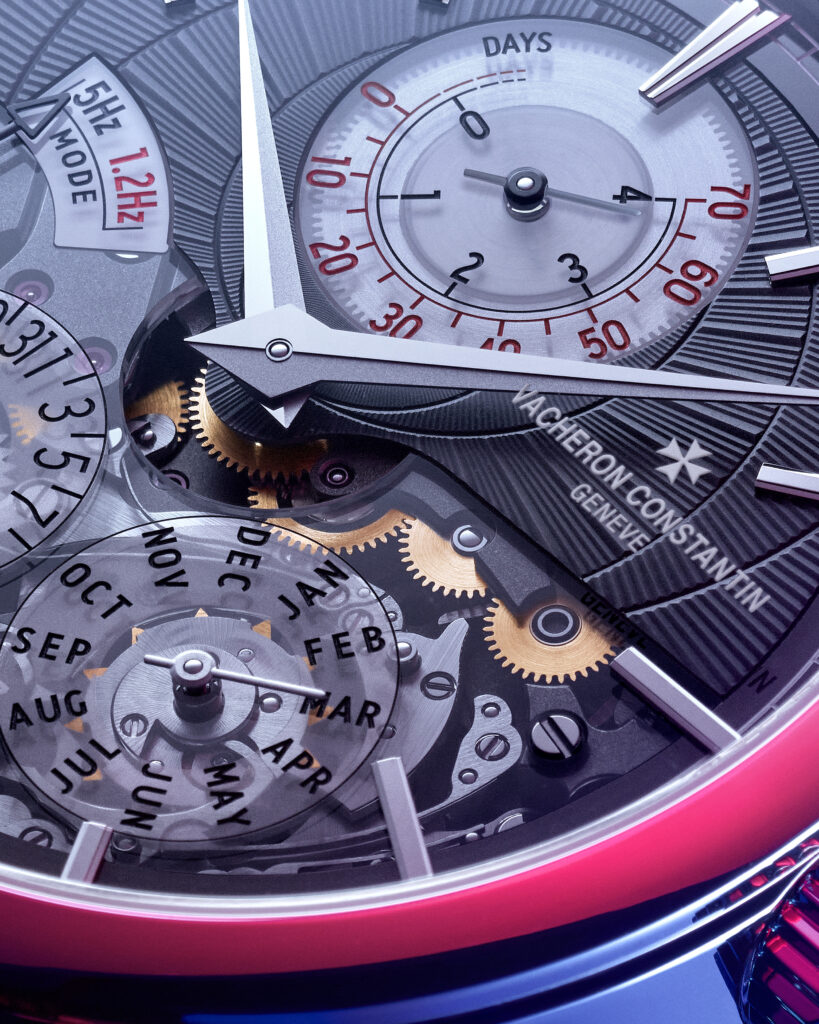
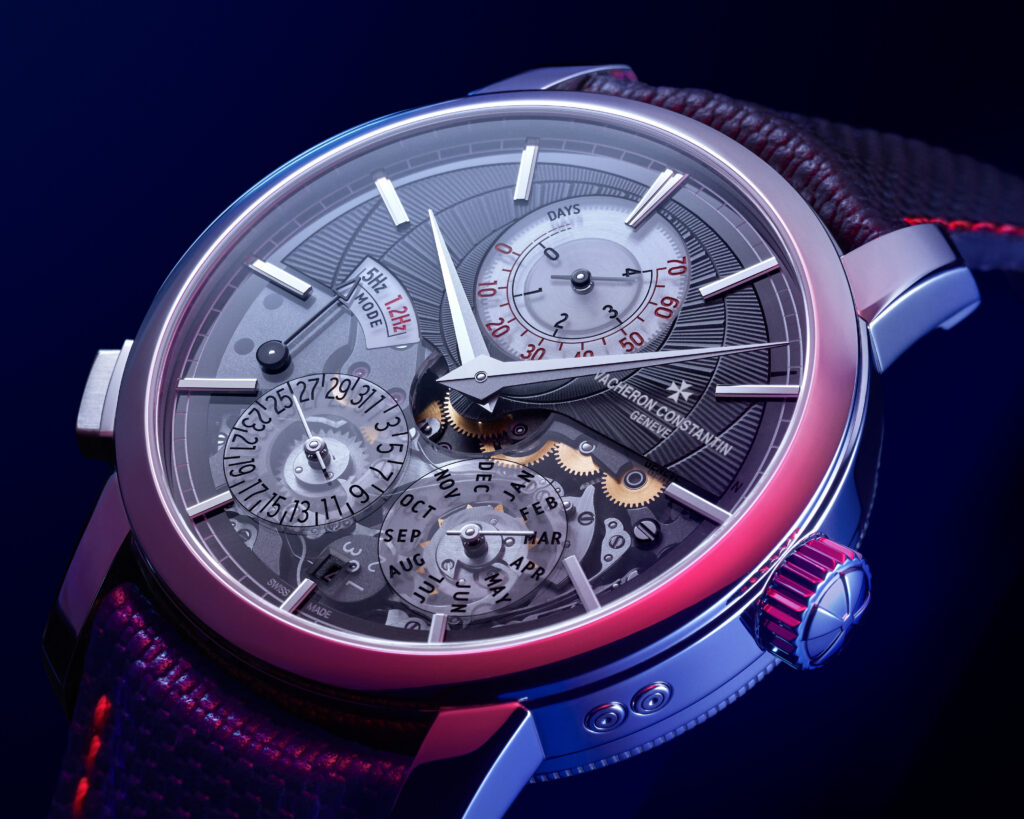
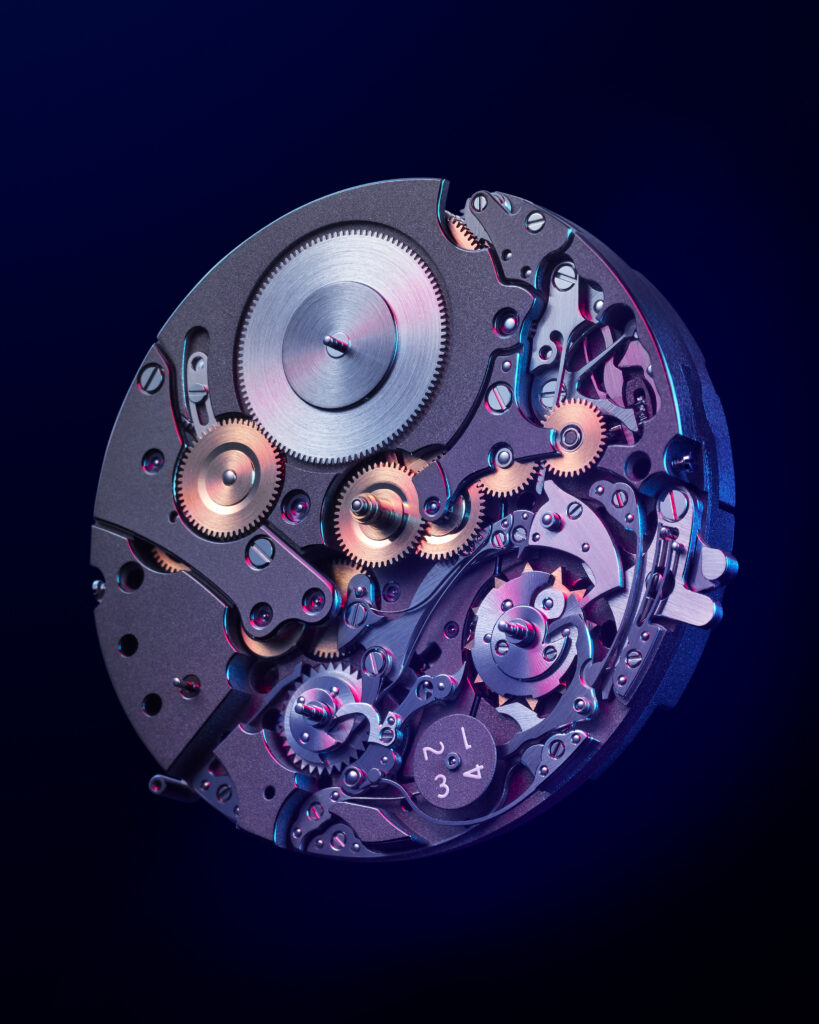
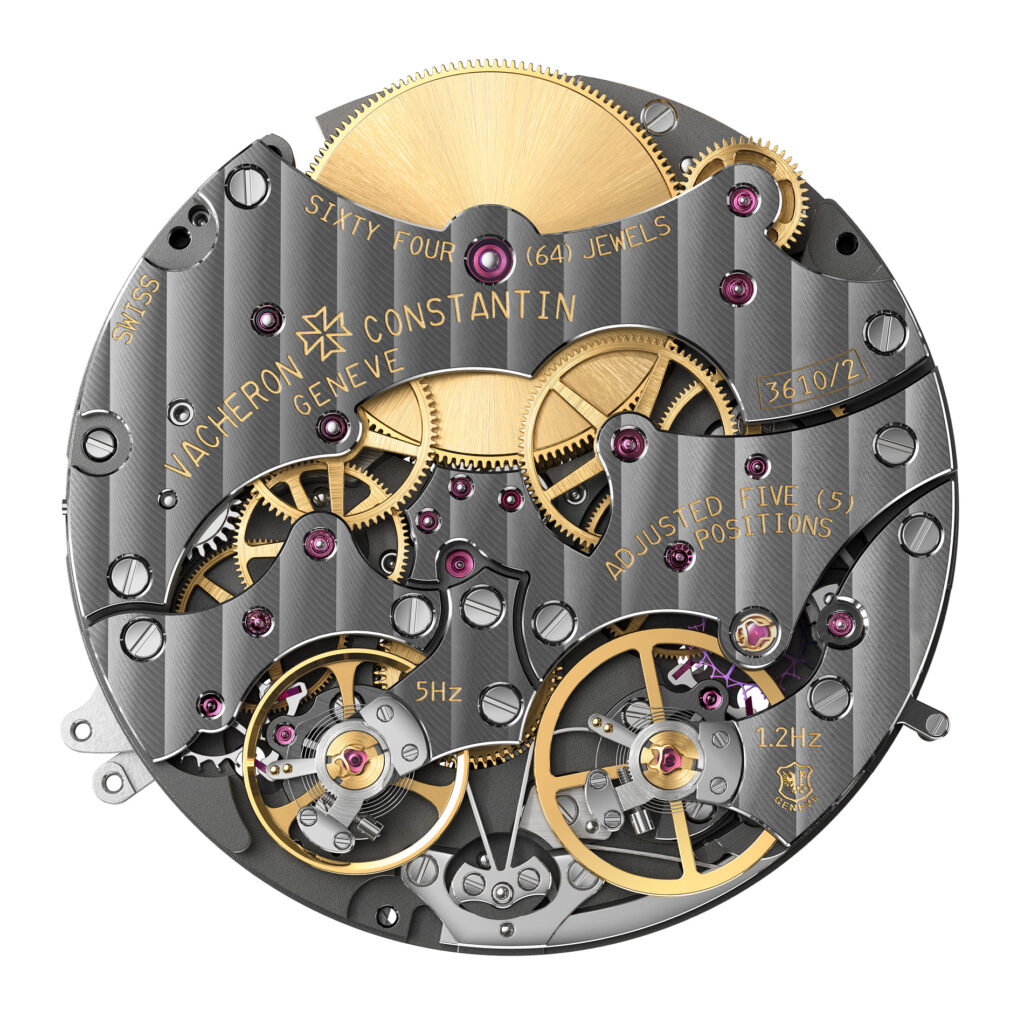
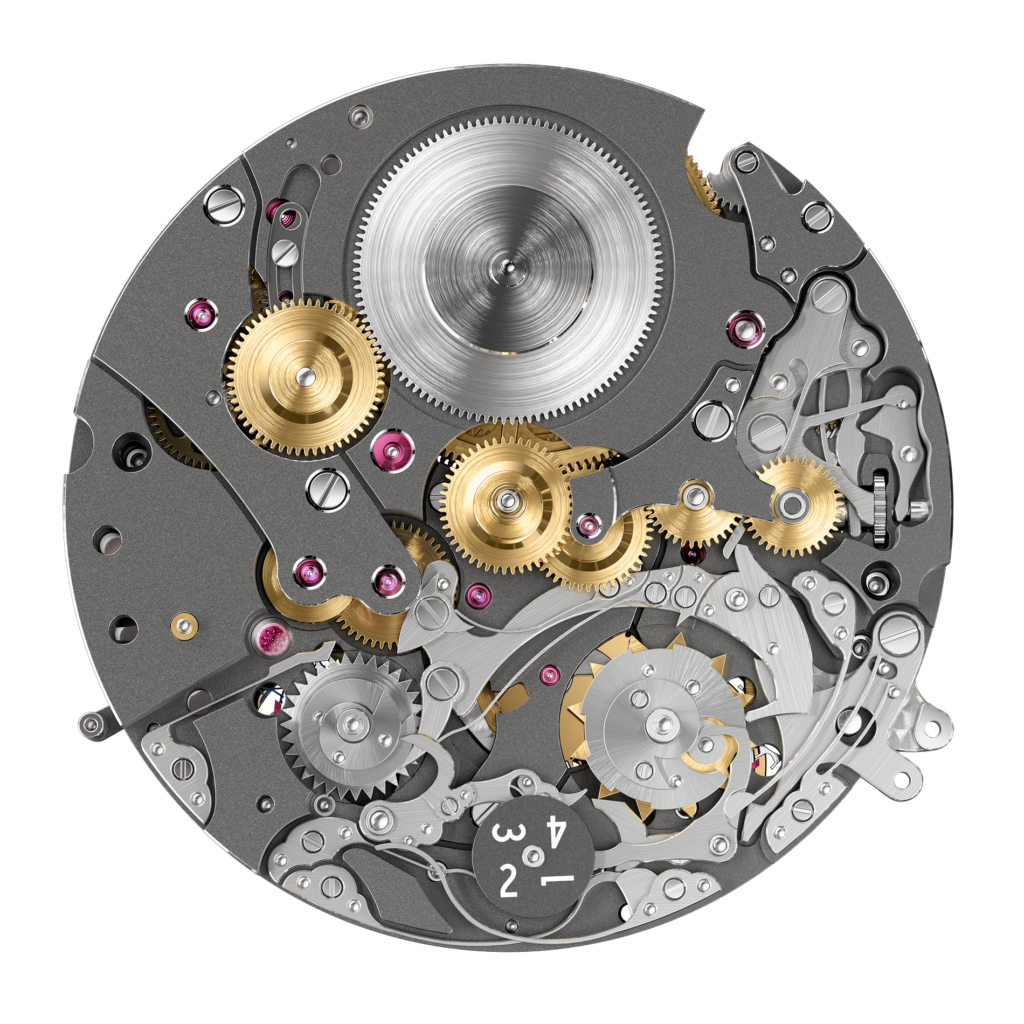
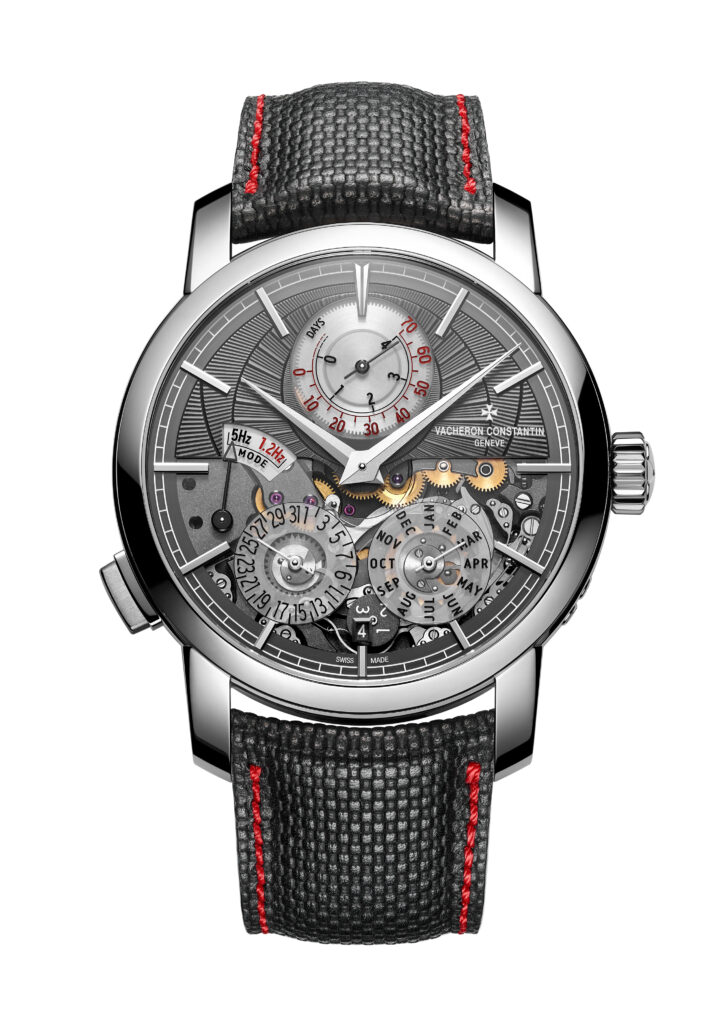
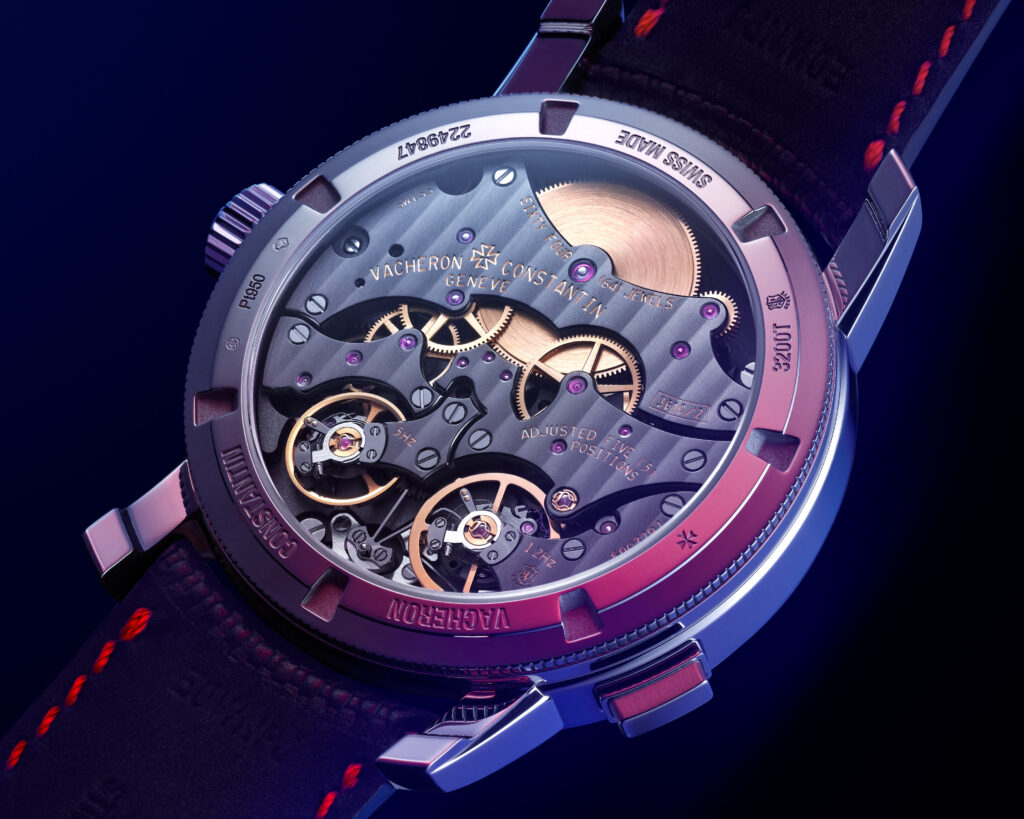
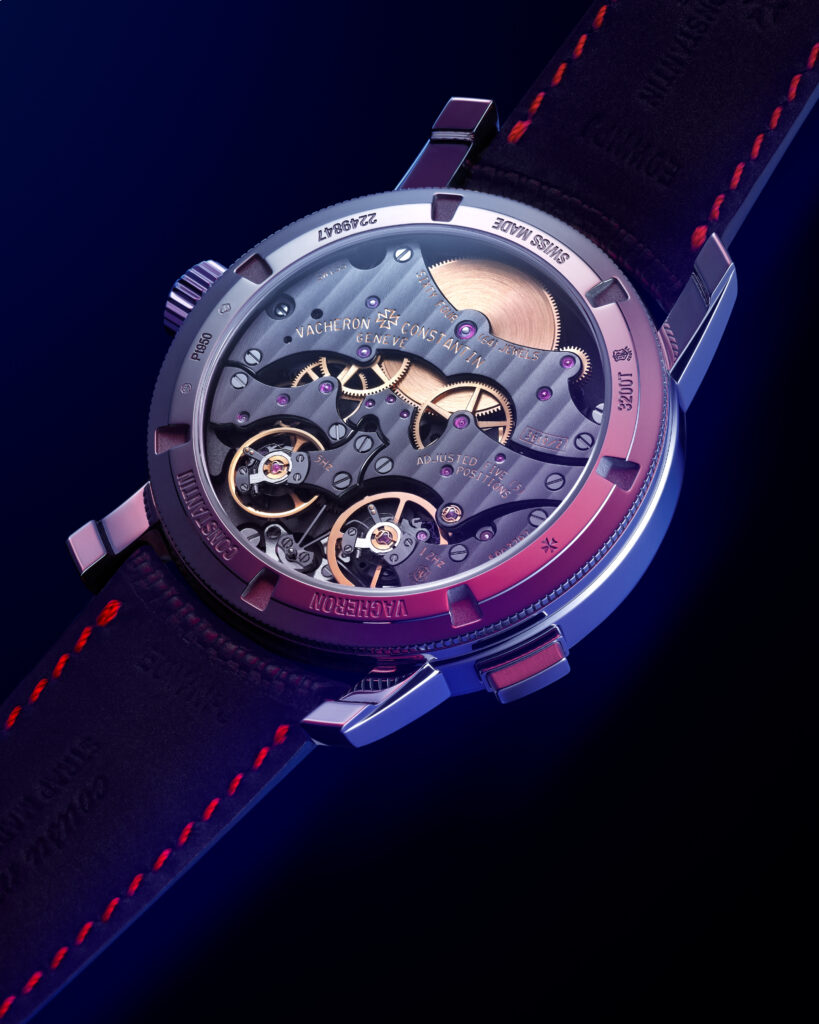
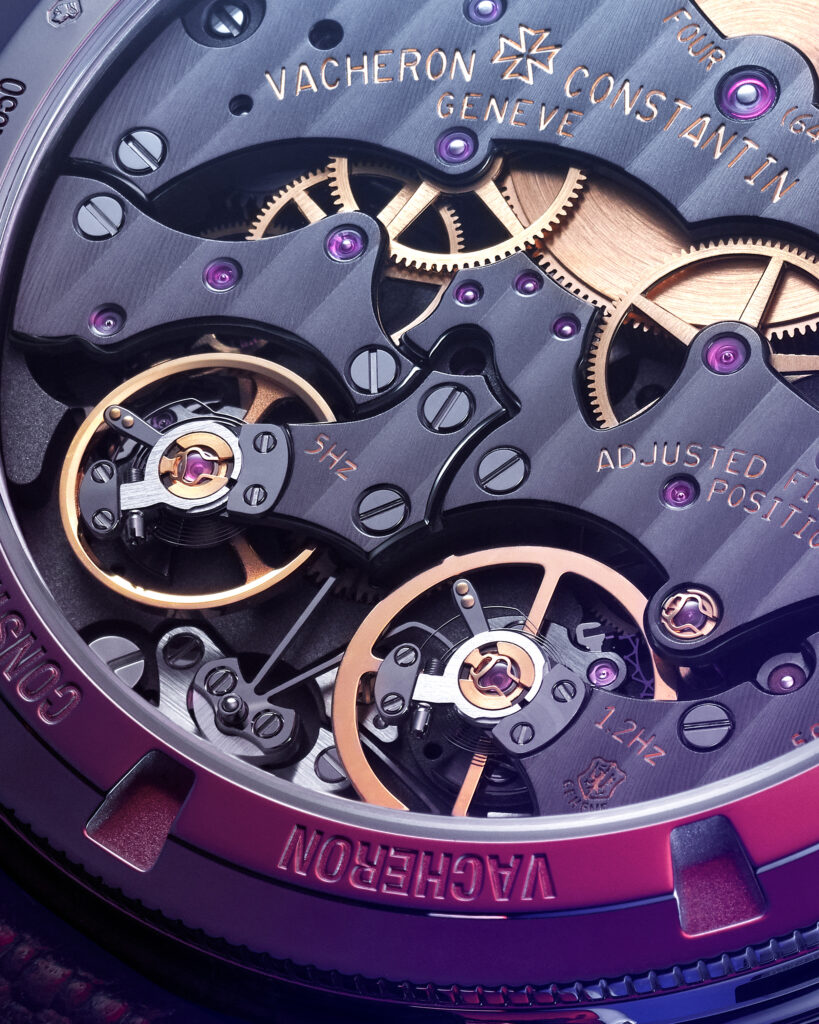
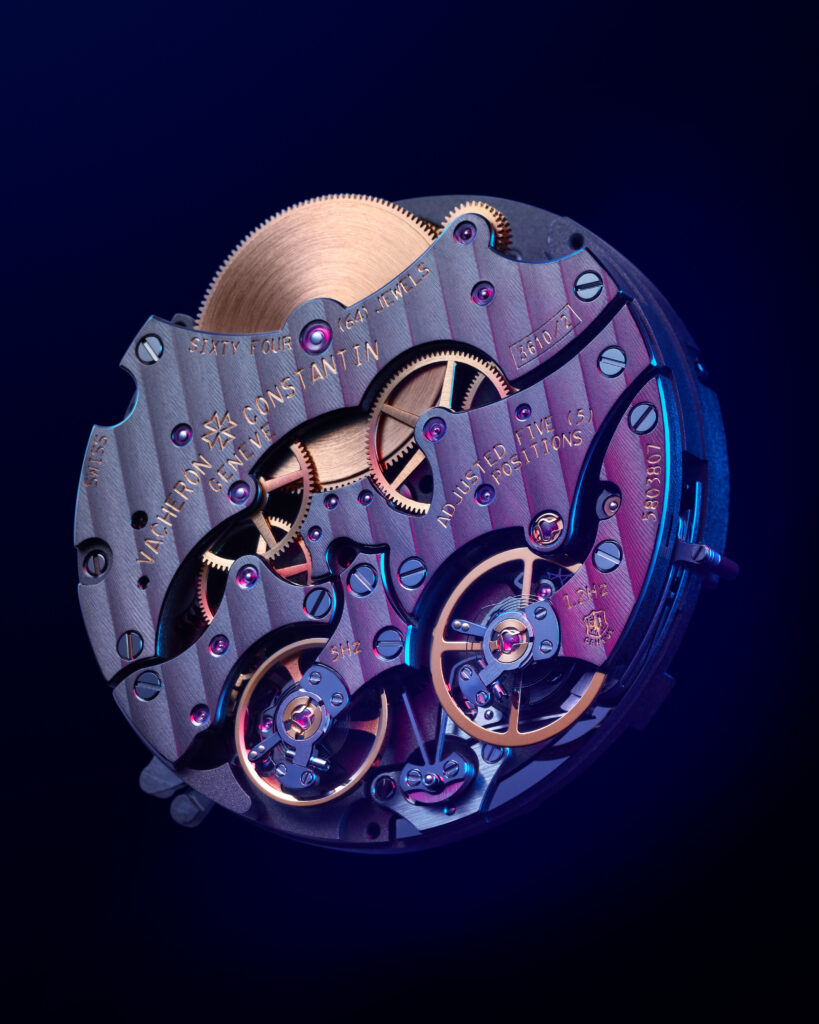
The Twin Beat principle, introduced in 2019, remains one of the most radically intelligent propositions in contemporary watchmaking. Calibre 3610 QP/2 oscillates at 5 Hz when the watch is worn on the wrist — high frequency, maximum precision. Set down in its case, it silently shifts to a frequency of 1.2 Hz, conserving energy and extending the power reserve to seventy days. Seventy days during which the perpetual calendar continues its invisible computation of days, months, leap years and centuries to come.
What the press release does not say — yet this logic reveals — is that Vacheron Constantin is here reinventing the relationship between object and owner. A traditional mechanical watch imposes a ritual: it is wound, it is worn, it lives off the warmth of the wrist. To stop wearing it is to stop it, to unsettle the perpetual calendar, to lose the date. The Twin Beat, for its part, grants you the right to infidelity. You may forget it for two months in a safe, and find it again at the exact hour, on the right day, in the correct year. It will have waited for you.
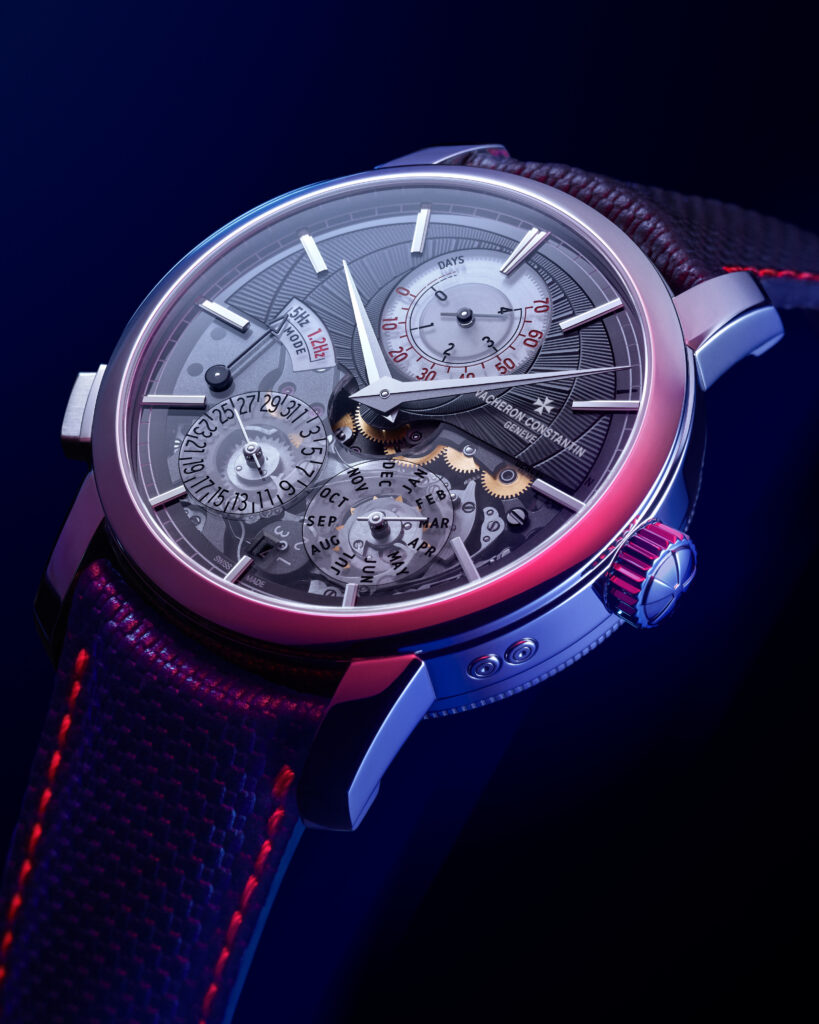
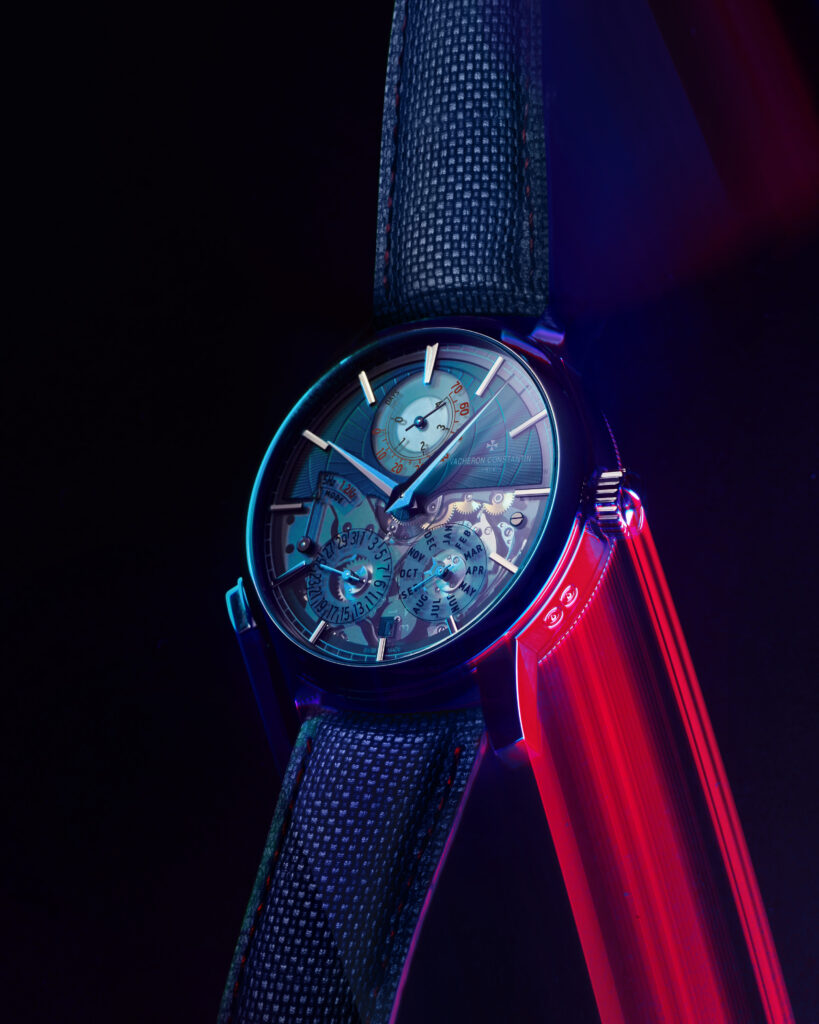
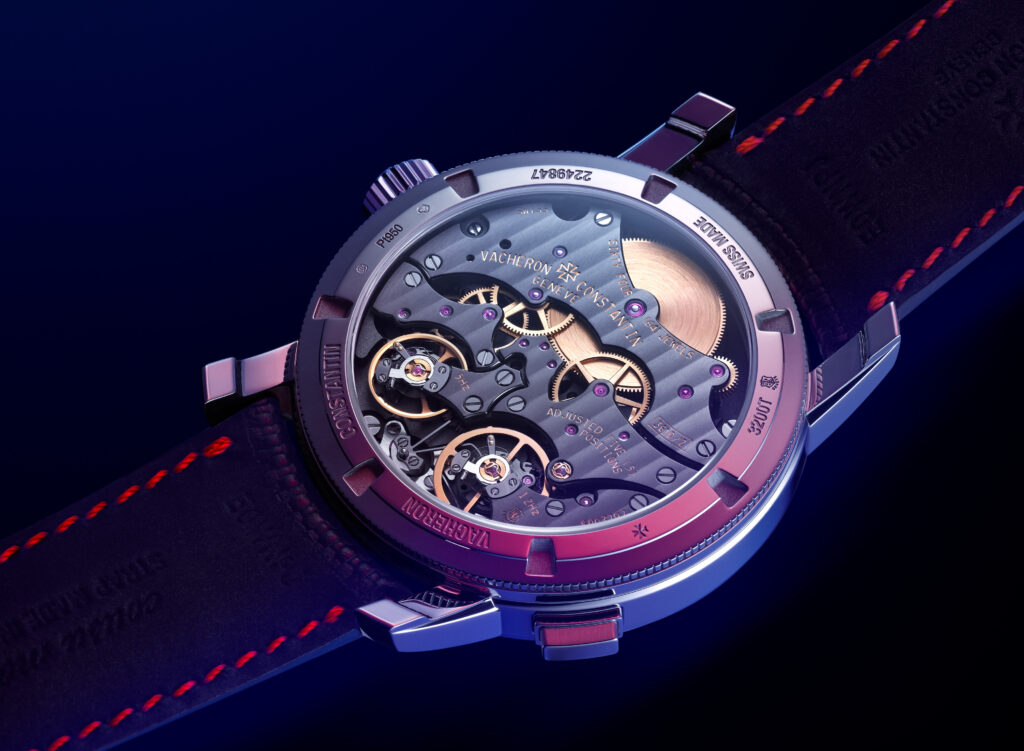
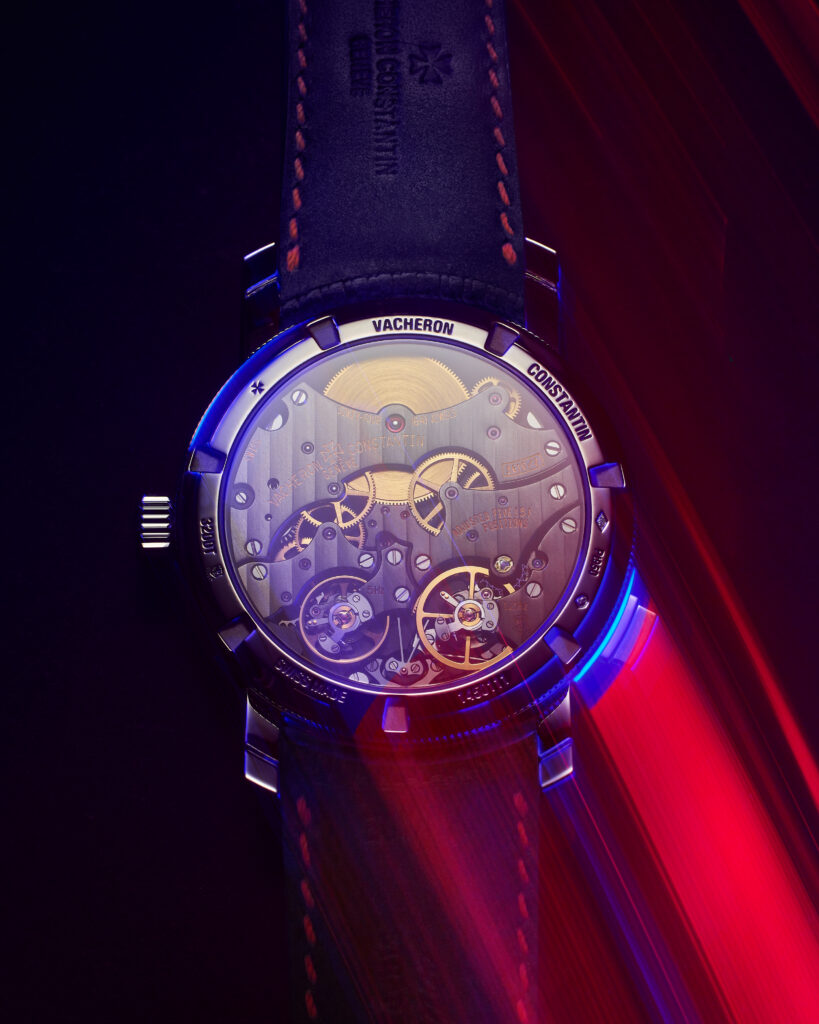
This second edition refines the concept’s aesthetic expression. The 42mm case in 950 platinum retains the proportions of the Traditionnelle line, but the contemporary skeleton dial breaks with the gravity of the previous model: the openworked bridges reveal the mechanism with a lightness one would not expect to find in so complex a piece. Four major complications coexist — perpetual calendar, moon phases, biaxial power reserve — without ever cluttering the eye.
The power reserve, precisely. Seventy days is an almost abstract figure in mechanical watchmaking, where ten days already constitutes a feat. Here, it is less a feat of complication than a philosophy of ownership: the watch is meant for those who own several, who travel, who alternate, who do not always wear the same one. It promises them that it will always be there, at the correct hour, even when left behind. A pact of fidelity that tolerates absence.
Vacheron Constantin, founded in 1755, is the oldest watchmaking manufacture in uninterrupted activity. That imposes a certain responsibility toward the very idea of heritage. The Twin Beat Quantième Perpétuel, with its two-month autonomy, reimagines that legacy: a watch that will cross the decades without ever stopping, that will know tomorrow’s calendar as precisely as it knows today’s. Until at least 2100, the date on which the Gregorian exception will need to be corrected by hand. A poetic reversal: it is the machine that patiently waits for man to deign to correct it.
There is, in this piece, something that grand luxury watchmaking rarely manages to express with such elegance: an awareness of long time. Not the time of the watch worn, but the time of the watch kept, passed down, rediscovered. The Twin Beat beats at two speeds because time itself does not flow at the same pace everywhere.
Cette publication est également disponible en :


