
TAG Heuer’s return to eyewear becomes interesting once it stops reproducing the visible signs of motor racing and instead borrows its logics of adjustment. Japanese titanium, bio-nylon, interchangeable nose pads and adjustable temples: the object is built here as a worn instrument.
In TAG Heuer’s new eyewear line, the most defensible detail is not the narrative of racing’s “golden age,” already abundantly mobilized by the luxury industry. It lies in the way the Maison carries over into a frame principles familiar from watchmaking and timekeeping: assembly precision, ergonomics, adjustability, and legibility.
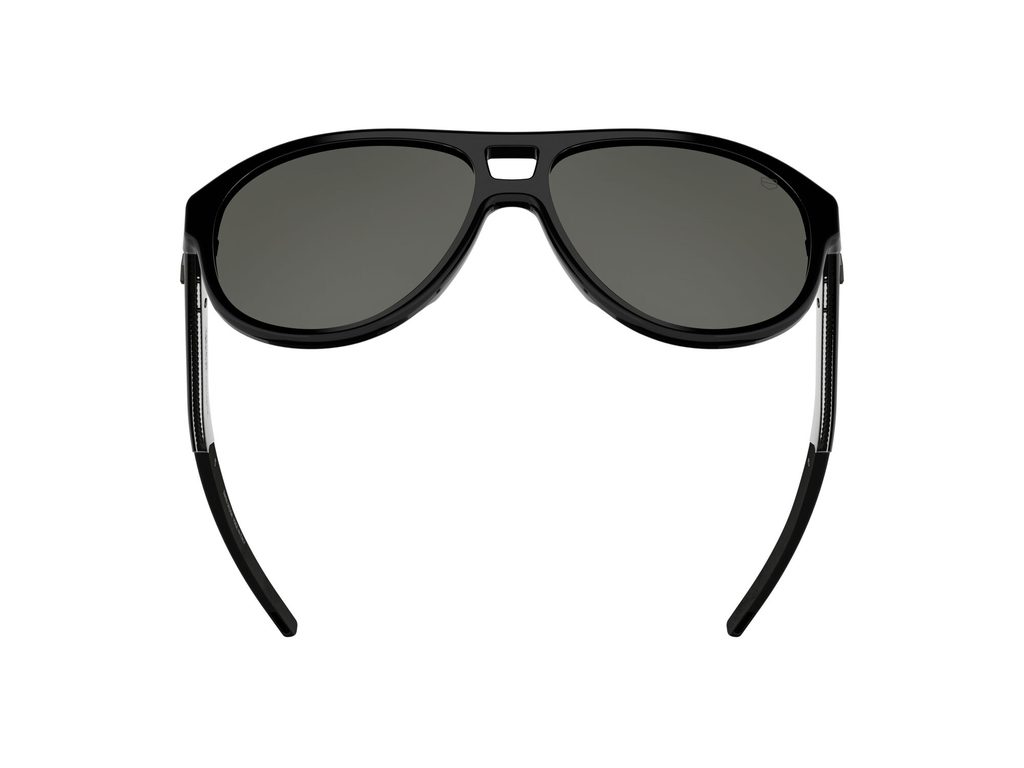
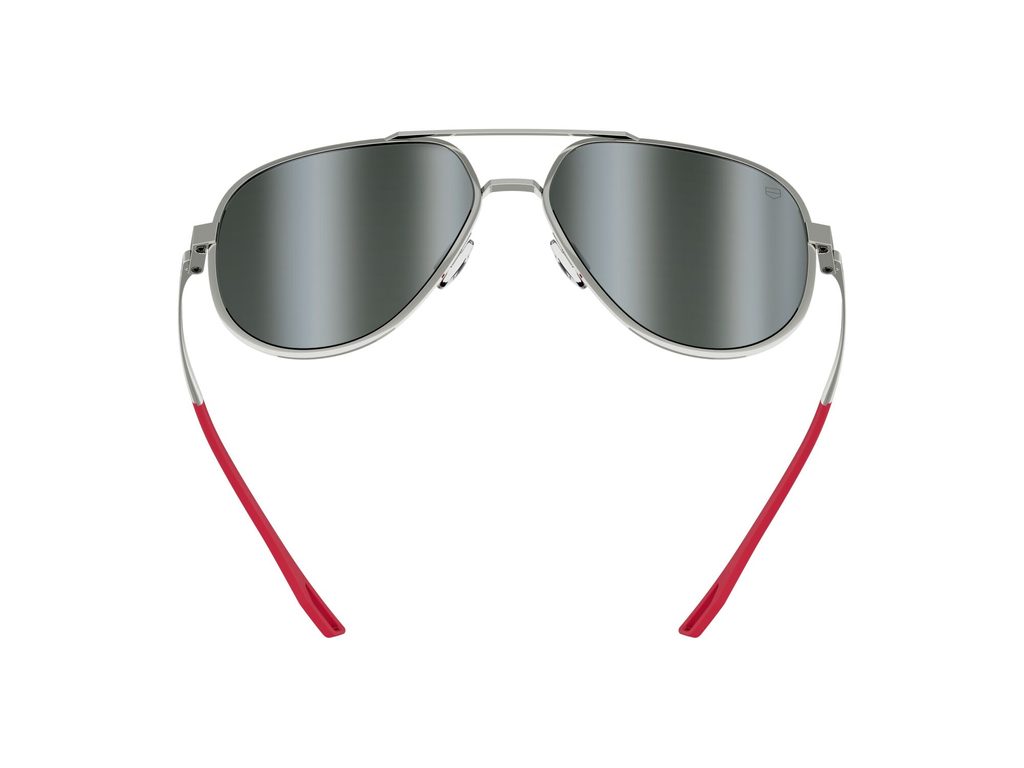
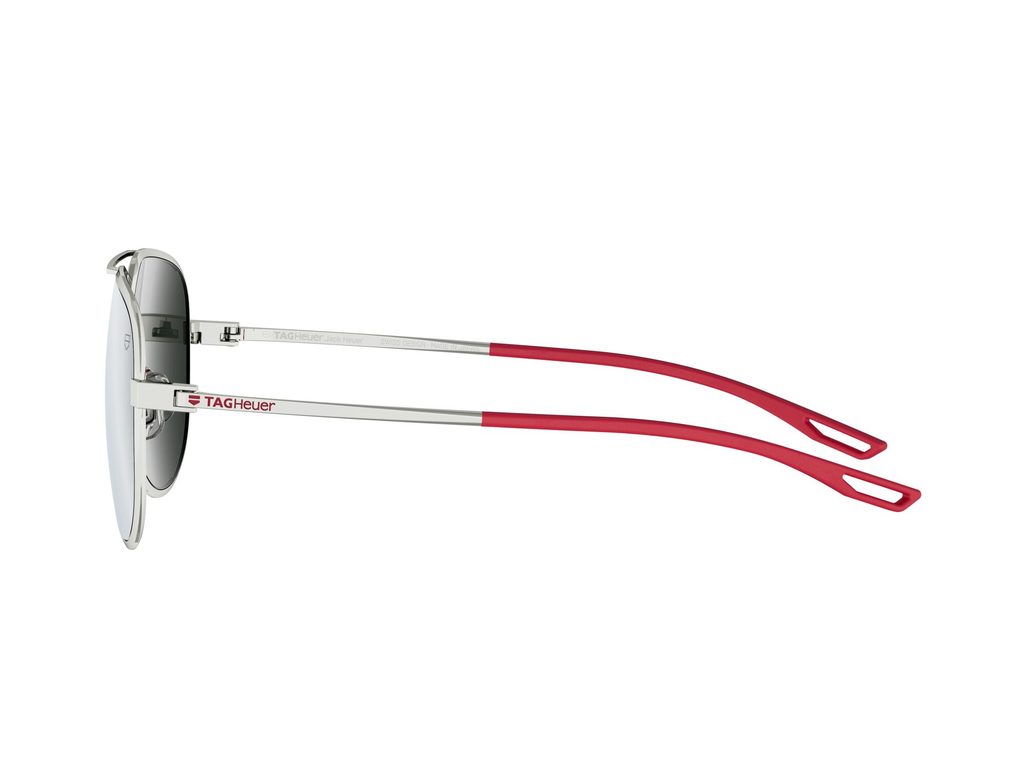
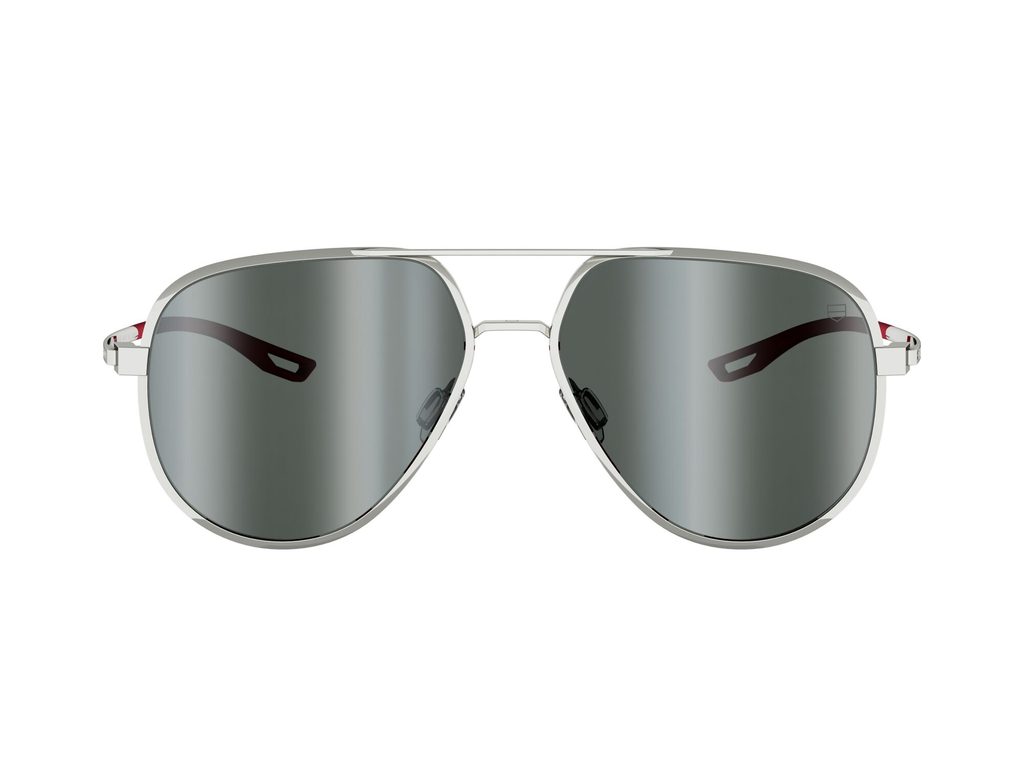
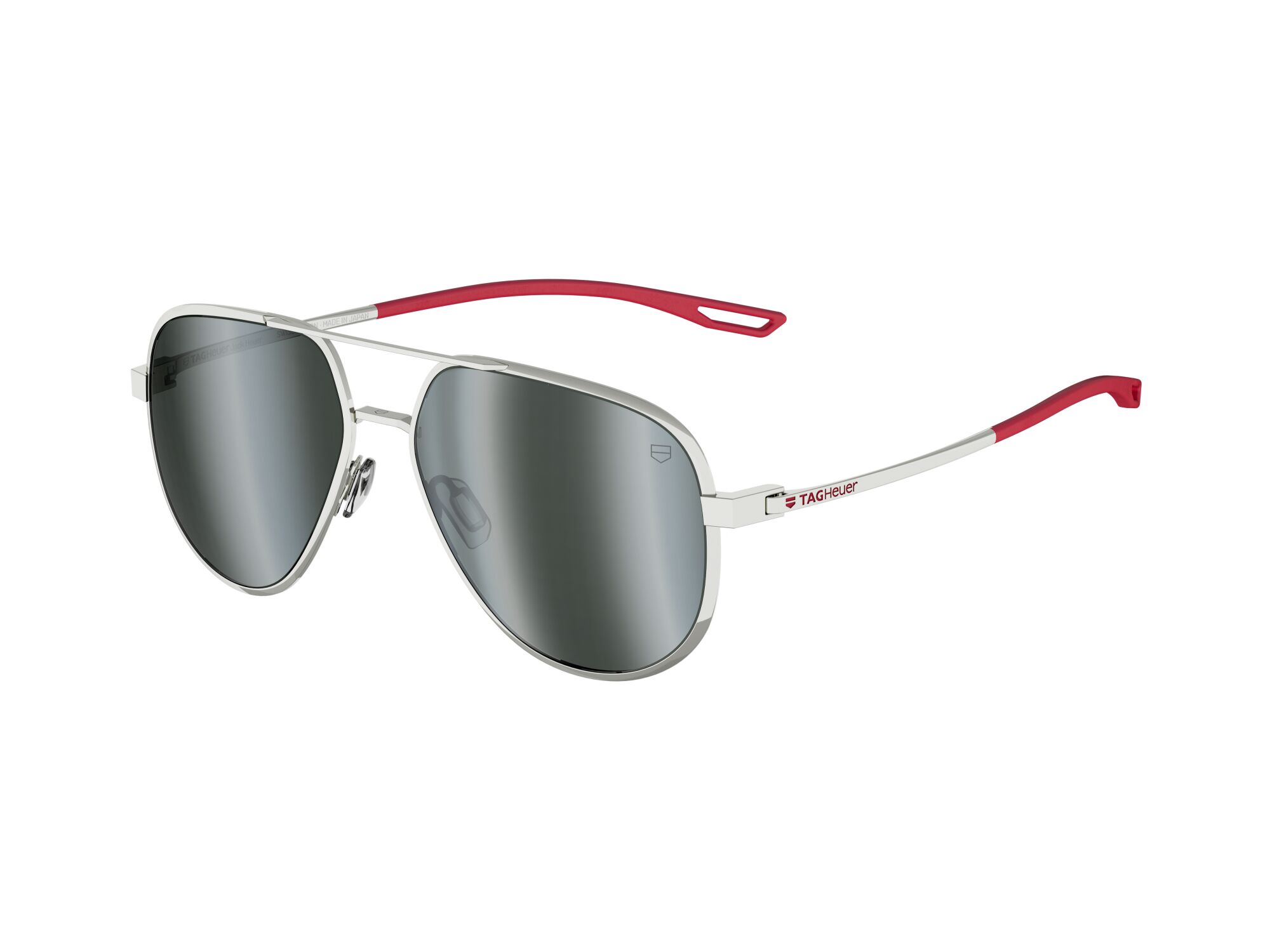
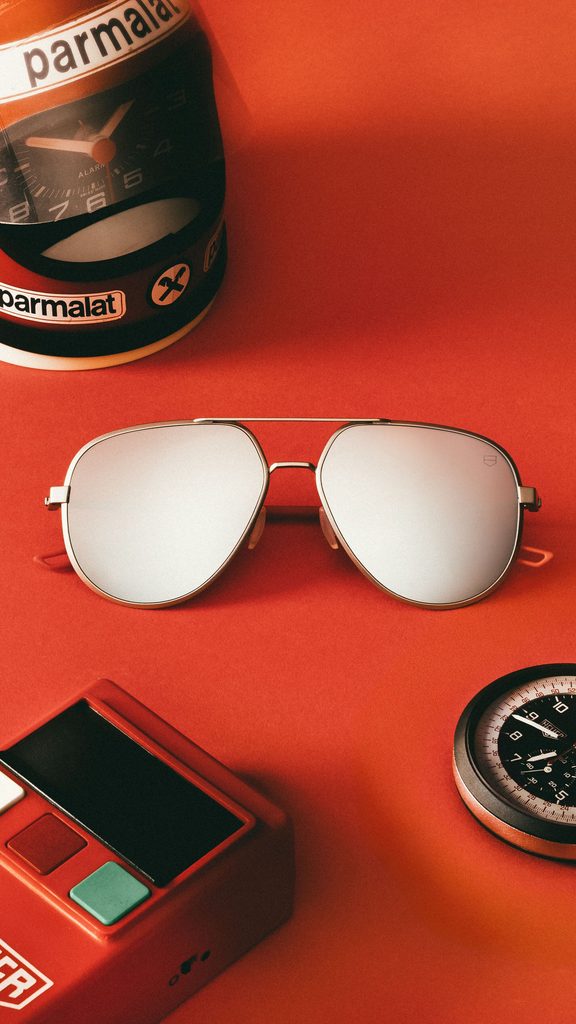
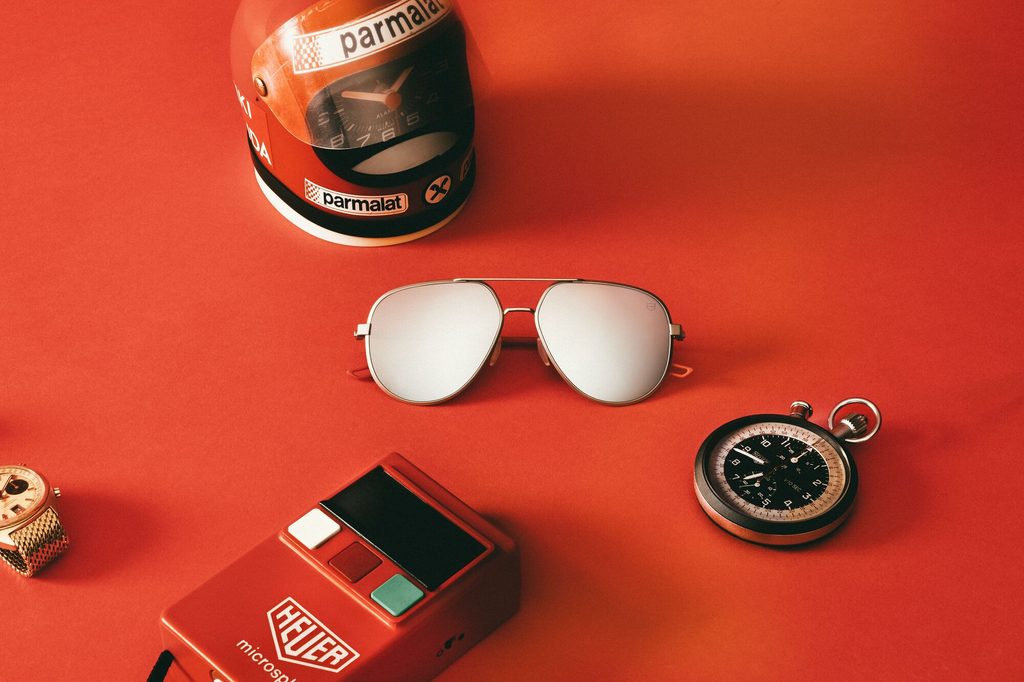
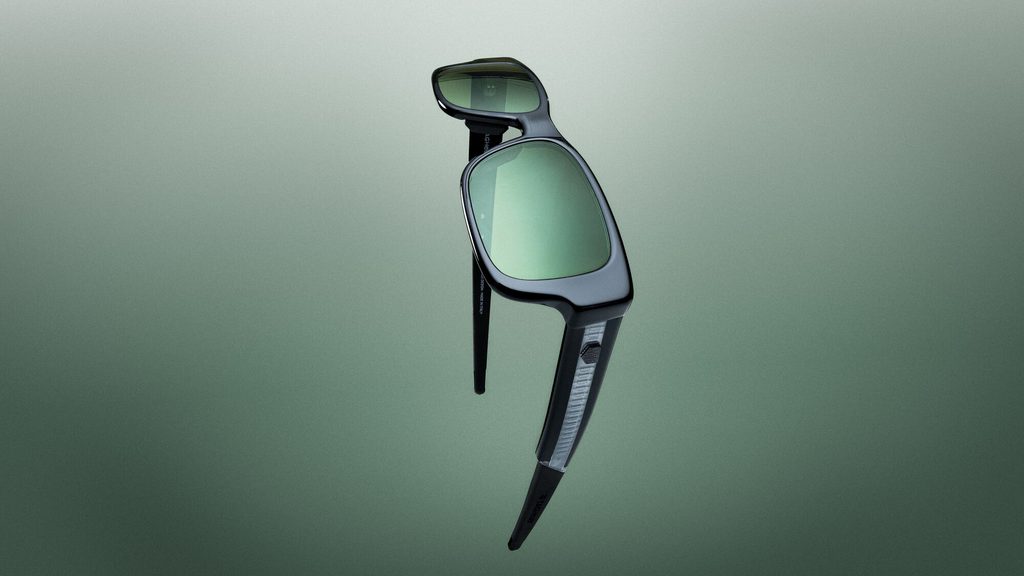
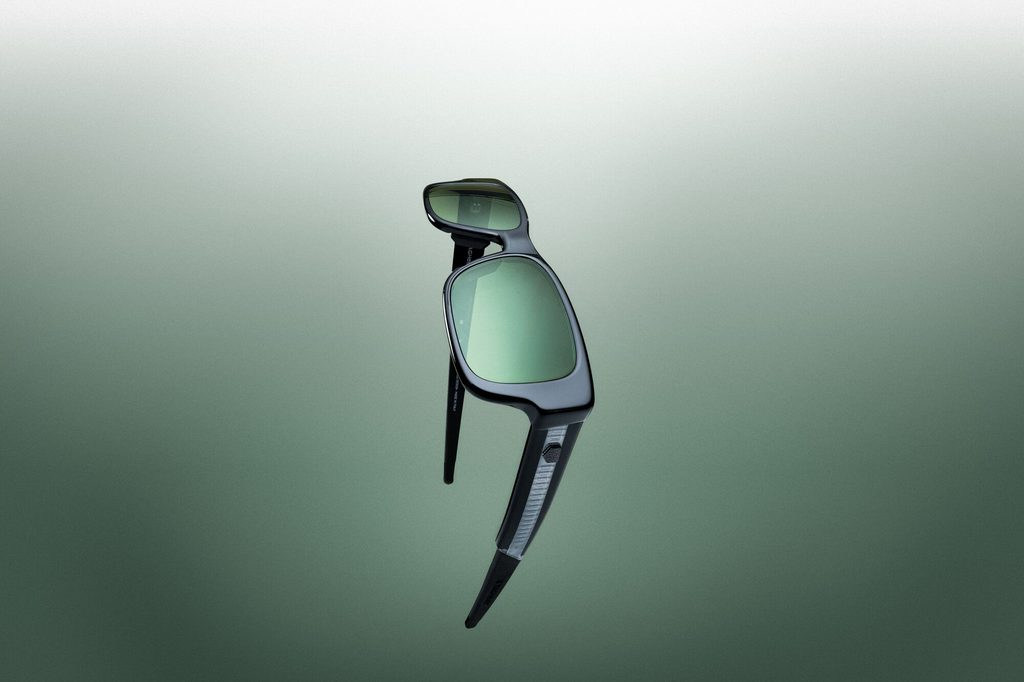
The Jack Heuer piece is designed in Japan in glossy palladium-coated titanium. The rimmed construction takes up the pilot shape, but what matters most plays out in what actually touches the face: adjustable rubberized bio-nylon nose pads, titanium temples, red bio-nylon temple tips, and ‘solid smoke’ bio-nylon lenses with a silver mirror treatment. The logo, engraved and then lacquered directly onto the frame, is more a matter of finishing than of display.
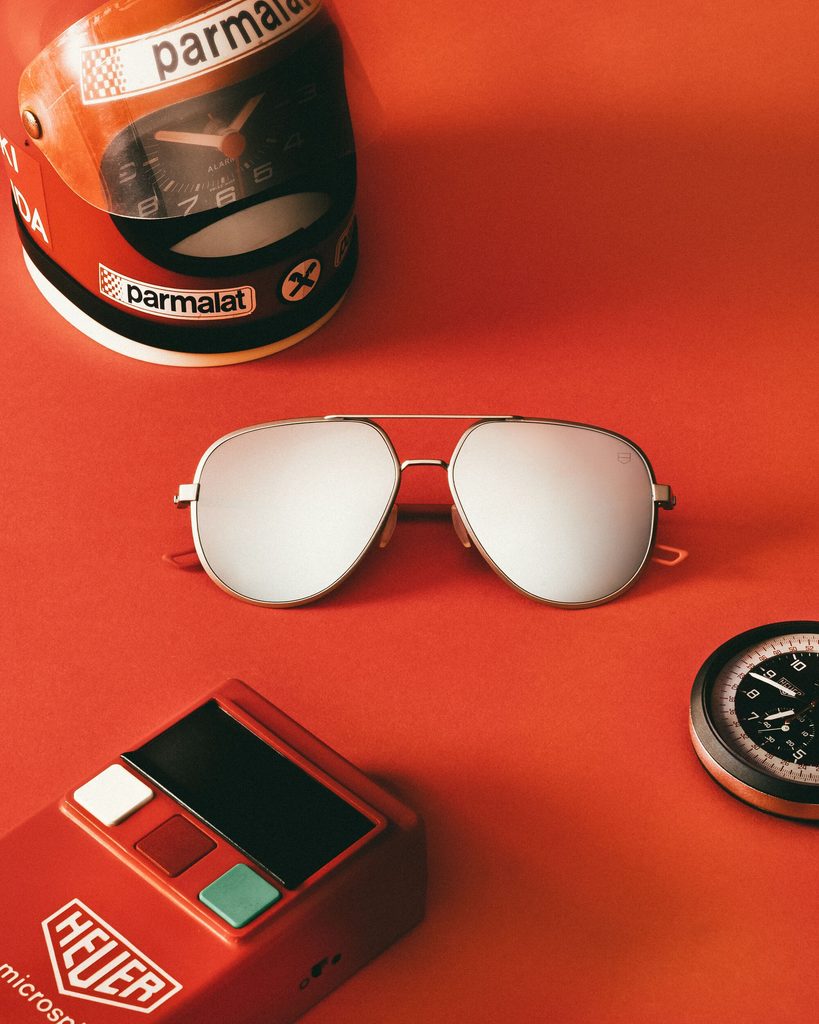
This approach is put into perspective through Jean Campiche, who joined Heuer in 1972 and was nicknamed ‘The Pianist’ in the paddocks for his speed at the Le Mans centigraph. His historical role is a reminder that, before being a territory of image, motor racing was for the Maison a discipline of measurement. This detour through timekeeping makes the collection more convincing when it speaks of precision than when it simply invokes the nostalgia of the racetrack.
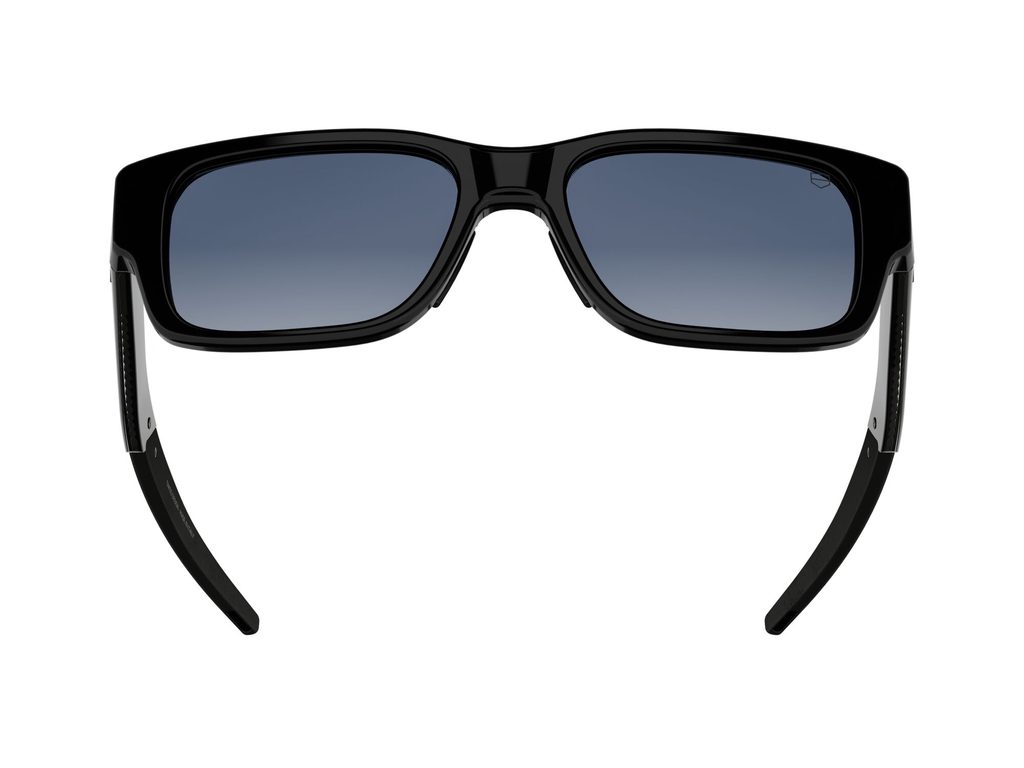
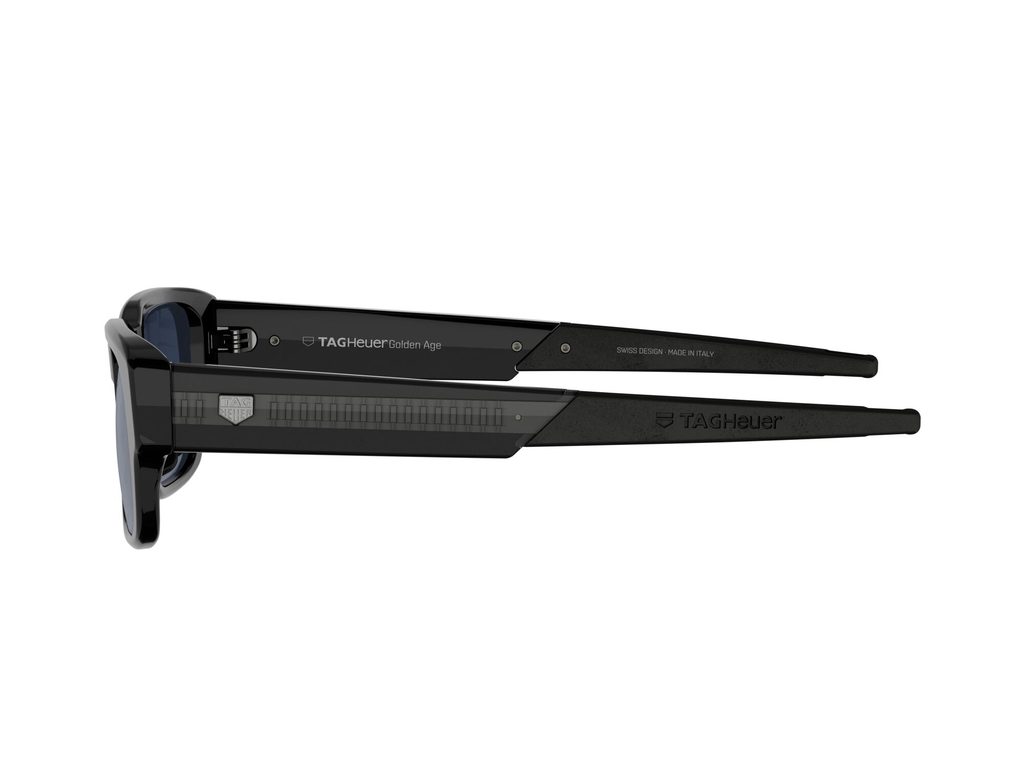
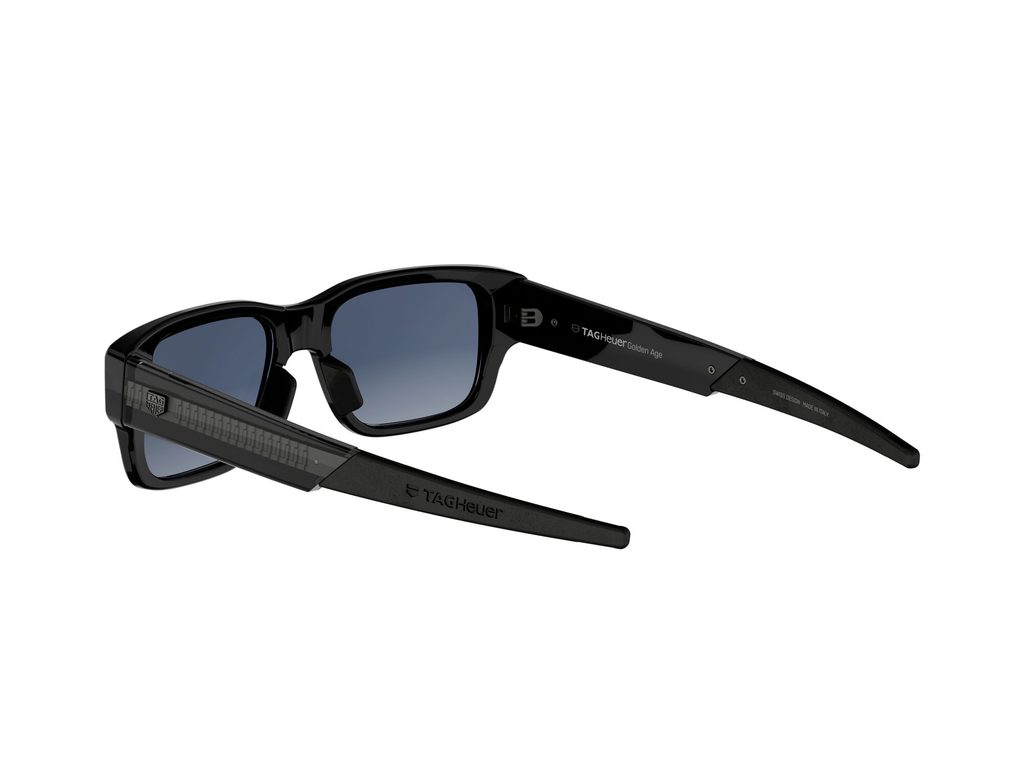
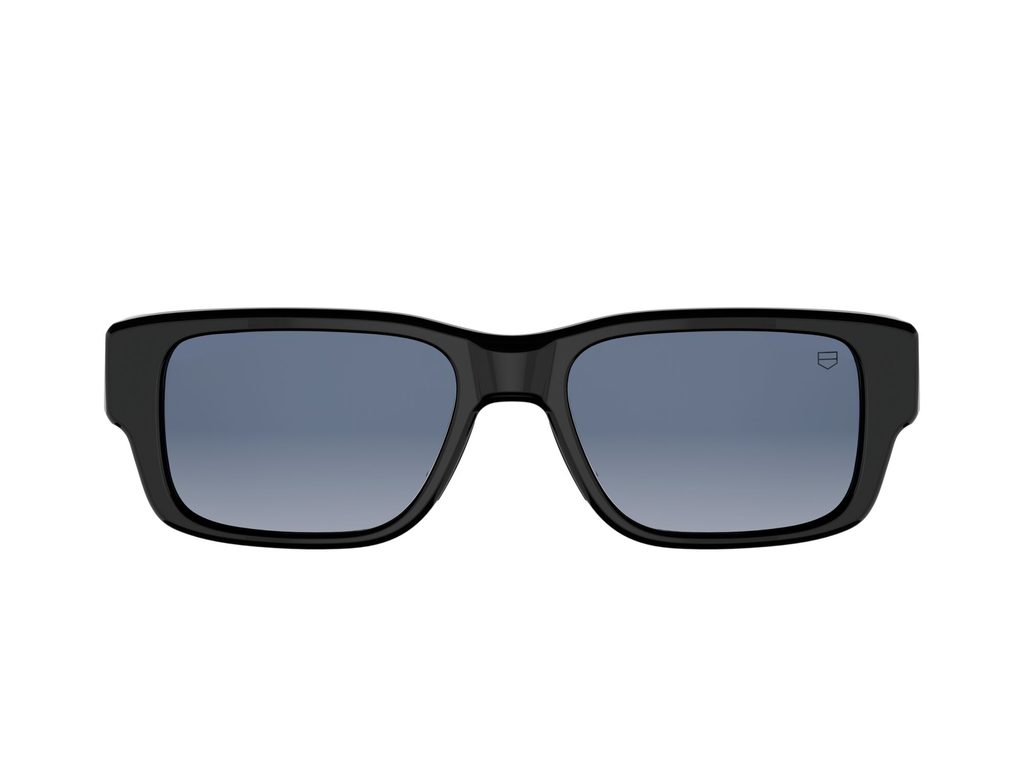
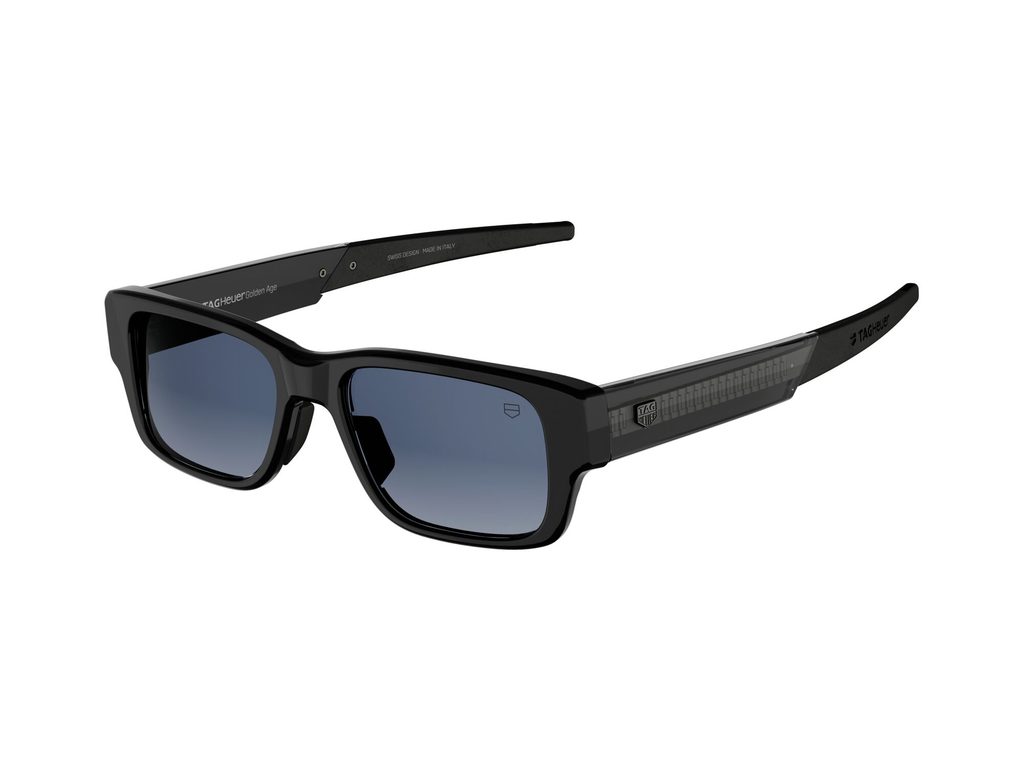
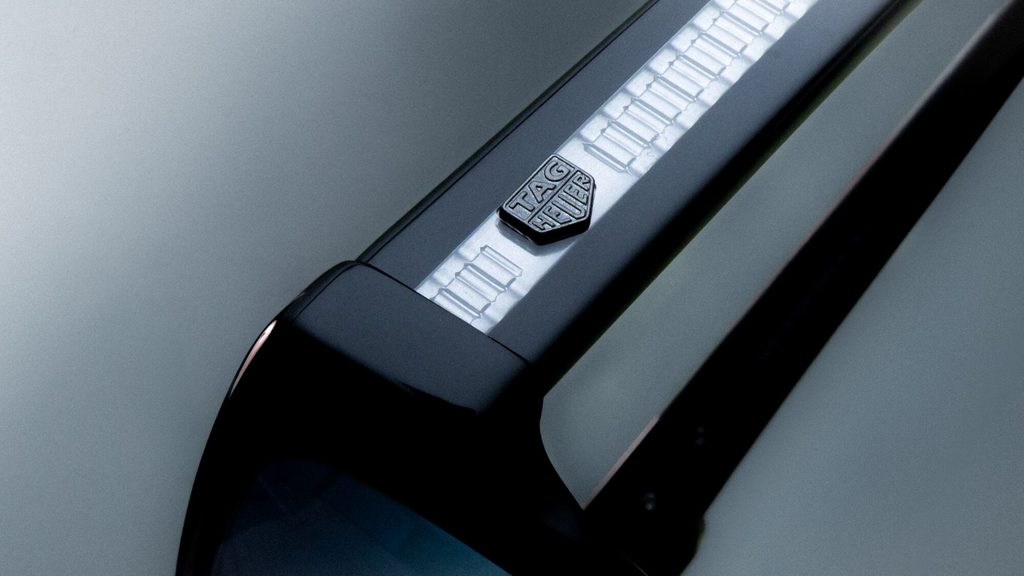
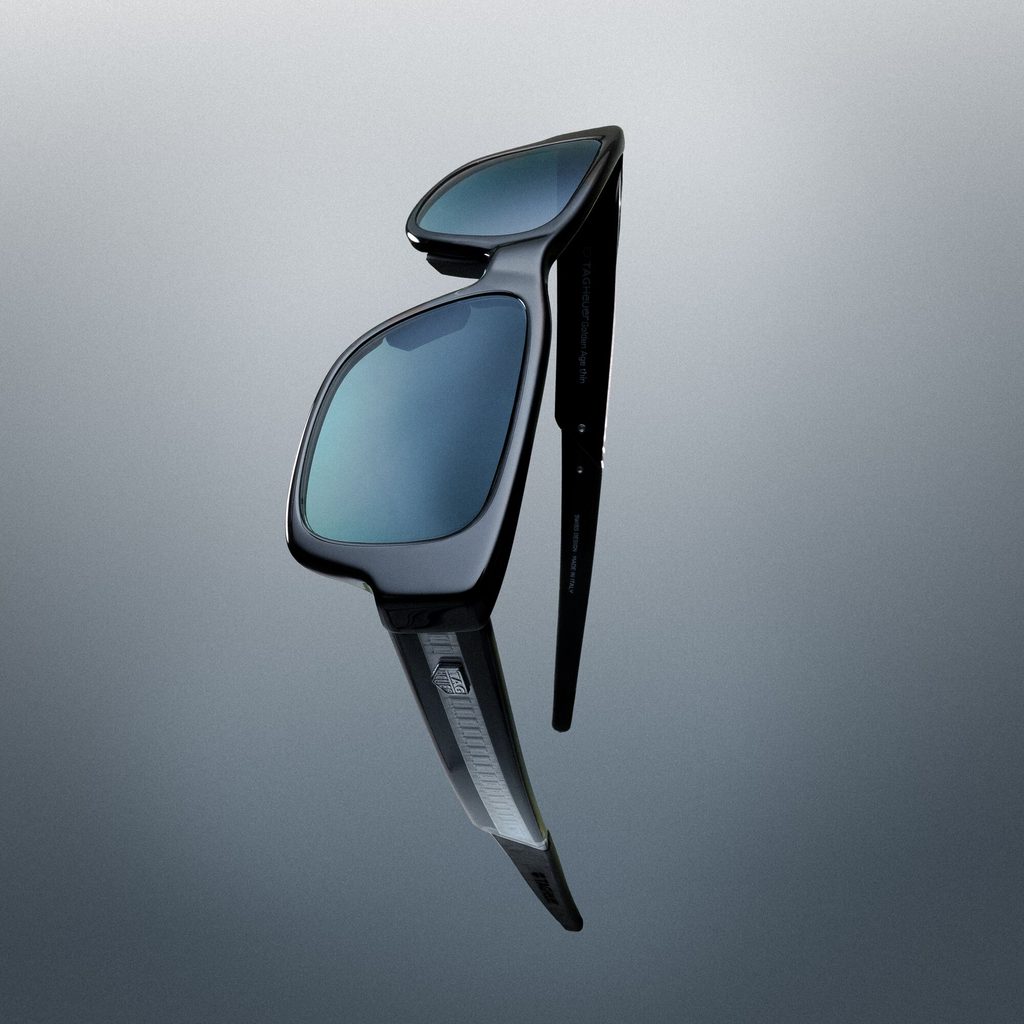
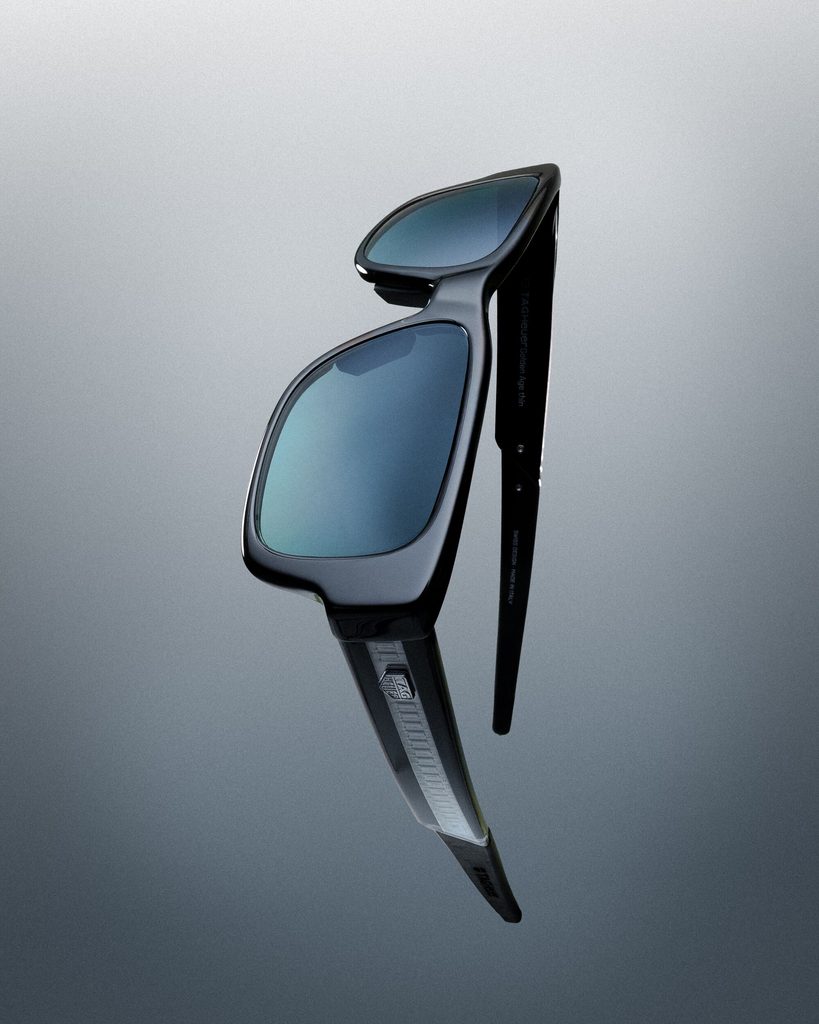
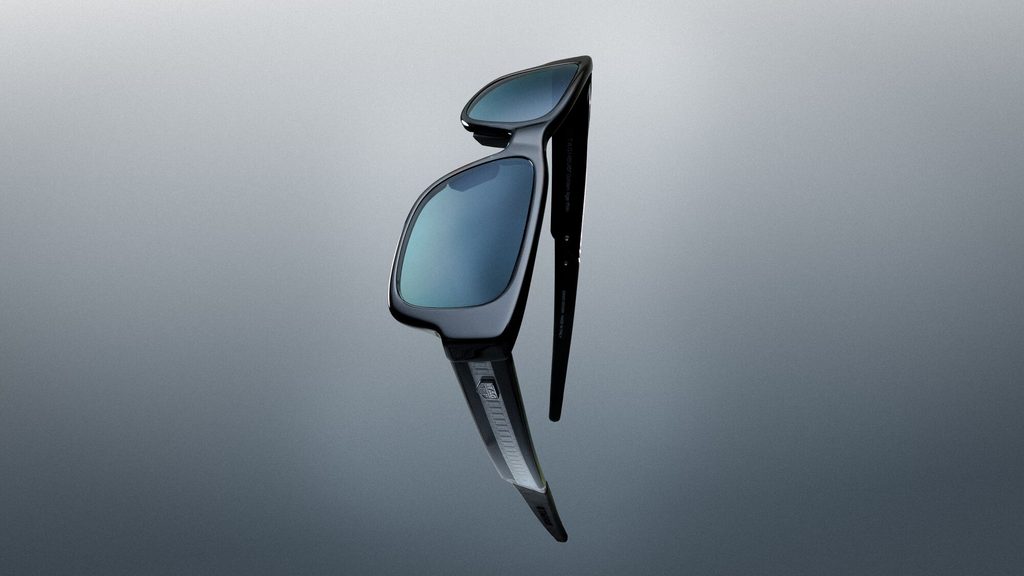
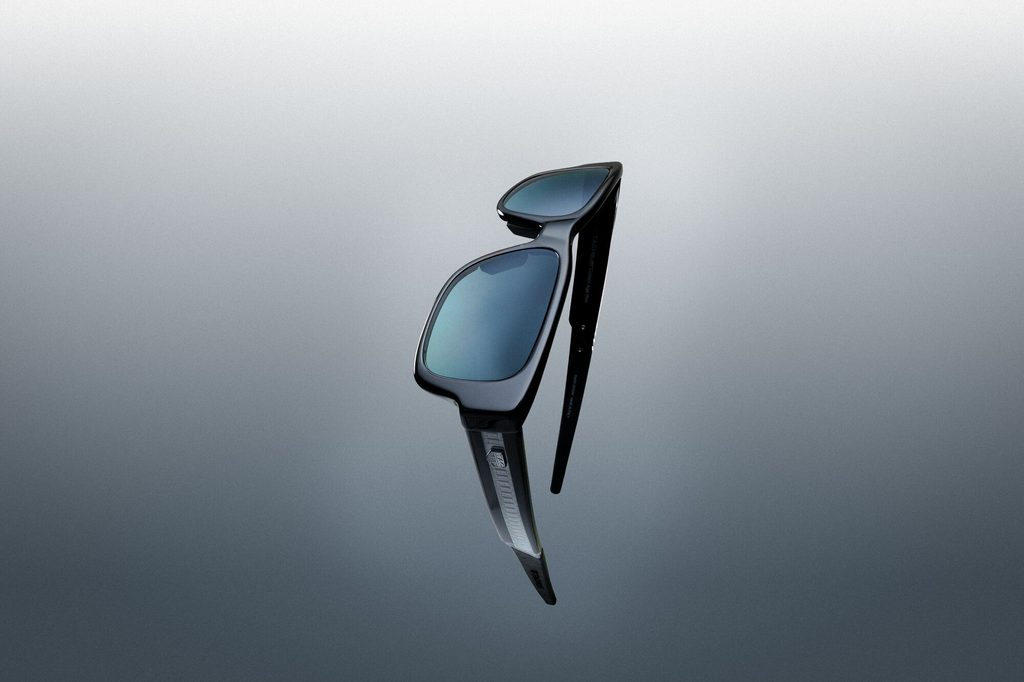
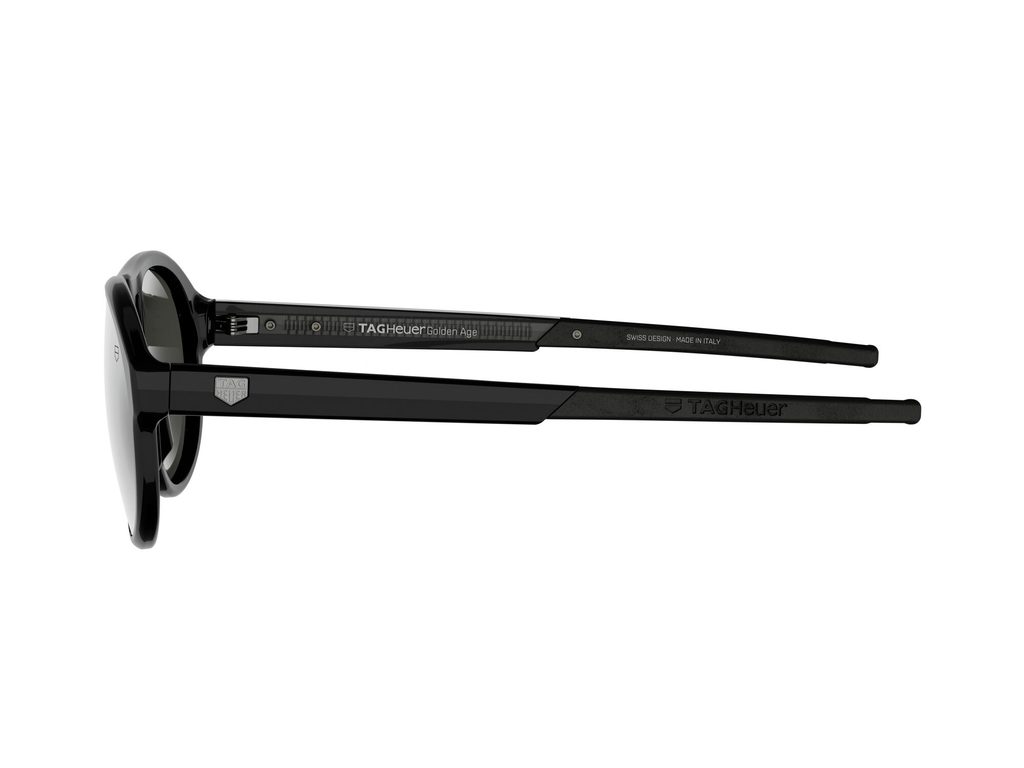
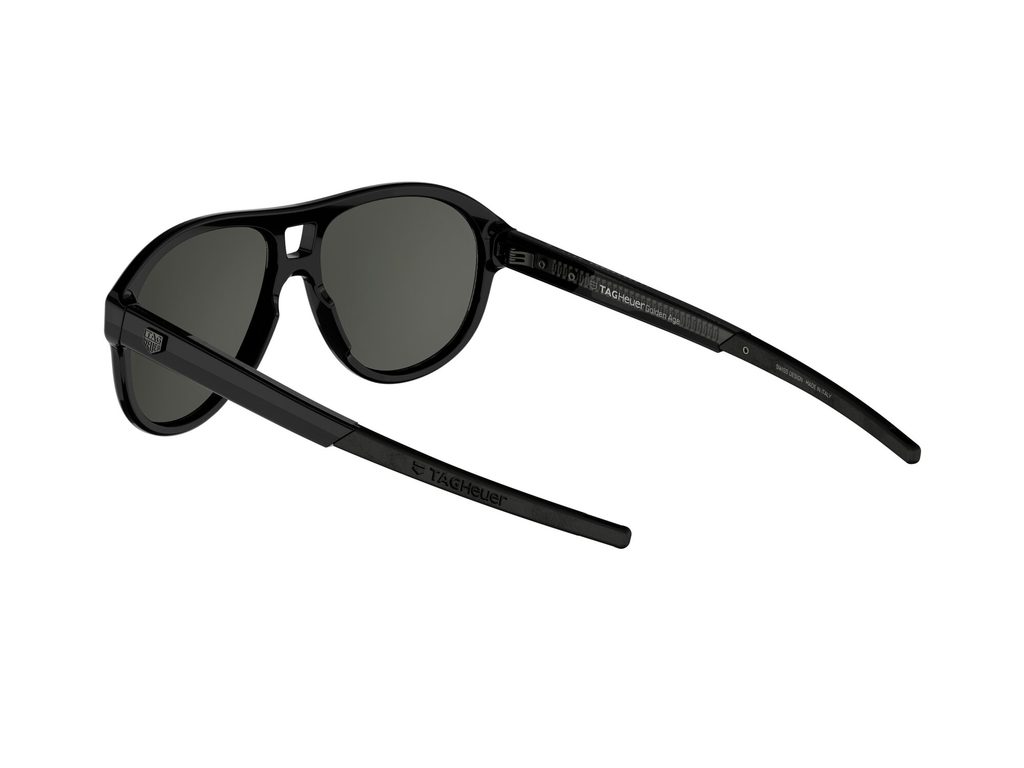
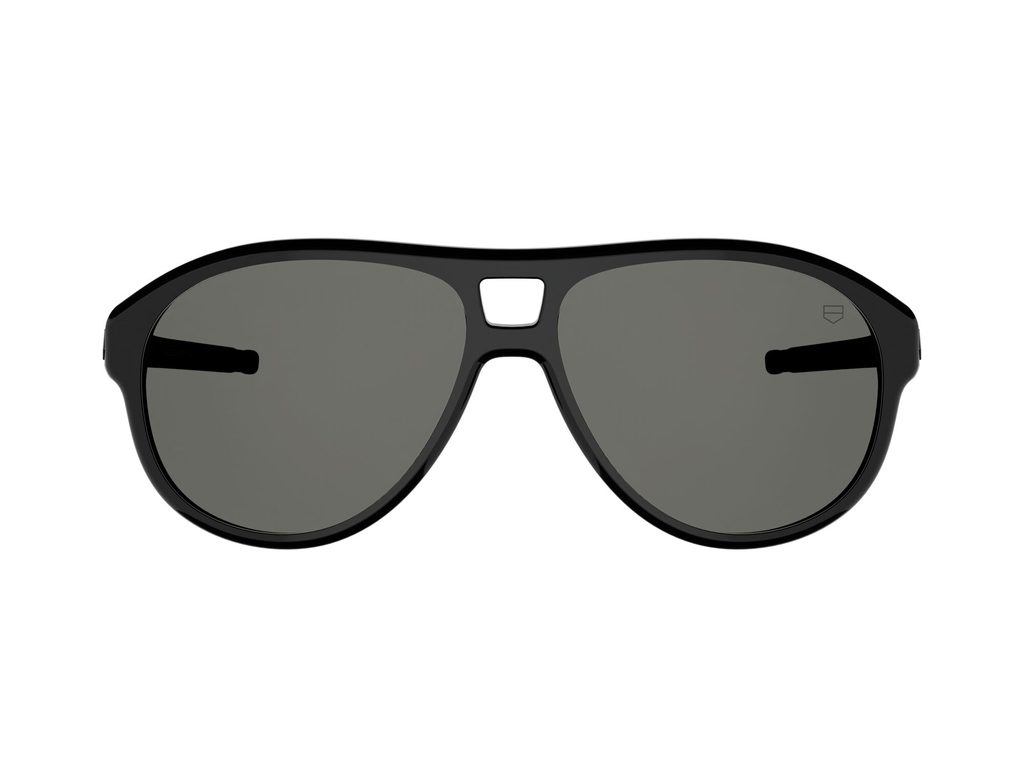
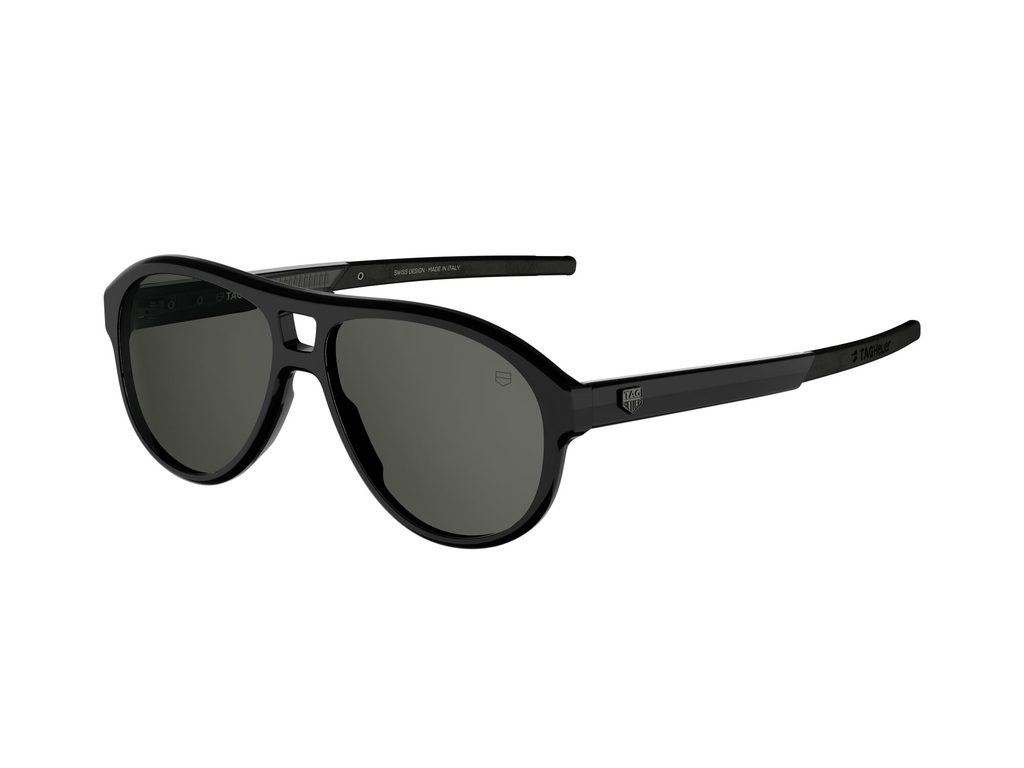
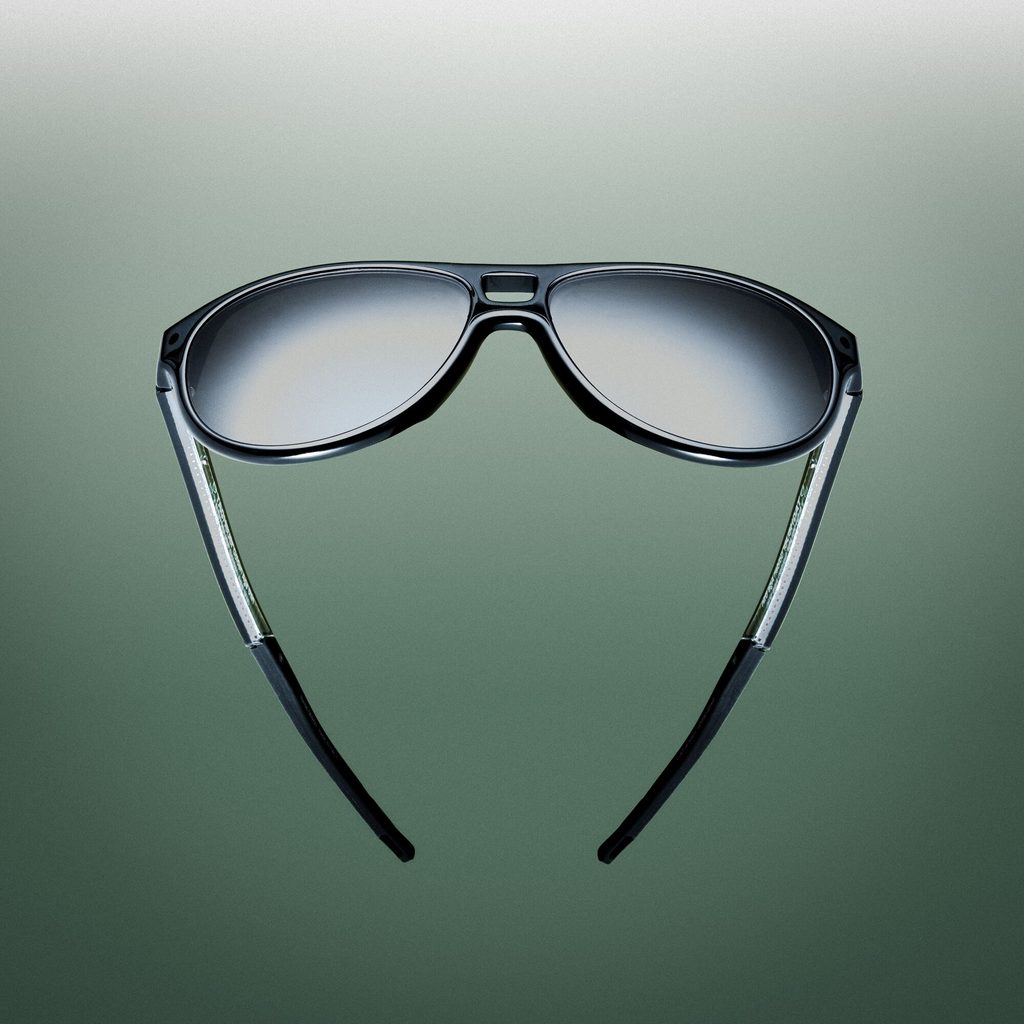
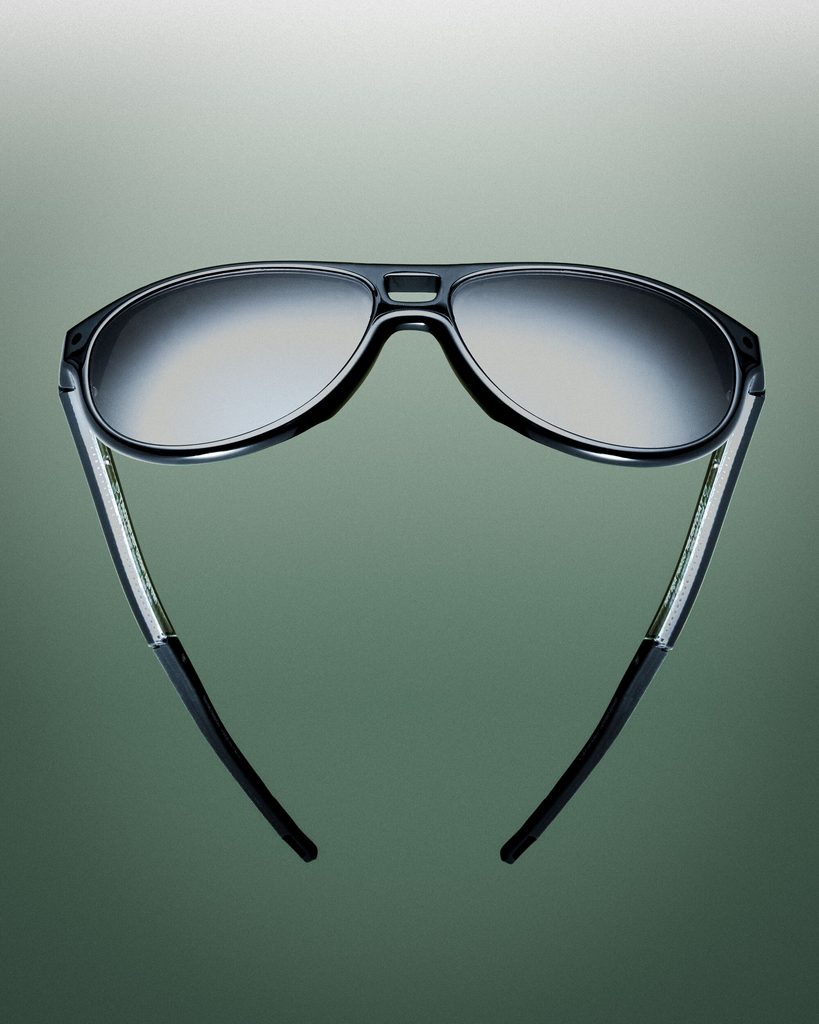
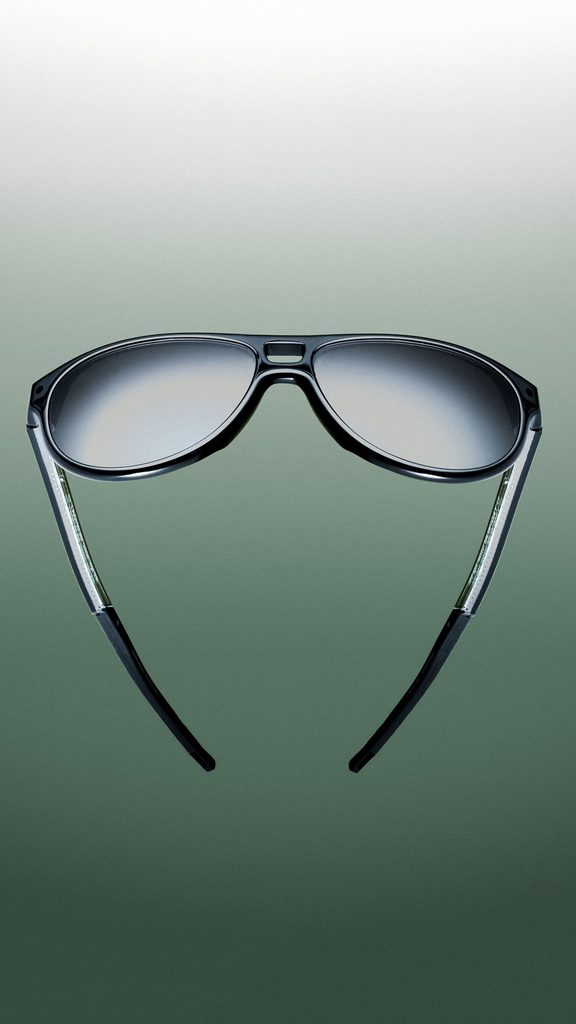
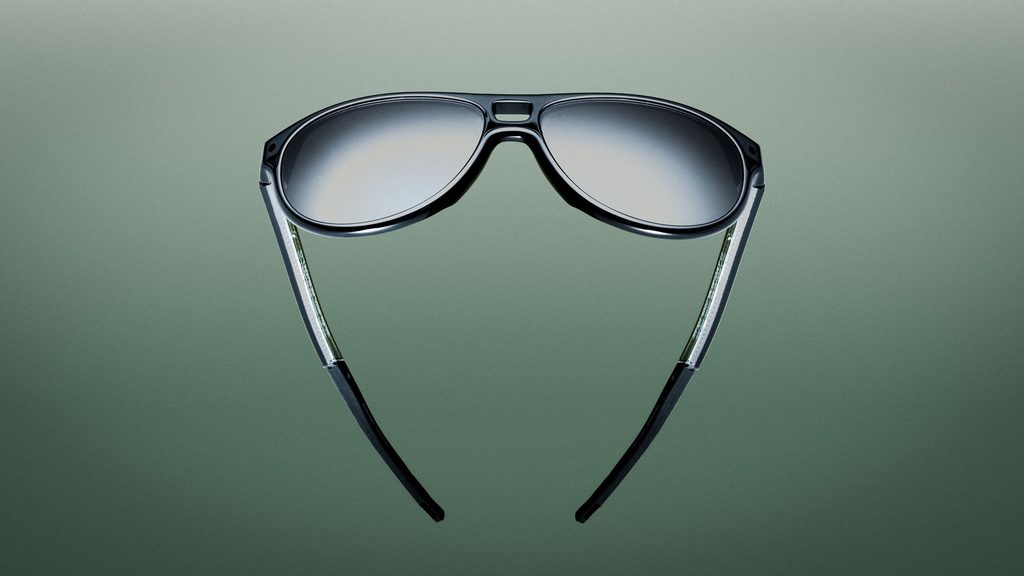
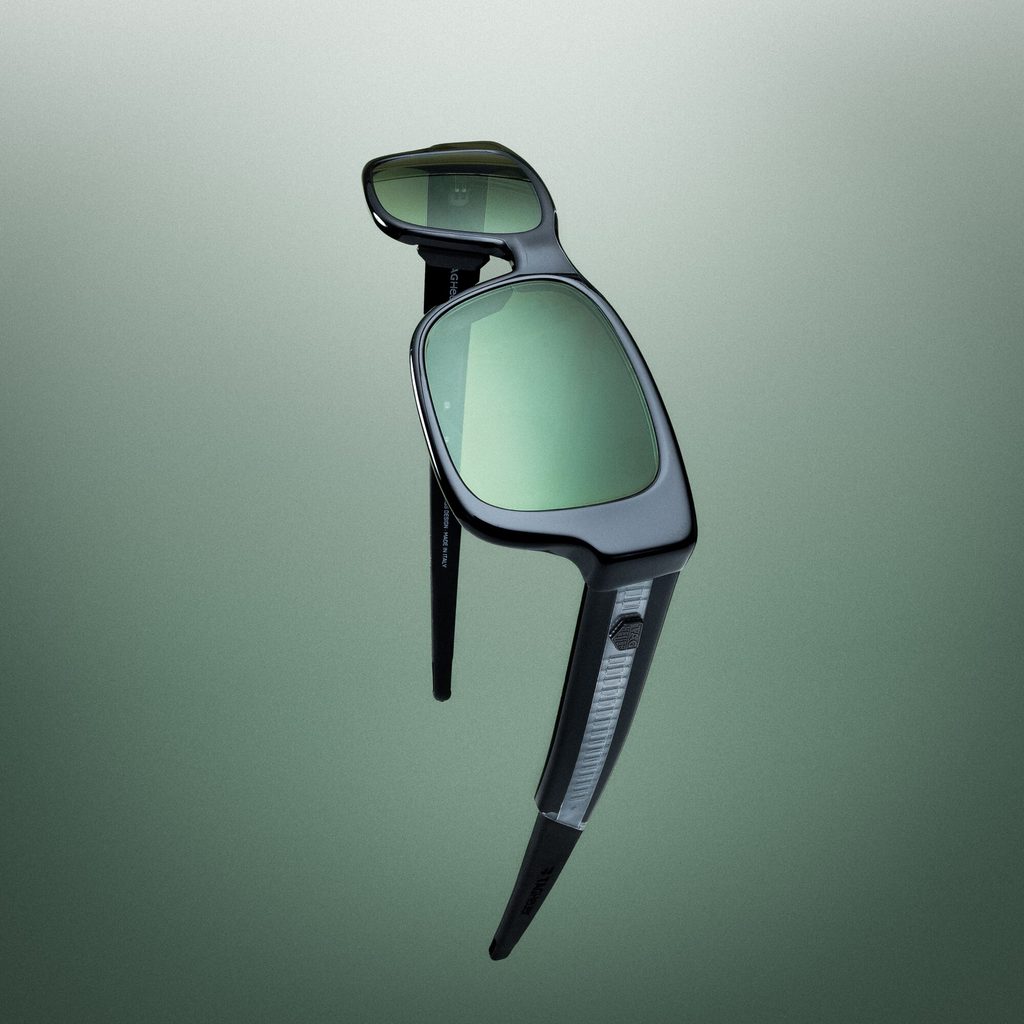
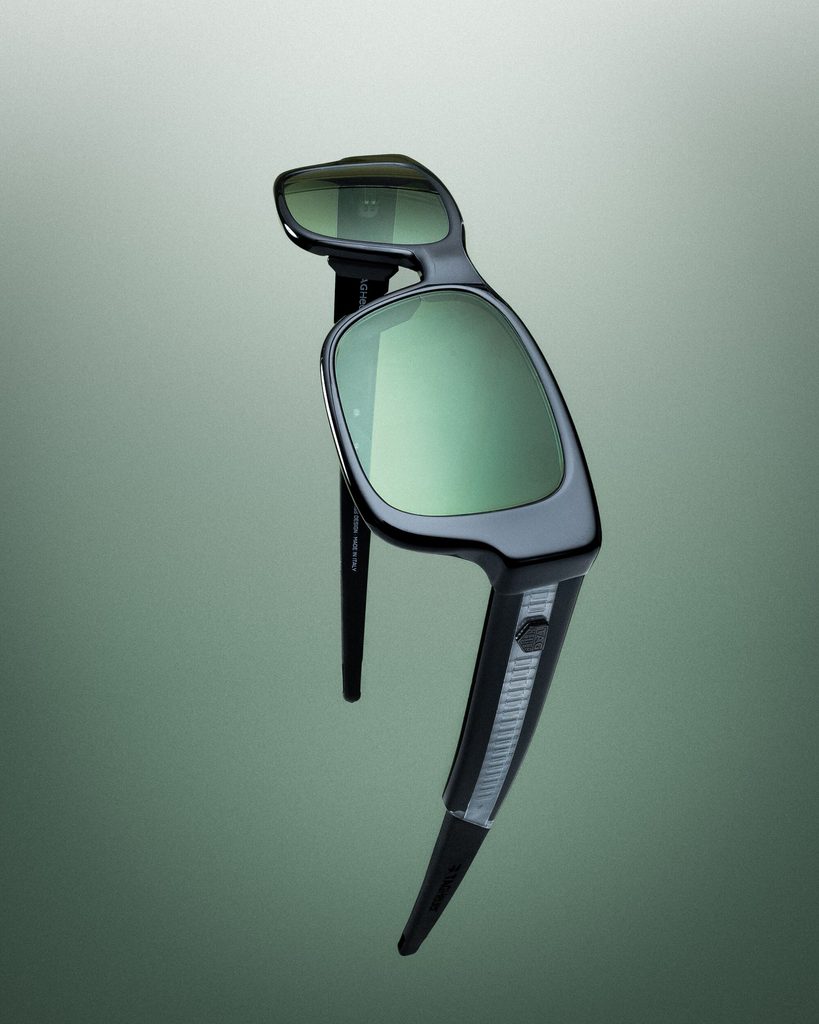
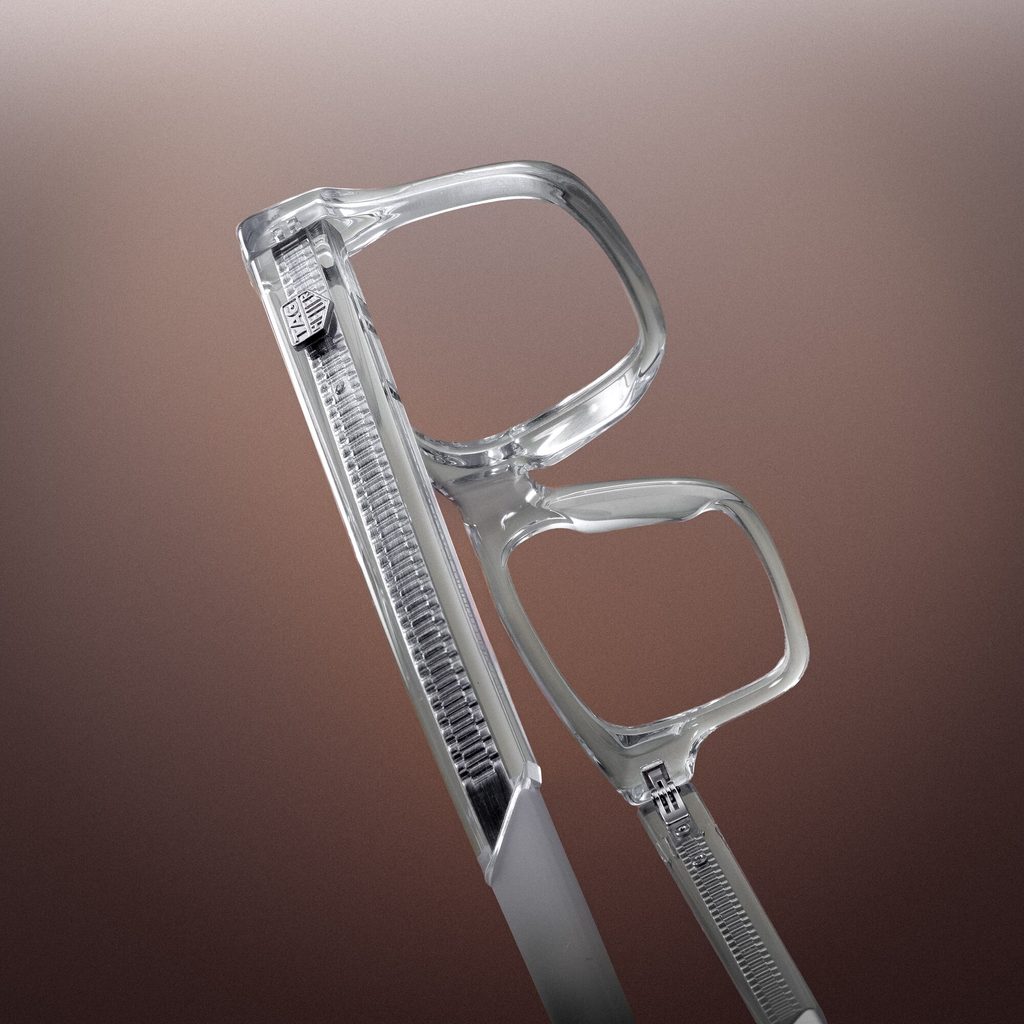
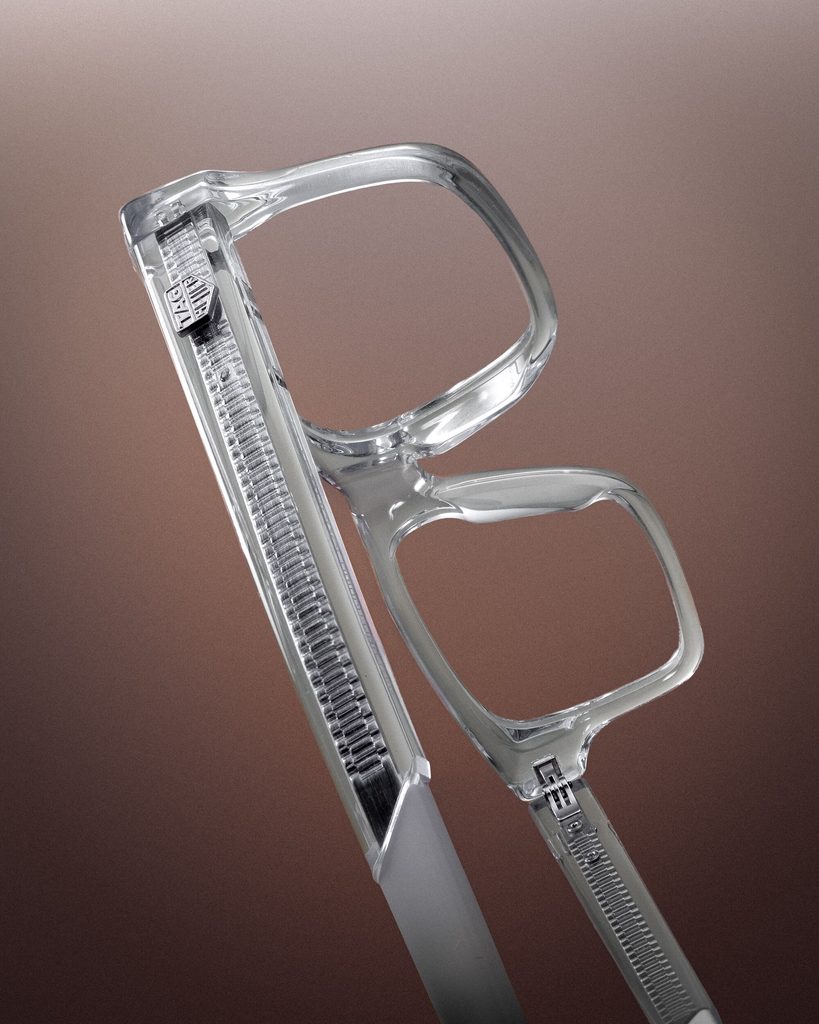
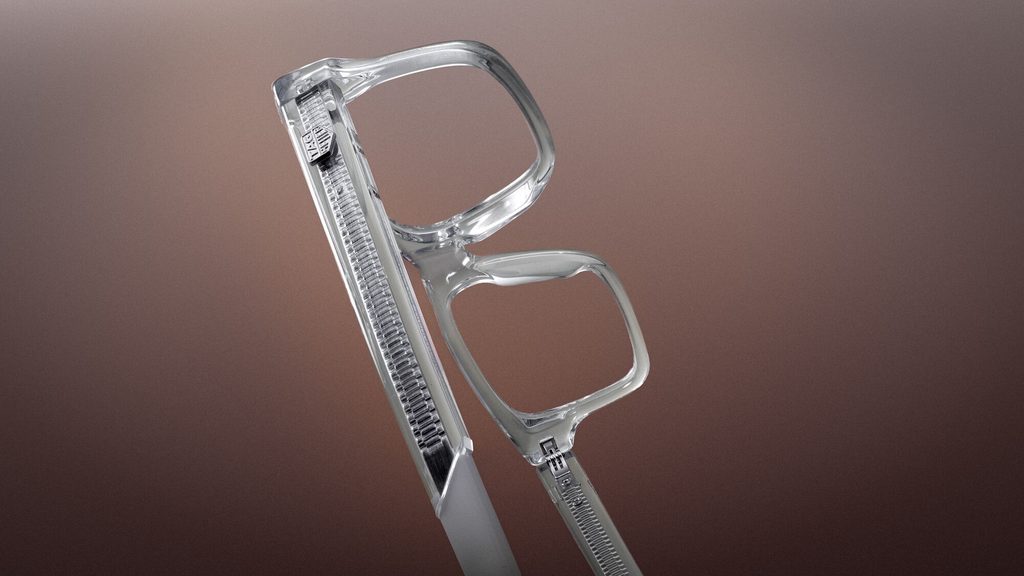
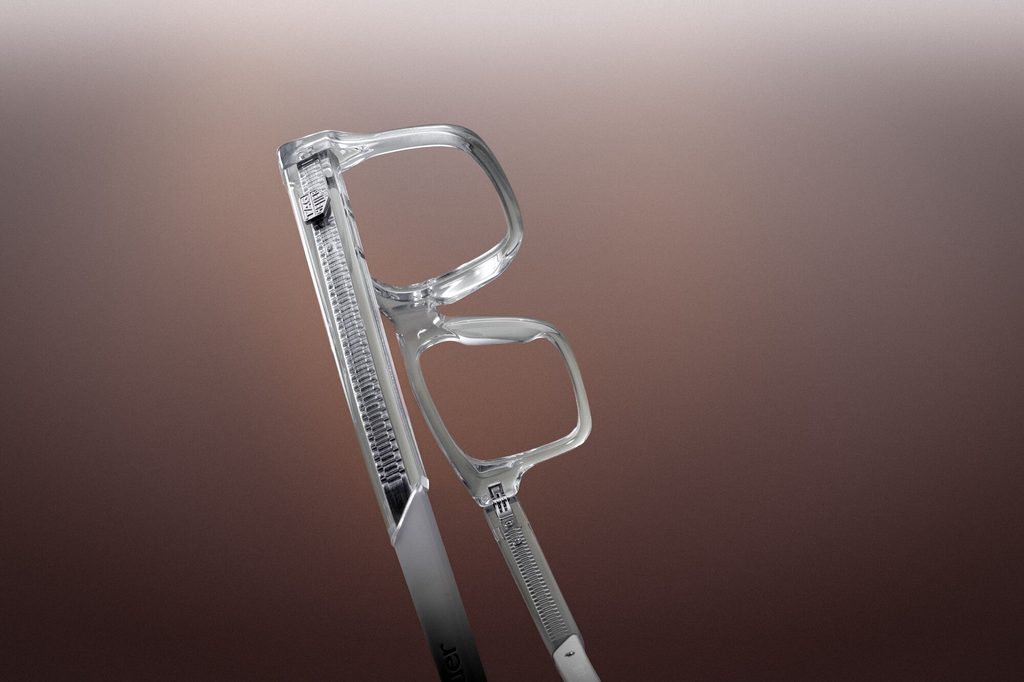
The Golden Age line pushes the horological translation further. Made entirely of acetate, it incorporates inside the temples a metal-wire motif inspired by the H-Links bracelet of the Carrera Three Hands. Visible through the crystal acetate, this detail creates a mechanical link between the frame and the vocabulary of the watch. The bio-nylon lenses also draw on a palette derived from Carrera dials, with anti-reflective and anti-smudge treatments as well as compatibility with optical corrections.
The collection also claims a ‘restomod’ logic: keeping an inherited silhouette while replacing its material solutions with contemporary components. The idea works precisely because it does not stop at form. Interchangeable nose pads, adjustable straight temples, and lightened constructions make adjustment a design element in its own right.
The question now is whether TAG Heuer will turn this eyewear line into a genuinely autonomous technical territory, with the same capacity as watchmaking to document its materials, its tolerances, and its processes. Only on that condition can eyewear become something other than a category extension: a new object of precision.

Cette publication est également disponible en :


