
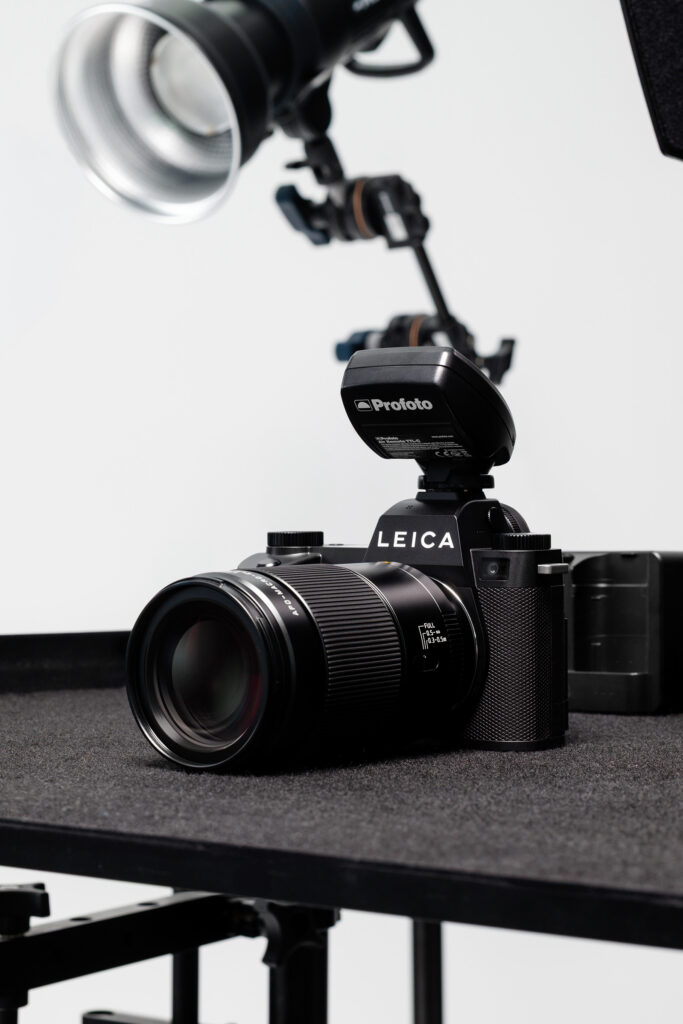
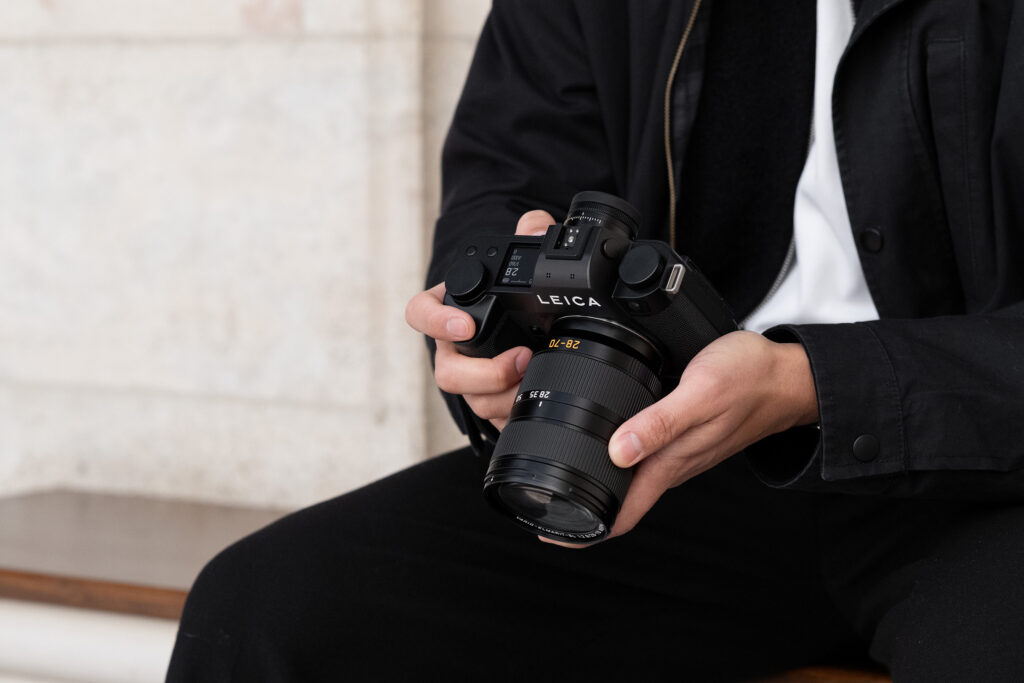
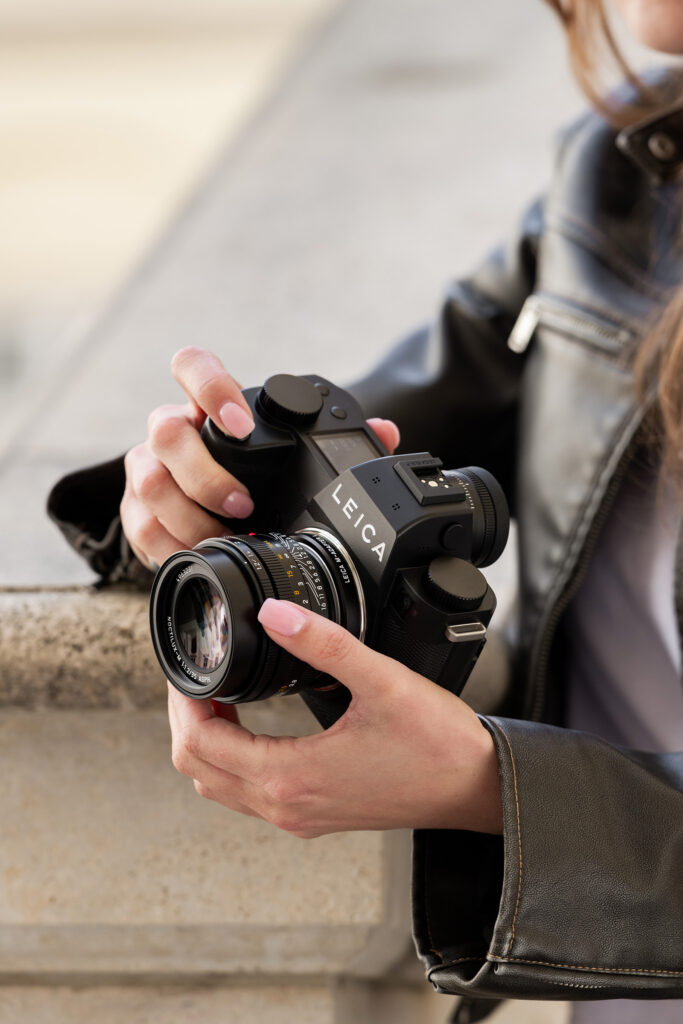
“Everything that counts.” Leica chose four words to introduce the SL3-P, its new digital hybrid camera body. Four words that might seem like just another marketing formula, if Leica didn’t have a particular way of loading them with meaning. For the Wetzlar manufacture, “what counts” has always meant the same thing: the image. Not the image as technical performance, but the image as photographic decision. The SL3-P is built around this conviction.
The SL3-P’s 44-megapixel sensor immediately places this body in a resolution category that few full-frame hybrids offer. But megapixel count has never been Leica’s central argument — and it would be a misreading of the brand to reduce the SL3-P to it. What 44 megapixels mean for Leica is cropping latitude, fineness in large-format prints, an ability to extract depth from the photographed matter. Resolution in the service of the image, not the other way around.
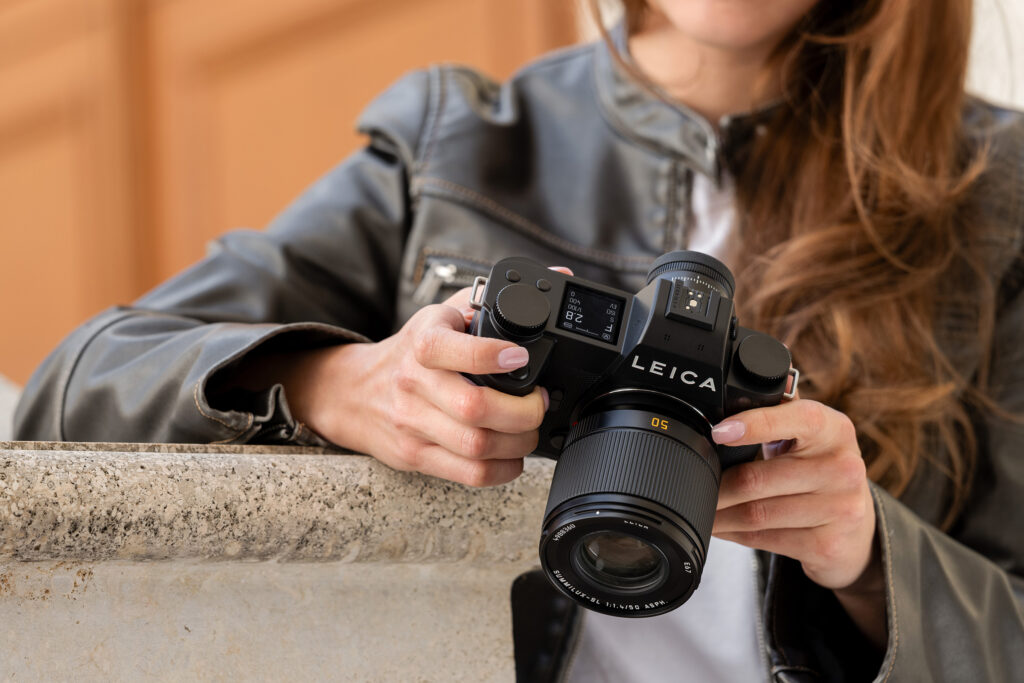
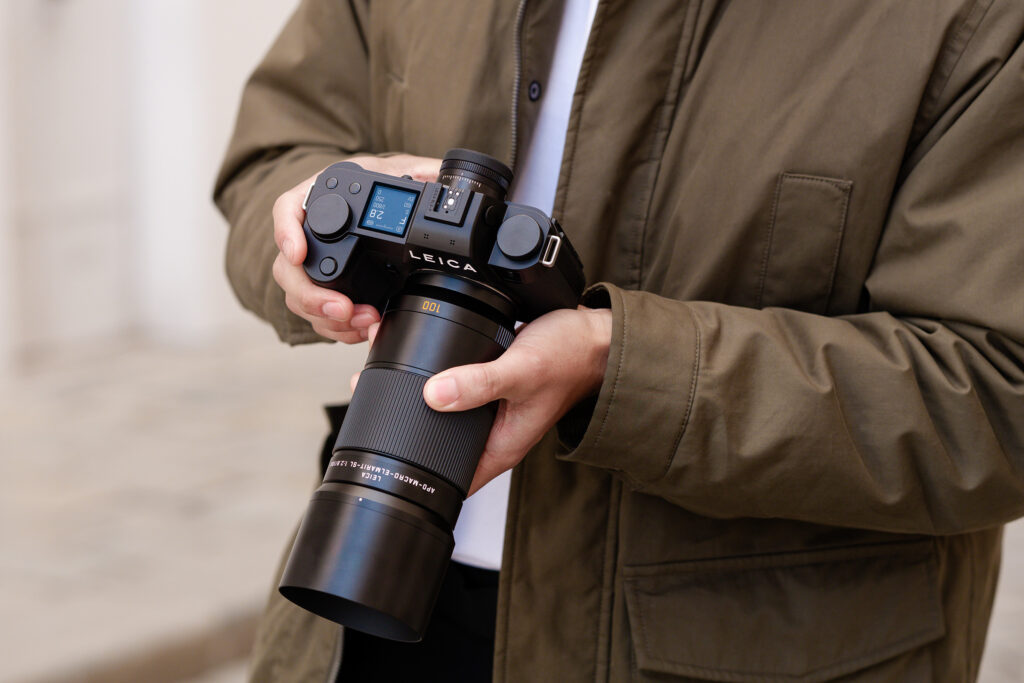
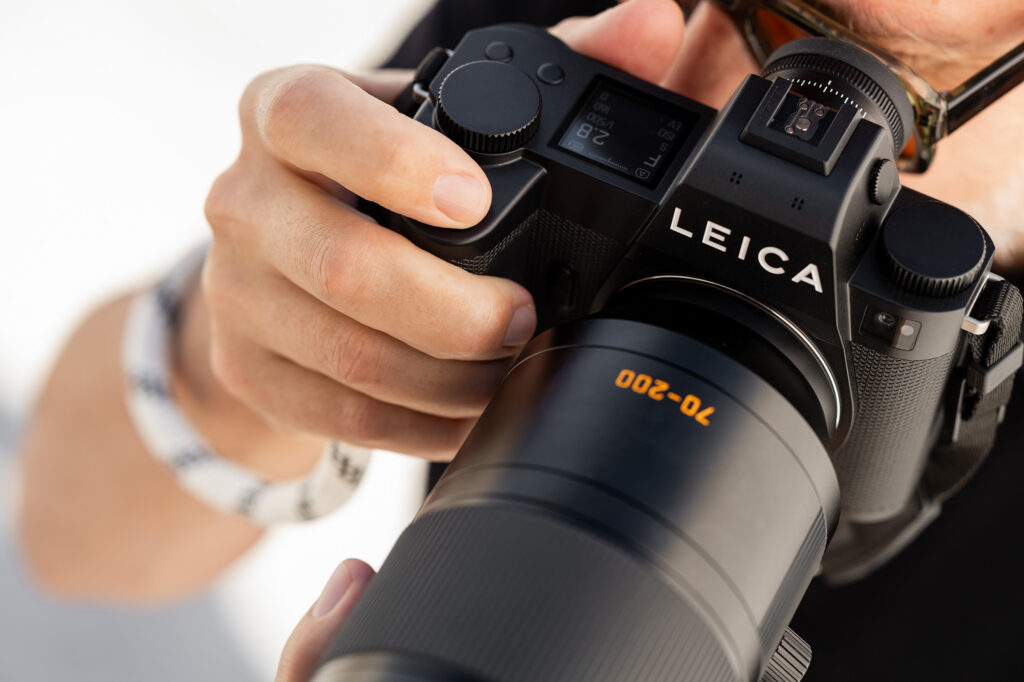
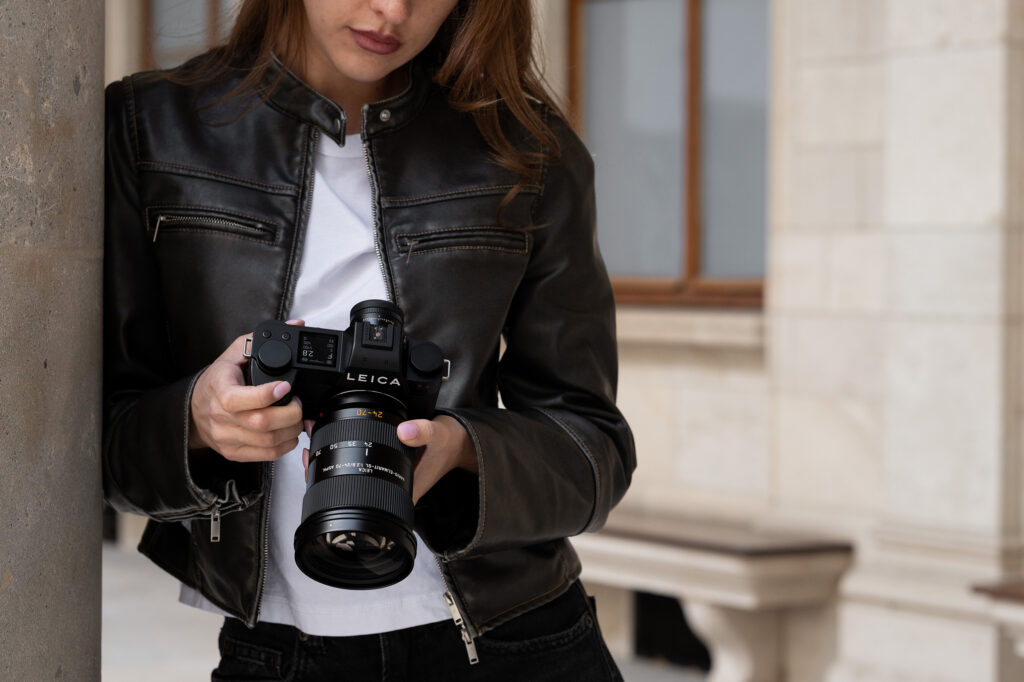
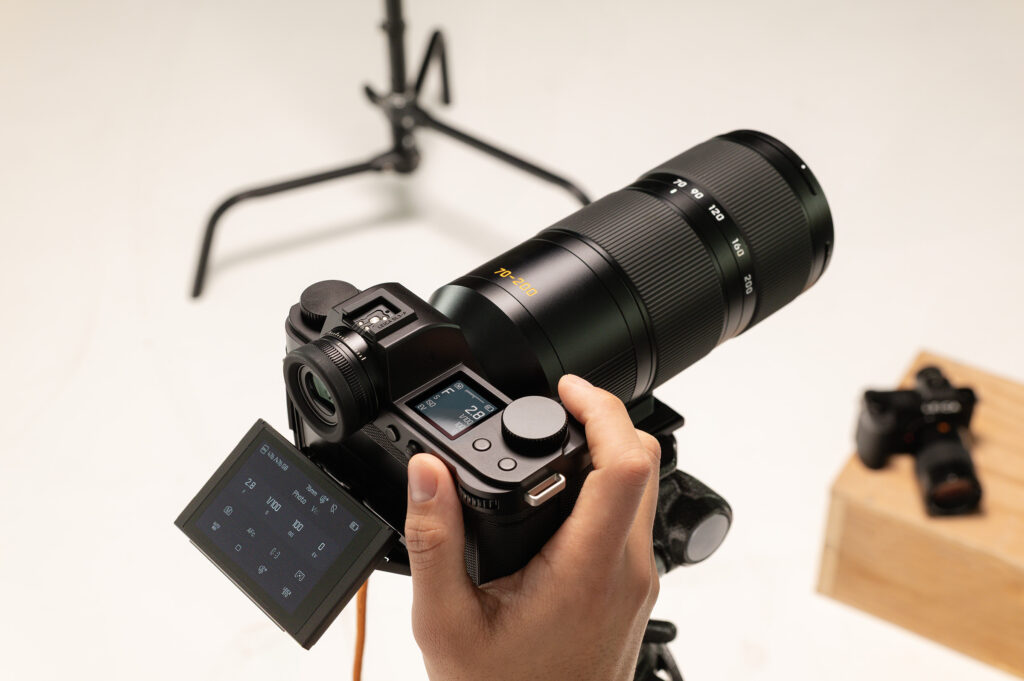
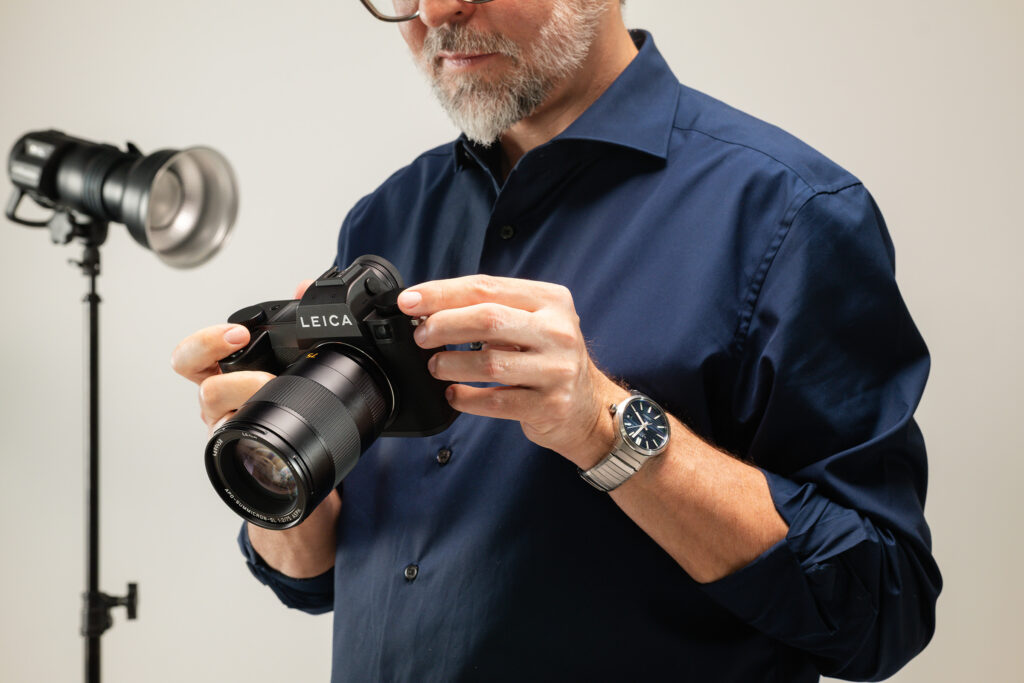
The SL3-P’s ergonomics deserve particular attention. Leica announces an intuitive grip — a phrasing that in fact conceals a considerable undertaking for a brand whose bodies have sometimes sacrificed ease of use to formal austerity. The SL3-P seems to have absorbed feedback from its predecessors: controls are rationalized, weight distributed differently, the interface rethought to minimize the time between intention and shutter release. This is not trivial: a photographer’s reaction speed depends as much on mental mechanics as on physical mechanics.
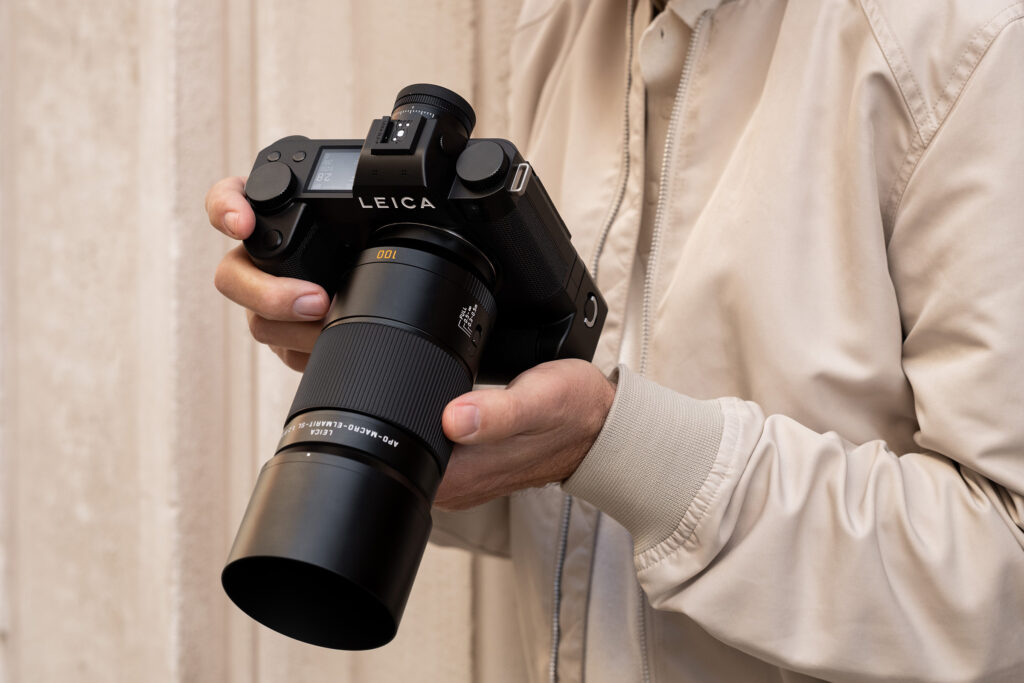
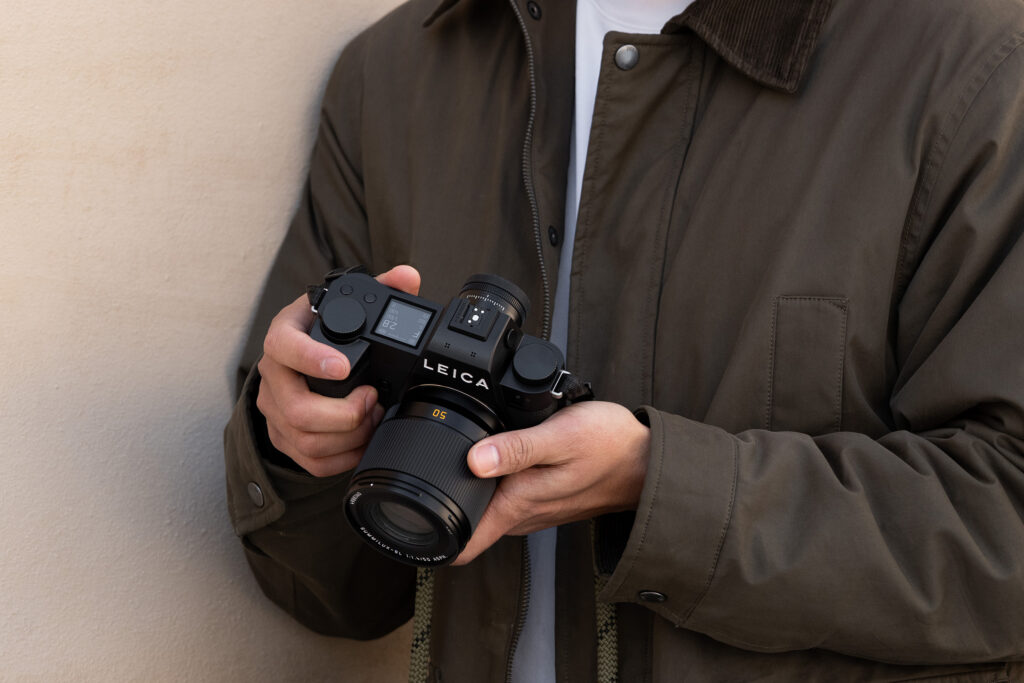
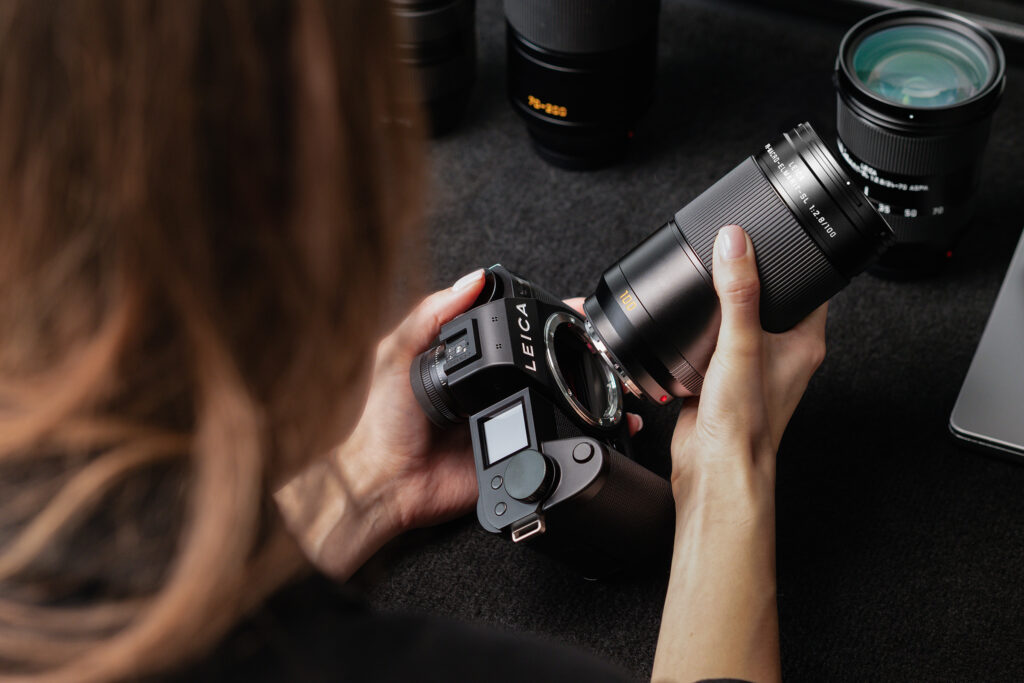
Two new optics accompany the launch: the Summilux-SL 1:1.4/50 mm ASPH and the APO-Macro-Elmarit-SL 1:2.8/100 mm. These are two statements of intent. The Summilux 50mm at f/1.4 is the lens of failing light, of sculpted depth of field, of the wide-open portrait where the background dissolves and the subject emerges. The APO-Macro-Elmarit 100mm is the lens of detail, of the fragment, of the miniature world magnified until it reveals what the naked eye cannot see. Together, they sketch two complementary aesthetics that the SL3-P is designed to serve.
There is something deliberate in the silence Leica maintains around certain technical aspects that other manufacturers publish in comparison tables. No race for declared frames-per-second, no marketing of algorithmic autofocus. What is highlighted is the coherence of the system — body, optics, file processing — conceived as a chain whose every link serves the same goal: that the photographer think less about their equipment and more about what they are photographing.
The SL3-P is not made for everyone, and Leica makes no attempt to pretend otherwise. It is made for those who have decided that image quality outweighs gadget versatility, that a body’s longevity matters as much as its feature list, that photographing is an act that deserves tools equal to it. In a market where every manufacturer keeps adding automatic modes, Leica keeps betting on the photographer’s competence. That is a rare form of trust — and perhaps the truest definition of photographic luxury.
Cette publication est également disponible en :


