
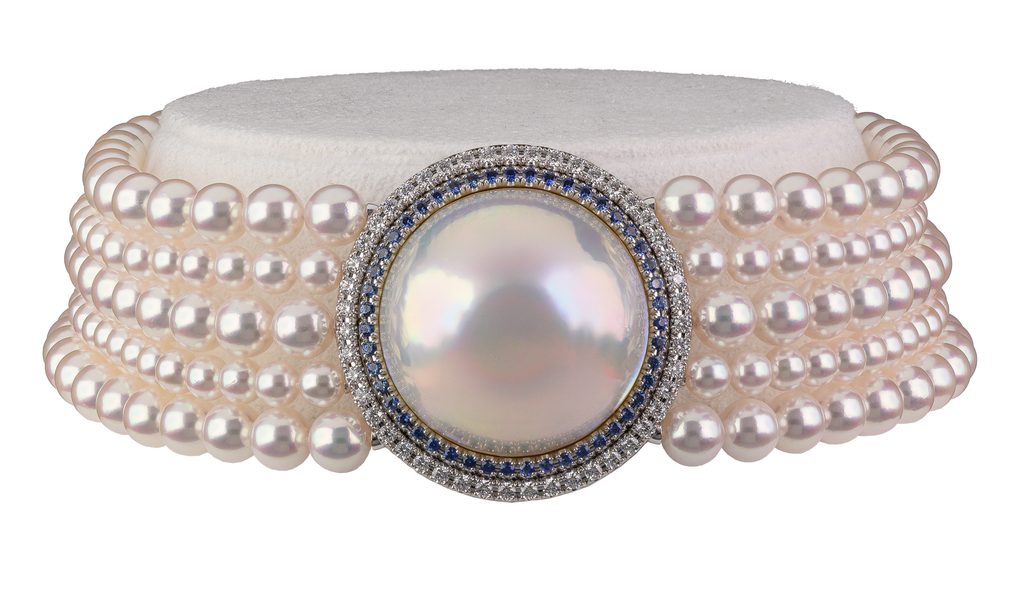
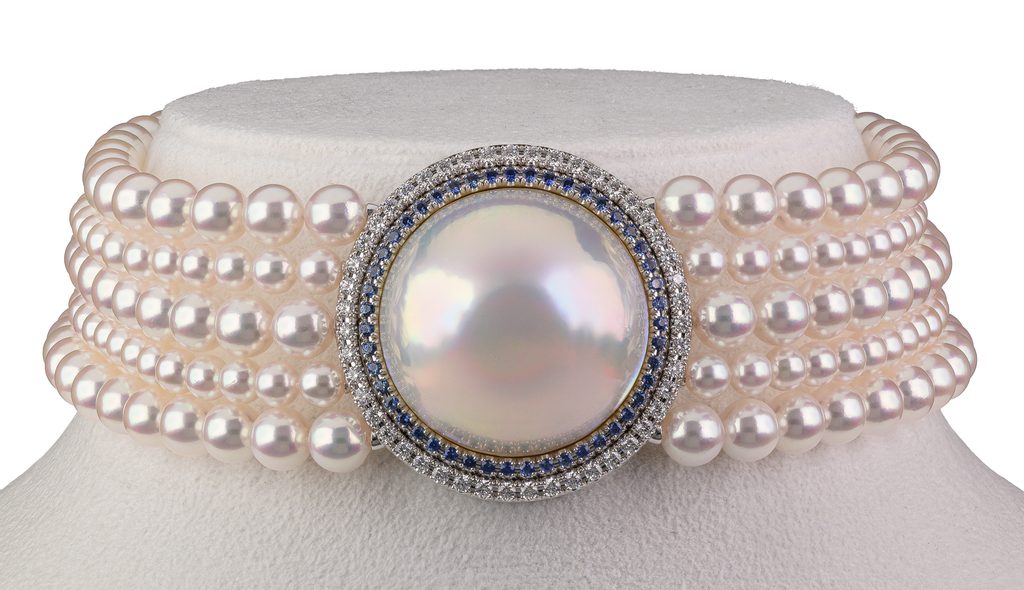
At TASAKI, the 2026 High Jewelry collection opens with a piece that embodies more than half a century of pearl research. Mabe pearls measuring over thirty millimeters, harvested several decades ago in the Persian Gulf, were preserved in Kobe until they found their form.
This long period of time lends the necklace a value that is less about spectacle than about archival significance: that of a material preserved until the moment it was crafted just right.
The history of the Mabé pearl holds a unique place in TASAKI’s history. In 1970, the House developed a method for the artificial reproduction of the Mabé oyster, at a time when cultivation difficulties and the decline of the species were prompting many producers to abandon it. This breakthrough was not merely a matter of technical innovation. It reshaped the relationship between conservation, production, and creation, giving the House the ability to preserve traditional knowledge while safeguarding a fragile resource.
The necklace presented this year features a few pearls harvested when TASAKI still operated its own pearl farm in the Persian Gulf. Their diameter, exceeding thirty millimeters, is a rarity for this variety. The House has preserved them for decades in its workshop in Kobe. This detail is essential: it transforms the piece into the result of anticipation, not haste. While contemporary jewelry is often expected to reinvent its narratives with every season, TASAKI reminds us that a piece can emerge from a decision made over time.
Only two necklaces were crafted from these pearls. One was purchased even before it was completed; the other became the only piece destined for Europe. The design combines 18-karat white gold, Mabé pearls, Akoya pearls, and diamonds. The goal is not to pile on symbols of luxury, but to create a setting that is discreet enough to allow the Mabé’s rounded, sun-like radiance to shine through.
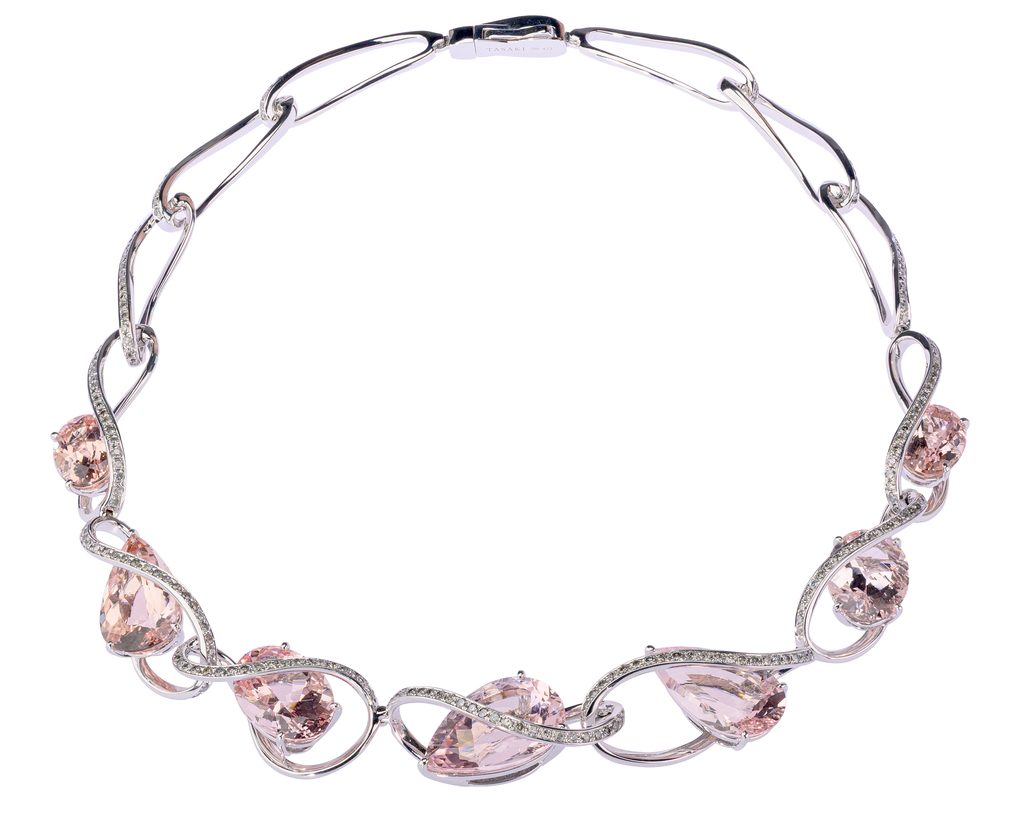
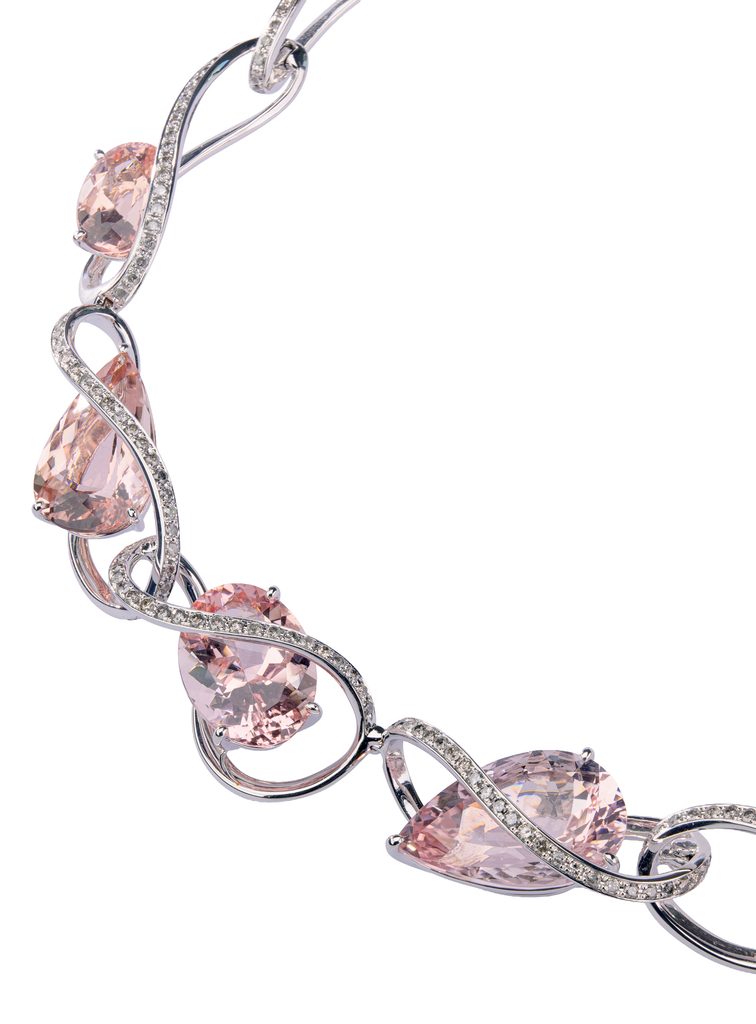
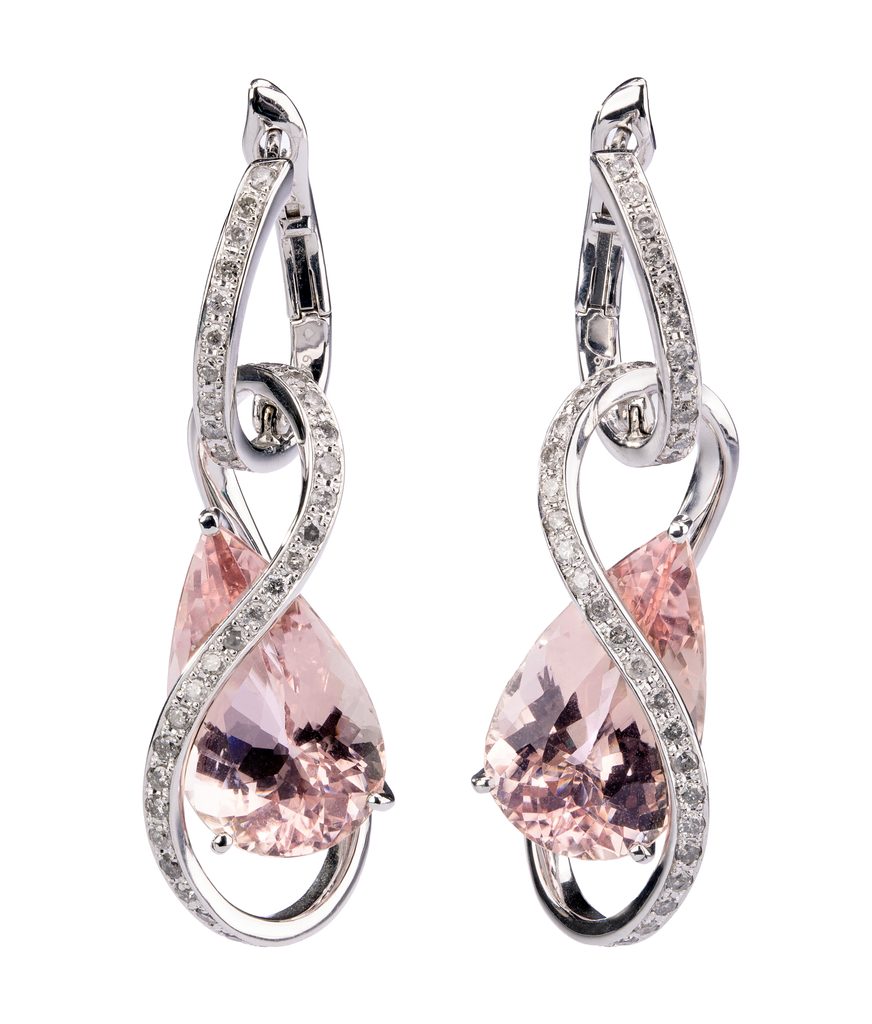
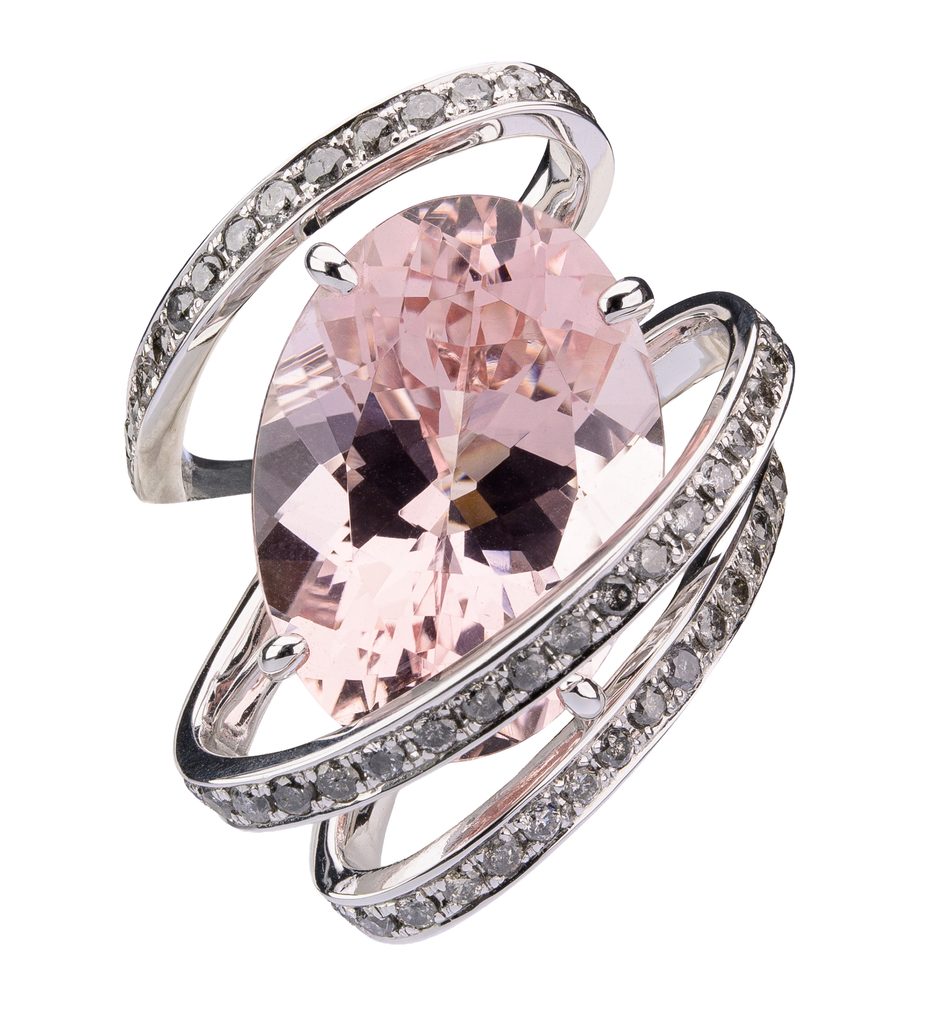
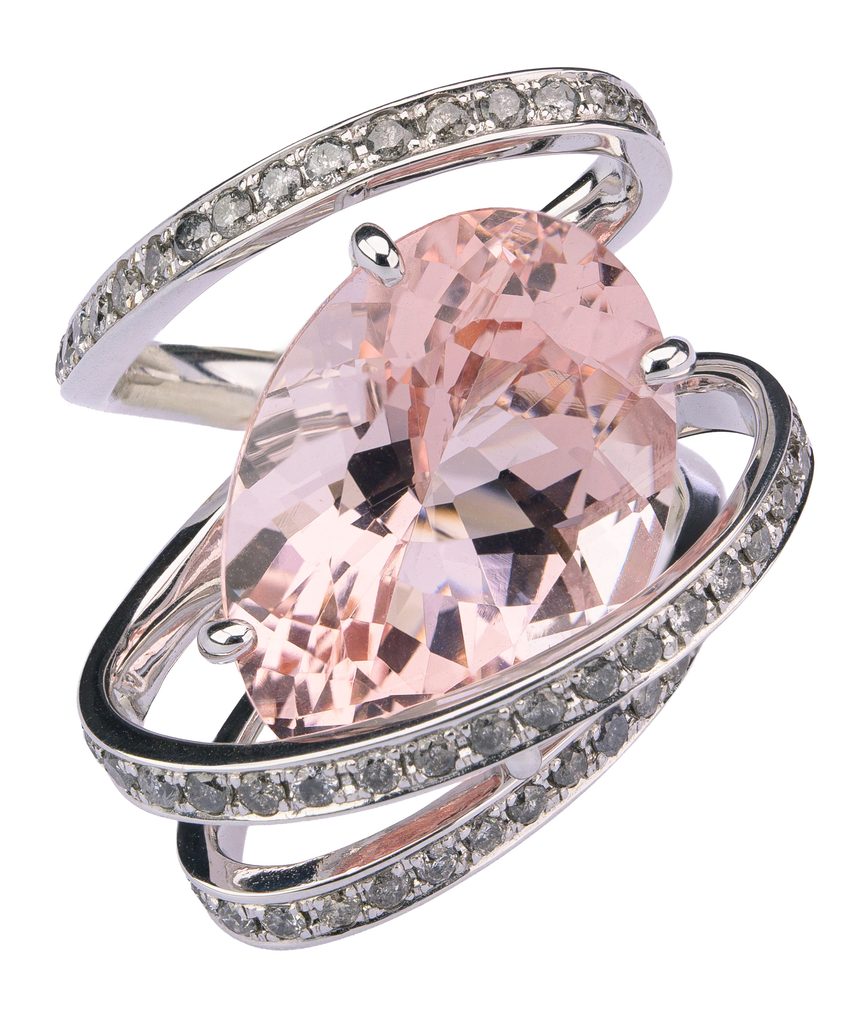
The collection continues this pursuit of balance with a set of morganites. The stones, cut into pear and oval shapes, are individually matched to create a seamless chromatic transition. The choice of gray diamonds rather than white ones prevents the pinkish hues from appearing too harsh. This decision—attributed to the designer without specifying her name—reveals a true understanding of light: the diamond does not dominate the center stone but rather moderates its intensity.
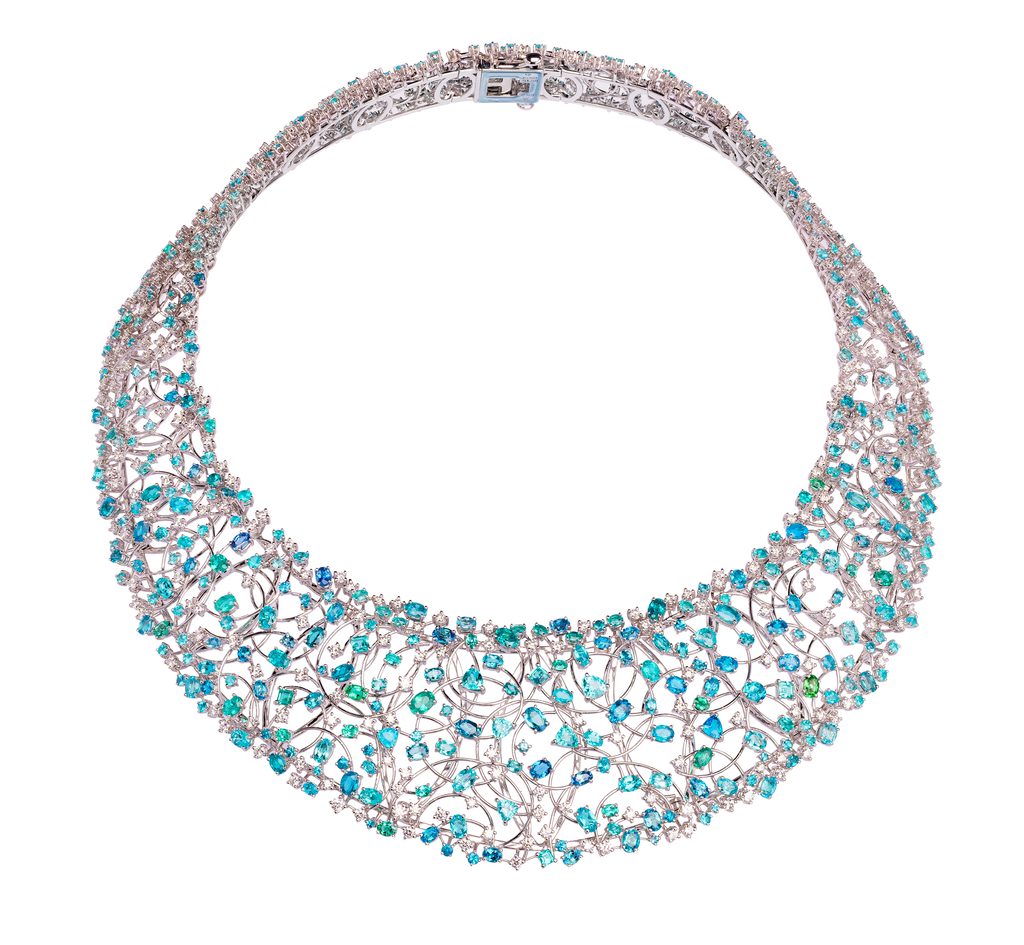
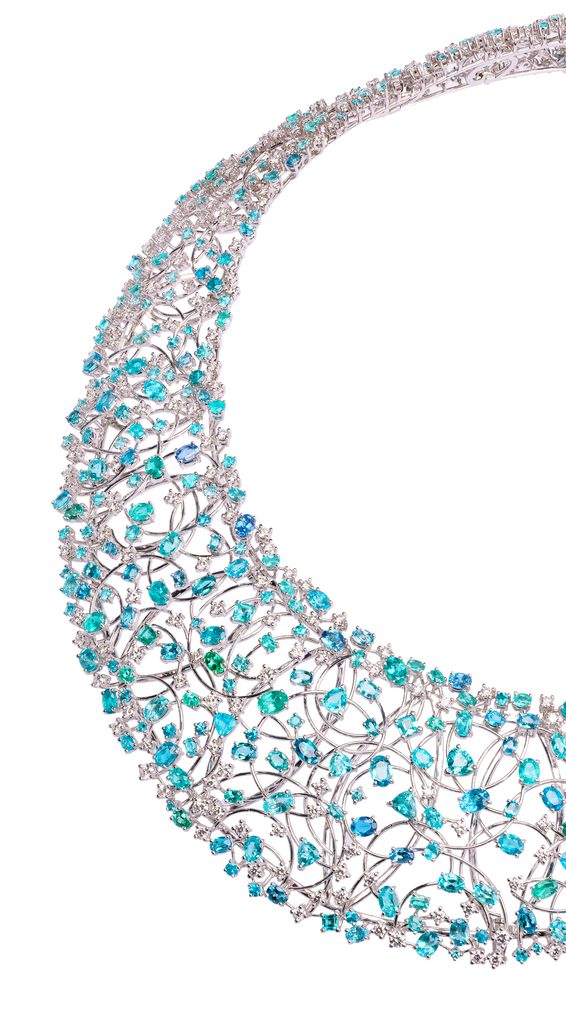
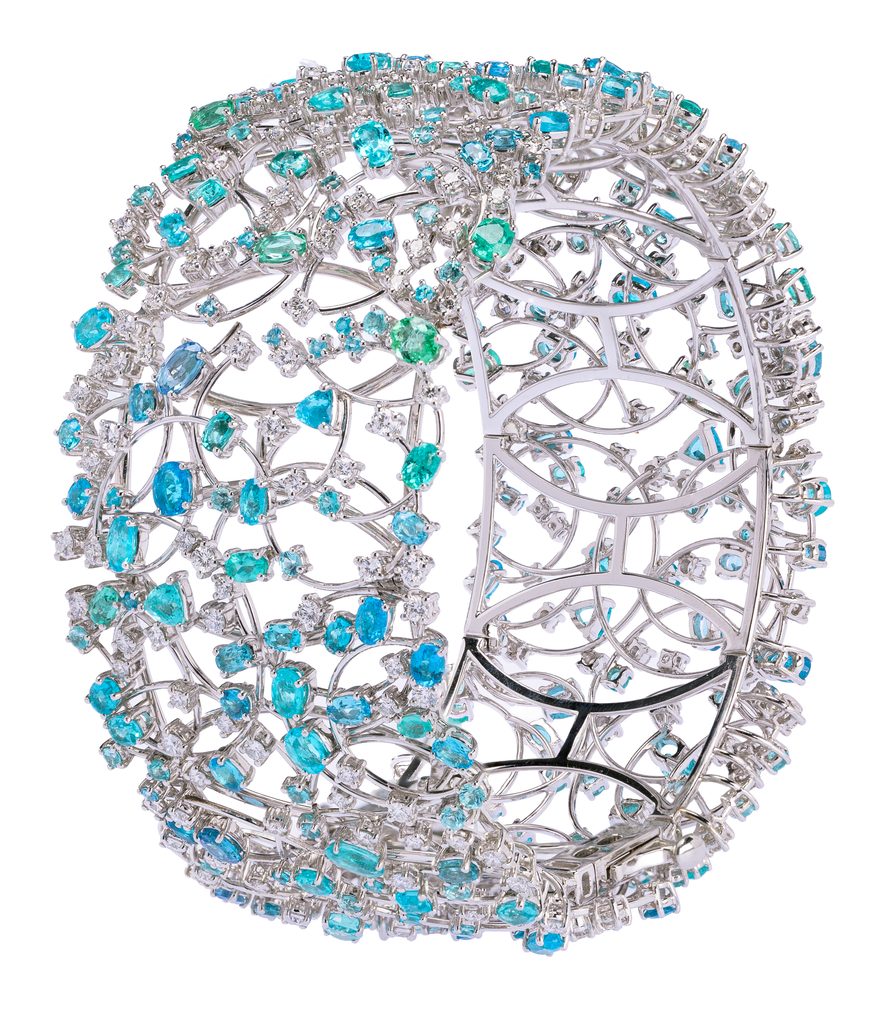
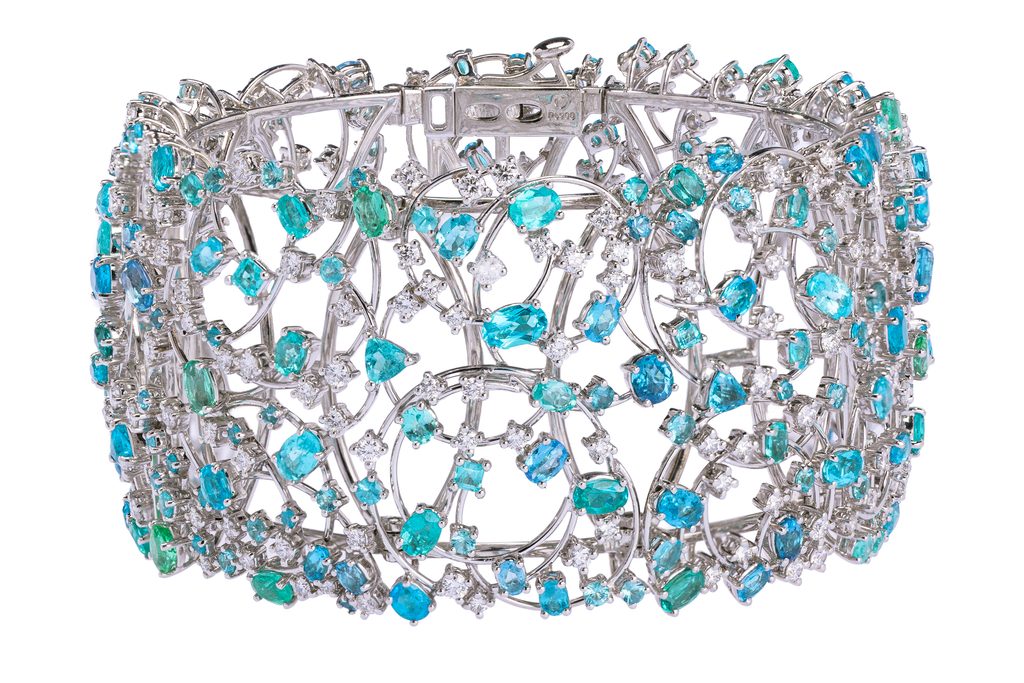
Another collection features Paraíba tourmalines set in platinum. The stones, which come in a variety of shapes and sizes, form a fluid mosaic designed to follow the body’s movements. The virtuosity here lies less in the quantity of gemstones than in the ability to maintain a sense of weightlessness despite their density.
TASAKI thus champions a vision of High Jewelry in which technique does not seek immediate impact. Pearl cultivation, gemological selection, and the flexibility of the settings are all part of the same continuum. Time will tell whether the House will choose to document its artisans, production times, and the origins of the stones in greater detail. This would be the logical next step for a collection whose strength lies precisely in the memory of the artisan’s craft.
Cette publication est également disponible en :

