
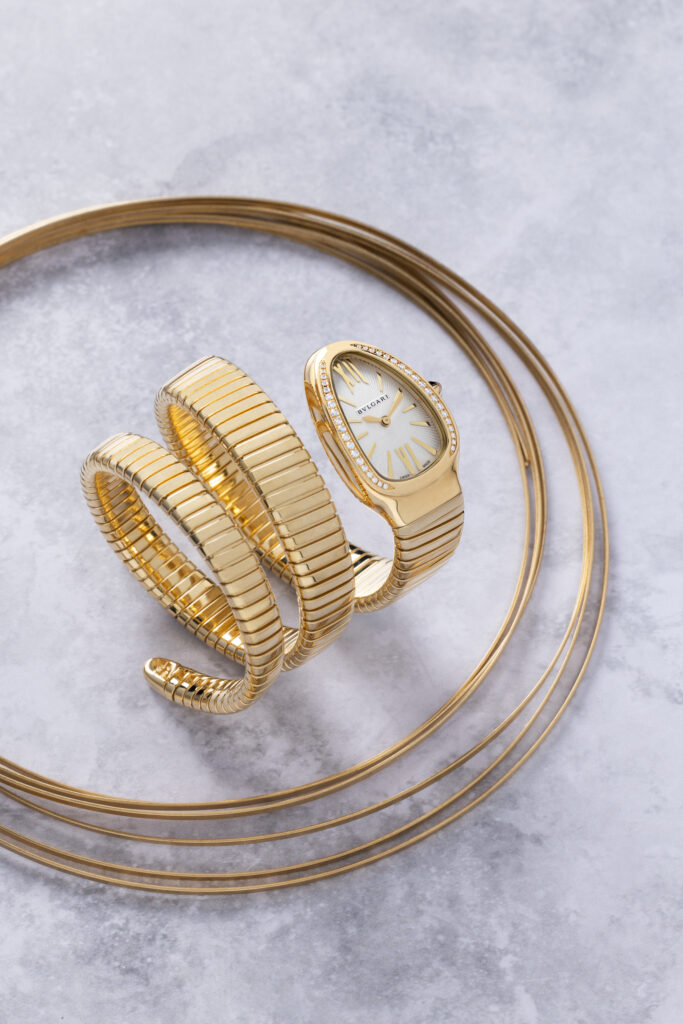
The name does not lie. Tubogas owes its name to the tubes used in the 1920s to carry pressurised gas — an engineer’s vocabulary, not a jeweller’s. A century later, Bvlgari nonetheless draws one of its most recognisable signatures from it, and offers it five new creations that extend a story begun by a workshop word more than by an aesthetic design.
A technical feat raised to a style
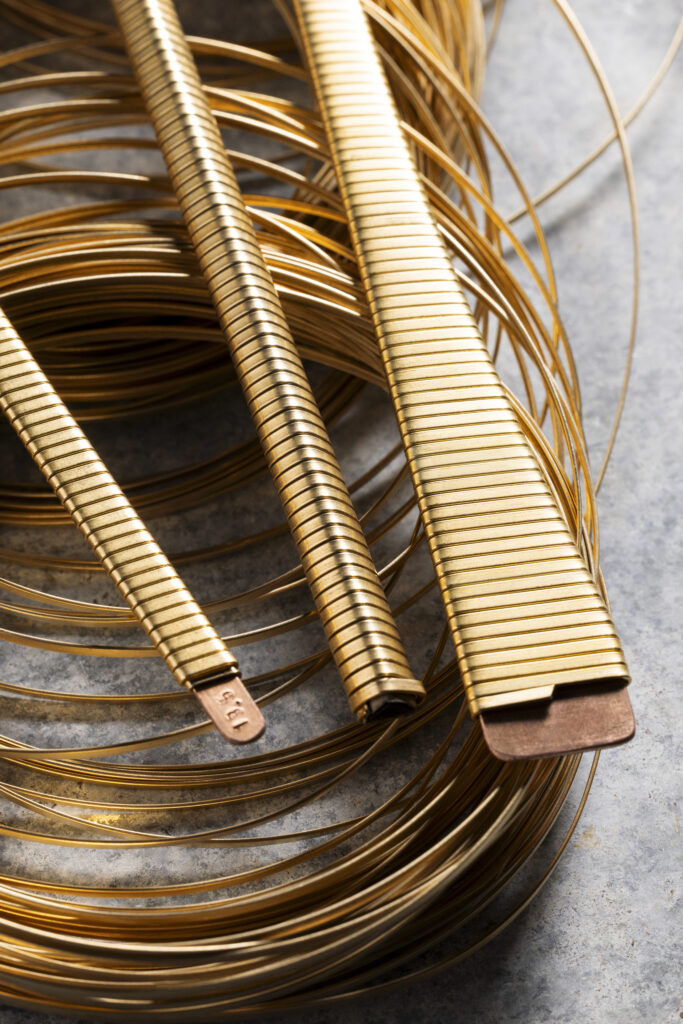
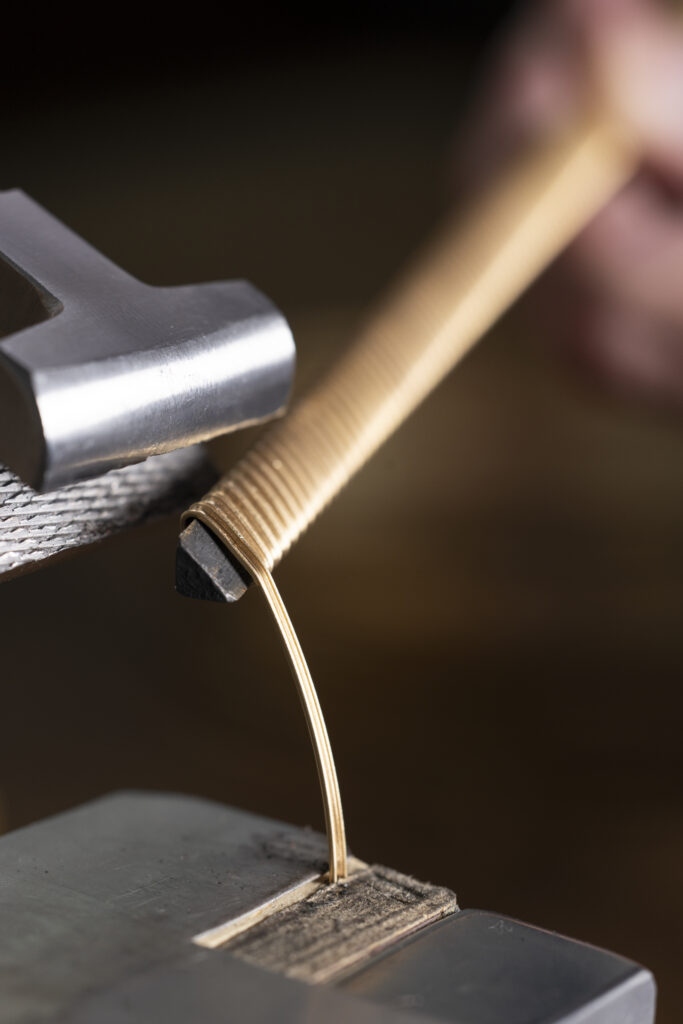
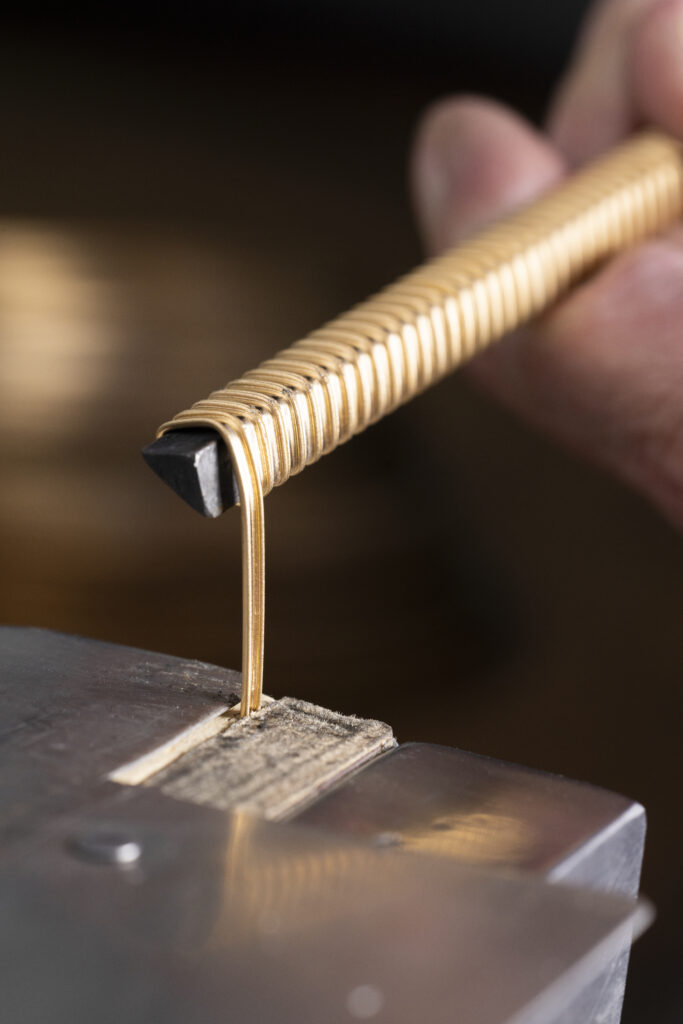
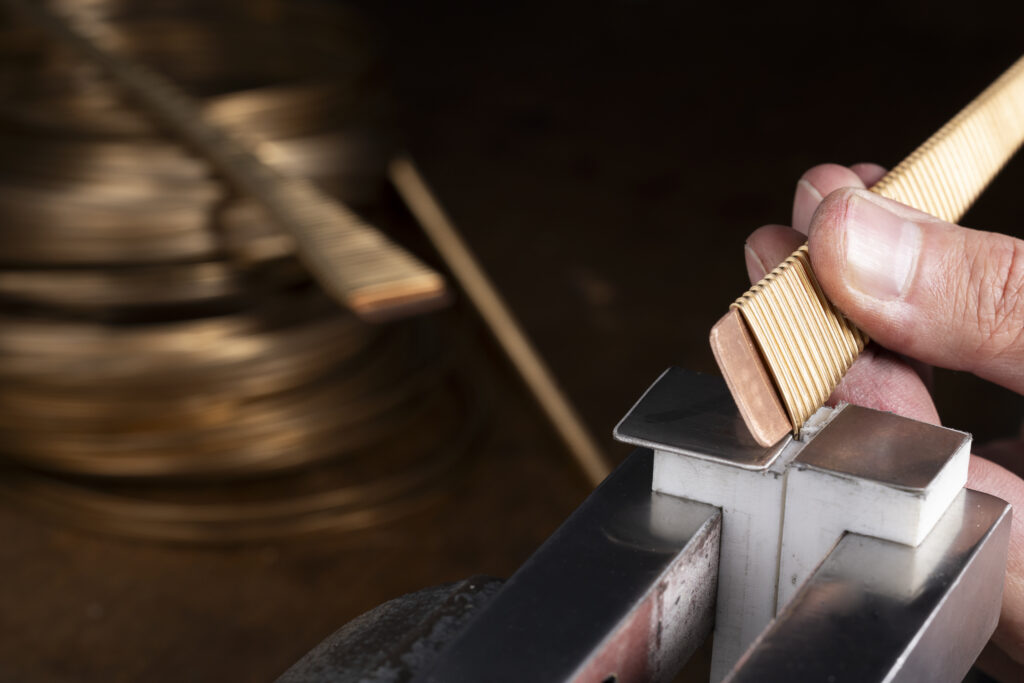
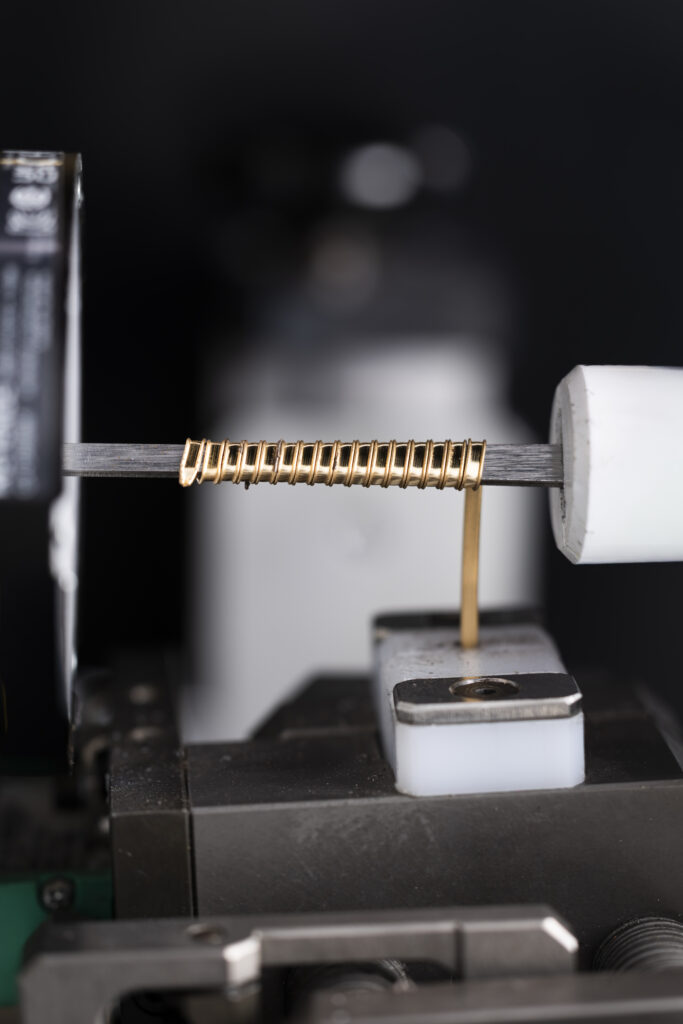
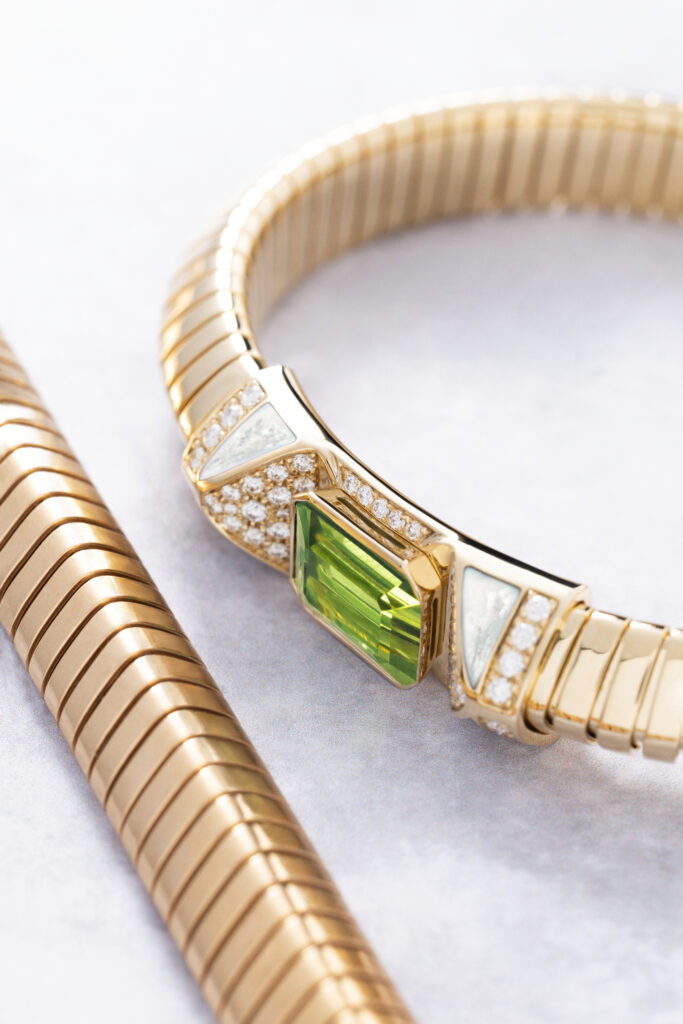
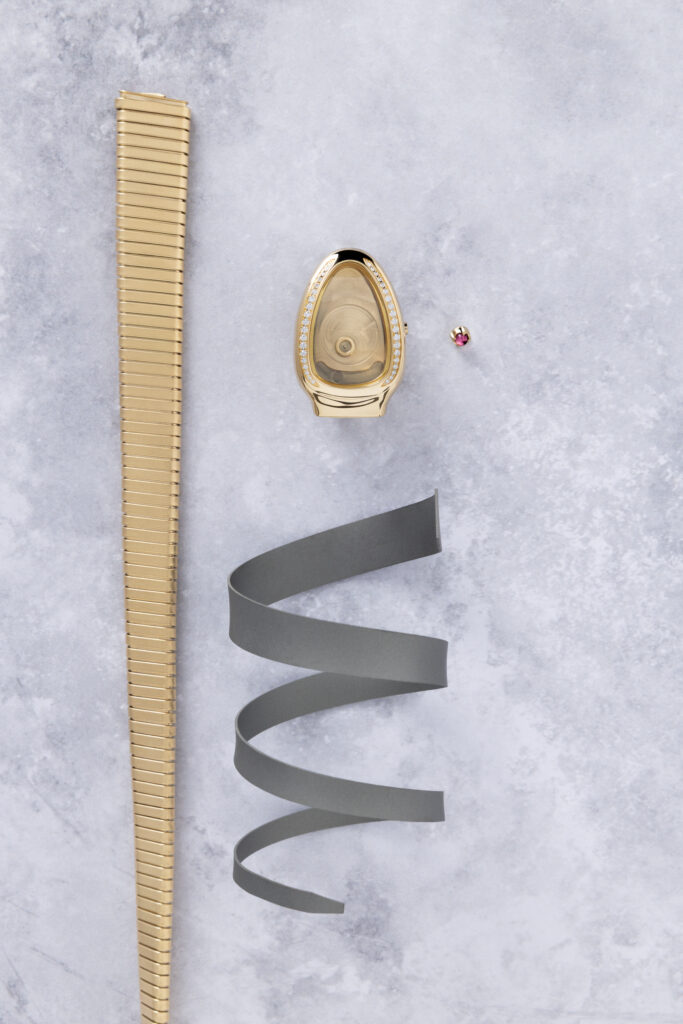
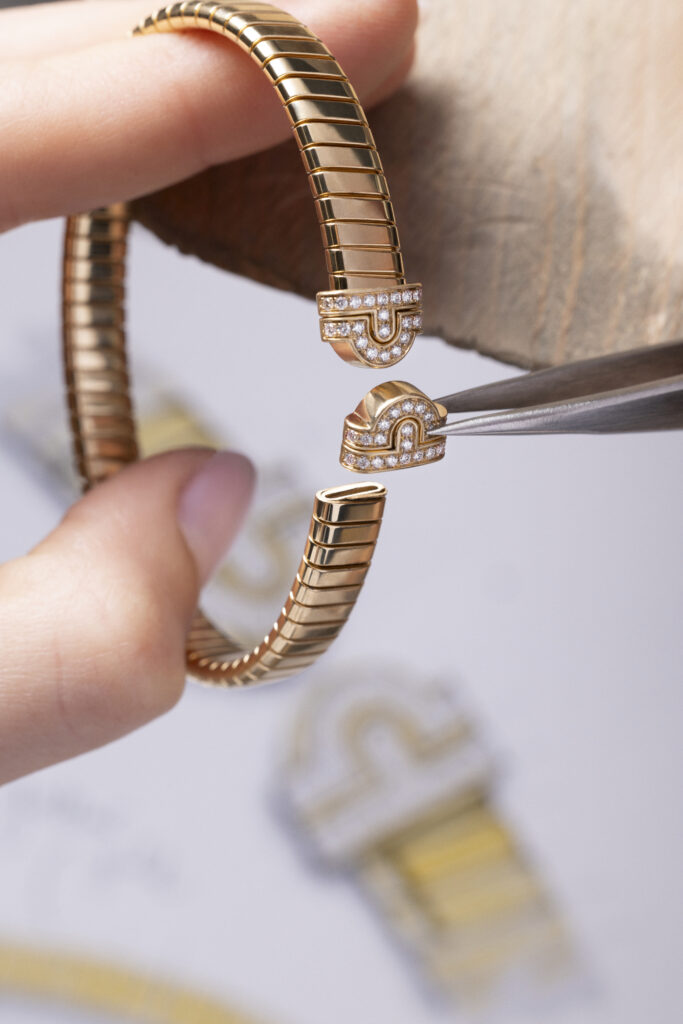
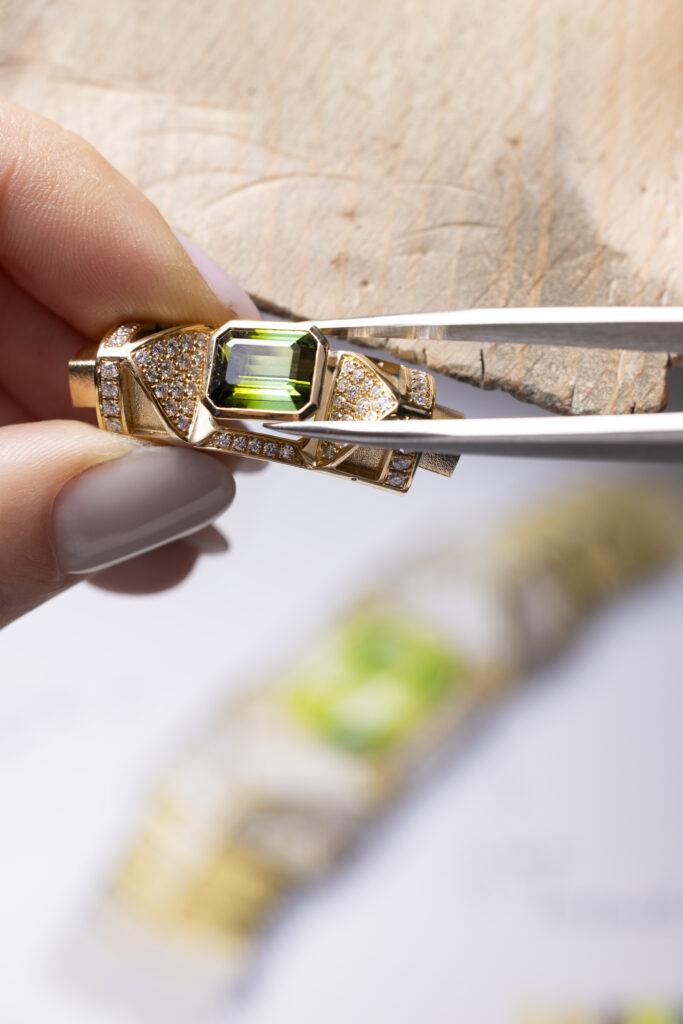
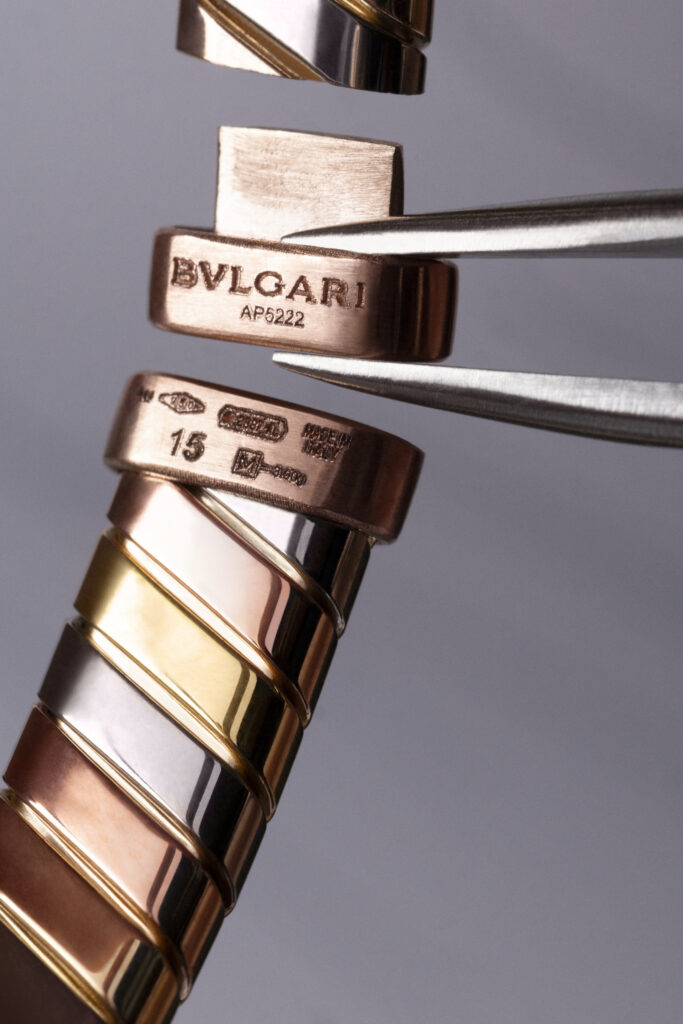
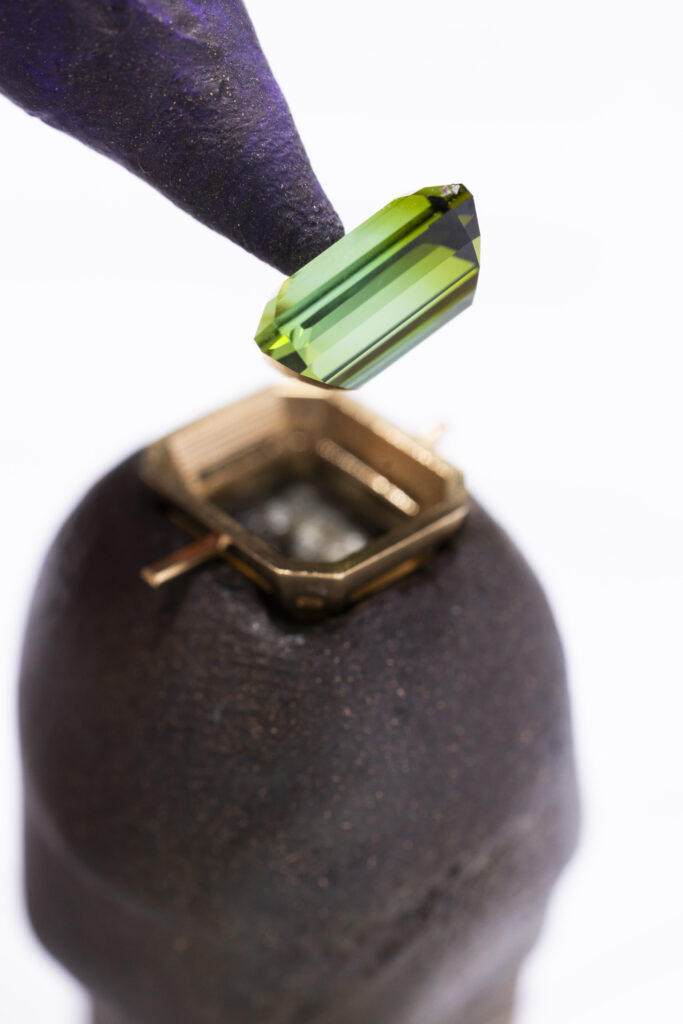
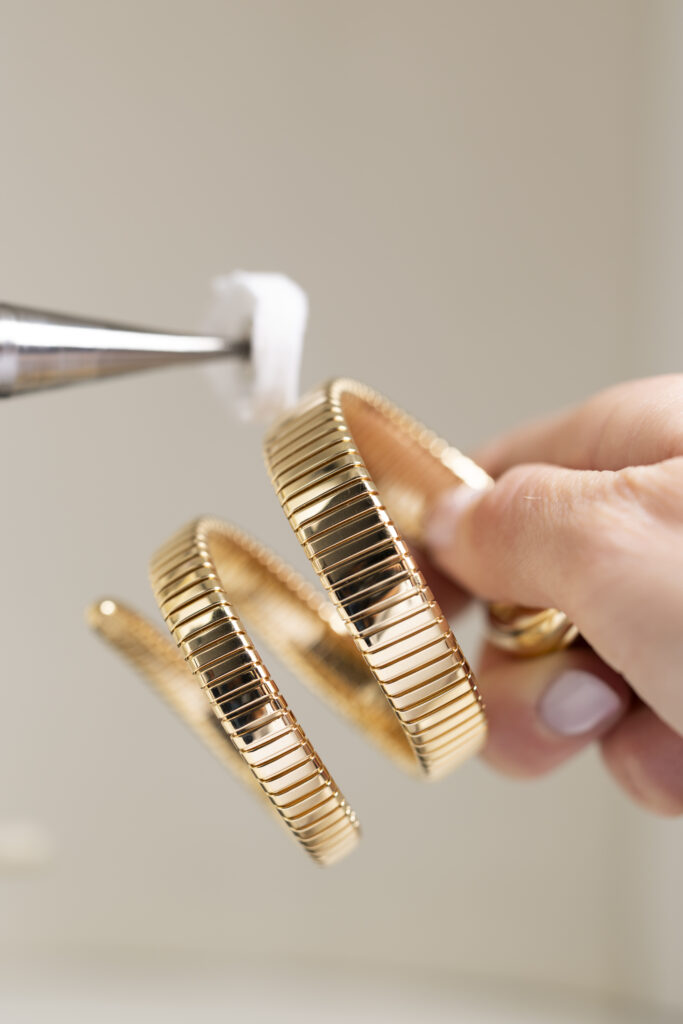
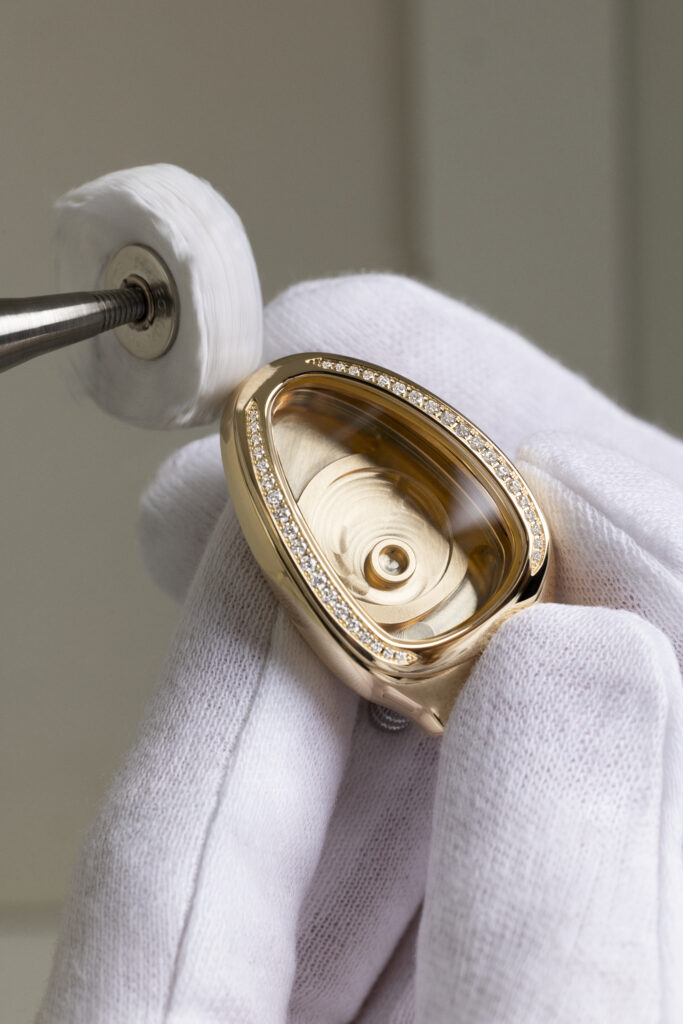
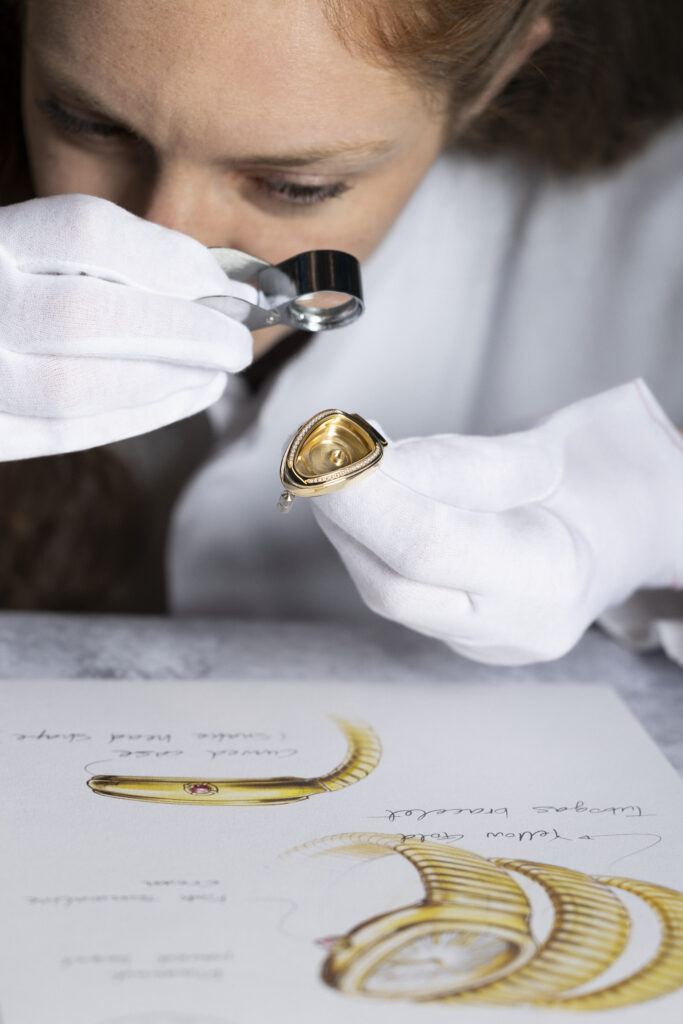
What distinguishes tubogas from a simple metal mesh is the total absence of soldering: the golden strips interlace to form supple spirals, obtained by a goldsmith’s gesture that literally imprisons the gold on itself rather than assembling it. This technical constraint, which became an emblem of the Bvlgari aesthetic in the 1970s, has since fed an infinity of variations — from minimalist models to pieces enhanced with diamonds, coloured stones or the house’s iconic motifs. Over the decades, the collection has reinvented its signature mesh through flat, rounded or sculptural constructions, without ever giving up the suppleness and boldness that have characterised it since the beginning.
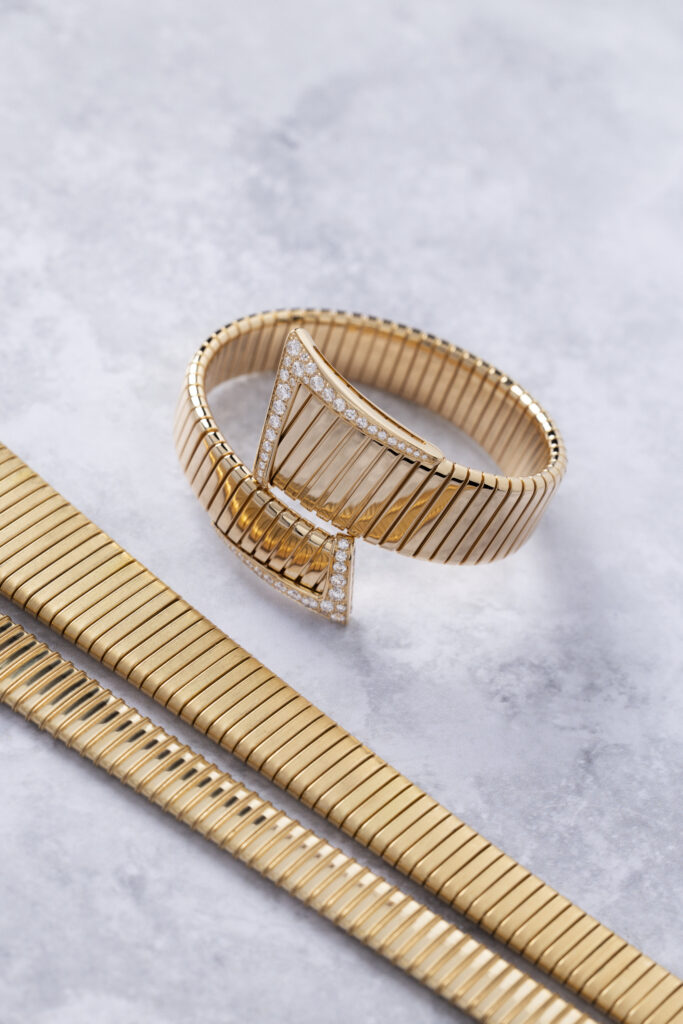
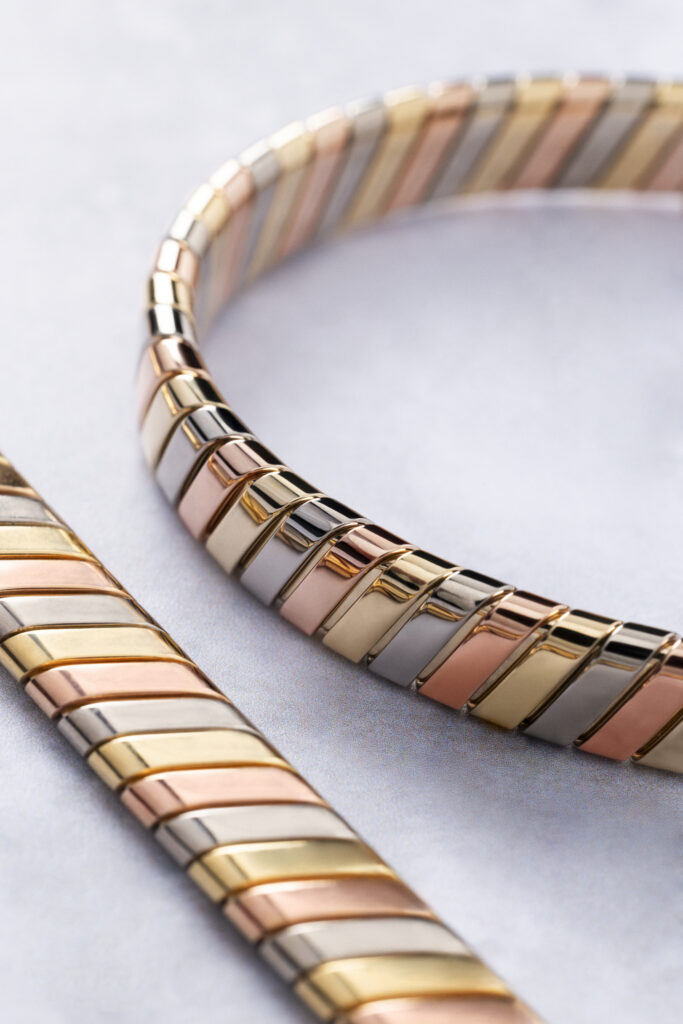
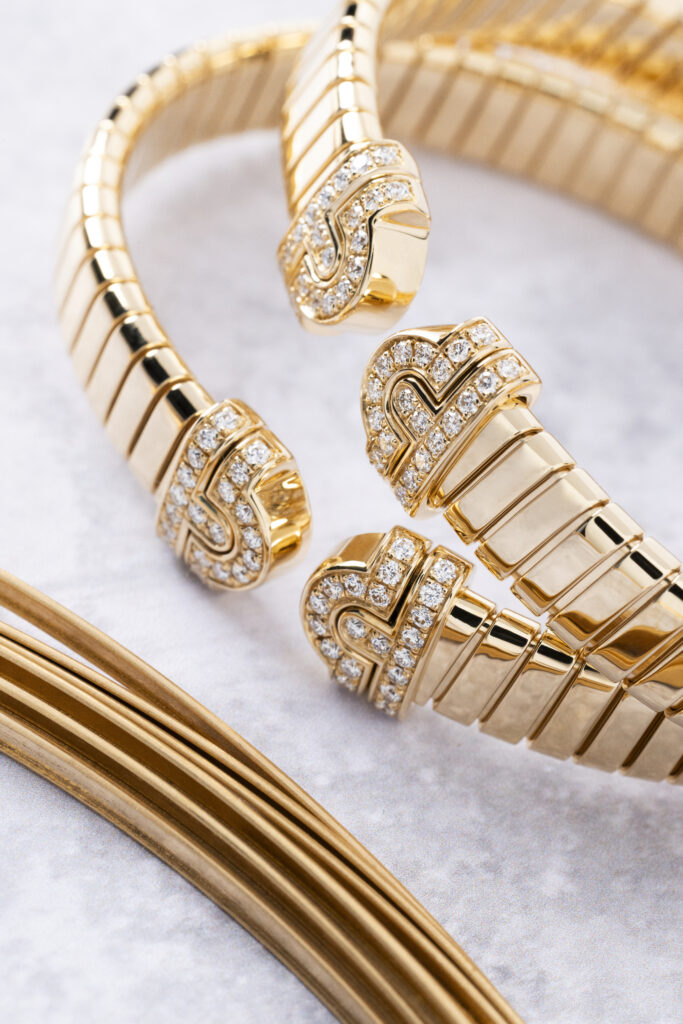
The five creations unveiled this year continue this work on form rather than ornamentation. An asymmetrical jewellery set pushes back the limits of design and goldsmithing by refusing the symmetry that long structured the imagination of the classic jewel. A necklace composed of three golds adds a subtle chromatic dimension to the piece, while a pair of half-hoop earrings with delicate curves completes the ensemble with a technical virtuosity claimed by the house. All these pieces are adorned in yellow gold, a choice that places them in the warm continuity of historic tubogas rather than in the more contrasting variations that the collection has also explored in the past.
Asymmetry as a gentle break
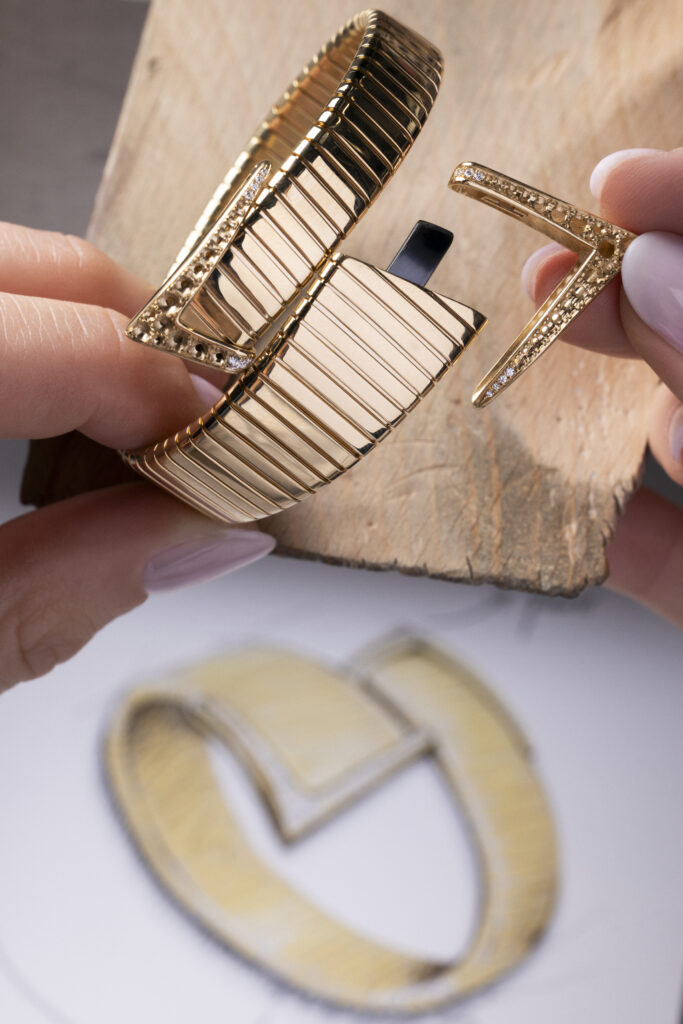
The most significant gesture of this new chapter undoubtedly lies in this asymmetrical set. Tubogas, by its very construction — a continuous spiral, with no visible beginning or end — has long lent itself to balanced, almost geometric compositions. By introducing a break in symmetry, Bvlgari does not modify the age-old technique that makes the collection’s reputation, but renews its visual grammar: the spiral remains the same, only its organisation in space changes. It is a discreet way of evolving an icon without betraying it — a perilous exercise for any heritage house, which must constantly arbitrate between fidelity to a vocabulary recognised among a thousand and the need to offer a contemporary reading.
An icon that refuses to set
For a century, tubogas has thus passed through uses — from industrial tube to wrist ornament — without ever losing its first quality: an almost organic suppleness, which allows the jewel to follow the body rather than sit on it as a simple rigid accessory. This material adaptability joins the house’s strategy, which has always preferred to evolve an existing form rather than invent a new one each season. The question, for Bvlgari as for any house built on a handful of intangible icons, remains how far a signature can be stretched before it ceases to be one — and this asymmetrical set, by daring to break the classic balance of the spiral, tests precisely that limit.

Also on Luxsure: Bvlgari celebrates its eternal icons: Serpenti, Tubogas, B.zero1, Divas’ Dream and Octo · Bvlgari reinvents the iconic Tubogas with nine new creations · Bvlgari Serpenti Seduttori and Tubogas Automatic: The Brilliance of the Serpent · Bvlgari Tubogas: An Eternal Embrace between Heritage and Innovation
Cette publication est également disponible en :


