
The Val-du-Layon has been producing Chenin Blanc since the 11th century. This is not merely a regional curiosity—it is one of the few examples in the world of a grape variety grown almost exclusively within a defined territory, capable of producing both crisp, dry wines and sweet wines suitable for aging, depending solely on the winemaker’s decision at harvest time. Domaine Drost, located in Les Essarts, does not seek to summarize this history. Instead, it reexamines it in a different way: by subjecting the same grape variety to three distinct aging protocols to observe how the container affects the contents.
This is a rare approach in a wine region accustomed to time-honored methods. Most estates in the Anjou region choose a single method and stick with it. Here, the choice is deliberately diverse.
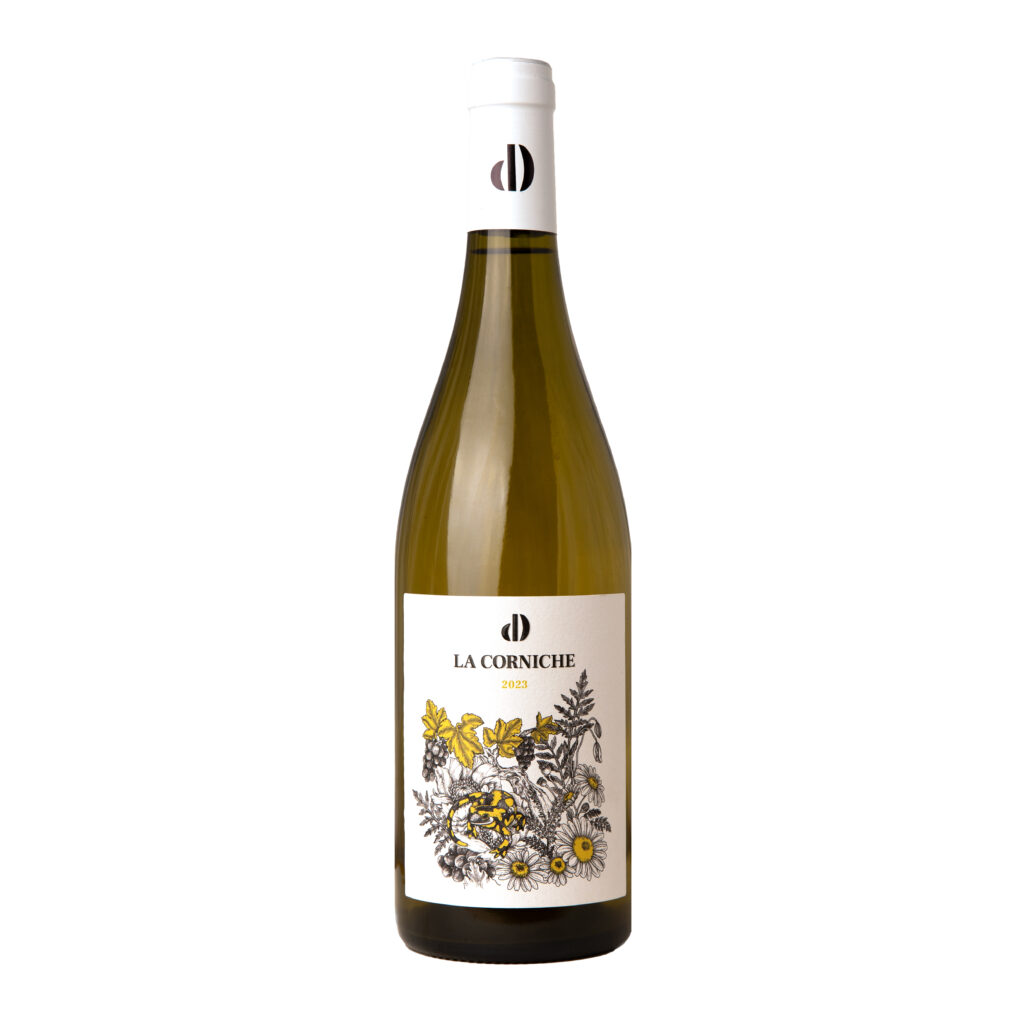
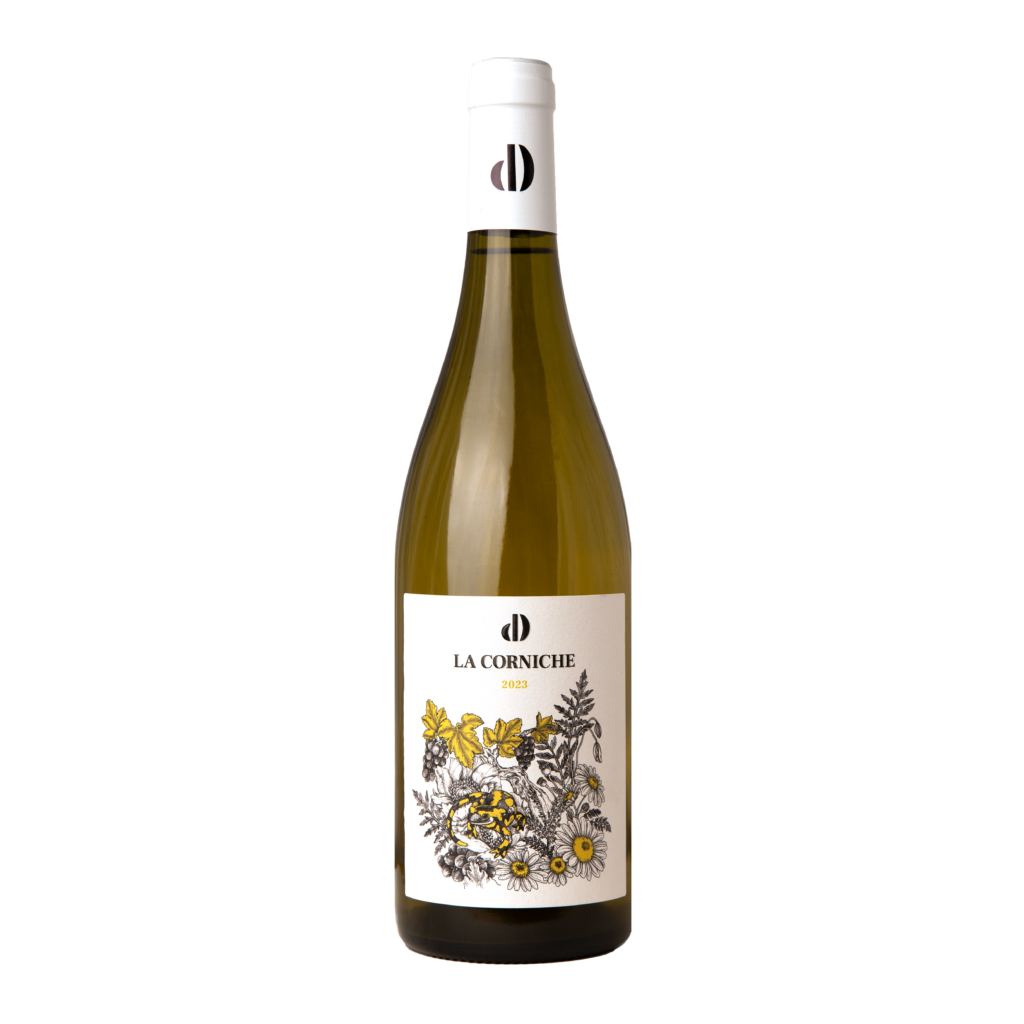
La Corniche The 2023 vintage spends six months in a Burgundian foudre. The foudre—a large wooden vessel, often holding several hundred liters—does not interact with the wine in the same way as a barrel. The larger volume reduces the impact of the wood on the wine: the surface area of contact per liter is smaller, gas exchange is slower, and the wood itself—often old—releases few tannins. The result from the foudre is not a woody wine but one that has had time to settle, integrate, and find its balance. The total acidity of 3.63 g/L—the highest of the three vintages—confirms a structure driven by tension rather than roundness. The residual sugar of 0.3 g/L places this wine firmly in the dry category.
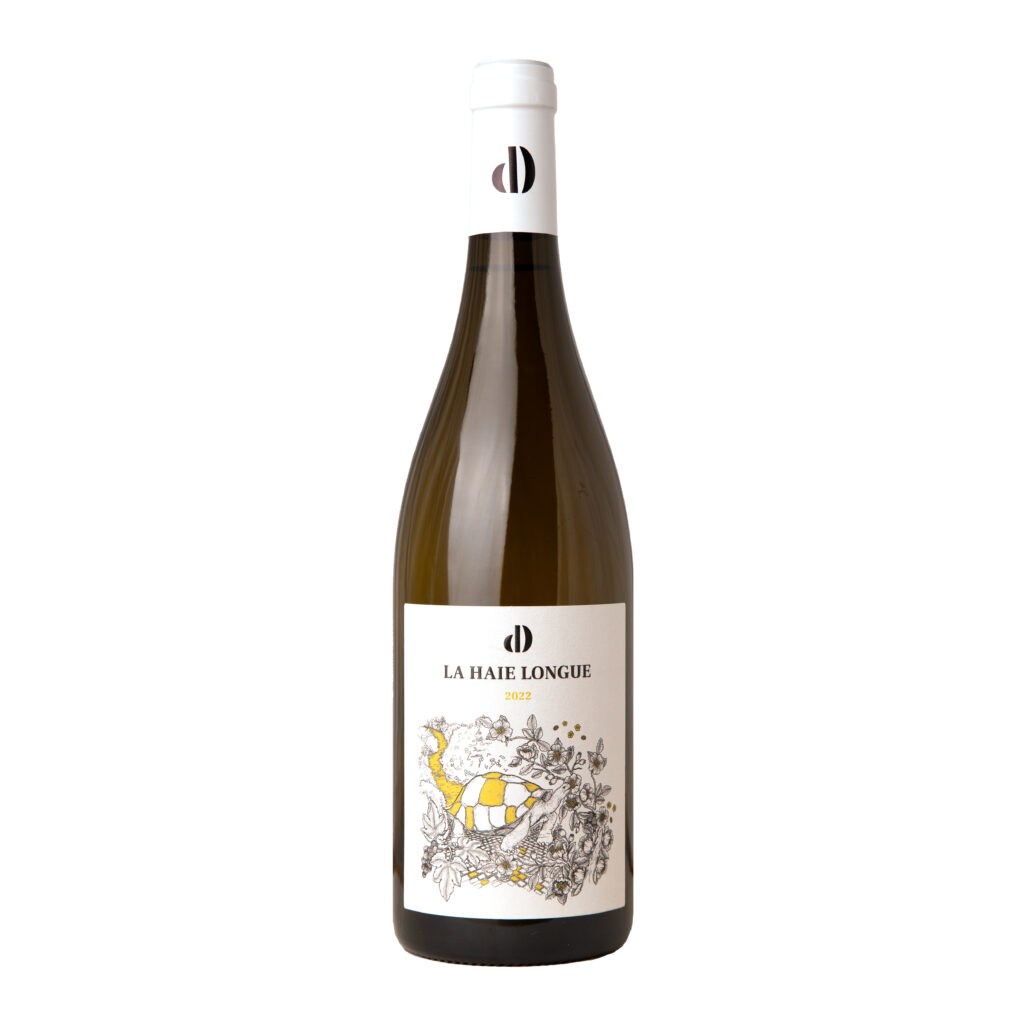
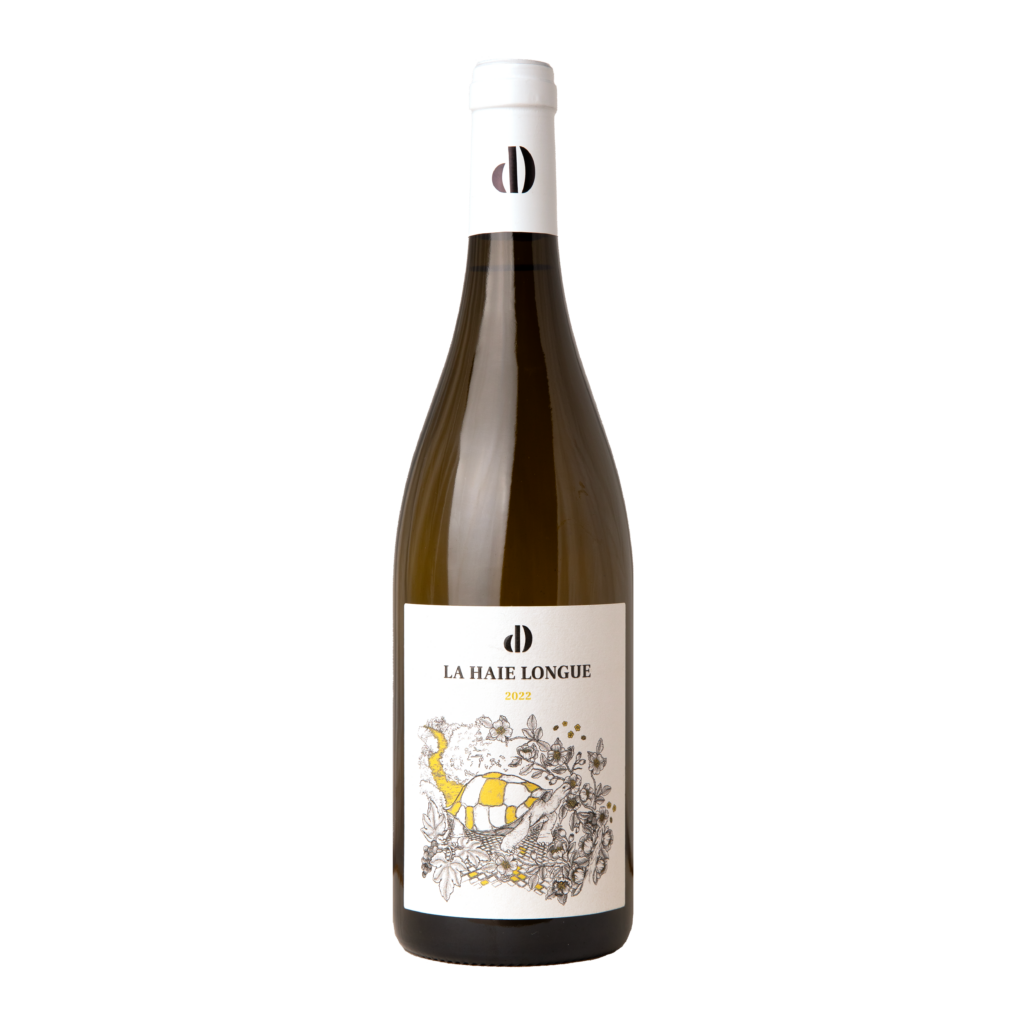
La Haie Longue The 2022 vintage is aged in three types of containers: concrete egg-shaped tanks, stoneware amphorae, and large oak barrels. The vines, ranging from 30 to 40 years old, are planted on Carboniferous schist with a northeast exposure. Carboniferous schist—a sedimentary rock compacted from ancient organic debris—gives the Angers wines produced on it a distinctive minerality, sometimes described as smoky or iodine-like, which stands in sharp contrast to the softer profiles of tuffeau soils. The northeast exposure slows ripening: the grapes ripen later, retain naturally higher acidity early in the ripening cycle, and develop a delayed aromatic complexity. Blending the three containers during aging is not a traditional oenological blending decision—it is a triangulation: concrete preserves the fruit, sandstone provides a porous texture different from concrete, and the large oak cask allows for slow oxygenation. The analytical results: 13.50% ABV, total acidity 3.27 g/L, total SO₂ maintained at 33 mg/L—figures that indicate minimal intervention in the cellar.
The Pavilion The 2022 vintage is the simplest in terms of winemaking—made exclusively from “concrete eggs”—and the most deeply rooted in the story of its terroir. The historic vineyard from which it takes its name is still partially surrounded by its original wall. This detail matters less for its anecdotal value than for what it implies from an agronomic standpoint: an enclosed vineyard creates a microclimate. The walls retain heat at night, create a specific airflow, and alter the soil’s water balance. The choice of concrete eggs for this aging process is consistent with this philosophy of preservation: concrete is chemically neutral, allows for natural micro-oxygenation through its slightly porous walls, and imparts nothing to the wine. What we drink is the vineyard, not the container. Total SO₂ at 52 mg/L—slightly higher than the other two vintages—suggests more pronounced protective intervention at this stage, perhaps related to the 2022 vintage.
The Concrete Egg
Developed by oenologist Patrick Hulin in the 1990s and popularized notably at the Zind-Humbrecht estate, the concrete egg owes its purported benefits to two physical characteristics: the absence of internal corners, which creates natural convection within the wine during aging (the wine swirls gently on its own without mechanical intervention), and the porosity of the concrete, which allows for minimal gas exchange with the outside. It adds neither tannins nor aromas to the wine. It comes in versions made of pure concrete, reinforced concrete, or vibrated concrete, each behaving slightly differently depending on its composition.
What Domaine Drost is creating through these three cuvées is not a product line in the commercial sense—it is a cartography. Each cuvée charts a territory of Chenin’s expression from the same vineyards, through different aging processes. The question that will guide our understanding of this work in the coming years is this: which of these three styles will best withstand global warming—when the Carboniferous schist soils of the Val-du-Layon yield alcohol levels higher than the 13.50% recorded in 2022, and the northeastern climate’s cooling influence will no longer be sufficient on its own to preserve acidity?
Cette publication est également disponible en :

