
A chocolate shop founded on a Greek island just sold out its first collection in less than 24 hours. Behind this craze lies a broader trend: in the world’s most photographed destinations, the classic tourist souvenir is giving way to a treat that can literally capture the taste of a place.
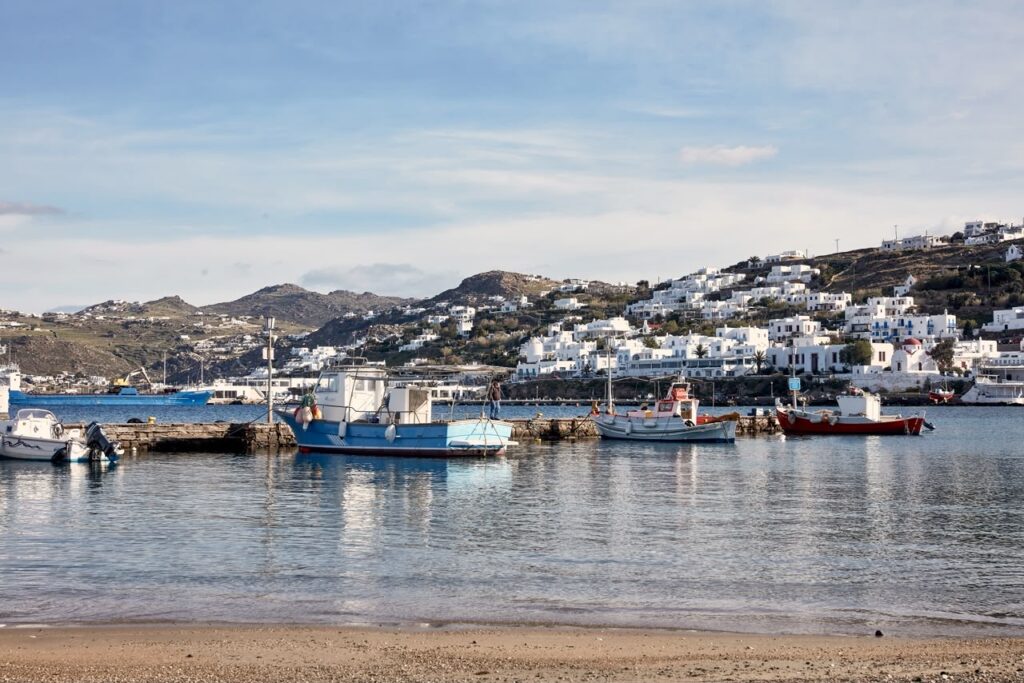
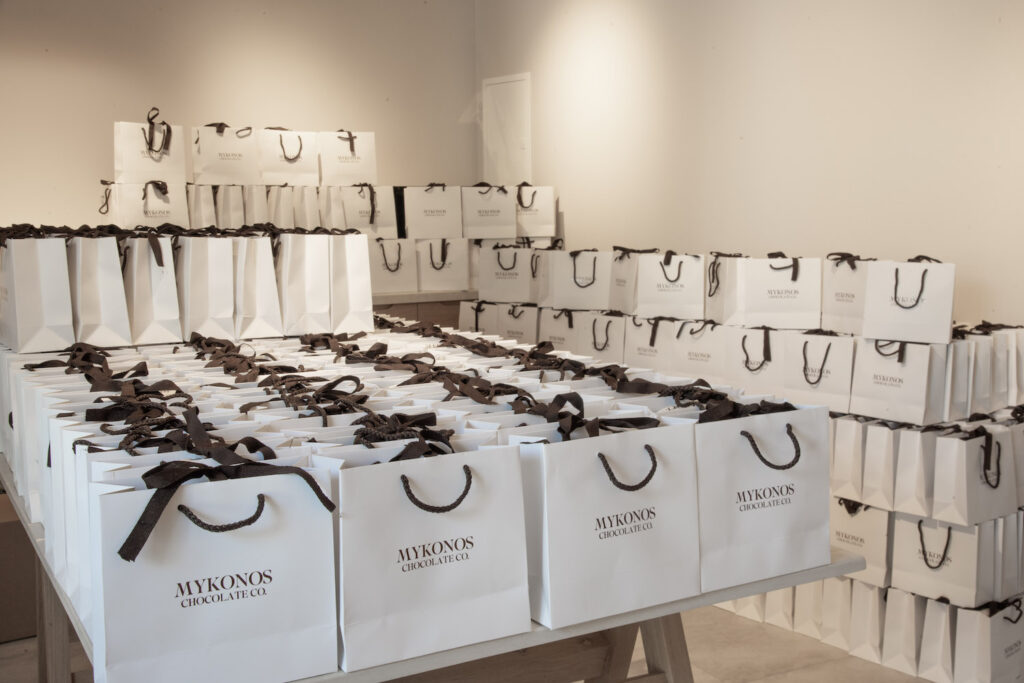
Until now, Mykonos had never had its own chocolate. The Cycladic island is home to jewelry boutiques, pop-up fashion stores, and one of Europe’s most sought-after dining scenes—but no signature edible brand of its own. The Chocolaterie de Mykonos is filling that void; its first collection, launched this summer, sold out completely in less than a day. This success goes beyond a mere local craze: it signals a broader shift in how luxury destinations are now choosing to leave a lasting impression in their visitors’ suitcases.
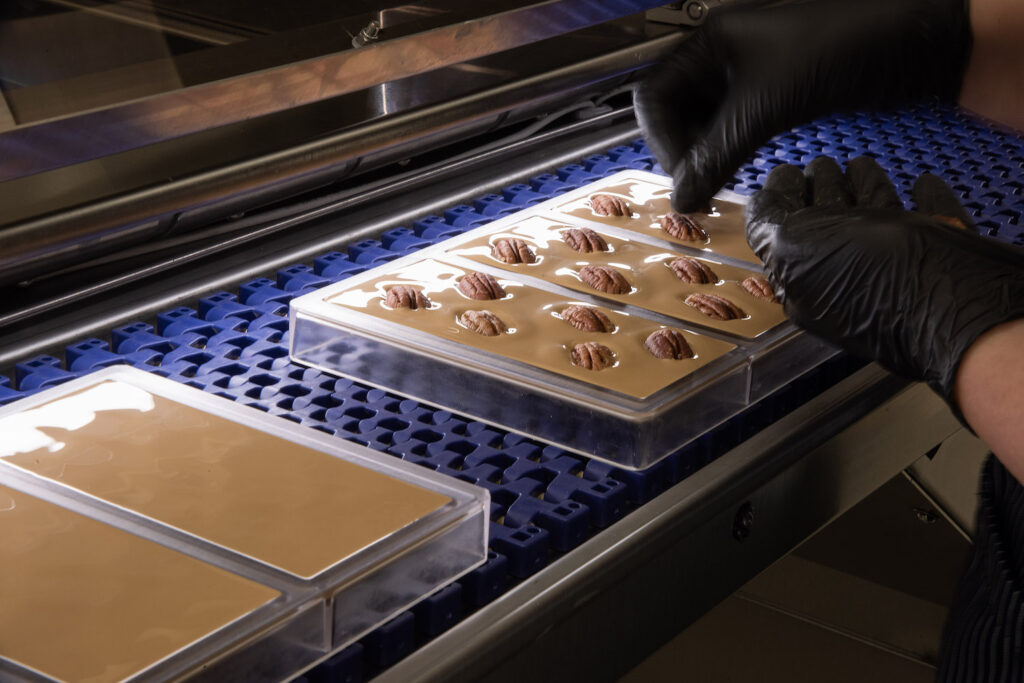
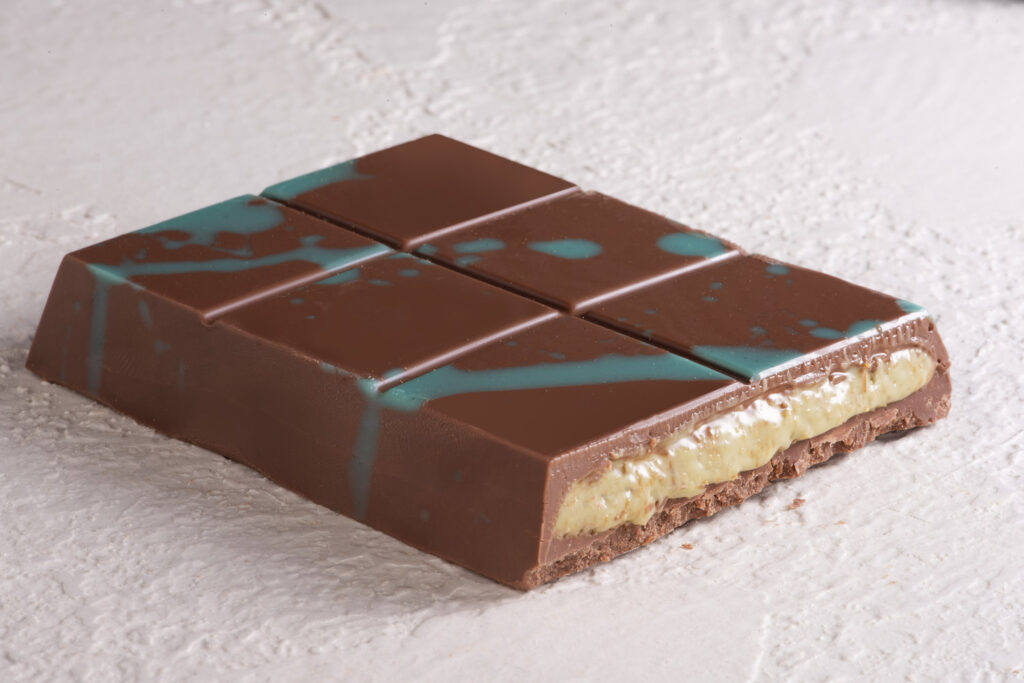
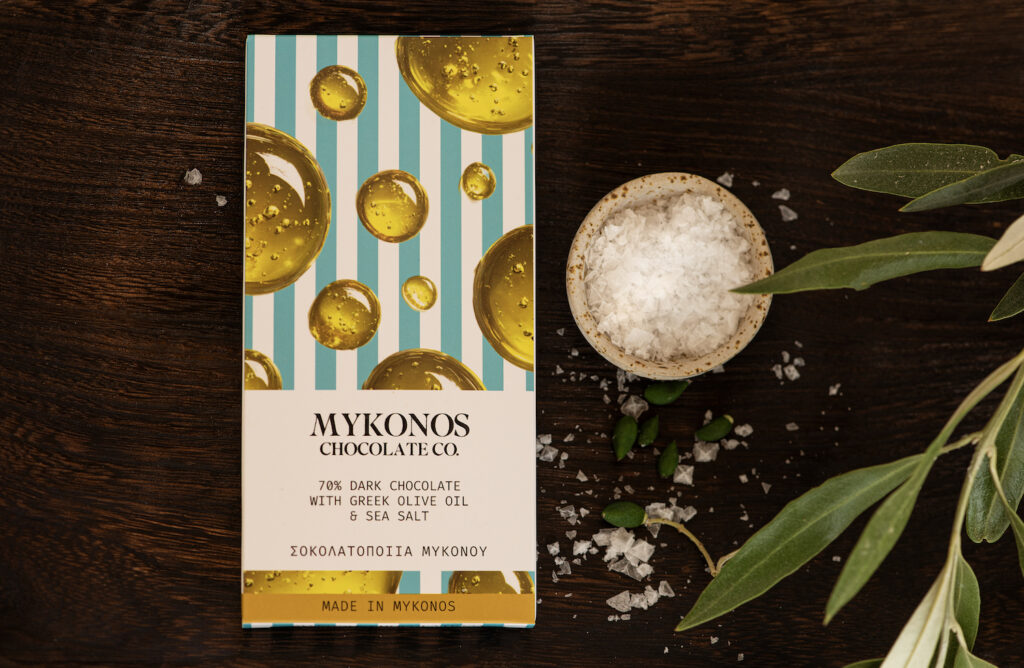
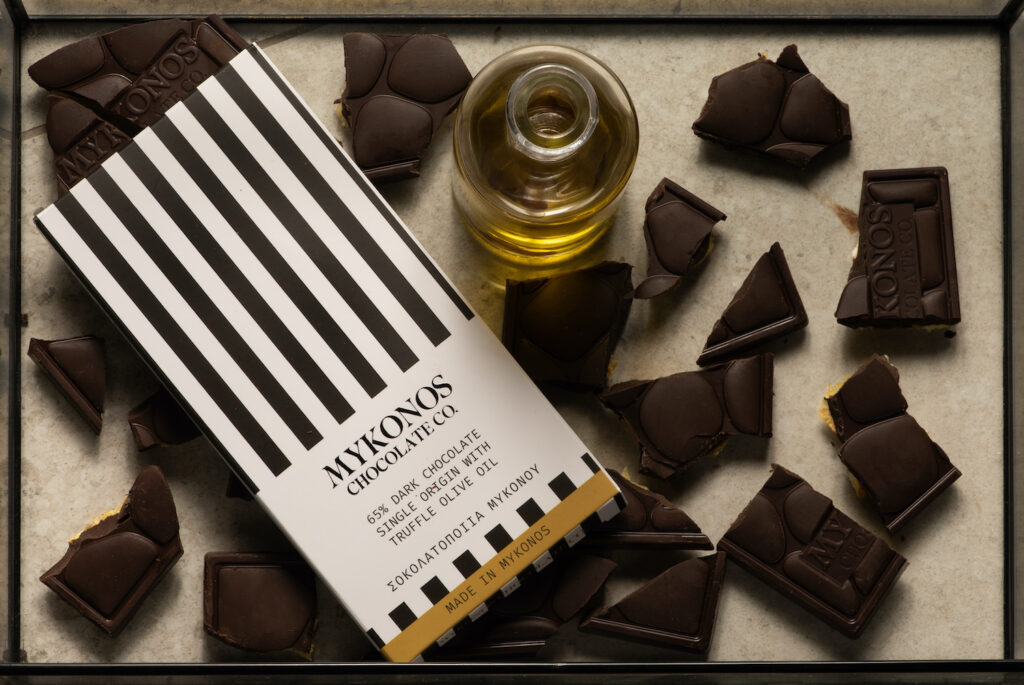
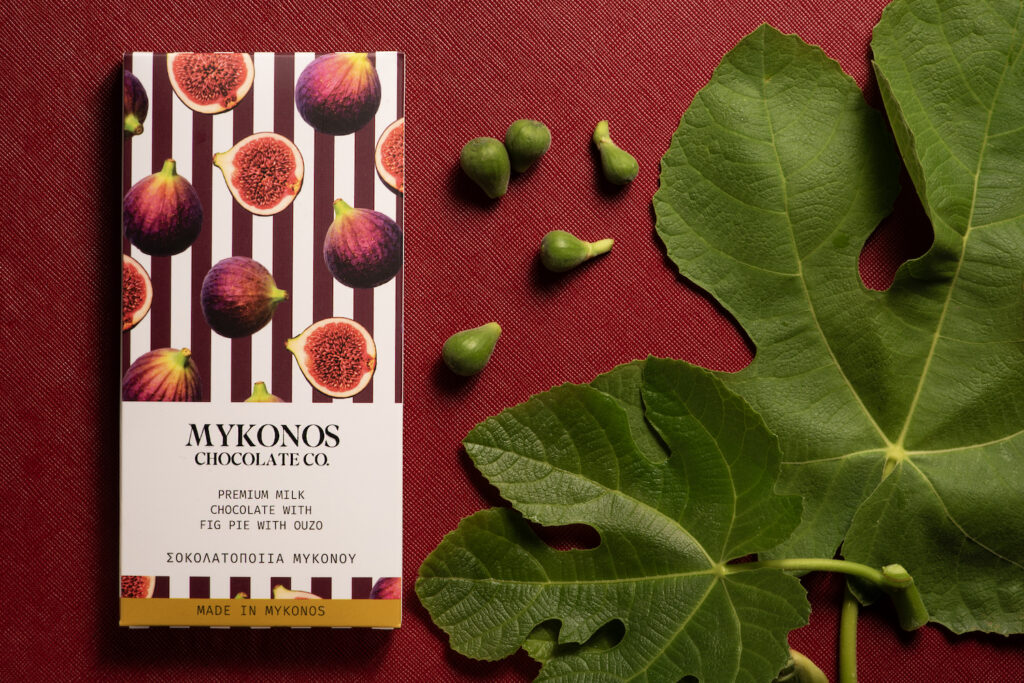
The brand’s creative concept is based on a simple yet meticulously executed idea: transforming the island’s topography into an edible pattern. The geometric relief of each bar replicates the cobblestone streets of Chora, while the recipes themselves draw on Greek and Mediterranean ingredients—figs, extra virgin olive oil, Chios mastiha, anise, and carefully selected dried fruits. The names of the creations—from “Sunset in Chora” to “Party with Ouzo,” “Pink Sand,” and “Olive and Sea”—function less as gourmet descriptions and more like postcard captions, each evoking a specific scene from the Mykonian experience.
This approach is part of a broader trend observed in several high-end tourist destinations: merchandise is giving way to a sensory experience capable of extending the memory beyond the image. Whereas a magnet or a printed T-shirt merely served as a visual reminder of a place, signature chocolate engages the sense of taste—a sense less readily associated with superficial nostalgia, and one that anchors the memory in a more physical experience, one that is harder to separate from the emotion actually felt while there.
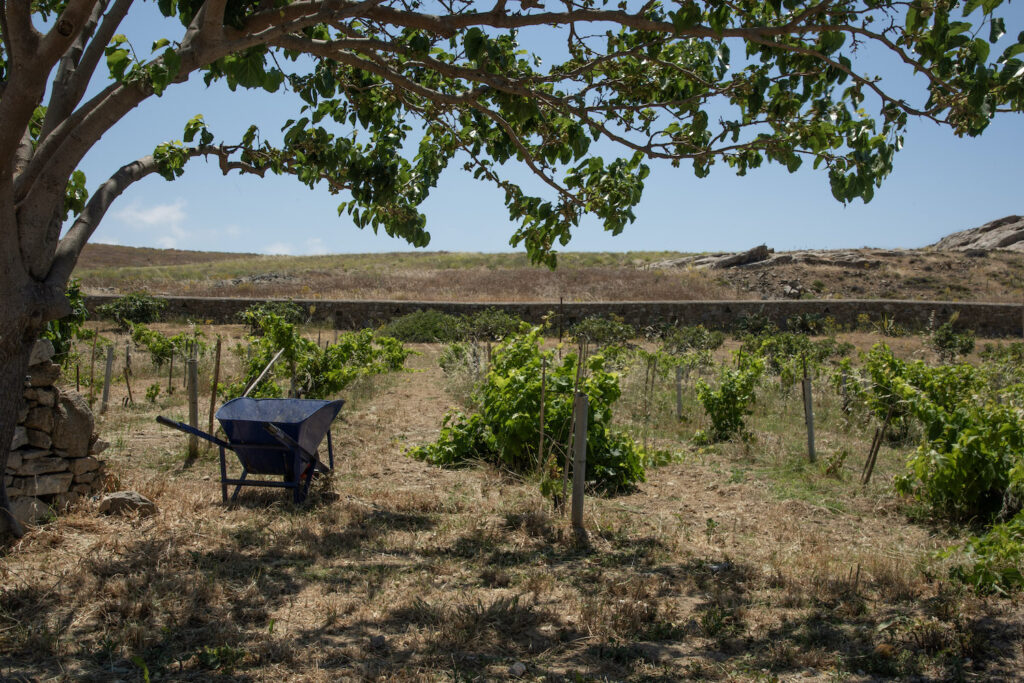
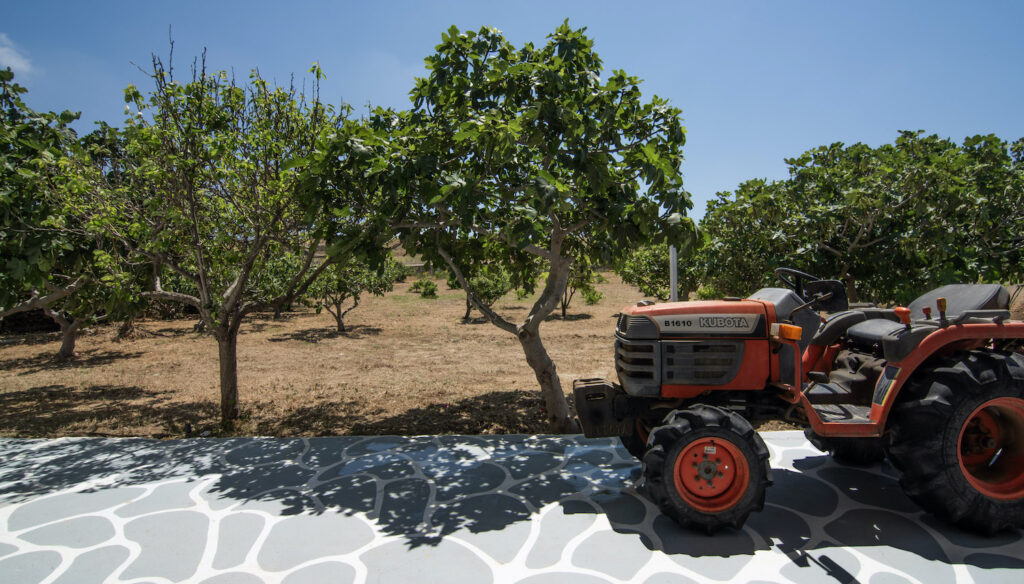
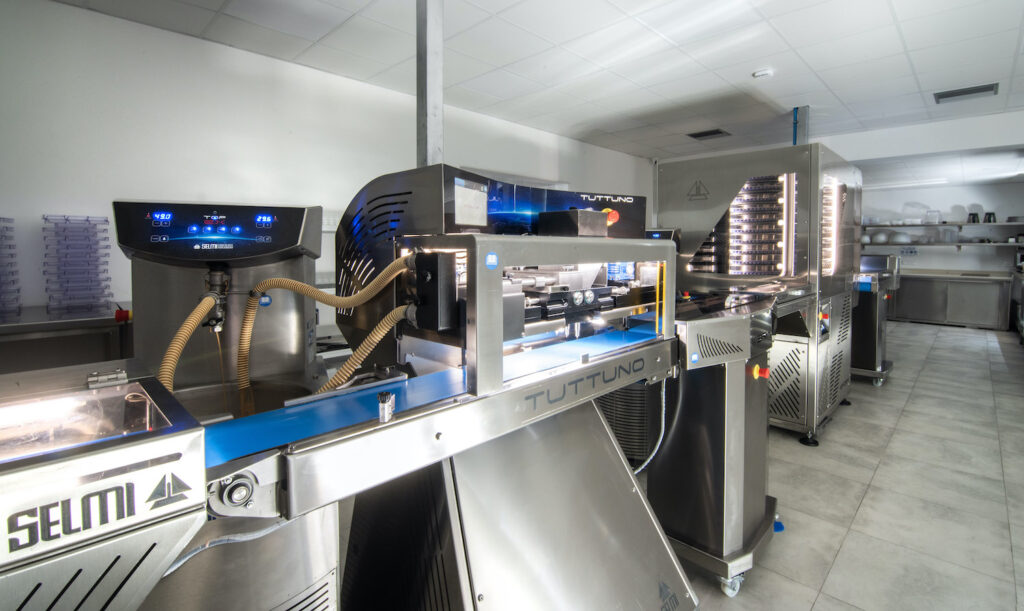
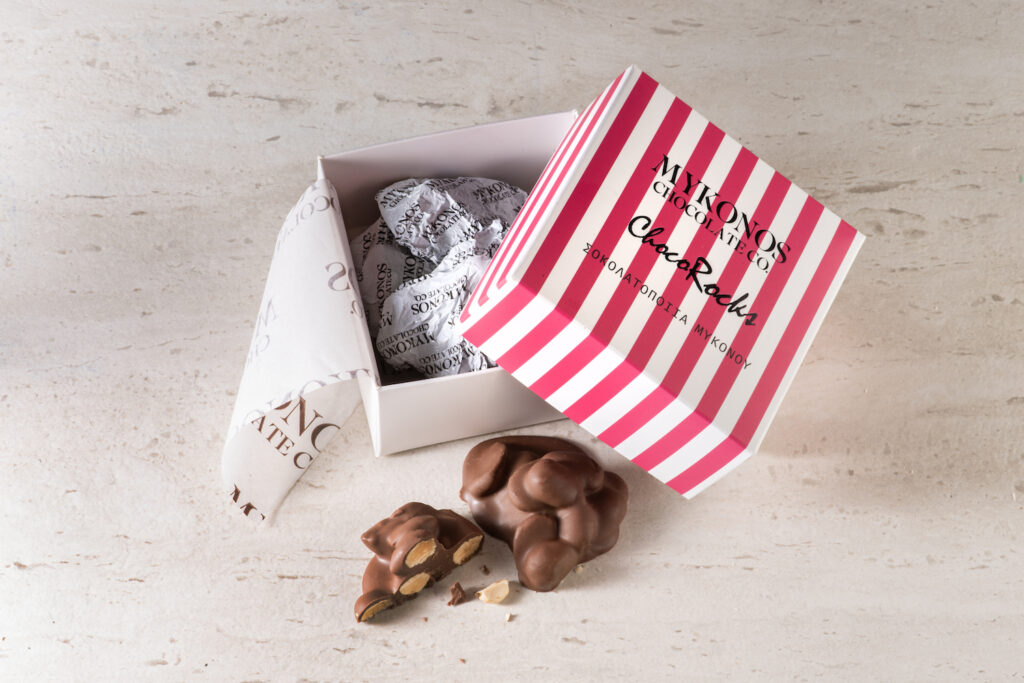
The workshop itself, located in Marathi, amidst a landscape of olive and fig trees, prides itself on being entirely island-made—a choice that is by no means trivial in a tourism-driven economy where most products sold to visitors are imported and then simply branded with the destination’s name. By focusing on local production and contemporary design for its jewelry boxes, the brand seeks to position itself in the same category as Mediterranean brands that have turned their geographic roots into a mark of authenticity rather than a mere marketing ploy.
It remains to be seen whether the initial buzz surrounding the launch—which sold out in 24 hours and looks every bit like a well-orchestrated media stunt—will translate into lasting customer loyalty once the flagship boutique in Chora opens and the product becomes available on a wider scale. The history of tourism is littered with souvenirs that didn’t survive their own success. But by focusing on taste rather than image, Mykonos Chocolate has at least chosen the aspect that’s hardest to forget.

Cette publication est également disponible en :

