
The announced reopening of the Alcazar on September 1 is more than just the return of a Parisian landmark.
It raises questions about how a place can come back to life without becoming mere scenery, by creating a dialogue between memory, performance, cuisine, and craftsmanship.
In Saint-Germain-des-Prés, luxury here lies less in pomp and circumstance than in a space’s ability to once again become a social stage.
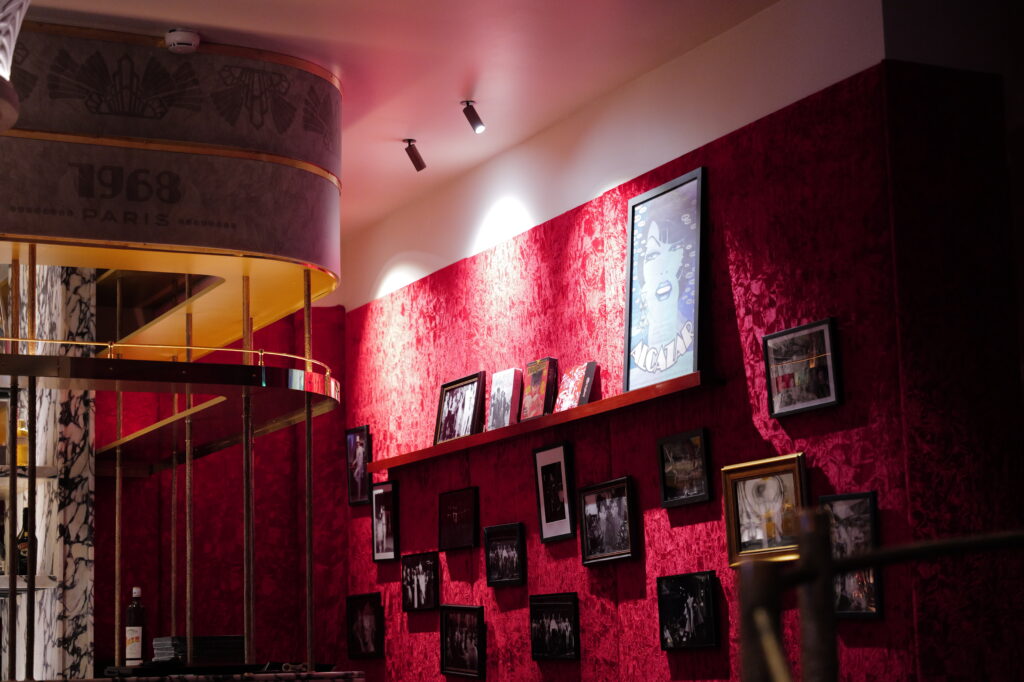
Some places in Paris do more than simply exist within the city: they lend it a part of its mythology. L’Alcazar belongs to this elusive category, where the address becomes a story, where the venue itself matters just as much as those who have passed through it. Founded in 1968 in the heart of Saint-Germain-des-Prés, at 62 Rue Mazarine, it has become an integral part of a Left Bank defined by nights, silhouettes, and cultural cross-pollination. The press release recalls the names of David Bowie, Liza Minnelli, Duke Ellington, Josephine Baker, Dalida, Serge Gainsbourg, Jacques Brel, and Édith Piaf. This is not merely a prestigious list: it speaks to the nature of a place that has long blended the performing arts, social life, and a touch of transgression.
September 1, 2026, is therefore a date to watch. Under the leadership of Walter Butler, who already owns the Paradis Latin and the Butler Collection, the Alcazar aims to revive its original spirit within a contemporary setting. The risk with this type of reopening is always the same: turning the legend into mere decor, transforming history into a mere reference. The project’s appeal lies precisely in its attempt not to separate heritage from its practical use. The venue is not returning as a heritage restaurant, but as a living stage.
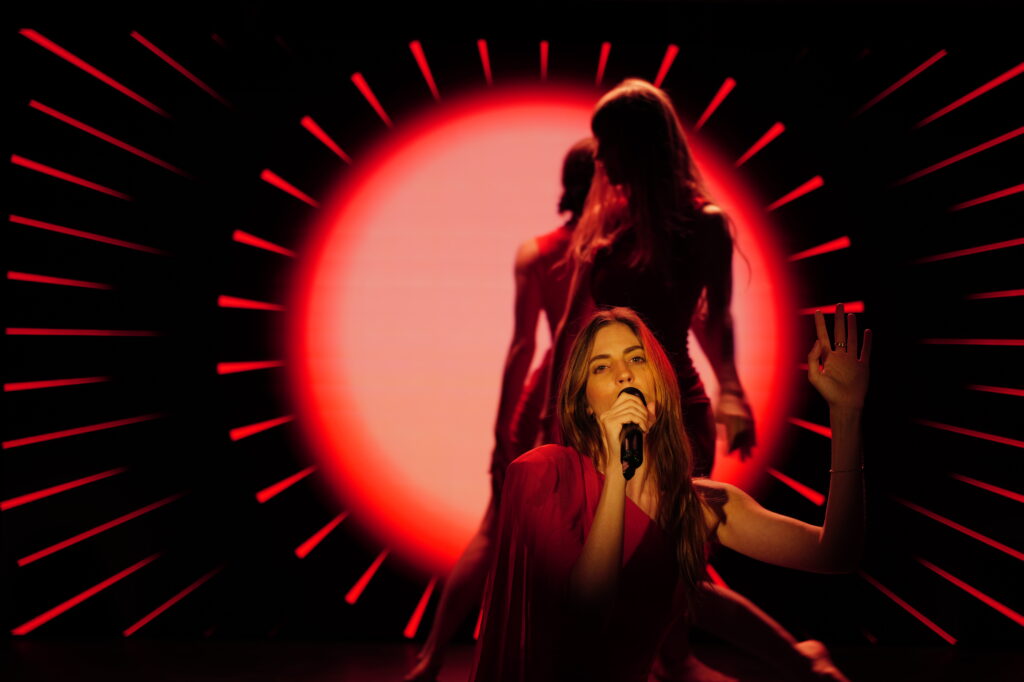
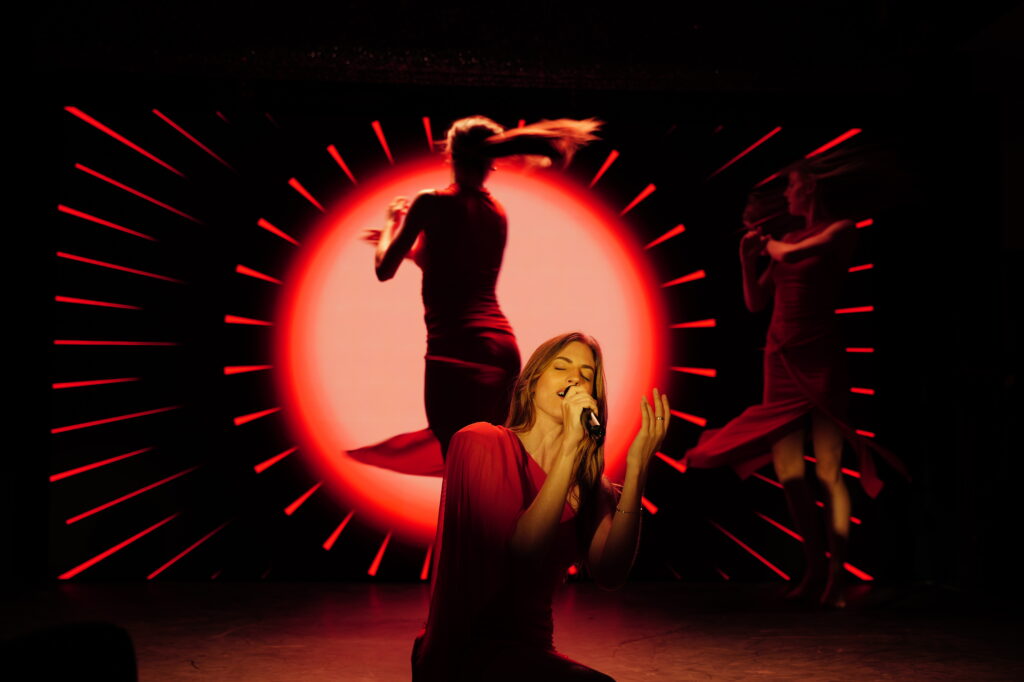
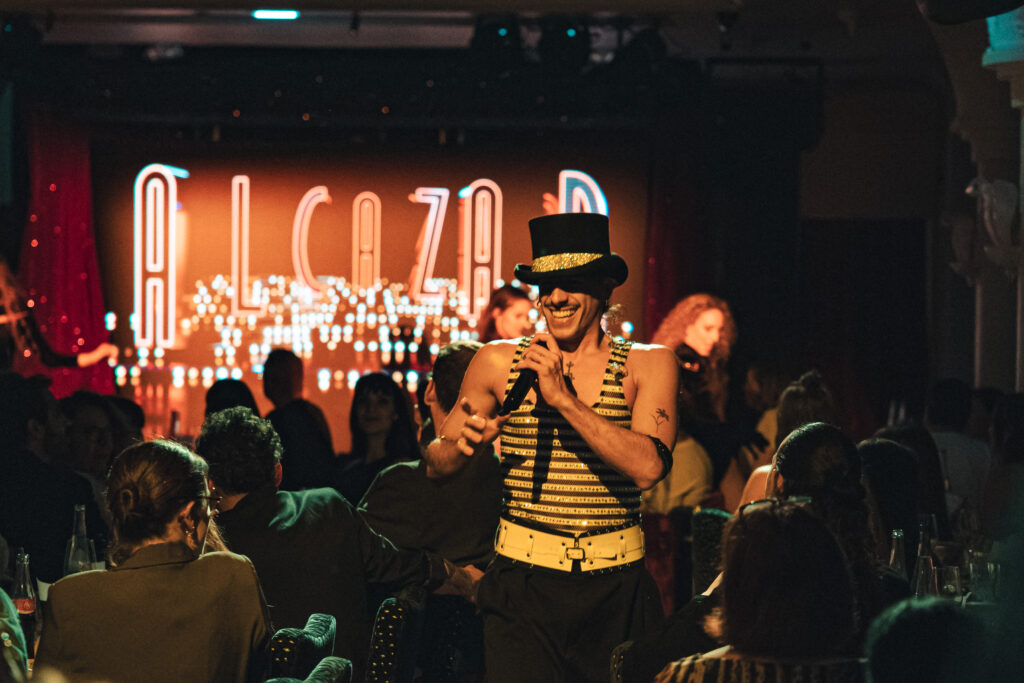
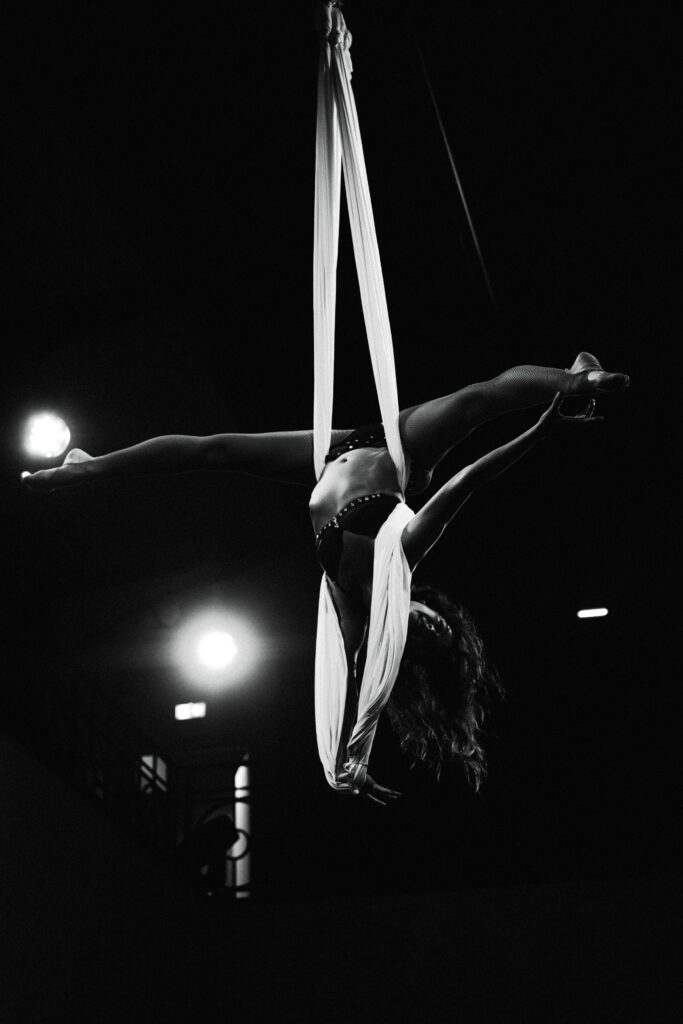
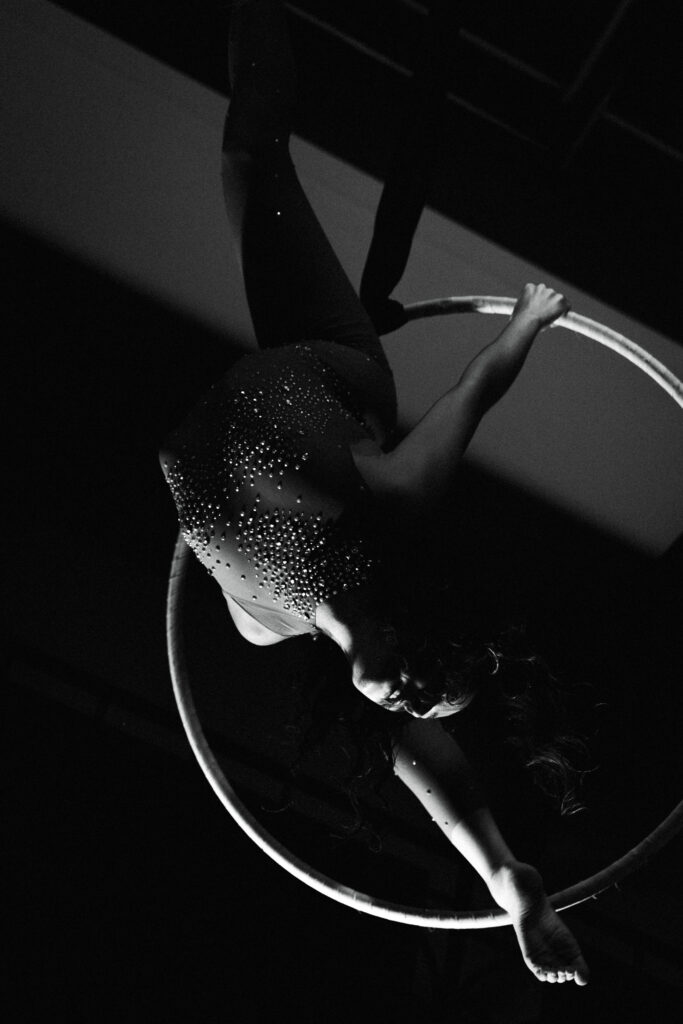
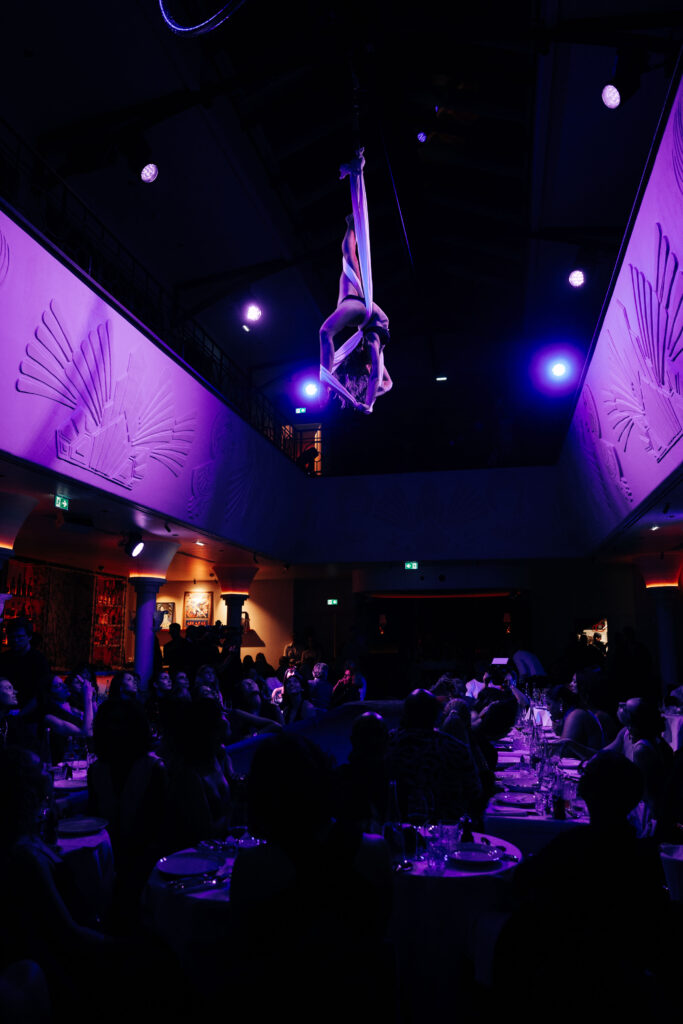
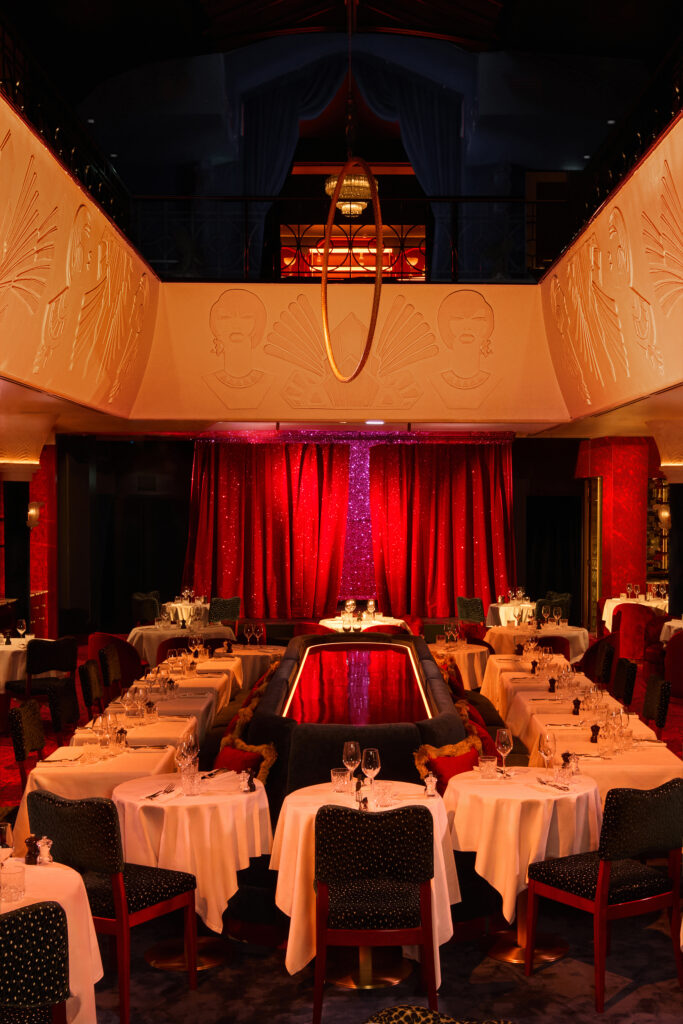
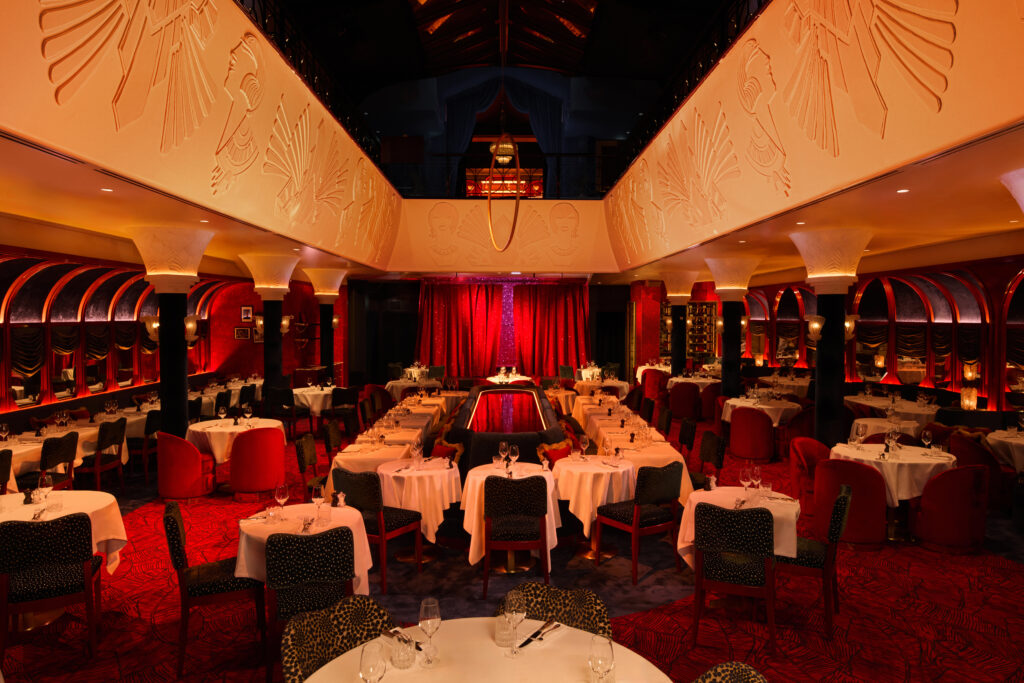
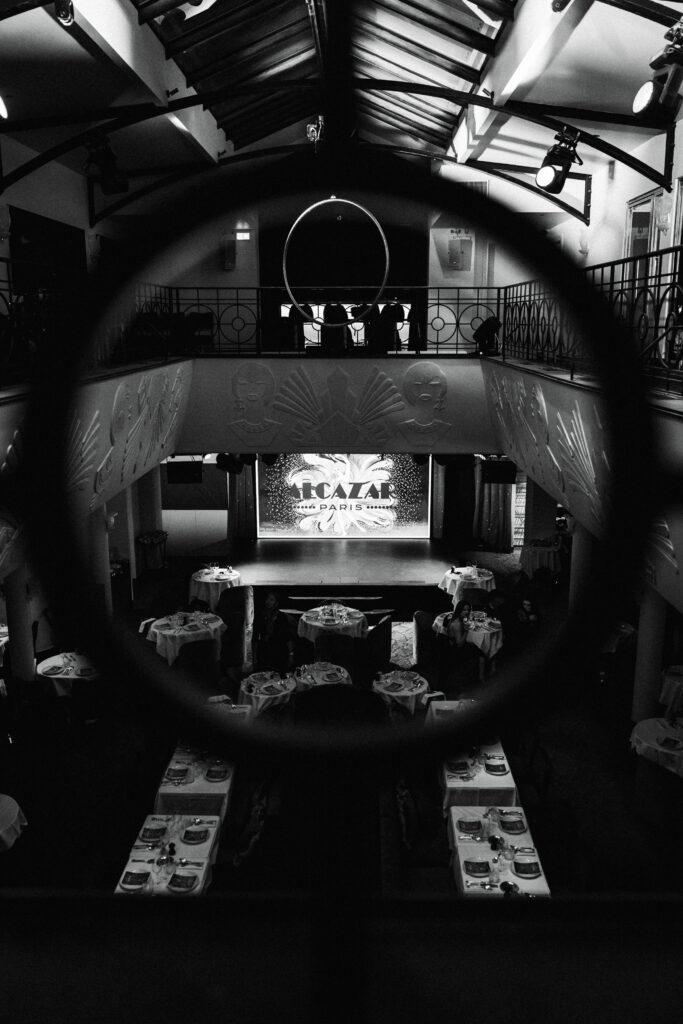
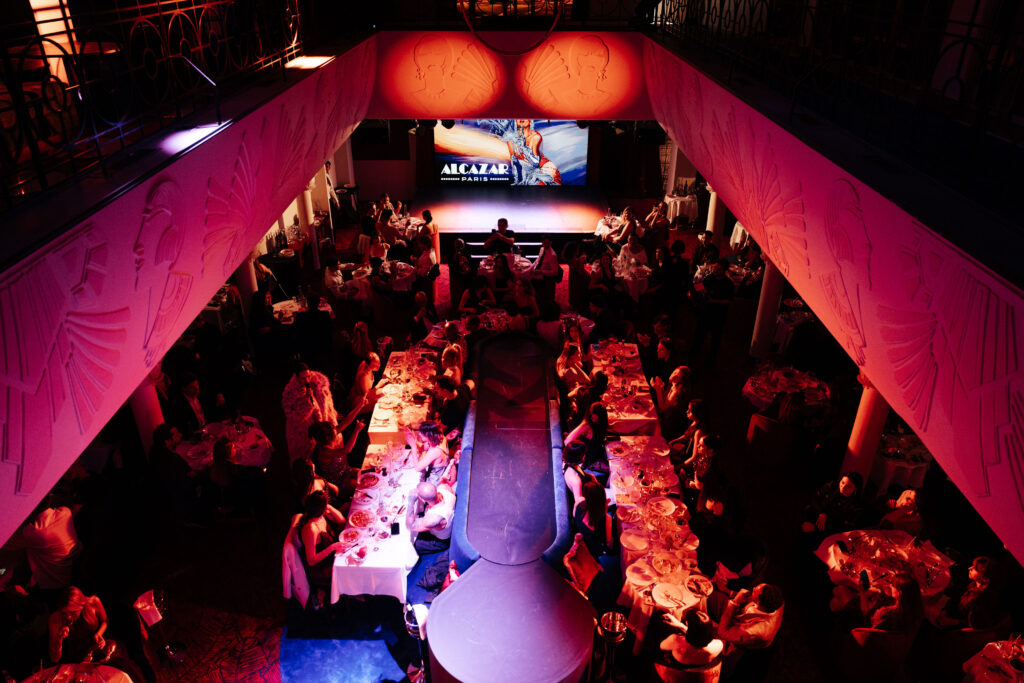
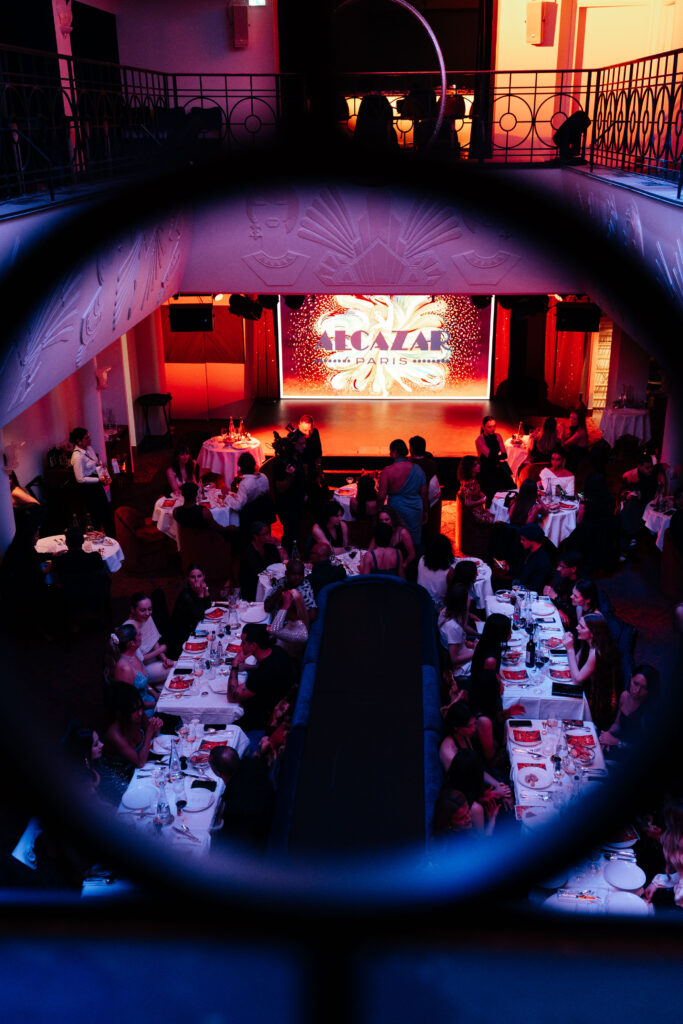
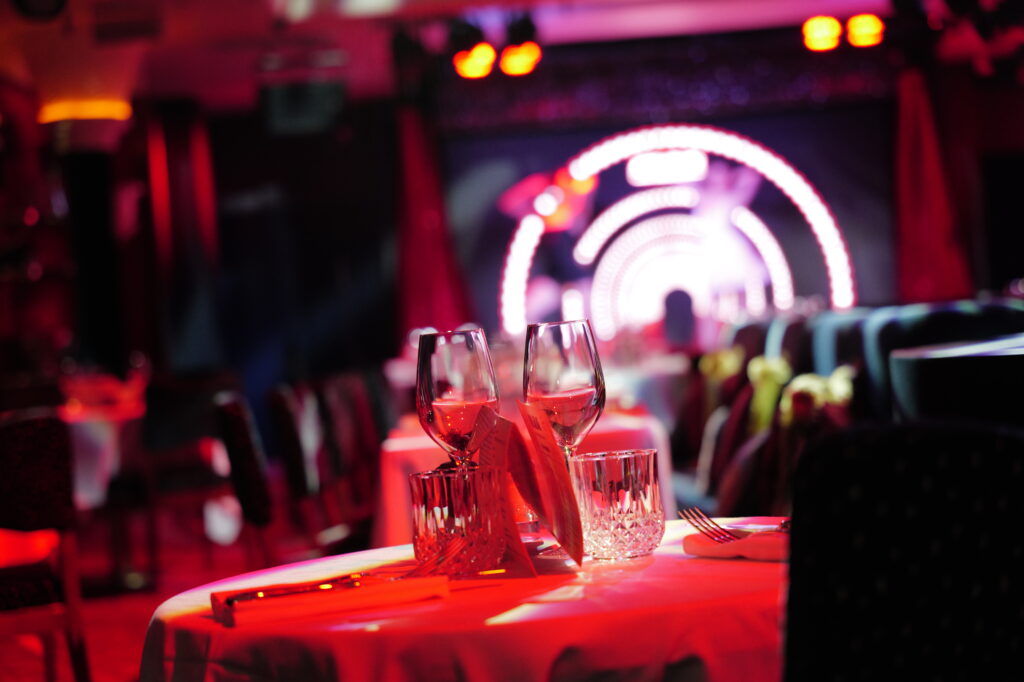
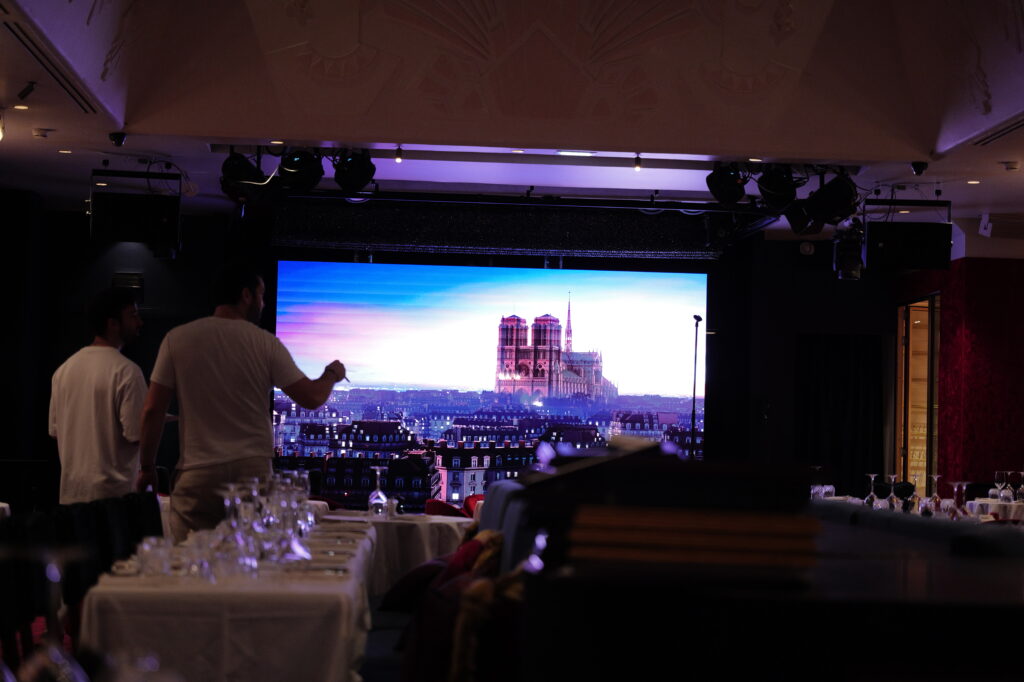
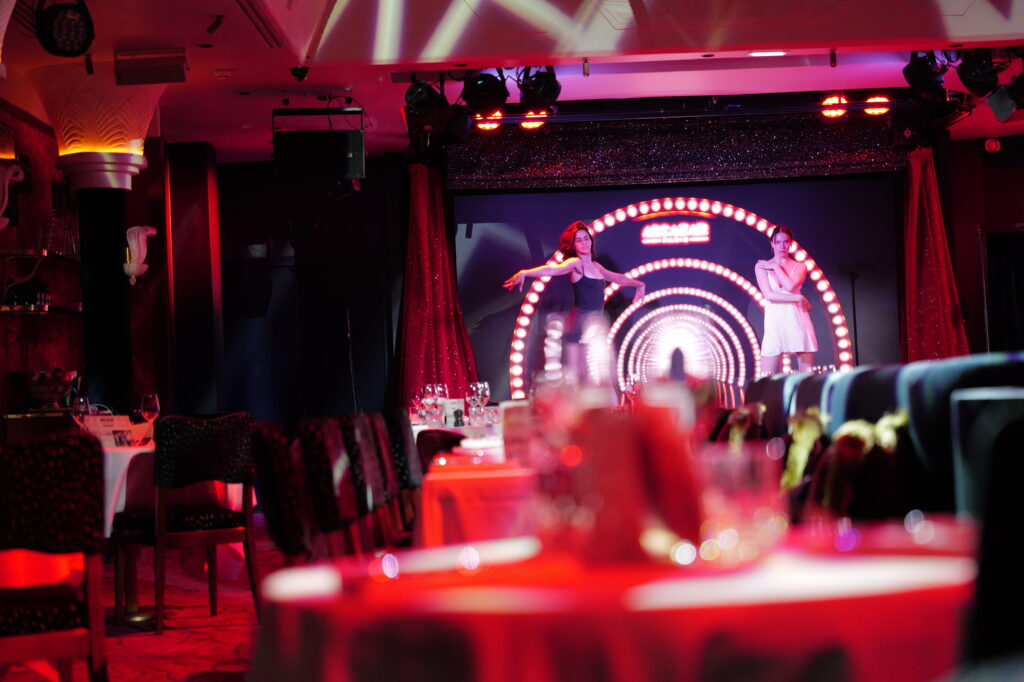
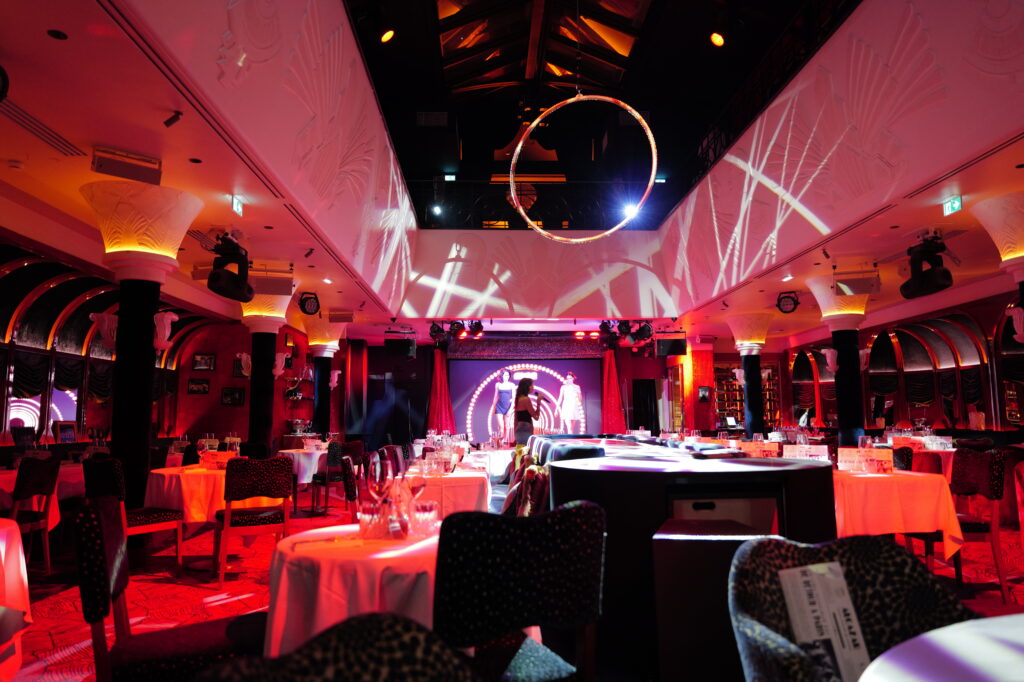
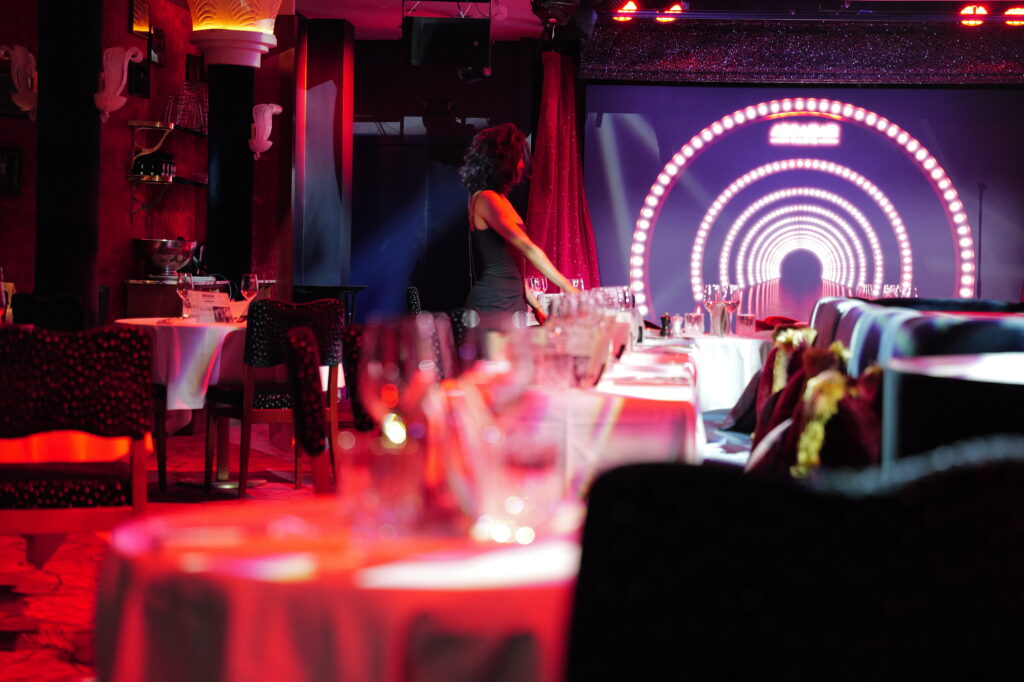
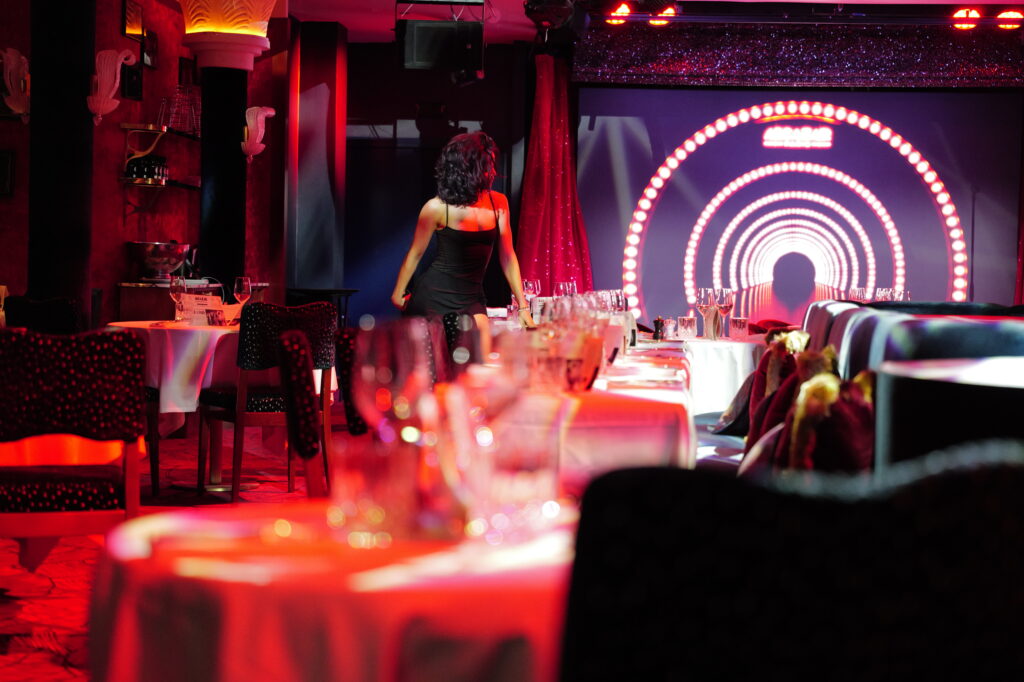
Every evening, the lineup features singers, dancers, acrobats, and performers, with a program that changes from week to week. The central bench, which can be converted into a stage, extends the show right into the heart of the audience. This detail is important. It shifts the experience from a front-and-center format to an immersive one, without necessarily succumbing to the excesses of scripted entertainment. The Alcazar thus rediscovers its purpose as a versatile venue: dinner, performance, and celebration are no longer three distinct moments, but rather the varying intensities of a single evening.
The technical and artistic direction underscores this foundation. The sound and lighting design was entrusted to Alabama and Dushow, with media design by Thabian Blondon, under the technical direction of Raphaël Maitrat. The performances are conceived under the artistic direction of Walter Butler, with Quentin Michel as creative director and Raffaele Lucania as choreographer. These names bring to the project what many reopenings overlook: a clear creative process. The venue is not merely “reimagined”; it is reimagined through the collaboration of various disciplines.
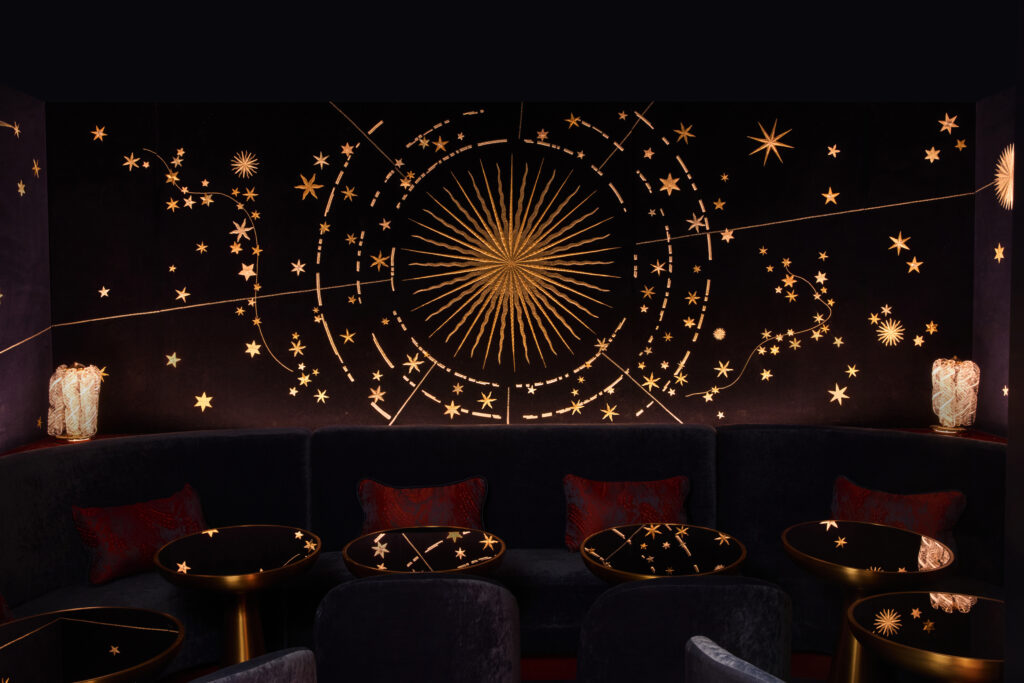
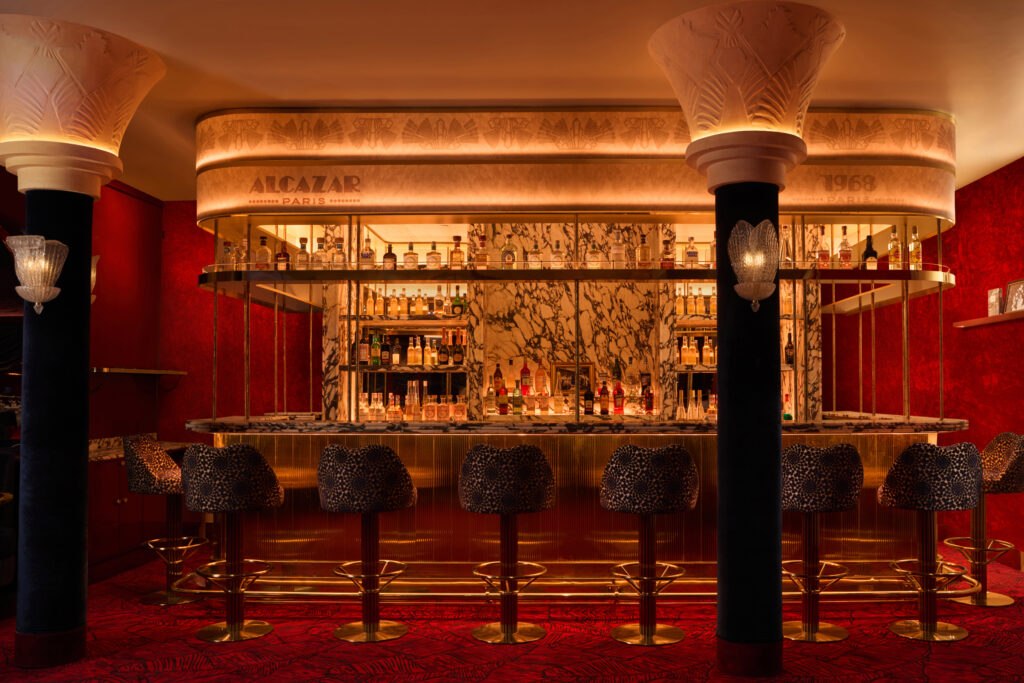
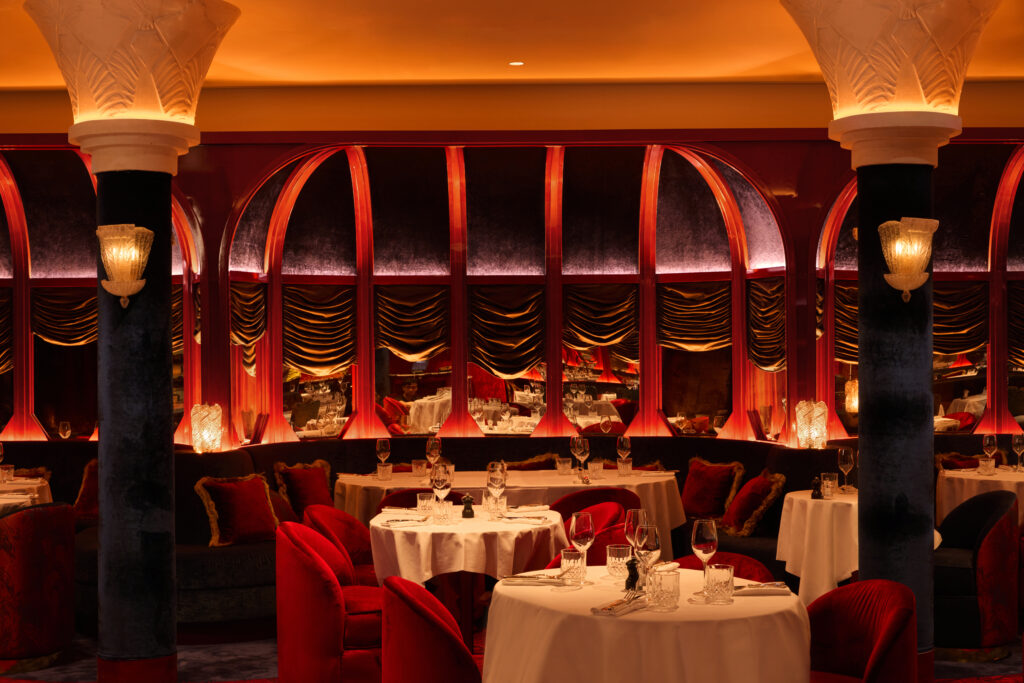
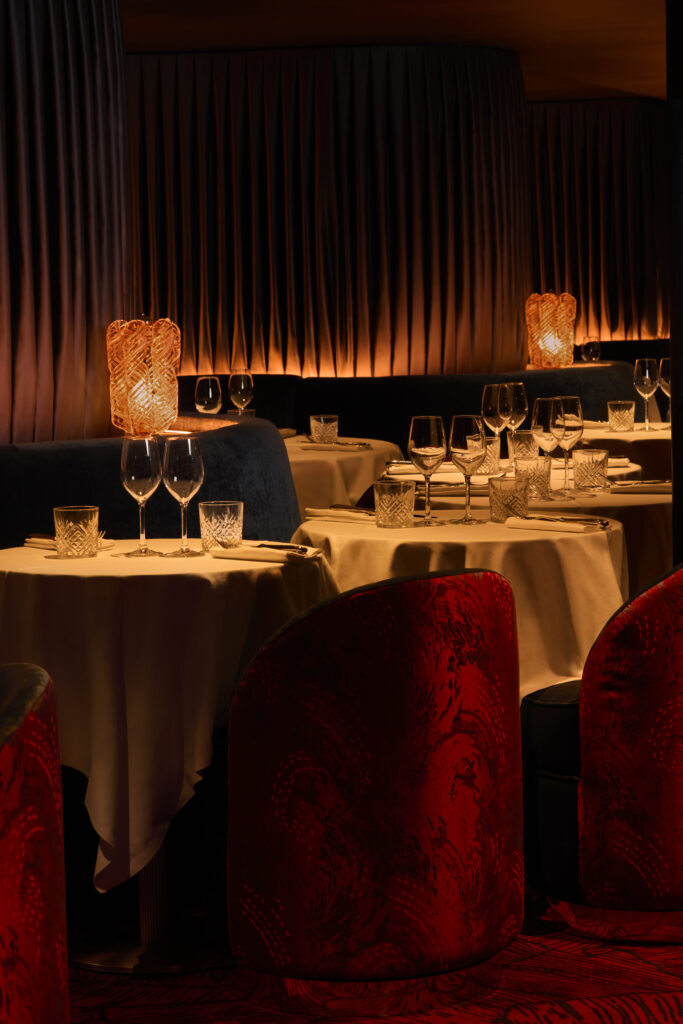
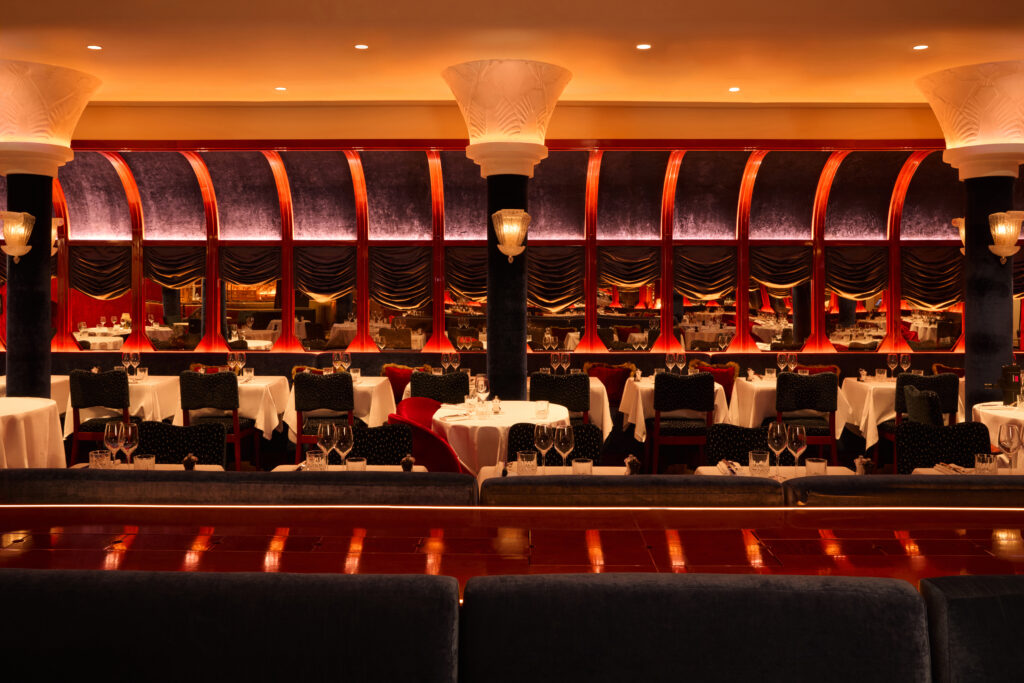
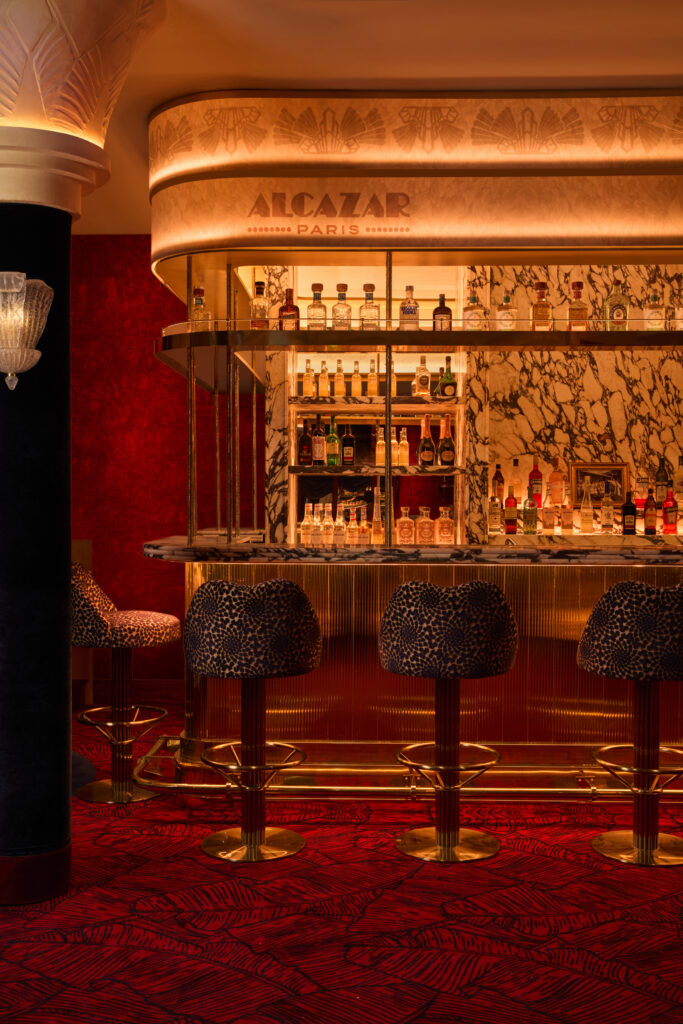
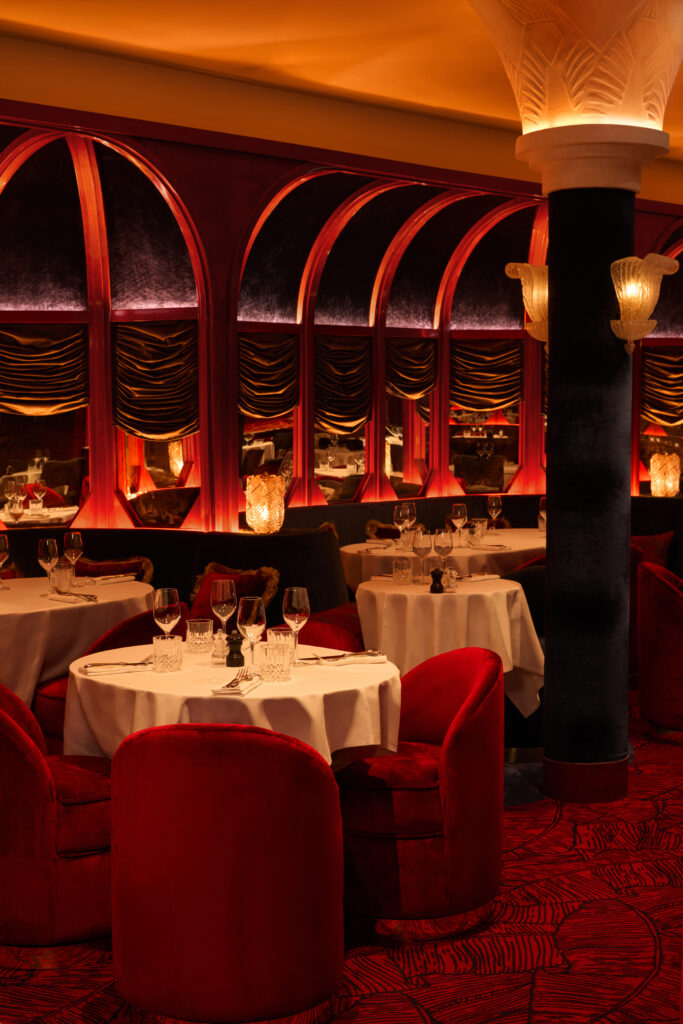
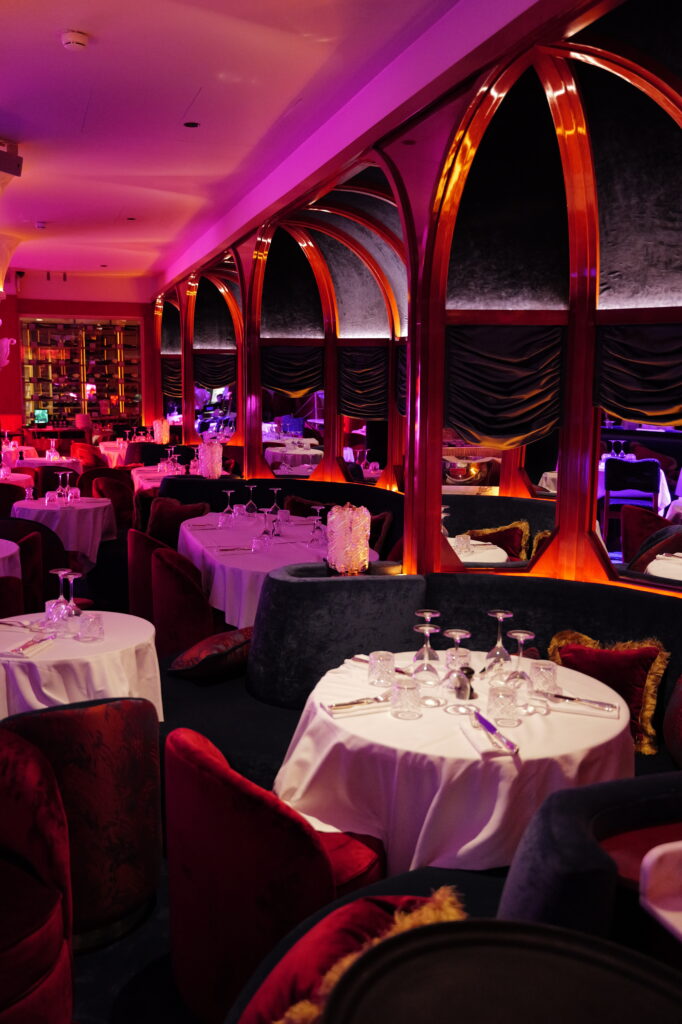
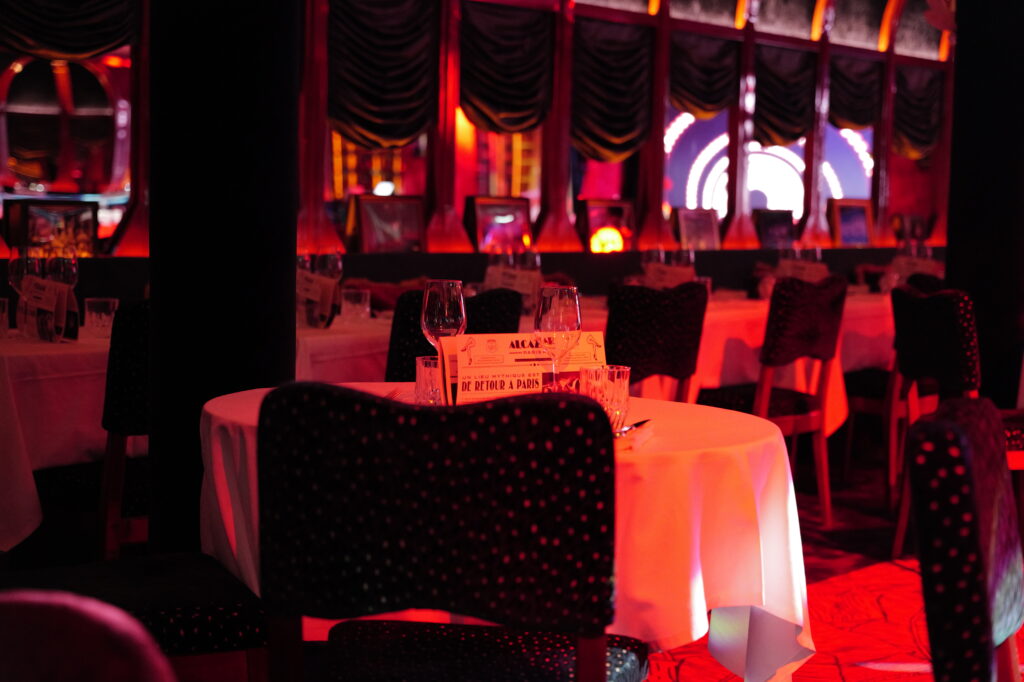
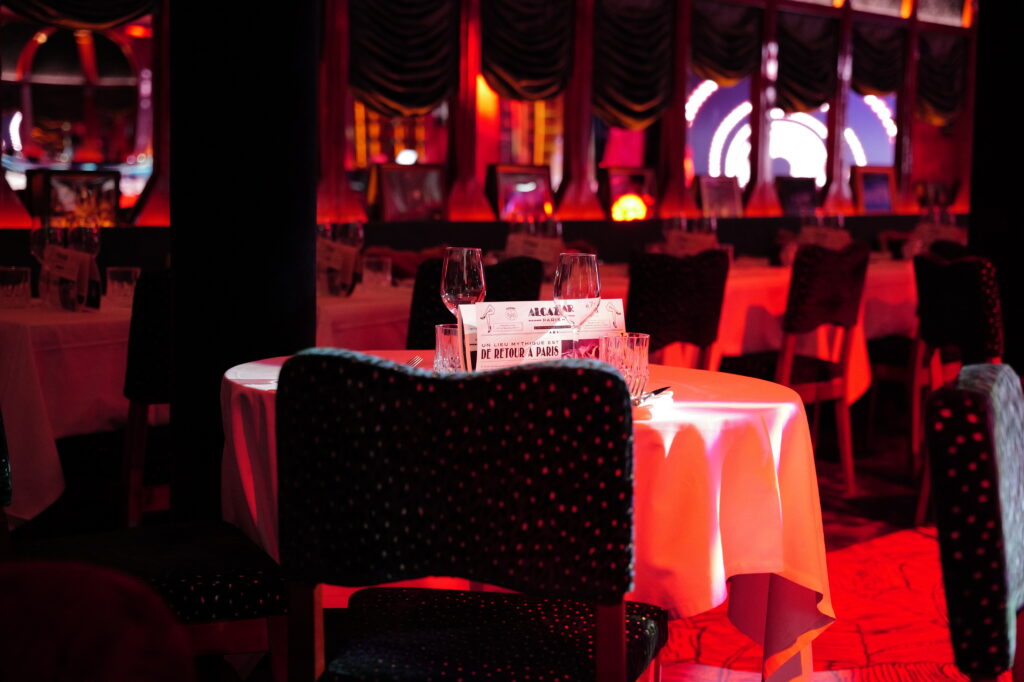
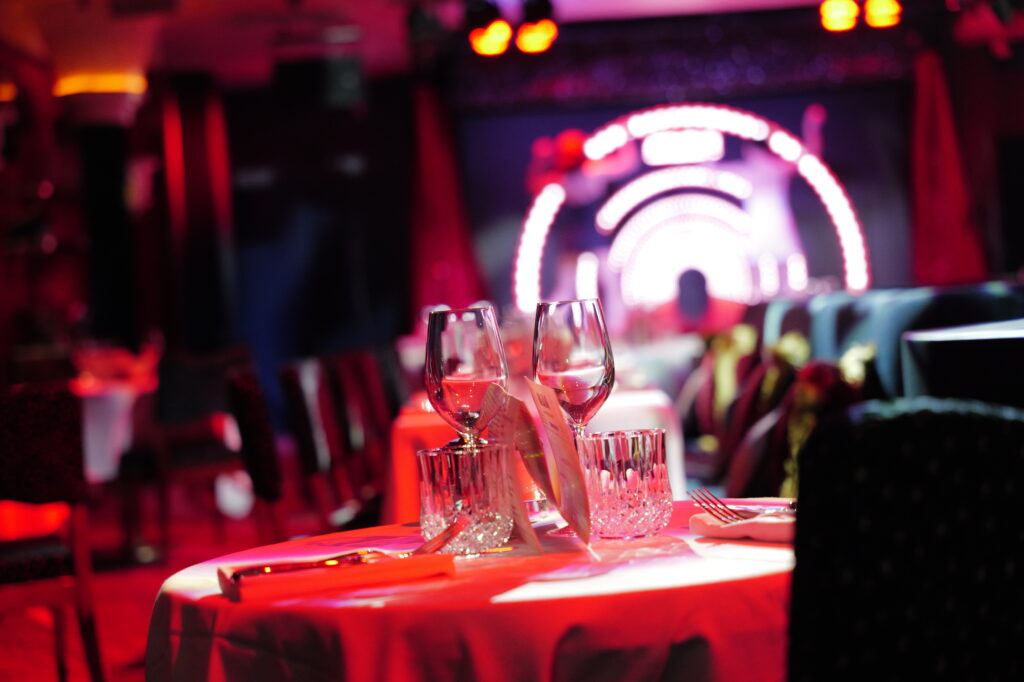
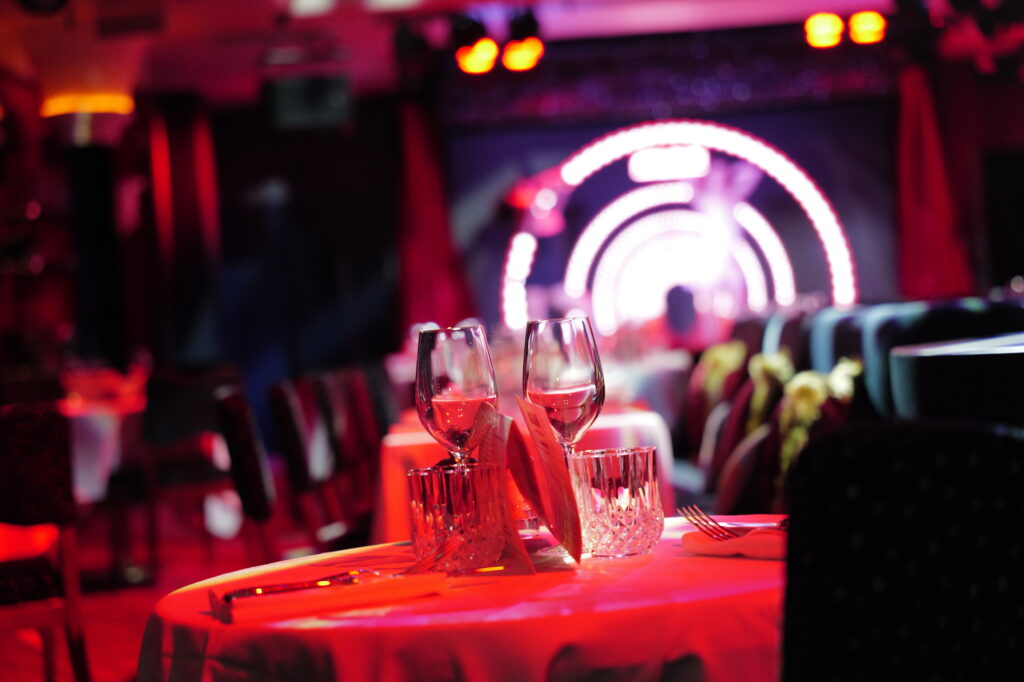
This aesthetic is reflected in the decor. Red velvet, a bar with gold and marble accents, mosaics, Art Deco bas-reliefs drawn from the venue’s archives, a monumental staircase, and a glass roof perfect for aerial performances: the design language might seem predictable, but the appeal lies in how it is integrated with specific craftsmanship. The project is being carried out in collaboration with the interior design firm Bureau Lacroix and features the work of renowned artisans: mosaic artists from the Italian firm SICIS, who have previously worked at the Paradis Latin and Paris Paradis in Dubai; stage curtains by Gerriets; and fabrics from the Belgian house of Gournay.
In this setting, the Alcazar recaptures a quintessentially Parisian quality: the blend of the spectacular and the meticulous. Paris loves places where the decor does more than simply adorn the space—it shapes how people behave. A staircase, a glass roof, a convertible bench, a curtain, a mosaic: each of these elements becomes a tool for staging the space. Luxury lies not only in the materials but also in the intelligent flow of movement they enable.
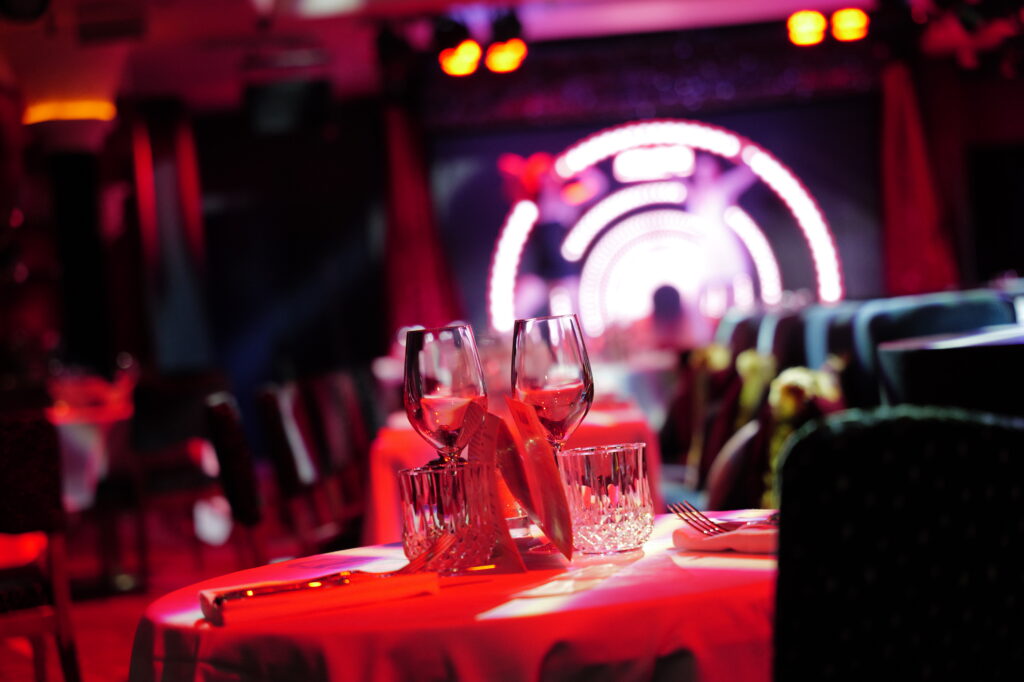
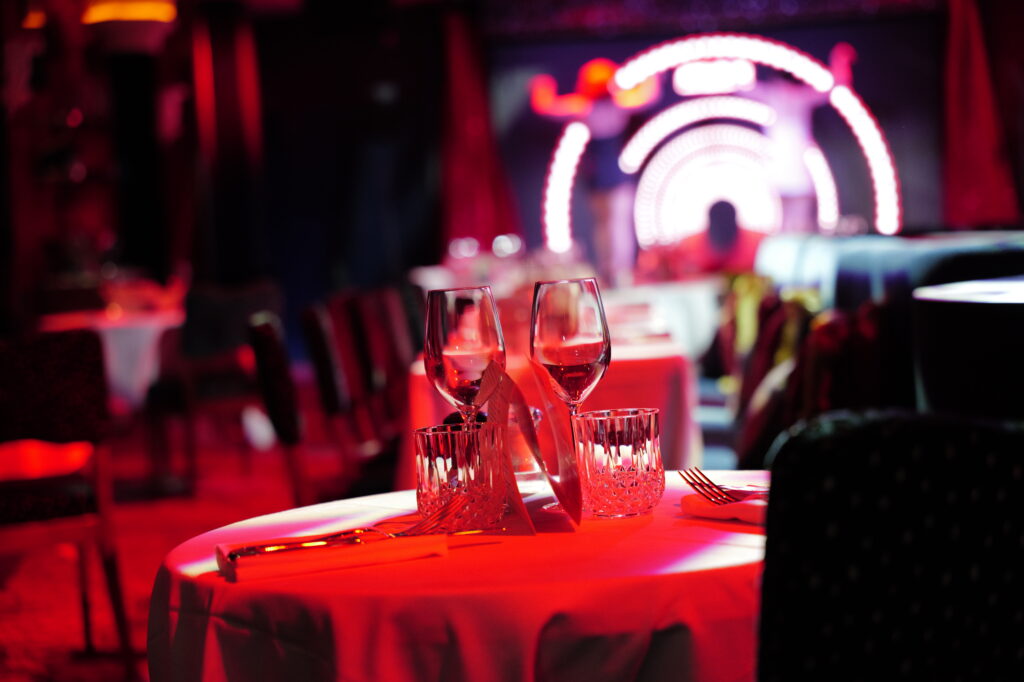
The cuisine, led by chefs Zouhair and Guillaume Lutard, follows the same spirit of continuity. The menu showcases the great classics of French cuisine, adapted to the seasons, blending traditional heritage with more contemporary recipes. Here again, the goal is not to overpromise a gastronomic revolution. Rather, it is to ensure that the food lives up to the venue: simple enough to complement the festivities, yet sophisticated enough not to be overshadowed by them.
The Alcazar is thus making a comeback at a time when Paris is reviving its spaces for hybrid social interaction. A restaurant alone is no longer enough; a cabaret on its own sometimes seems outdated; and the private mansion has become too rigidly formal. Between these categories, the venue on Rue Mazarine can reclaim a unique position, provided it preserves what made it great: elegance with a sense of movement, a legacy infused with a touch of irreverence, and a stage that embraces the controlled chaos of the night.
September 1 won’t just determine whether the Myth reopens its doors. It will determine whether Paris is still capable of creating places where people don’t just come to take in the decor, but to experience, for one evening, a certain vision of sophisticated celebration.

Cette publication est également disponible en :

