
Until now, high-performance cars and luxury sailing had never really had a reason to cross paths. Sunreef Yachts and Brabus have just found one.
In recent years, Sunreef Yachts has established itself as one of the world’s leading names in luxury catamarans, combining generous living space, contemporary design, and a constant drive for technological innovation. Brabus, for its part, has built its reputation in a very different arena: high-performance automotive tuning, where the German brand has made power and mechanical precision its unmistakable hallmark. Their collaboration, embodied by the Brabus Ultima 55, is therefore not a foregone conclusion, but rather a bold venture: to bring a culture of performance—previously confined to the road—to the water.
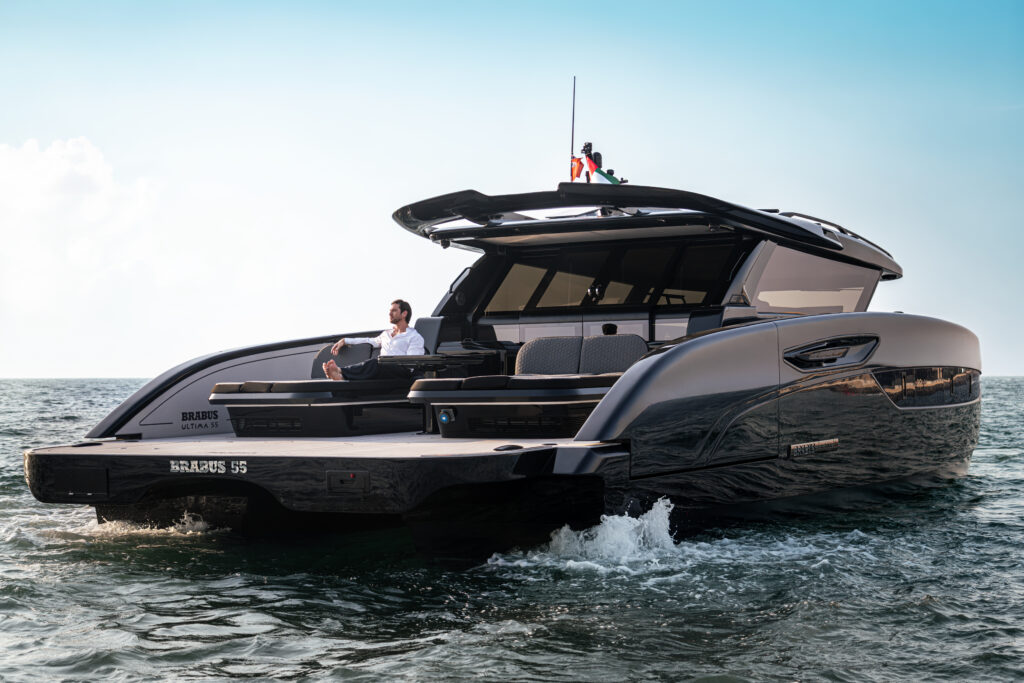
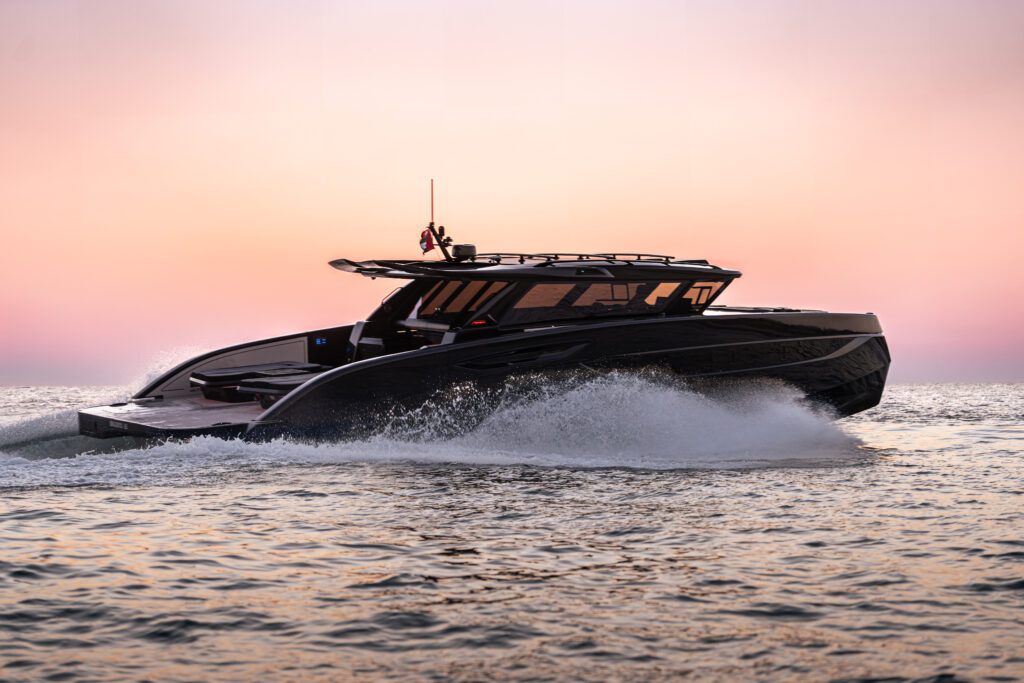
The result is designed to live up to this dual ambition. The Ultima 55 combines advanced foil technology—which allows the hull to rise partially above the water’s surface to reduce drag—with a claimed top speed of over forty knots, a rare feat for a catamaran in this class, which is typically designed for cruising comfort rather than pure speed. This approach redefines the catamaran, no longer as a mere floating living space, but as a performance machine in its own right.
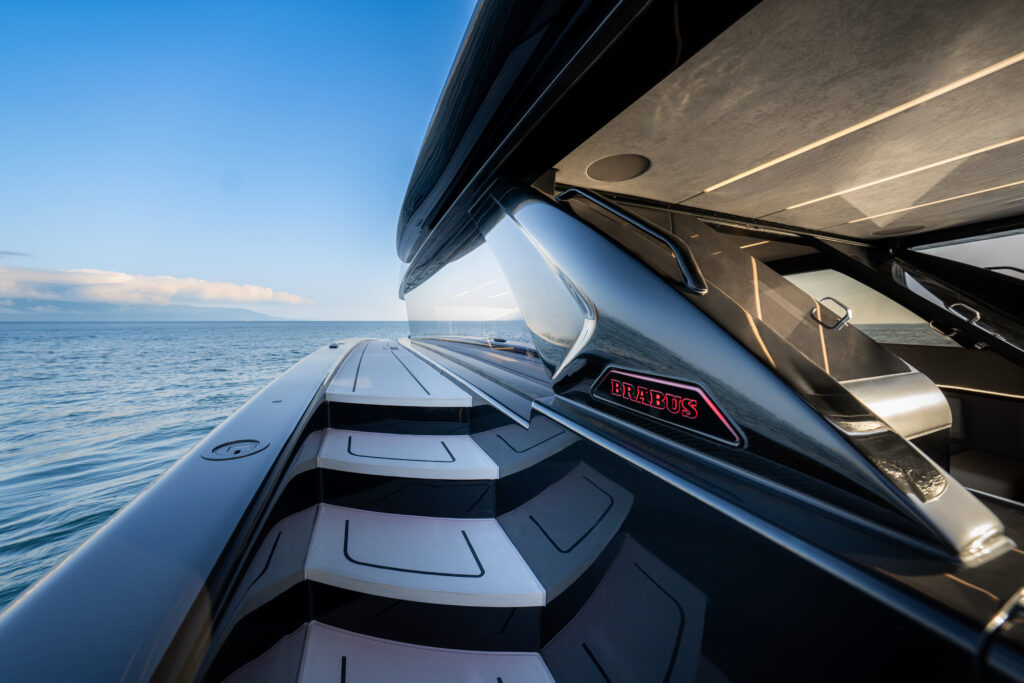
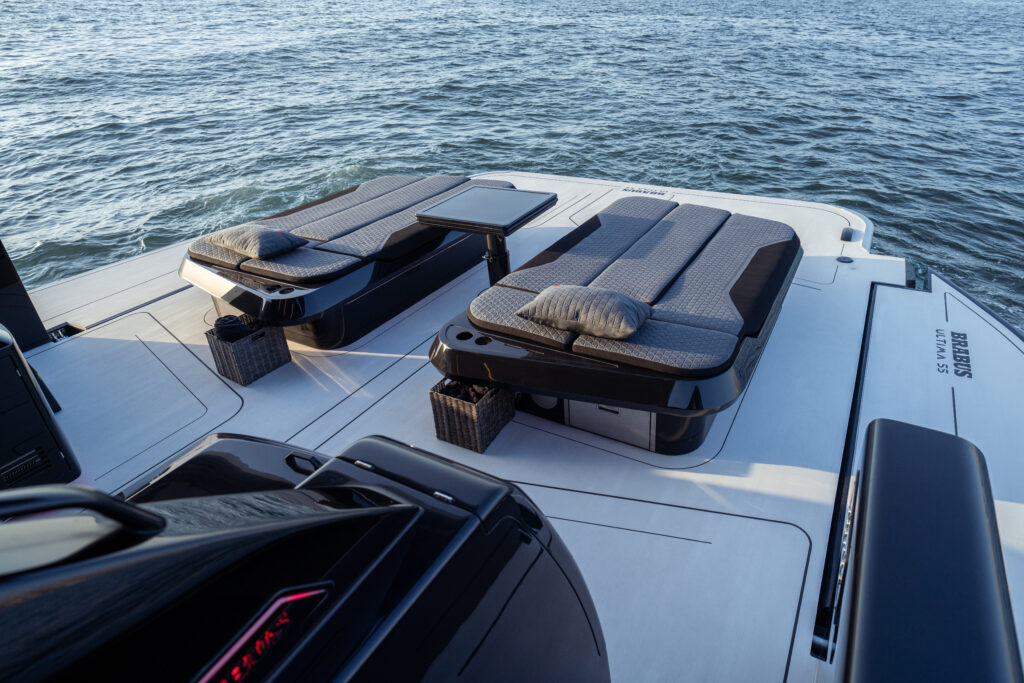
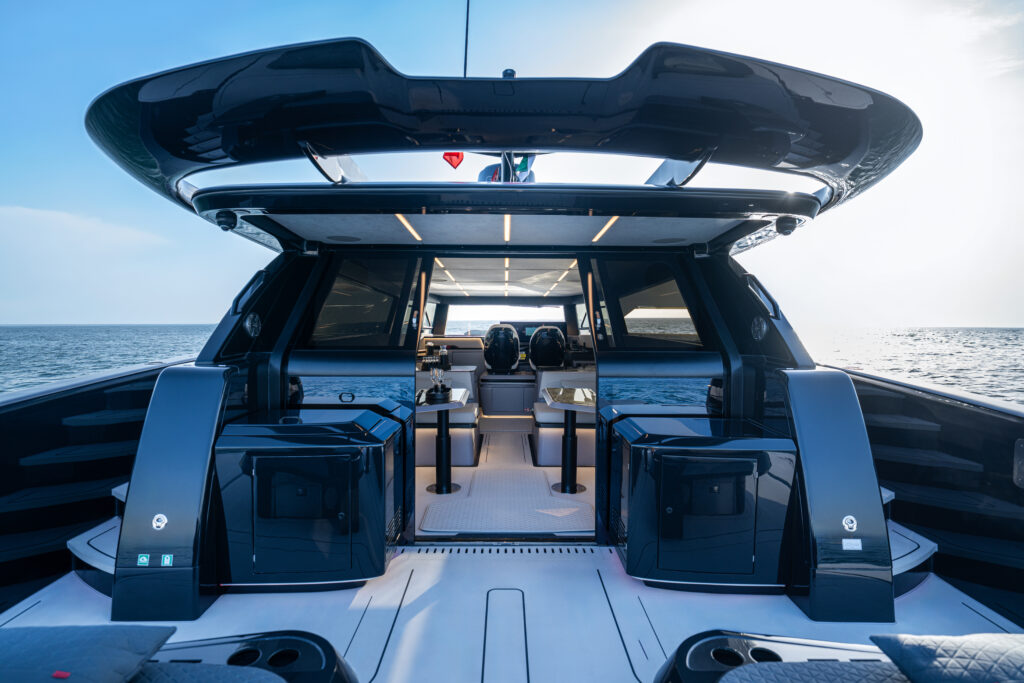
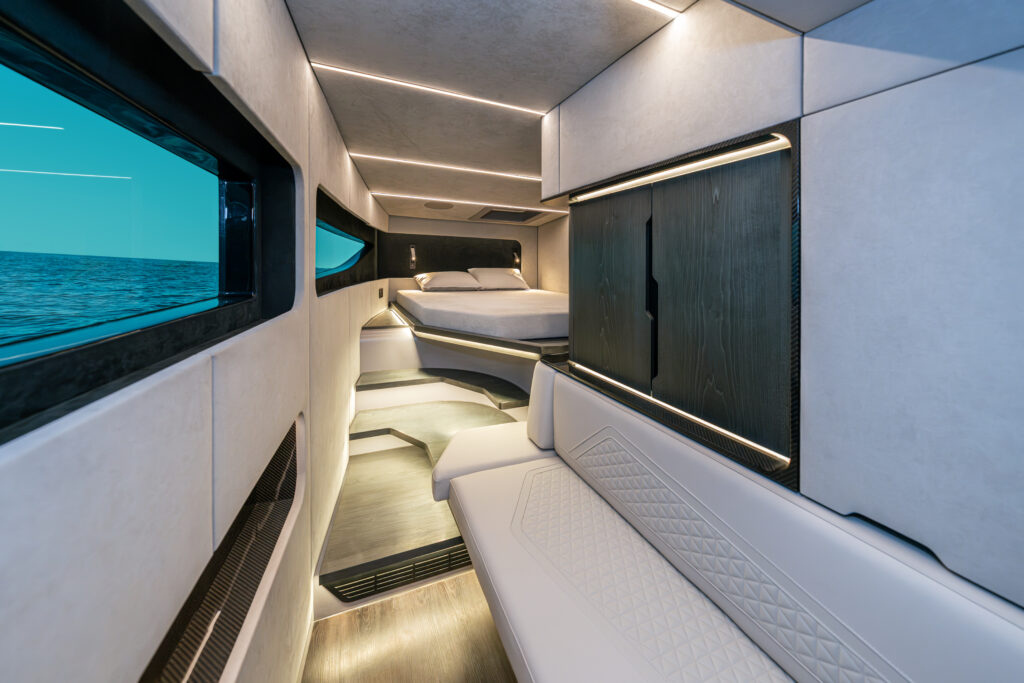
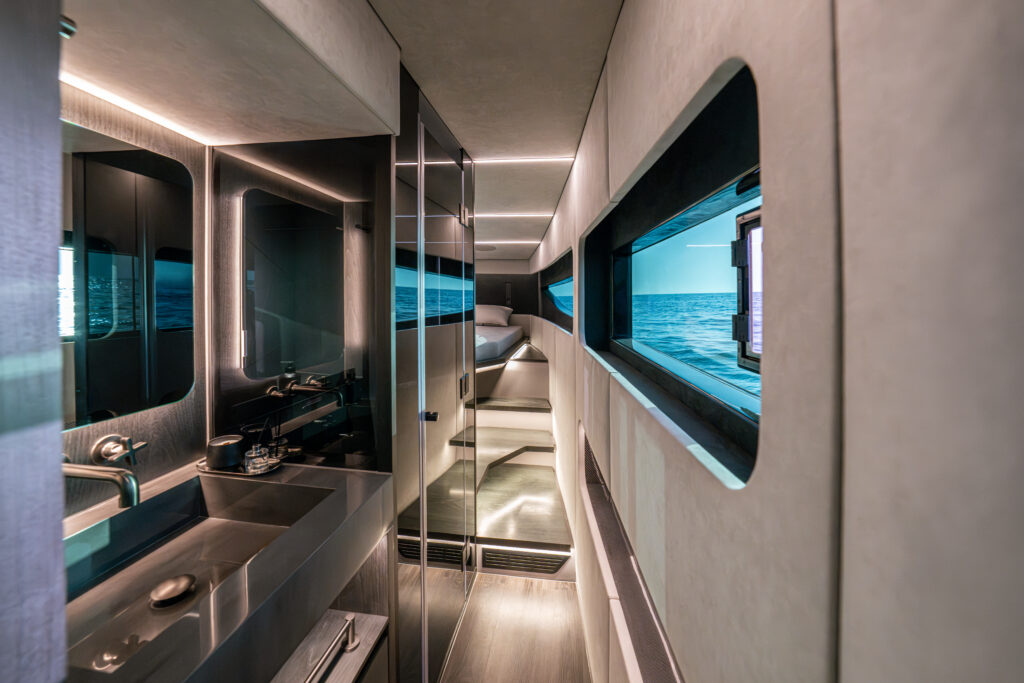
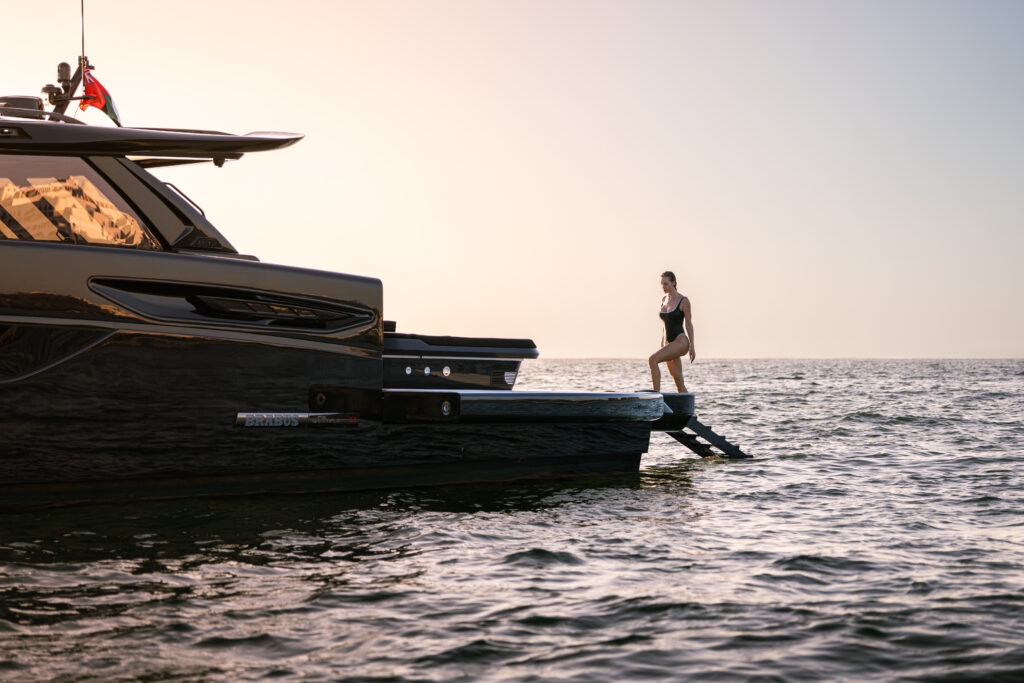
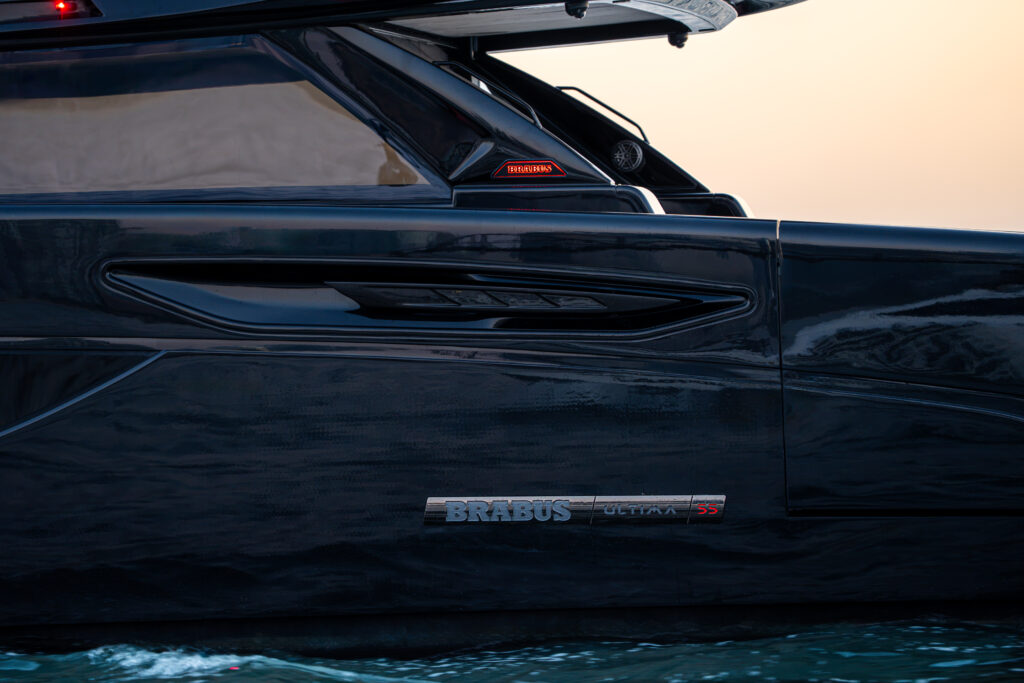
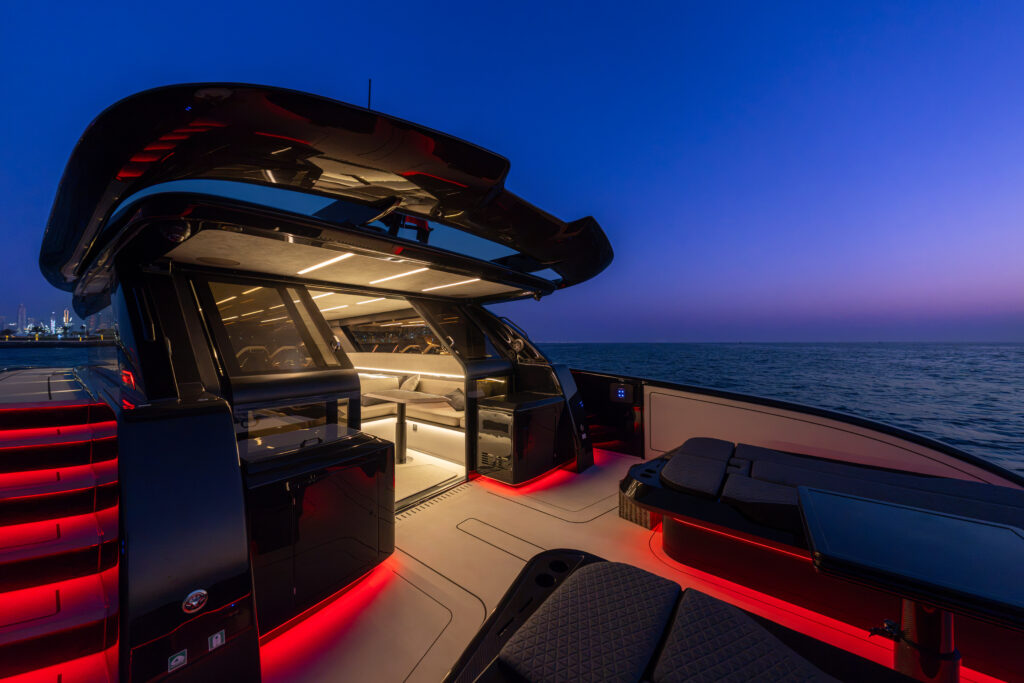
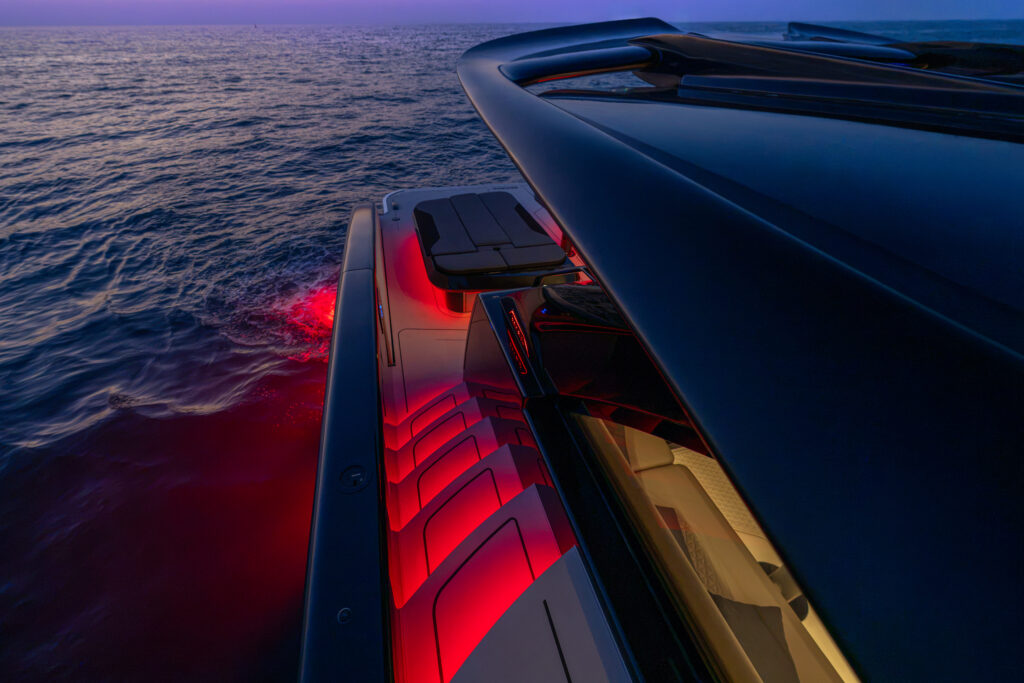
The design, meanwhile, bears Brabus’s recognizable signature: clean, sharp lines, surface finishes, and aesthetic elements drawn directly from the world of high-end automobiles—the realm where the brand has built its reputation. This translation of automotive design language onto a catamaran hull illustrates a fundamental trend in the luxury nautical sector: the gradual incorporation of design elements and expertise from the high-performance automotive industry into the maritime world, which is seeking new aesthetic benchmarks.
This collaboration is also part of a broader trend toward convergence among the luxury mobility industries. The automotive, private aviation, and yachting sectors are now increasingly sharing their design teams, material suppliers, and—as in this case—their brand names directly. For the companies involved, the stakes go beyond a simple marketing campaign: the goal is to establish recognition for an aesthetic and technical signature beyond its original domain, in sectors where the clientele naturally moves from one sector to another.
It remains to be seen how the yachting market—traditionally more conservative than the sports car market—will respond to this proposal, which challenges its usual norms. But the Ultima 55 raises a question that goes beyond the vessel itself: that of the growing overlap between the worlds of luxury, where performance is becoming a common language capable of transcending both the elements and product categories.




Cette publication est également disponible en :

