
In 1996, a handful of superyachts gathered in the Bay of Palma for what felt more like a gathering of enthusiasts than a regatta. Thirty years later, the Richard Mille Superyacht Cup Palma has become one of the must-attend events of the Mediterranean season.
The Club de Mar as a Reunion
The 2026 edition marks a return to its geographical roots: the regatta is returning to the recently renovated Club de Mar-Mallorca, bringing together the regatta village, the boats at dock, and the event’s evening festivities all in one place. “It’s a recreation of the atmosphere and the dockside festivities from our early days,” explains Kate Branagh, owner and director of the event—one of only two women in the world to own and run a superyacht regatta. This physical gathering is no small matter: it restores what thirty years of growth had at times fragmented.
The 2026 Fleet: Classic and Modern
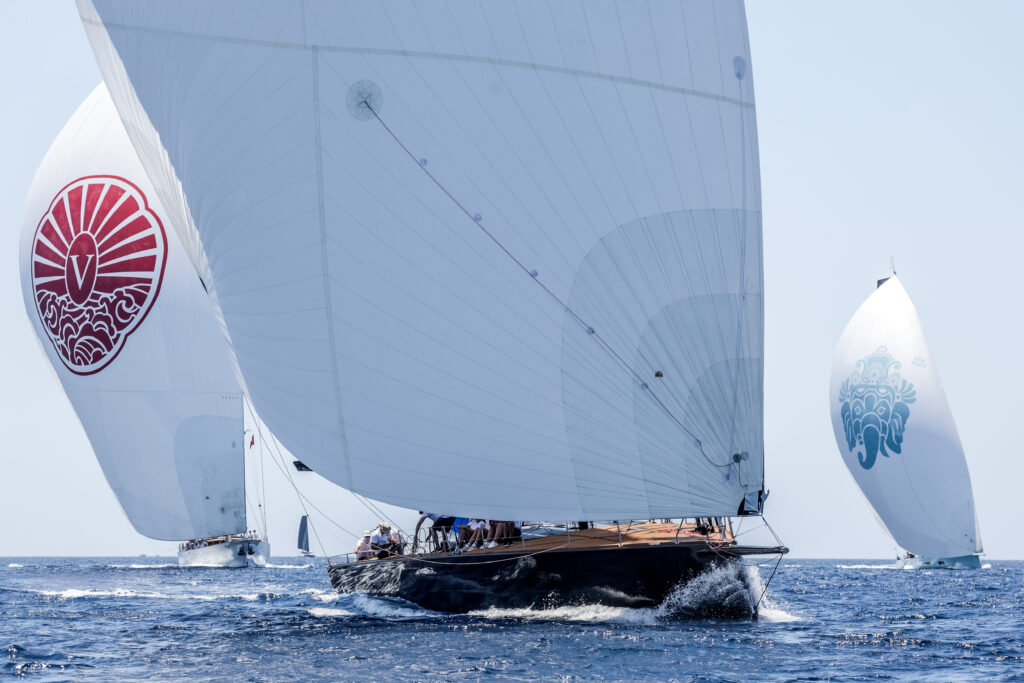
Five competitive racing classes will compete in the waters of the bay. The J-Class yachts Rainbow and Svea, a legendary duo with pre-war silhouettes, will be joined by a new generation of multihulls—Allegra, Gaea, Highland Fling, and Layla—which represent “the new luxury class” in performance sailing. The first division of multihull catamarans in the event’s history marks a turning point: the superyacht is no longer synonymous solely with a monohull and traditional sails.
Richard Mille: Thirty Years of Partnership, the Same High Standards
The partnership with Richard Mille, the event’s title sponsor, is no mere coincidence of timing. It brings together two worlds that share the same obsession: performance achieved through technical mastery and invisible engineering. A Richard Mille chronometer and a 58-meter hull both embody decades of expertise in what, from the outside, appears disarmingly light. What the public doesn’t see—the hidden mechanisms, the unlikely materials, the minute tolerances—is precisely what makes this performance possible.
“A celebration of superyacht history”: that’s how the organizers describe this 30th-anniversary edition. But what makes the Superyacht Cup Palma unique isn’t its history—it’s its refusal to become a museum. The presence of newcomers, first-time participants, and emerging classes serves as a reminder that tradition only has meaning if it continues to engage with what lies ahead.
Cette publication est également disponible en :

