
Tunis Fashion Week, which took place in Carthage on June 9 and 10, 2023, demonstrated its ability to cross the Mediterranean to address the Western market, and the Persian Gulf to conquer the Orient.
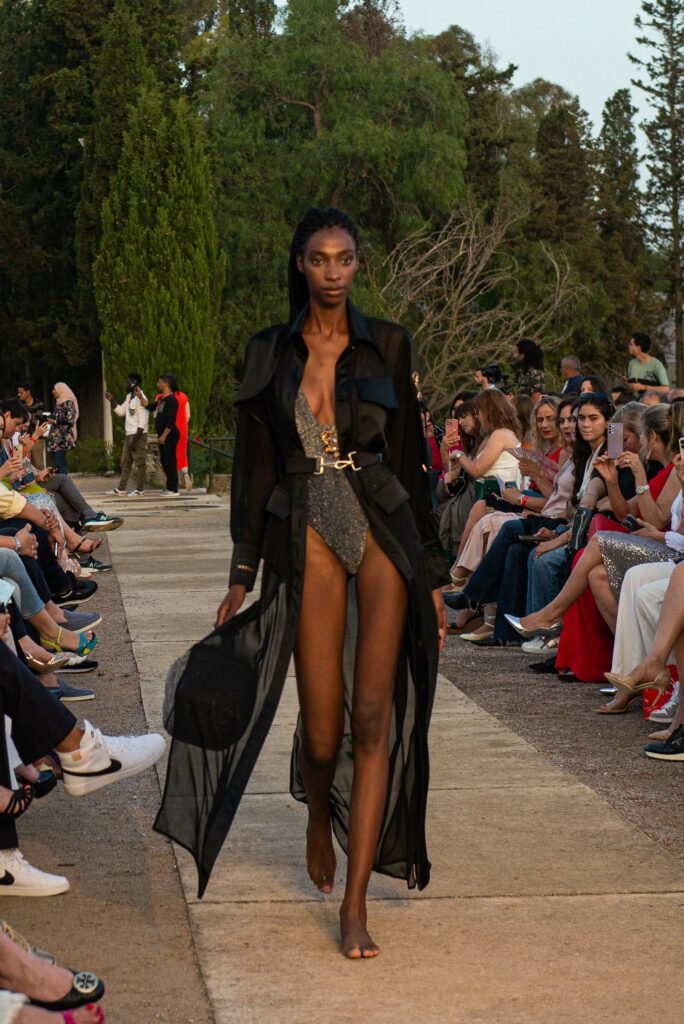
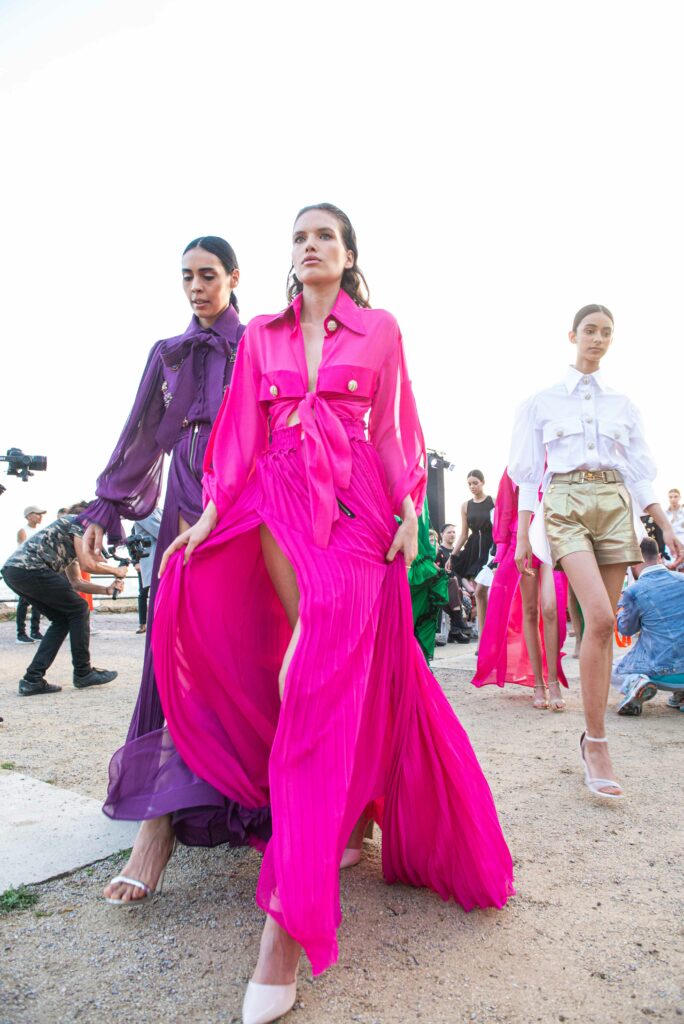
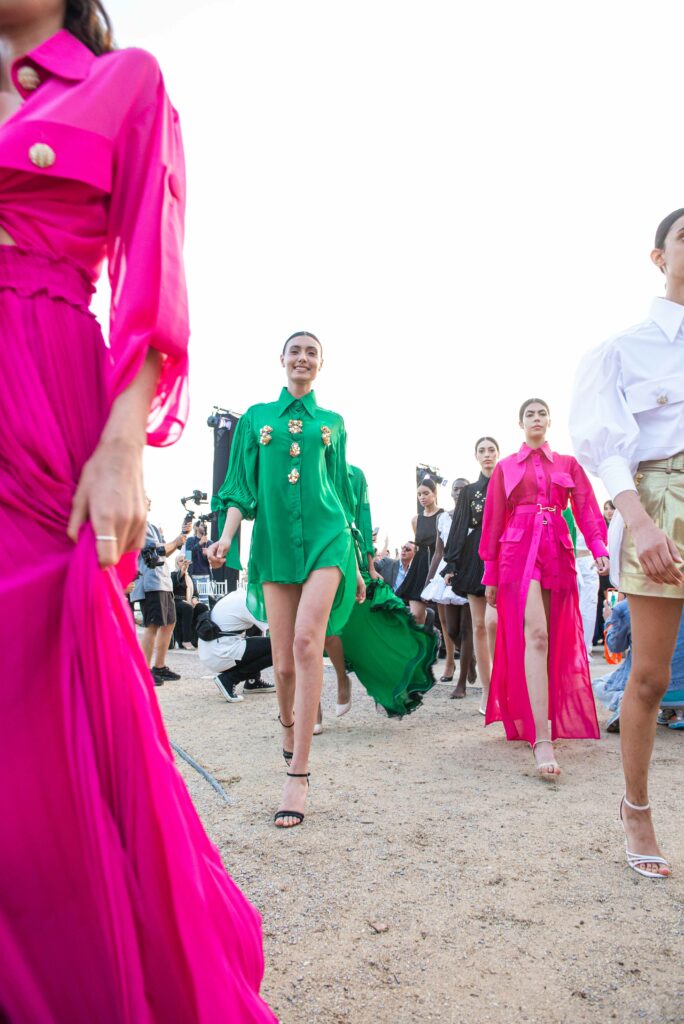
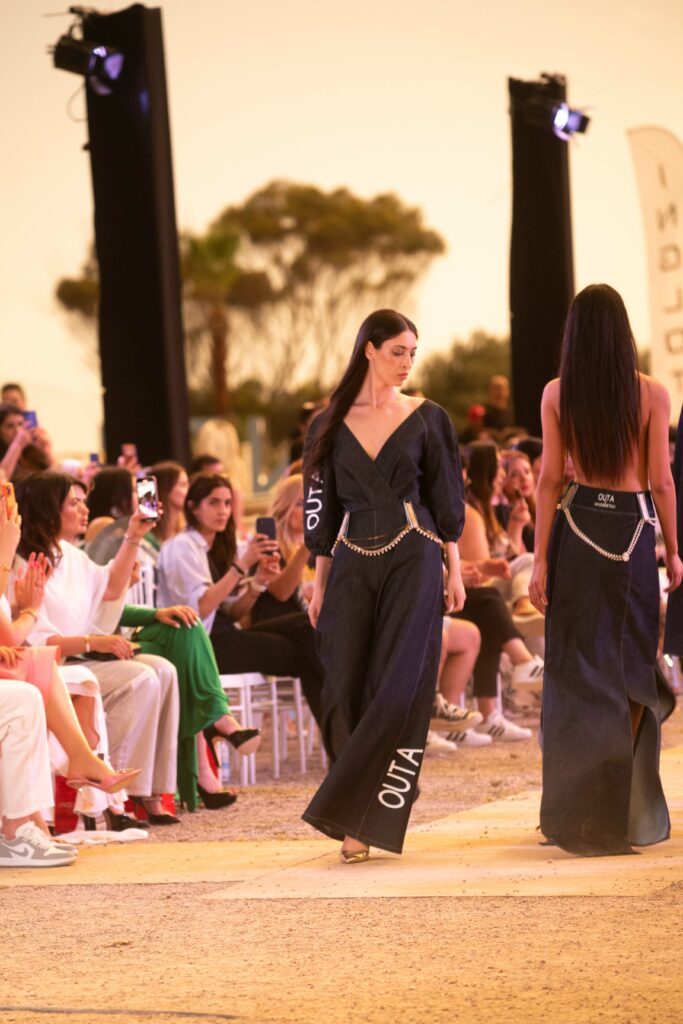
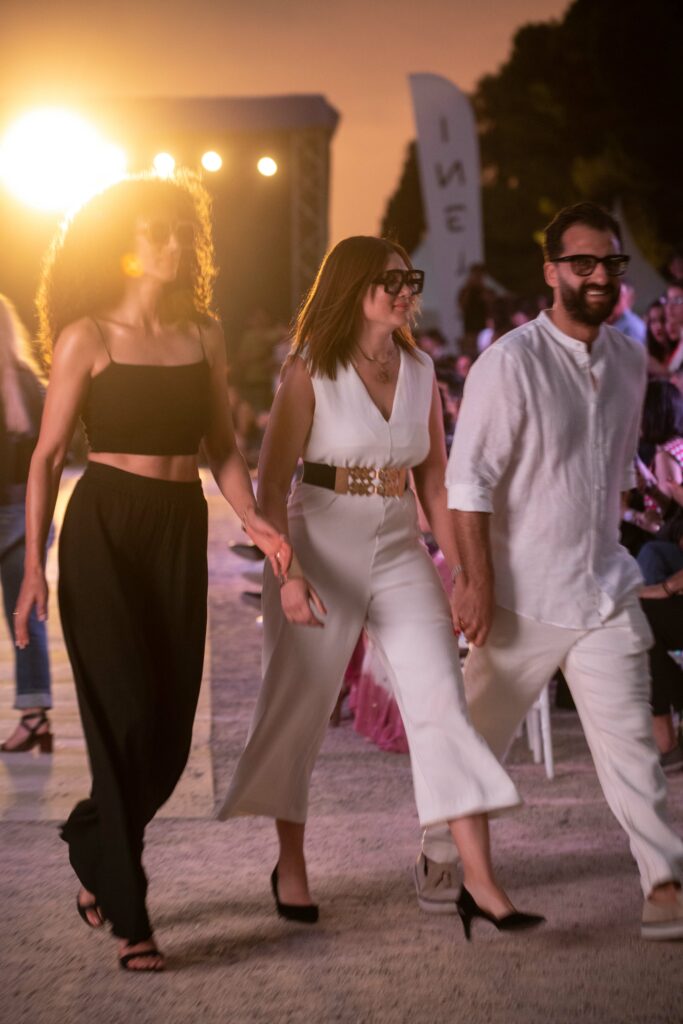
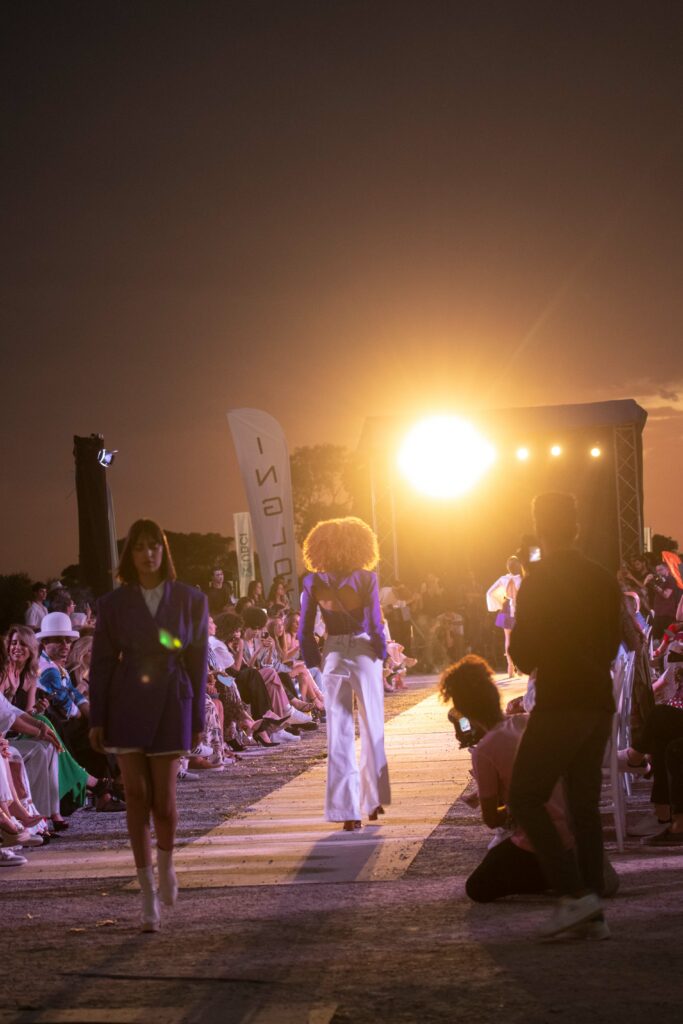
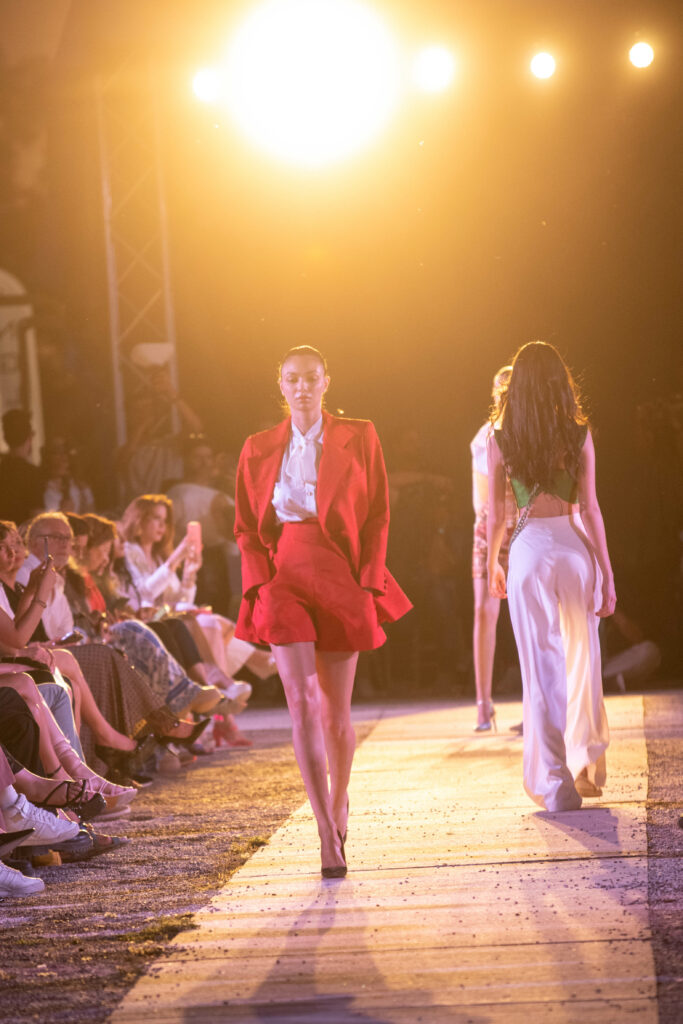
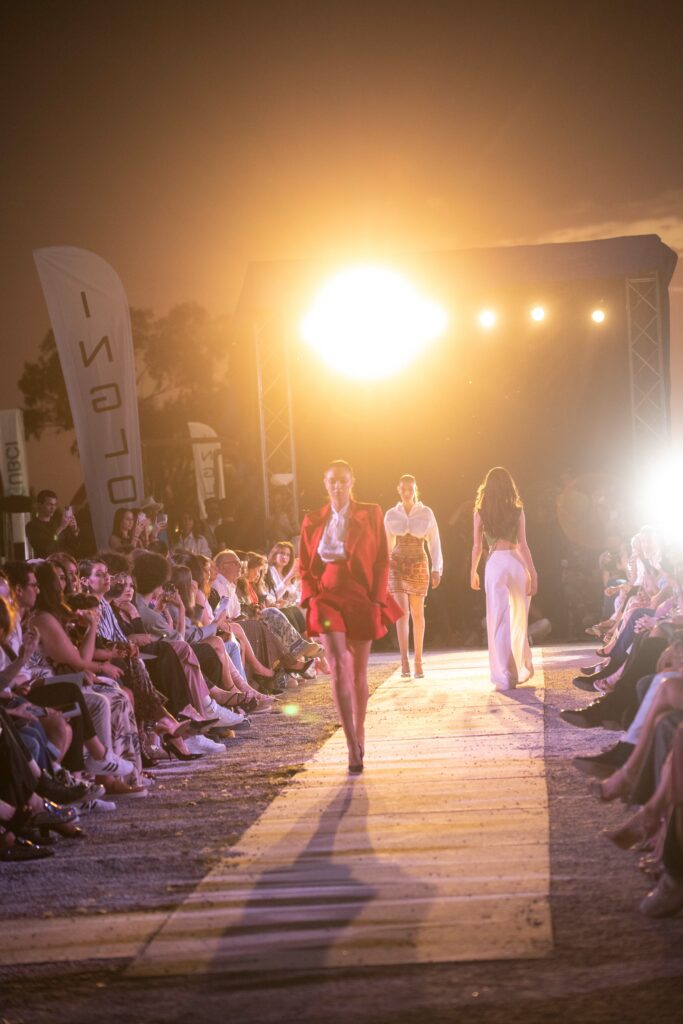
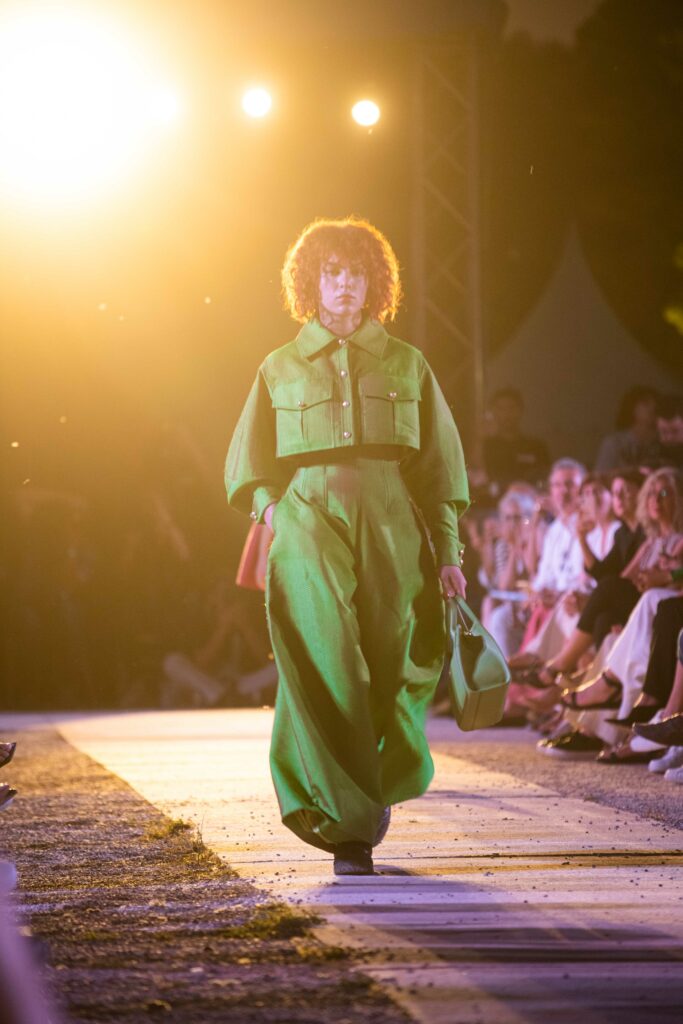
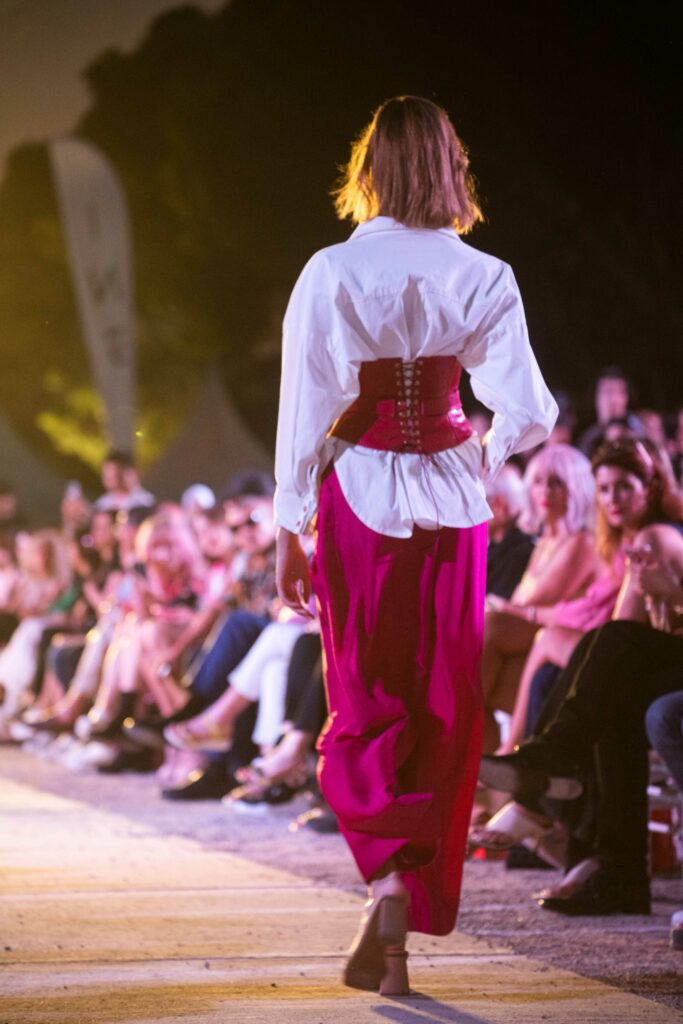
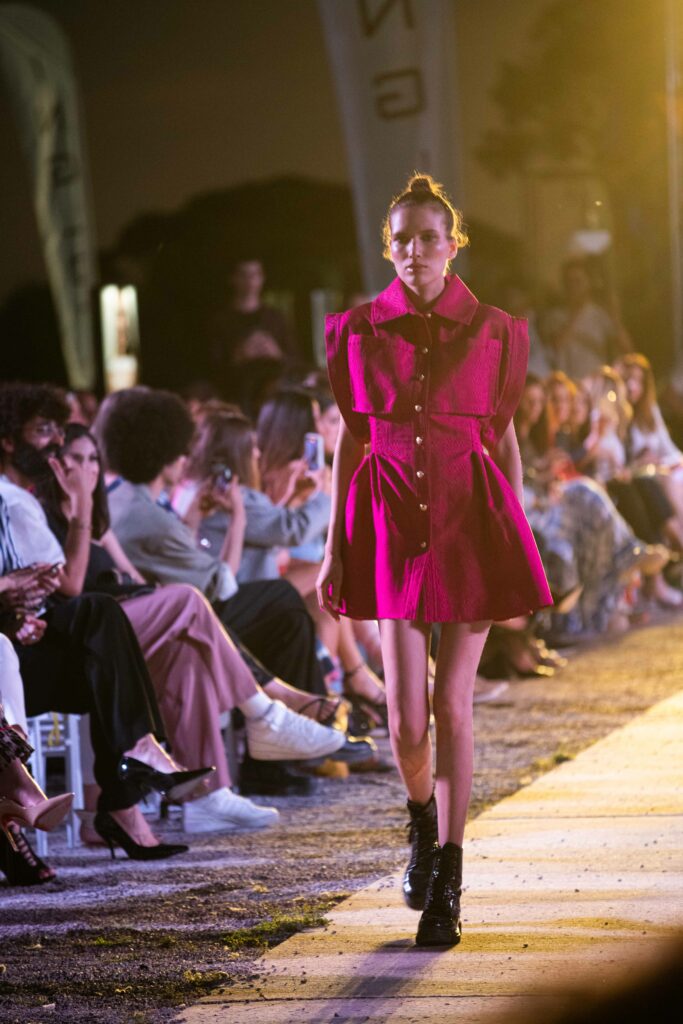
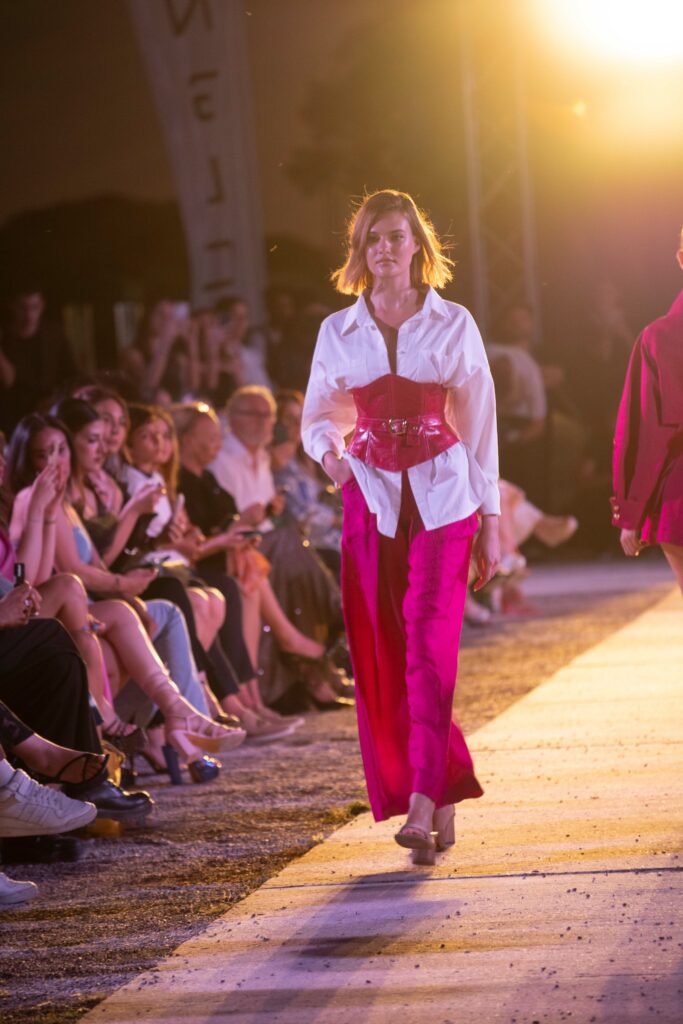
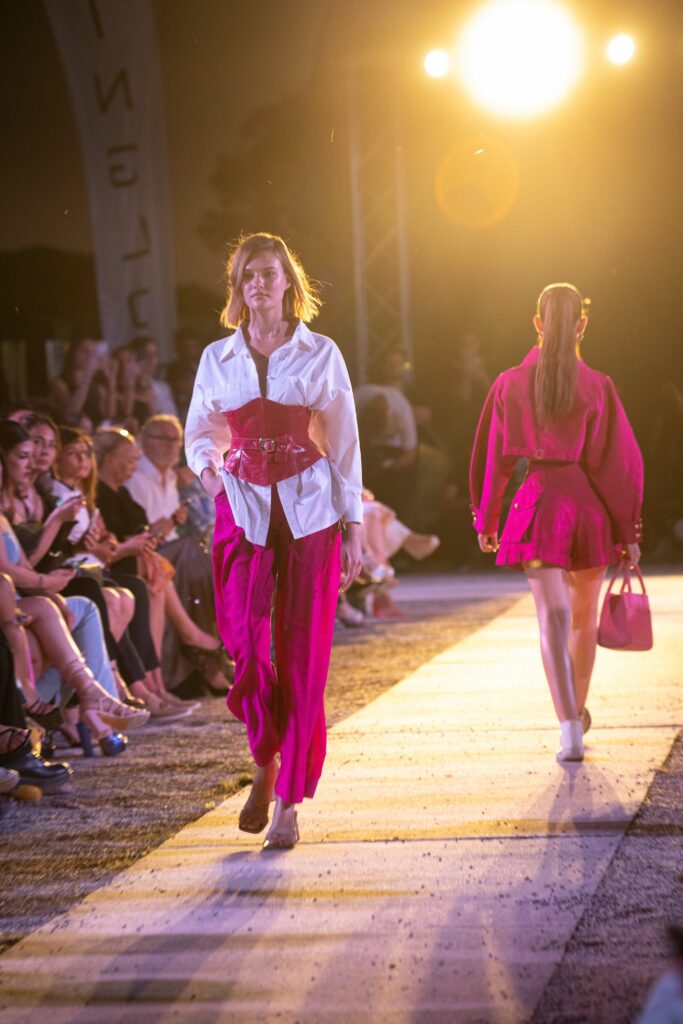
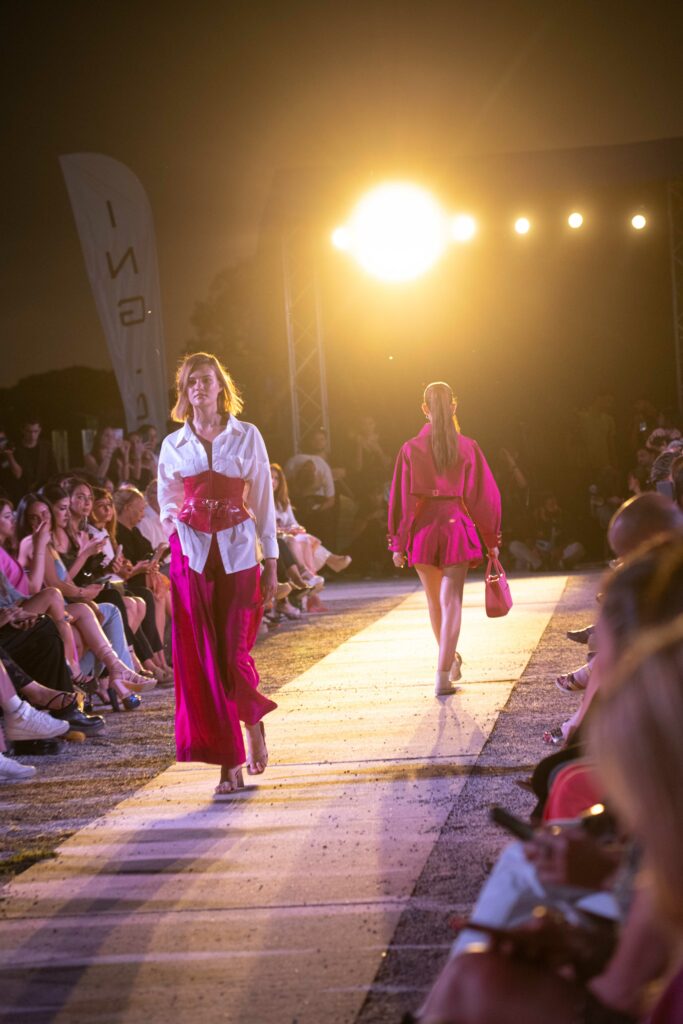
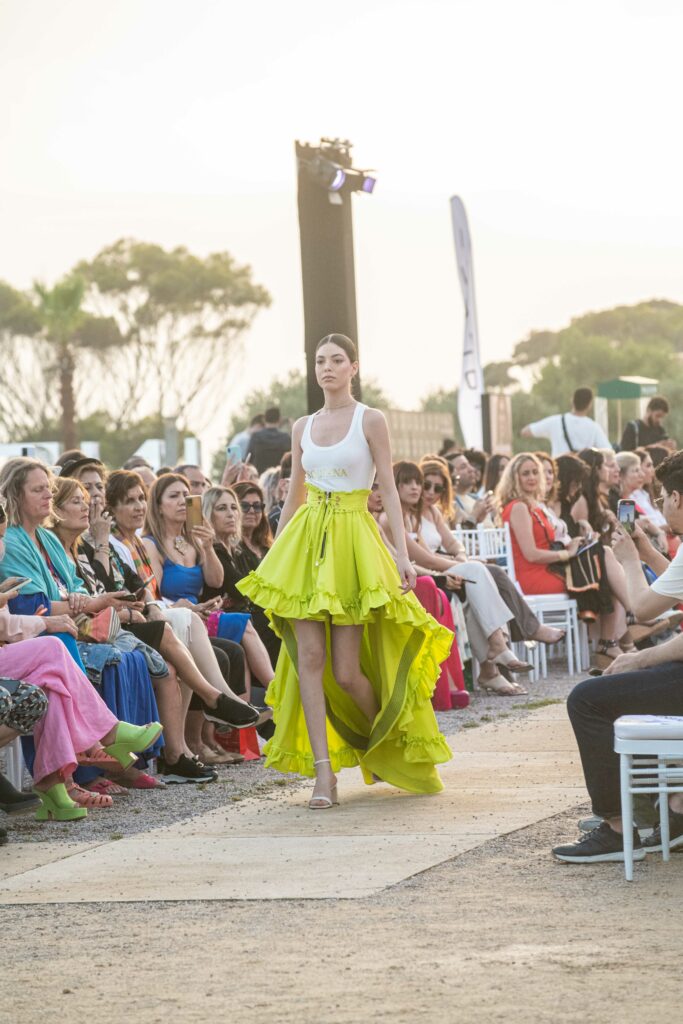
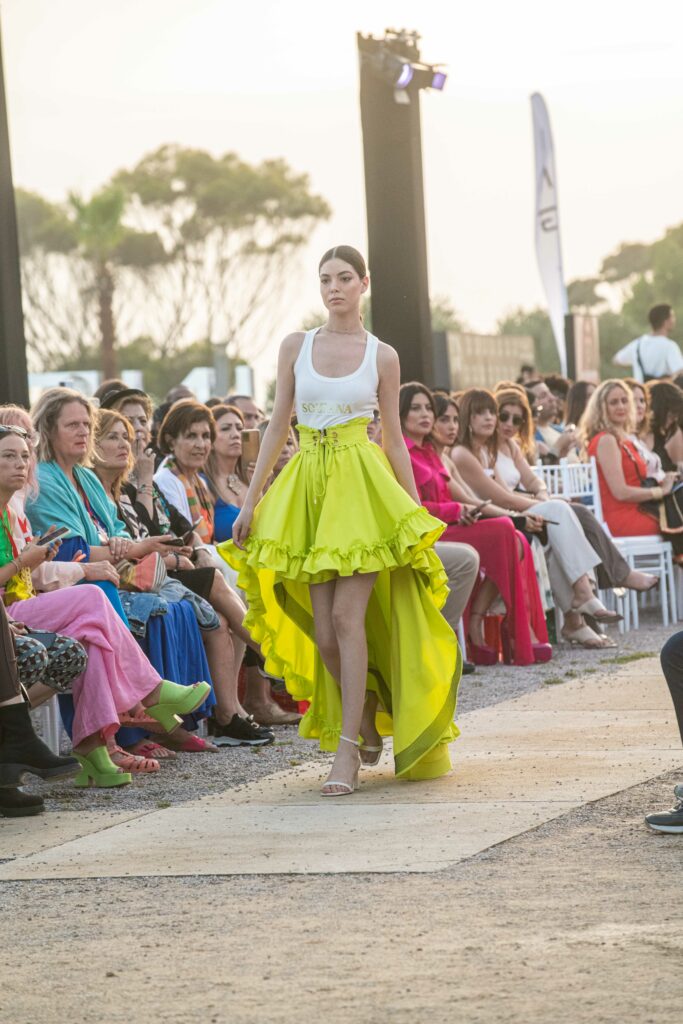
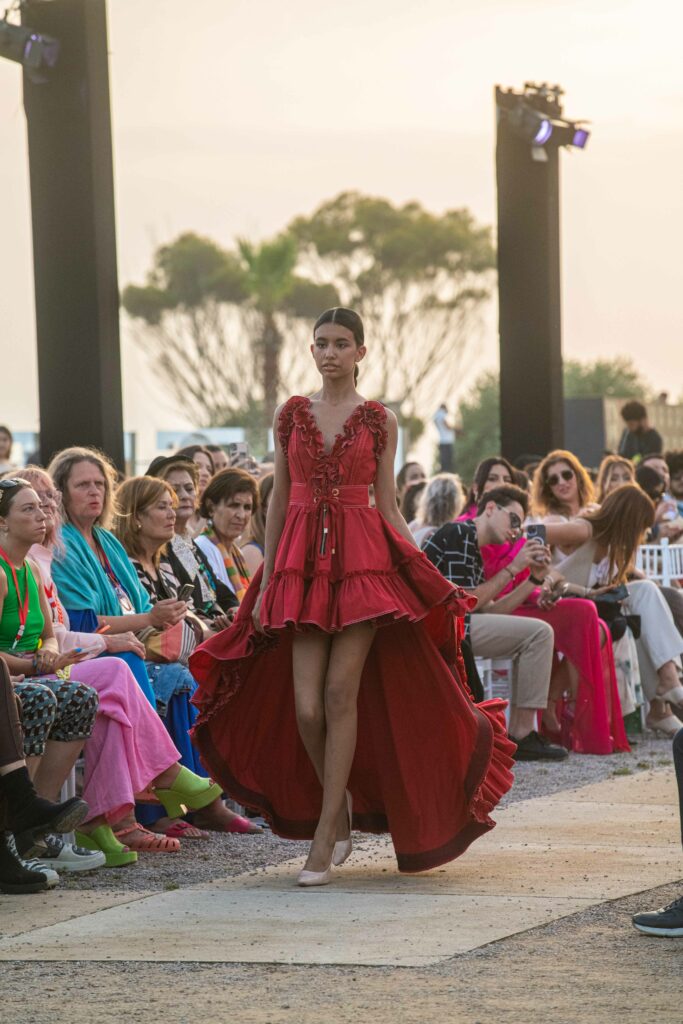
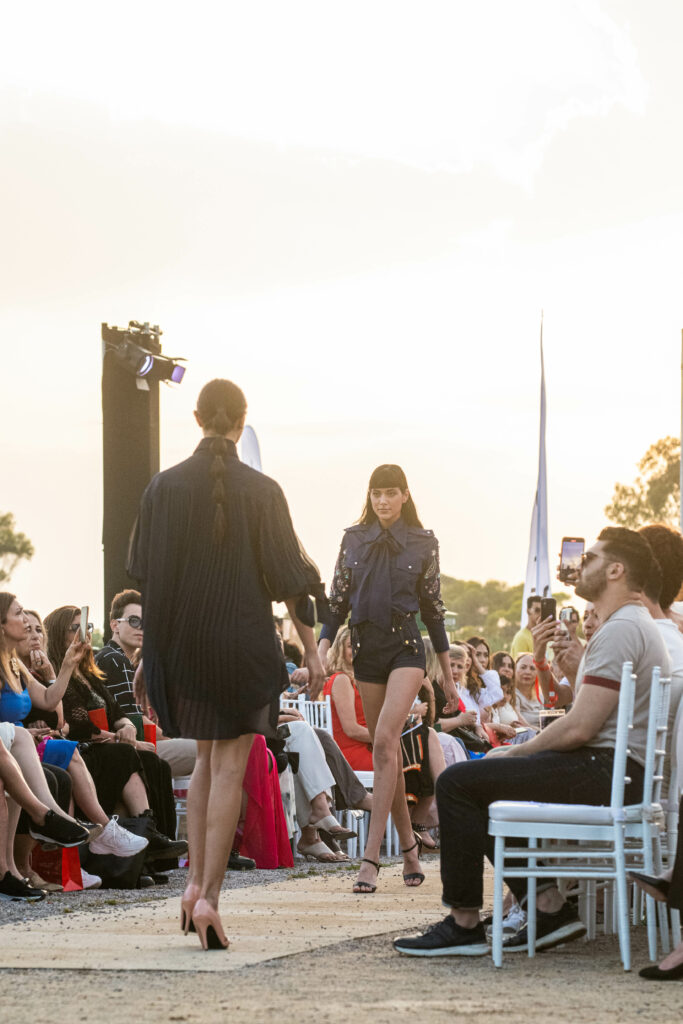
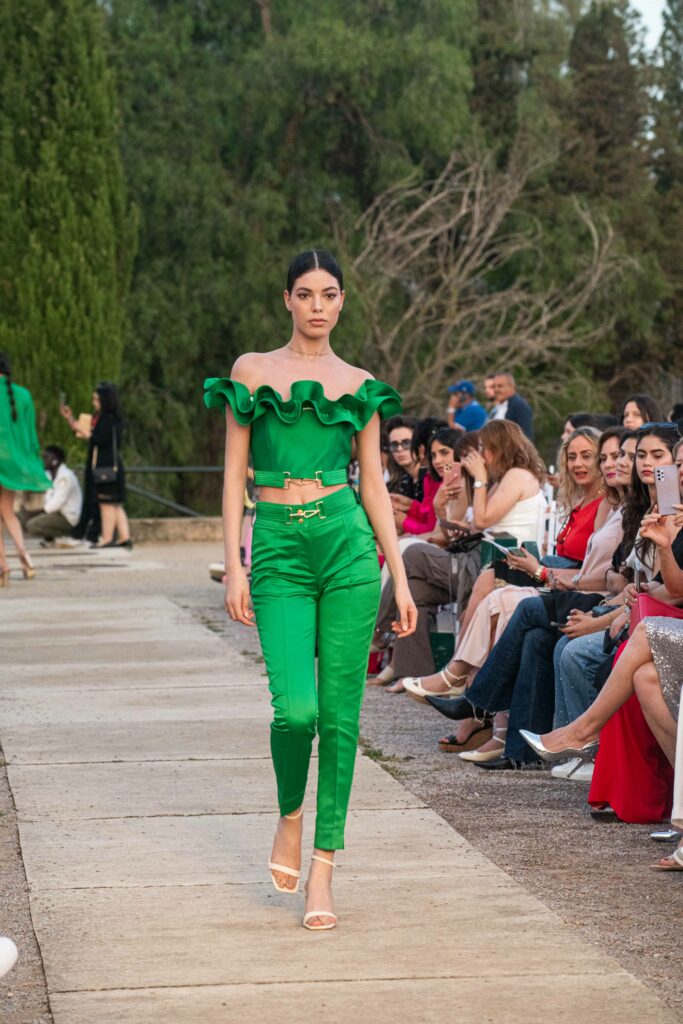
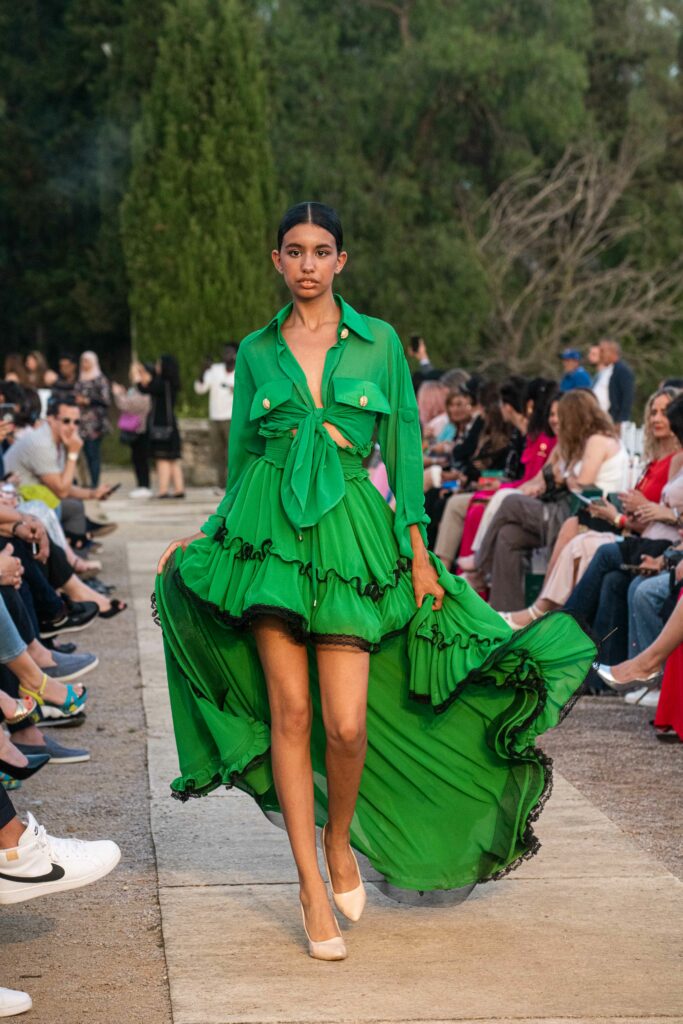
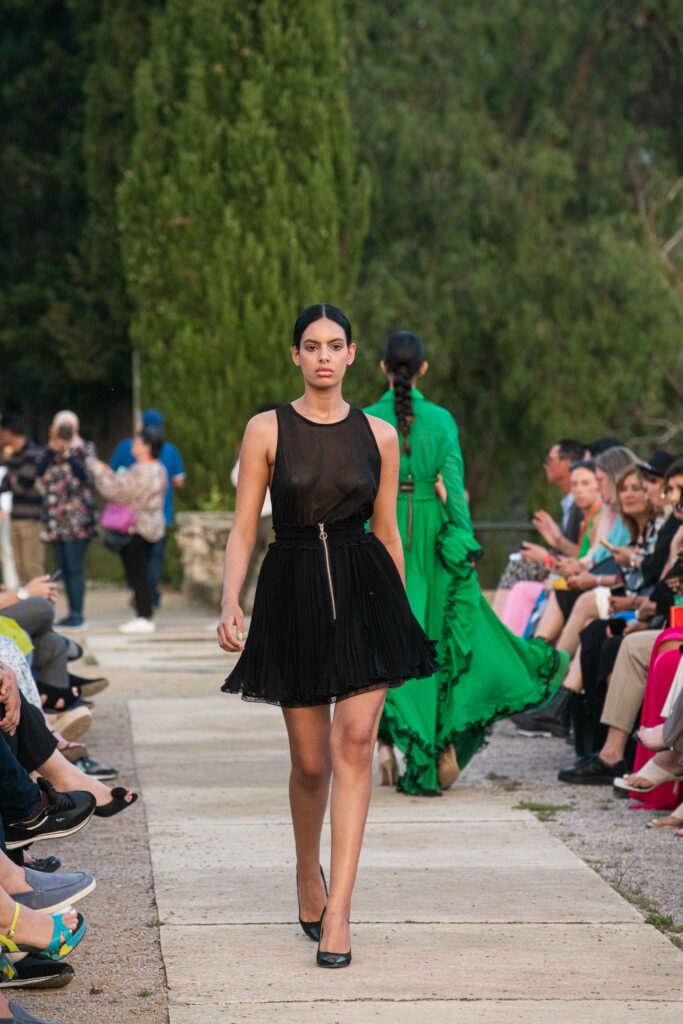
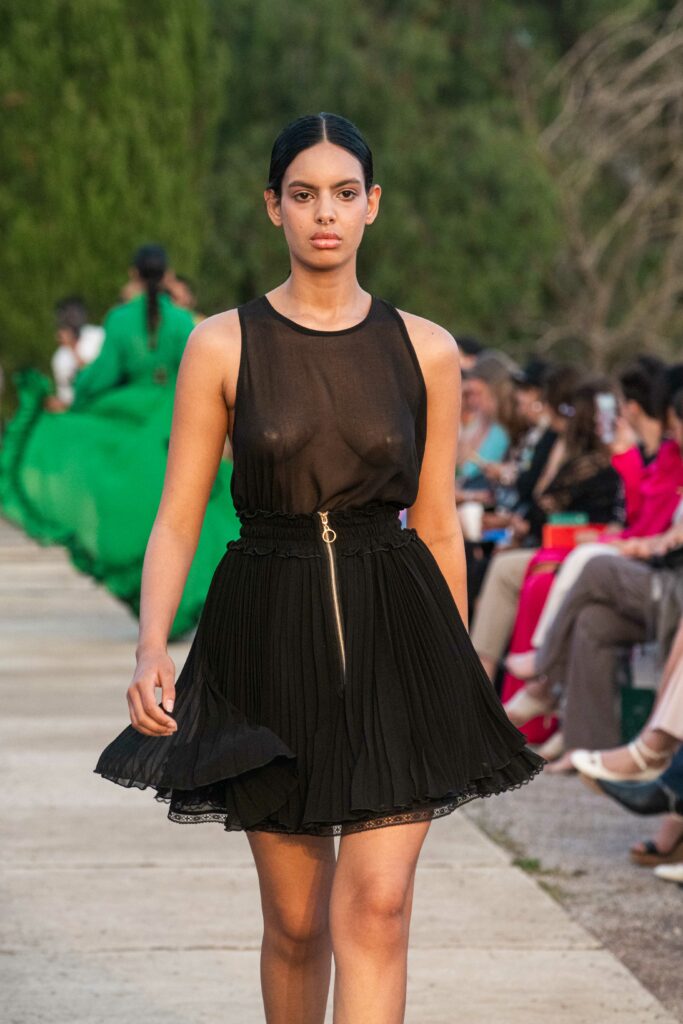
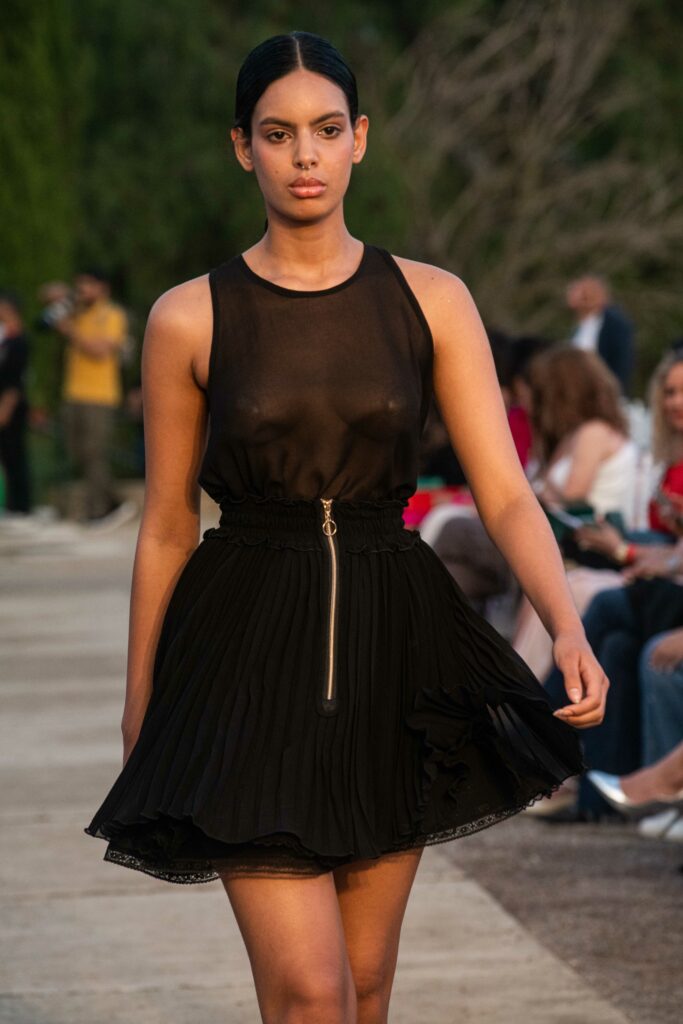
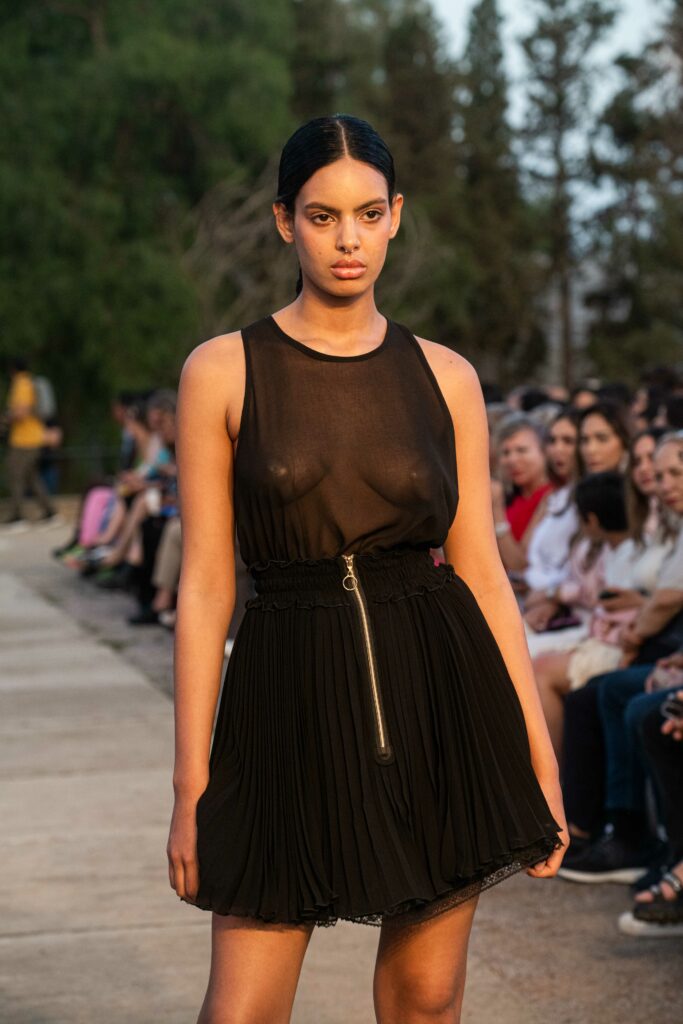
After a two-year adventure in the desert of Tozeur, the fourteenth edition of Tunis Fashion Week made a triumphant return to the elite of Tunisian society. Fashion shows followed one another in the majestic setting of the Musée National de Carthage, an emblematic site of the country’s culture.
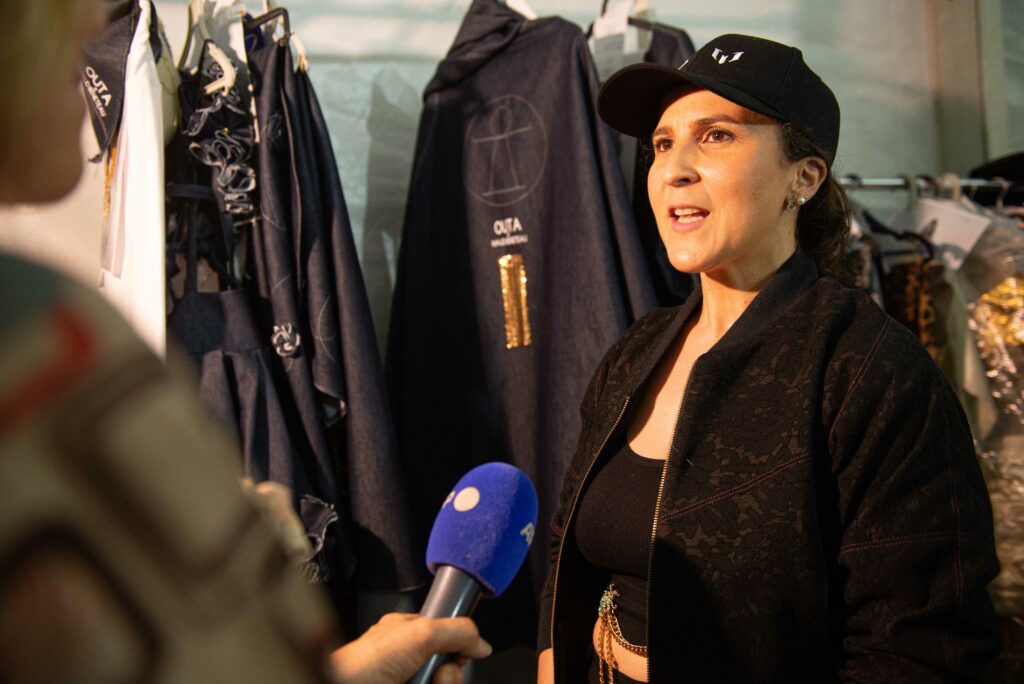
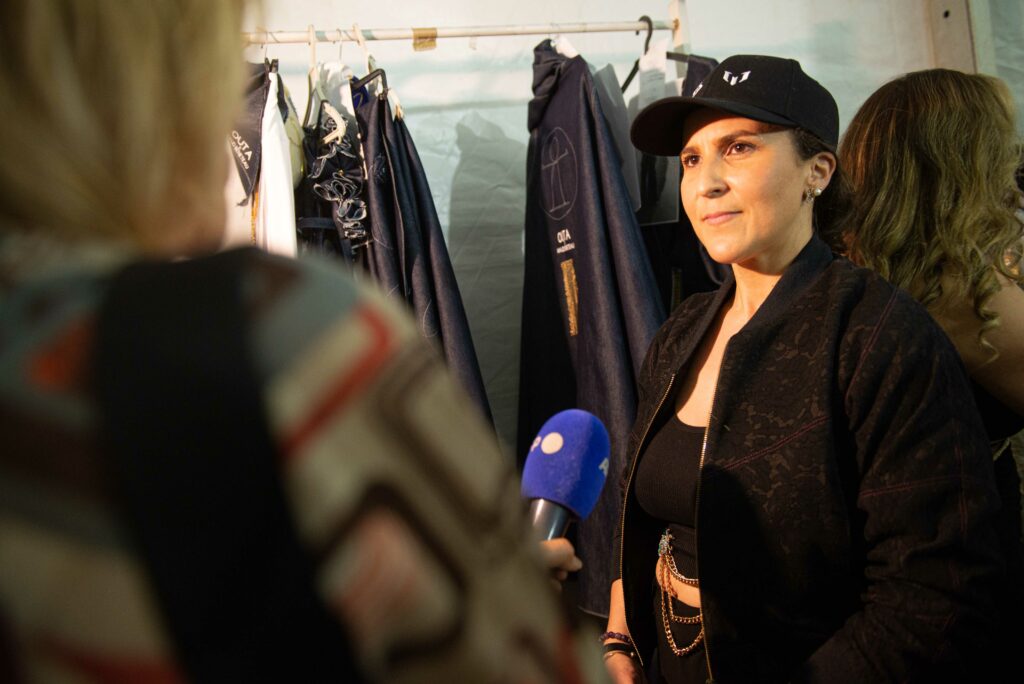
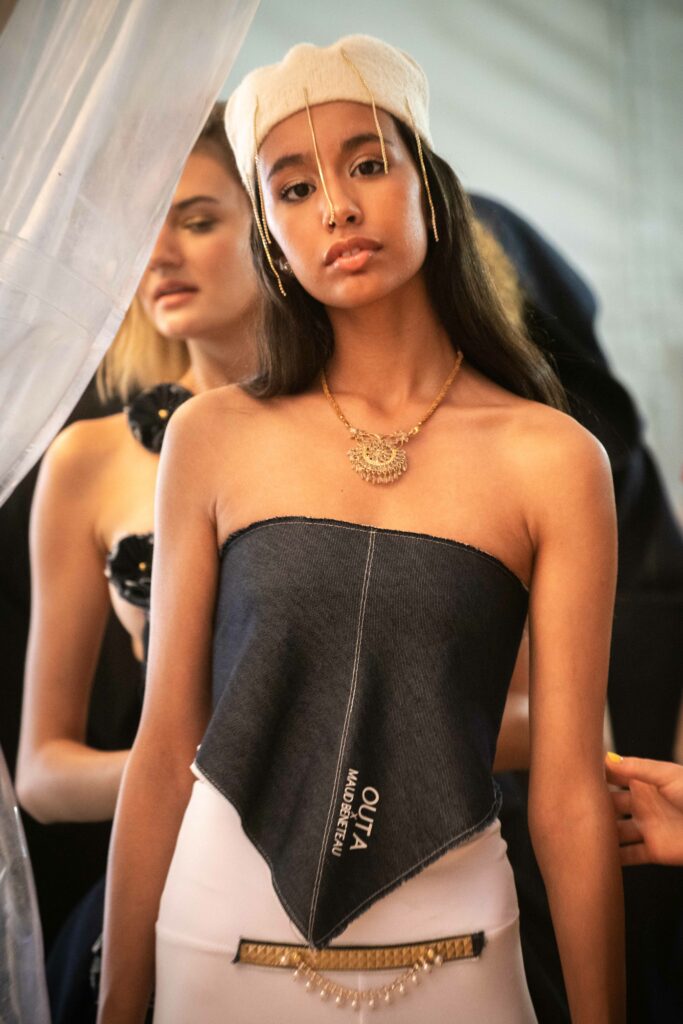
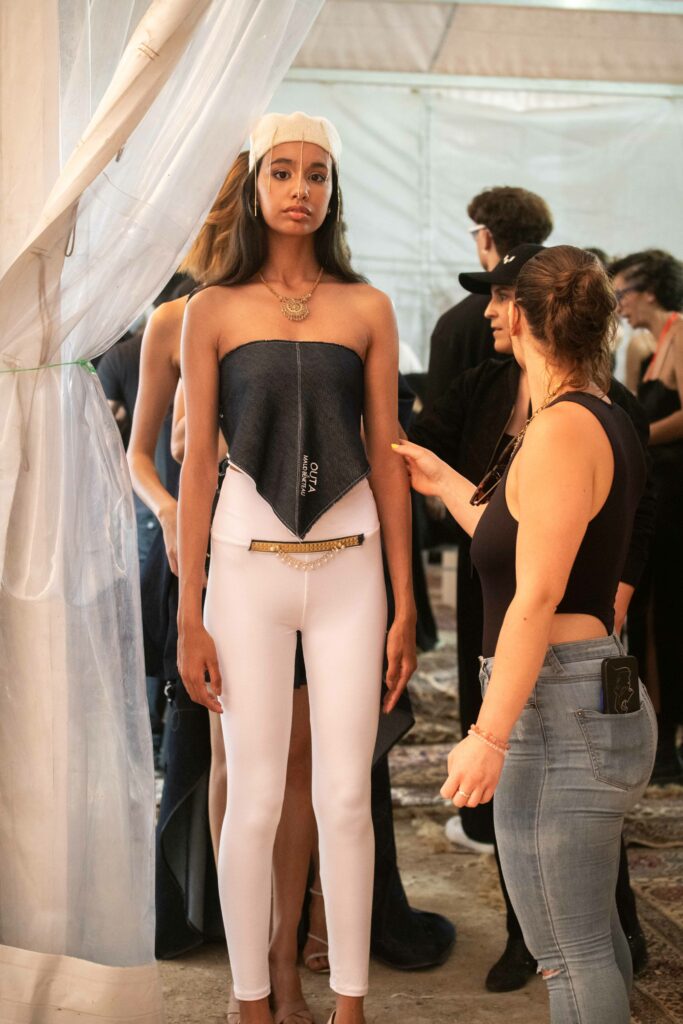
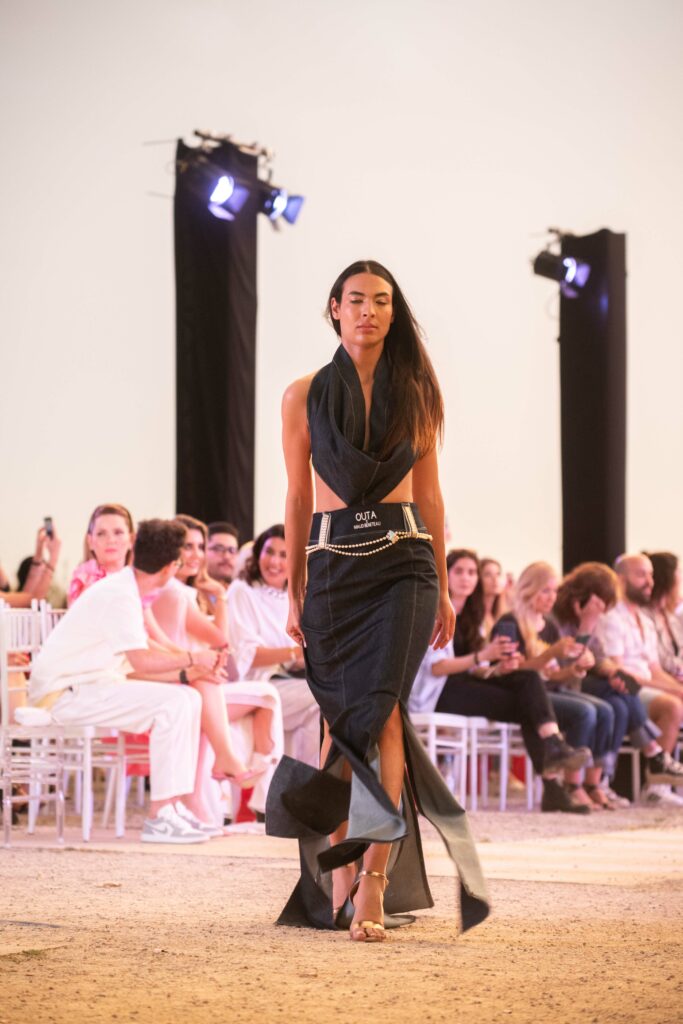
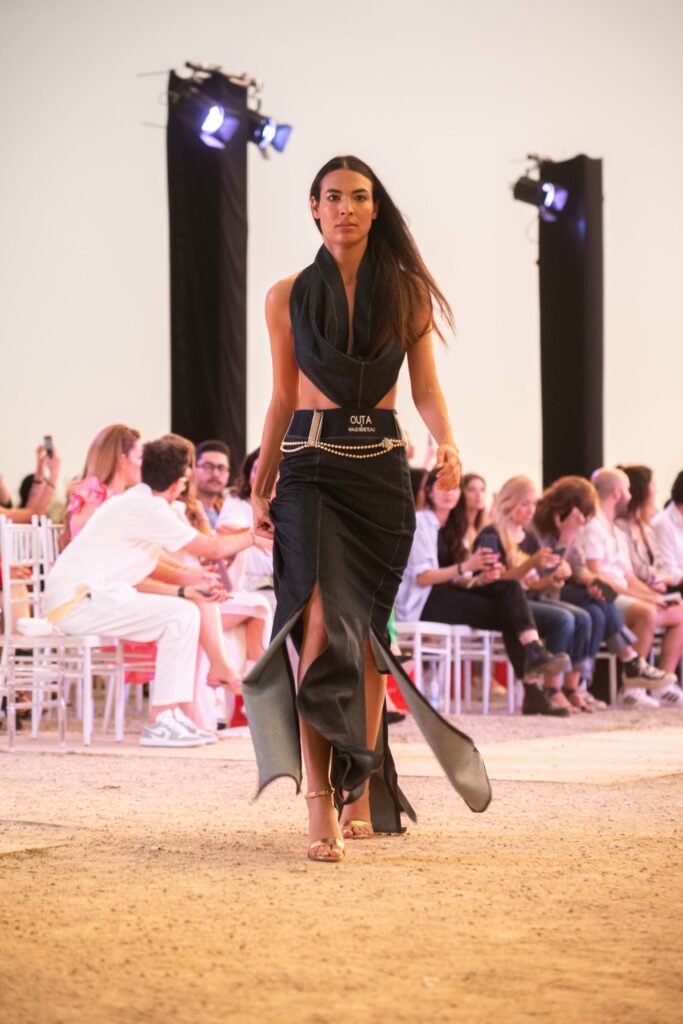
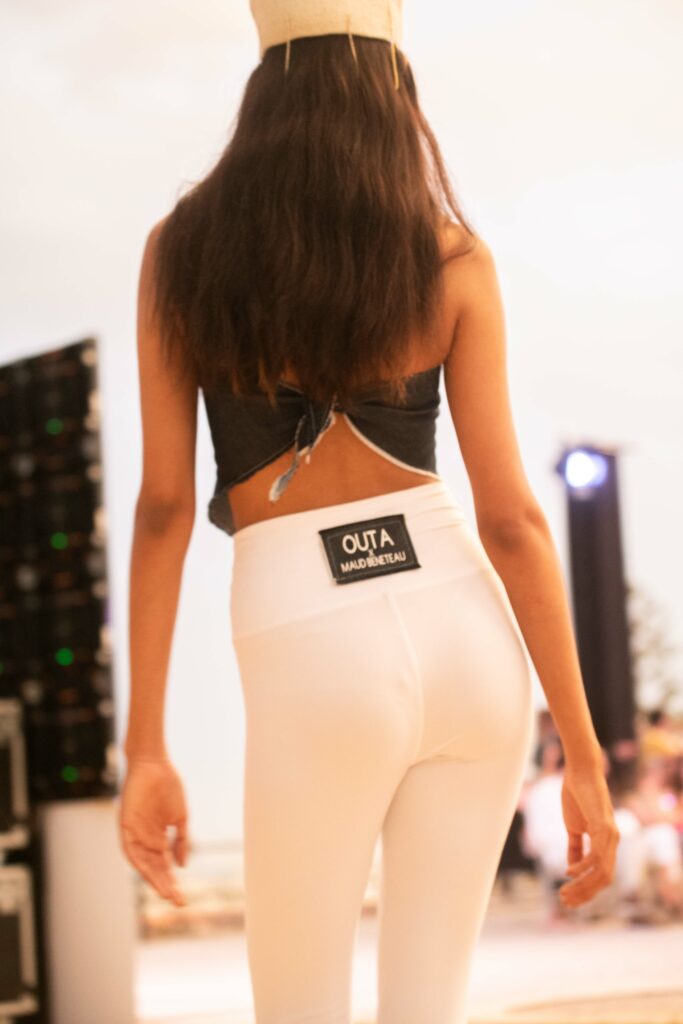
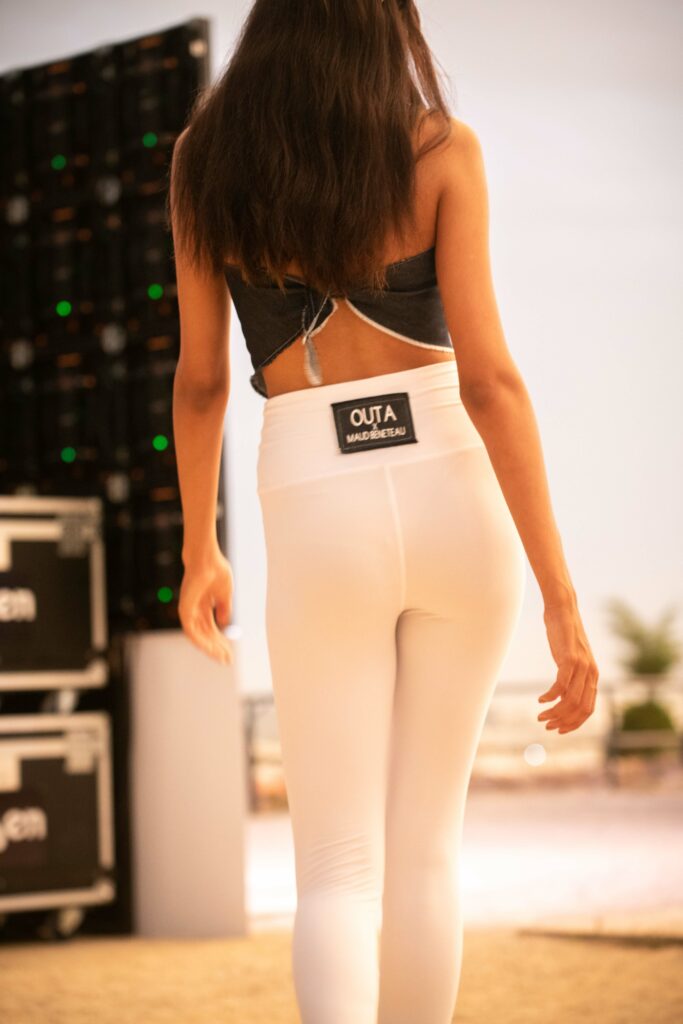
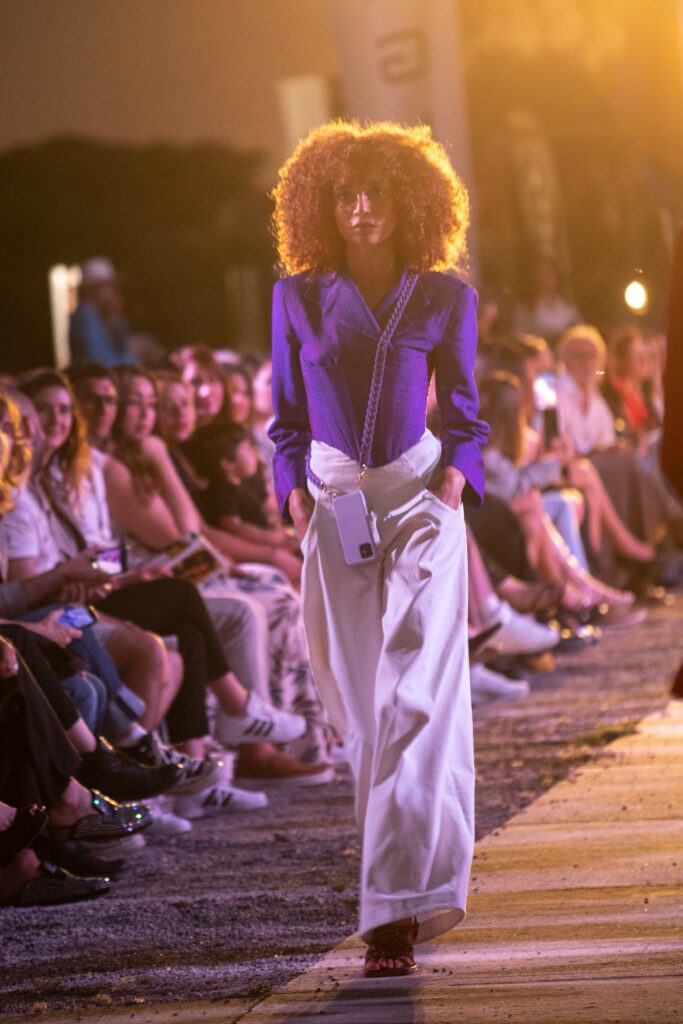
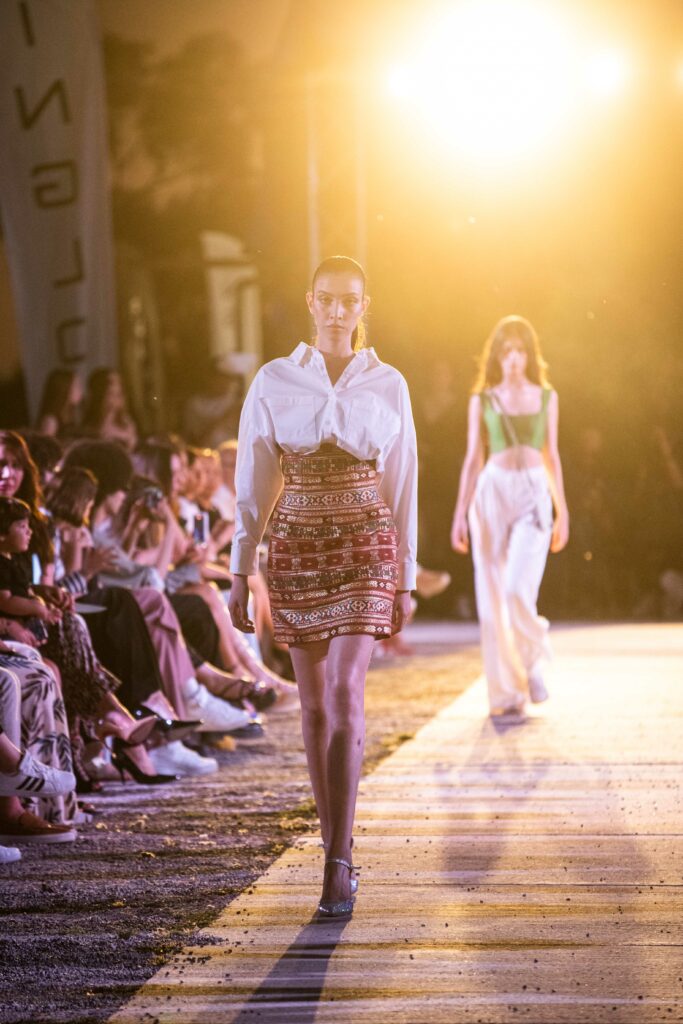
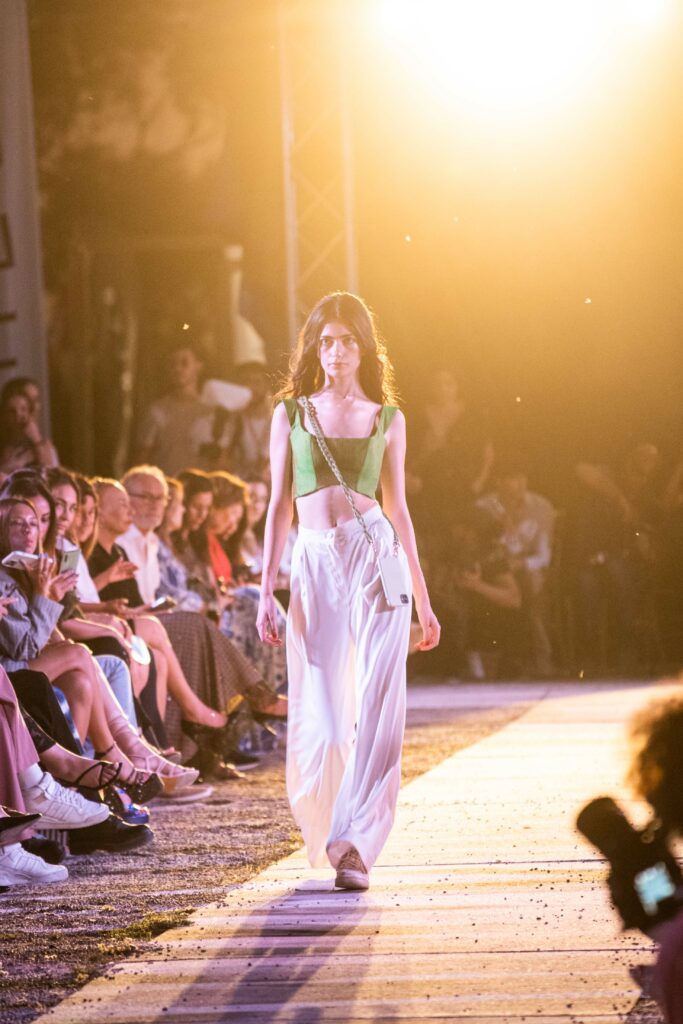
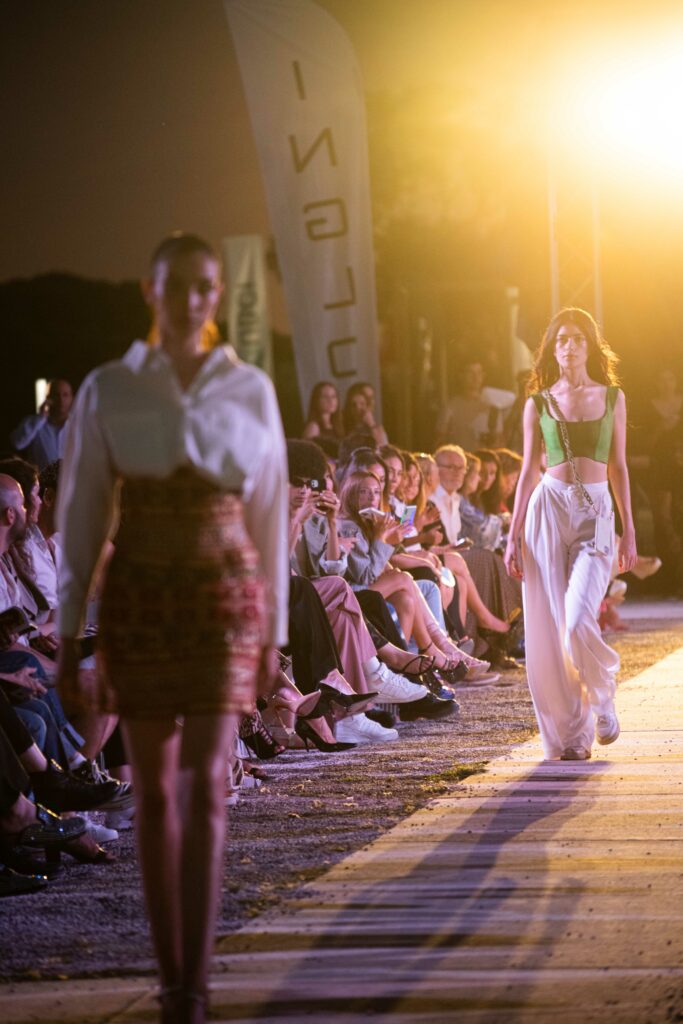
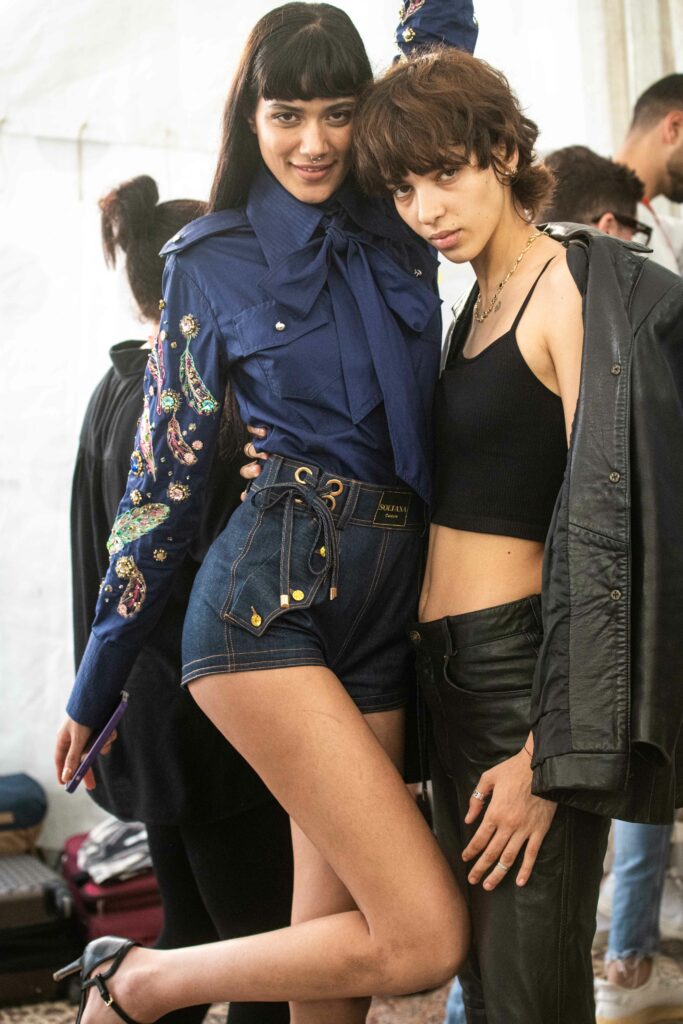
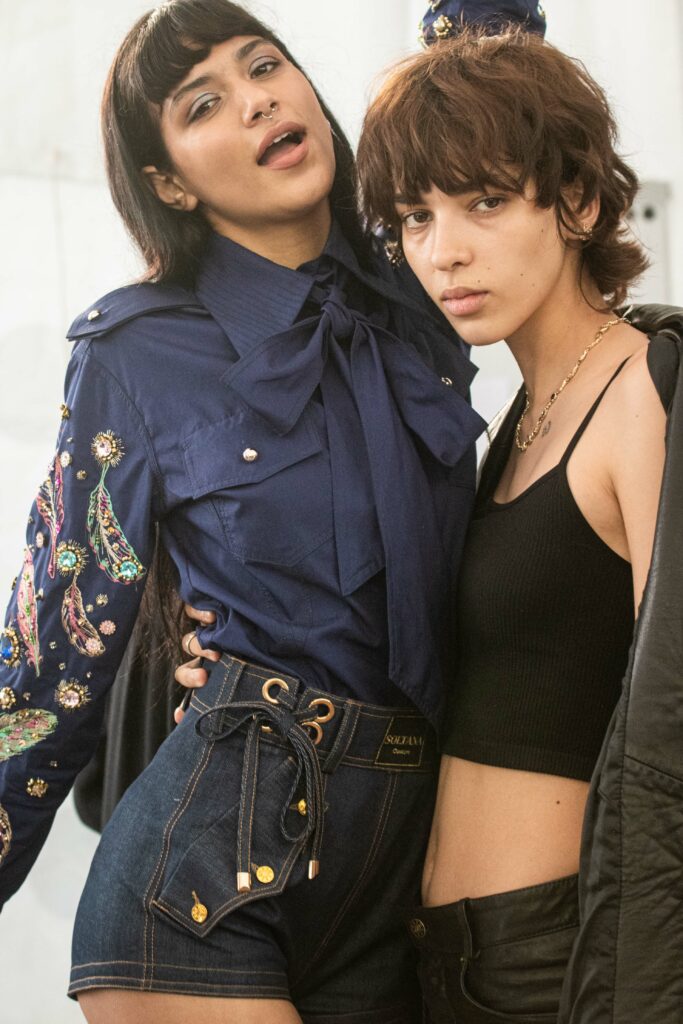
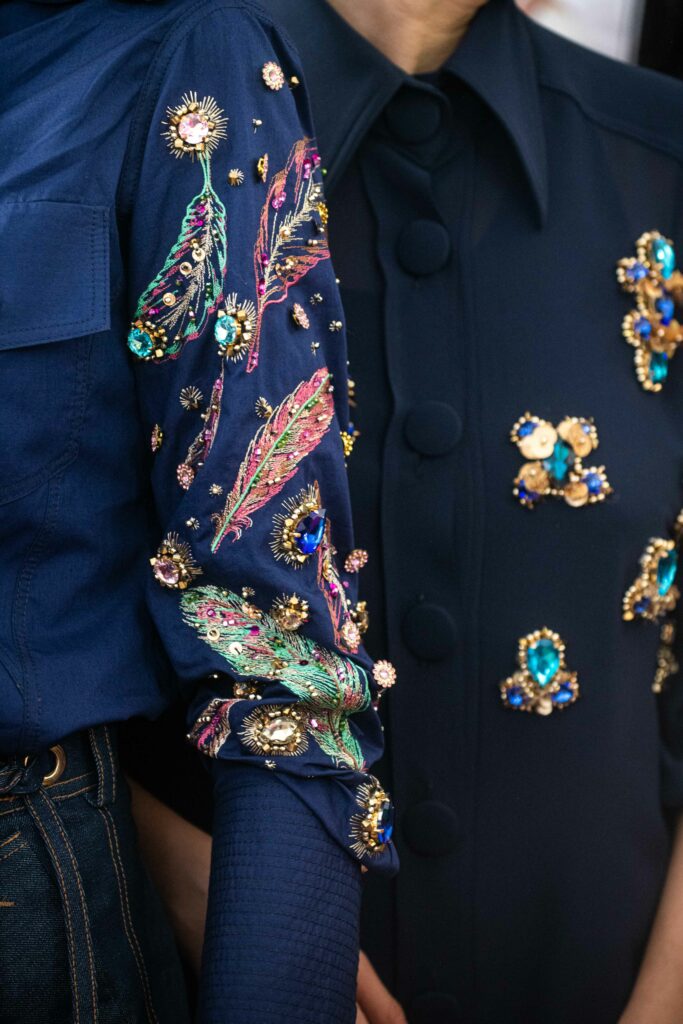
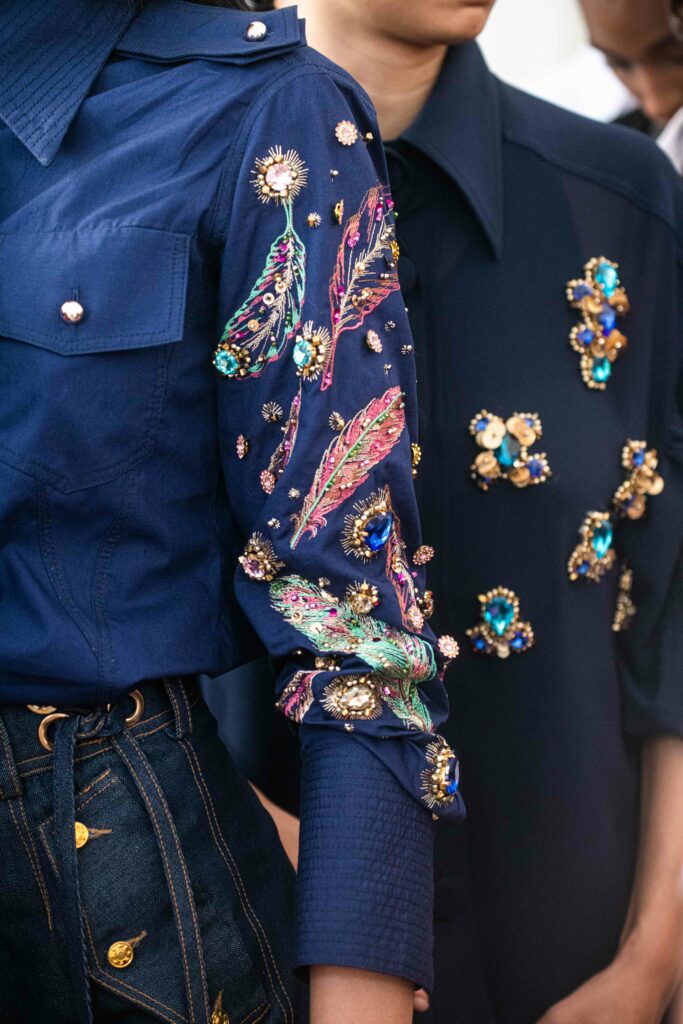
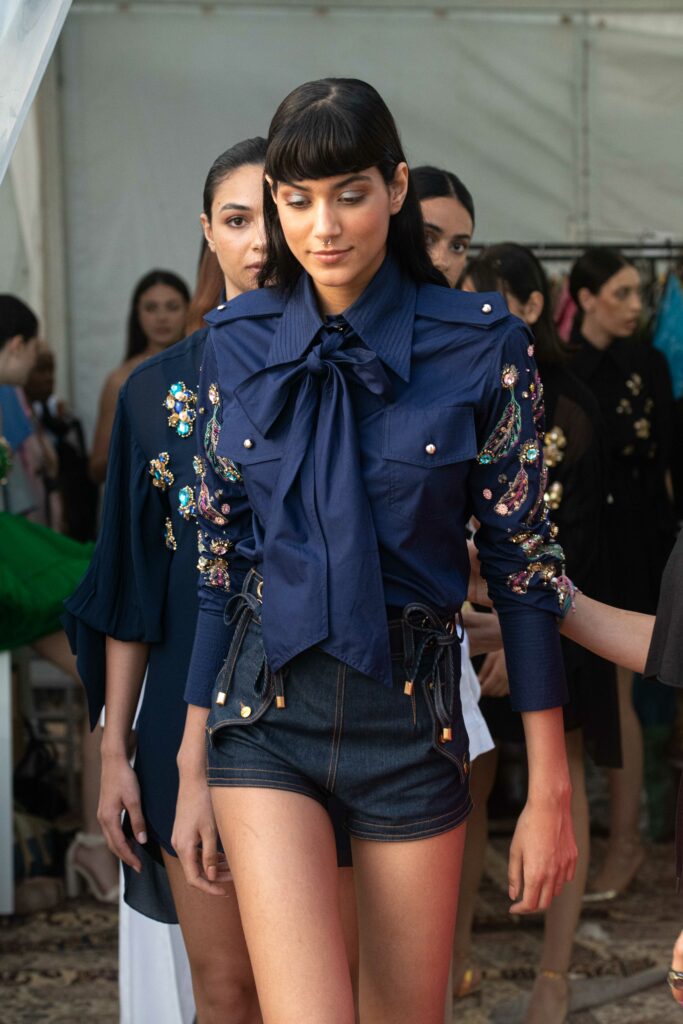
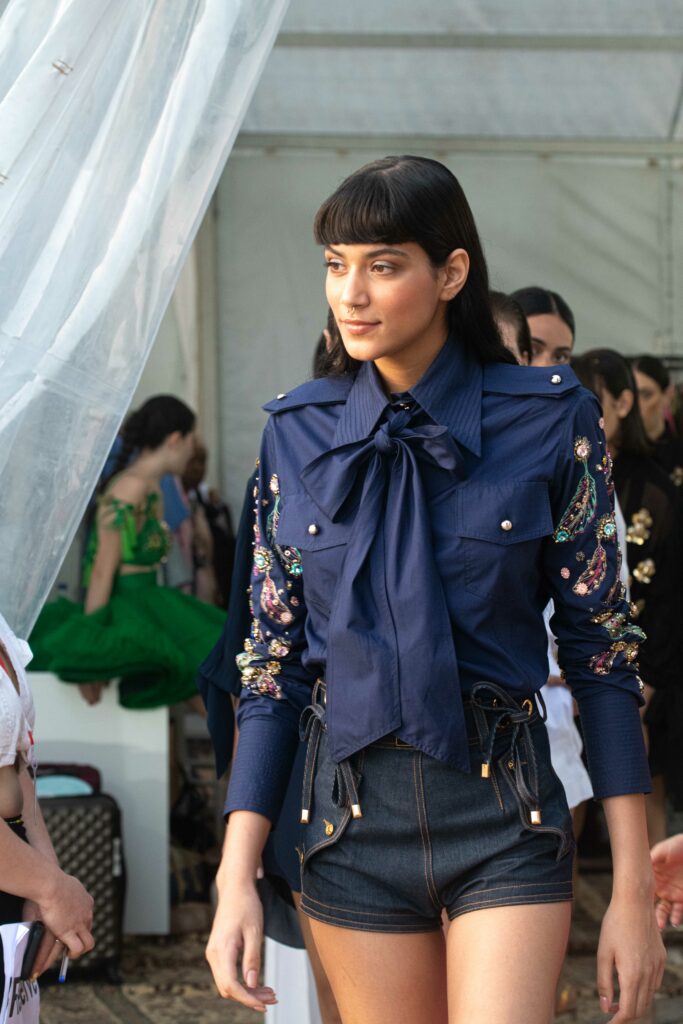
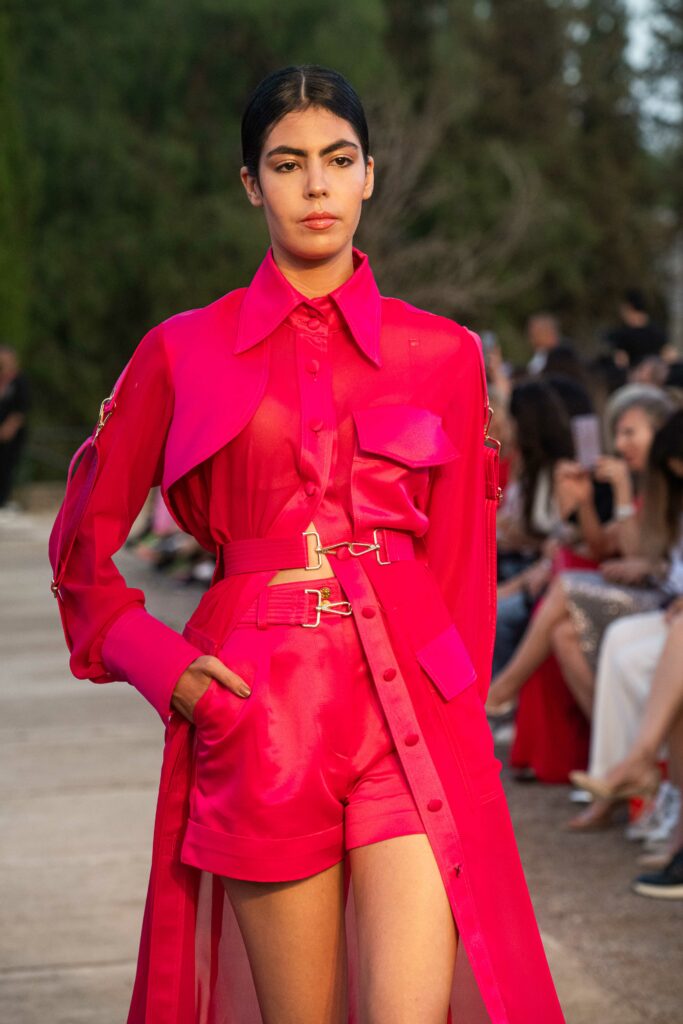
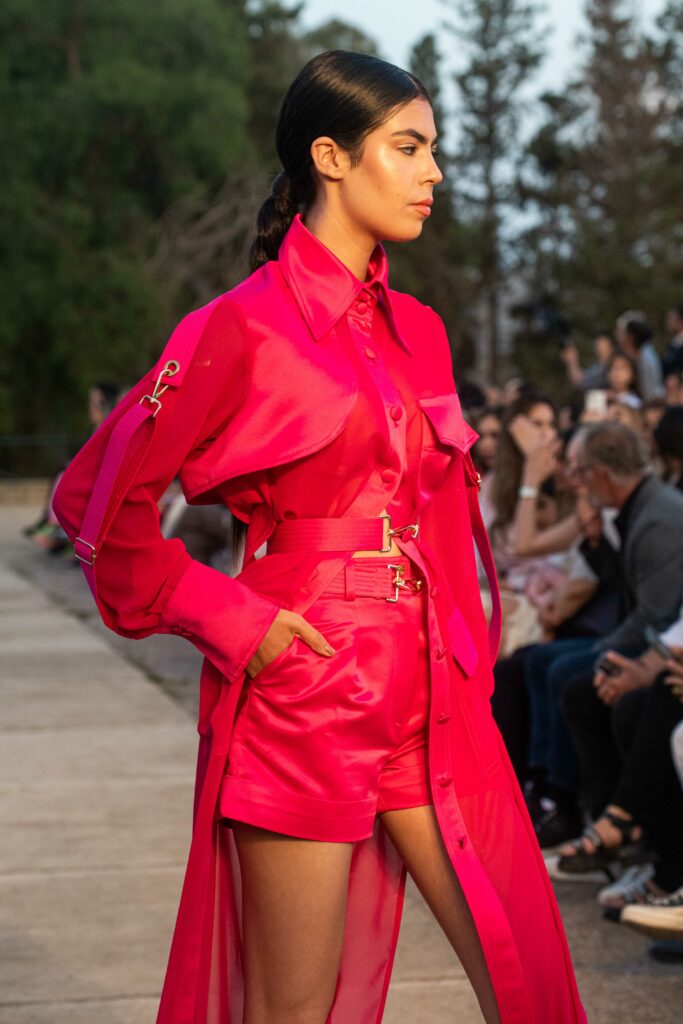
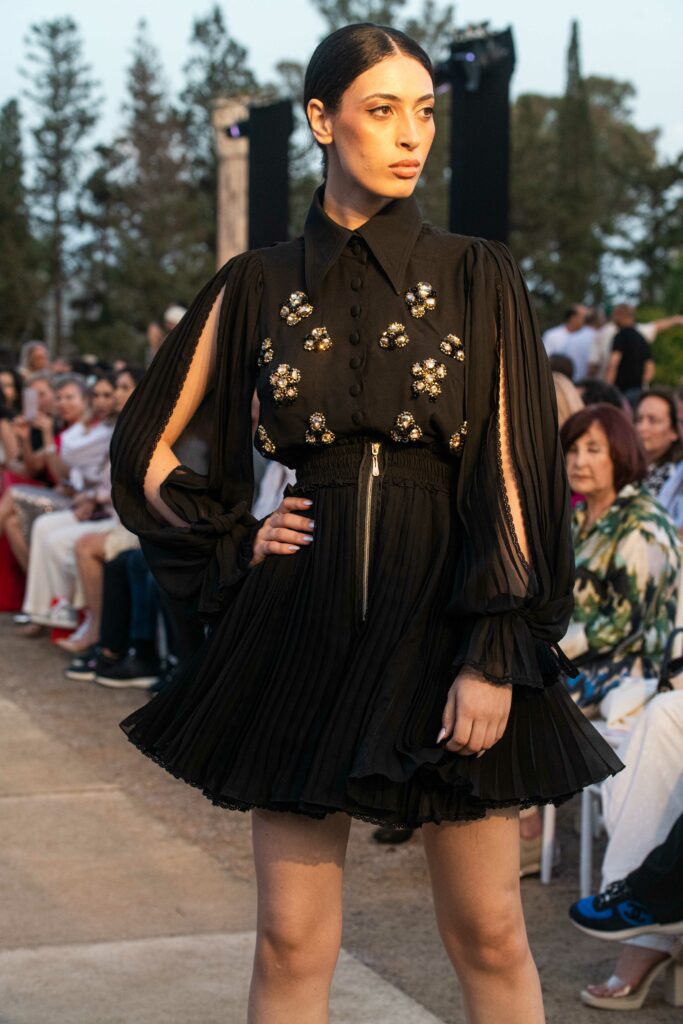
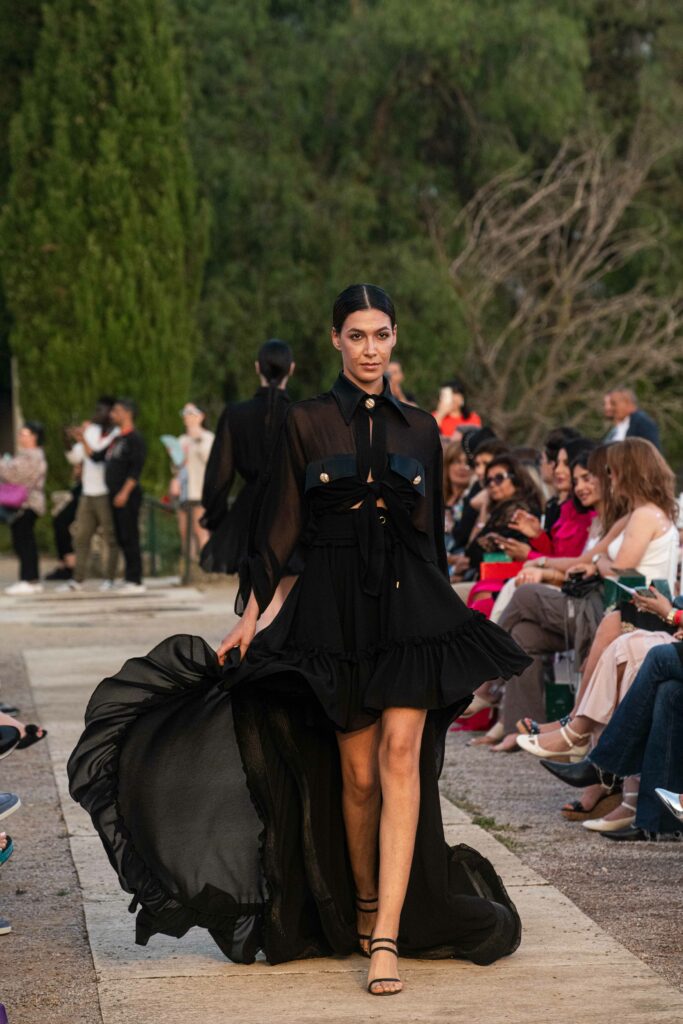
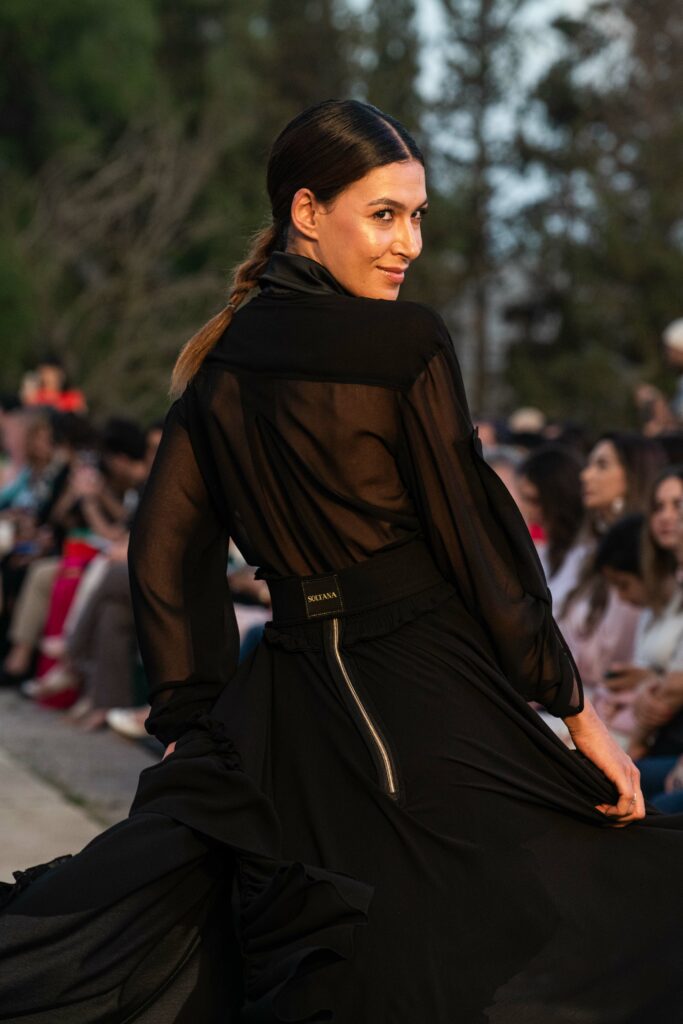
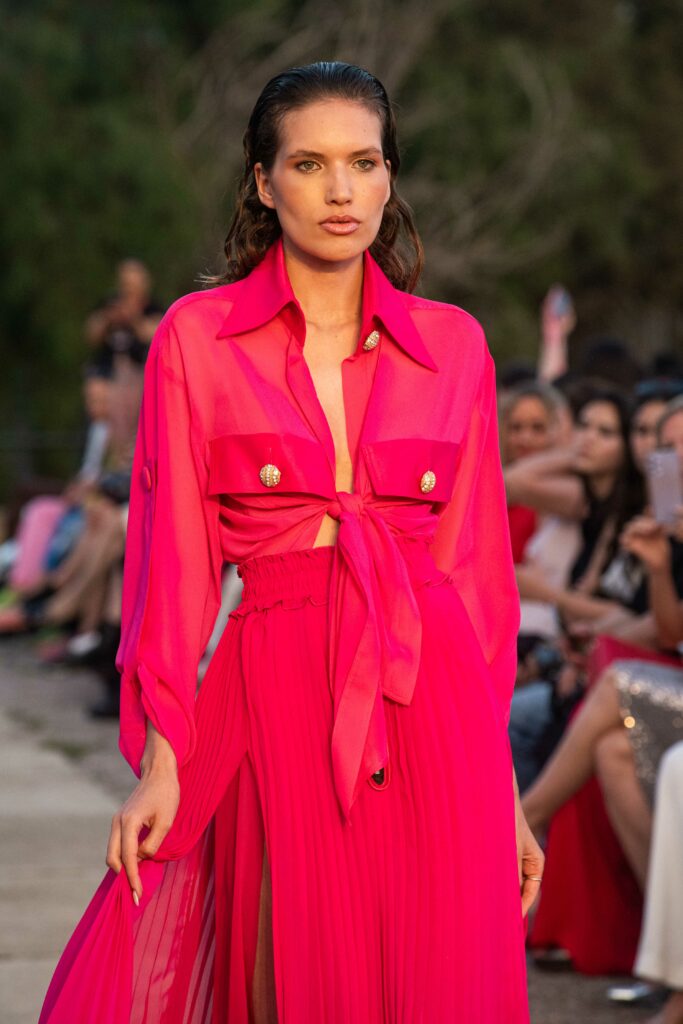
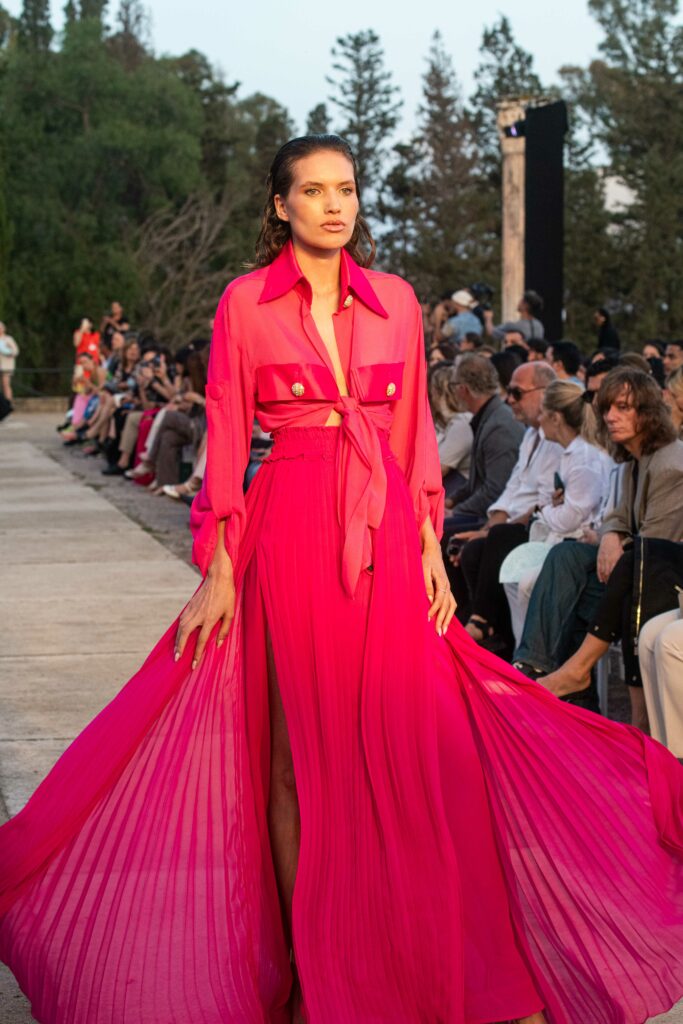
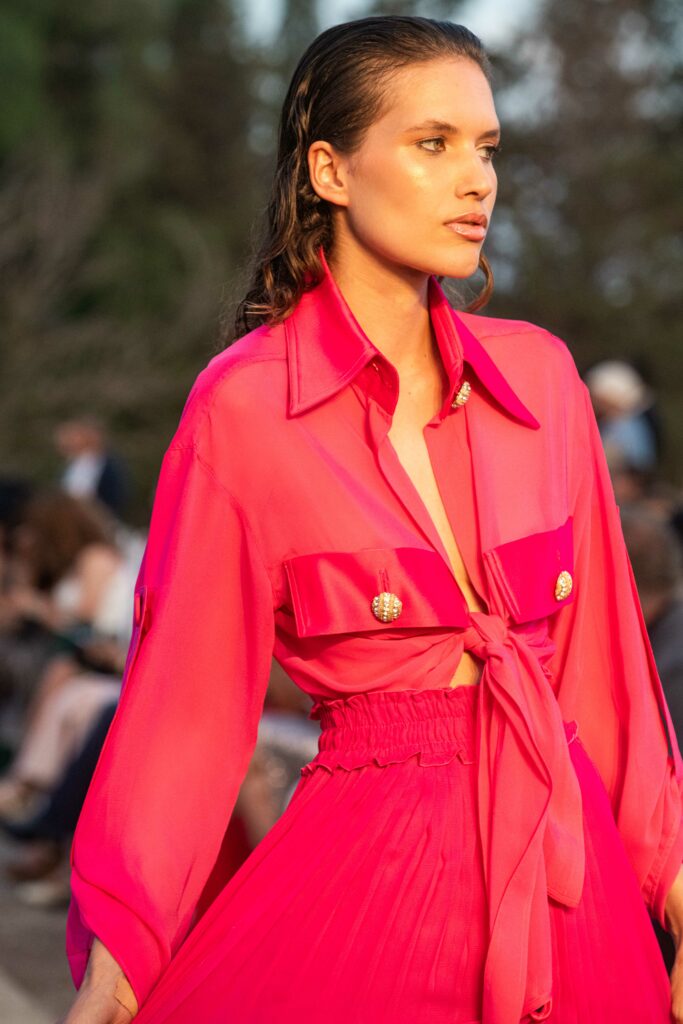
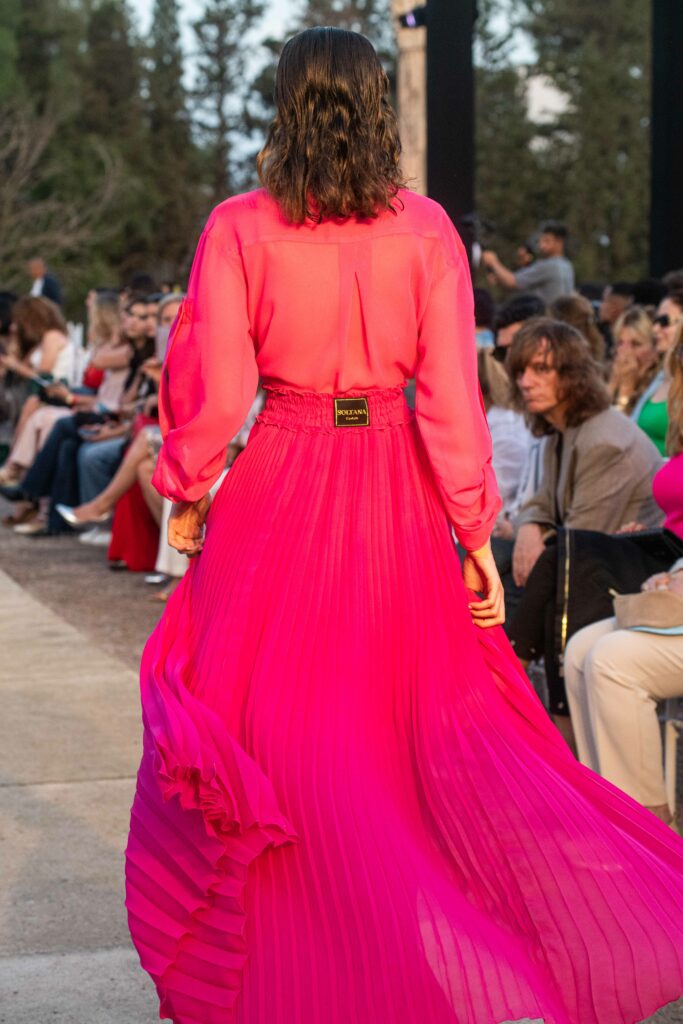
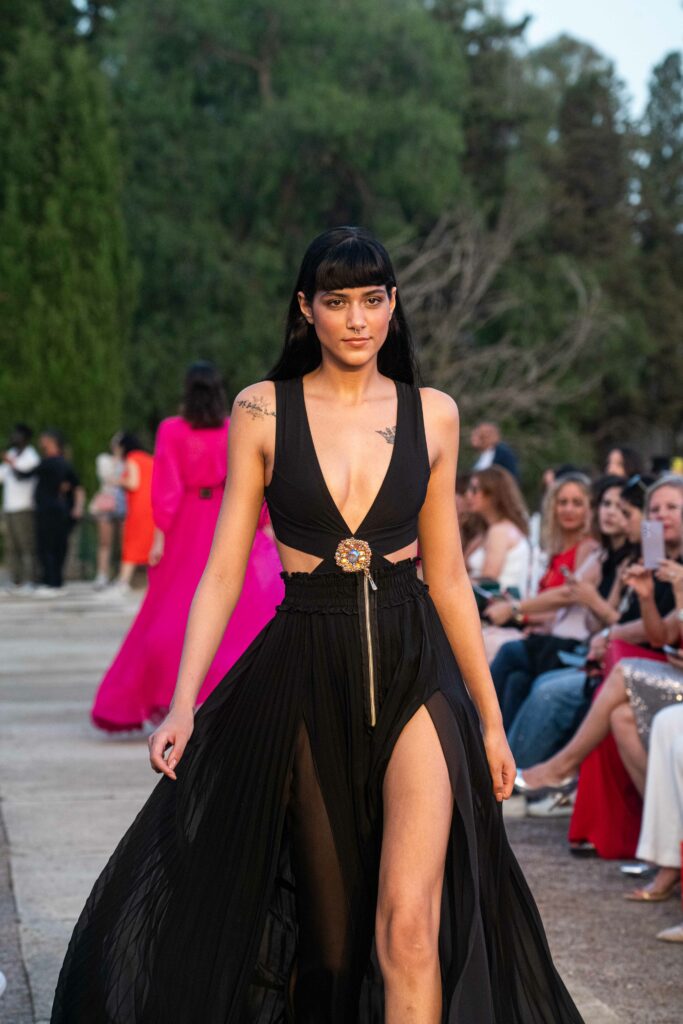
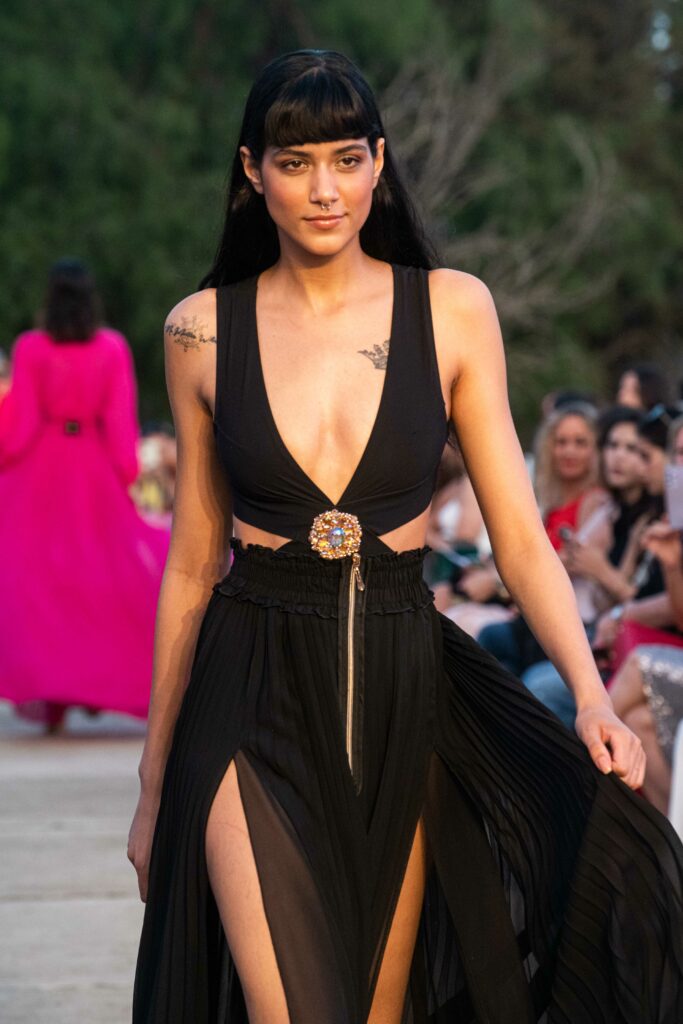
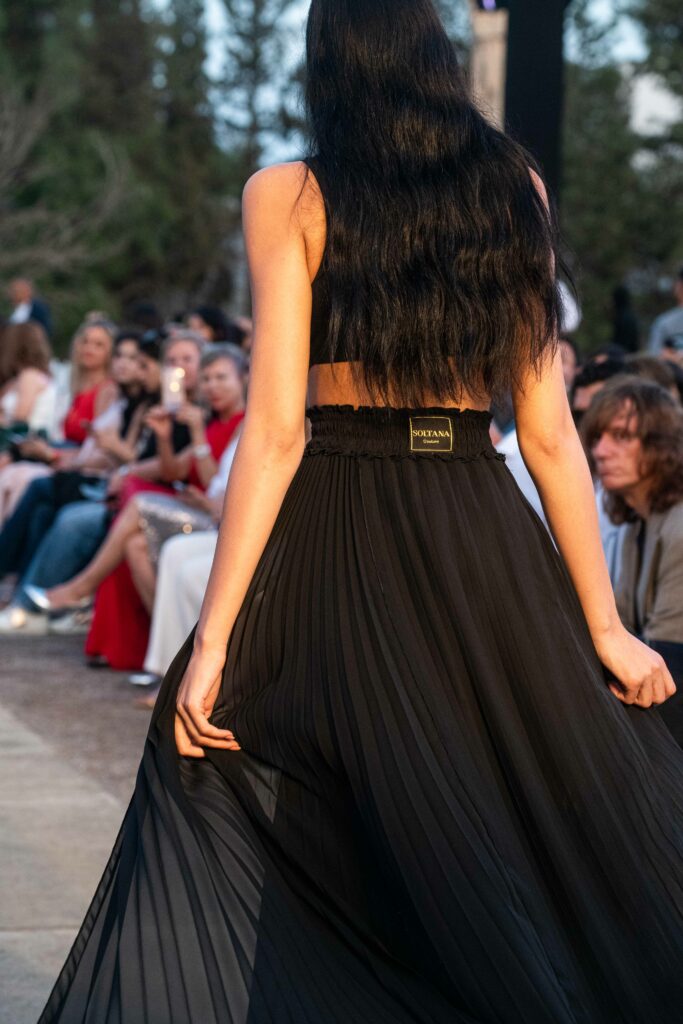
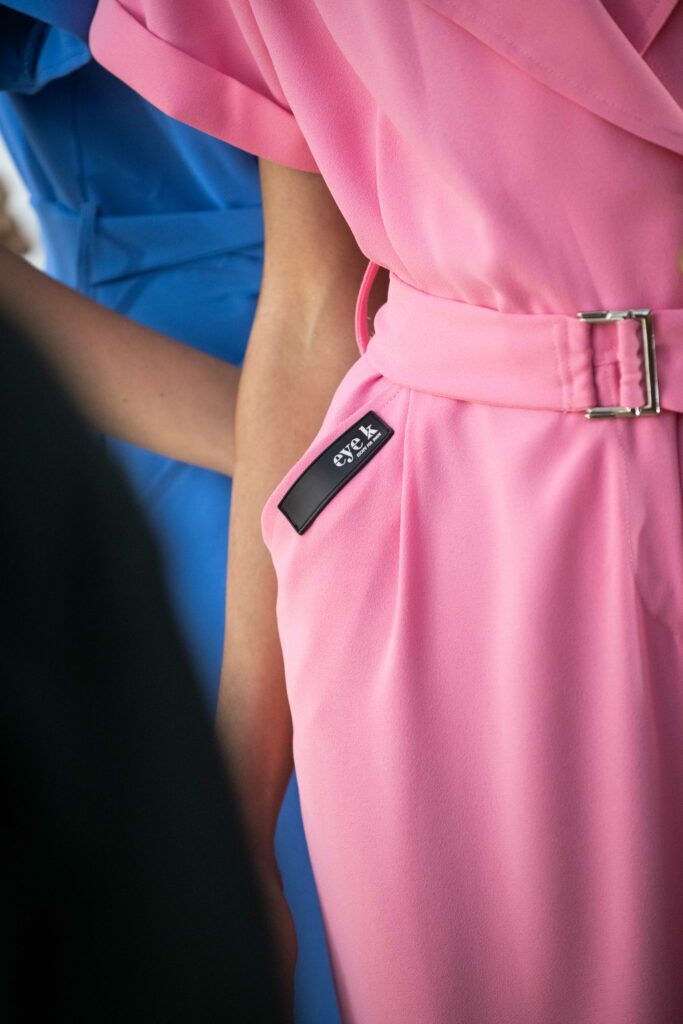
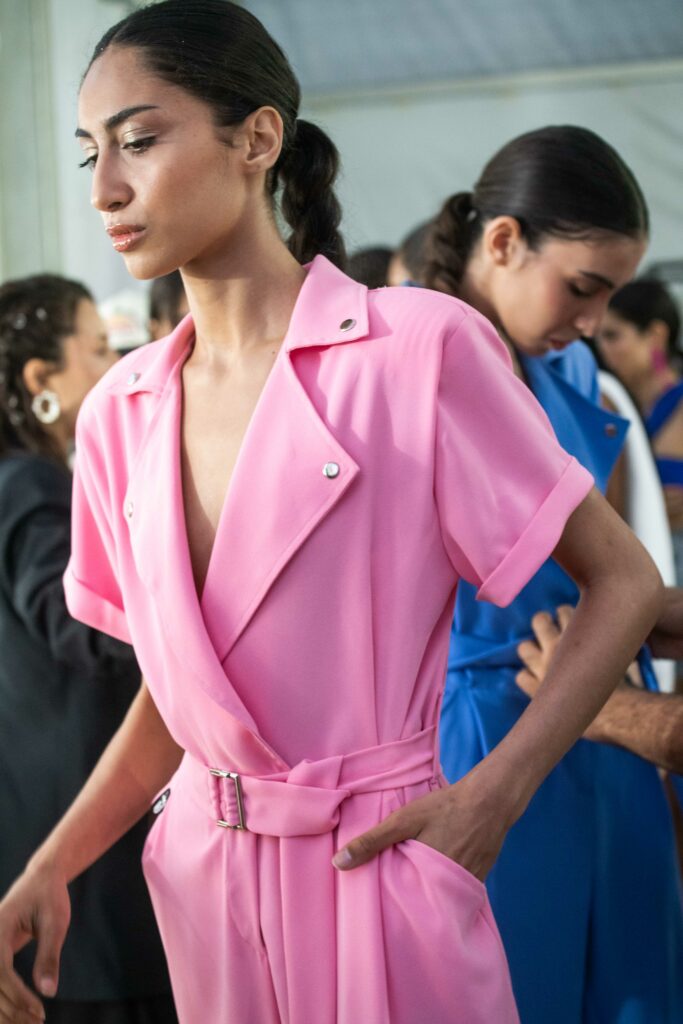
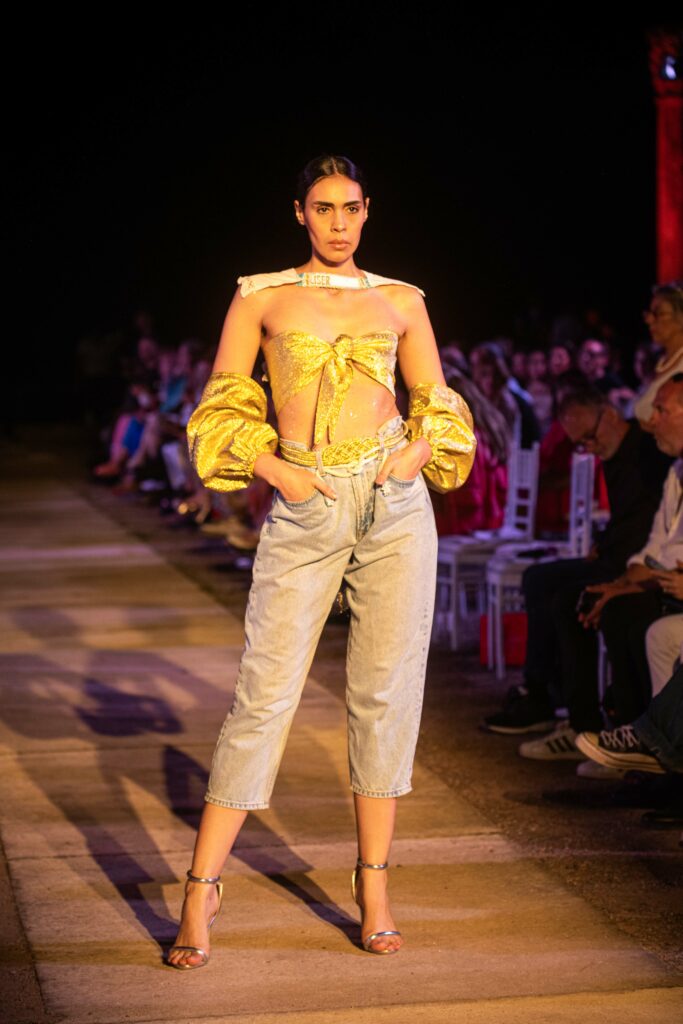
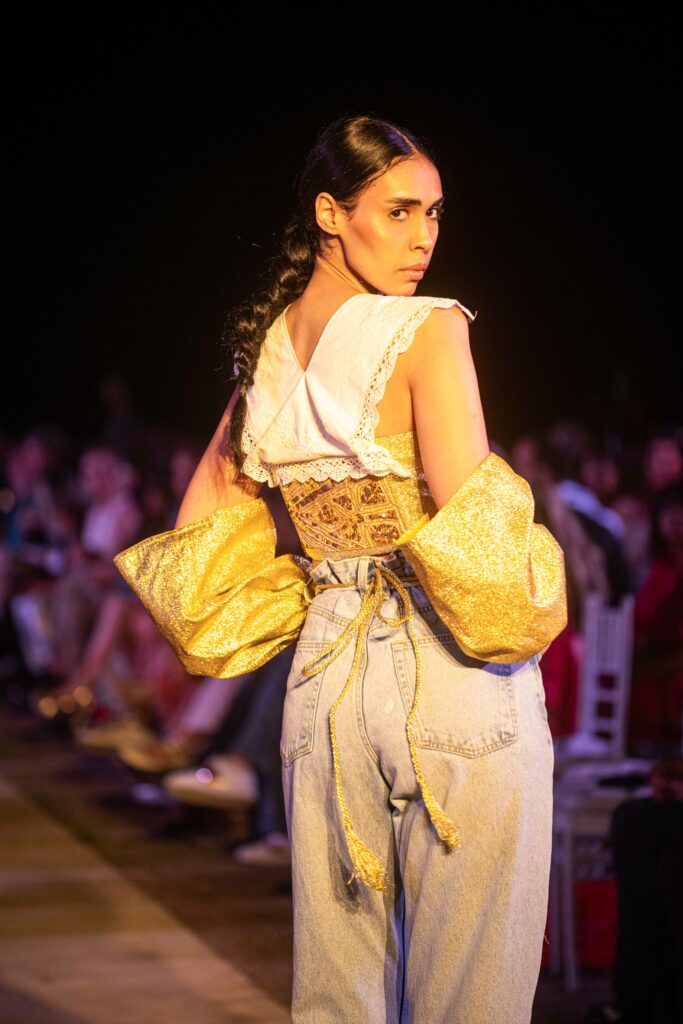
In the post-Ben Ali era, Tunis Fashion Week (TNFW) has accompanied the emergence of a subculture resolutely turned towards the West. This ambition is reflected in the presence of brands such as Fatma Ben Soltane’s Soltana, Calestis and Inès Kacem’s Eye K, as well as the emergence of new talents such as Haroun Ghanmi and Outa. Deeply rooted in the sustainable trend dominating Europe, Outa, headed by Maud Beneteau, presented six Couture models in denim, a fabric made from polyester yarn recycled from plastic waste found in Kerkennah, a Tunisian archipelago in the Mediterranean Sea.
However, what differs from recent years, after two years in the Tozeur desert, is the oriental influence. This is particularly visible in the front rows, largely occupied by influencers or VIPs who are renewing the genre with an aesthetic influenced by the Lebanese model.
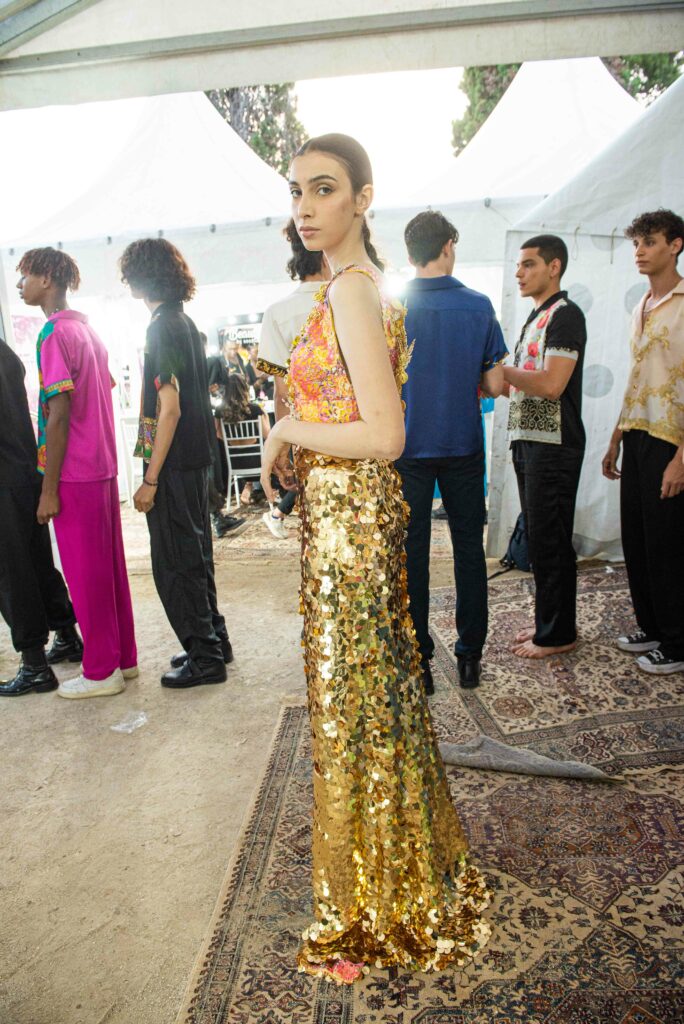
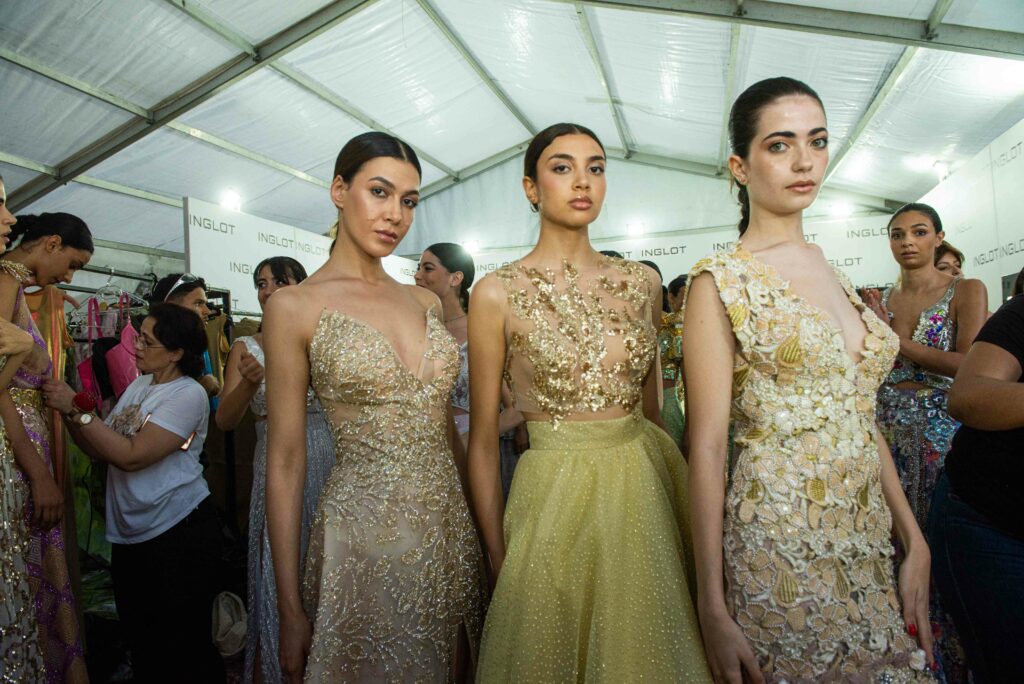
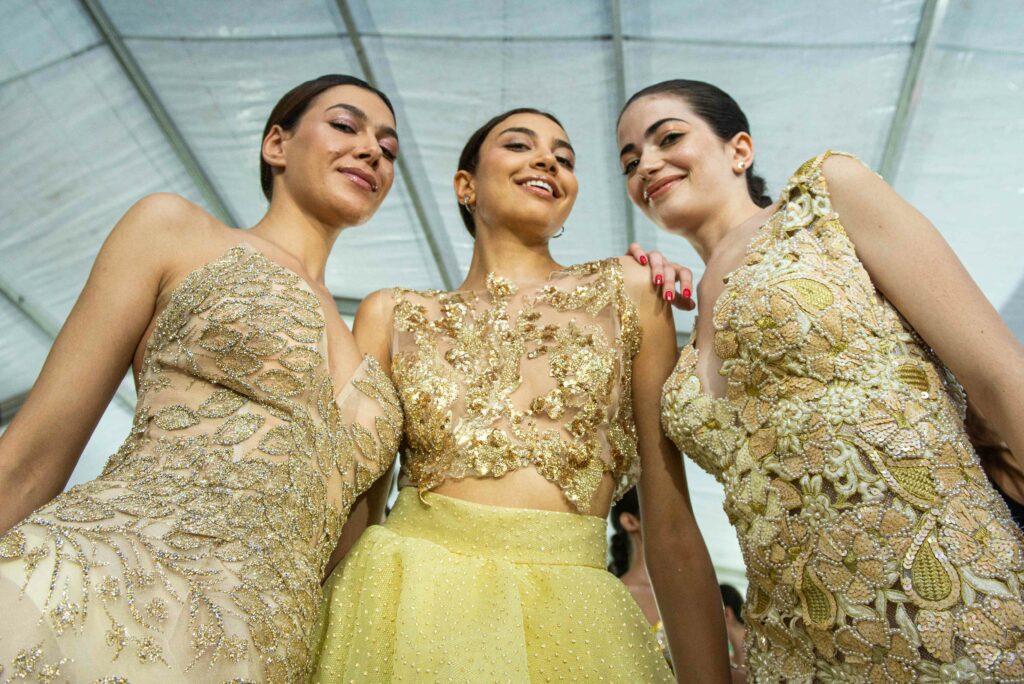
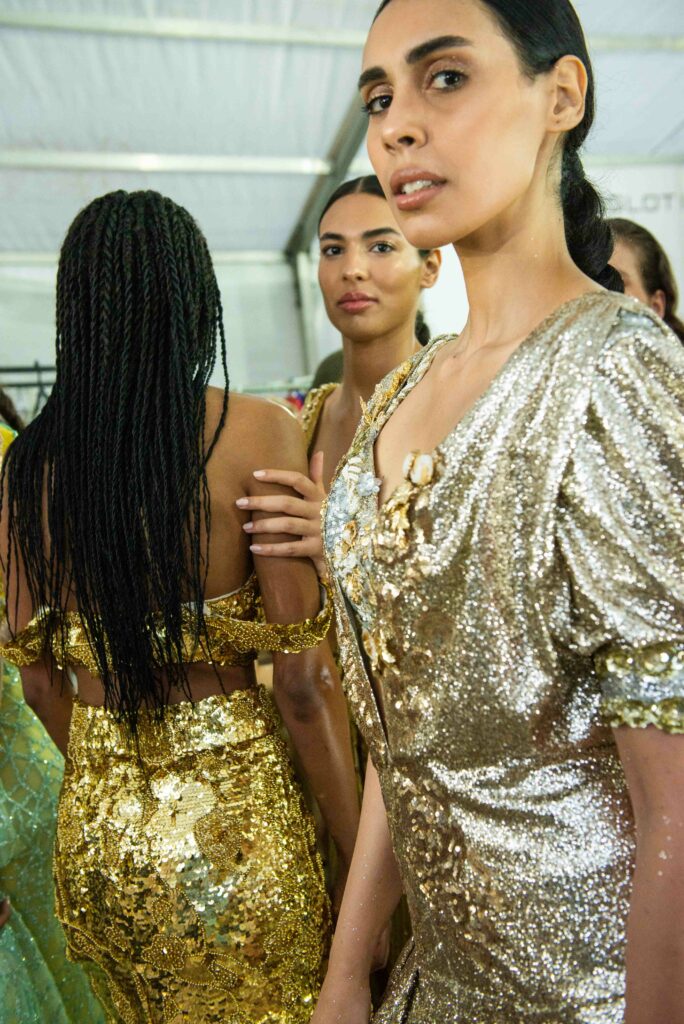
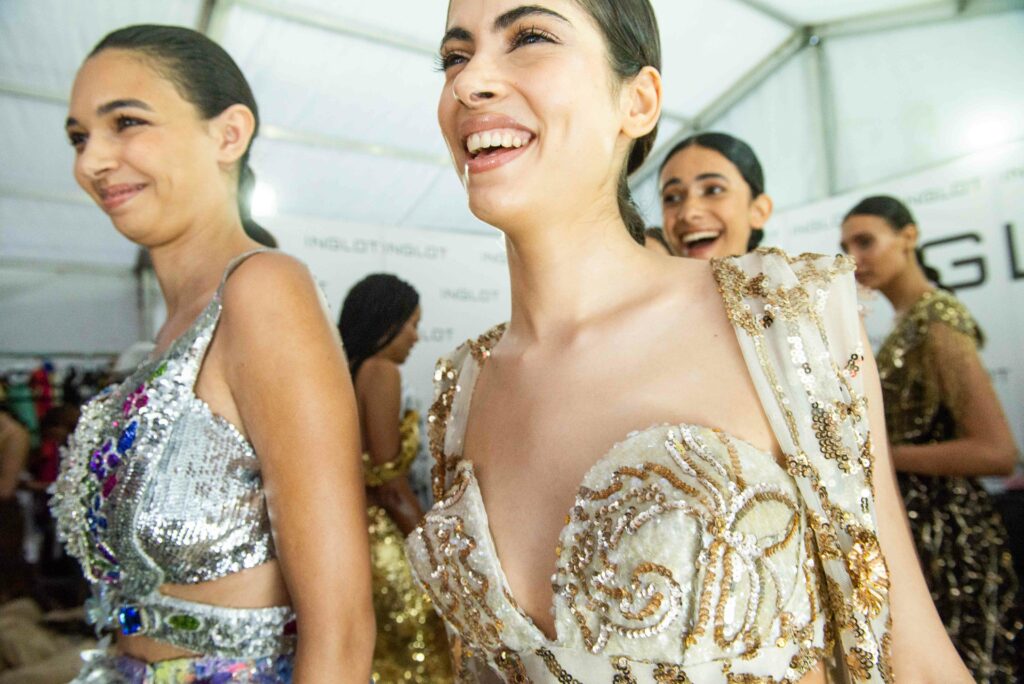
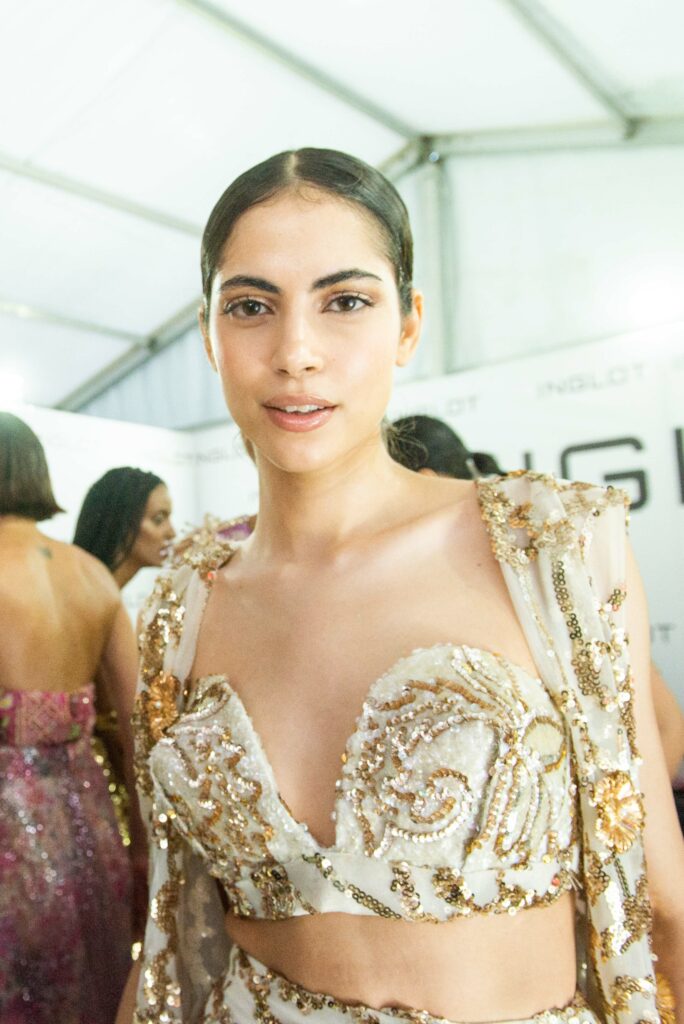
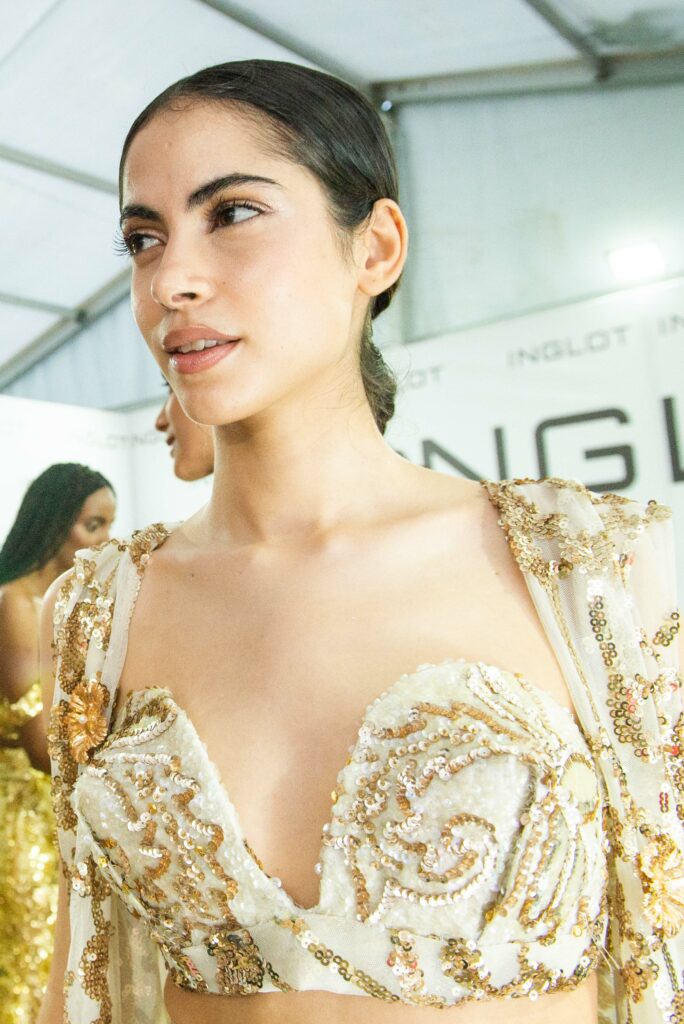
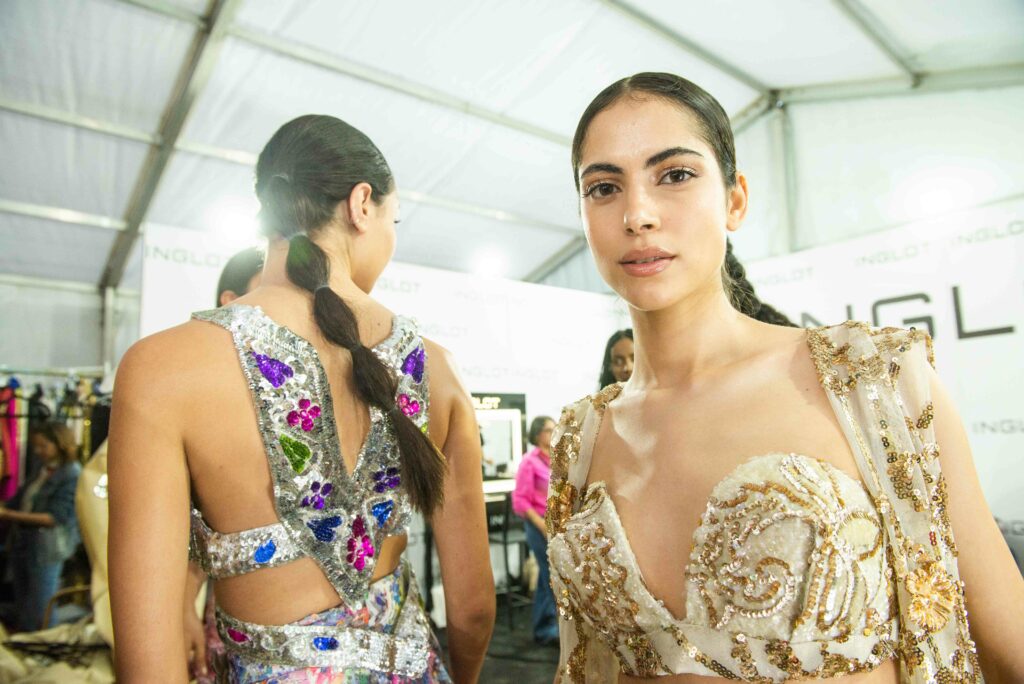
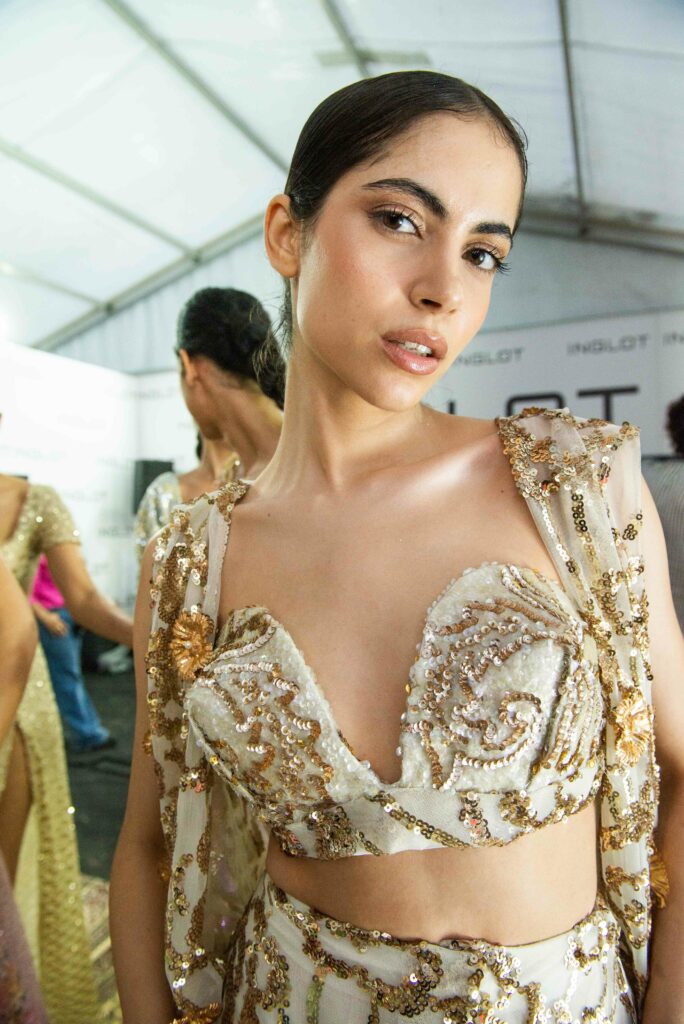
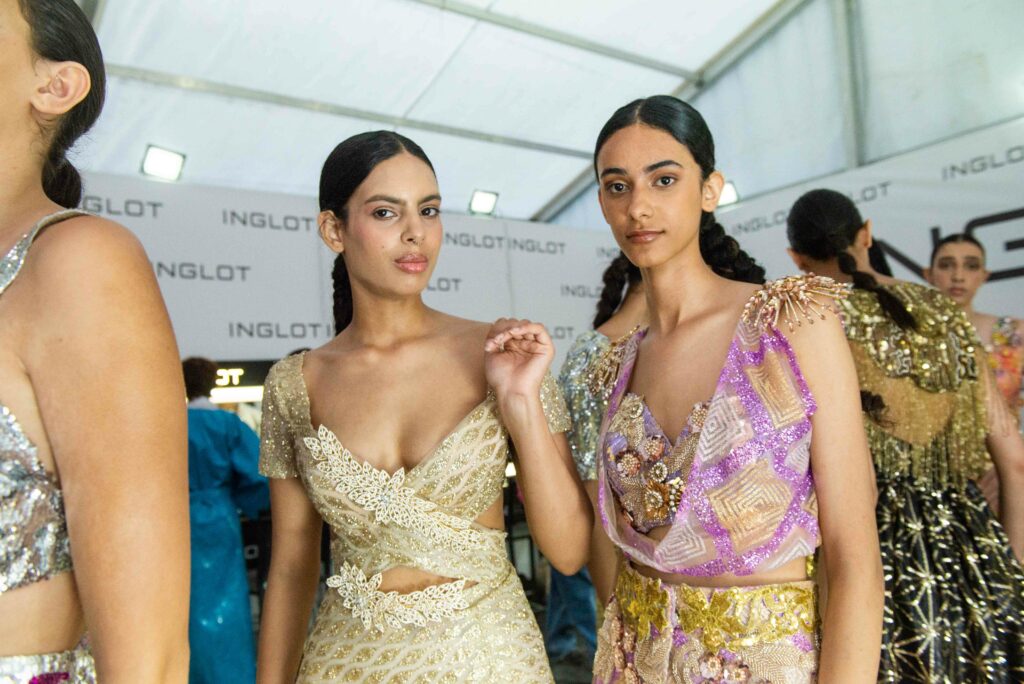
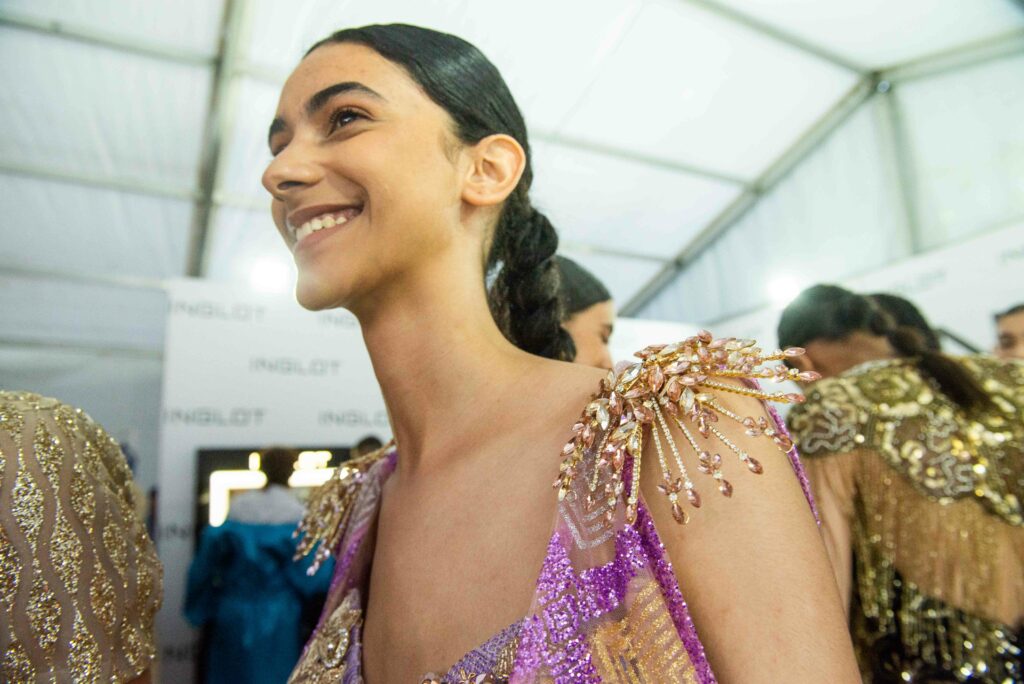
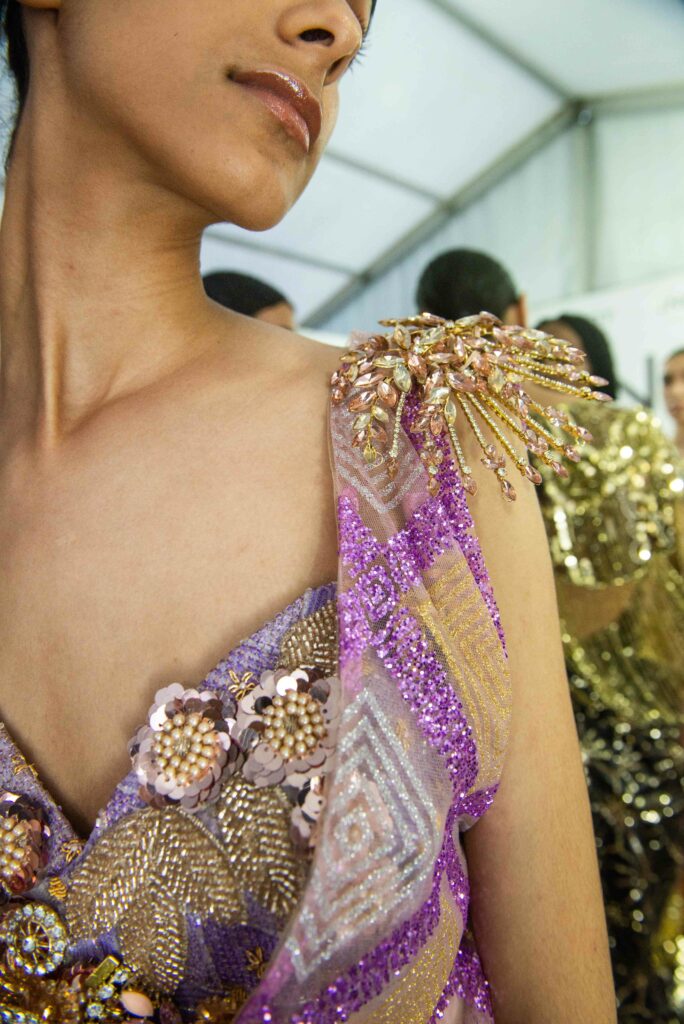
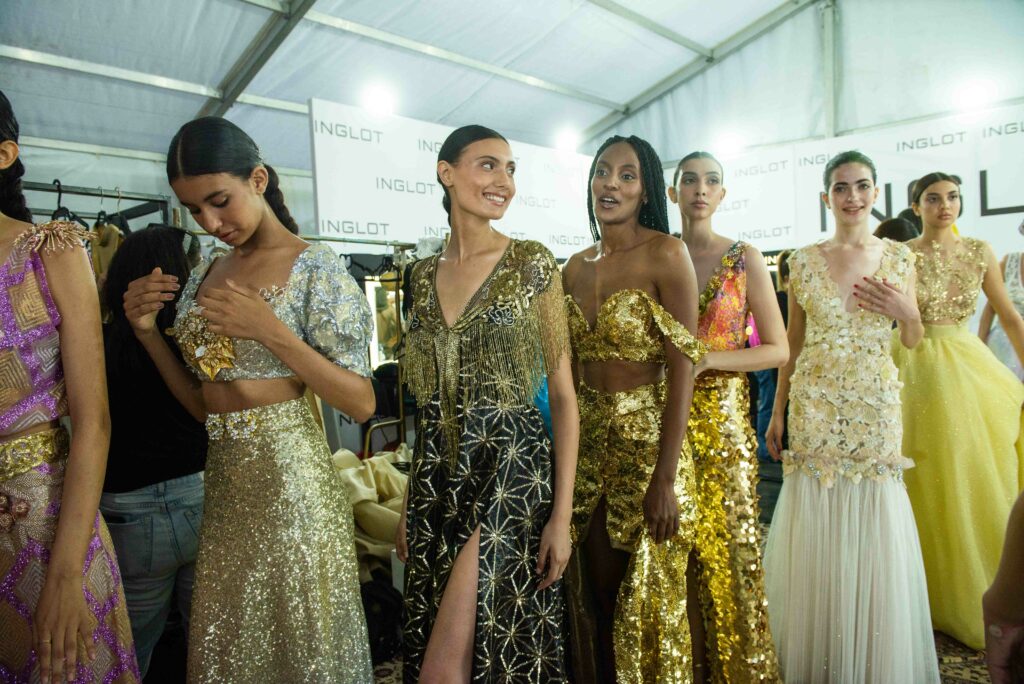
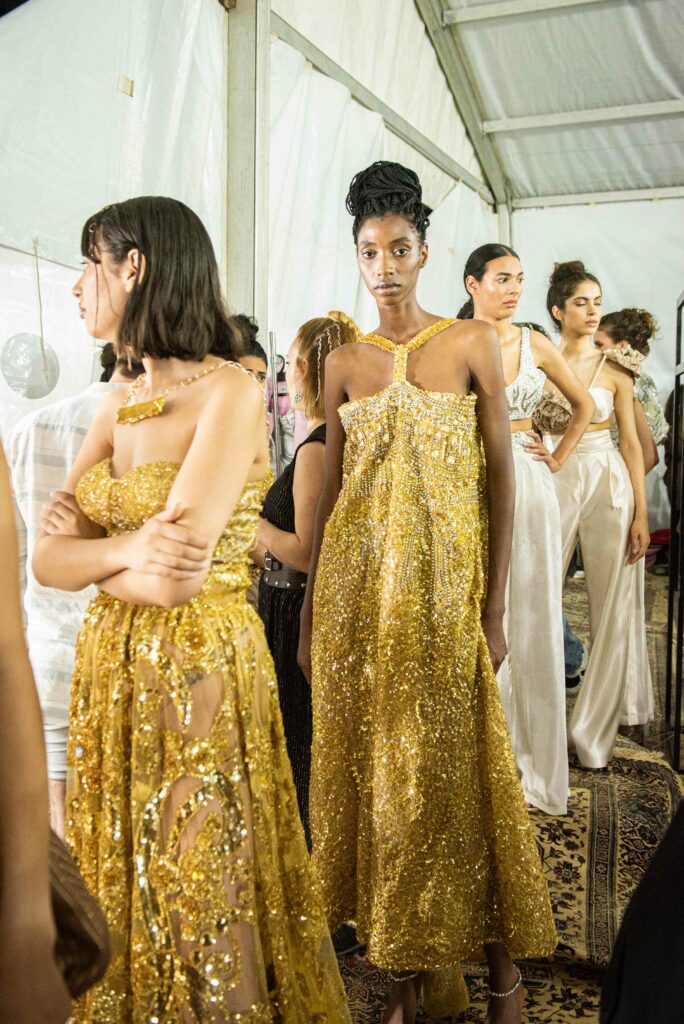
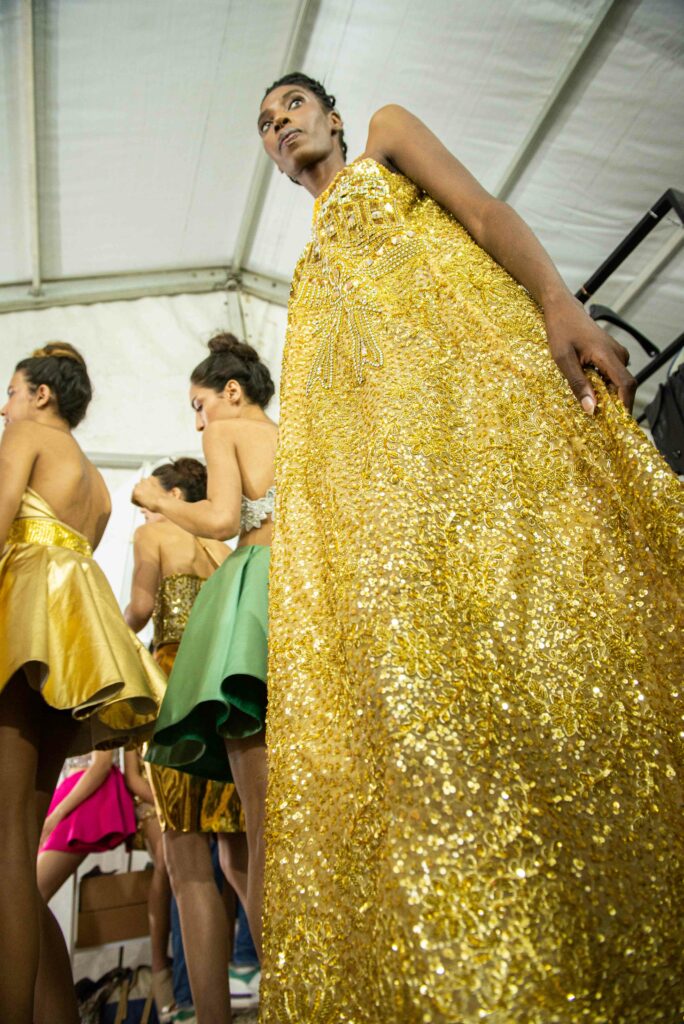
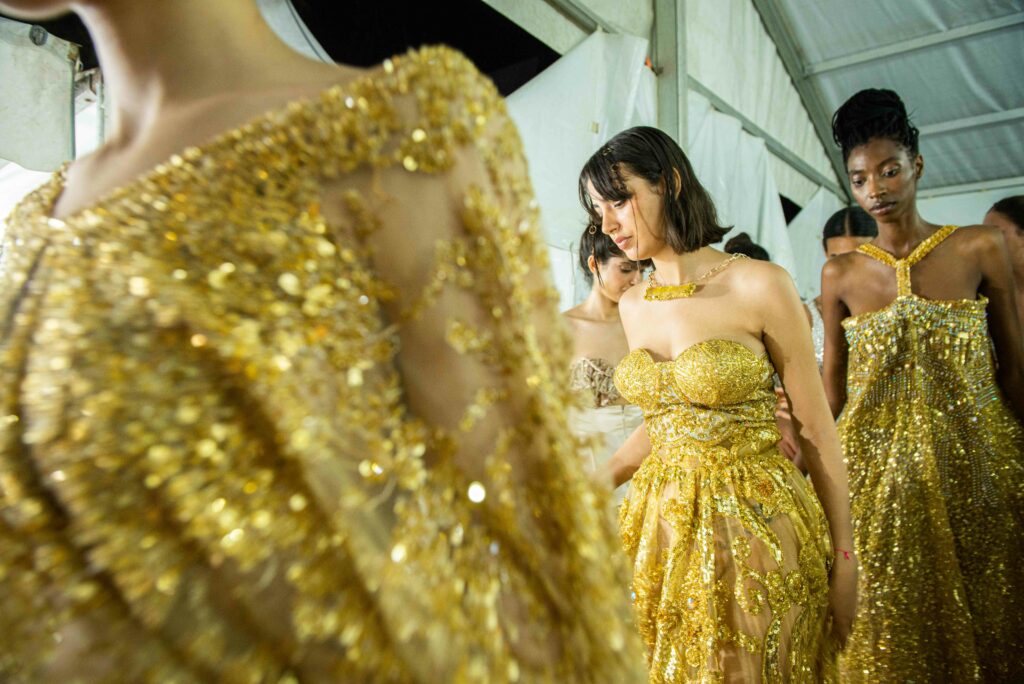
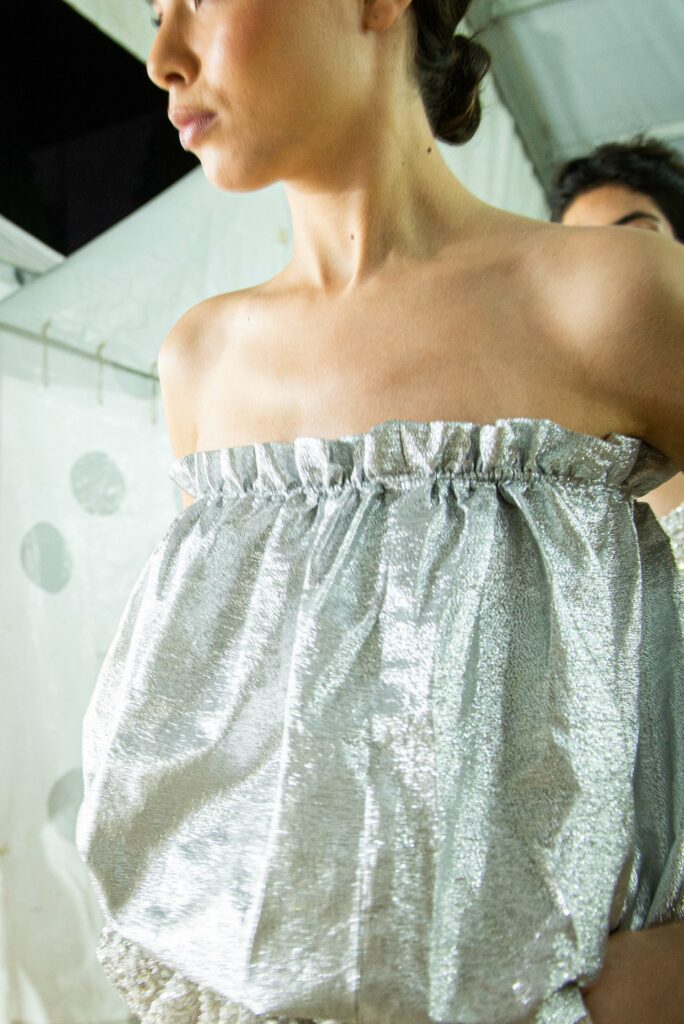
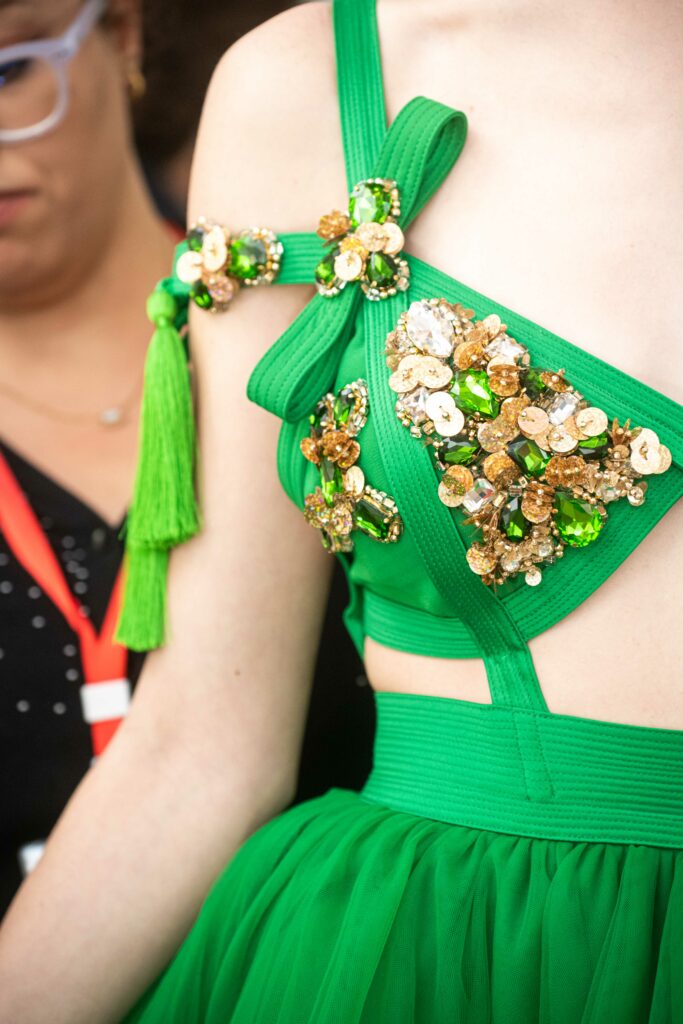
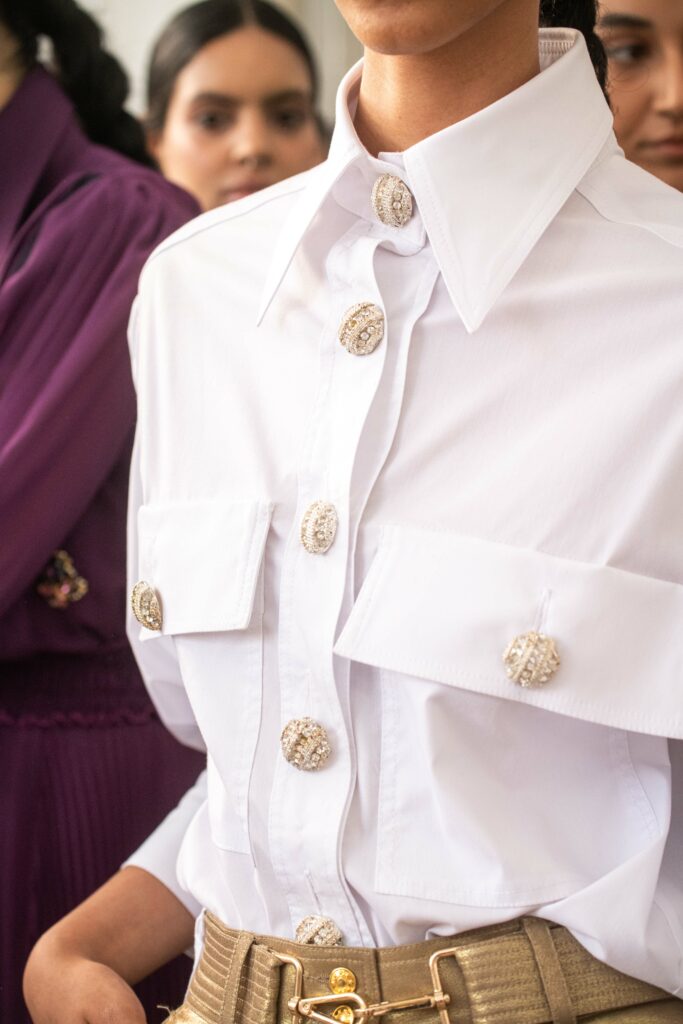
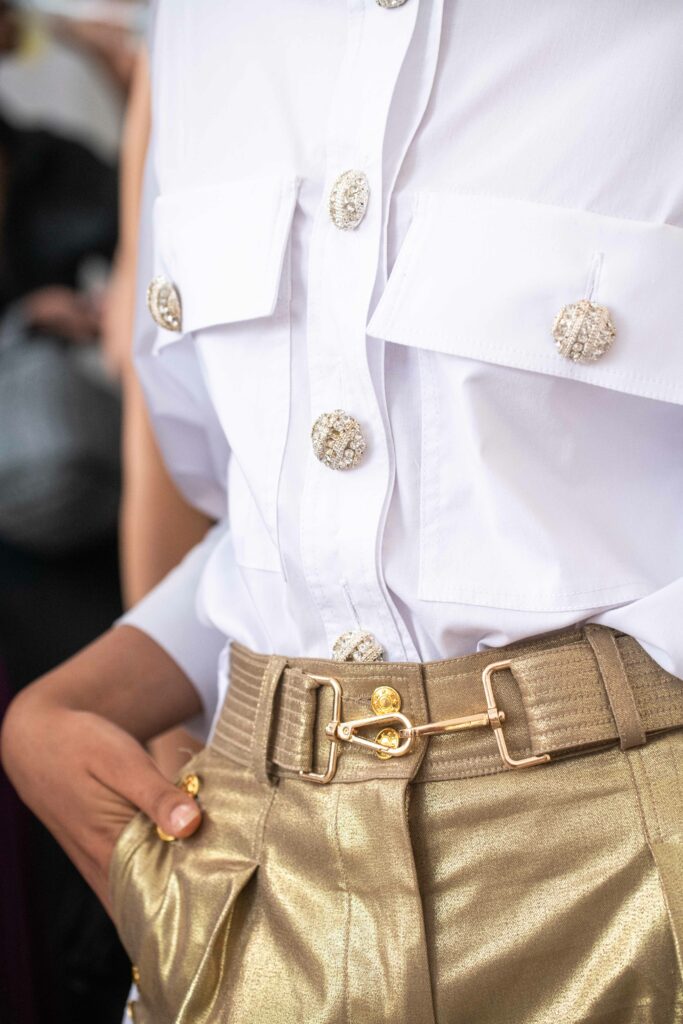
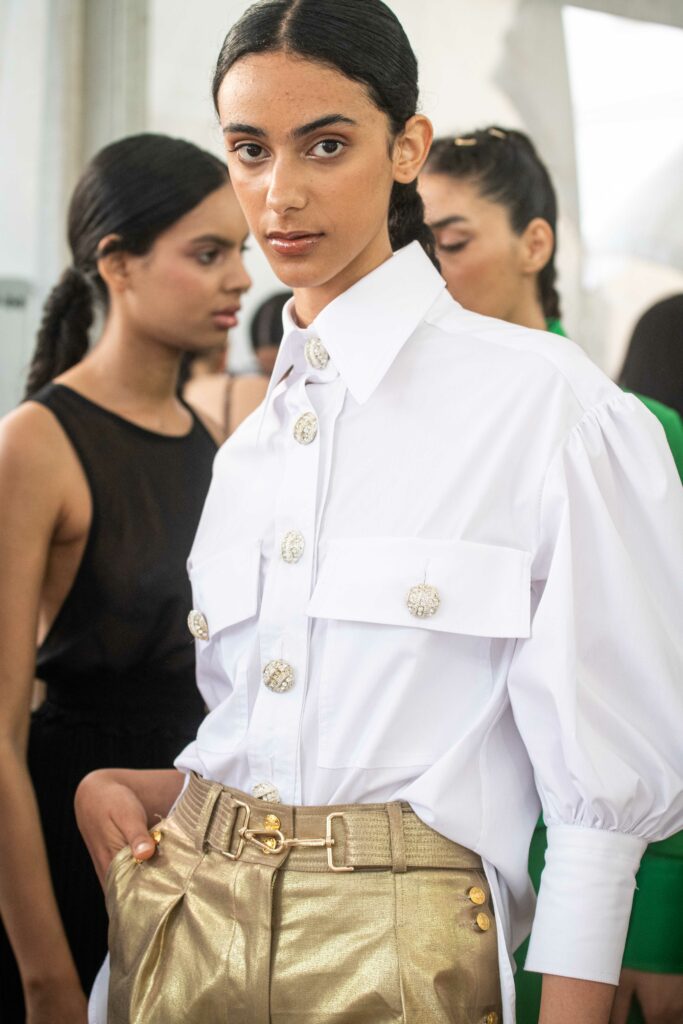
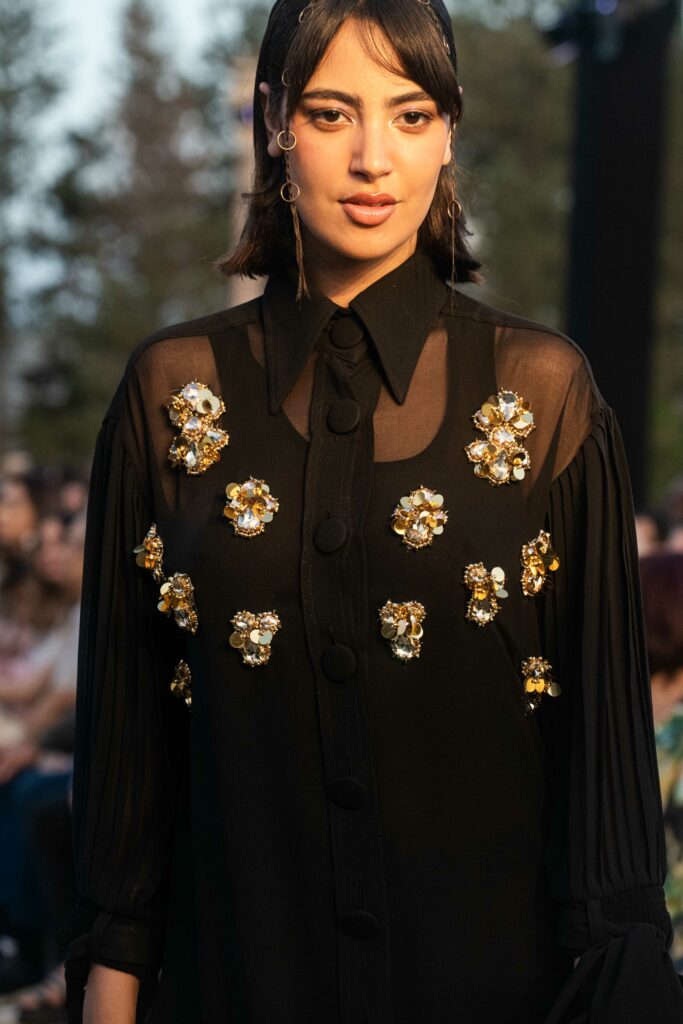
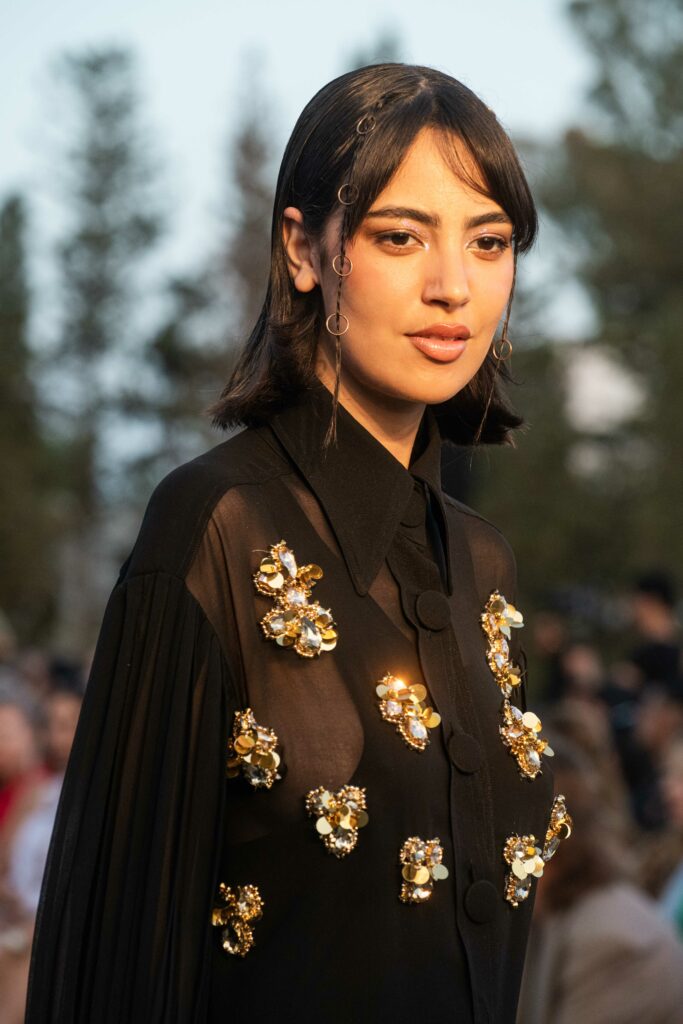
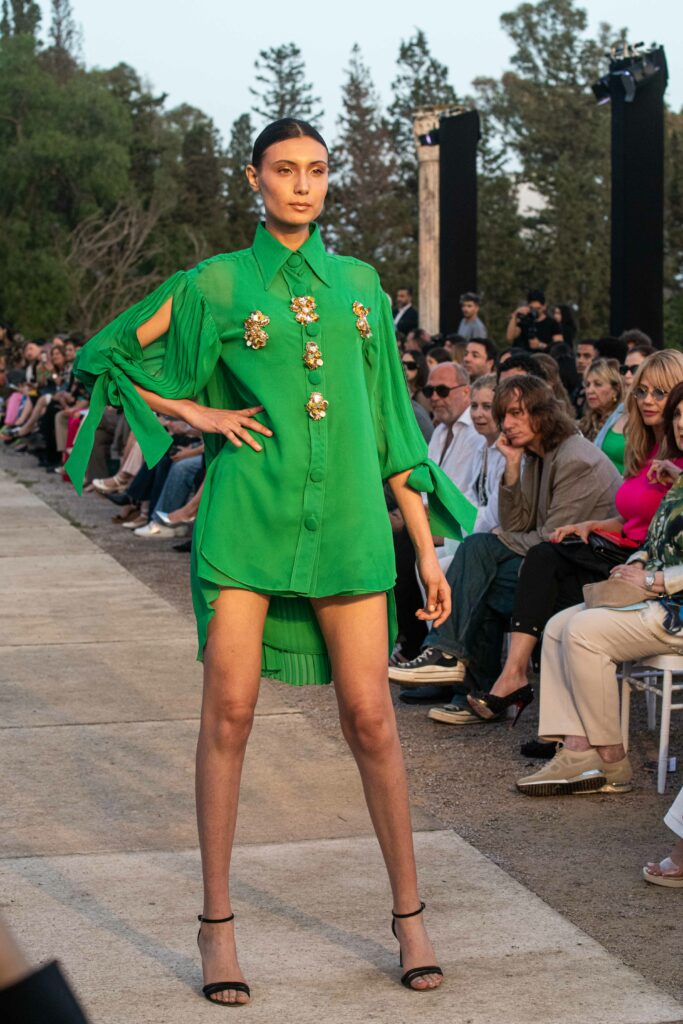
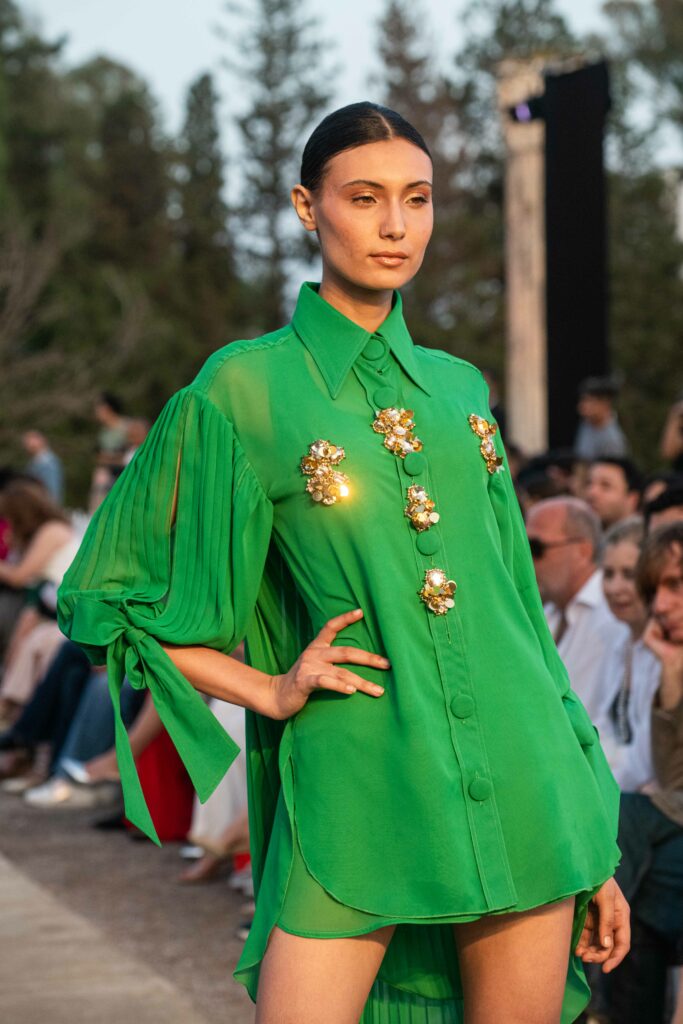
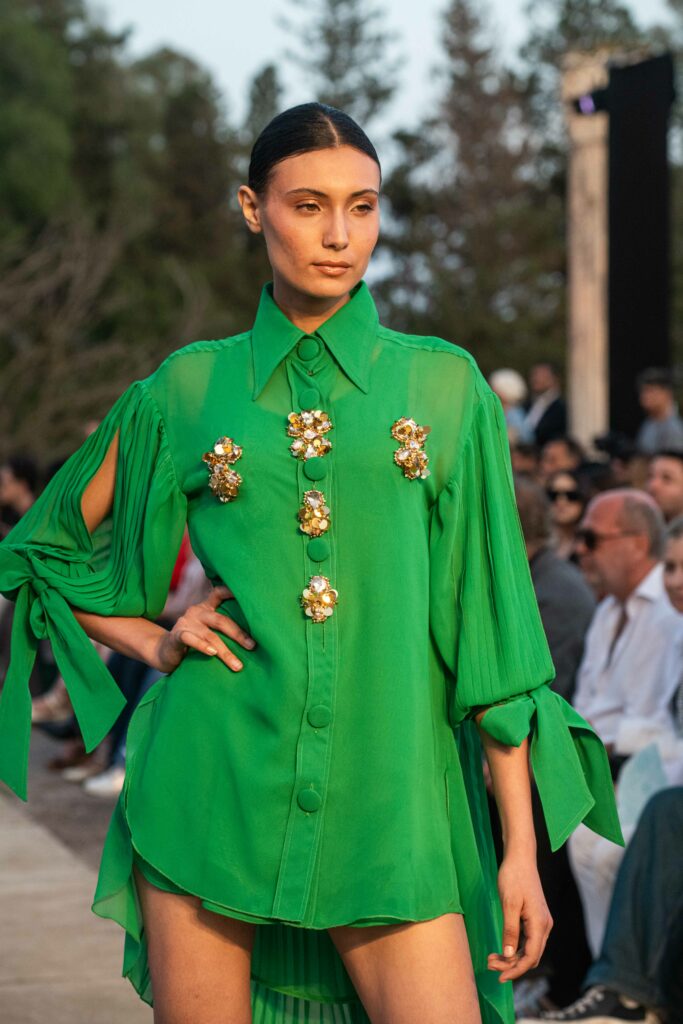
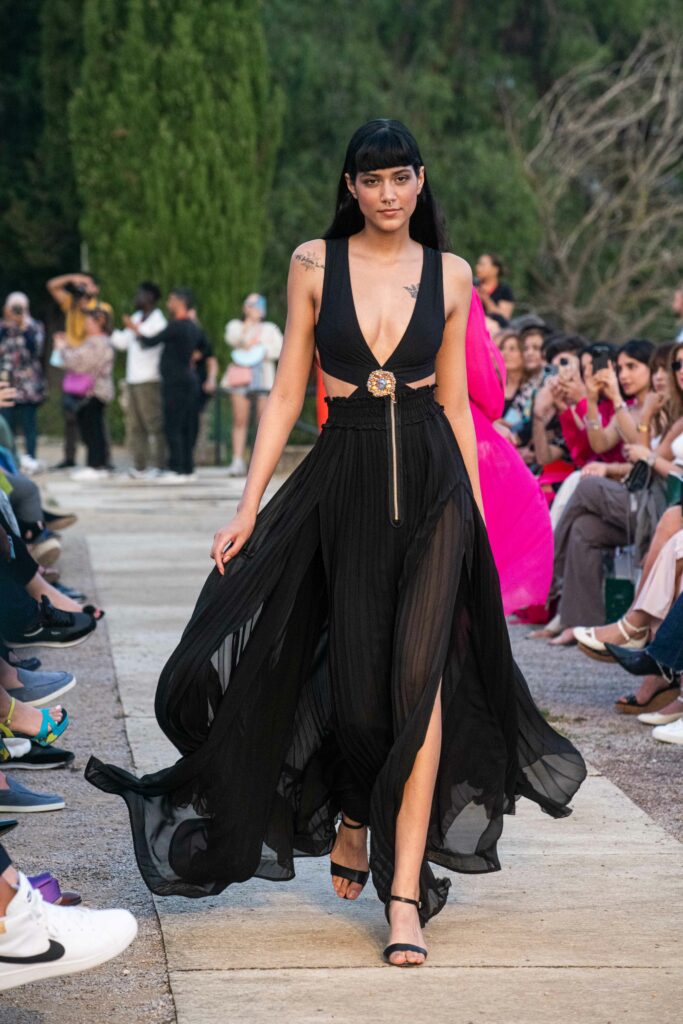
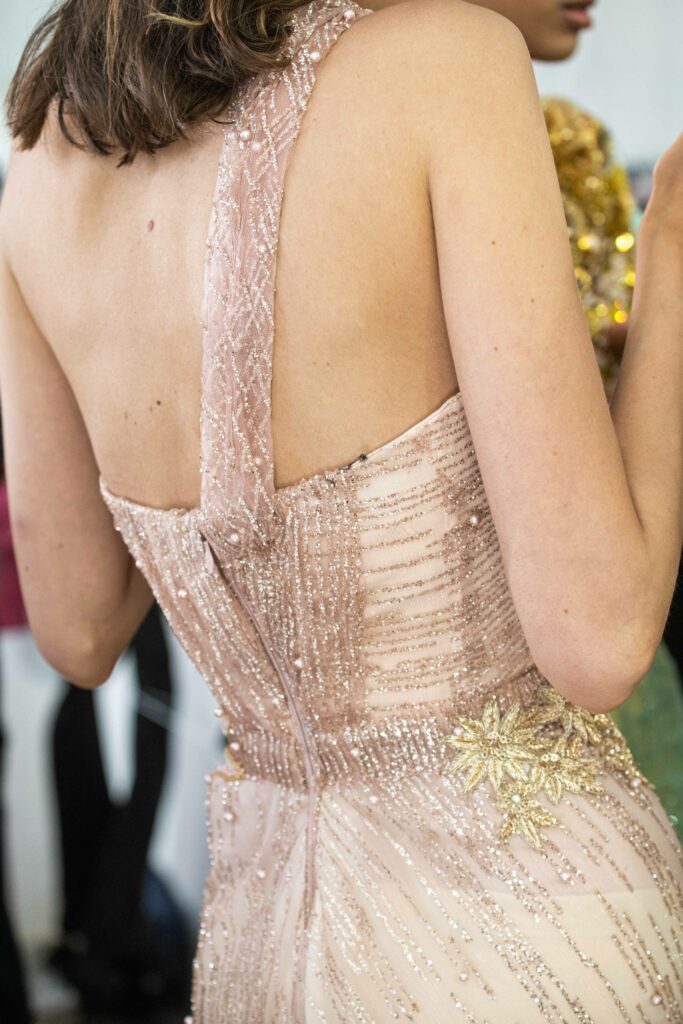
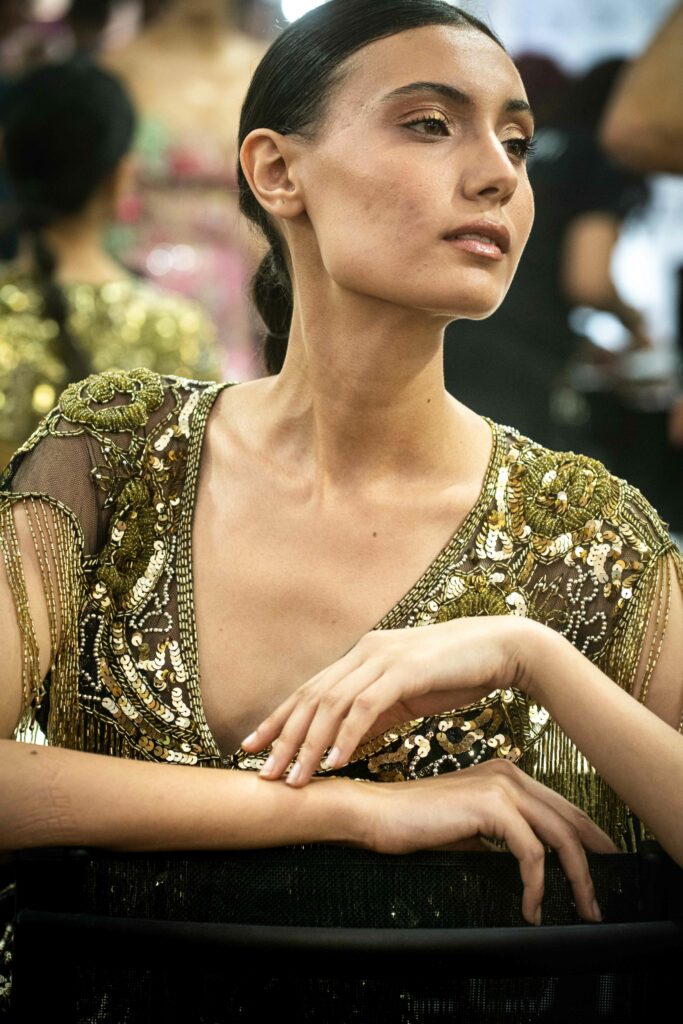
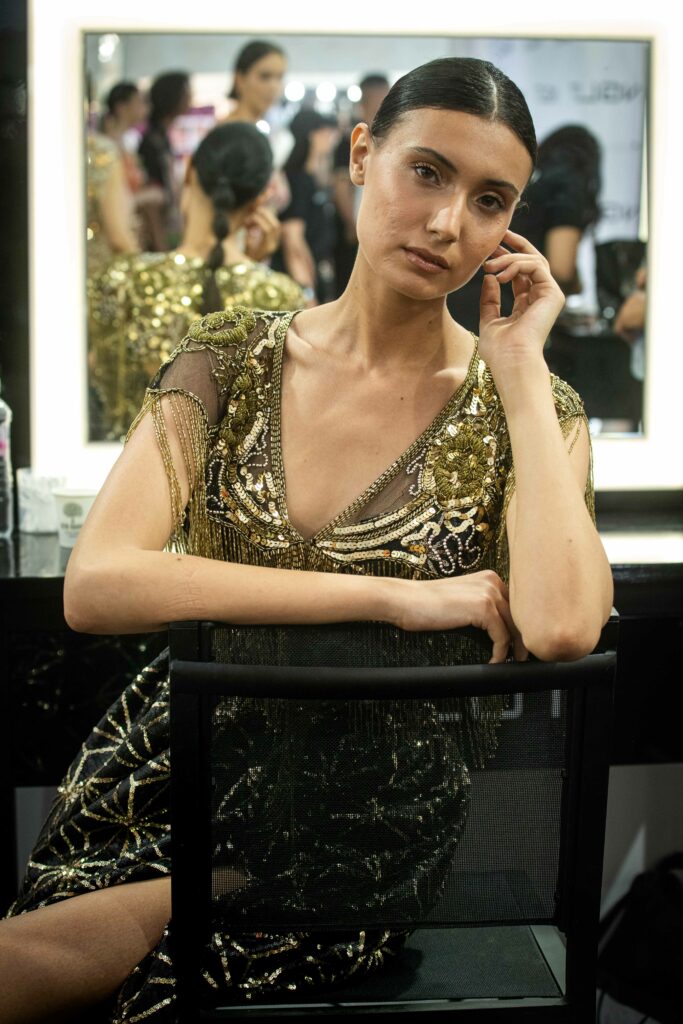
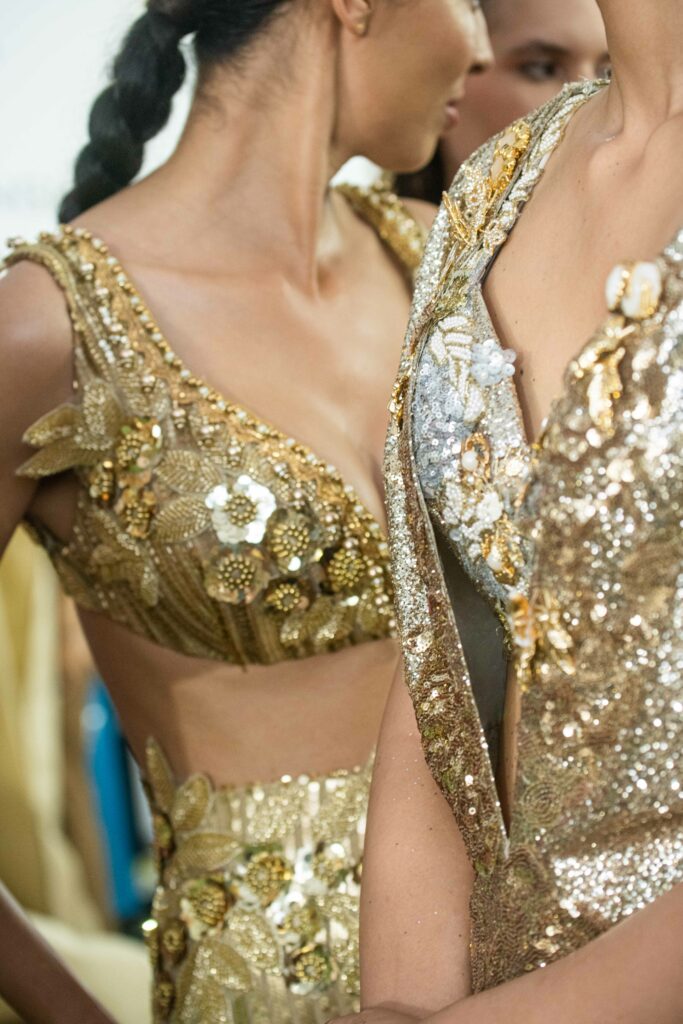
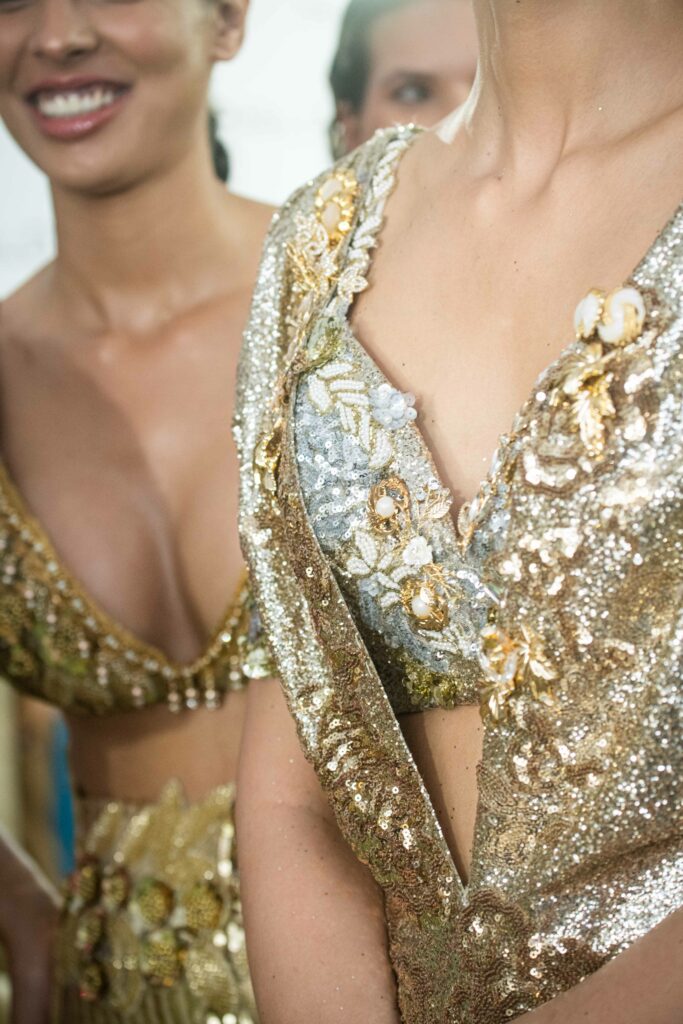
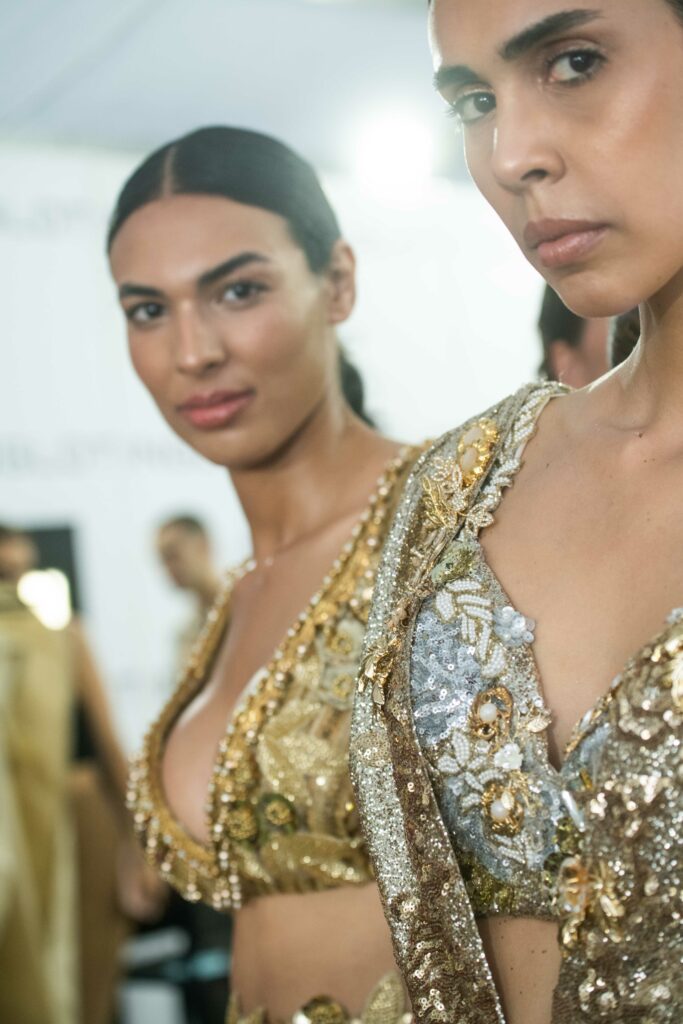
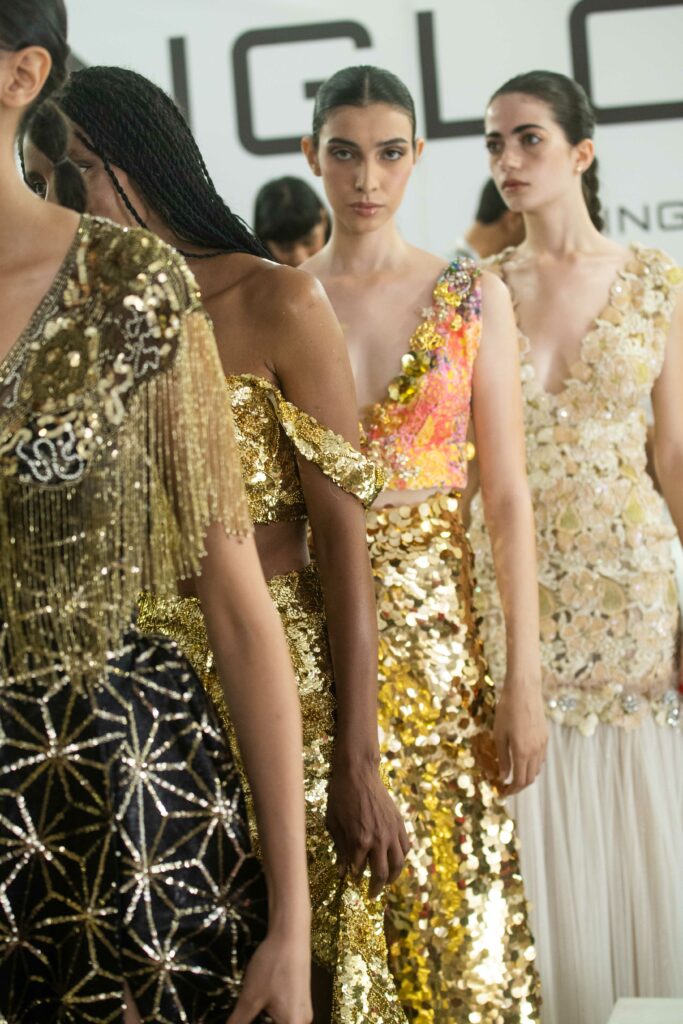
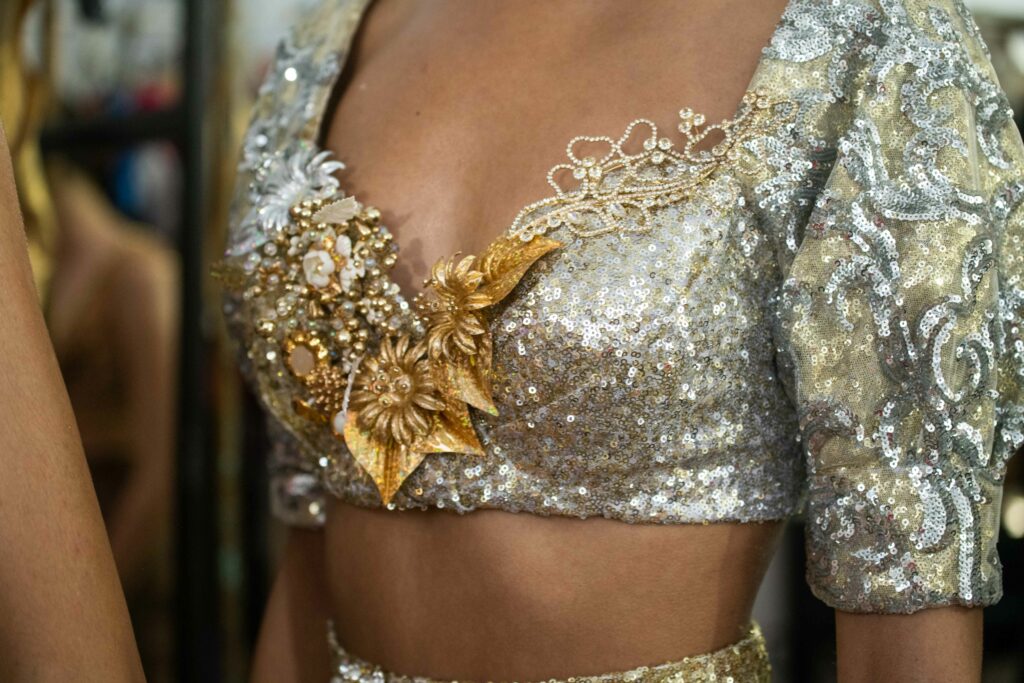
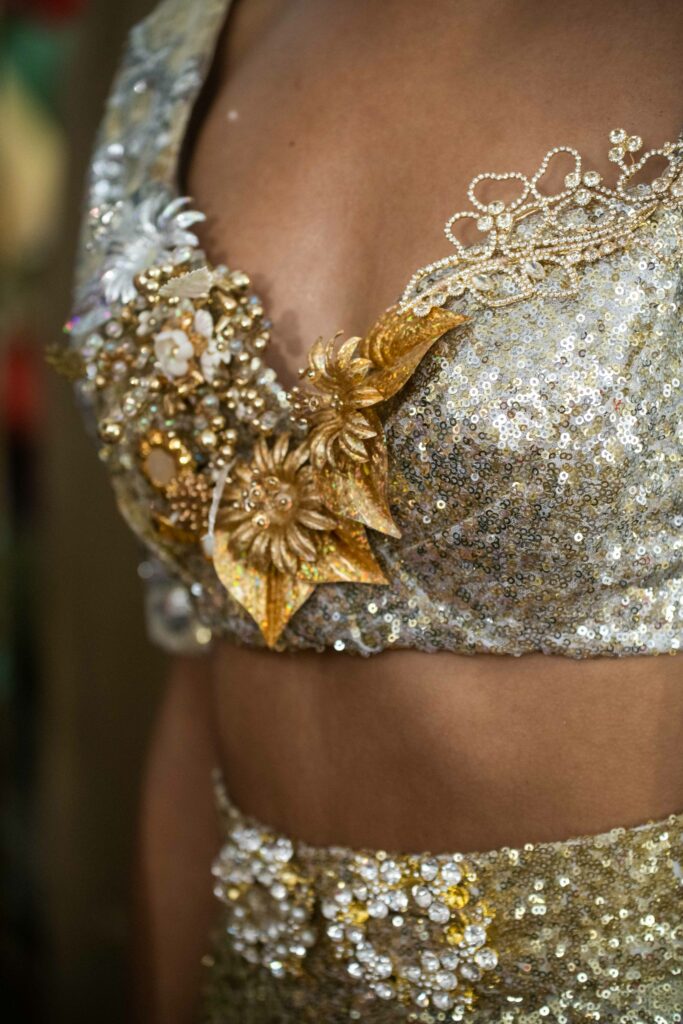
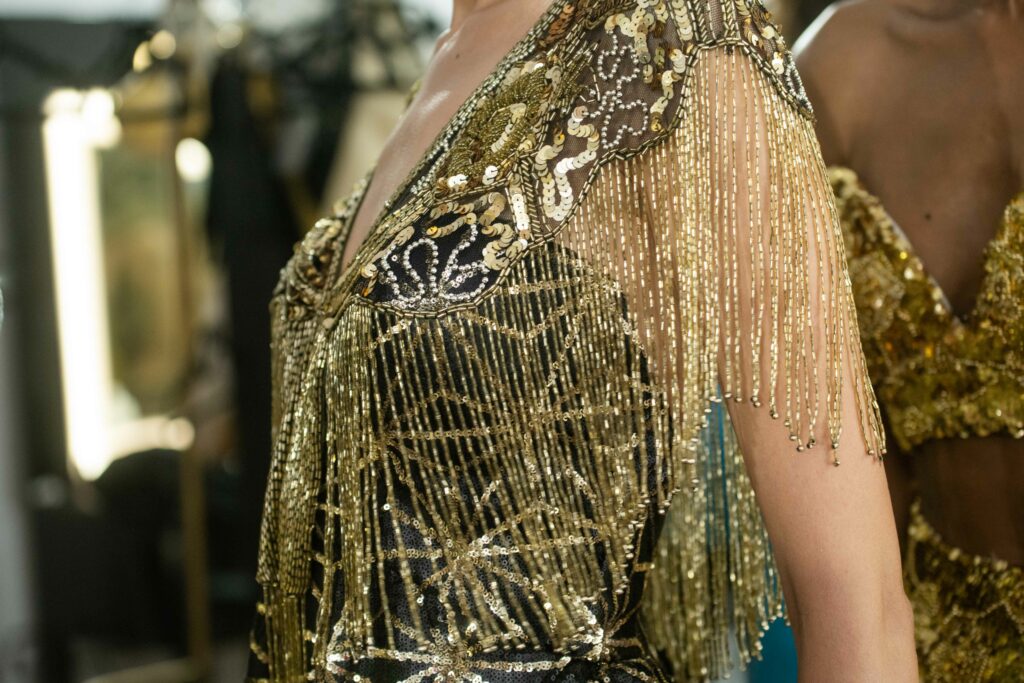
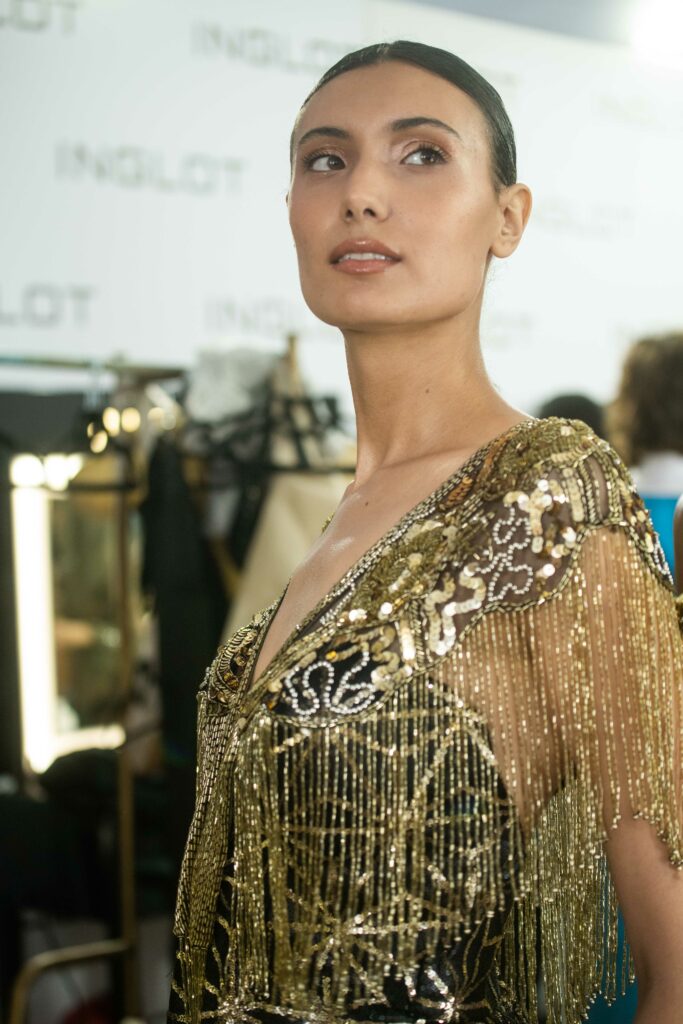
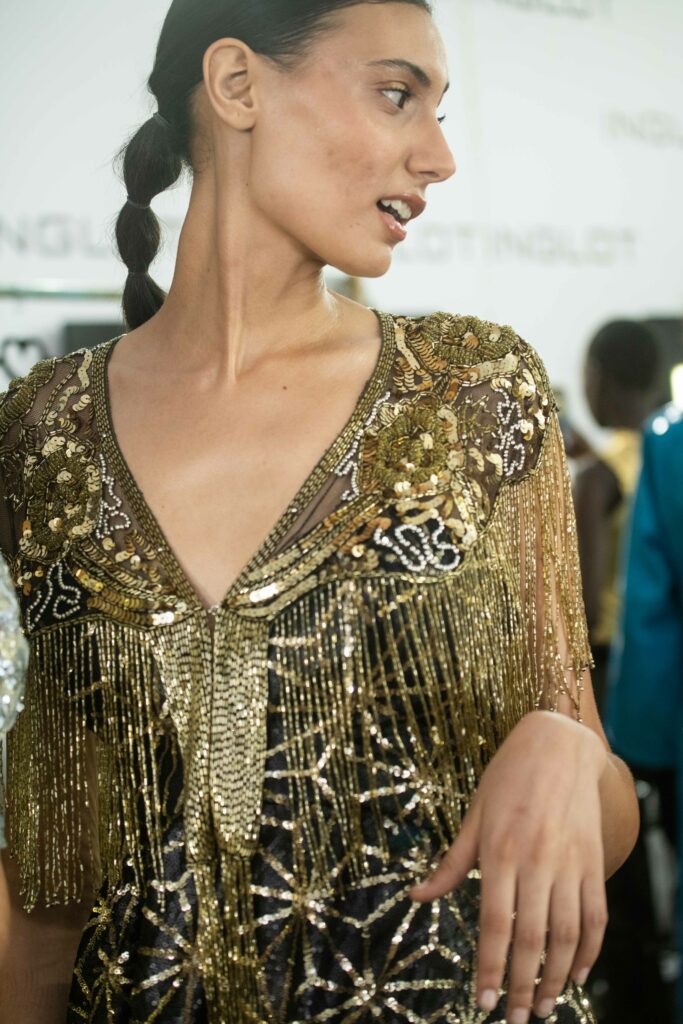
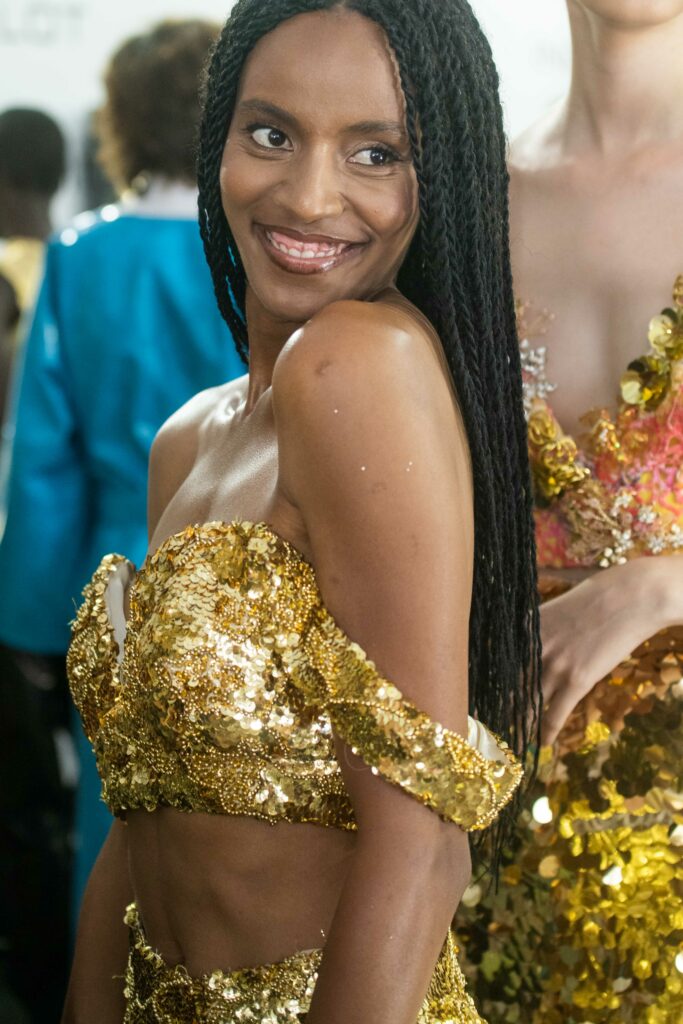
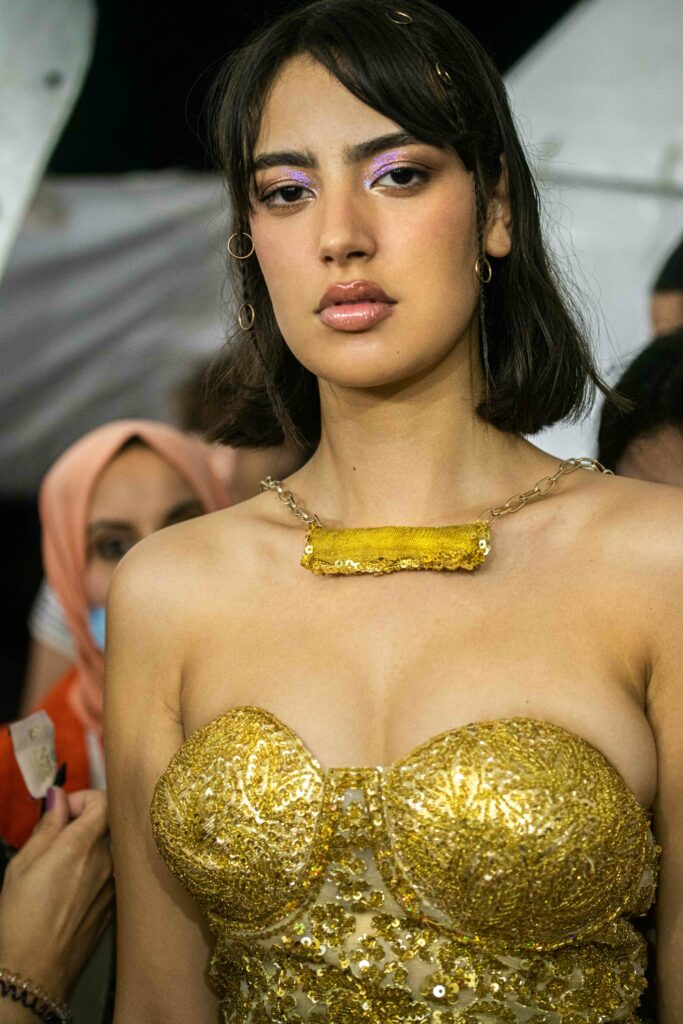
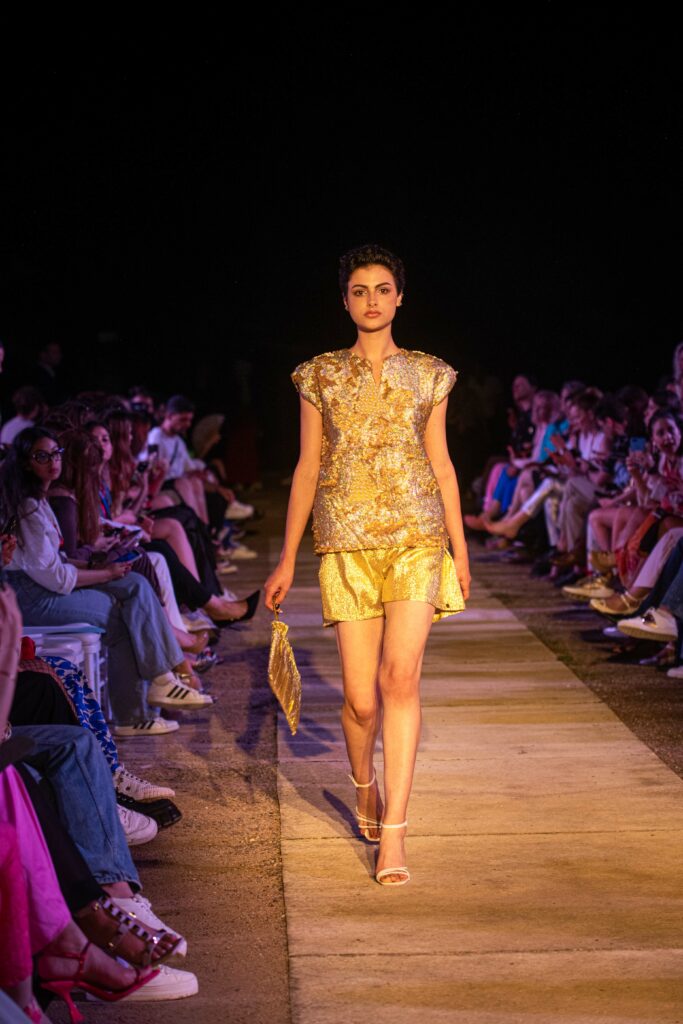
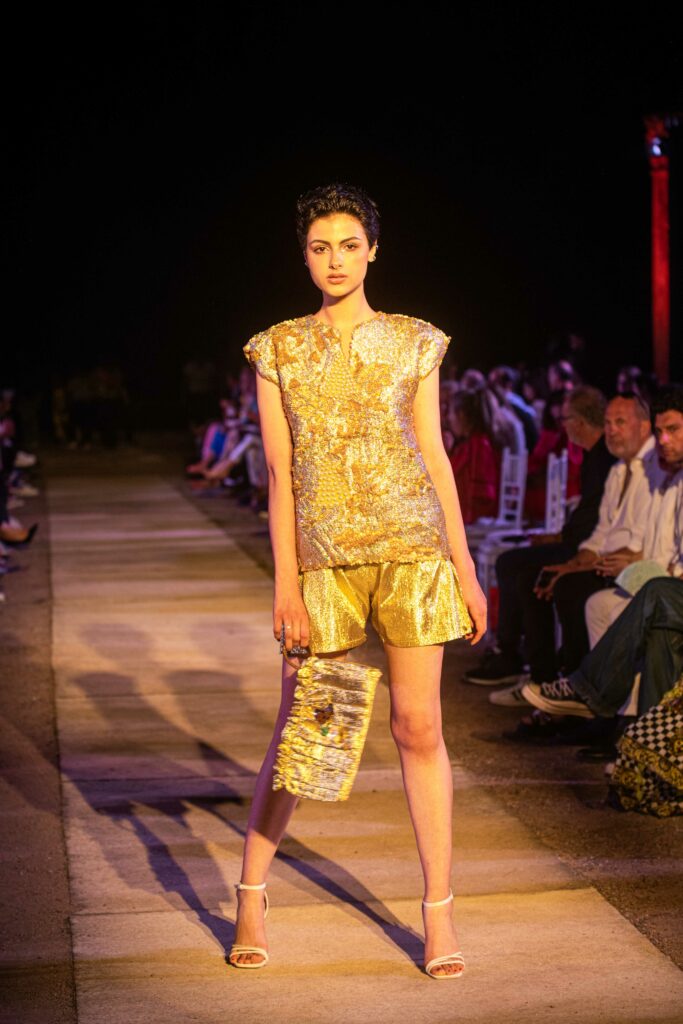
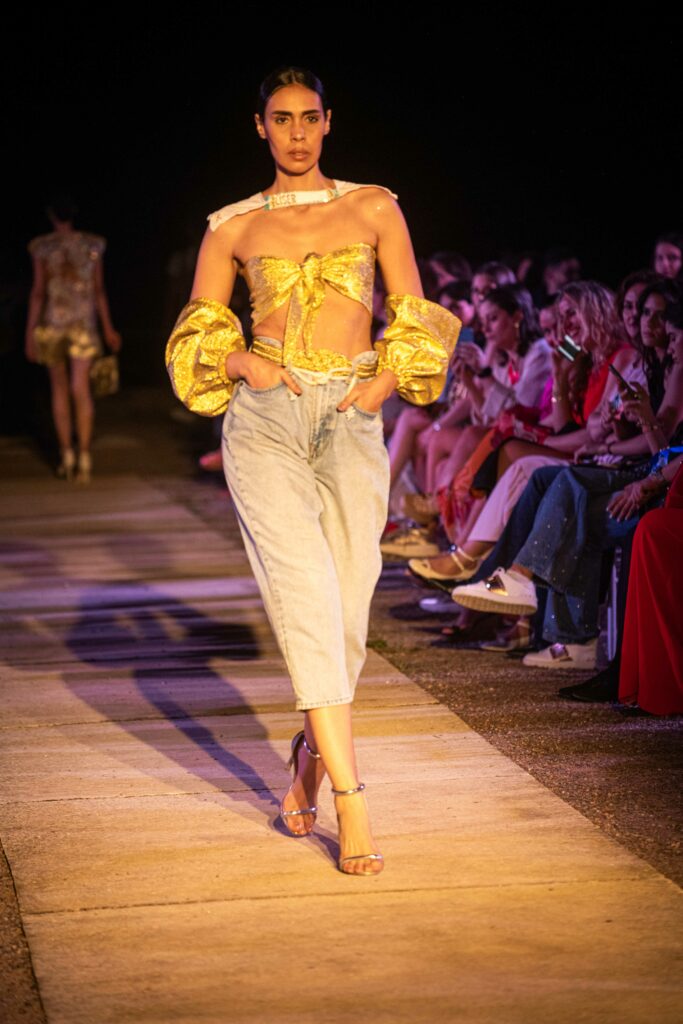
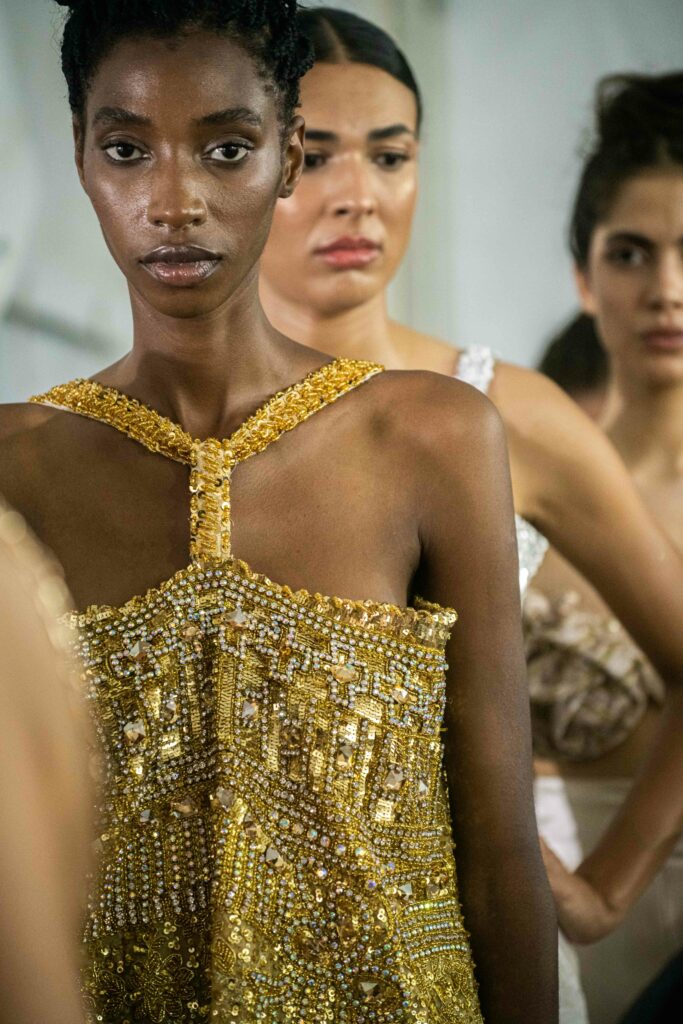
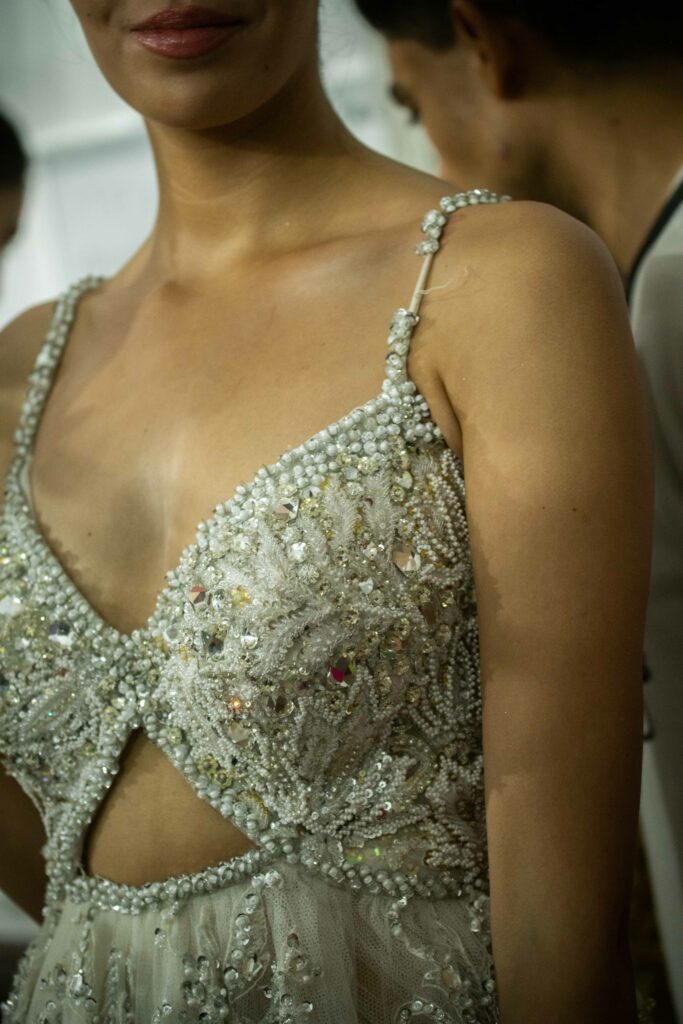
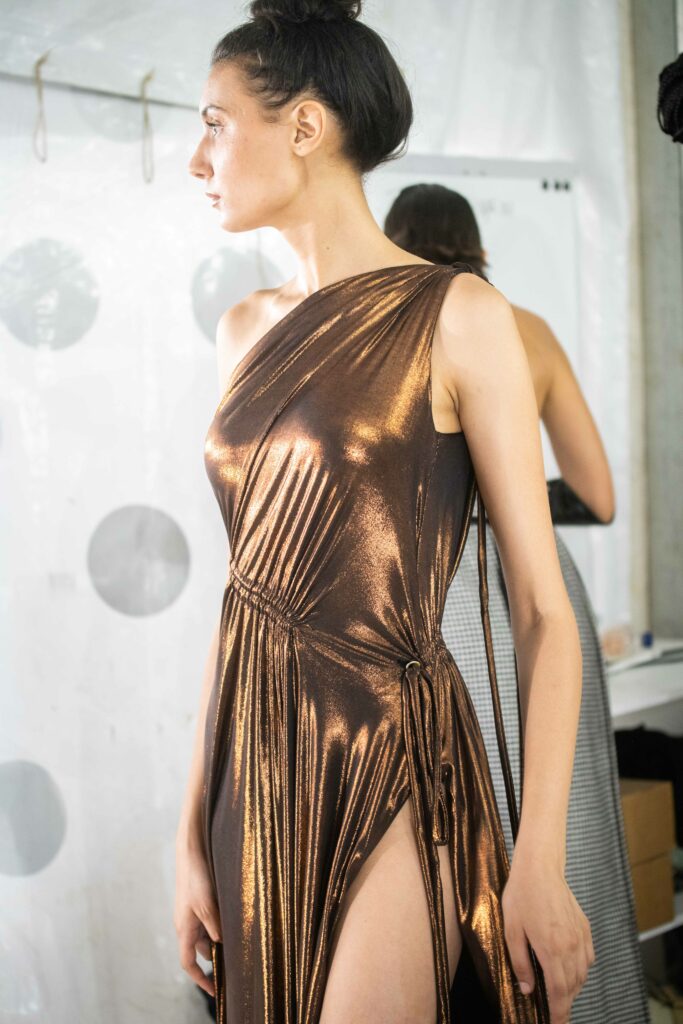
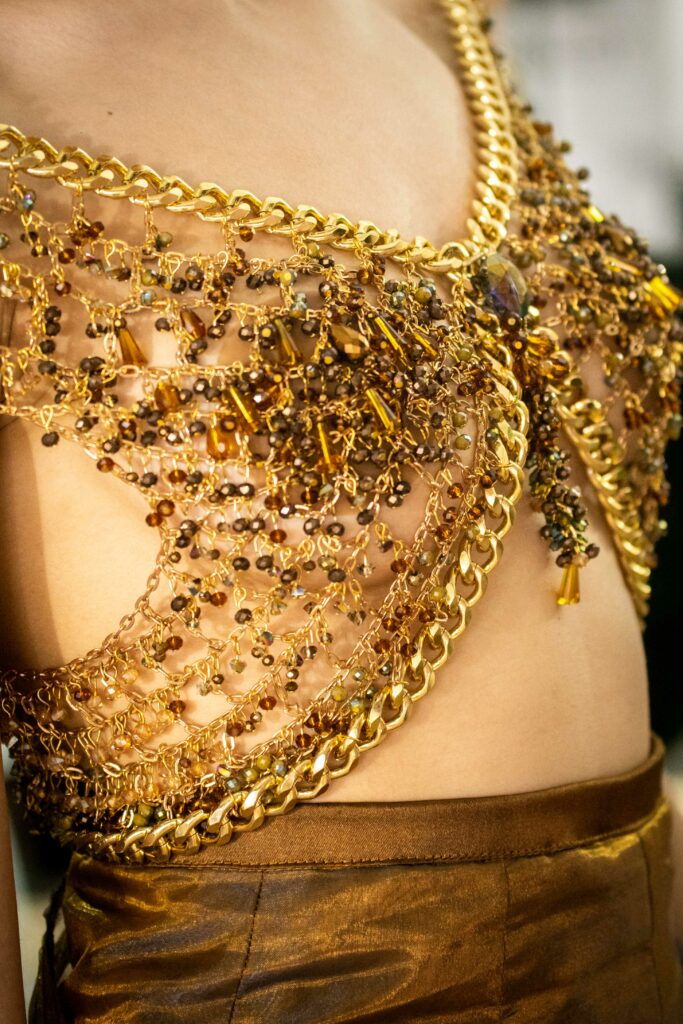
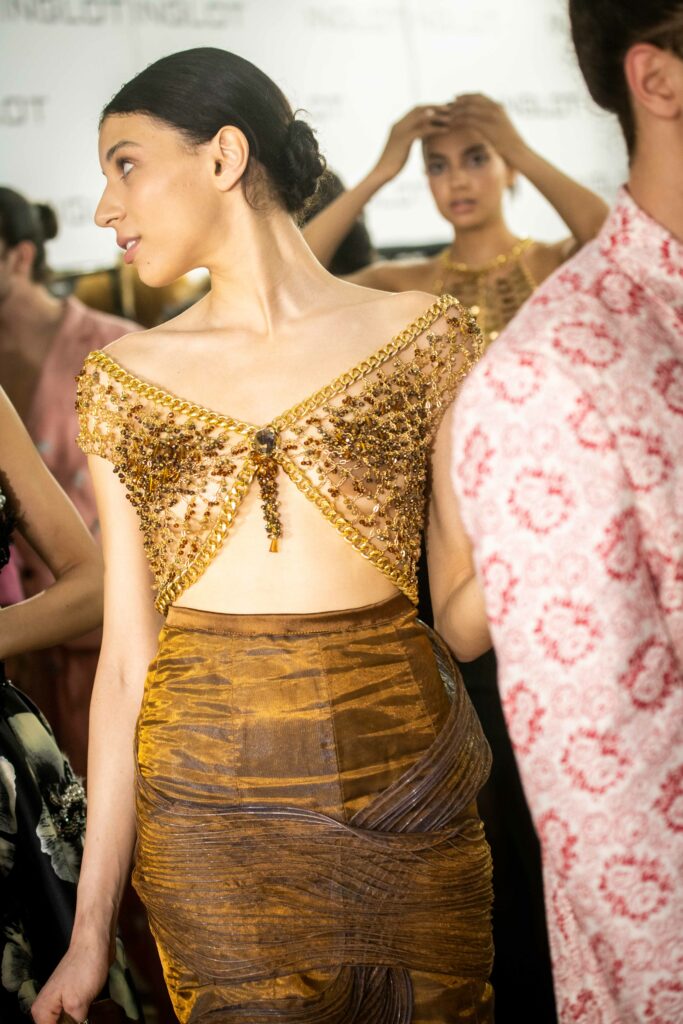
No doubt inspired by the success of Ali Karoui, the leading Dubai-based designer of the new generation, and no doubt aware of the difficulties of penetrating the Western market when the production tool is not adapted, some designers presented, more than ever before, golden outfits, glittering materials, rhinestones and other aesthetic elements designed to seduce wealthy Algerian, Moroccan, Saudi and other women.
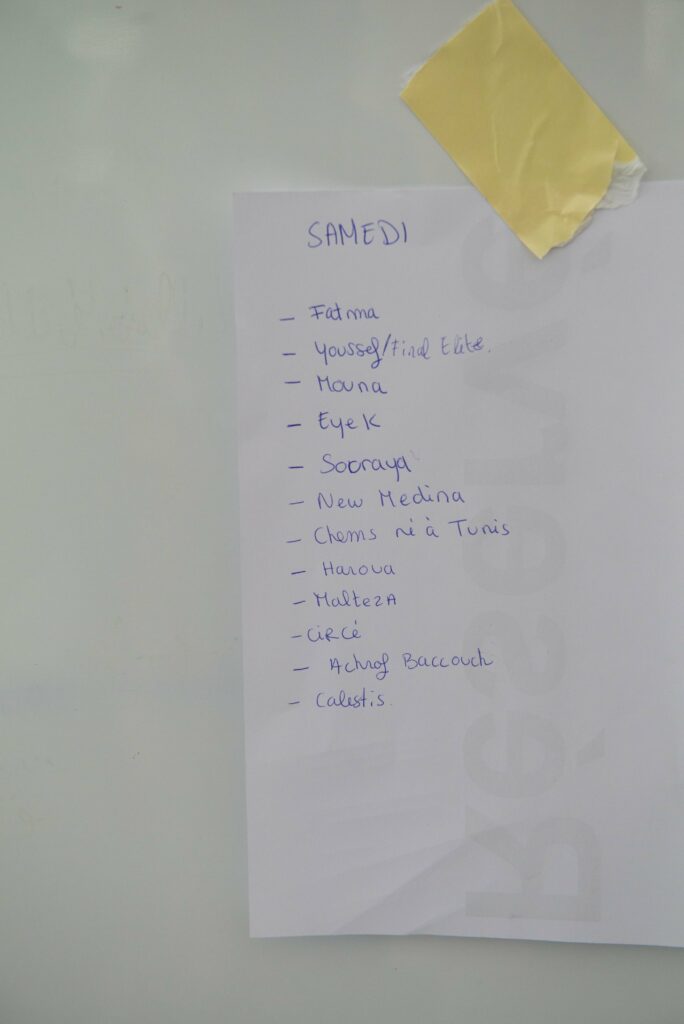
It’s a trend that TNFW has chosen to support by selecting brands that are more likely to appeal to the Oriental market. This is the case for Souraya Sahraoui, Circé, Achraf Baccouch and Né à Tunis, which works with dead-stock and recycled couture.
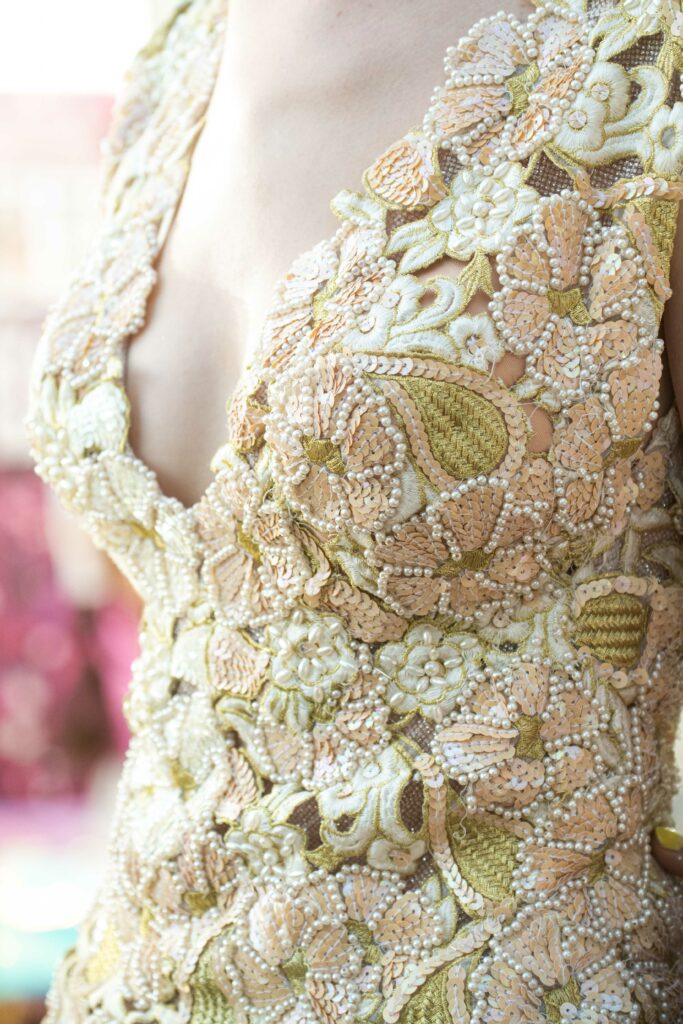
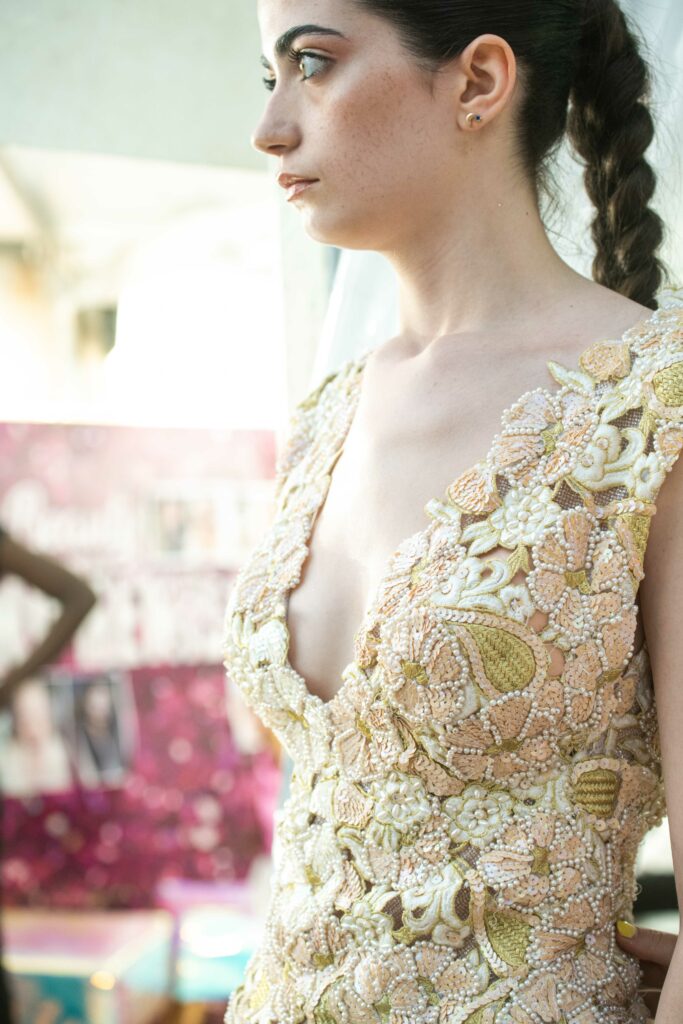
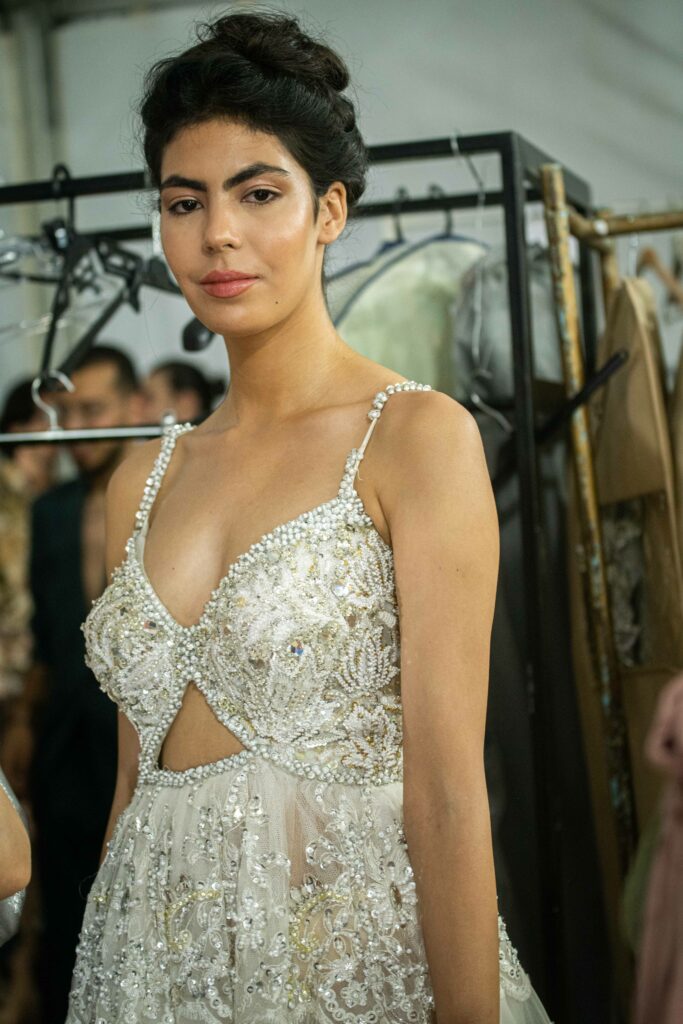
Mouna Ben Braham is one of those who play the game. One of the TNFW faithful, the dressmaker, who owns a workshop of five embroiderers in downtown Tunis, creates dresses worthy of a thousand and one nights. Her market? Tunisia, of course, but also Algeria, Morocco and, soon – and this is her goal – the United Arab Emirates. That’s why she recently showed in Dubai and at the Oriental Fashion Show in Paris, where she met international buyers.
Her brand, Atmosphère Haute Couture, might seem a little ambitious, given that this appellation is normally reserved for Parisian couture. But with her unique dresses, made to measure for each customer, inspired by traditional gold-thread embroidery (Kontil) and embellished with a mix of materials (embroidered tulle, guipure, silk chiffon, lace, etc.), the designer has nothing to envy her Lebanese or Egyptian competitors. And with dresses priced between €1,500 and €3,000, she’s clearly competitive.
It is undoubtedly in this competitive pricing and in a style that knows how to adapt to different markets that Tunisia finds its place on the international fashion scene. “The strength of Tunis Fashion Week lies precisely in its ability to support our national designers,” concludes producer Anis Montacer at the end of this year’s event. “But also to invite foreign designers to inspire the local market, as was the case with the Portuguese brand Malteza Atelier.”
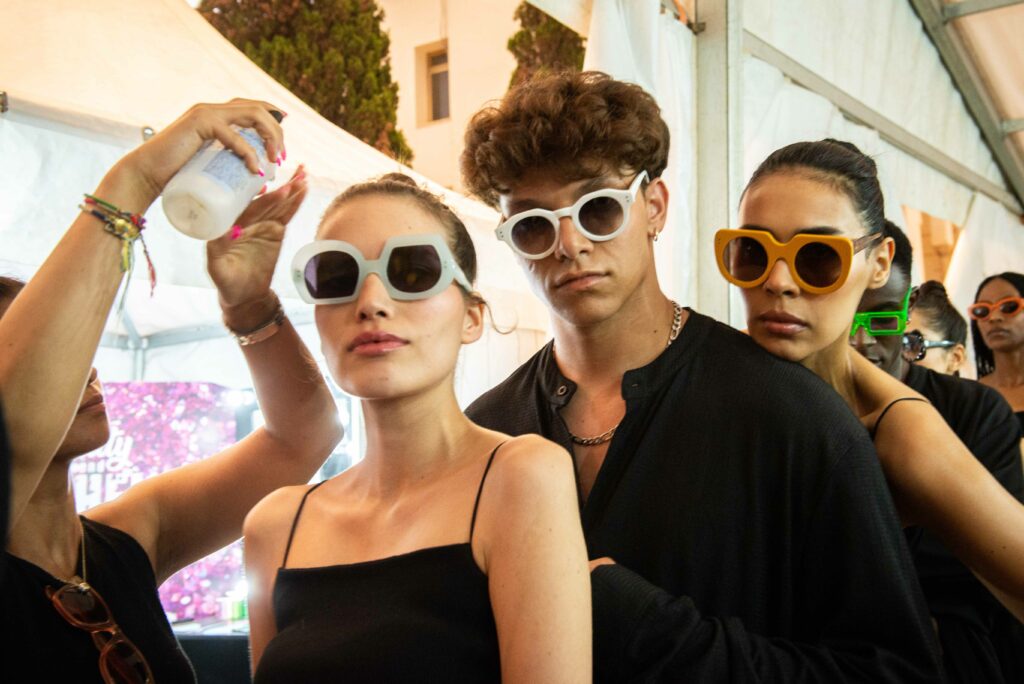
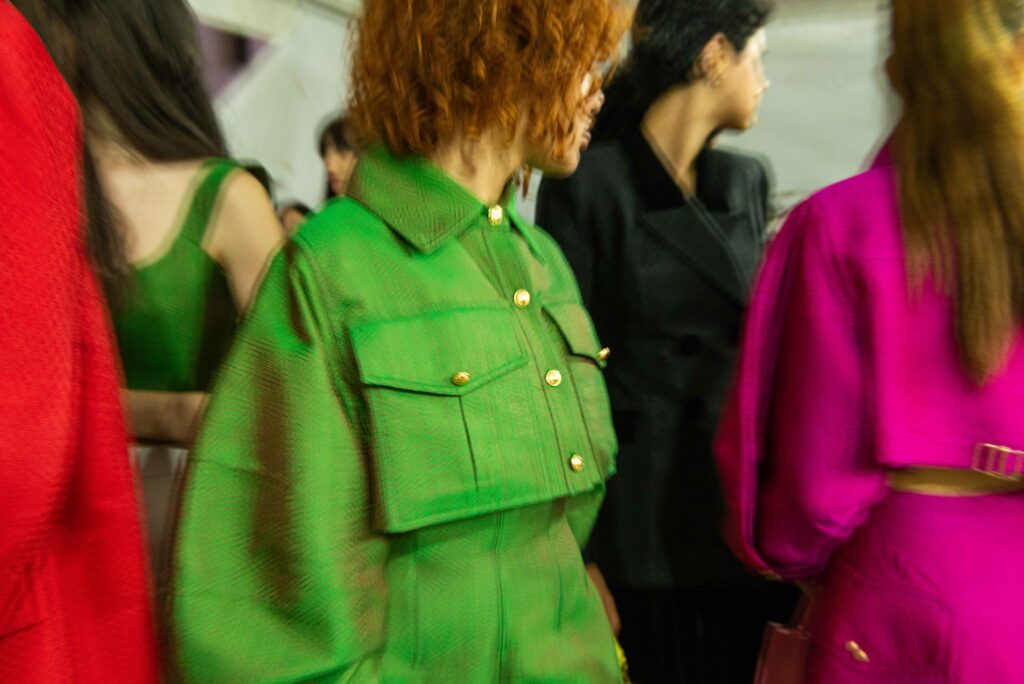
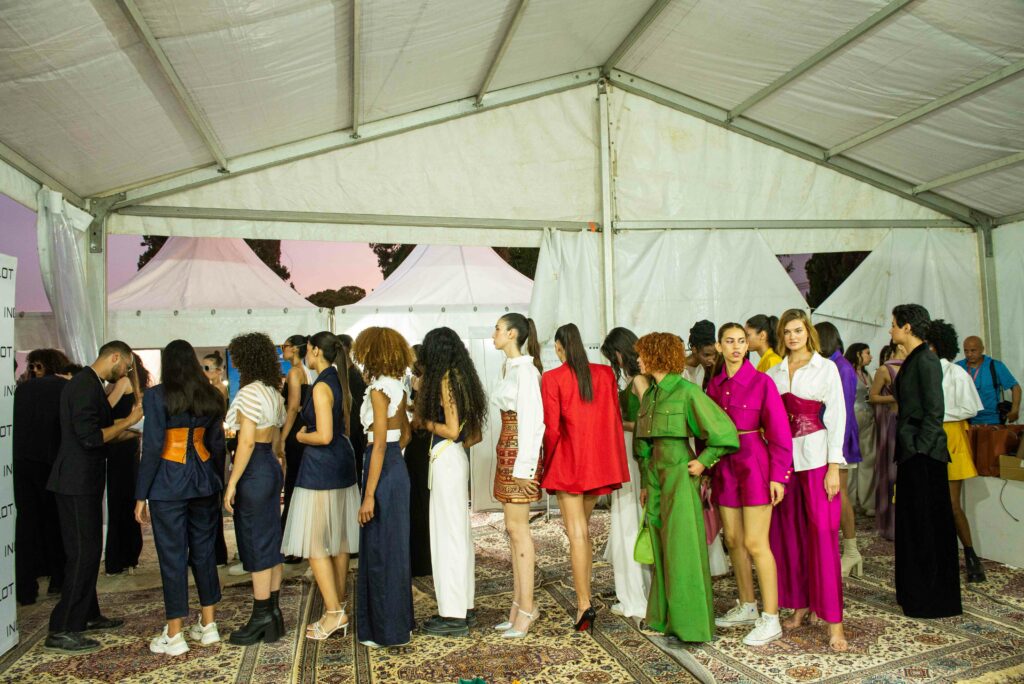
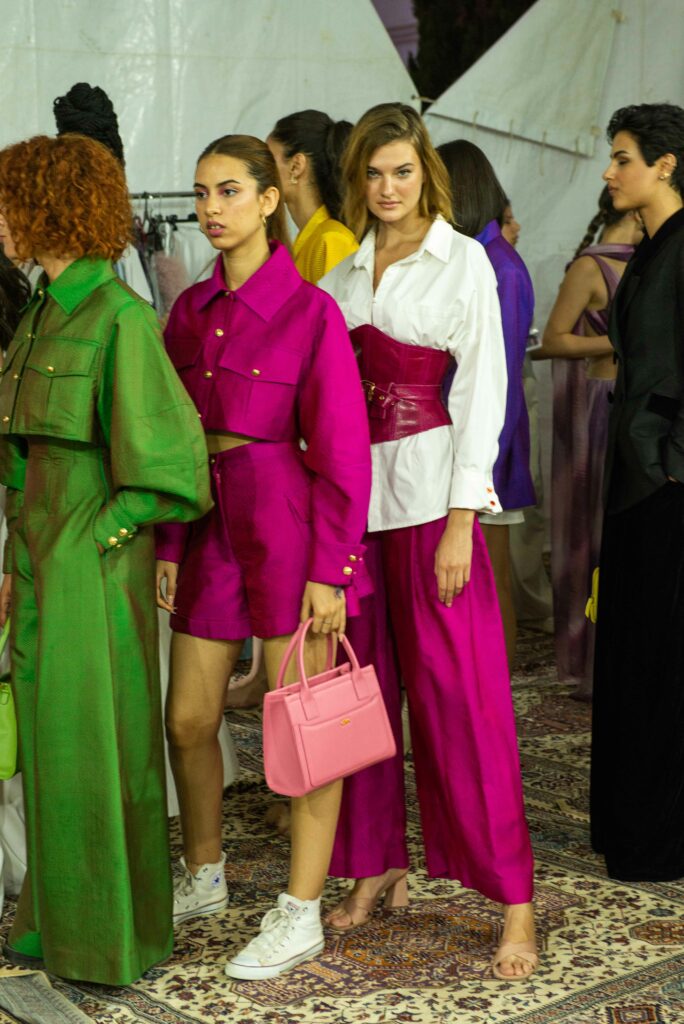
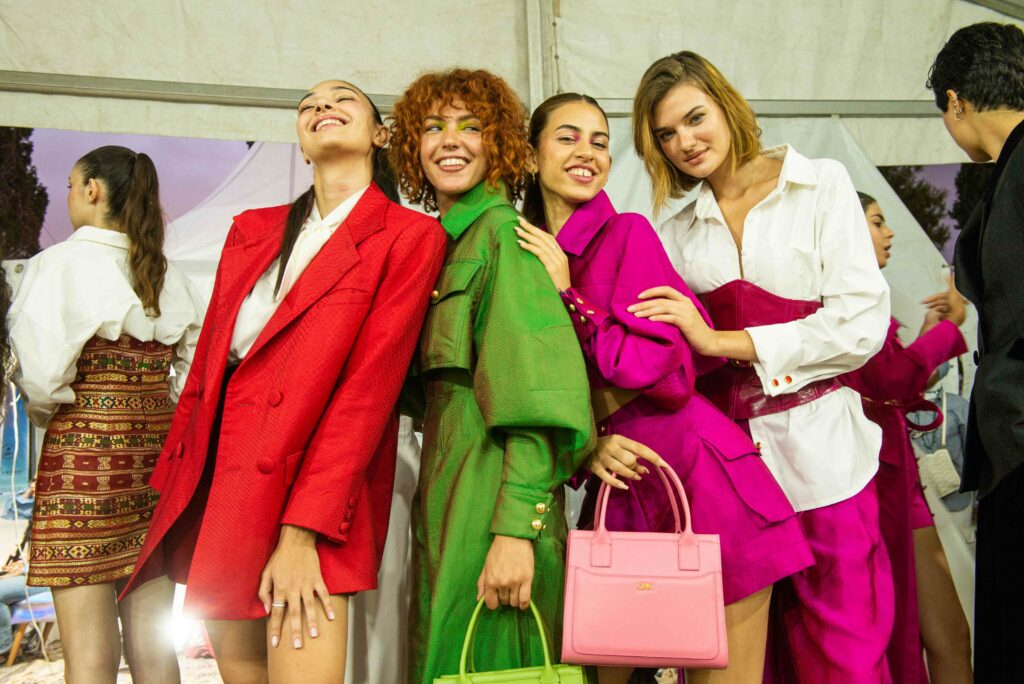
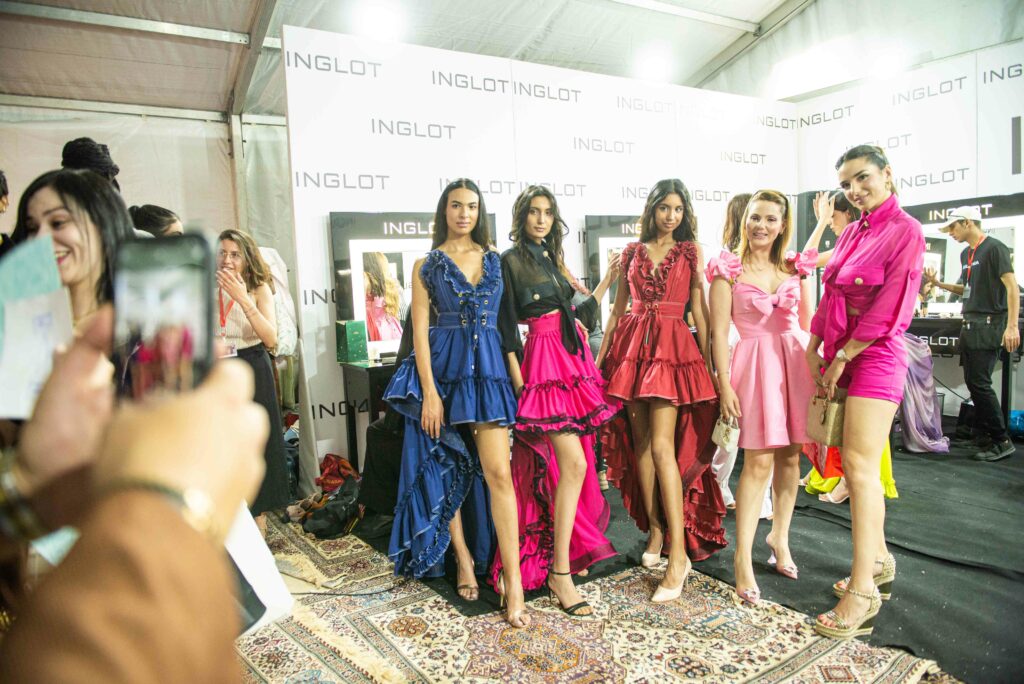
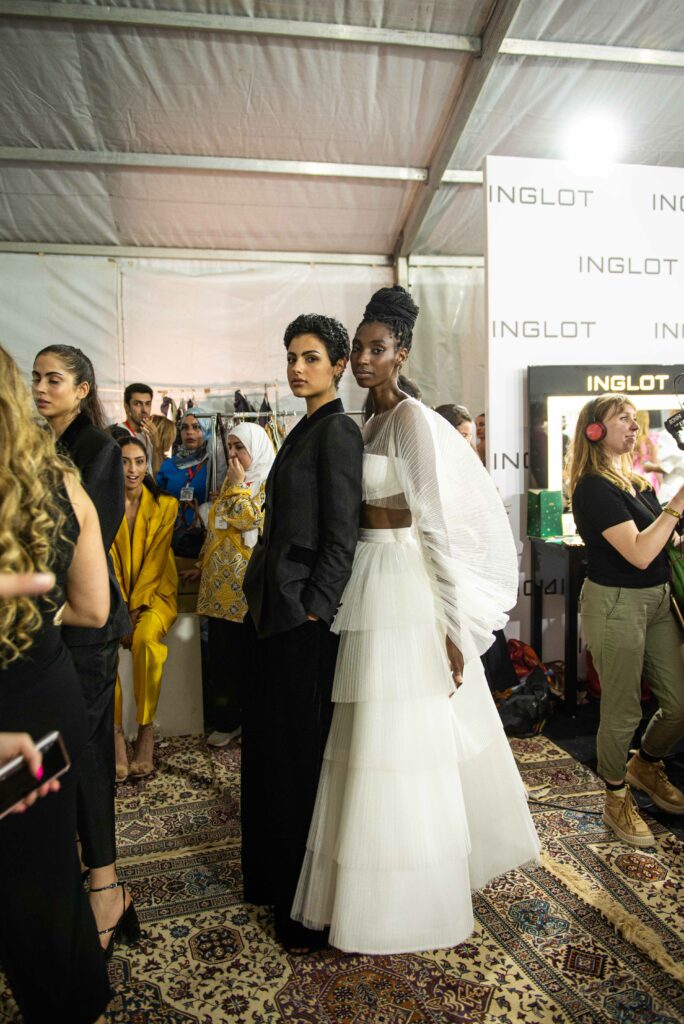
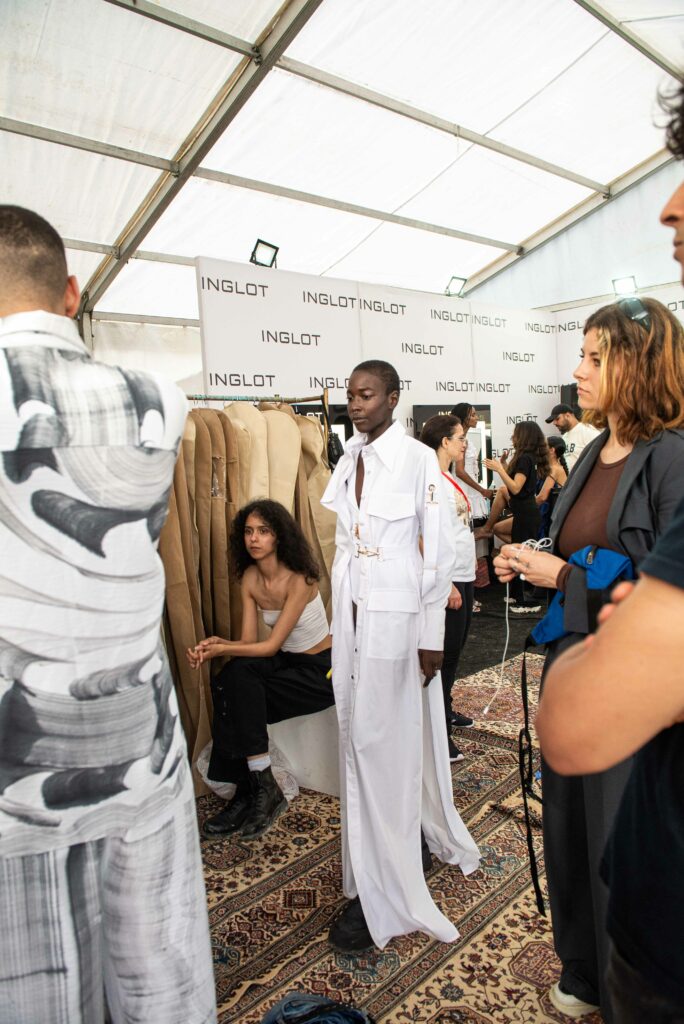
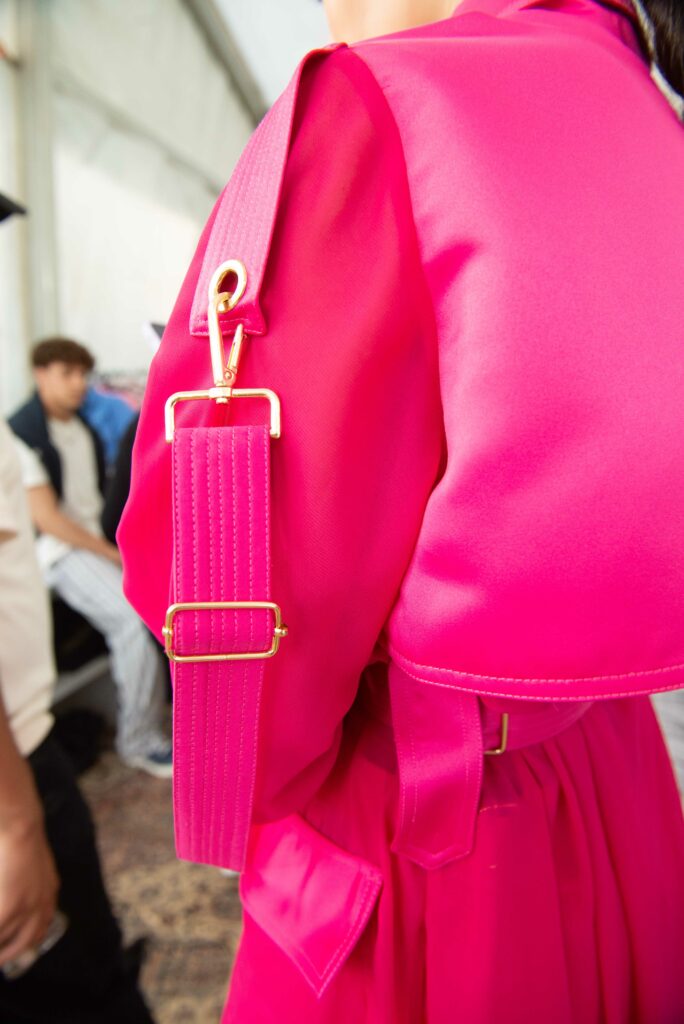
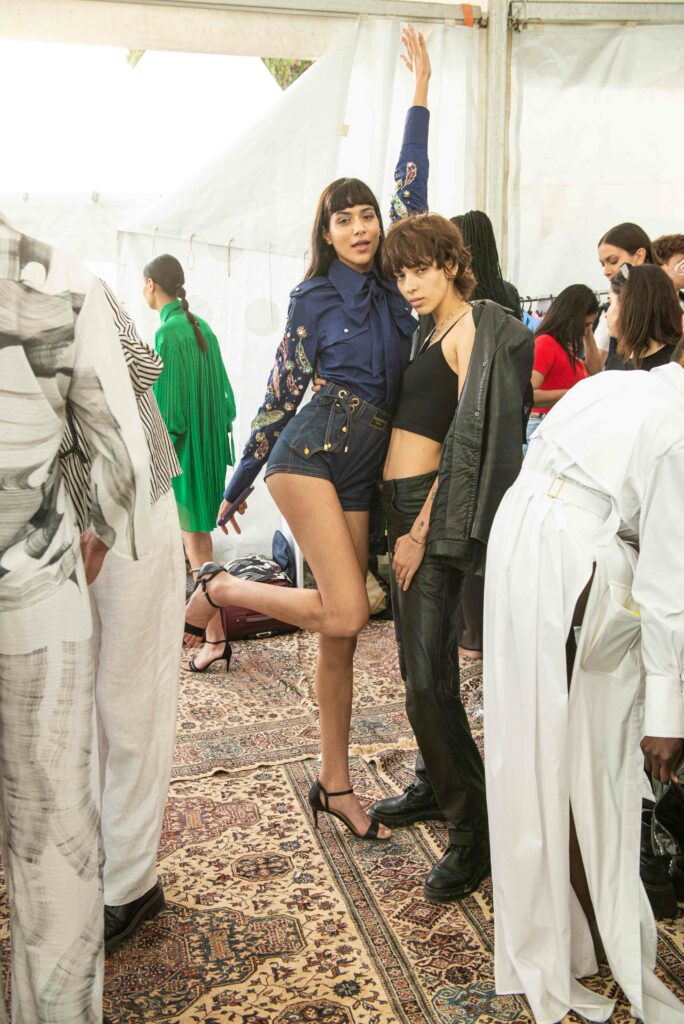
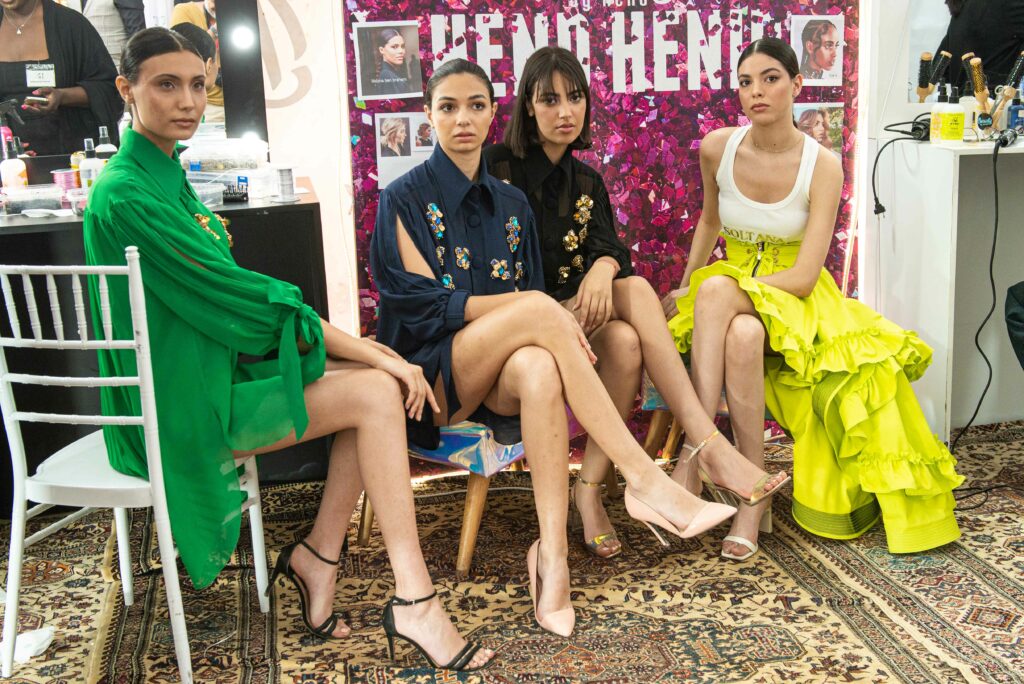
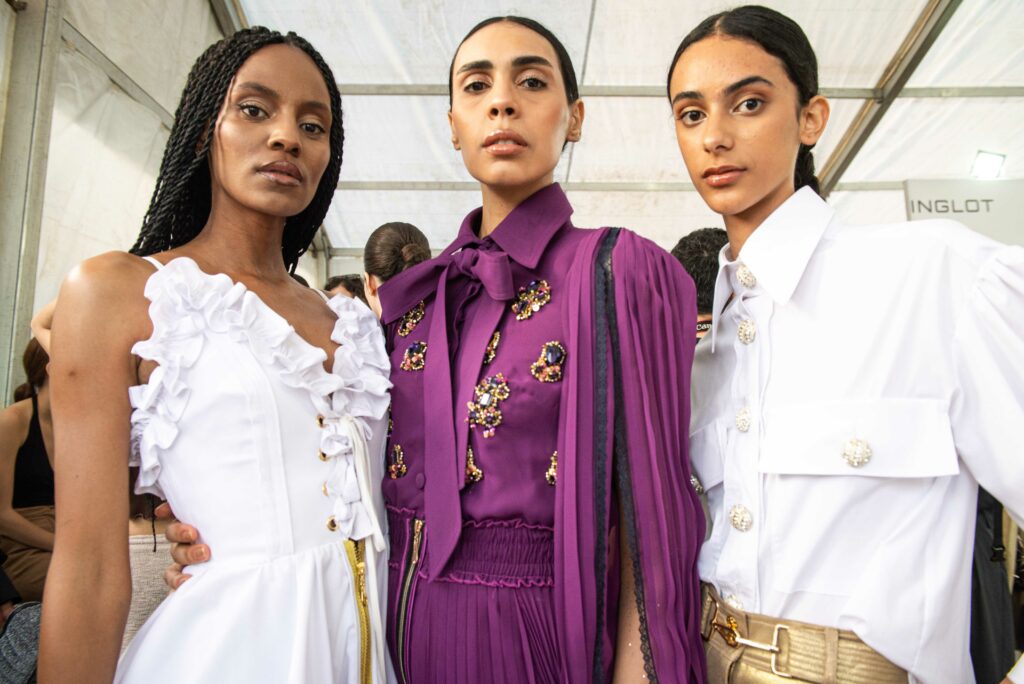
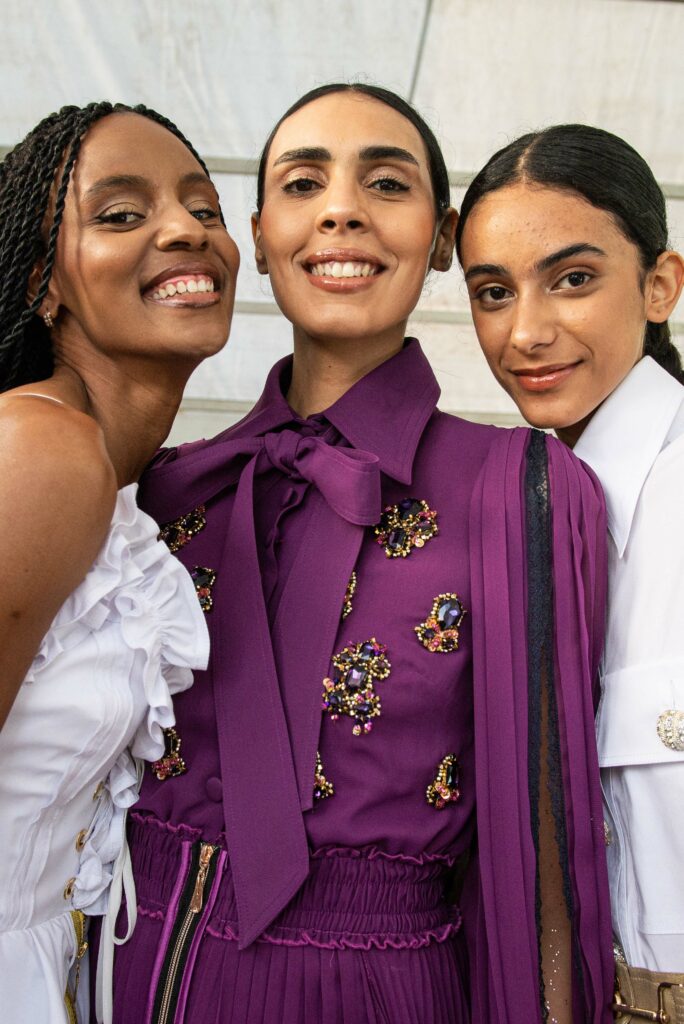
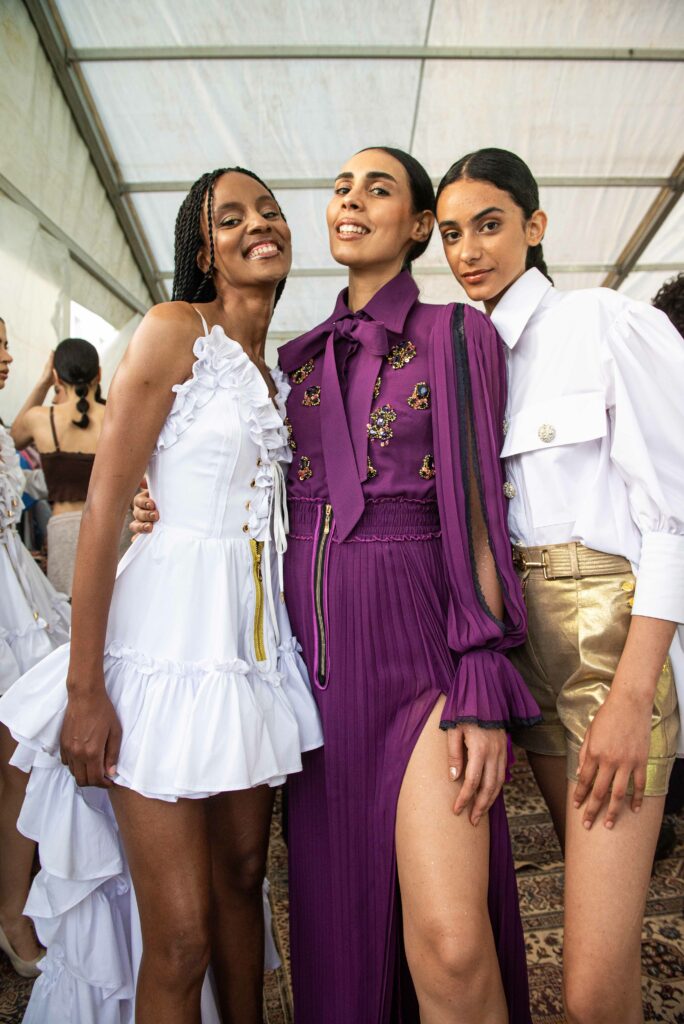
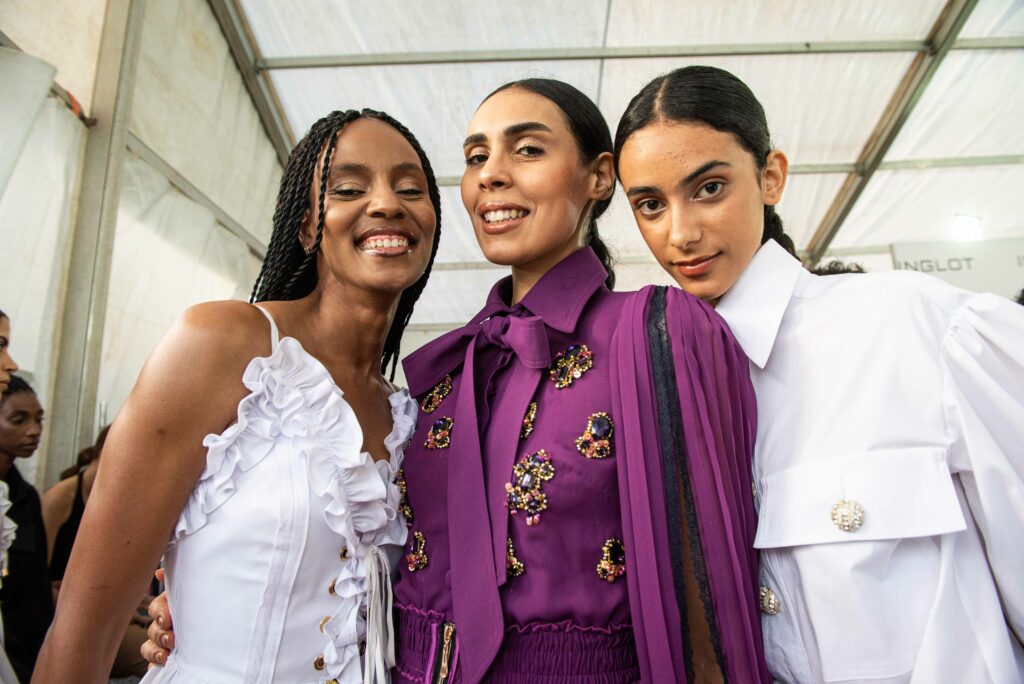
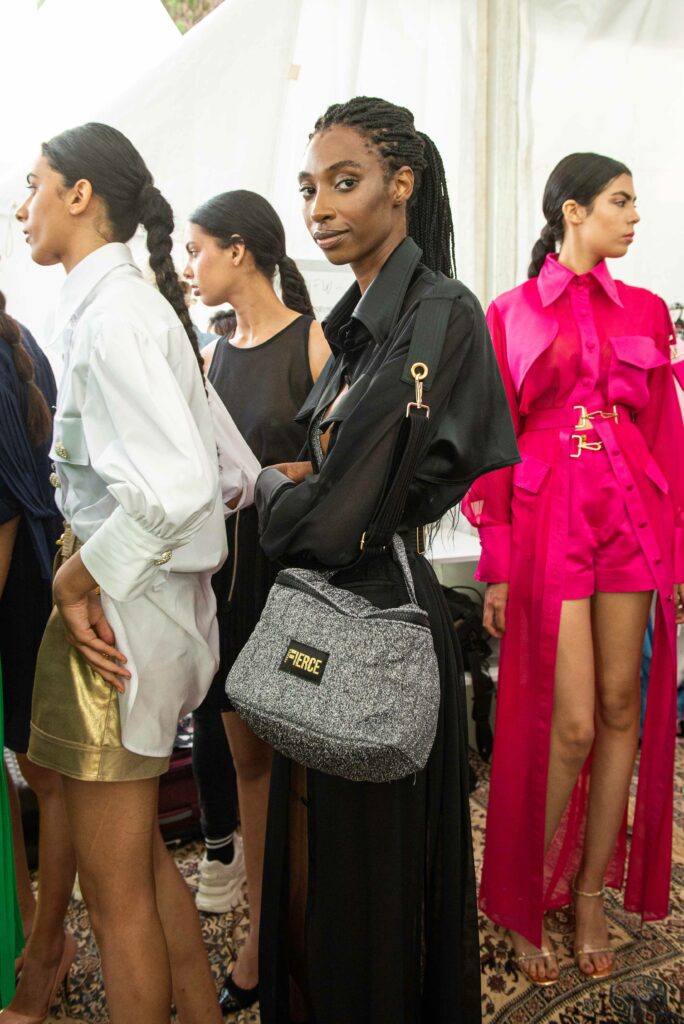
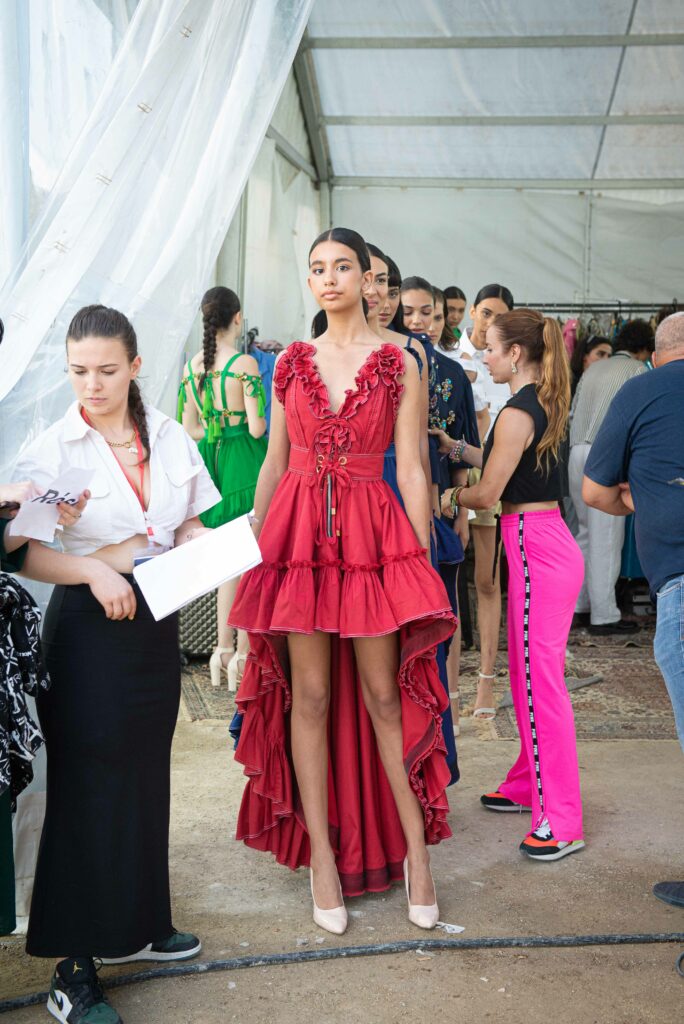
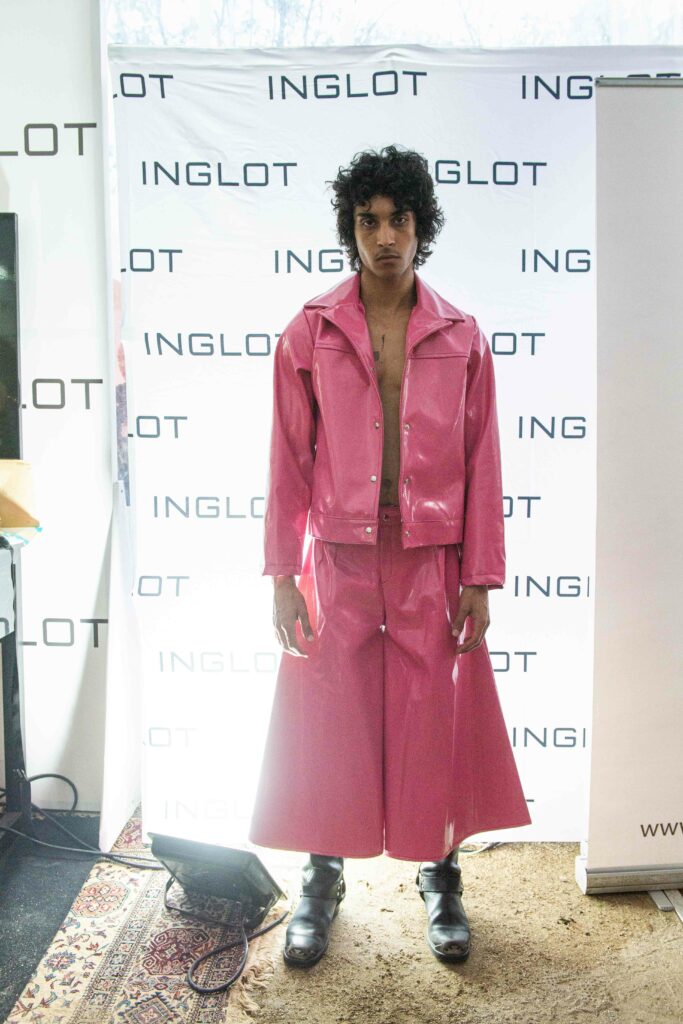
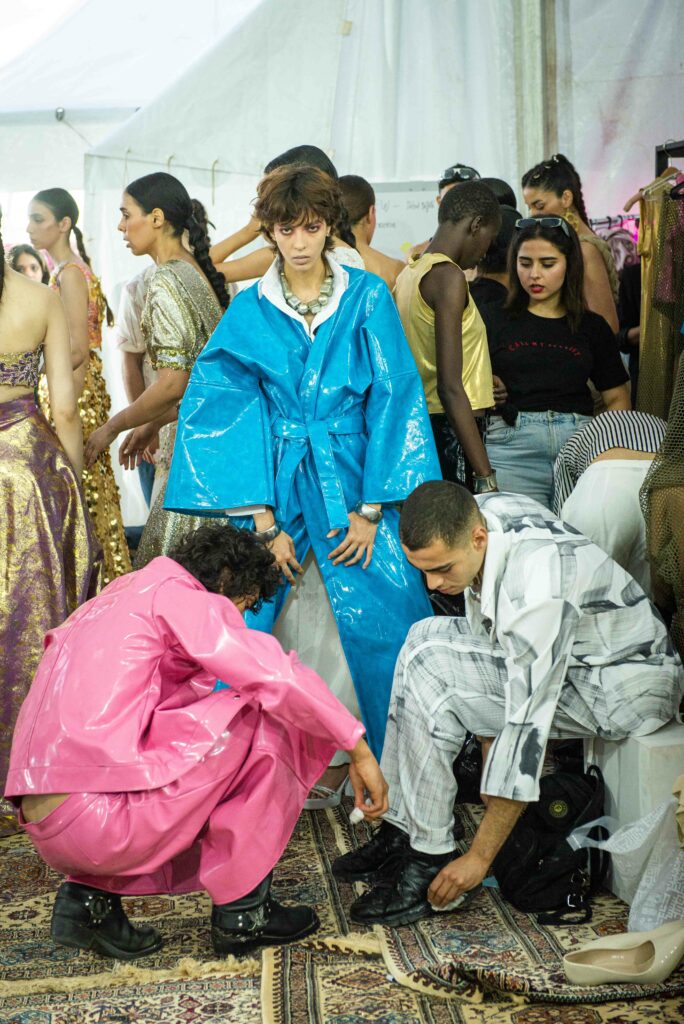
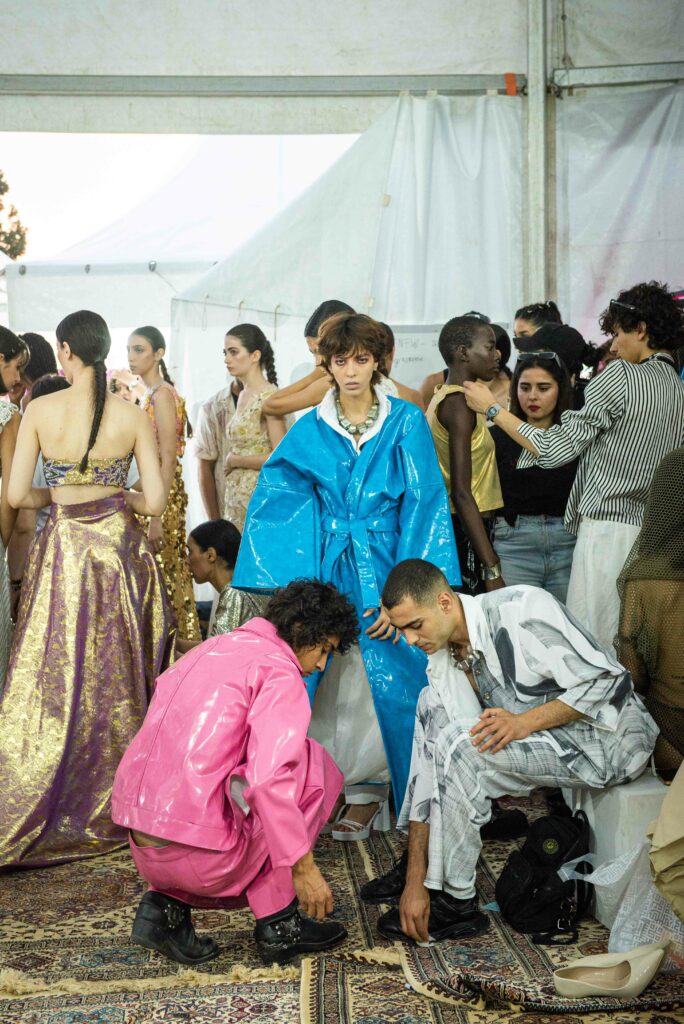
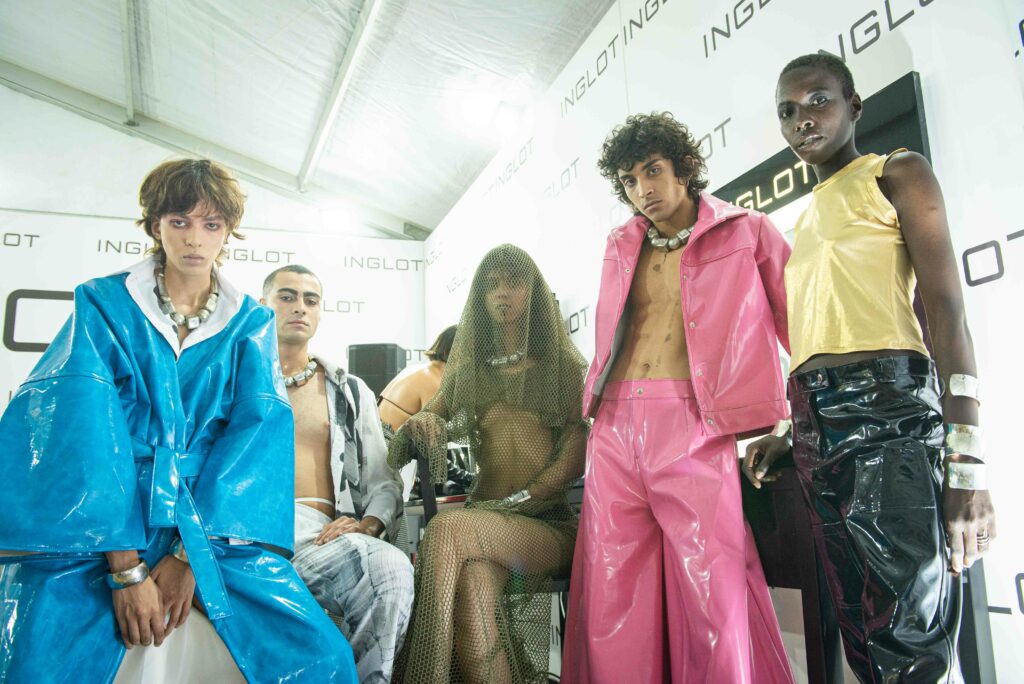
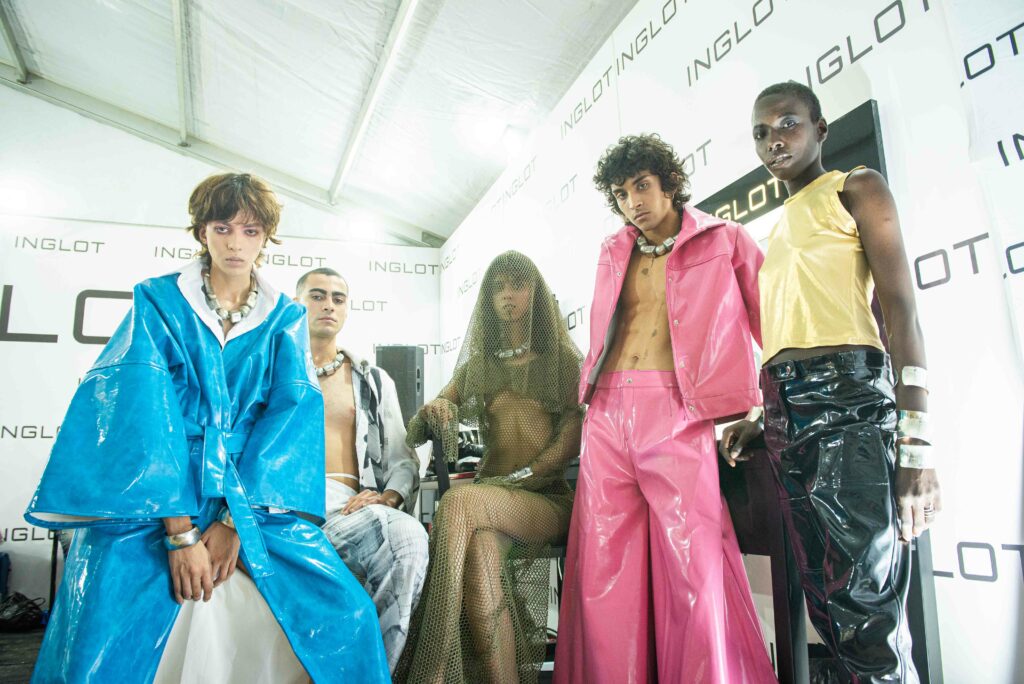
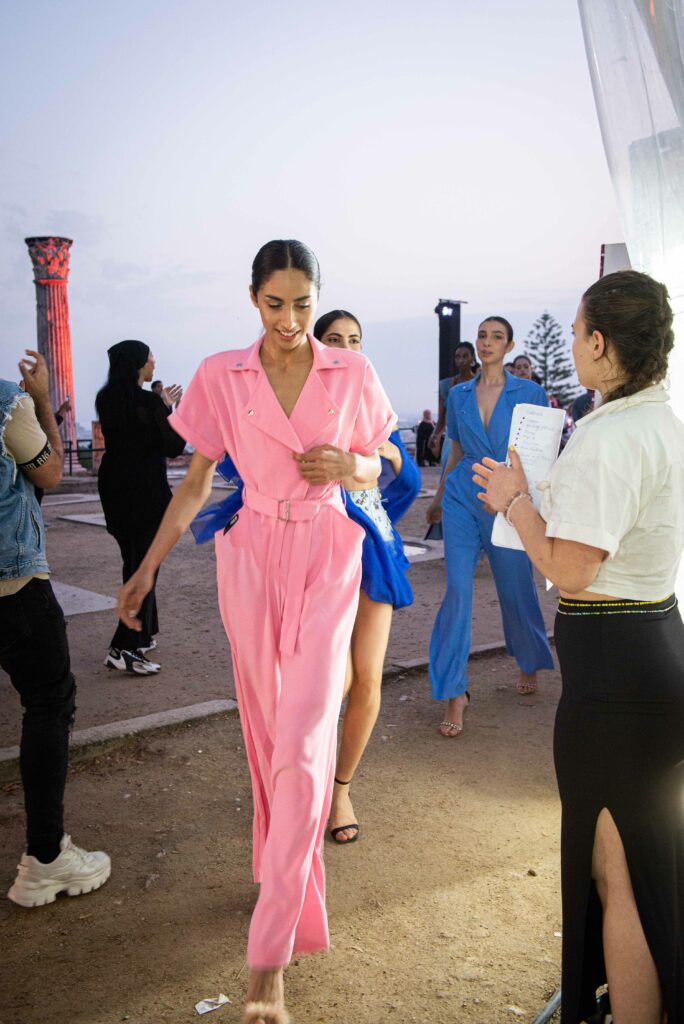
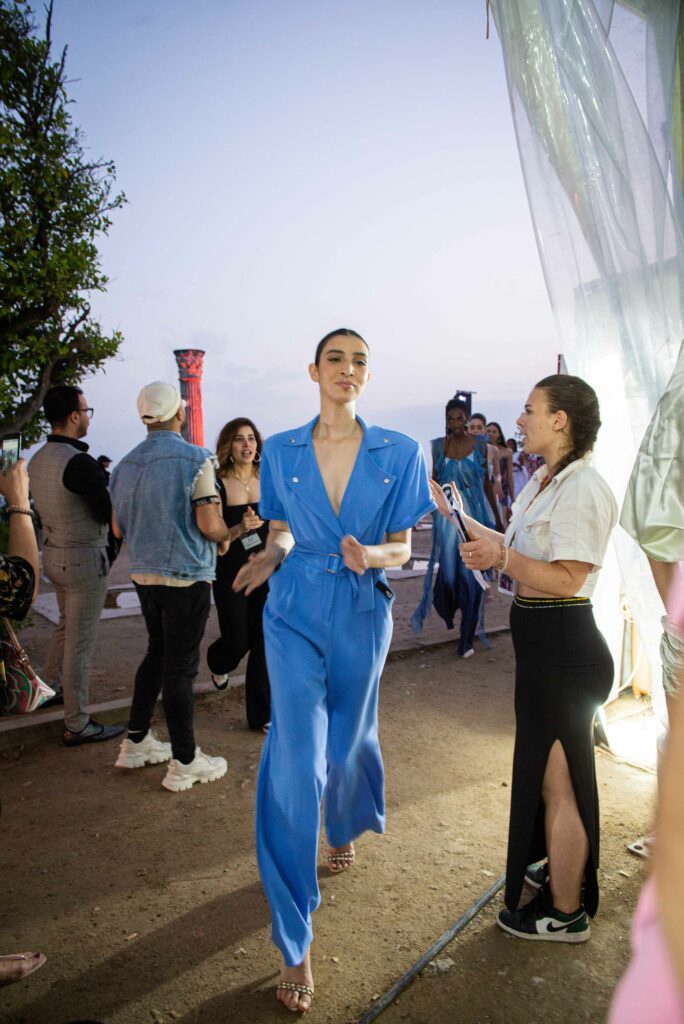
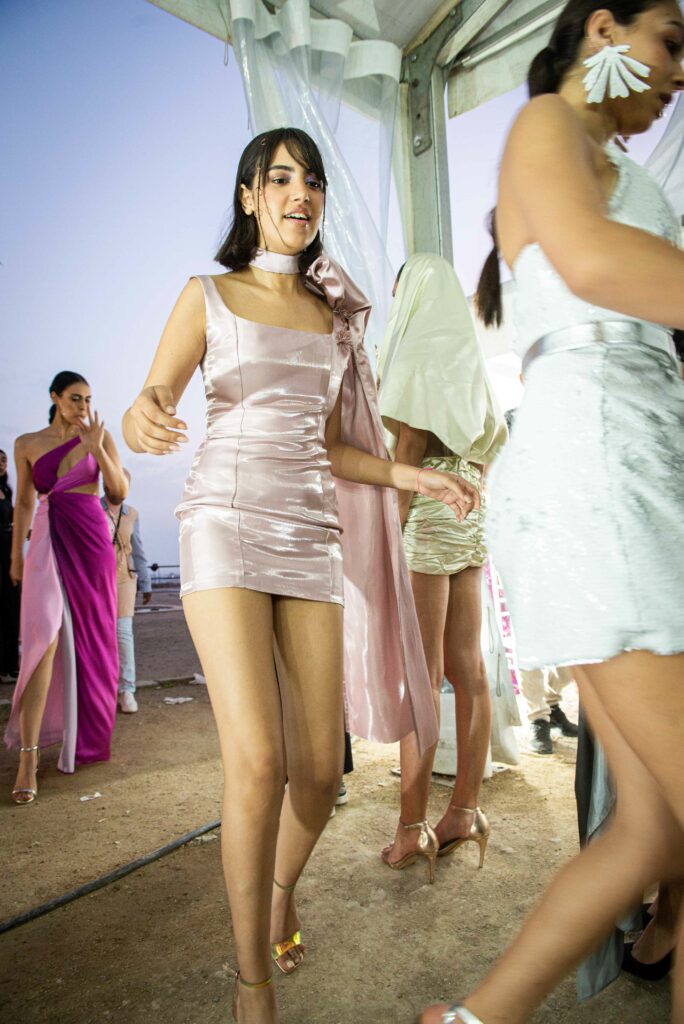
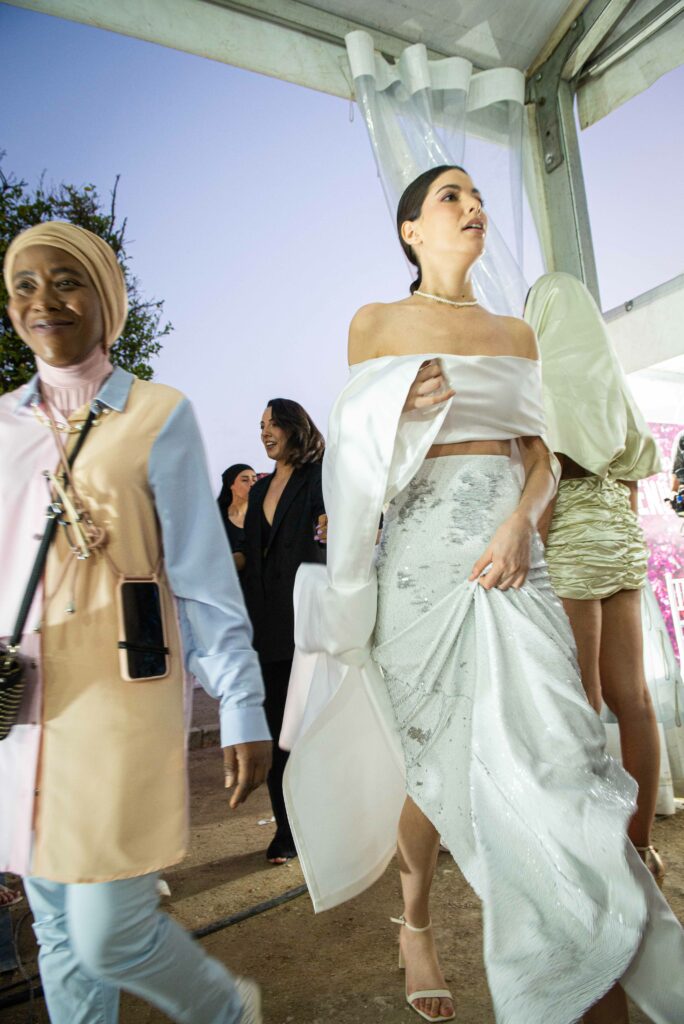
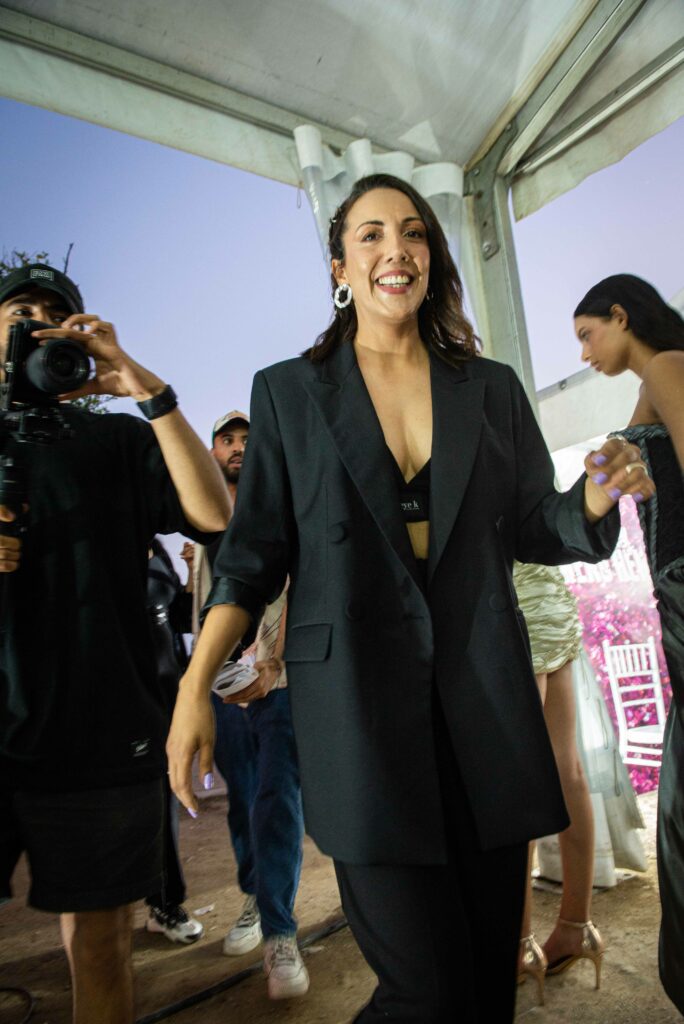
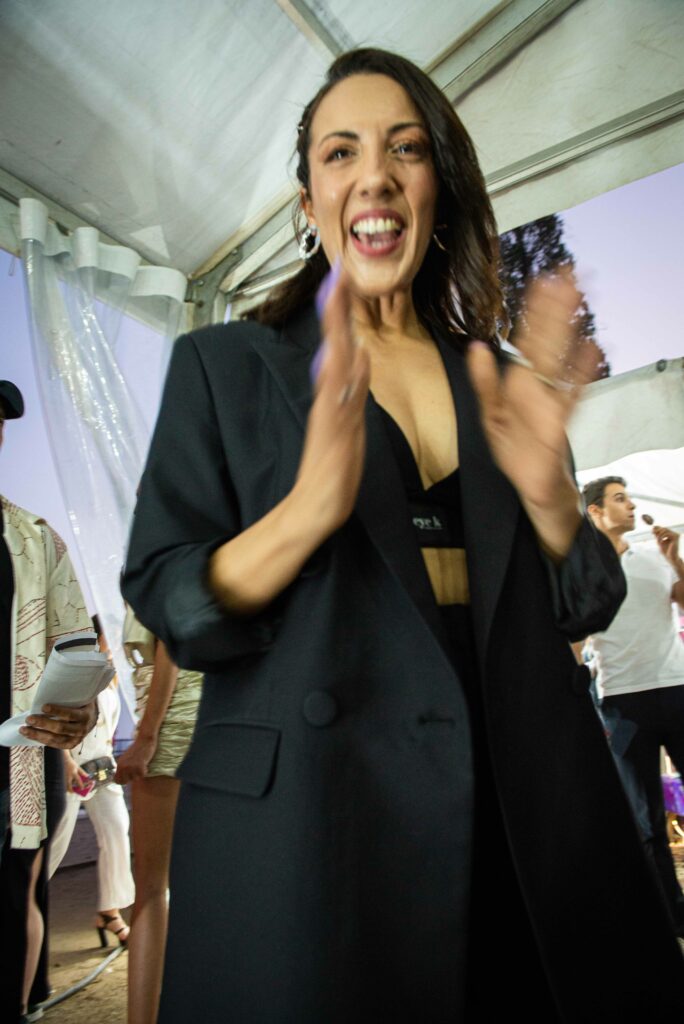
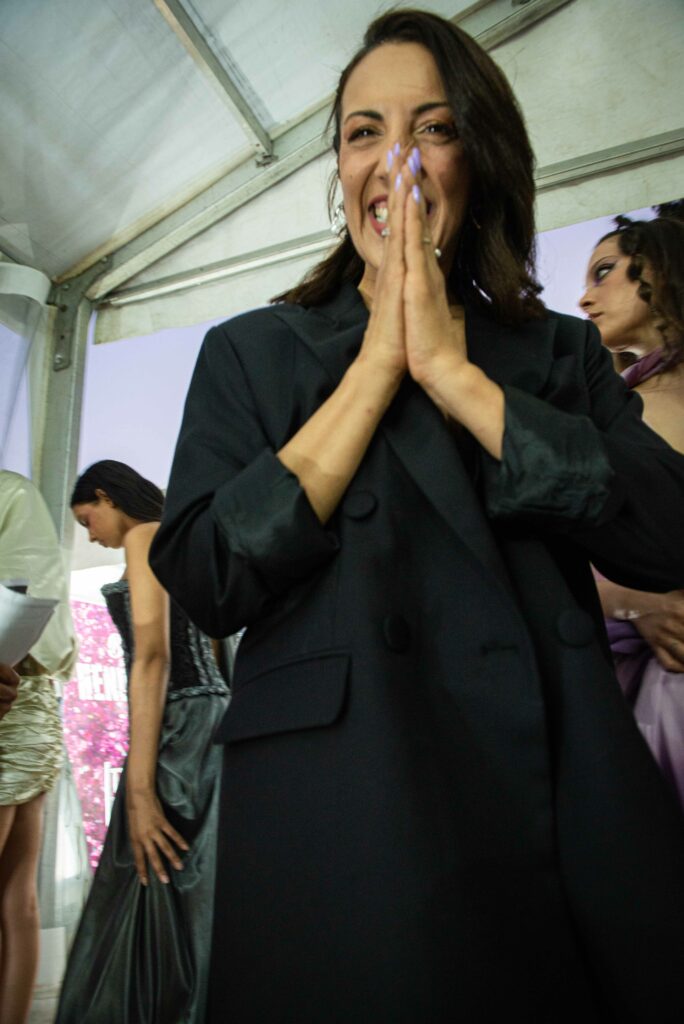
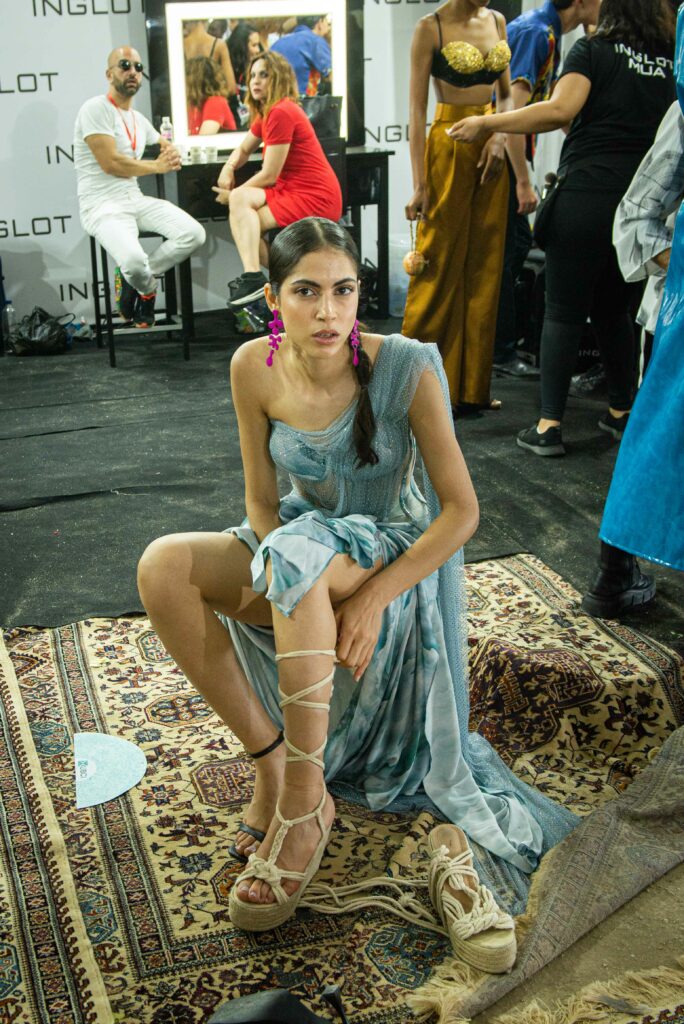
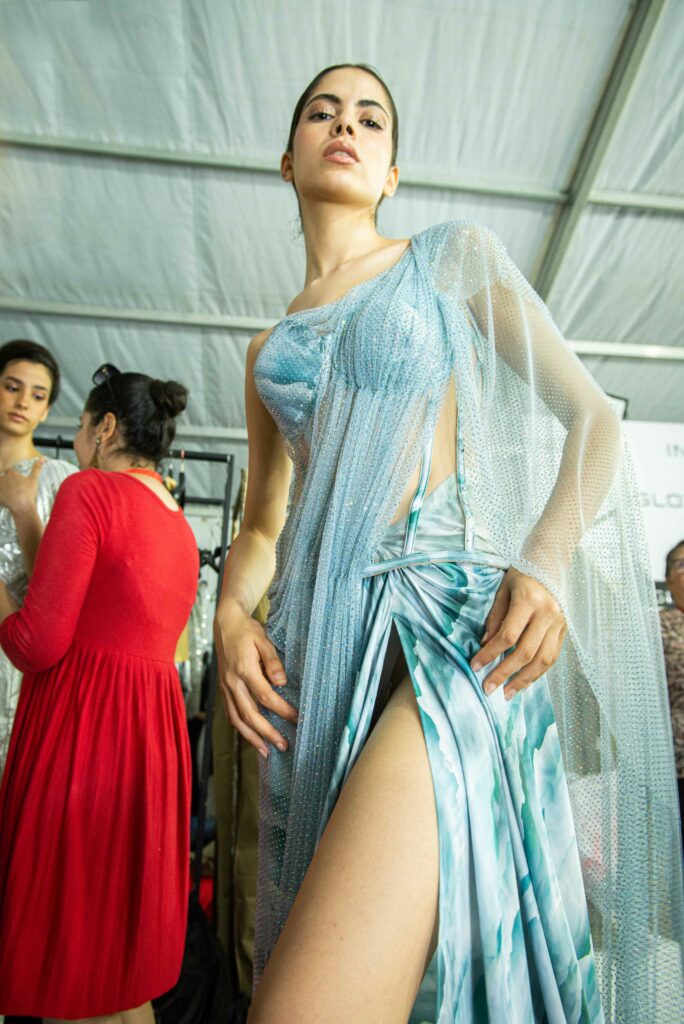
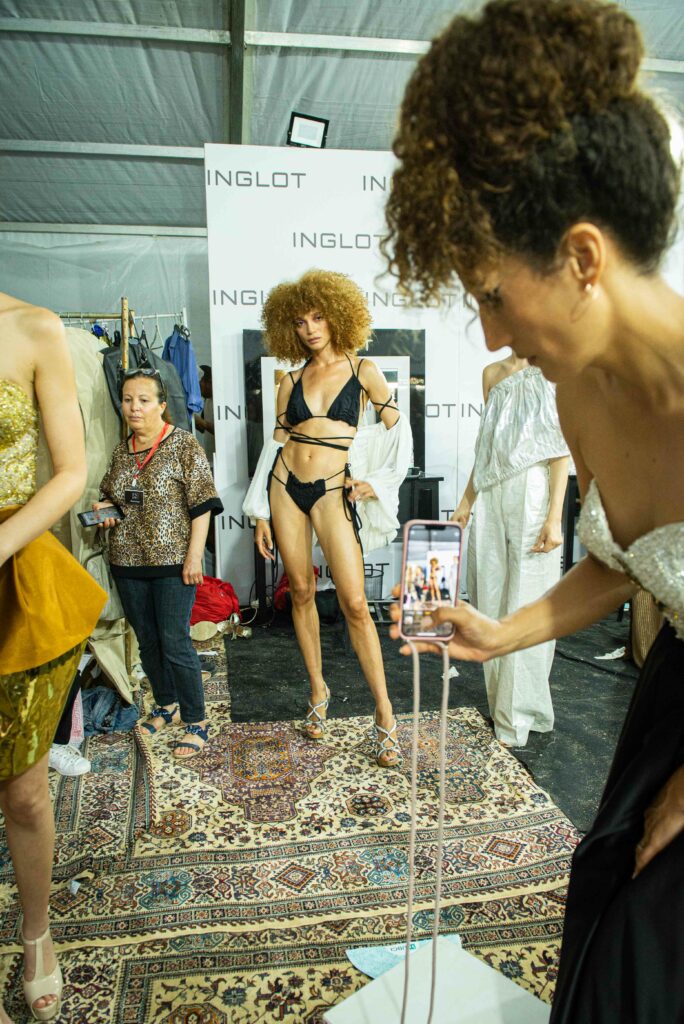
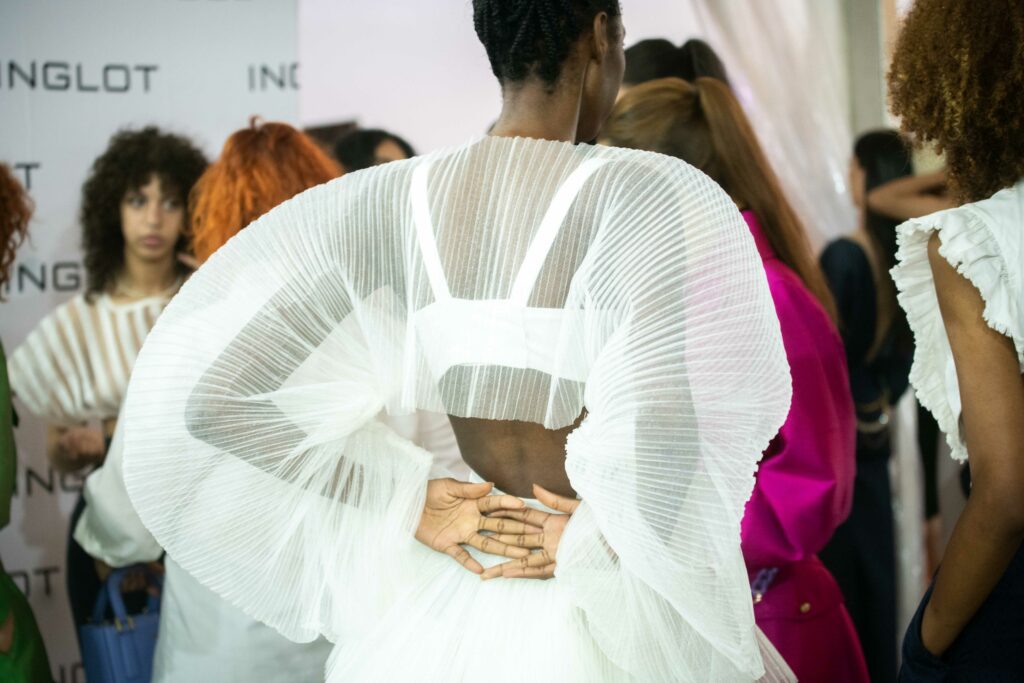
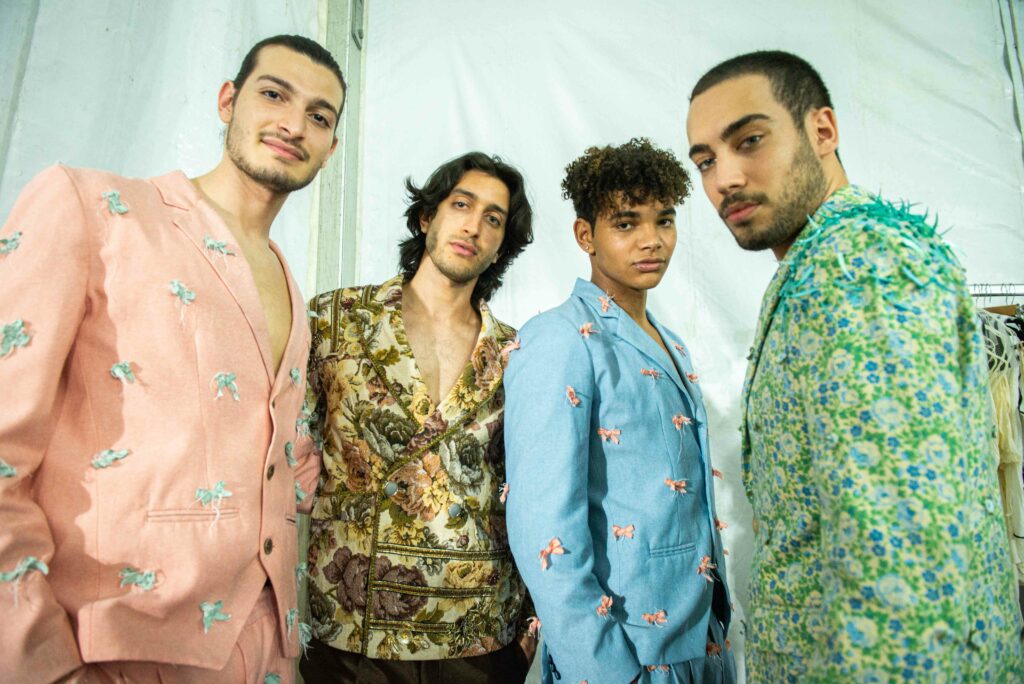
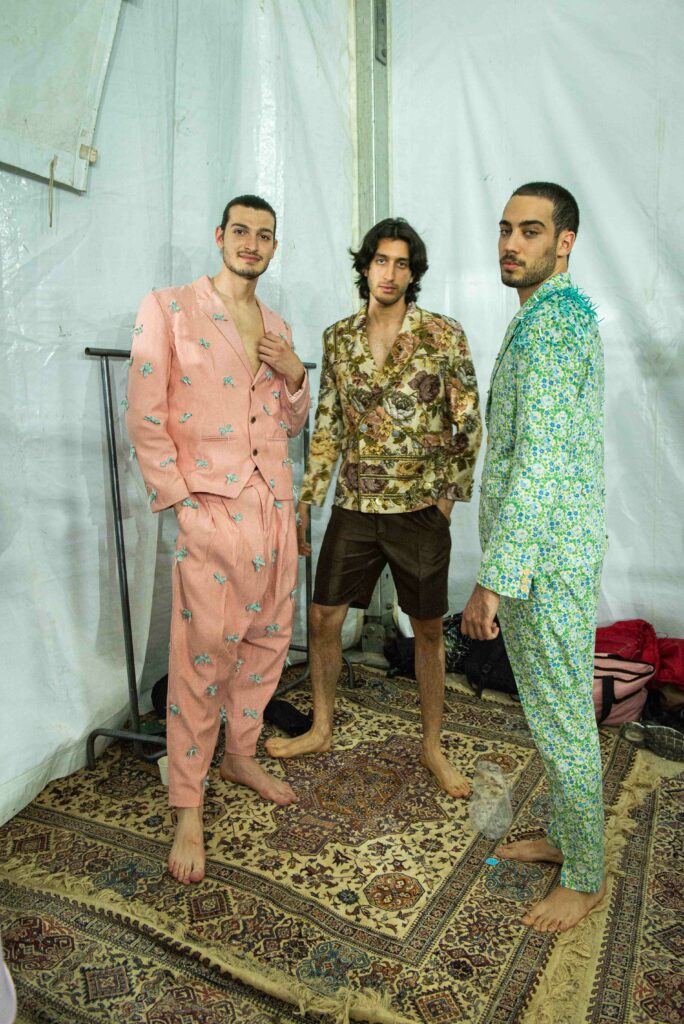
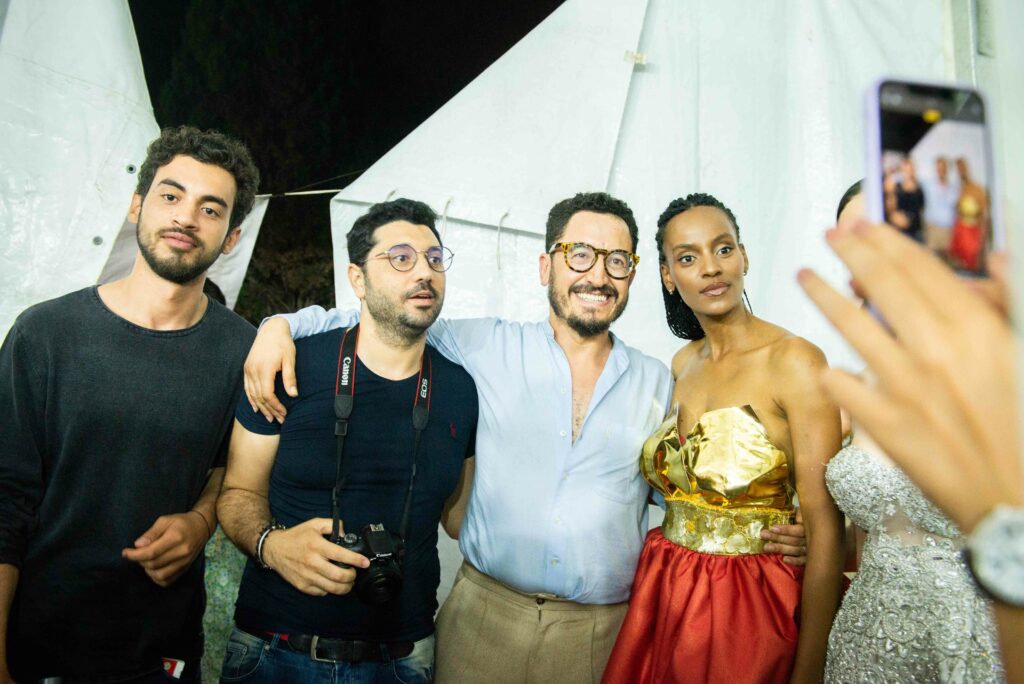
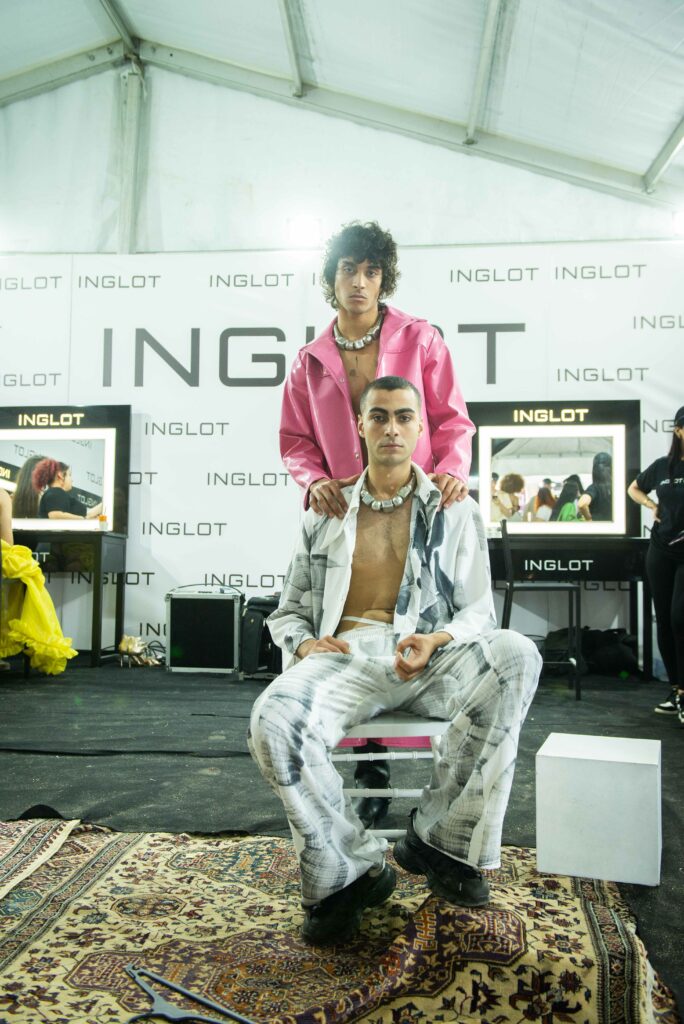
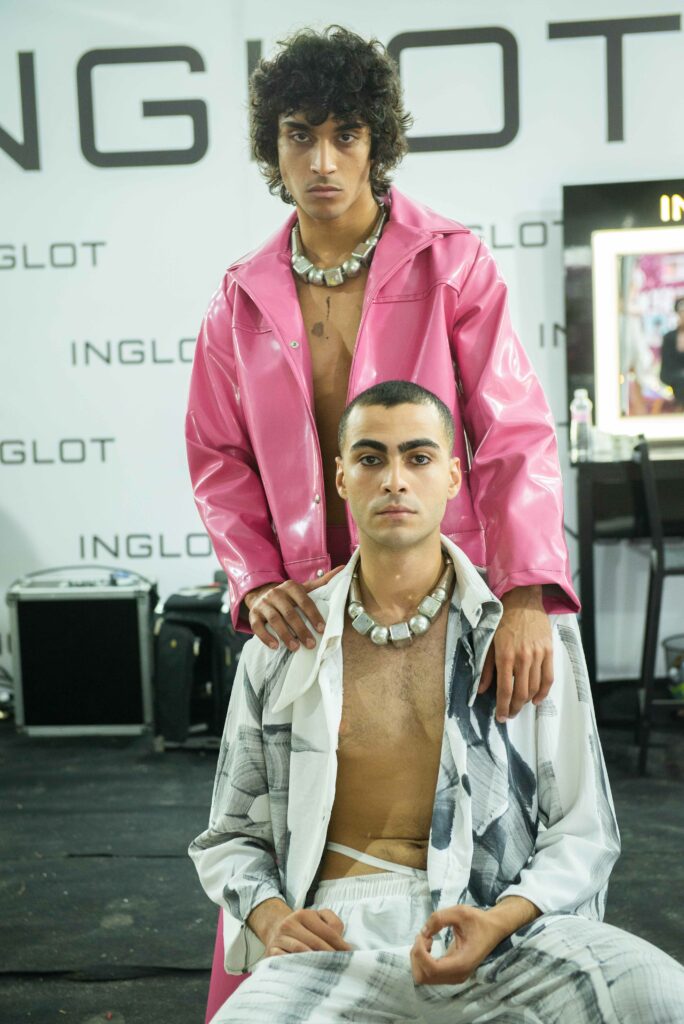
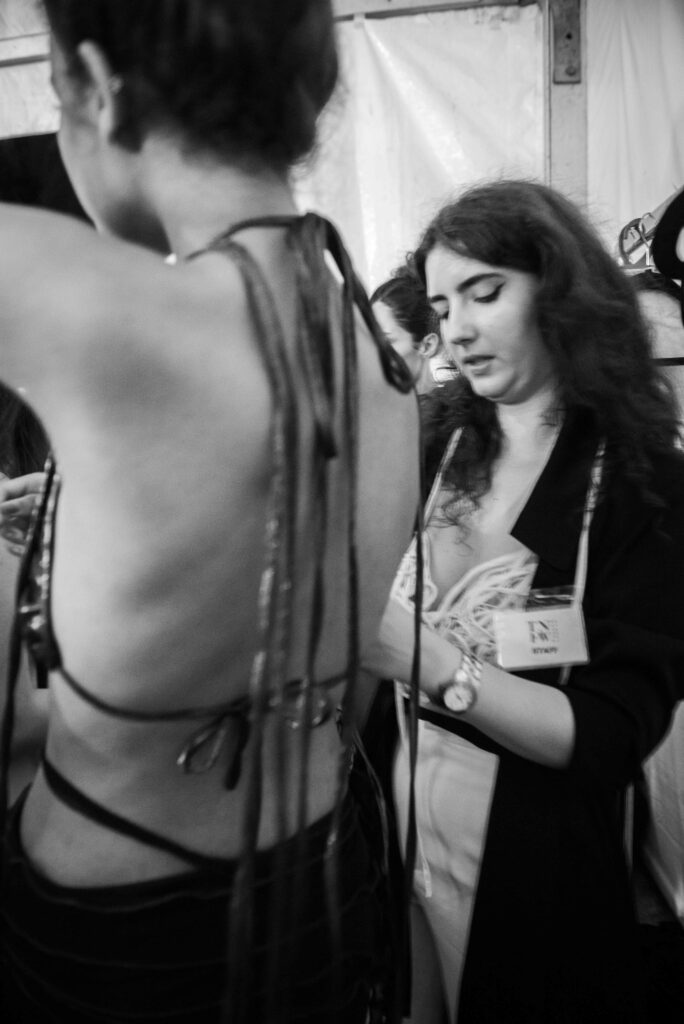
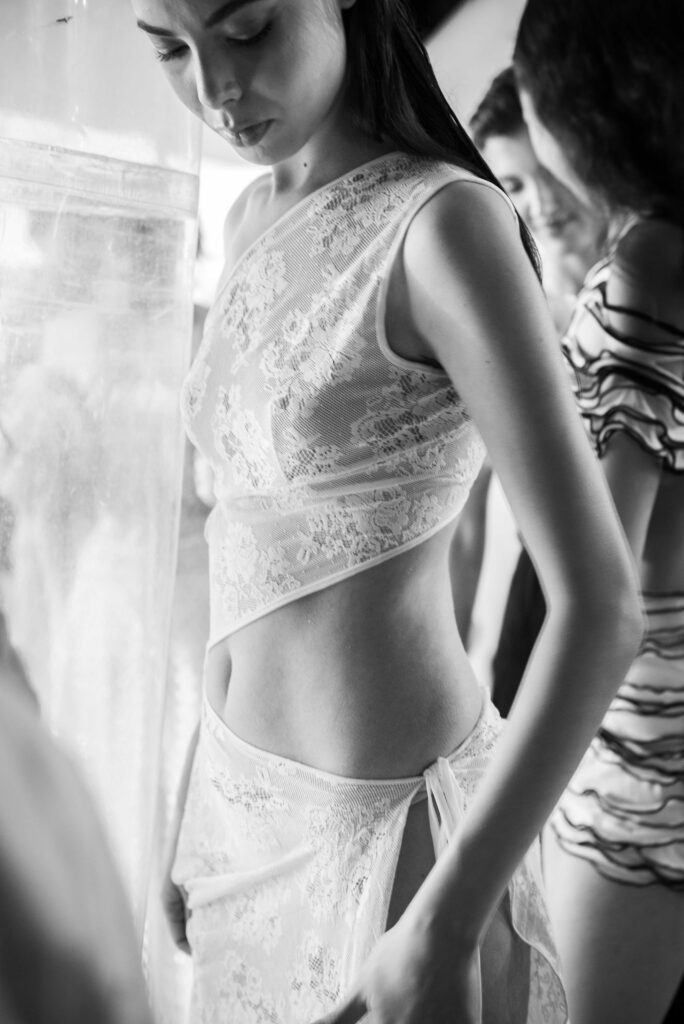
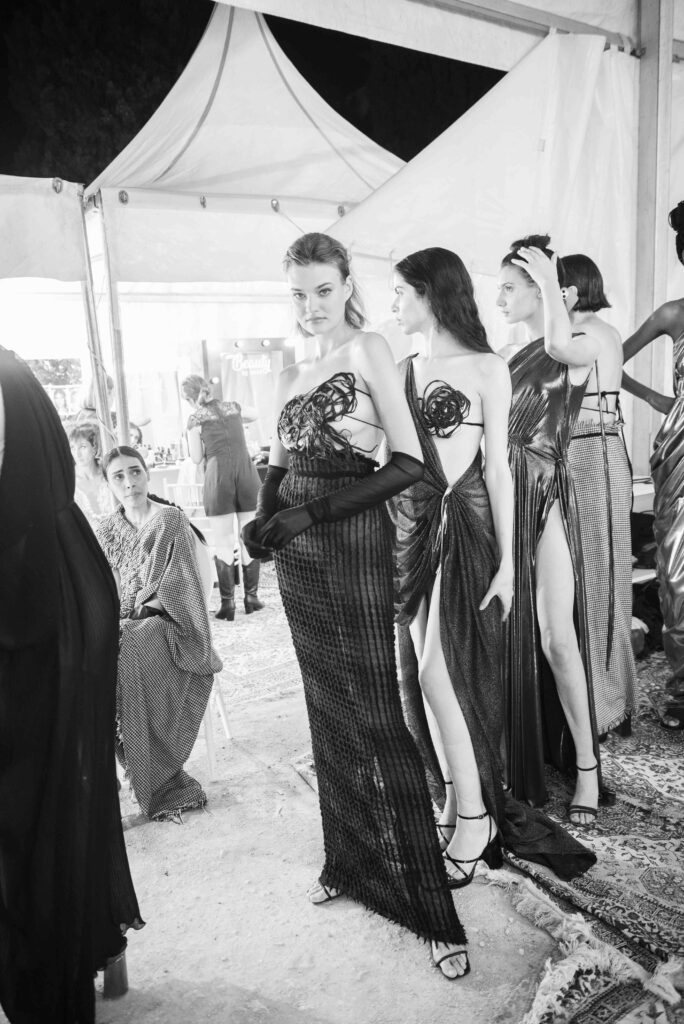
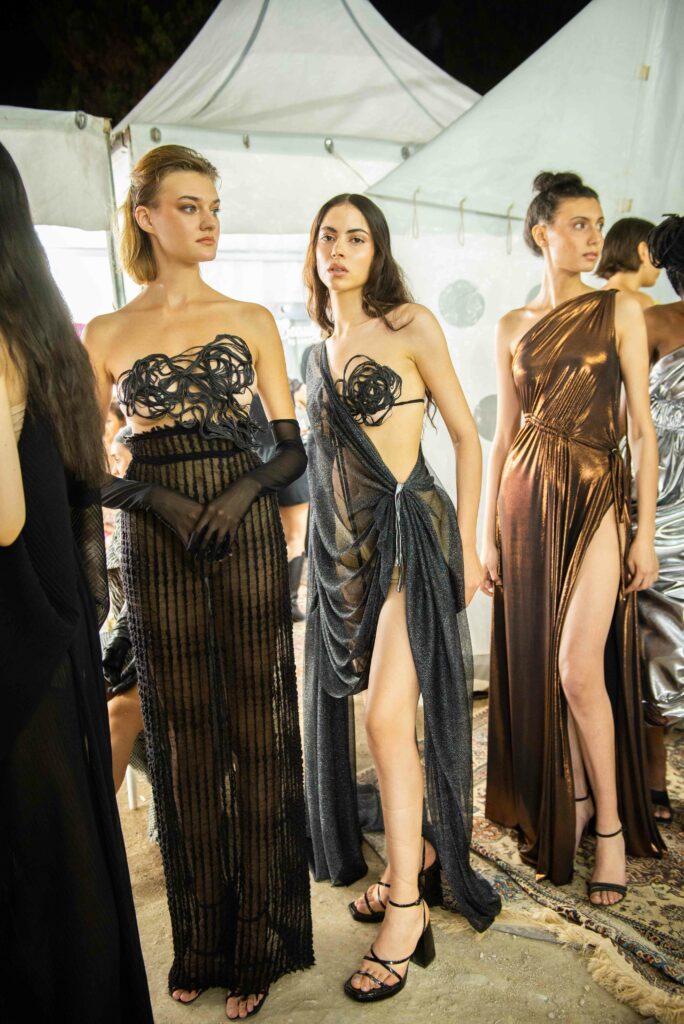
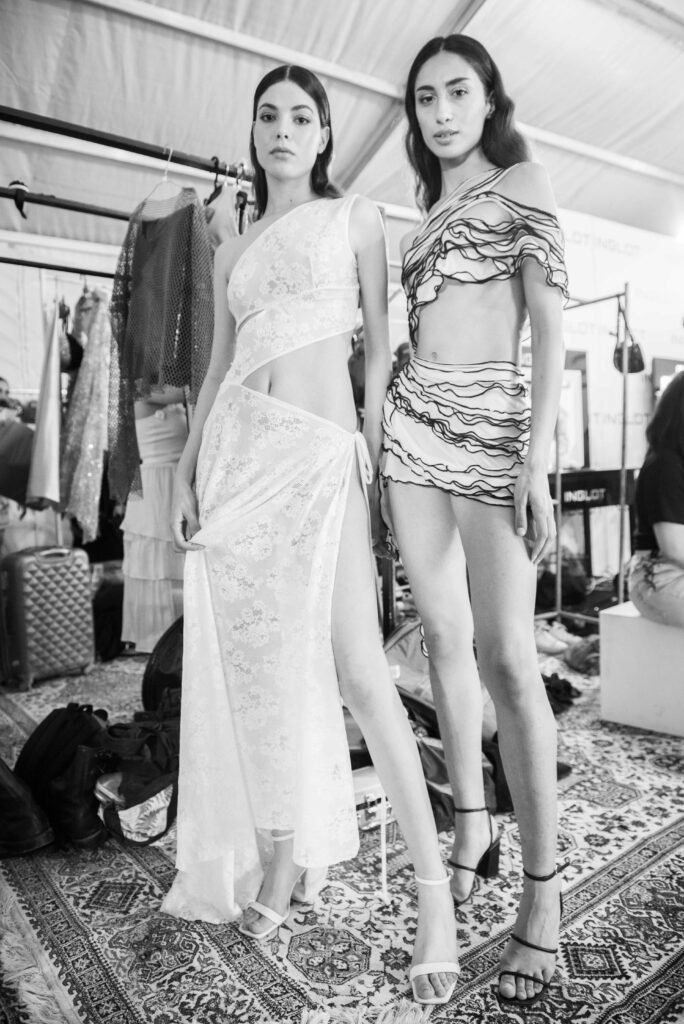
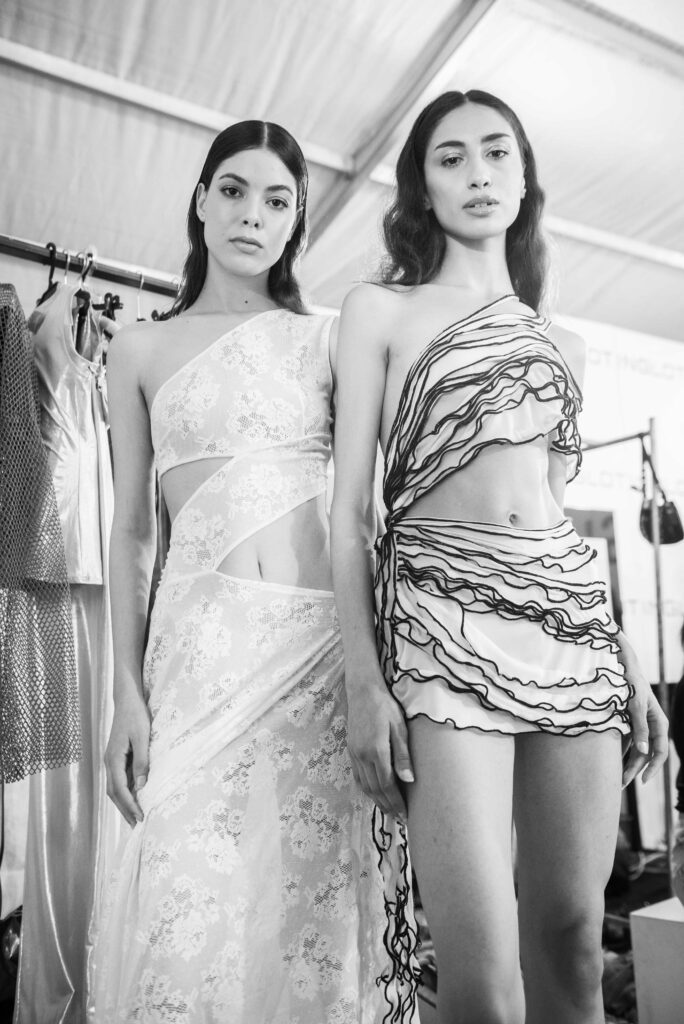
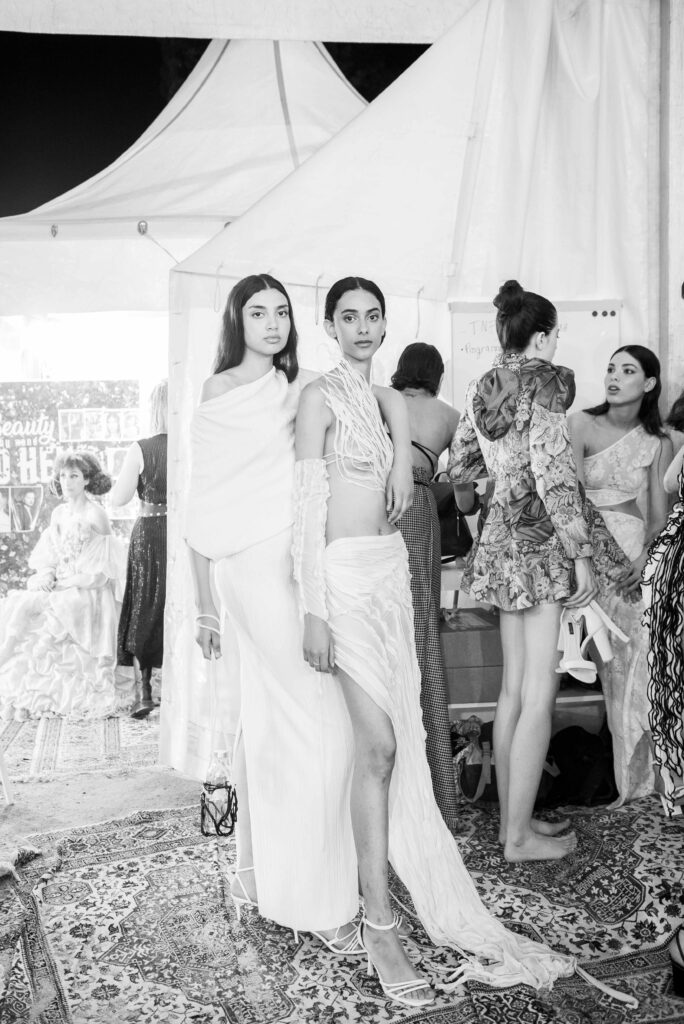
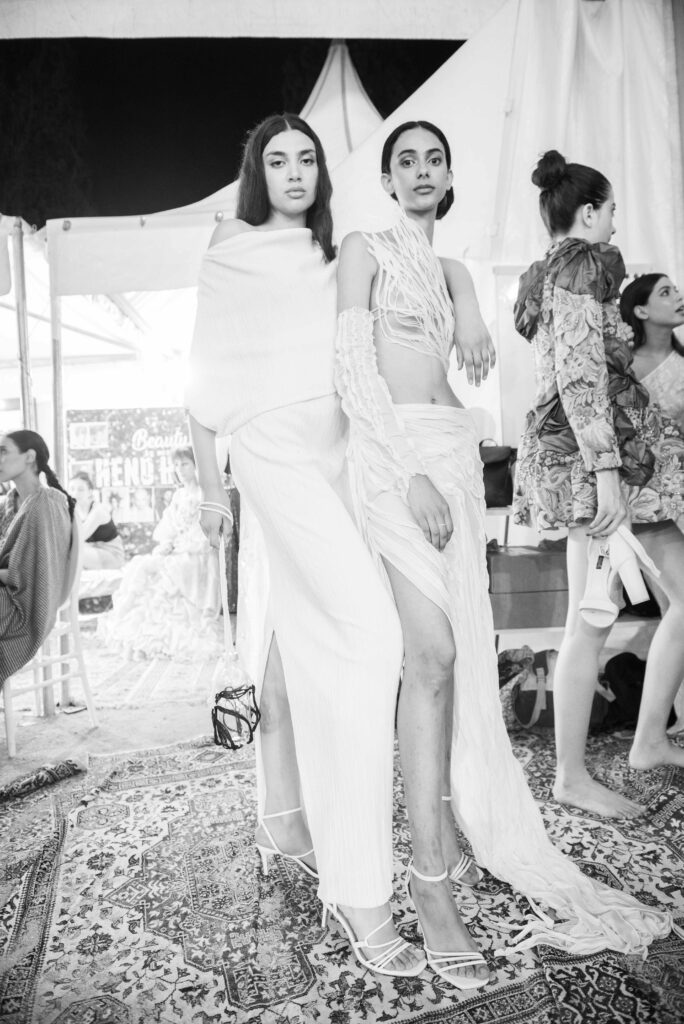
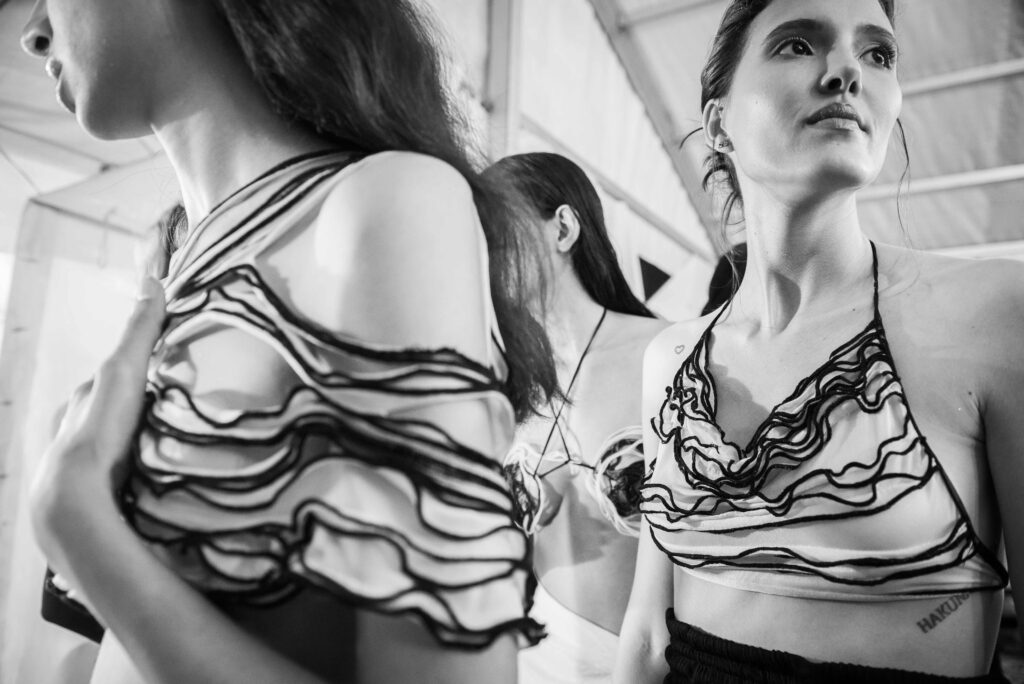
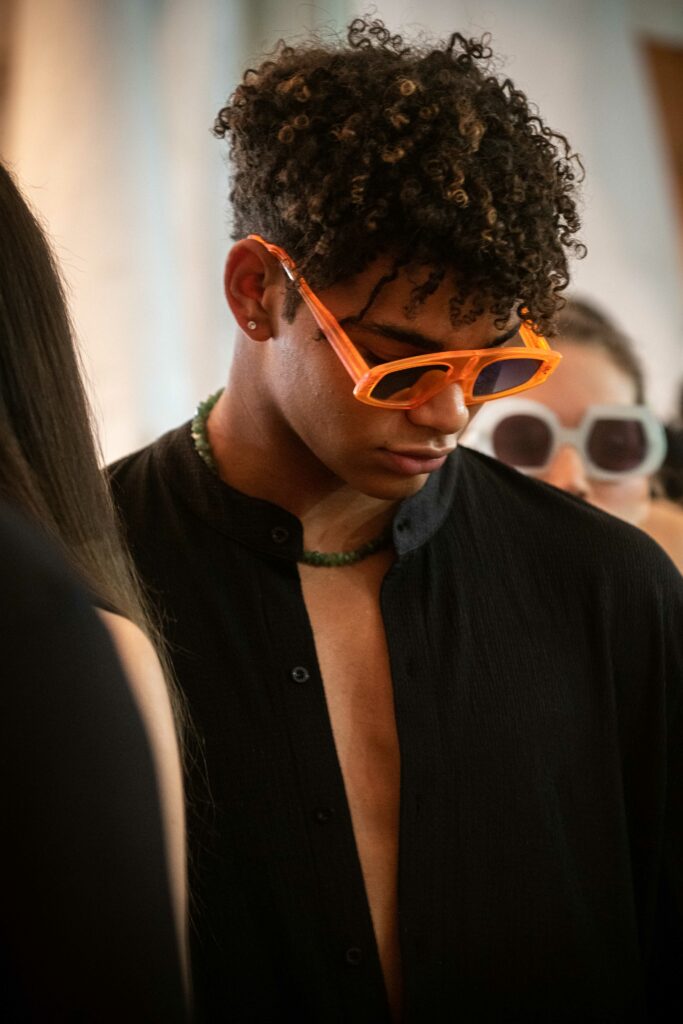
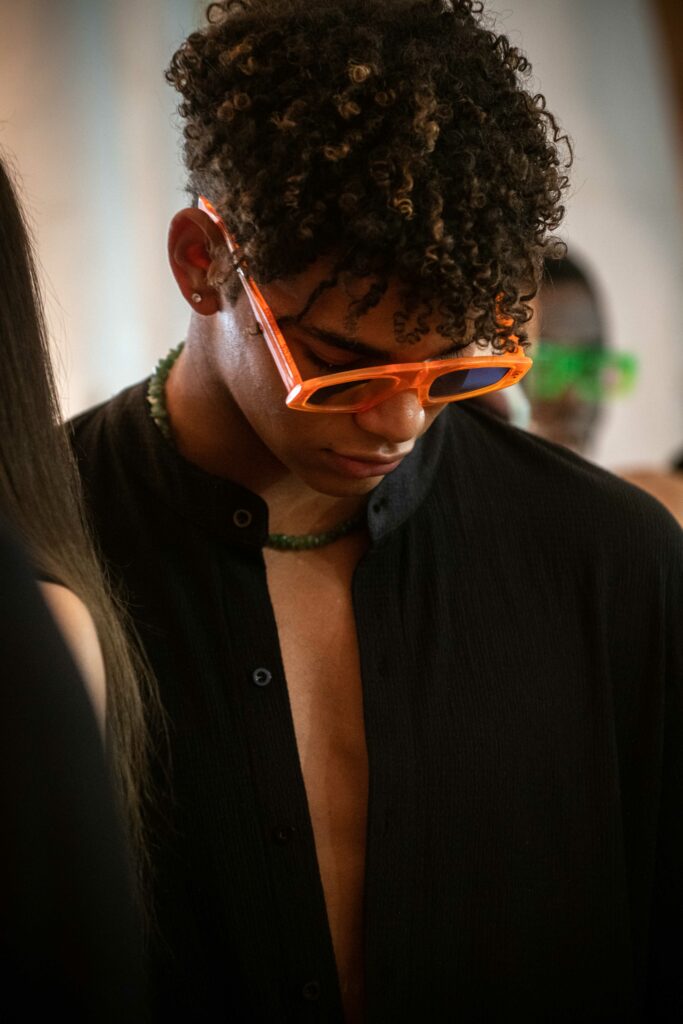
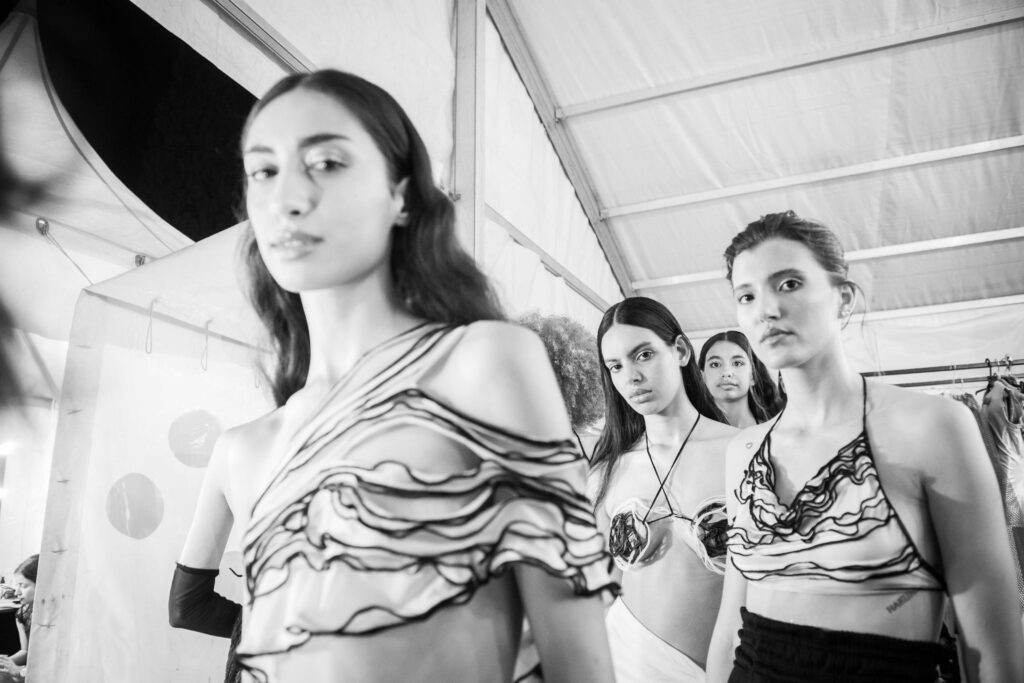
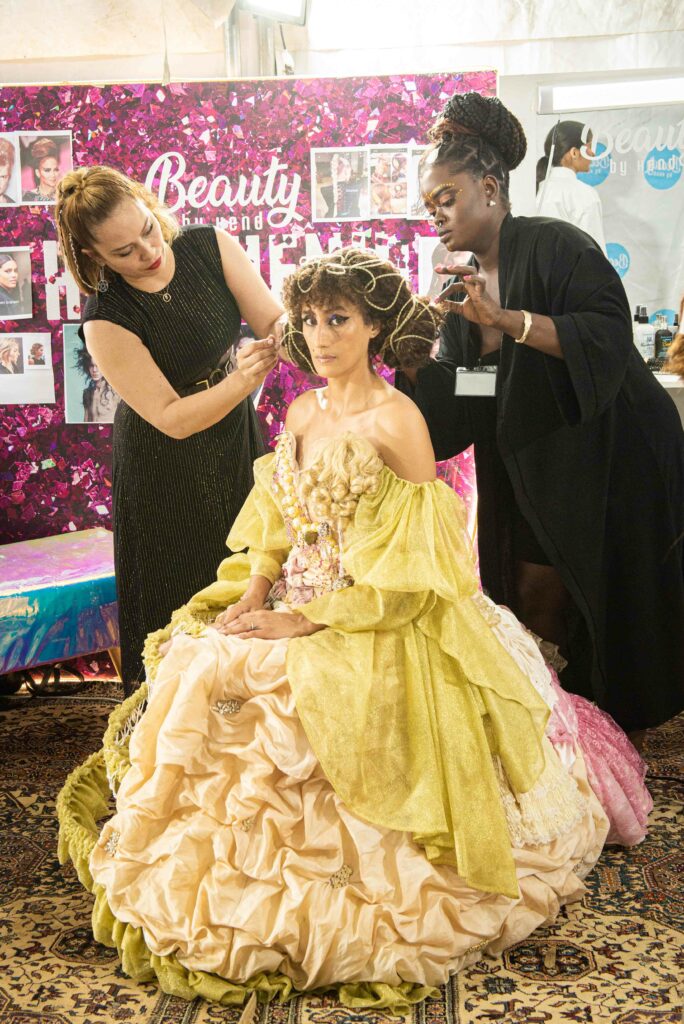
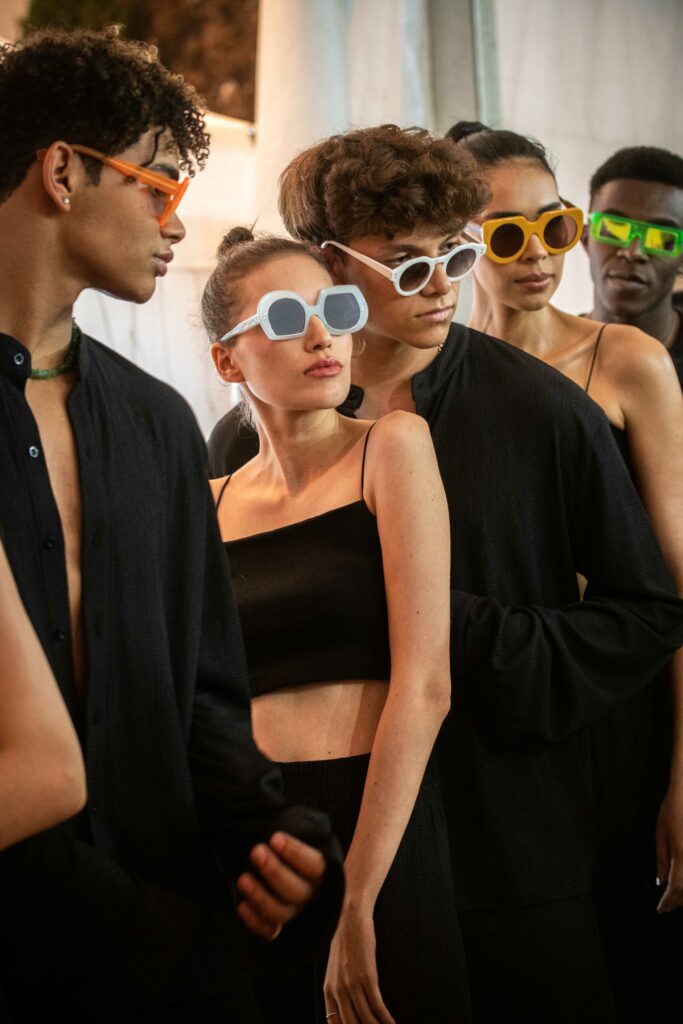
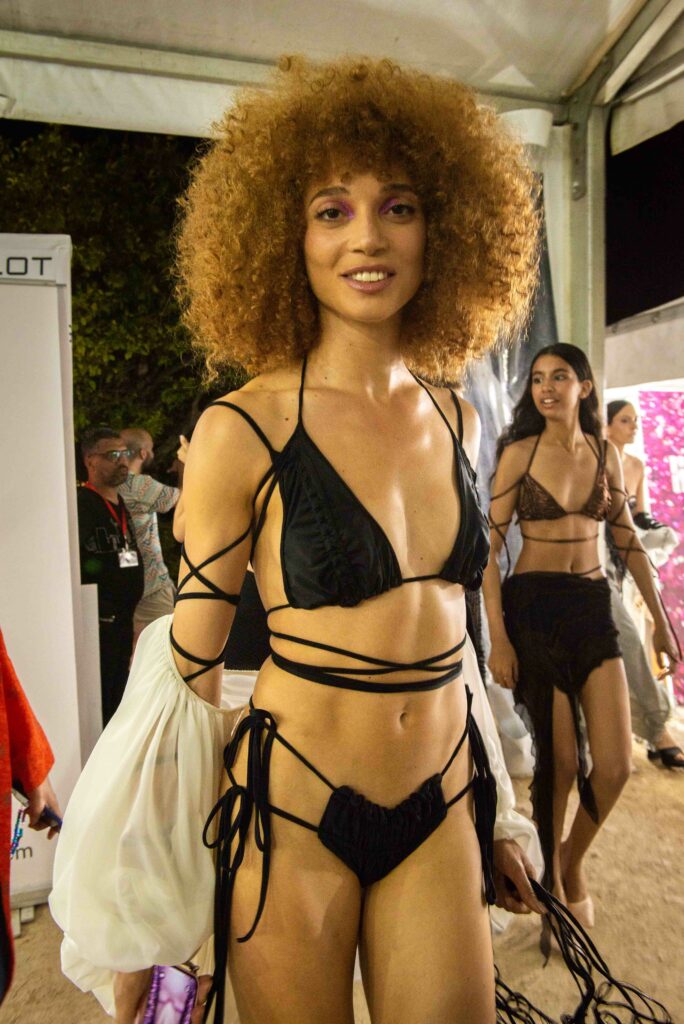
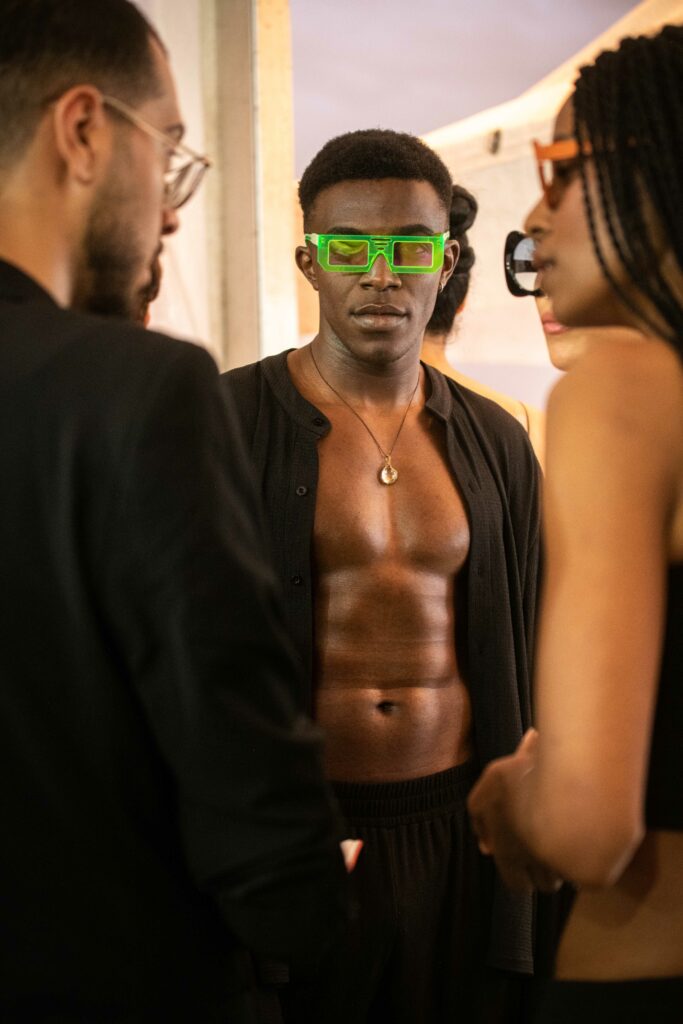
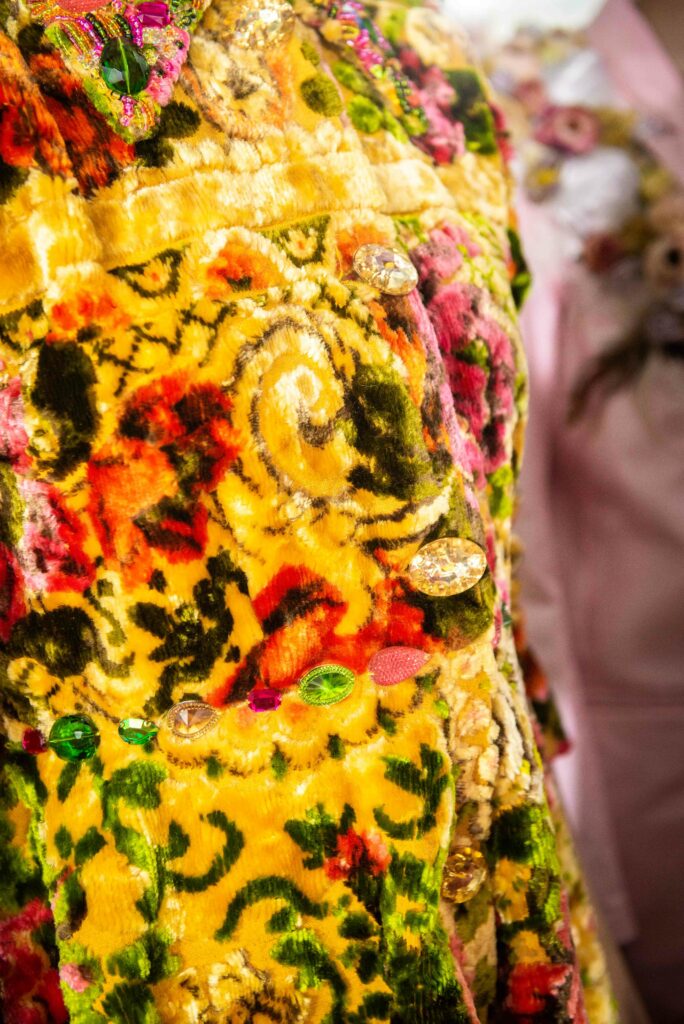
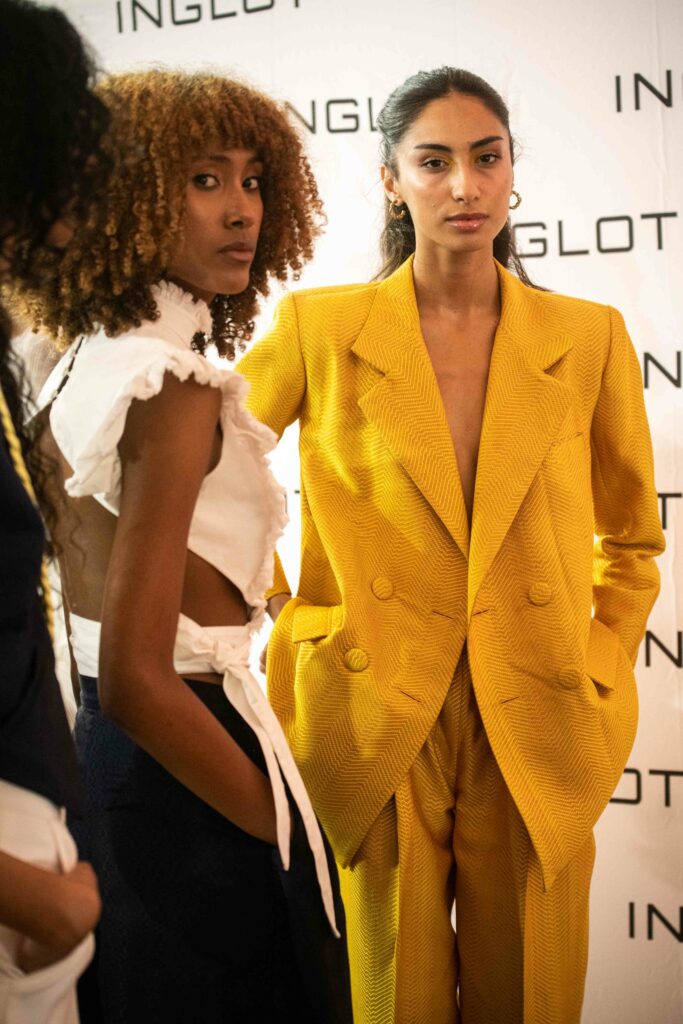
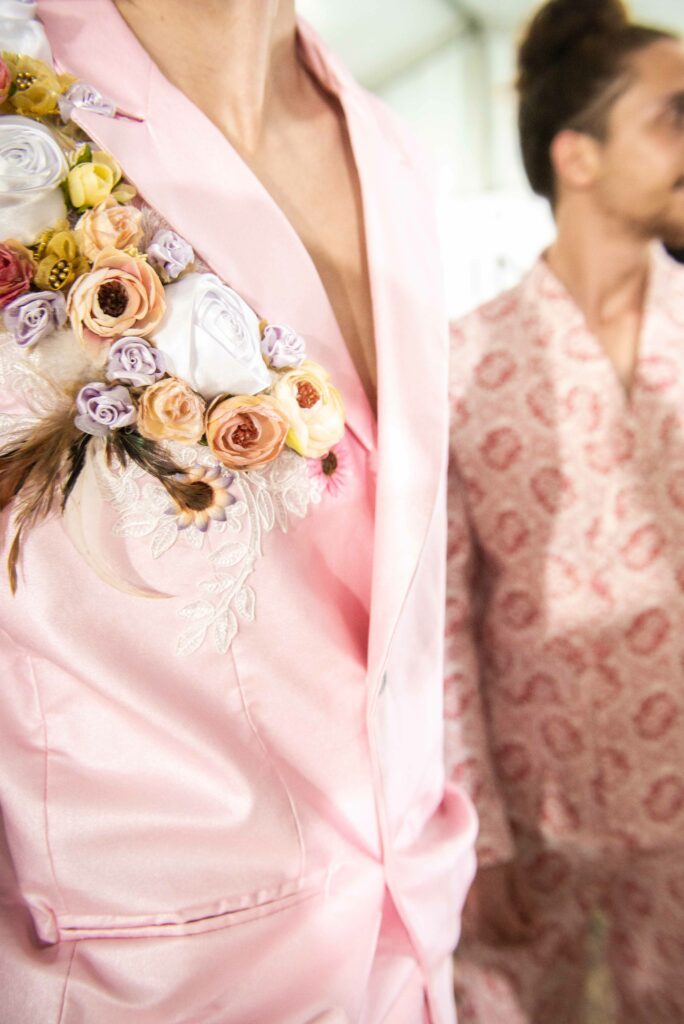
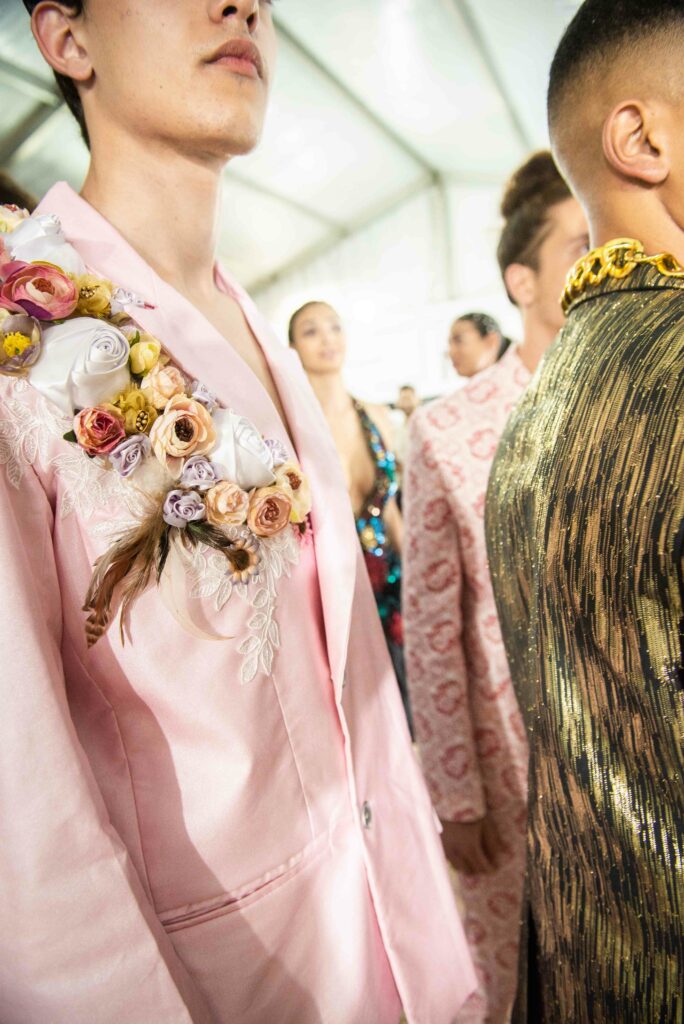
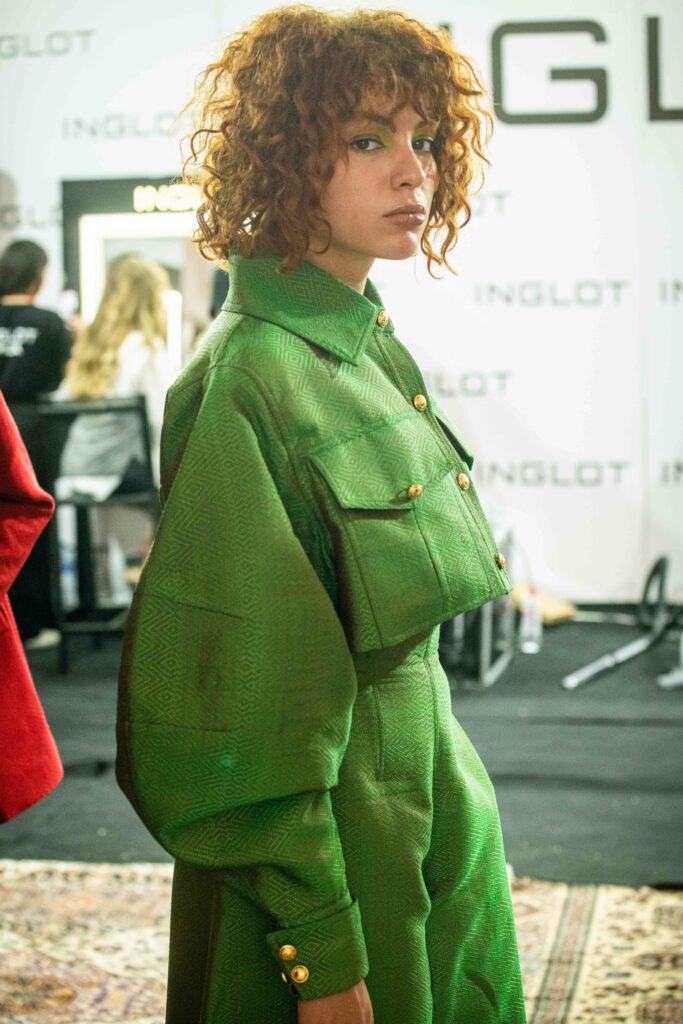
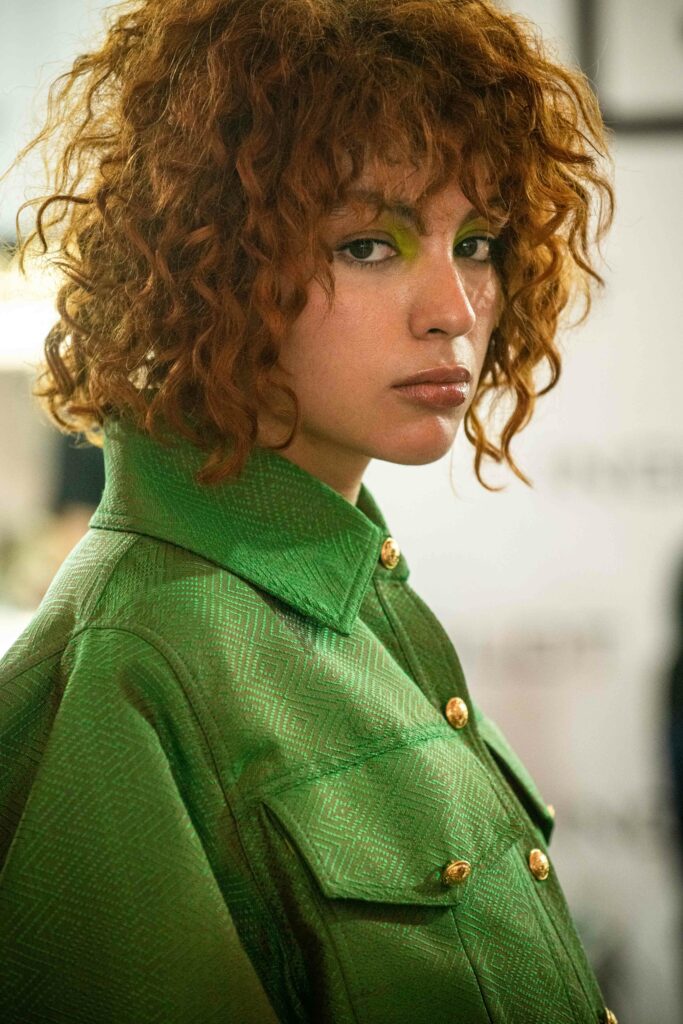
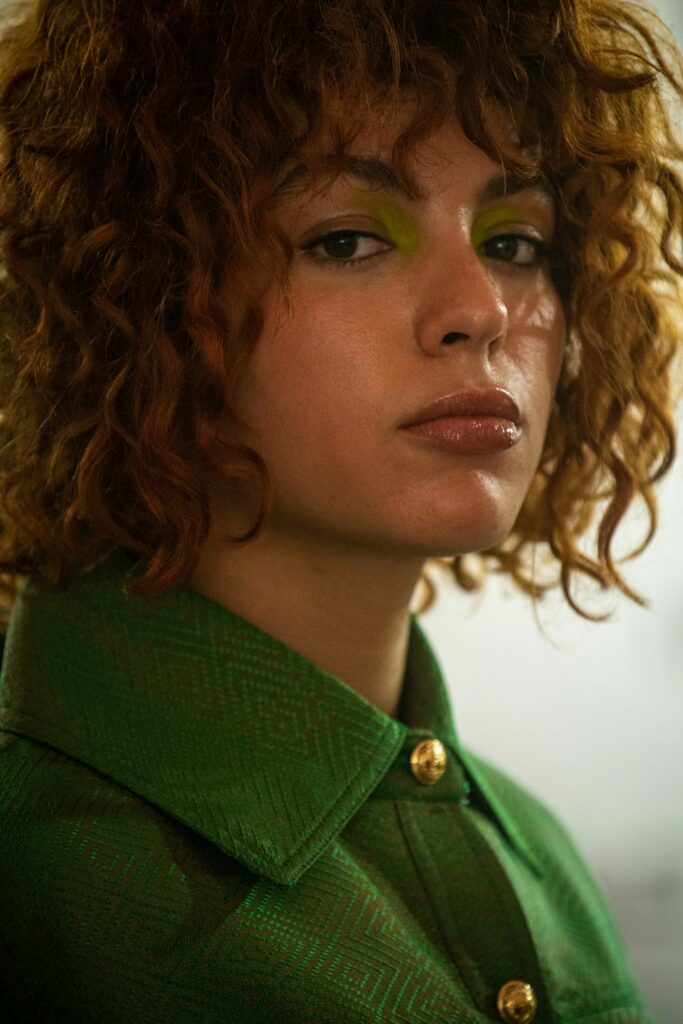
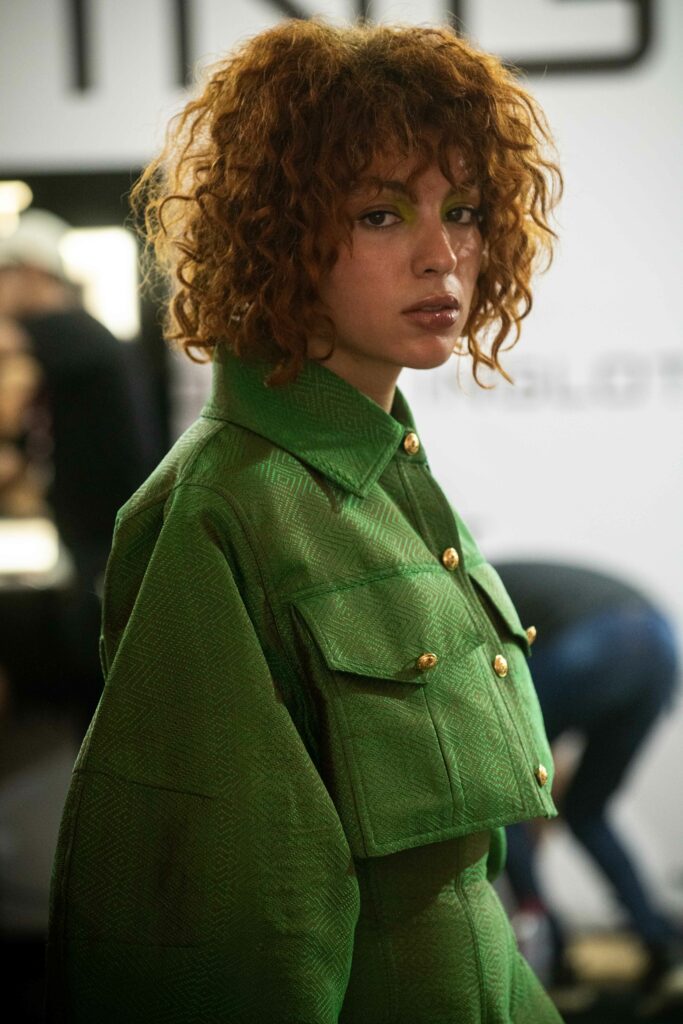
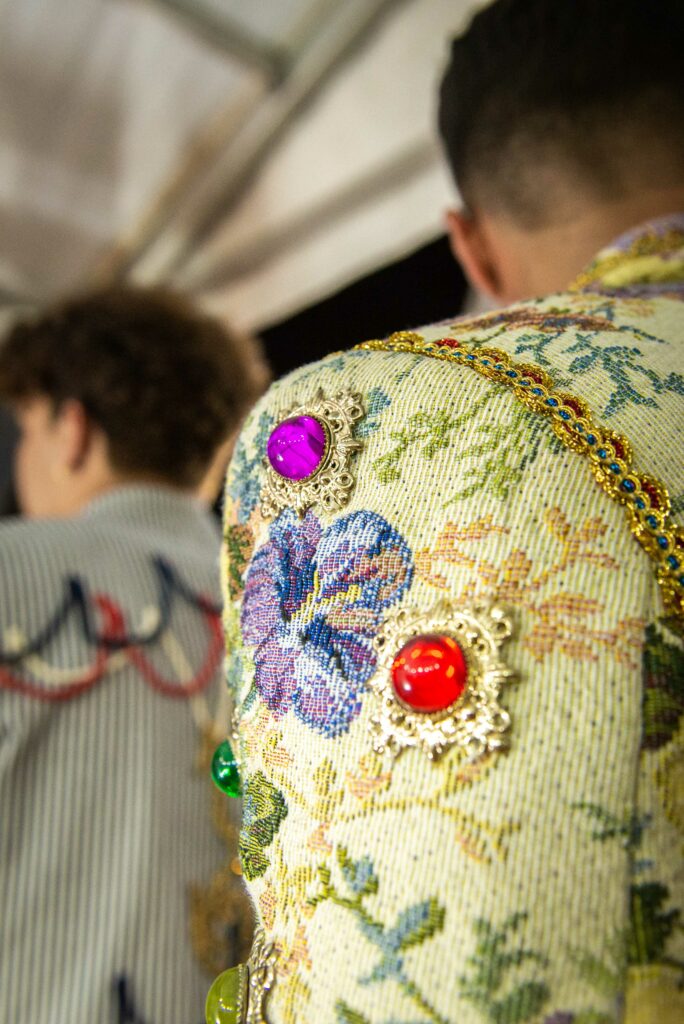
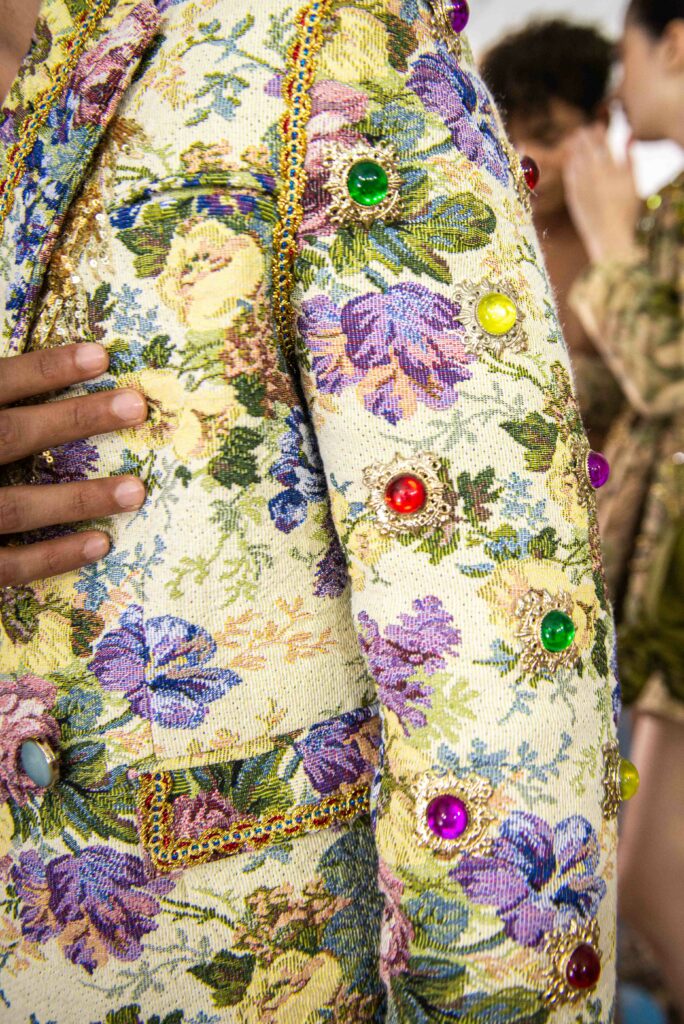
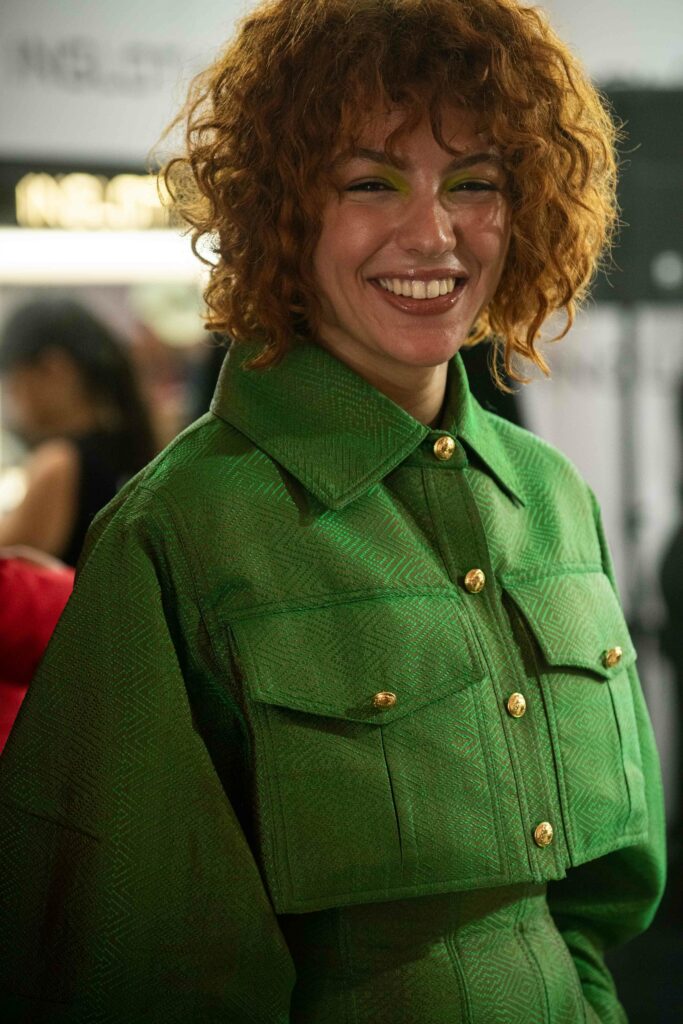
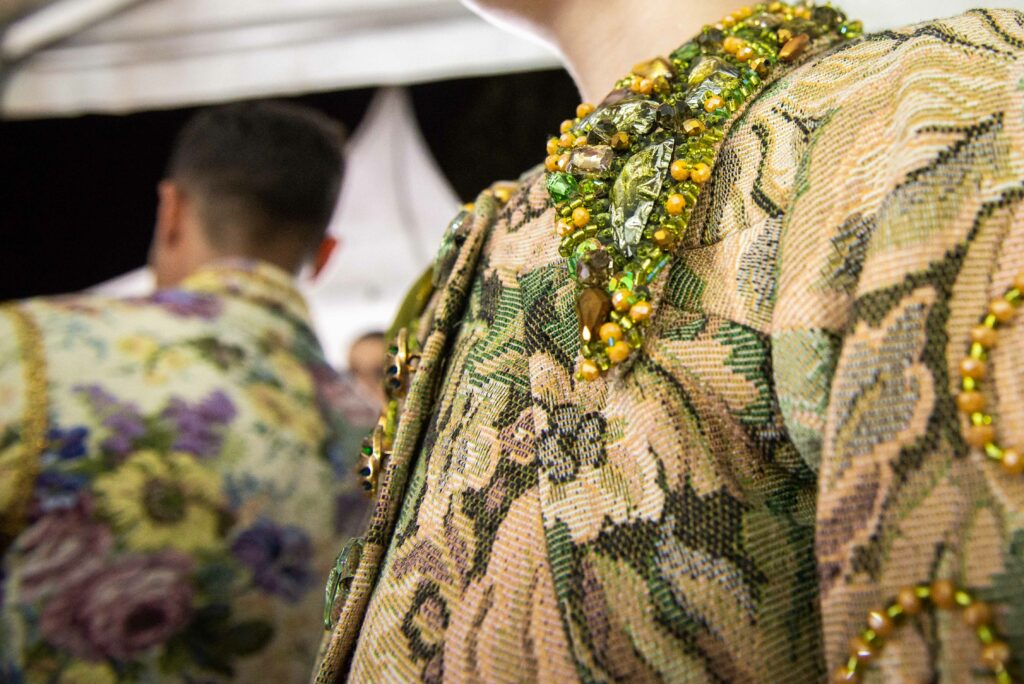
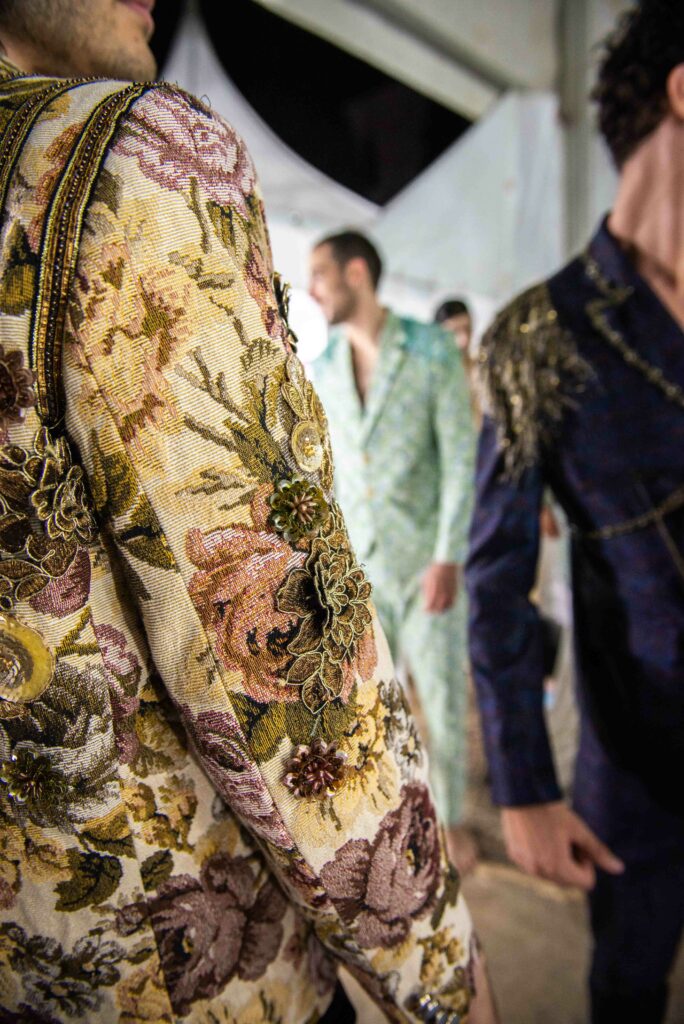
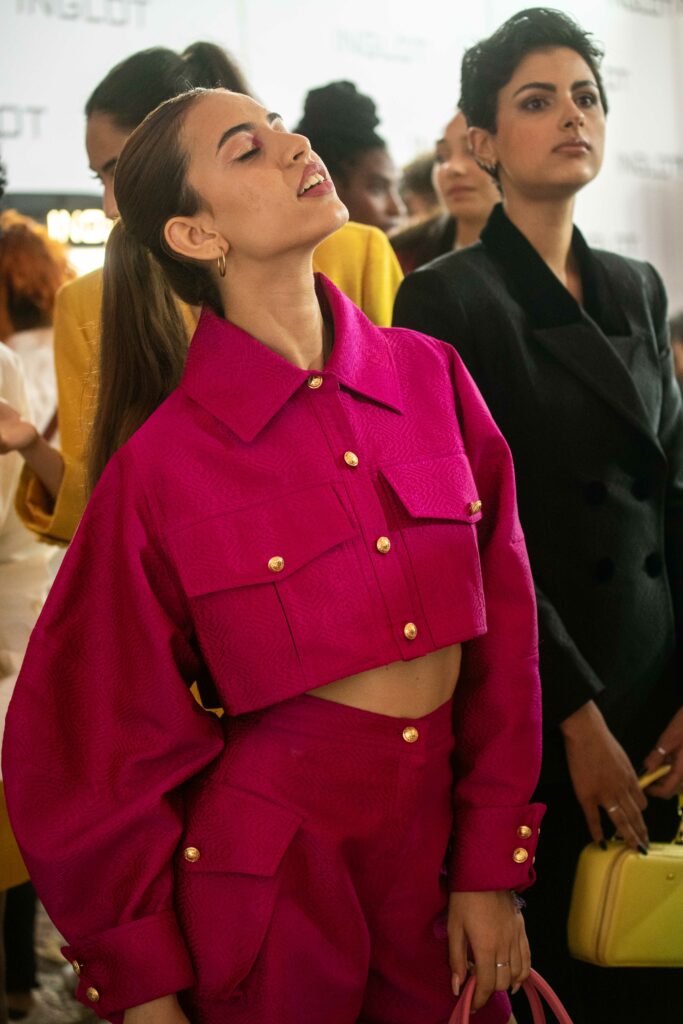
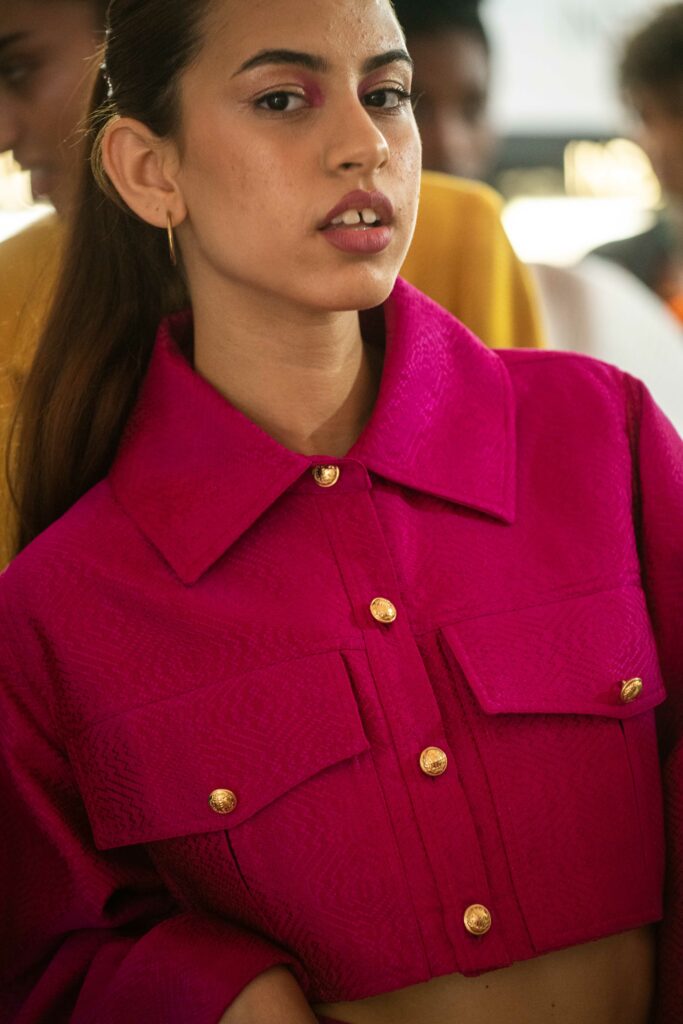
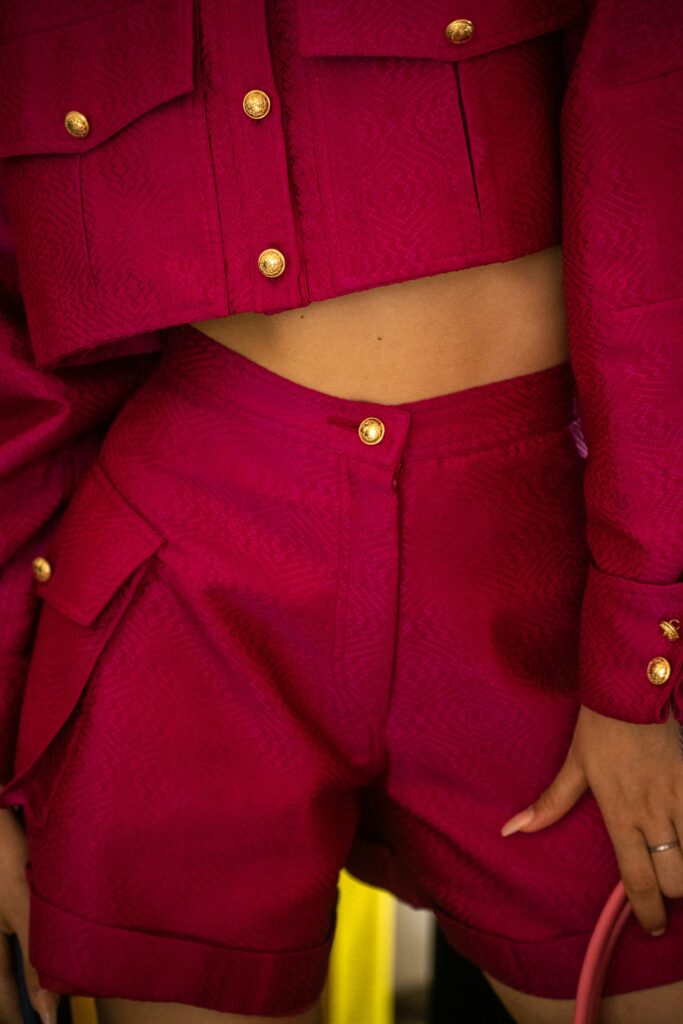
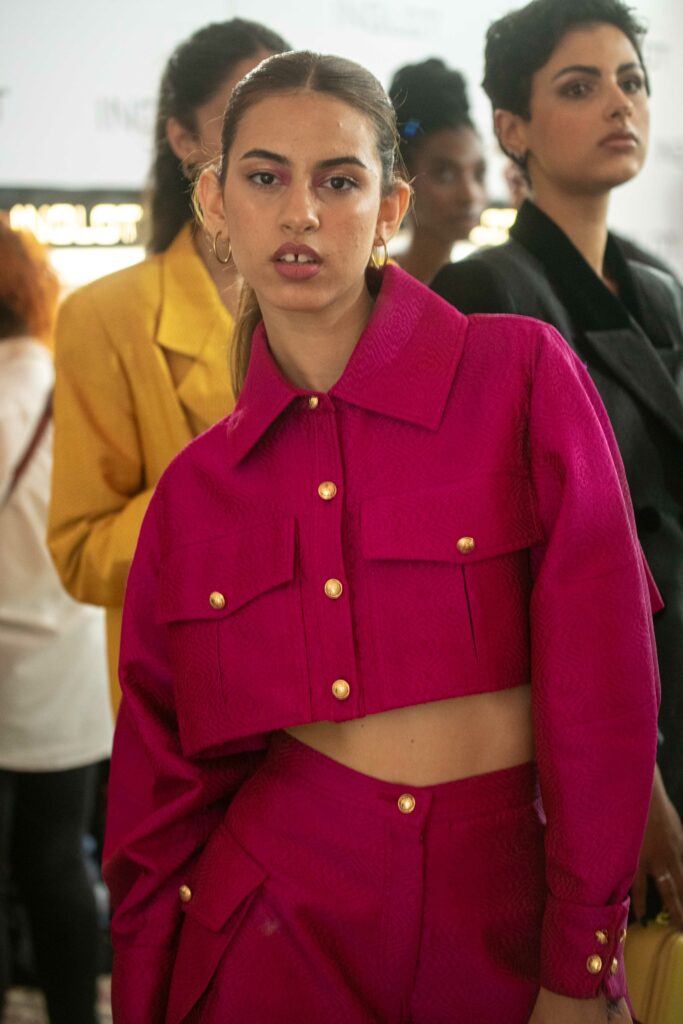
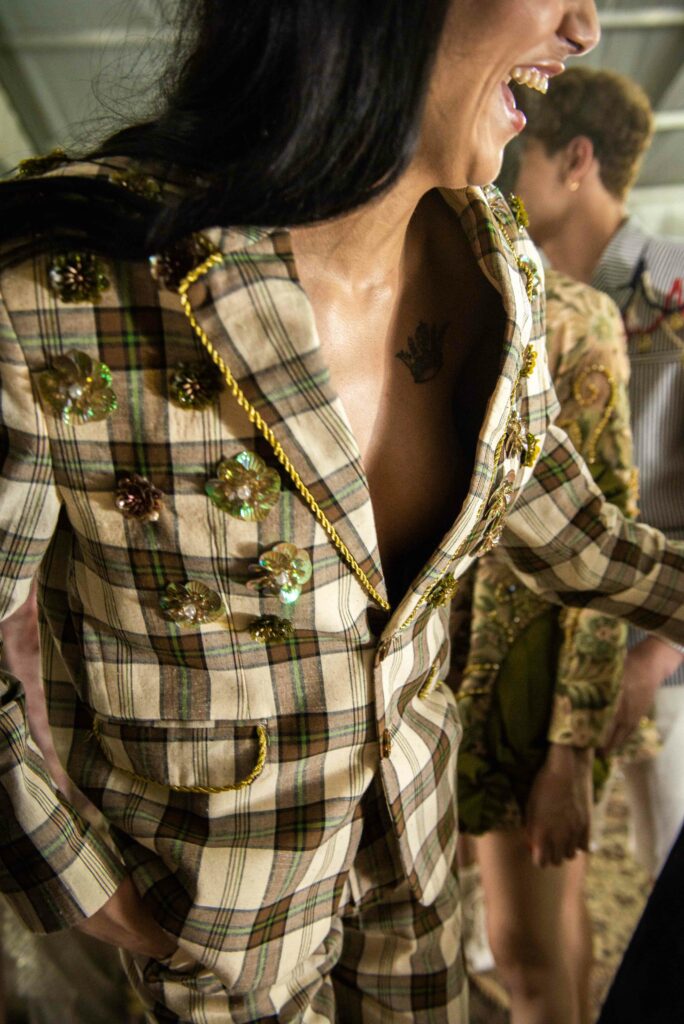
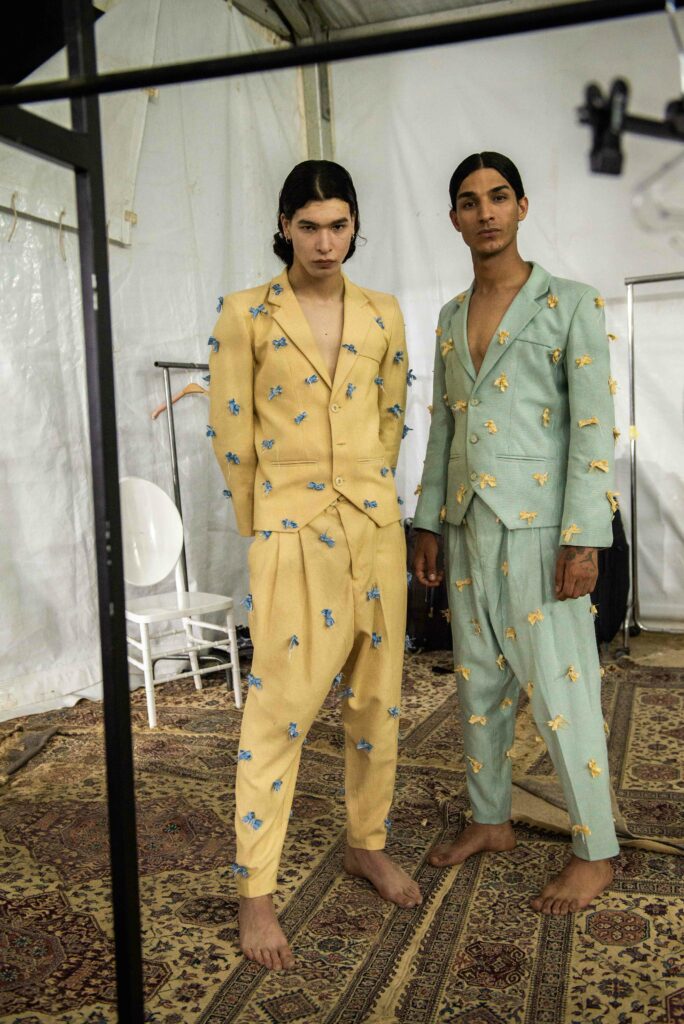
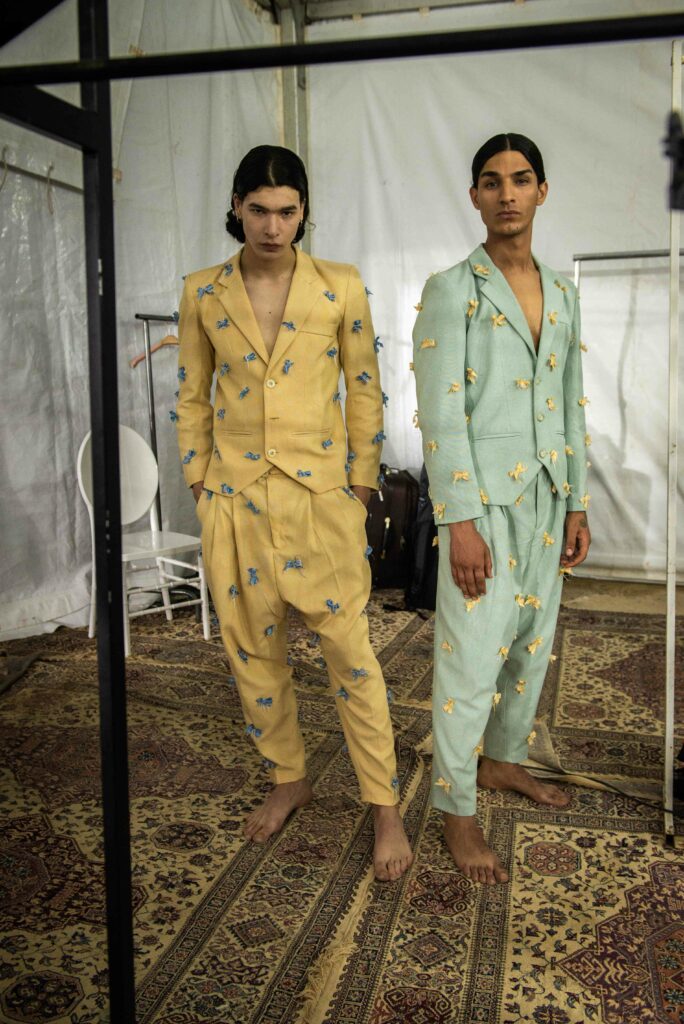
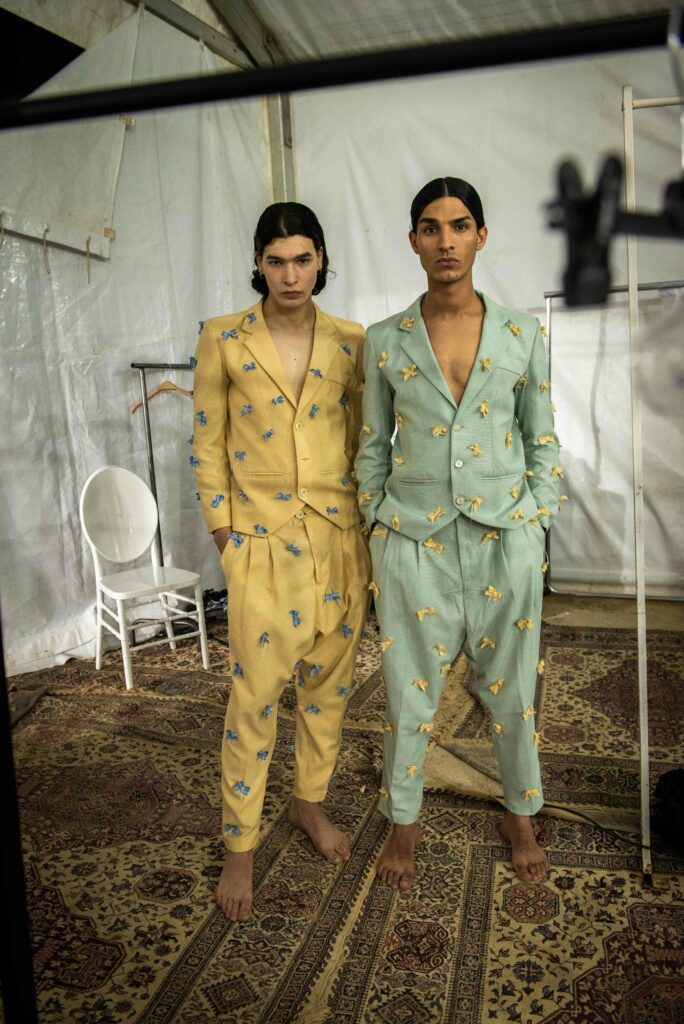
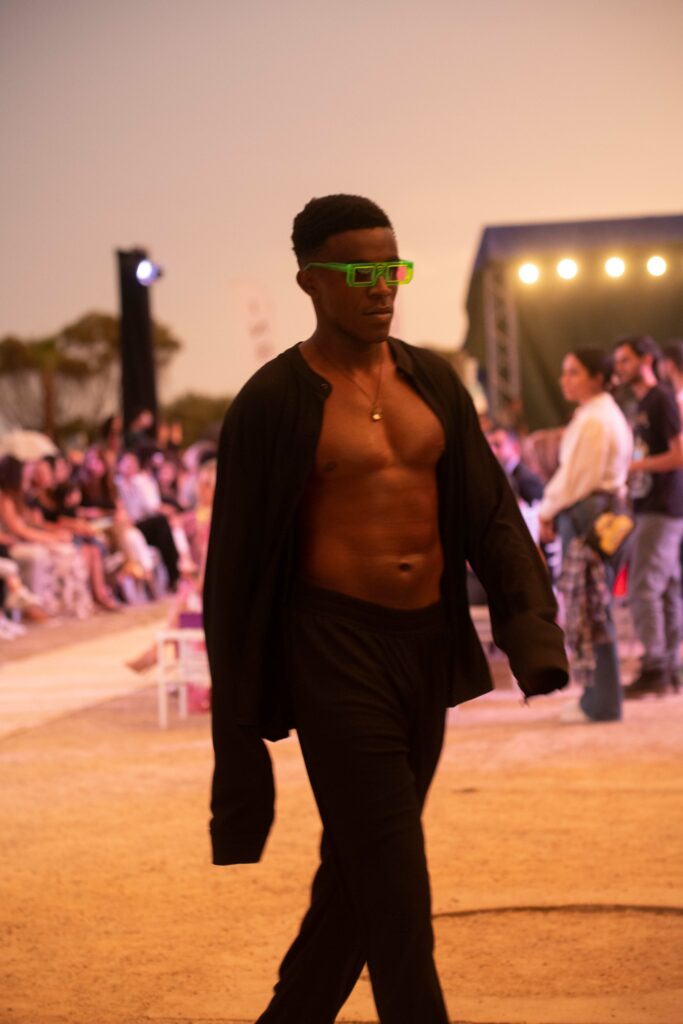
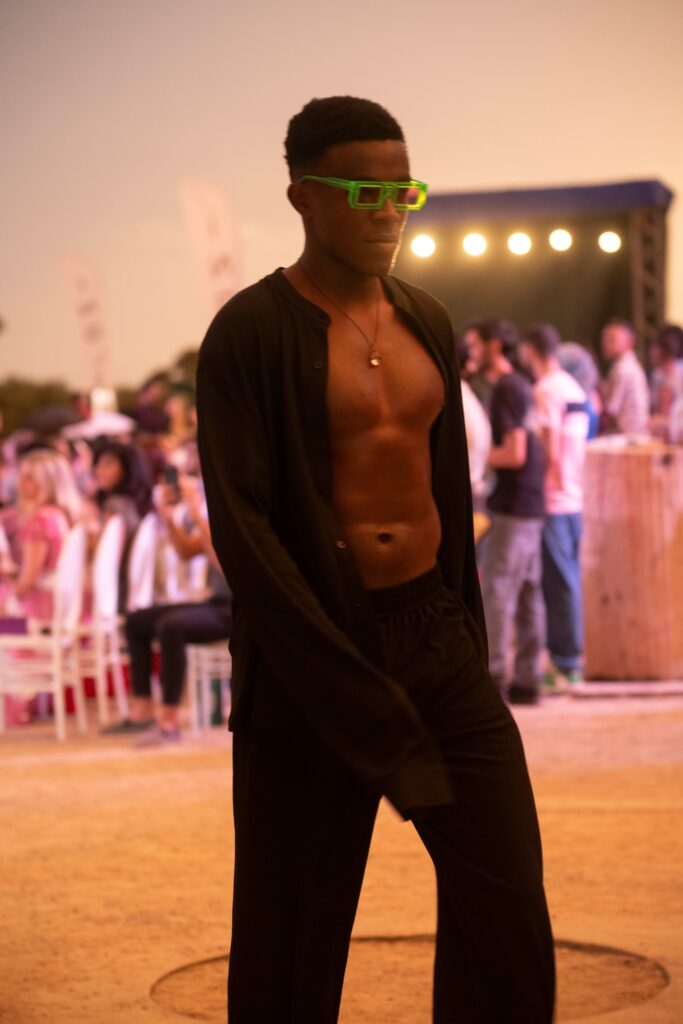
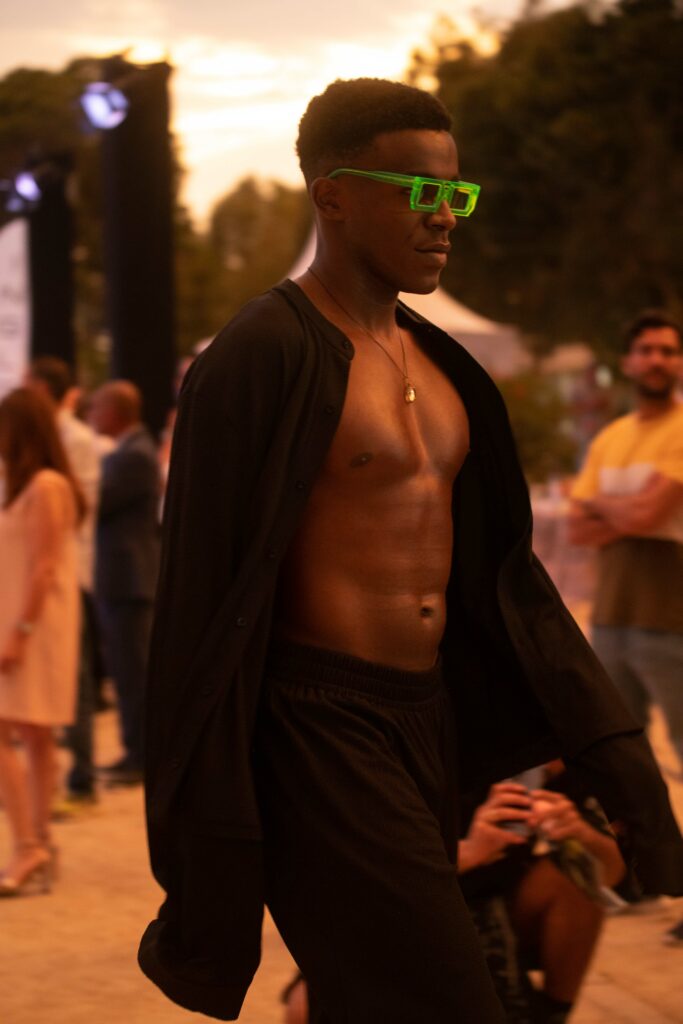
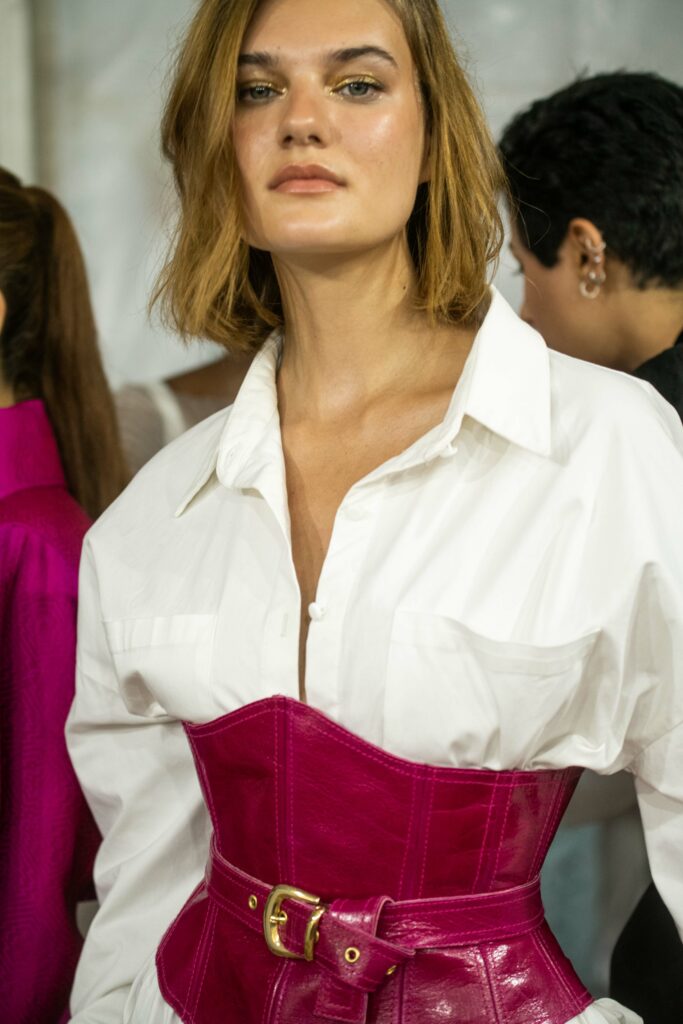
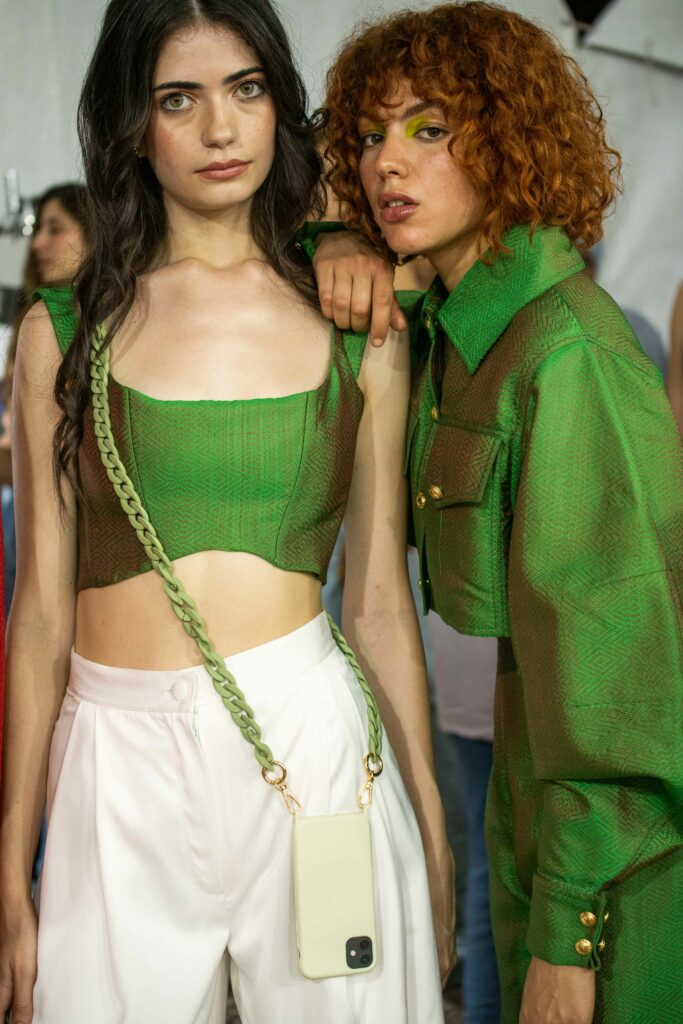
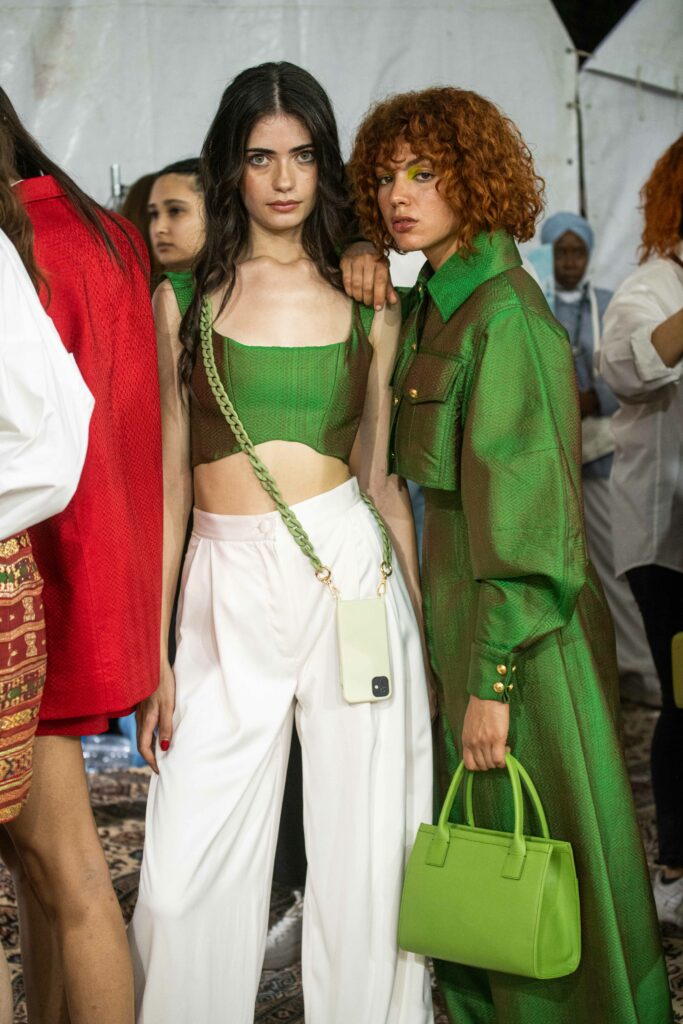
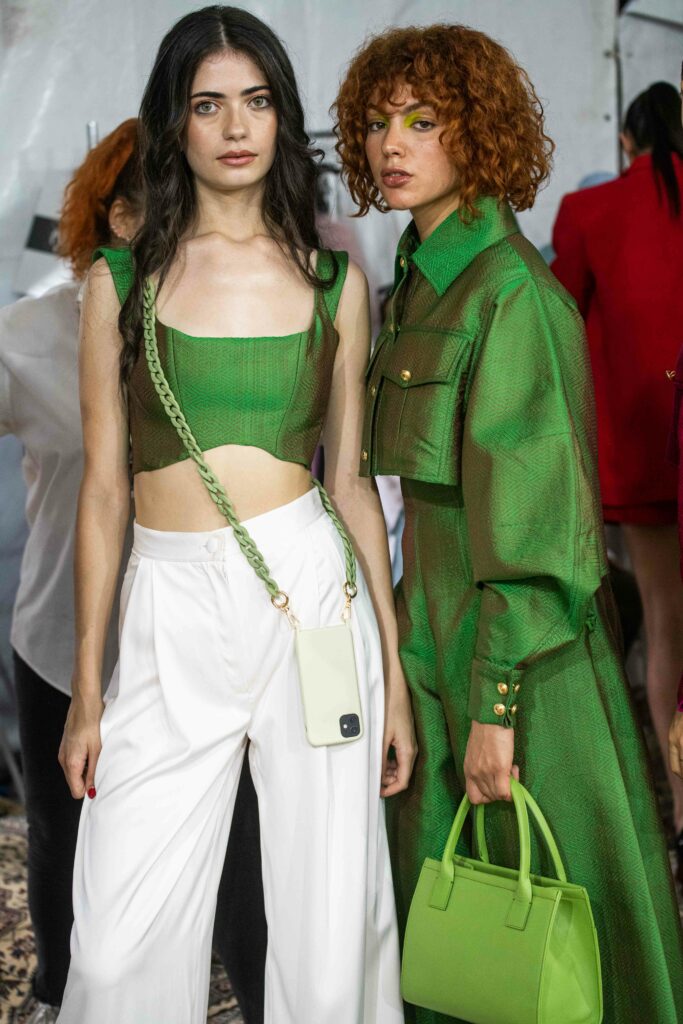
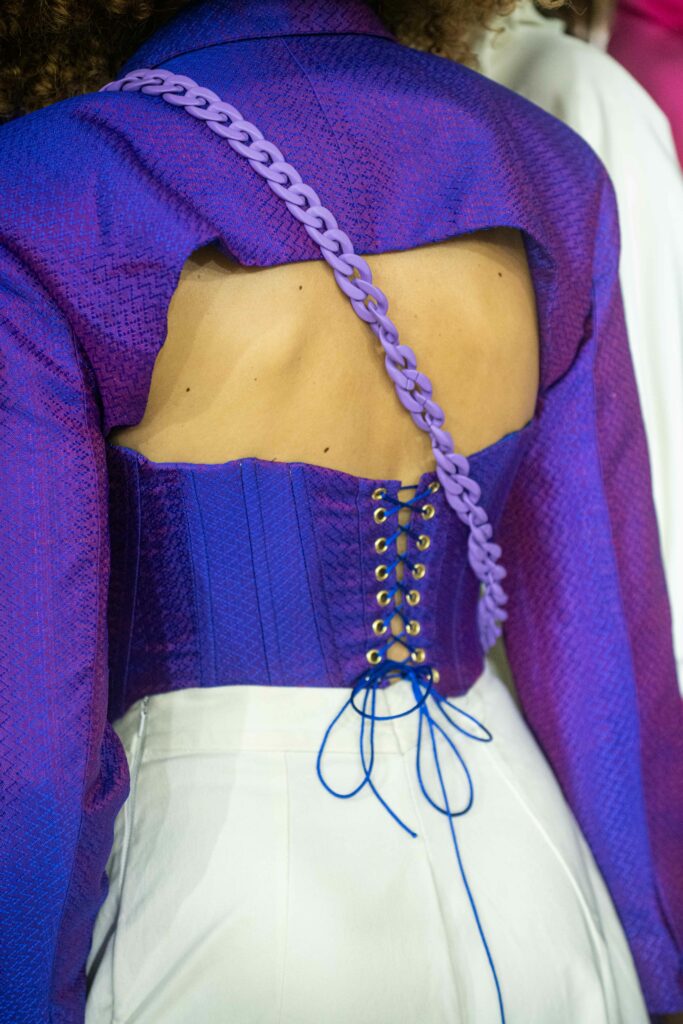
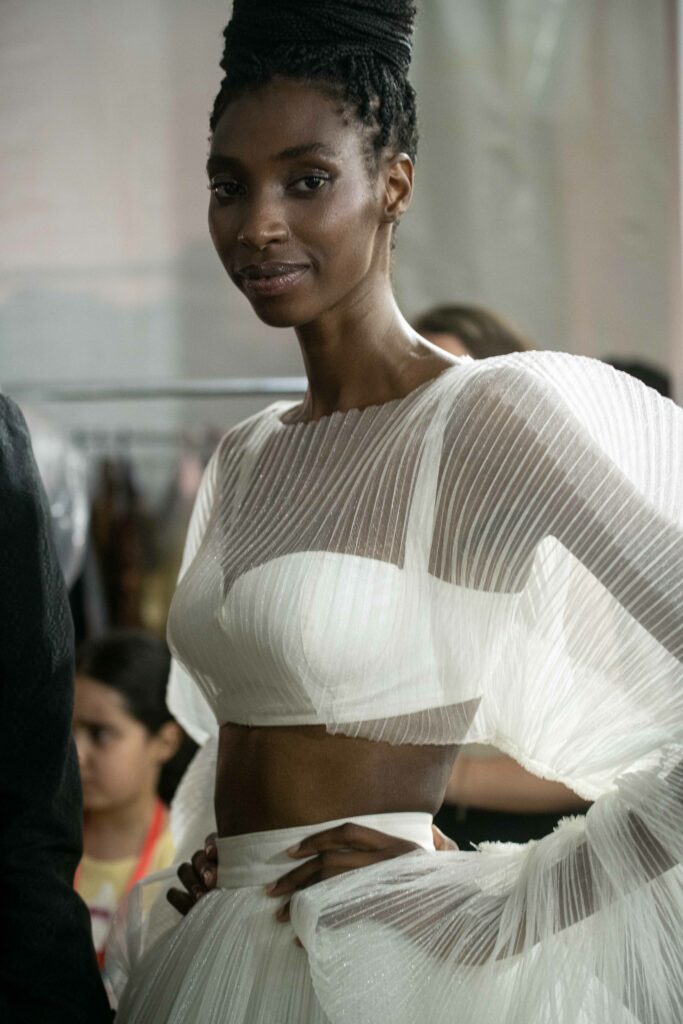
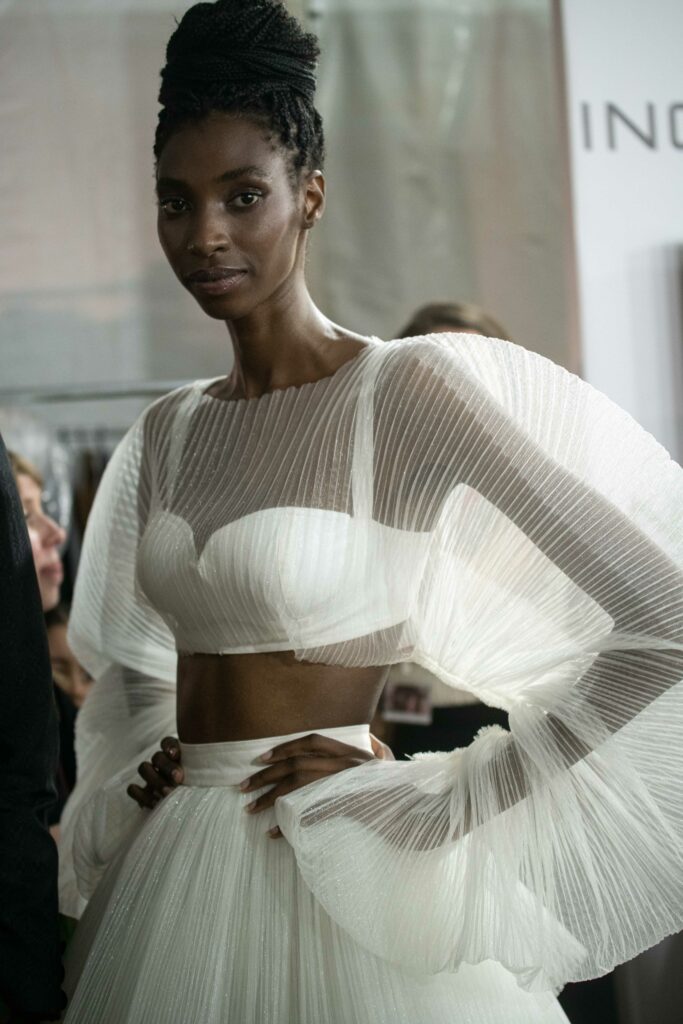
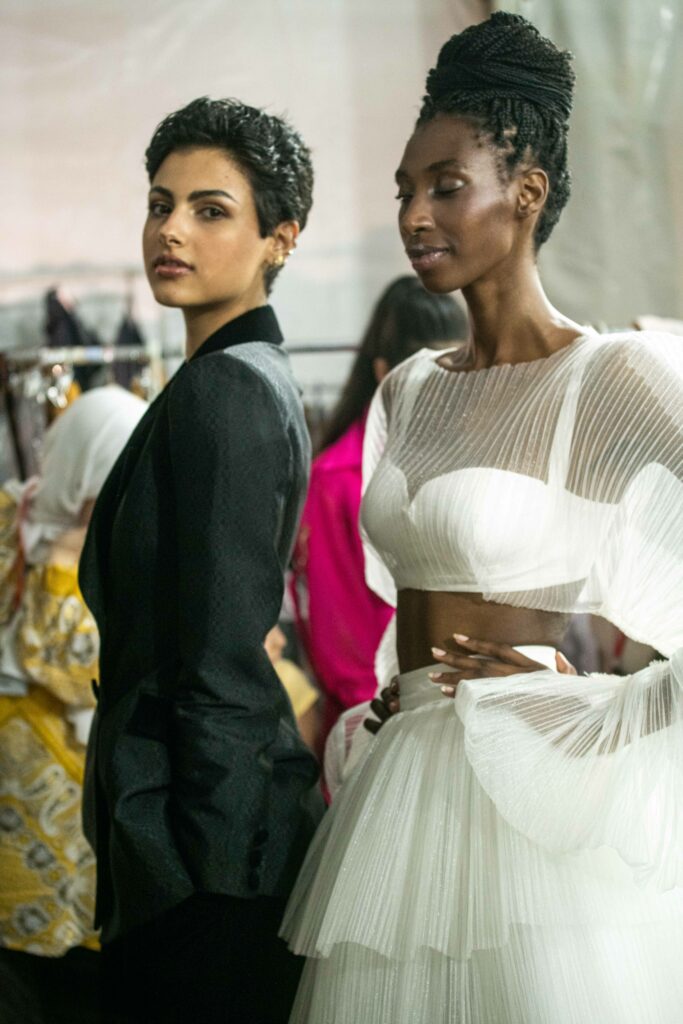
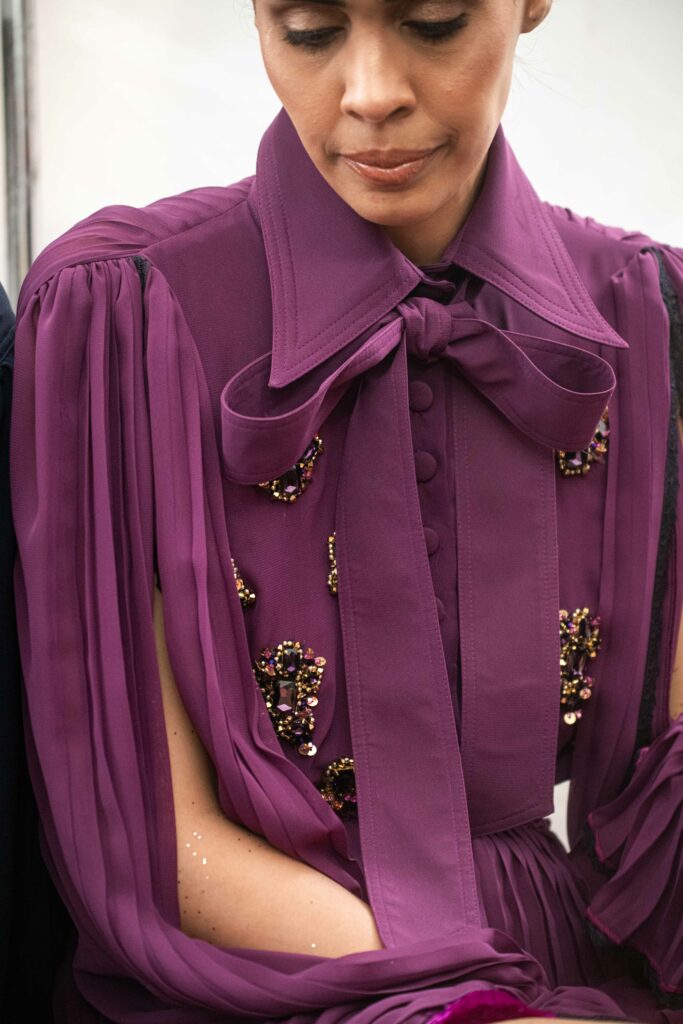
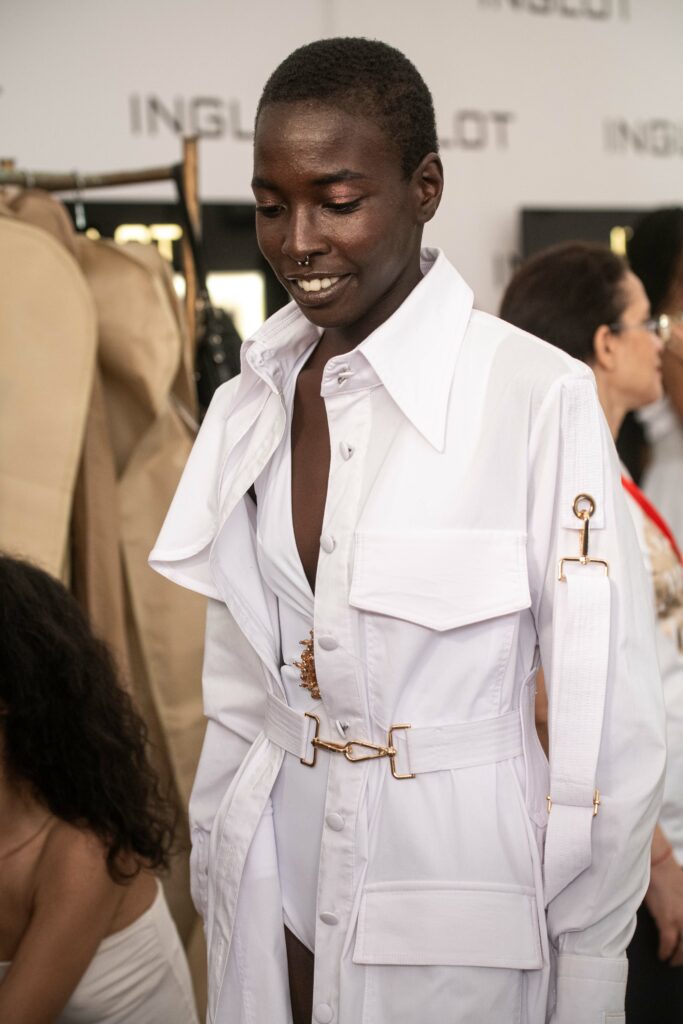
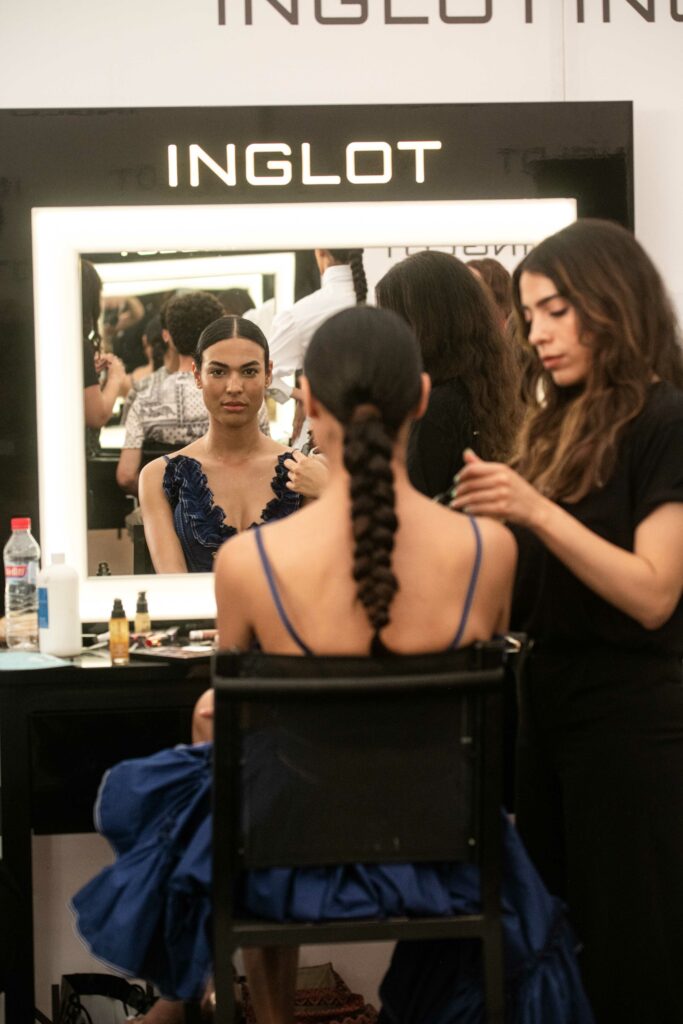
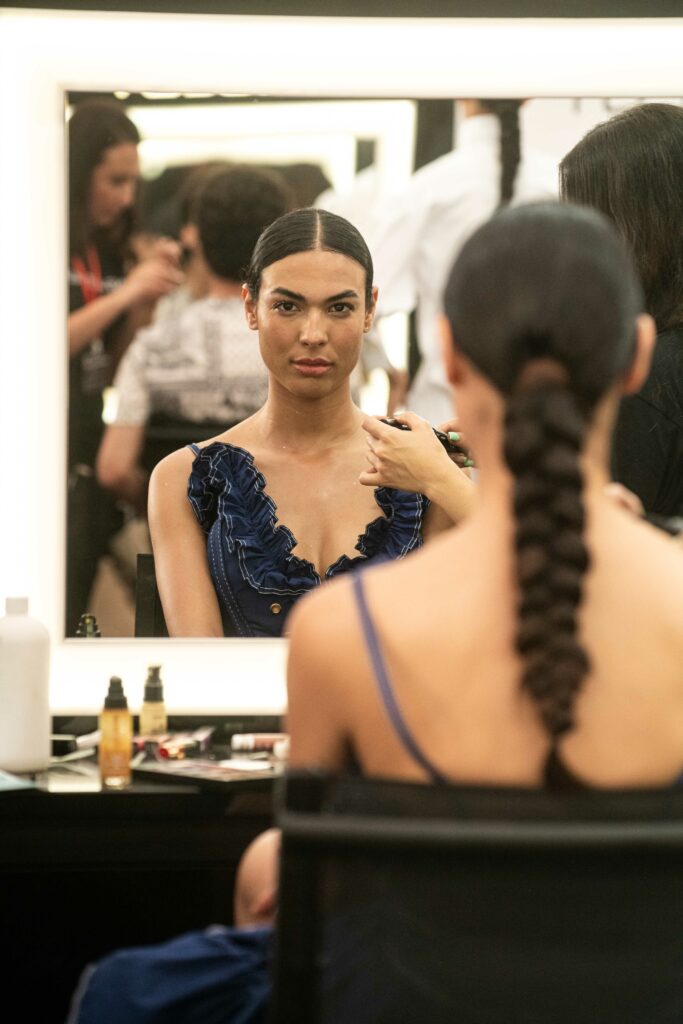
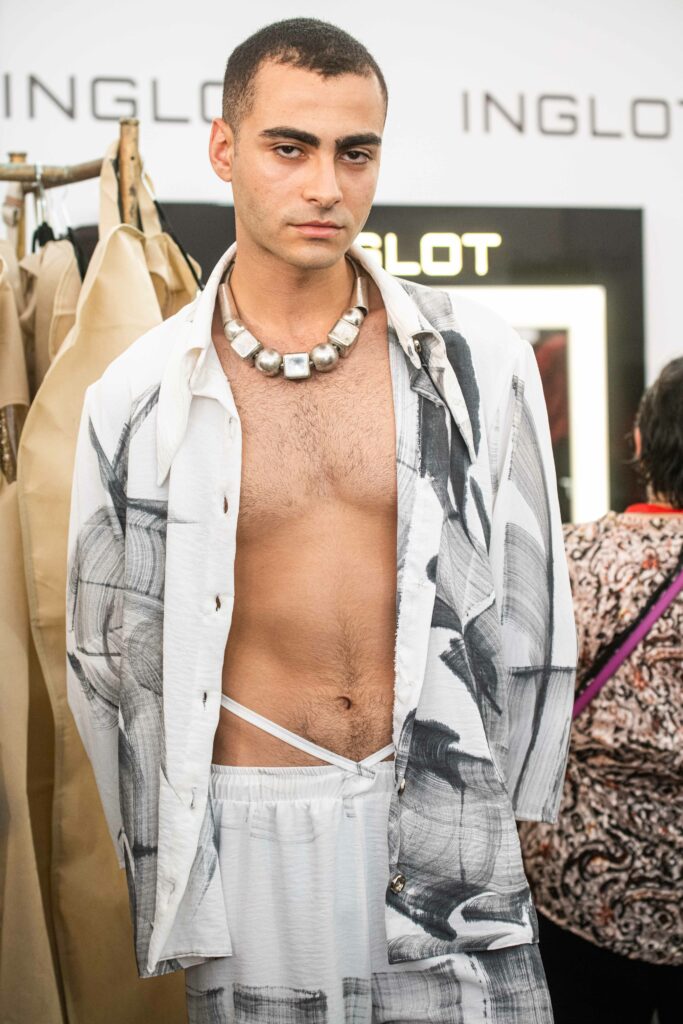
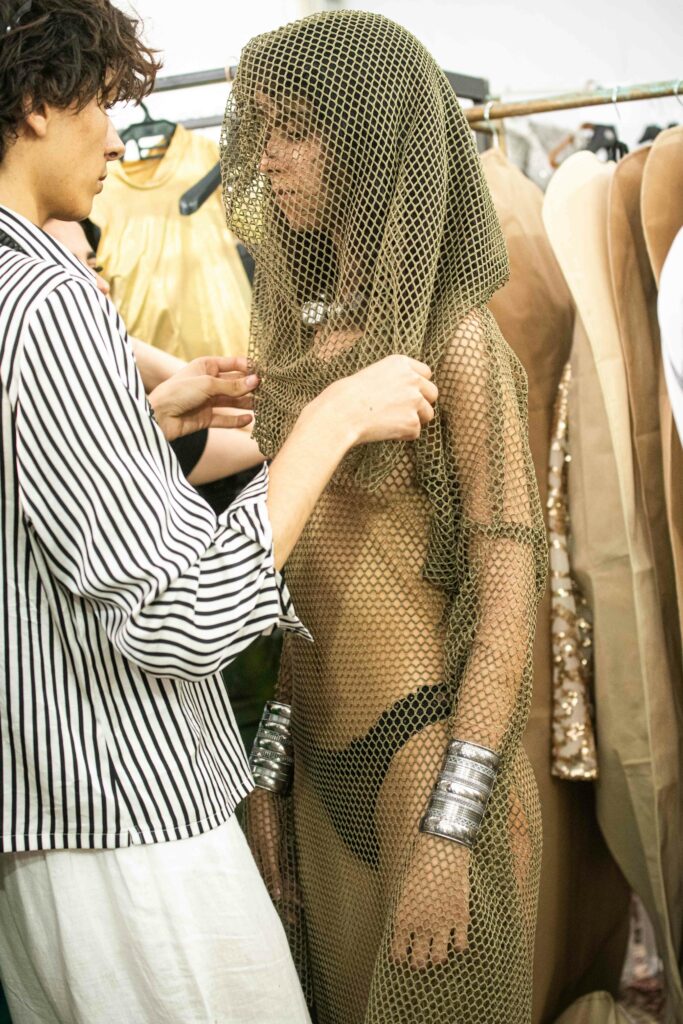
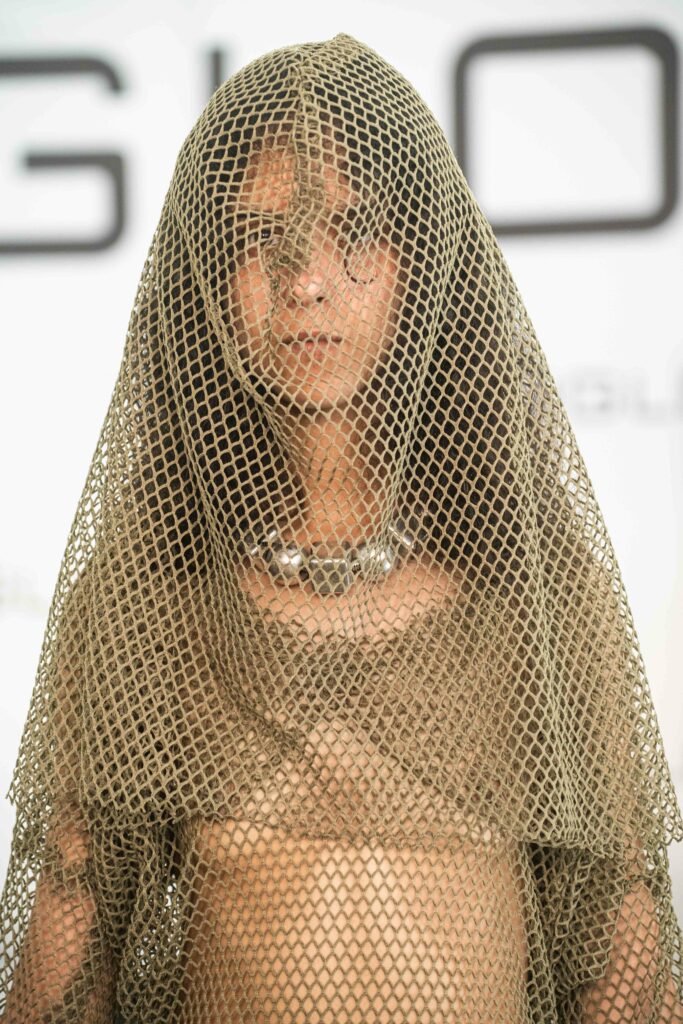
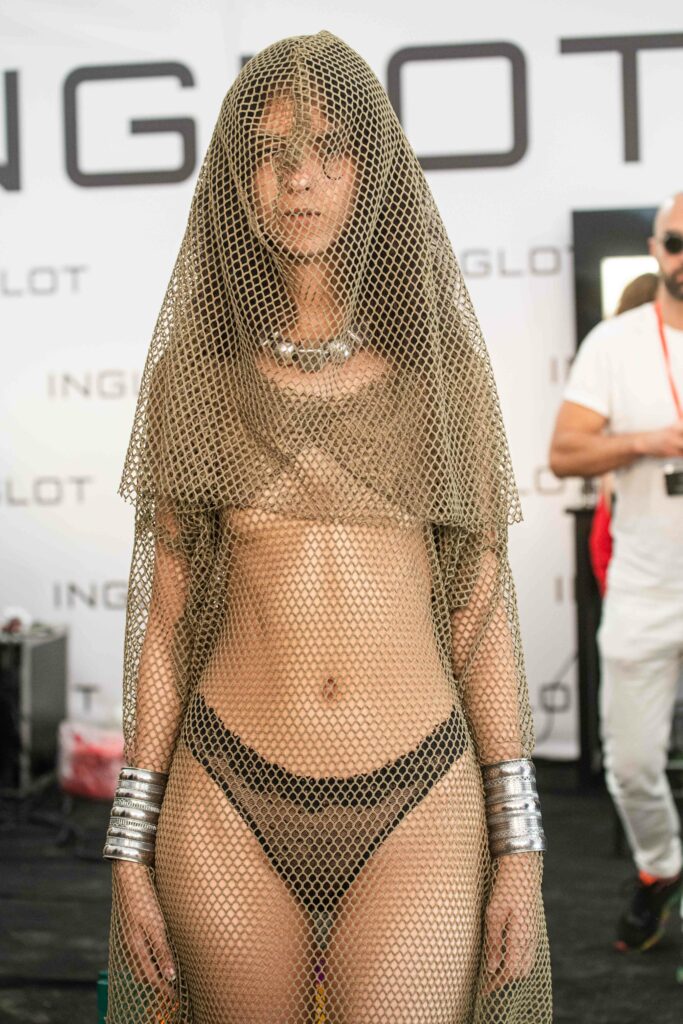
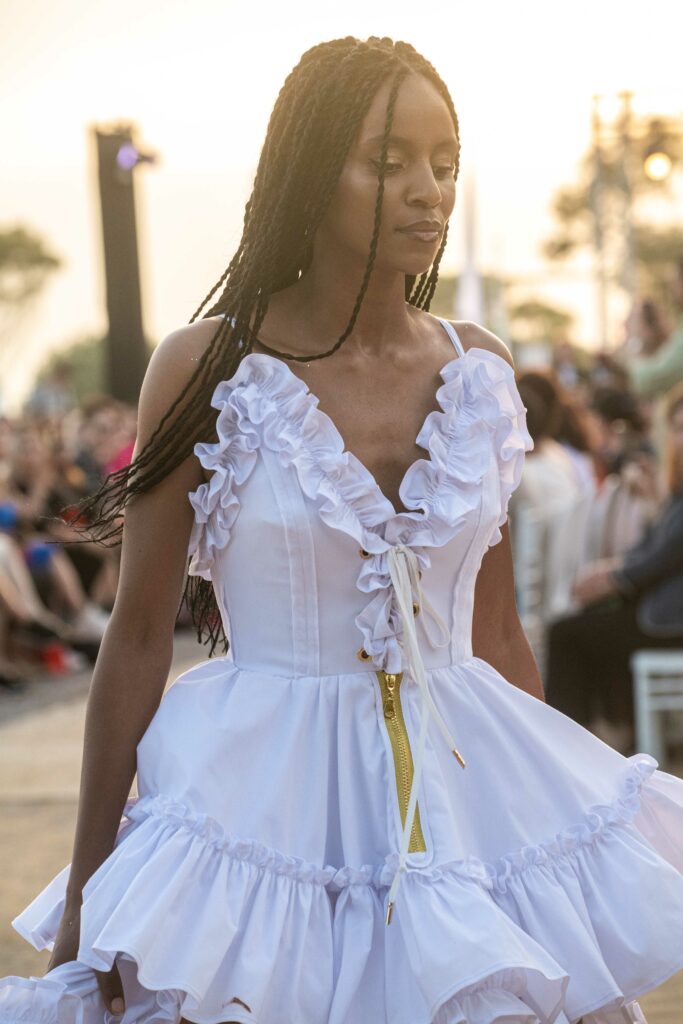
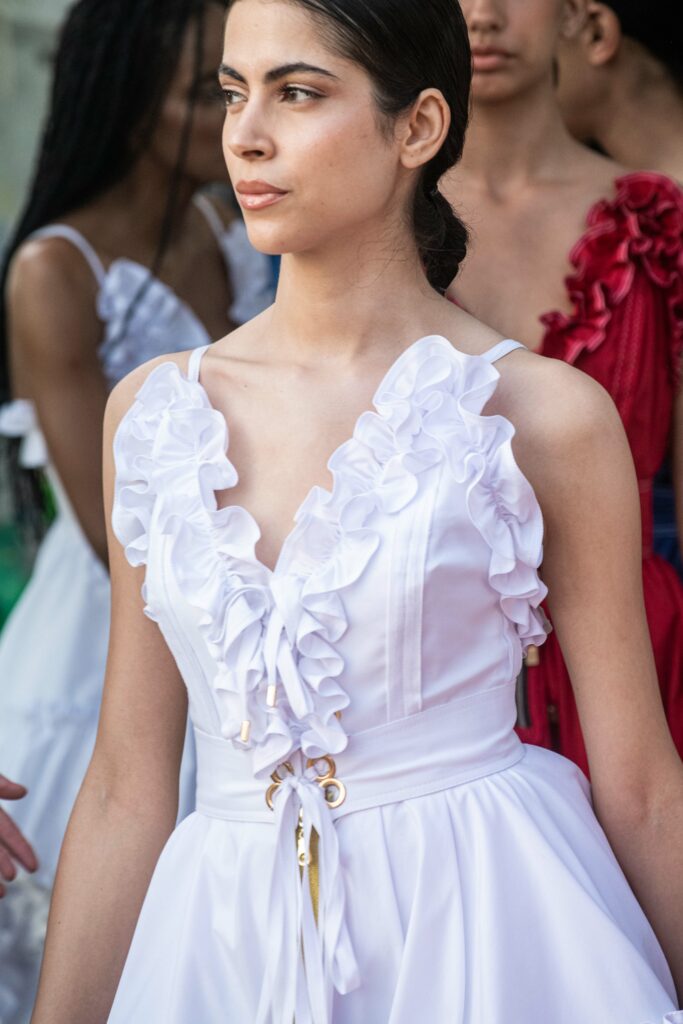
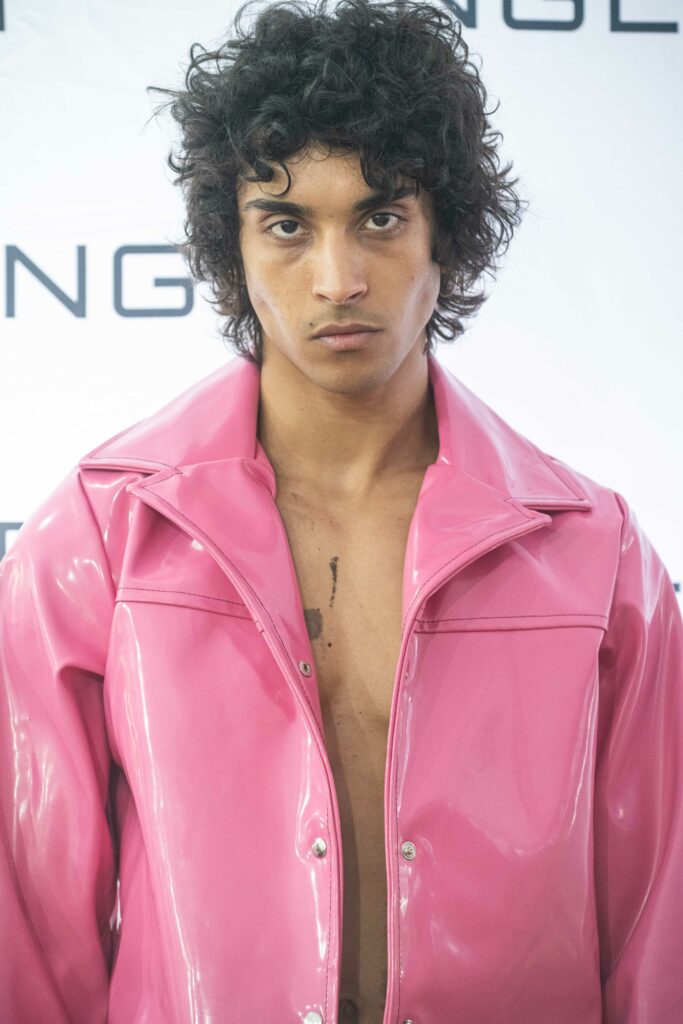
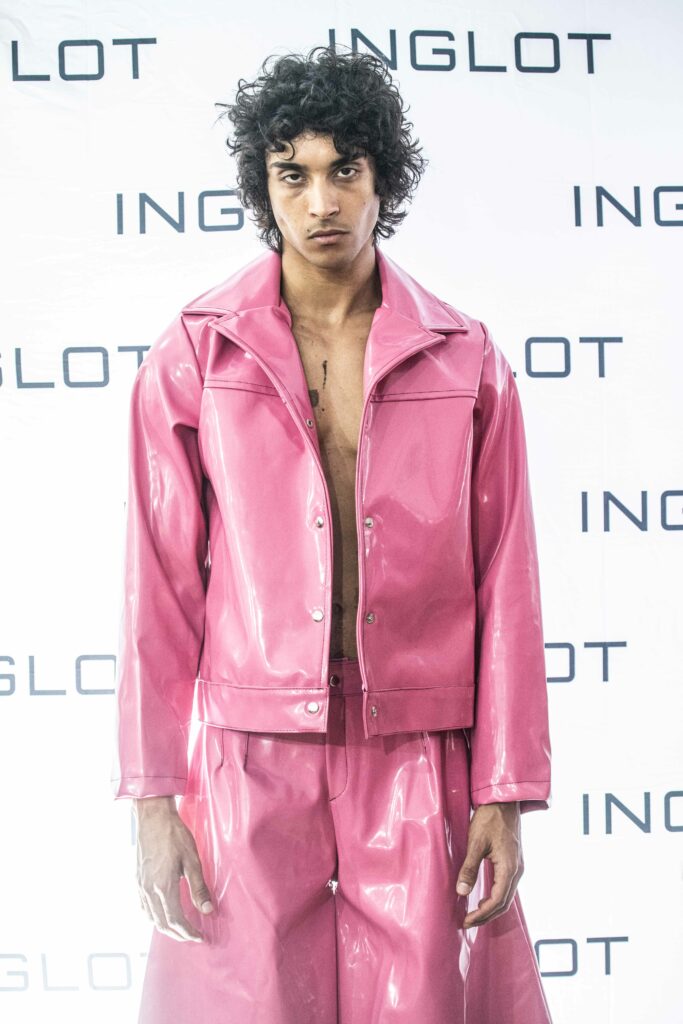
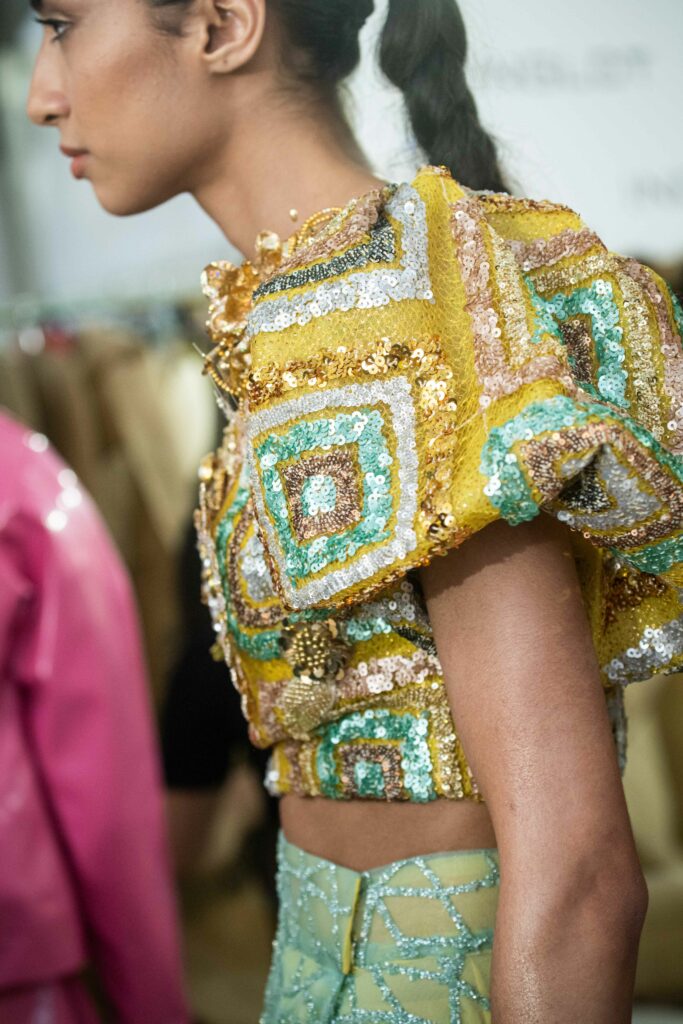
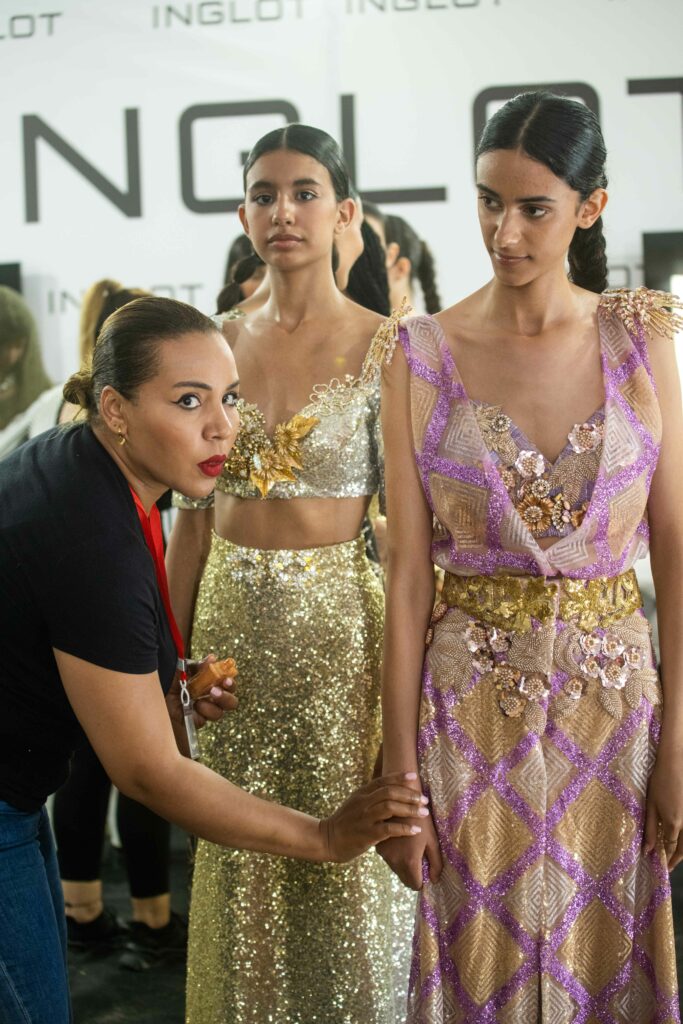
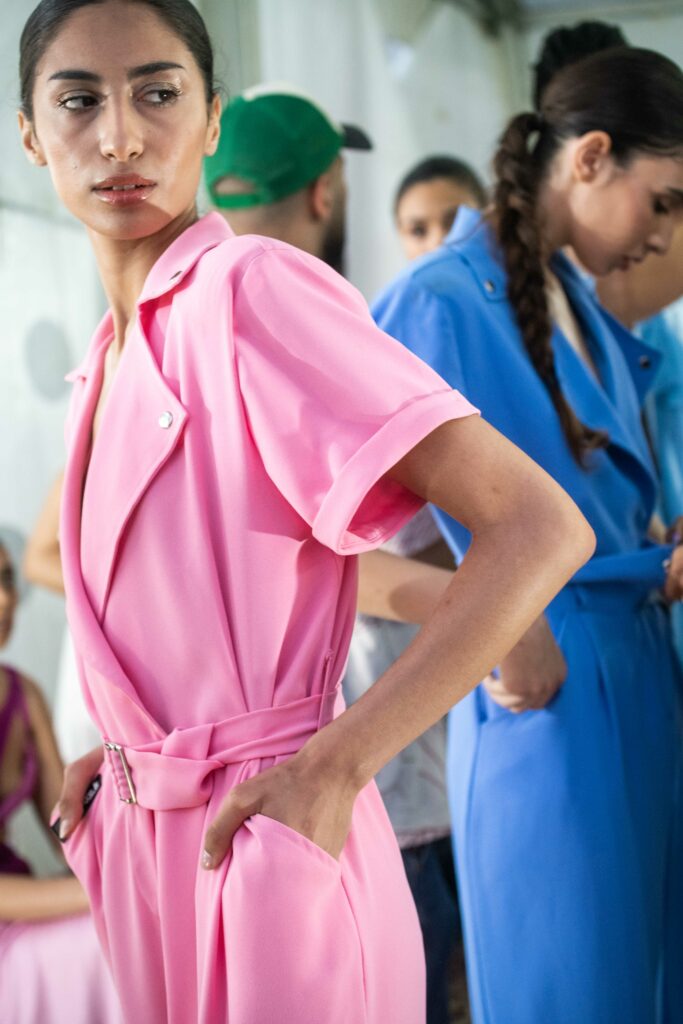
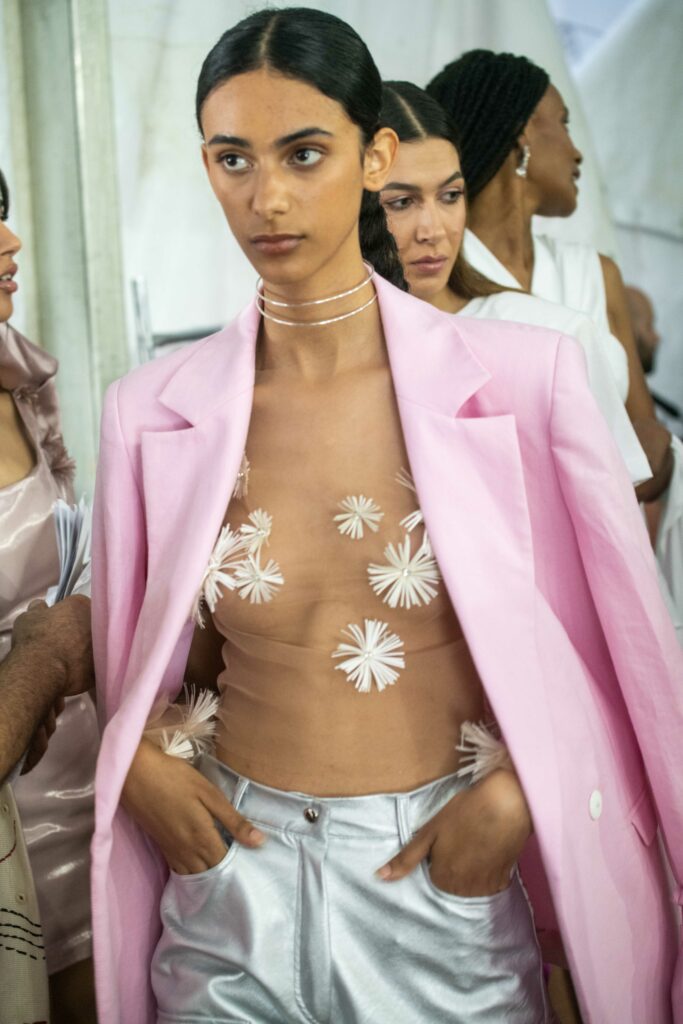
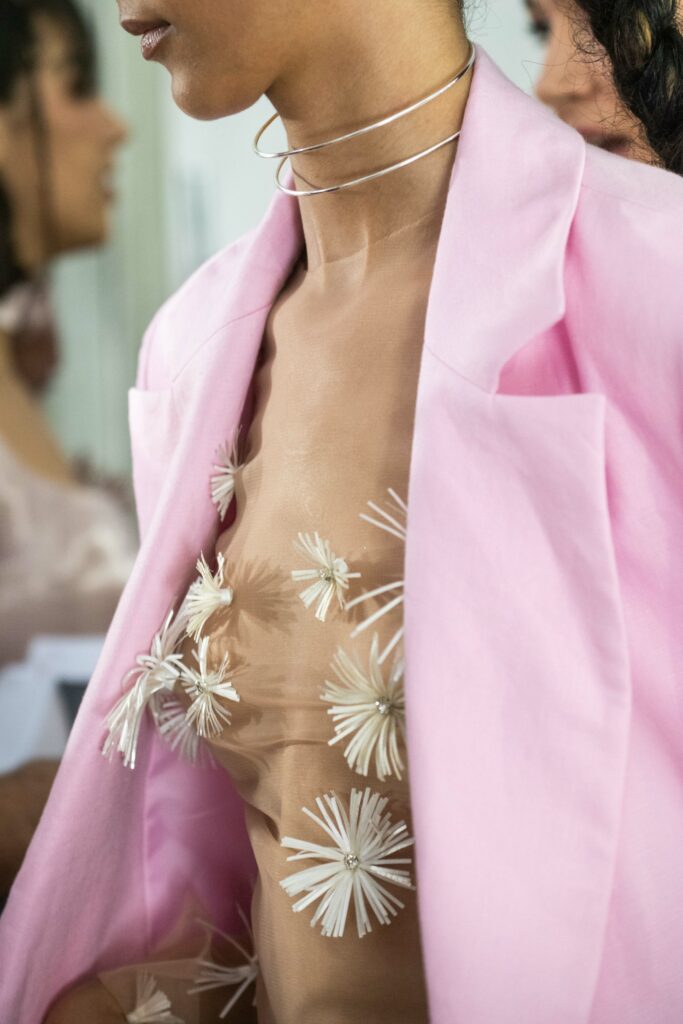
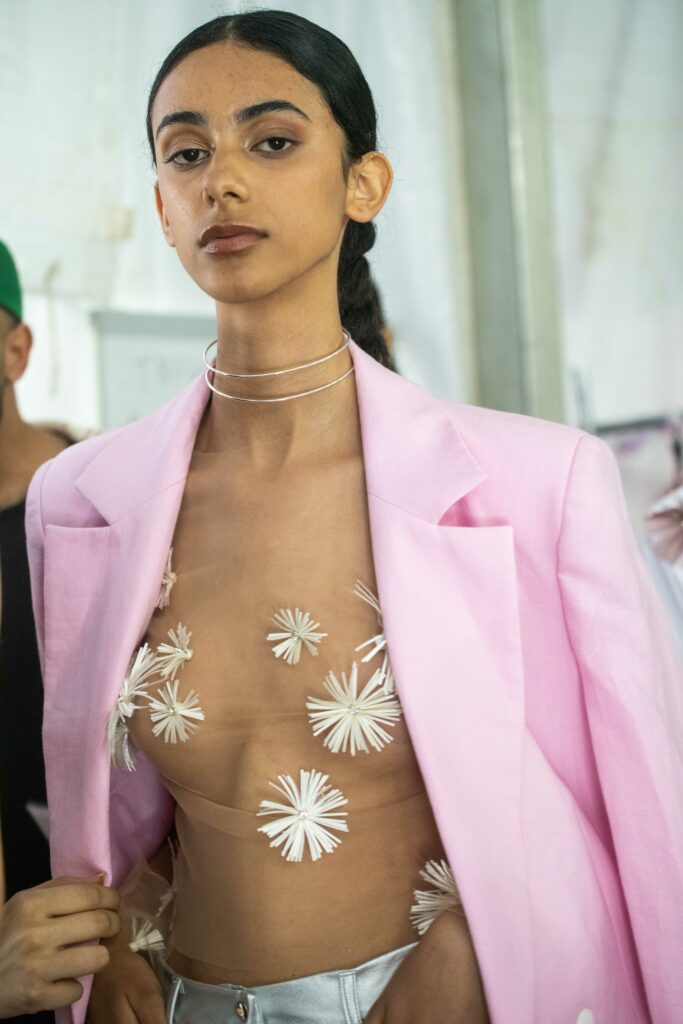
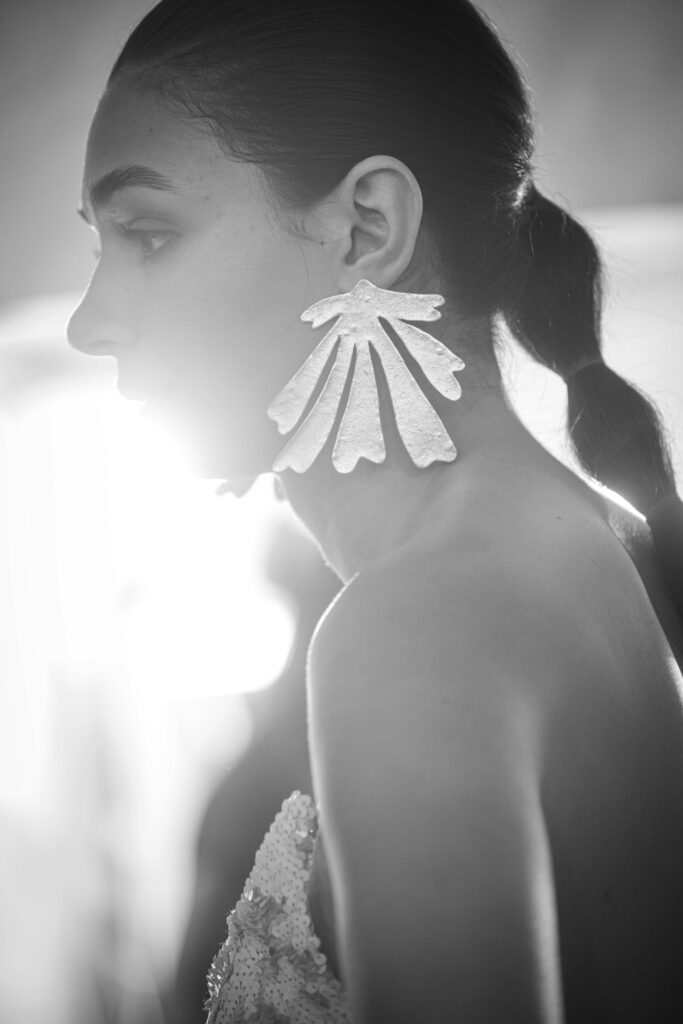
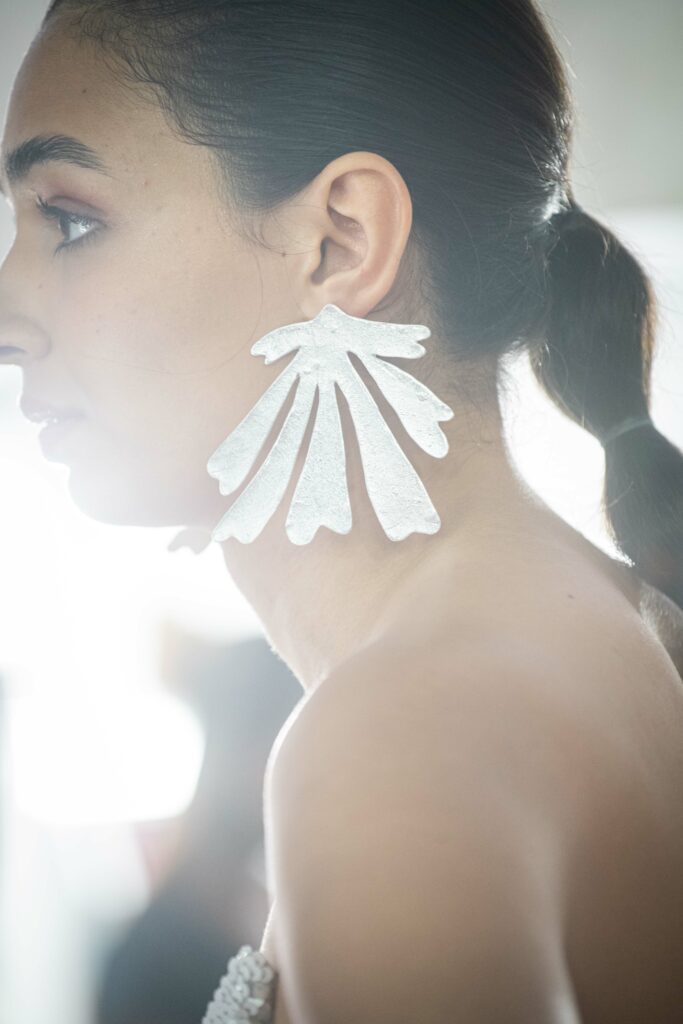
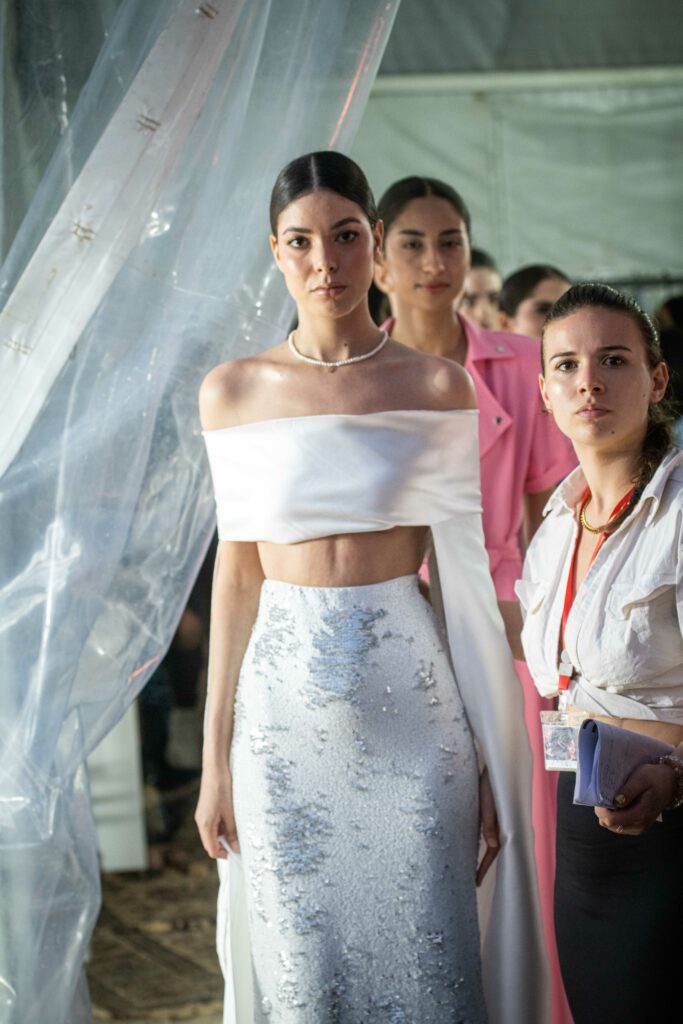
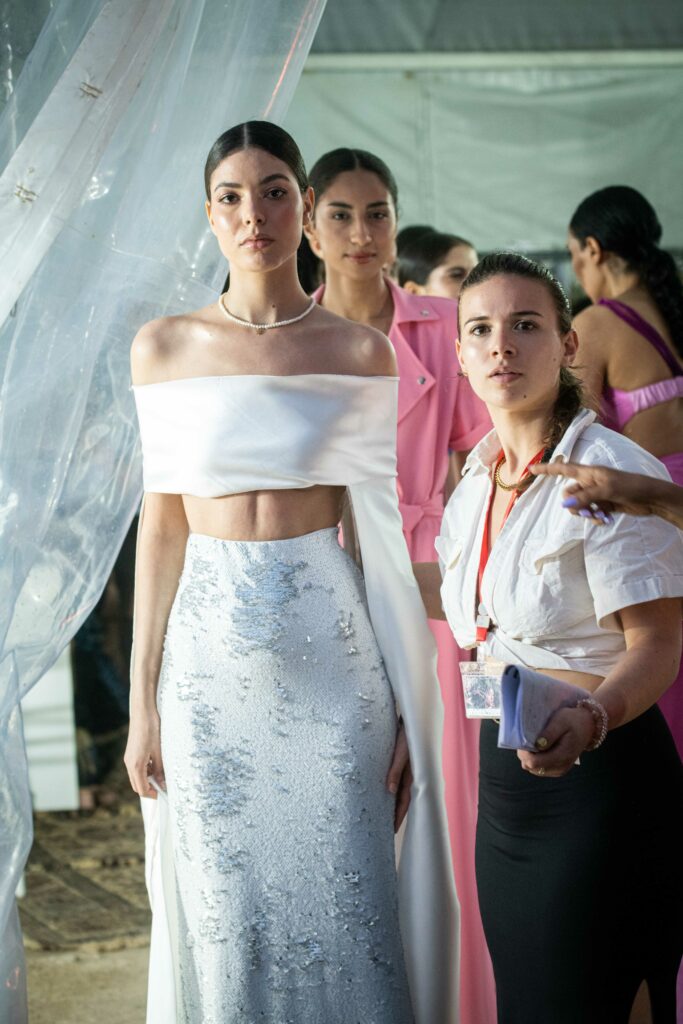
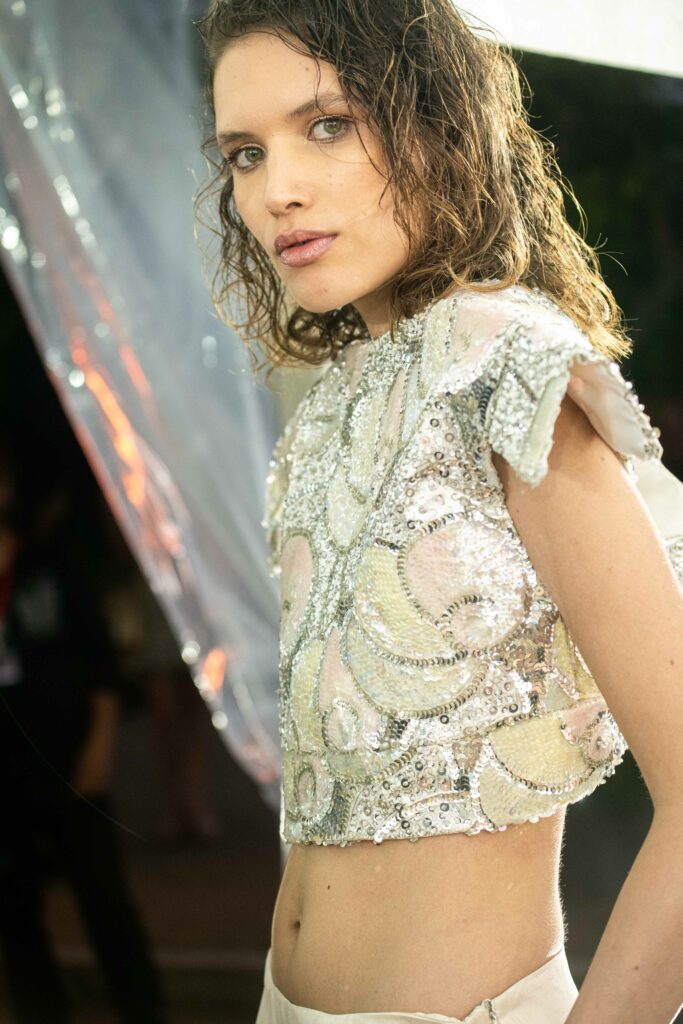
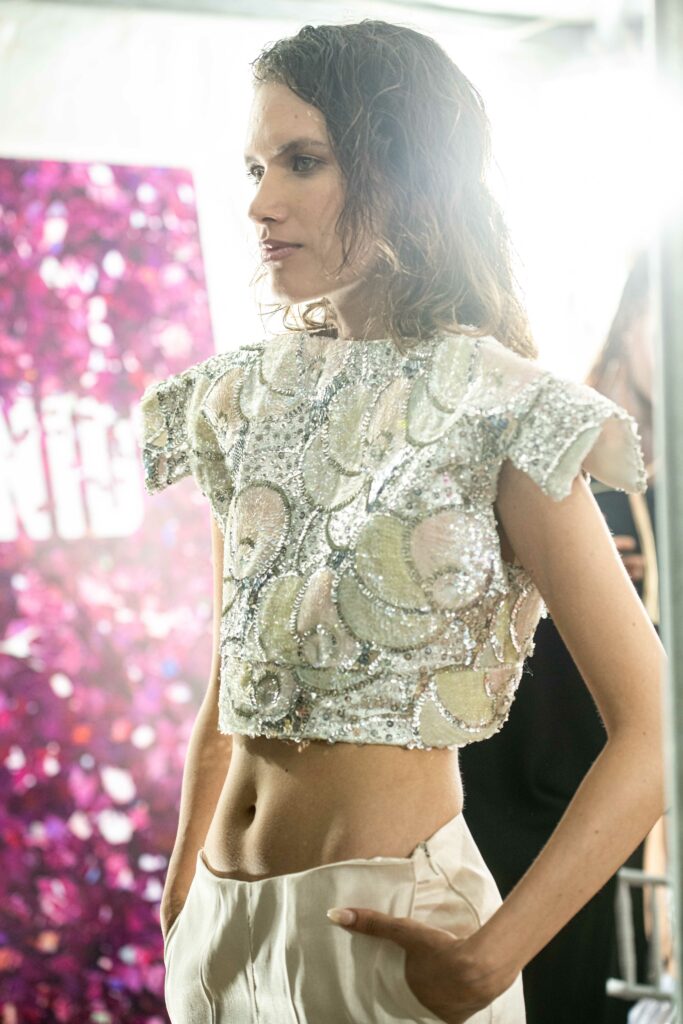
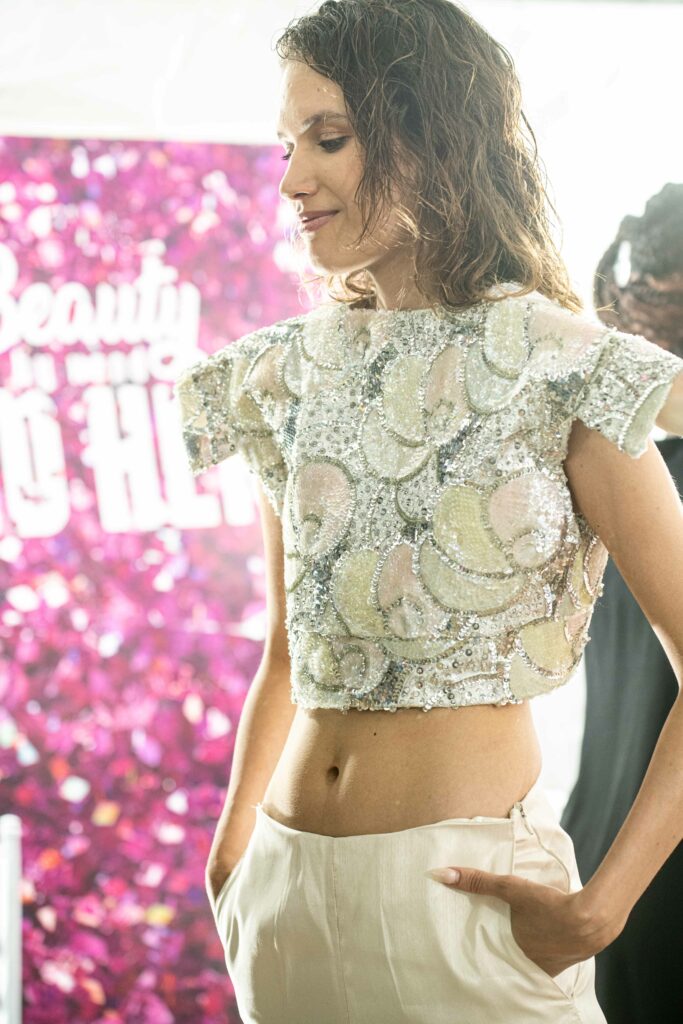
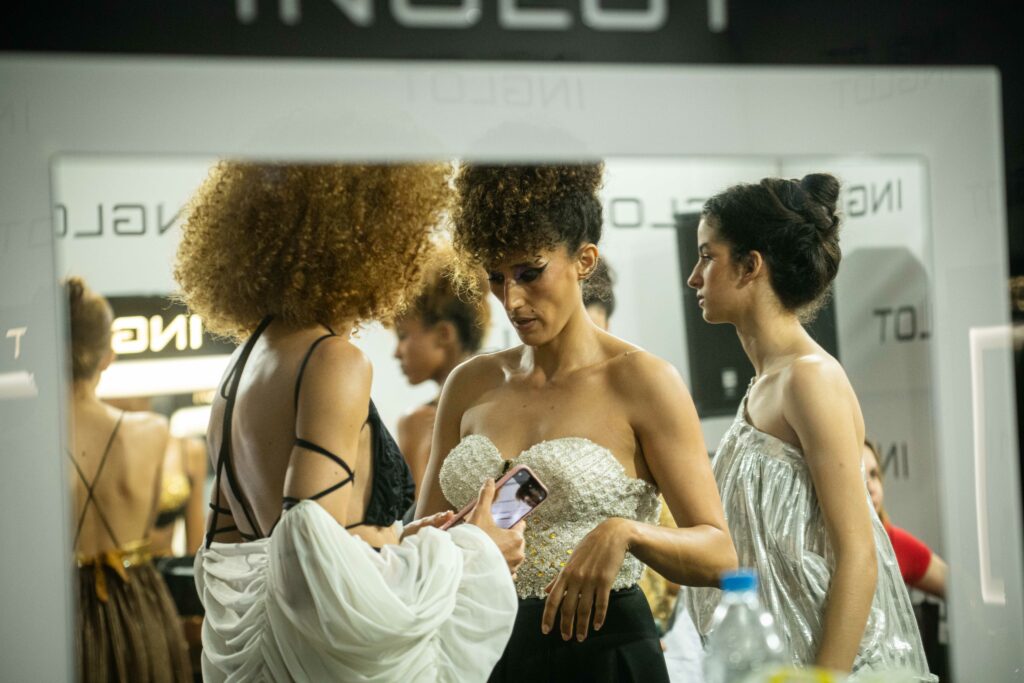
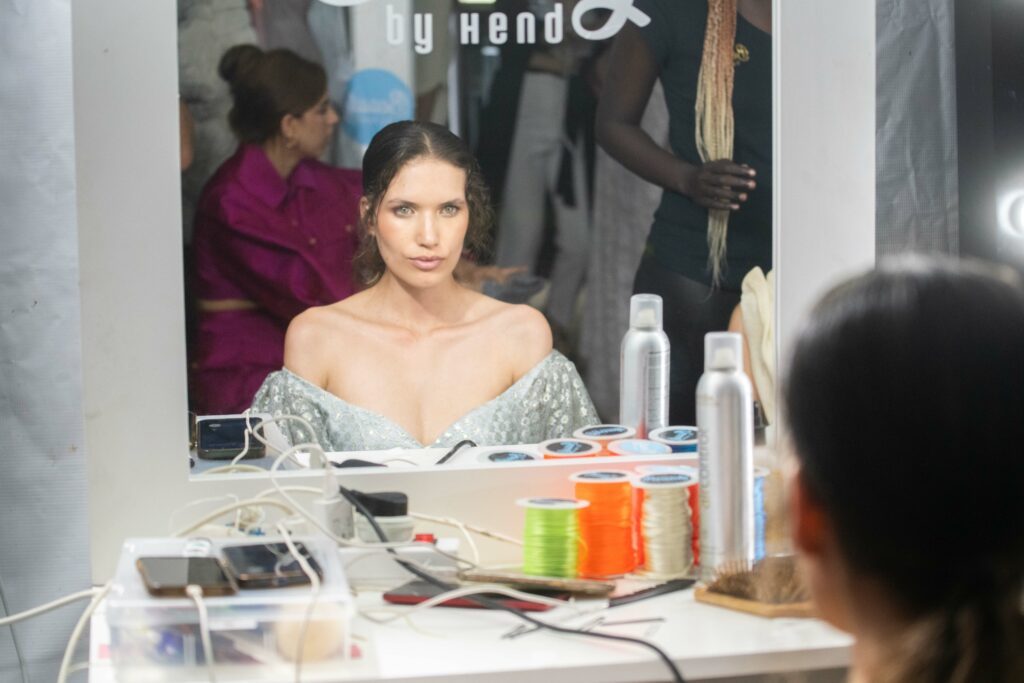
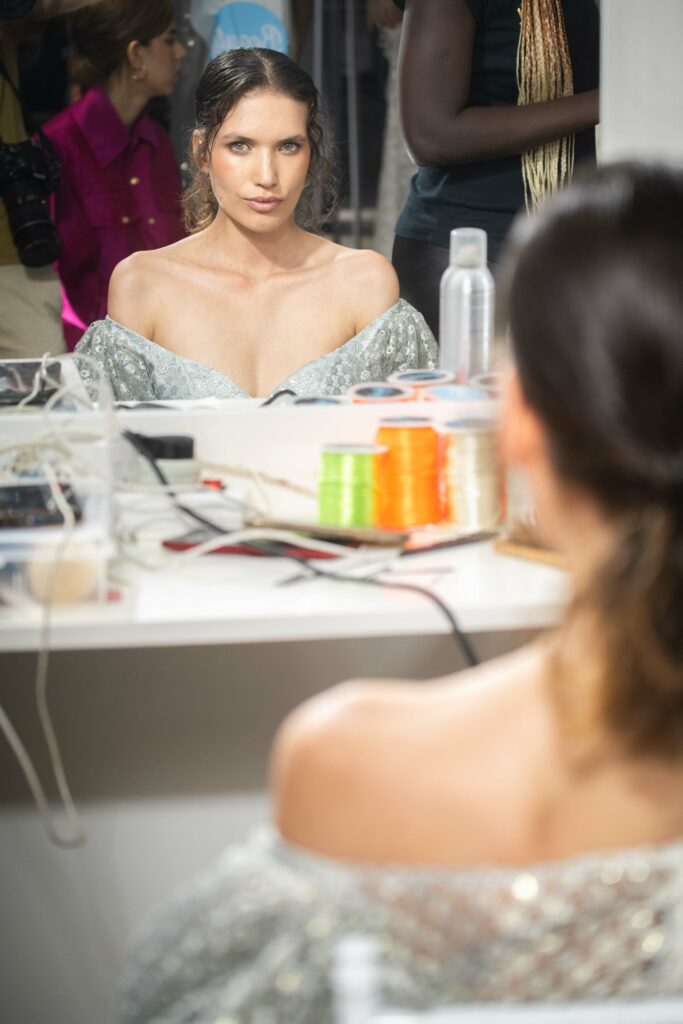
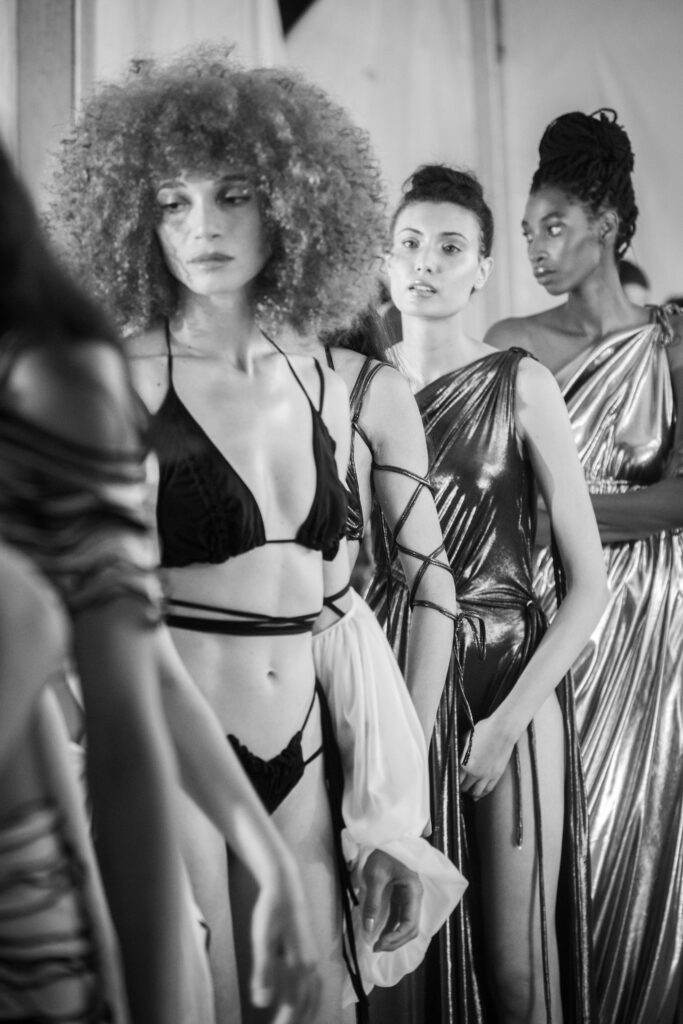
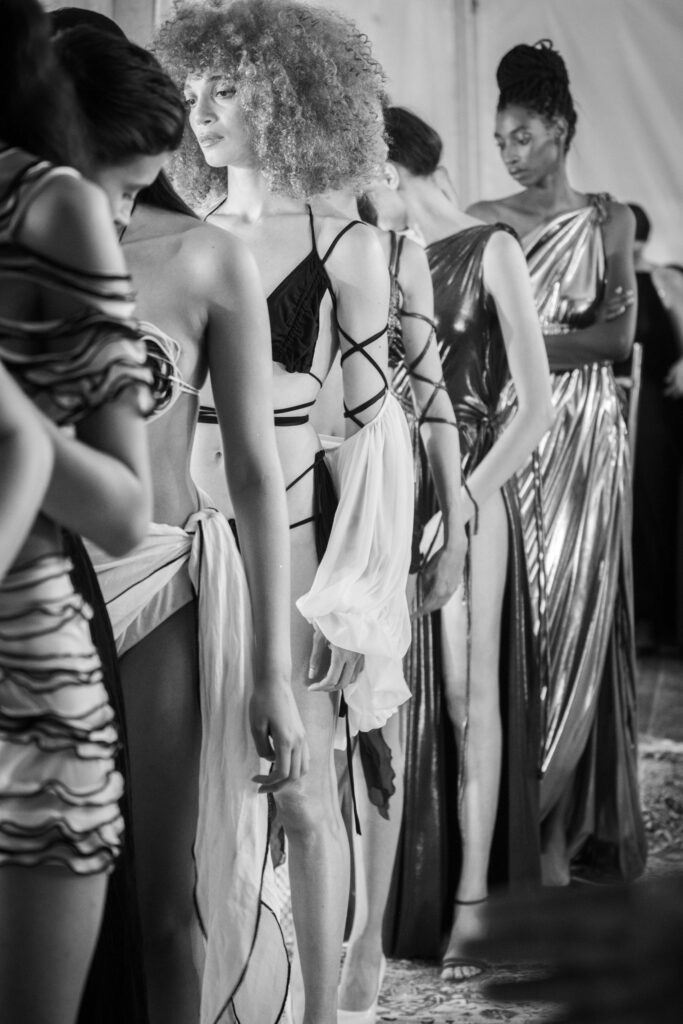
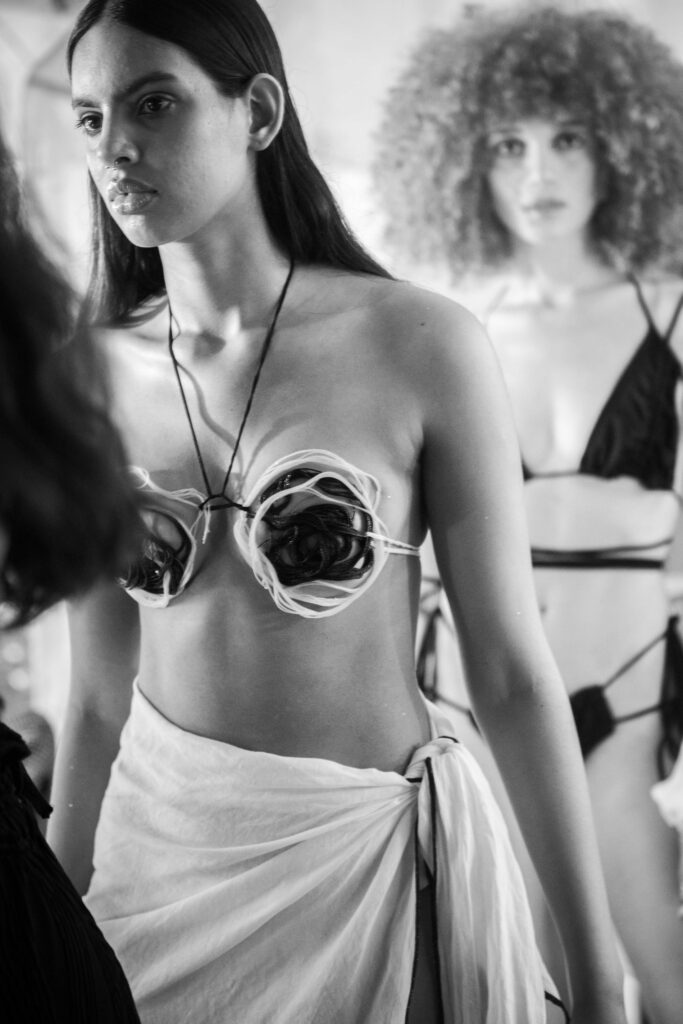
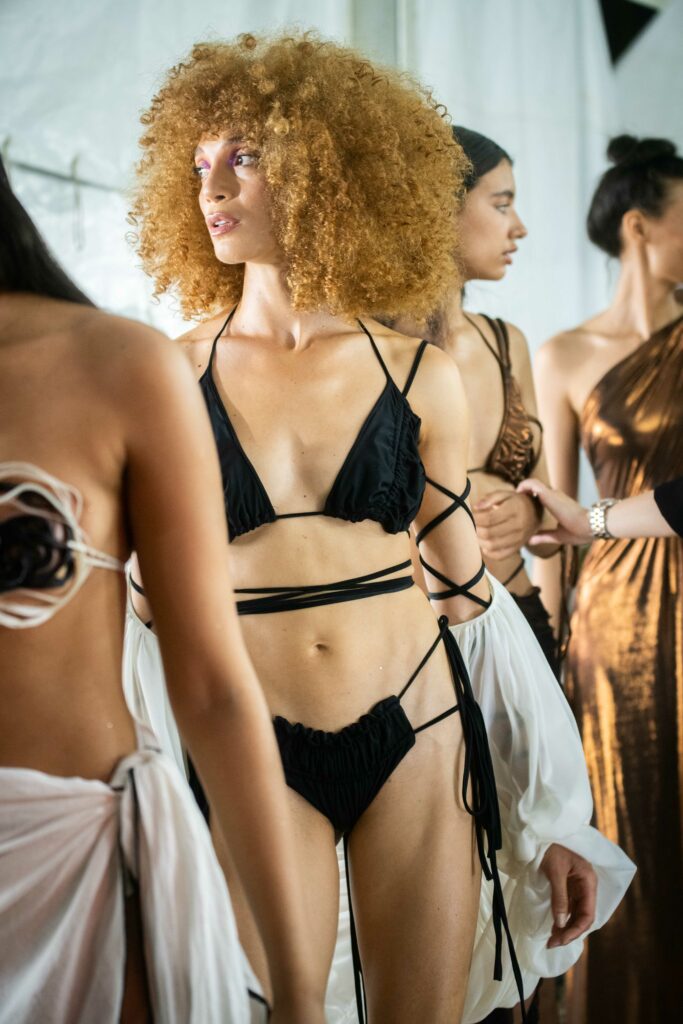
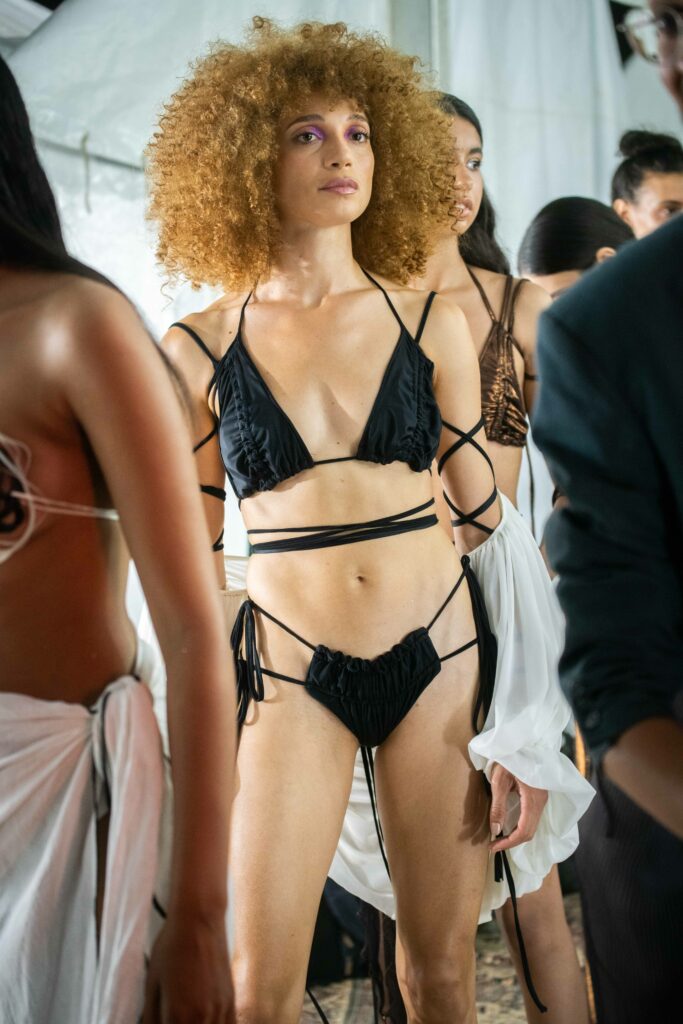
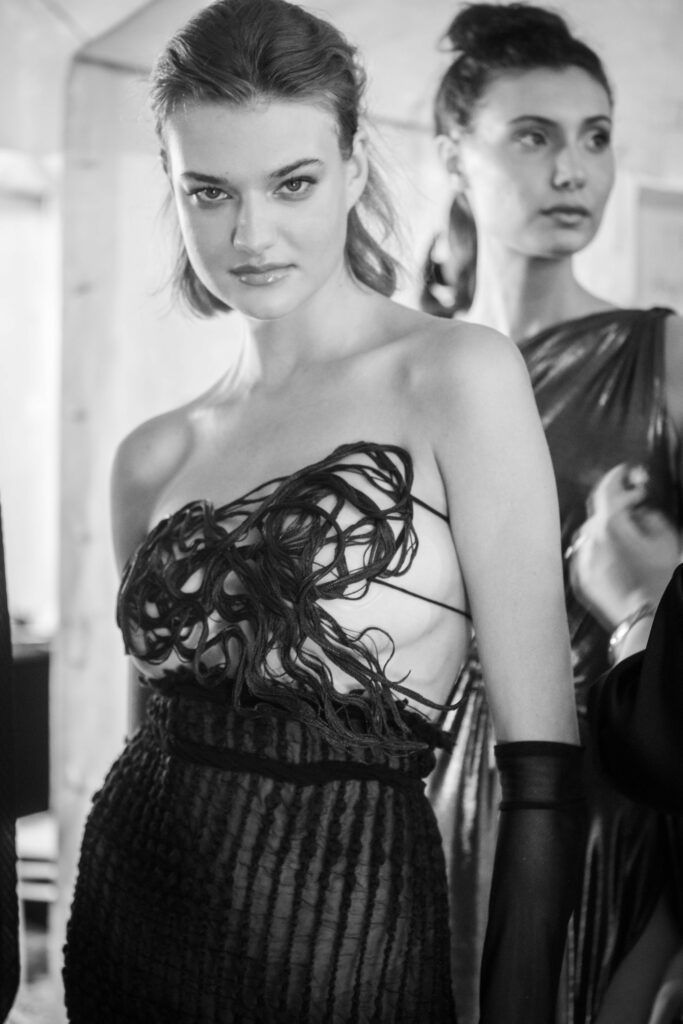
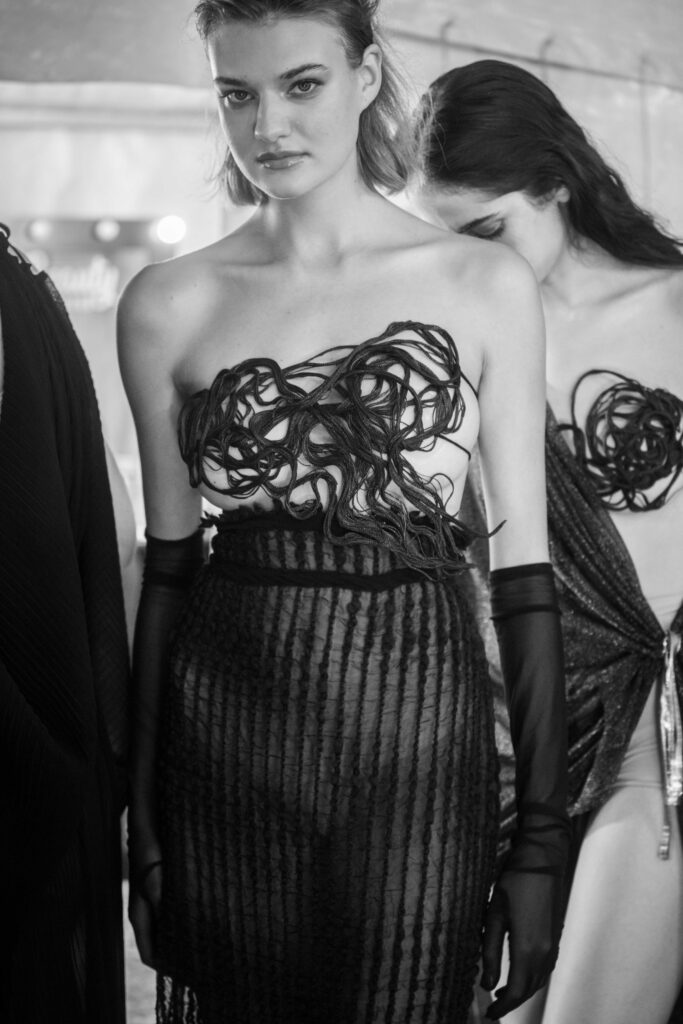
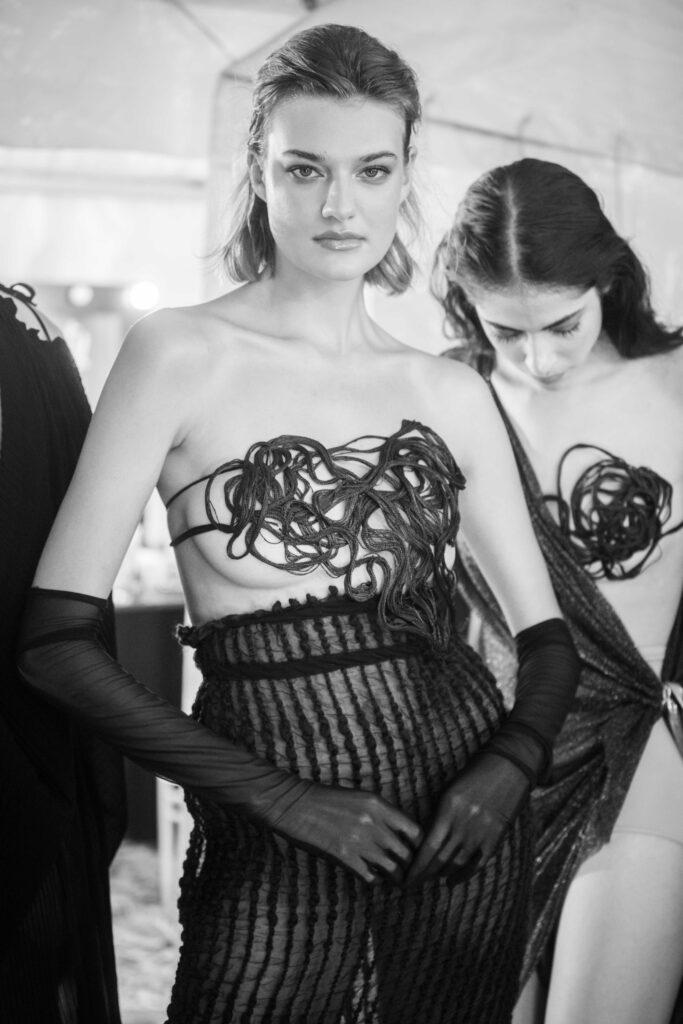
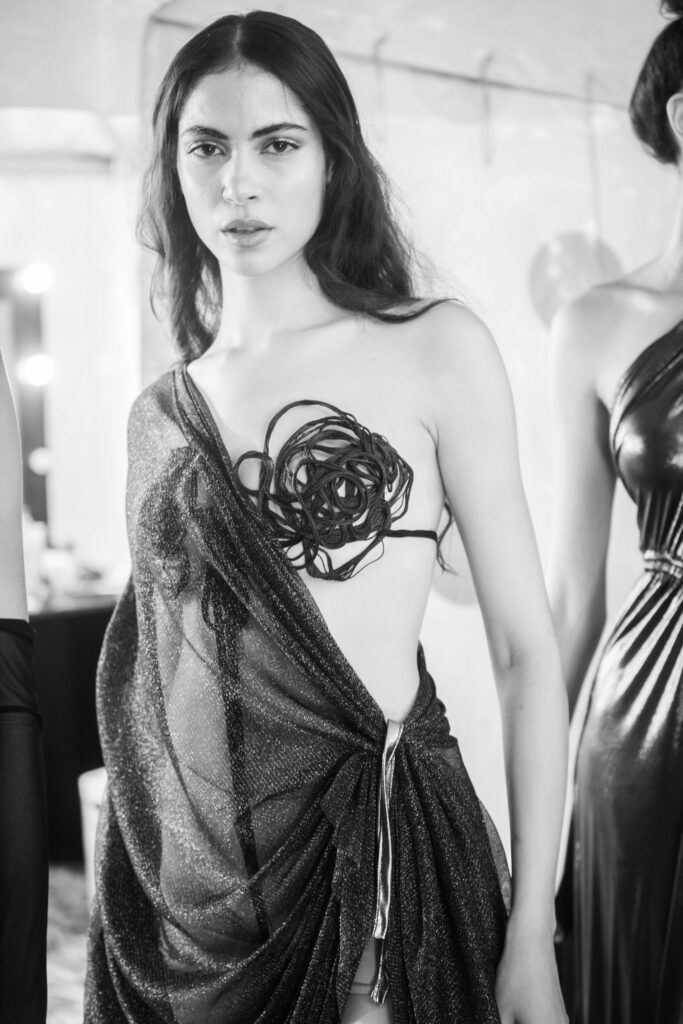
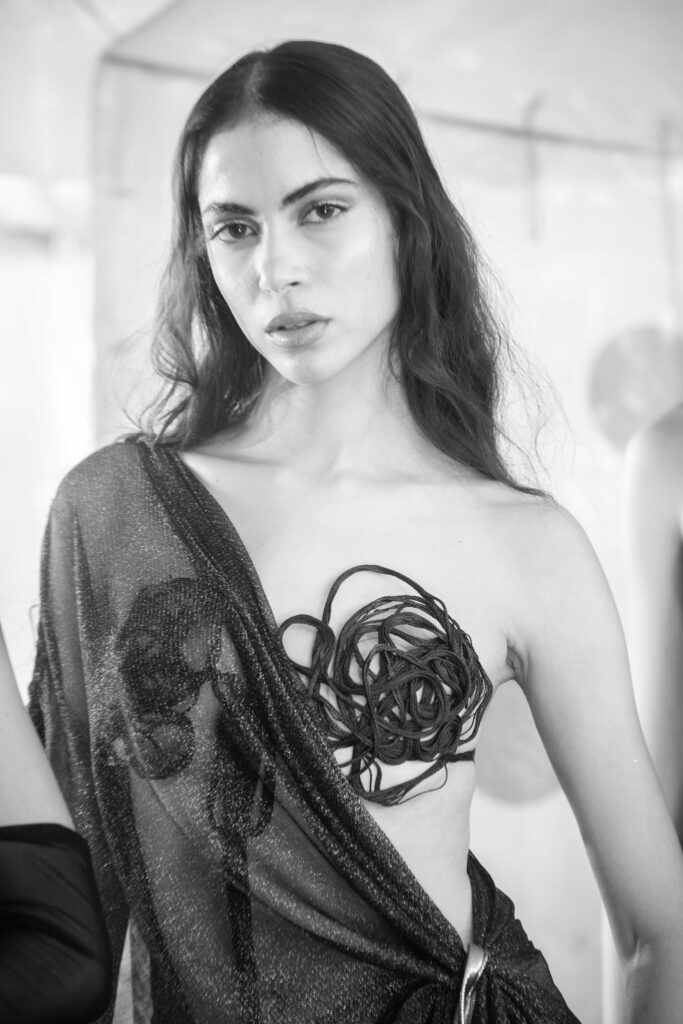
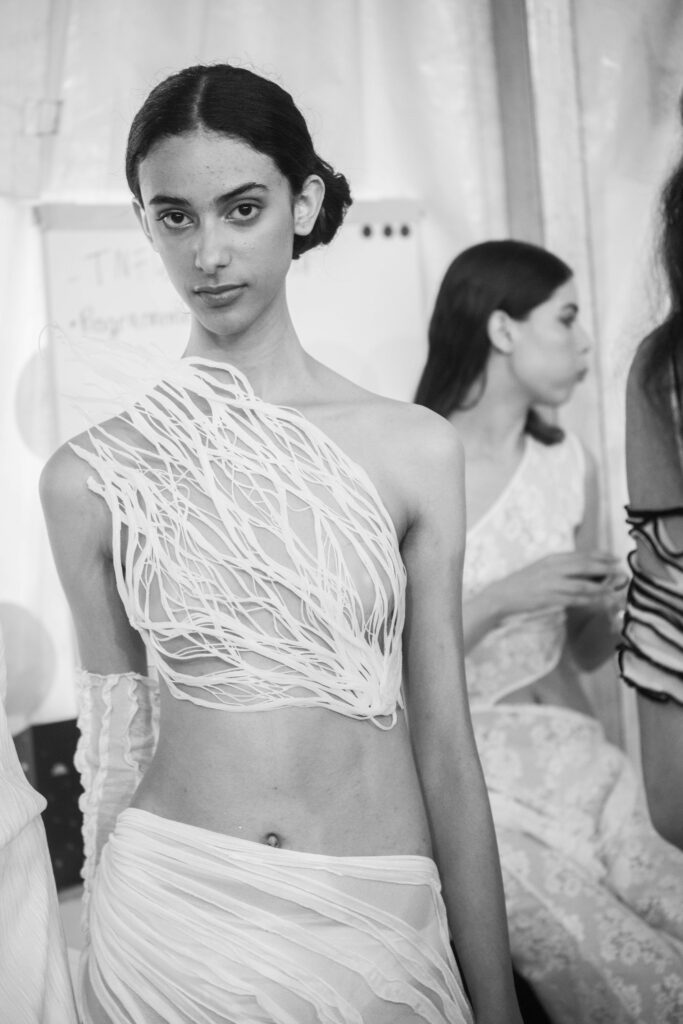
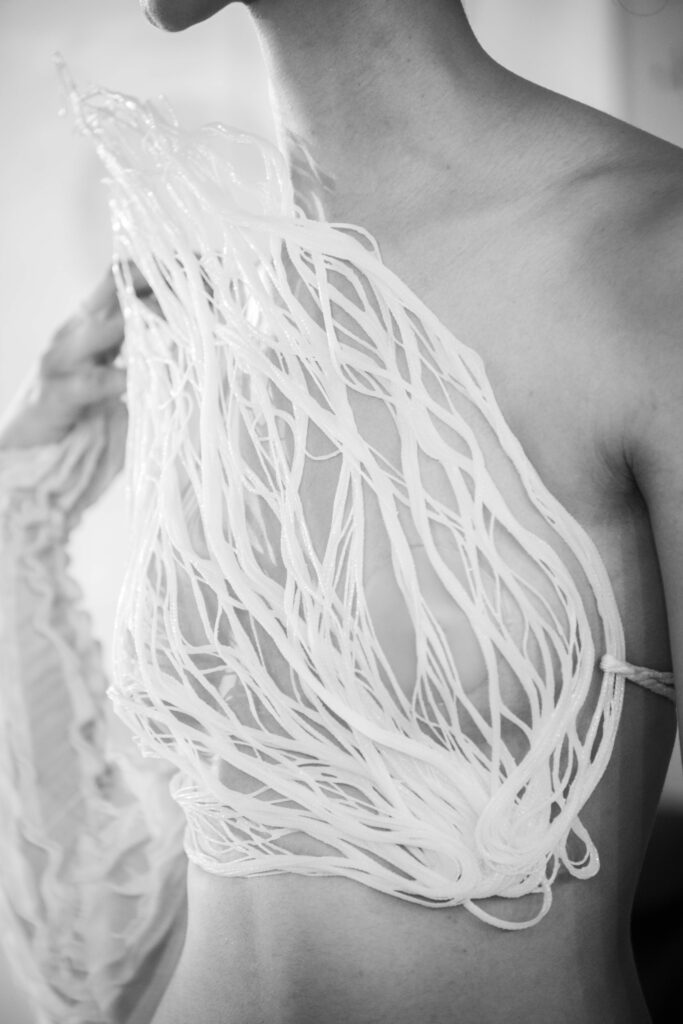
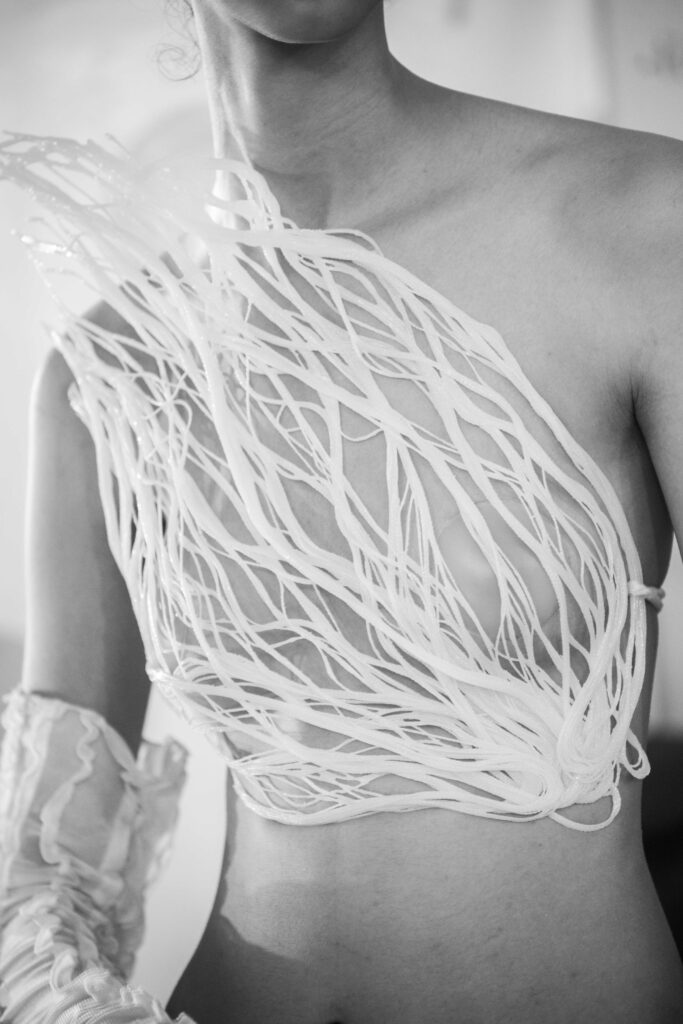
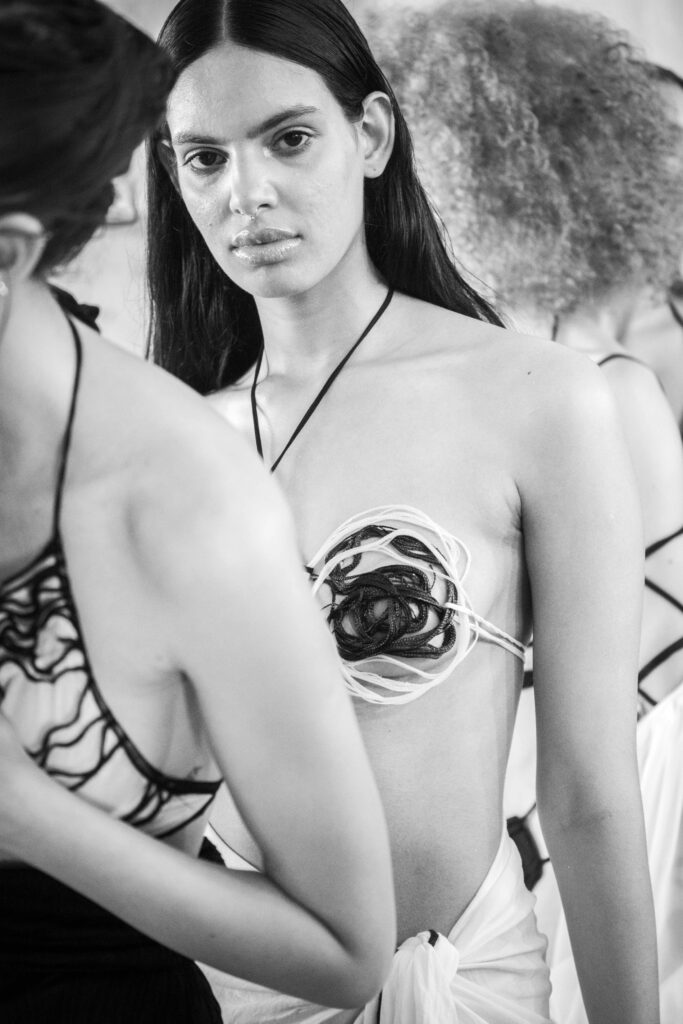
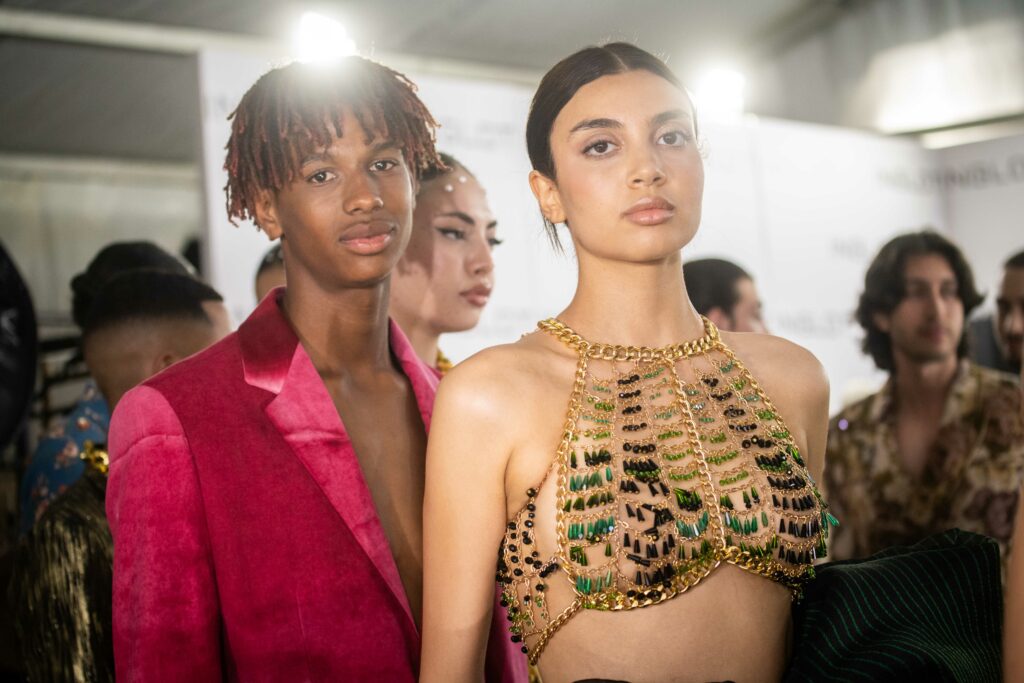
Go backstage at TNFW with Jude P: https: //www.judep.fr/


























Cette publication est également disponible en :

