
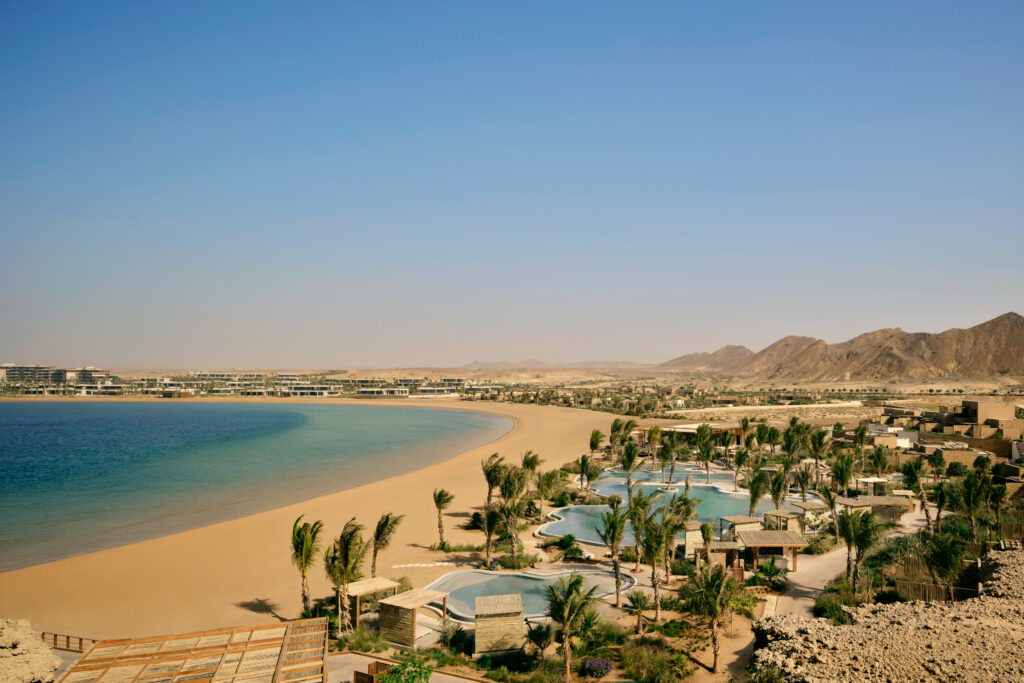
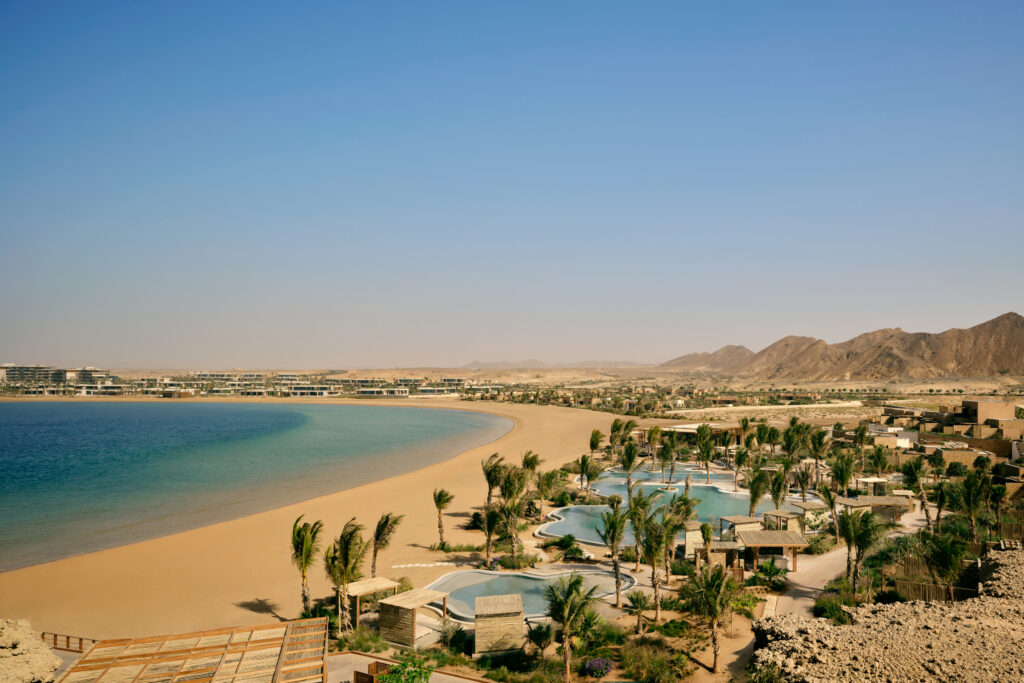
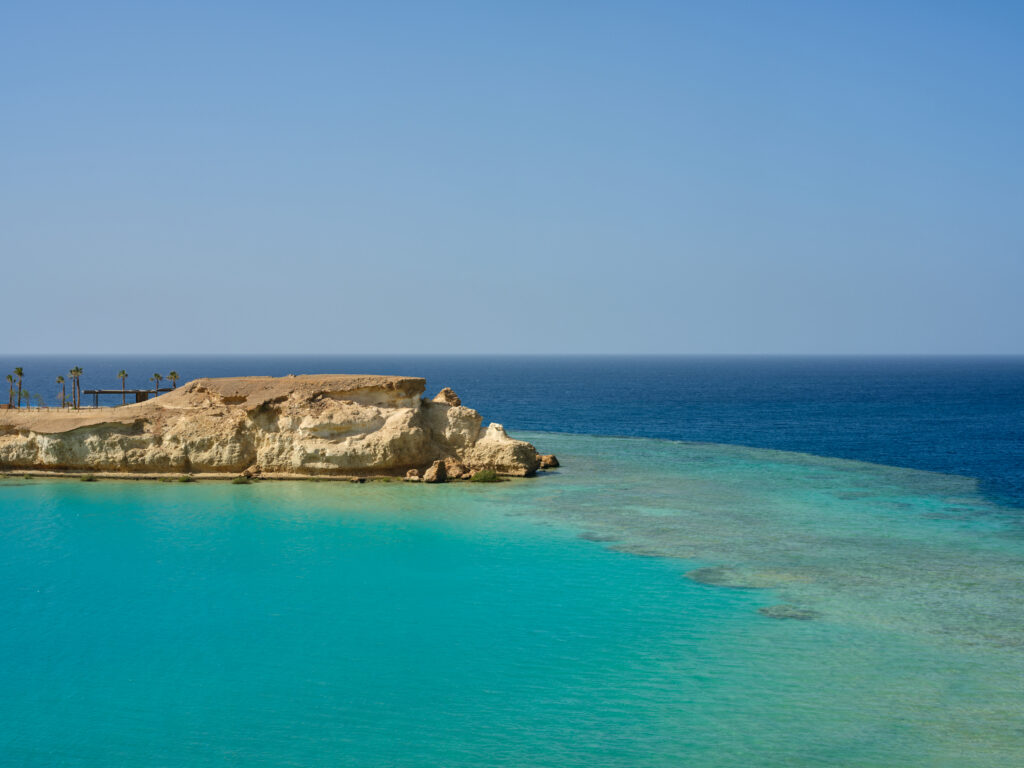
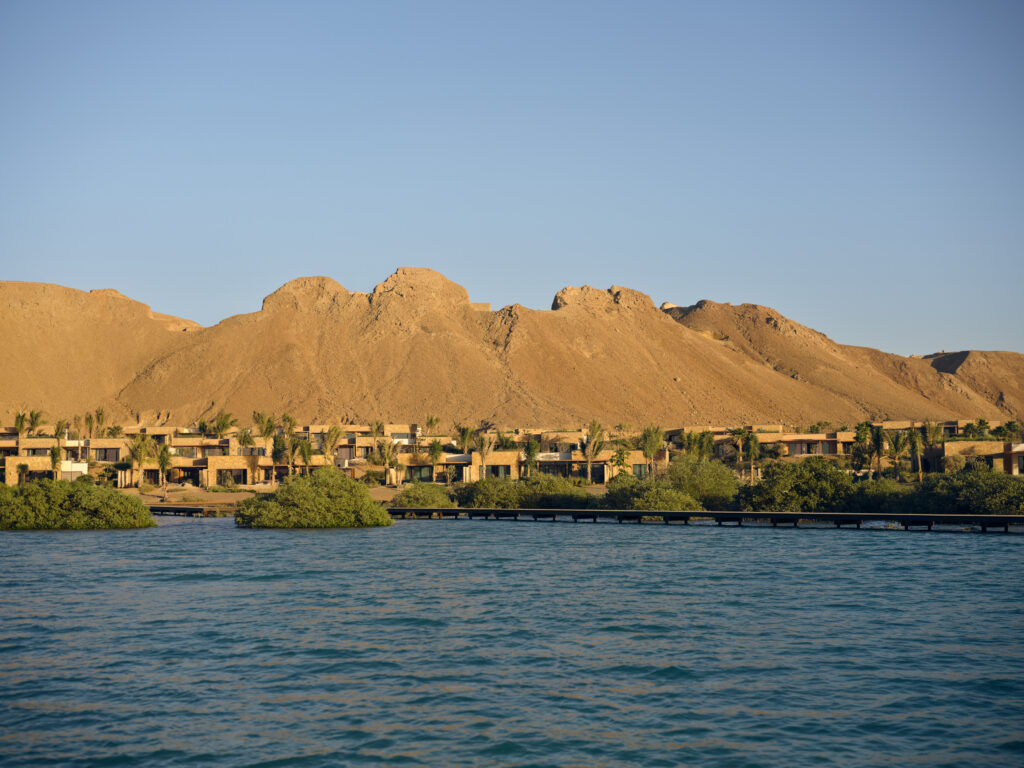
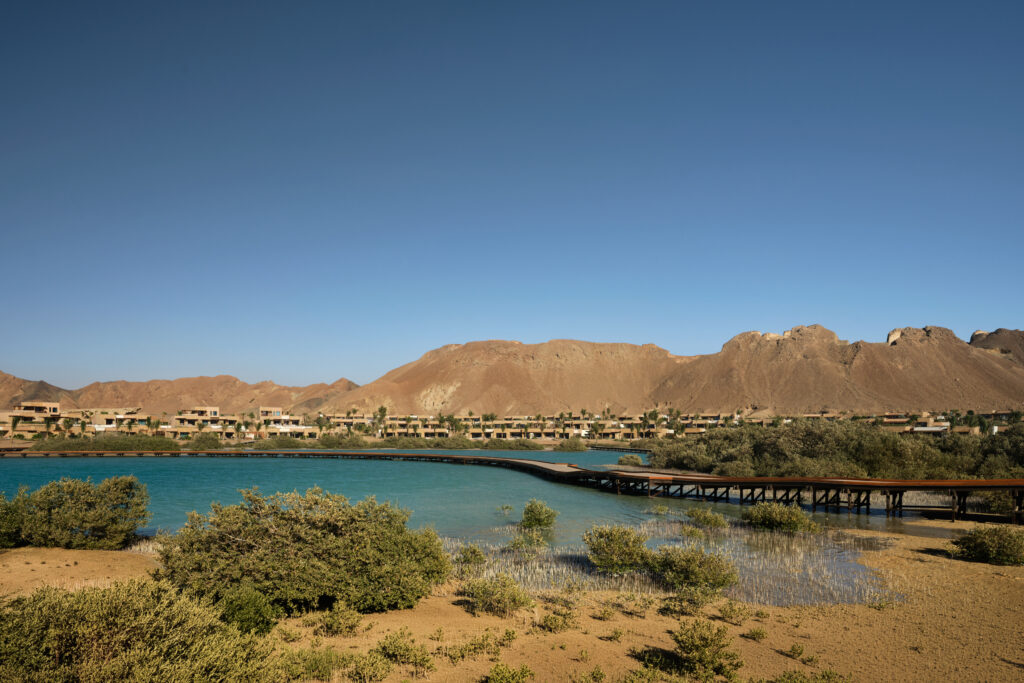
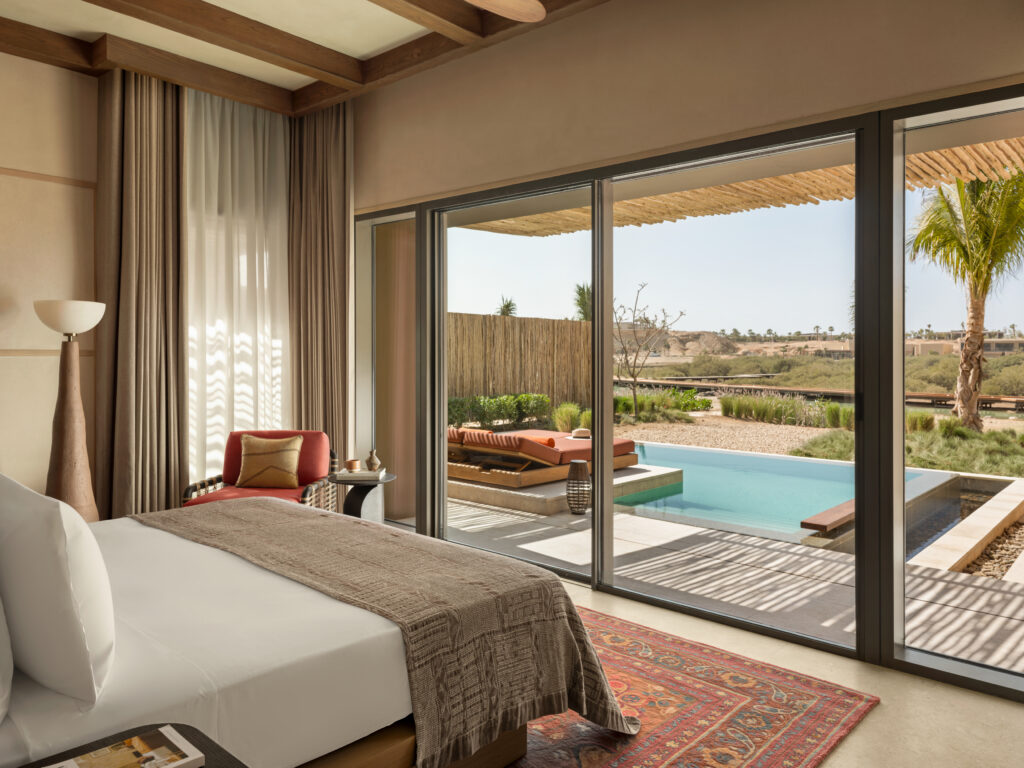
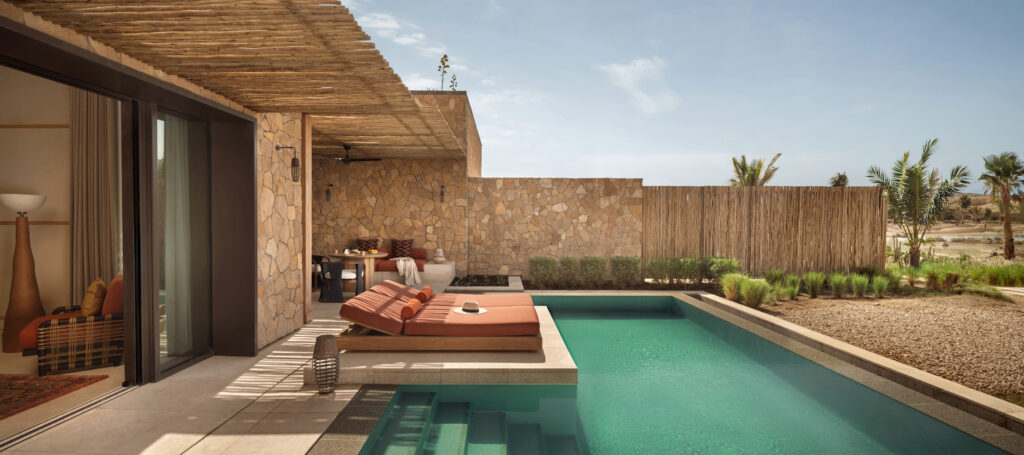
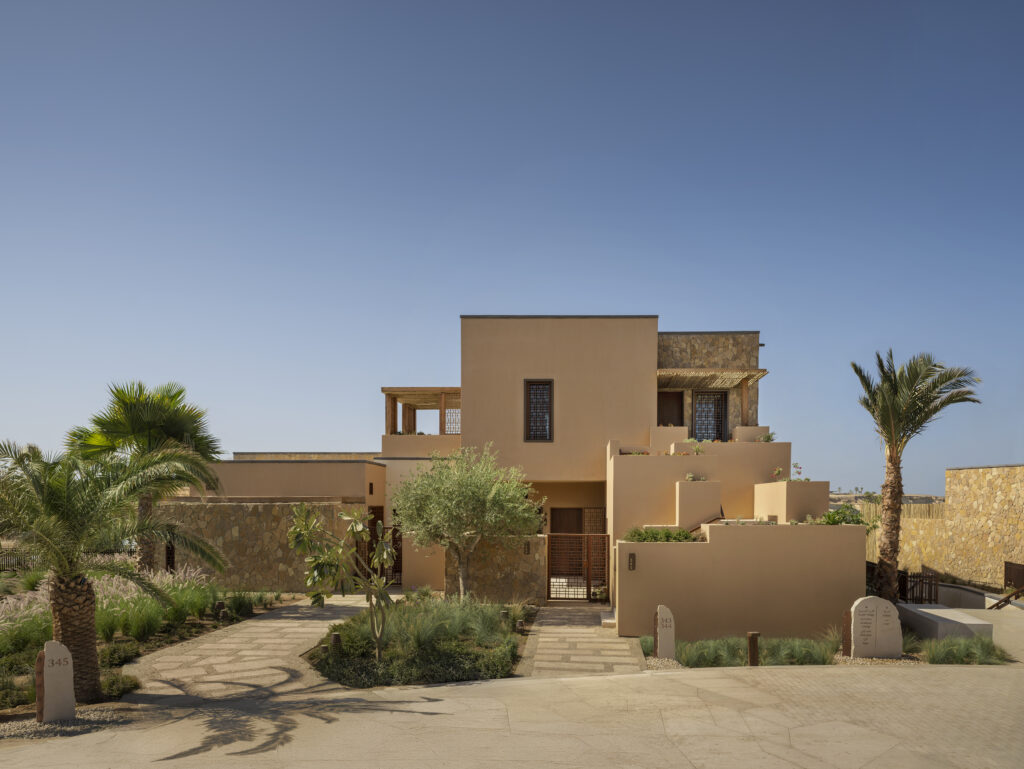
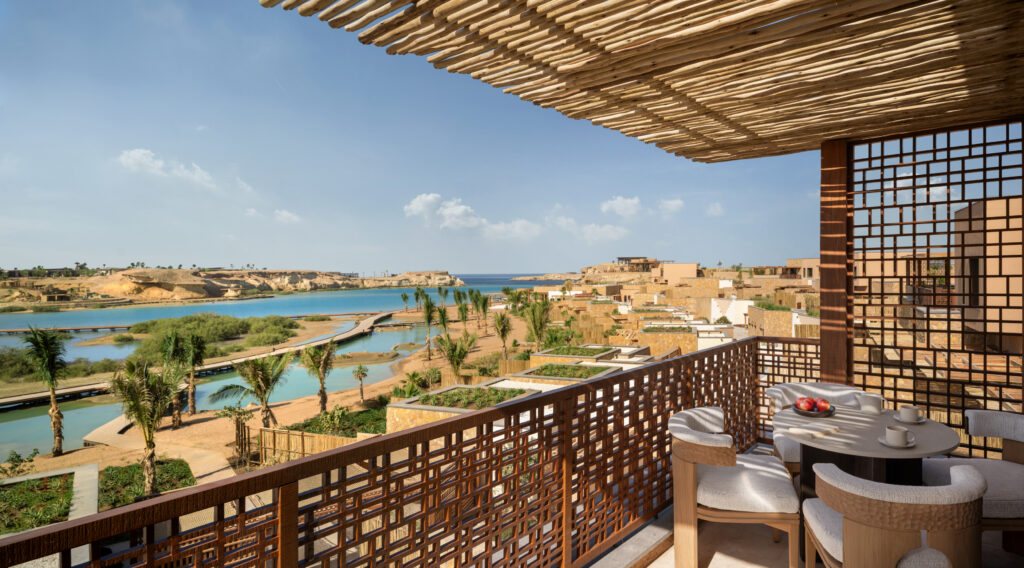
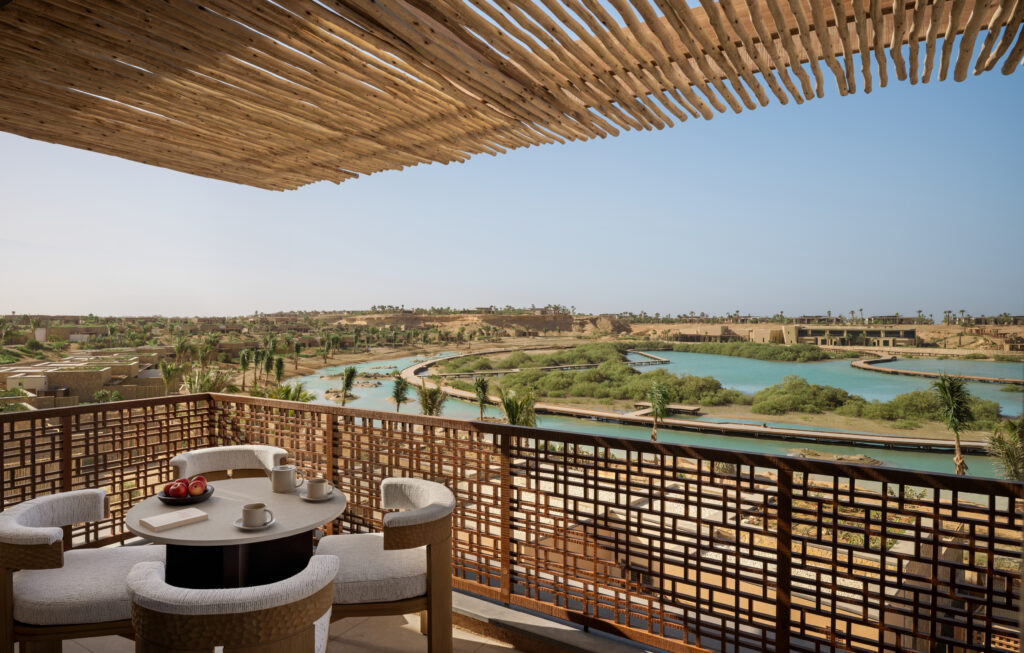
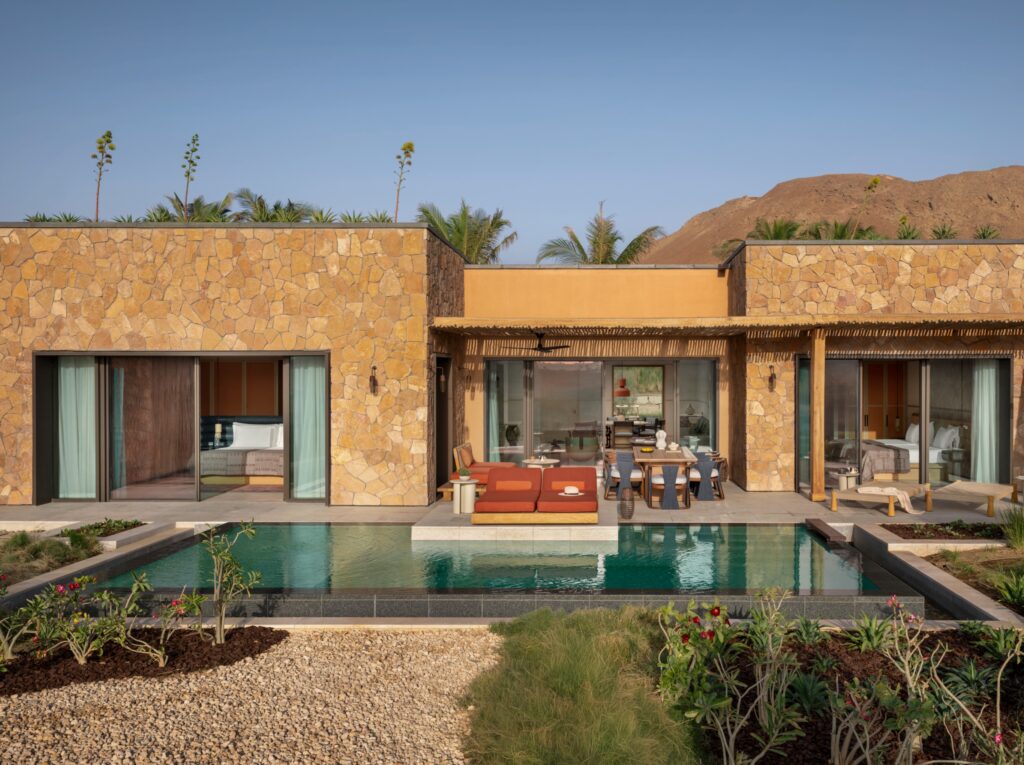
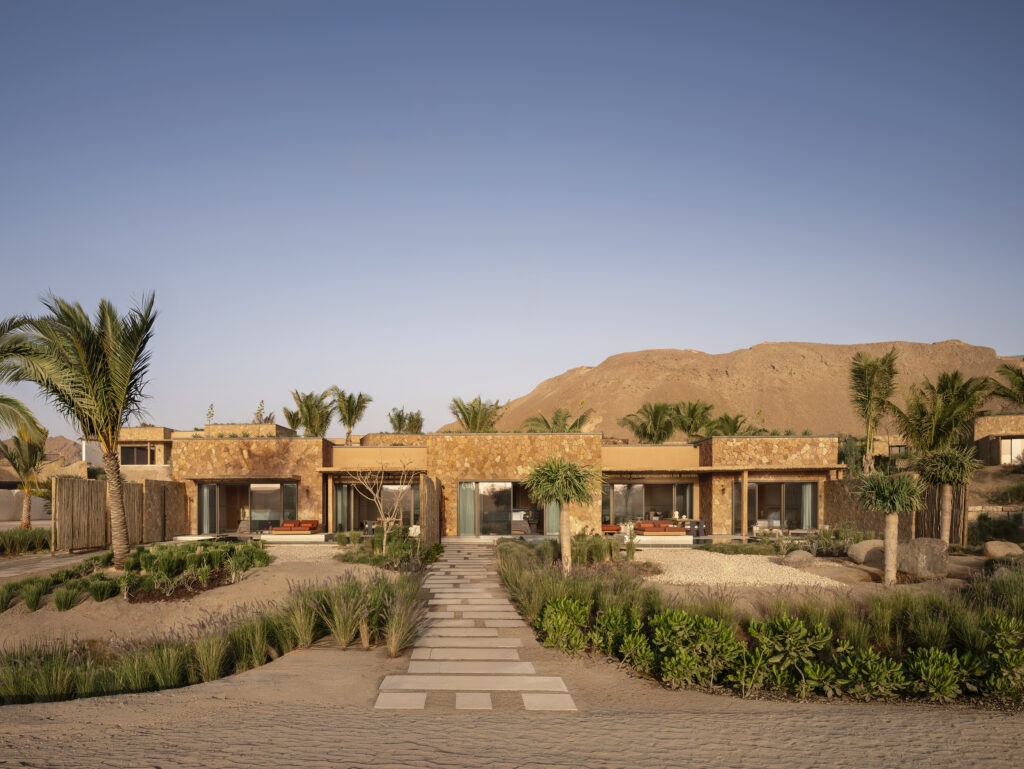
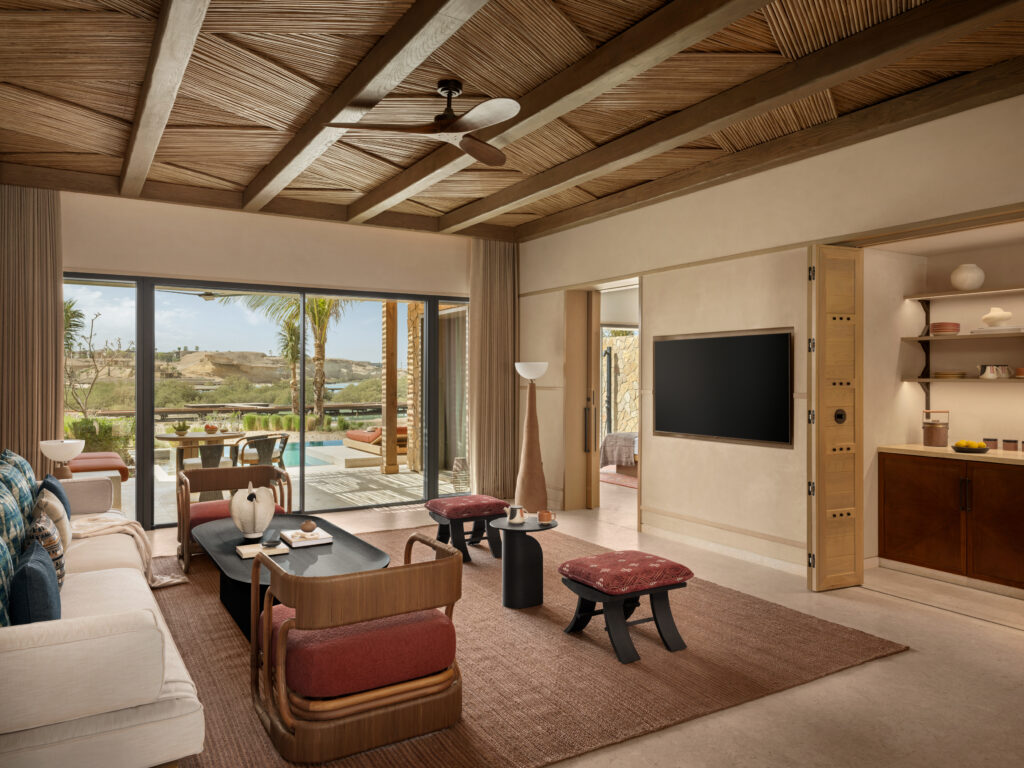
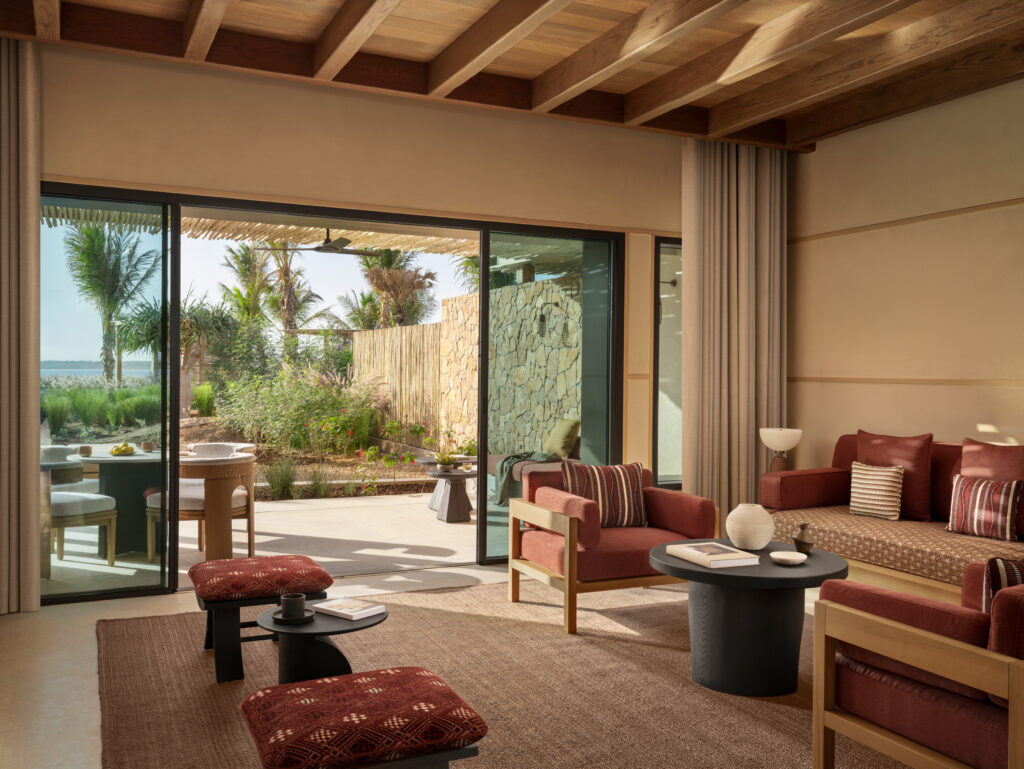
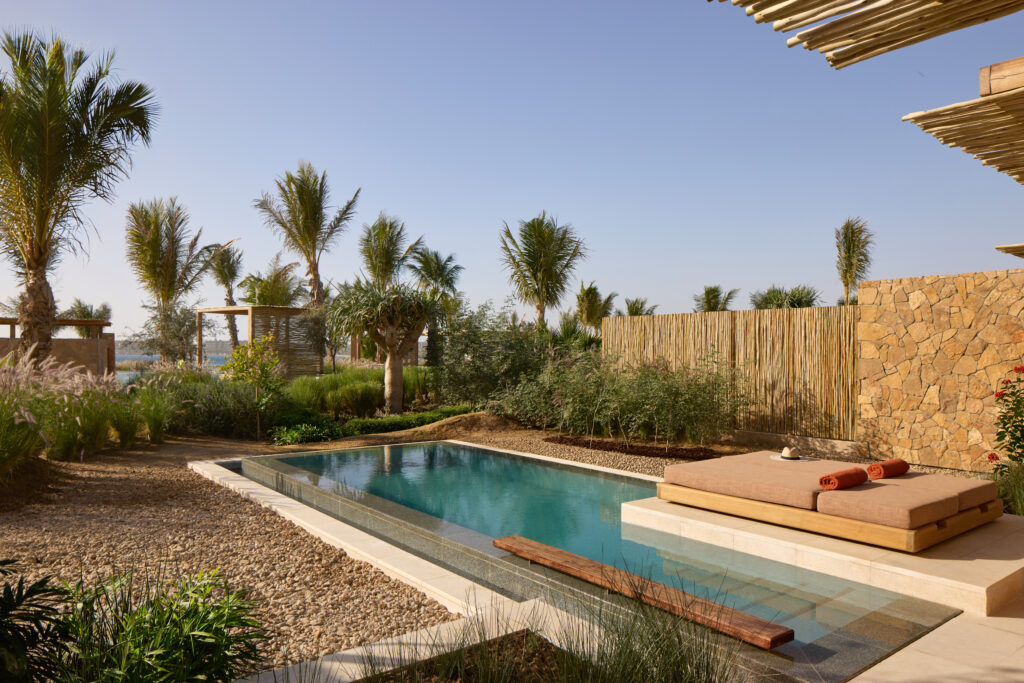
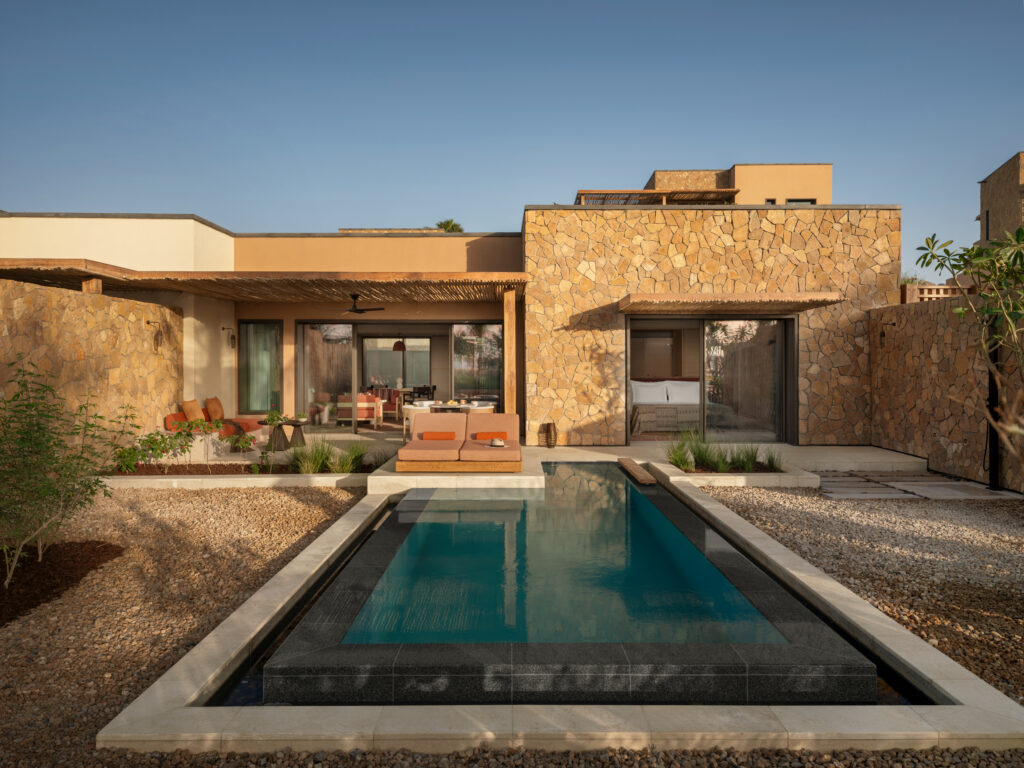
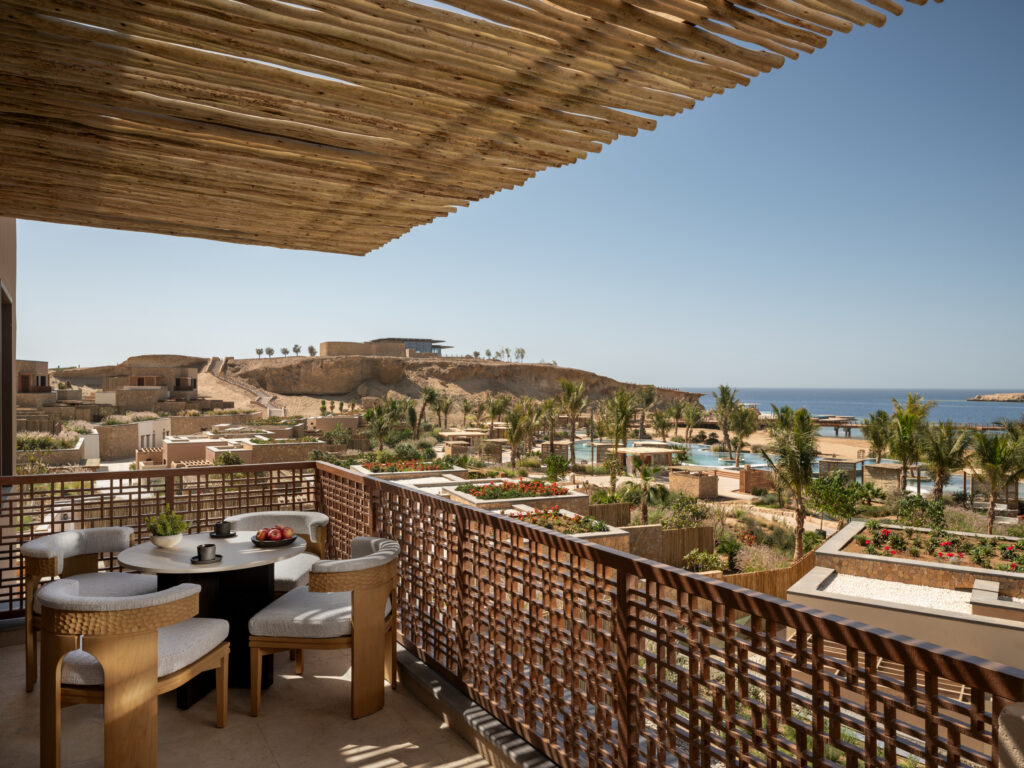
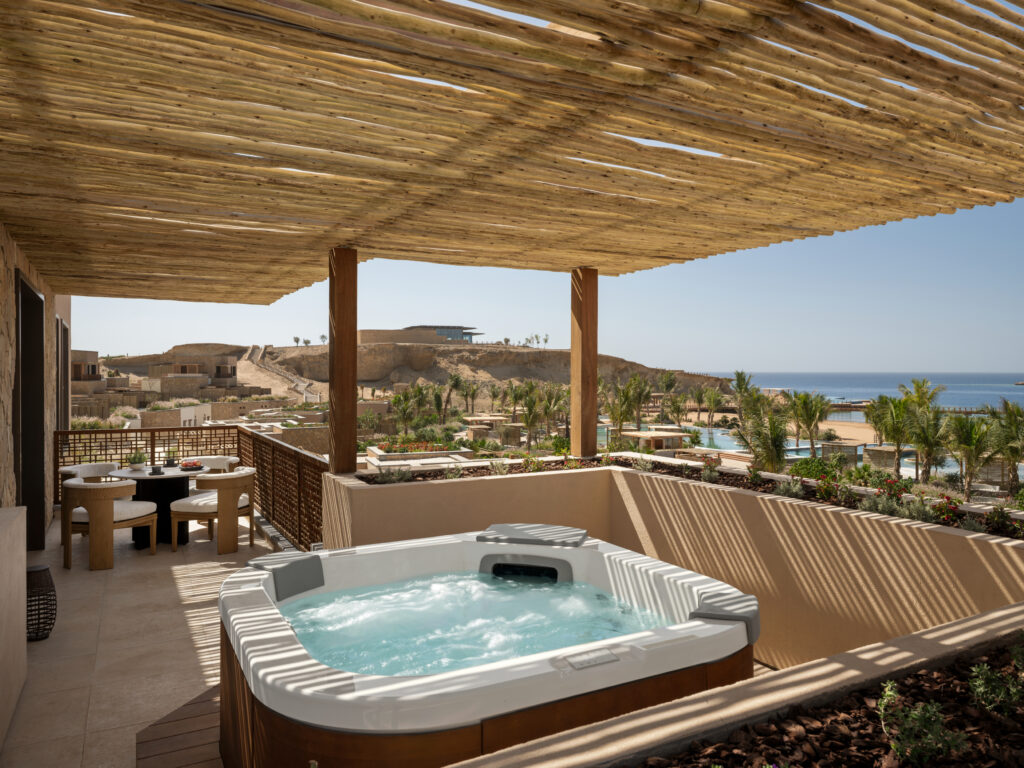
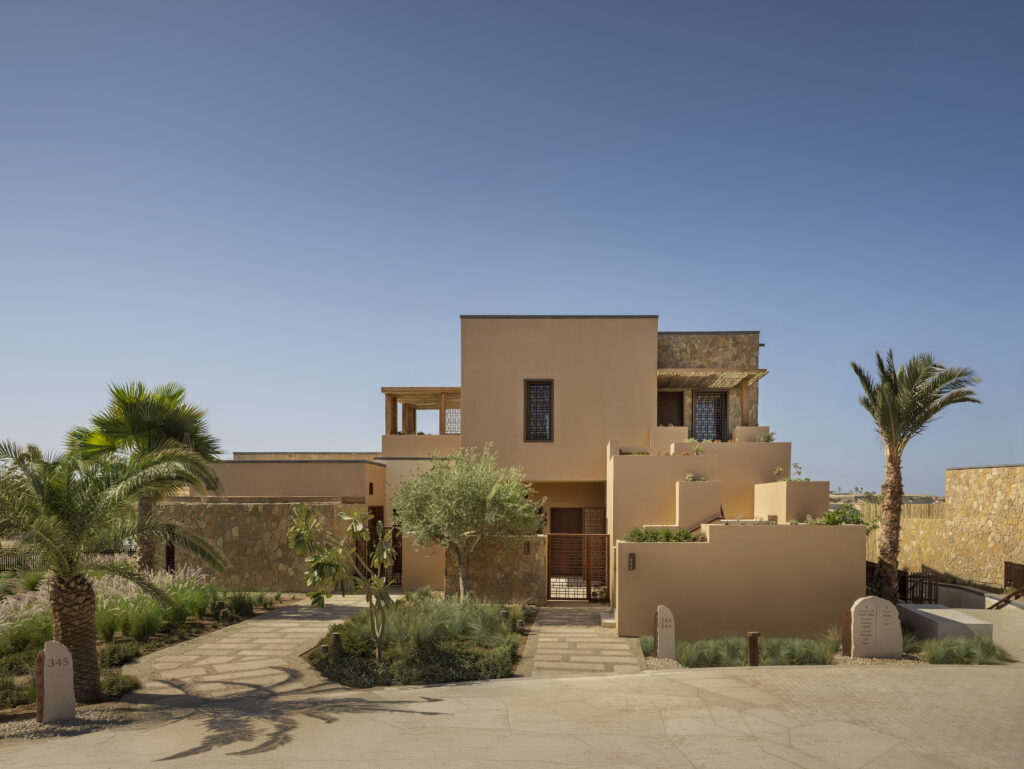
Between the mountains and the Red Sea, on the north-west coast of Saudi Arabia, AMAALA is preparing to open its first phase in summer 2026. Vision, Equinox, Six Senses, Nammos, Four Seasons, Rosewood: eventually twenty-five hotels and three thousand rooms for a destination presented as a longevity sanctuary. Does the word sanctuary withstand figures like these?
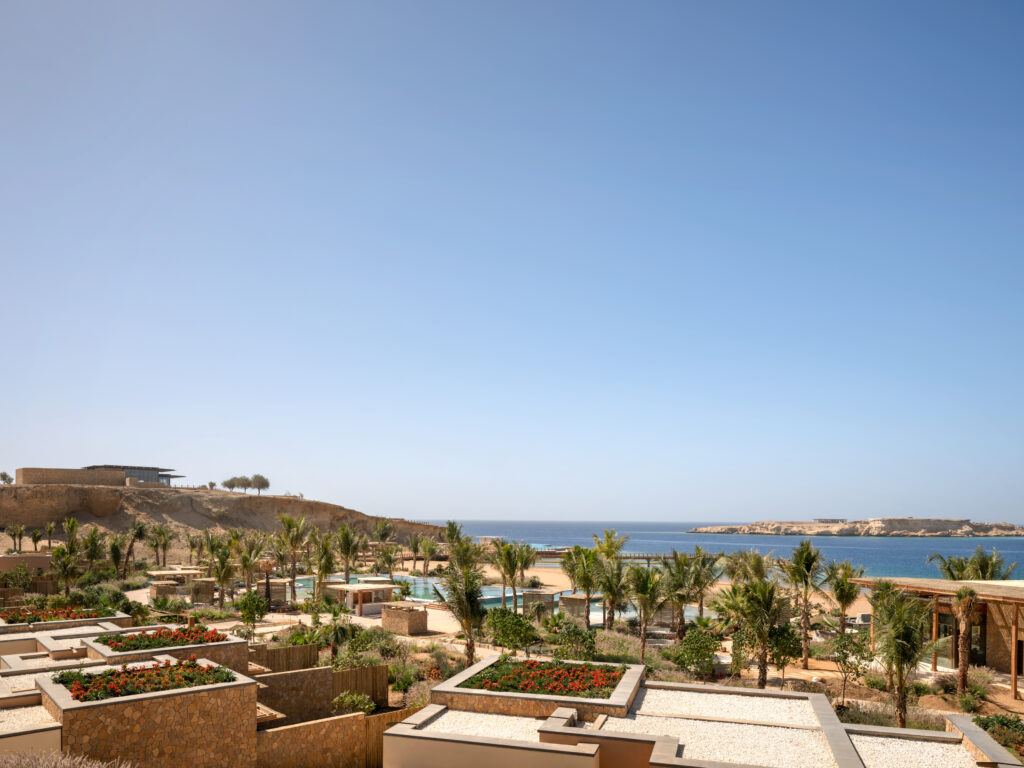
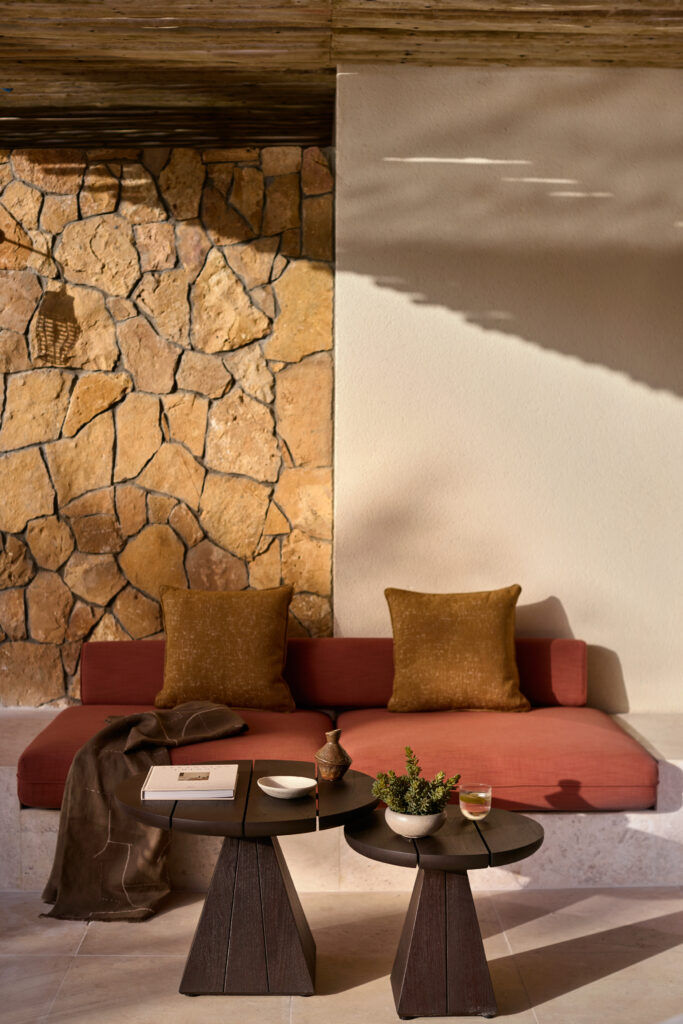
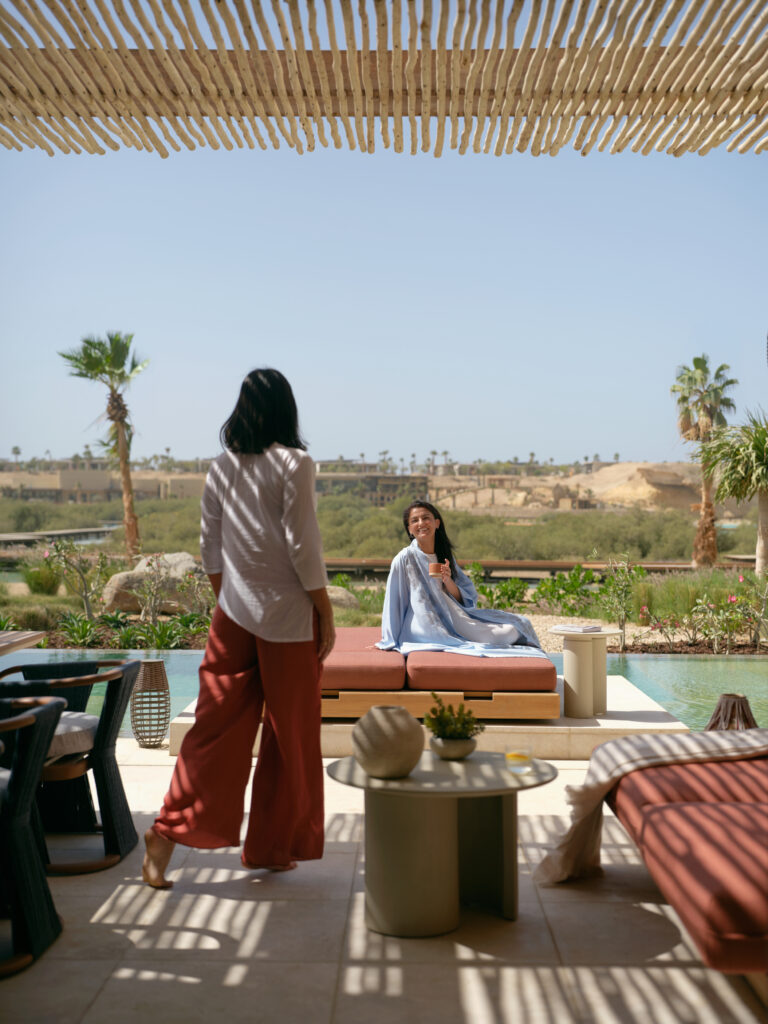
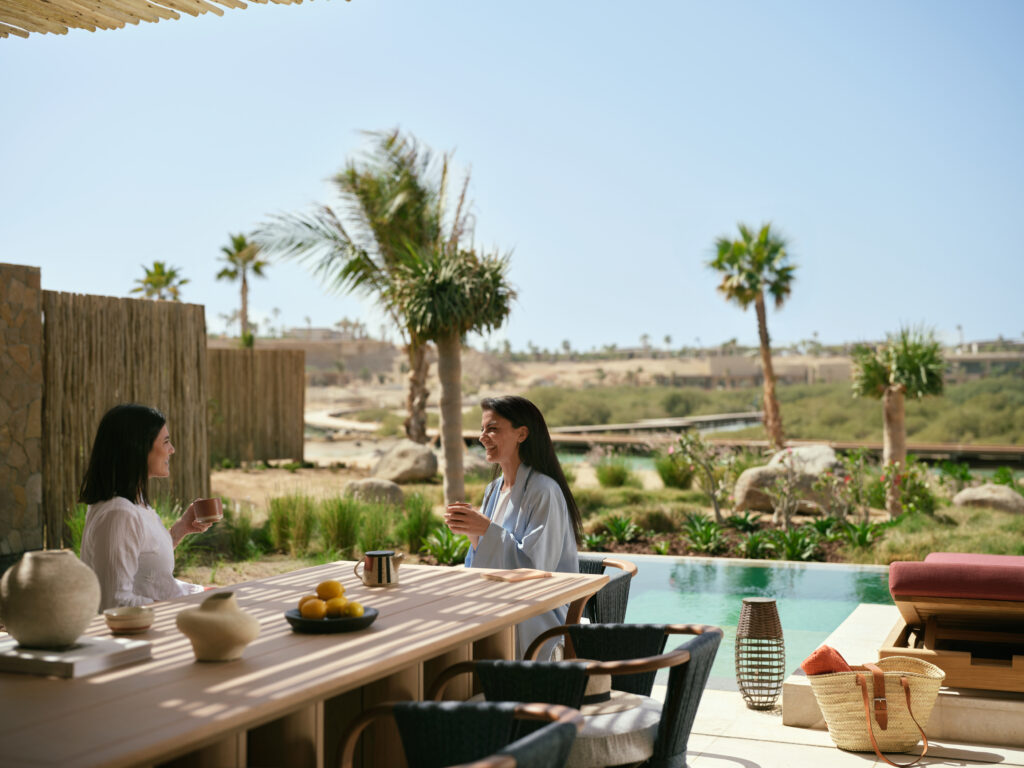
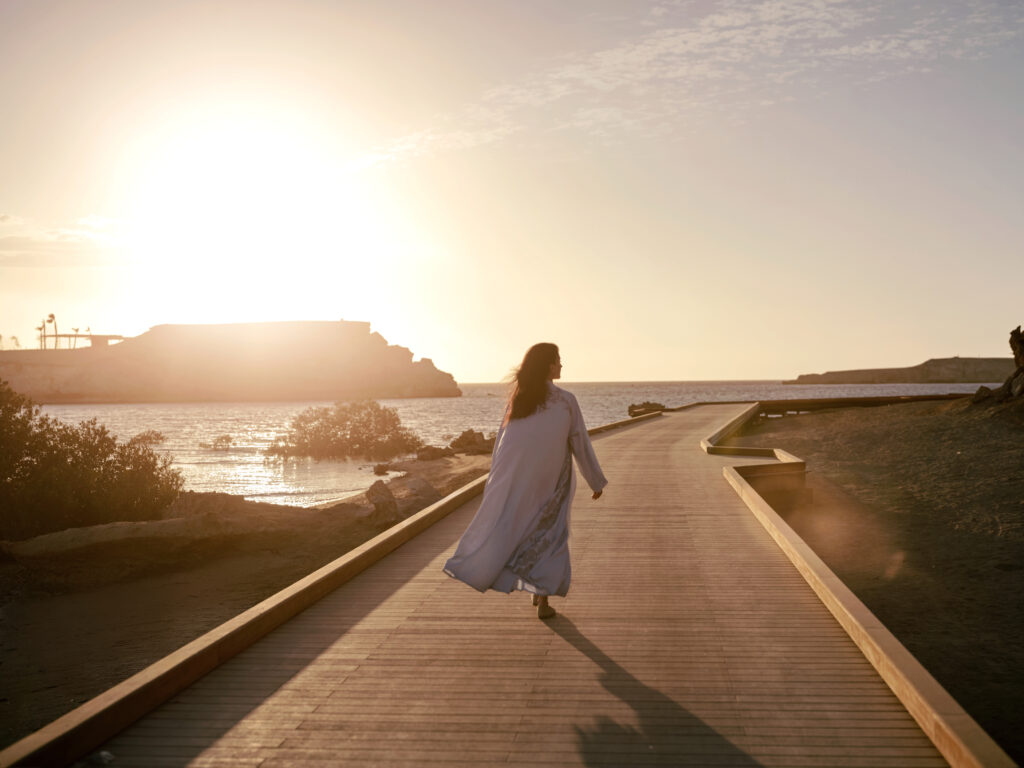
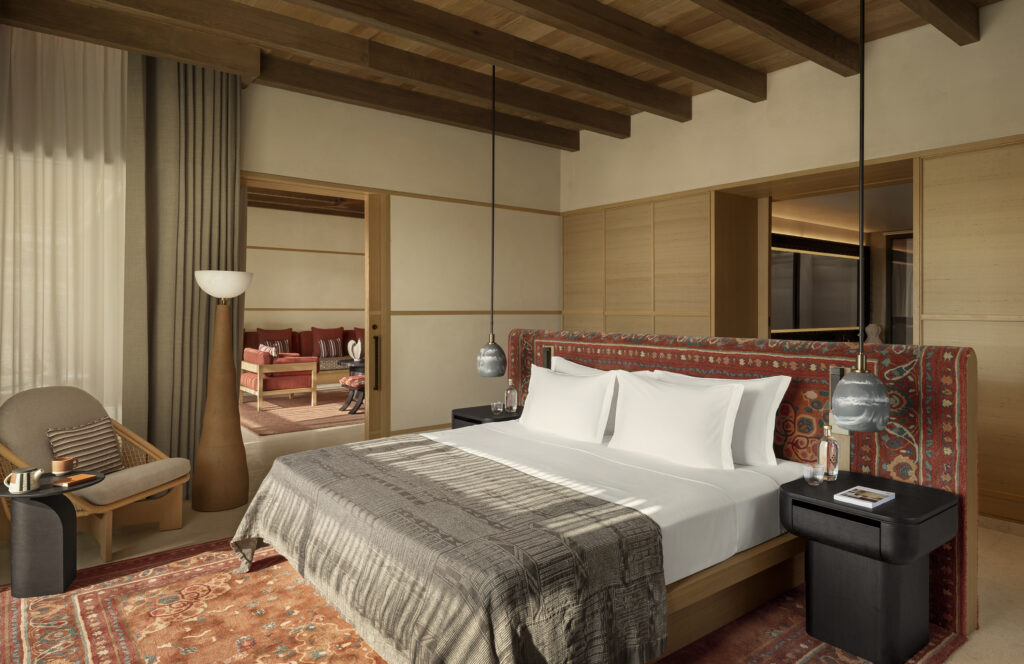
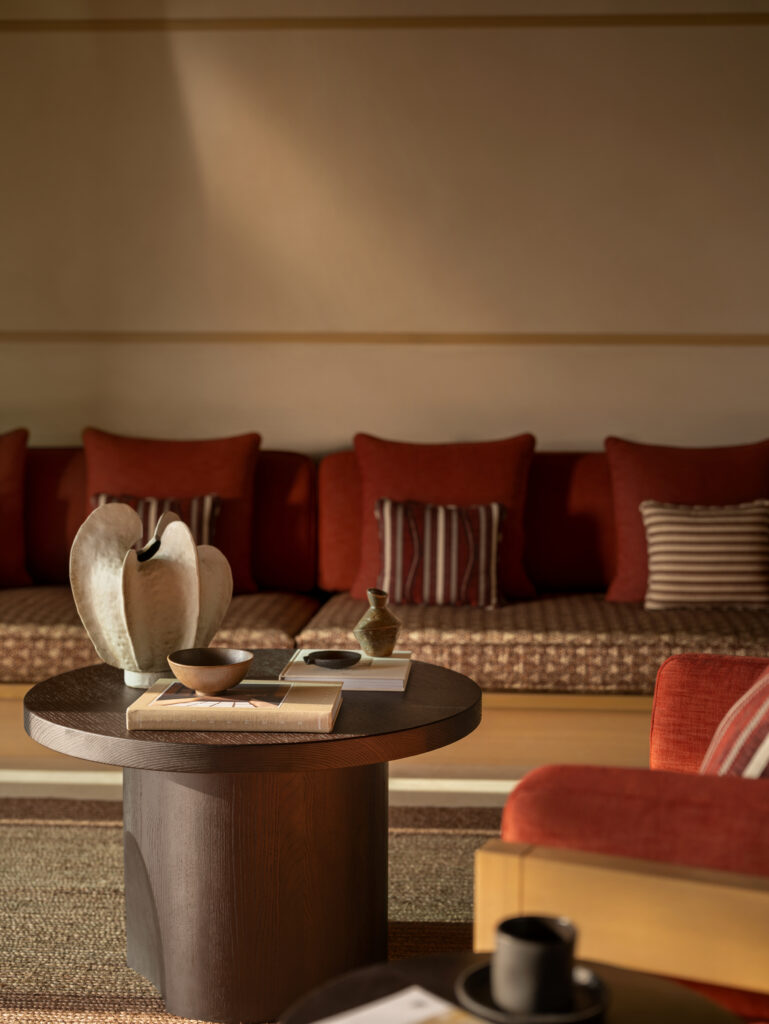
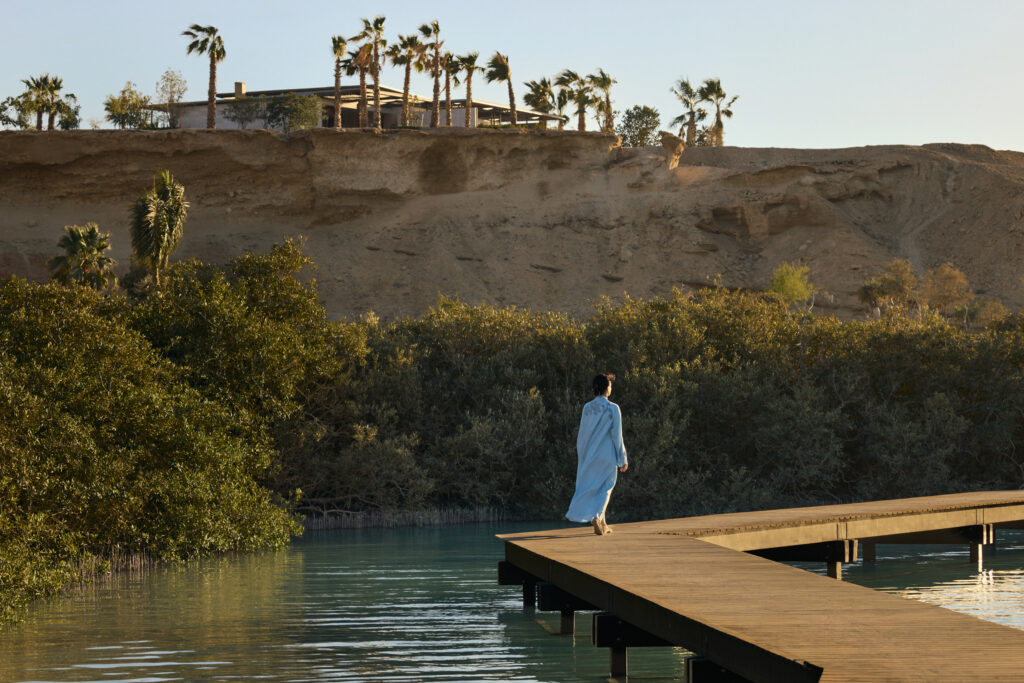
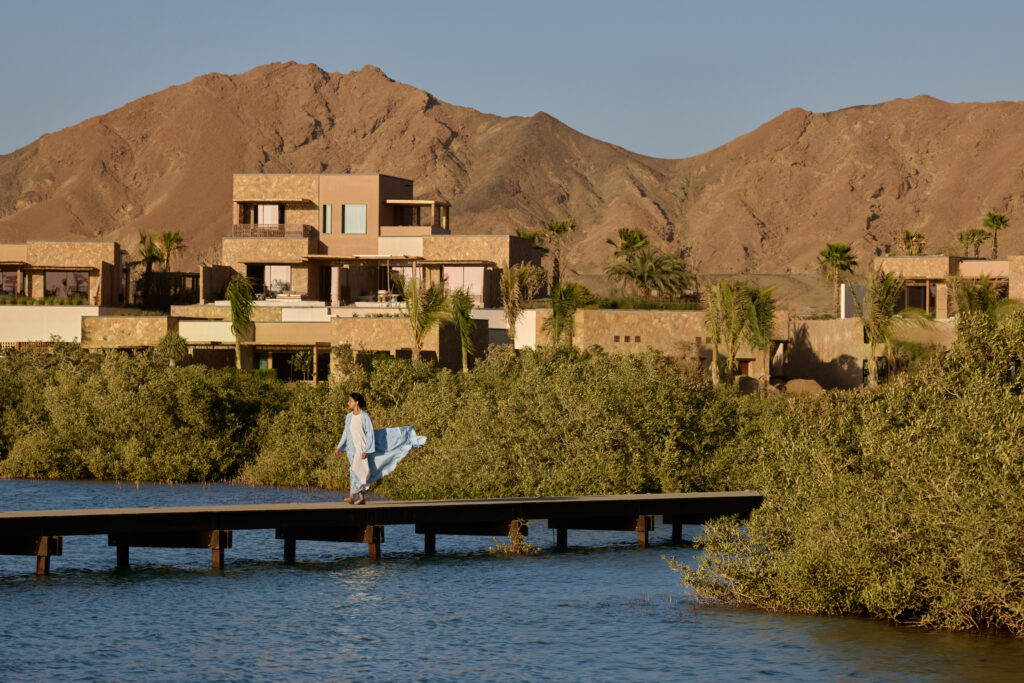
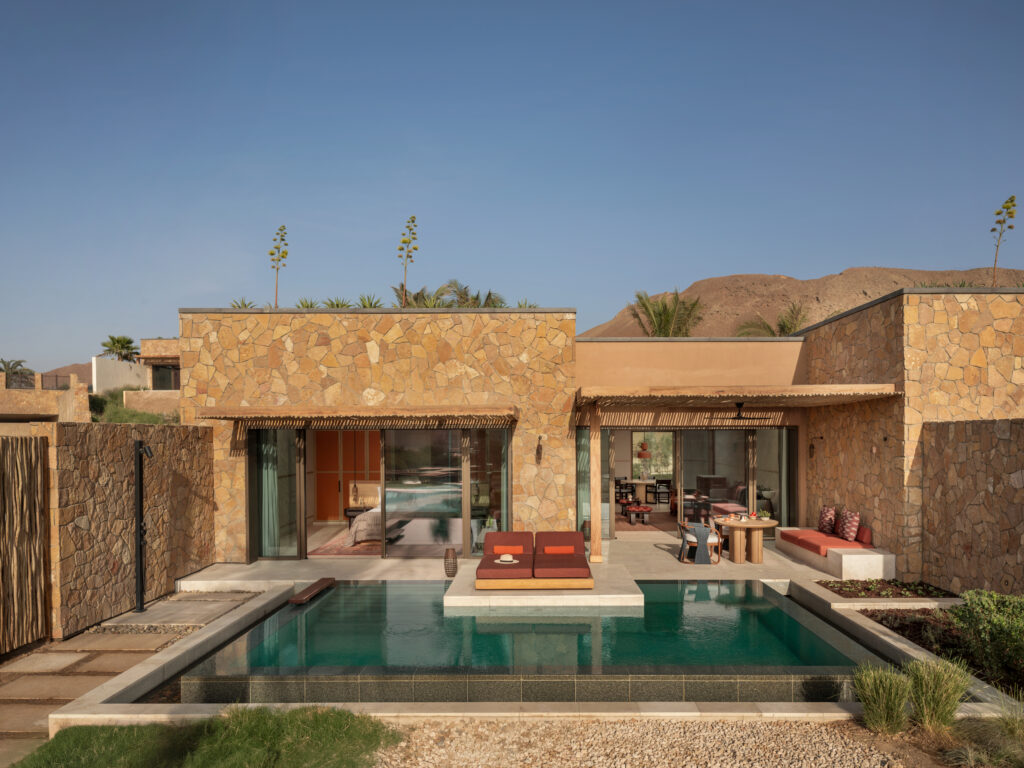
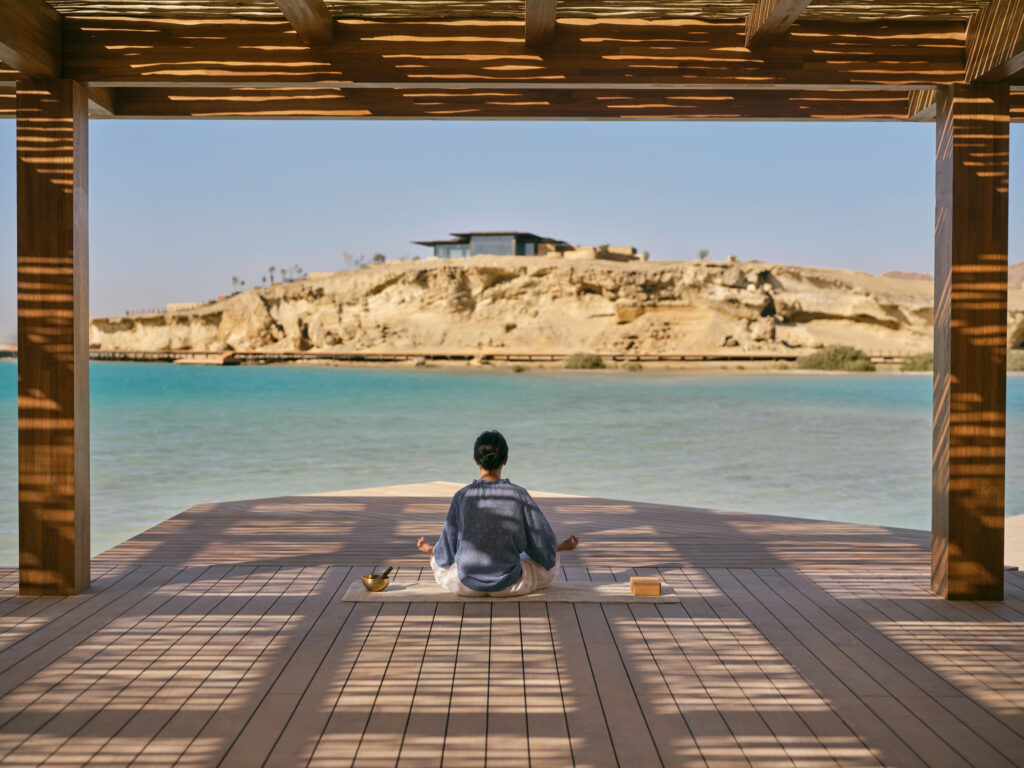
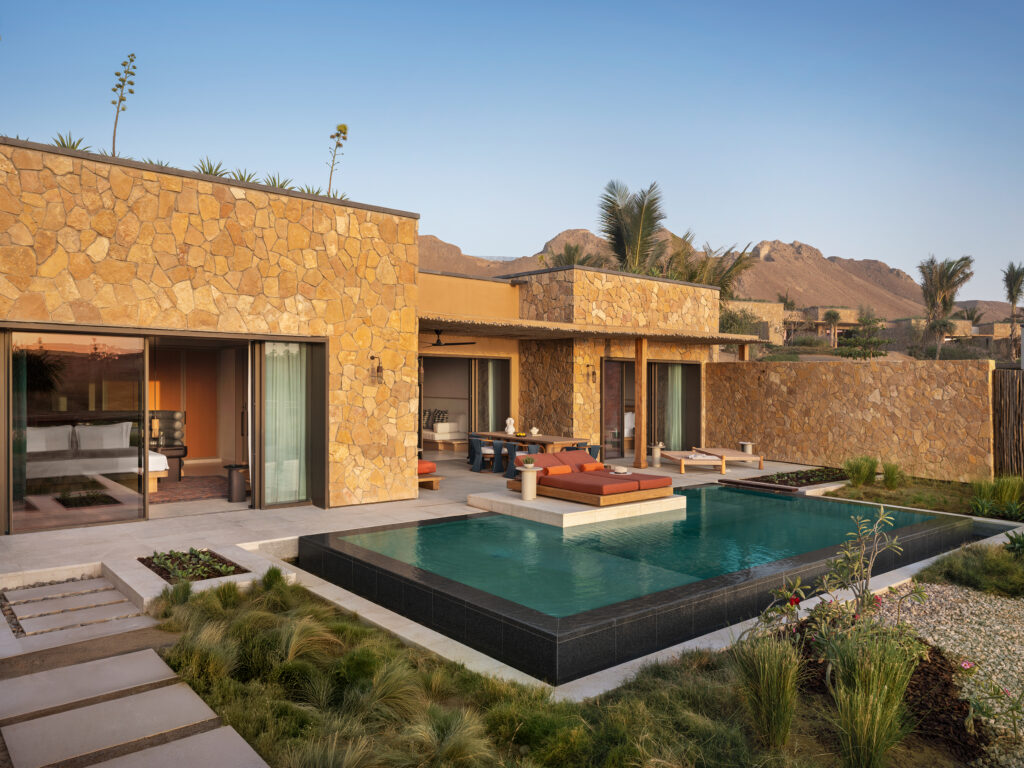
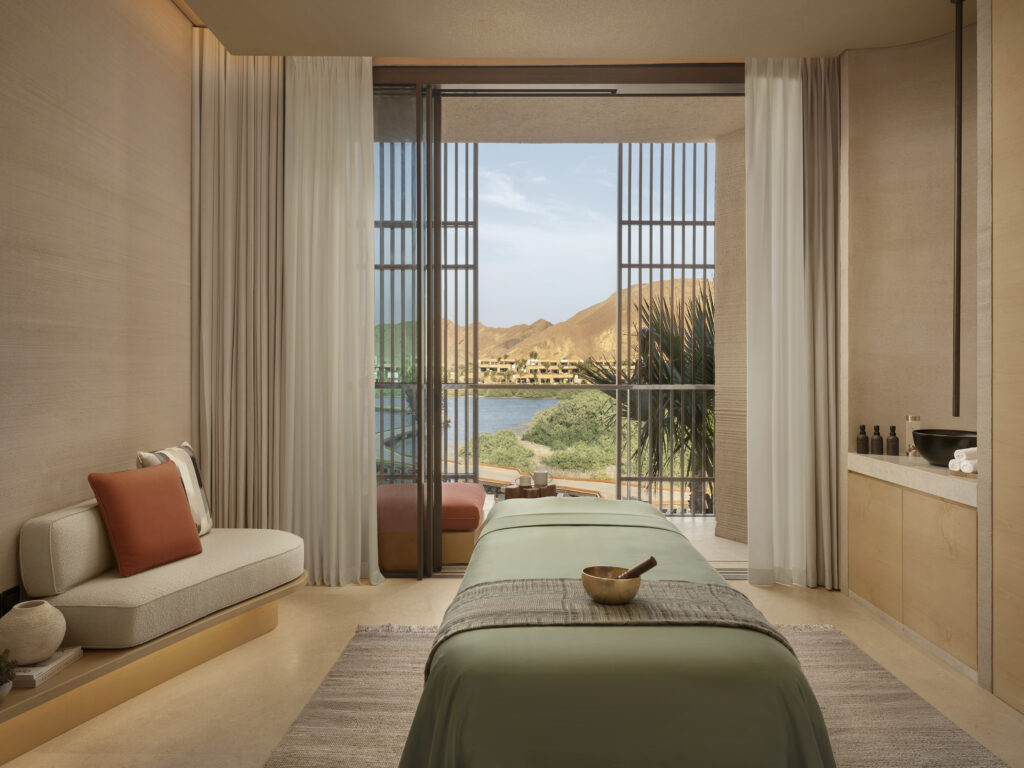
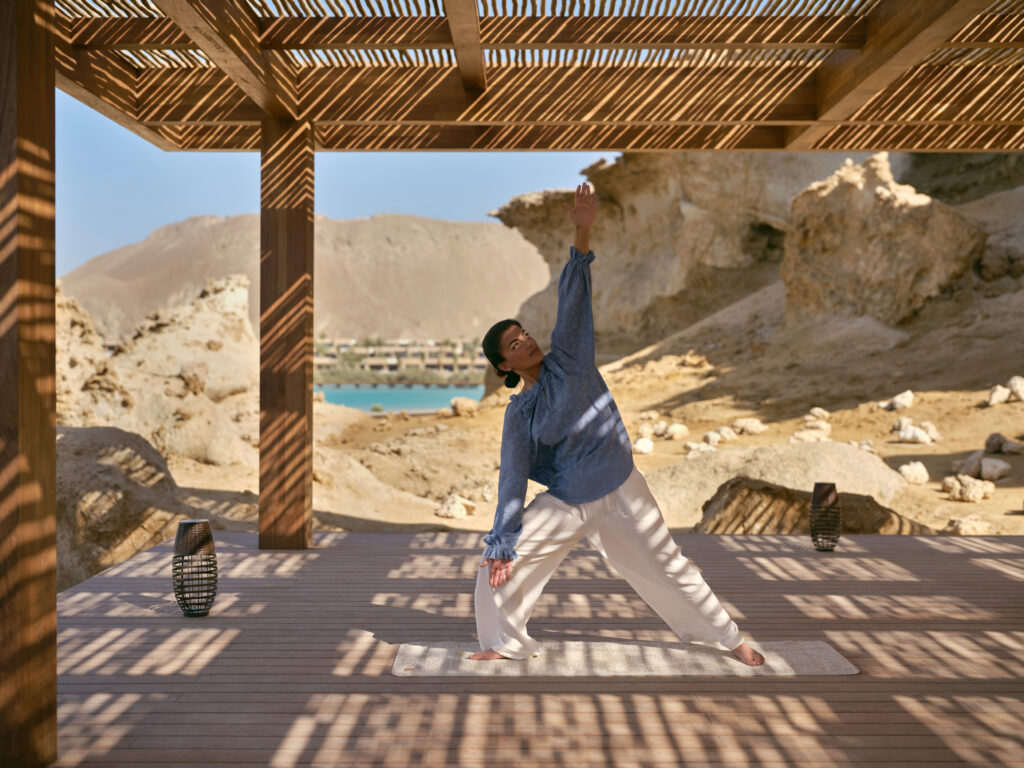
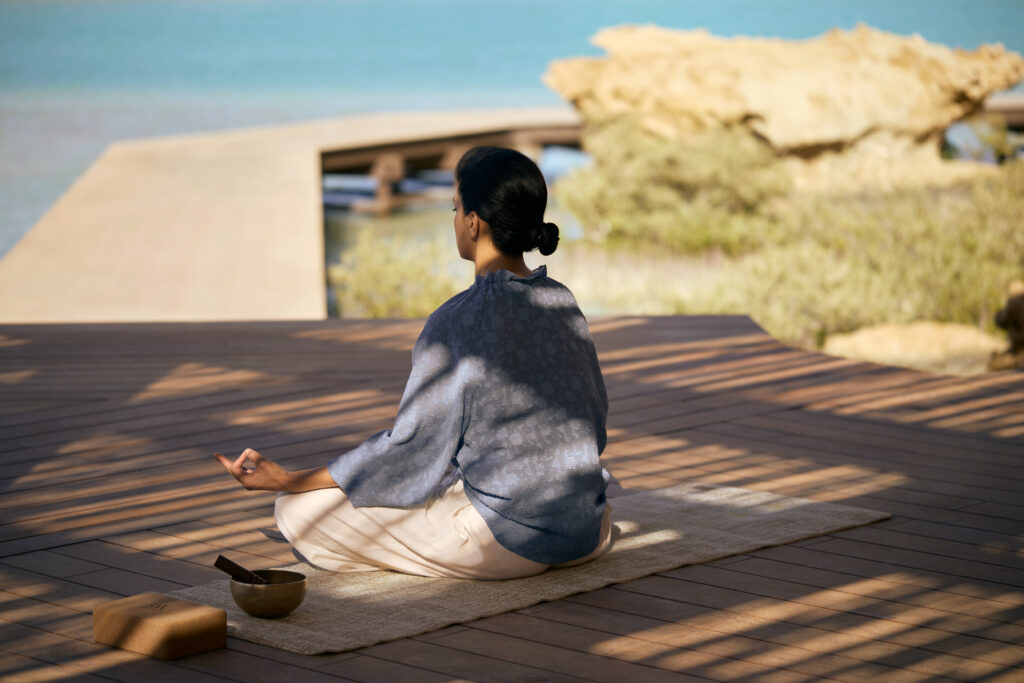
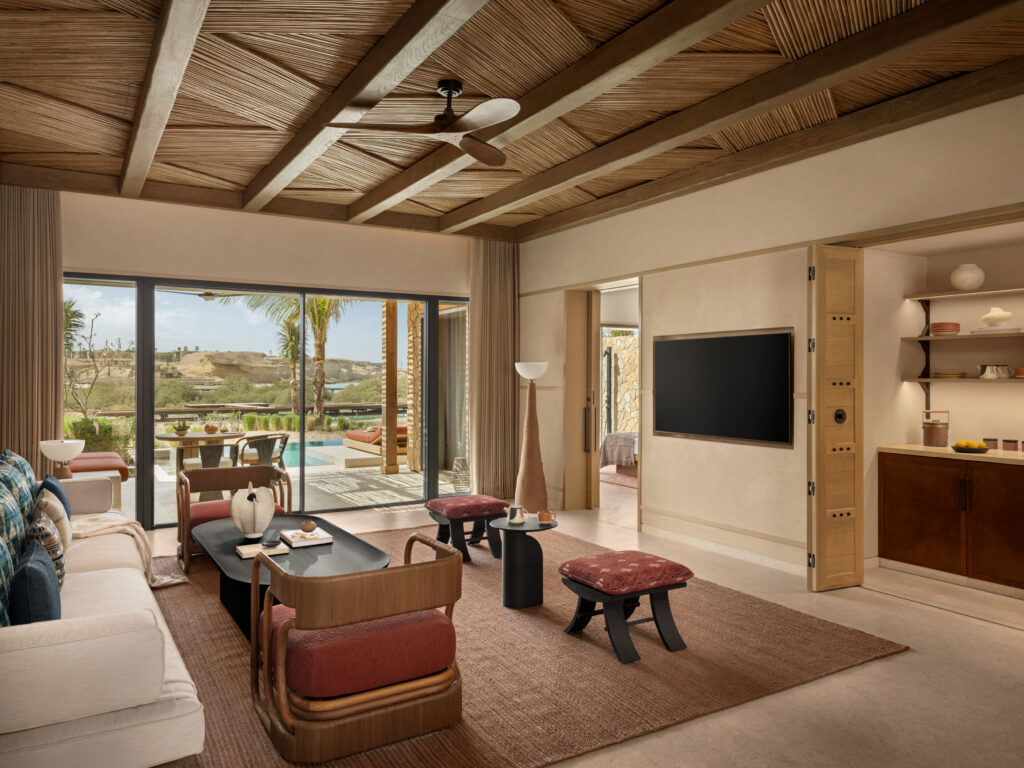
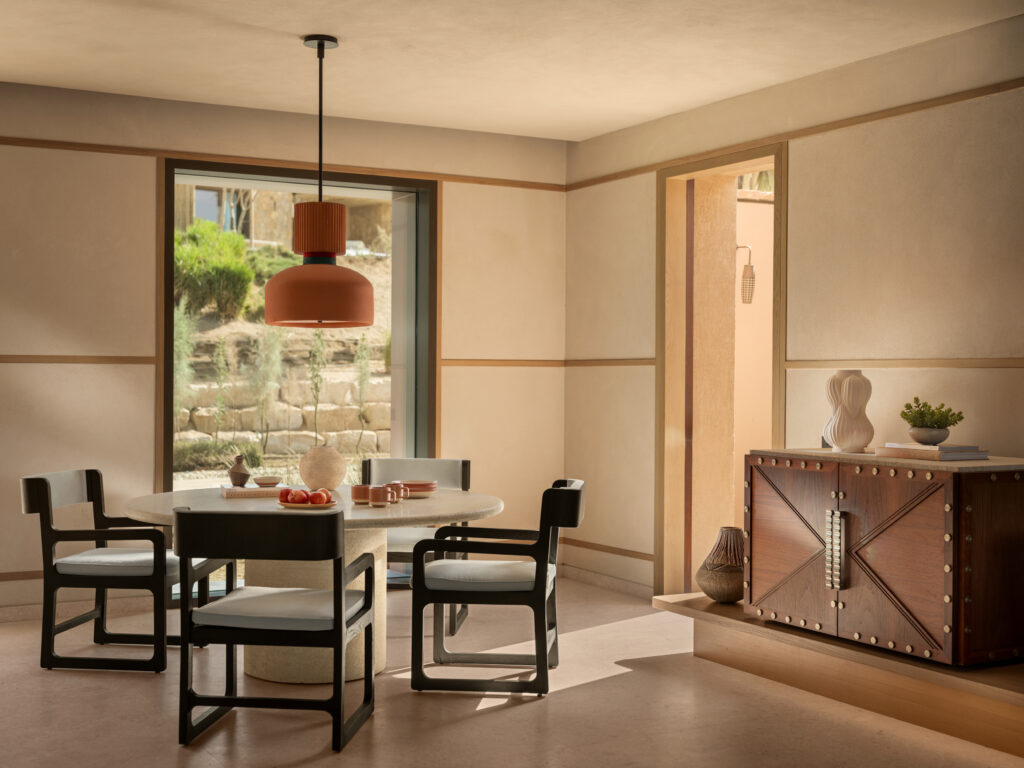
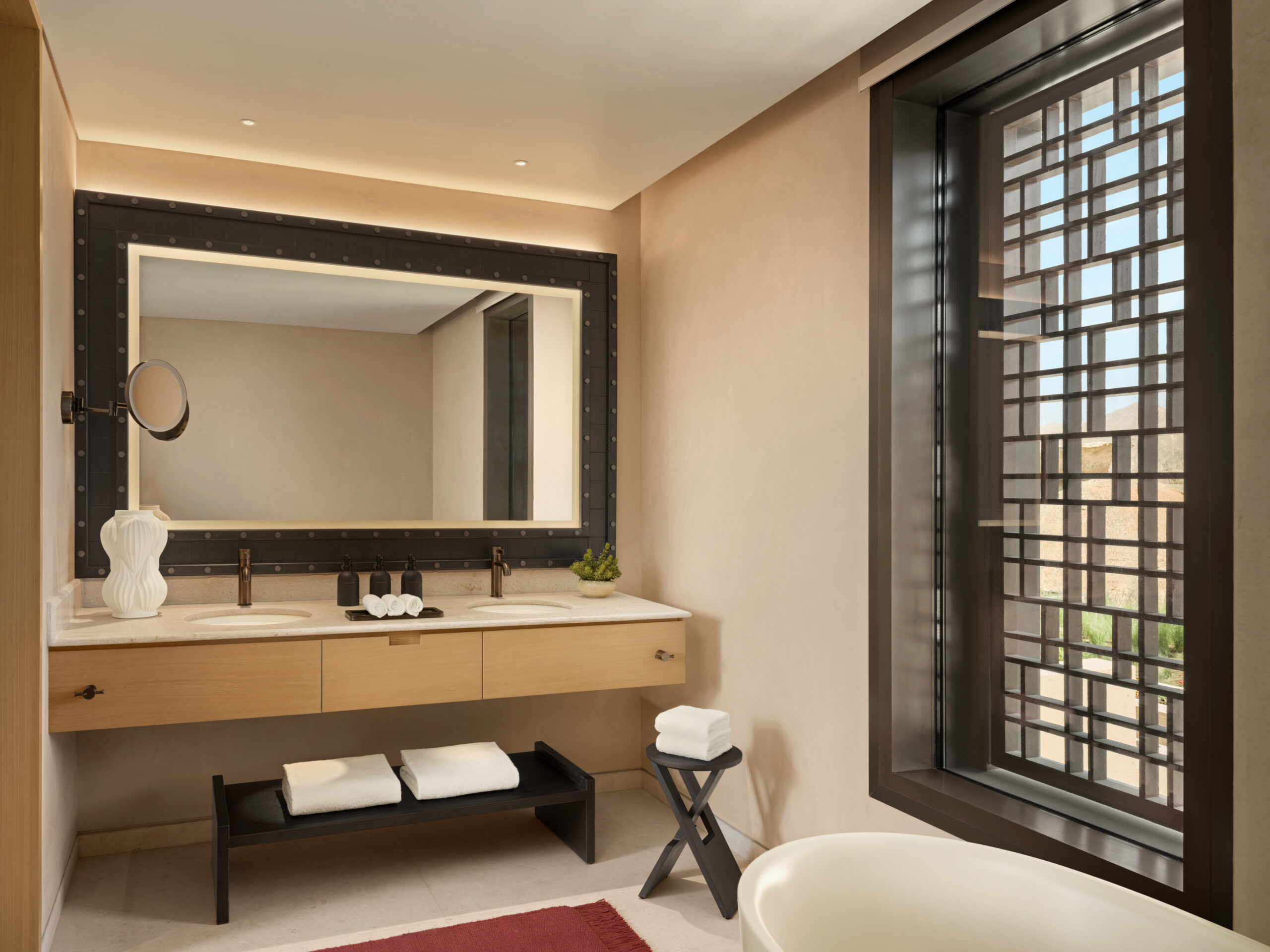
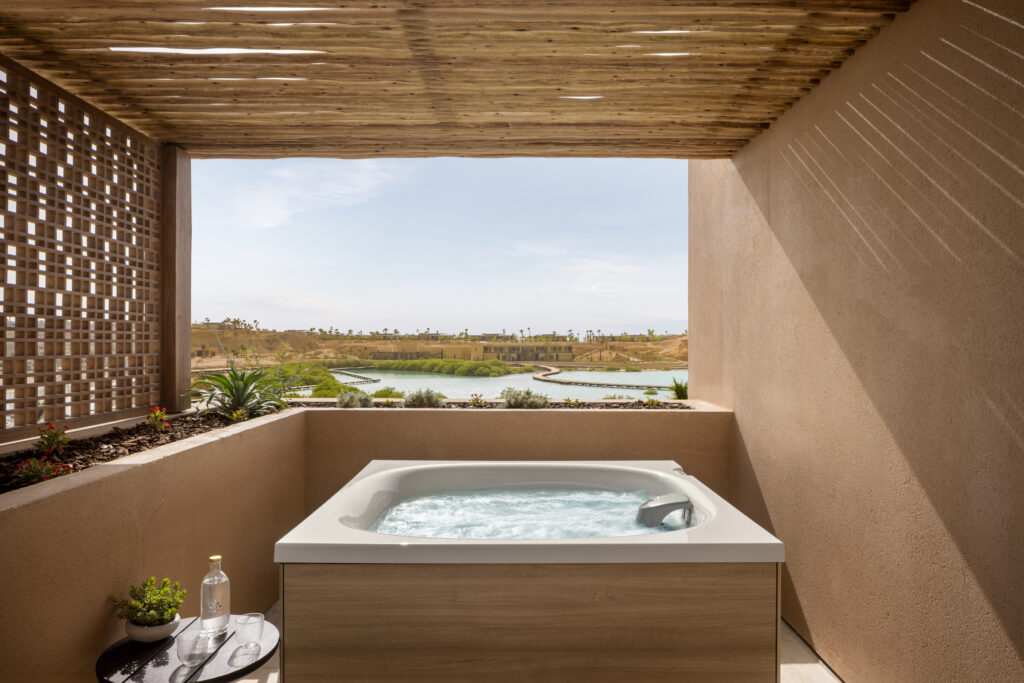
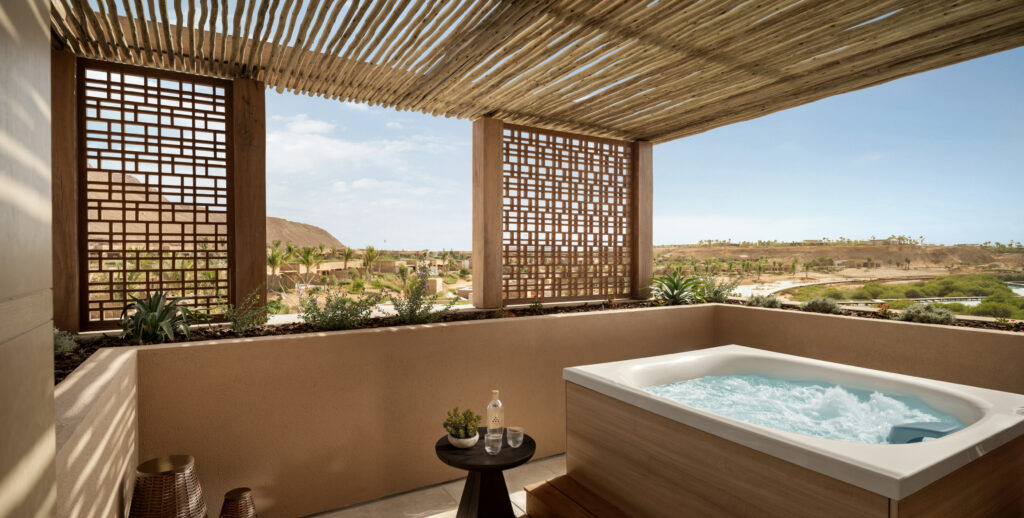
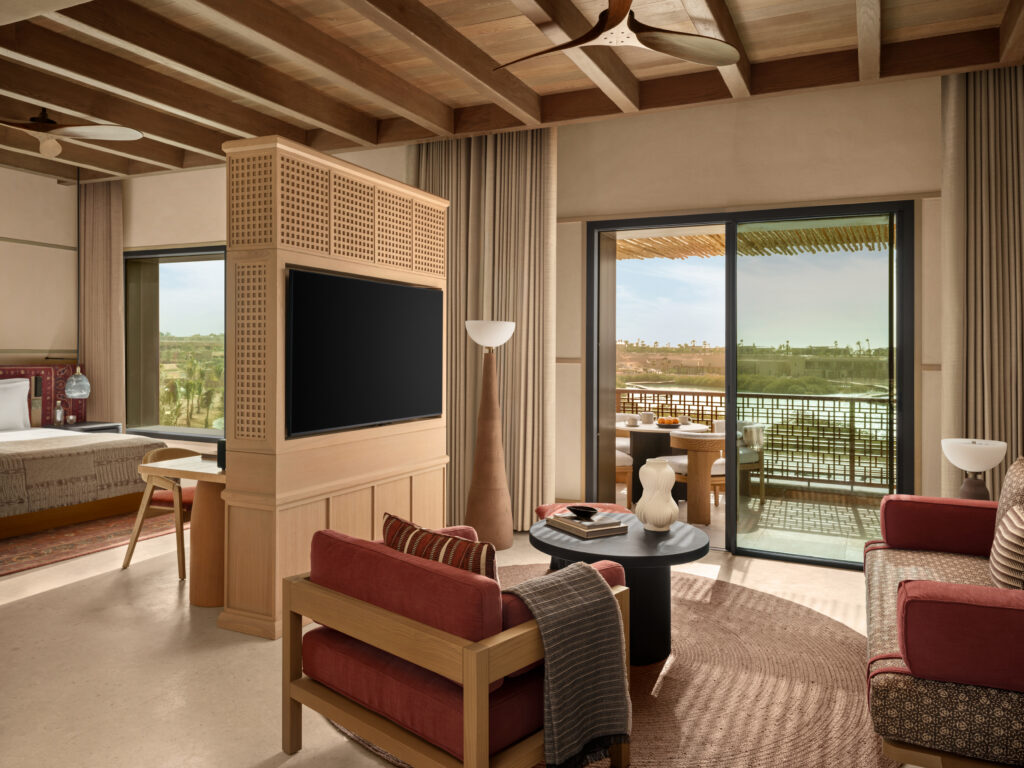
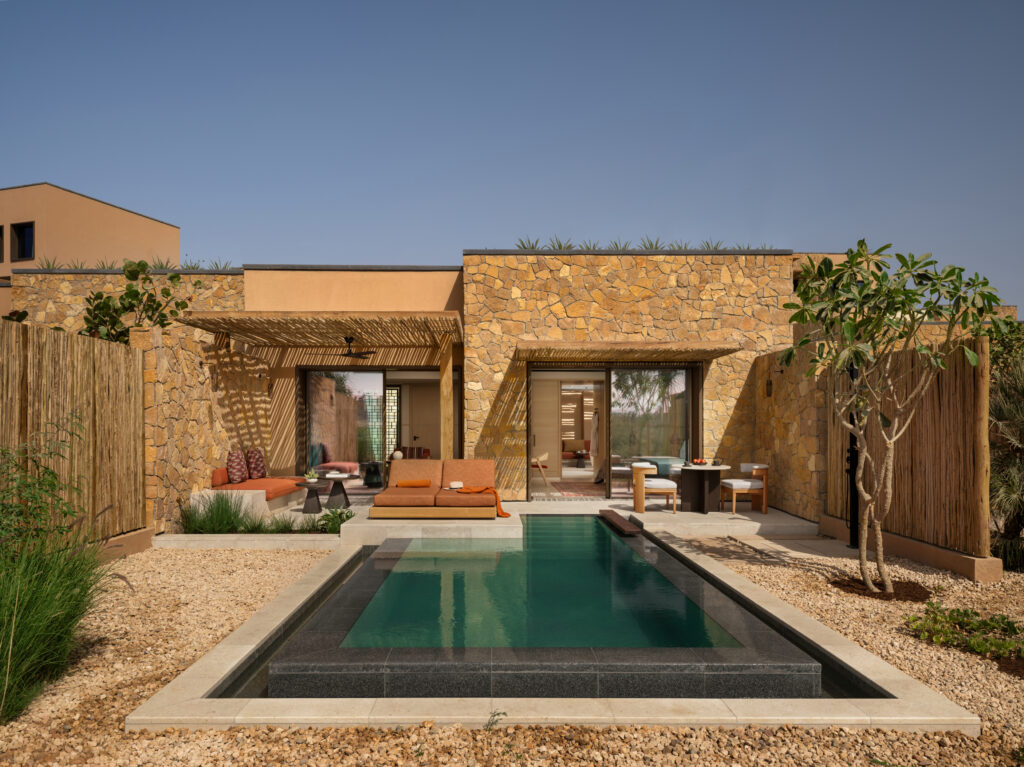
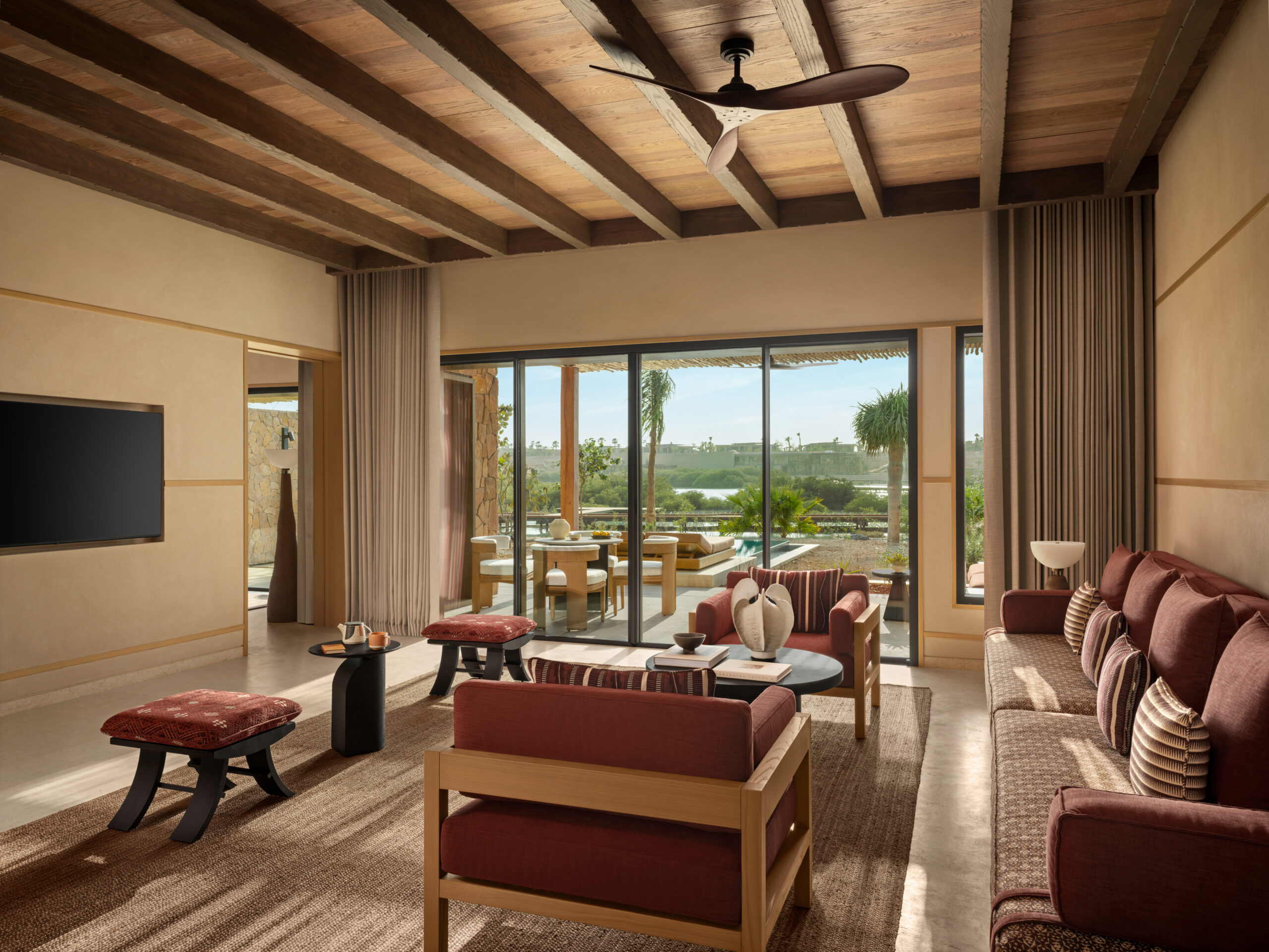
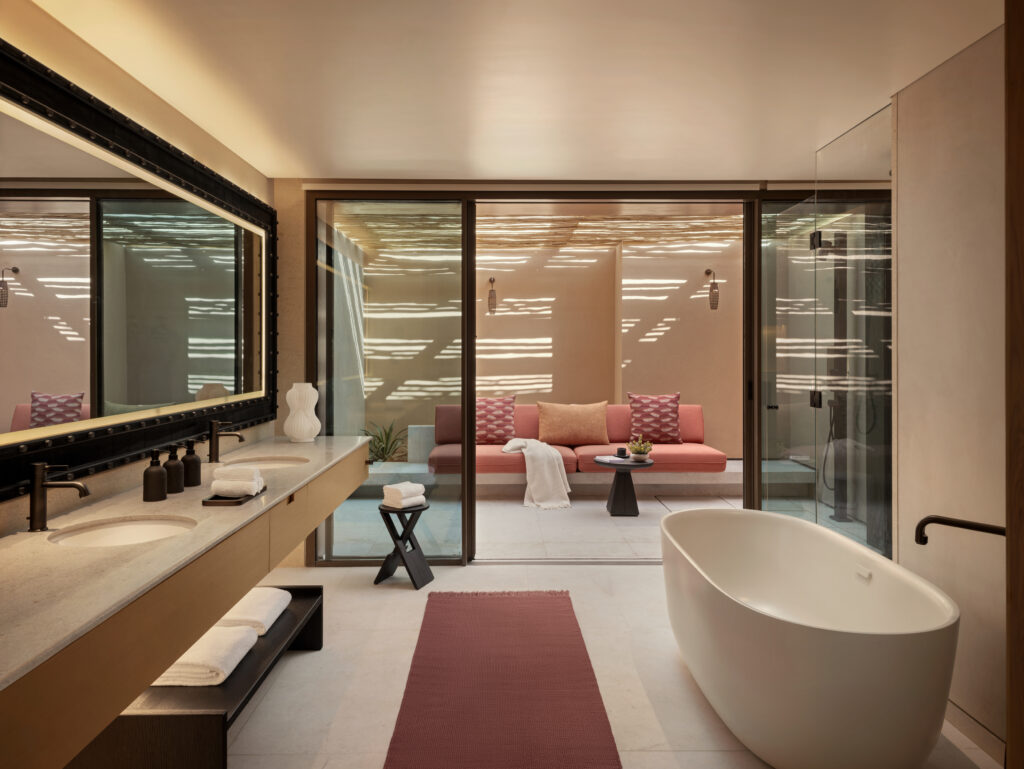
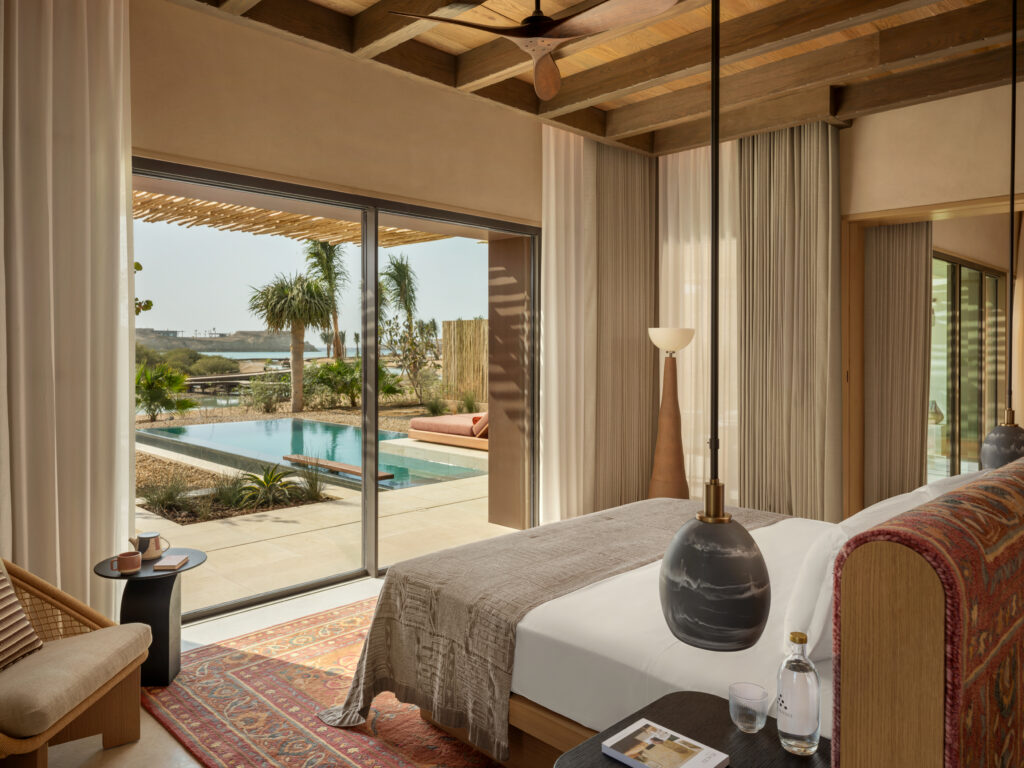
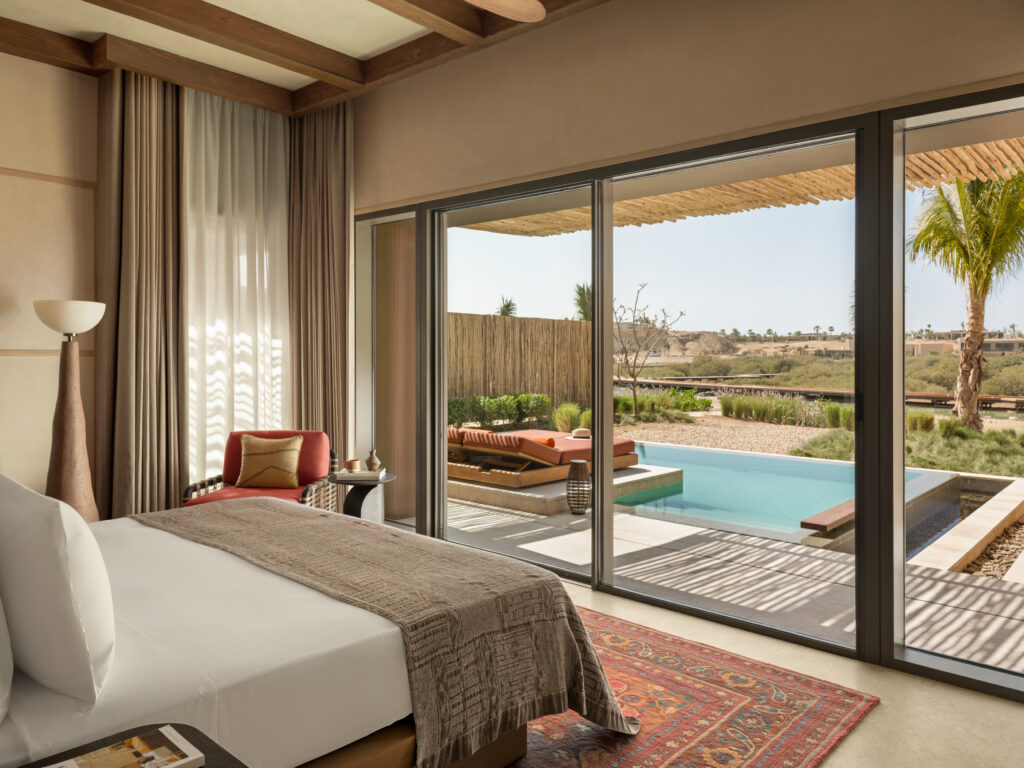
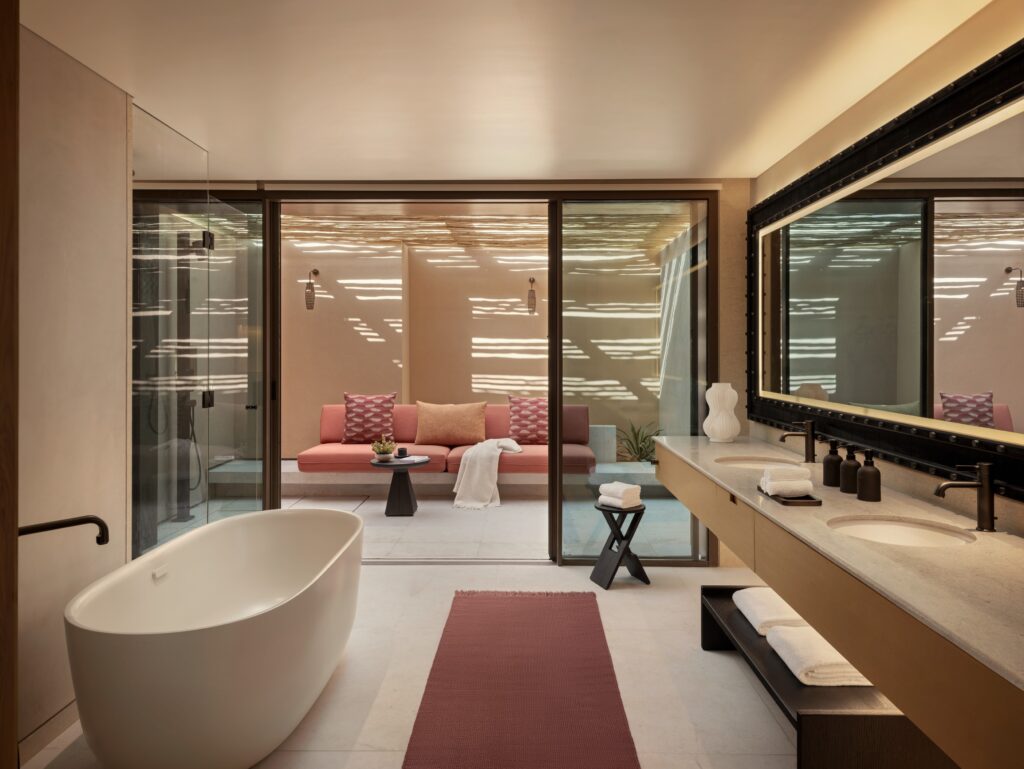
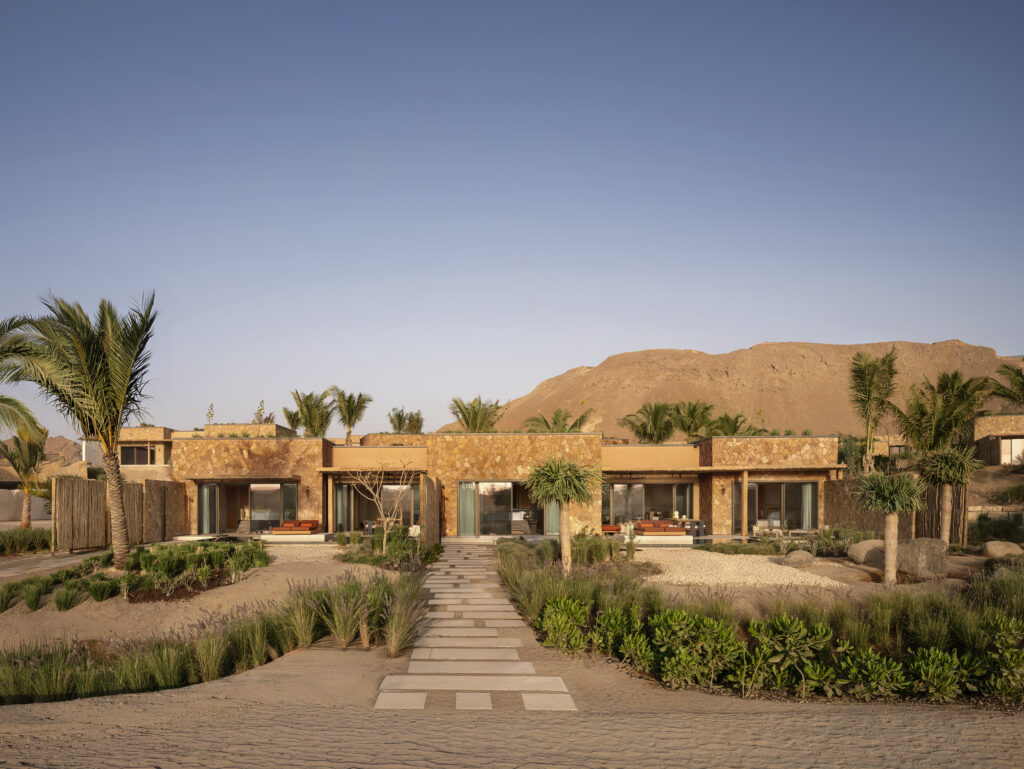
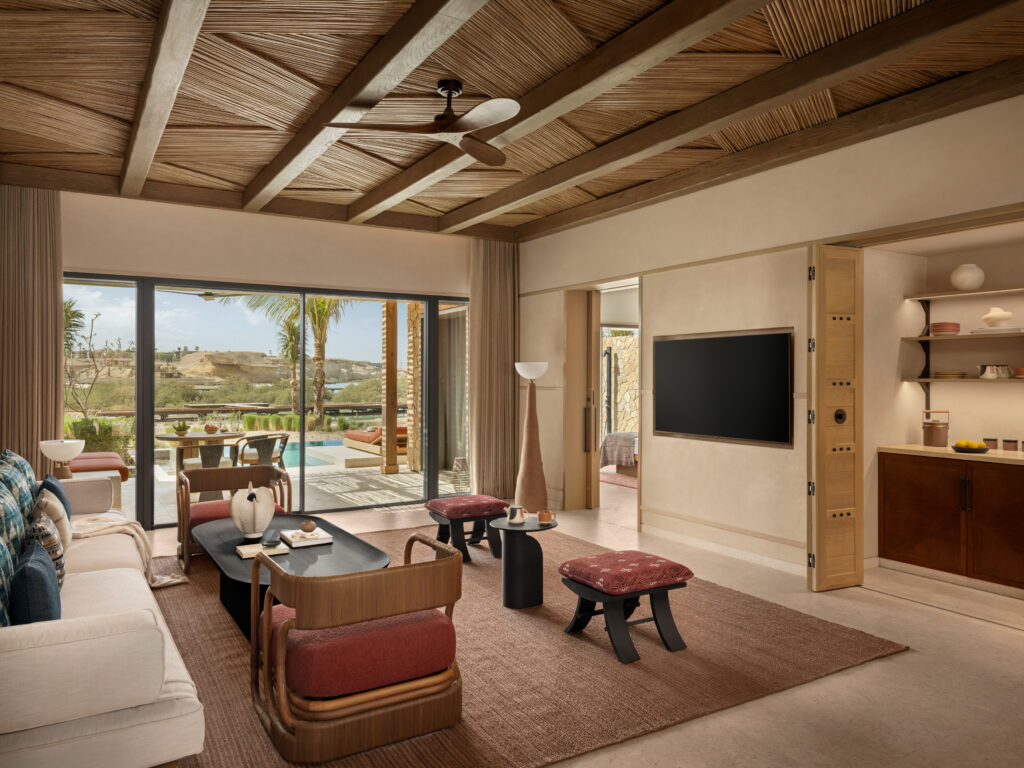
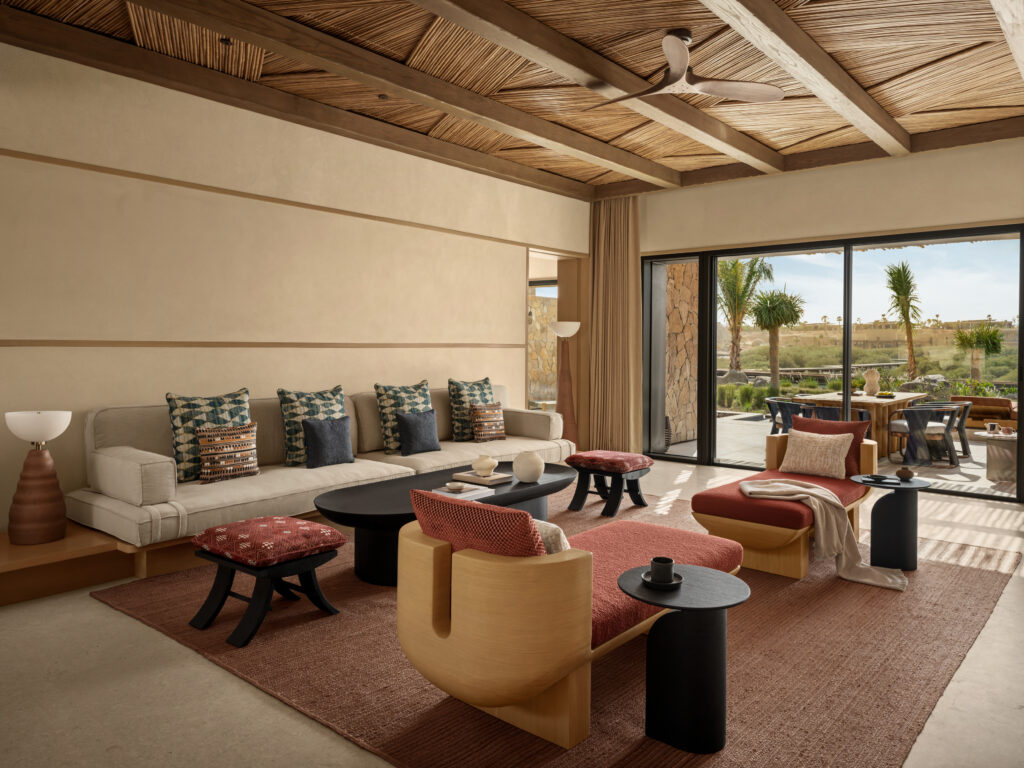
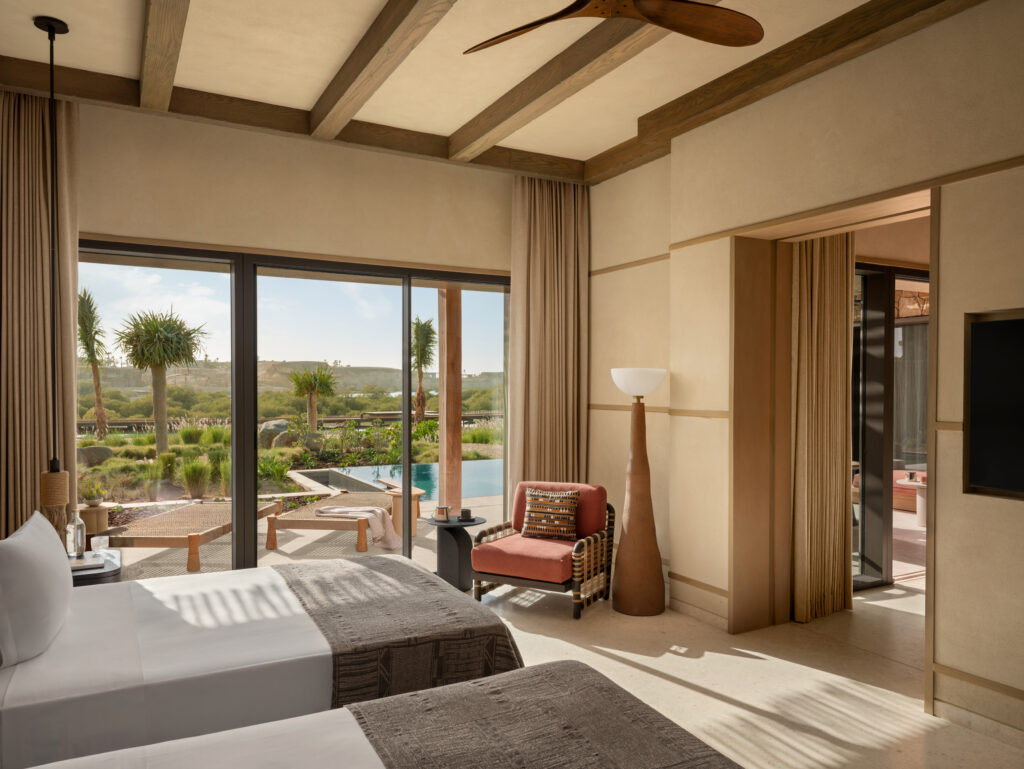
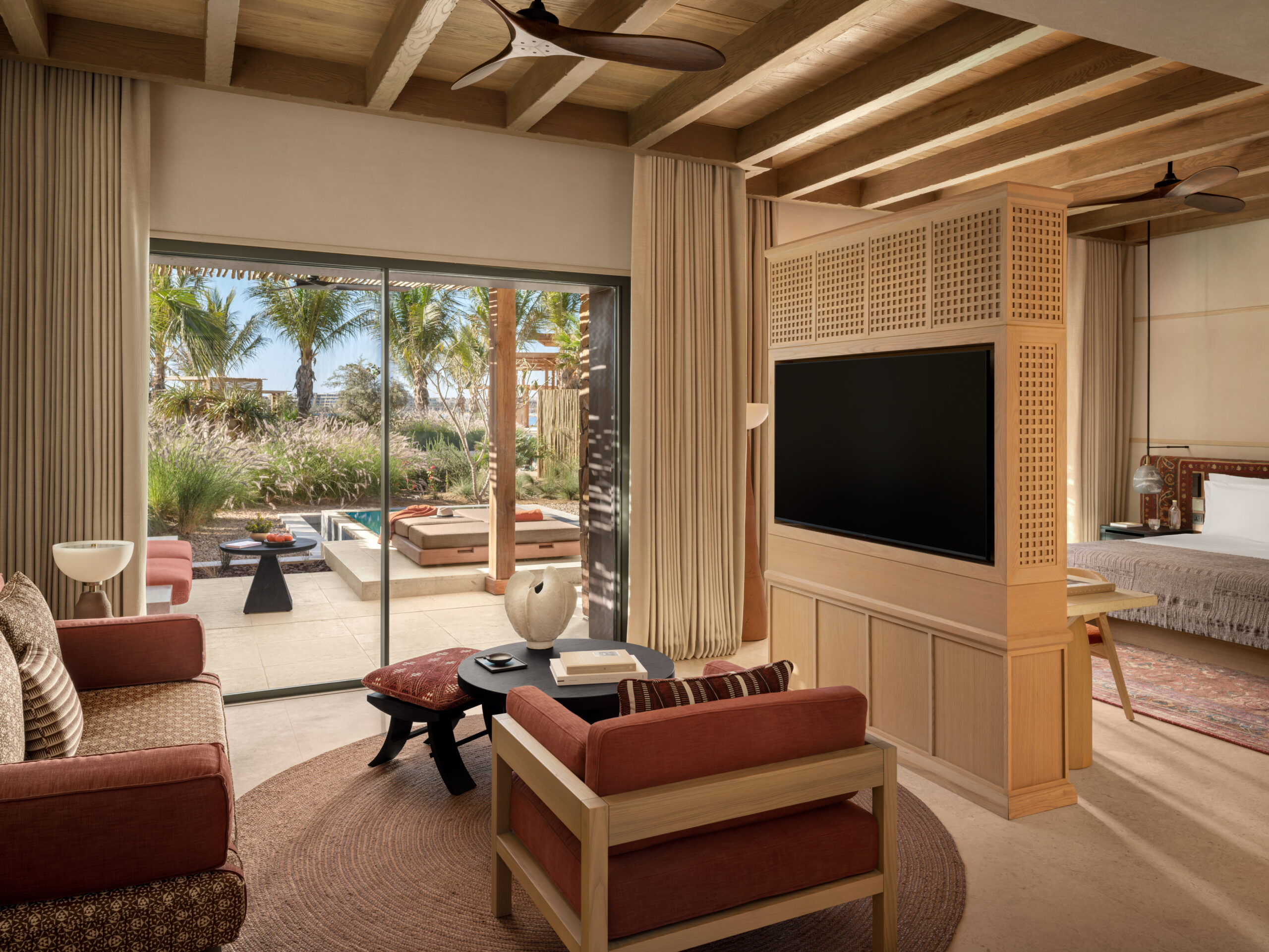
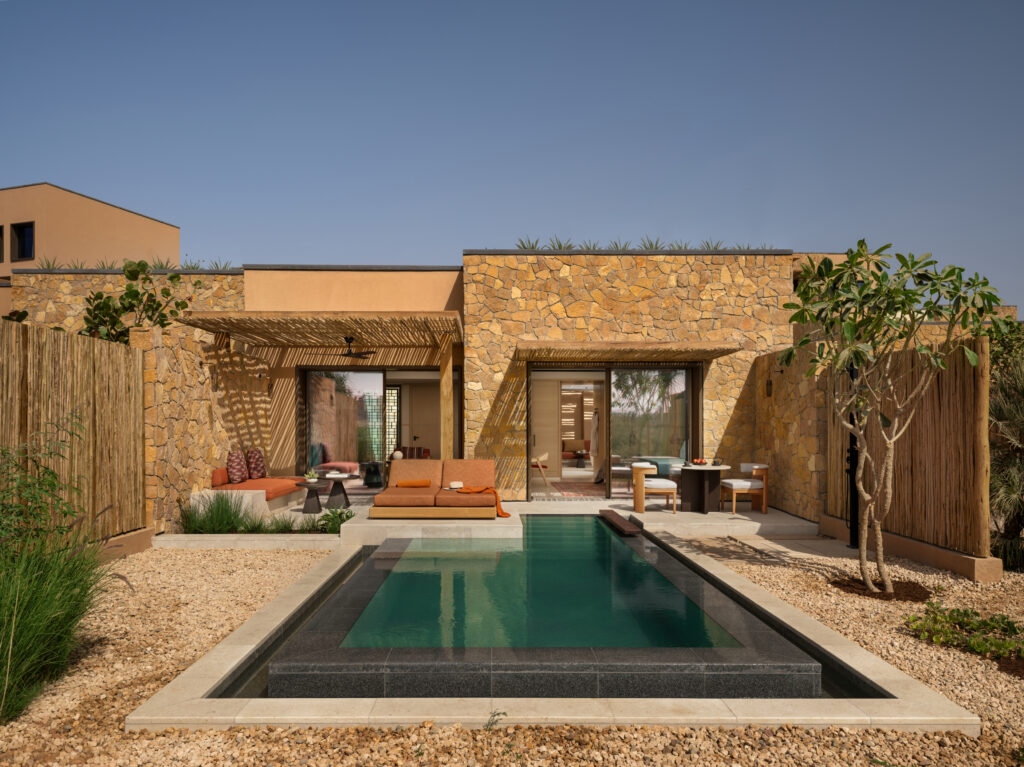
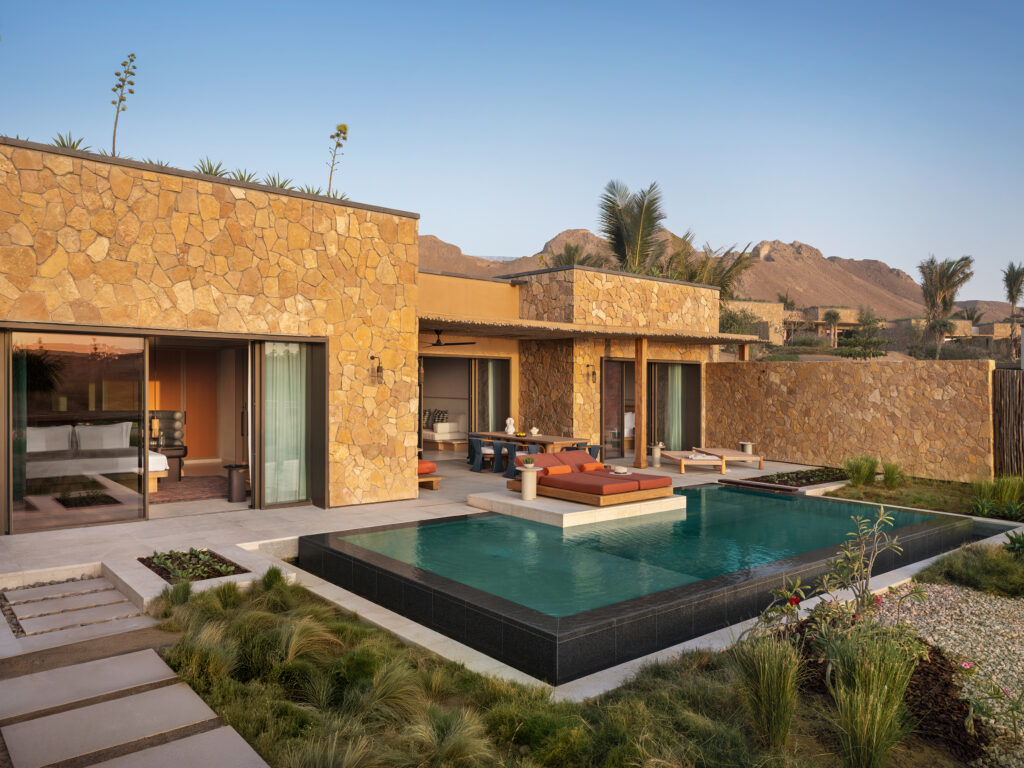
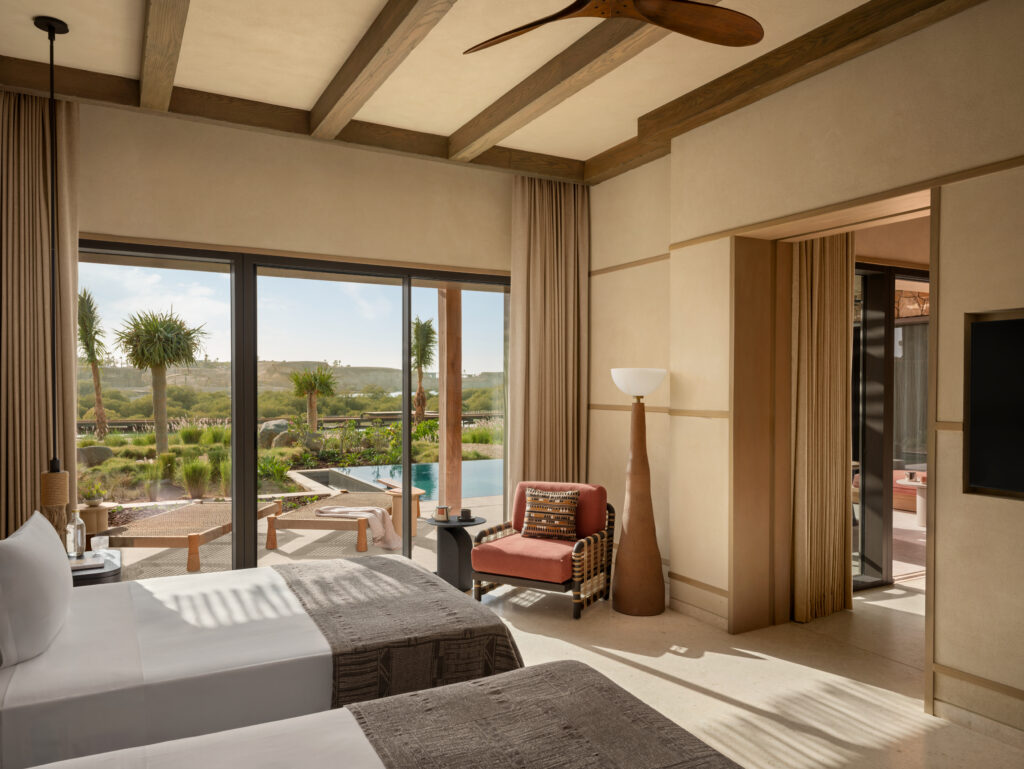
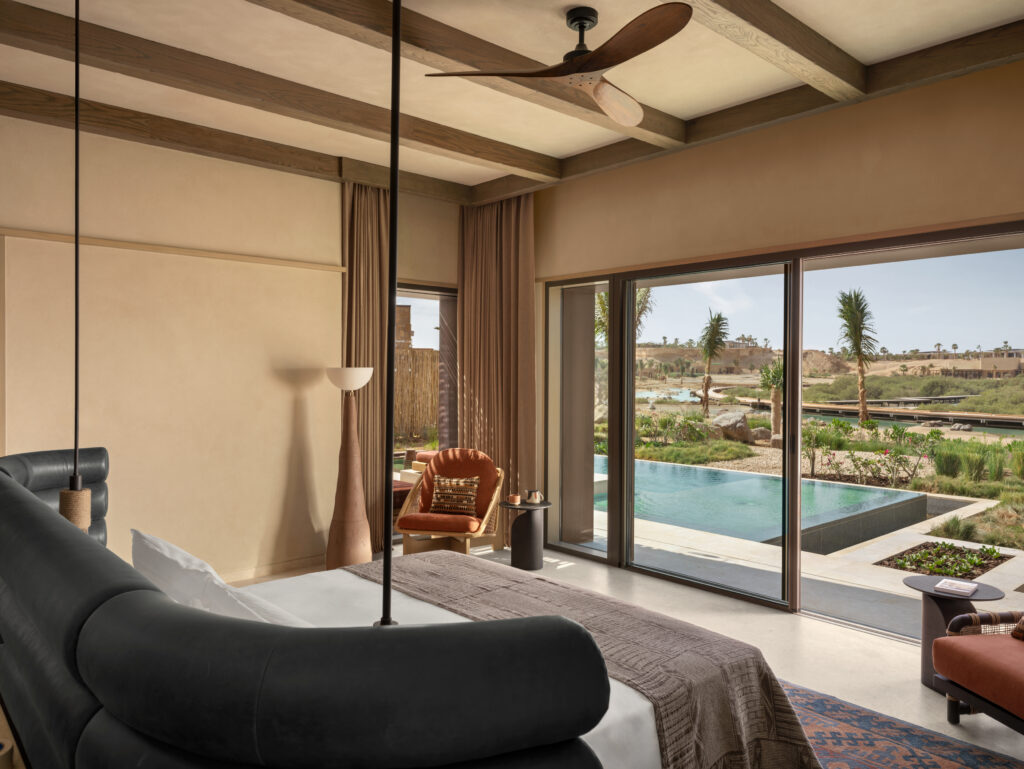
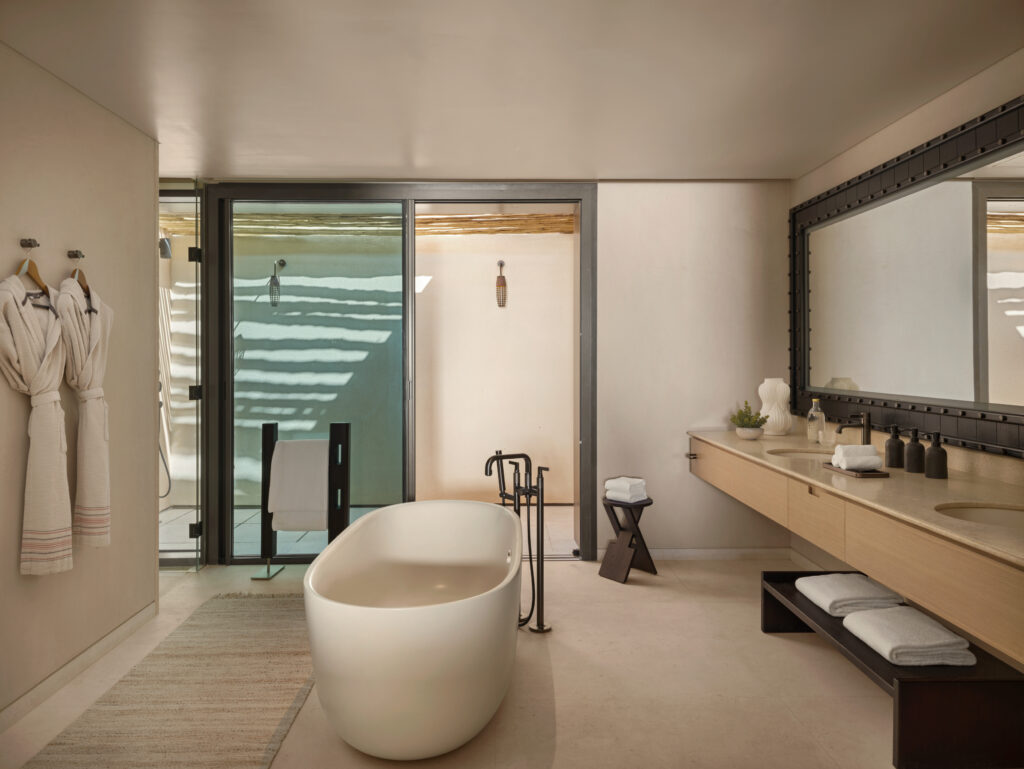
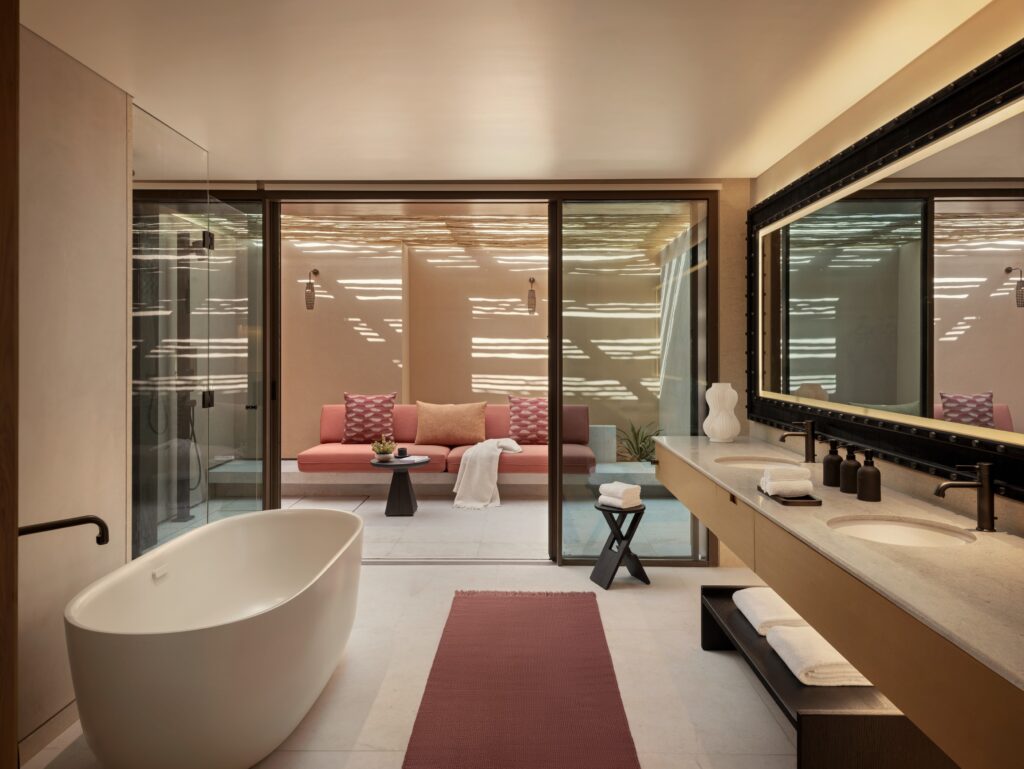
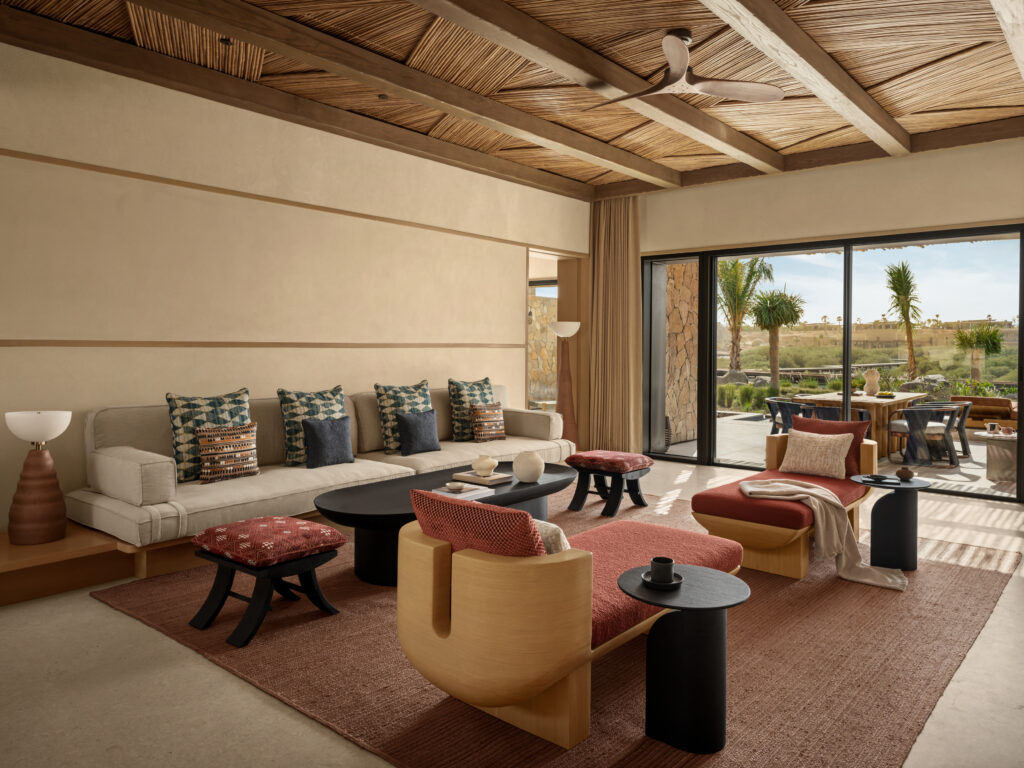
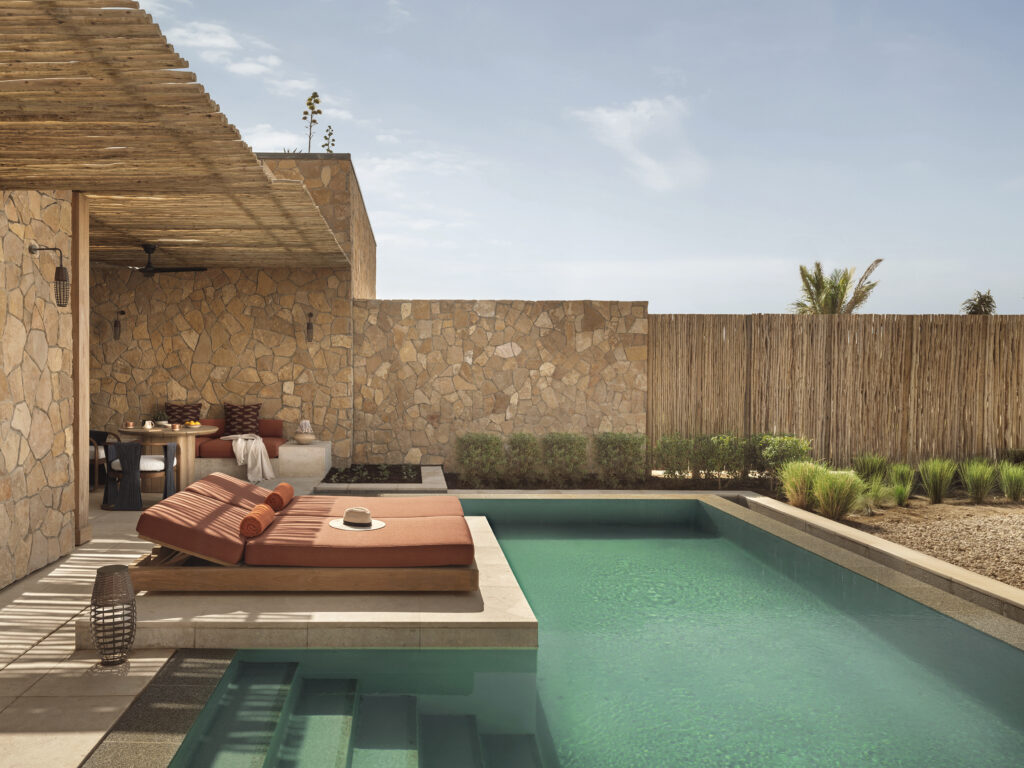
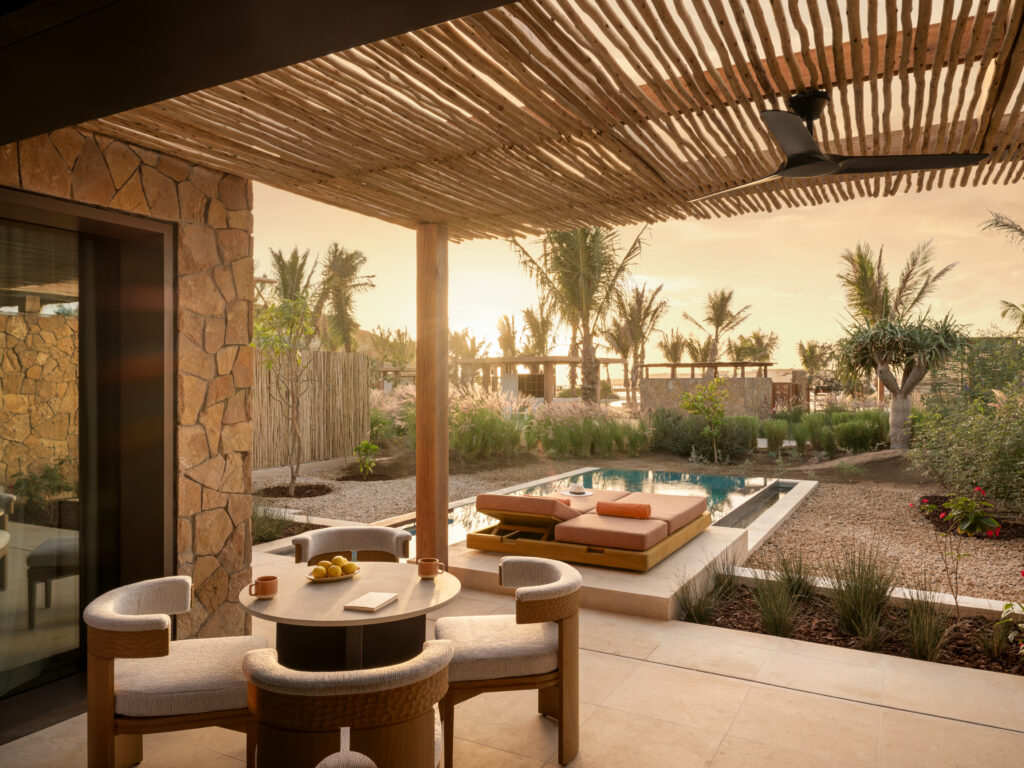
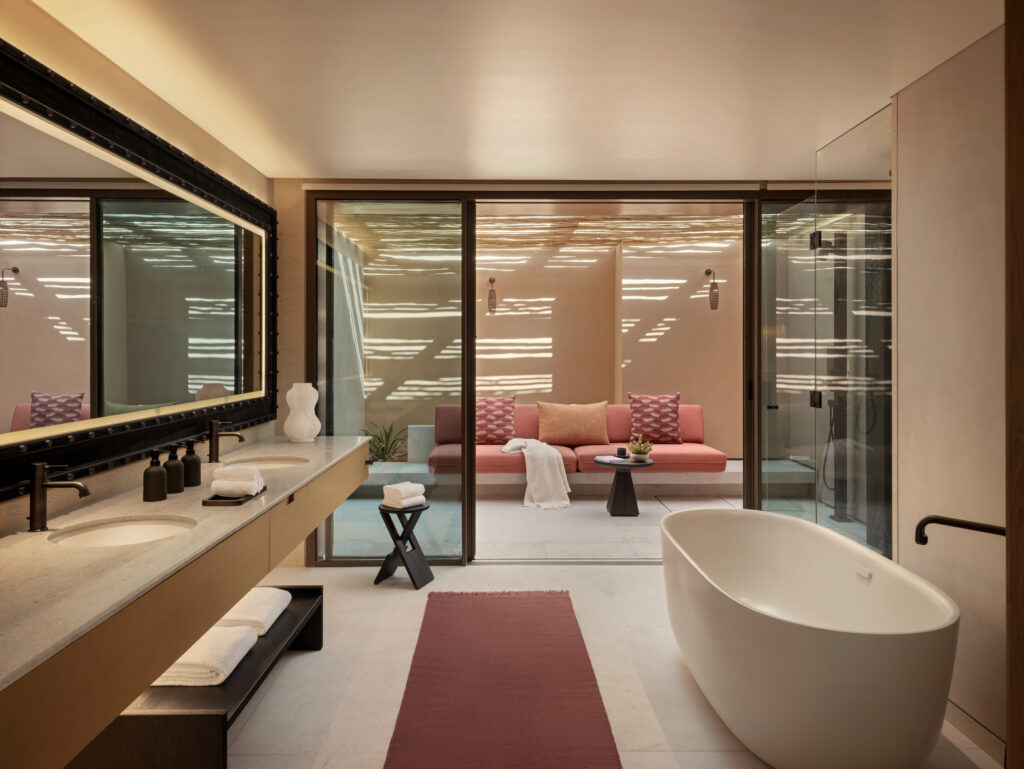
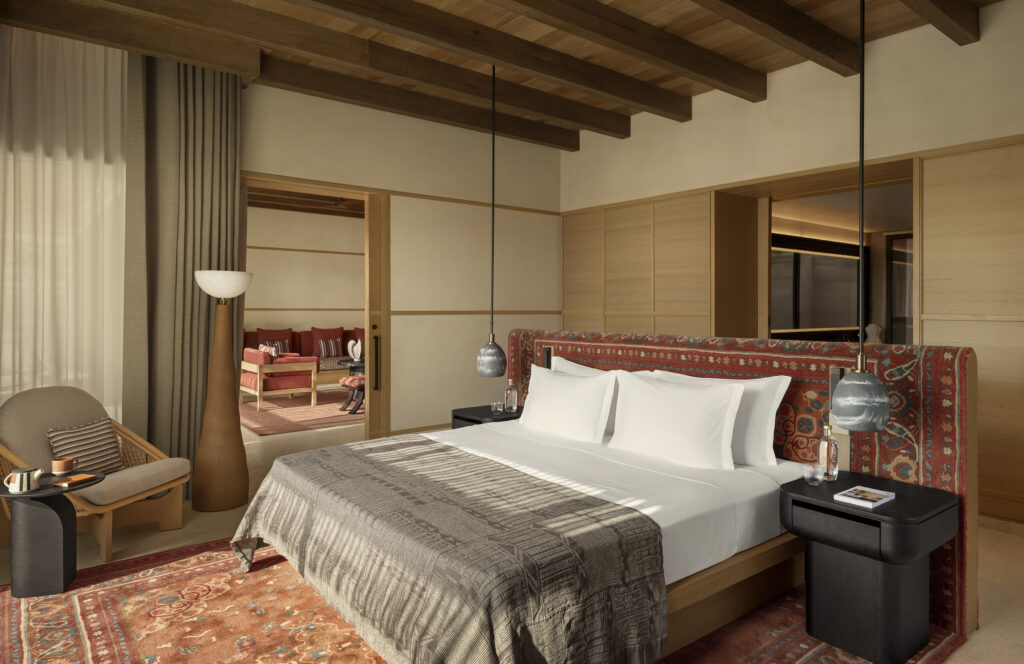
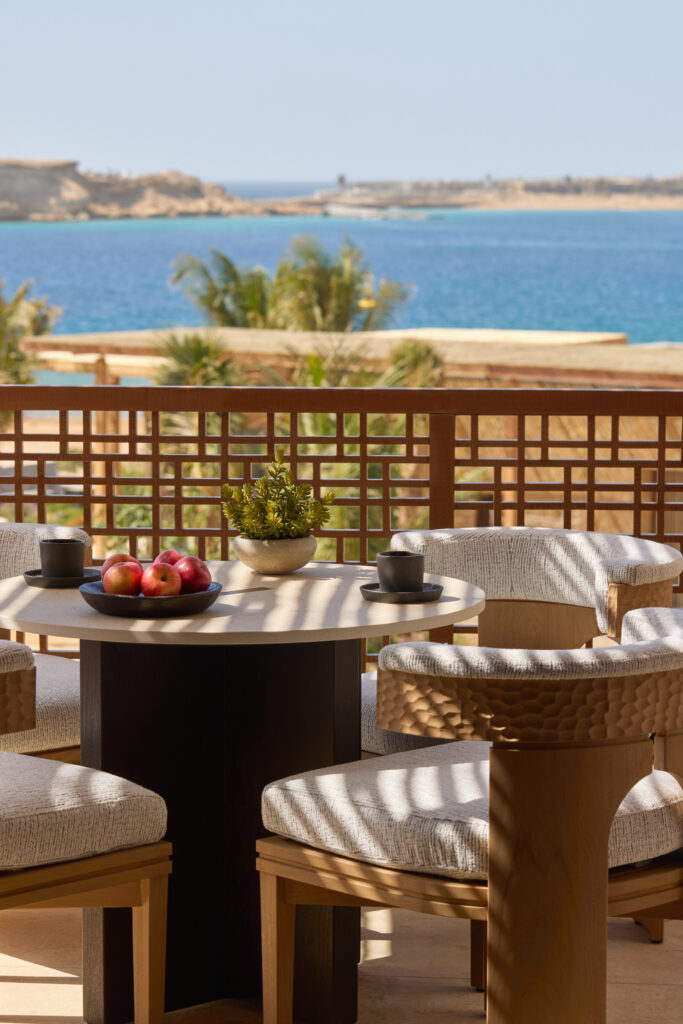
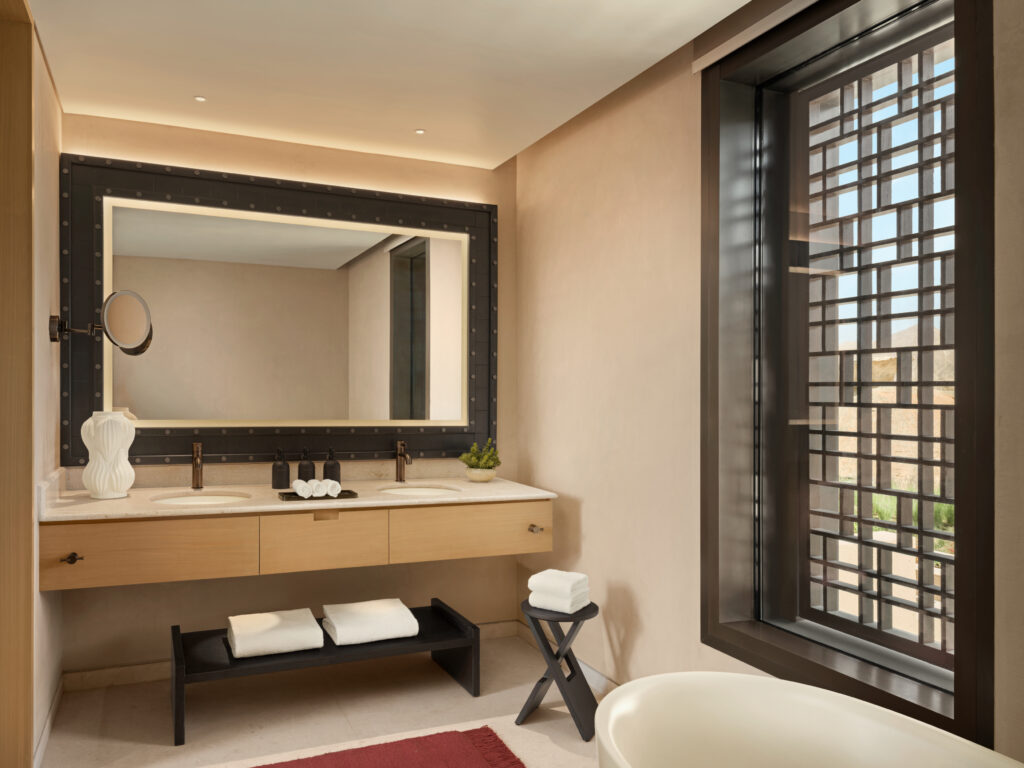
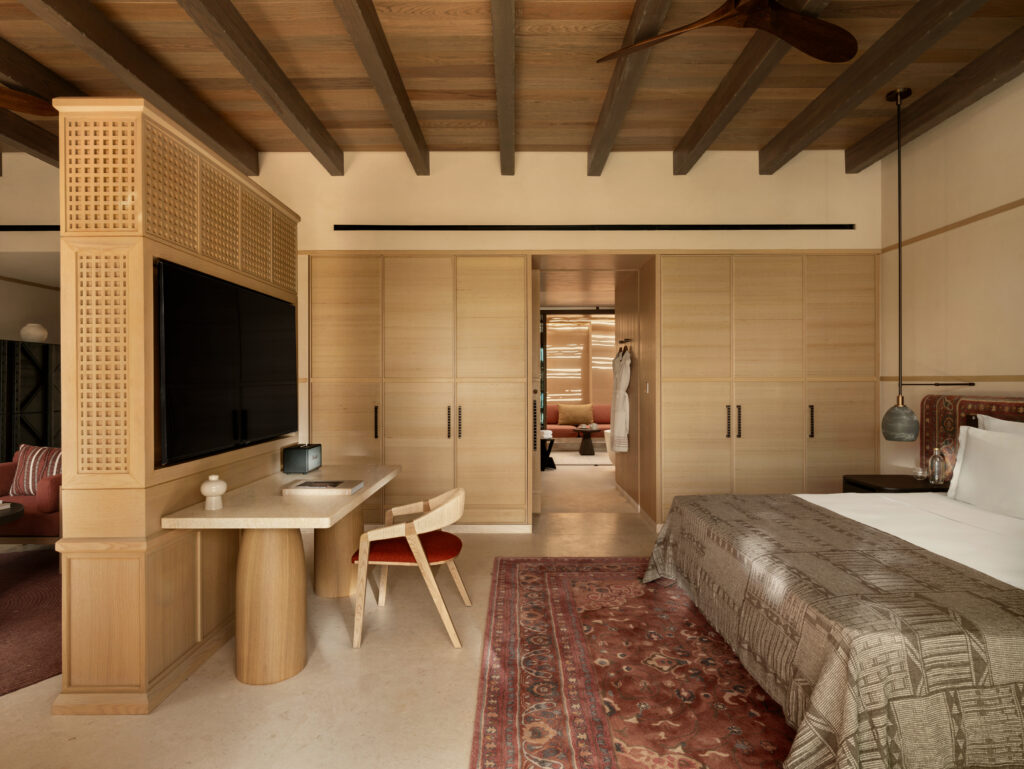
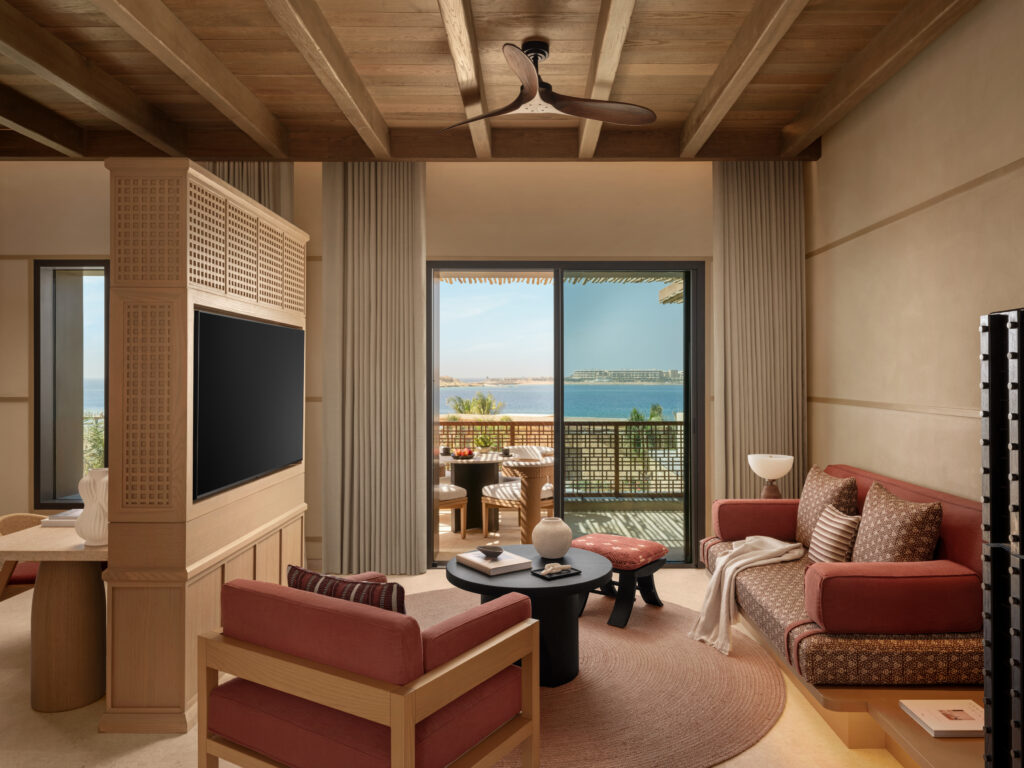
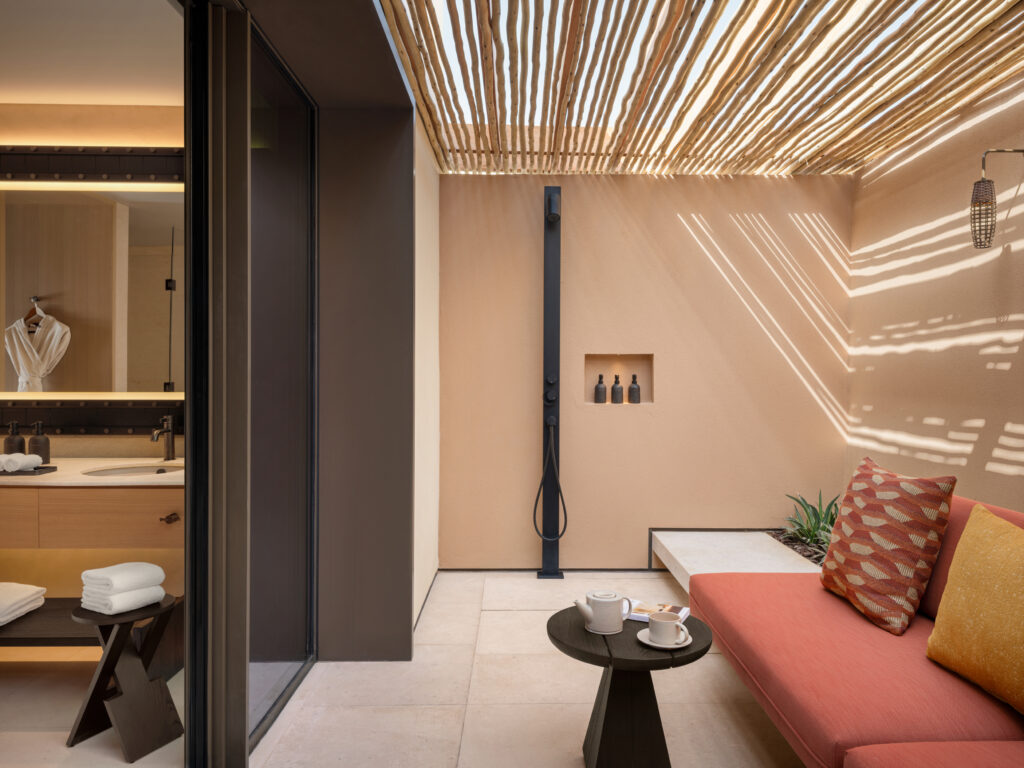
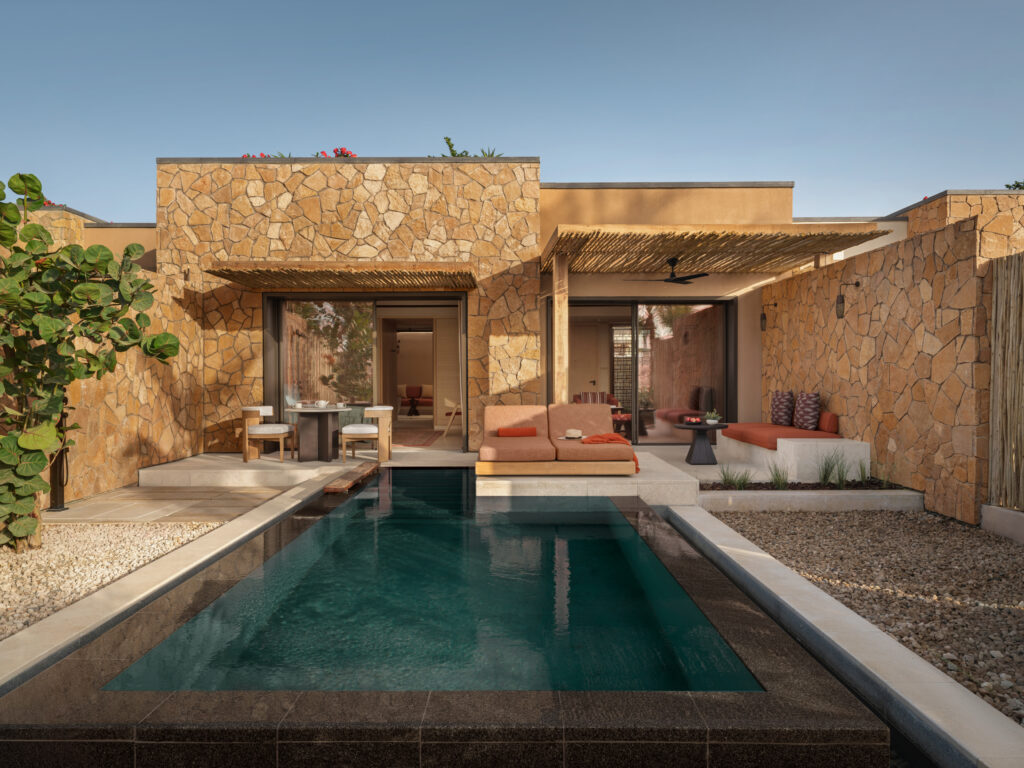
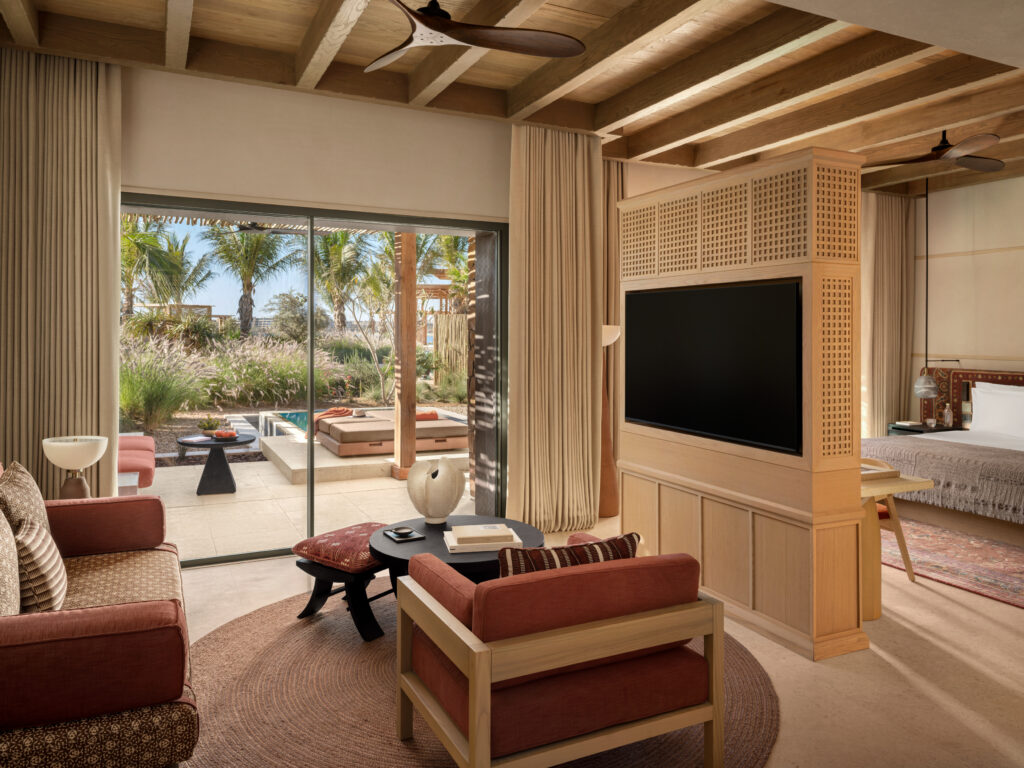
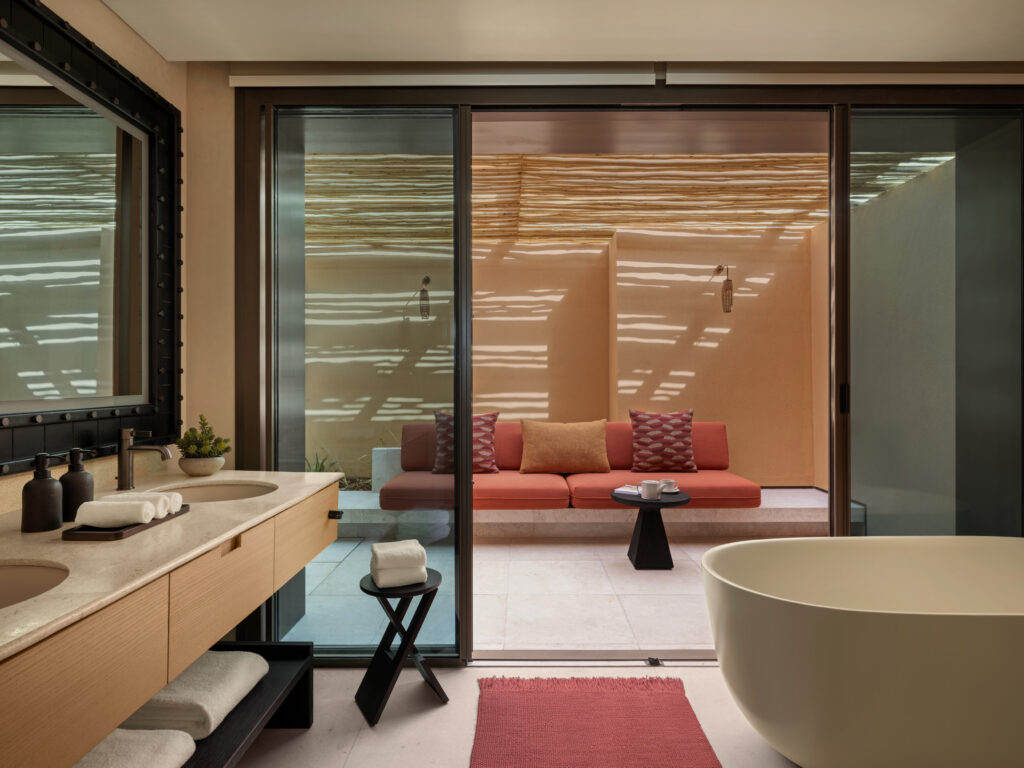
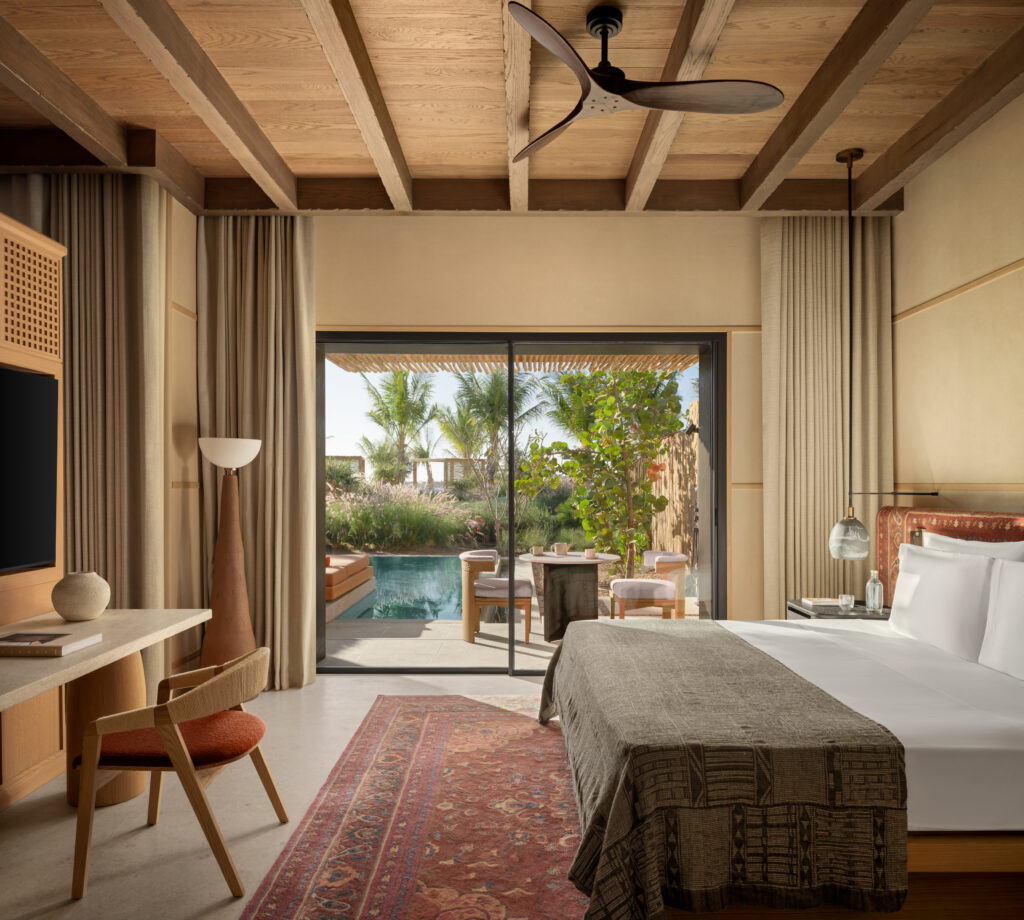
One word keeps coming back in the vocabulary of luxury tourism in recent years, and it deserves some attention before being allowed to slip away as a mere marketing argument: wellness. AMAALA, the project Saudi Arabia is developing in the Tabuk region, between desert mountains and the Red Sea coastline, claims to be its new embodiment. The destination, whose first phase is due to open in summer 2026, presents itself as a vision of travel shaped by nature, heritage and a holistic approach to living well — a project designed, according to its promoters, for longevity and experiential art de vivre rather than for simple seaside holidays.
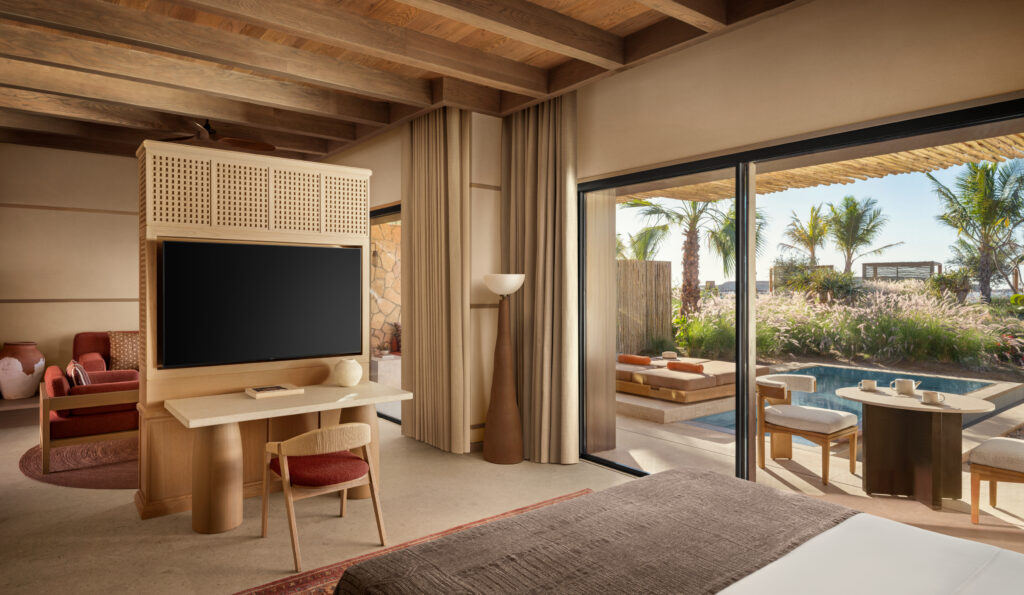
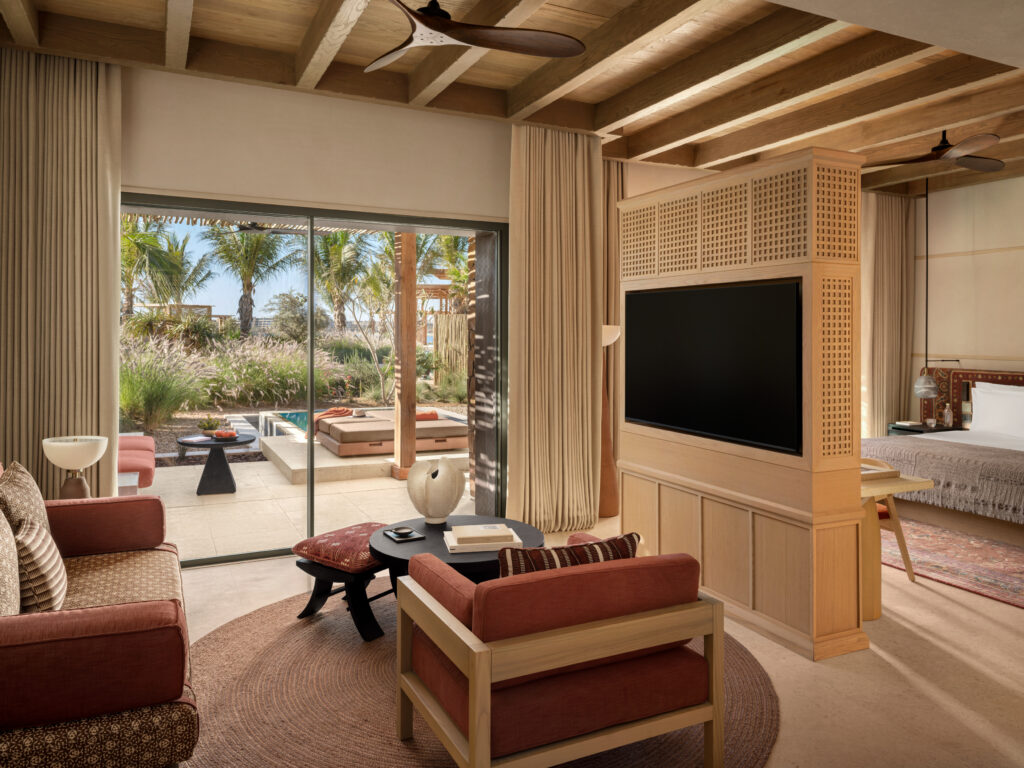
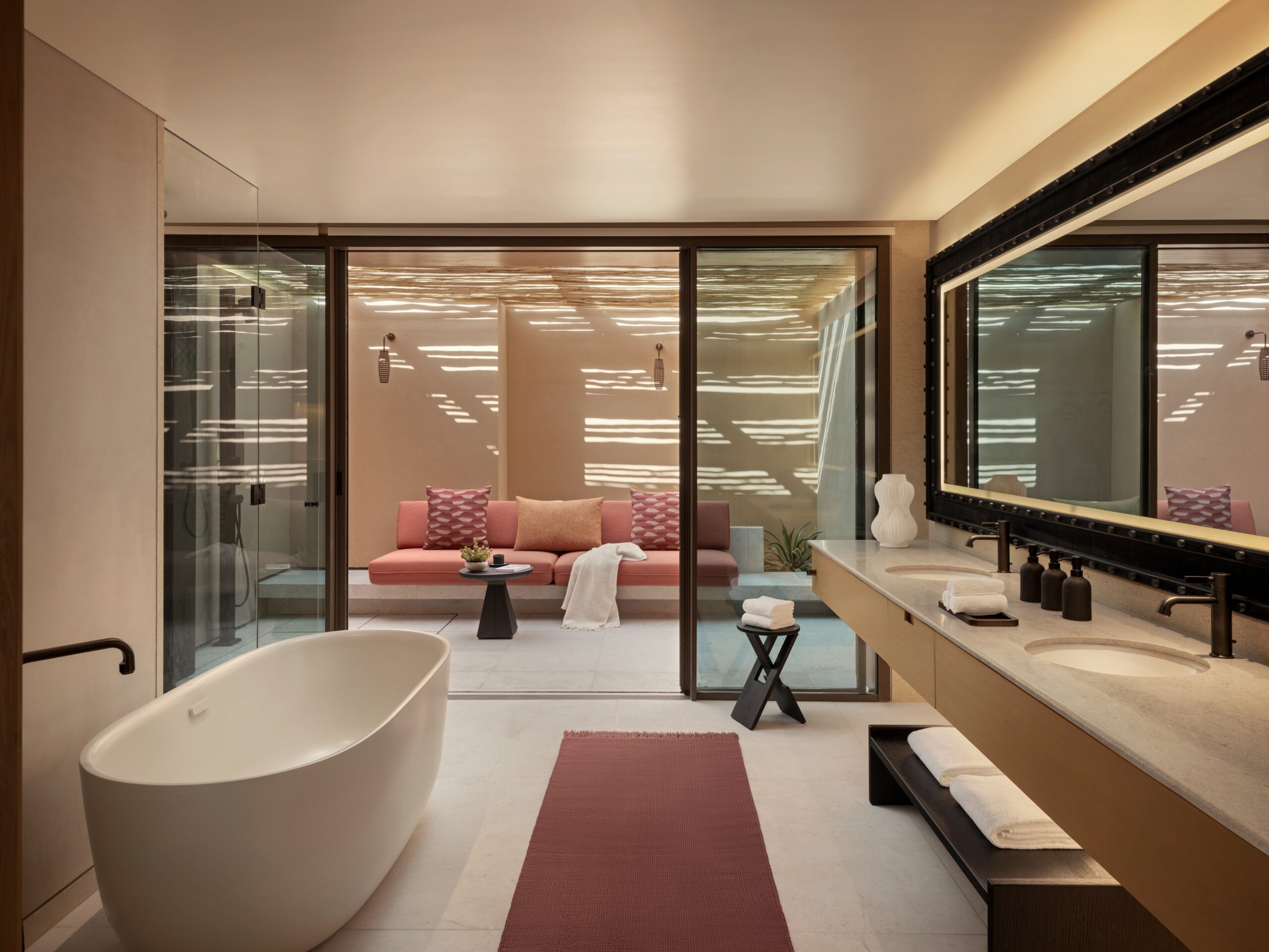
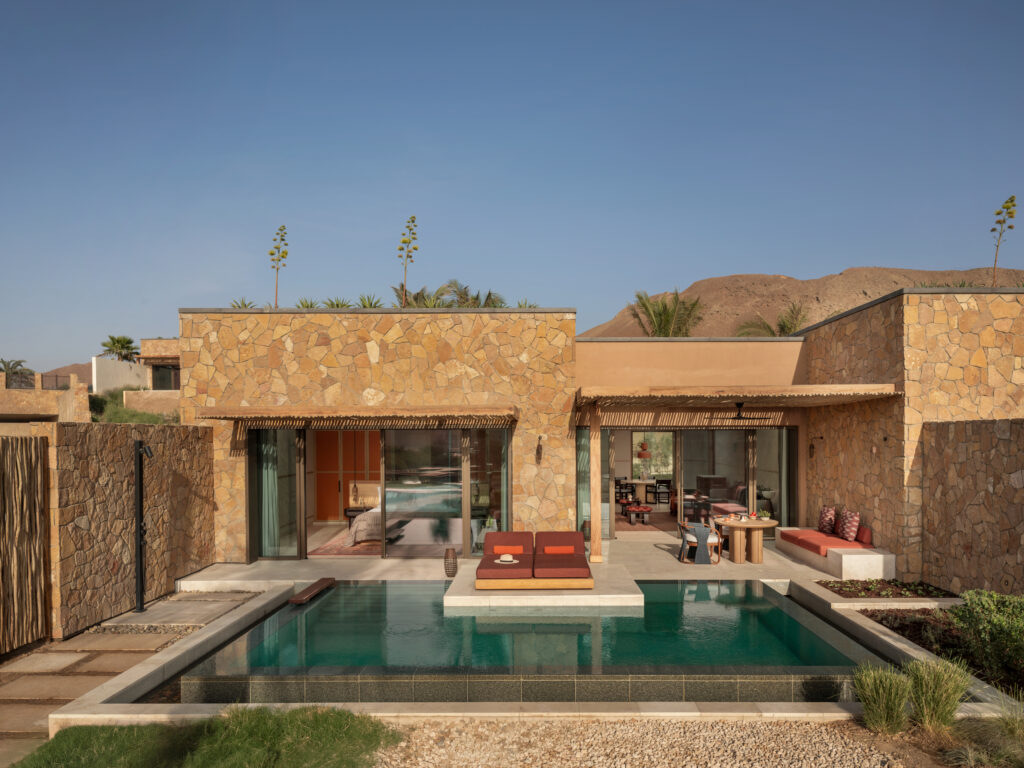
The problem, or at least the tension worth raising, lies in the scale of the project. Eventually, AMAALA is to comprise about twenty-five hotels and three thousand rooms, hosting brands as varied as Six Senses, Equinox Hotels, Nammos, Four Seasons, Rosewood Hotels & Resorts and Jayasom, complemented by a gastronomy and retail offering matching these ambitions. The word sanctuary, in its strictest sense, designates a place protected by its rarity, by the very smallness of what it offers. A site planning to receive the equivalent of several tens of thousands of visitors a year inevitably calls this promise of contemplative intimacy into question — without necessarily invalidating it outright: everything will depend on how the space is sequenced, dispersed and shielded from the logic of flow that characterises mass tourism.
This paradox is not specific to AMAALA. It runs through what might be called the global longevity economy, a fast-growing sector that promises regenerative retreats, personalised wellness protocols and a reconnection with nature — all of it, very often, delivered on an industrial scale that quietly contradicts the ideal of rarity it sells. AMAALA is explicitly part of the Kingdom’s Vision 2030, the economic diversification strategy that leads Saudi Arabia to invest heavily in high-end tourism to prepare for the post-oil era. The project is therefore not only a hotel destination: it is one piece of a large-scale geopolitical and economic redeployment, in which the vocabulary of individual wellness serves a national ambition of repositioning.
In the project’s favour, the announced environmental dimension is not anecdotal: AMAALA plans to be powered 100% by renewable energy, with an expected reduction of nearly half a million tonnes of CO2 emissions per year. A commitment which, if it holds over time, would set the destination apart from a large share of comparable tourism developments elsewhere in the Gulf, where the ecological promise too often remains confined to opening-day communication.
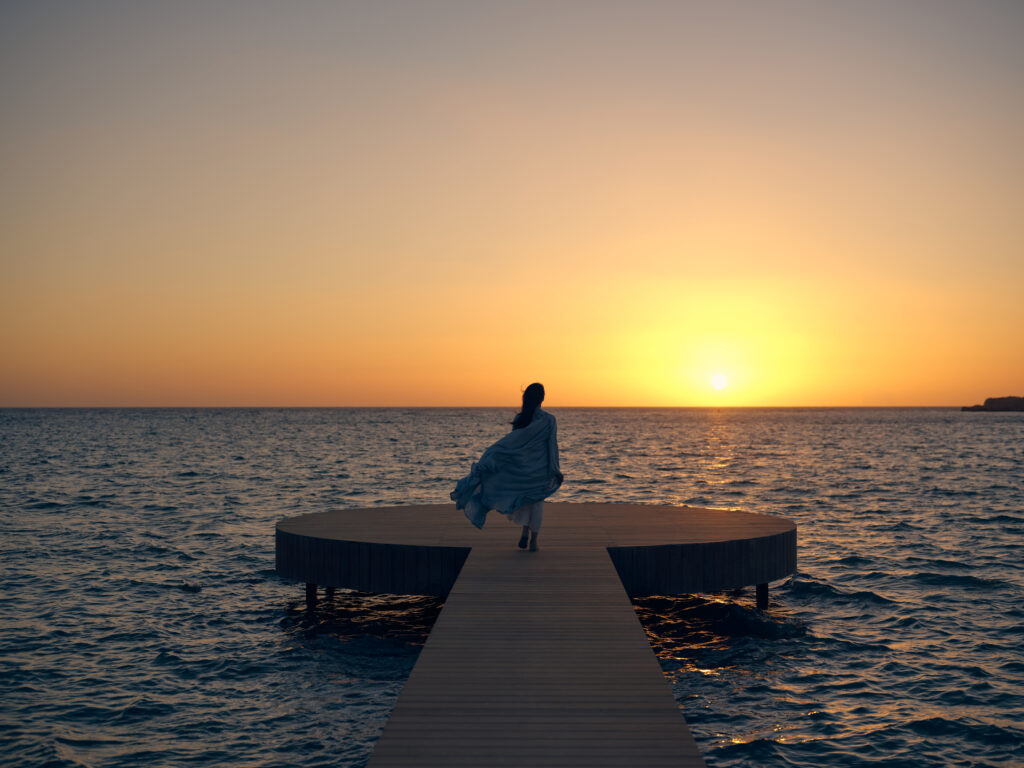
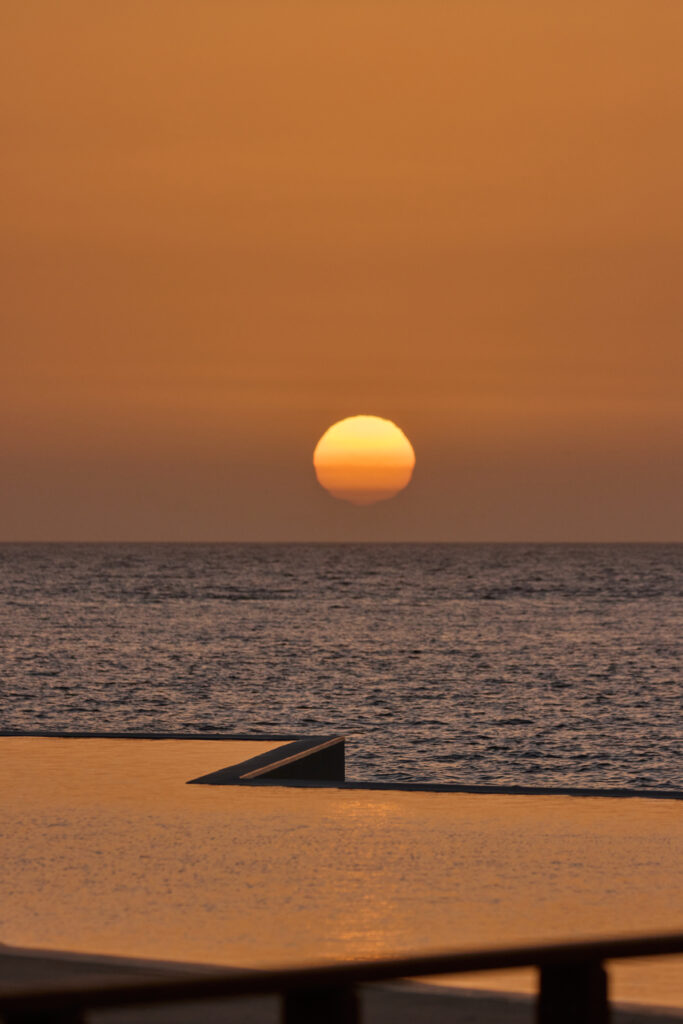
One question remains, which only the experience of the place, once open, can answer: can one feel the regenerative solitude of a natural sanctuary knowing that twenty-four other hotels share the same coastline? The answer is to be found in no press release. It will be measured by the silence, or its absence, once the first phases are delivered.
Also on Luxsure: AMAALA, the new ultra-luxury Red Sea destination, unveils the design of its… · Amanvari: what Aman chooses not to build in Baja California · Silba, Zlarin, Prvić: the last car-free islands of the Adriatic · In Jimbaran, Four Seasons puts cinema under surveillance
Cette publication est également disponible en :


