
There is something revealing in the choice of words. Assouline, a house known for its monographs devoted to the great names of fashion, film and design, calls its new book on Kith a “catalogue raisonné” — a term borrowed from art history, usually reserved for the complete work of a painter or a sculptor. Here, it applies to shoes. Fifteen years of shoes, to be precise, and not only those that reached the shops.
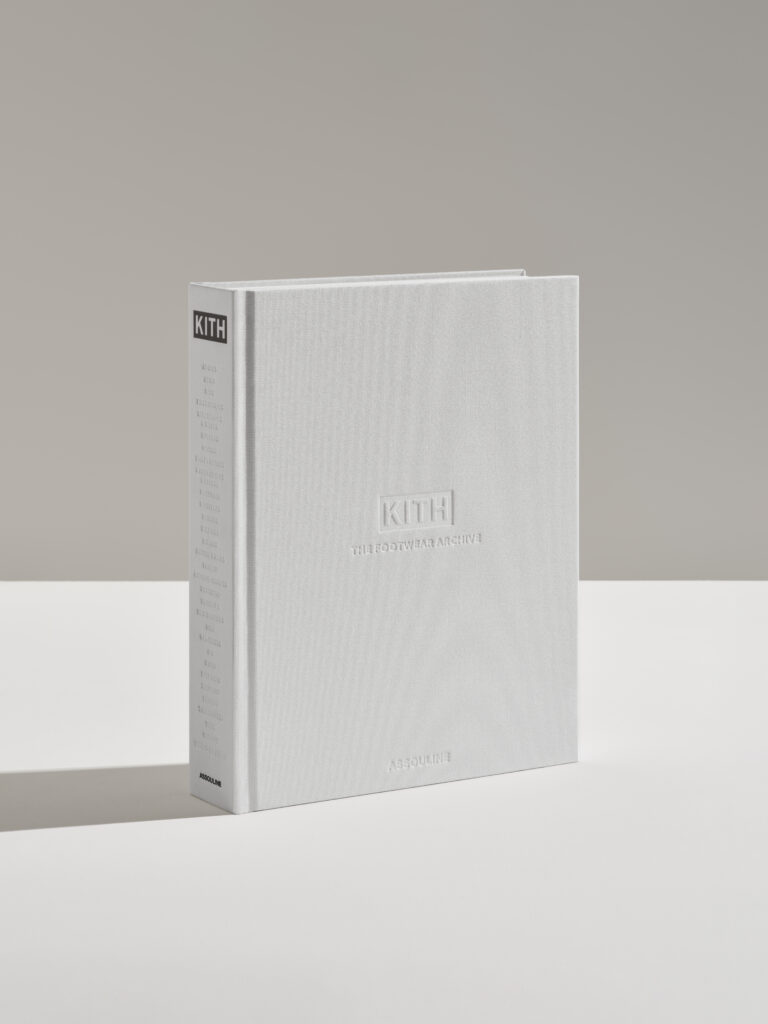
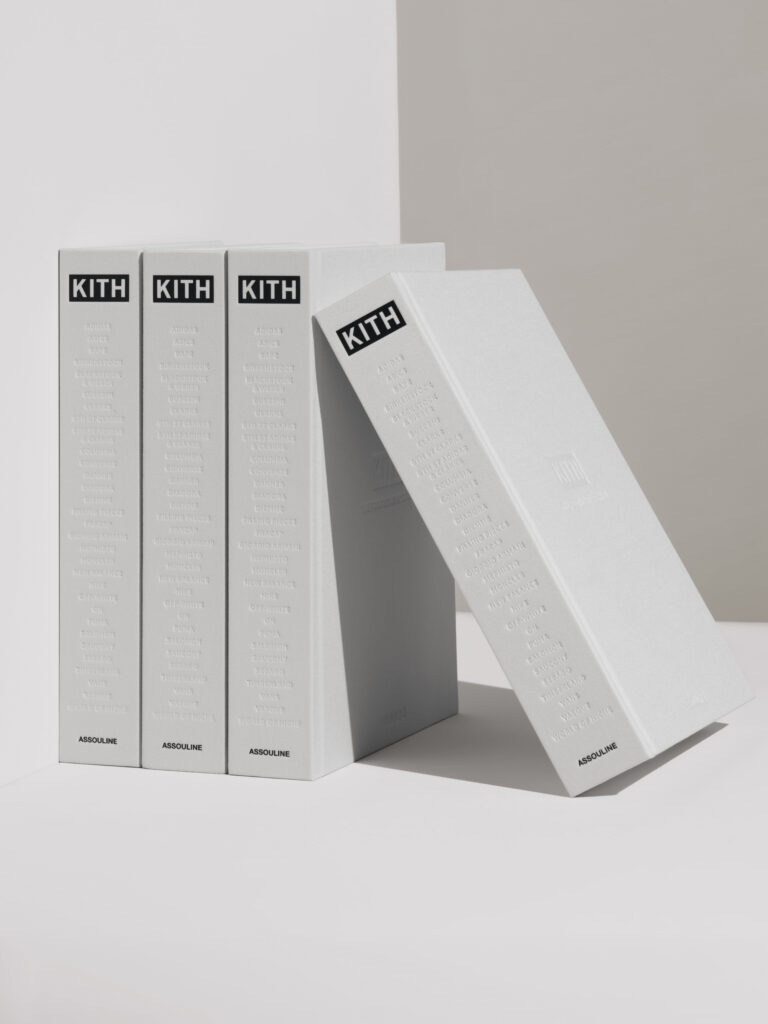
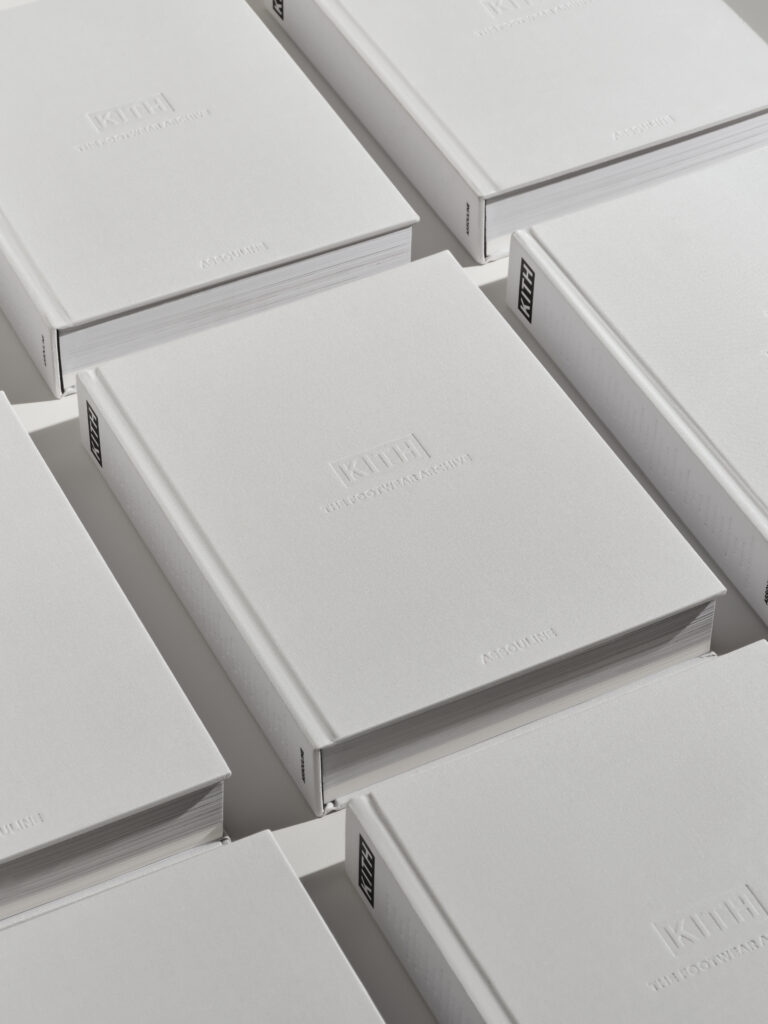
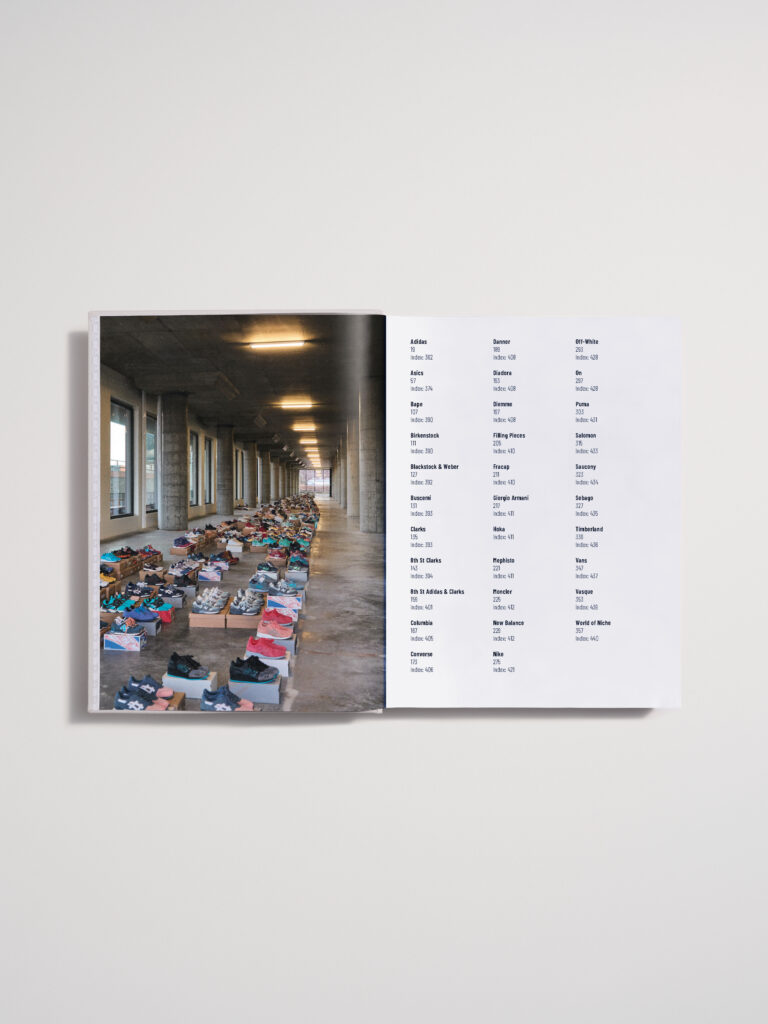
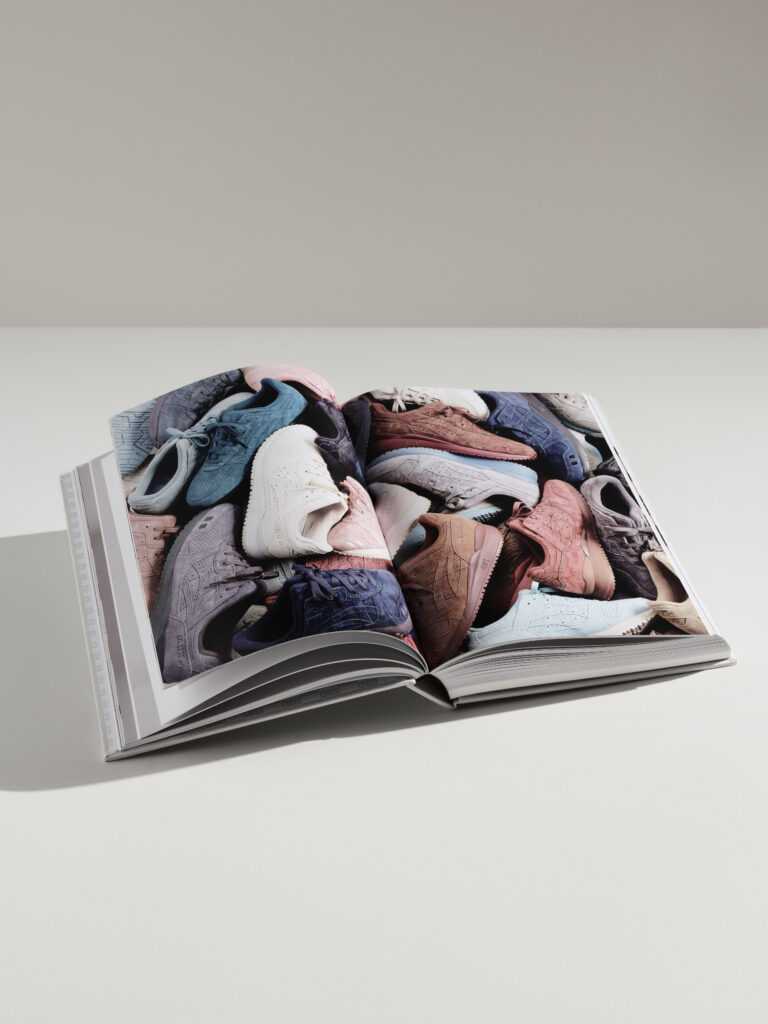
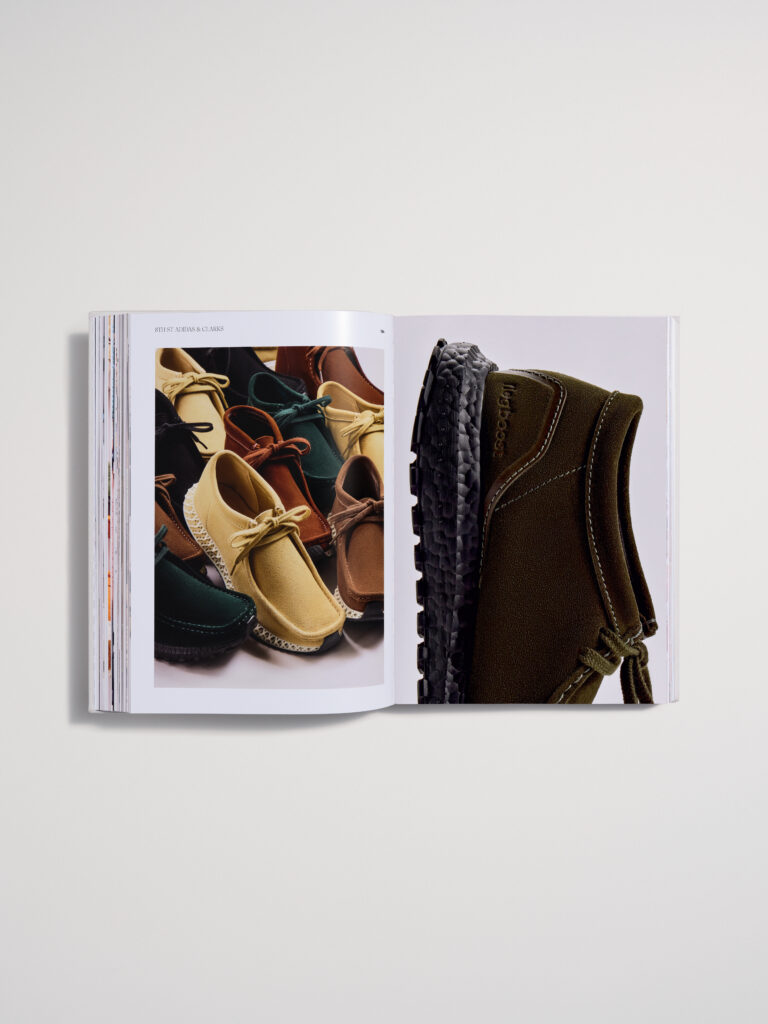
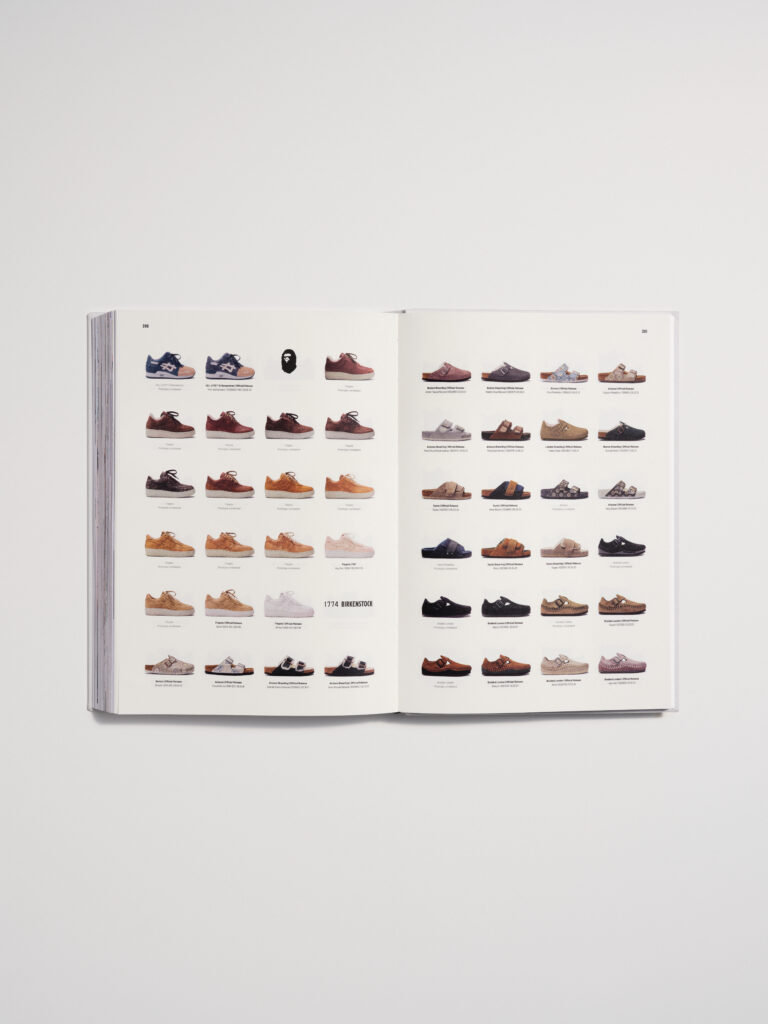
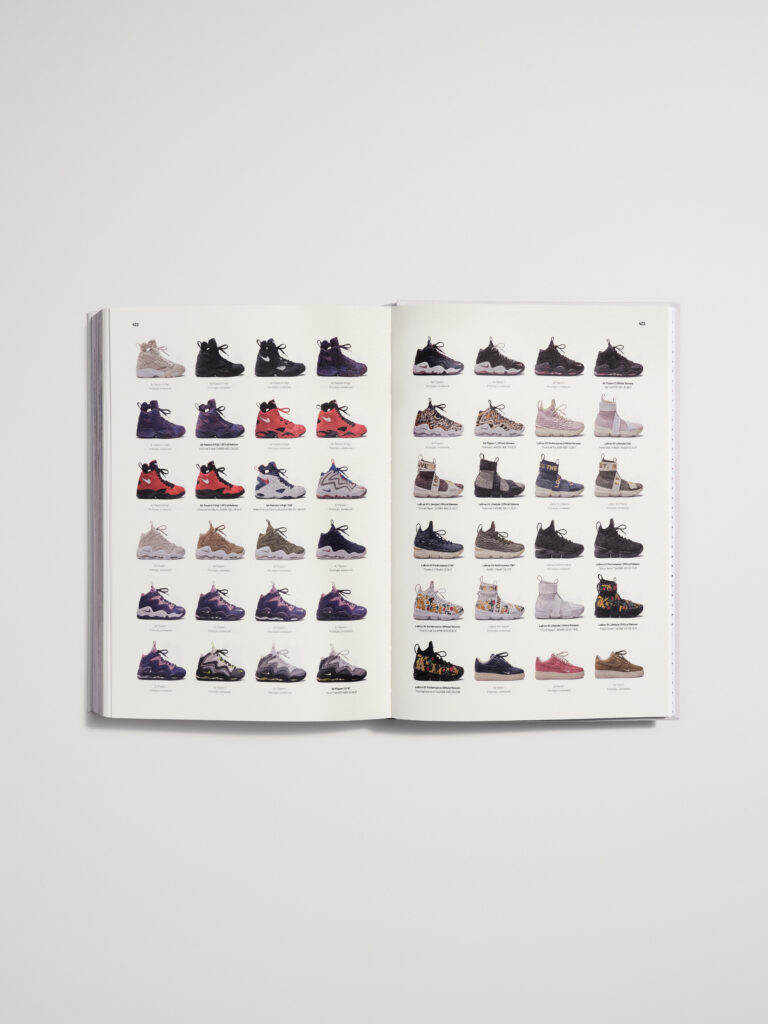
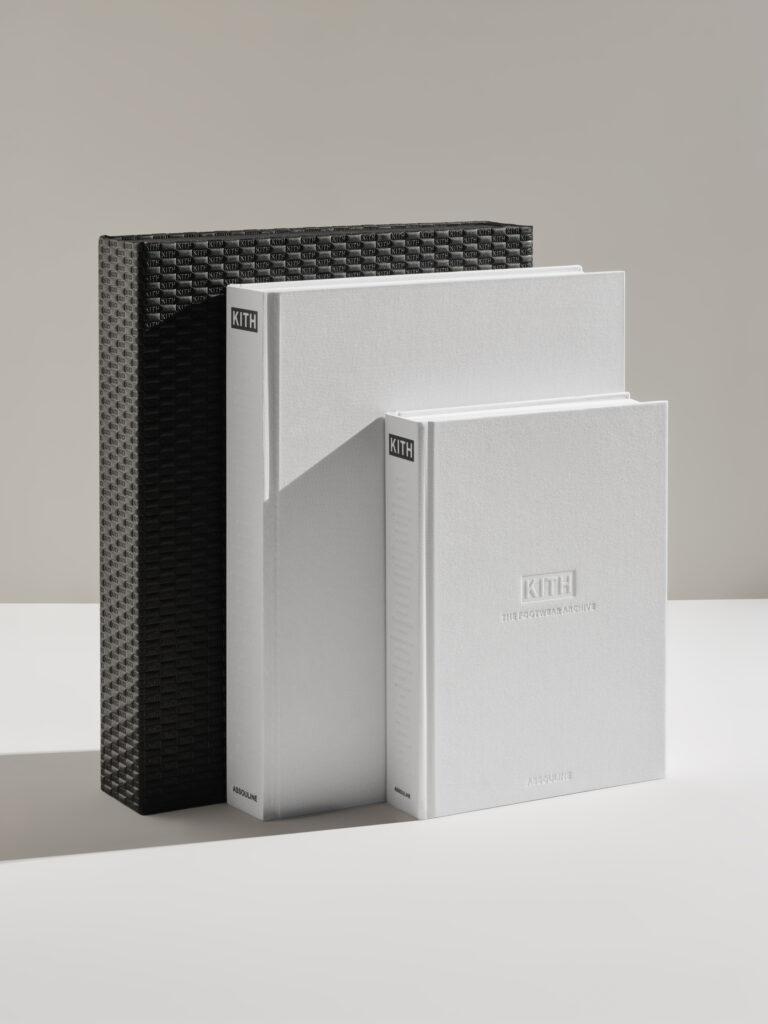
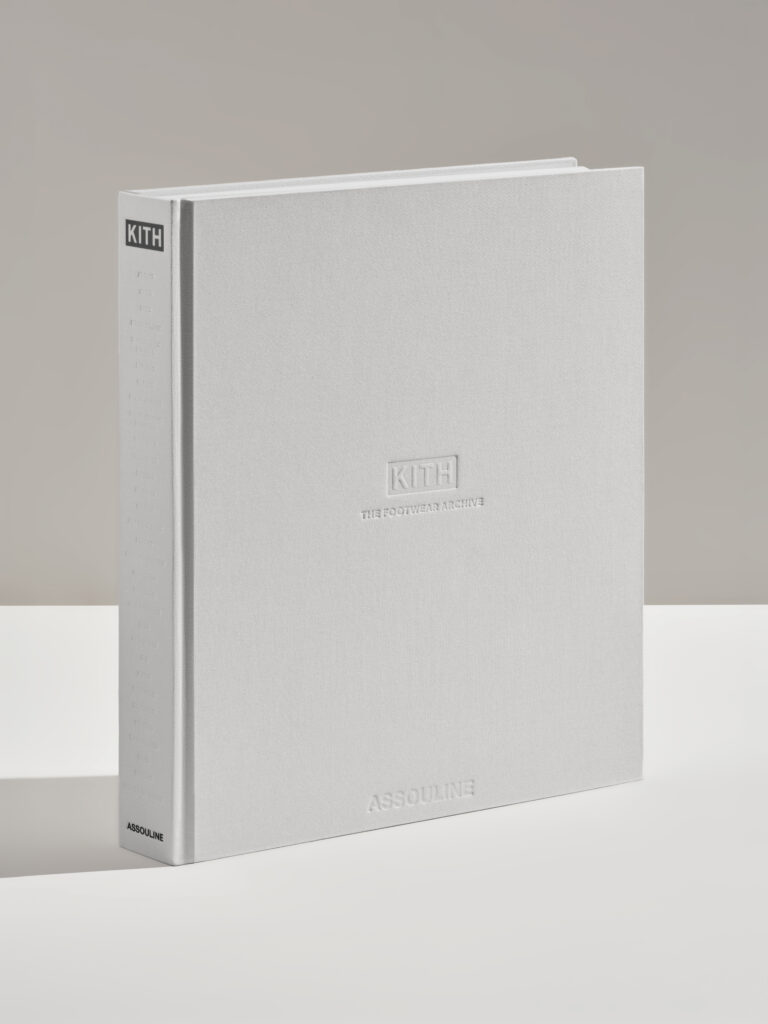
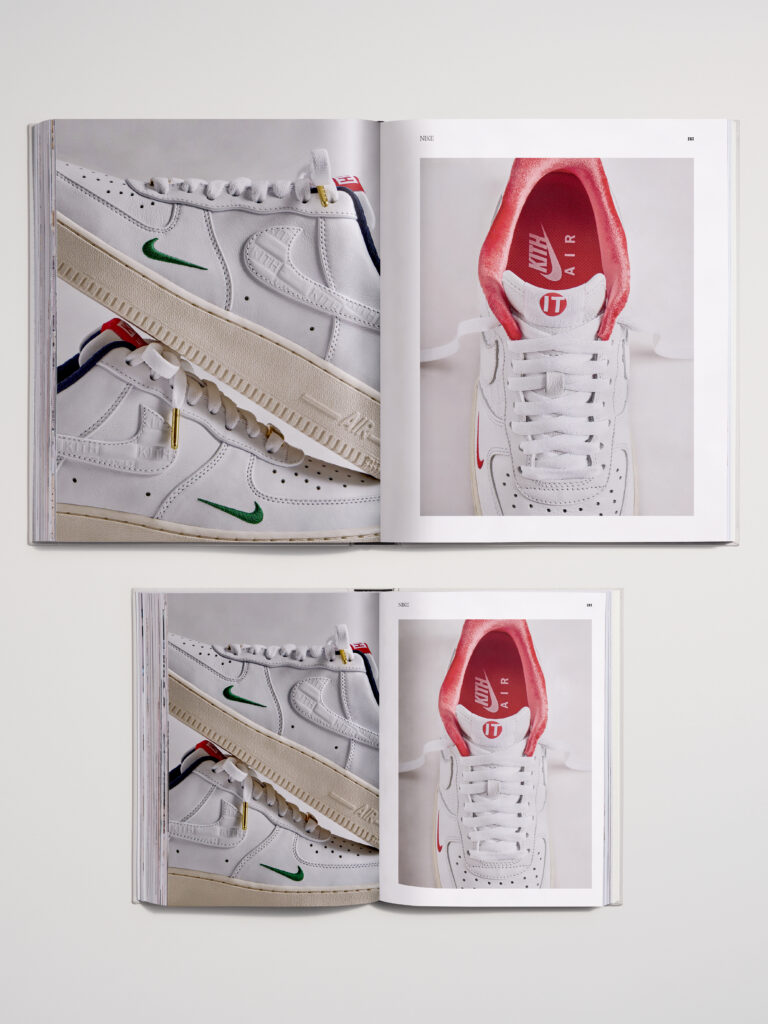
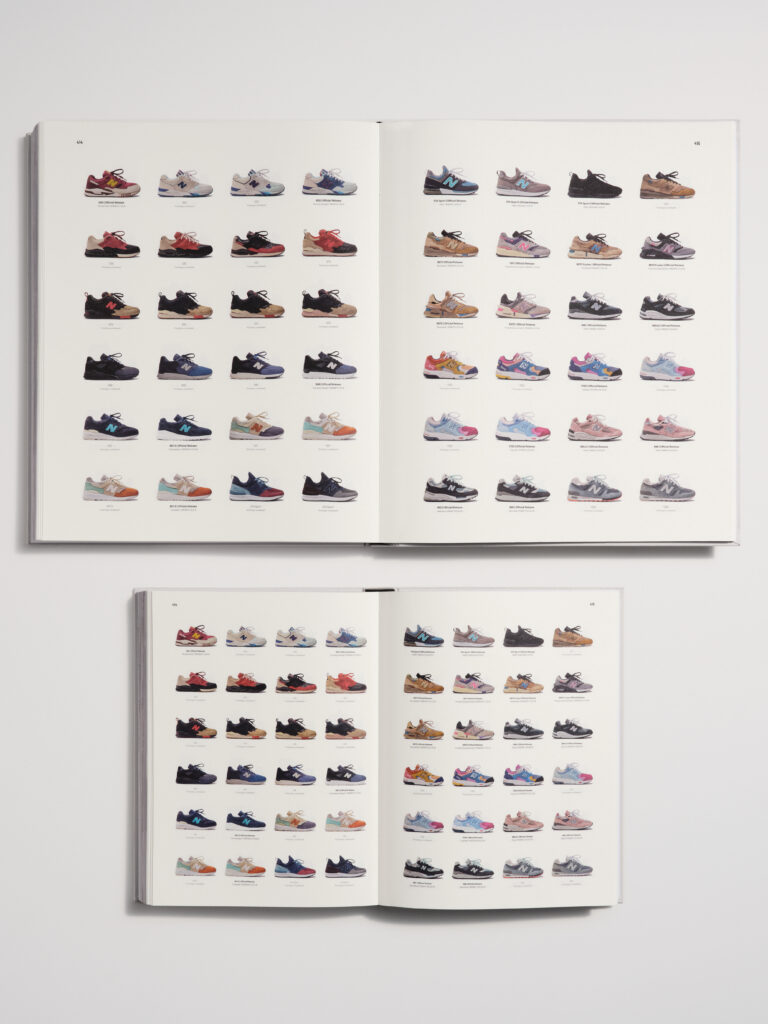
Published to mark Kith’s fifteenth anniversary, Kith: The Footwear Archive gathers, in 444 pages, more than 1,800 collaborative models kept in the personal archives of Ronnie Fieg, the brand’s founder and creative director. It is the first time that the whole of this collection — unfinished prototypes, development pieces never sold, copies reserved for the designer’s circle — is shown alongside the models actually put on sale. The project traces collaborations carried out with Adidas, Asics, Clarks Originals, Moncler, New Balance, Nike, On and Timberland, among other partners, and is to date the largest volume ever produced in Assouline’s Ultimate and Classics collection.
The book is divided into two distinct movements. The first presents 700 pairs that were actually released, photographed in a carefully composed aesthetic. The second goes further: it indexes the archive chronologically, brand by brand, retracing the complete path of each model, from the initial concept to the finished product. The whole has been photographed in full by Tyler Mansour, a long-standing Kith collaborator, which gives these fifteen years a visual coherence that is rare for an object covering so many different partnerships and eras.
Ronnie Fieg places the project within a broader personal trajectory. “The true DNA of the brand, and what I do creatively, began with the shoe. This book is proof that we built something that did not exist,” he explains. He adds that he has always approached each product “like a notch on a timeline,” convinced that the decisions made on a given day would resurface years later to give coherence to his entire catalogue. A sentence that takes on particular meaning when read alongside this other confidence: “I’m already thinking about the twenty-year book, the thirty-year one. Everything I’m working on today is part of that story.”
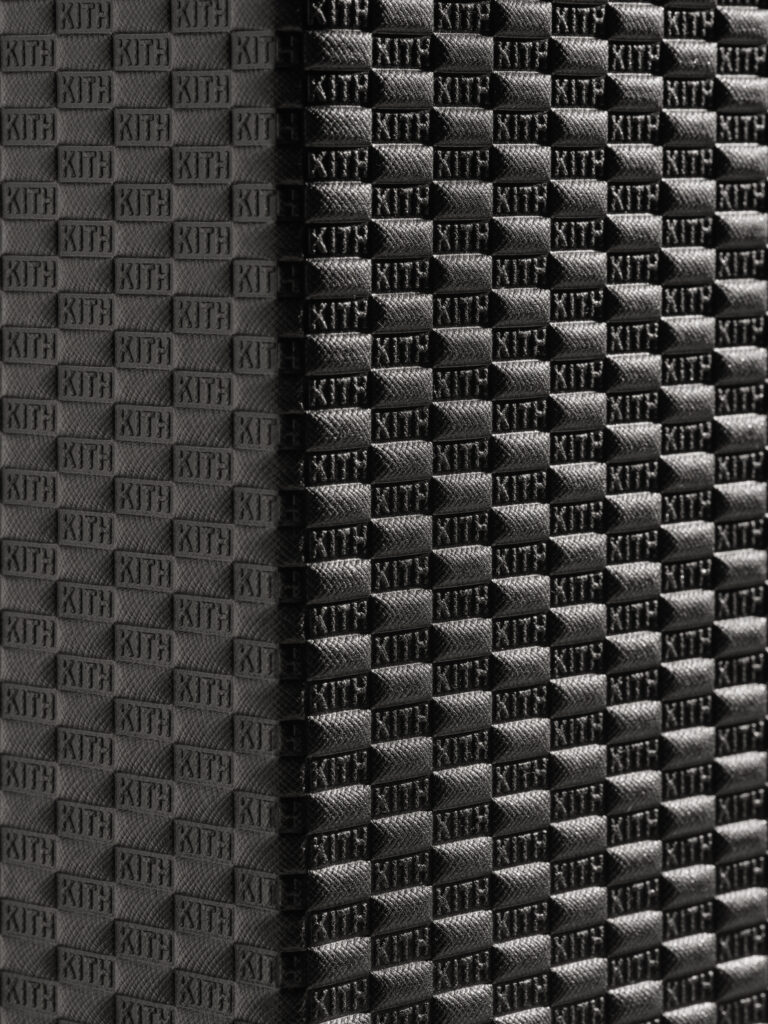
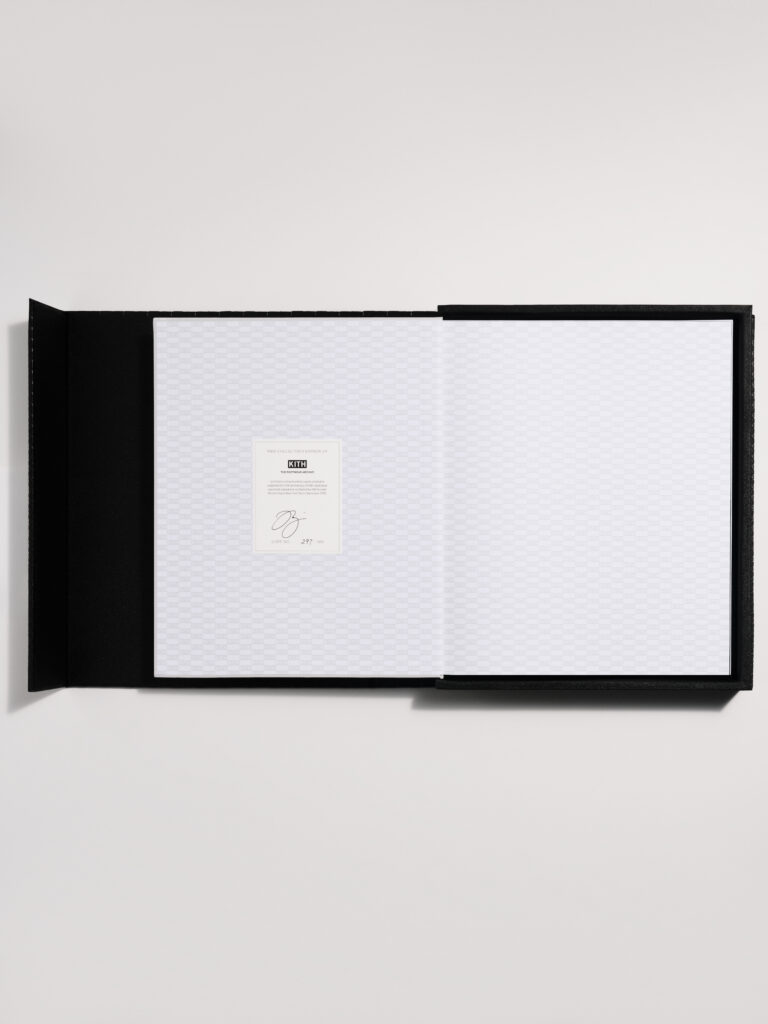
The release schedule follows a precise symbolic logic. The Classic edition will be launched on 30 September, the exact day of the fifteenth anniversary of Kith’s founding, exclusively in the brand’s stores, on Kith.com and on the Kith app, before also being offered in a selection of Assouline stores from 9 December. An Ultimate edition, limited to 300 individually numbered copies signed by Ronnie Fieg, housed in a leather case stamped with the Kith monogram, will for its part be reserved from 30 September for a selection of Assouline stores. To mark the occasion, Kith is also organising in Brooklyn, from 25 to 27 September, an exhibition where all the models in the book will be shown to the public for the very first time — with the possibility for visitors to purchase the Classic edition before its worldwide launch.
One question remains that the object itself raises without answering it: what does it mean that the largest volume ever published in Assouline’s most prestigious collection is devoted not to a century-old couture house, but to the archive of a streetwear brand? The answer perhaps lies less with Kith than with the way the vocabulary of cultural legitimation — the catalogue raisonné, the numbered edition, the leather case — has ended up migrating to objects that art history had not planned to host.

Cette publication est également disponible en :


