
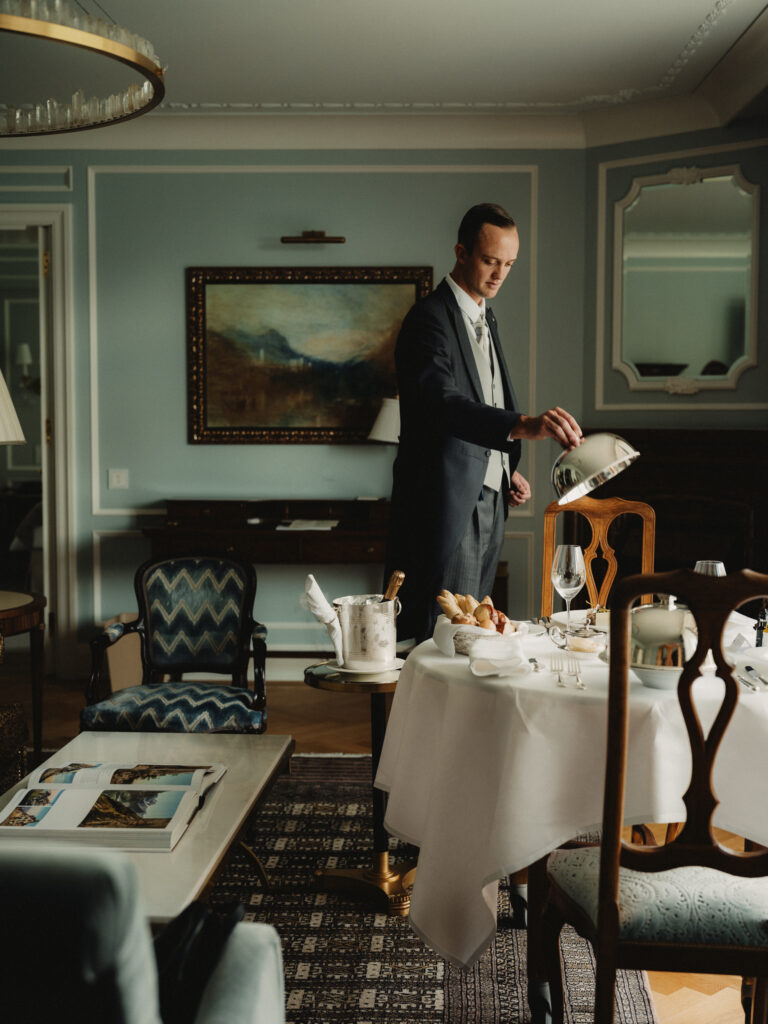
There is something anachronistic, almost suspect, about rewarding a hotel for the quality of its welcome in a world that swears only by numerical rankings, online review scores and yearly renewed league tables. That is nonetheless what the Academy of the World’s 50 Best Hotels has just done, by awarding Badrutt’s Palace, in St. Moritz, its brand-new SeiBellissimi Art of Hospitality Award. A special prize, announced a little over a month before the Paris ceremony of 15 September, which measures neither the design of the rooms nor the table of the starred chef, but a more elusive matter: the way a place receives.
The protocol alone says a great deal about the intention. More than eight hundred hospitality and travel professionals, voting members of the Academy, were invited to name the establishment that had offered them, in their own words, “the most remarkable hospitality experience”. Not over a season, nor over a year of promotion carefully orchestrated to coincide with the voting period, as is often the case in these ranking exercises where one knows exactly when to solicit one’s regulars. Over three years. A long time, deliberately chosen, which escapes the logic of the one-off peak in form and seeks instead consistency: that moment, repeated, when a guest leaves with the feeling of having mattered to someone.
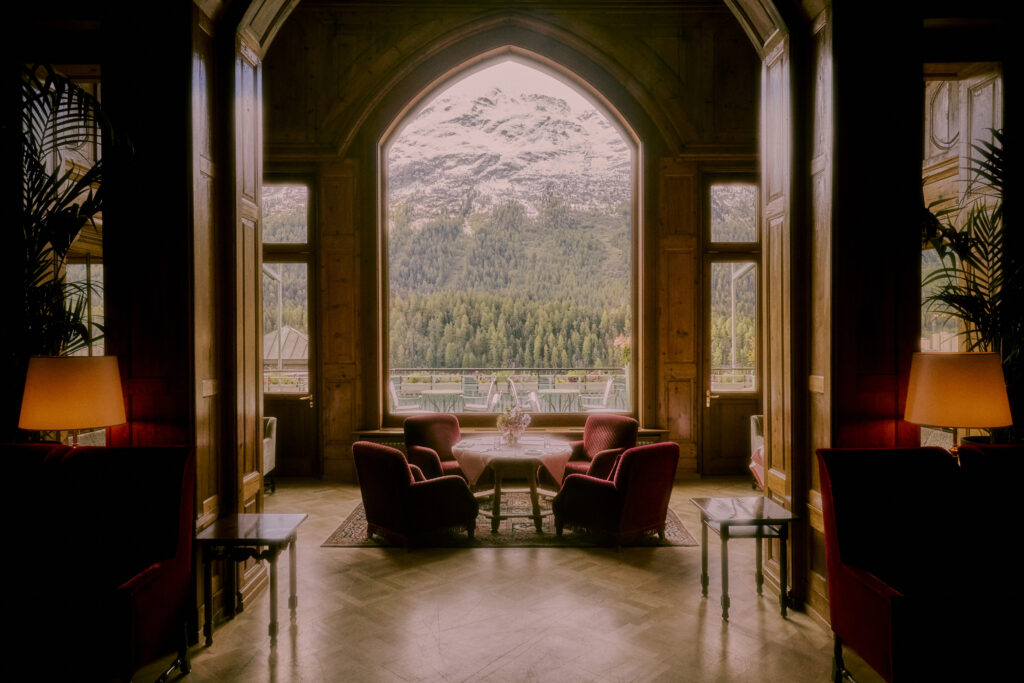
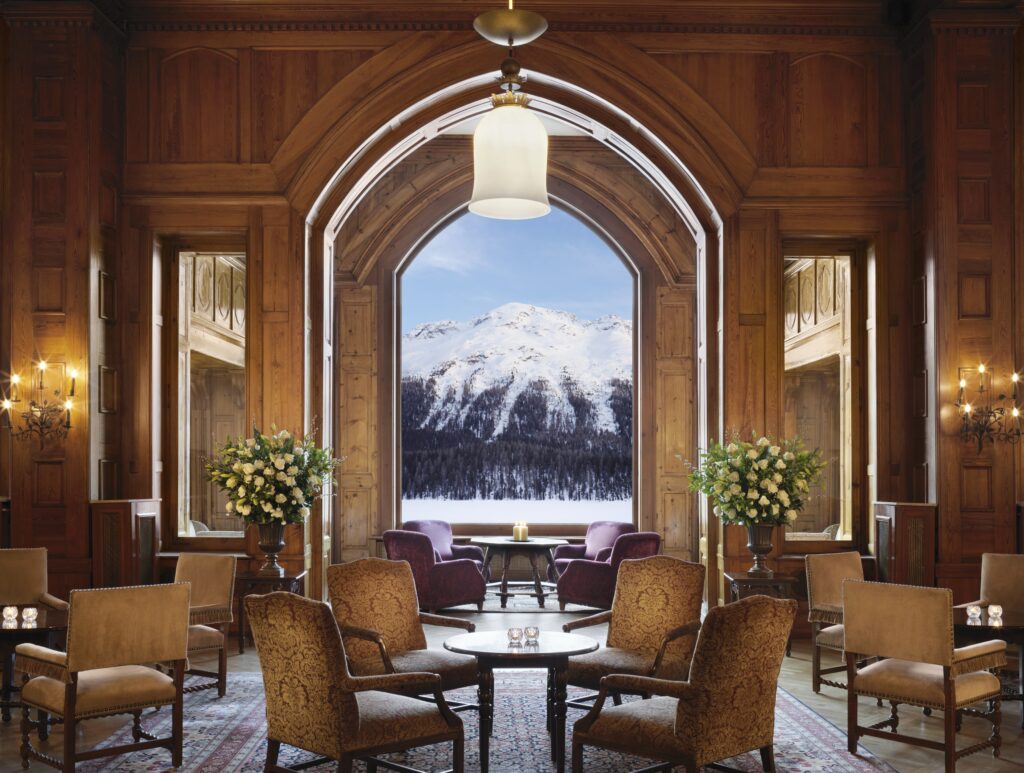
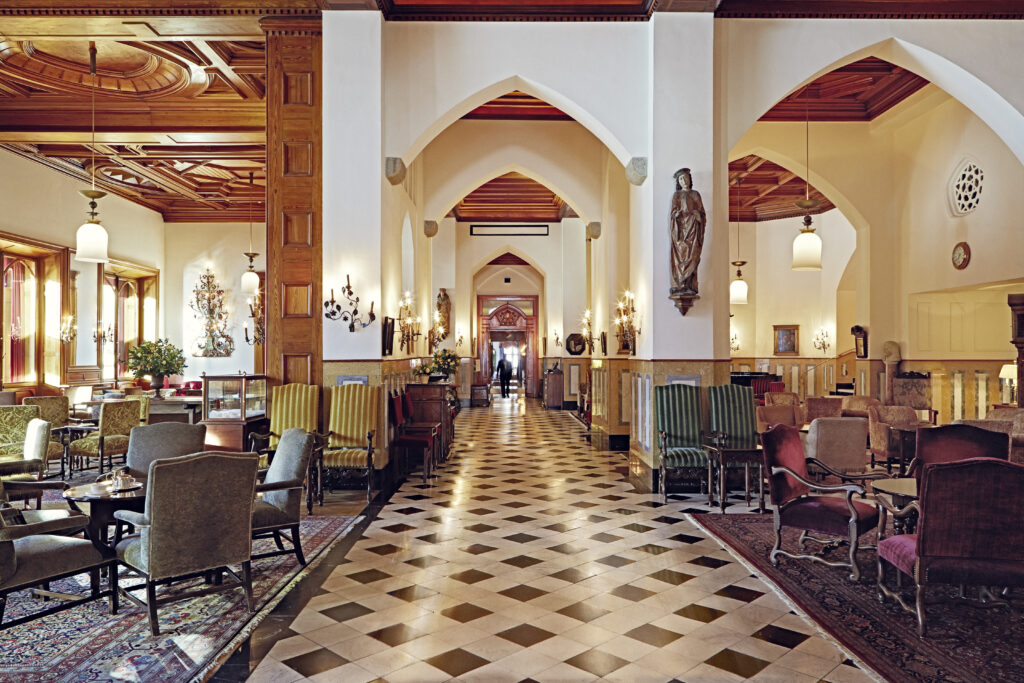
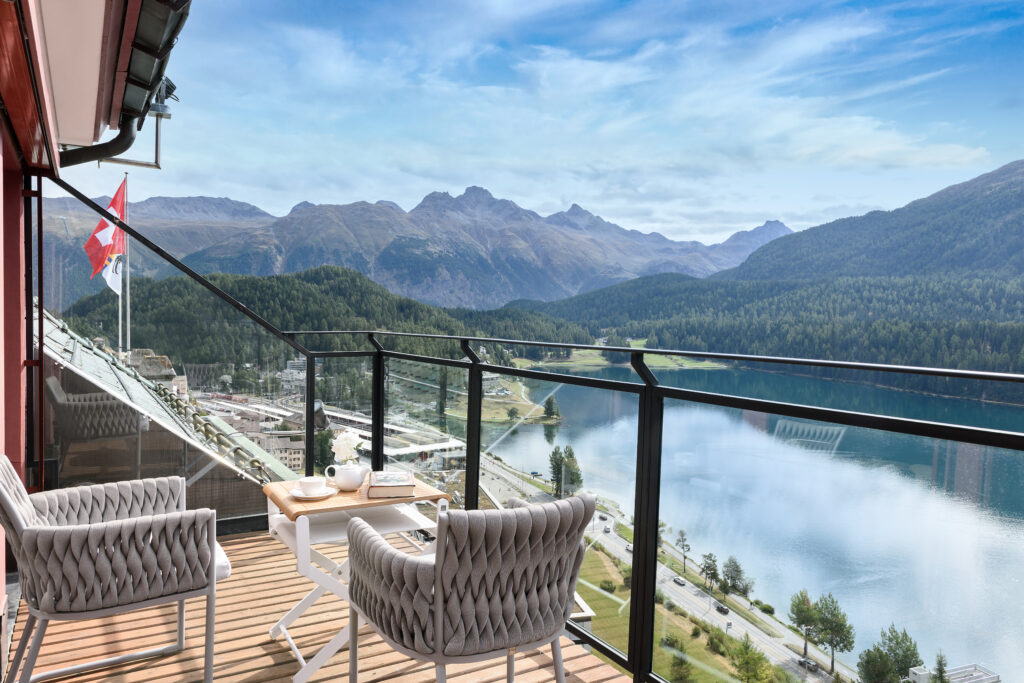
This is perhaps where lies the angle that the press release, sober and conventional, does not state explicitly. Badrutt’s Palace does not need this prize to exist in the imagination of luxury travel. Opened in 1896 by the Badrutt family above Lake St. Moritz, the palace is one of the cradles of Alpine winter tourism, the one that invented, more or less, the idea that one could come to the mountains in winter for pleasure and not for convalescence. Its tower, recognisable among all, its Grand Hall, its King’s Club become a nocturnal institution of the Upper Engadine: everything in this place already belongs to European hotel heritage. Such a prize therefore does not consecrate a discovery. It rather serves as a reminder, at a time when luxury hospitality is standardising through identical renovations and spas signed by the same names from one capital to the next, that a house more than a century old can still surprise a jury of jaded peers on the sole ground of human relationship.
One question remains, more uncomfortable, that this prize raises almost in spite of itself: can one still speak of hospitality as an art when it is put to a vote by a college of professionals, then announced in a millimetre-precise communication calendar, a month before a Parisian ceremony followed by the whole industry? The Academy of the World’s 50 Best Hotels, itself born of a ranking culture, seems here to attempt an exit from its own system: to introduce, at the heart of a mechanism of scores and ranks, a category that precisely refuses to be one. Badrutt’s Palace, by winning it, becomes in spite of itself the symbol of this paradox. On 15 September, in Paris, we will know whether other houses follow this path, or whether the exercise will remain, for this edition, a parenthesis.
Cette publication est également disponible en :


