
Twenty-one botanicals distilled separately, a technique borrowed from pharmaceutical laboratories, a village spanning fifty hectares held hostage by its own legend. Portofino Dry Gin builds its value proposition not on the raw terroir, but on the method that preserves its signature.
The Rotavapor was not originally part of the vocabulary of spirits distillation. The vacuum evaporation apparatus—designed for chemical syntheses and research-grade extractions—allows for processing at temperatures below the standard boiling point, thereby reducing thermal degradation of the most volatile aromatic compounds. Portofino has integrated it into its production line for its twenty-one botanicals, each of which is processed individually before blending. The rationale is sound: if wild lavender, marjoram, and iris were distilled together, they would lose part of their aromatic spectrum due to interactions during the heating phases. When distilled separately, each ingredient delivers its full aromatic profile without compromise.
This technical choice is significant in a market where most premium gins macerate their botanicals in a traditional pot still. Portofino’s approach is more akin to the art of fragrance composition than to traditional distillation—each note is isolated, calibrated, and then blended together afterward.
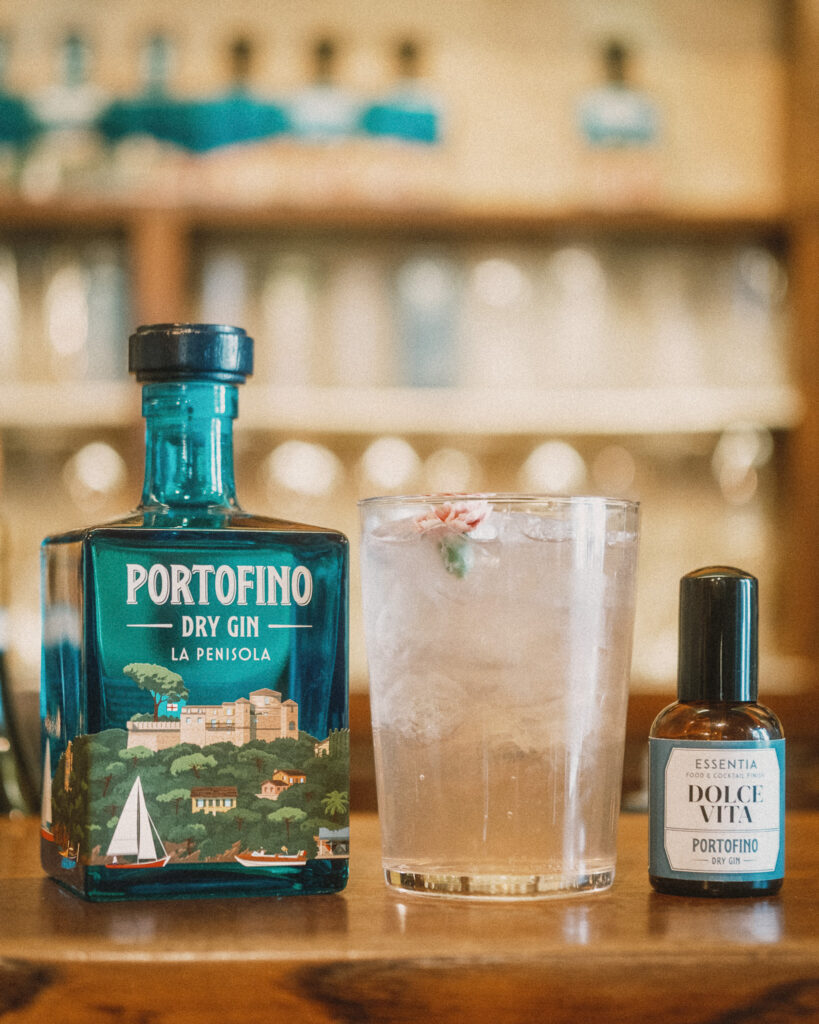
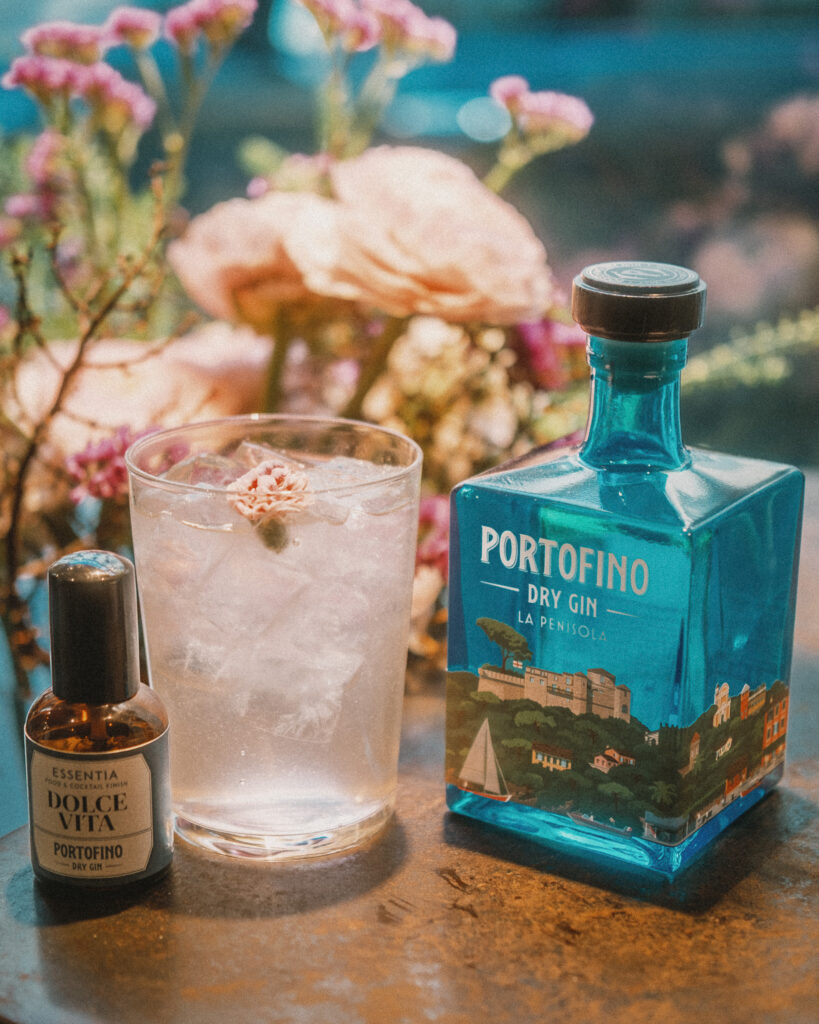
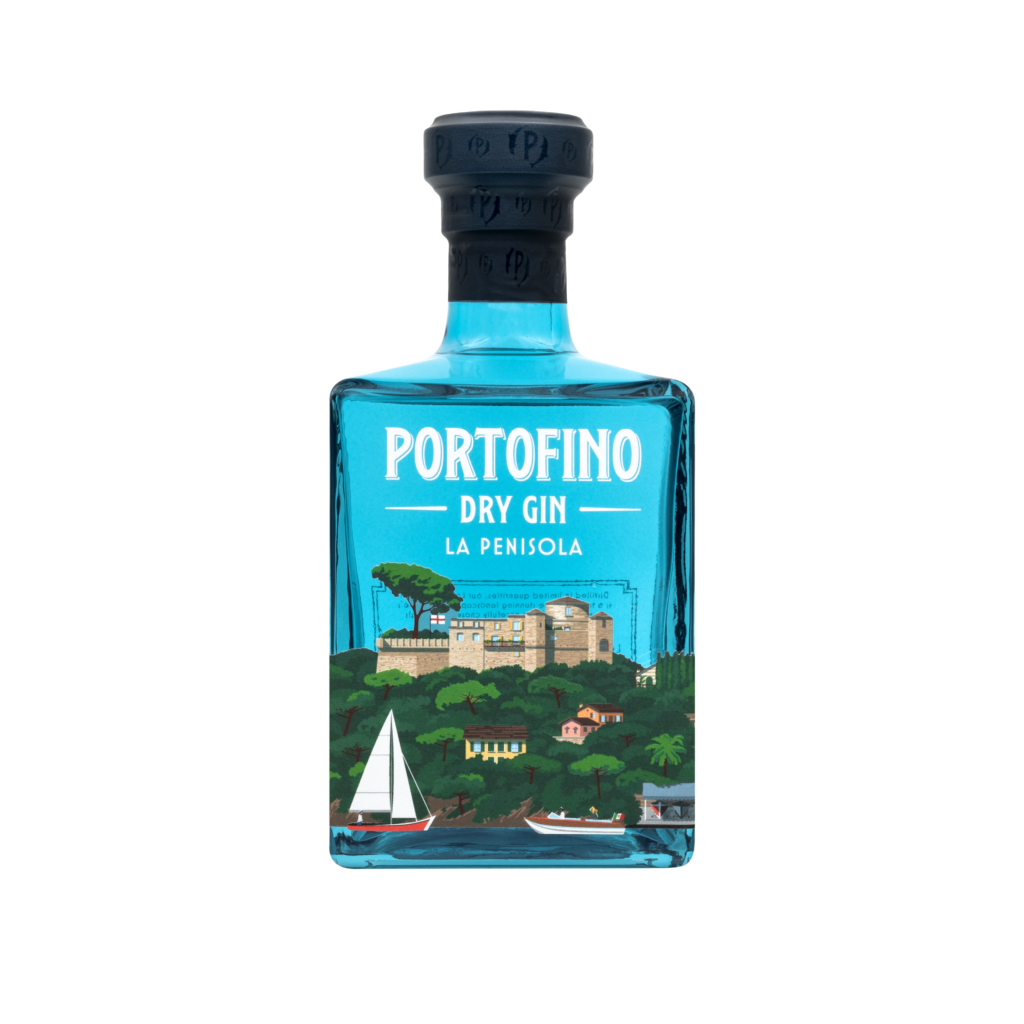
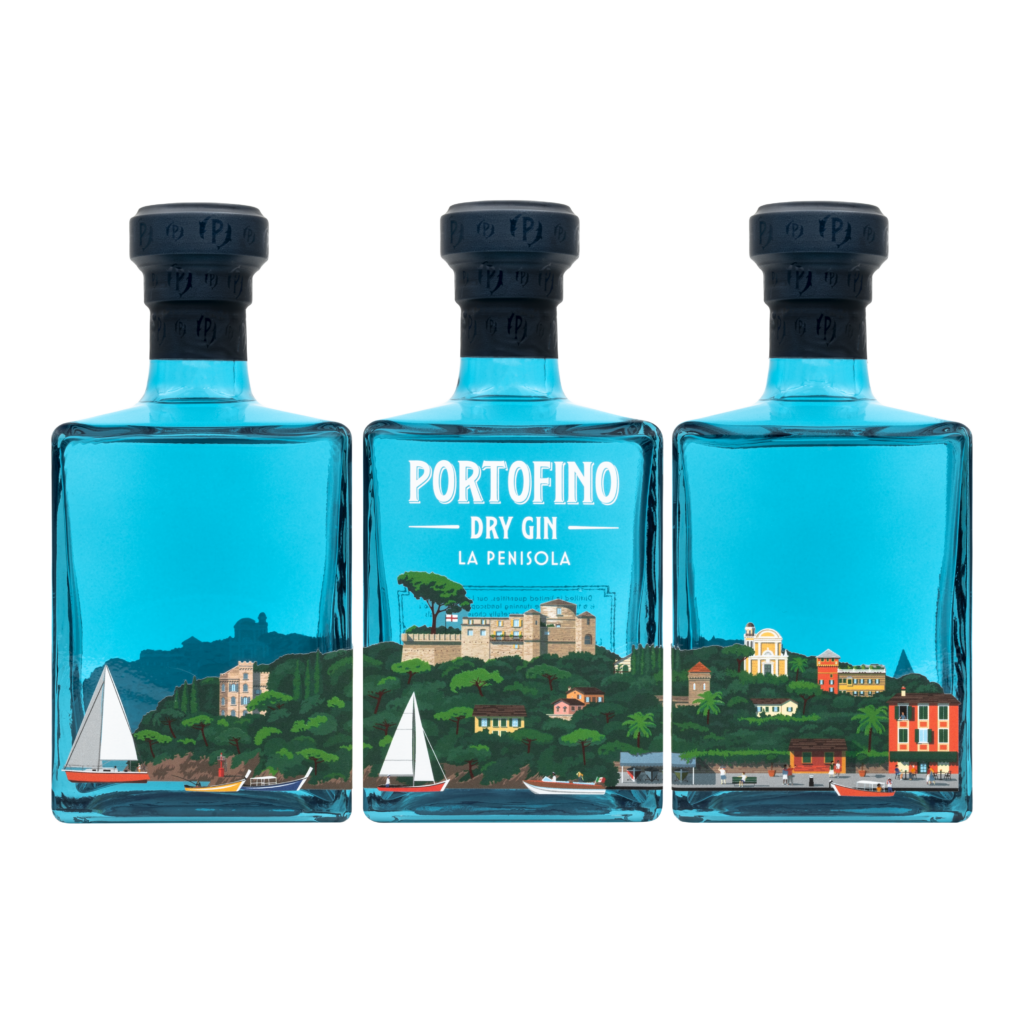
La Penisola, the limited-edition release in the range, takes a different approach. Ten botanicals, strictly following the London Dry method—that is, redistillation with all ingredients present in the still simultaneously, without the addition of any flavorings after distillation. Maritime pine needles replace lavender as the dominant botanical note, with juniper serving as the backbone. The claimed result: a resinous and woody expression, whereas the standard cuvée emphasizes floral and herbaceous notes. Two extraction philosophies thus coexist within the same distillery, yielding aromatic results that neither could achieve using the other’s technique.
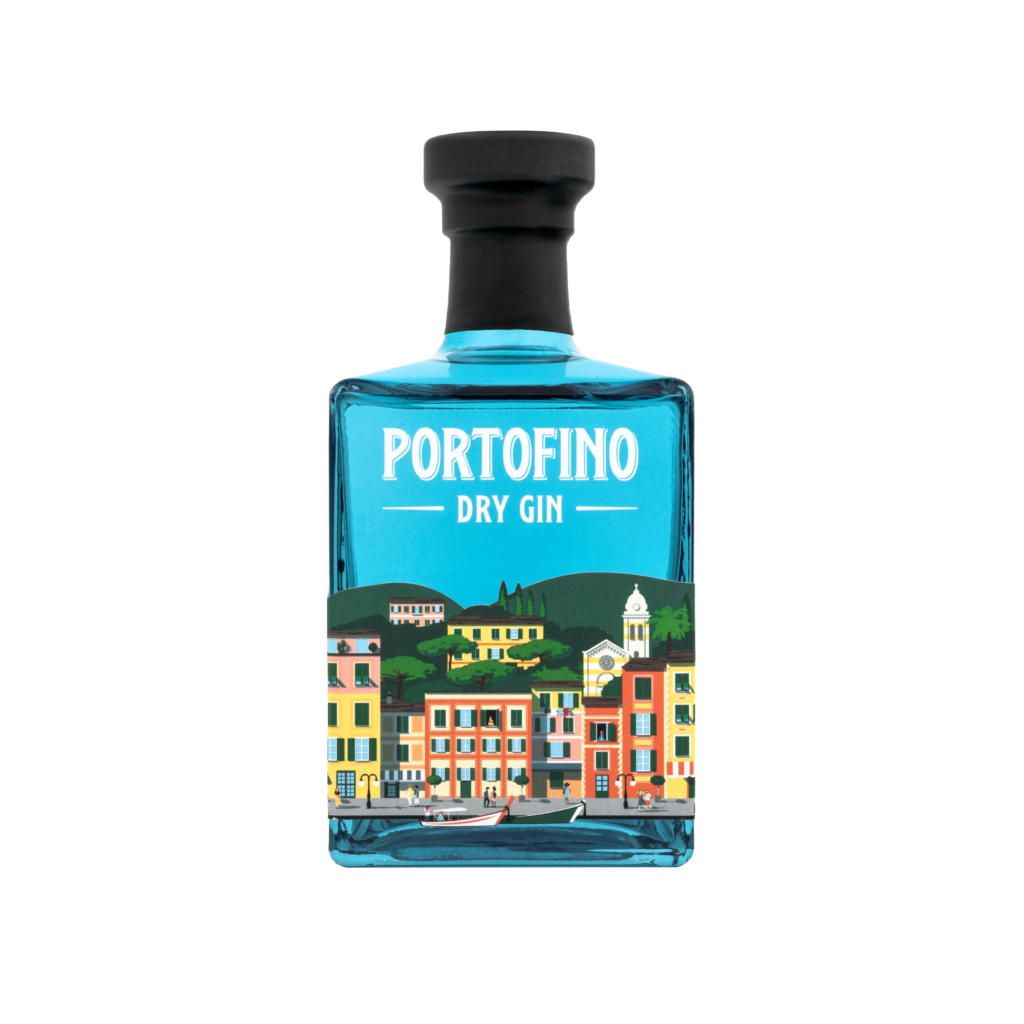
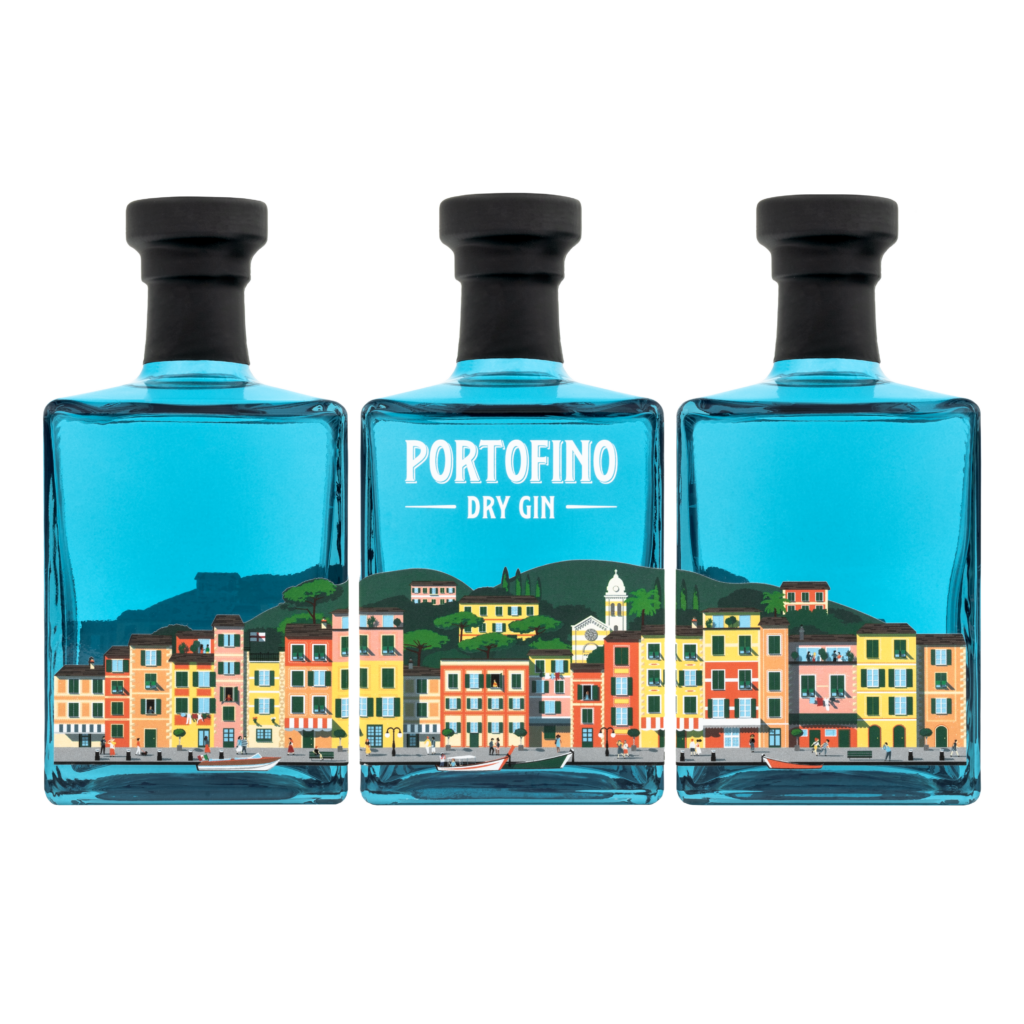
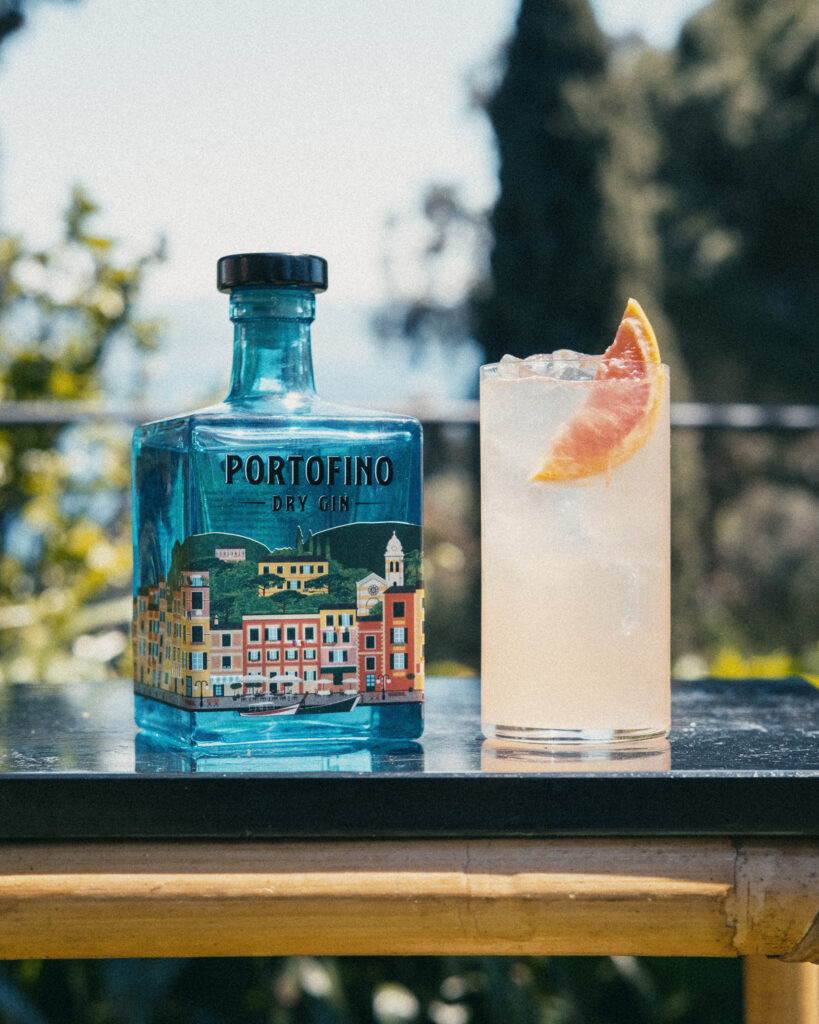
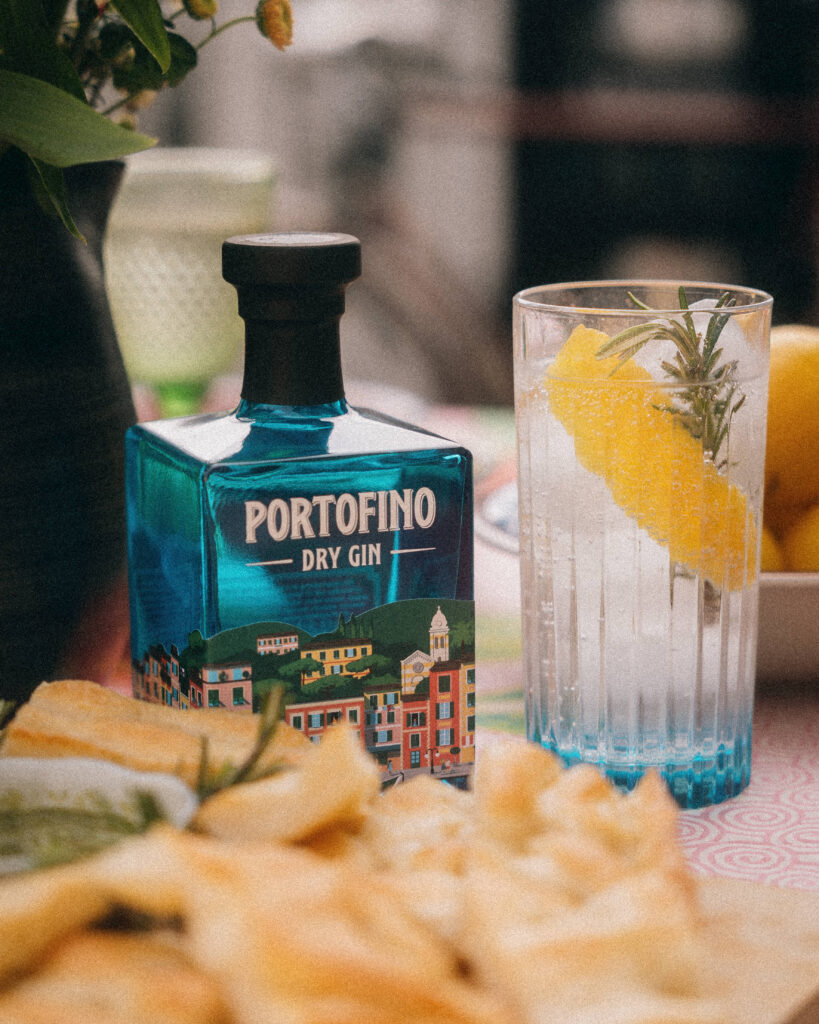
The origins of Portofino are rooted in a founding story that the three partners—Ruggero Raymo, Christopher Egger, and Alessandro Briola—chose to place at the center of their narrative: Klaus Pudel, Raymo’s grandfather, whose actions during World War II are said to have prevented the destruction of the village of Portofino. This act has been elevated to the brand’s legacy, and the bottle pays homage to the colorful facades of the harbor. This type of commemorative narrative has become a constant in the spirits industry since the 2010s: without a story to pass down, there is no legitimacy in the premium segment.
Vacuum distillation (Rotavapor): Reducing atmospheric pressure lowers the boiling point of solvents, allowing extraction at temperatures between 35 °C and 50 °C depending on the target compounds, compared to 78 °C for standard atmospheric-pressure distillation. The most volatile terpenes and esters—which are responsible for fresh and floral notes—survive the process without degradation. This technique is commonly used in industrial perfumery.
The question that remains unanswered, in a saturated premium gin market, is whether the process is understandable to the non-specialist connoisseur. The Rotavapor is a selling point for distillers, but not yet a selling point for spontaneous tasting. Educating consumers about the fundamental difference between a gin made through separate distillation and one made through joint maceration remains a challenge—and may be the only real area of growth for a brand that has made technical precision its foundation.
Cette publication est également disponible en :

