
In high-end audio, the promise has long been based on pure performance: precision, reproduction, neutrality. Once this threshold is reached, another question emerges – that of the object’s presence. The Px8 S2 from Bowers & Wilkins belongs to this category, where sound alone no longer defines the room.
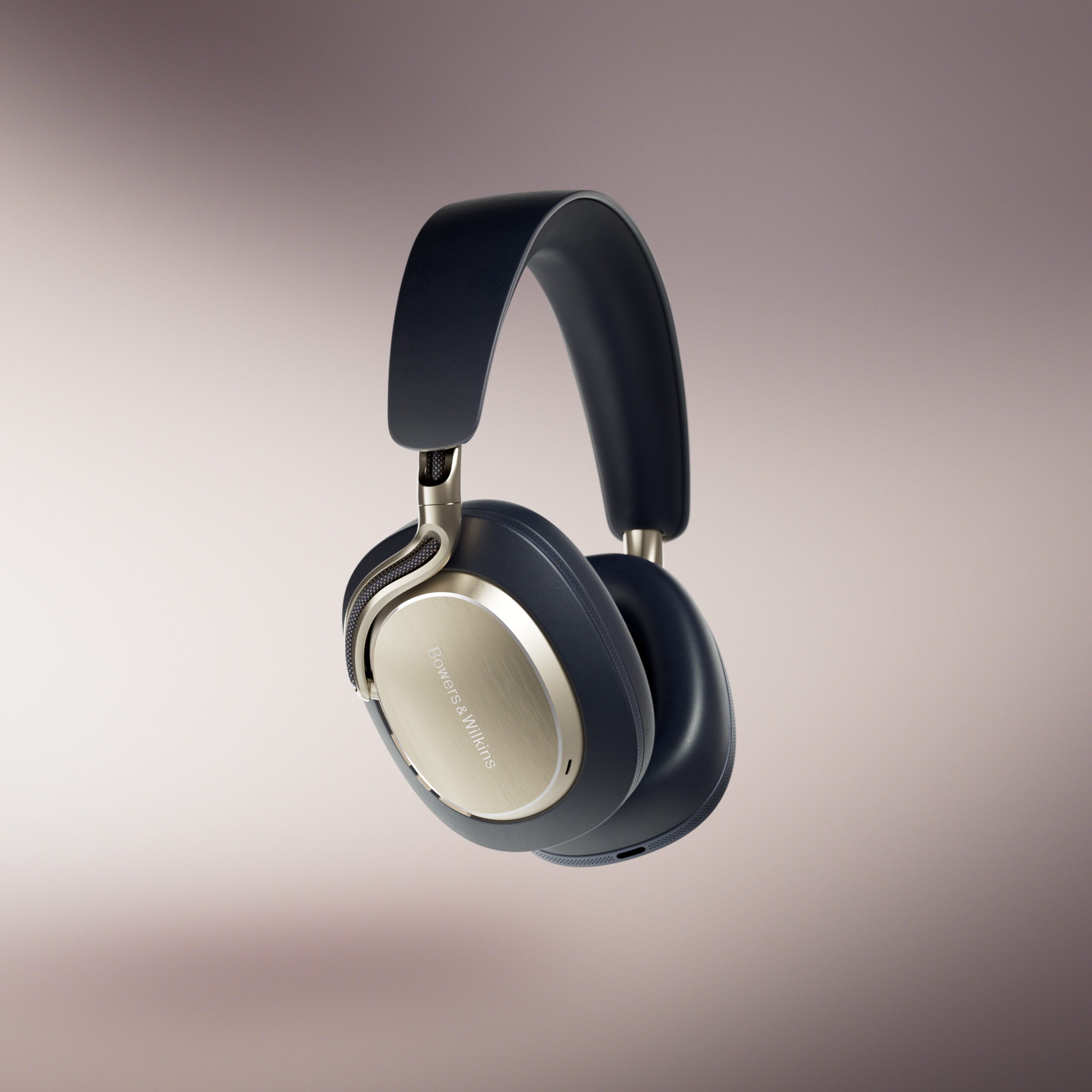
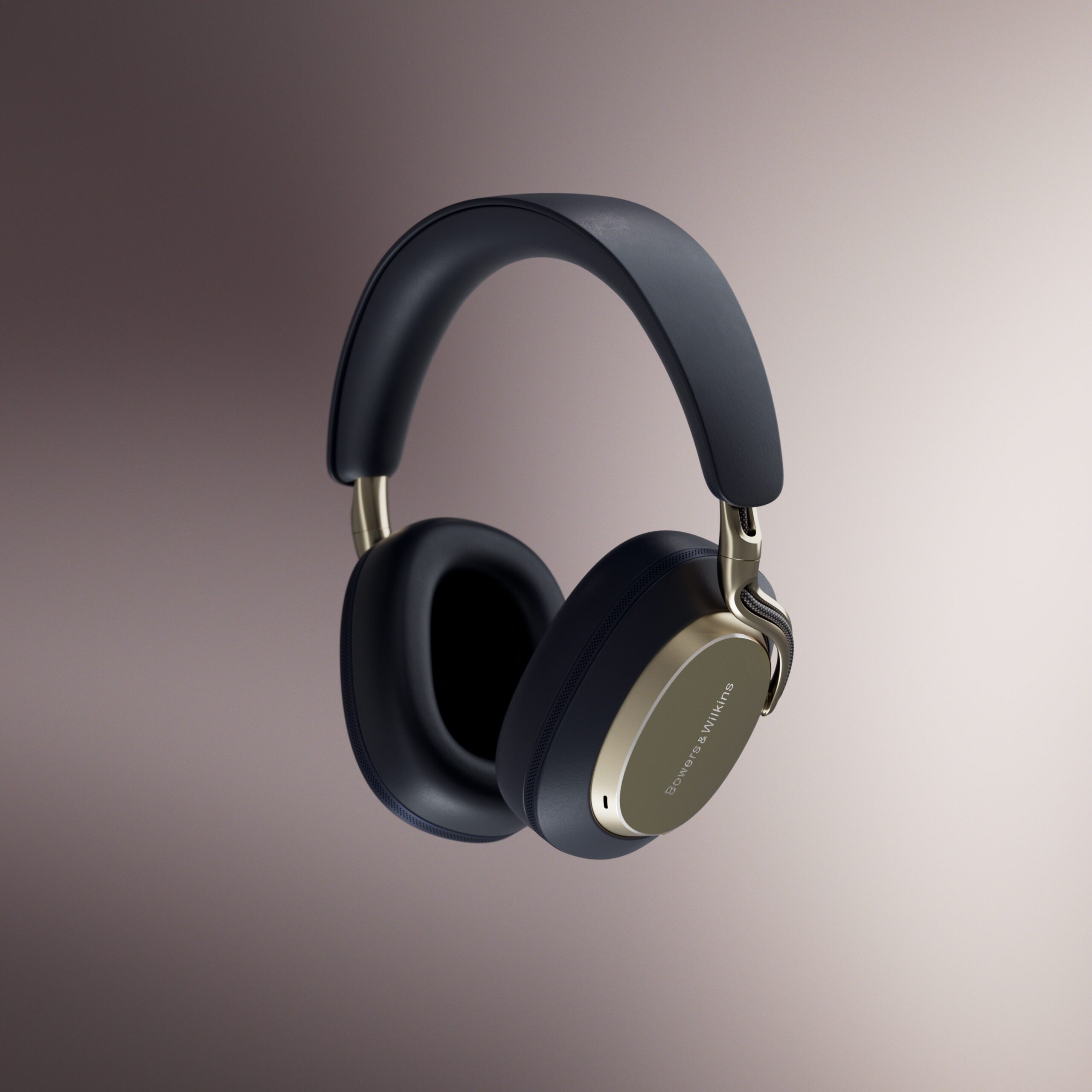
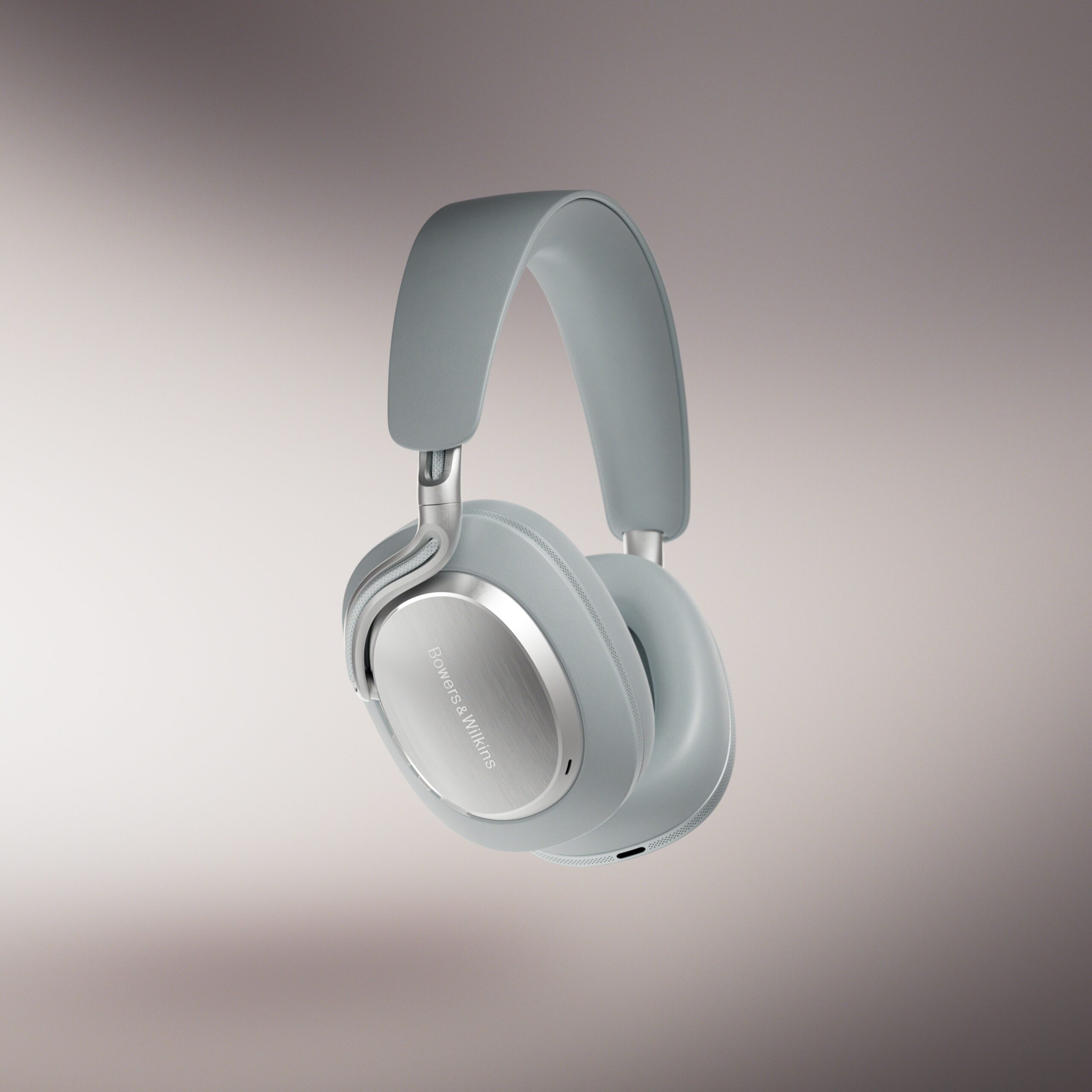
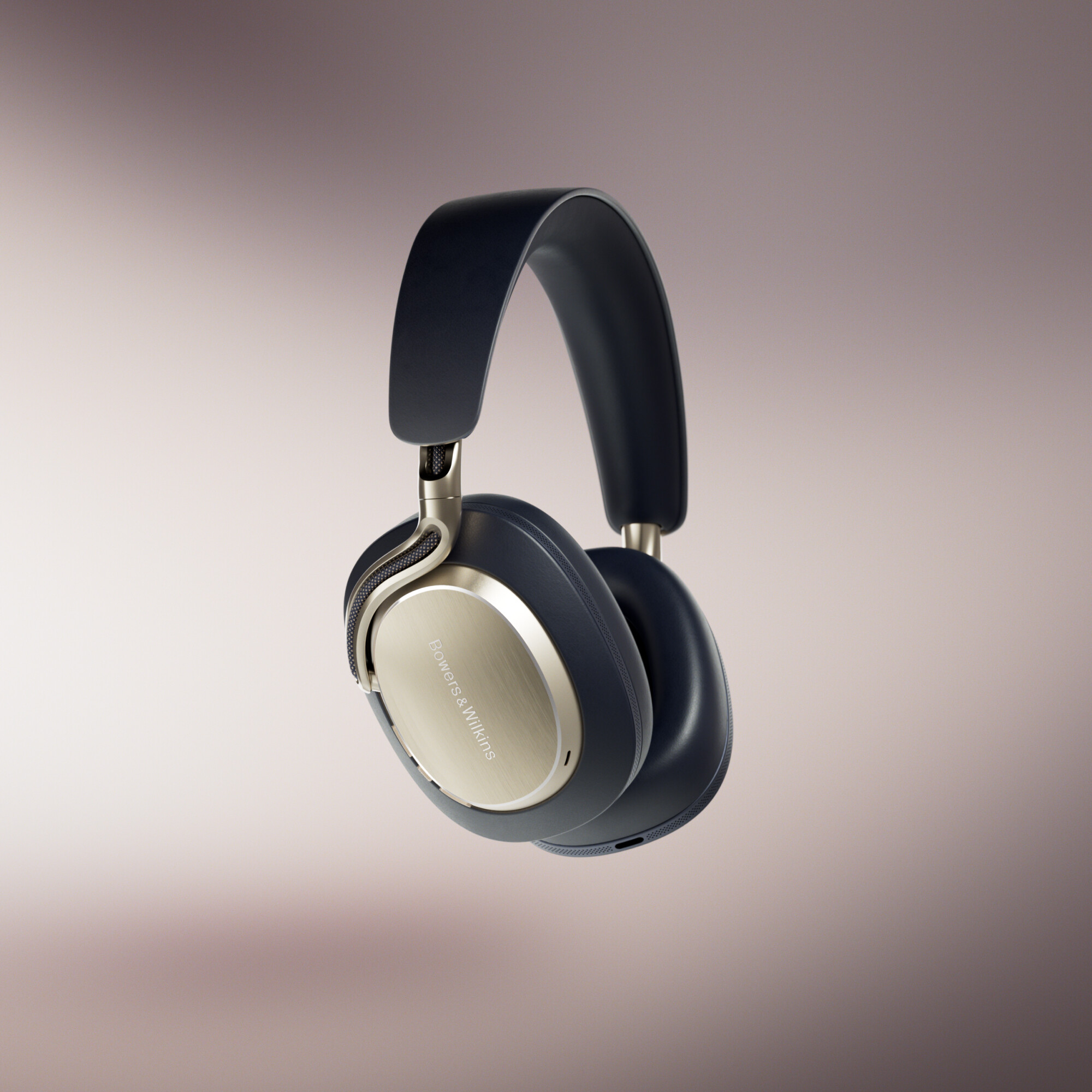
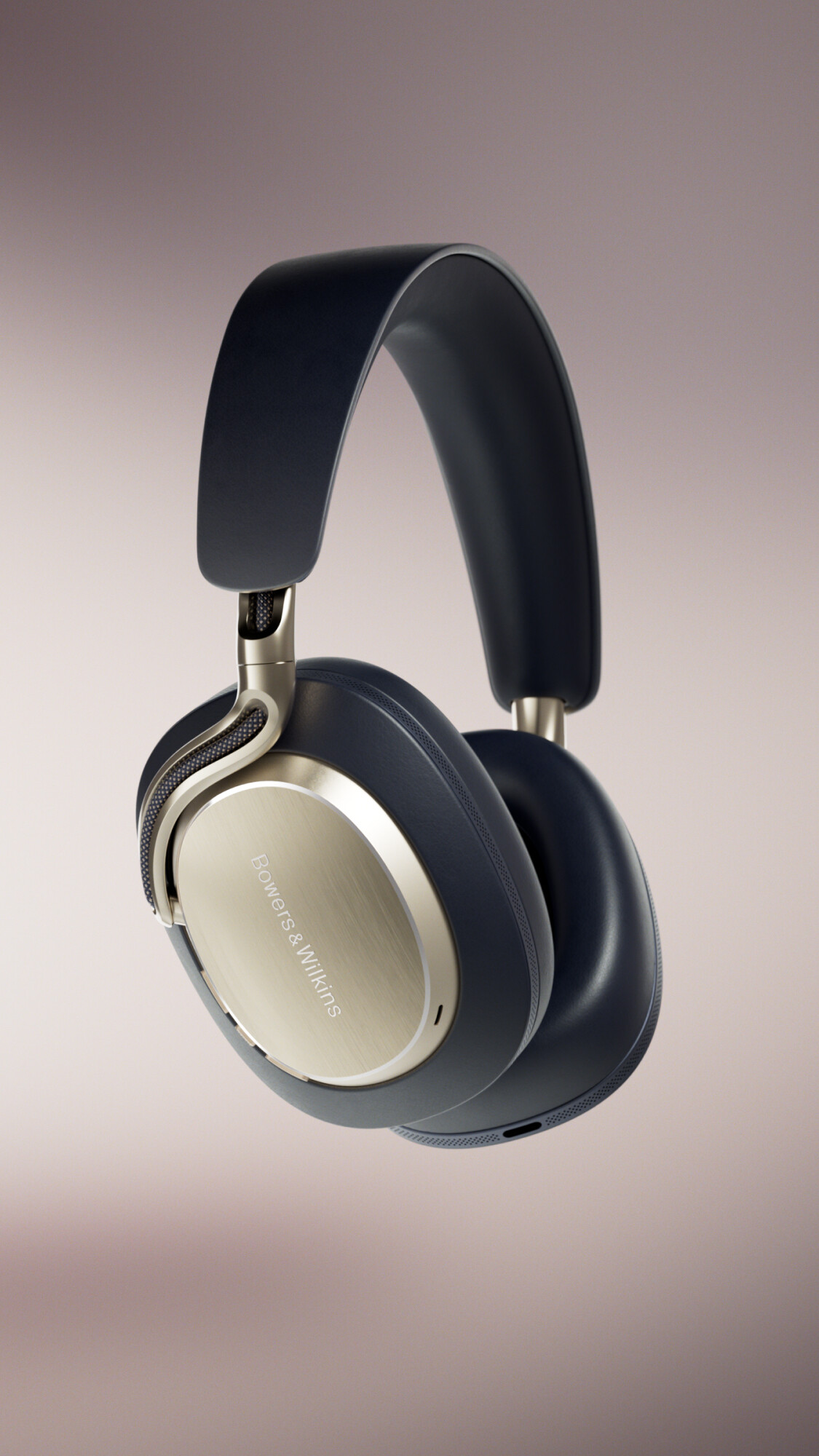
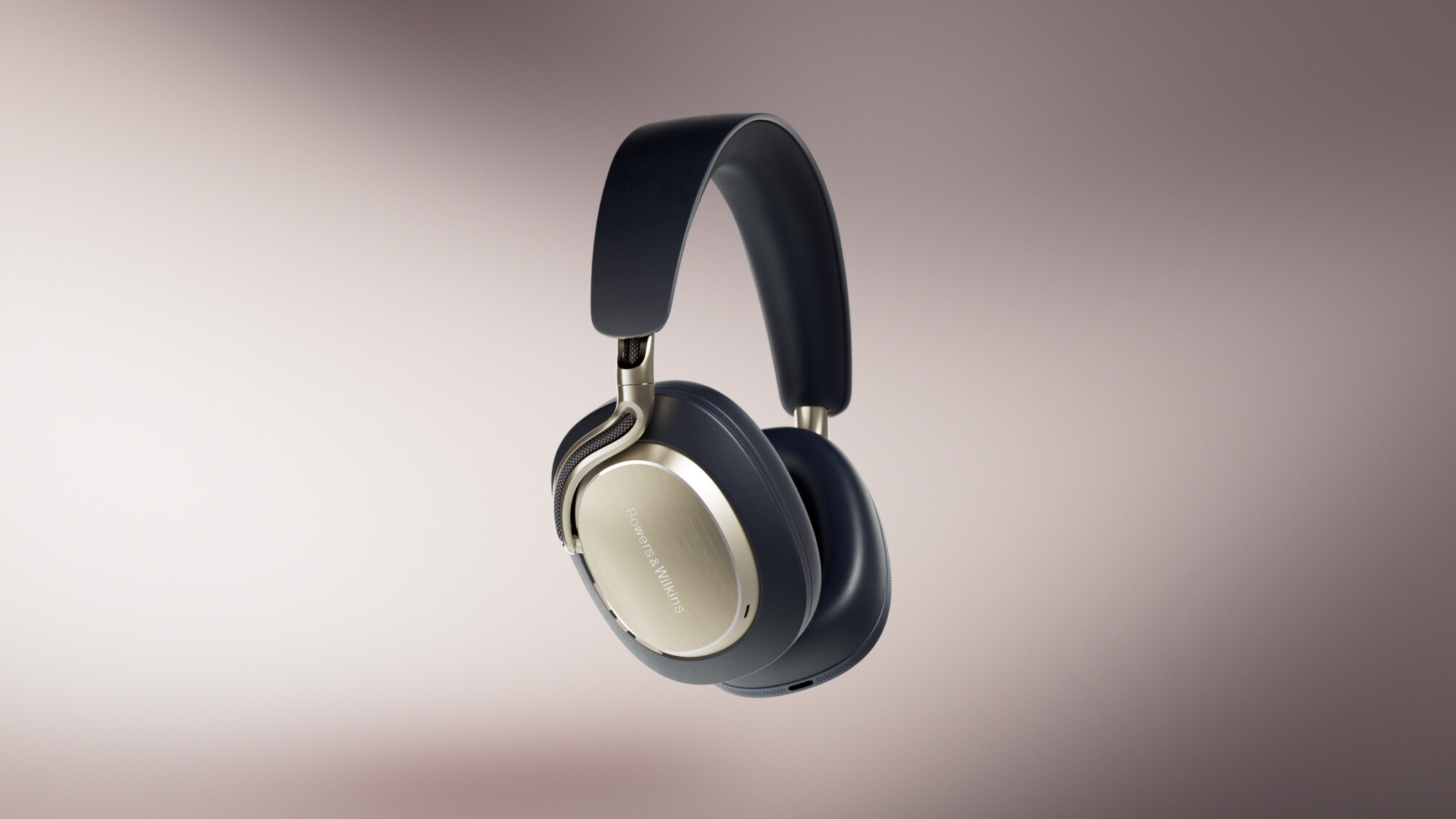
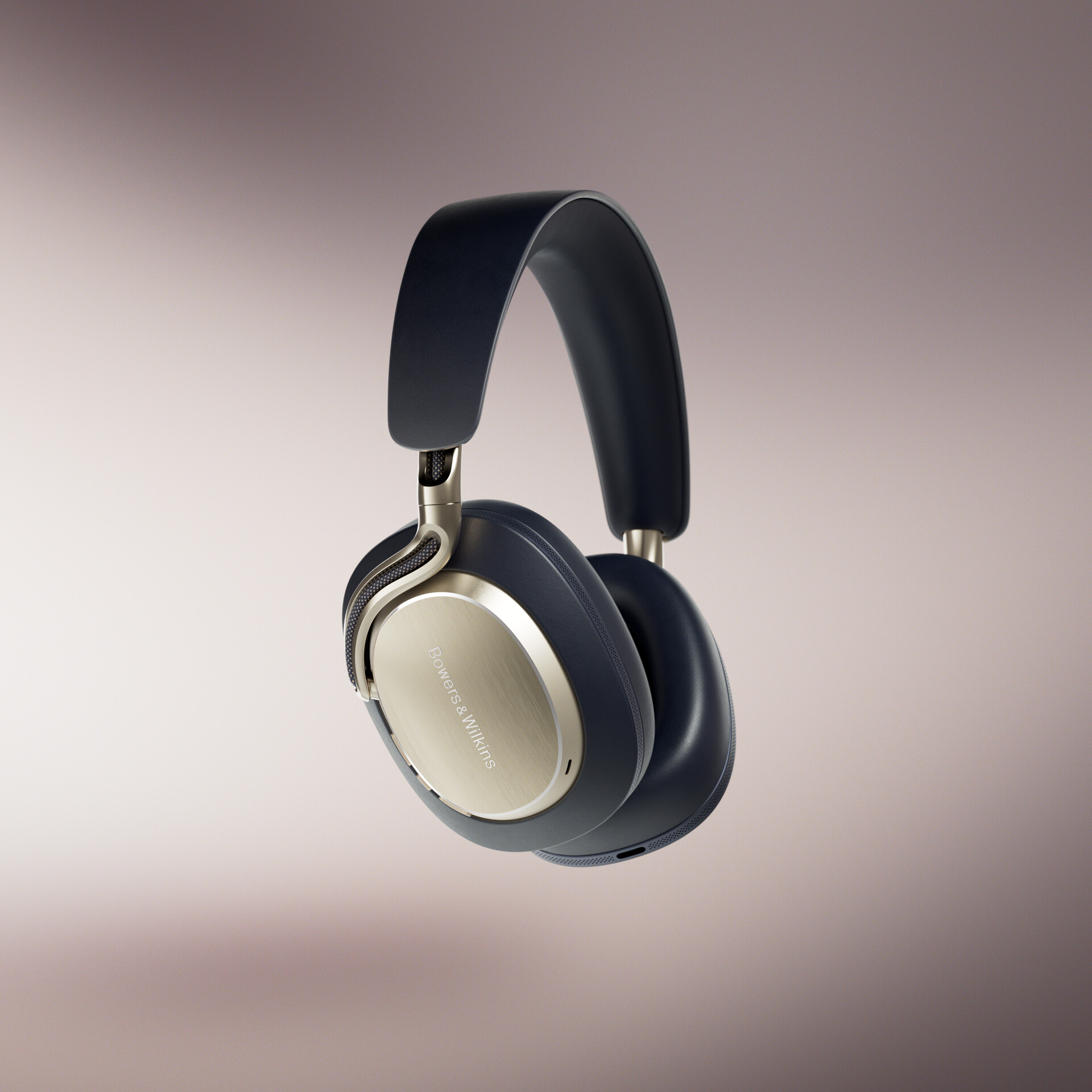
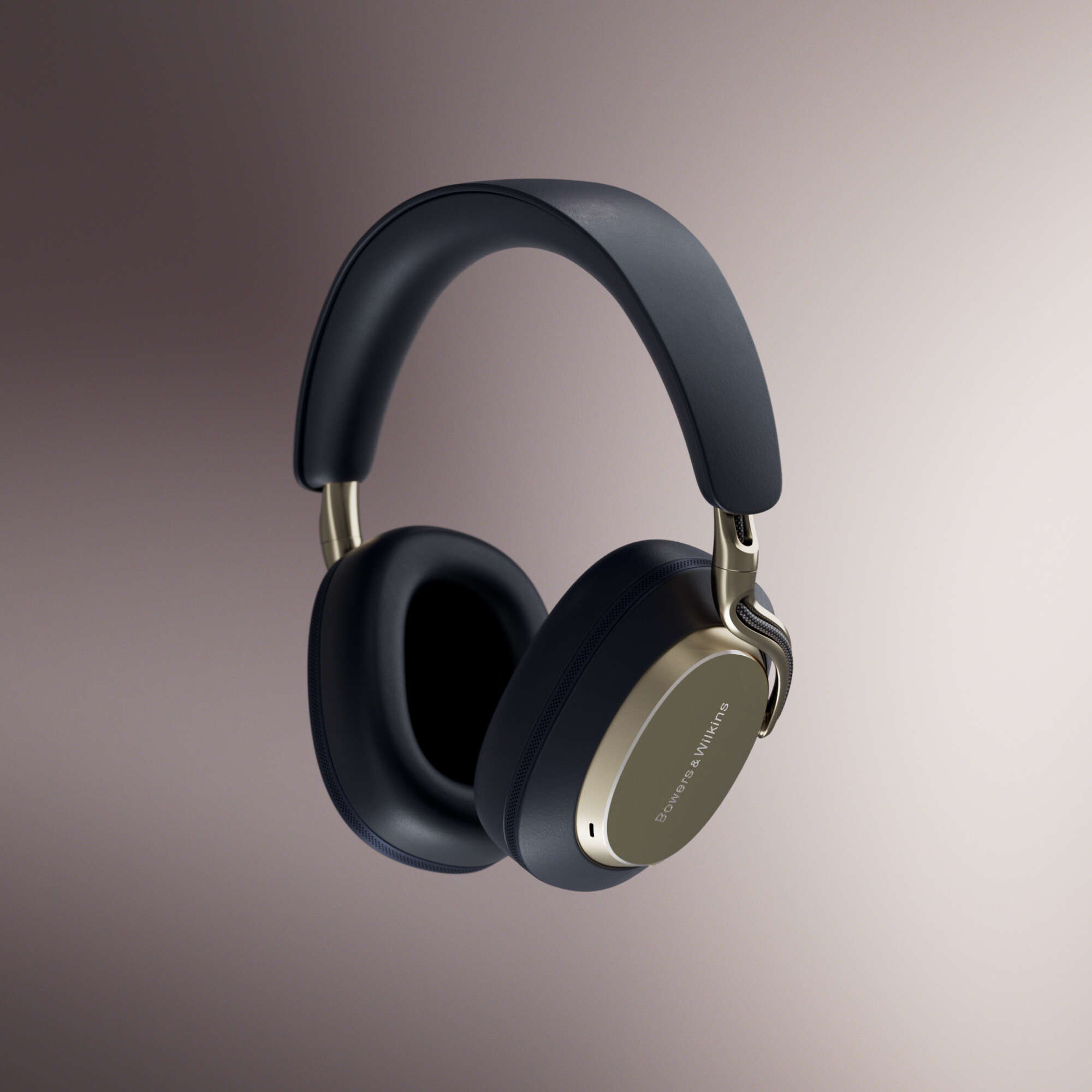
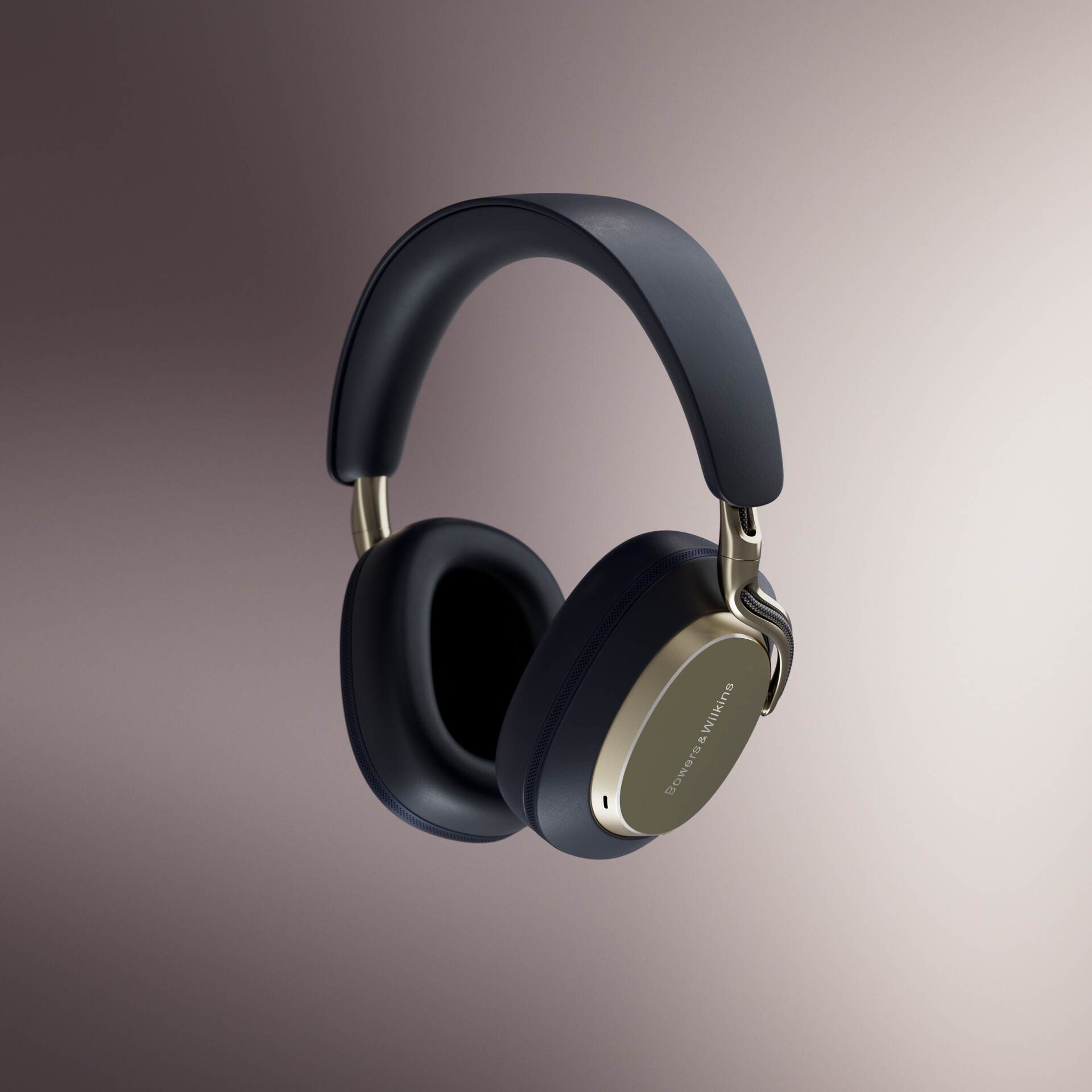
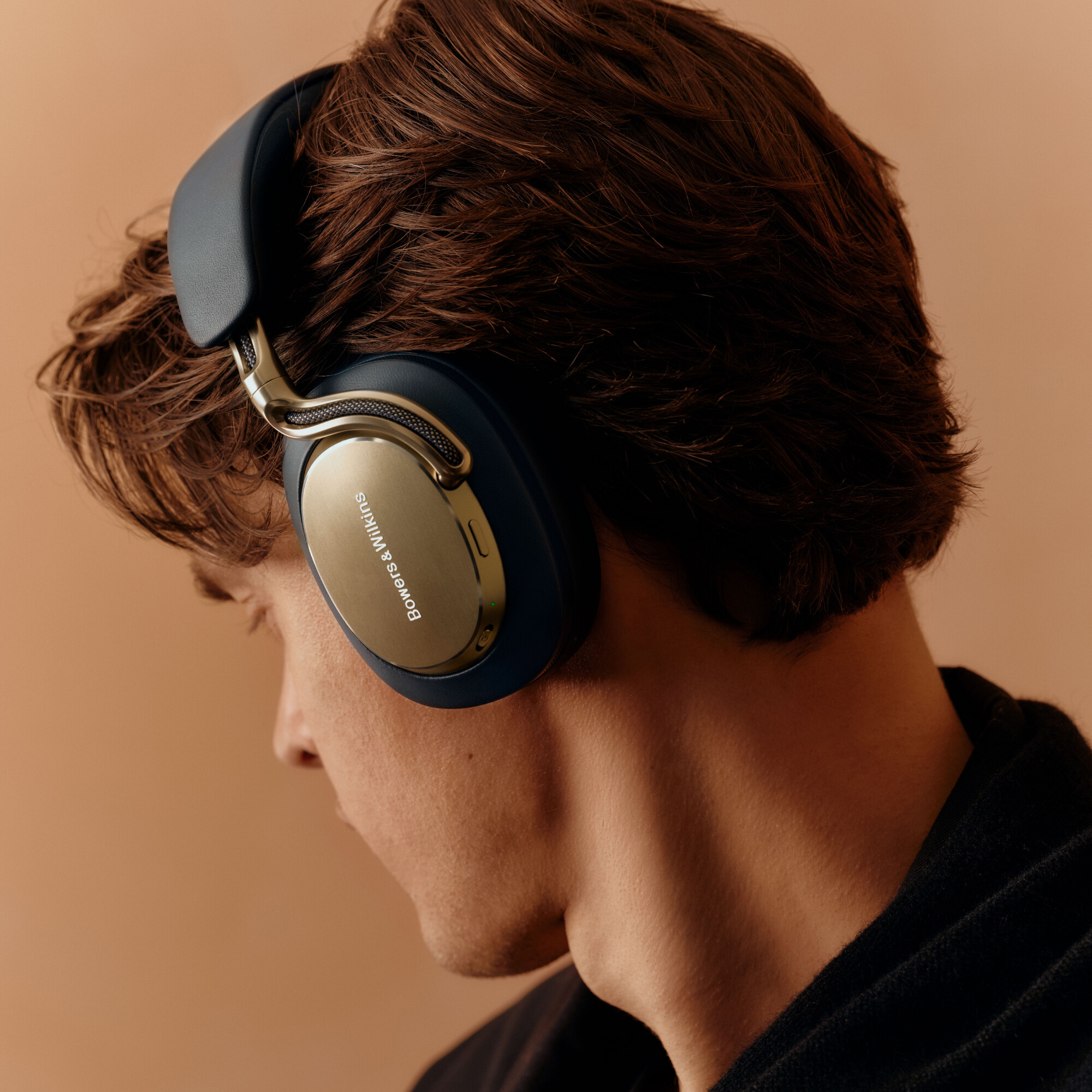
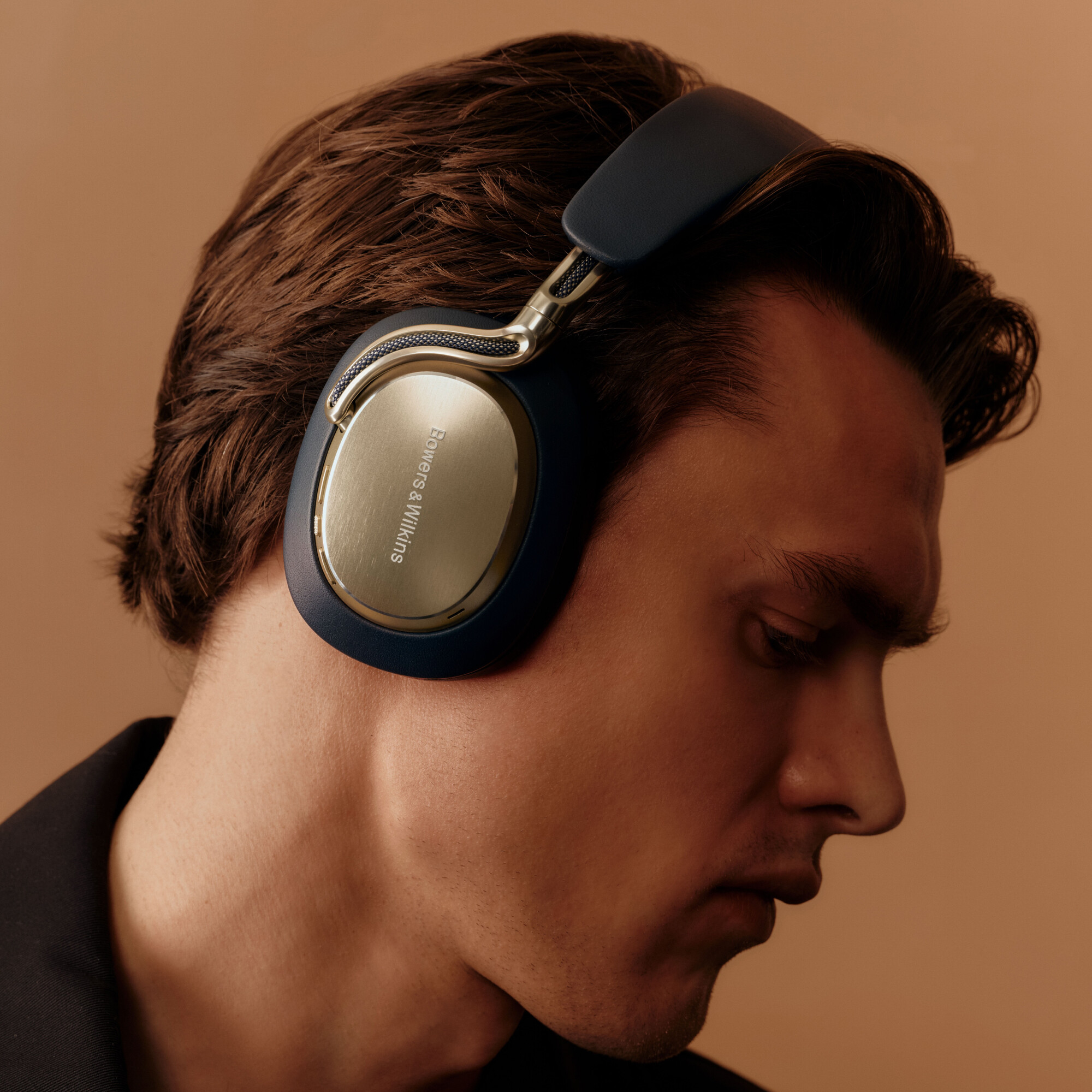
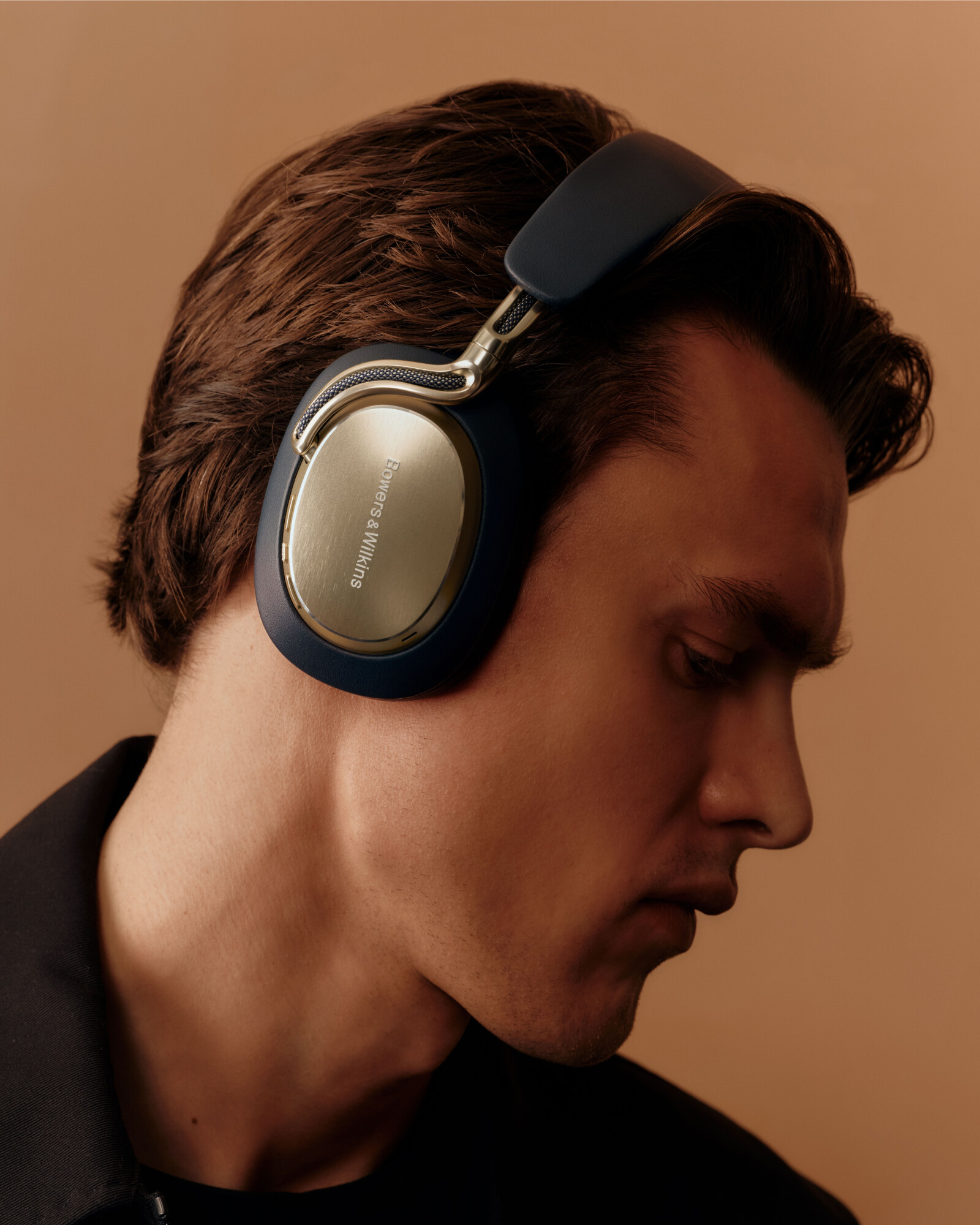
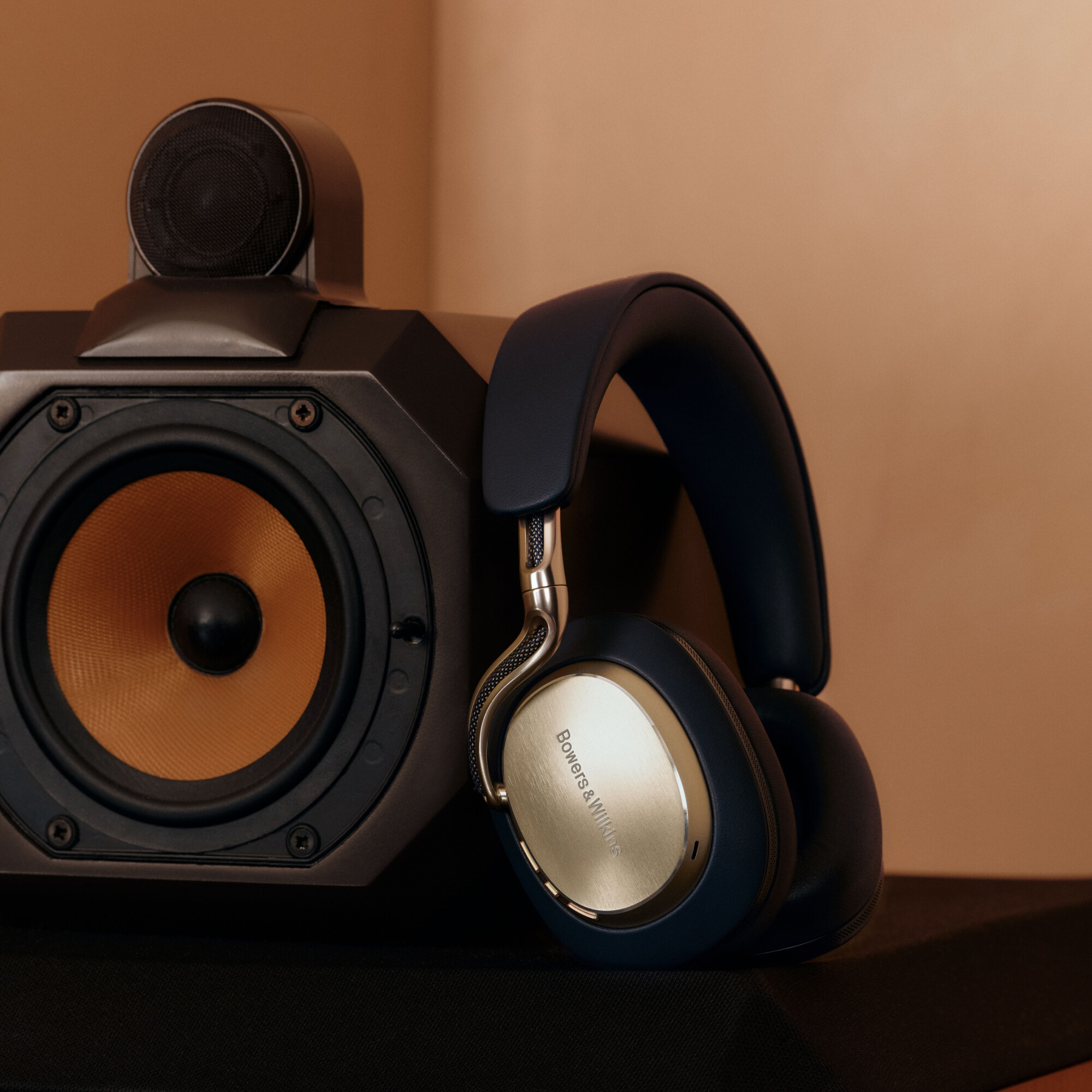
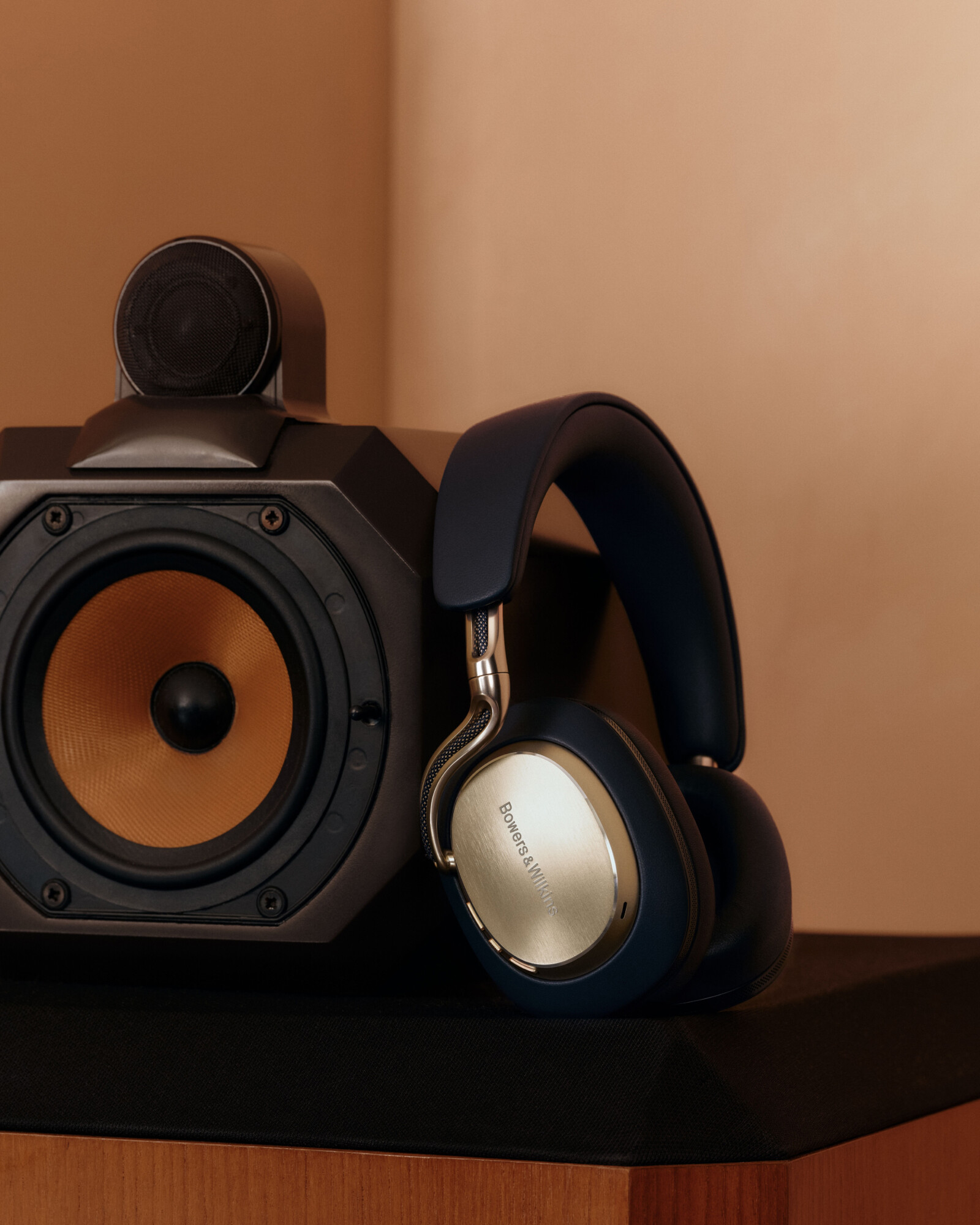
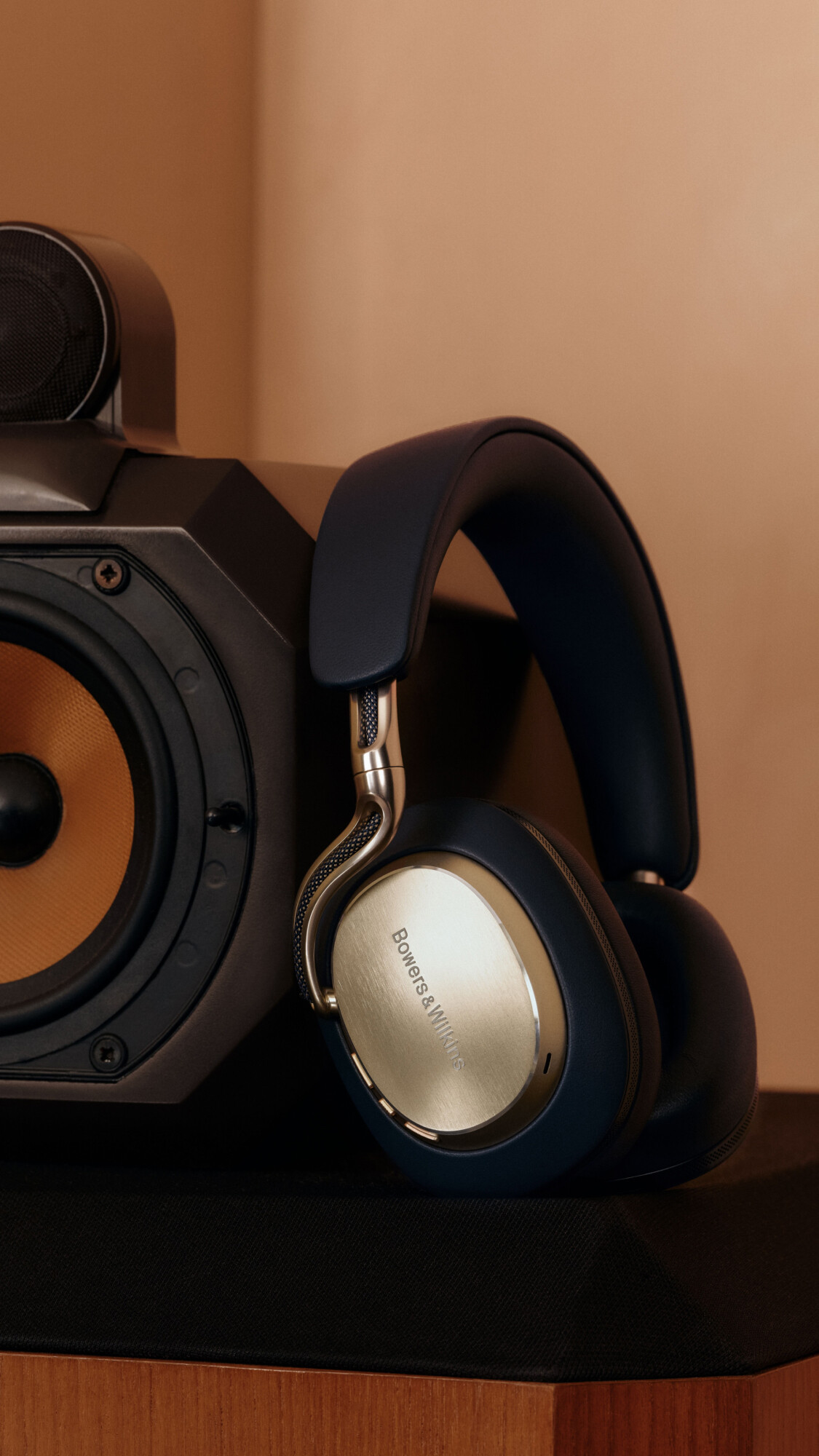
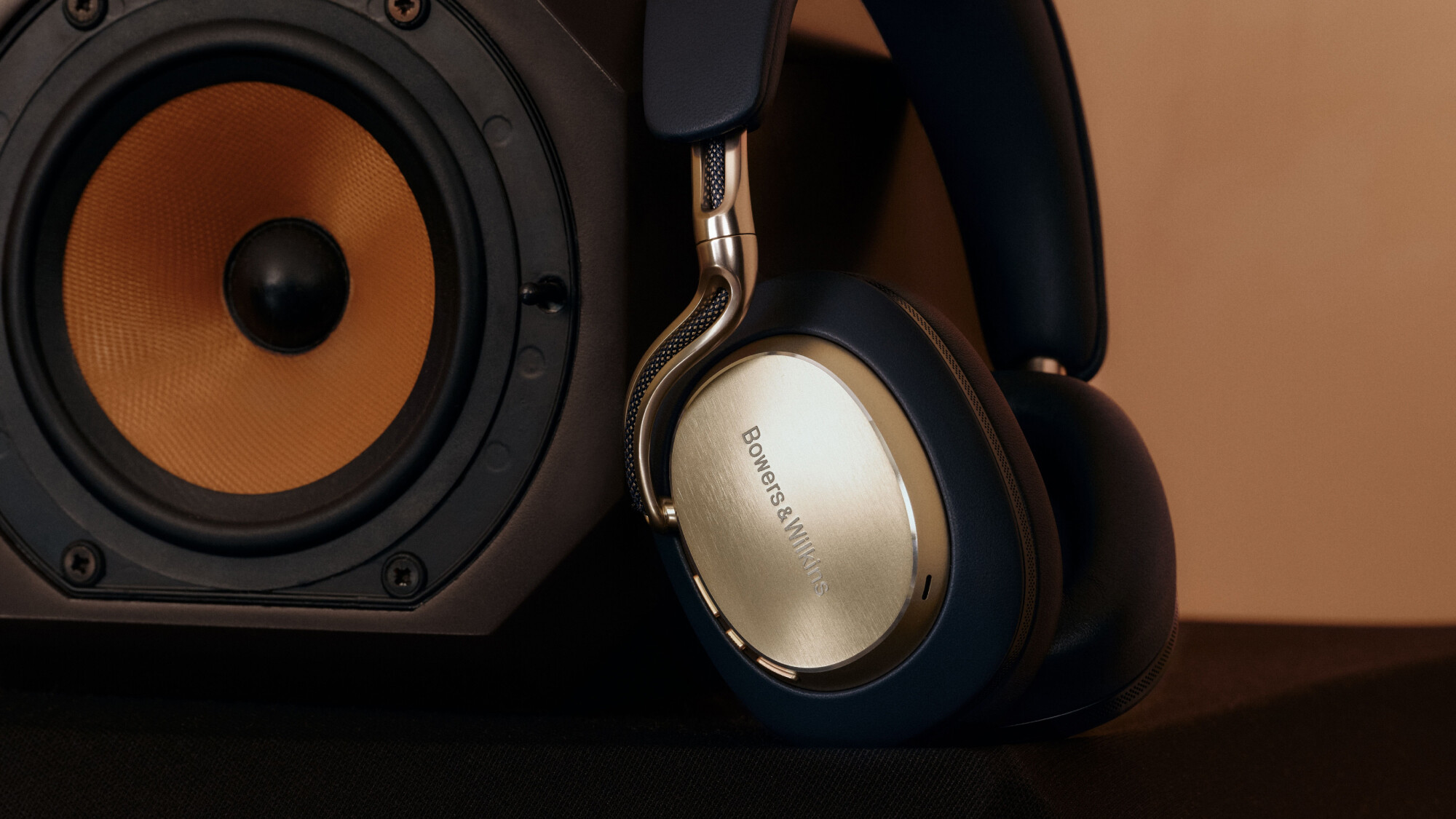
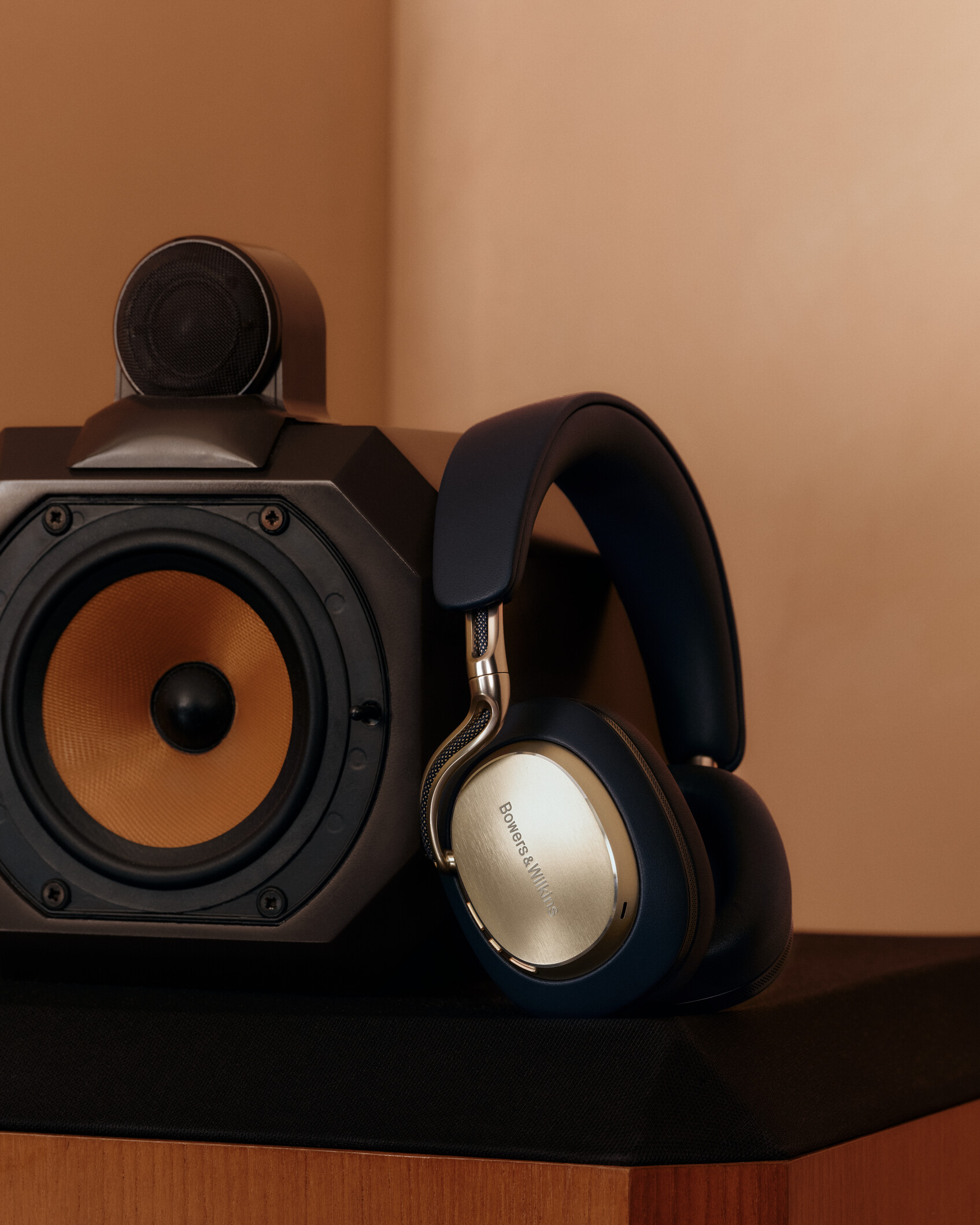
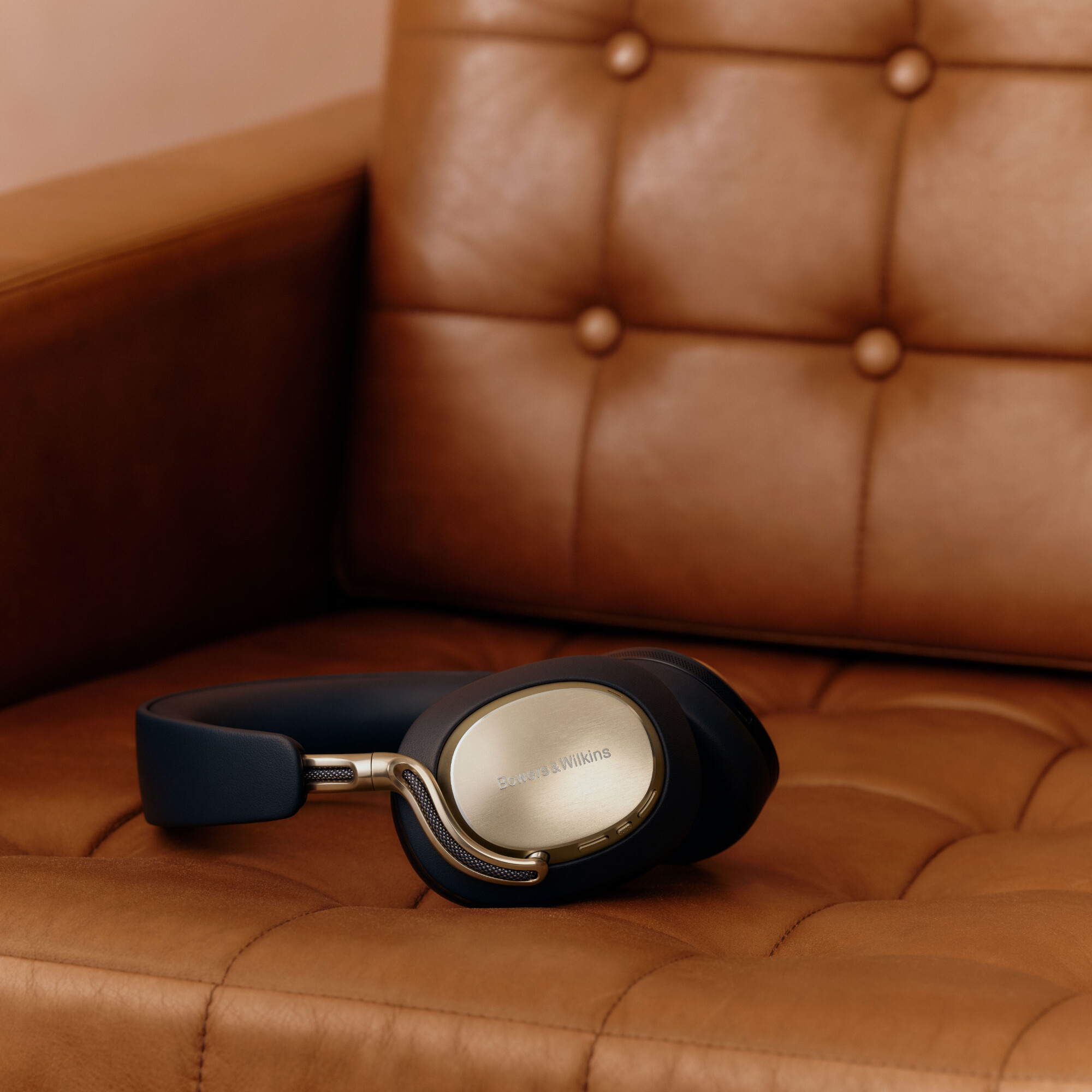
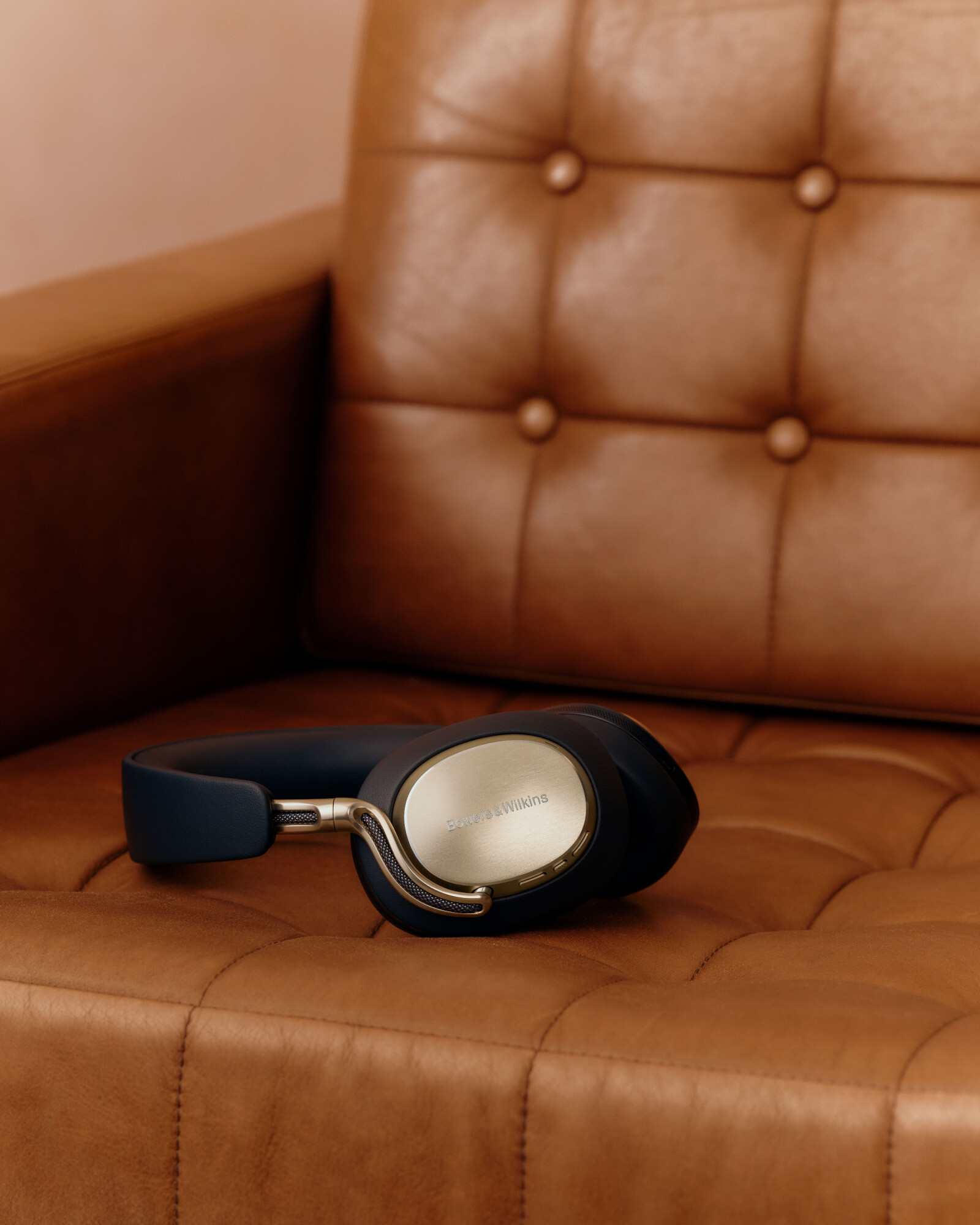
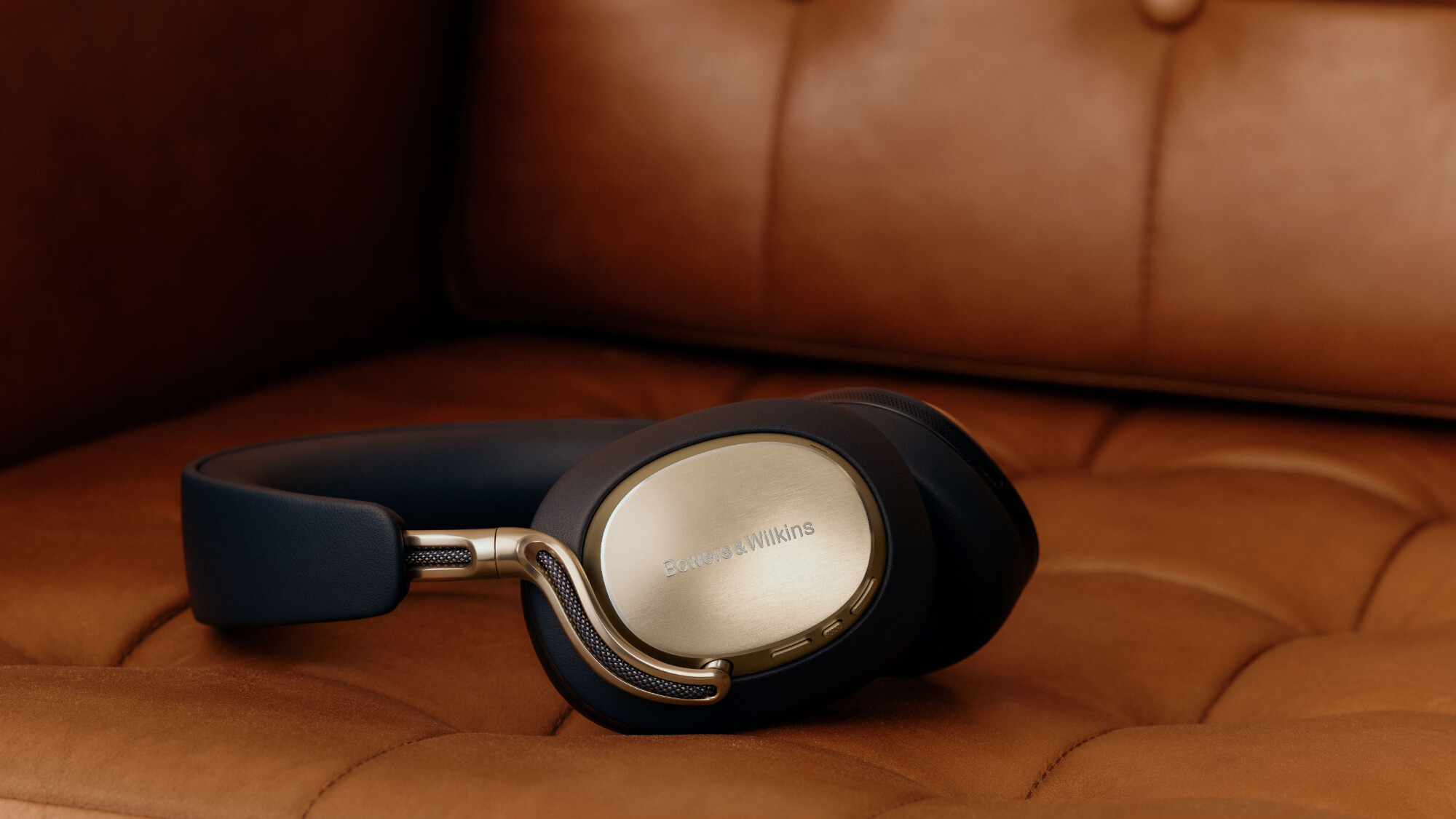
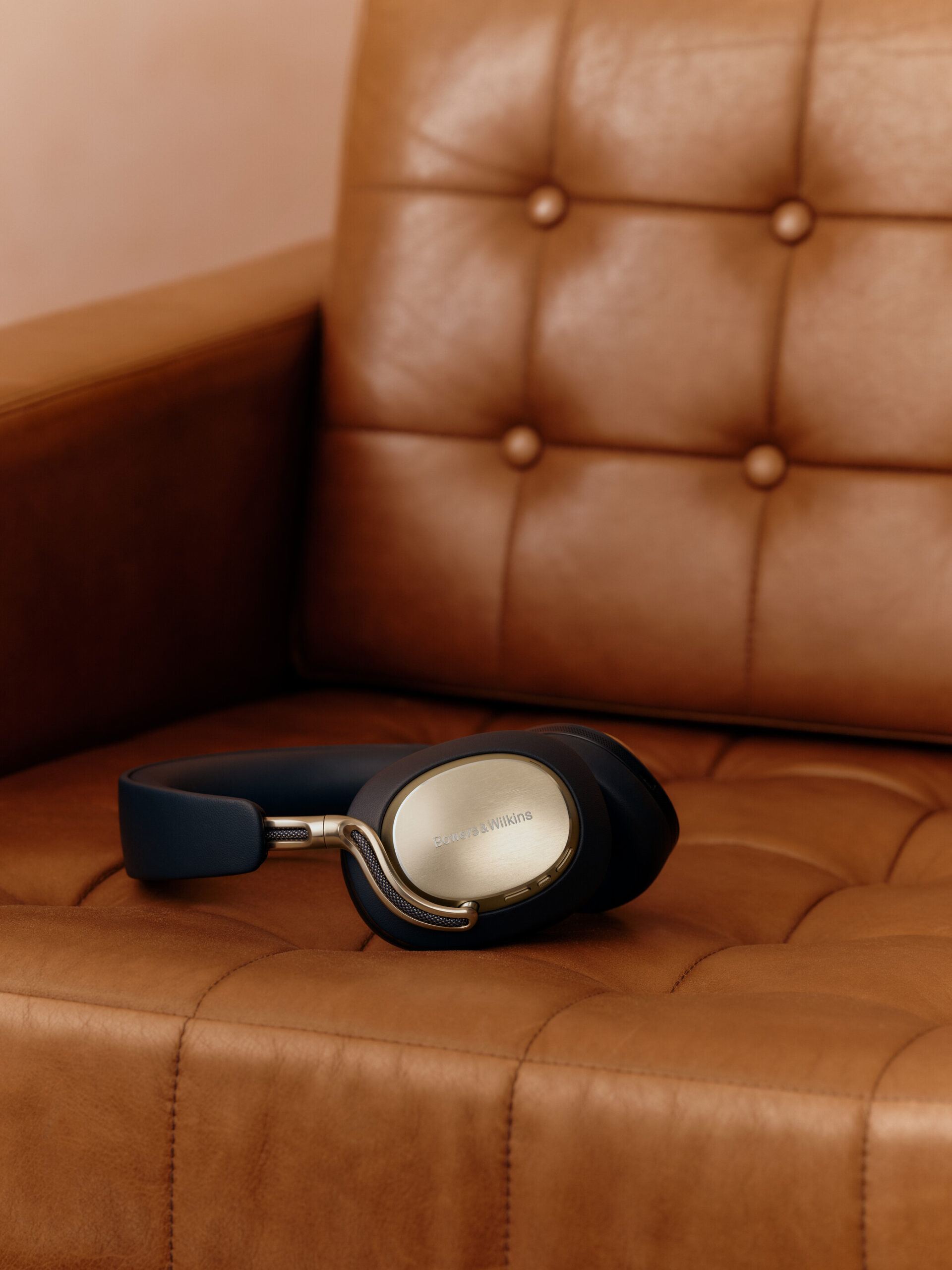
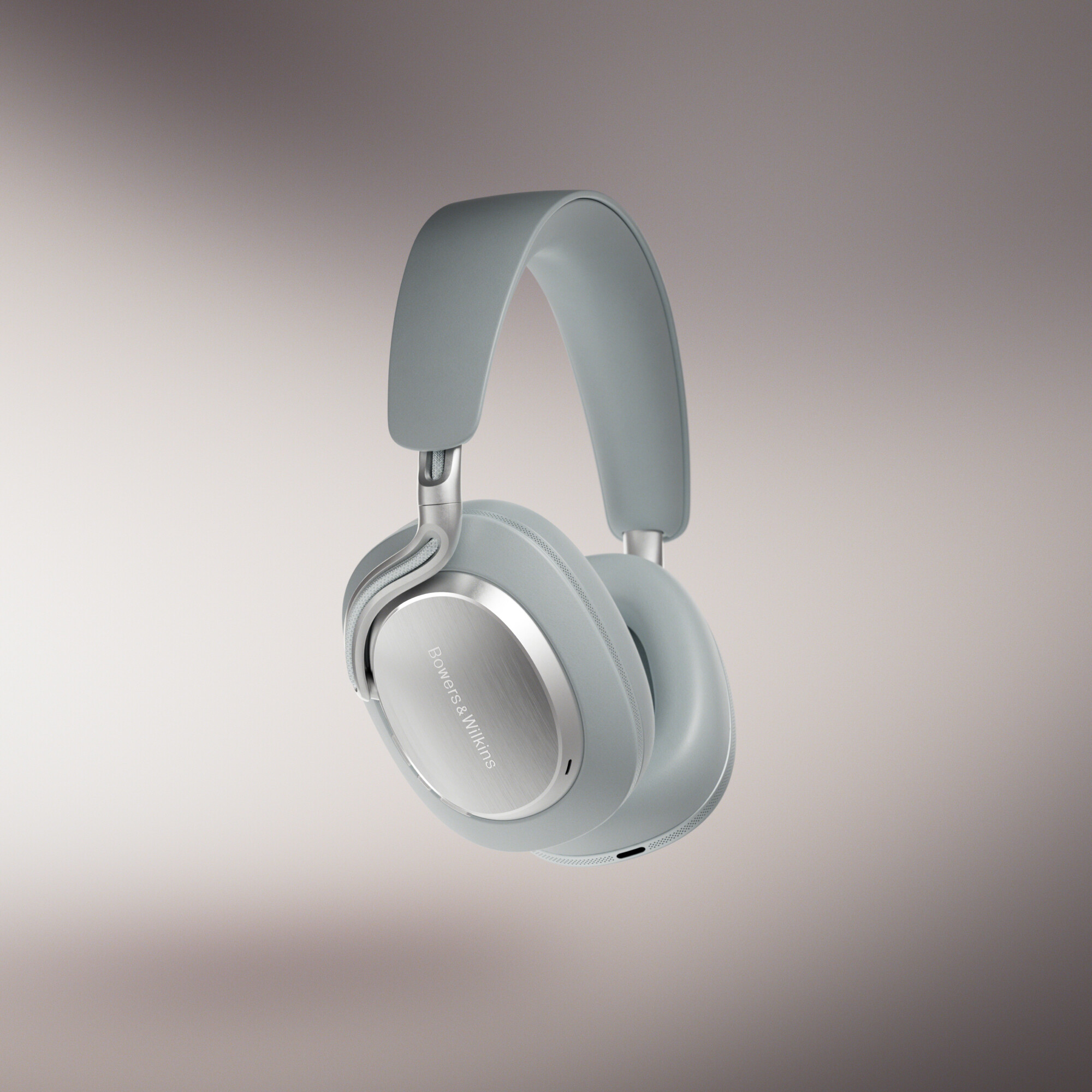
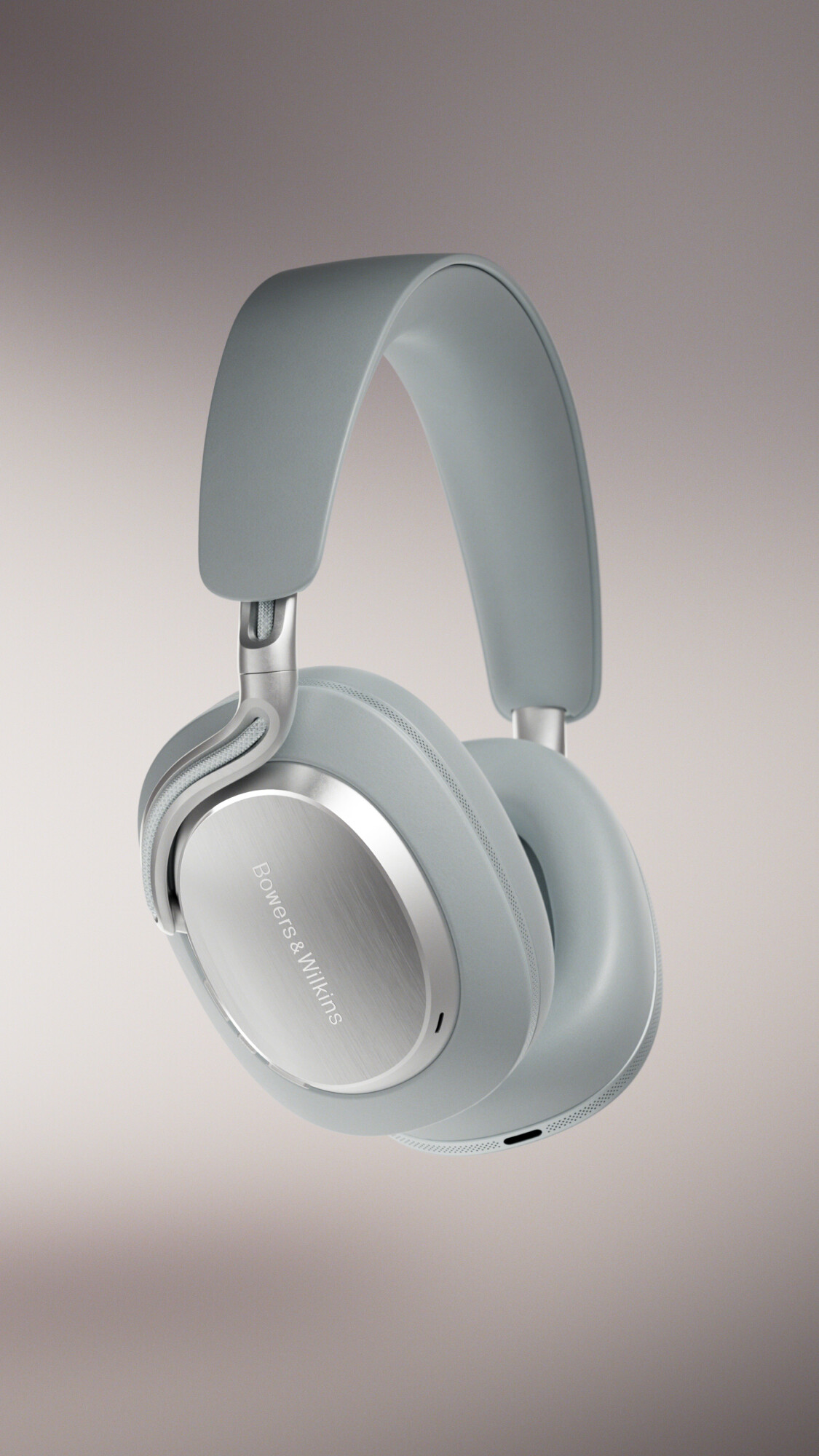
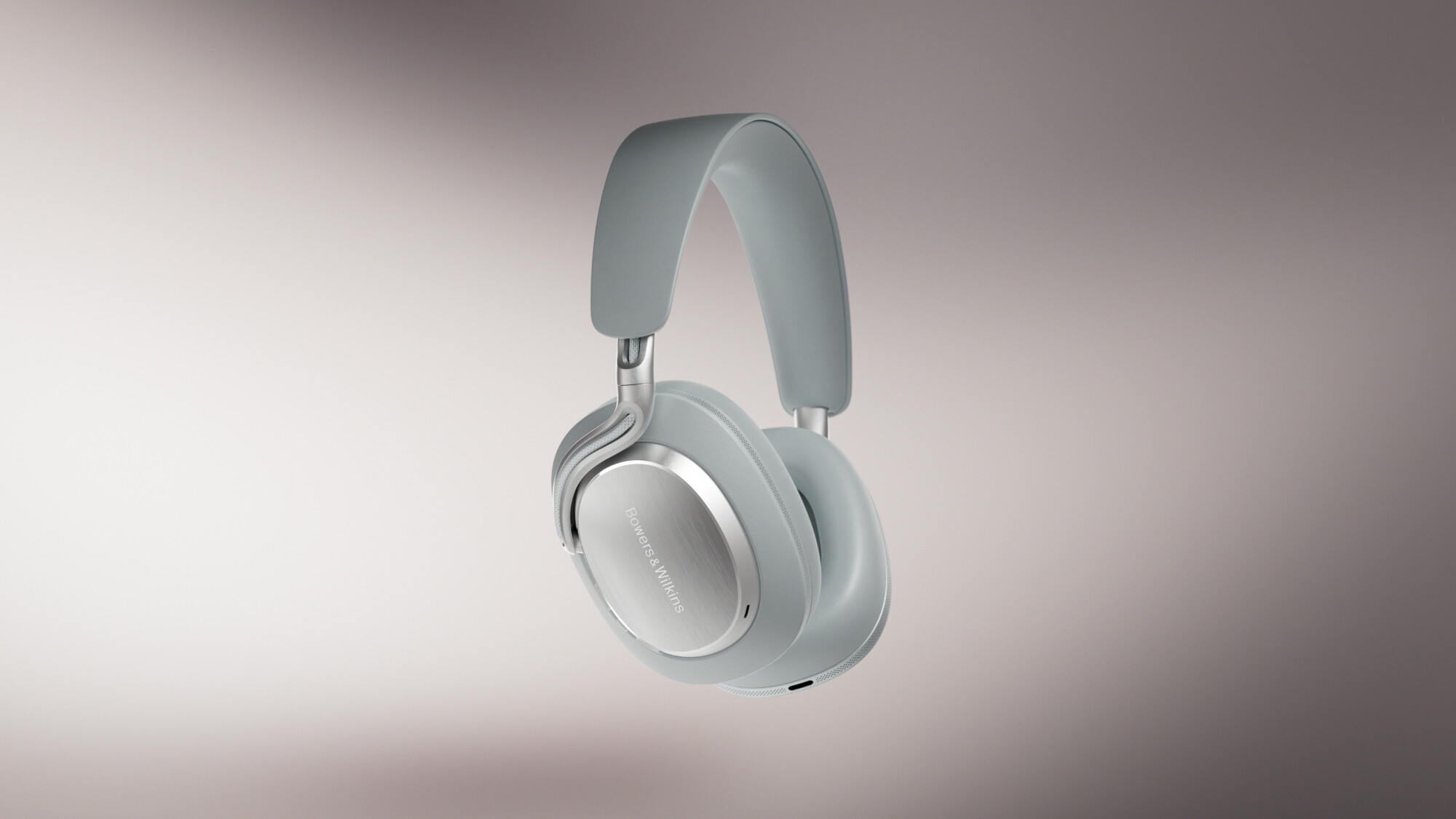
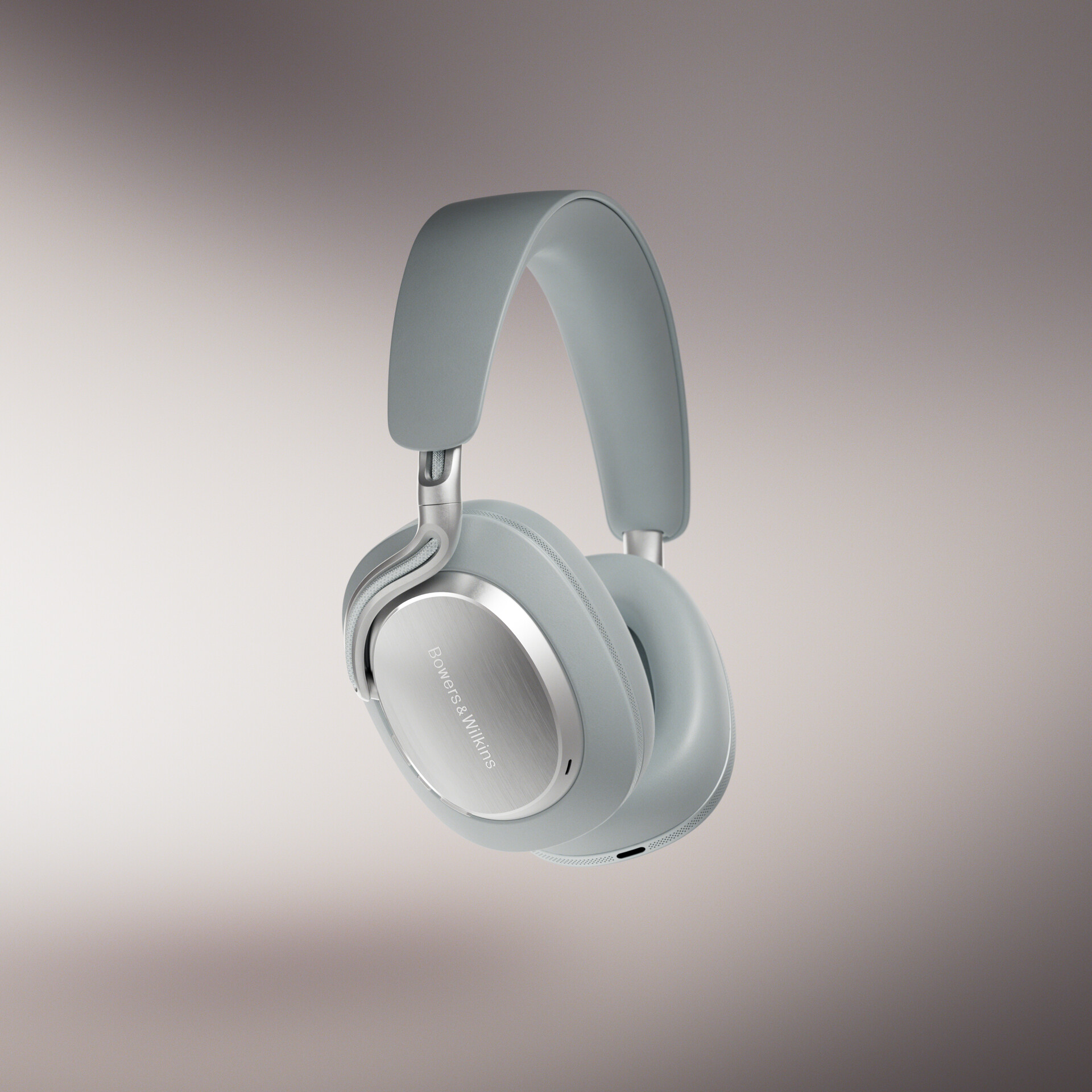
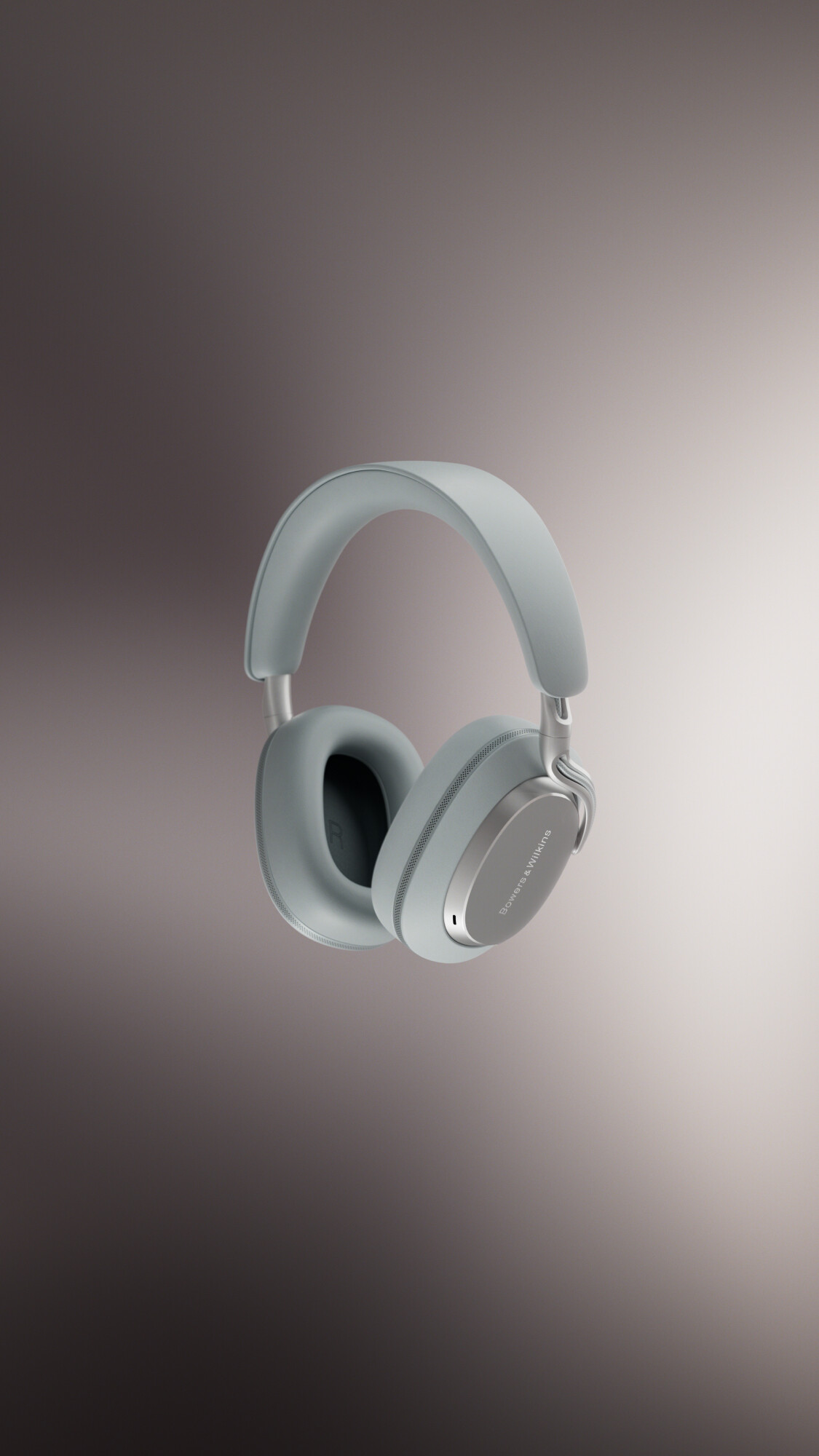
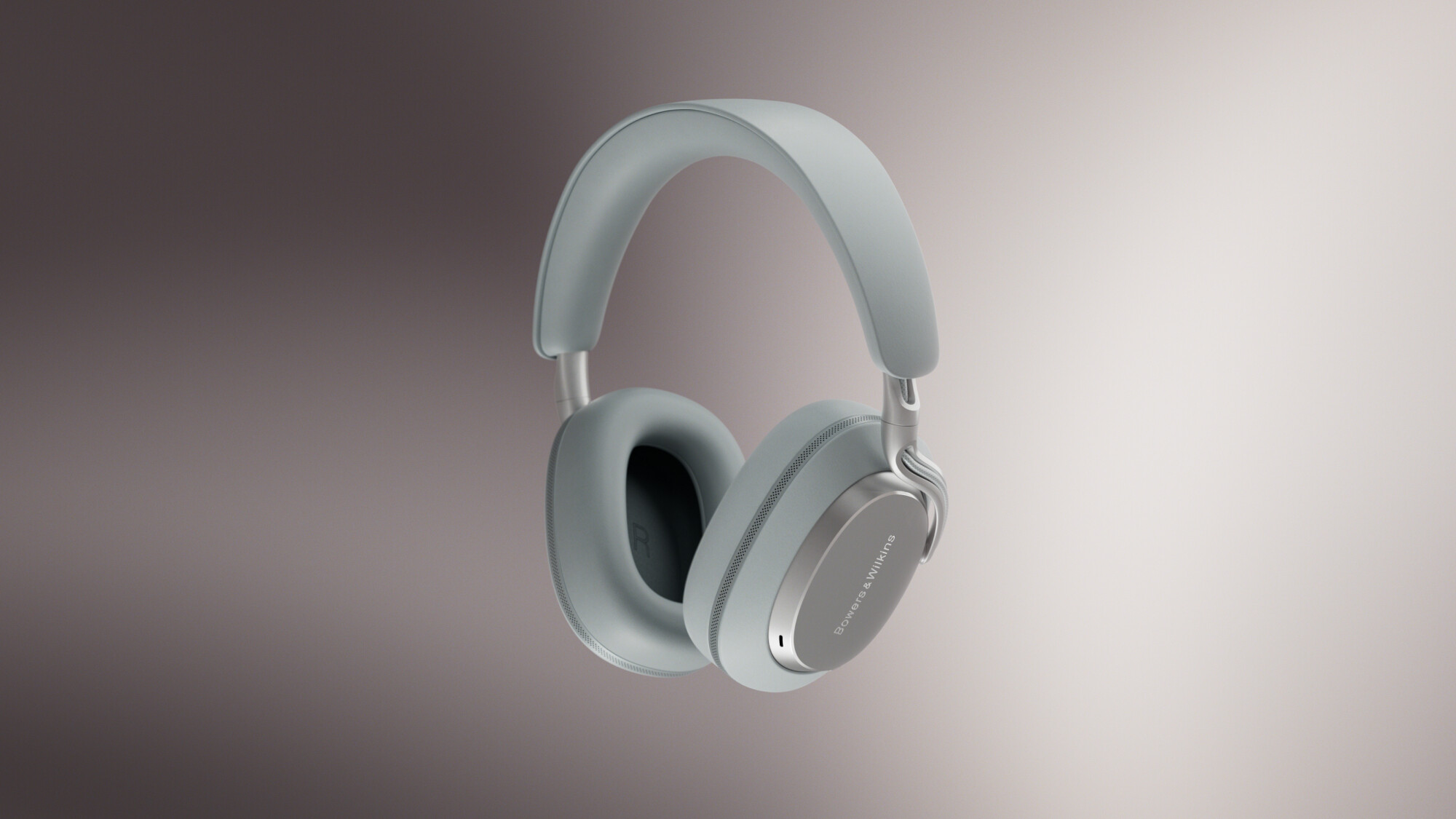
With the introduction of the Midnight Blue and Pearl Blue finishes, the structure of the headset remains unchanged. It retains its circum-aural wireless configuration and established performance. What has evolved is elsewhere: in the way it occupies visual space.
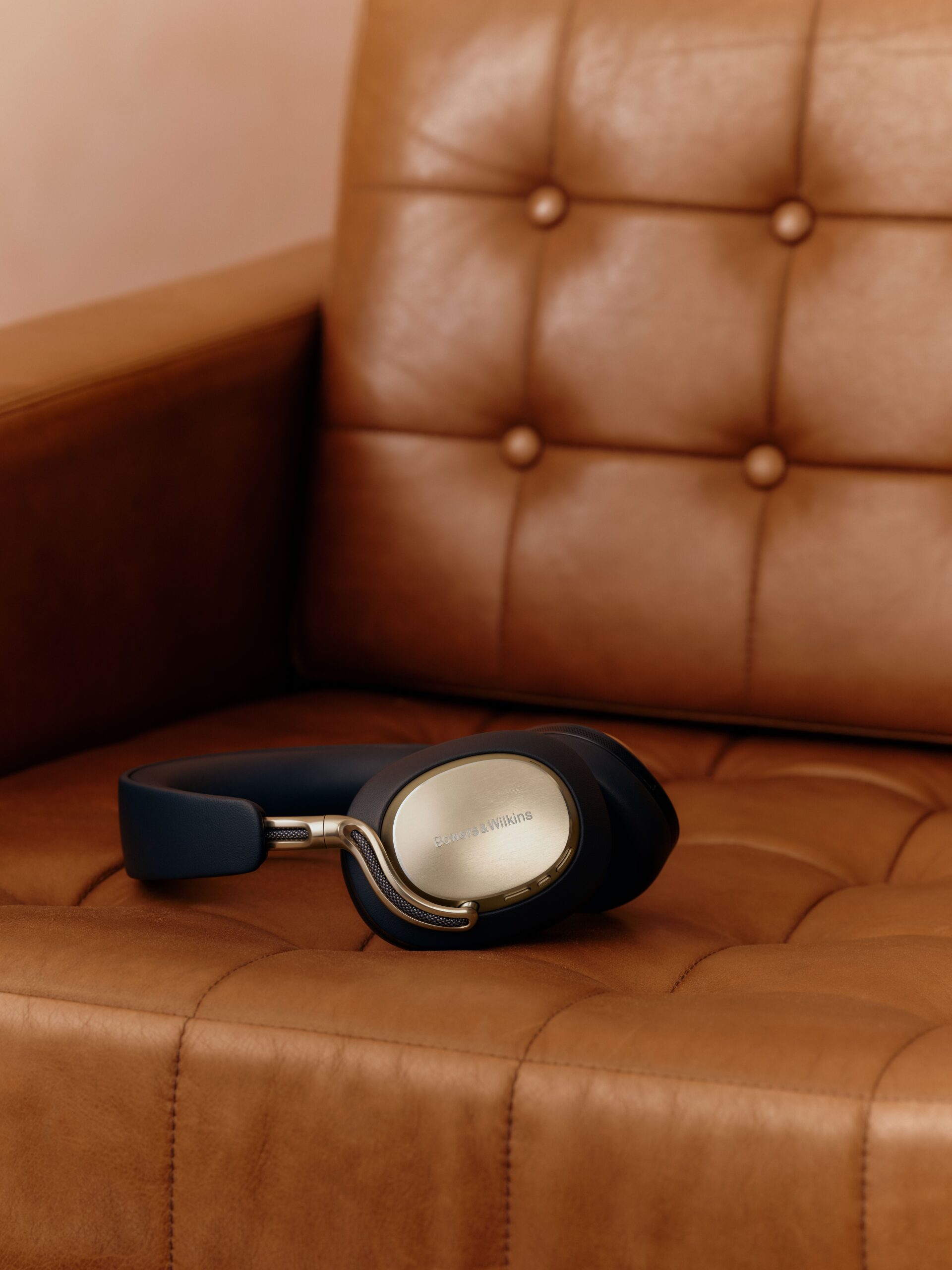
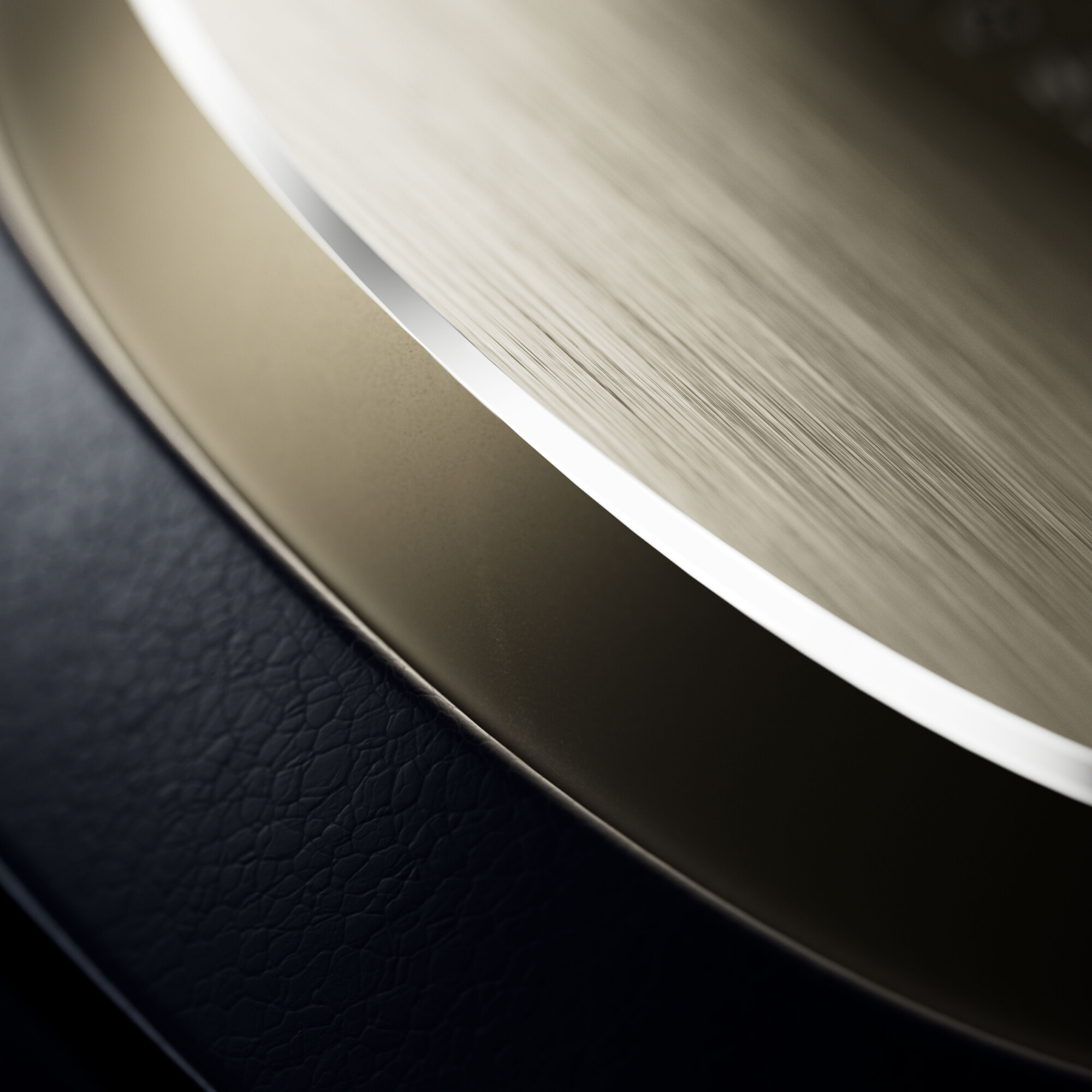
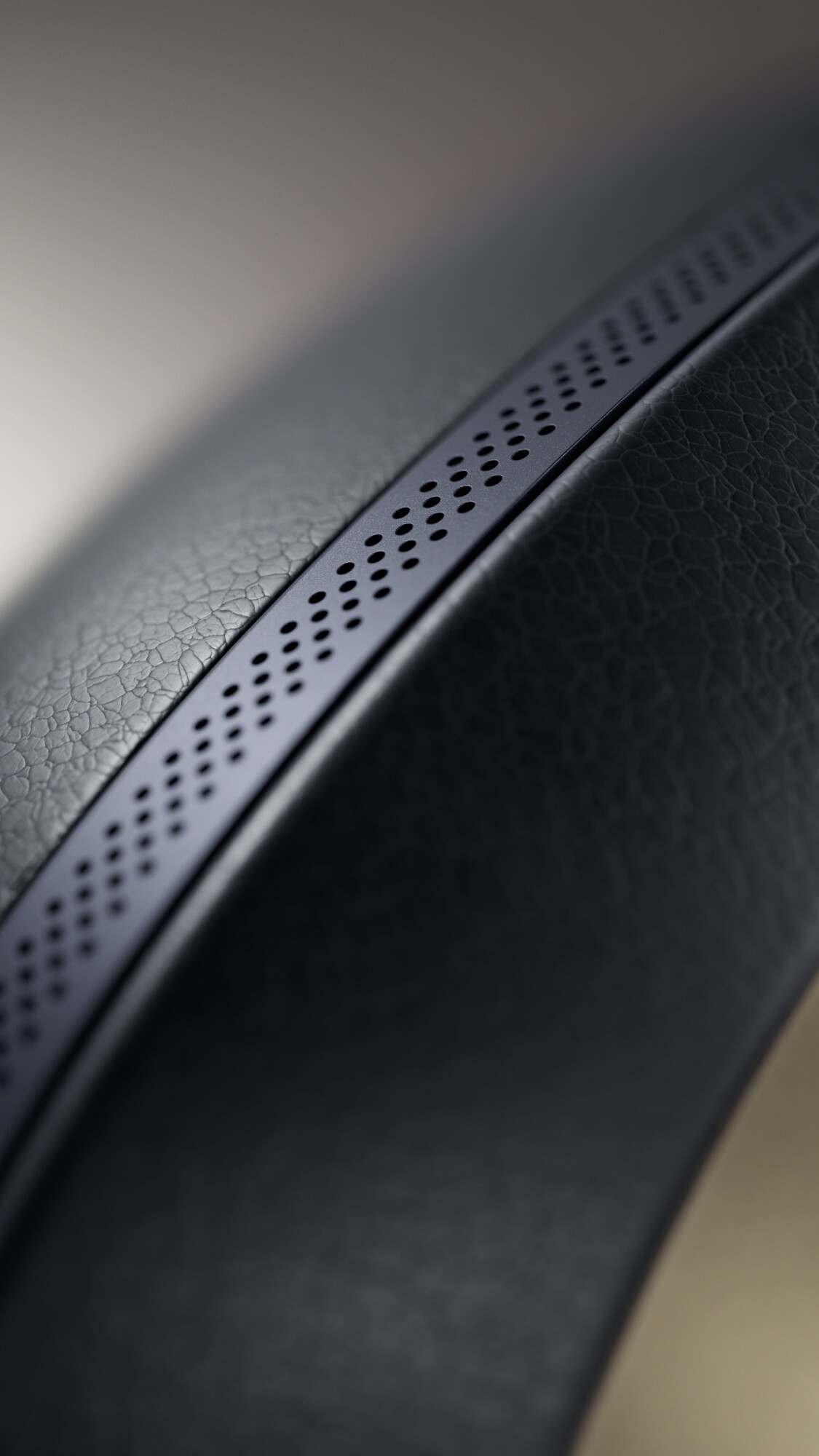
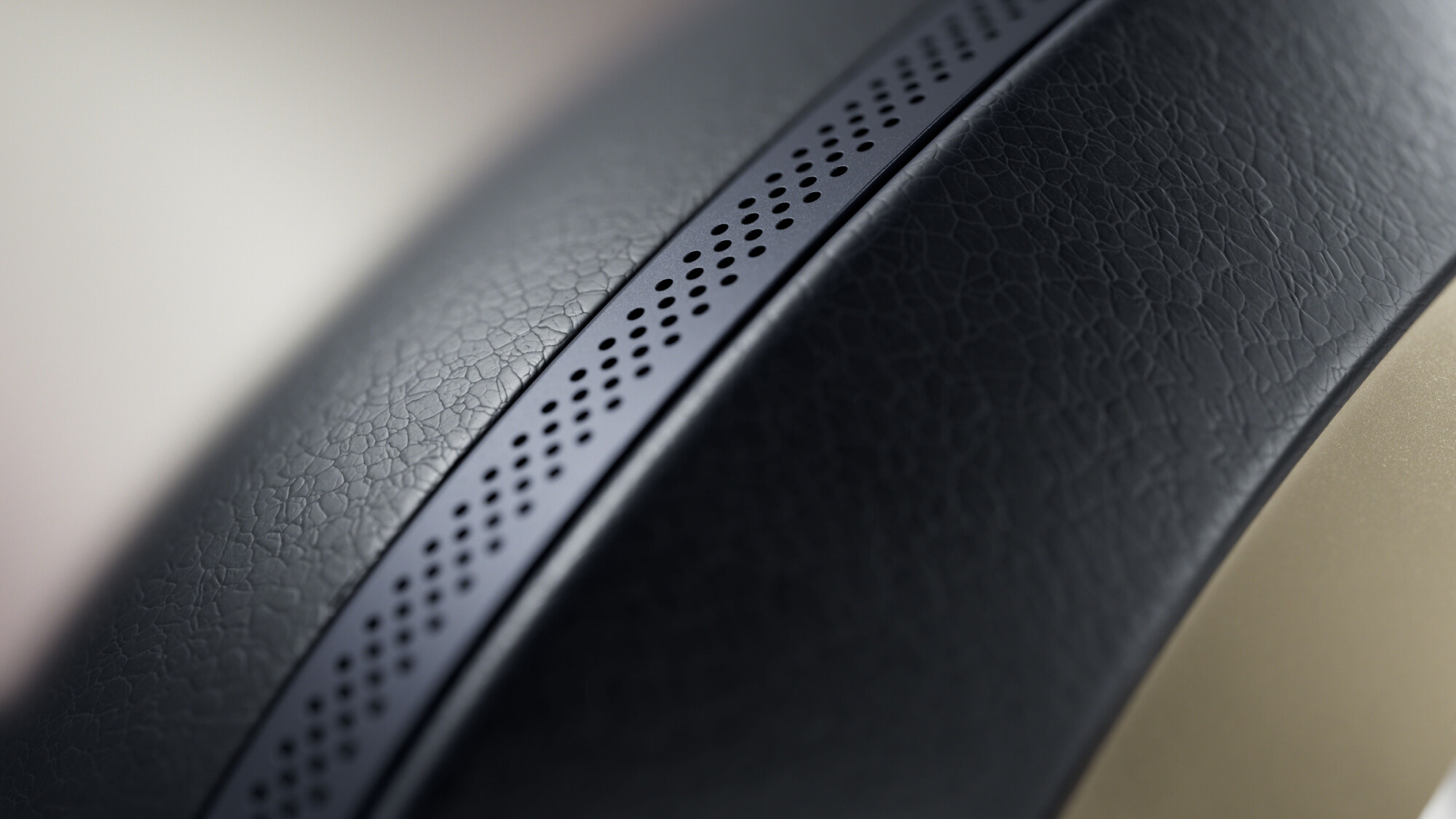
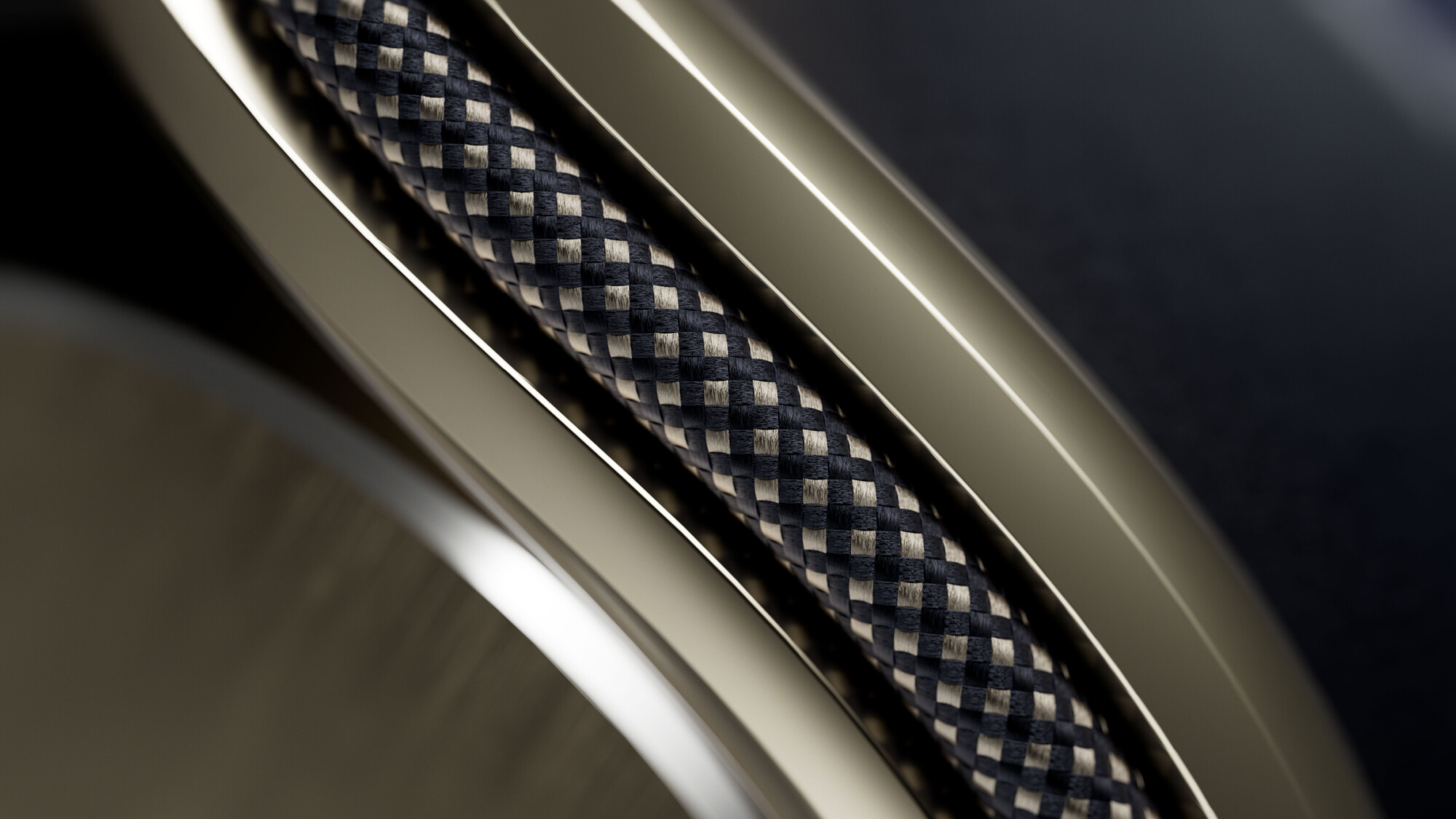
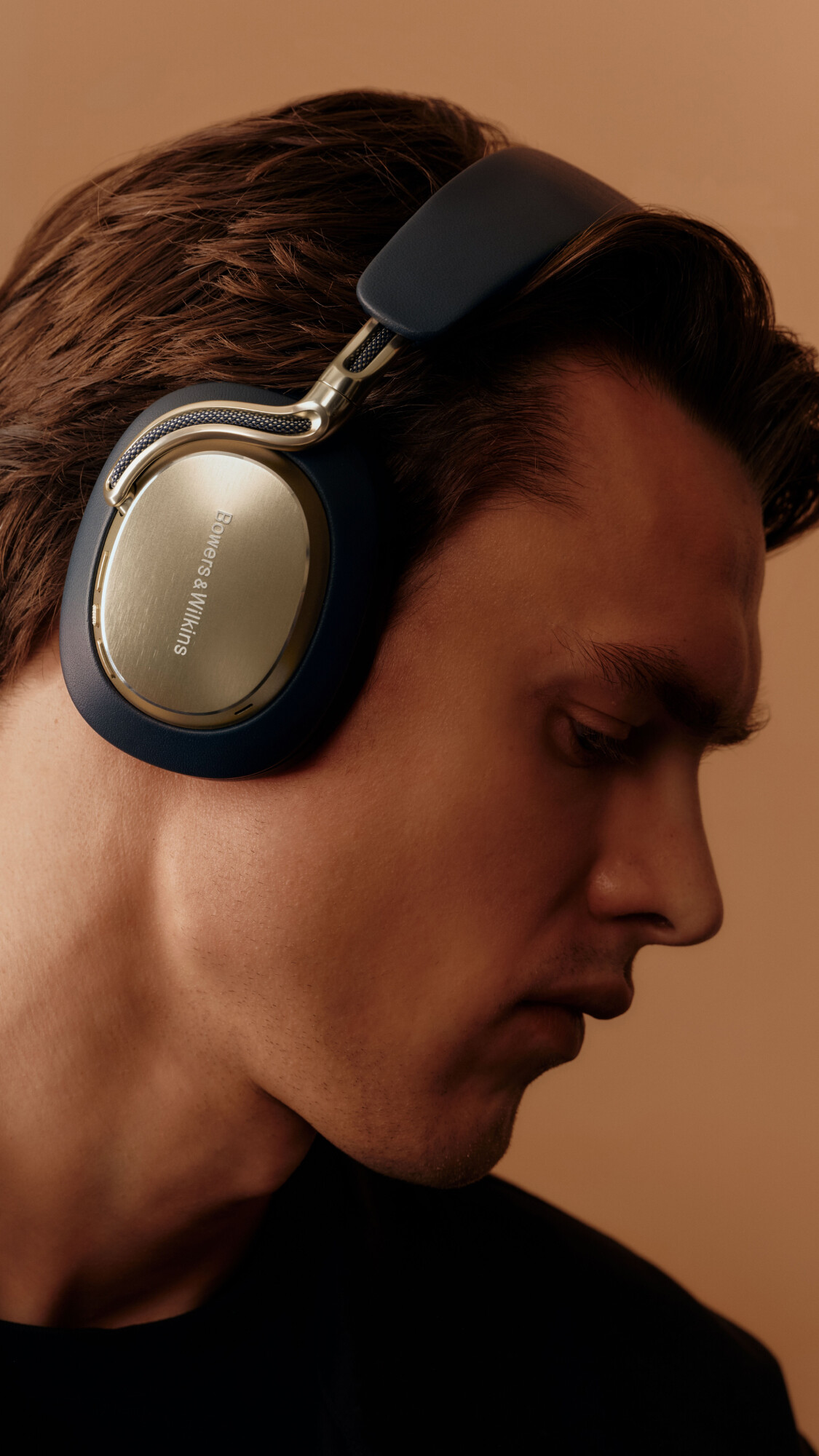
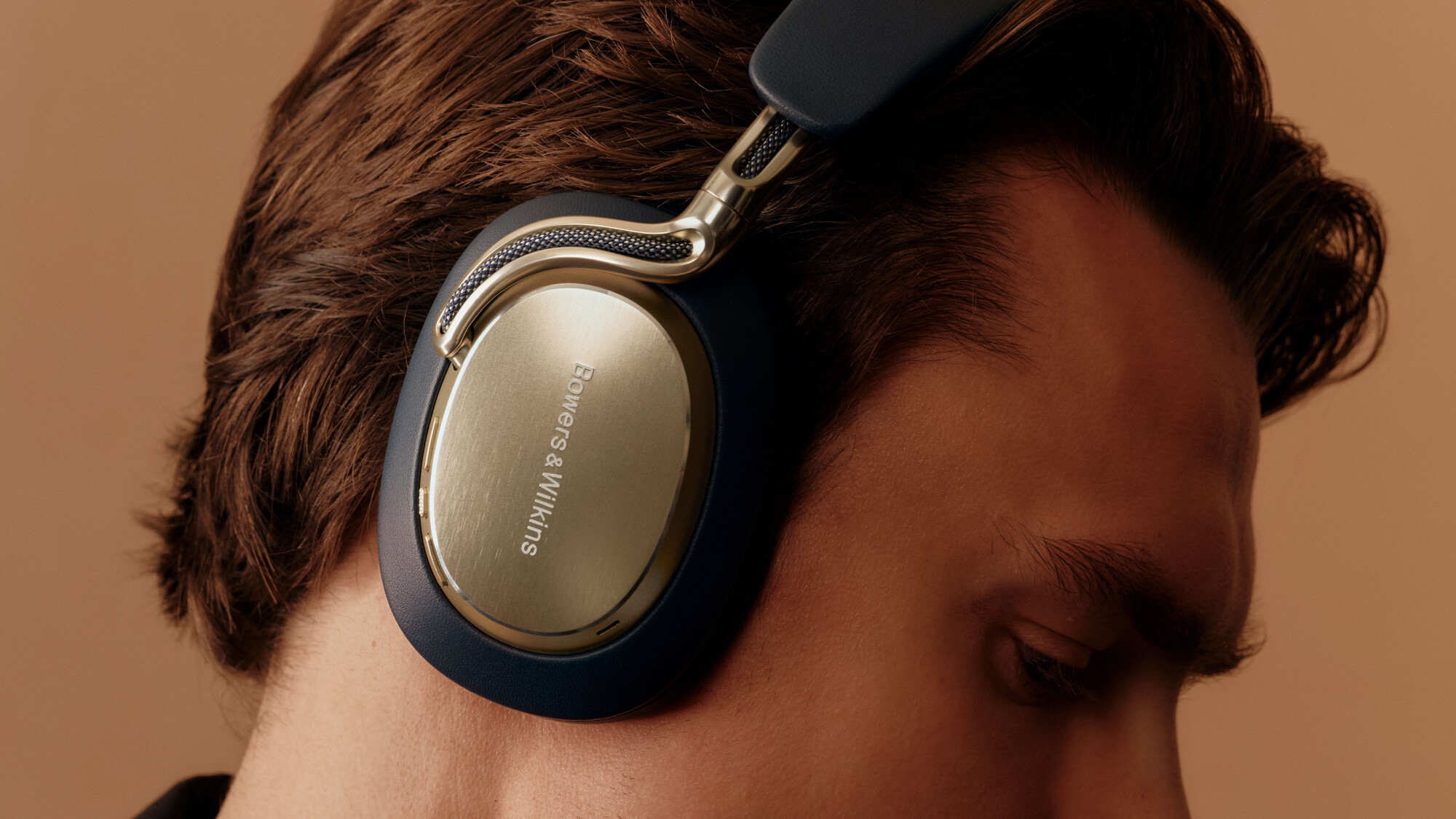
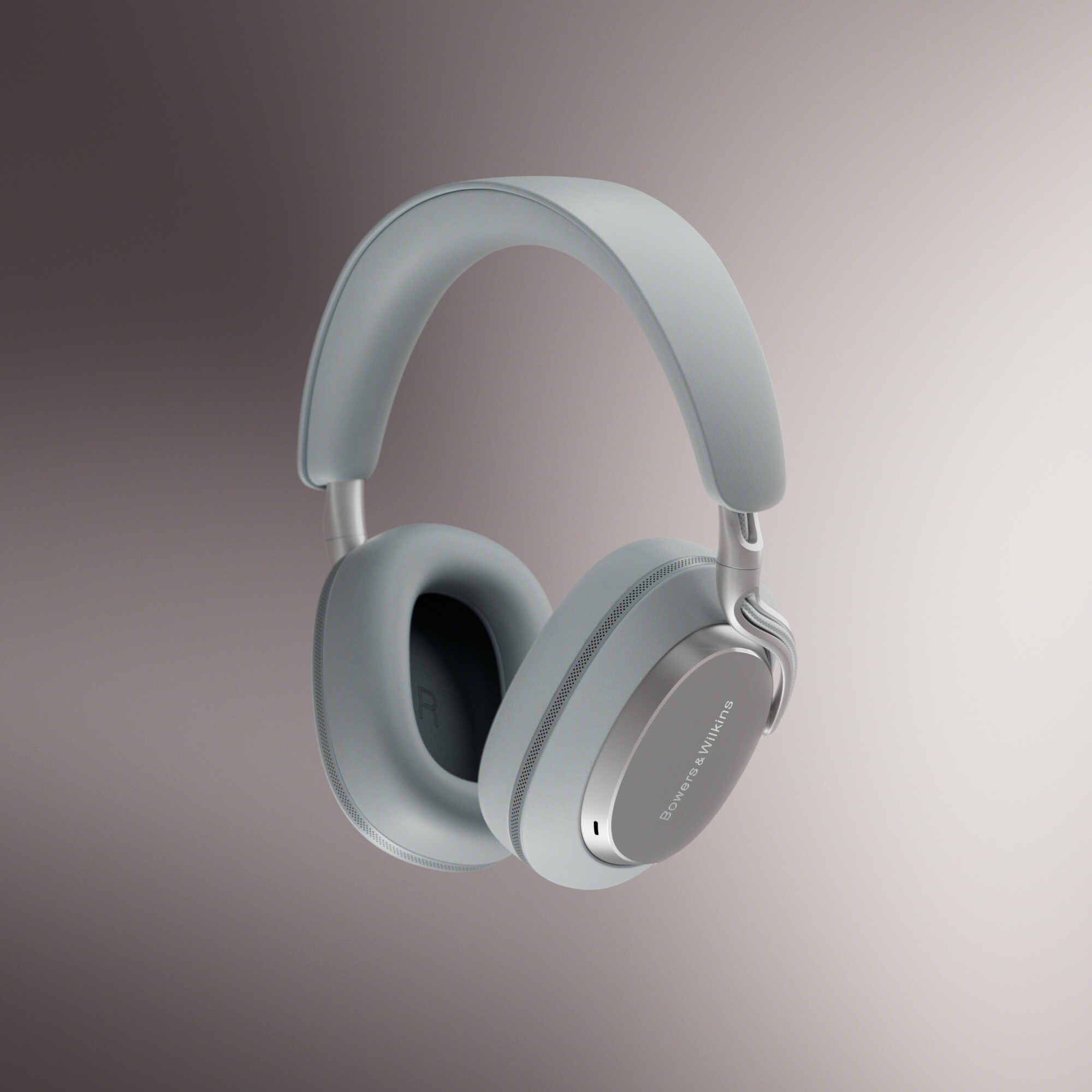
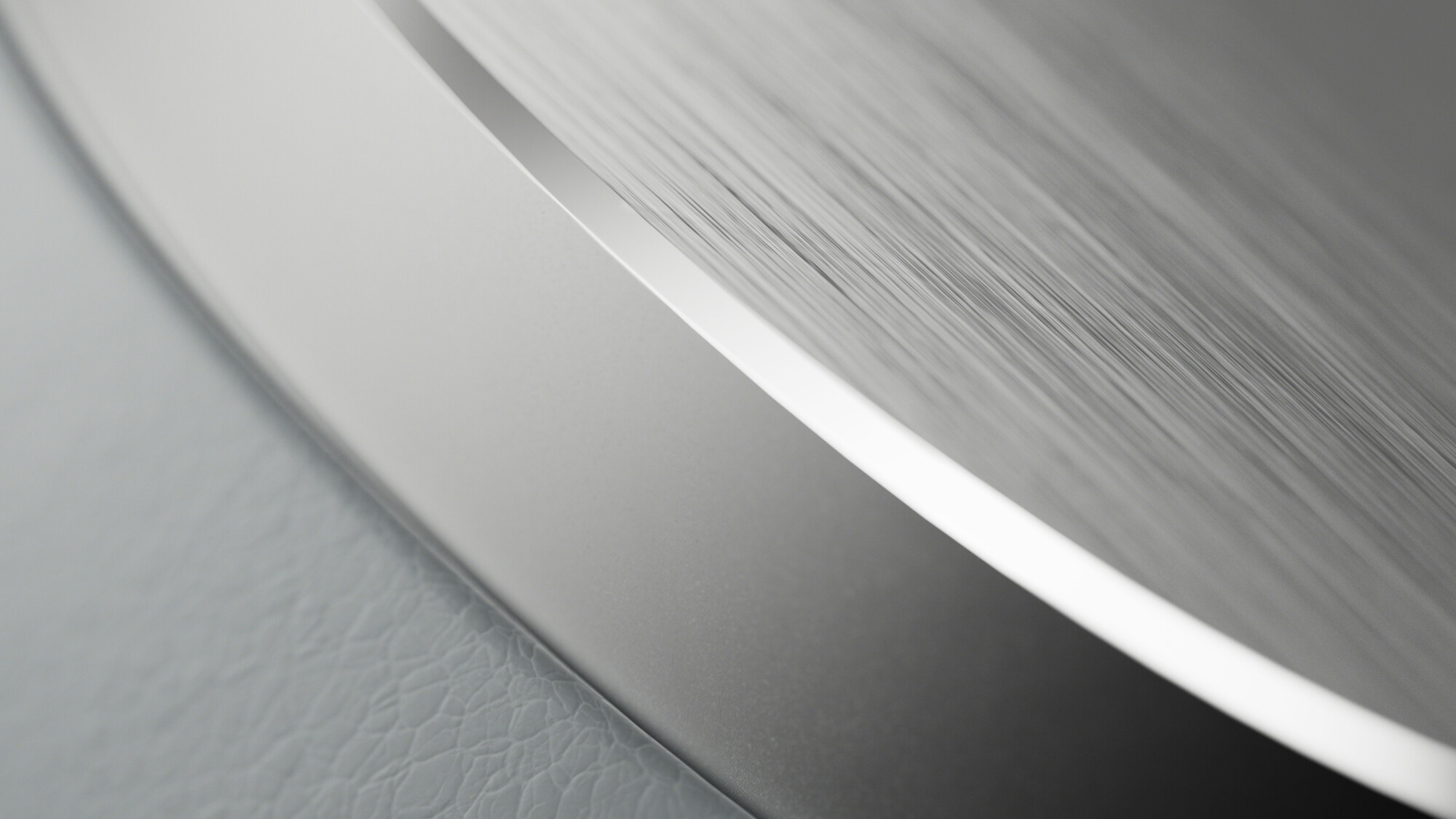
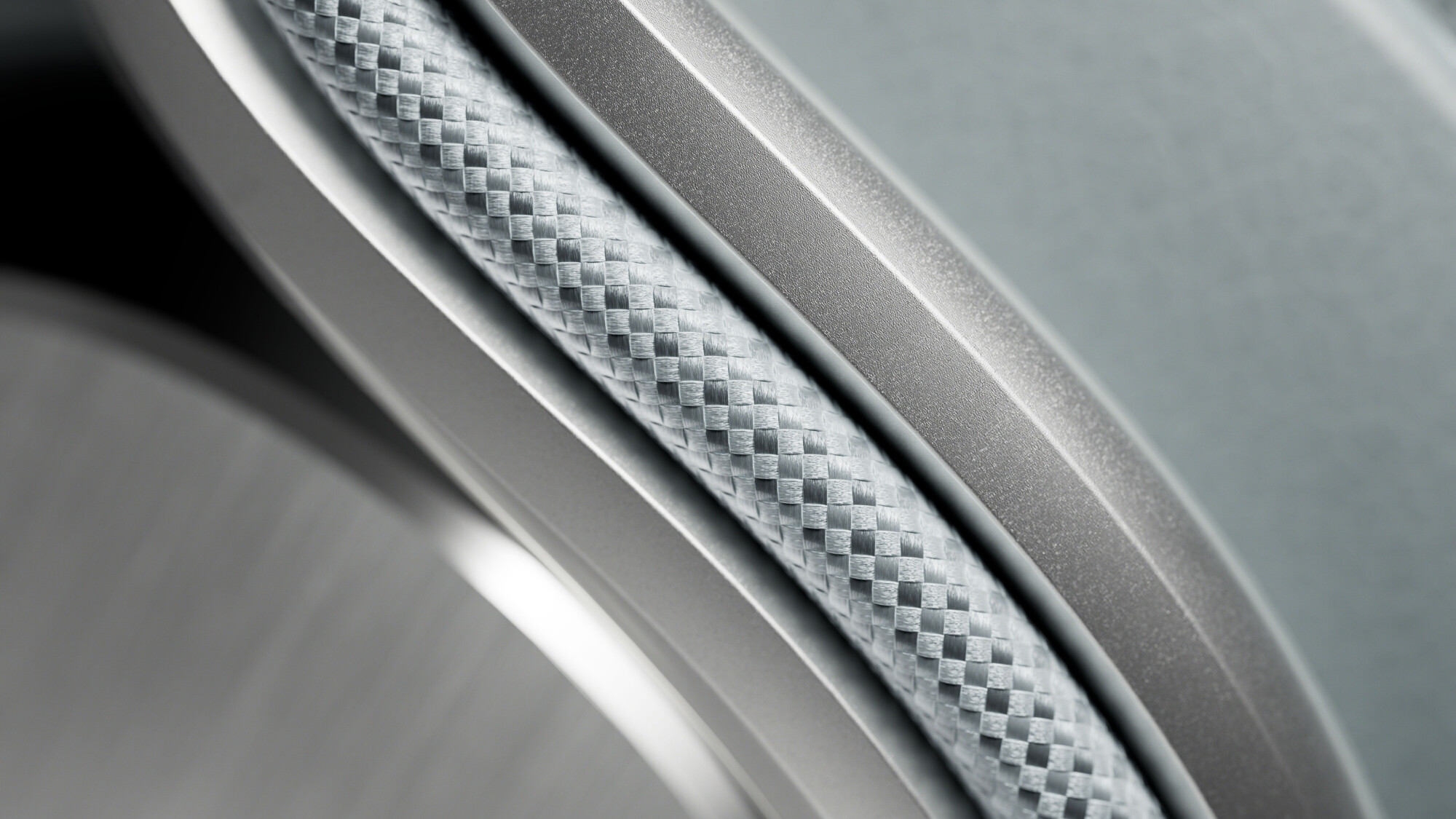
The choice of Nappa leather for the pads and headband gives the object a precise tactile register. A supple material used in leather goods and upholstery, its quality is measured less by the eye than by contact. Matching aluminum elements create a tension between organic surface and metal structure.
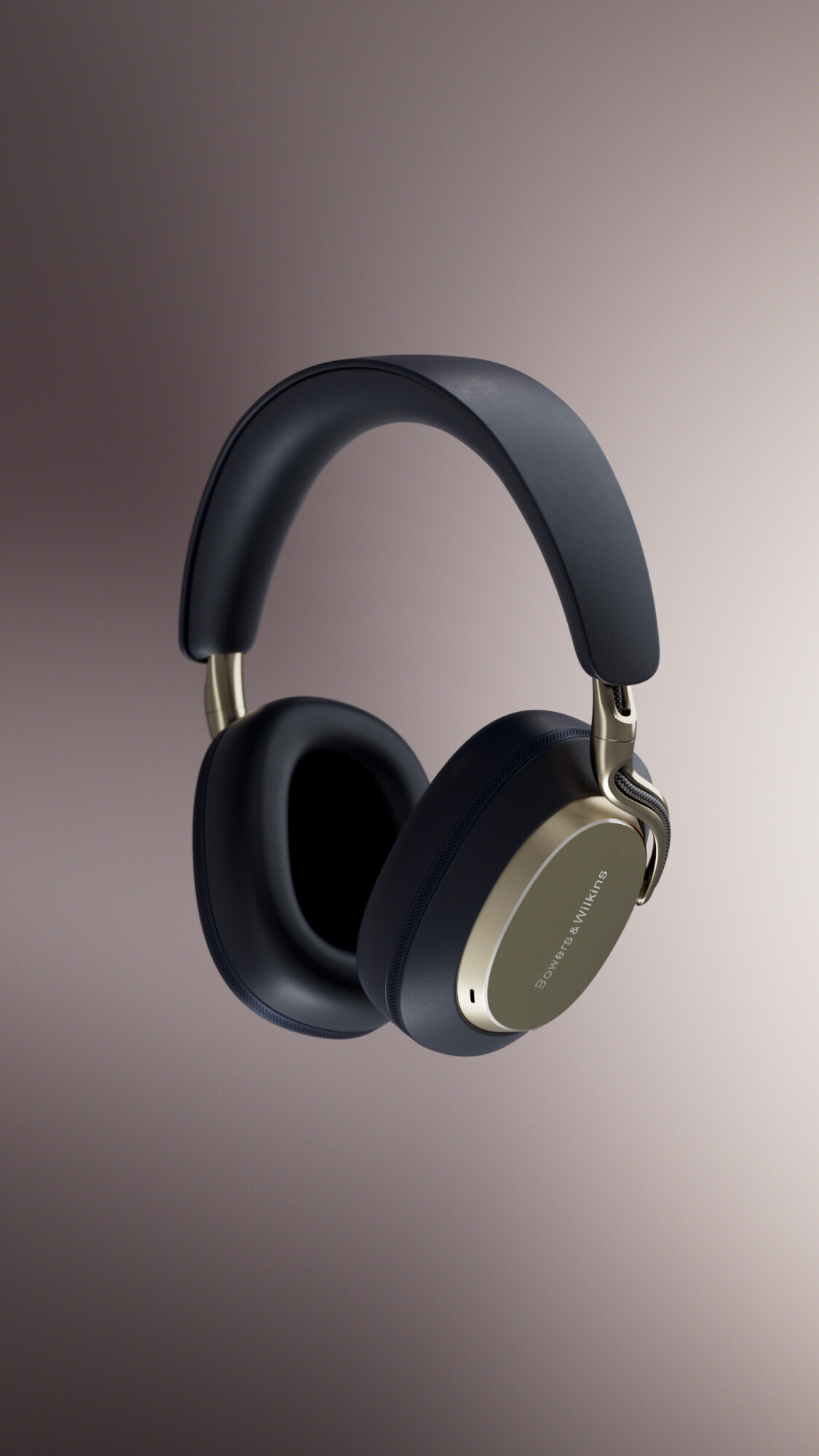
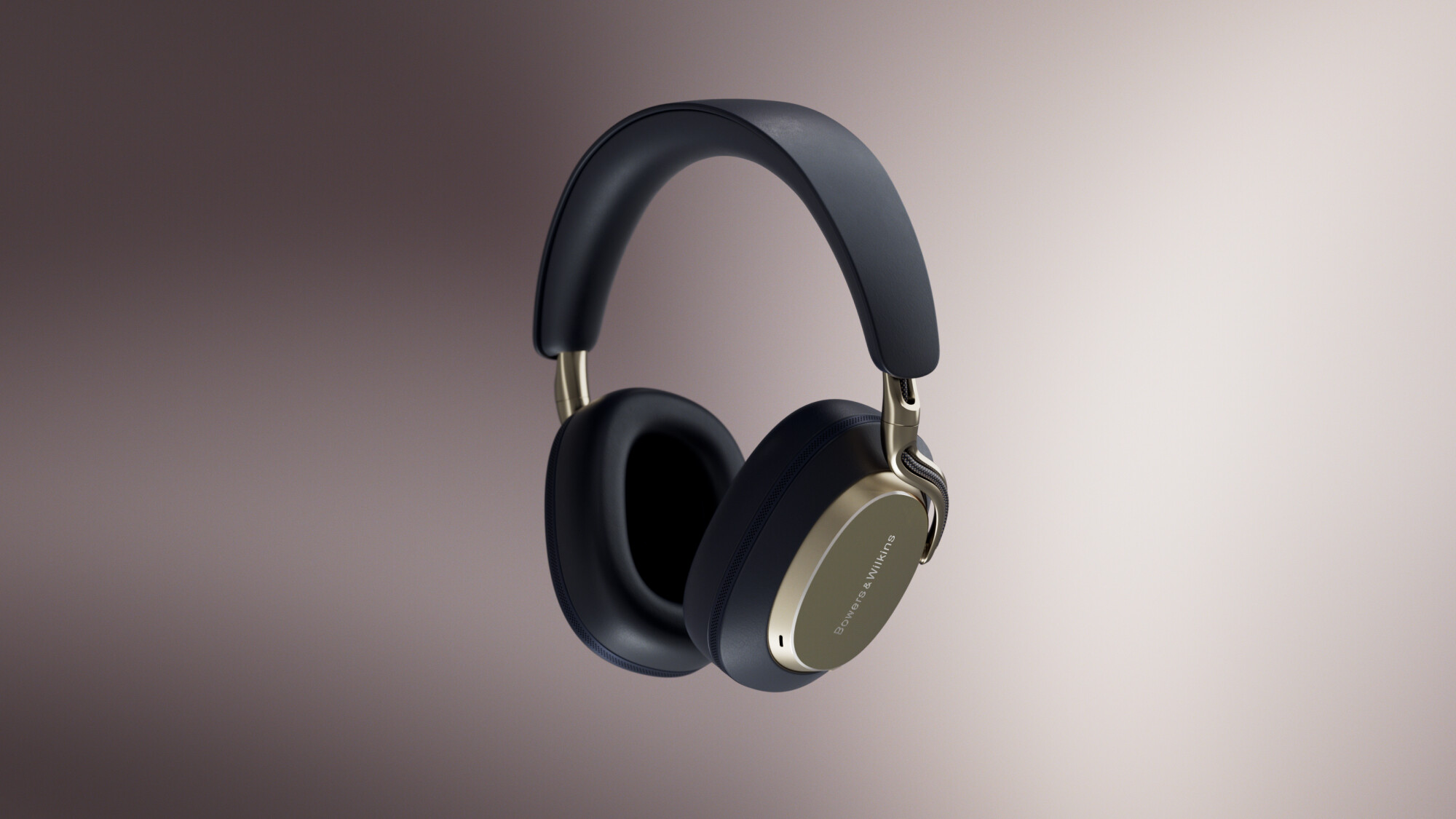
The two new shades are not insignificant. Midnight Blue, dense and absorbent, brings the object closer to an almost technical, discreet register. Pearl Blue, lighter, captures the light and modifies the perception of volumes. Here, color acts as an optical variable, redrawing proportions without affecting geometry.
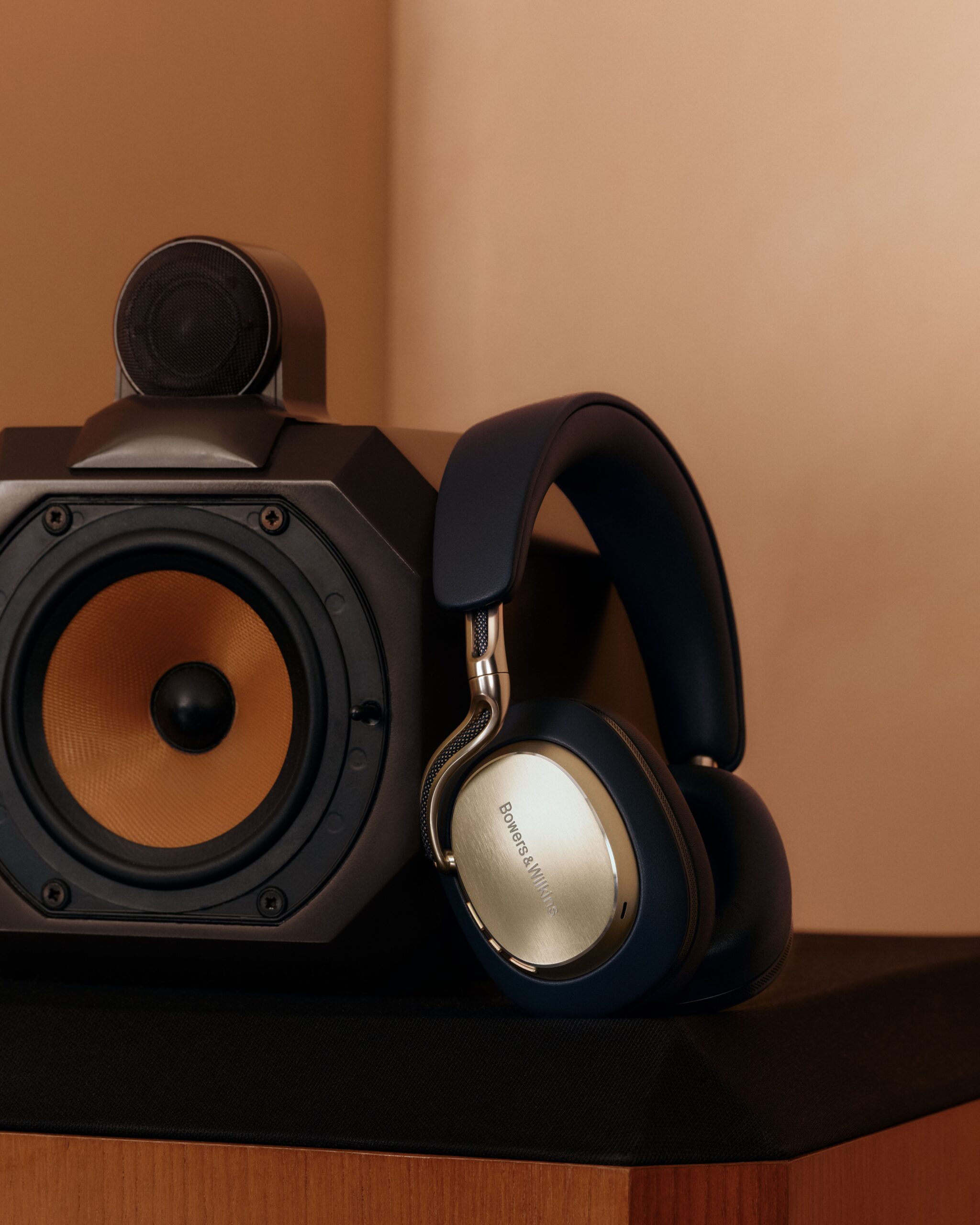
This shift towards the surface is part of a broader strategy. With twenty-one chromatic variants across its entire portfolio, the Maison is developing an approach in which the choice is no longer based solely on performance, but on the aesthetic use of the object. The helmet becomes an element of the silhouette, in the same way as a watch or a pair of glasses.
Detail
Typology: circum-aural wireless headphones
Materials: Nappa leather, aluminum
Finishes: Midnight Blue, Pearl Blue (added to Onyx Black, Warm Stone, McLaren Edition)
Portfolio: twenty-one color variations in total
This logic is not new in the luxury goods industry, but it is more so in audio. It presupposes a prior stabilization: a level of performance sufficiently recognized not to be called into question with each iteration. The product ceases to be a technical work in progress, and enters a phase of formal interpretation.
Bowers & Wilkins, founded in 1966, was built on a quest for “the most faithful sound possible”. By multiplying the aesthetic variations of a single model, Bowers & Wilkins shifts this quest: fidelity is no longer just about the audio signal, but also about the coherence between the object and its wearer.
Headphones, once a listening tool, become a visible interface. A piece that no longer hides itself, but assumes the role of a language element.

































































































Cette publication est également disponible en :

