
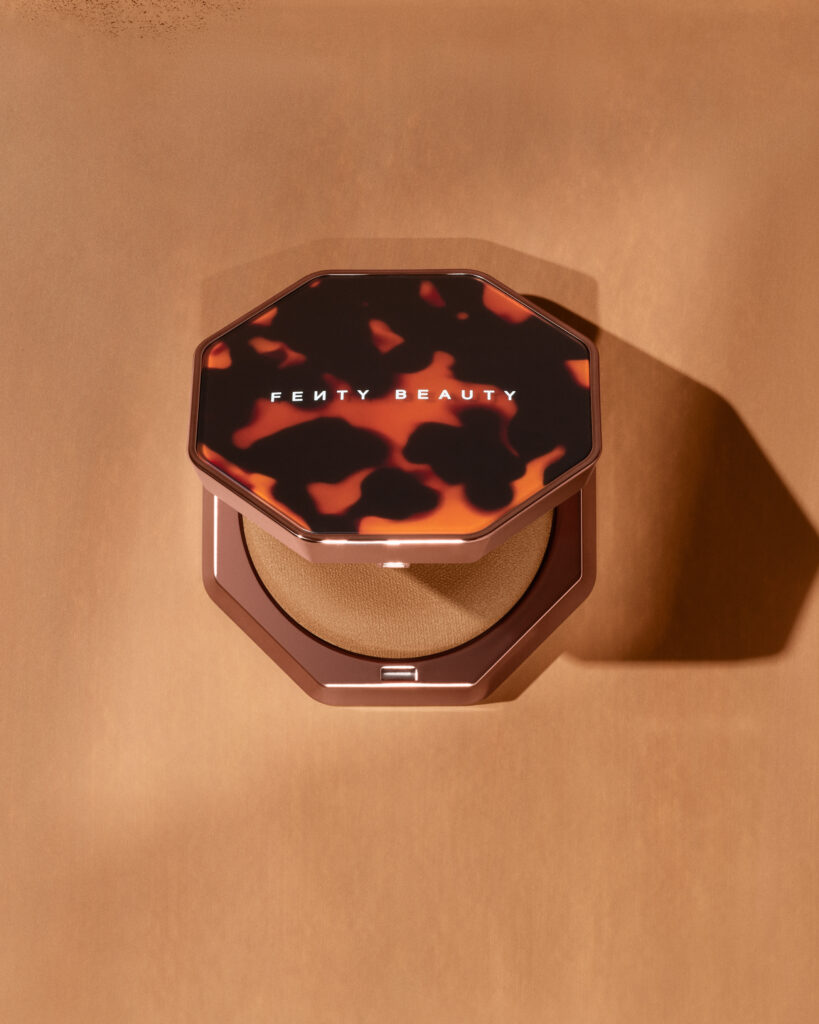
In today’s cosmetics industry, the battle is no longer fought solely over coverage or pigmentation. It’s shifting to a more subtle realm: that of sensation. With the Sun Stalk’r Soufflé Pressed Mousse Cream Bronzer, Fenty Beauty continues an exploration it began several years ago into the physicality of makeup itself—no longer just as a corrective tool, but as a tactile experience.
The product arrives at a specific moment in the beauty market: one where hybrid textures are gradually replacing traditional categories. Powders now aim to behave like creams. Creams are seeking the lightness of a veil. And beauty brands are ramping up research into so-called “cushion” or compact mousse formulations, partly inspired by Korean innovations from the early 2010s.
At Fenty Beauty, this evolution takes on an almost industrial scale. The bronzer is based on a pressed mousse formula capable of regaining its shape after being pressed with a finger—a technical detail borrowed more from material design than from classic makeup. Rihanna herself emphasizes this point in the presentation materials: “When you touch it, it regains its shape, just like a real soufflé.” ”
More than just a visual selling point, this shape-memory quality reveals a deeper transformation in contemporary makeup: the product becomes a living surface. A material designed to accompany the face’s movements rather than freeze them in place.
The bronzer joins the Sun Stalk’r line, launched in 2019 with the Instant Warmth Bronzer. But whereas the first generation focused primarily on a matte finish and a powdery finish, this new product aims for a more organic, more fluid finish. The formula is described as a compact mousse capable of “blending like a cream and blurring like a powder.” The marketing jargon in the press release quickly fades away when you look at the truly interesting technical features: moisture resistance, no transfer, and a lightweight texture designed to stay supple as the hours go by.
The real focus, then, isn’t the tan itself—a saturated market in the cosmetics industry—but rather how the product interacts with the skin. This pursuit of “blur” has become one of the major obsessions in contemporary makeup. It’s no longer about sculpting the face head-on, but about softening its transitions. Creating a diffused glow rather than a visible contour.
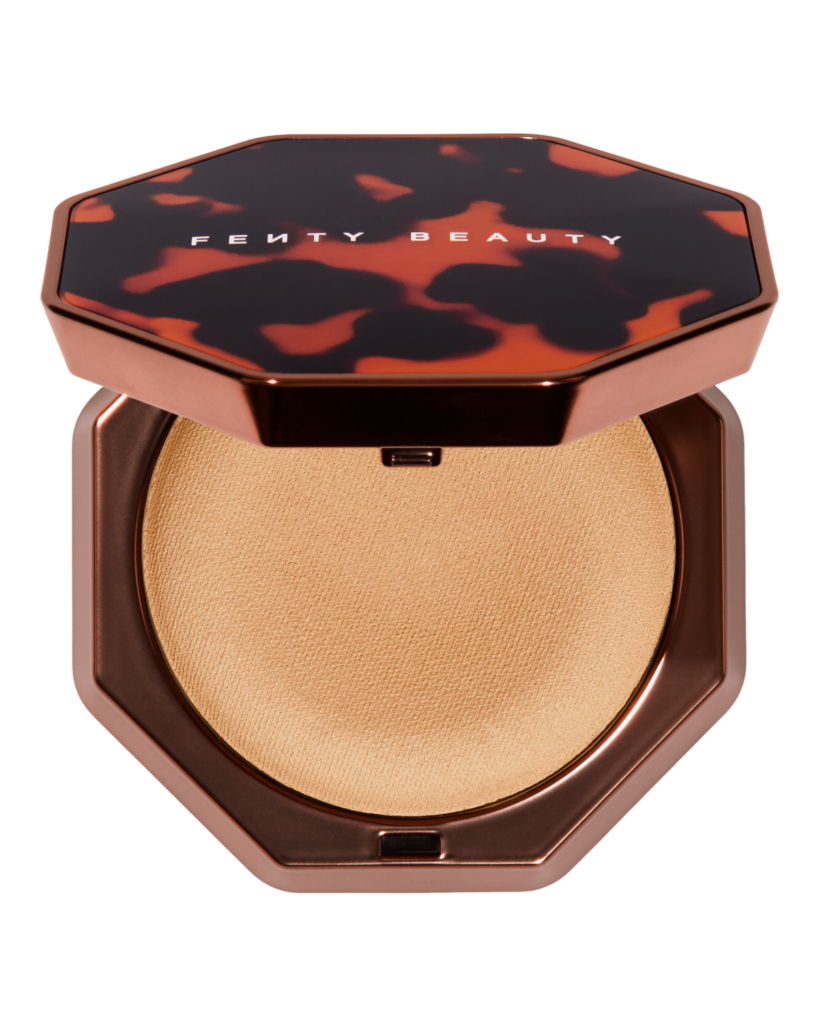
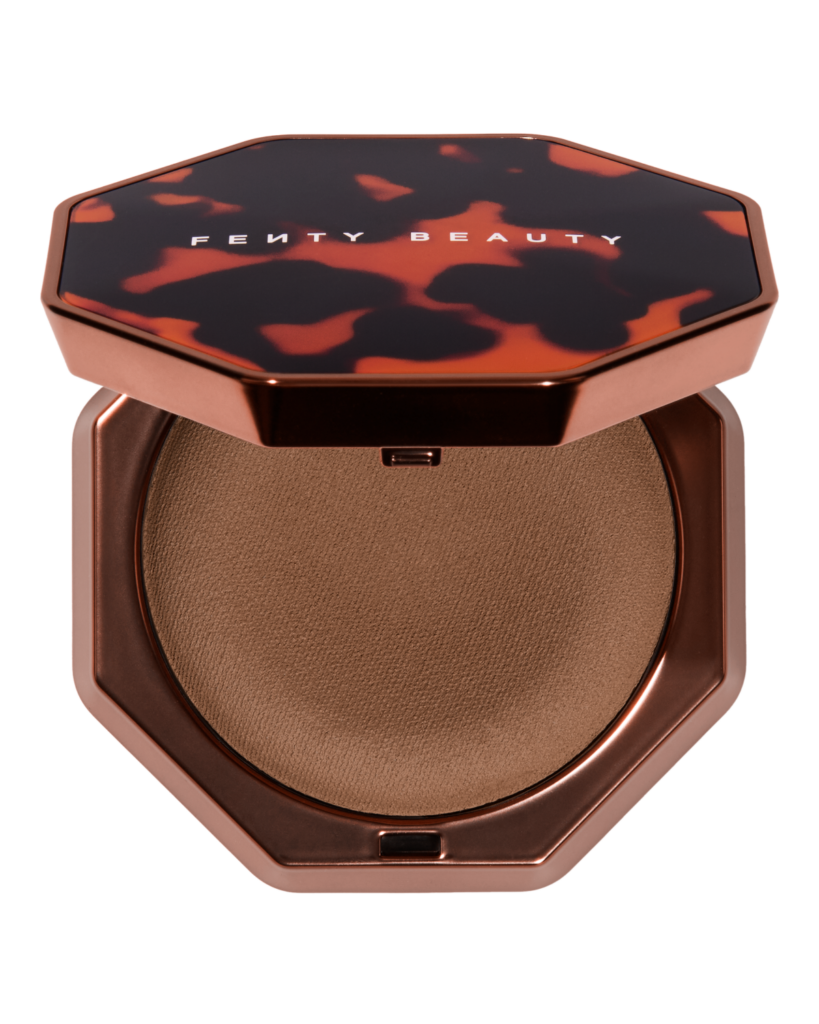
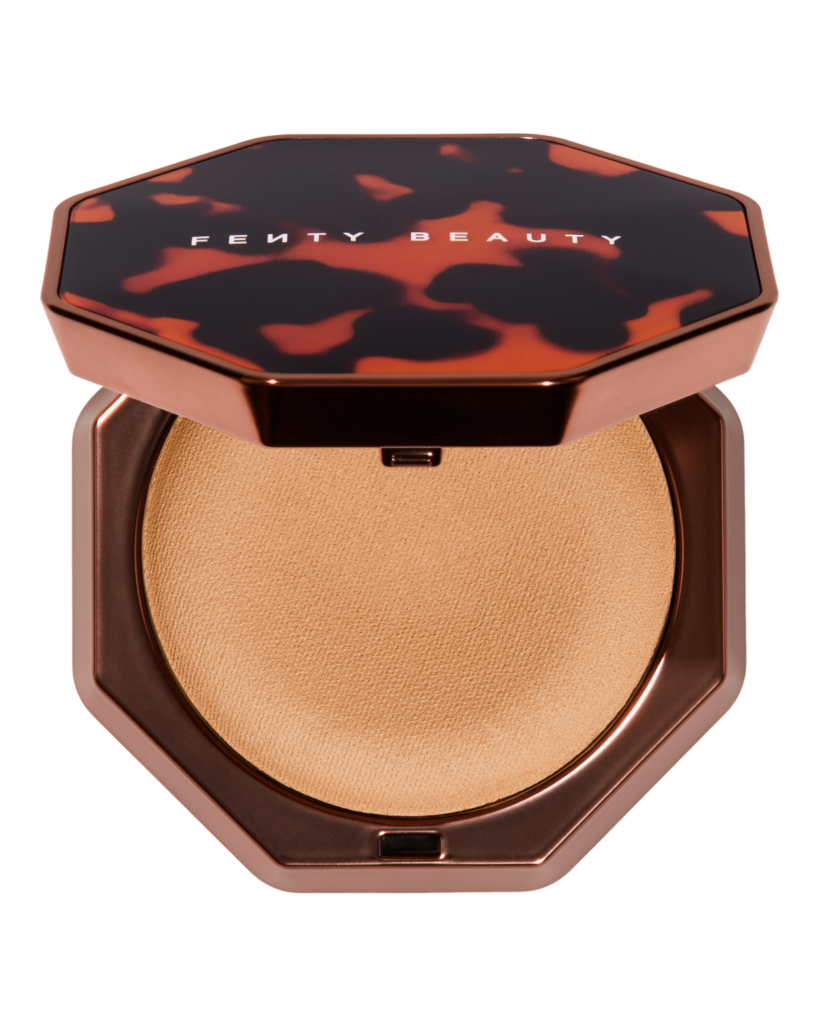
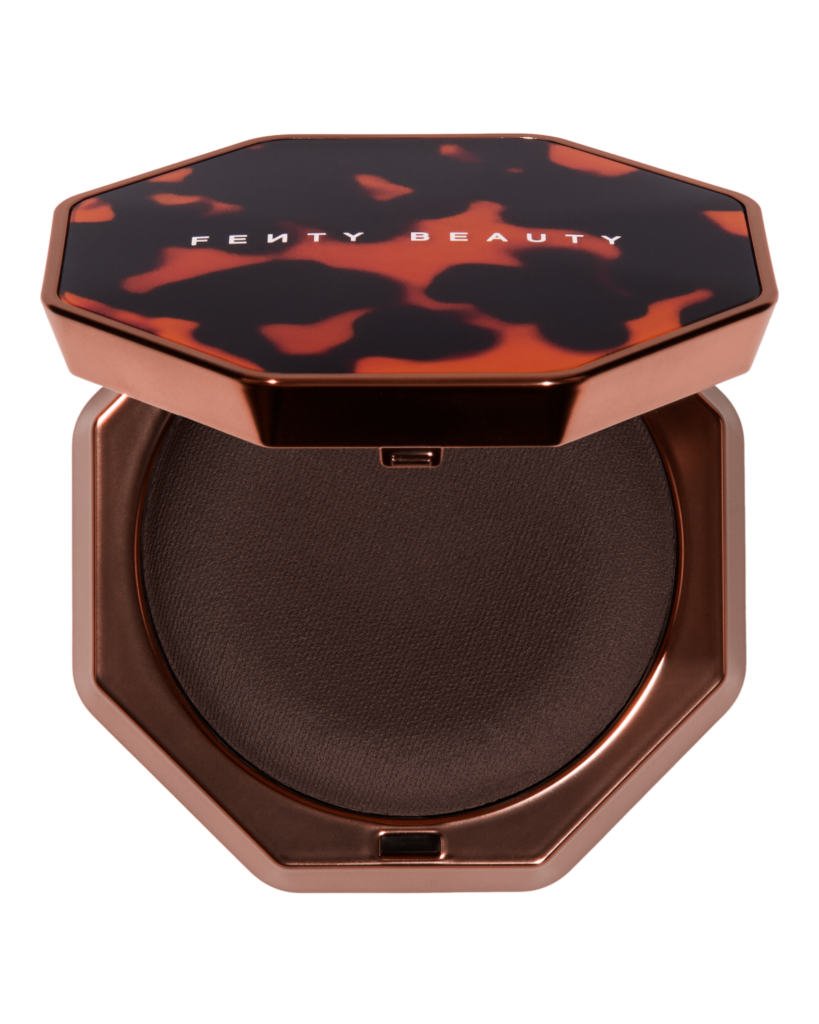
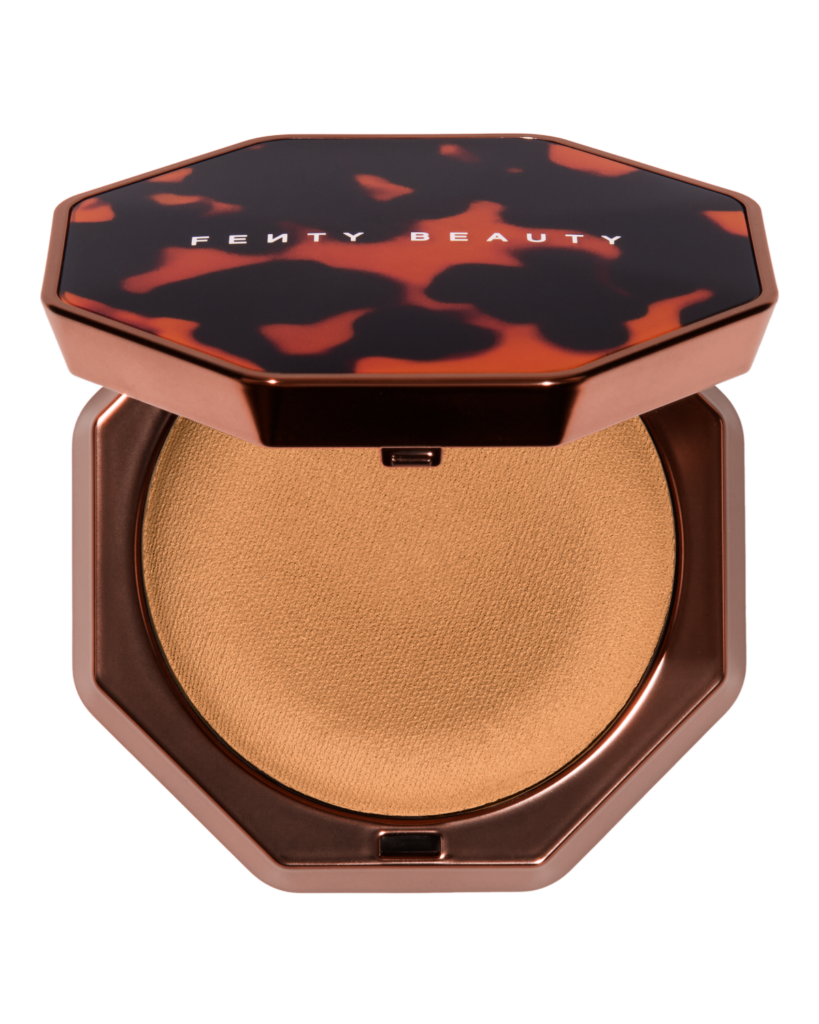
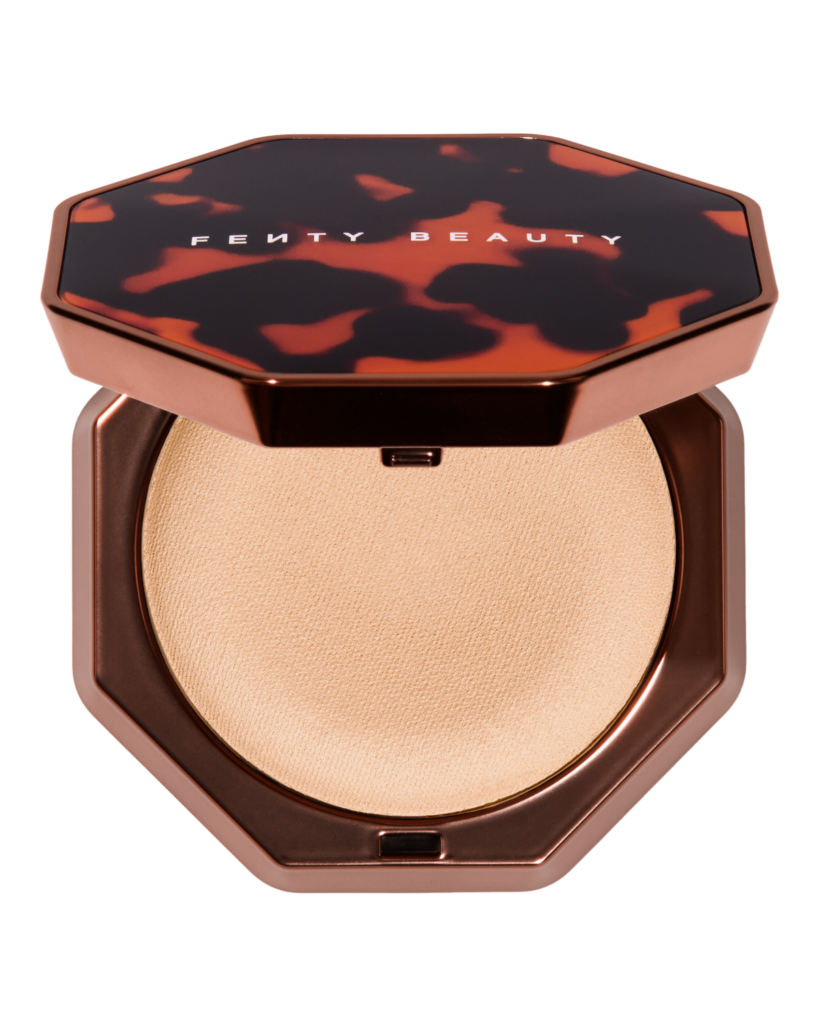
There is also, at Fenty Beauty, a more subtle strategic continuity: that of color inclusivity. The bronzer is available in six neutral shades designed for different skin tones. Since the brand’s launch in 2017, this approach has evolved from a mere advocacy stance to an industry standard that other players in the sector have gradually had to adopt.
An interesting detail: the application technique takes up almost as much space as the formula itself in the presentation materials. Tap, blend, diffuse. Contemporary makeup is becoming less graphic, less showy. The skin should no longer look like it’s wearing makeup but rather as if it’s bathed in shifting light.
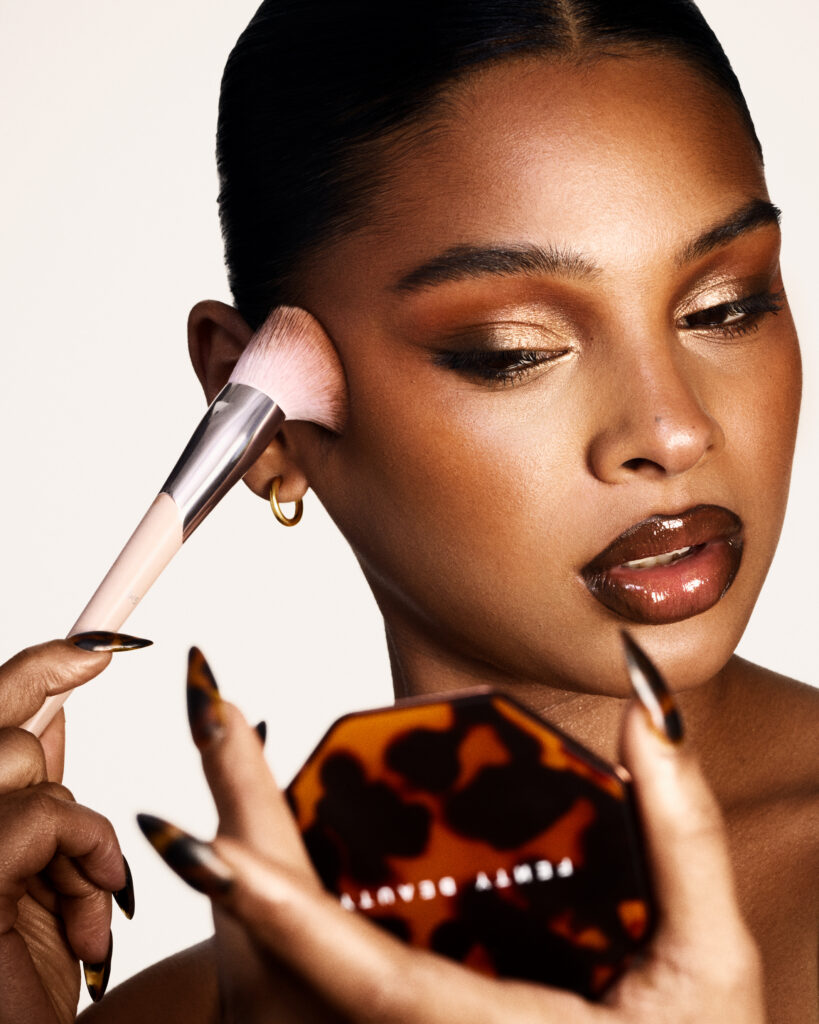
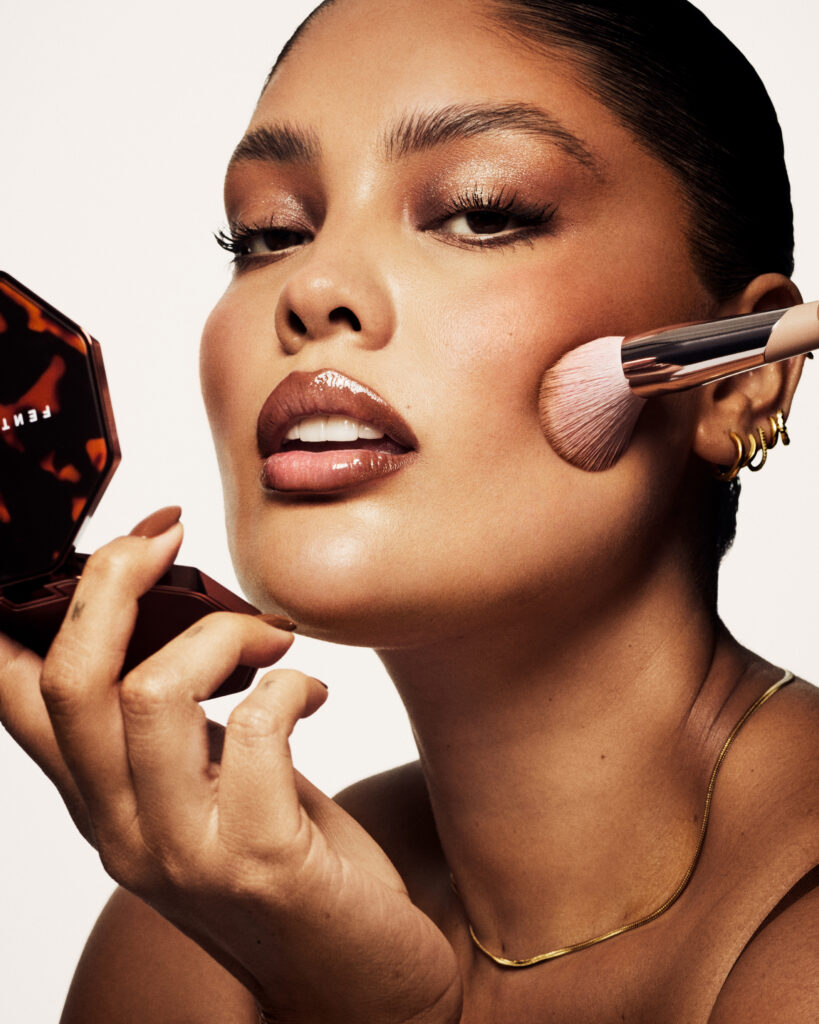
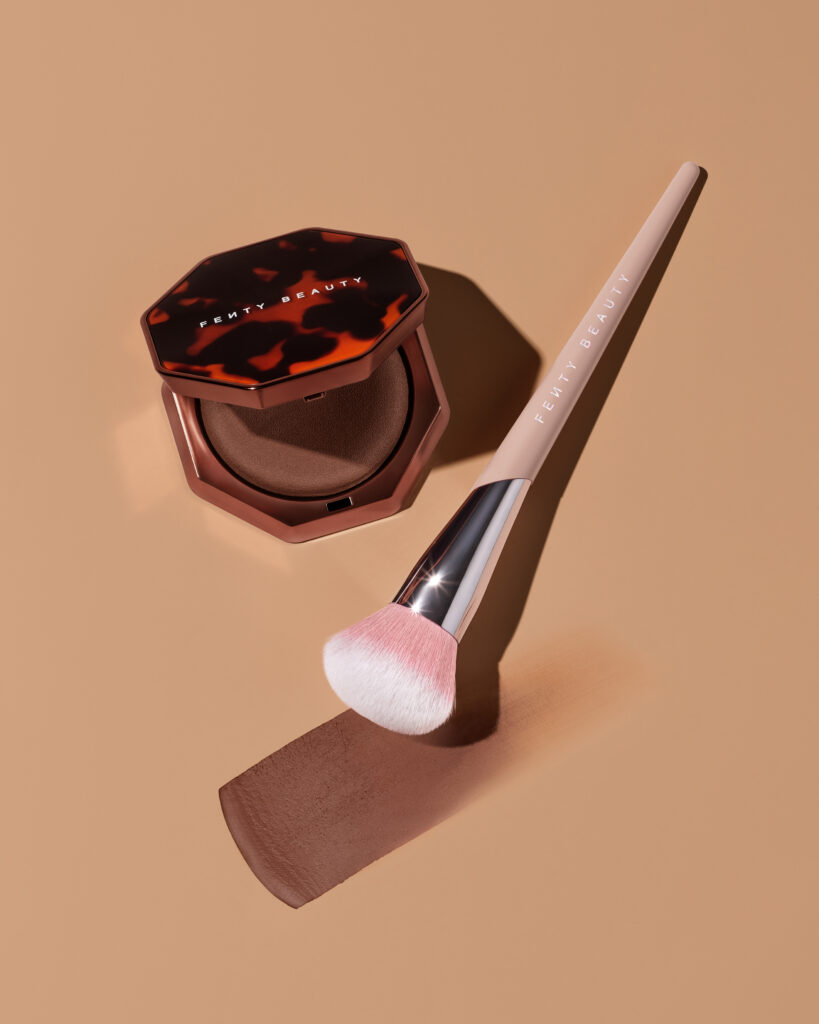
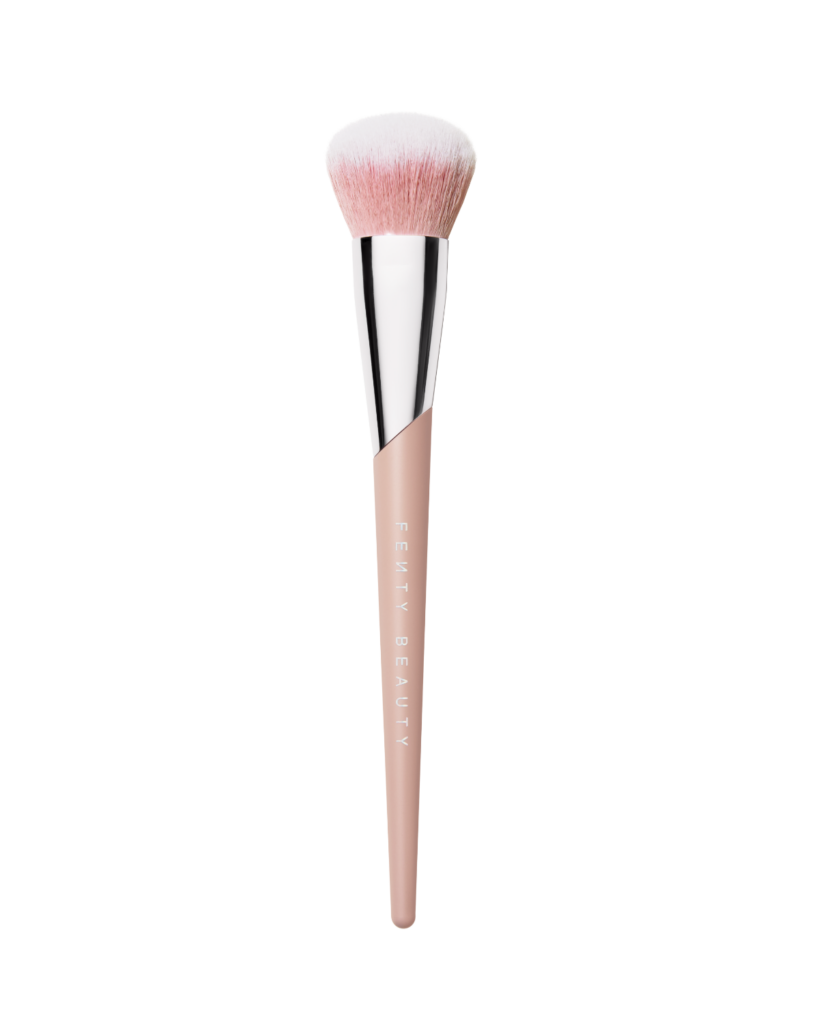
This philosophy extends to the Seamless Cream Blending Brush 185, a beveled brush designed for working with cream textures. Its dense bristles are designed to capture the airy foam without crushing the product. Here again, the appeal lies less in the accessory itself than in what it signifies: the growing sophistication of application tools in contemporary makeup.
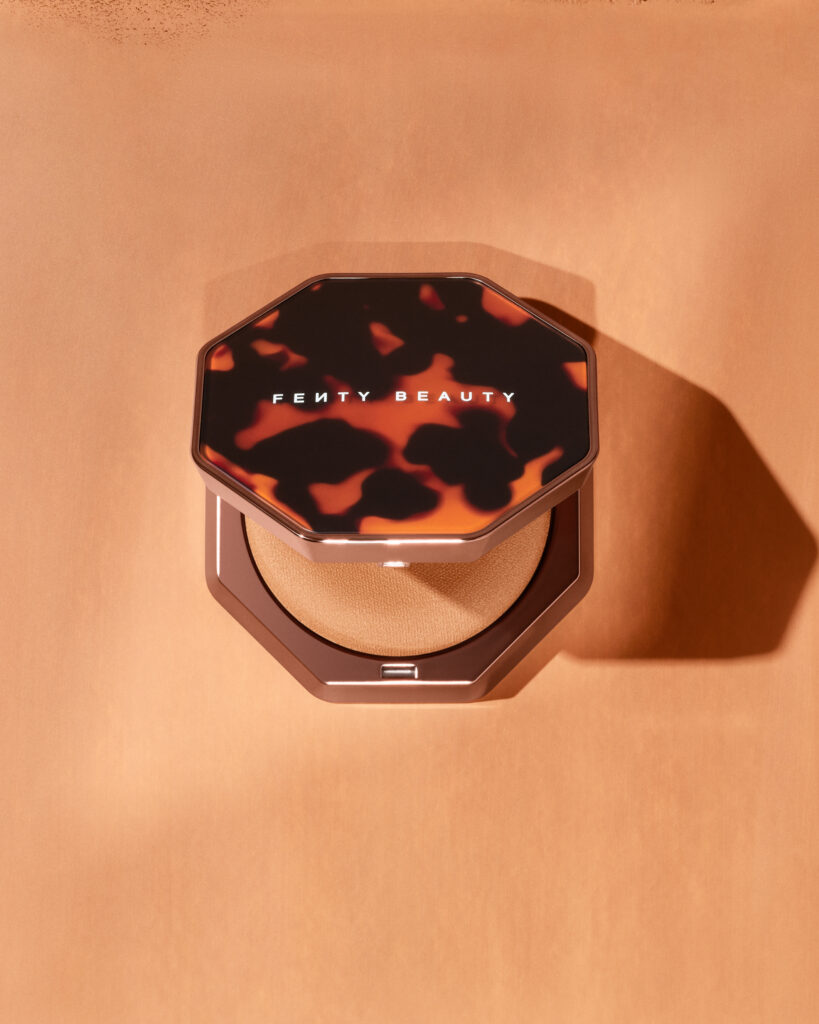
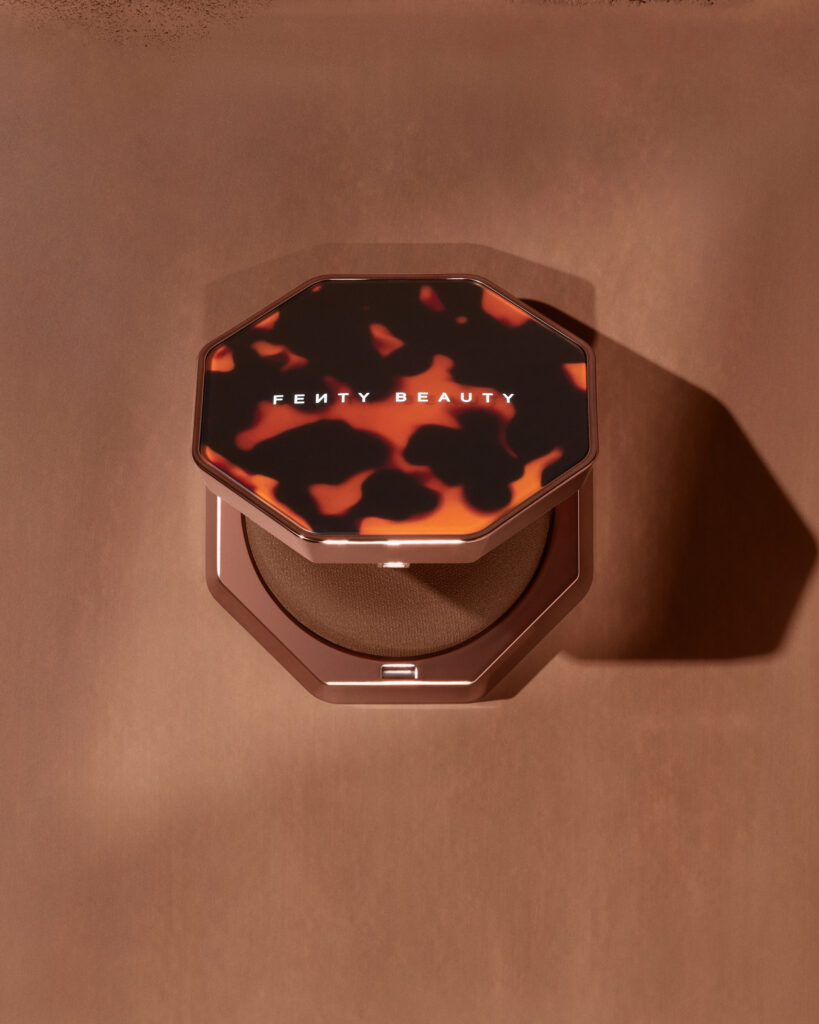
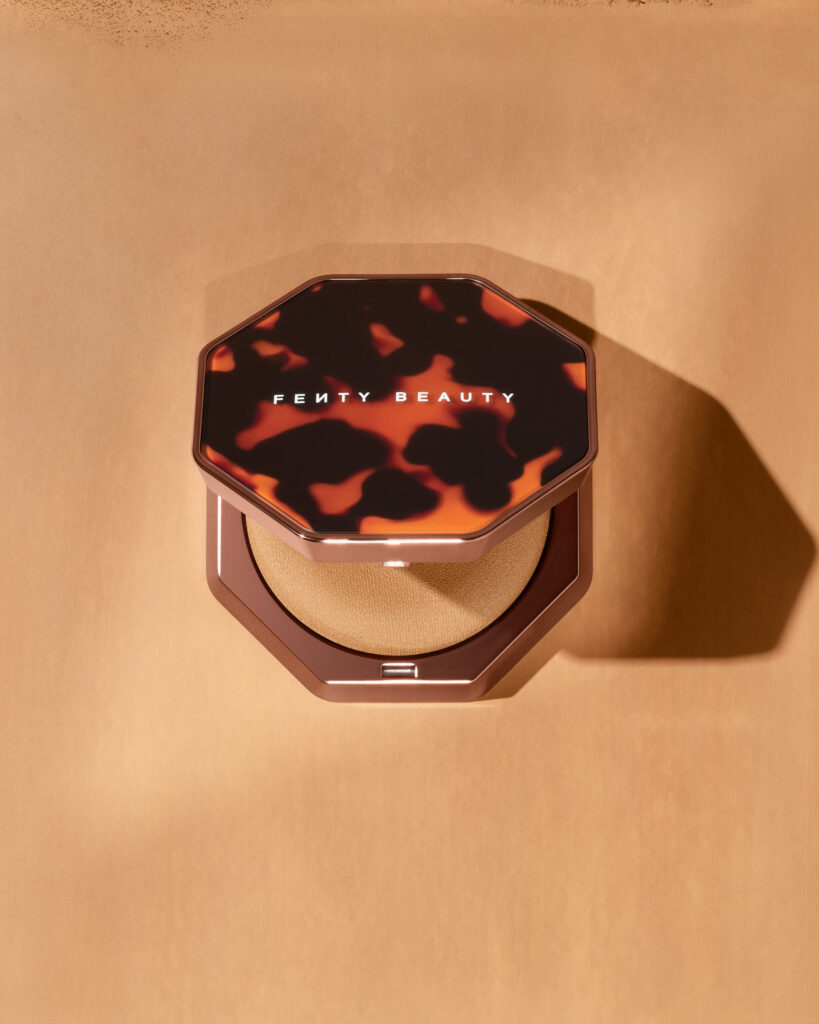
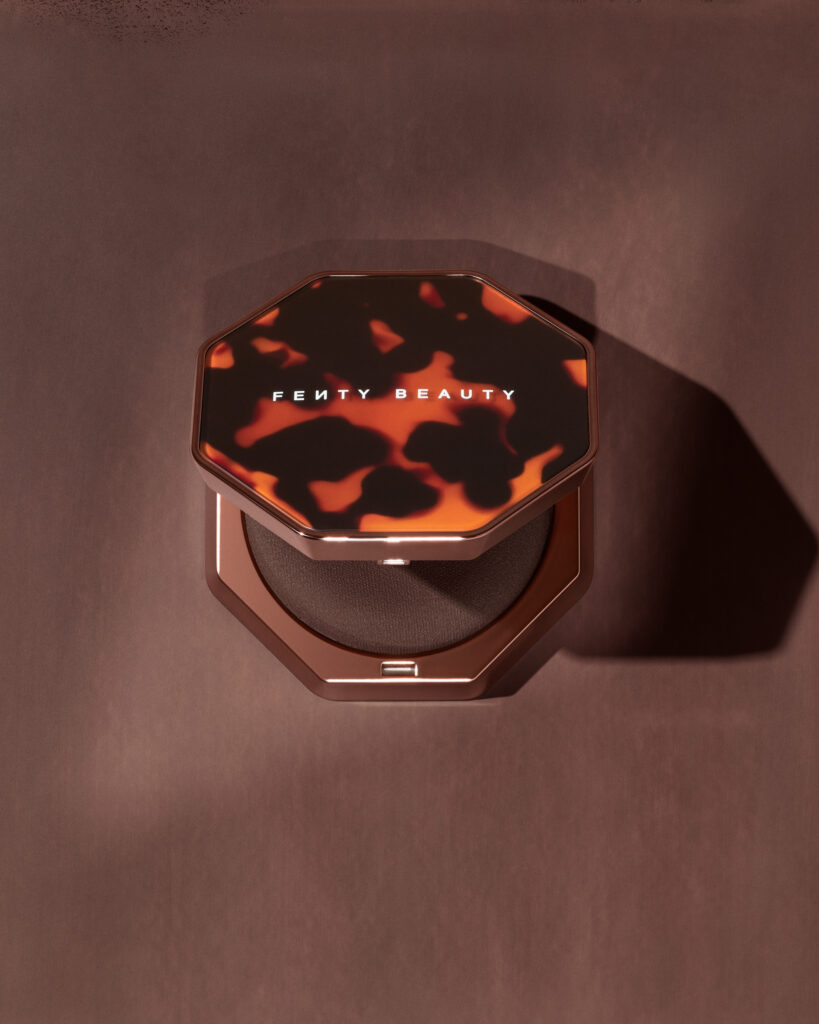
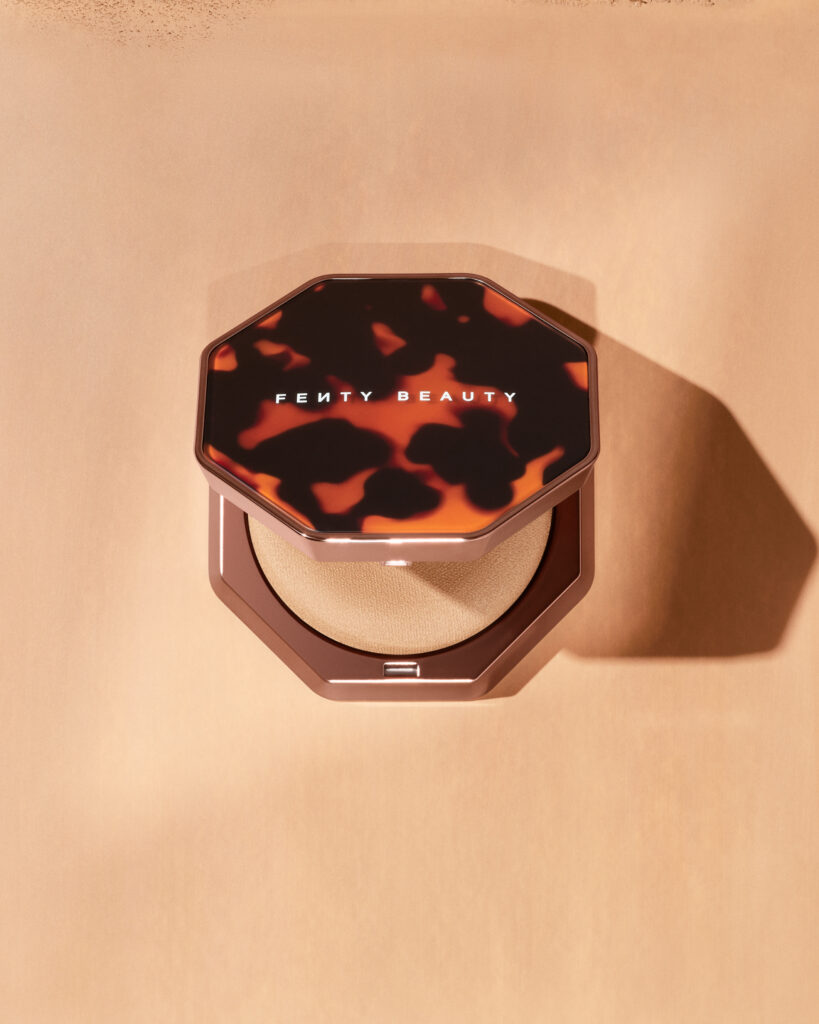
Even the tortoiseshell case contributes to this tactile experience. In a market saturated with minimalist, monochromatic surfaces, Fenty Beauty reintroduces a form of material sensuality. It’s a compact that feels more like a pocket-sized object than a simple cosmetic container.
Contemporary luxury in beauty no longer necessarily lies in the rarity of ingredients. It now lies in the quality of the user experience: the richness of a texture, a formula’s resistance to humidity, the way a product blends into the face without making it look stiff. This shift in focus—from the spectacular to the sensory—may explain why the makeup industry today resembles a laboratory of textures more than a mere factory of colors.
Cette publication est également disponible en :

