
At first glance, Boston seems an obvious choice: a city of history, universities, red bricks and American memory. But behind this academic, almost wise facade lies another, more subtle, almost secret geography – one of maritime escapes, hidden landscapes and urban narratives on the margins.
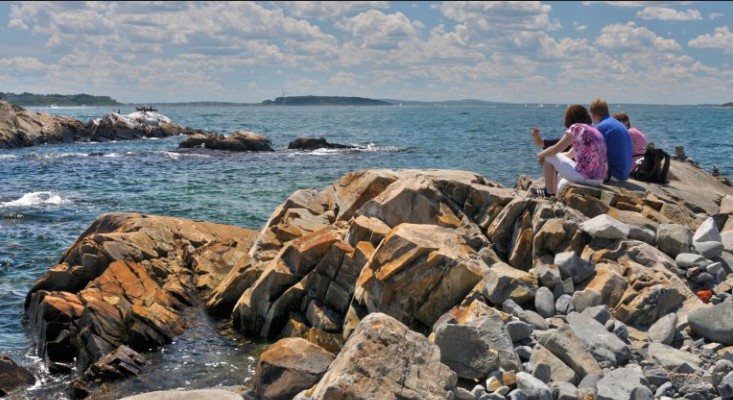
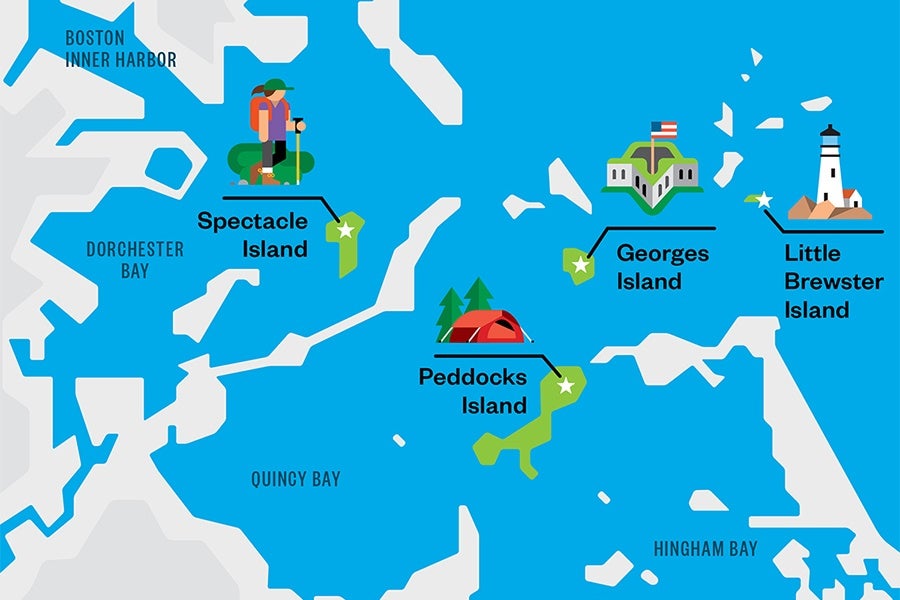
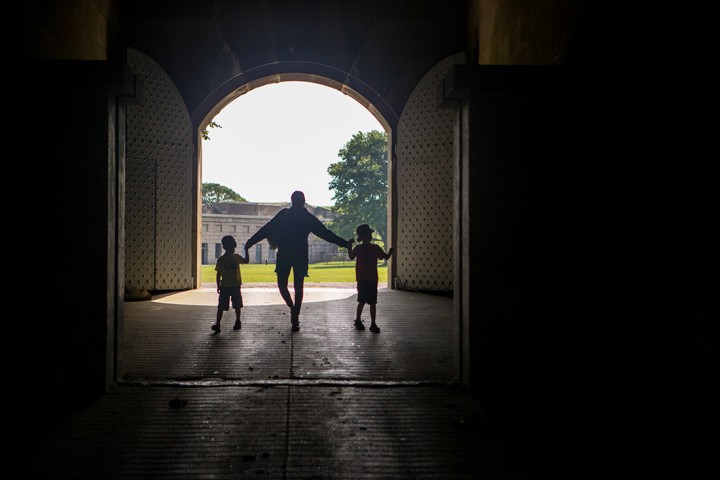
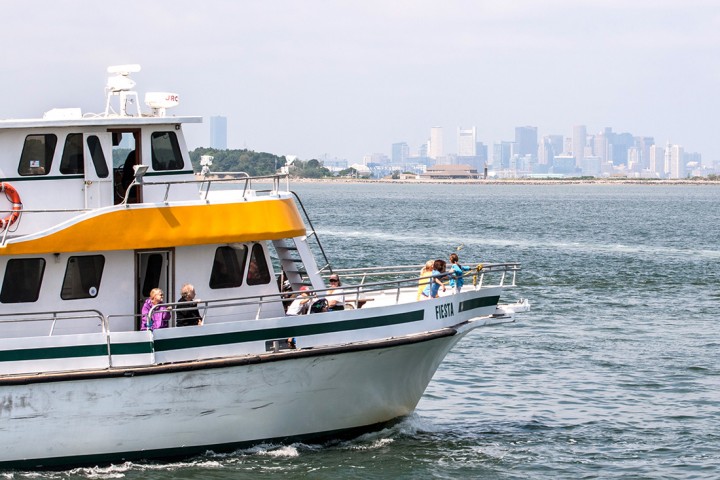
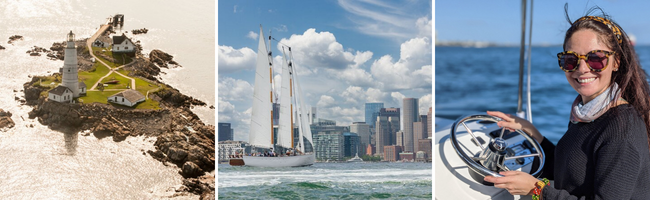
From the waterfront, the view changes. Just a stone’s throw from Long Wharf North, the Boston Harbor Islands open up an unexpected territory, like a breath of fresh air in the urban narrative. Spectacle Island, Georges Island and Peddocks Island are not just islands: they embody a different temporality, where the skyline becomes the horizon rather than the center. Fort Warren, an austere 19th-century silhouette, reminds us that Boston was also a city of defense, borders and tensions.
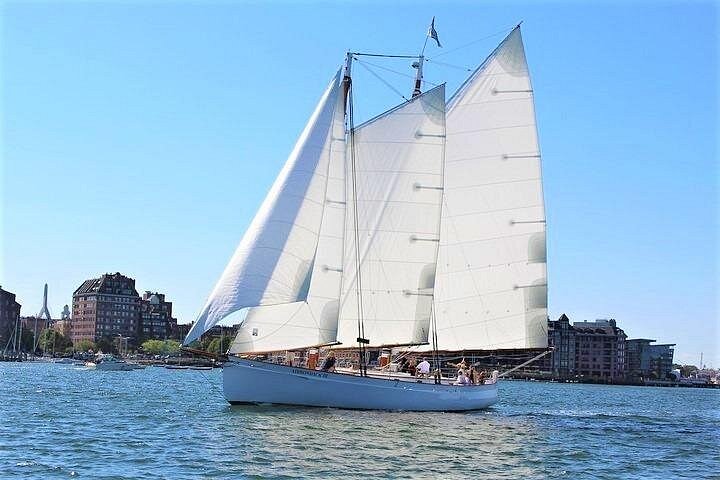
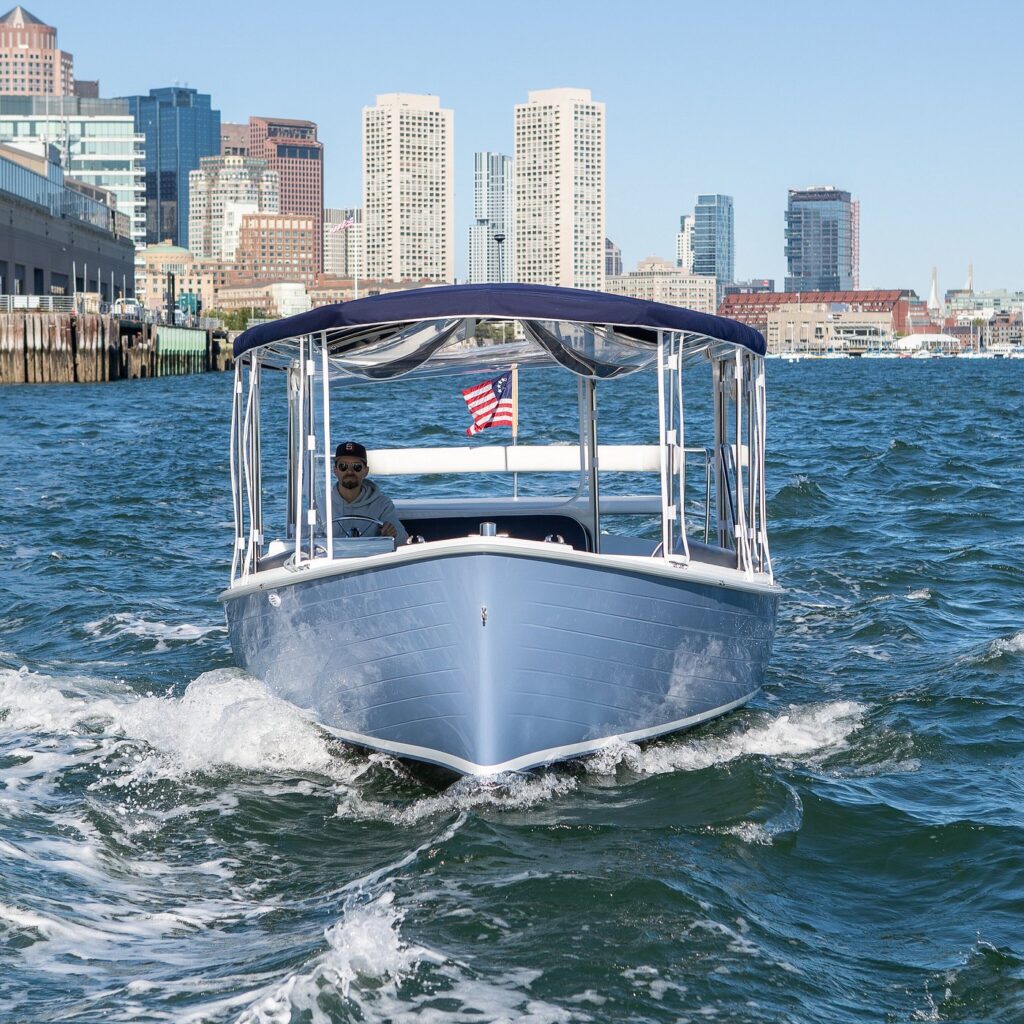
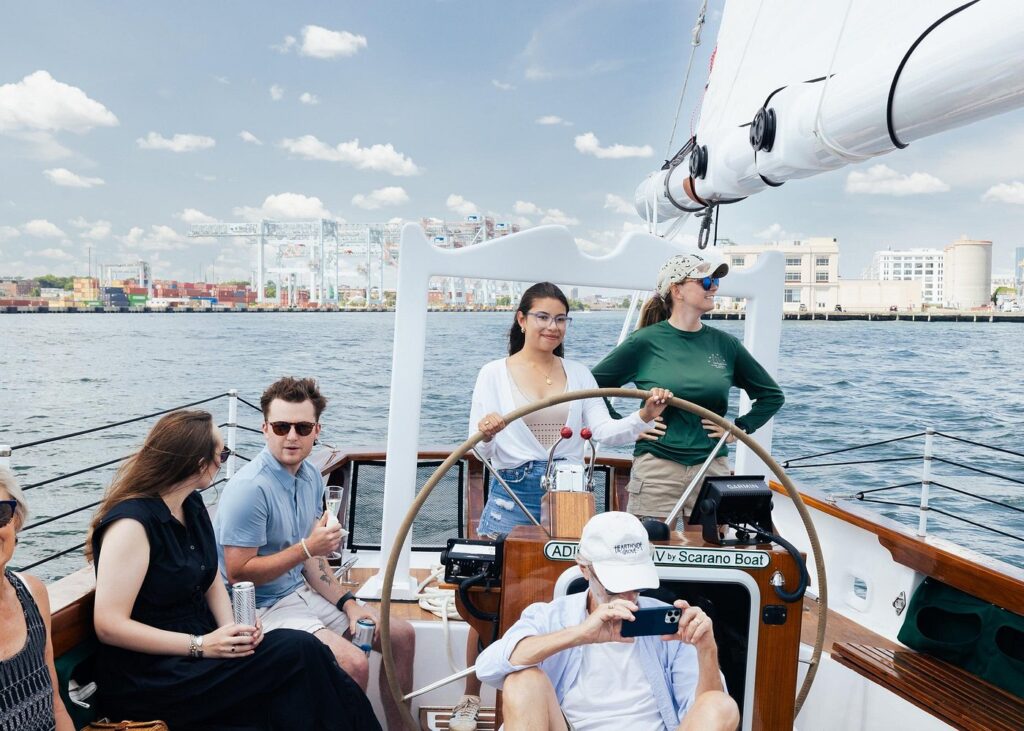
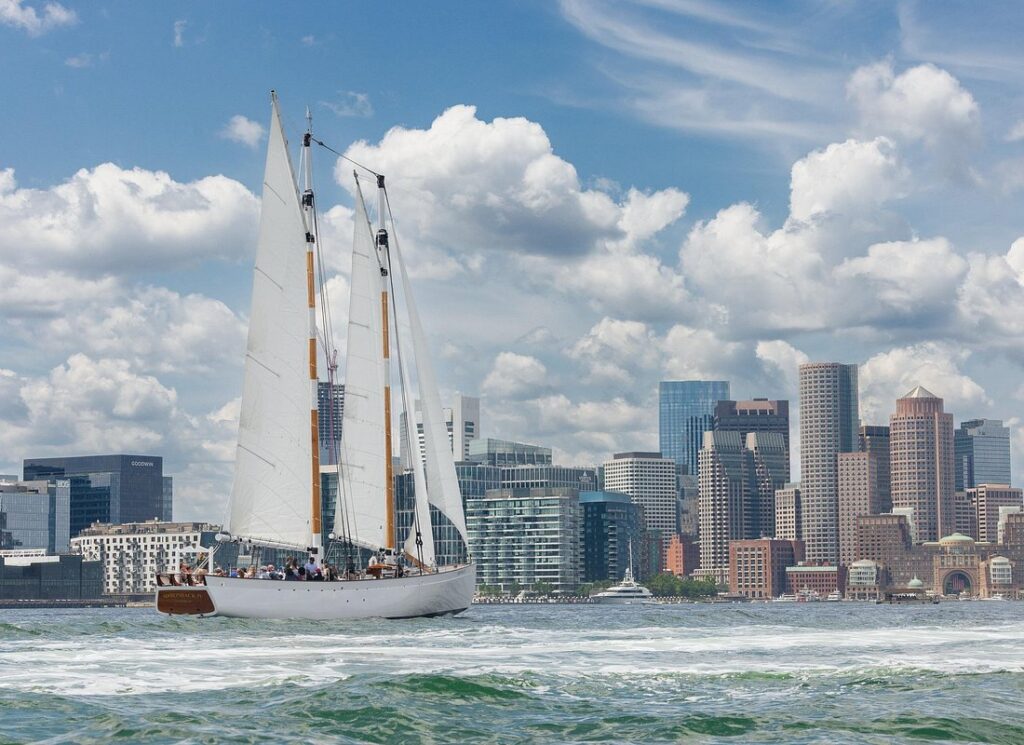
On the water, the city reinvents itself. Adirondack’s schooners glide along in almost unreal silence, while electric boats redefine the very idea of luxury: no longer demonstration, but discretion, control of rhythm, freedom of trajectory.
Then it’s time to slow down.
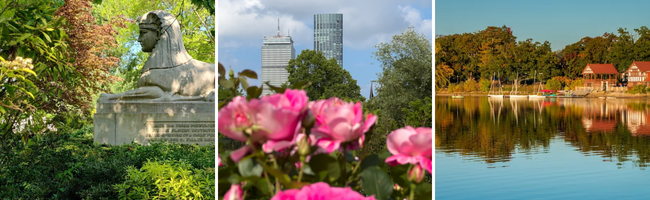
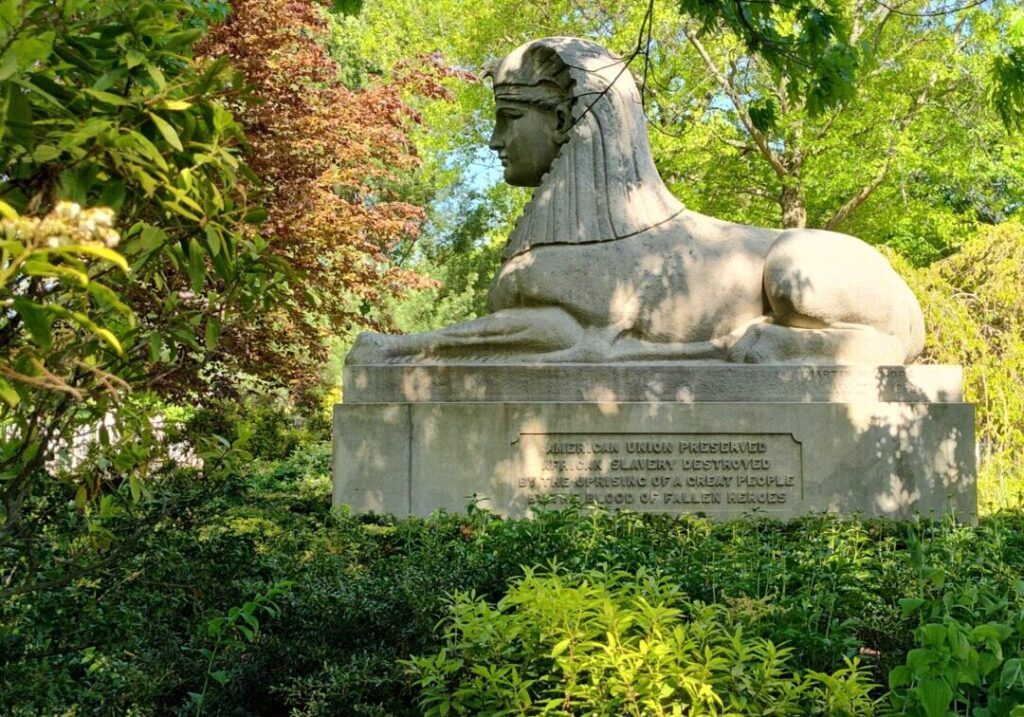
In Cambridge, the Mount Auburn Cemetery turns codes on their head. The first landscaped cemetery in the United States, it is less a place of meditation than an aesthetic manifesto: that of a romantic America, inspired by European gardens, where death converses with nature. From the Washington Tower, Boston appears almost unreal, suspended between past and present.
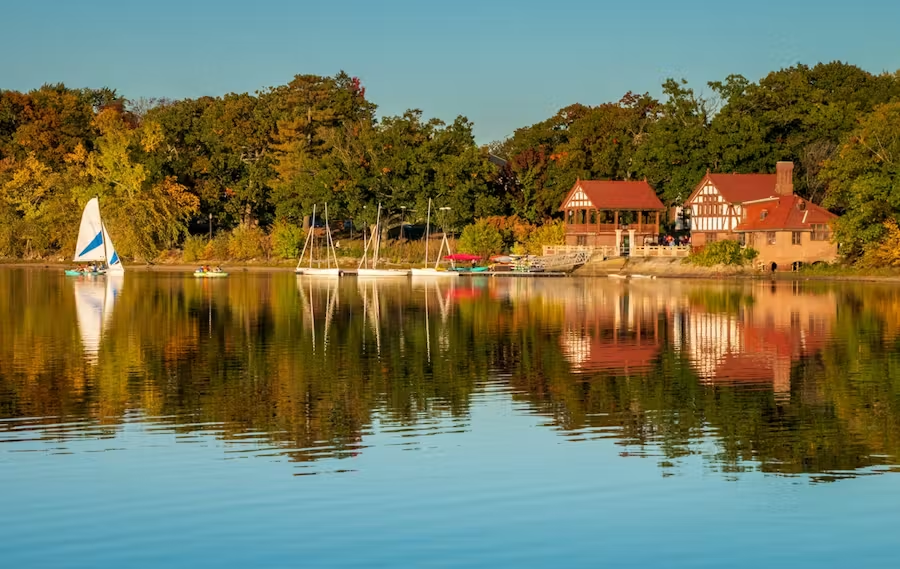
Further south, the Arnold Arboretum extends this sense of escape. Here, Harvard is read not in the lecture halls, but in the rare trees, hills and shady paths. Knowledge becomes landscape. A few steps away, Jamaica Pond creates an almost provincial gentleness, far from any urban bustle.
Boston, then, reveals itself in its interstices.
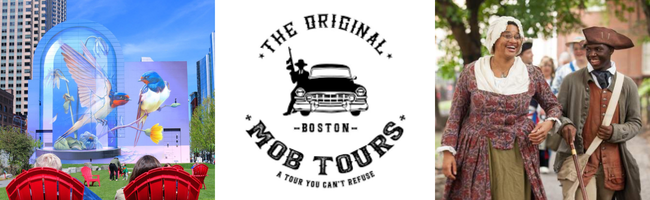
In the neighborhoods of Allston and Roxbury, murals tell the story of a city often ignored by guidebooks. Thanks to Public Art Boston, urban space becomes an open-air gallery. Every wall, every facade becomes a narrative – political, identity-related, artistic. A city that writes itself as much as it looks.
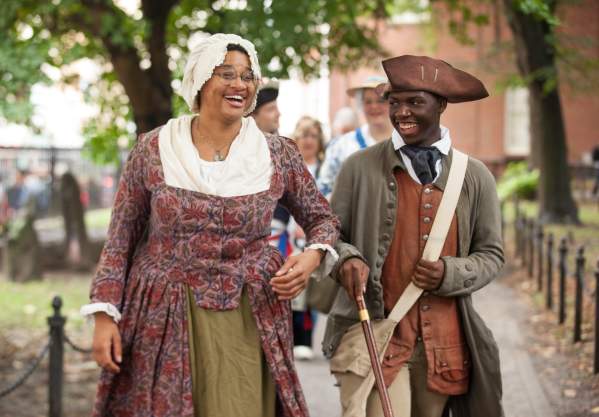
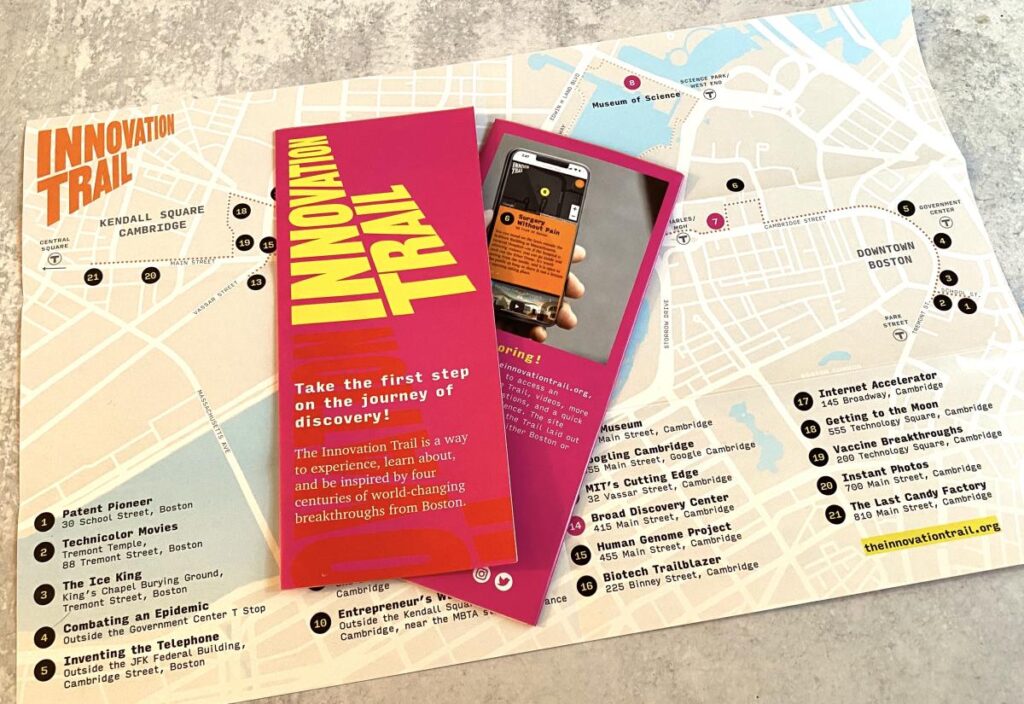
This alternative reading extends to the thematic trails. The Black Heritage Trail, discreet but fundamental, reminds us that Boston was an epicenter of African-American history. Conversely, the Innovation Trail traces another mythology: that of ideas, breakthroughs and intellectual modernity, linking Boston to Cambridge.
Even the most unexpected stories find their place. The Original Boston Mob Tours reintroduce an almost cinematic dimension, between Irish, Italian and Jewish mafias. A city that embraces its shadows, contradictions and parallel histories.
Perhaps this is where Boston becomes truly captivating: in its ability to let itself be discovered in fragments, detours and layers. A city that doesn’t impose itself, but reveals itself – slowly, elegantly, almost in a whisper.







Cette publication est également disponible en :

