
A few weeks ago, just after Fashion Week, we had an appointment with Ruinart for an exceptional moment.
 Each year, Ruinart gives an artist carte blanche. Erwin Olaf was particularly touched by this form of freedom.
So we had an appointment in the carrousel of the Louvre for an unprecedented meeting with the master.
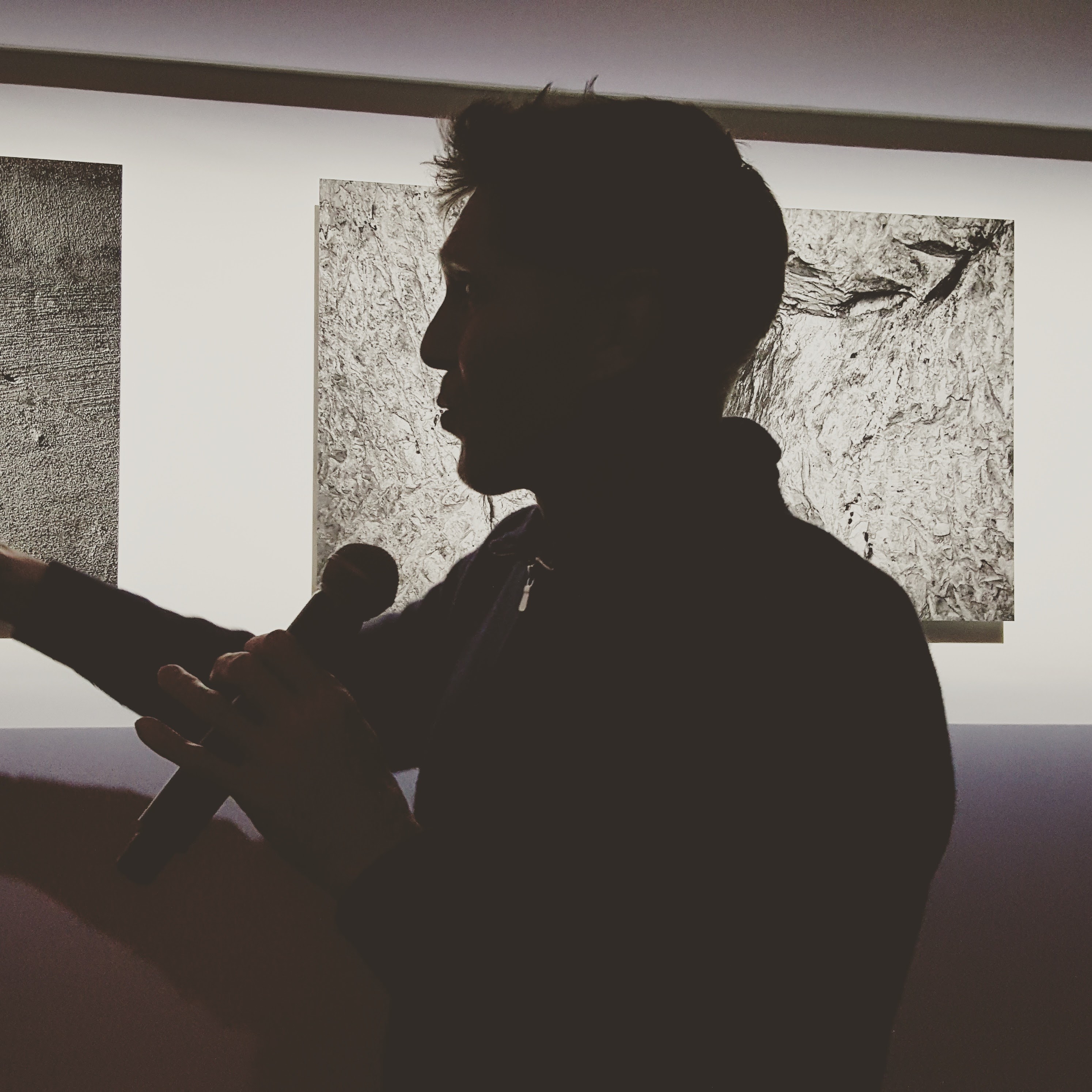
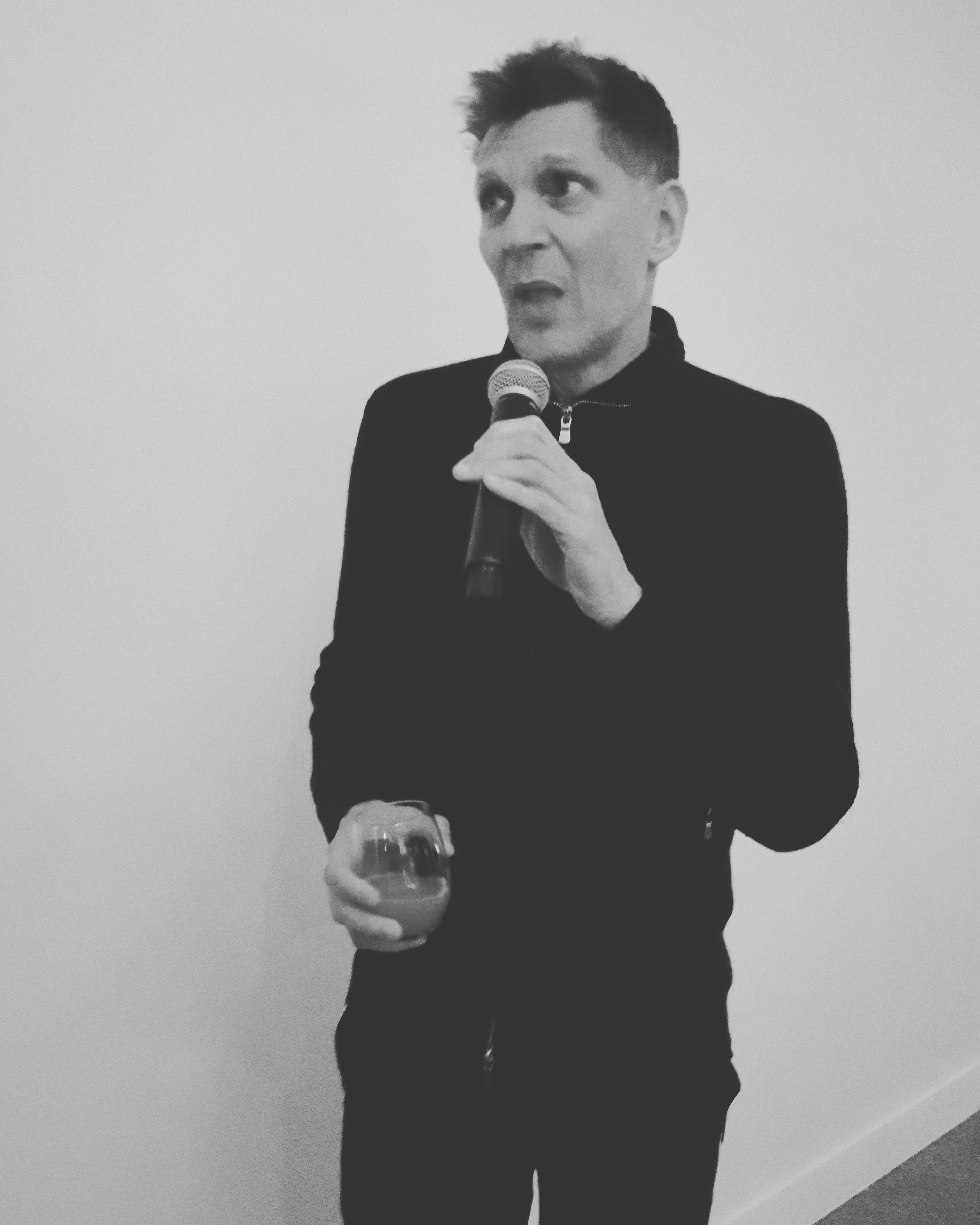
At 57, he is now an internationally recognized photographic artist. Orderly, this man of letters has the habit of visualizing the scenes in his head, drawing them afterwards, then freezing them in a strict and sometimes austere way on glossy paper. He could have applied the same look, his “baroque” signature, so dear to Flemish painting of the 17th century: rigor, structure and this so particular light.
But the way he worked for Ruinart was quite different, far from these hypnotic clichés.
You will not find the usual tension, often conveyed by its characters, but rather a certain calmness, a certain serenity even, as if time had stopped. A nod to the work of Brassaï who photographed Parisian graffiti in the 1930s.
Used to fashion photos and provocation. Erwin Olaf was chosen by the house for his glamour. Erwin Olaf, as he told us, then went to the pencils with his teams and his models, he began to shoot. But he is not happy with the result. He then leaves to think and walk in the long pencils of the house, he takes some black and white pictures here and there. It is then that he has a revelation, no need for mannequins, no need for artifices, pencils, stones, here is a subject without end.
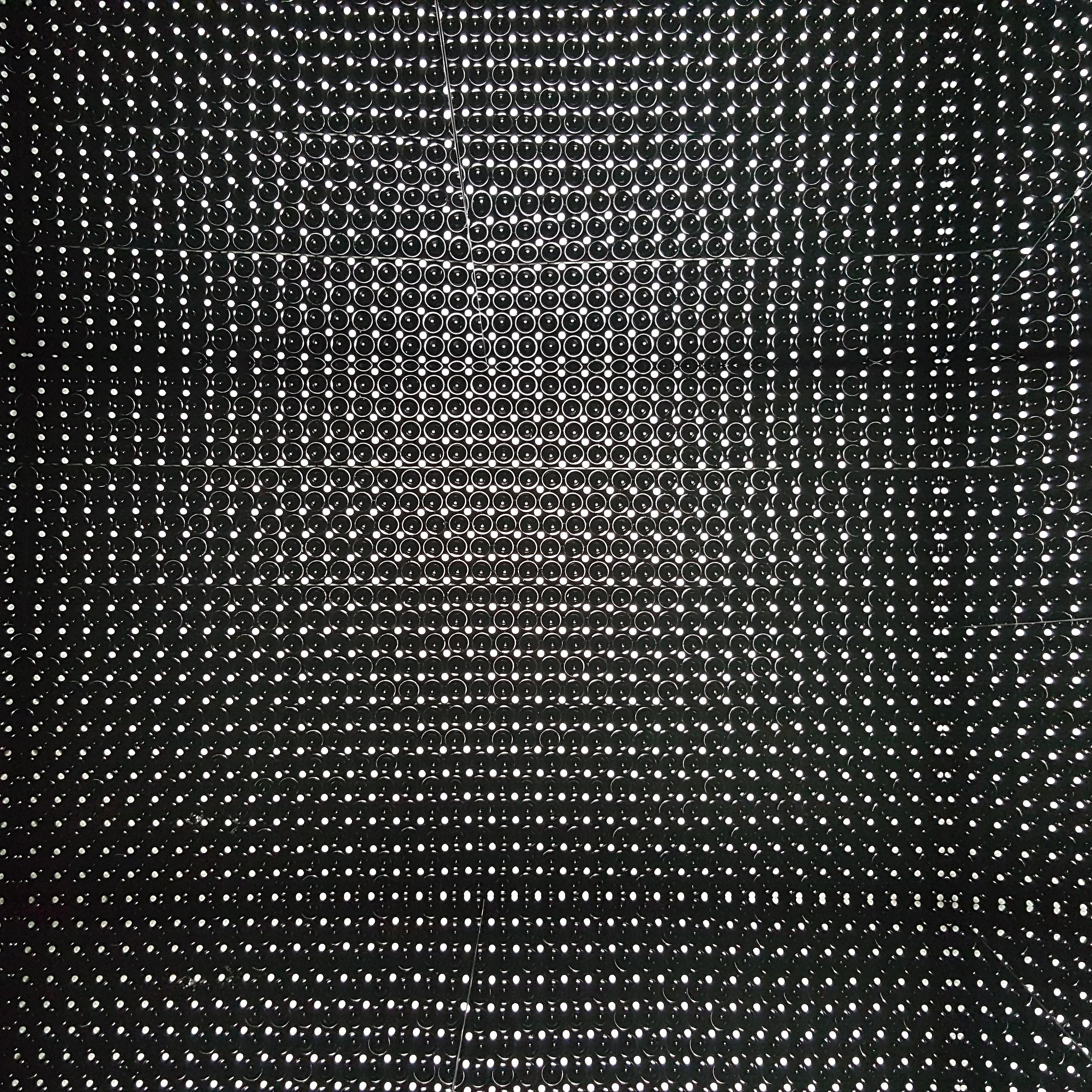
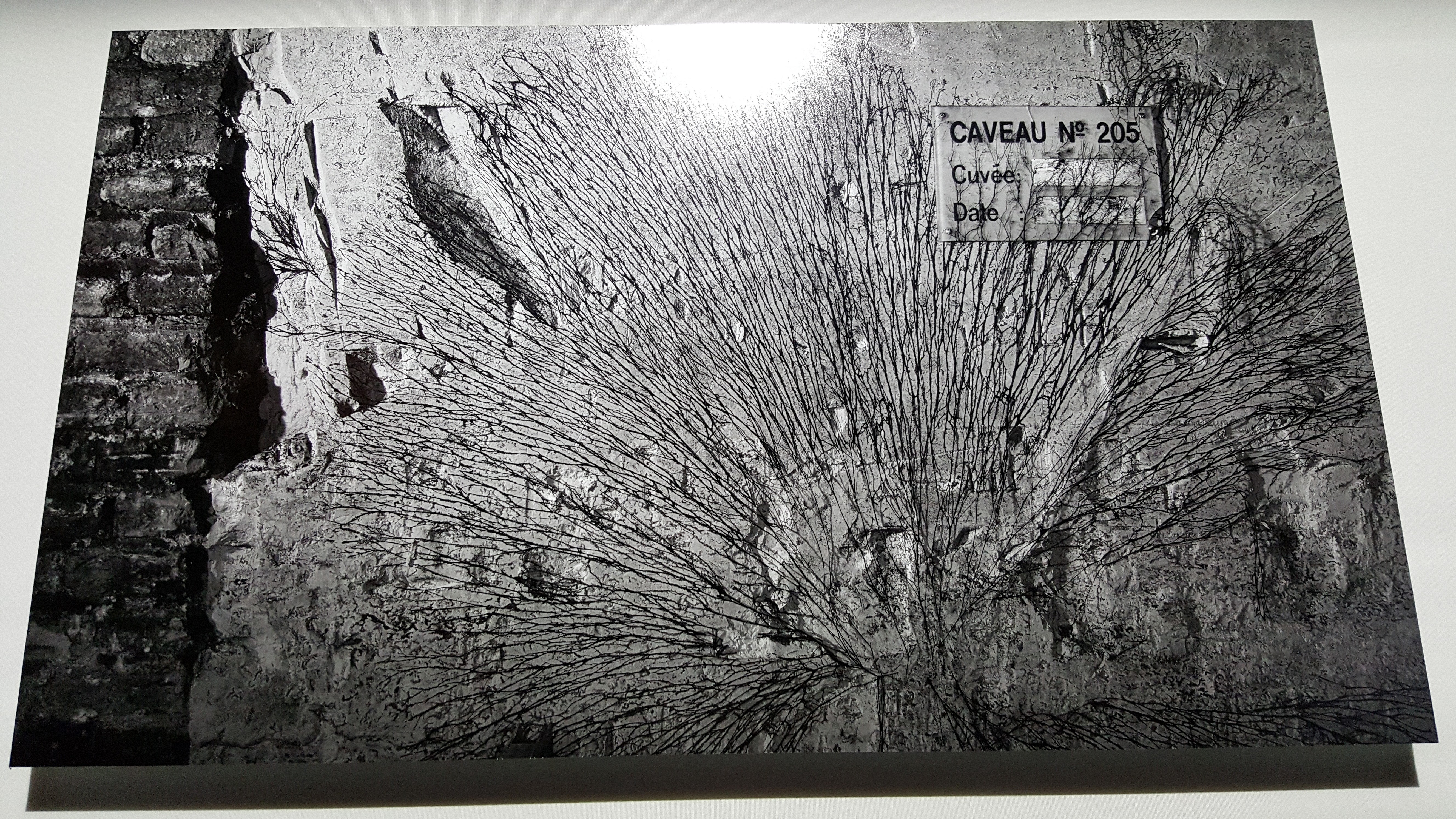
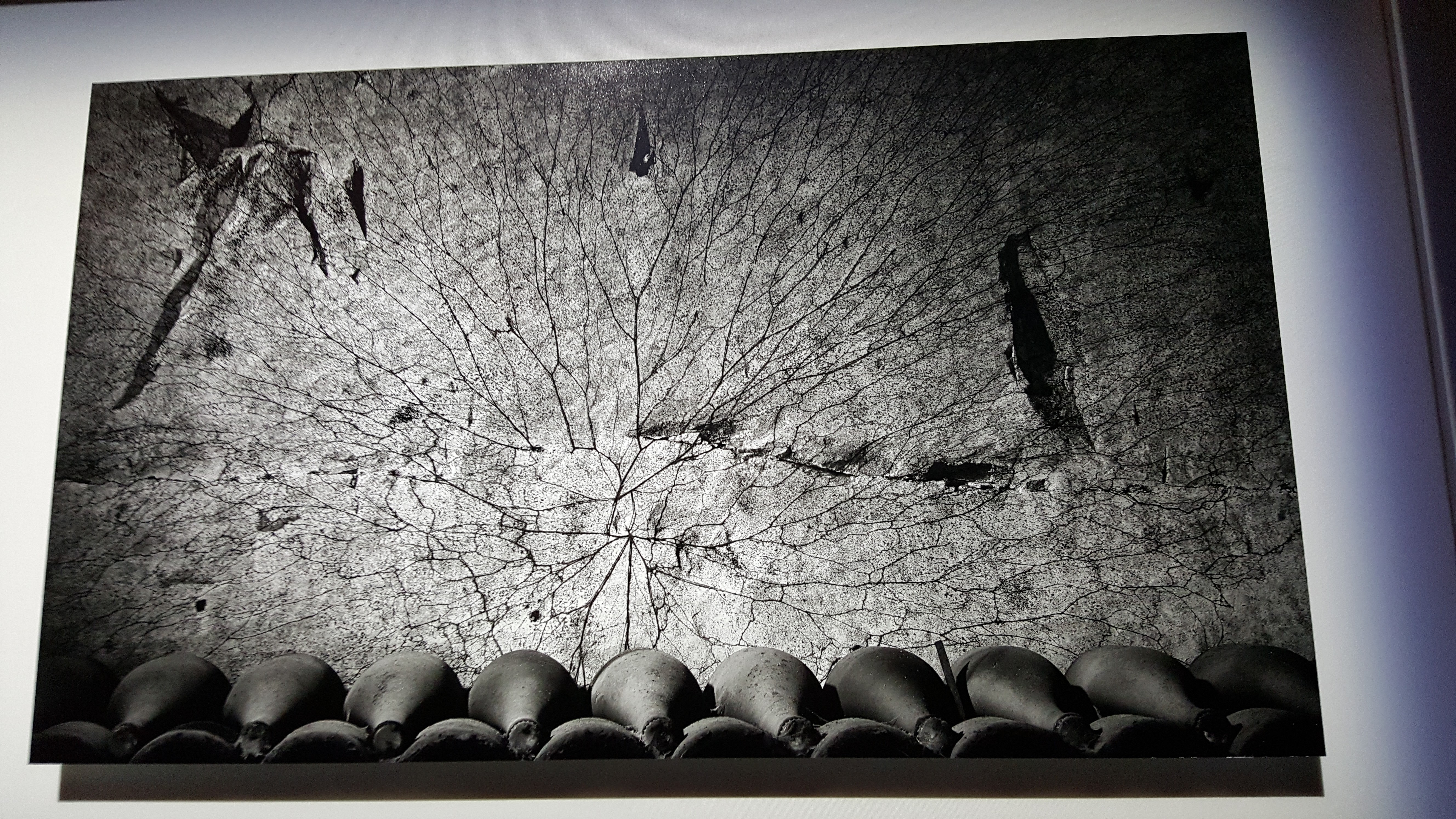
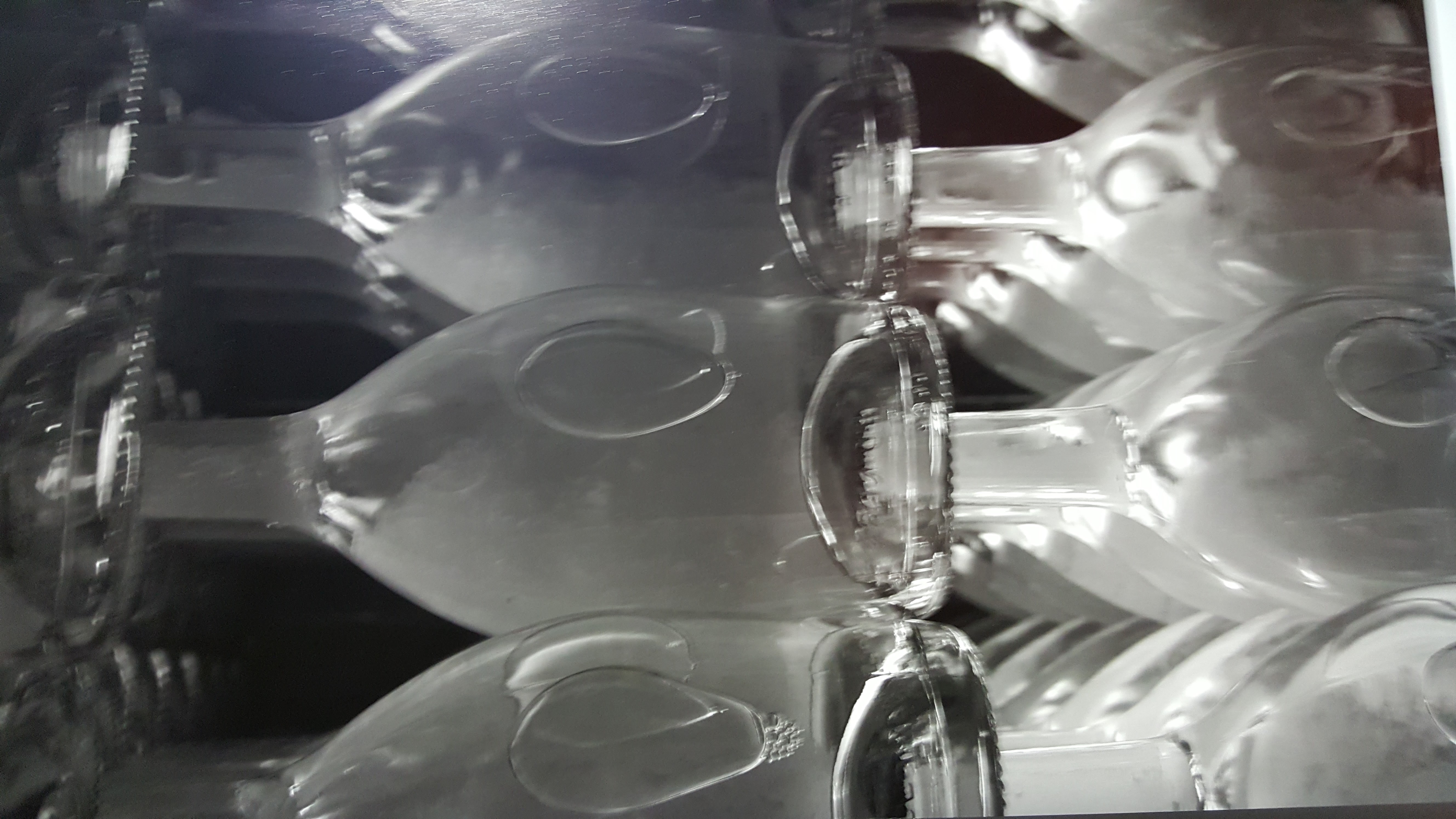
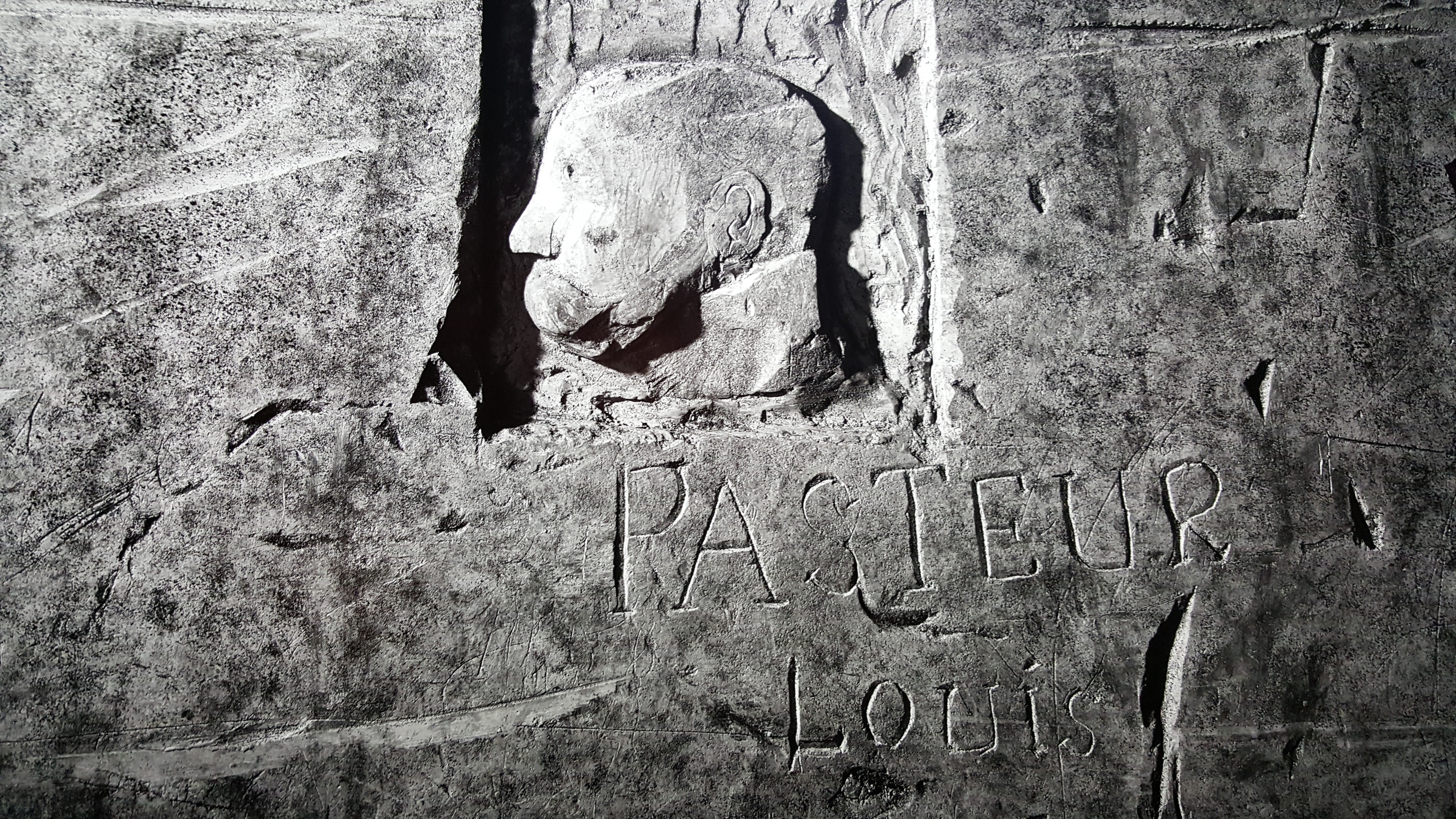
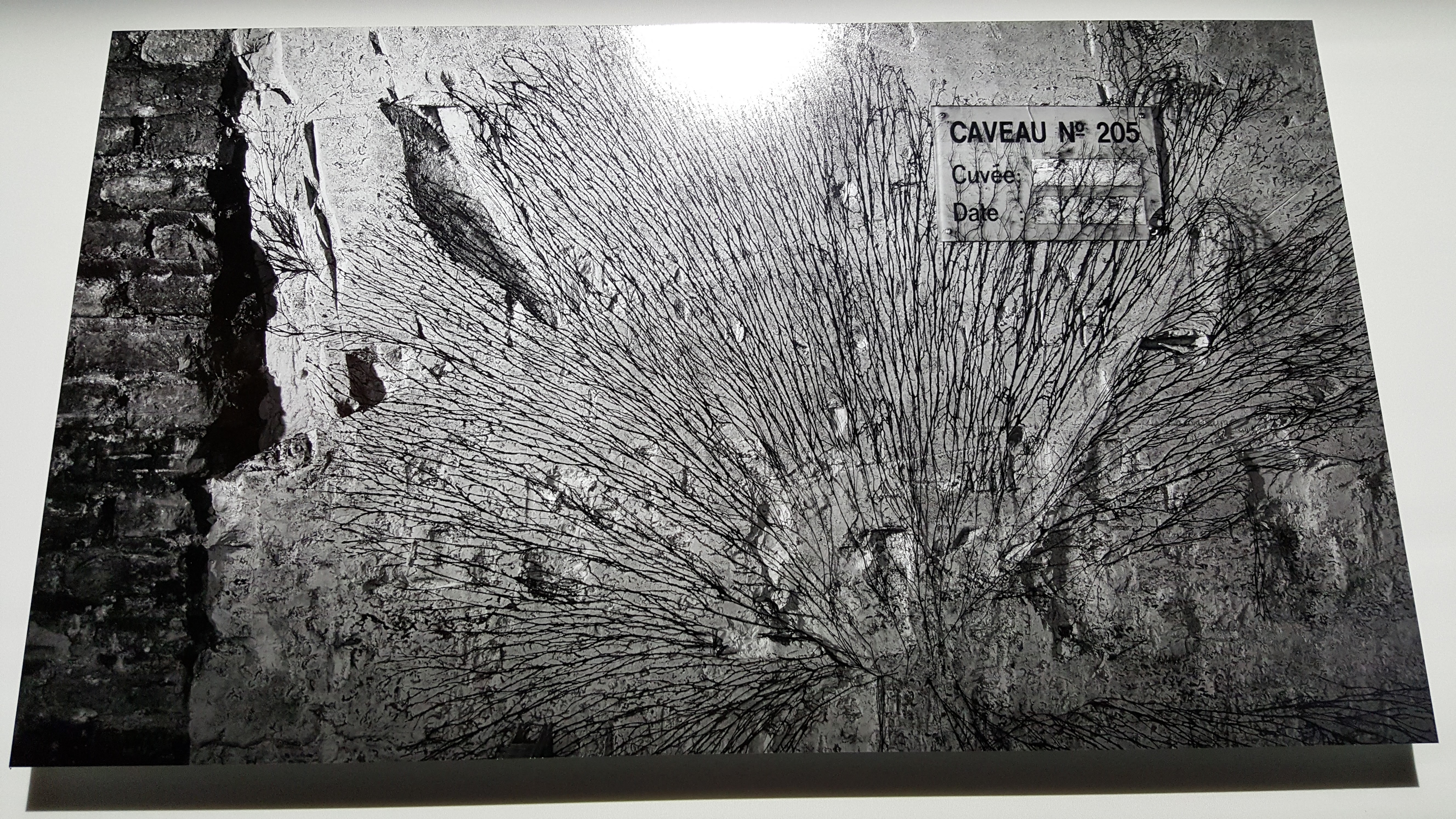
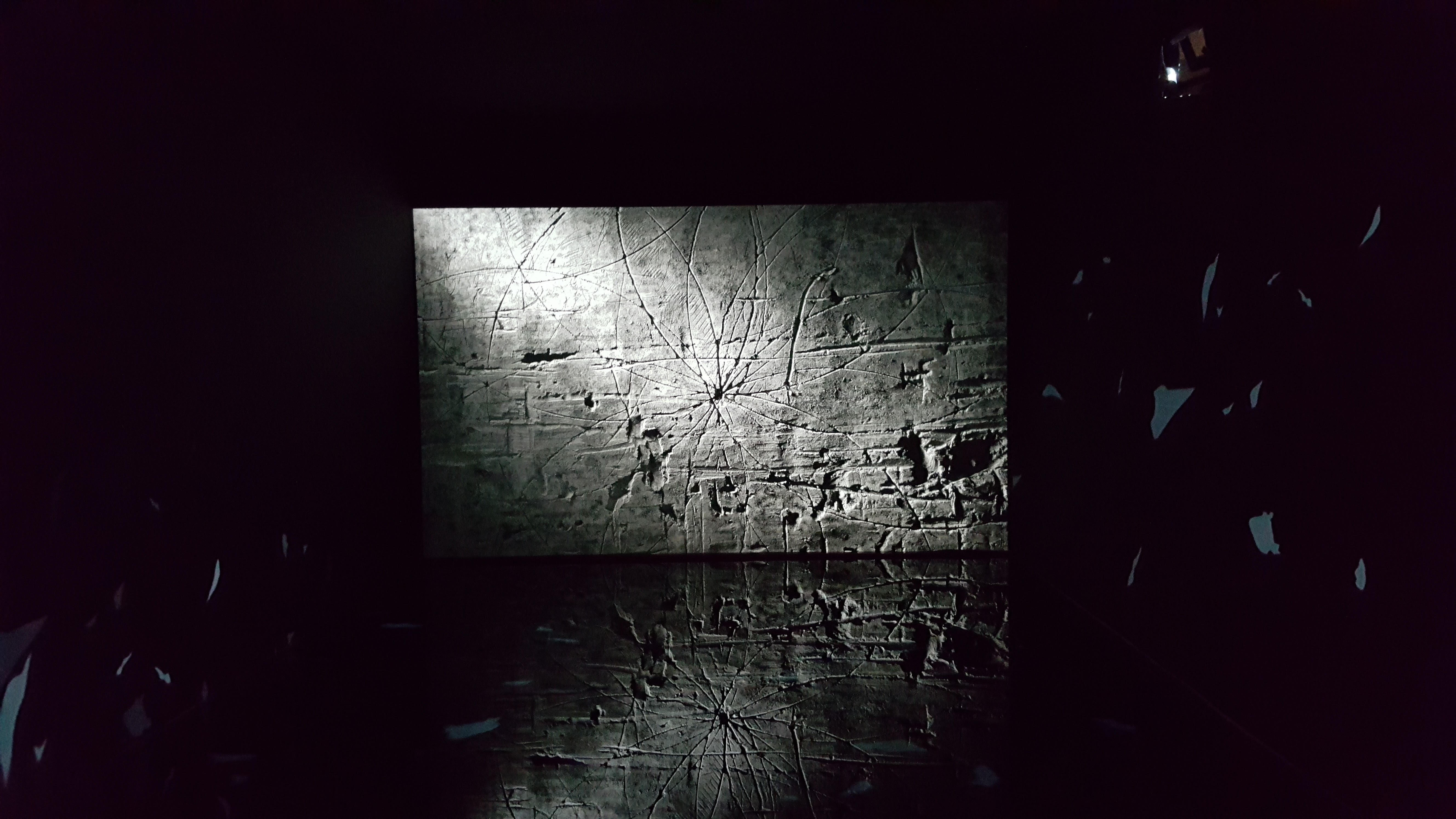
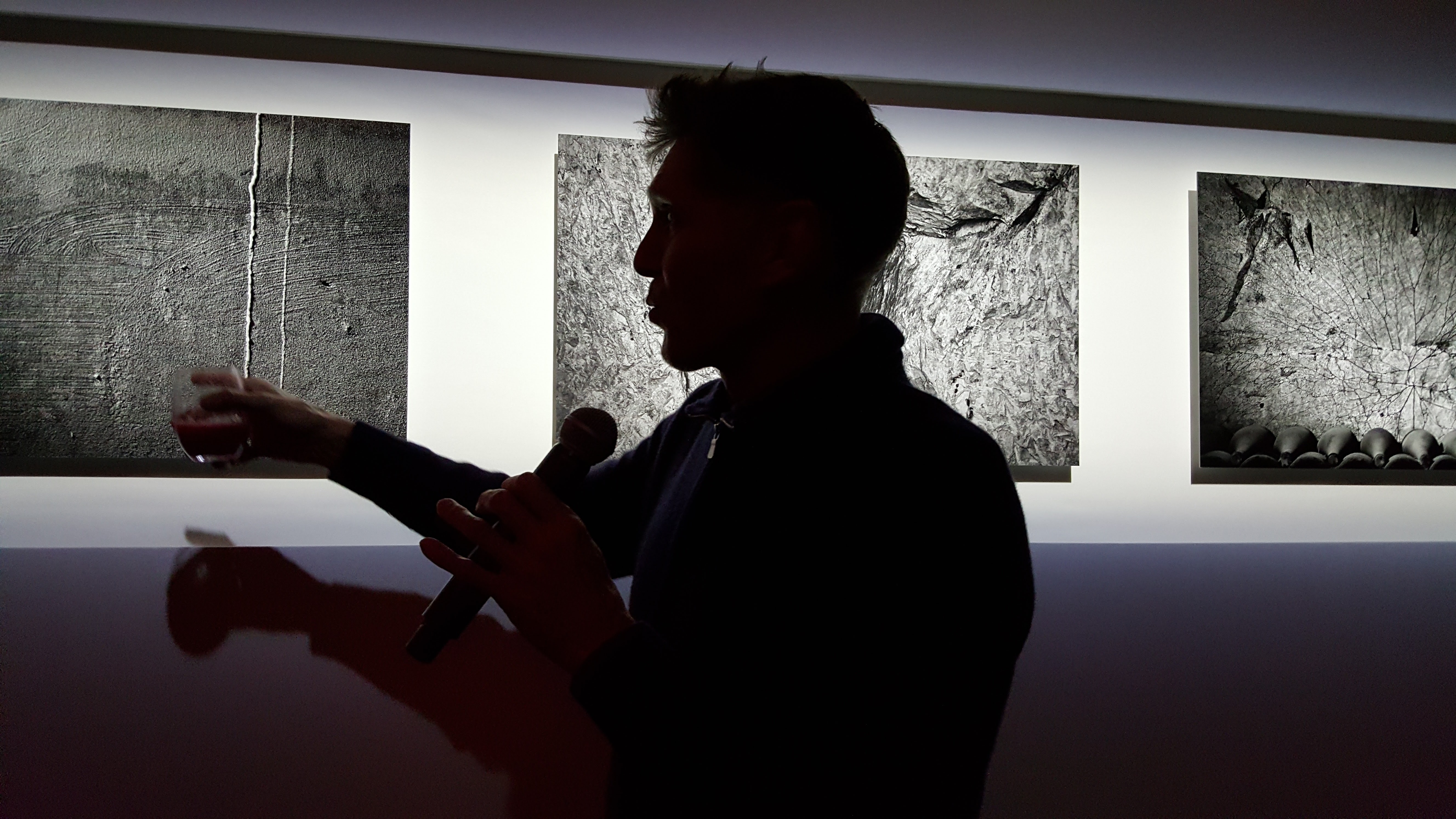
During his first visit to Reims, Erwin was fascinated and impressed by the depth and immensity of the chalk pits and therefore preferred to focus on the details: these traces left by man and before him, nature since prehistoric times.
This habitué of the colors, often saturated, realized for the house of the images in black and white.
He used his Hasselblad, the perfection of photographic equipment, which he has owned for 35 years and has mastered masterfully. By retouching his pictures in his own way, his blacks and whites became subtle colors, even brighter than if he had worked directly in color.
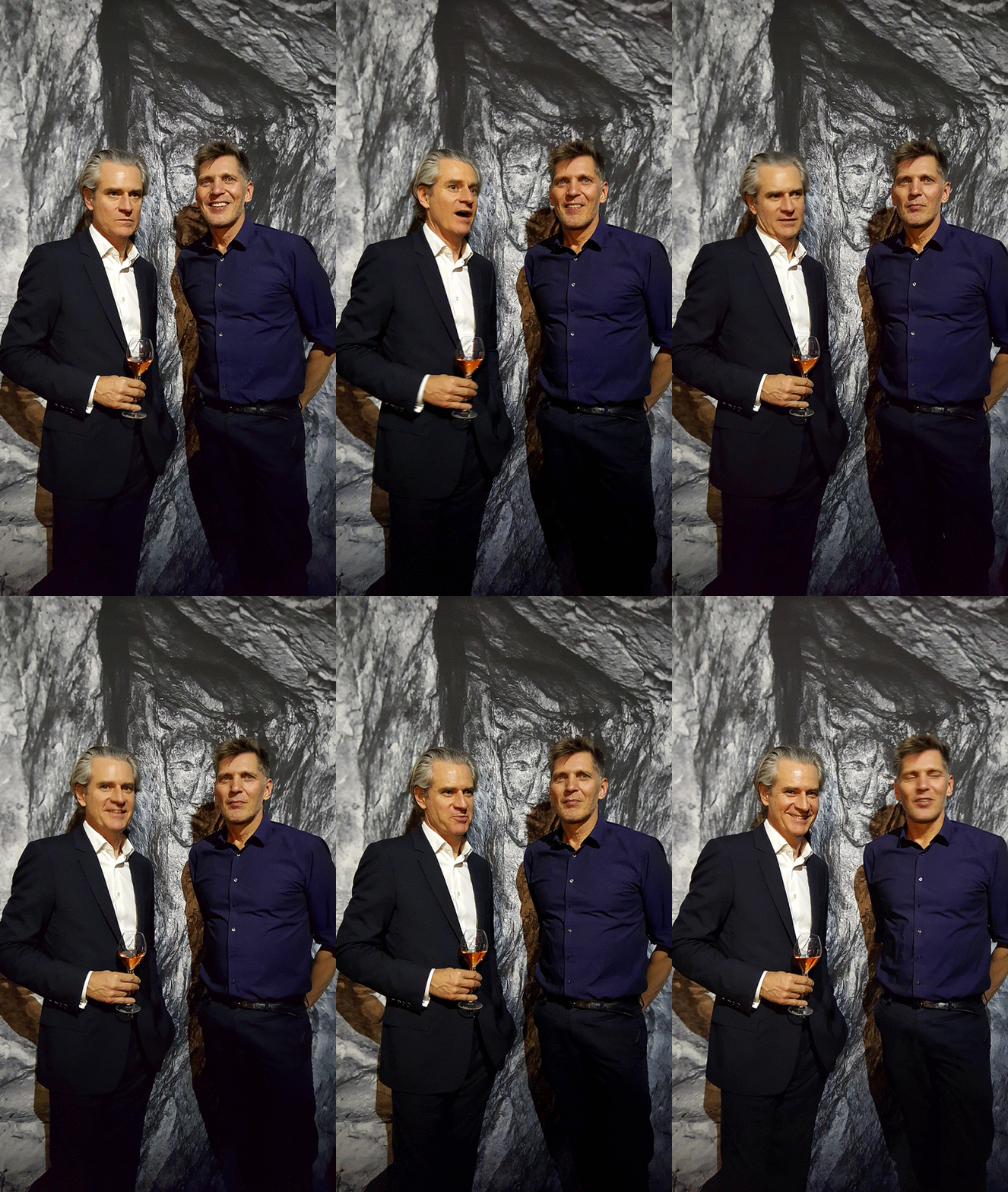
Frédéric Dufour and Erwin Olaf
Erwin Olaf is as interested in the living subject or still life as he is in the technique he uses to portray it. Even if the “click-click” of the camera remains his favorite sound in the world, the technique and know-how involved in making his prints are his signature. He has just reinstalled a darkroom in his Amsterdam studio to start printing his black and white photos again.
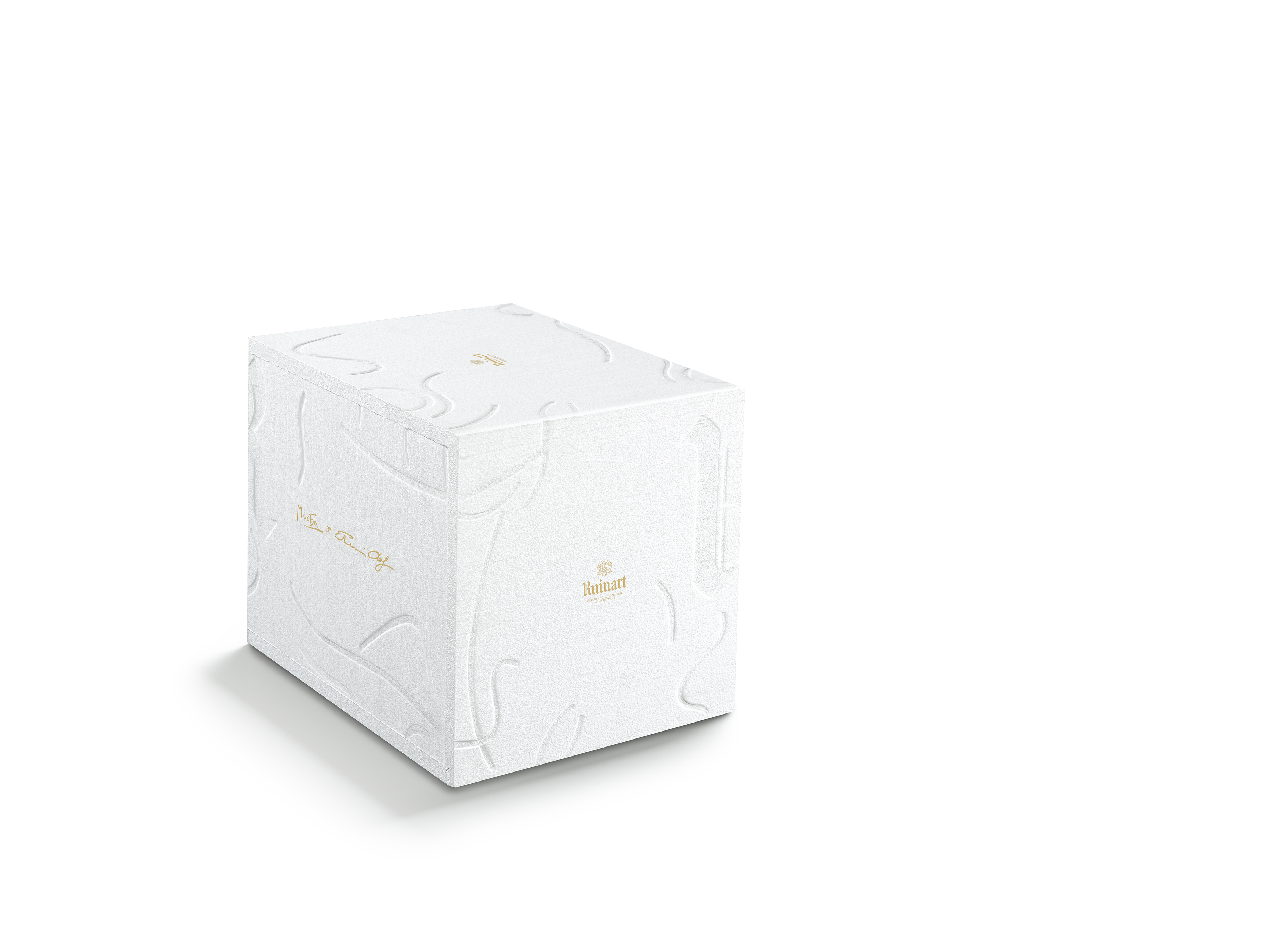
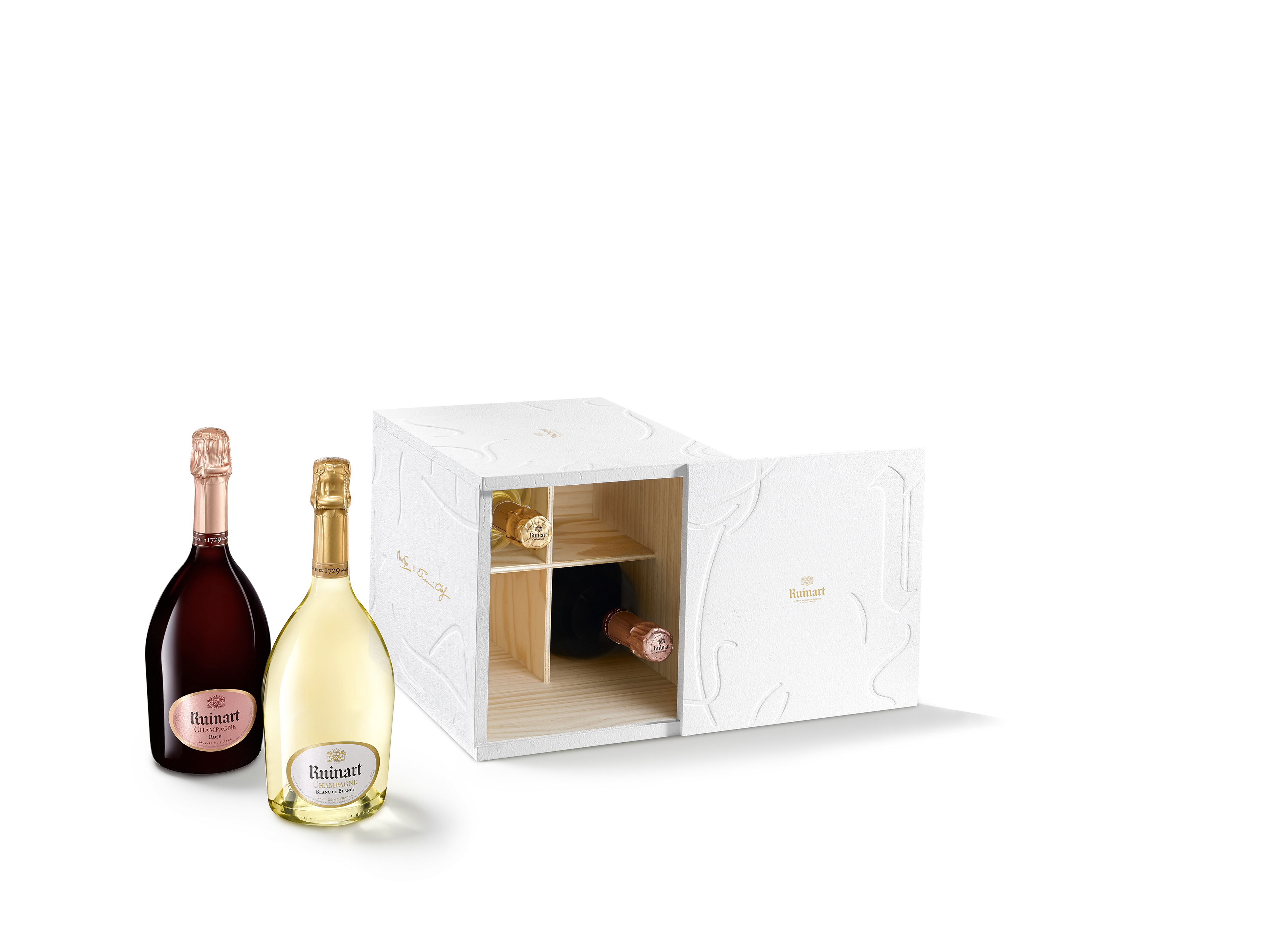
The Cellar Crate
The Ruinart house was very early passionate about the world of art since 1896, André Ruinart – a great precursor – asked a renowned Czech artist, Alphonse Mucha, to design a poster for his house. It will be the very first advertisement realized by Mucha for a champagne house.
At the time, Mucha had just acquired a dazzling fame by imagining the poster of Gismonda, the new show of the beautiful Sarah Bernhardt. The company was thrilled with its creation, which was followed by seven other posters advertising other performances.
Alphonse Mucha revolutionized poster design and developed a signature that is recognized worldwide today around his favorite subject, women. His compositions in reference to Japanese prints are always long and narrow with subtle and strong colors.
120 years. Erwin Olaf celebrates this anniversary by paying tribute to the great interpreter of art nouveau, Mucha.
This multi-talented photographer, who also has a highly cinematic approach to photography, has therefore created, in addition to the 26 images of the Ruinart crayères, a cellar case paying tribute to the first artistic work of the Ruinart house in 1896 with the Czech artist Alphonse Mucha.
The famous photographer has reinterpreted for Ruinart the poster created by Mucha 120 years ago, and designed this Caisse-Cave.
The curves subtly engraved in the chalk-colored wood recall the multiple arabesques of Mucha’s style, as well as the graffiti found in Ruinart’s crayères.
ERWIN OLAF, HIS PORTRAIT
On the model of Proust, here is a very personal portrait of Erwin Olaf.
Your main inspiration?
I get my inspiration from observing life on the street and watching reality shows.
What is your favorite virtue or virtues? Sincerity, reliability and honesty.
What is your absolute luxury?
A comfortable chair in the shade of some trees, the sound of the sea and a gentle breeze playing with the leaves of the trees. This chair overlooks a secluded beach and a crystal clear sea. No artificial sound created by humanity disturbs my rest. All the beauty that surrounds me is natural.
What qualities do you like best in a man?
I like that he is sincere and I admire that he is not afraid to show his emotions.
Your favorite animal?
The sparrow.
Your ideal menu?
A beautiful spring salad, toast and a glass of delicate white wine.
Which book on your nightstand?
Submission by Michel Houellebecq and History of Beauty by Umberto Eco.
Your favorite movie?
Twilight of the Gods (Ludwig) by Visconti.
Your favorite designer?
Gerrit Rietveld.
Your favorite artist?
Caravaggio.
Your ideal vacation?
Spend three weeks on three different tropical islands, each a few hours away by boat.
What qualities do you like best in a woman?
Open-mindedness, honesty and a strong character, I like to have strong exchanges.
What do you like most about your friends?
A good sense of humor.
What‘s your main flaw and your main quality?
I’ve got a big mouth and strong opinions.
Those are also my qualities!
Your favorite occupation?
All things related to photography and filmmaking.
Where would you like to live?
On a small canal in Amsterdam, or in a second house on a small island in the Mediterranean.
Your favorite color?
The navy blue.
Your favorite flower?
The tulip.
Your favorite outfit?
My navy blue sweater, blue pants and a good pair of sneakers.
Cette publication est également disponible en :

