
There is a genre in fashion that almost nobody really dares to disrupt: the wedding dress. Dilara Findikoglu never disrupts anything by halves.
Since her remarked debut on the London catwalks, the Turkish-British designer has built her vocabulary on a permanent tension between corset and tear, between the rigour of couture craft and the brutality of an almost punk gesture. Her silhouettes have dressed pop icons and editorials that never seek consensus. That such a signature should take on marriage, the most codified ceremony there is, is no coincidence: it is a logical provocation, almost expected from a house that built its identity on the idea that clothing should reveal, not disguise, the woman who wears it.
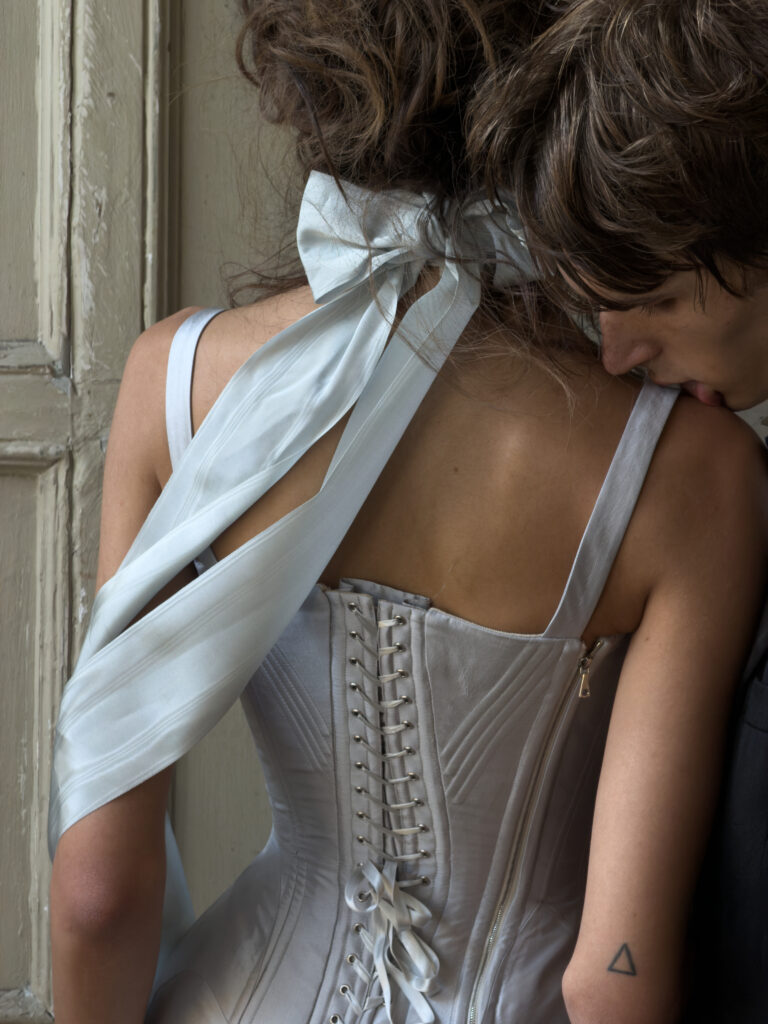
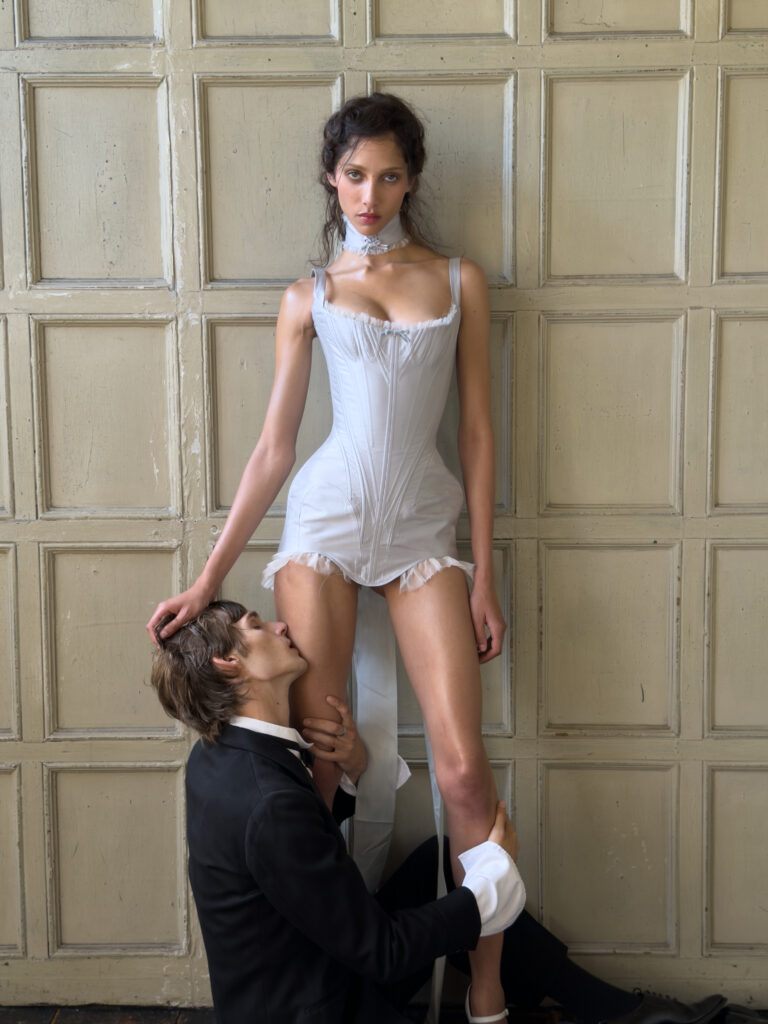
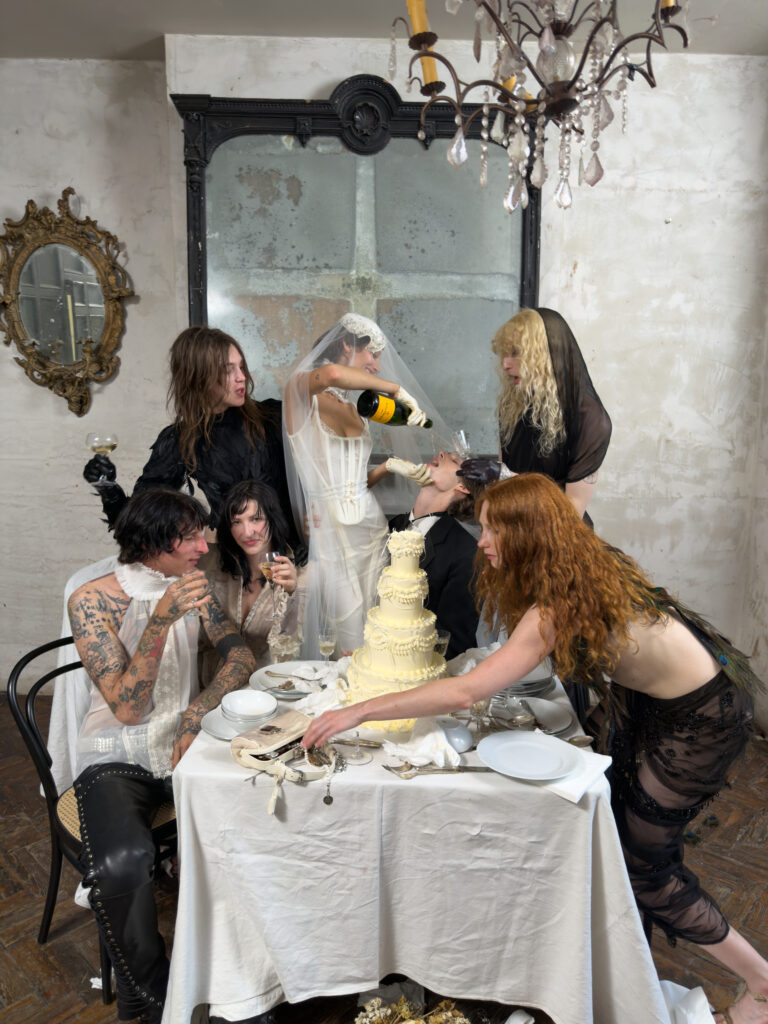
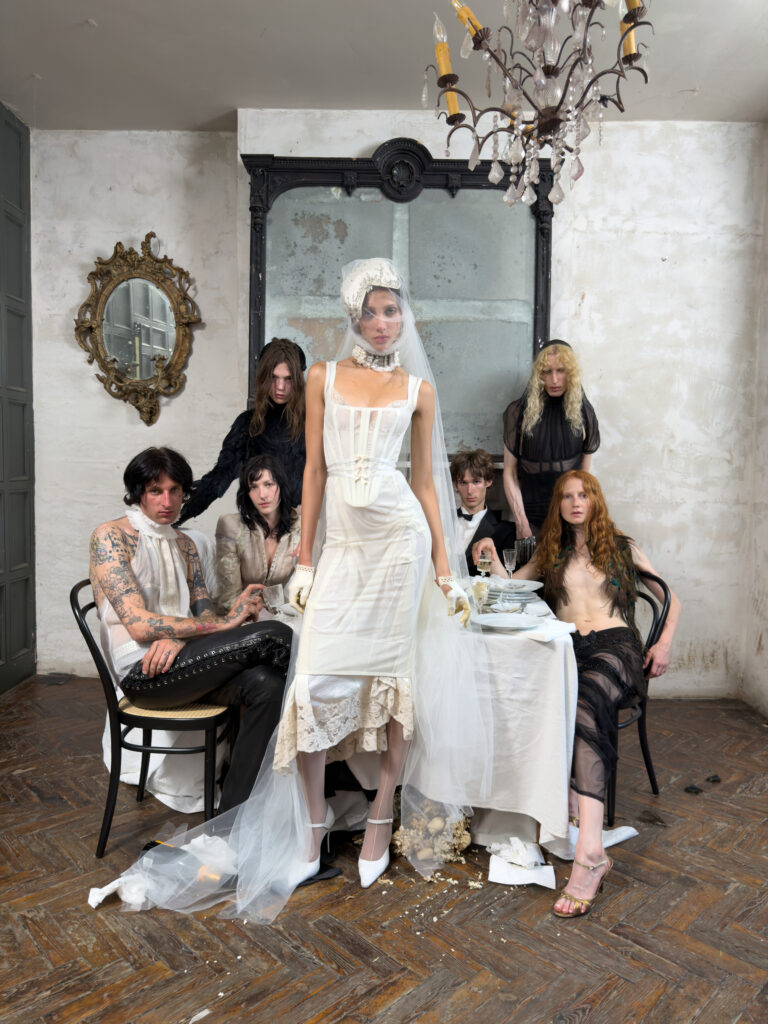
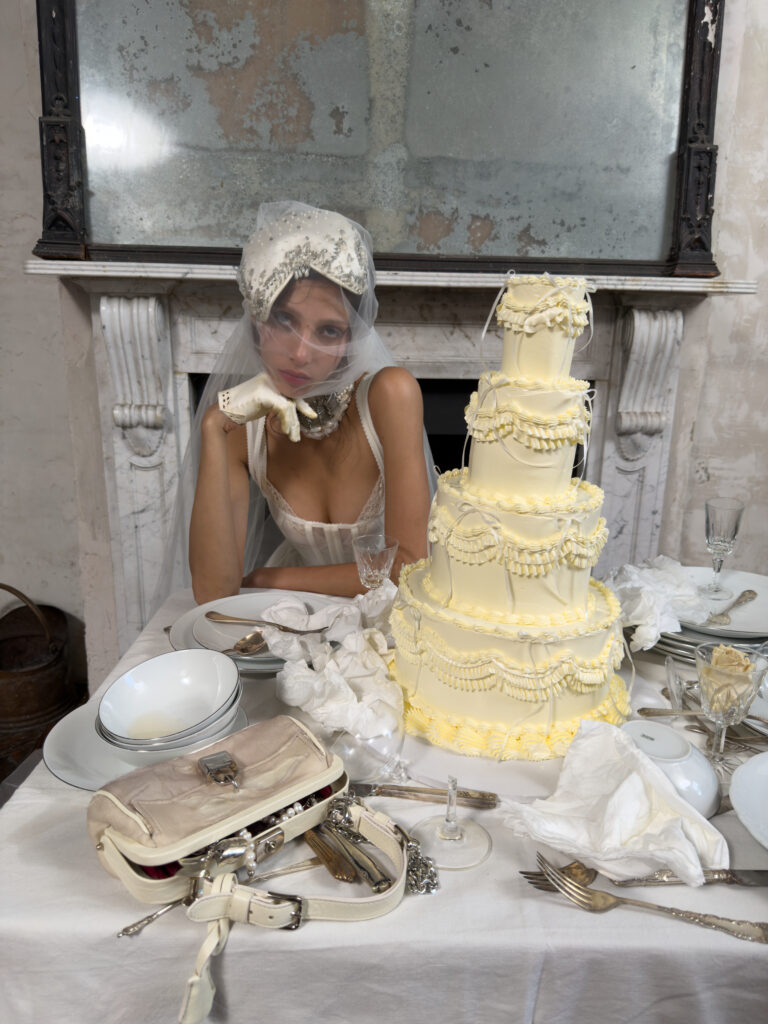
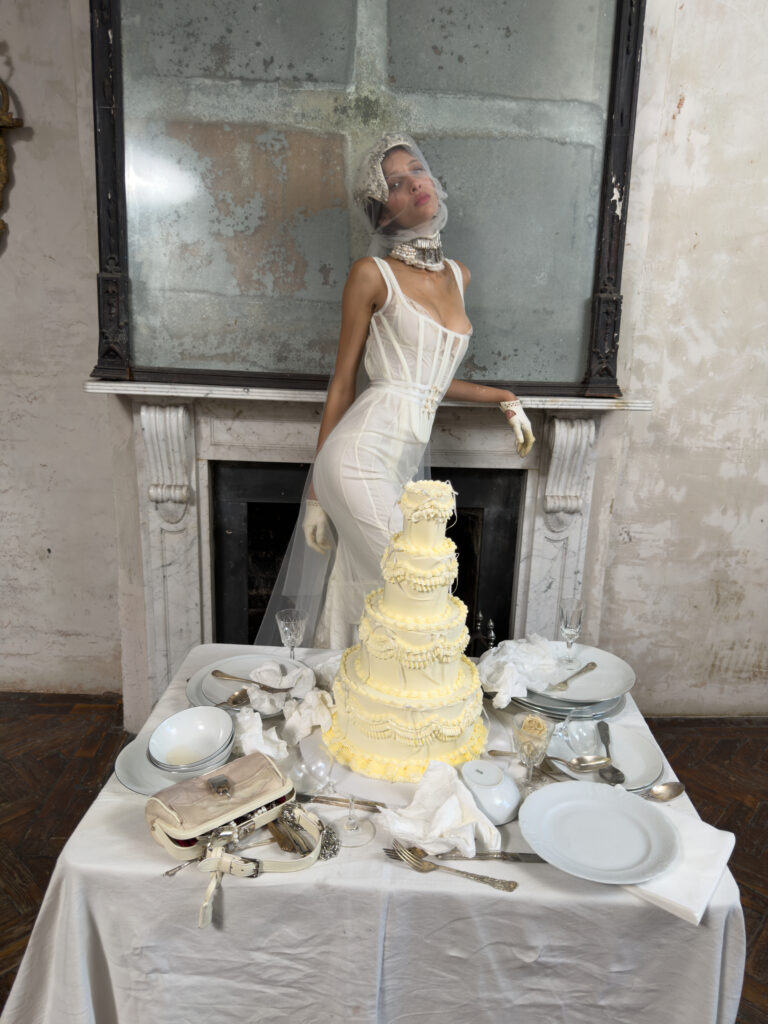
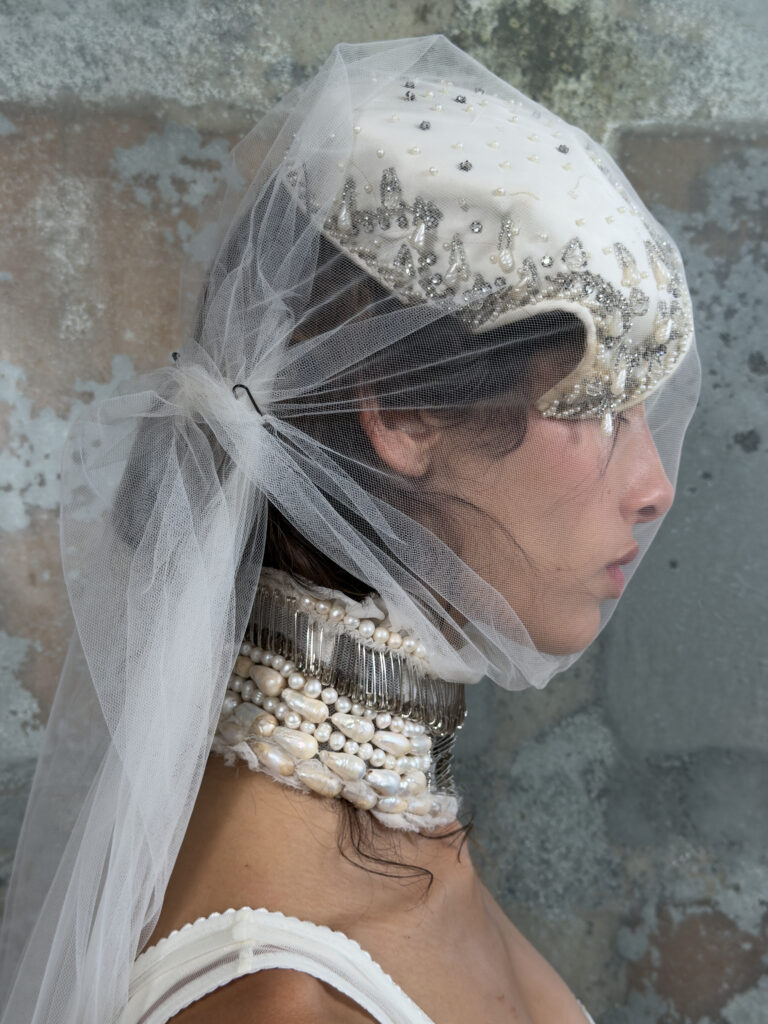
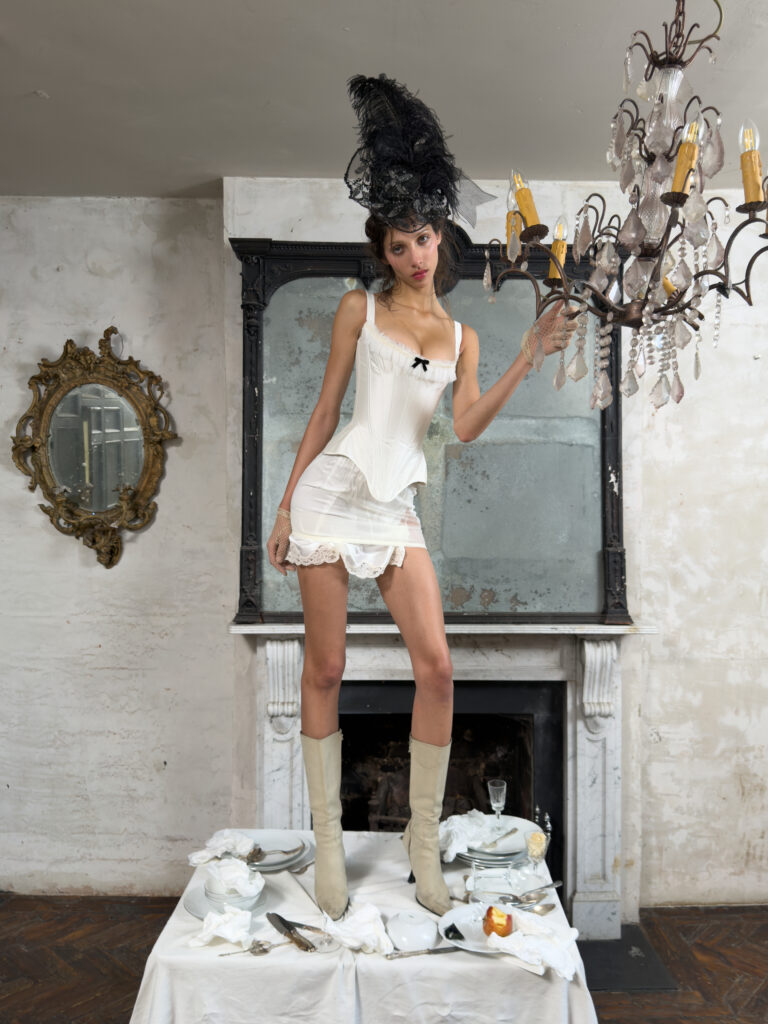
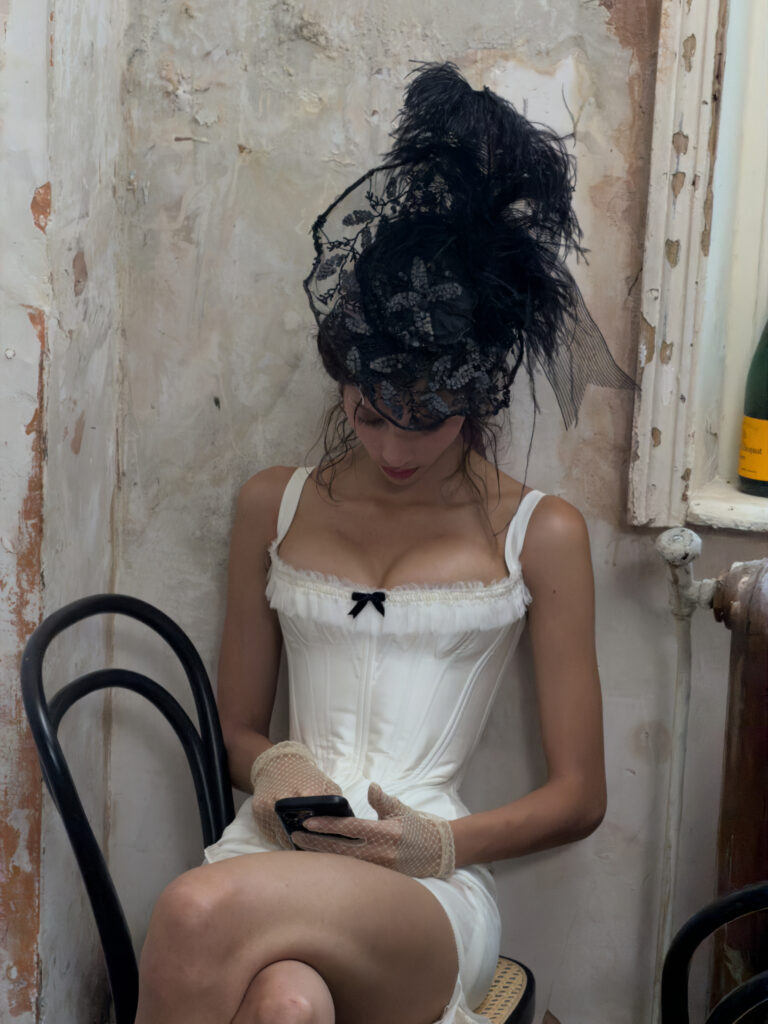
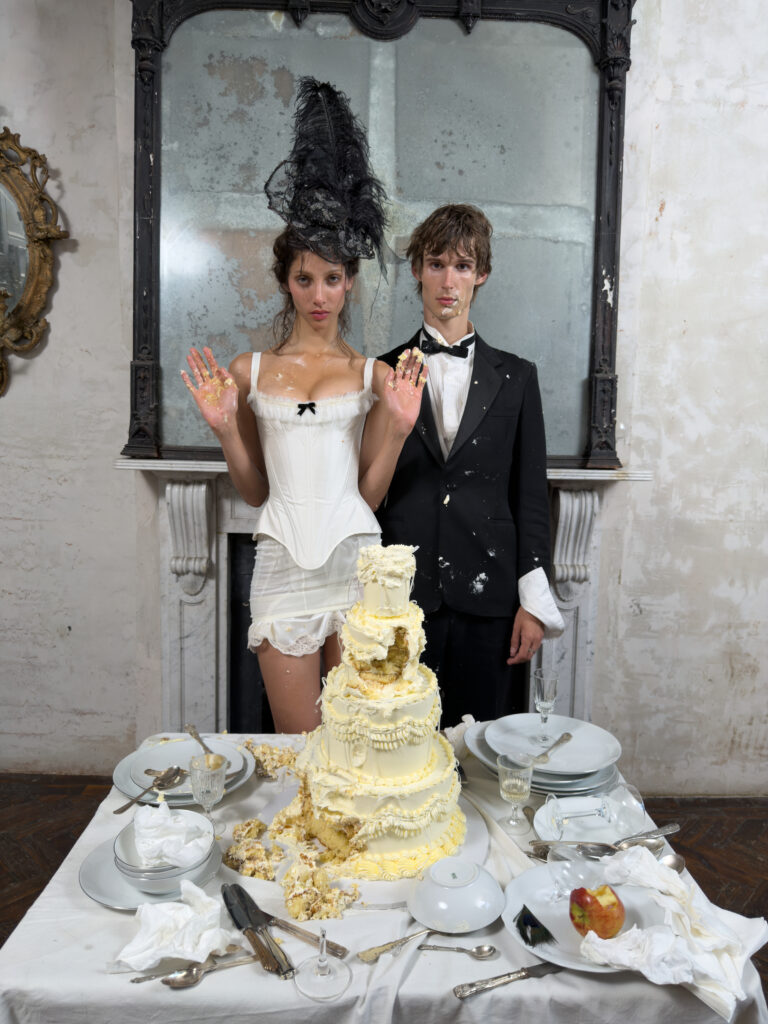
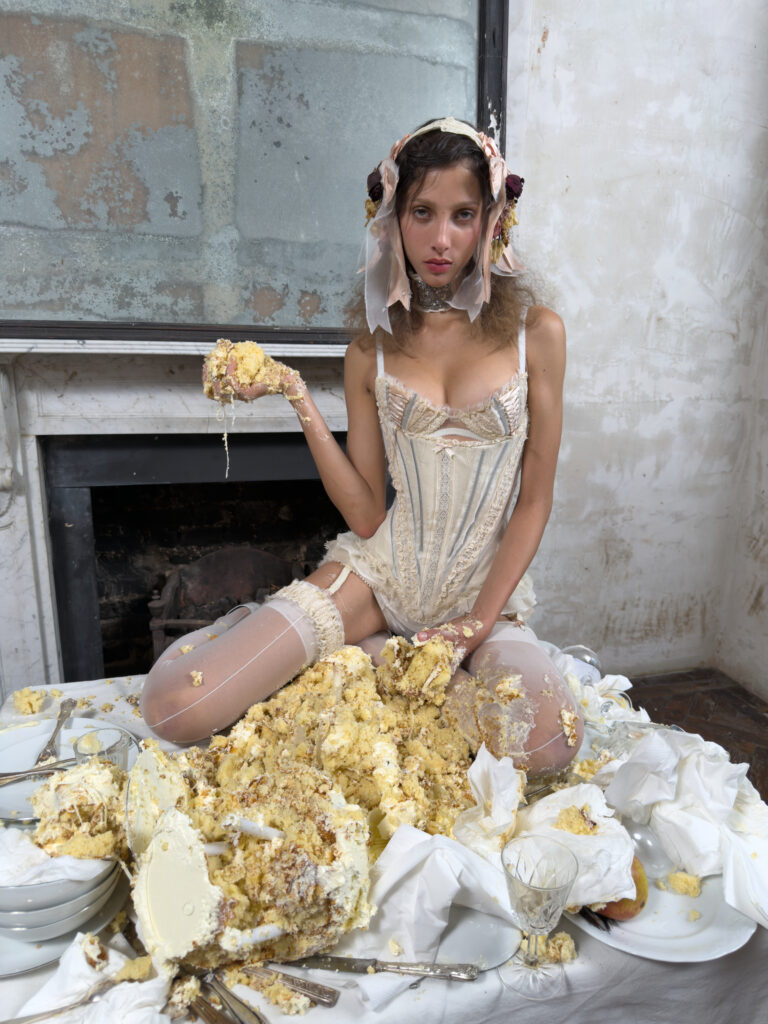
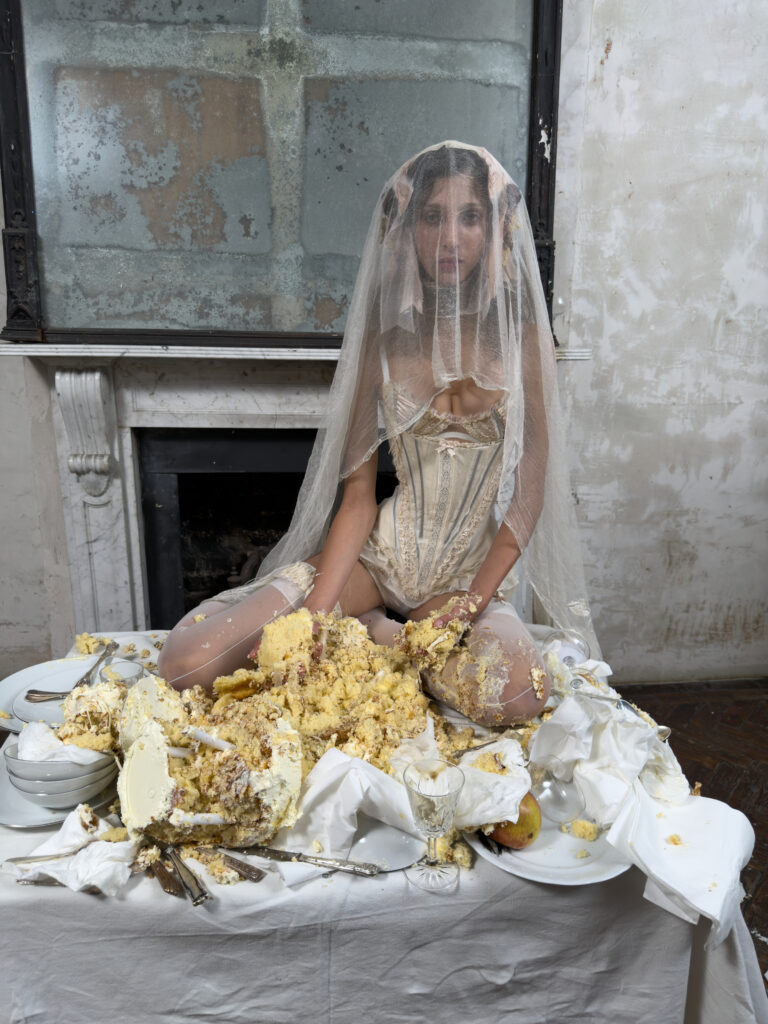
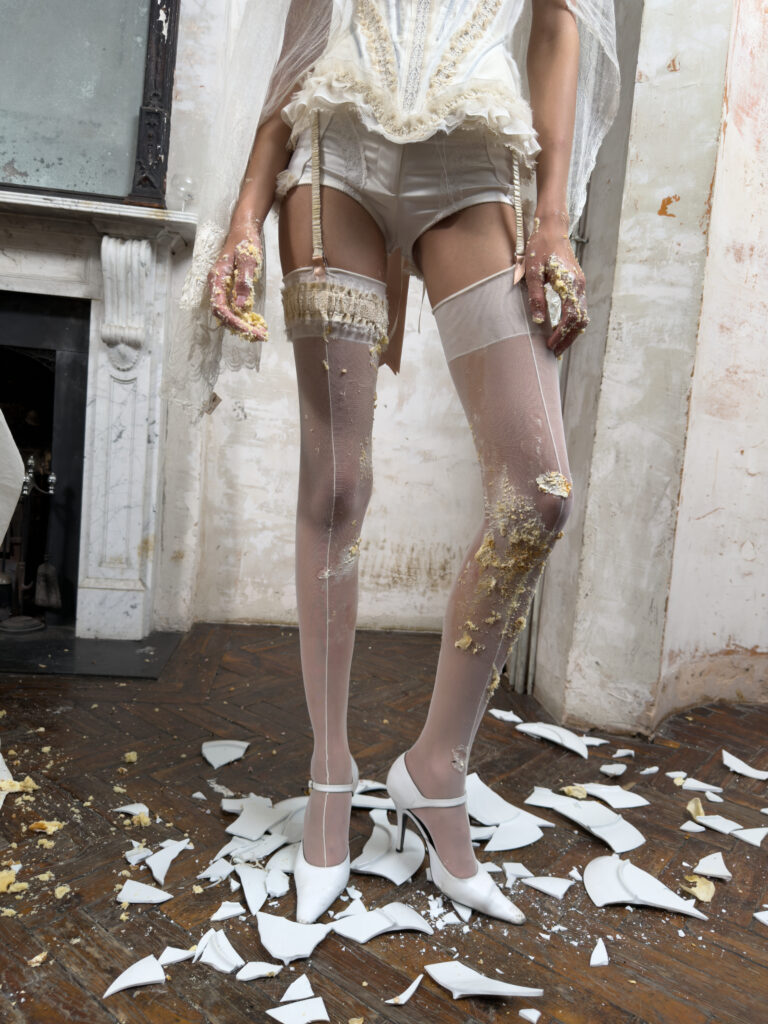
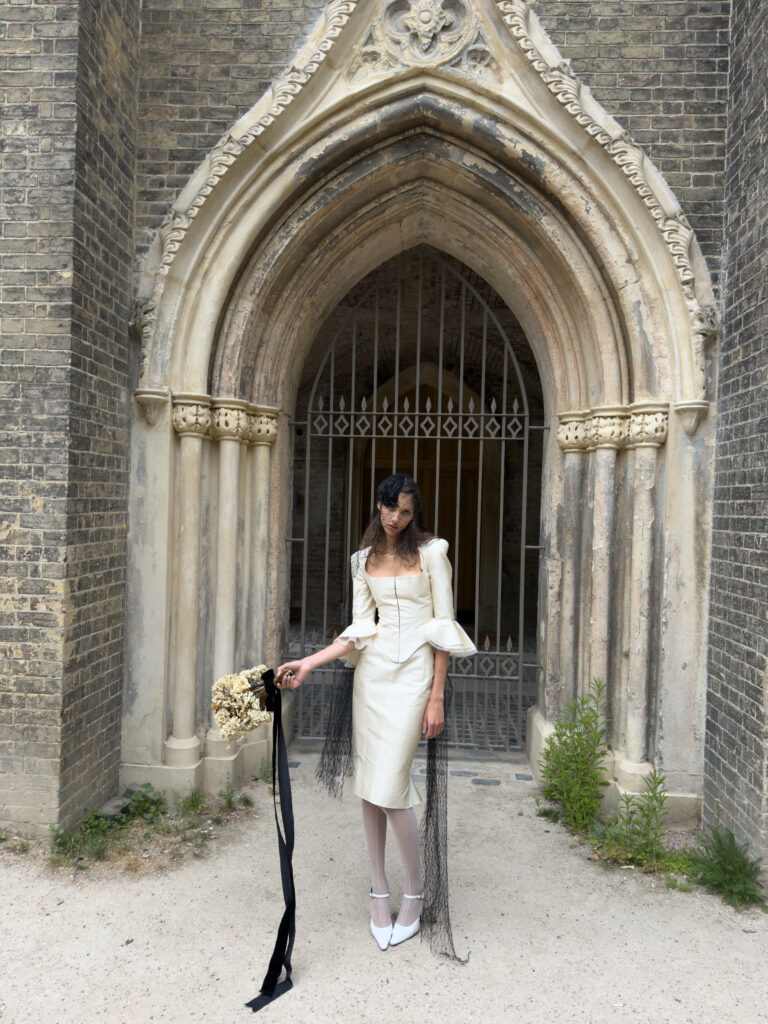
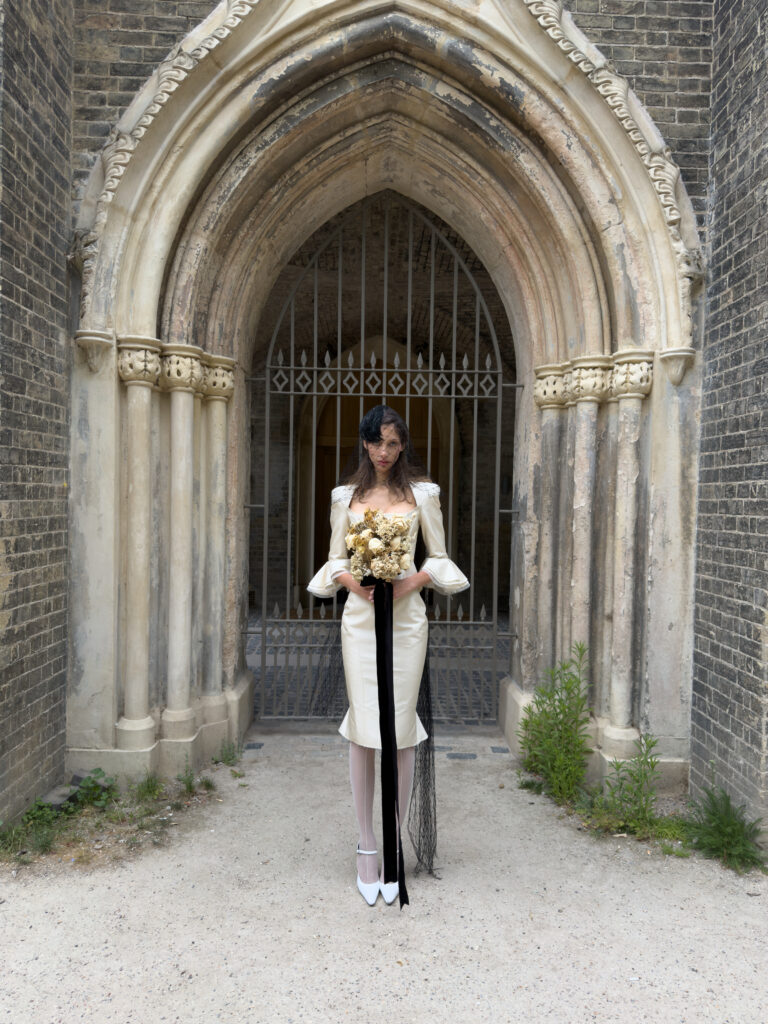
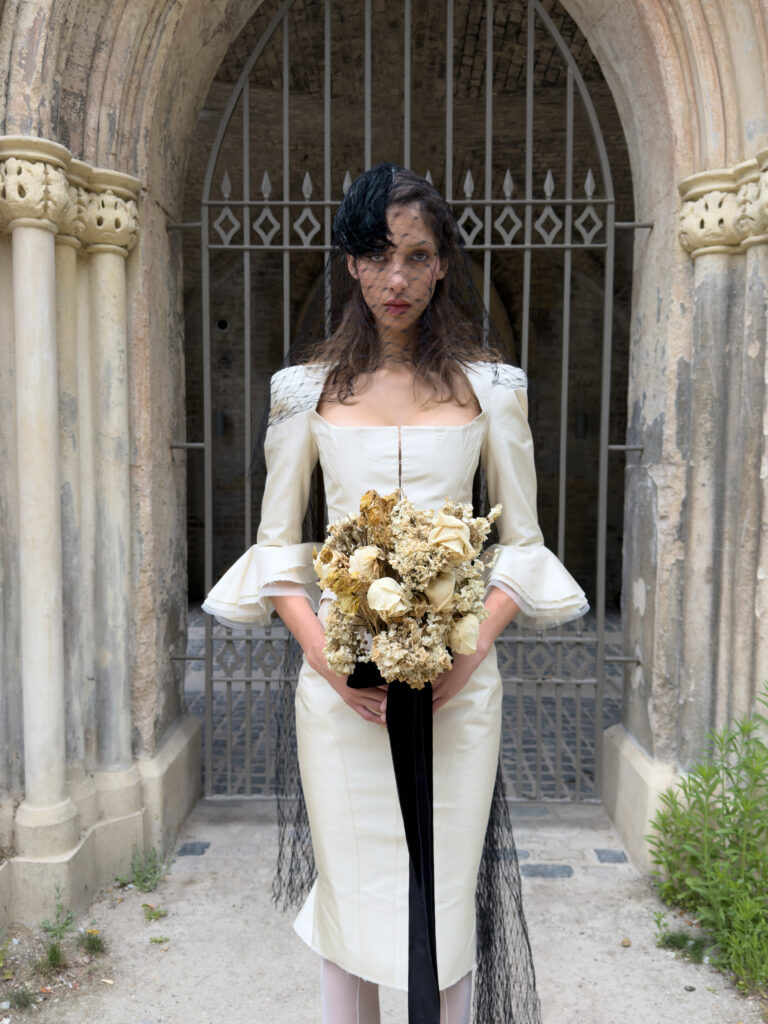
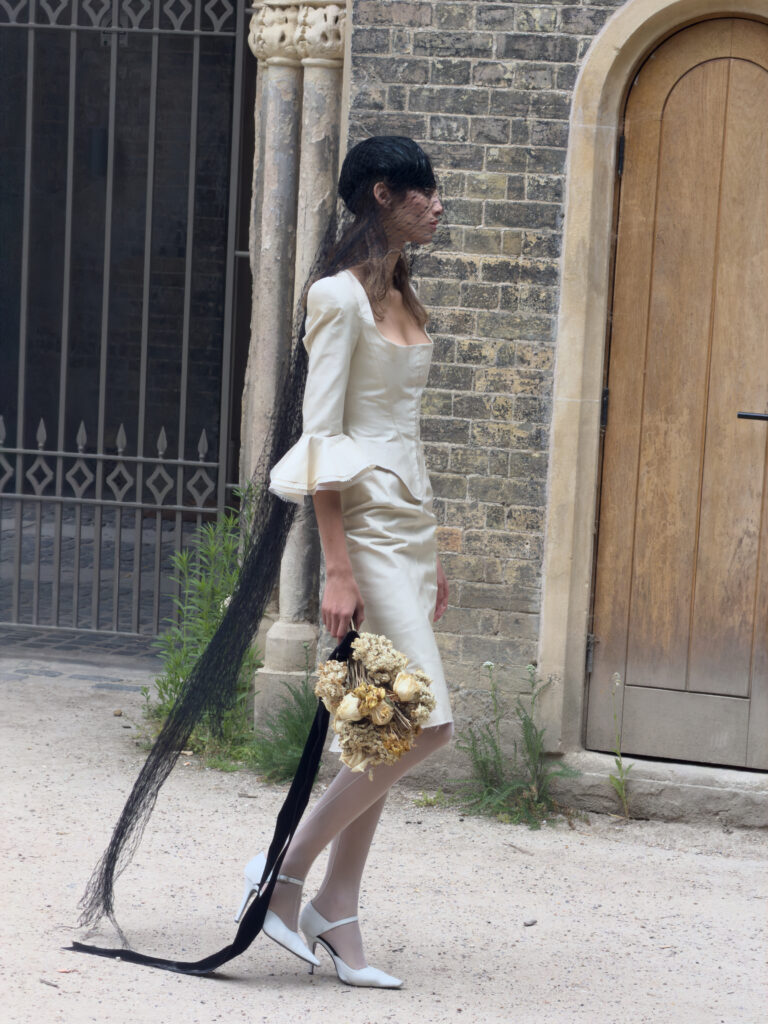
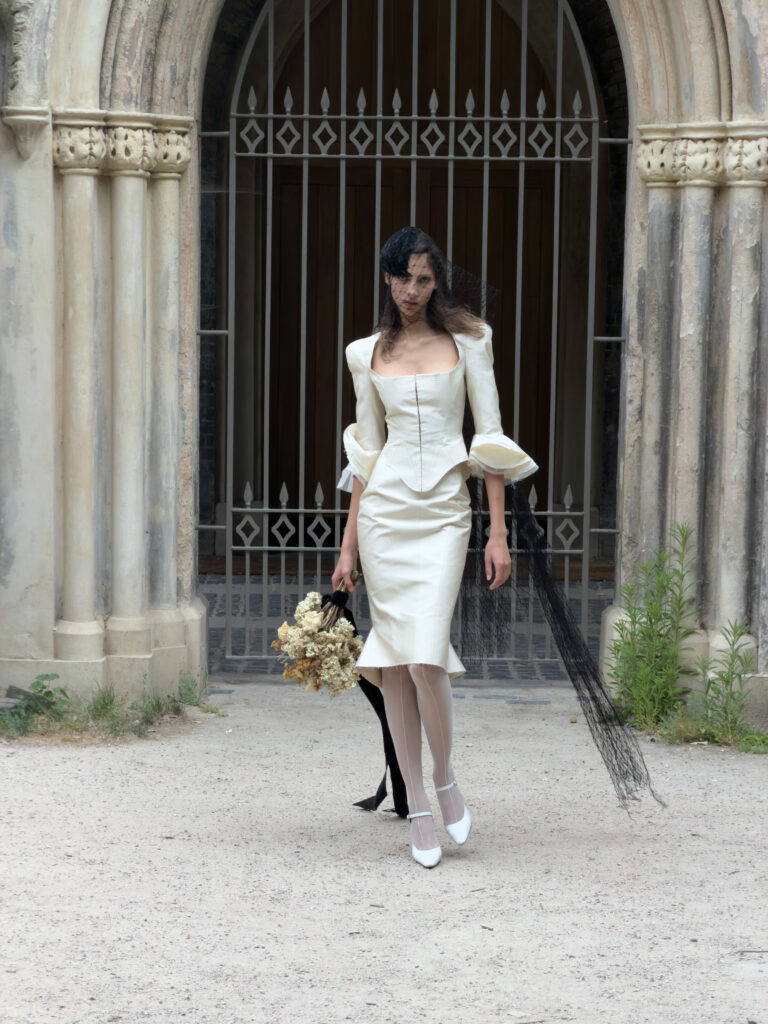
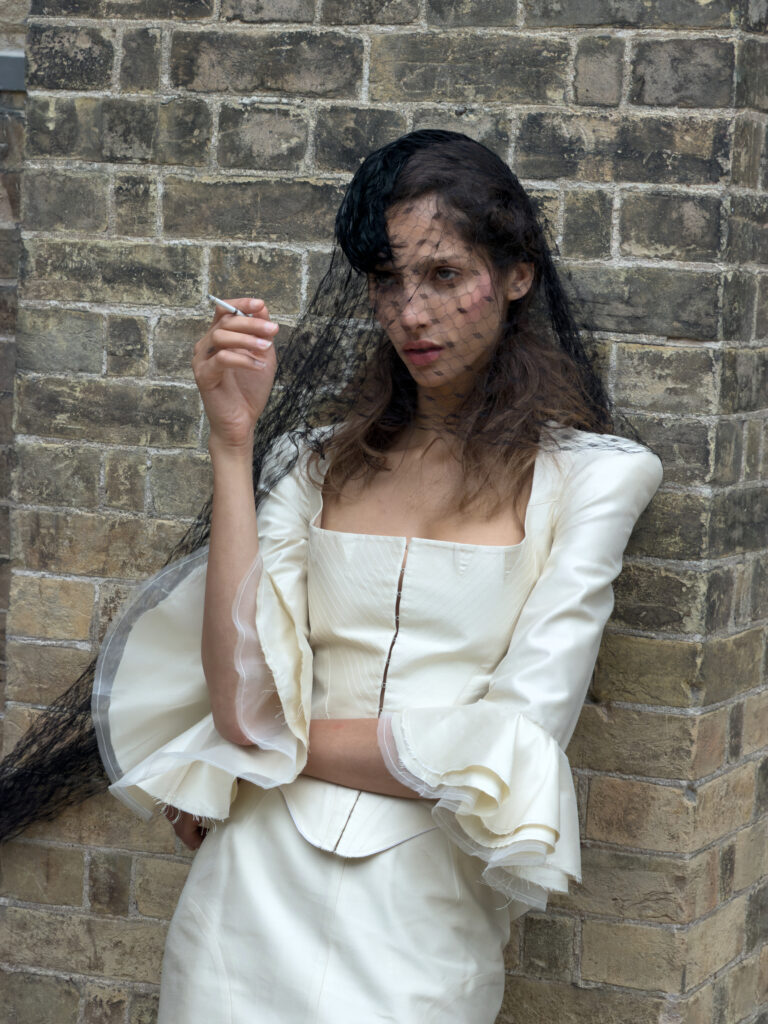
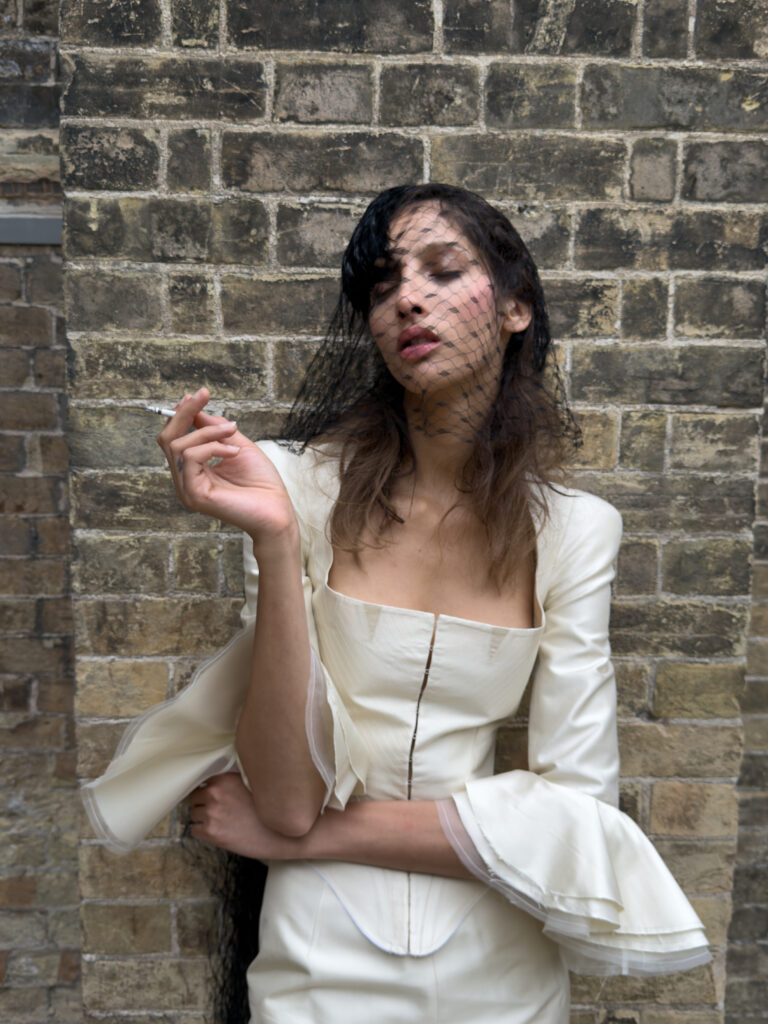
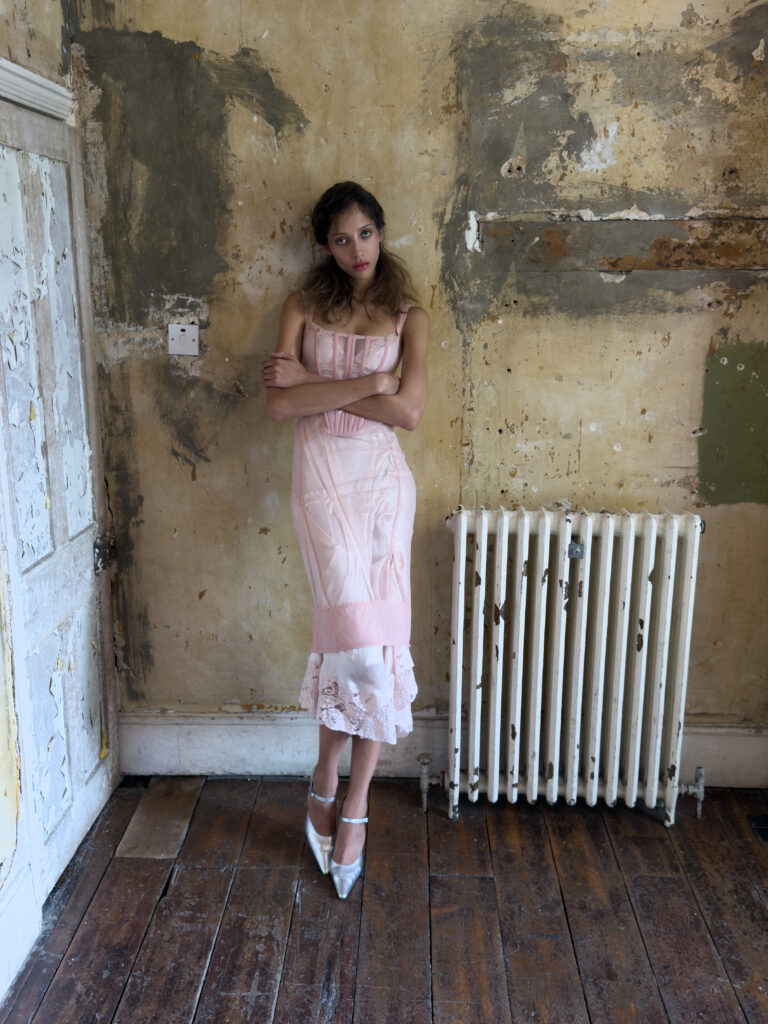
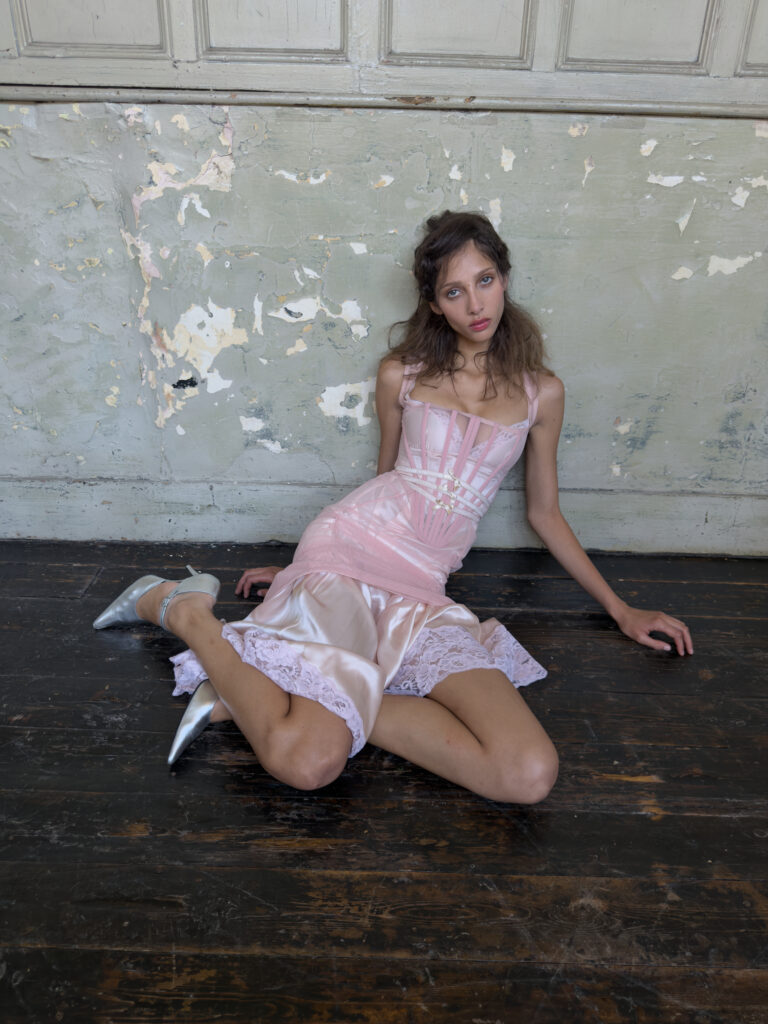
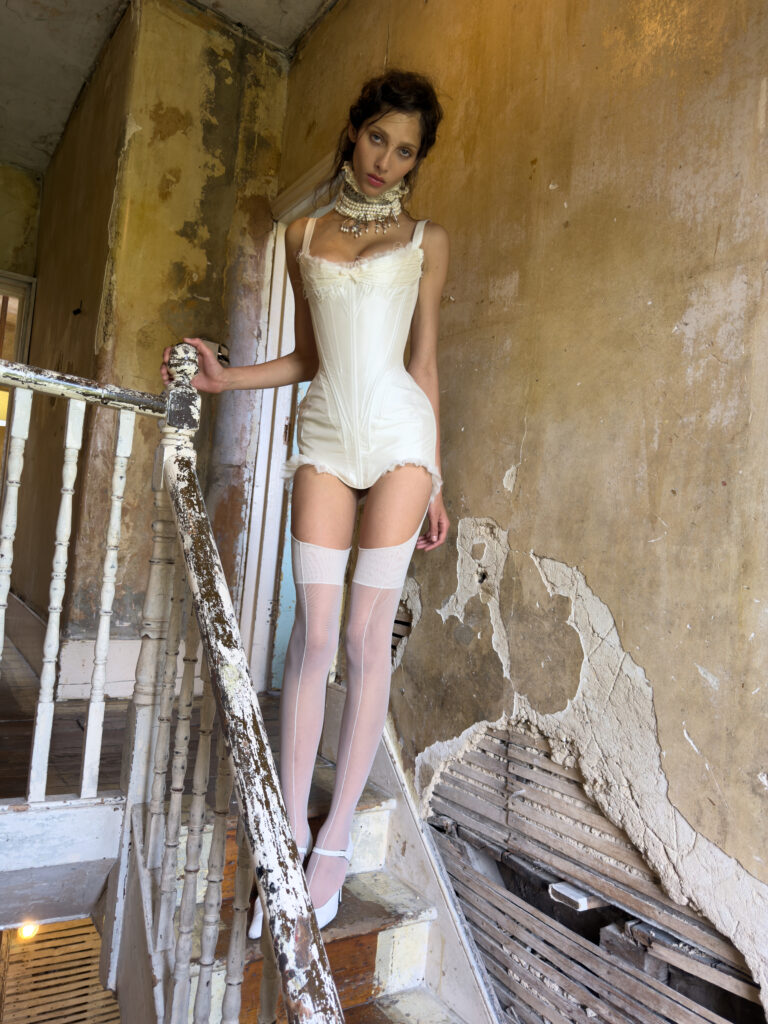
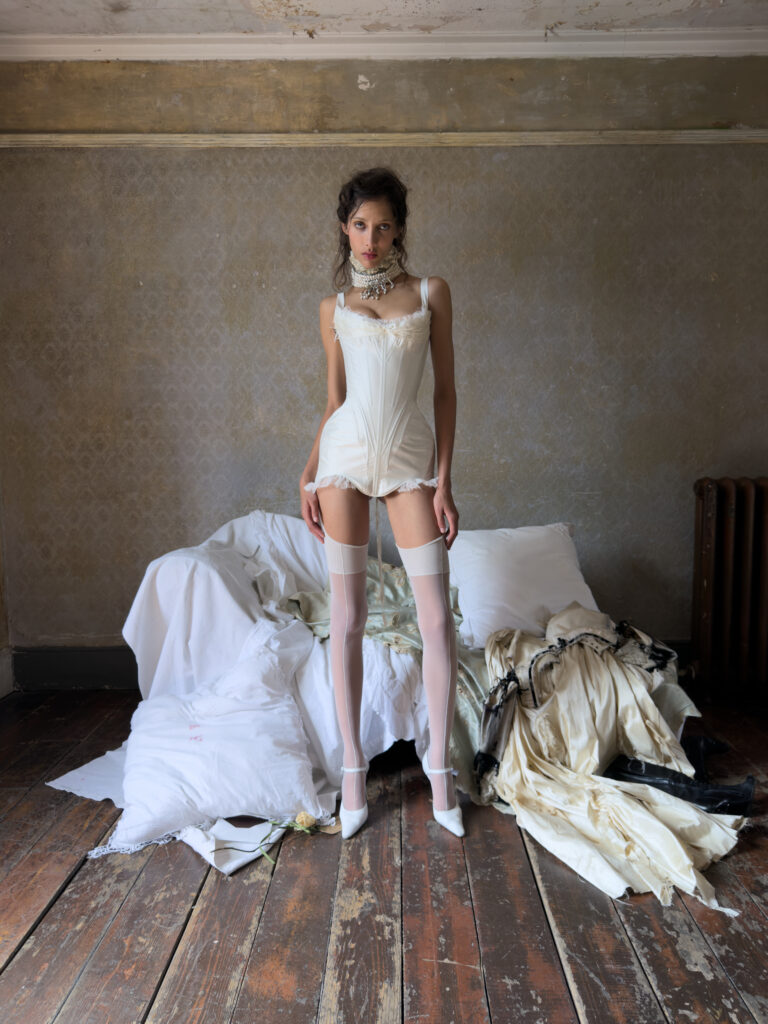
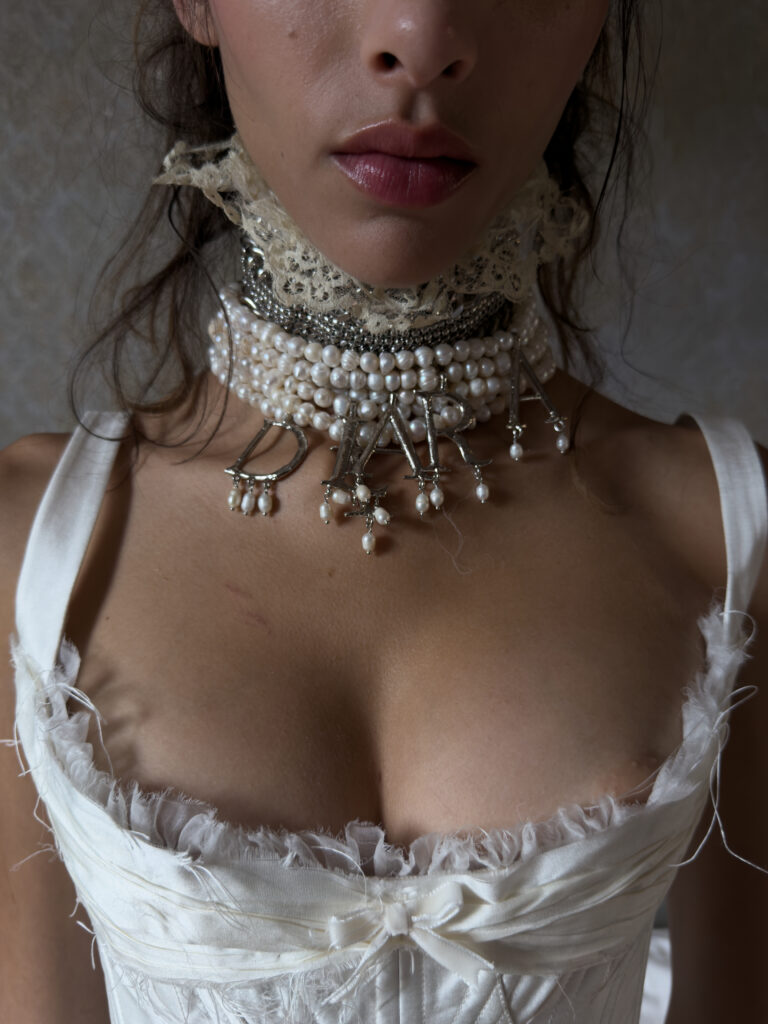
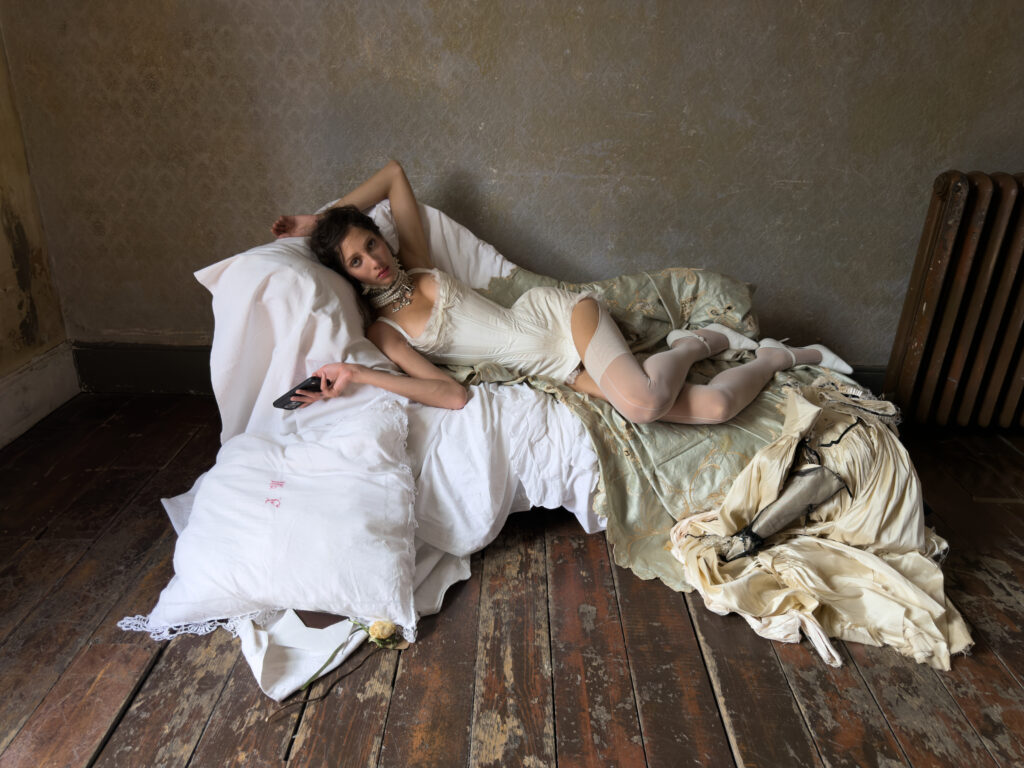
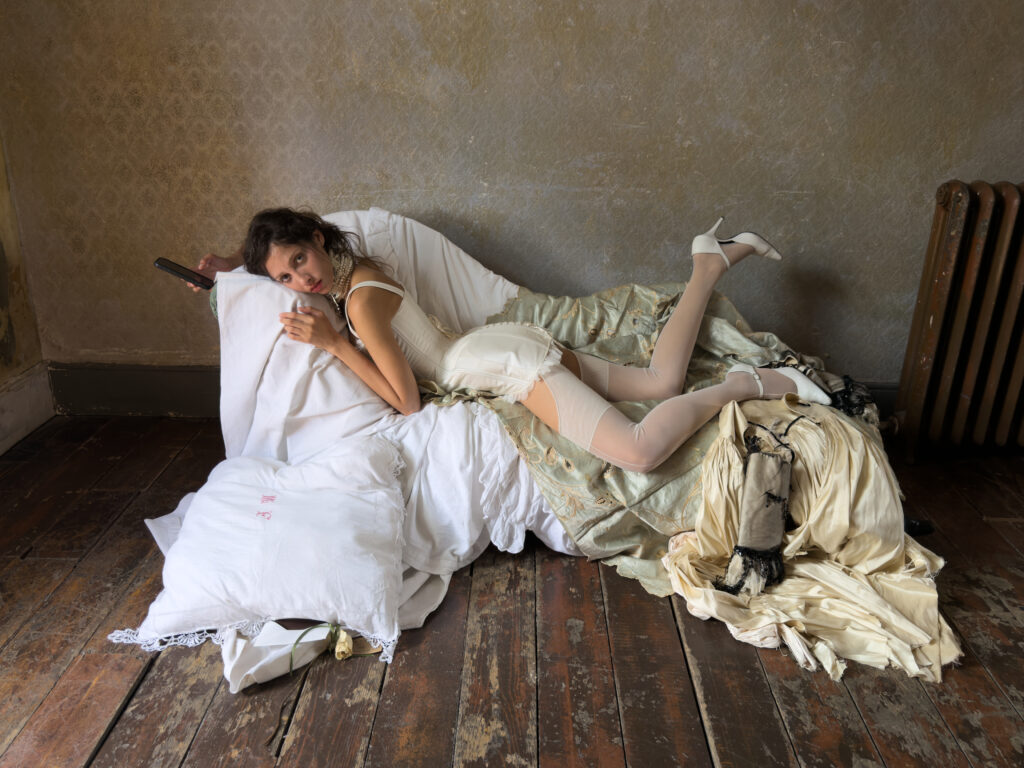
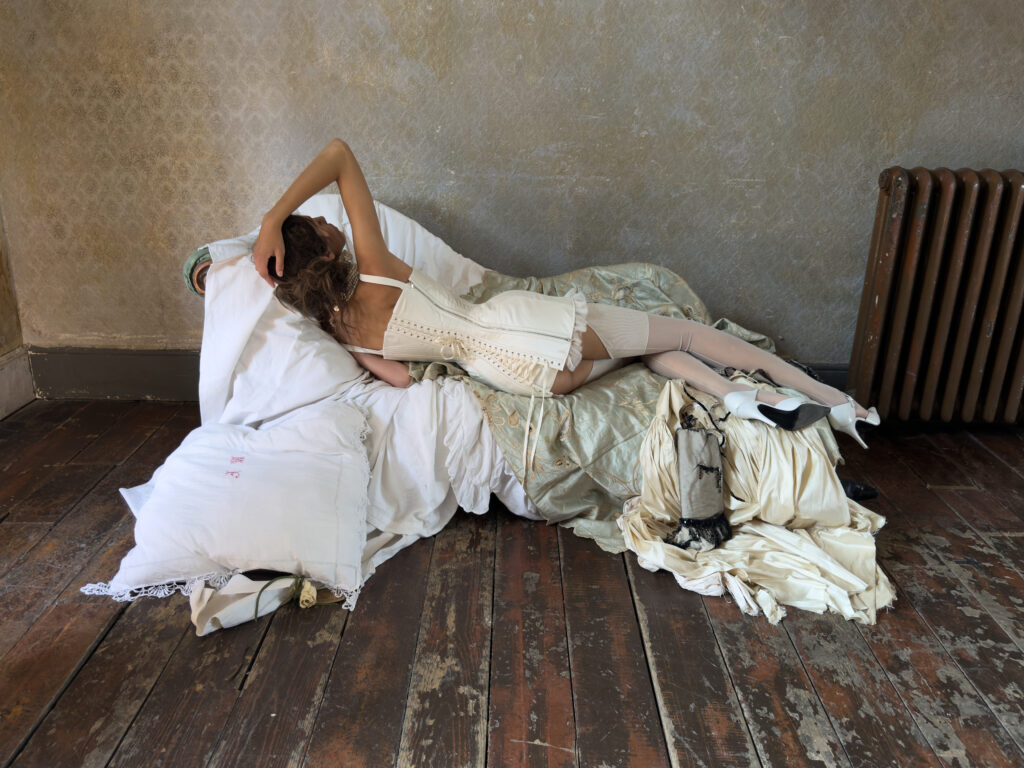
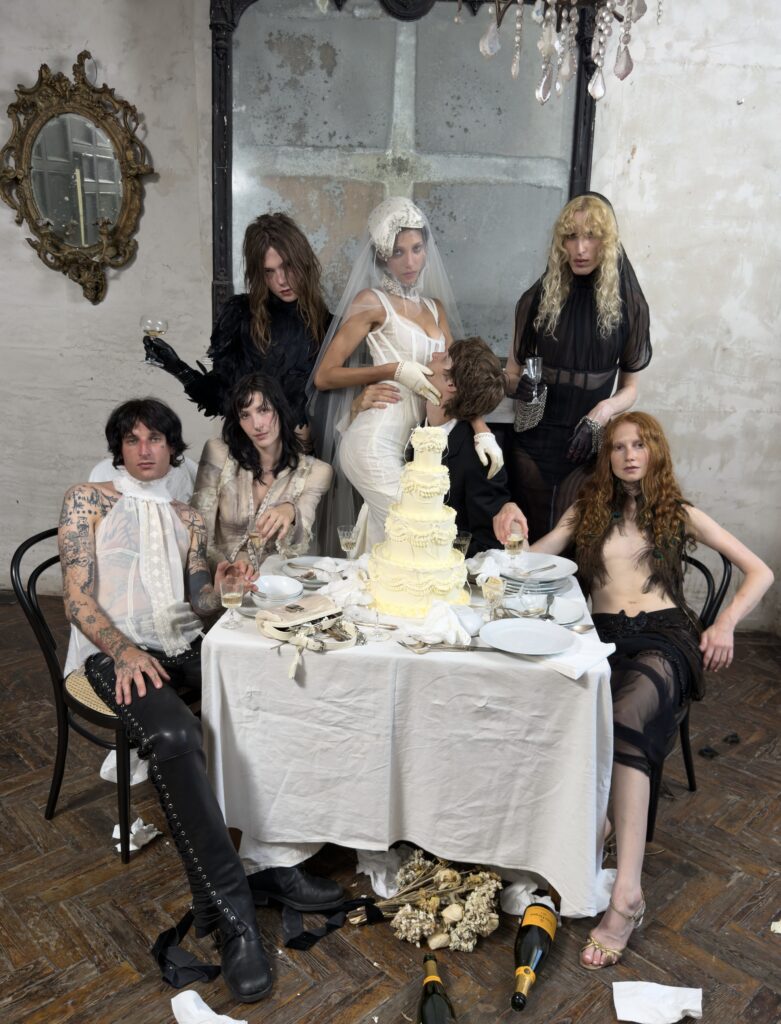
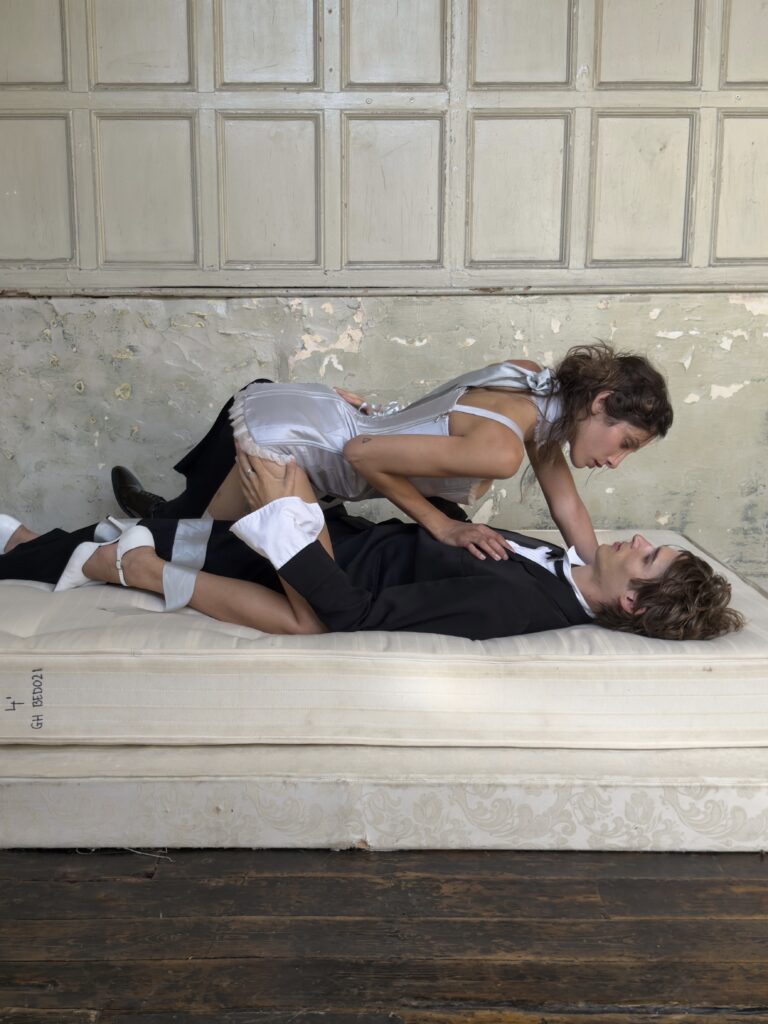
The capsule, named Bridal Party Edit, does not claim to tell the story of a well-behaved wedding. It draws instead on after-parties, that moment when protocol relaxes and emotion takes over from staging. The pieces take up the house’s signature silhouettes, reinterpreted in shiny silk taffeta combined with chiffon ruffles with raw, deliberately unfinished edges. Presented in ivory, with colour variations designed for bridesmaids, the collection embraces a vocabulary in which tradition is never disowned but always worked on the body.
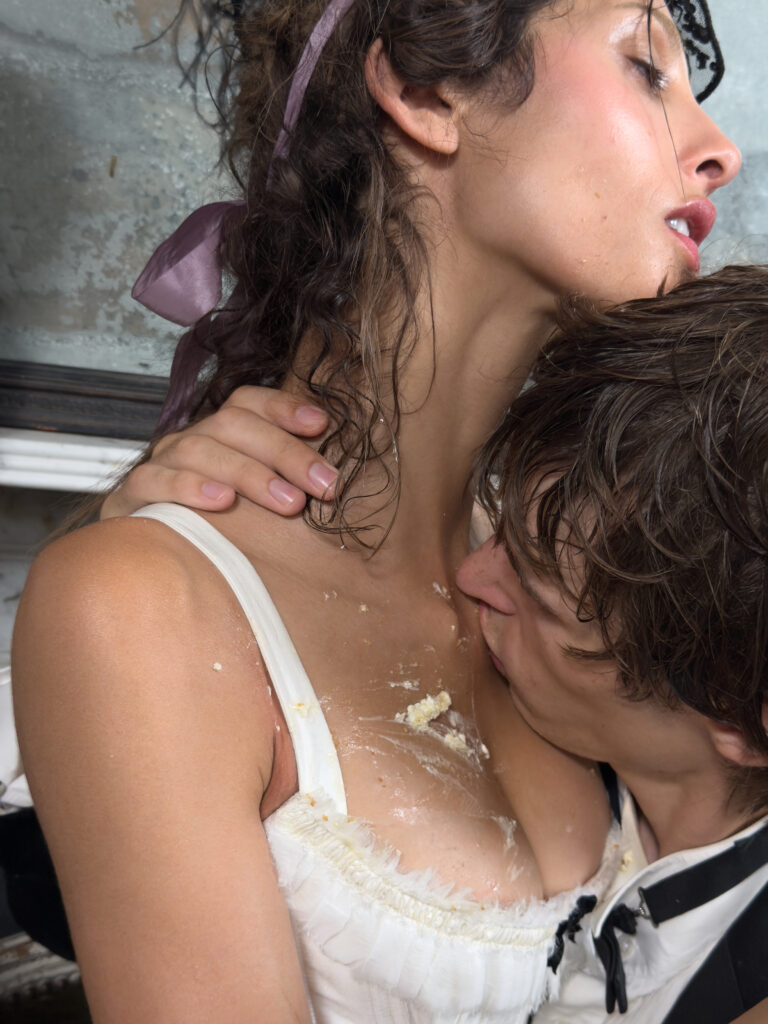
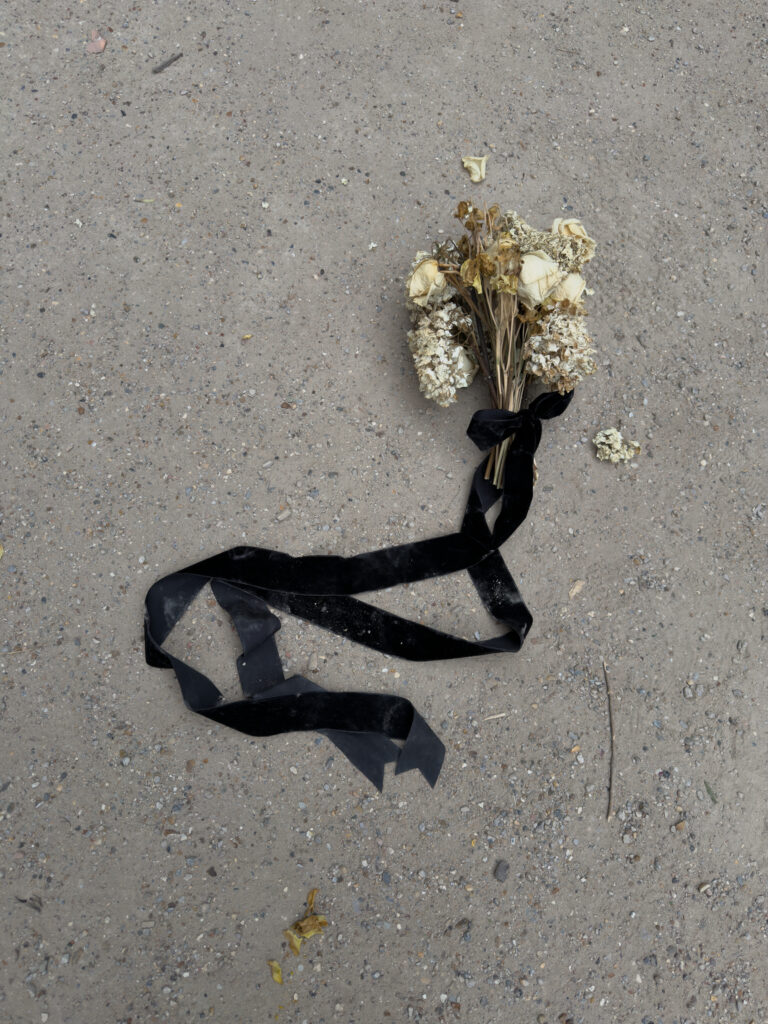
Dilara Findikoglu claims an almost anthropological vision of marriage: one of humanity’s oldest rituals, one of the rare moments when love is openly displayed, without modesty. The house says it wants to “be part of this ritual”, dressing not the idealised bride of magazines, but the one who dances until the end of the night, whose make-up runs a little, whose joy spills out of the frame. The campaign accompanying the launch, photographed by Pavel Golik, embraces this ambivalence: it is described by the house itself as scandalous, sensual, messy, sacred and real, four adjectives that should never coexist in classic bridal communication.
This choice is part of a broader movement running through bridal fashion for several seasons: a generation of brides now rejects the uniformity of the traditional white dress and looks for pieces that resemble them, even if it means shifting the cursor towards houses never conceived for this market. Dilara Findikoglu is not the first alternative fashion designer to venture onto this ground, but she does so with rare consistency, never giving up her usual grammar of tension between strength and vulnerability.
One question remains, almost philosophical, which this collection raises without ever settling it: can one really subvert a ritual while taking full part in it? Dilara Findikoglu’s capsule seeks no definitive answer. It offers instead a space where rebellion and ceremony can, for the length of a night, dance together.

Also on Luxsure: Karl Lagerfeld opens his first café, far from the catwalks · Anrealage: six dresses whose colour changes without light · Elie Saab Spring-Summer 2027: Jean Harlow, lingerie and a knotted trench · DKNY entrusts New York to two faces that answer each other
Cette publication est également disponible en :


