
In mid-October 2026, a still-new ship leaves the port of Québec and sets a course south. Two weeks of sailing later, it reaches San Juan, at the other end of a map we believe we know by heart. Between these two points, the Swiss company Explora Journeys is not selling a mere crossing: it is offering an inventory, that of a region long reduced by the seaside promise to a handful of interchangeable images.
Two ships, a territory to compose
From late October 2026 to March 2027, Explora Journeys is deploying two ships in the Caribbean, EXPLORA I and EXPLORA III. The first leaves Miami on 17 November 2026 to begin its Caribbean itineraries, after a transatlantic crossing from Barcelona. The second, just entered into service, makes its debut there: it departs from Québec on 15 October, follows the North American Atlantic coast and reaches San Juan, in Puerto Rico, on 1 November, before establishing a regular itinerary between the two cities for the rest of the season.
Sending a brand-new ship on such a long route before it even begins its regular season is not insignificant: it places EXPLORA III from the outset in a logic of territory rather than mere service, the crossing itself becoming a first way of telling the story of the region before the Caribbean season proper begins.
A region that refuses to be summed up
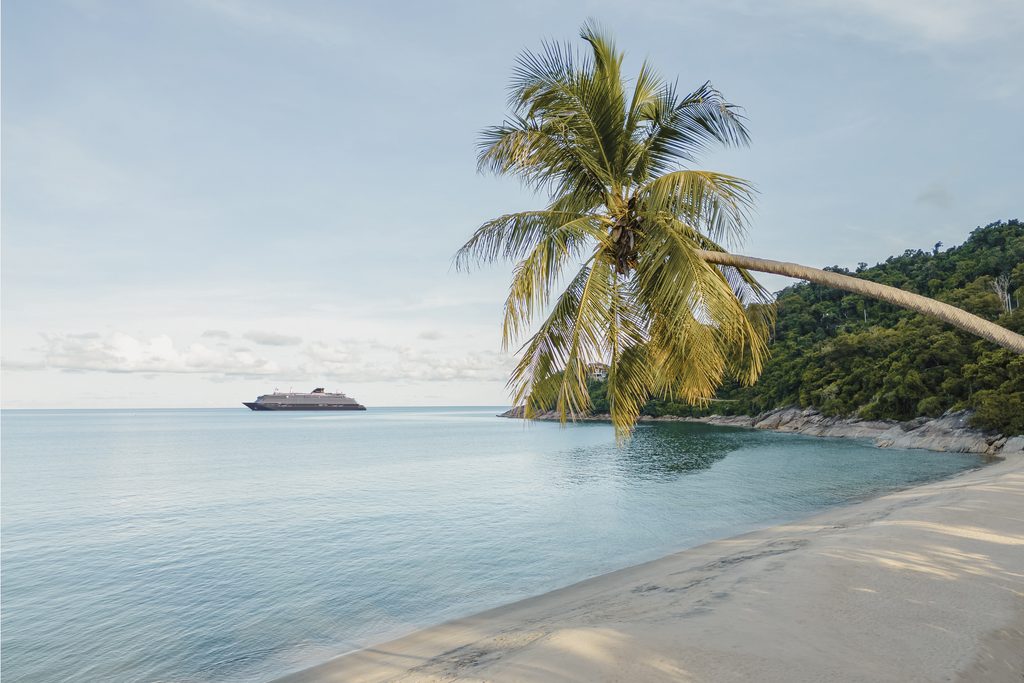
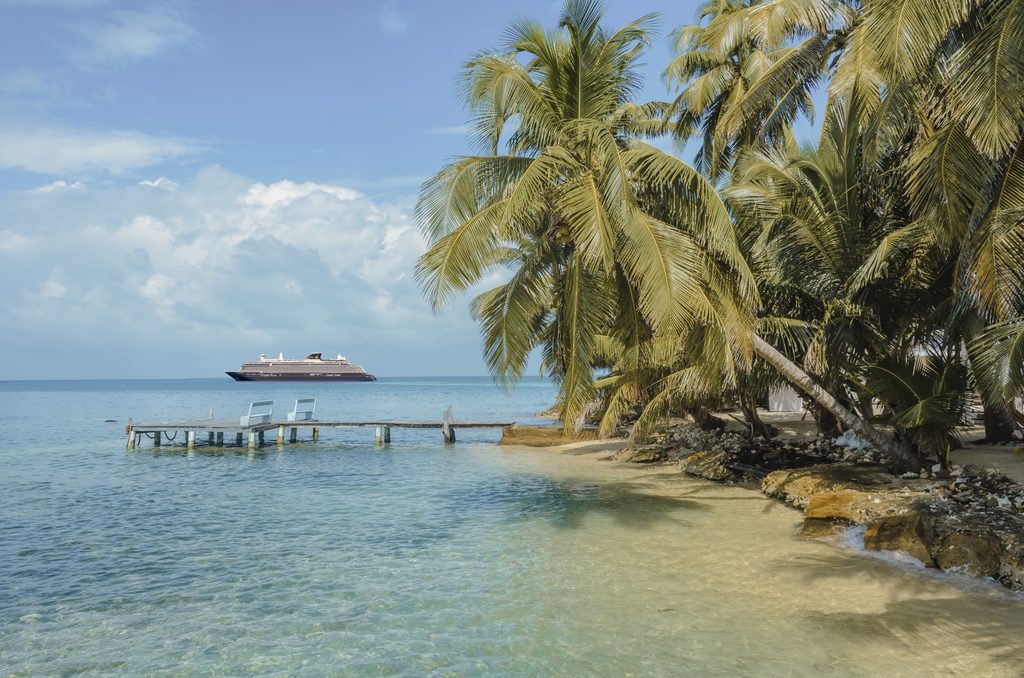
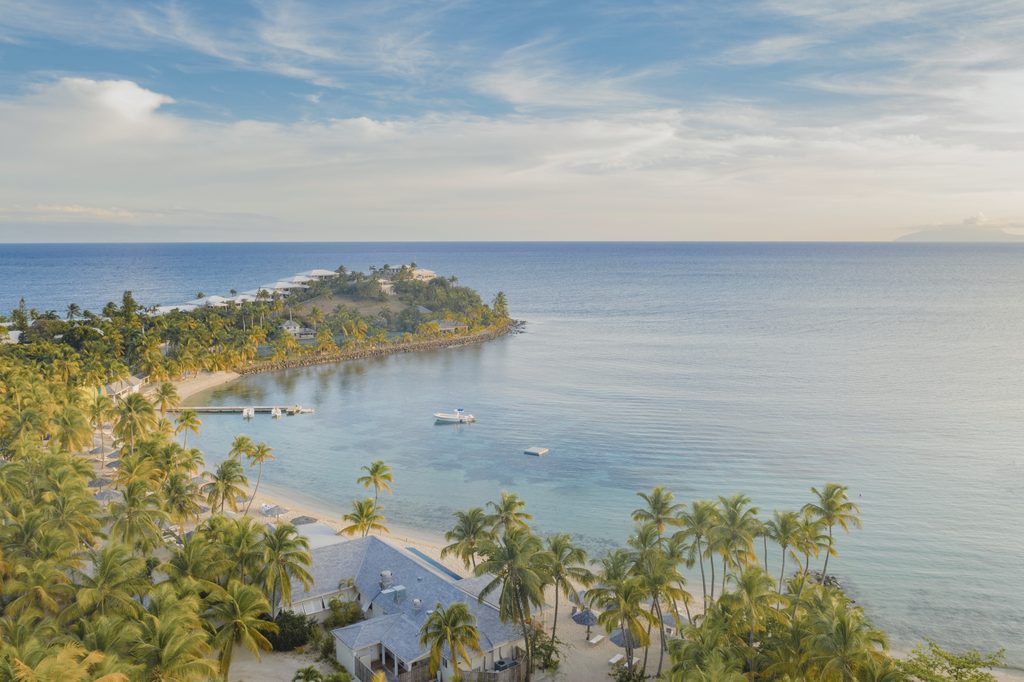
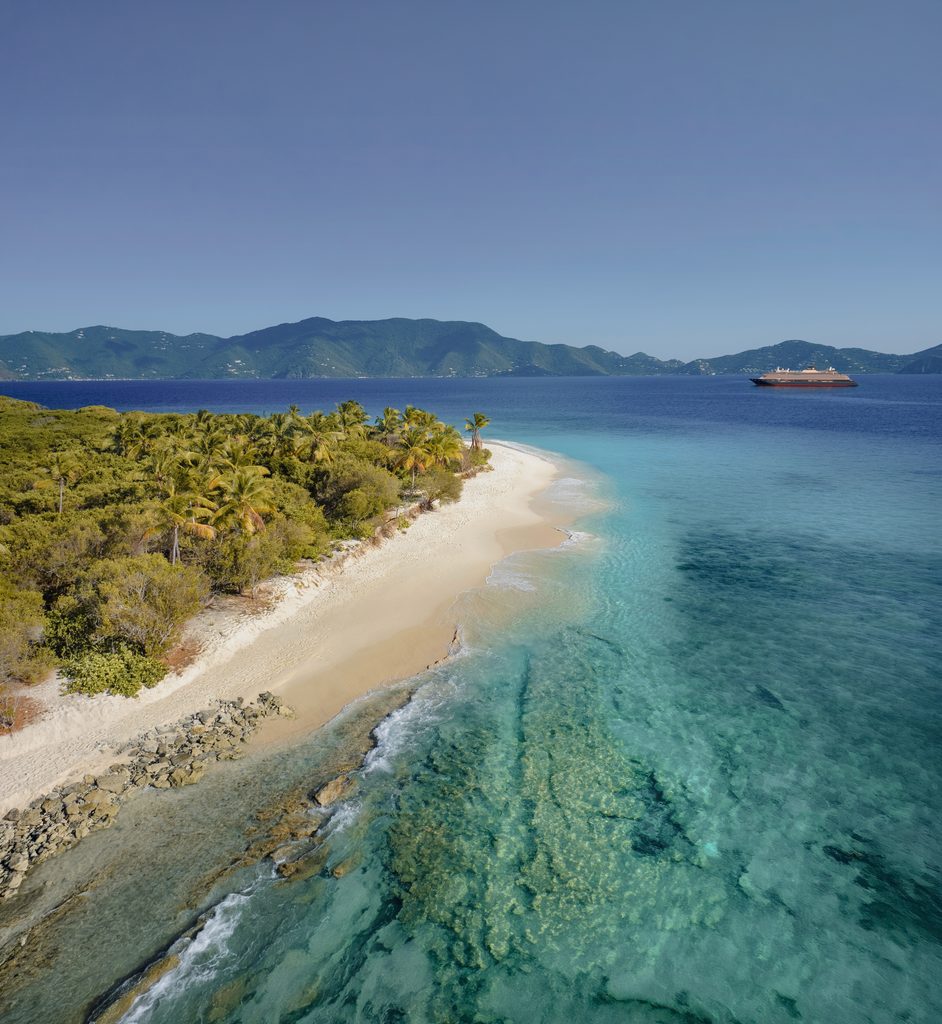
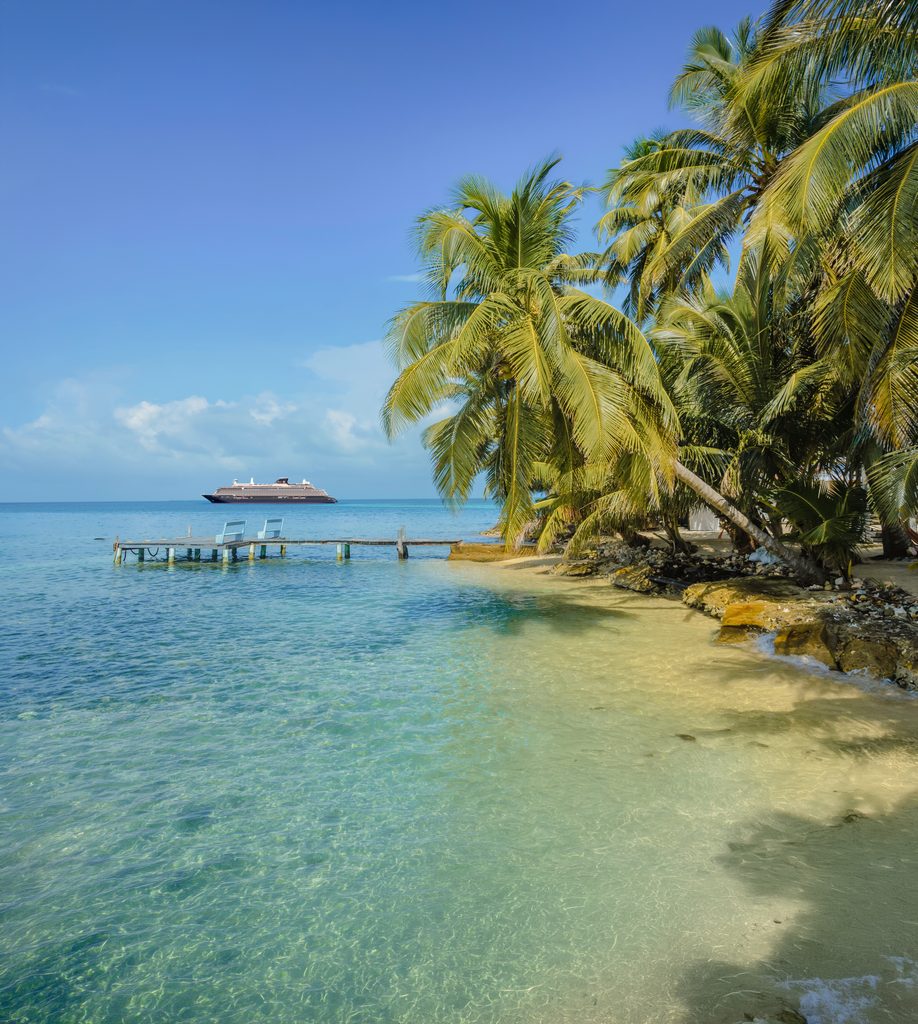
“There is not just one Caribbean,” sums up Anna Nash, president of Explora Journeys, who describes a set of distinct worlds, each with its own character, traditions and natural beauty. The commercial argument is matched by an editorial stance: rather than fixing its guests on a single island for the whole stay, the company builds its itineraries as successions of calls, from Saint-Barthélemy to Saint Lucia by way of the British Virgin Islands, alternating well-known shores with more private ones.
This approach shifts the question usually asked of Caribbean travel. It is no longer a matter of choosing the right island, but of accepting that none is enough to tell the story of the region, a reversal that owes as much to the logistics of the ship as to an assumed reading of how composite the Caribbean is.
What the land has to show
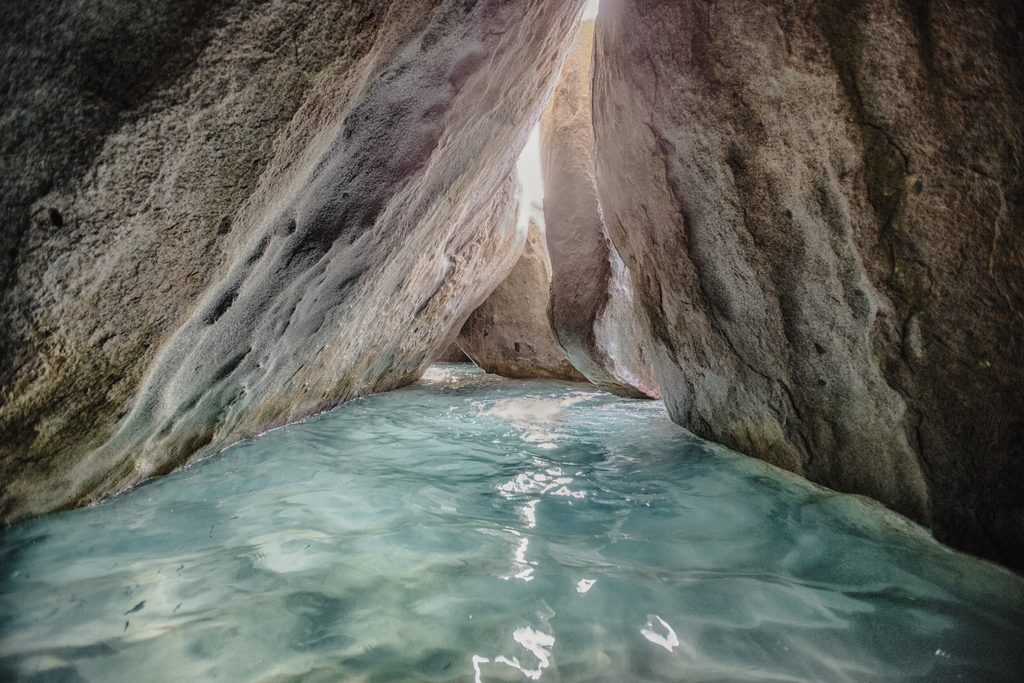
The programme of calls draws a precise geography. In the British Virgin Islands, guests swim among the granite boulders and sea pools of The Baths, on Virgin Gorda. In Samaná Bay, in the Dominican Republic, humpback whale watching takes place in a centuries-old breeding area. In Dominica, a crossing of primary rainforest leads to secluded waterfalls. Off Grenada, a motorboat outing makes it possible to reach, by snorkelling, an underwater sculpture park.
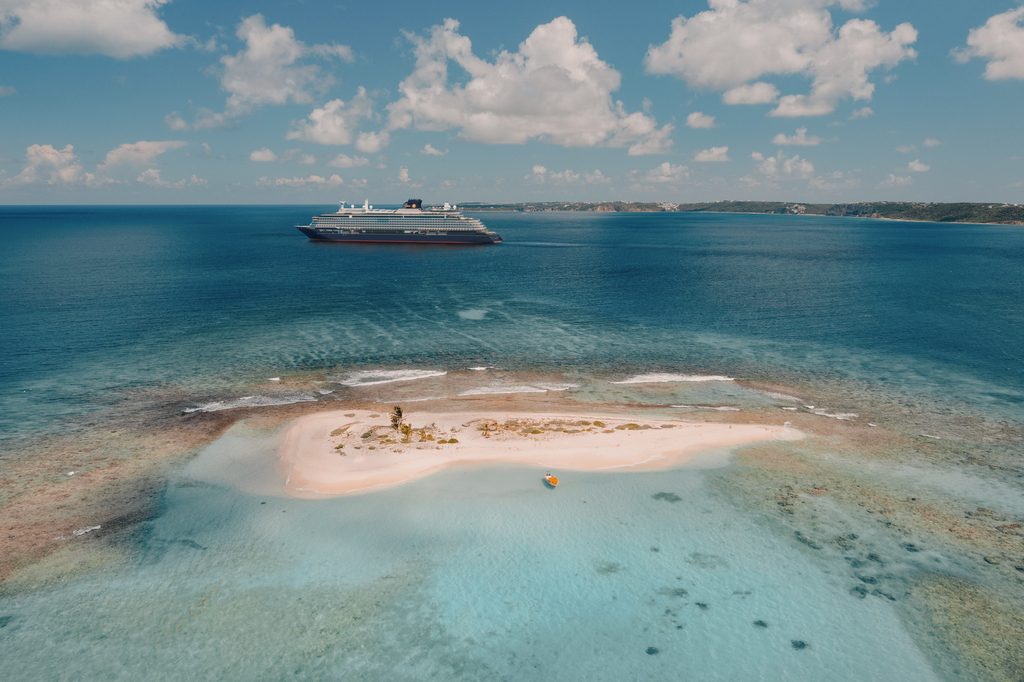
In Port of Spain, the soca and steelpan shows of Trinidad and Tobago take over, while in Anguilla small boats reach the discreet shores of Little Bay. In Guadeloupe, the Deshaies botanical garden is explored on foot; in Saint-Barthélemy, a jet-ski ride leads to Coco Island. Saint Lucia offers a workshop with a master chocolatier on the island’s culinary heritage, while Antigua combines a morning dive with a lobster lunch on the beach, and Saint Kitts invites guests to compose their own rum blend.
The calendar of festivities at sea
The season also follows the calendar of the year-end festivities: Thanksgiving, Christmas and New Year are celebrated under the tropics, set to the rhythm of meals and gatherings on board organised around the absence of fixed dinner times. For New Year’s Eve, EXPLORA III’s guests will watch a firework display fired above San Juan, the Puerto Rican capital serving as the backdrop to the turn of the year.
One question remains that the brochure does not ask: as sea-travel companies extend their itineraries to ever more discreet calls, how far can one multiply the windows opened onto a territory without ever stopping long enough to understand it?
Cette publication est également disponible en :


