
With UNESCO World Heritage cities, luxury haciendas and illuminated former silver mines, the Mexican state of Guanajuato is establishing itself as a destination for weddings and intimate celebrations, supported by a musical heritage recently recognised by UNESCO.
Built heritage designed for celebration
Two UNESCO World Heritage cities structure Guanajuato’s offer: the city of Guanajuato itself, with its 18th-century baroque churches, and San Miguel de Allende, known for its colourful streets and its “mojigangas”, life-size papier-mâché figures that traditionally open the celebrations. Added to these are luxury haciendas and former silver mines converted into reception venues, where historic architecture takes the place of standardised reception rooms.
This density of heritage comes with a particular status: that of “Pueblo Mágico”, a title awarded by the Mexican government to towns that have preserved their traditions, history and original architecture. Guanajuato has six within its territory, along with five major archaeological zones.
A musical heritage endorsed by UNESCO
It was in Guanajuato that the bolero ranchero was born, between the 1950s and the 1970s, a genre whose melodies still ring out during serenades and traditional “callejoneadas” in the alleys and squares. In 2023, UNESCO inscribed the bolero on the Representative List of the Intangible Cultural Heritage of Humanity, a recognition that gives this musical heritage a heritage legitimacy equivalent to that of the region’s colonial architecture.
This international endorsement turns a local custom, the wedding serenade, into a cultural argument in its own right, one that Guanajuato can now draw on just as it does its listed sites.
A cuisine of cacti and rituals
The local table draws on endemic ingredients from cacti (maguey, nopal, xoconostle) and on playful traditions such as that of the tumbagones, thin biscuits slipped onto guests’ fingers: according to custom, a biscuit that breaks at the first bite would reveal infidelity. Mariachis, huapango and the son guanajuatense complete a musical immersion that few wedding destinations in Mexico can claim with such historical depth.
Guanajuato also offers tailor-made experiences for the groups accompanying the celebration: rappelling at San José Iturbide, caves and medicinal waters at San Miguel de Allende, horseback rides in the Coyote Canyon, a way of extending the main event into a programme for all the guests rather than only the couple.
A strategic gateway to the rest of Mexico
The state benefits from air connectivity that extends beyond the Mexican market alone: a link via Mexico City from France, direct connections from Guanajuato International Airport to Dallas, Houston, Chicago and Los Angeles, and links to Cancún, Puerto Vallarta, San José del Cabo or Mérida. This central position makes it possible to follow the celebration with a honeymoon or a seaside extension without passing through an international hub again, a logistical asset that weighs concretely in the choice of a wedding destination abroad.
An alternative to Mexico’s already saturated tourist routes
As the Riviera Maya and Los Cabos see their event bookings grow, and with them the pressure on availability and on the rates of the most sought-after addresses, Guanajuato offers an outlet still little used by international wedding planners. The state relies on a rare density of heritage (two UNESCO sites, six Pueblos Mágicos and five archaeological zones concentrated in a single territory) rather than on the seaside promise alone that structures most of Mexico’s current offer.
This cultural positioning, far from beaches and standardised resort complexes, is aimed at clients who look less for a postcard backdrop than for a full immersion in a living heritage, measurable even in the culinary and musical traditions called upon for the celebration.
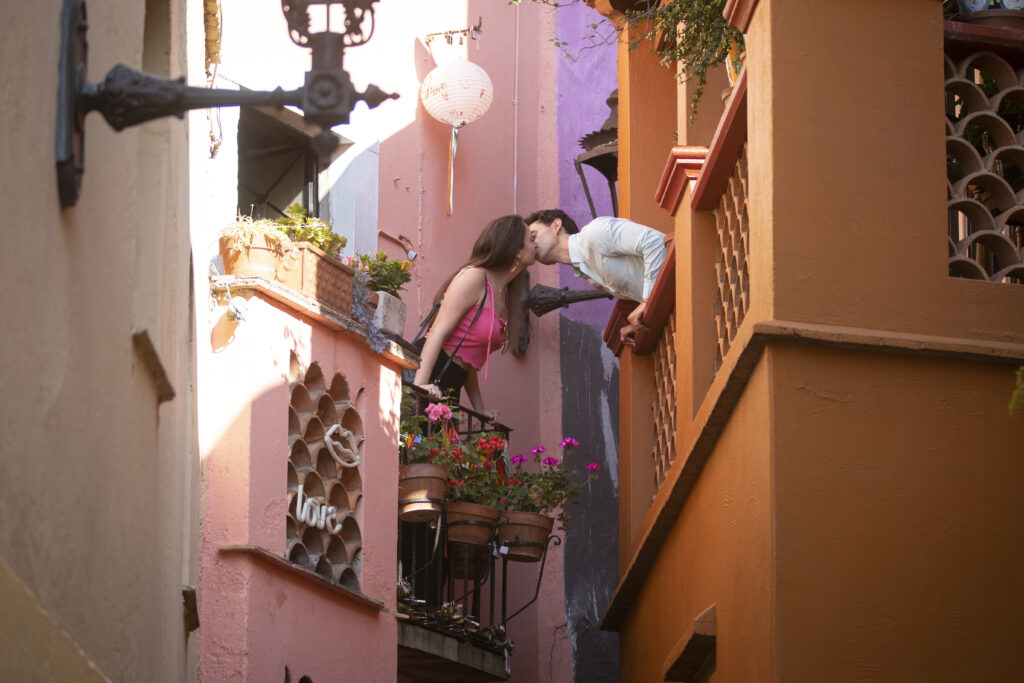
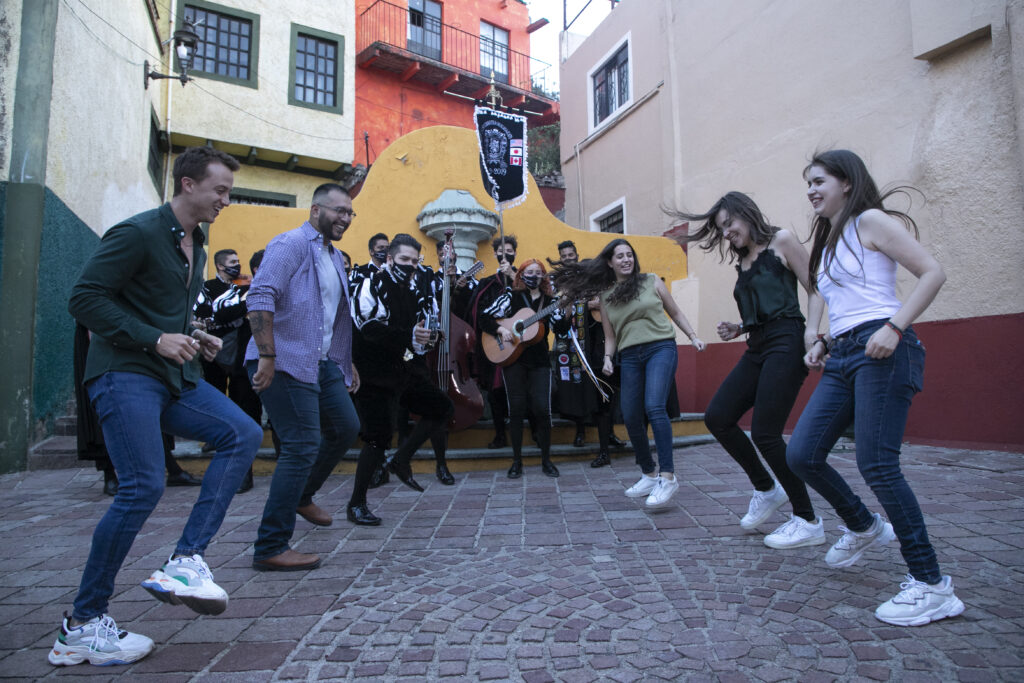

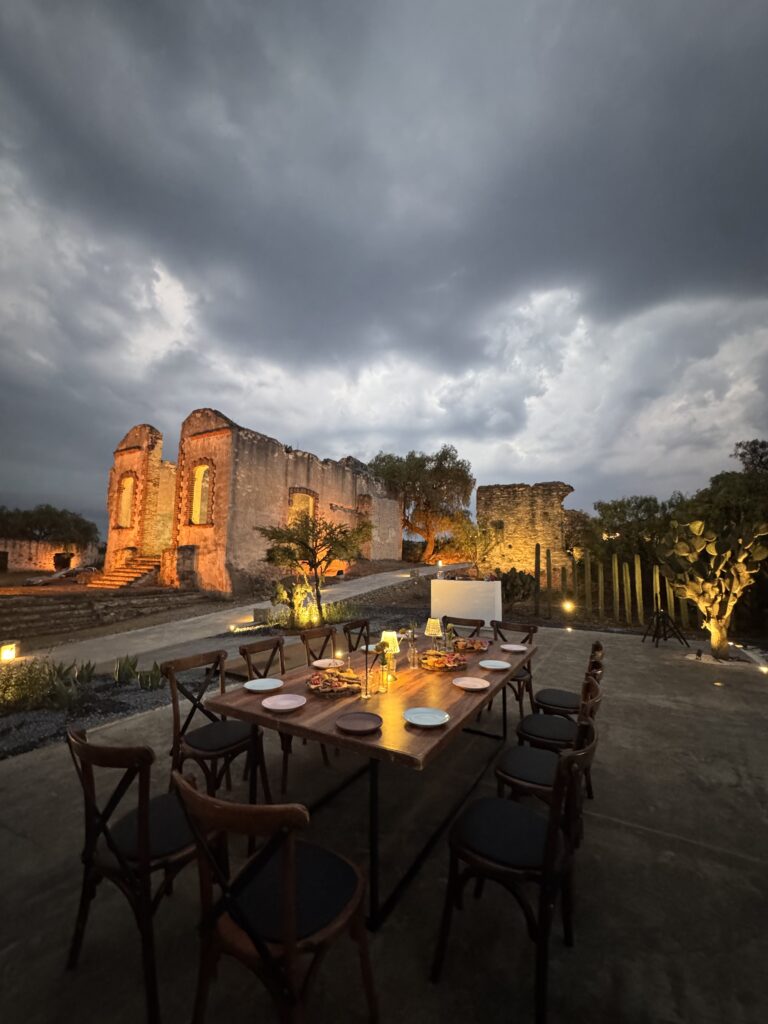
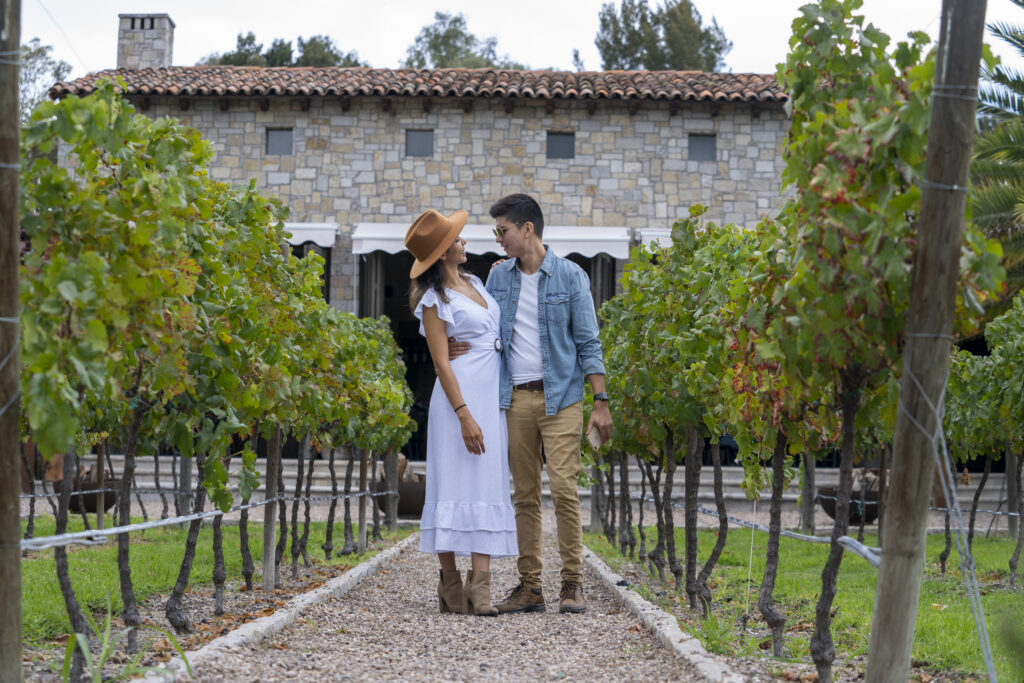
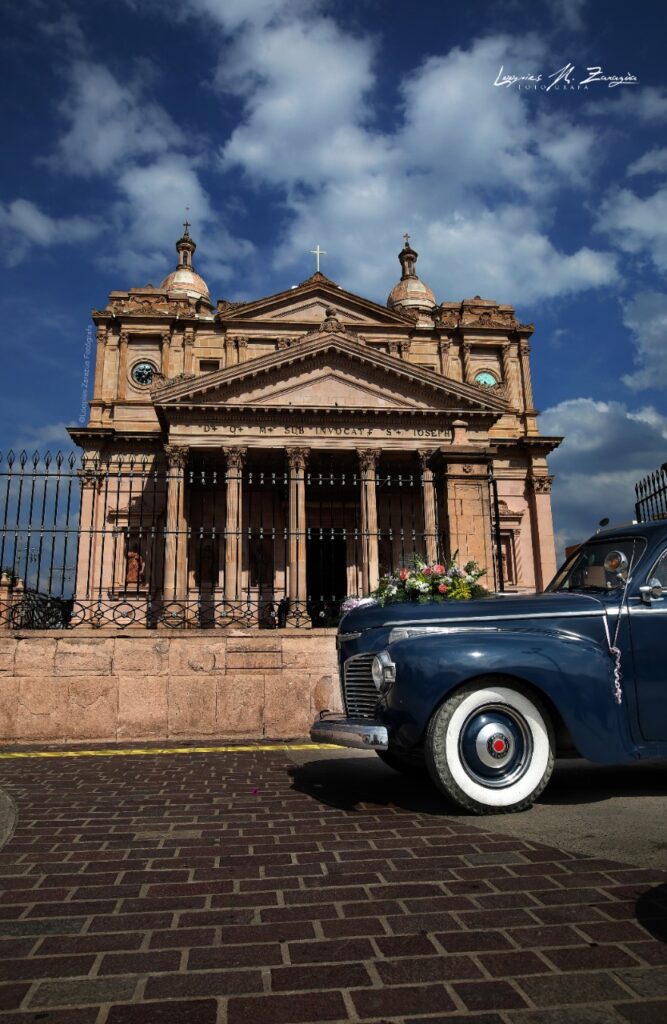
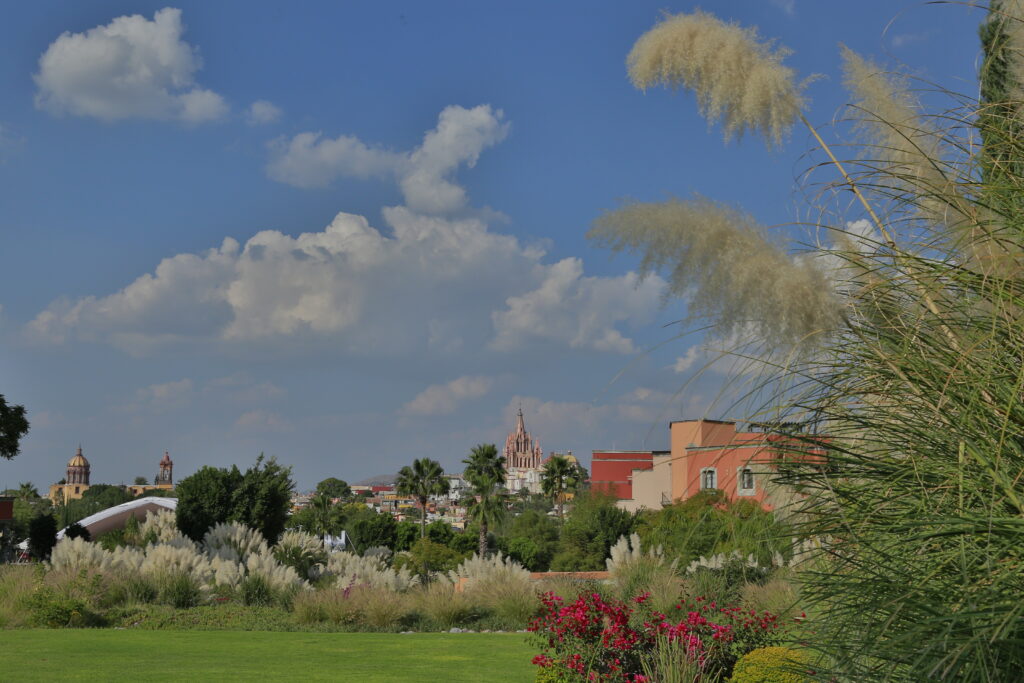
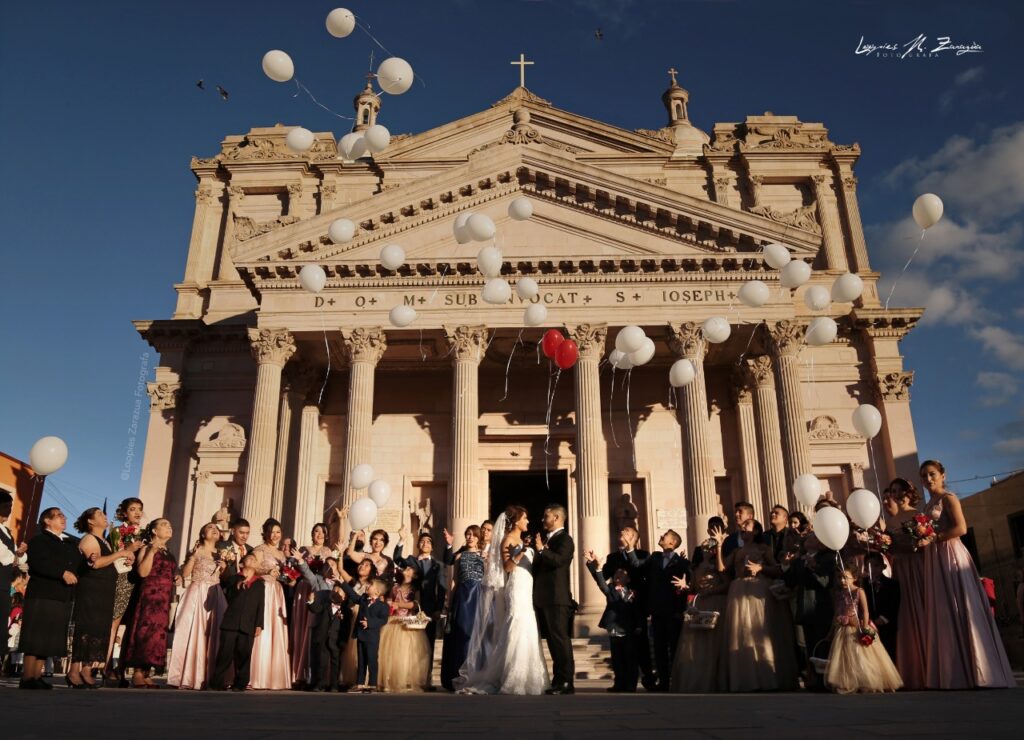
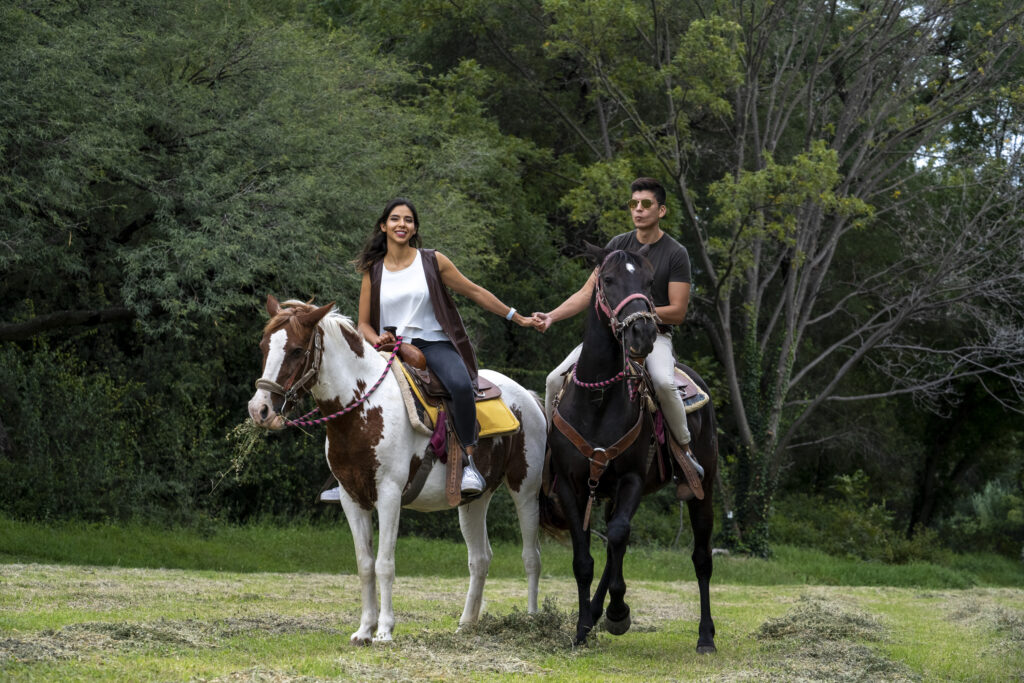
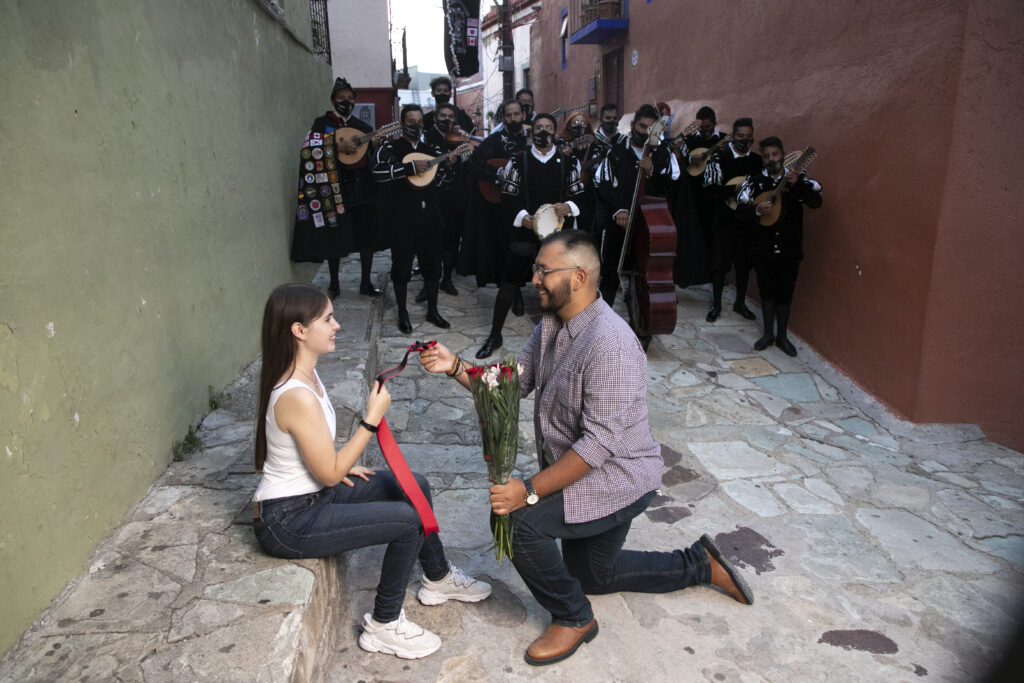
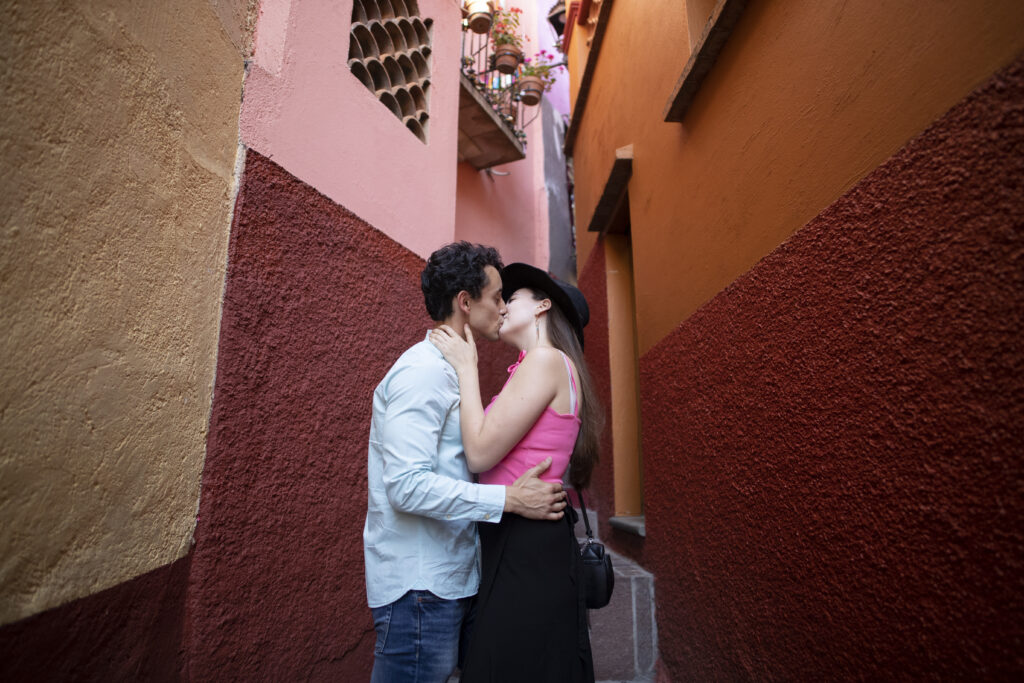
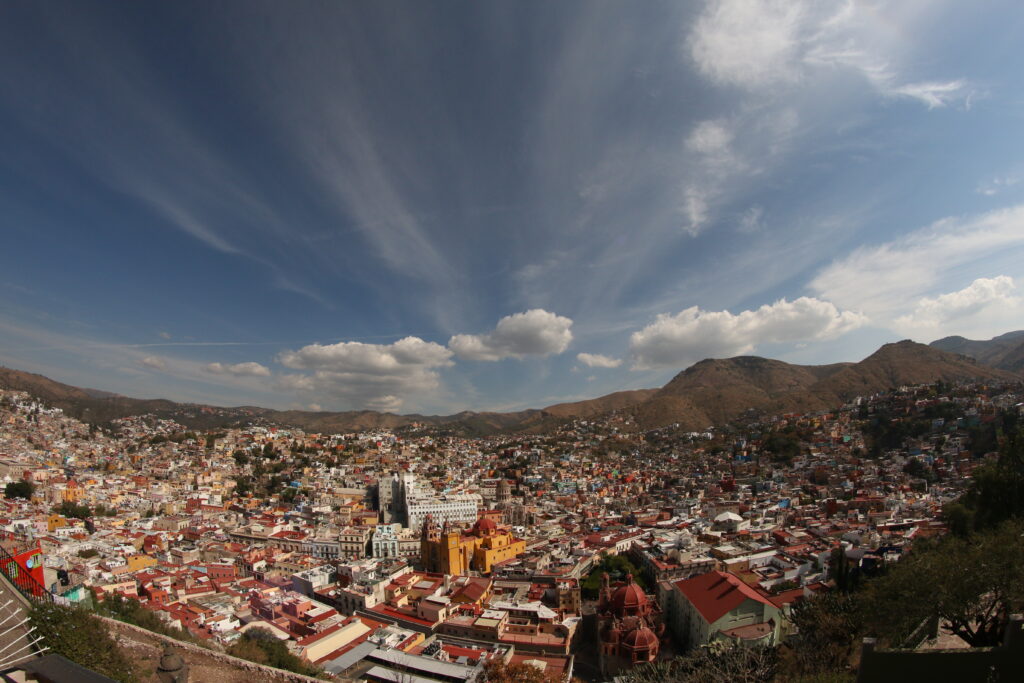
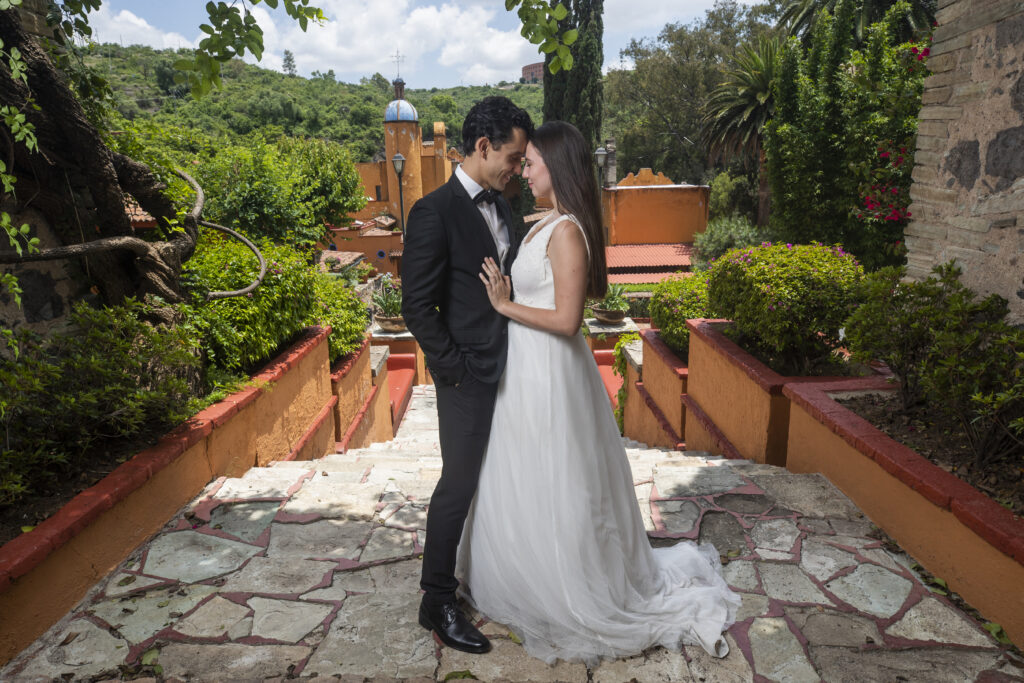
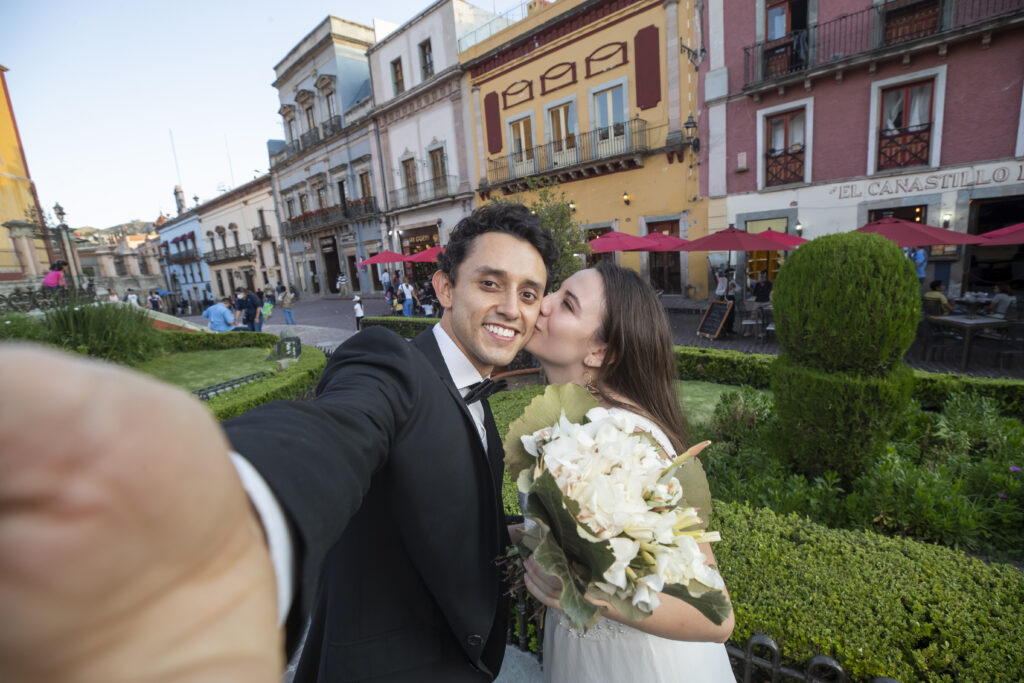
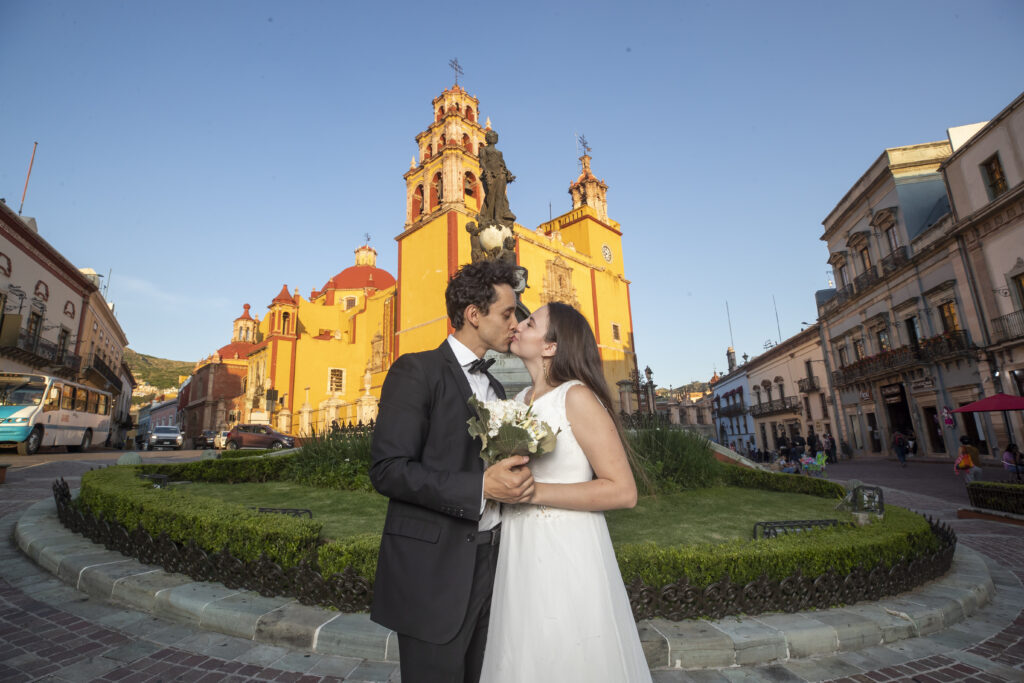
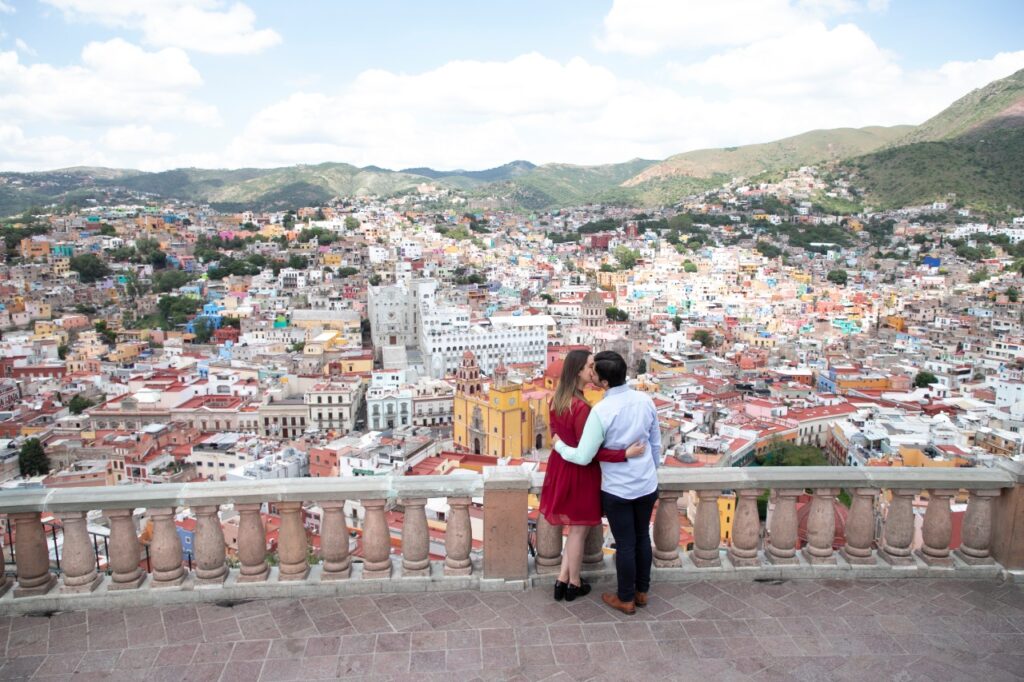
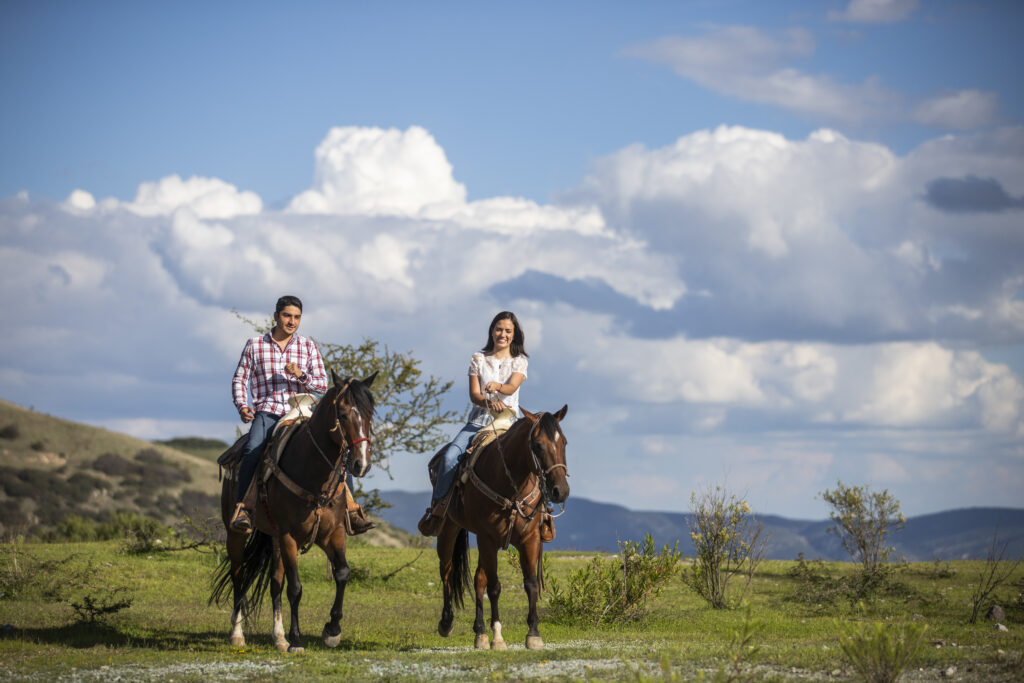
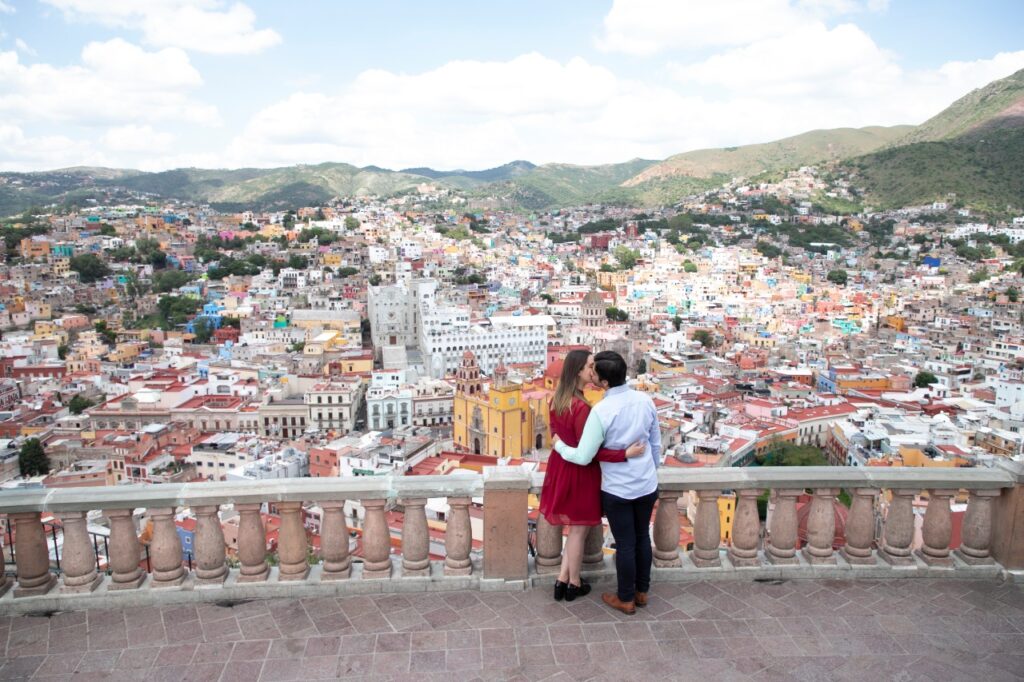
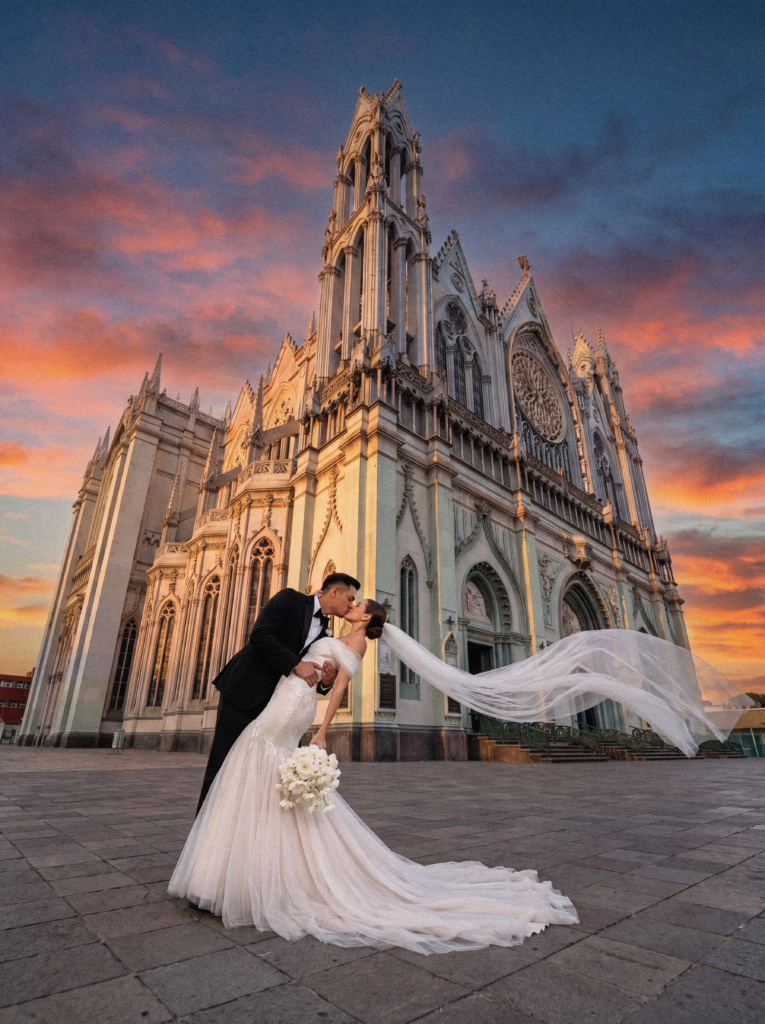

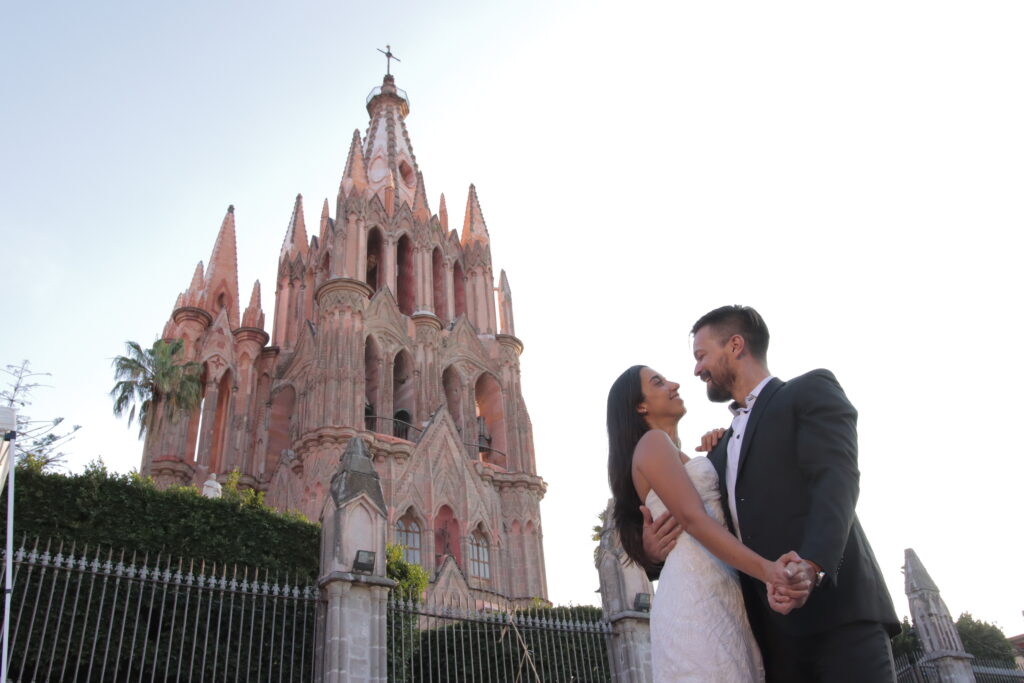
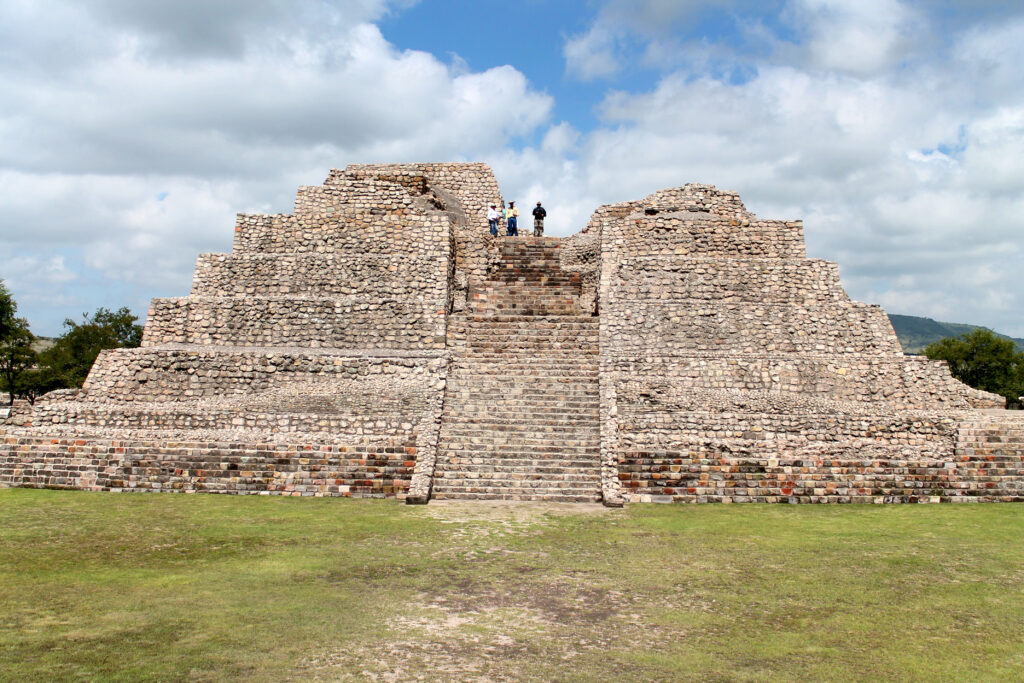
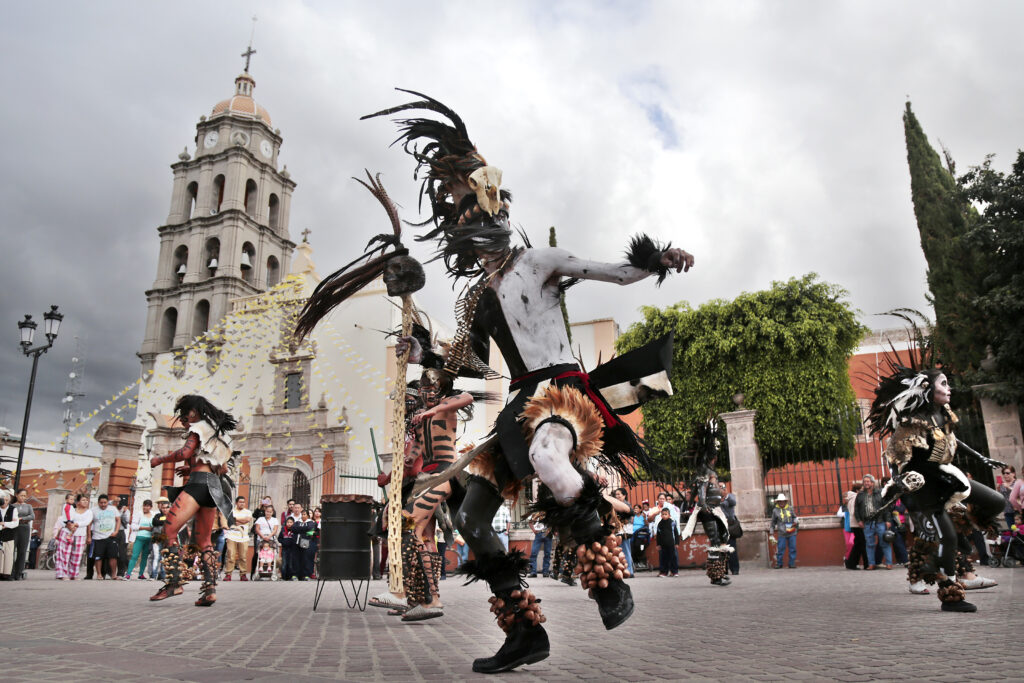
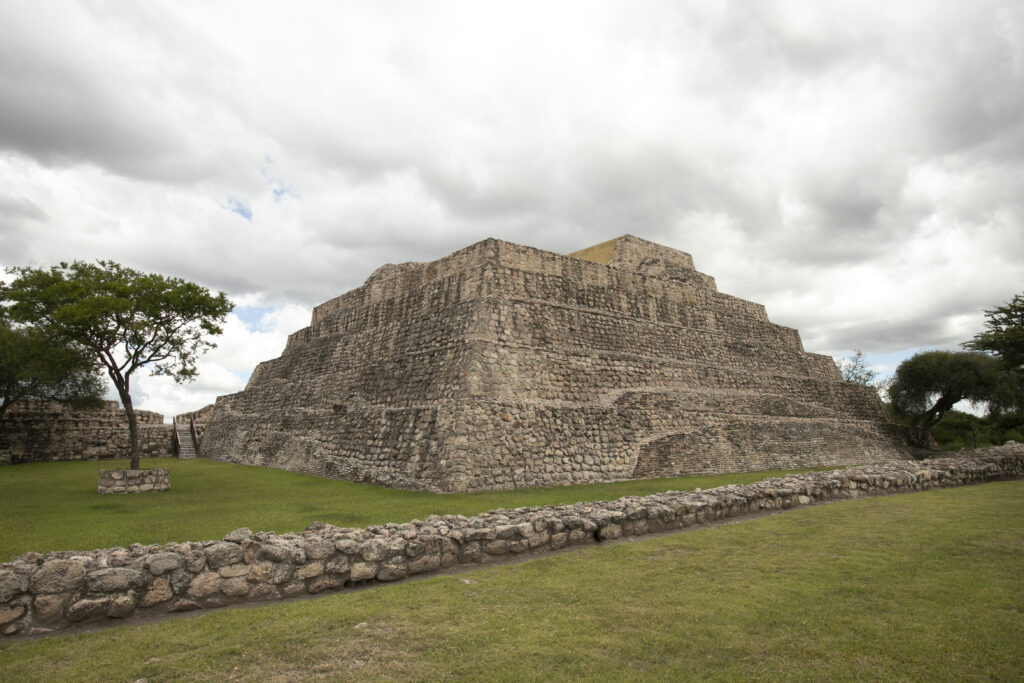

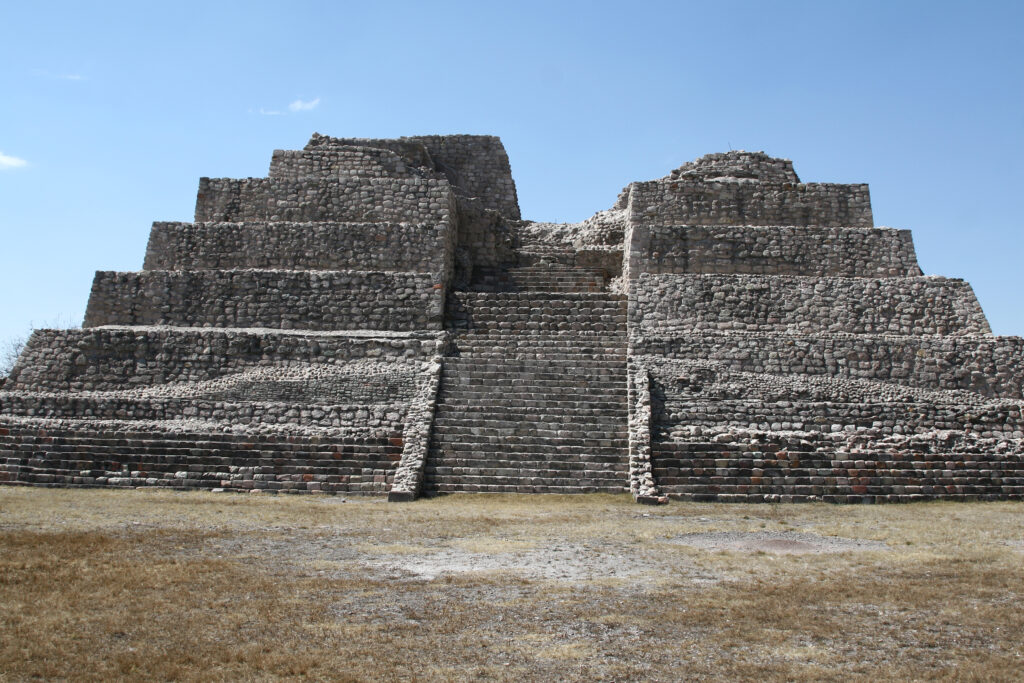
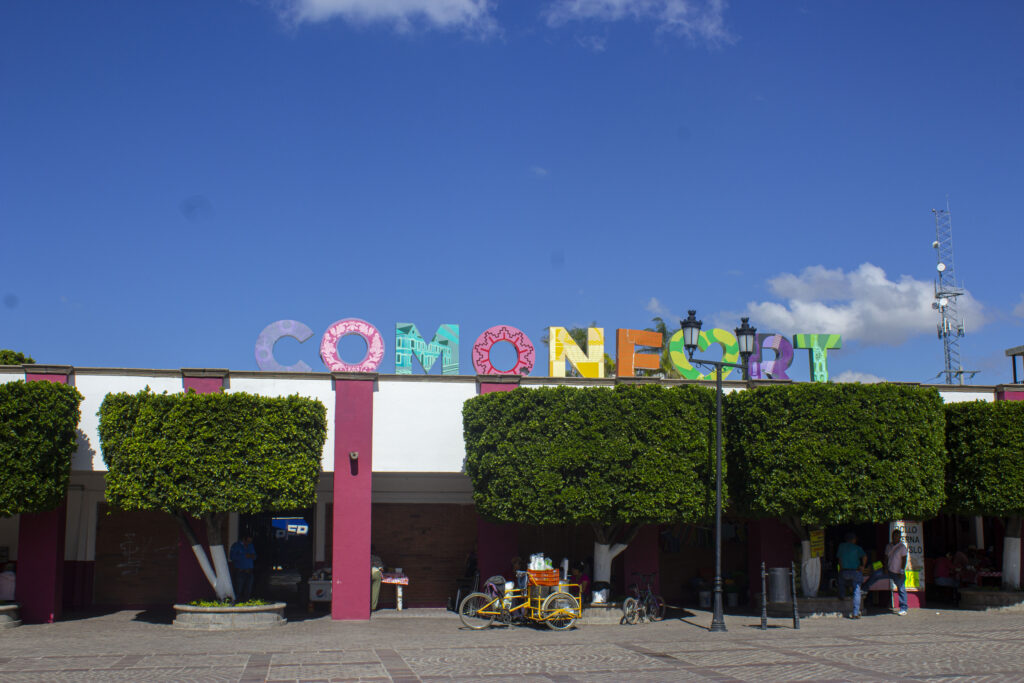
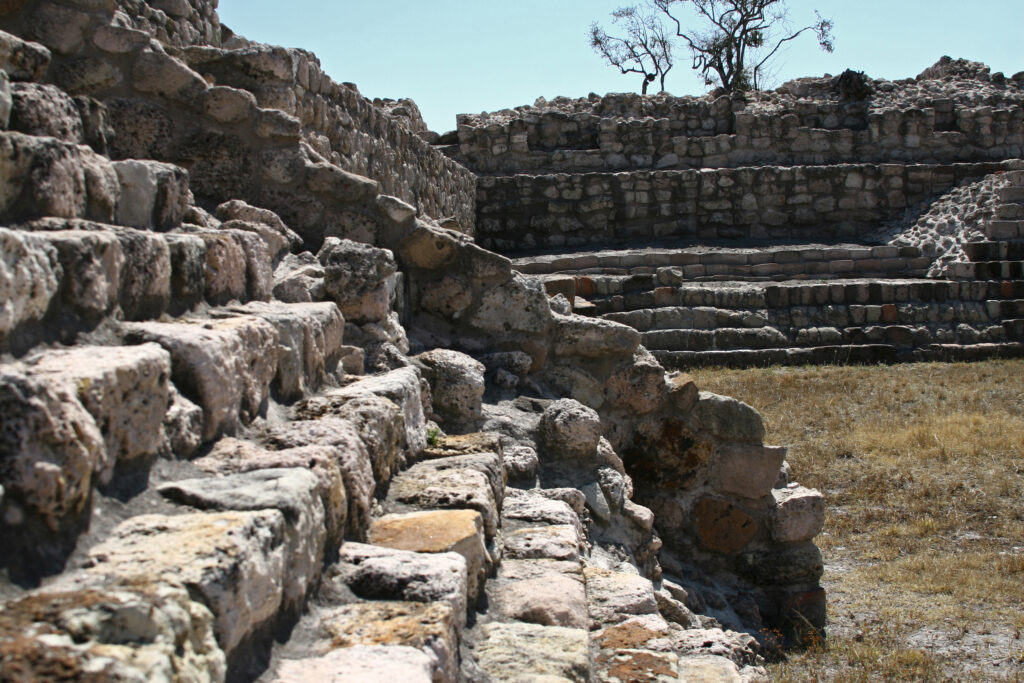
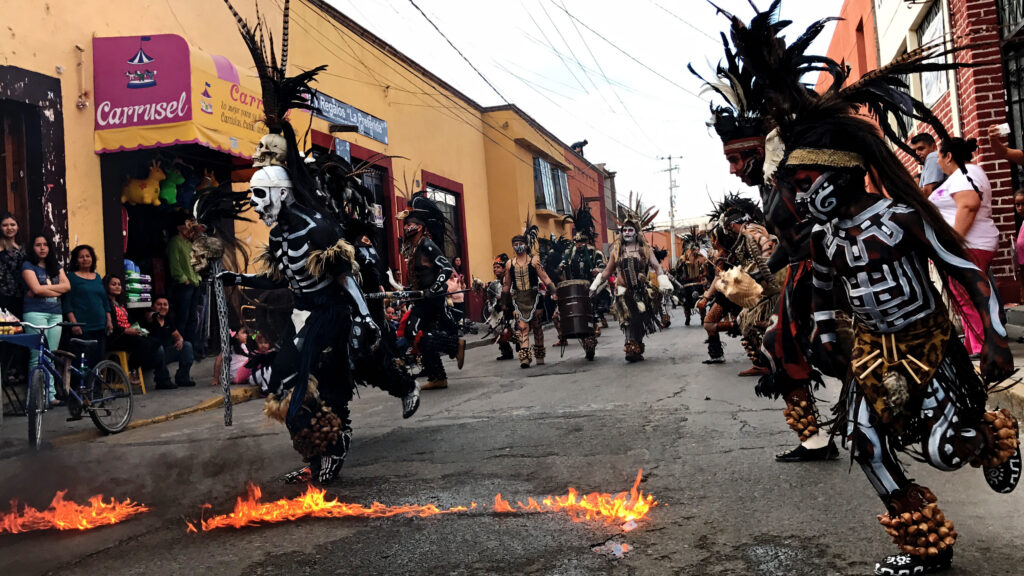
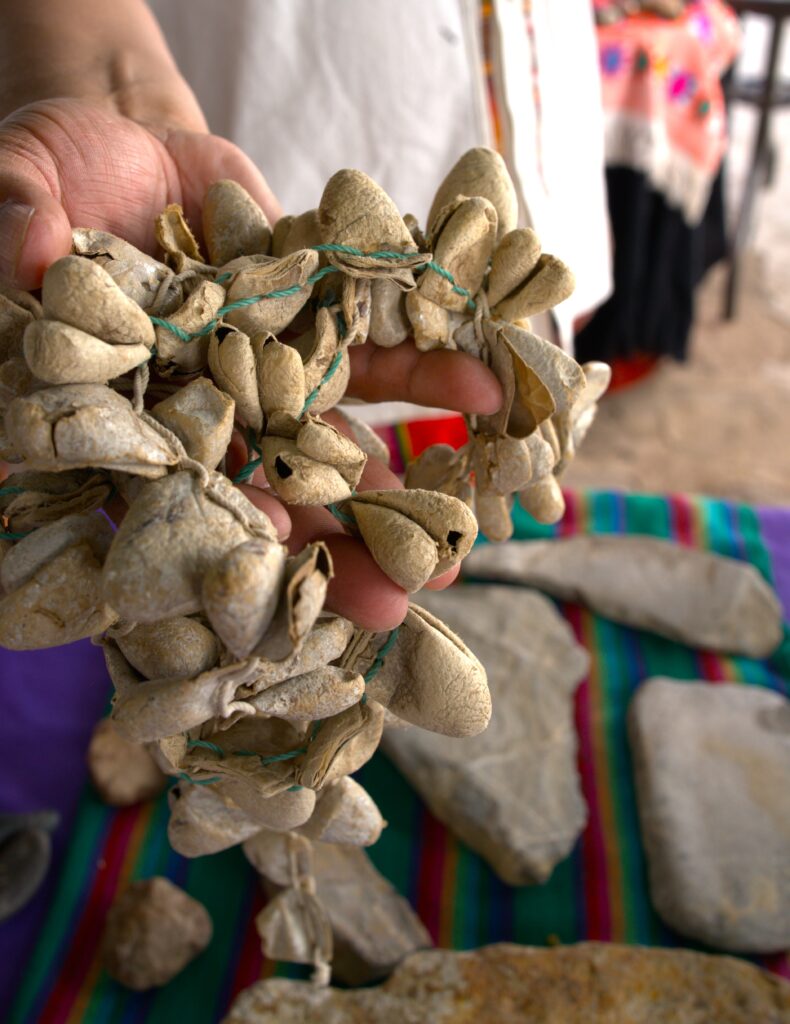
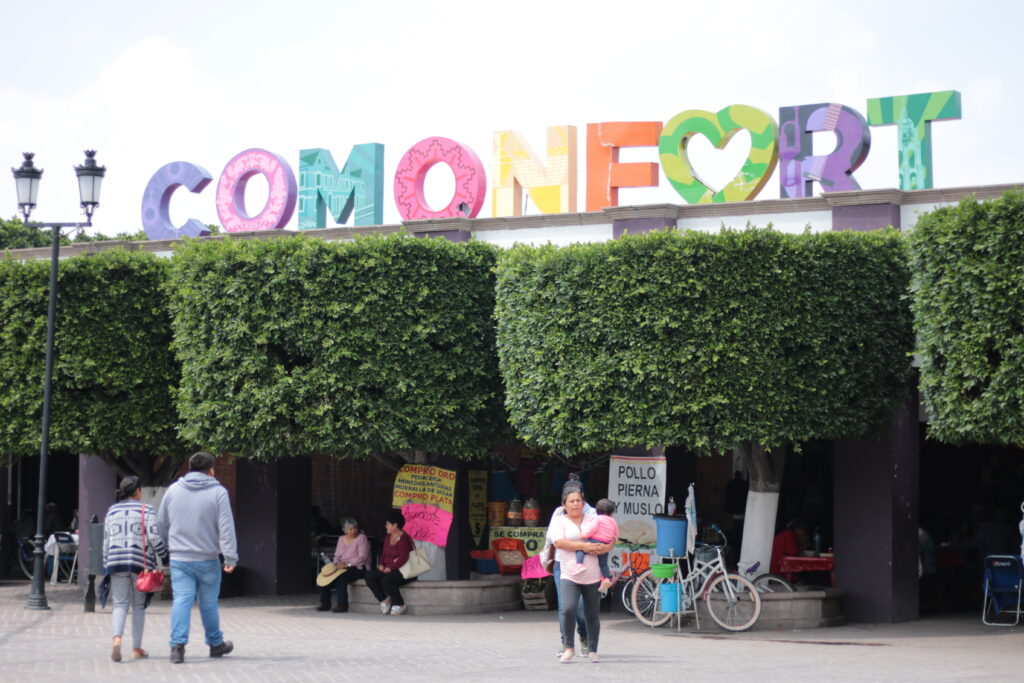
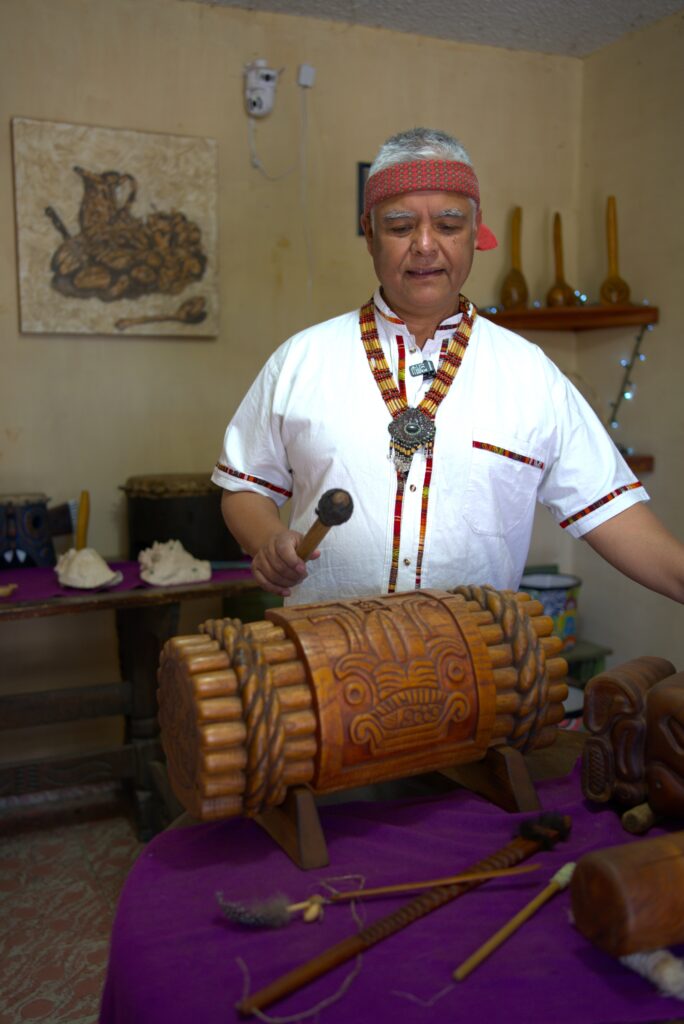
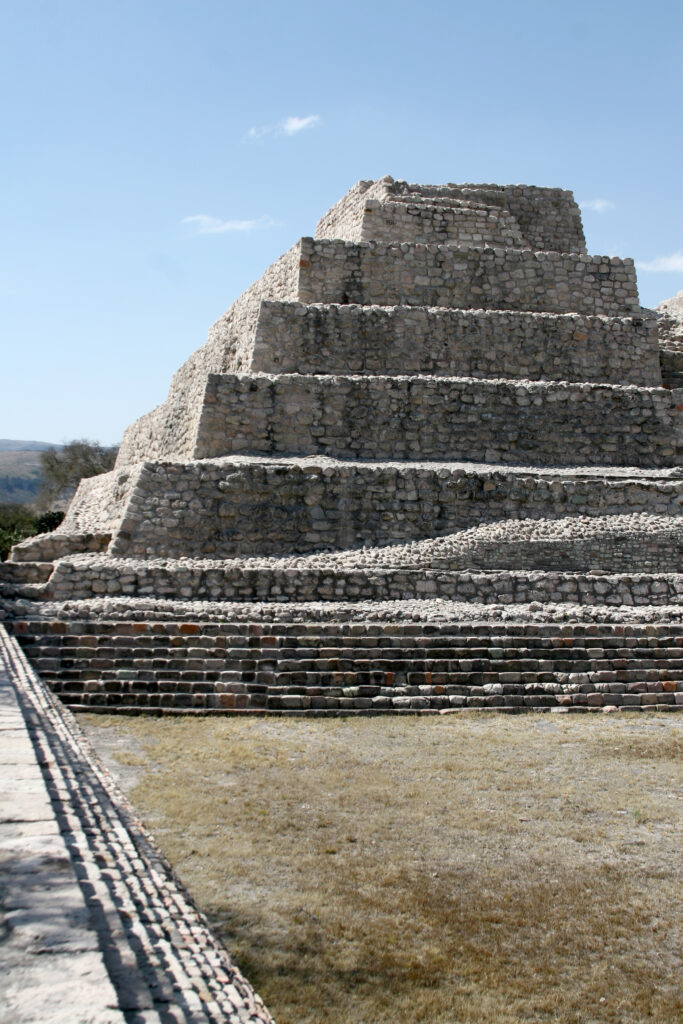
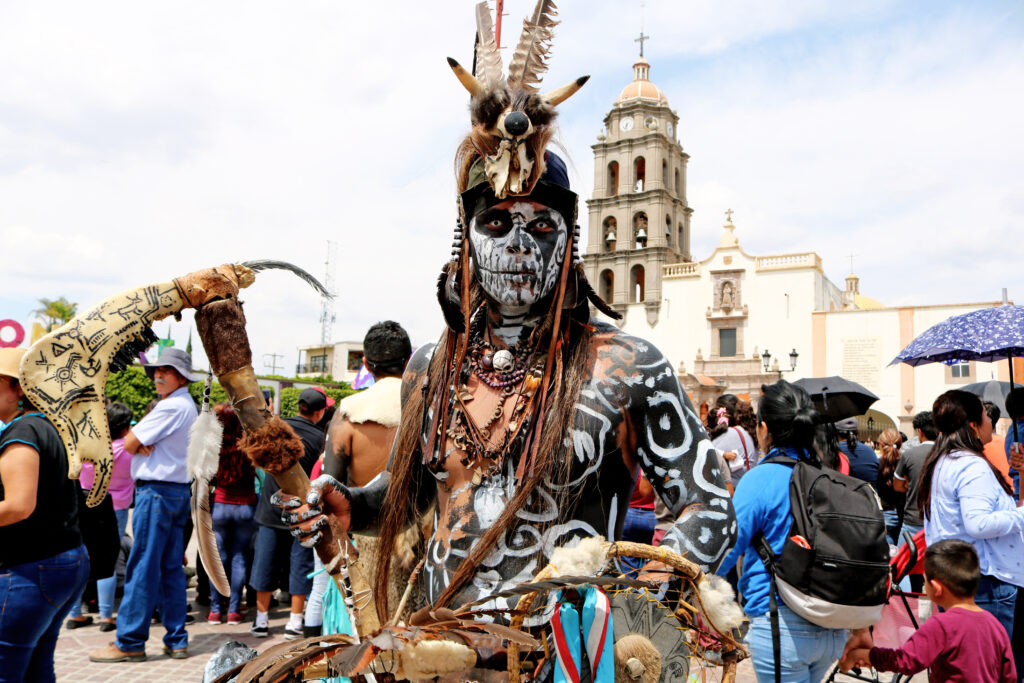
Guanajuato: 2 UNESCO cities (Guanajuato, San Miguel de Allende), 6 Pueblos Mágicos, 5 archaeological zones. Bolero ranchero inscribed on UNESCO’s intangible heritage list in 2023.
By combining listed built heritage, a musical legacy recognised by UNESCO and ritual gastronomy, Guanajuato is building a wedding offer that goes beyond mere setting to propose a complete cultural immersion. It remains to be seen whether this density of heritage will find its place against Mexican destinations more established in this segment, such as the Riviera Maya.
Cette publication est également disponible en :


