
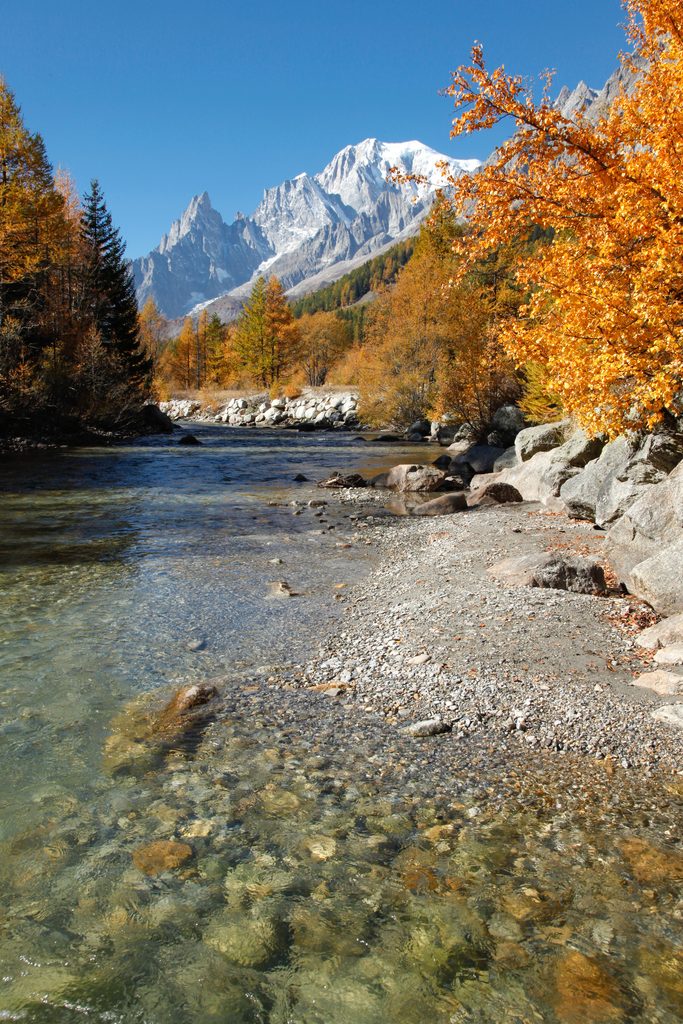
The Aosta Valley is generally associated with the ski slopes that crisscross it in winter, or the crowds of hikers climbing towards its glaciers in summer. Autumn, however, still follows a different, quieter rhythm, when the region quite literally changes its appearance.
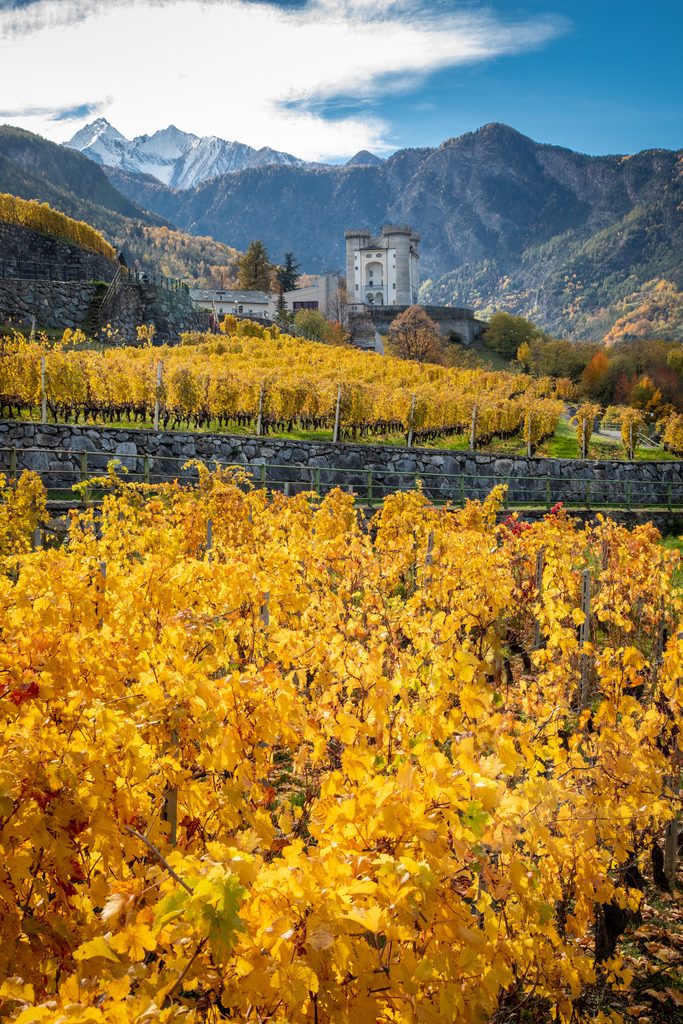
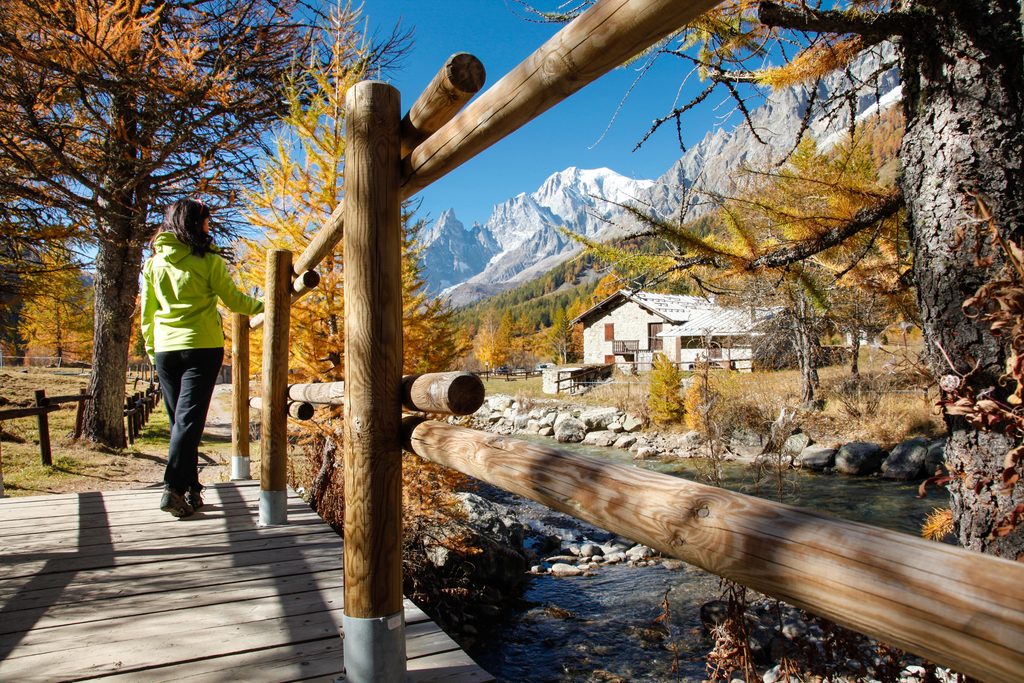
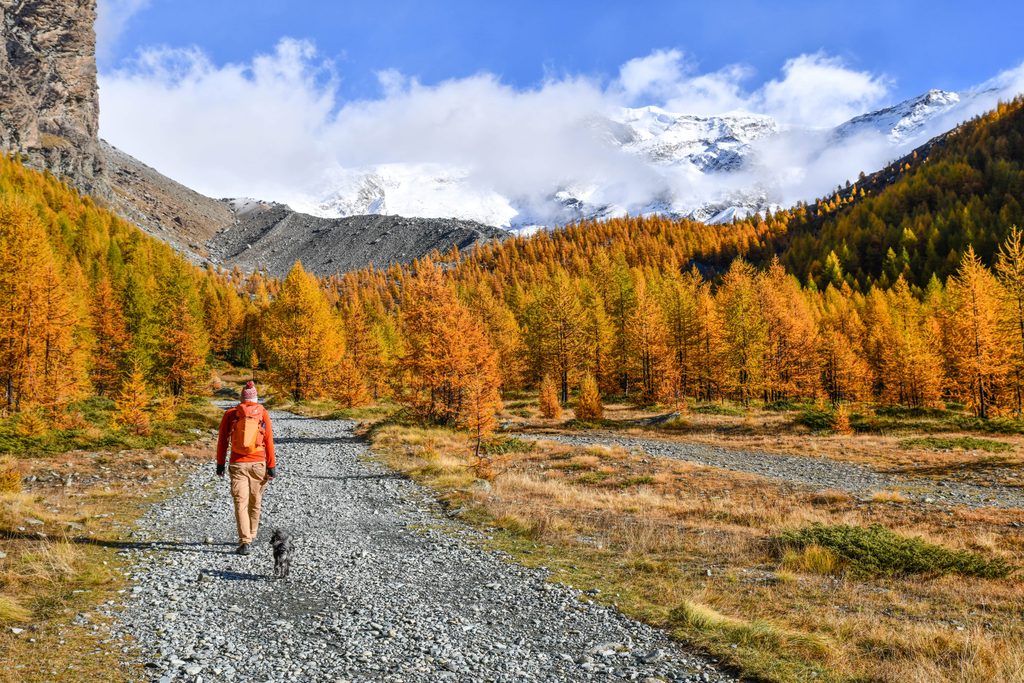
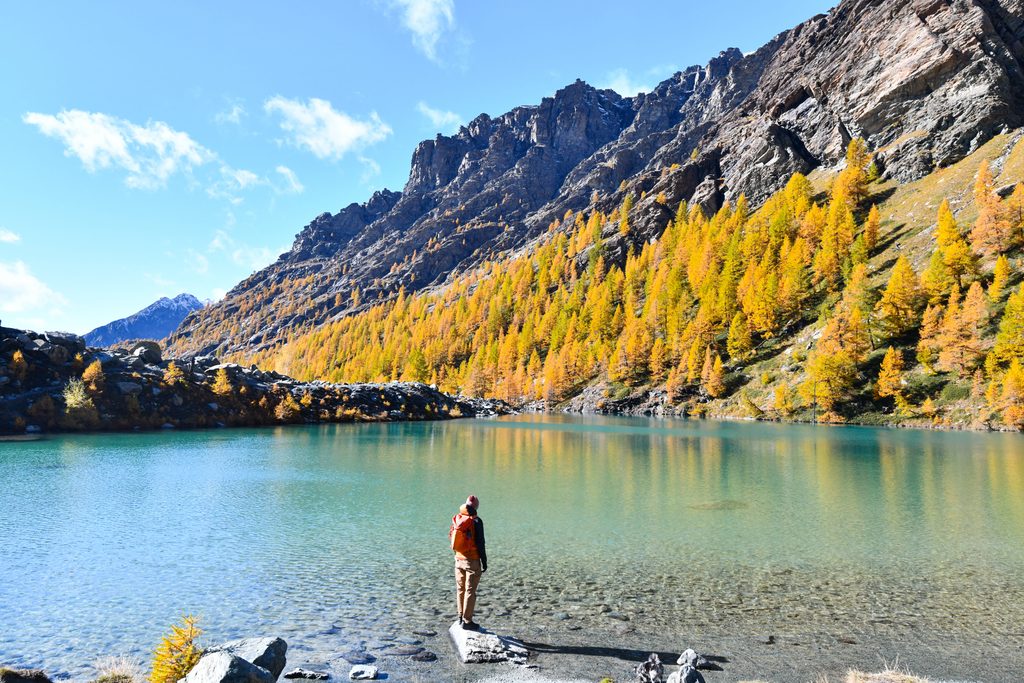
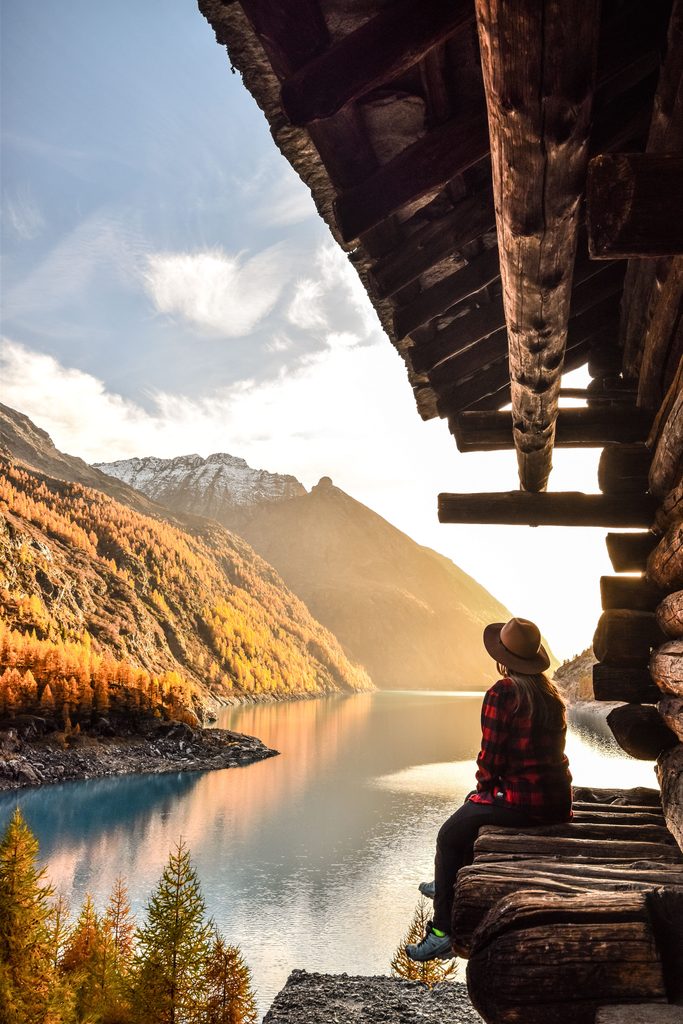
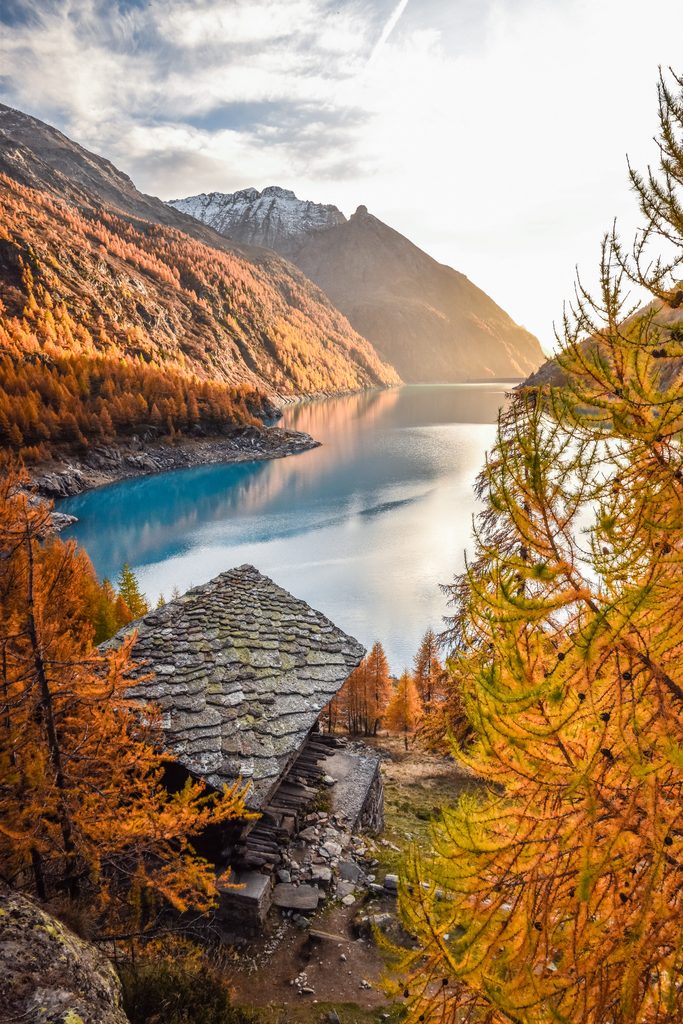
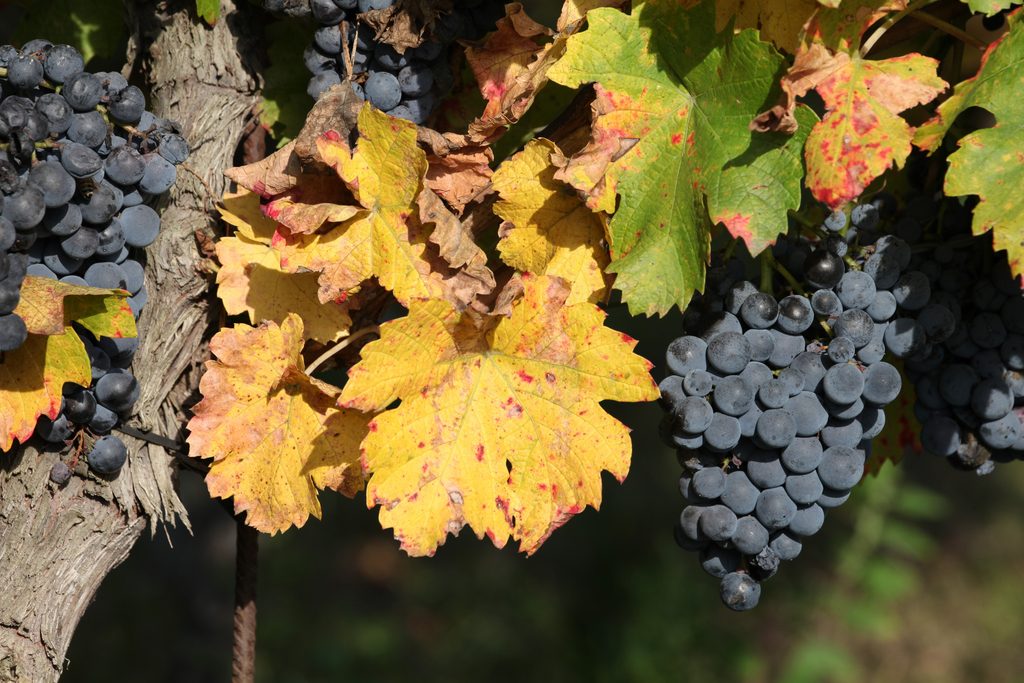
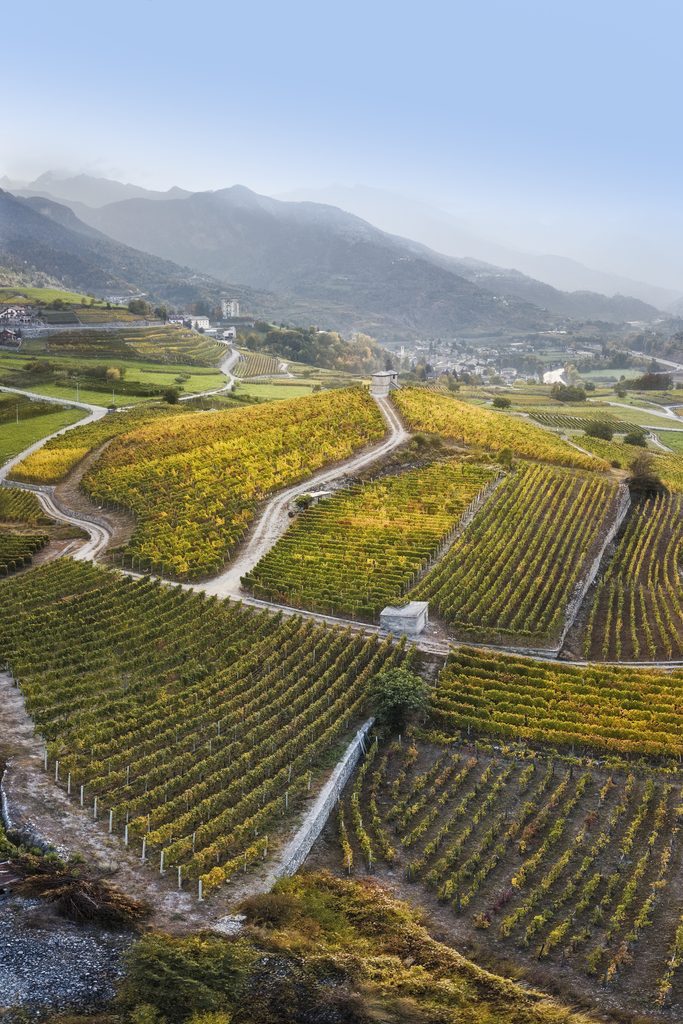
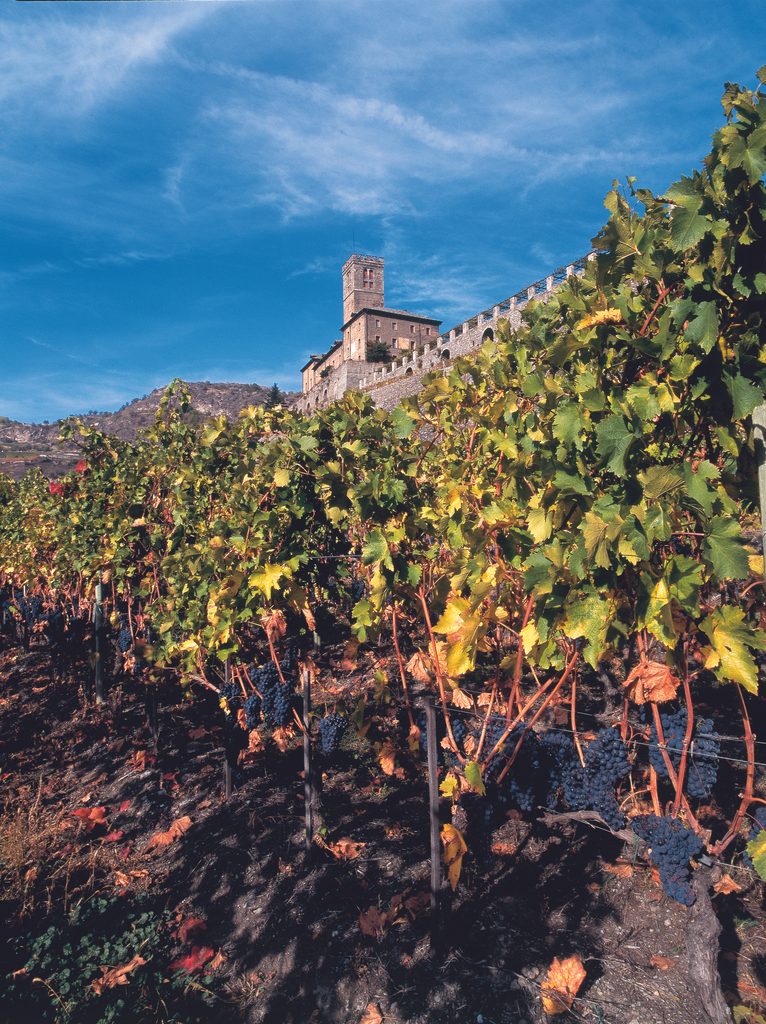
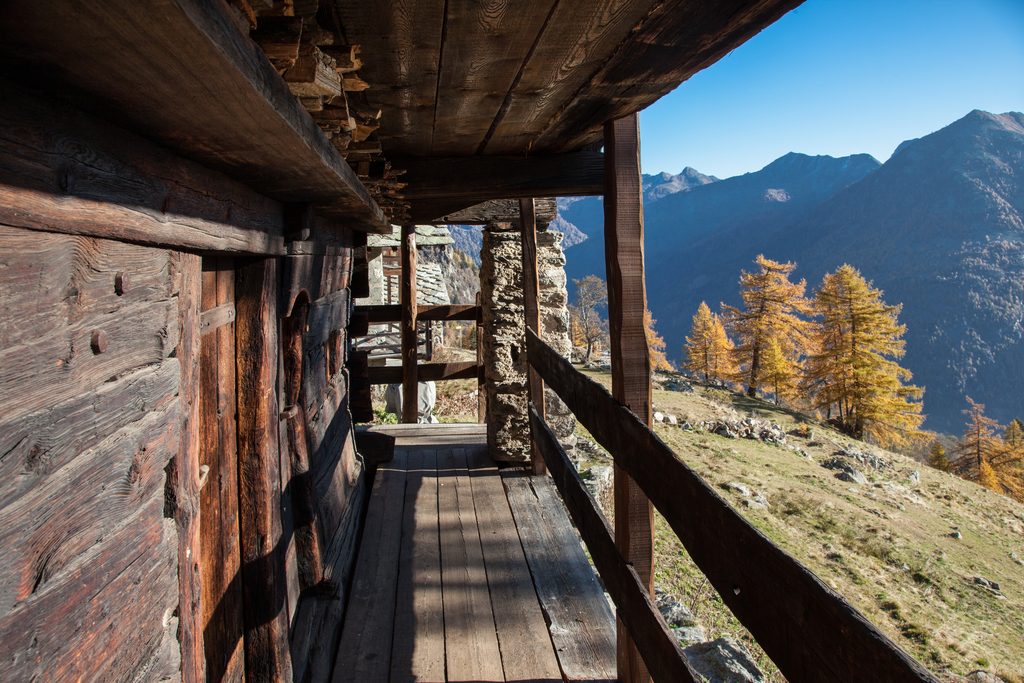
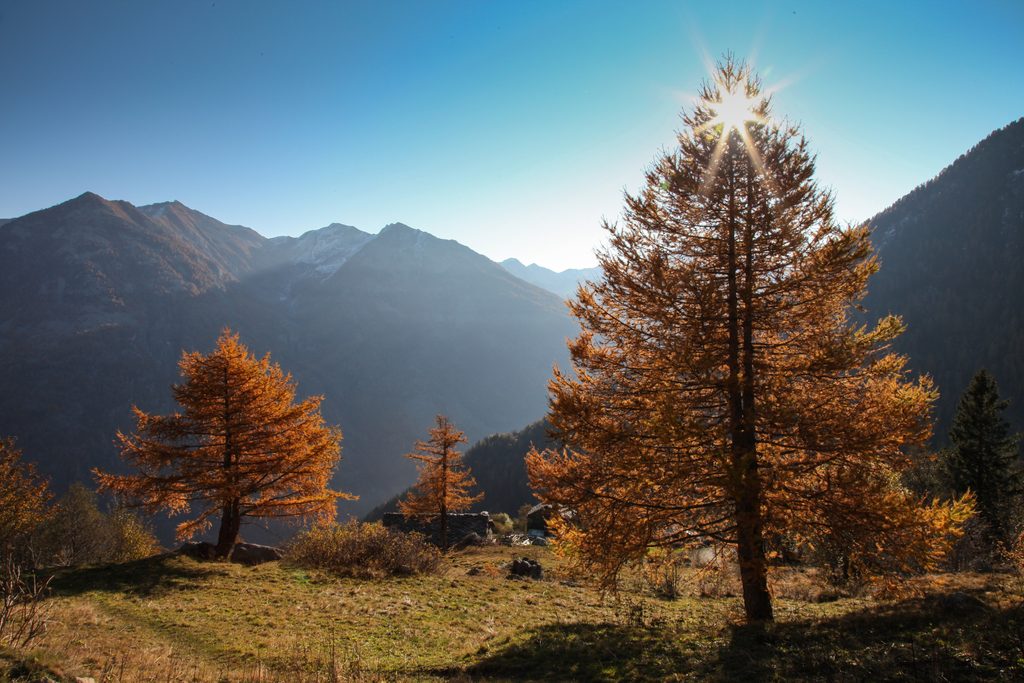
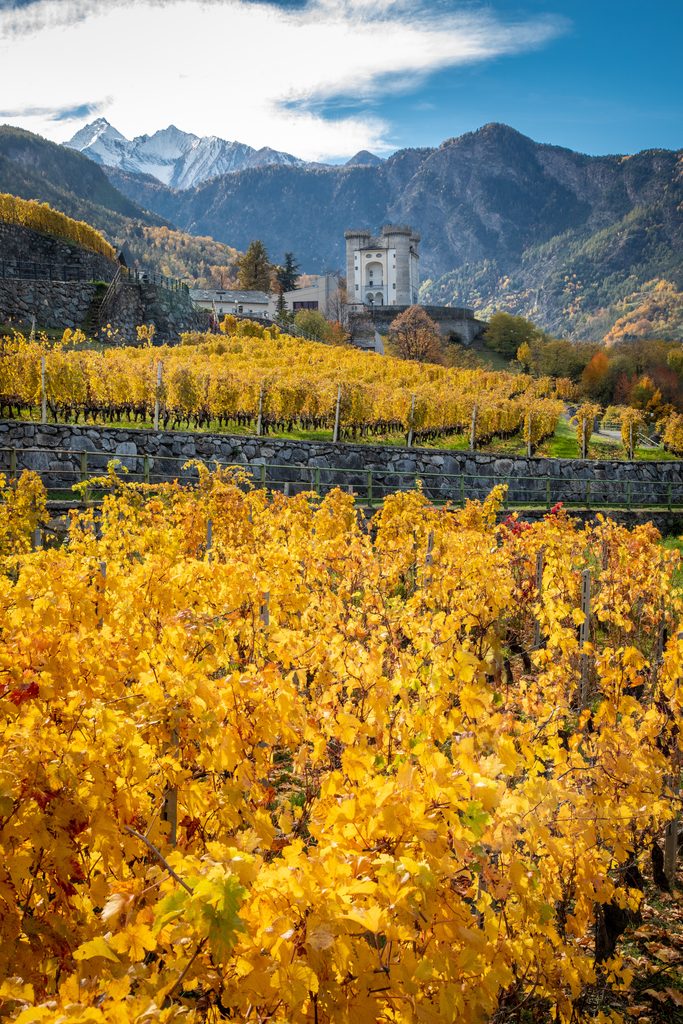
Its forests take on fiery colours, its mountain villages are bathed in low-angle light, its lakes shimmer with golden reflections, and its terraced vineyards begin their final tasks before winter. This natural palette is accompanied by food festivals that punctuate the season and remain, for many travellers, one of the destination’s overlooked attractions.
Among the lesser-known places in this autumnal Aosta Valley is Mont Avic Natural Park, which has remained outside the main Alpine tourist flows despite its landscapes of peat bogs, lakes and pine forests. A little further away, the landscapes of Gran Paradiso offer a more majestic version of the same unspoilt nature, with peaks exceeding 4,000 metres and its national park, one of Italy’s oldest.
The Alpine roads winding through the region offer another avenue for exploration this season, connecting villages and mountain passes at a slower pace than the summer crowds allow. This autumn rhythm is particularly well suited to food events celebrating local produce, beginning with honey and chestnut festivals: two ingredients that underpin much of the local cuisine and find their fullest expression at this time of year.
What this season reveals, indirectly, is an Aosta Valley that needs neither snow nor intense summer heat to make a visit worthwhile. Instead, it gains a kind of authenticity, closer to the actual rhythm of its inhabitants than to the visitor peaks that shape the rest of the year.
It remains to be seen whether this autumn identity, still largely underused in the region’s tourism promotion, will one day be able to rival the more established image of the Aosta Valley in winter.
Cette publication est également disponible en :


