
In Hoi An, the river is never a backdrop. It made the fortune of the merchant port in the 16th century, dictated the architecture of its junk-houses and, five hundred years later, still organises the rhythm of its inhabitants. By completely rethinking its suites, its pool and its table, the Anantara Hoi An Resort does not merely sign a hotel renovation: it chooses to re-anchor the luxury stay in this ancient relationship between the town and its watercourse.
There is, in the history of Hoi An, a paradox that tourist brochures too often erase: this UNESCO World Heritage town owes its existence not to the sea, a few kilometres away, but to a capricious arm of river, the Thu Bon, on which Chinese, Japanese and Portuguese junks once docked. The silk and spice trade was built on this slow brown water, and the ochre-yellow facades of the old quarter still turn their backs on it like cautious merchants. It is this fluvial memory, more than a seaside one, that the Anantara Hoi An Resort has chosen to put back at the centre of its identity, on the occasion of the most significant transformation carried out since its opening in 2013.
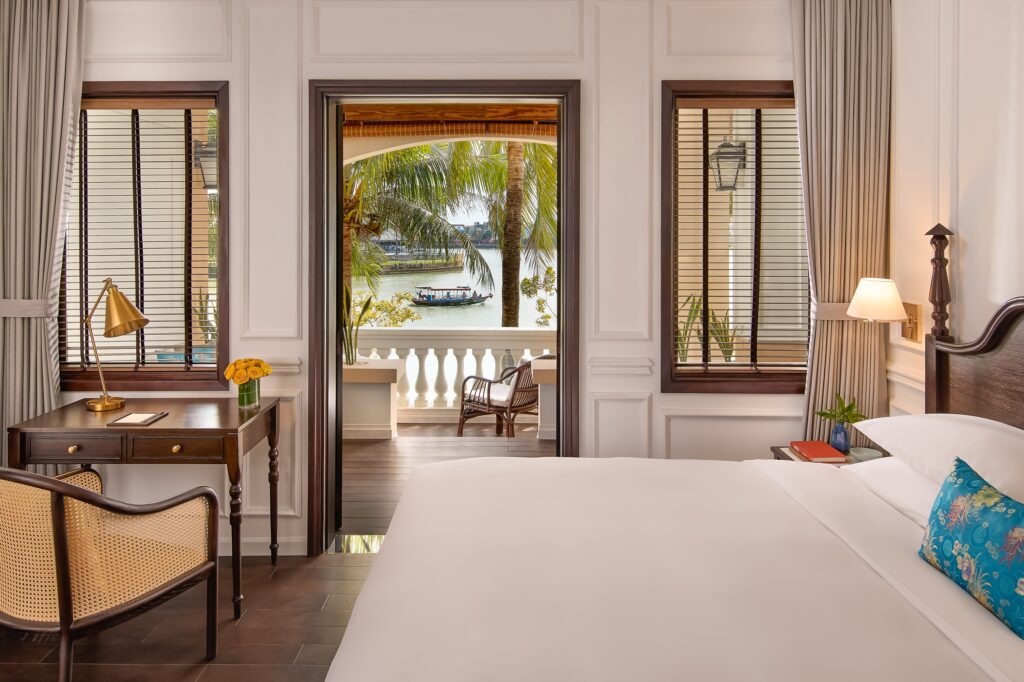
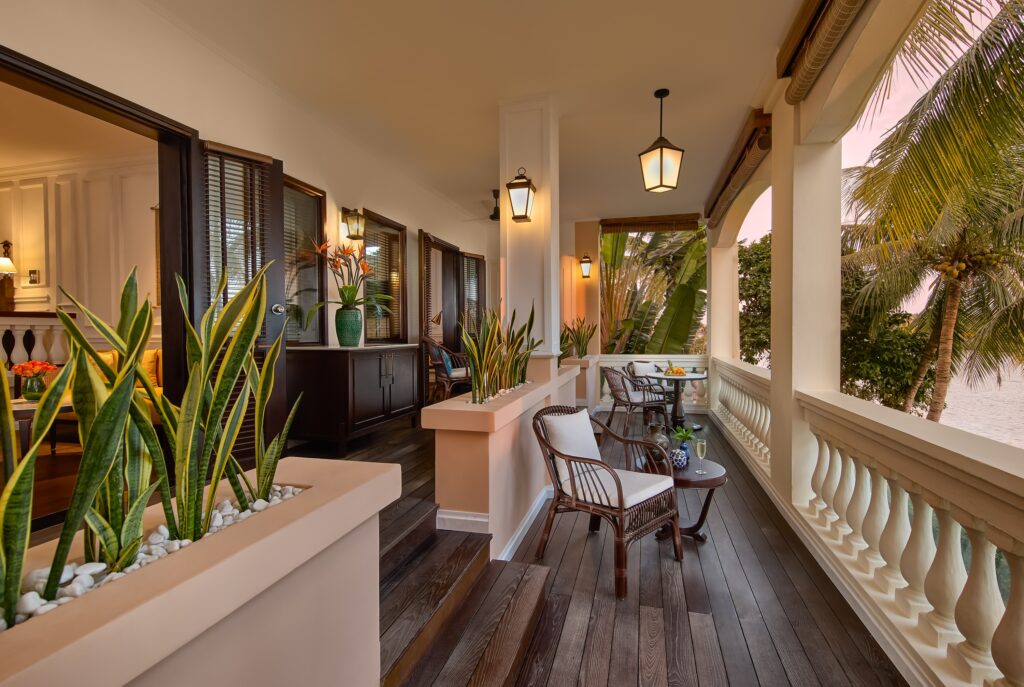
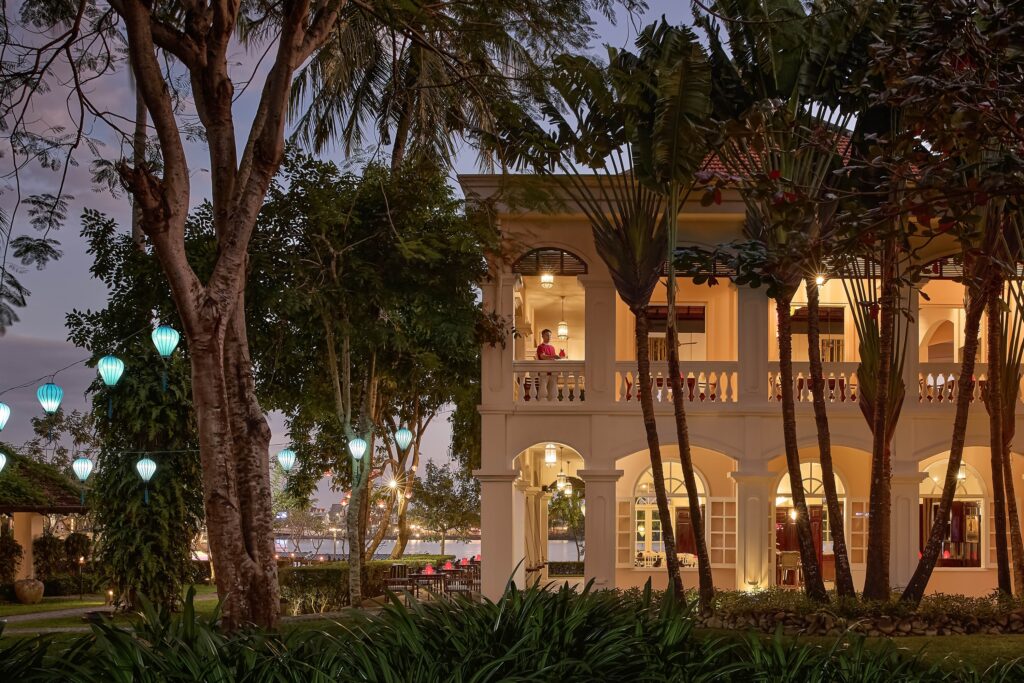
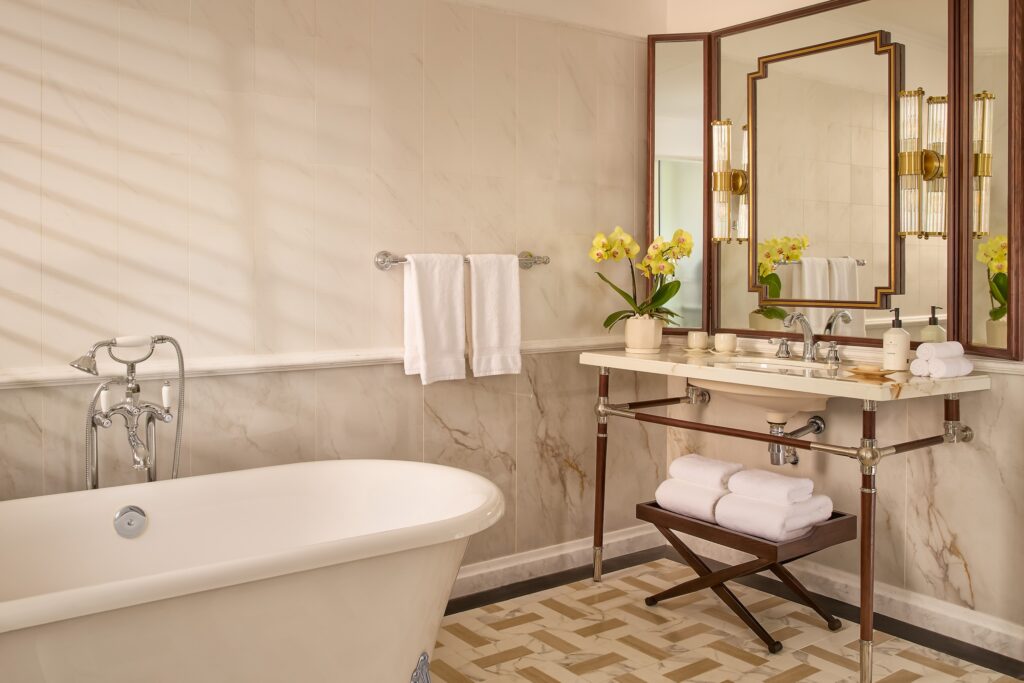
The architectural gesture is clear: eight new Thu Bon River Suites are added to ten fully renovated Premium River Suites, while the property’s signature suite becomes an Anantara Two-Bedroom River Suite designed for families and groups. The nineteen suites that make up this new collection embrace a hybrid vocabulary, in which the shutters and proportions inherited from the French colonial period dialogue with materials and motifs drawn from Vietnamese craftsmanship. Private terraces, open views of the watercourse, multi-level layouts: the resort relies on a visual continuity between the hushed interior of the rooms and the almost imperceptible movement of the river below.
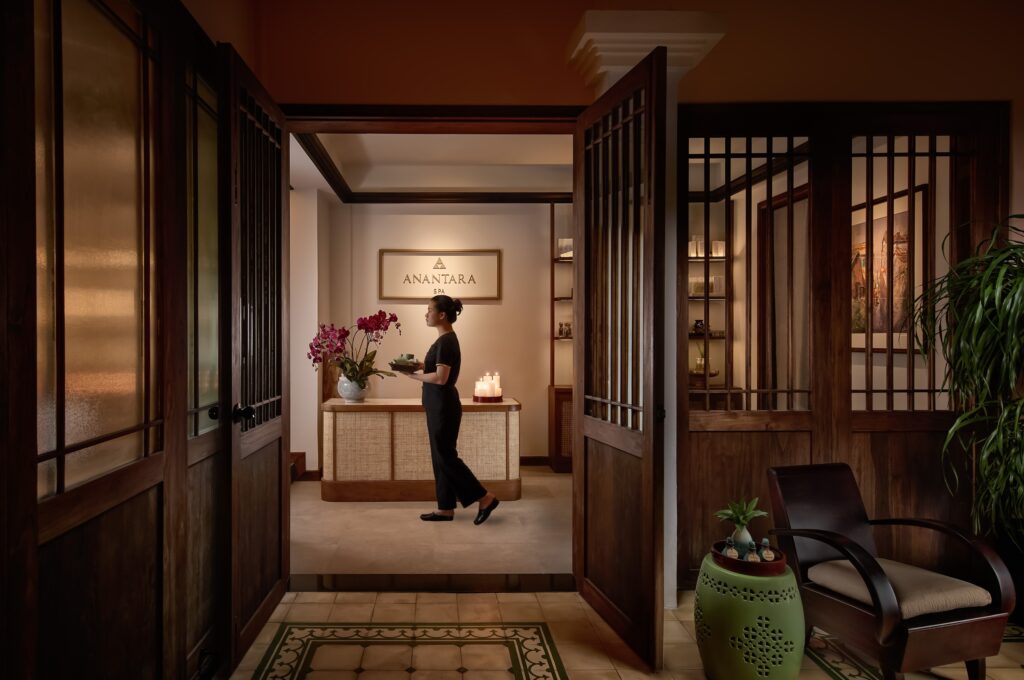
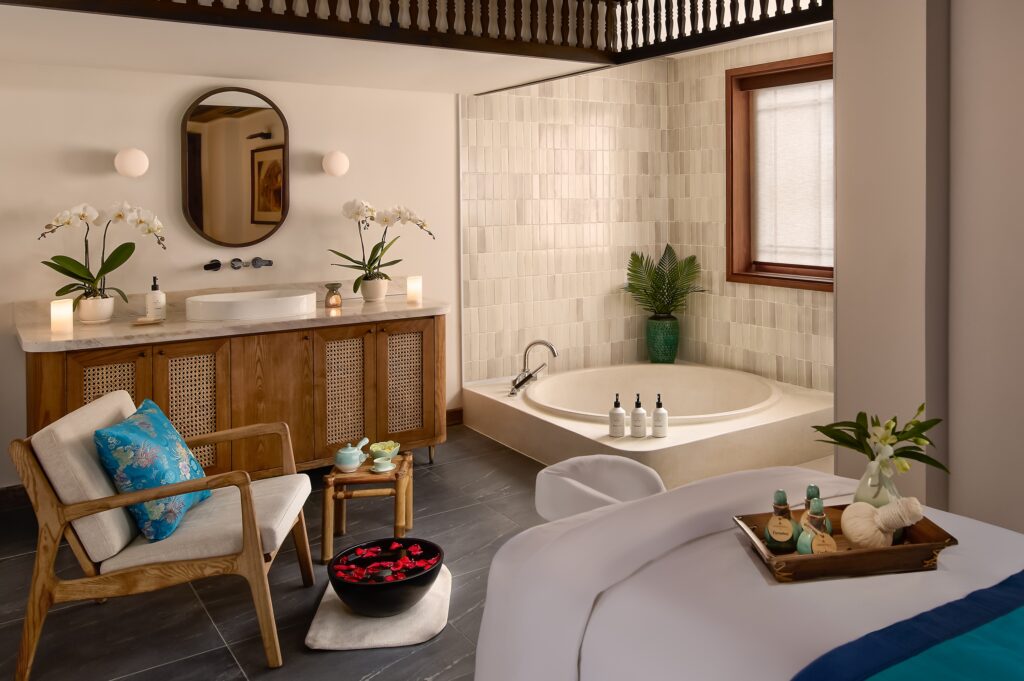
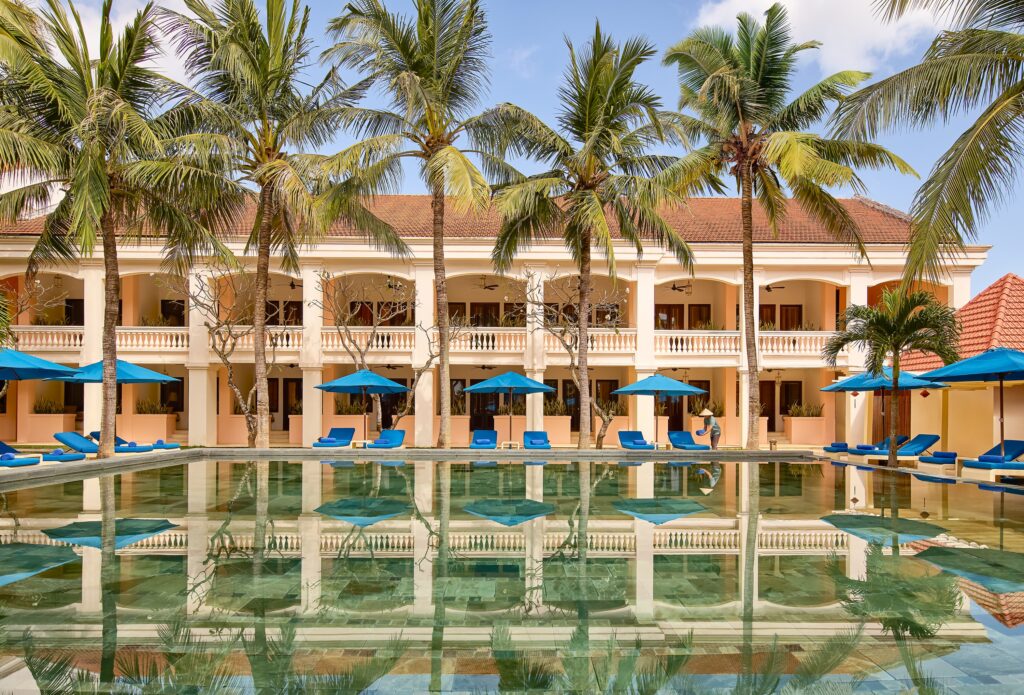
This stance extends into the uses. Check-in and check-out that can take place directly in the suite, a sixty-minute treatment offered at the Anantara Spa, private access to the hammam: wellness rituals are organised here as natural extensions of sleep, without any break in rhythm. The redesign of the pool area follows the same logic of landscape continuity, with cabanas and gardens designed to open onto the Thu Bon rather than to isolate themselves from it, as in the more conventional seaside resorts found in the region.
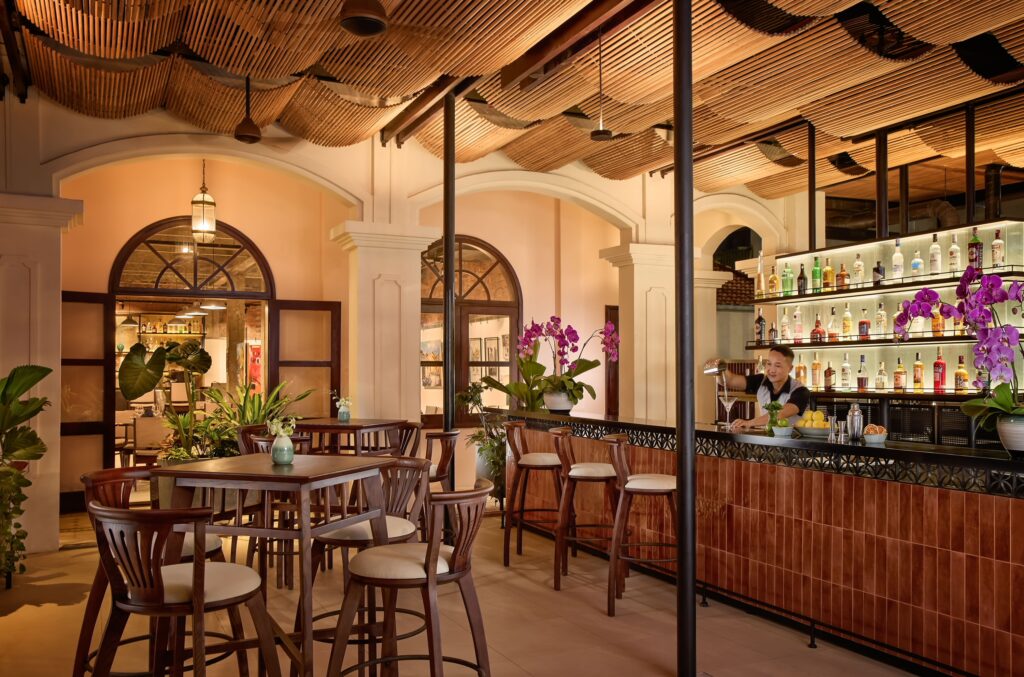
There remains the question of the table, often revealing of a hotel’s real intentions. The Art Space Restaurant & Bar, renamed around a tropical terrace concept, hangs on its walls works by local and international artists based in Vietnam and now schedules live concerts in the evening. The choice is not trivial in a town where contemporary art still struggles to find showcases equal to its rich craft past. “Every improvement was conceived to honour Hoi An’s rich heritage and its deep connection with the Thu Bon River,” sums up Ross Sanders, regional general manager for Vietnam, in a press release that, for once, does not stray too far from the reality of the place. It remains to be seen whether travellers, used to seeking the postcard in Hoi An rather than the river, will know how to slow down enough to hear it.
Cette publication est également disponible en :


