
The word investment has done a lot of harm to watchmaking. It has transformed objects of culture into supposedly liquid assets, attracted buyers with no culture of the gesture, and produced a secondary market whose excesses – prices multiplied by ten on certain references between 2019 and 2022, followed by a severe correction – have reminded us that desirability is no guarantee of return. A watch is not a magical investment. It is an object whose strength the market can, under certain conditions, recognize and reward. These conditions need to be understood before they can be exploited.
The first discipline is not to start with the odds. Start with the model. Understand why a reference exists, what it encapsulates – a form, an era, a technical or aesthetic breakthrough, a specific use – and why the market continues to desire it. A watch whose cultural value you don’t understand is a watch you won’t be able to defend when the time comes to resell it.
Rarity, condition, provenance: three layers to be read in order
Rarity is the most cited and misunderstood criterion. A little-produced but little-desired reference may remain difficult to resell indefinitely. An iconic watch in excellent condition, with papers, original box, documented service history and sought-after configuration, can withstand a market correction much better than a limited edition whose only argument was rarity.
The condition can be read with a precision not immediately apparent to the untrained eye. Excessive polishing of the lugs erases sharp edges and cheapens a sports watch. Parts replaced by non-conforming elements – bracelet, crown, case back, indexes – break the technical coherence. A dial retouched, even imperceptibly, is information that the market integrates into the valuation. In collector’s watchmaking, visible beauty never replaces documented coherence.
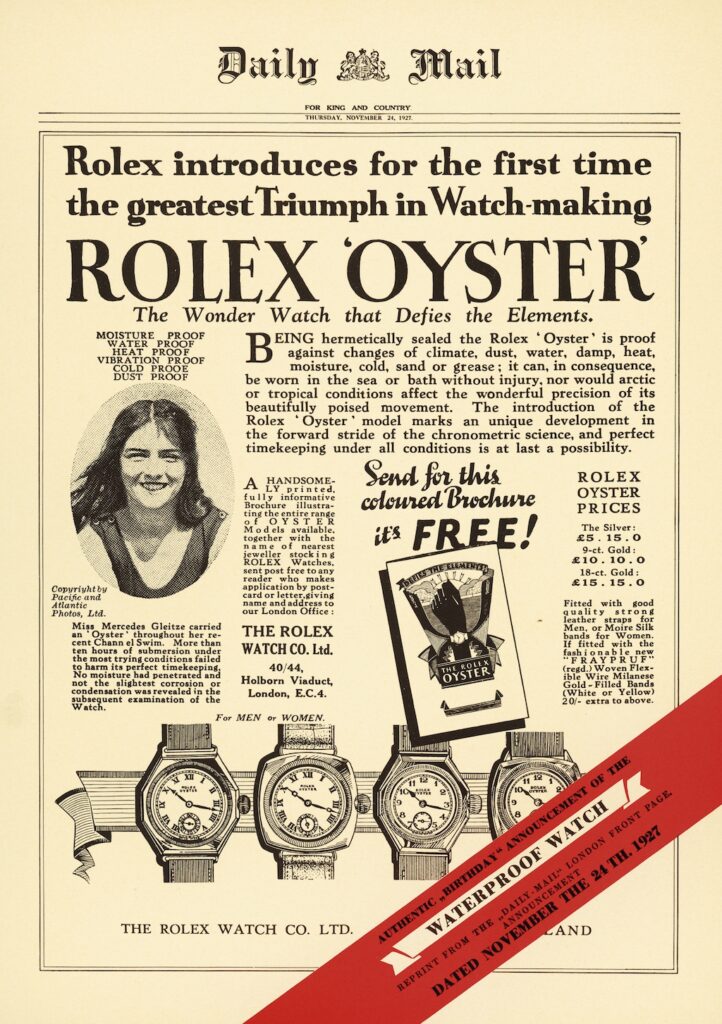
Finally, provenance has become a structuring criterion since the major manufacturers formalized their authentication programs. The Rolex Certified Pre-Owned program – launched in 2022 with a selected network of authorized retailers – illustrates the direction the market is taking: official authenticity is becoming a condition of liquidity, not just a selling point. A watch with a traceable chain of custody and serviced in a factory or by an authorized repairer trades differently from the same reference with no history.
Model before name
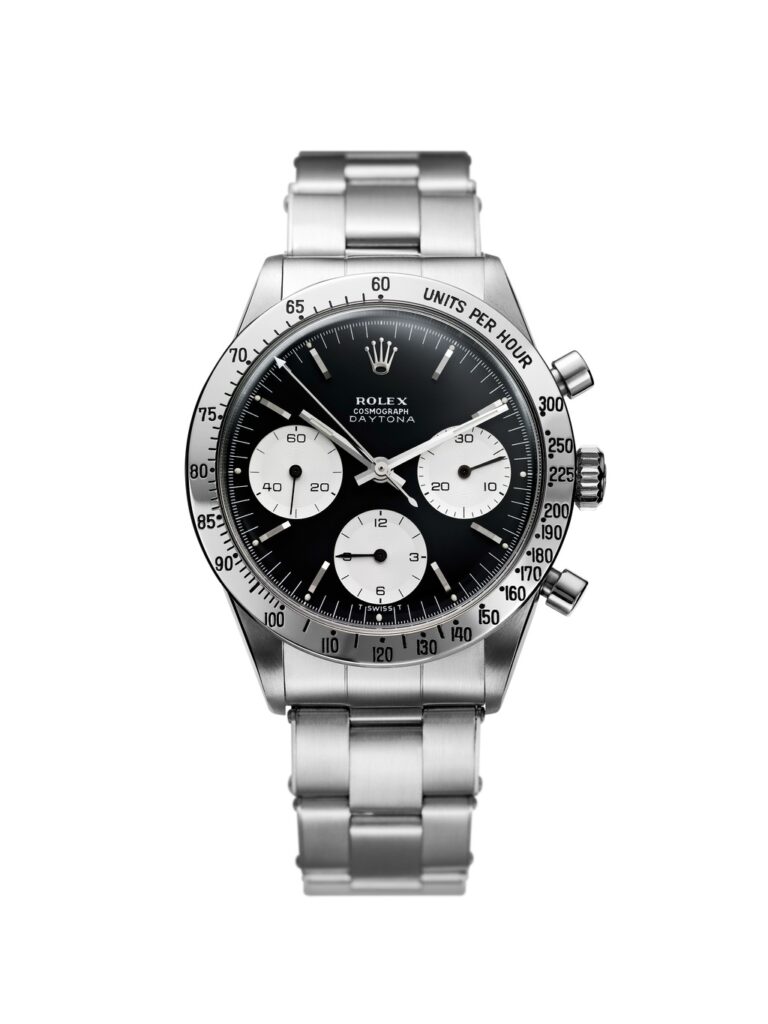
The most common mistake is to buy a name rather than a model. Rolex is a manufacturer; but not all Rolexes behave in the same way on the secondary market. A Submariner date and a Submariner no date occupy distinct positions. A steel Daytona and a gold Daytona do not attract the same buyers at the same time. This granularity is what distinguishes a collector from a speculator – and often explains the difference in results.
Luxsure has documented this logic in its analysis of the most coveted luxury watches: desirability fluctuates according to geographical markets, generations of buyers and cultural cycles. A reference that dominates auctions in Asia may remain lukewarm in Europe. A technical complication much admired by connoisseurs may be indifferent to the heritage buyer.
The Fondation de la Haute Horlogerie defines a watchmaking complication as any function added to the indication of hours, minutes and seconds. This technical definition is useful in understanding why certain complications create value and others do not: a tourbillon positioned at the bottom of the case, invisible to the wearer, is a technical feat admired in the auction rooms; a chronograph that is legible, reliable and whose use is justified on a daily basis generates a broader and more stable demand. Virtuosity and portability do not address the same market.
Beyond the Rolex reflex
To speak of investment watches without leaving the Rolex-Patek-Audemars Piguet corridor is a simplification that the market has largely overcome. The growing interest in Cartier – which Luxsure analyzed in its dossier on the house and its rating – is a reminder that a watch can become sought-after through the strength of its design, cultural permanence and immediately recognizable formal identity, without resorting to complication or production rarity.
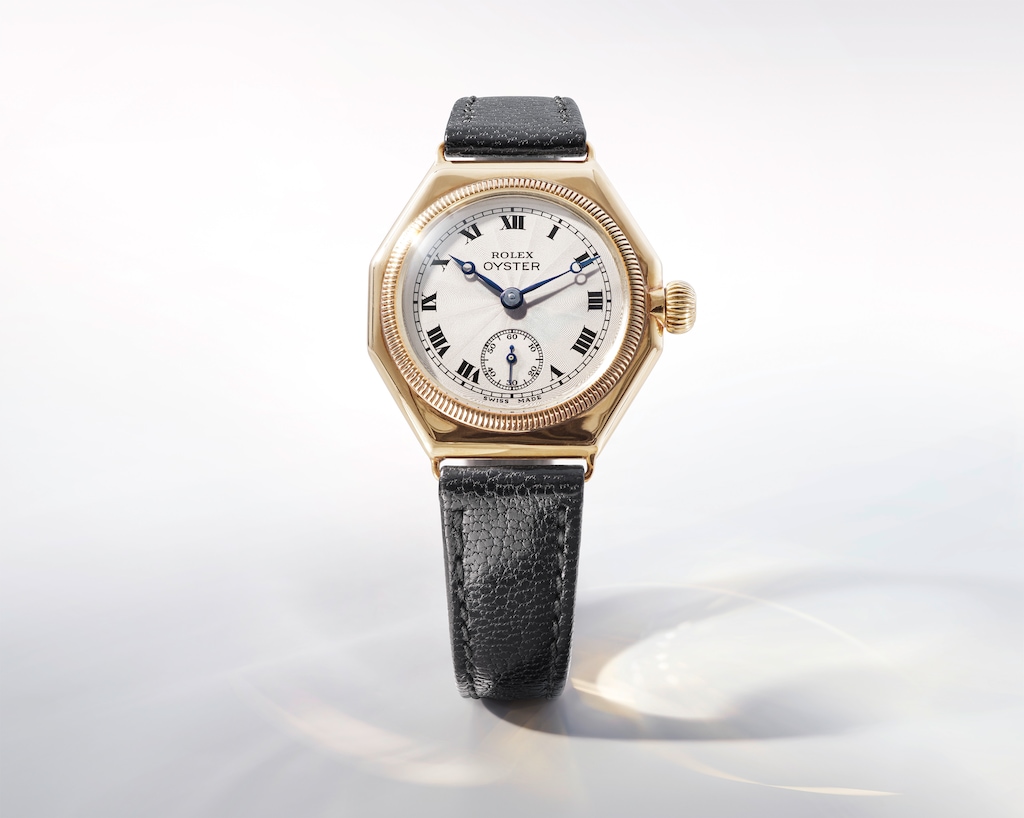
A Tank Normale from the seventies or a first-generation Santos don’t read like a Submariner. They condense a different idea of time, a different relationship to the wrist, an aesthetic that spans the decades without correction. It is precisely this type of value – attached to form rather than mechanics, to culture rather than rarity – that interests the long-term heritage market. And it is this type of value that is the most difficult to manufacture artificially.
What an interview says about a buyer
A final criterion, rarely mentioned in watch buyers’ guides: the quality of maintenance. A mechanical watch that has not been serviced for twenty years is a watch whose movement has operated outside the lubrication tolerances stipulated by the manufacture. It may look perfect in the shop window. It may also reveal, during a serious inspection, a mechanical condition that justifies a costly service – and which is deducted from the final value.
Buying a collector’s watch without planning for its maintenance is like buying a building without planning for its upkeep. The cost of factory service varies according to caliber and manufacturer, but it can run from several hundred to several thousand euros. This figure should be taken into account at the time of purchase, not at the time of resale.
A watch worth keeping is one that you’ve taken the time to understand, maintain and learn to read – not just by the hour, but in its historical coherence. It’s this reading that transforms a purchase into a collection, and a collection into something that lasts.
Cette publication est également disponible en :

