
In contrast to the European season, the Indian Ocean offers a different time frame. In June, when the Mediterranean coasts reach their density threshold, the east coast of Mauritius enters its austral winter: lower light levels, moderate temperatures, steady winds. The Shangri-La Le Touessrok fits into this climatic interstice, not as a spectacular refuge, but as a spatial device designed to slow down the pace of your stay.
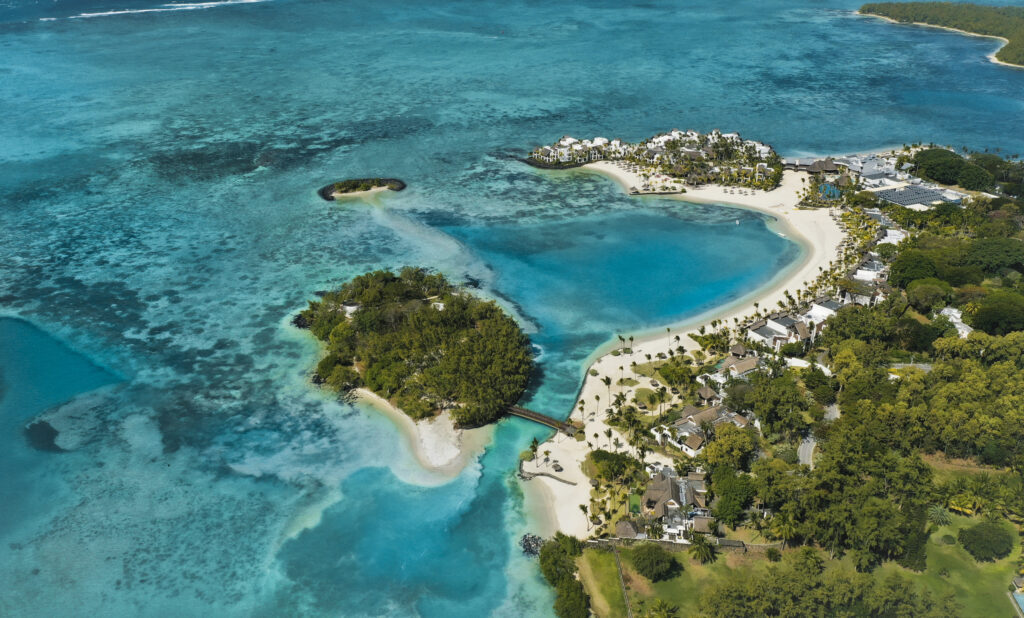
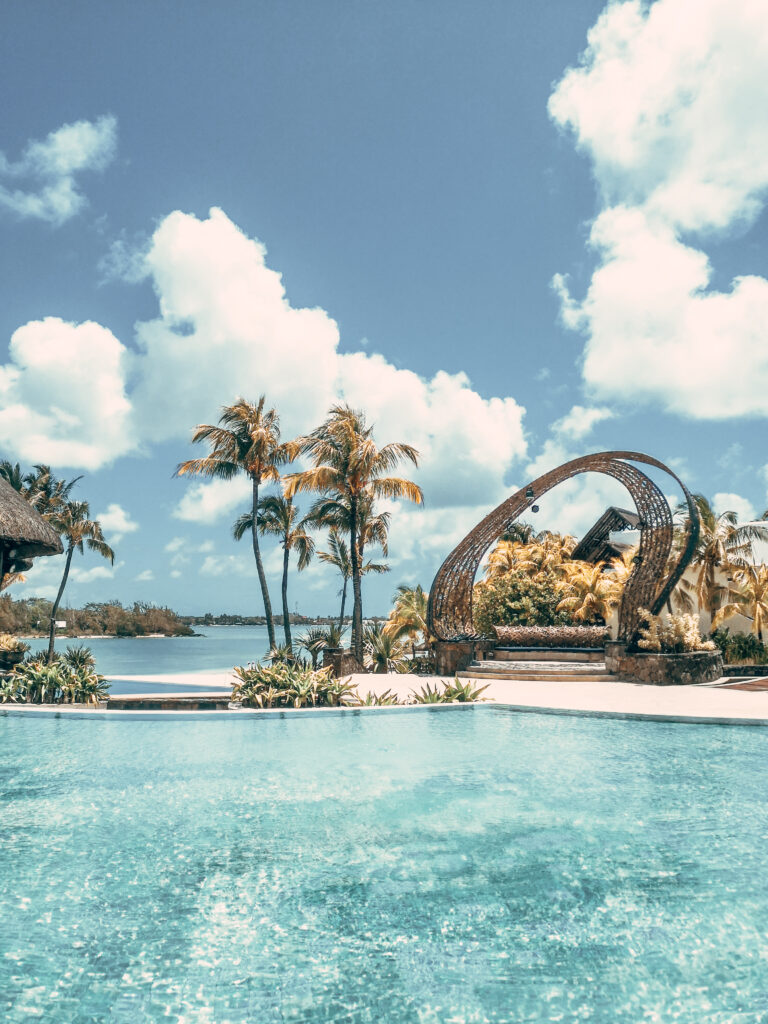
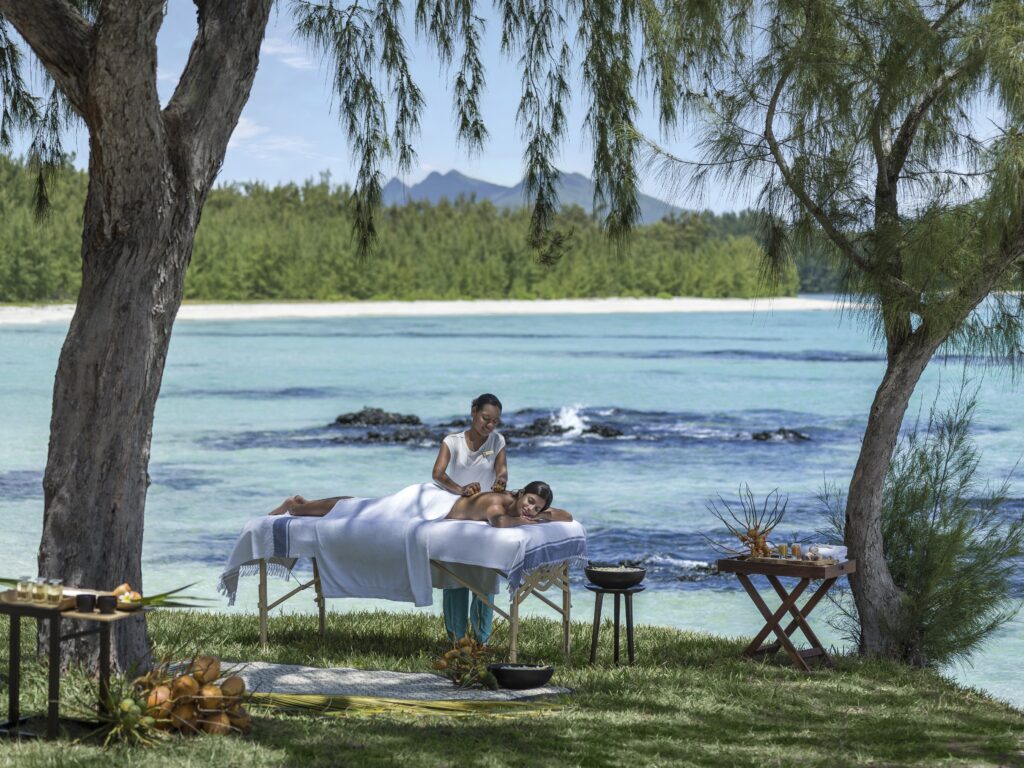
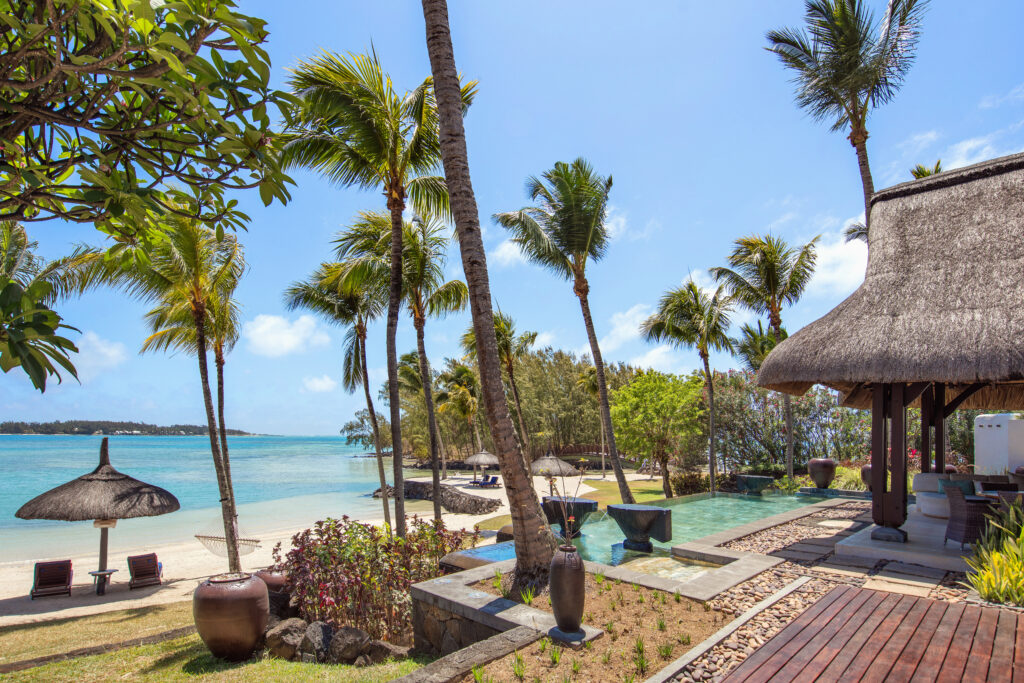
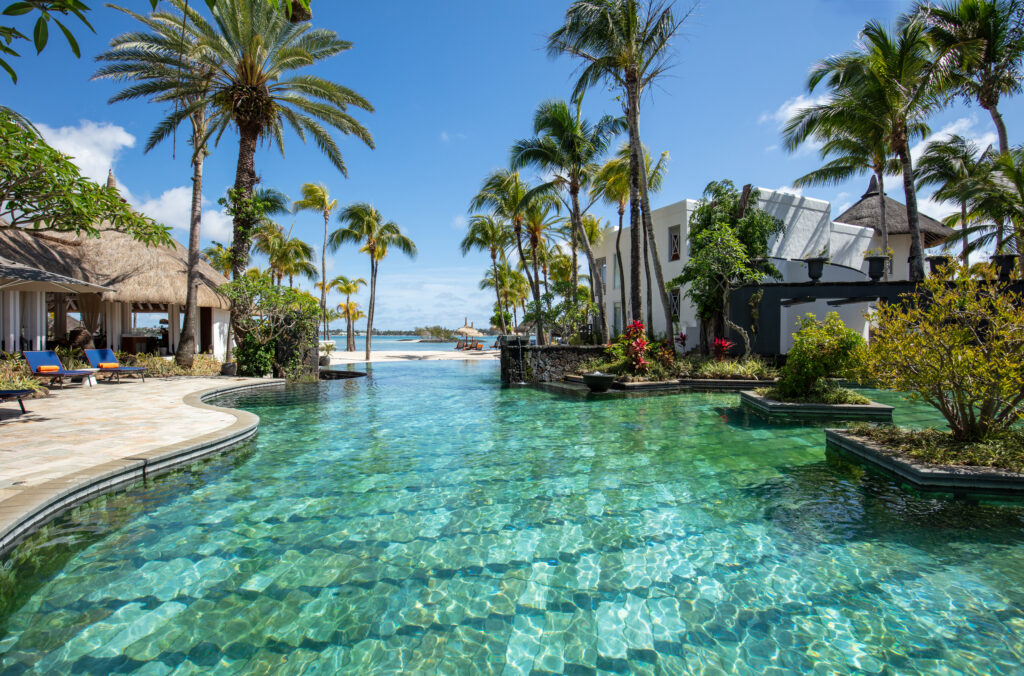
The location of the site determines everything. Located in Trou d’Eau Douce, the site stretches along a lagoon enclosed by a coral reef. This geography produces a shallow sea, with blue variations linked to the density of the sandy seabed and the light. The relationship with the water is not that of an open façade, but of a contained, almost interior space. The beach thus becomes a calm interface, with no abrupt break with the ocean.
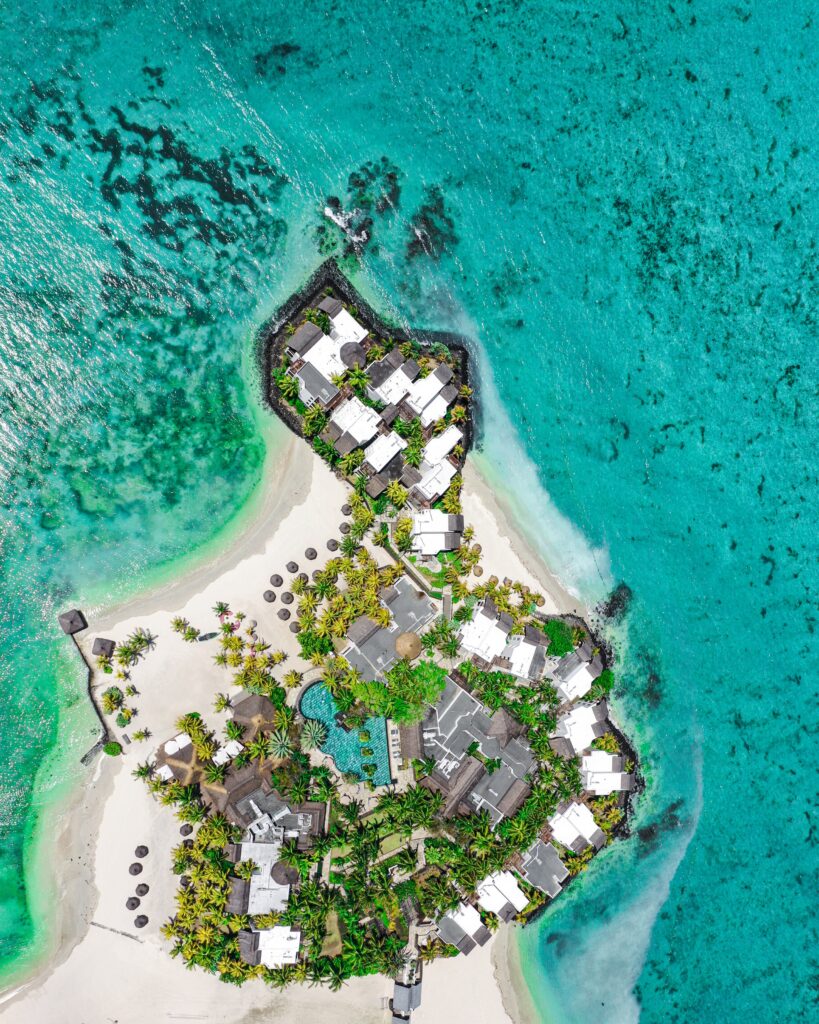
The structuring element remains the Mangénie islet, accessible only to guests. This secondary island acts as an extension of the estate, but above all as a place of distance. We don’t go there to accumulate activities, but to reduce stimuli: less traffic, less noise, less human presence. This short trip – just a few minutes by boat – produces a perceptible change of pace. The luxury here is not in the scarcity of objects, but in the management of attention.
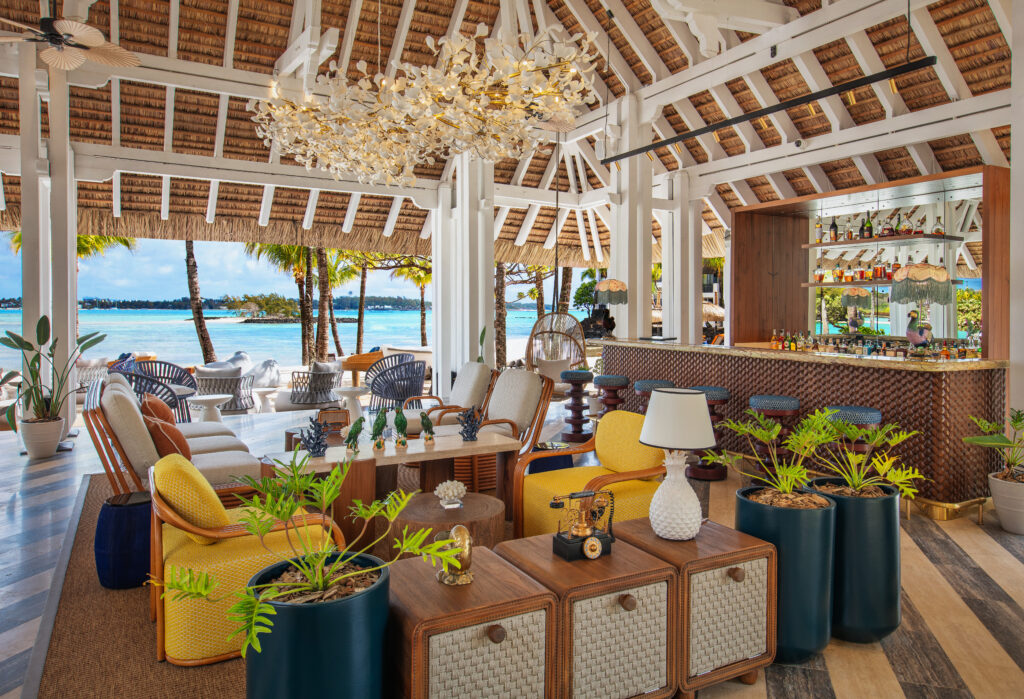
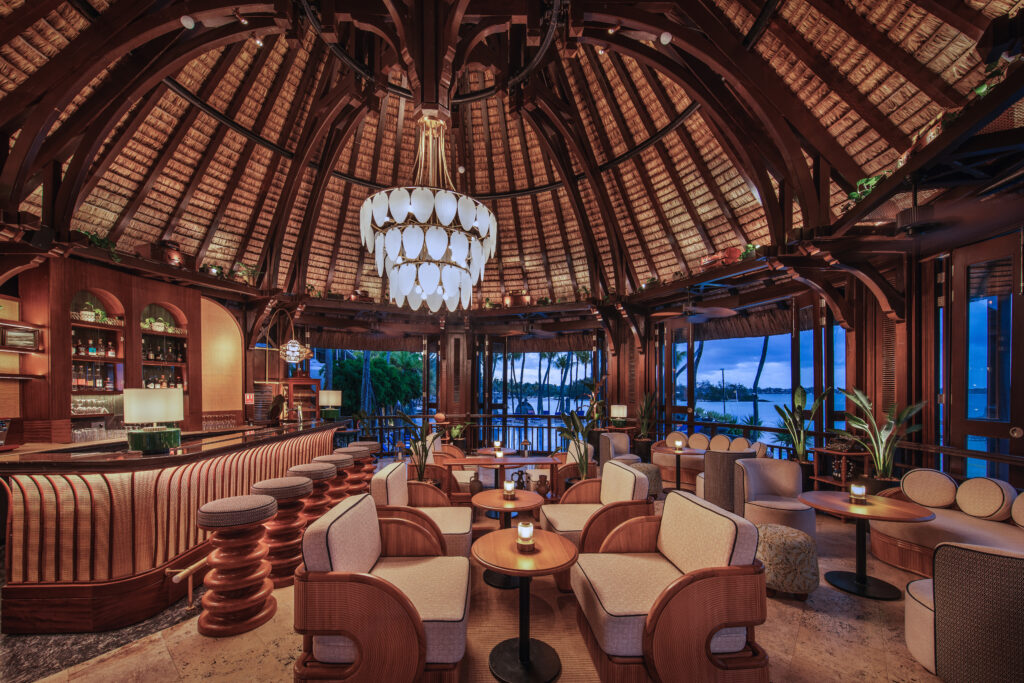
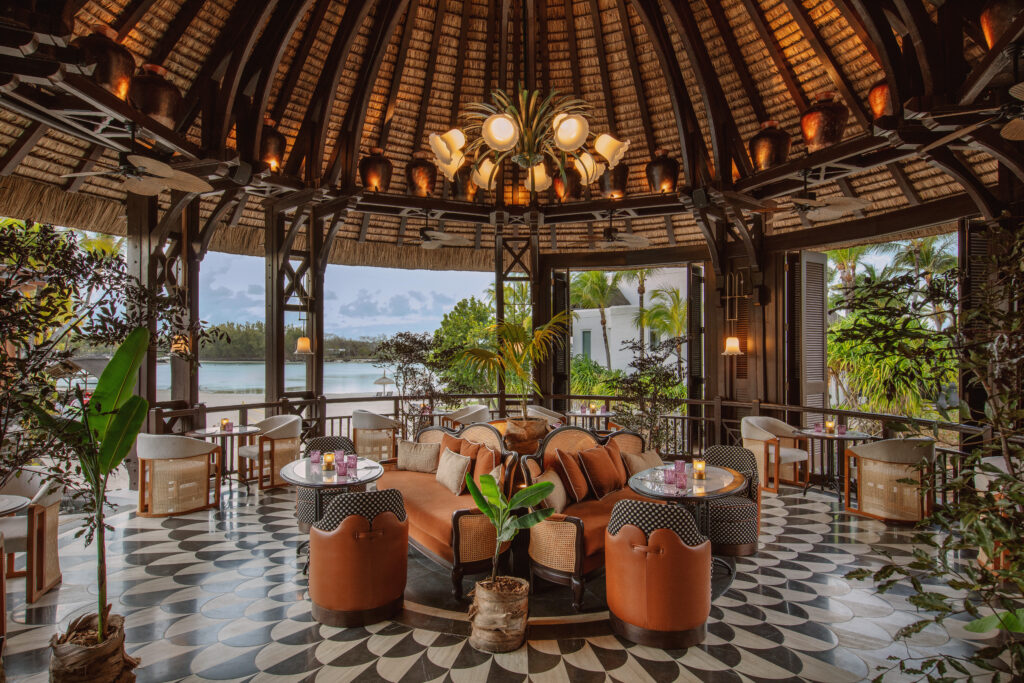
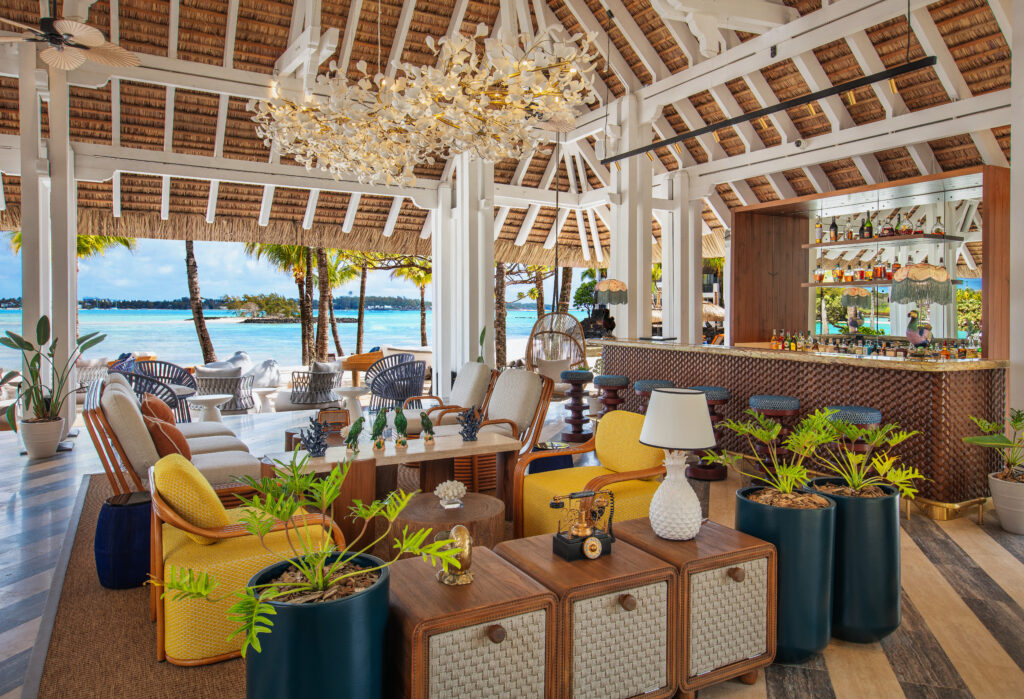
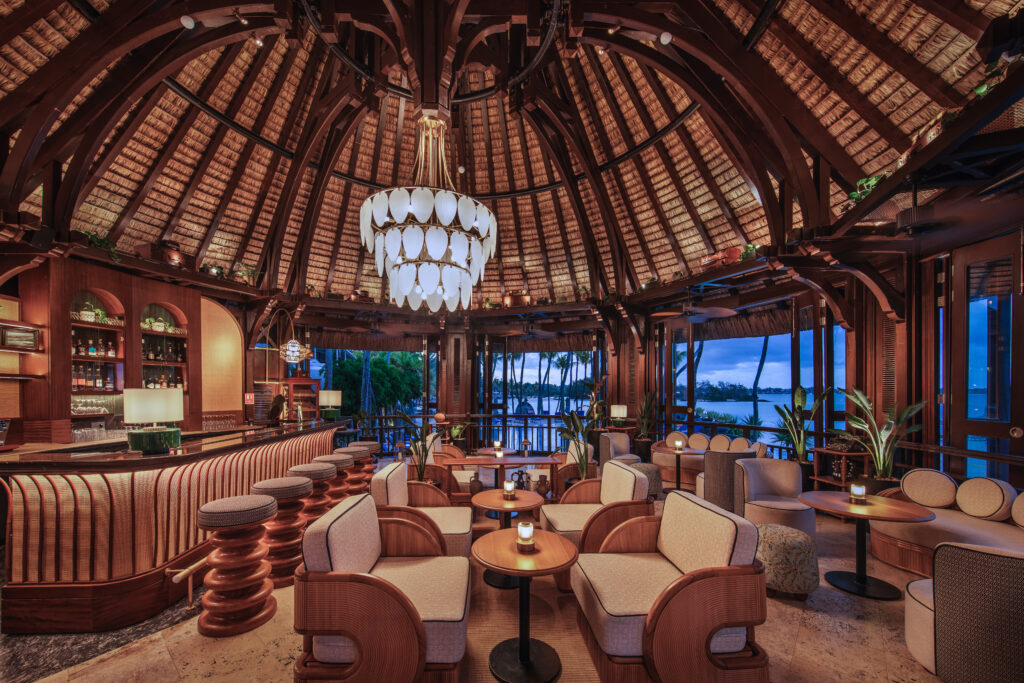
The architecture and layout are an extension of this logic. The rooms, particularly the Coral Ocean View Rooms, open out onto the lagoon, emphasizing visual continuity rather than fragmented spaces. The materials used, which are not detailed in the sources, seem to be part of a contemporary tropical aesthetic: low volumes, fluid circulation, porosity between inside and outside. What’s at stake is not formal demonstration, but the ability to let air, light and time through.
The address also addresses a more complex equation: that of family living in an environment that doesn’t sacrifice tranquility. The organization of activities – nautical, culinary, recreational – aims for coexistence rather than a strict separation of uses. Children occupy the space without saturating it, while adults find areas of seclusion. This type of balance is less a matter of visible service than of upstream design of flows and uses.
From a socio-cultural point of view, the location is part of a wider shift in European summer habits. Faced with the congestion of historical destinations, the Indian Ocean is becoming a credible seasonal alternative, supported by direct air access from Paris. This shift is not just geographical: it redefines the very notion of summer, now dissociated from the European climatic calendar.
An implicit question remains: what are we looking for when we leave Europe in July? At Shangri-La Le Touessrok, the answer seems to lie in three measurable parameters – available space, reduced human density, climatic stability – rather than in an accumulation of experiences. The place doesn’t propose an intensification of the stay, but a controlled dilution.
In this economy of slowing down, every element – distance, light, restricted access – becomes a tool. And the hotel, rather than a destination, acts as a framework: one in which time becomes perceptible again.
Cette publication est également disponible en :

