
Murano, Glass masterpieces from the Renaissance to the 21st century.
March 27 July 28 2013
Just yesterday we visited the Musée Maillol to discover Murano’s masterpieces. We appreciated the careful staging of this exhibition, which brings together Murano’s past and present know-how. A special mention for the room dedicated to Modern Art, with its spectacular works.
An original exhibition
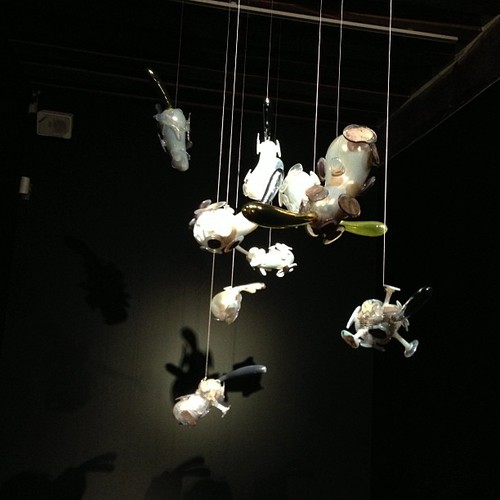
Maria grazia rosin – ice virux
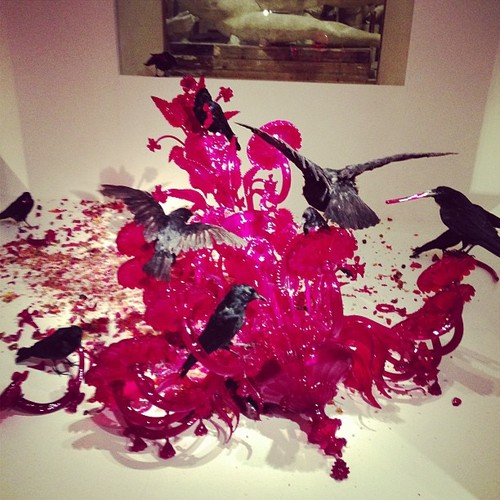
Javier perez – Carrona
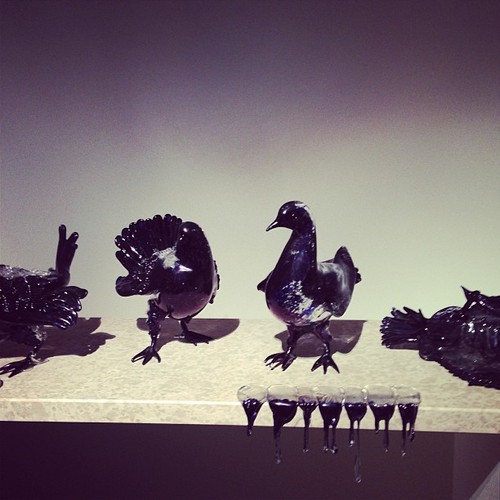
Jan Fabre – shirting doves of peace and flying rats
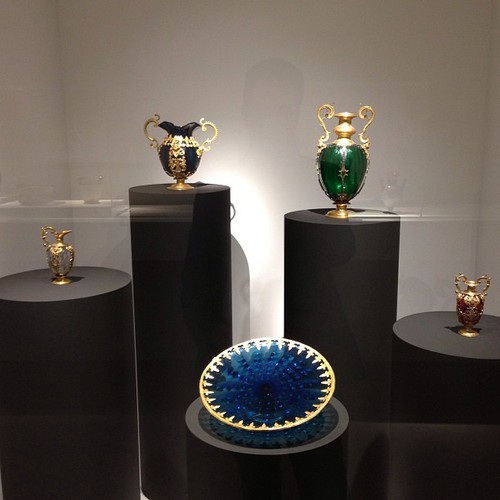
Late 17th century green medicis vase
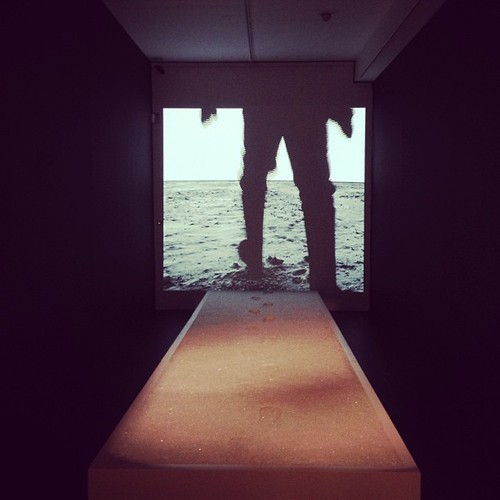
Recycle group – way
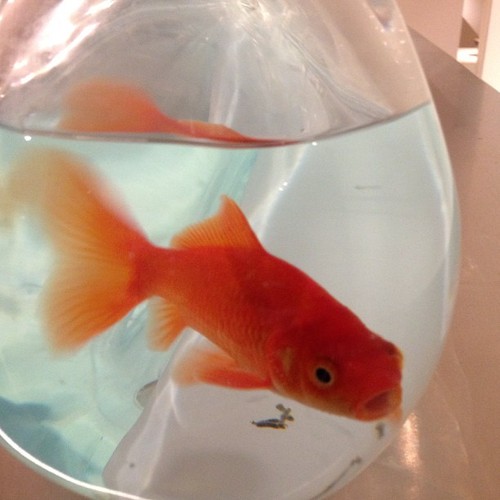
Shen Yuan
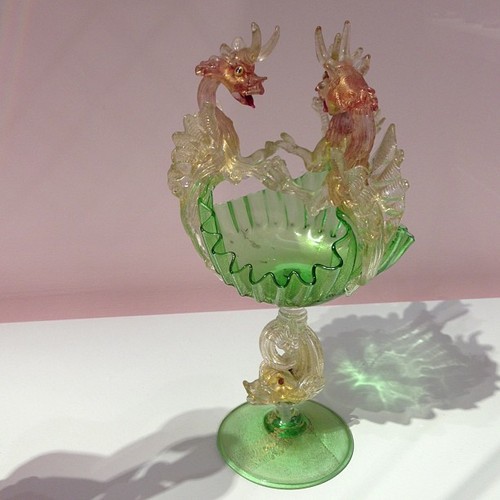
fratelli Toso glassware – cup with three dragons and a dolphin
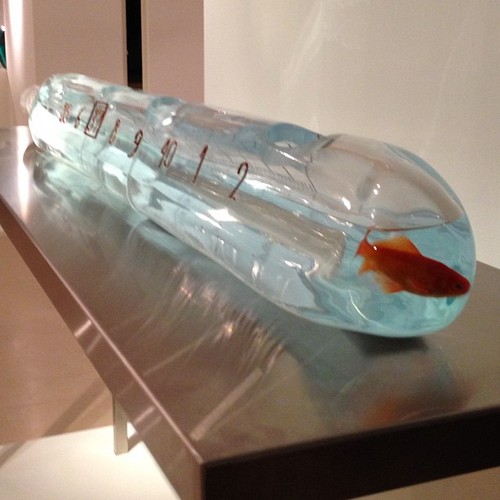
Sheb Yuan poikilotherme
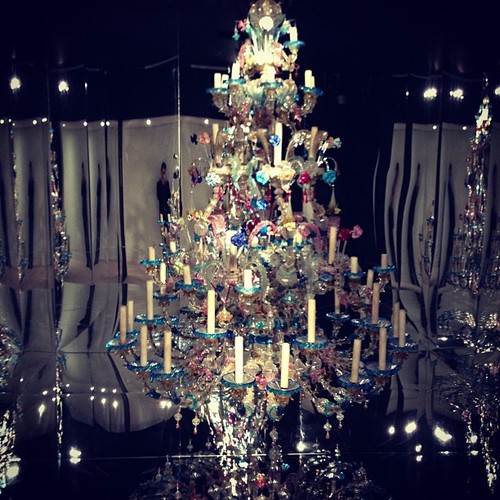
Rezzonico chandelier
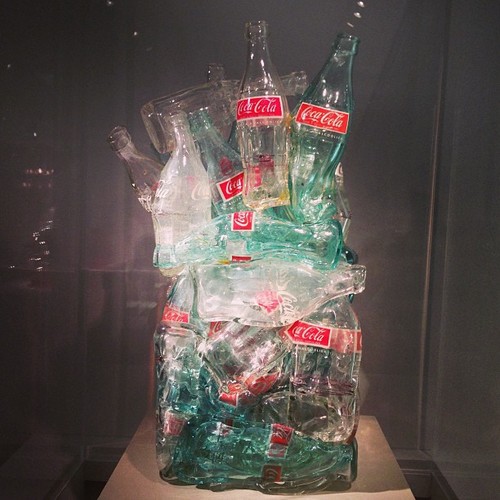
Cesar – coca cola compression
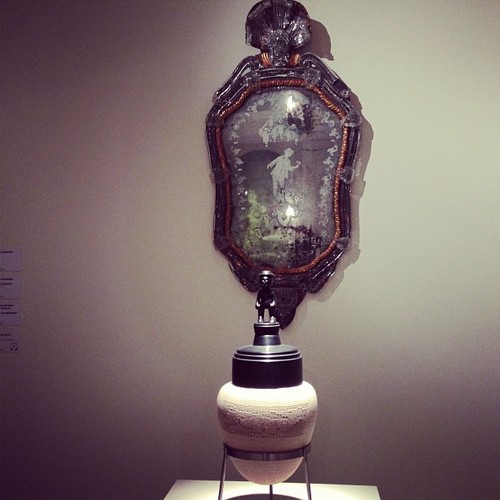
Orlan
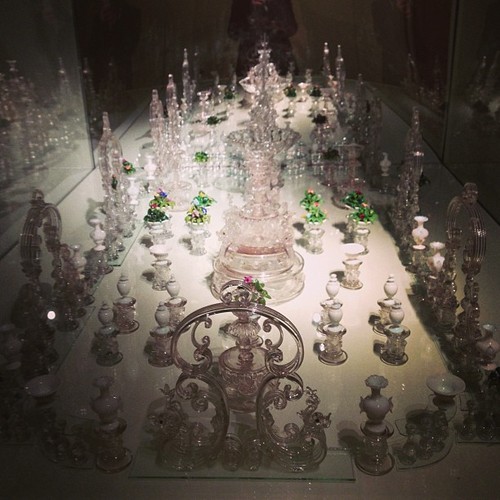
The bizarre garden
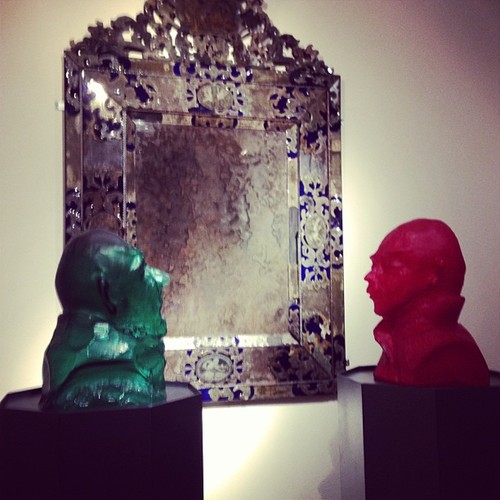
Berengo heads
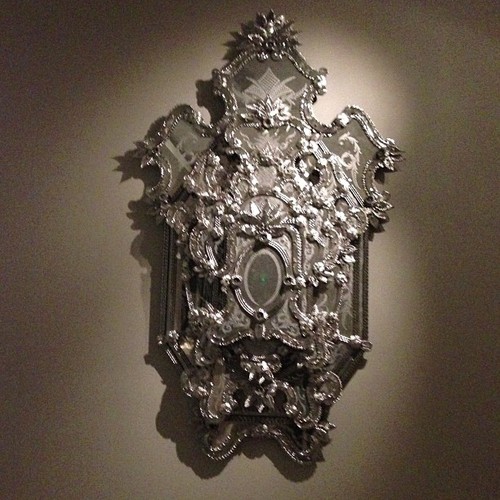
Iago’s mirrot by fred wilson
Murano: if the name of this charming Venetian island immediately evokes the art of glassmaking, the purely touristy creations that today invade souvenir stores sometimes make us forget the precious know-how, unique quality and splendor of the glass objects produced for centuries in its workshops.
For the first time in France, an exhibition retraces the extraordinary adventure of Murano glass, covering seven centuries of intense creation, from the middle of the 15th century to the present day. Over two hundred pieces, many never before seen or exceptionally exhibited, from public collections or jealously guarded in private collections, will be brought together.
The exhibition retraces the history of the production of the great glassworks: a selection of the finest objects made for the great European families and courts of the Renaissance – the Este, Gonzaga and Medici families – Baroque fantasies and 18th-century creations, Art Deco pieces from the 1920s and Modernism from the 1950s, and contemporary works by “Studio Glass”, a movement of artists who have chosen to use glass as their sole means of expression.
A section is reserved for international artists who have been coming to Murano since the 1950s to experiment with glass as a privileged creative material, working with the greatest master glassmakers Arp, César, Fontana… Today, this tradition is more alive than ever. At the same time as the last two Venice Biennales, their latest creations, grouped under the name “Glasstress”, were presented at Palazzo Cavalli Franchetti: Hatoum, Othoniel, Pérez, Recycle Group, Shen Yuan, Wilson, Schütte.
A centuries-old history
Venetian glassmaking, derived from Roman glassmaking, appeared around the 10th century and really took off in the 11th century. It became the most important industry in the Serenissima, second only to the Arsenal shipyards. It was then transferred to Murano, probably because of the risk of fire and also to better control the master glassmakers, who were subject to draconian rules.
They could not leave Venice or export their know-how without facing the death penalty. Islamic glassmaking continued to reign supreme in Europe until the middle of the 15th century, when the Ottoman takeover of Constantinople in 1453 sent many glassmakers from the Muslim world fleeing to Venice. Murano then turned its production towards luxury goods, to satisfy the European aristocracy.
The Renaissance was one of the most sumptuous periods in the history of glass in Venice. Murano dominated glassmaking until the end of the 17th century, when it went into relative decline. But the workshops went on to enjoy other golden ages, in the mid-19th century, in the 1920s and at the dawn of the 1950s. Today, artists from all over the world come to work with the master glassmakers, producing works that bear witness to the excellence of centuries-old know-how.
A chronological tour
The exhibition unfolds chronologically, providing an immediate overview of the main technical and stylistic developments. These often spectacular masterpieces are complemented by remarkable ensembles of glassware, decanters, centerpieces, precious objects and furniture in pâte de verre, illustrating the tastes and fashions of each period. They trace the history of glassmaking in Venice, as well as that of the decorative arts and tableware in Europe. Magnified by a scenography by Hubert Le Gall, this abundant corpus of works reveals the different techniques, skills and inexhaustible creativity of these master glassmakers, who always put their talent at the service of the everyday and the exceptional.
MAILLOL MUSEUM
59-61 rue de Grenelle
75007 Paris
Cette publication est également disponible en :

