
Designed for Shohei Ohtani, the Star Time displays up to one hundred and fourteen years thanks to five rotating discs — a piece that is not for sale, born of a question about the time left to play.
Seiko presents the Star Time, a unique mechanical piece designed for its ambassador Shohei Ohtani. Its genesis can be told in one sentence: a reflection by the baseball player on the time he has left in his career. The result of nearly three years of development, the piece rests on a new mechanism with five rotating discs, capable of displaying up to one million hours — a little over one hundred and fourteen years.

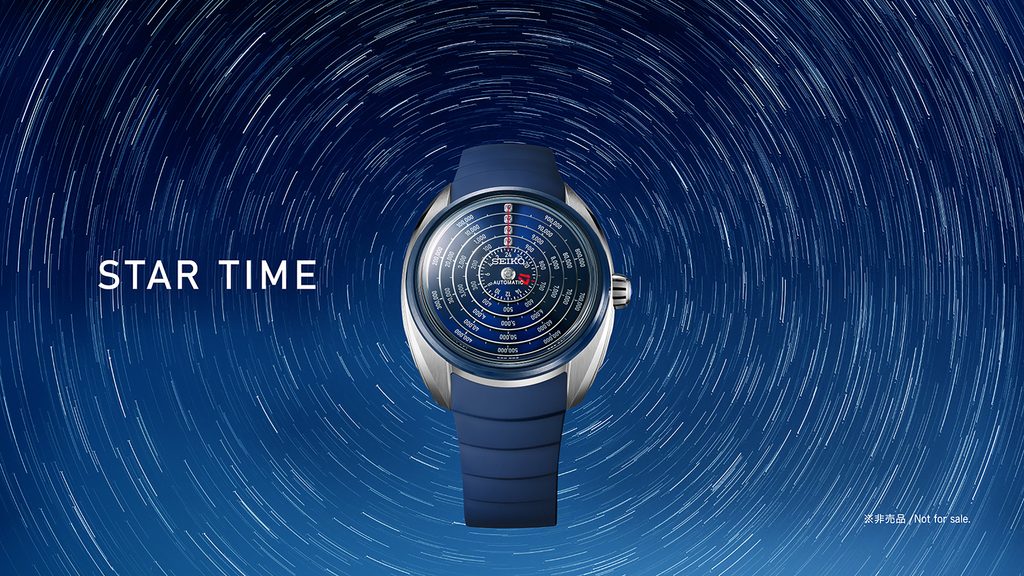
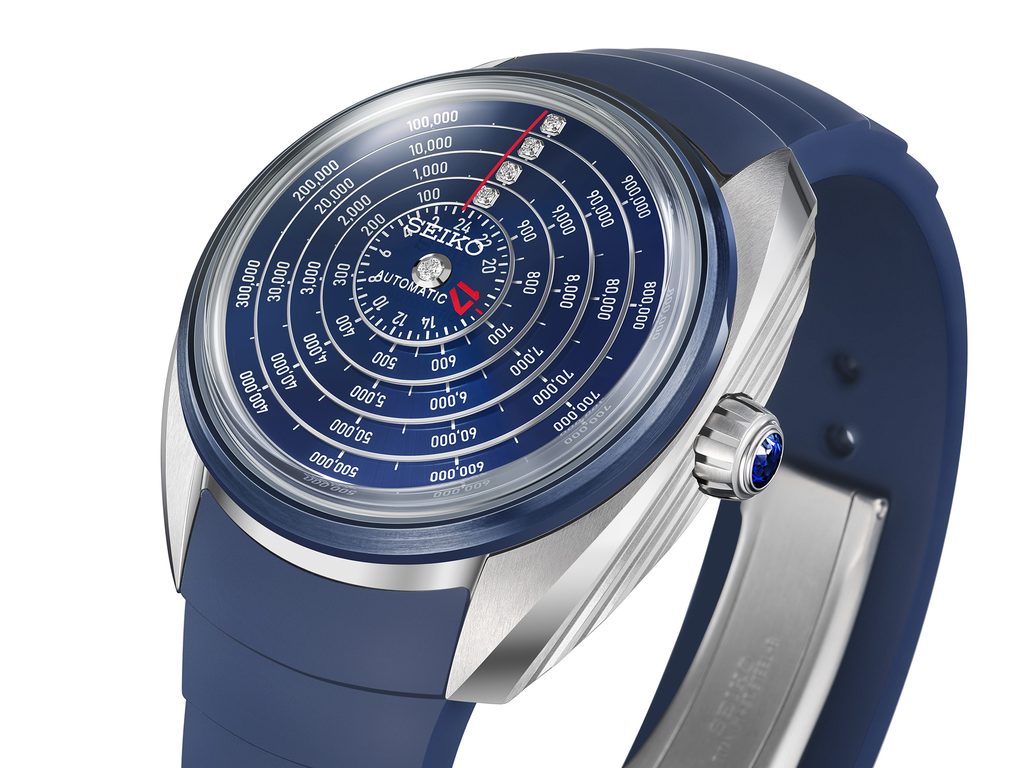
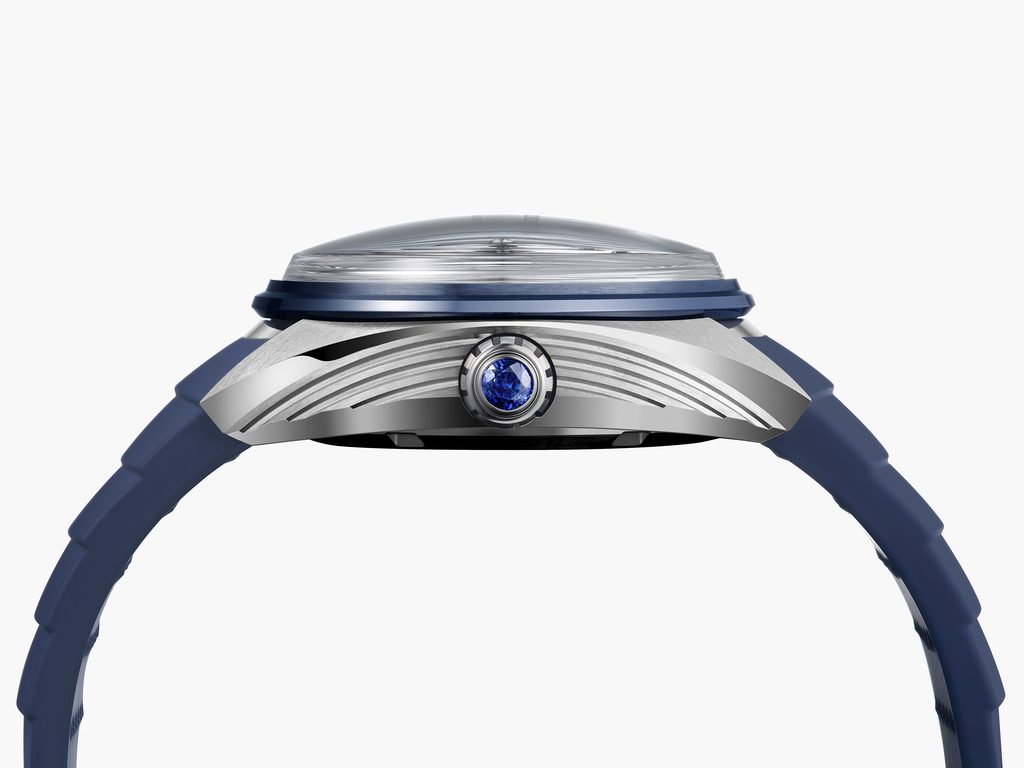
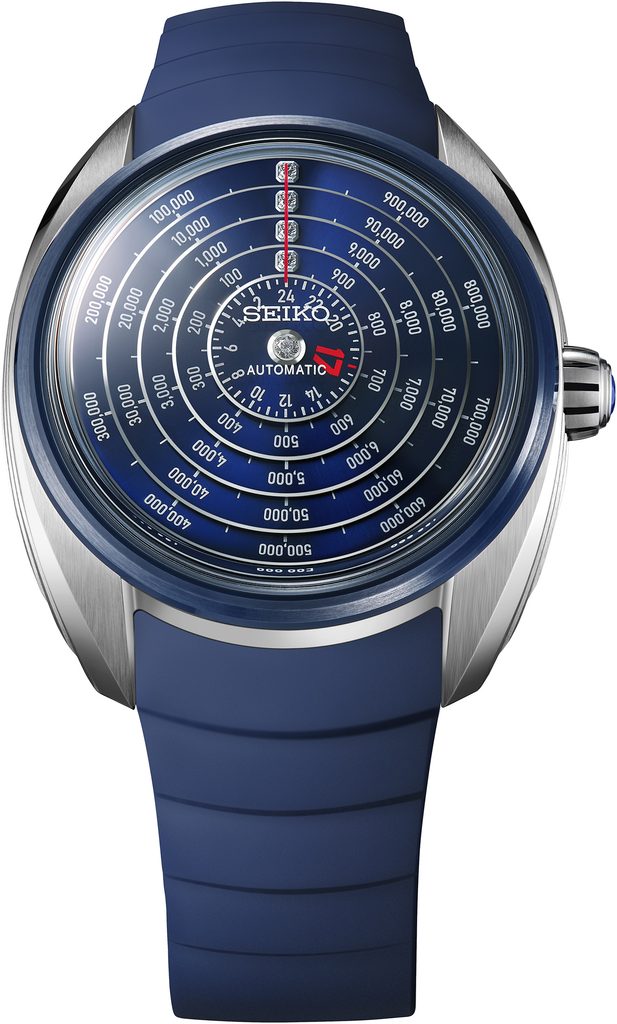
One million hours equals one hundred and fourteen years and ninety-two days — a display range unrelated to the everyday use of a watch, and with no commercial equivalent: the piece is not intended for sale.
This choice not to sell deserves to be noted. Seiko is not seeking here to demonstrate a feat in order to sell it, but to make of it an object of celebration — of time, rather than of the product. The piece belongs to a tradition of non-commercial horological demonstrations, in which the House pushes the limits of a mechanism free of the constraints of series production.
What remains is the question the object implicitly poses: a watch capable of measuring one hundred and fourteen years is not meant to measure time that one buys, but the time an athlete negotiates with himself — each turn of a disc a reminder that a career, for its part, cannot be rewound.
Also on Luxsure: At Jaeger-LeCoultre, the ambassador is chosen at the workbench · MB&F SP One Pavée: the diamond in the service of architecture · At Codognato, colour becomes a language as grave as black and gold · At Louis Vuitton, the Damier climbs up to the ears
Cette publication est également disponible en :


