
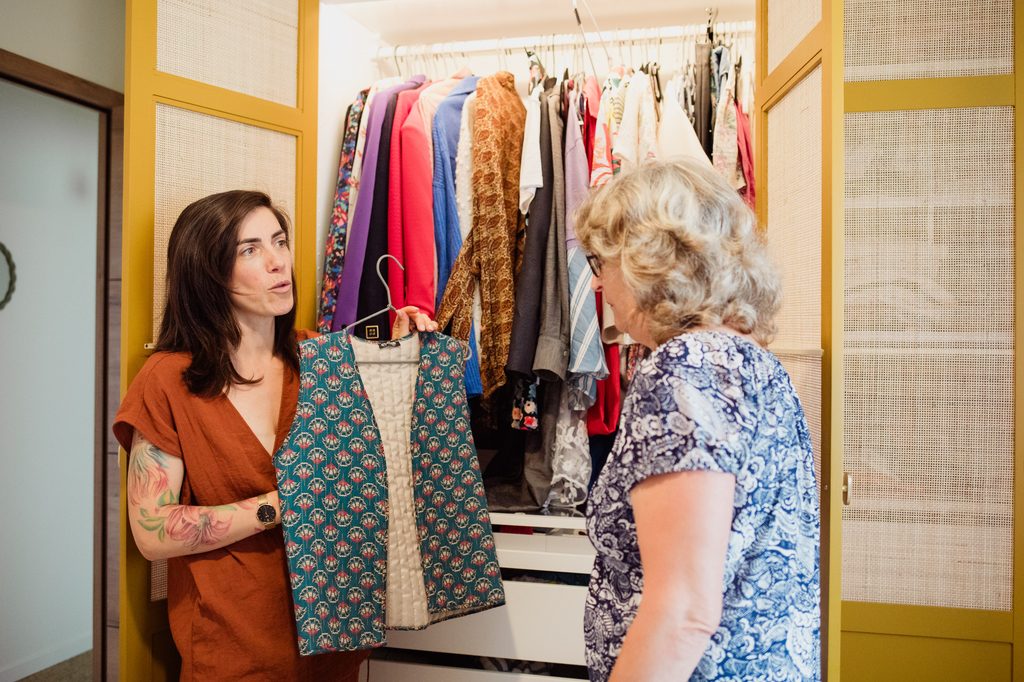
The Home Organiser profession is seeking to structure itself in France. During a session in a walk-in wardrobe, the founder of Fée du Tri detailed her method, her project durations and the difference she draws between organising for someone and sorting with them.
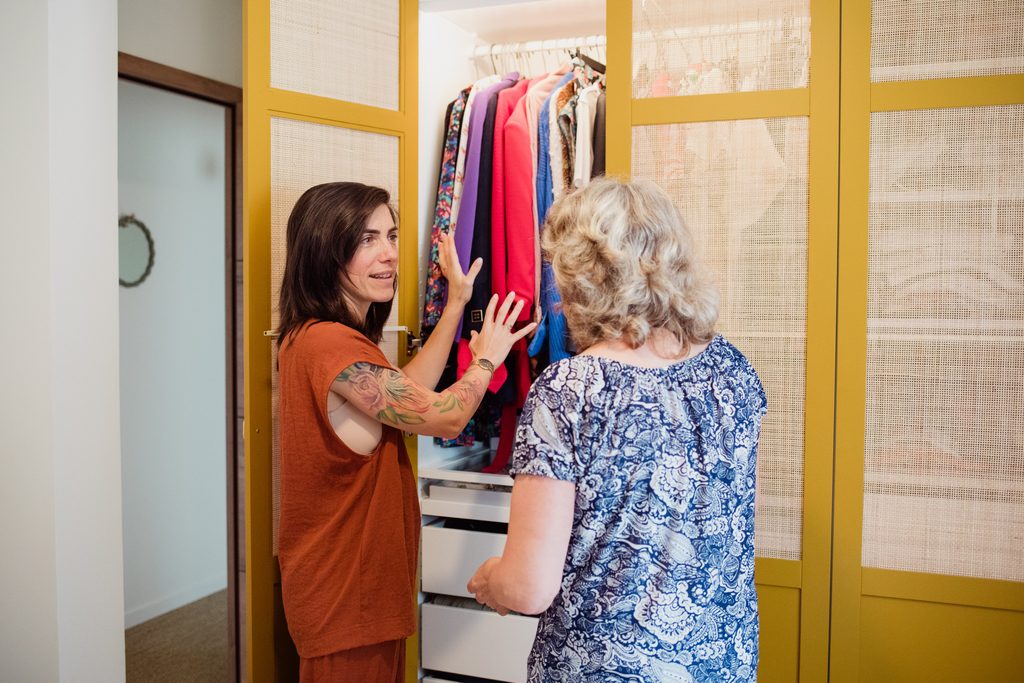
Elodie Iglesias begins by shifting the problem. Before looking at a room, before the first question, she asks for the wardrobe to be emptied: everything comes out, everything ends up on the floor. “The mistake people usually make is to sort while leaving things inside,” she says. The clothes had been gathered in one place before she arrived. What remains is to tear them away from their place, the one that exempts them from being examined.
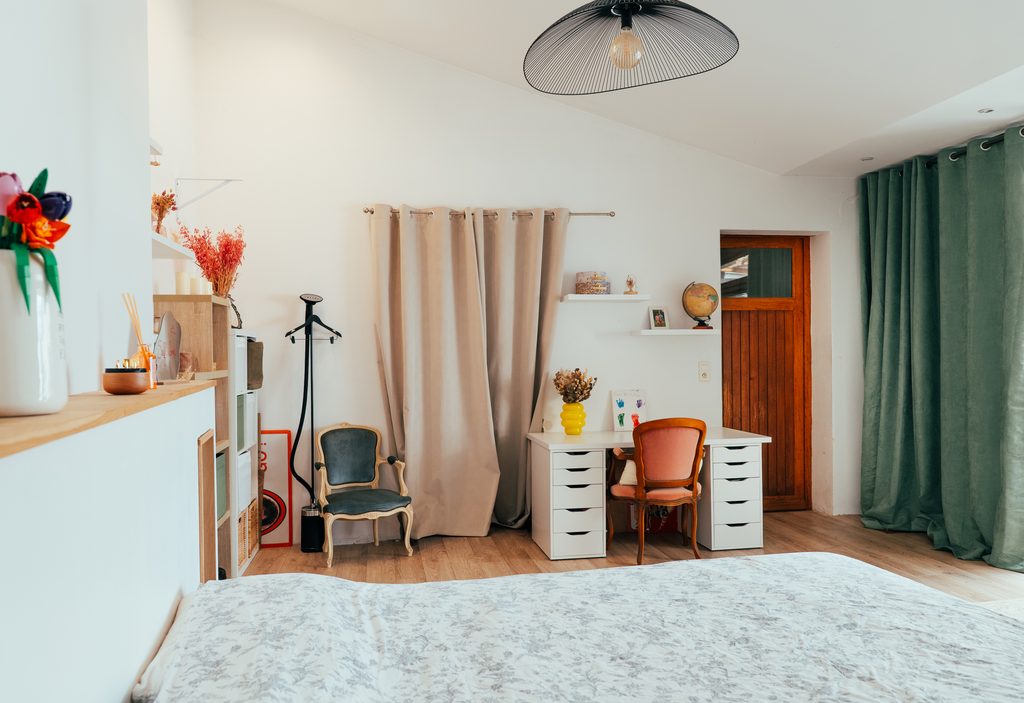
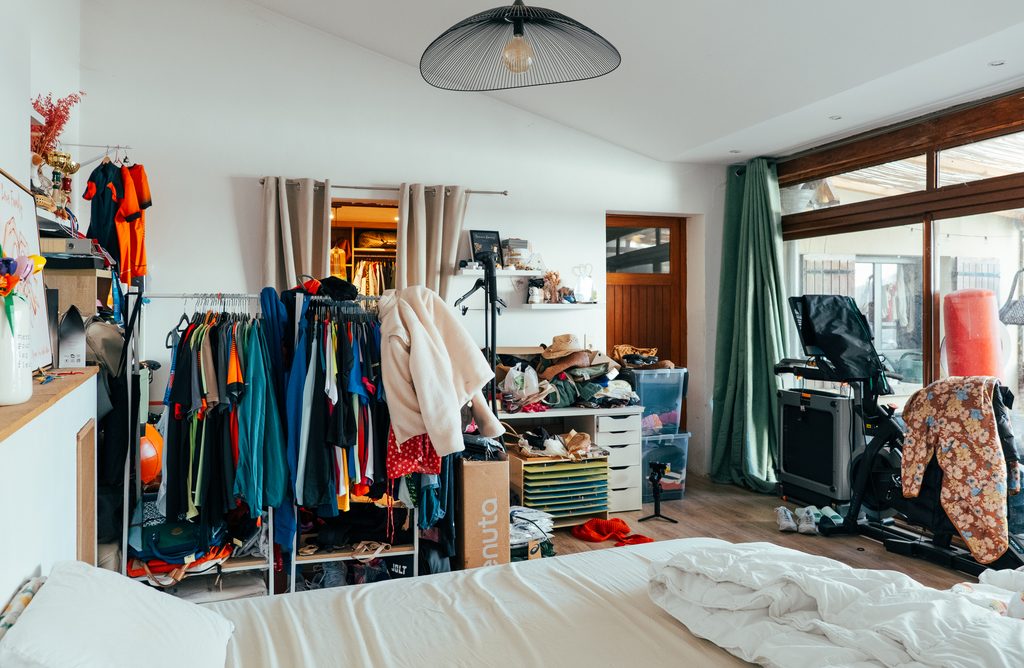
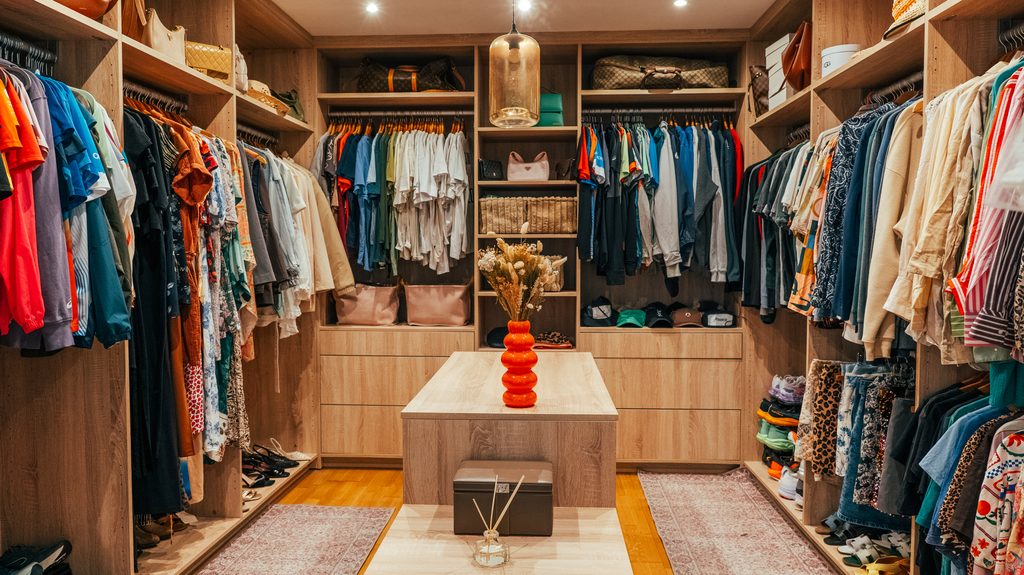

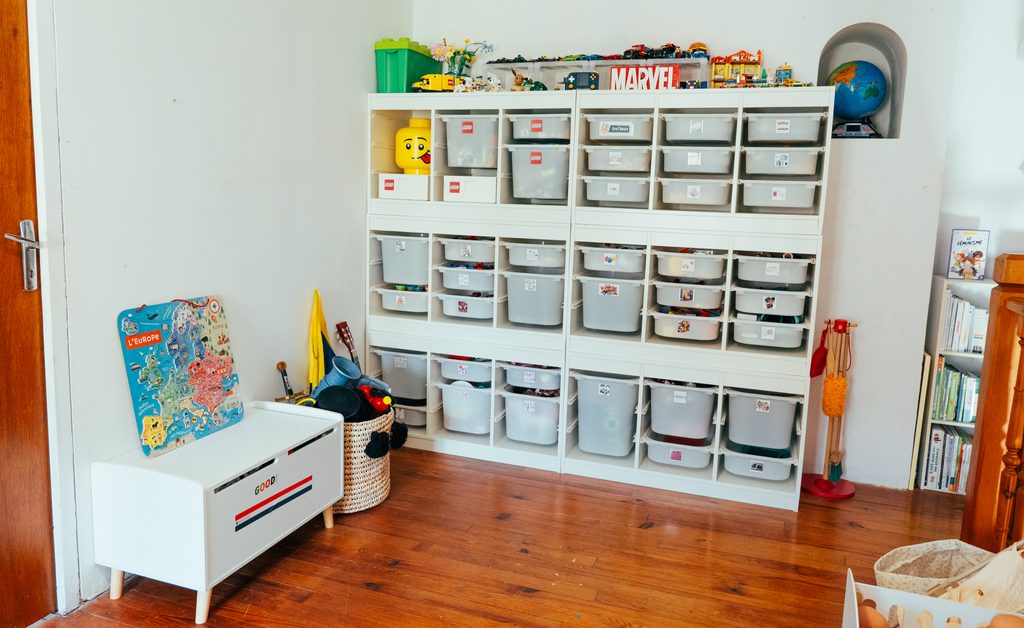
The sorting is then done piece by piece, together. Her rule fits in a formula she states straight away: doubt is an answer. What makes you hesitate does not stay. She immediately adds a reservation. A garment can be kept for a sentimental reason, and that is legitimate. It is then identified as such: on one side what serves in daily life, on the other what is kept for another reason. The distinction matters, because it prevents sentiment from contaminating use.
She does not decide in the person’s place. She says she can sense, from the immediate reaction, what should go, and adds that the decision is not hers. Her example: an ugly piece, but one that comes from a grandfather. She will never have it set aside. “I’m never going to decide for you, obviously.”
According to her, an outside eye changes the nature of the exercise. The people who call her in have already made a choice, that of calling. They are ready, and on seeing what they own, they notice that they do not wear it. She puts forward that a whole-house sort clears out on average 60% of objects. She immediately specifies that she does not promise this figure for the wardrobe of the day. It is a practitioner’s estimate, not a measurement.
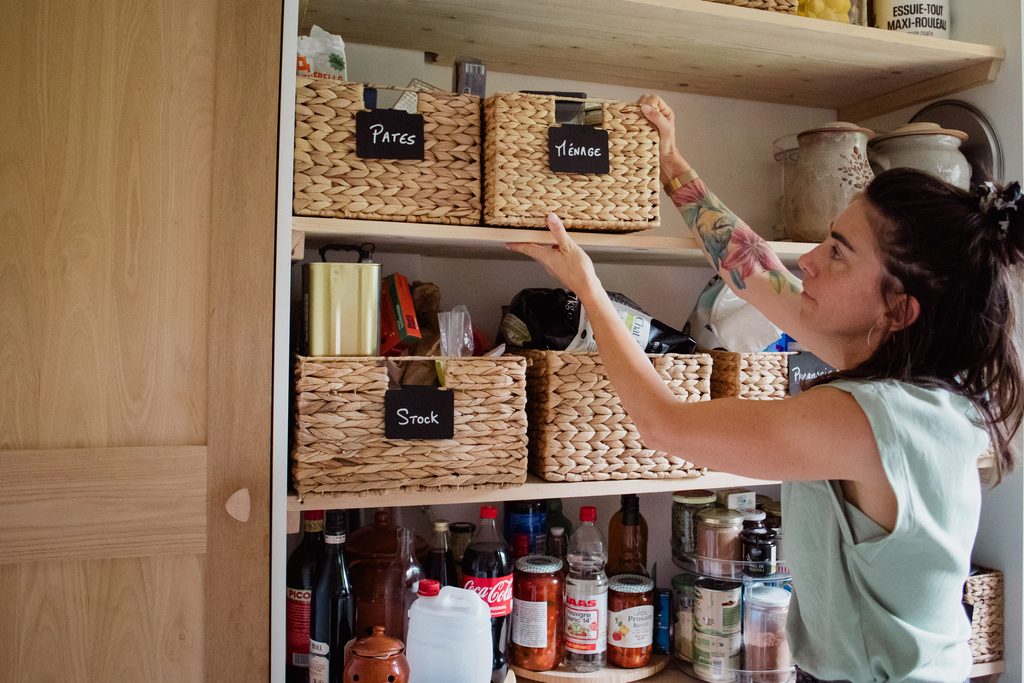
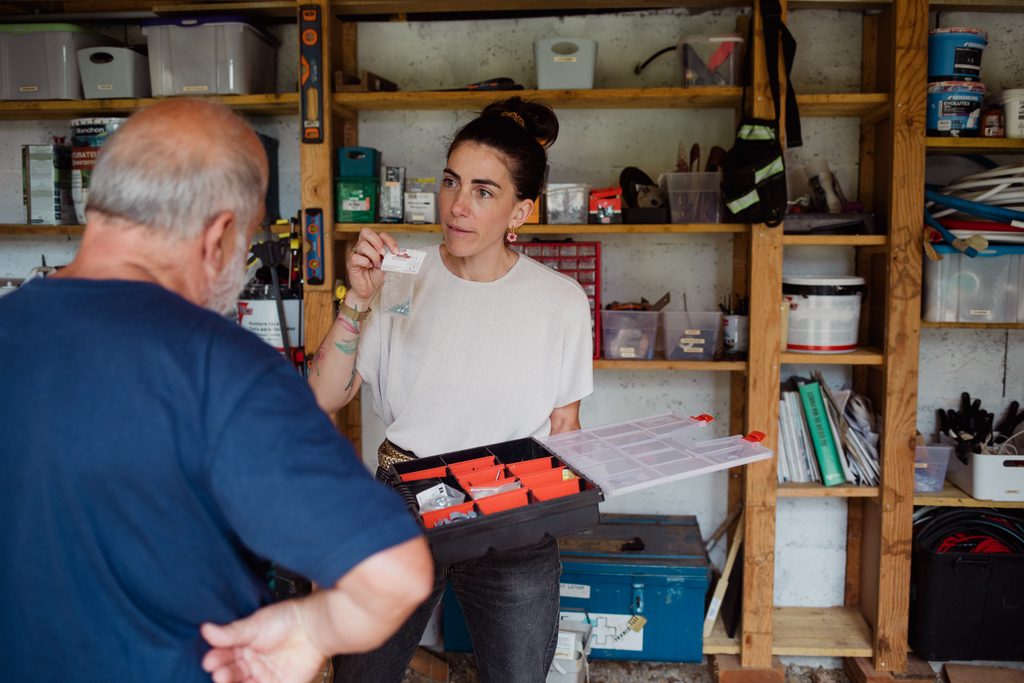
The work follows an order that she says she never reproduces identically, because it depends on the apartment. She likes to start with the bedroom of the person who hired her, the room where one recharges. Bathrooms take a long time, because small products accumulate. The aim, stated without detour: for every object to pass through her hands, “the smallest thing.” The consequence is material. During the progress, some rooms become cluttered with objects that must go elsewhere. This is why she recommends treating the whole house: the method only holds if it goes all the way.
Two ways of working
There are, she explains, two ways of practising this profession. The first is the one she practises that day: one sorts together. The second addresses a more upmarket clientele, who want it to be beautiful and do not necessarily ask to go through sorting. They come to tidy, to reorganise. She does not dispute the request: one pays for this, she says, and that is legitimate. But the approach is not the same, because these clients will keep consuming.
She prefers sorting. Spending a few hours deciding what stays produces realisations. She does not ask people to stop buying. Her reasoning is simpler: the problem is not owning things that are not pretty enough, it is having too many of them.
The remarks separate two services that are readily confused, the embellishment of an interior and the decision about what is kept in it, and place the second before the first. Its limits can be debated. A clientele that delegates tidying does not necessarily wish to have decisions imposed on top, and Elodie Iglesias acknowledges this herself by naming the other way of practising. She does not make a moral of it. She describes two services that do not produce the same thing.
From a camera to a network
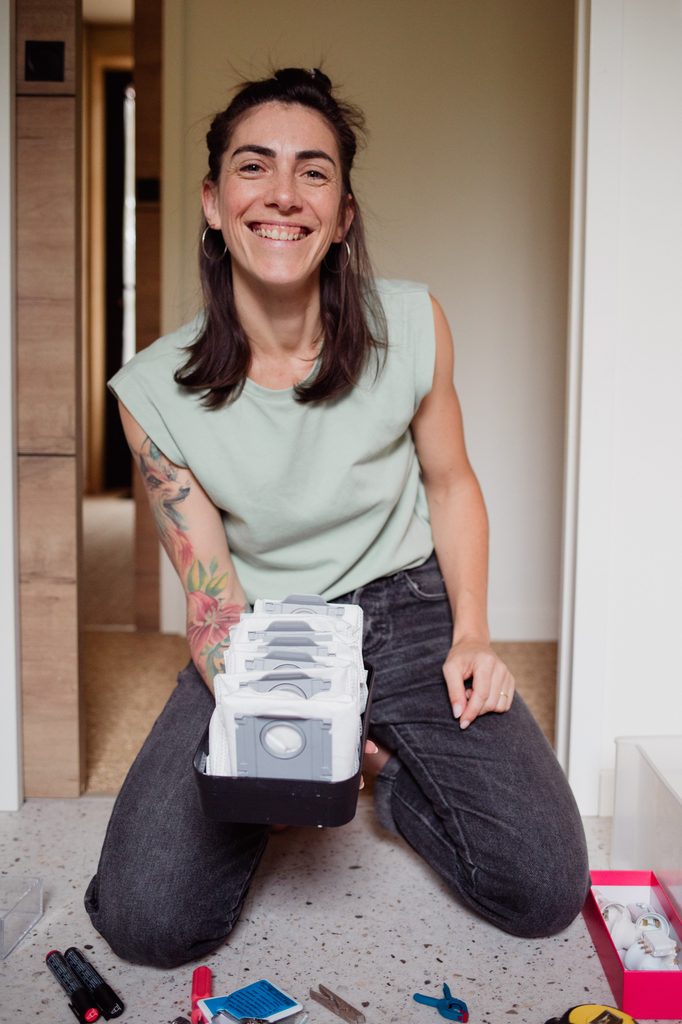
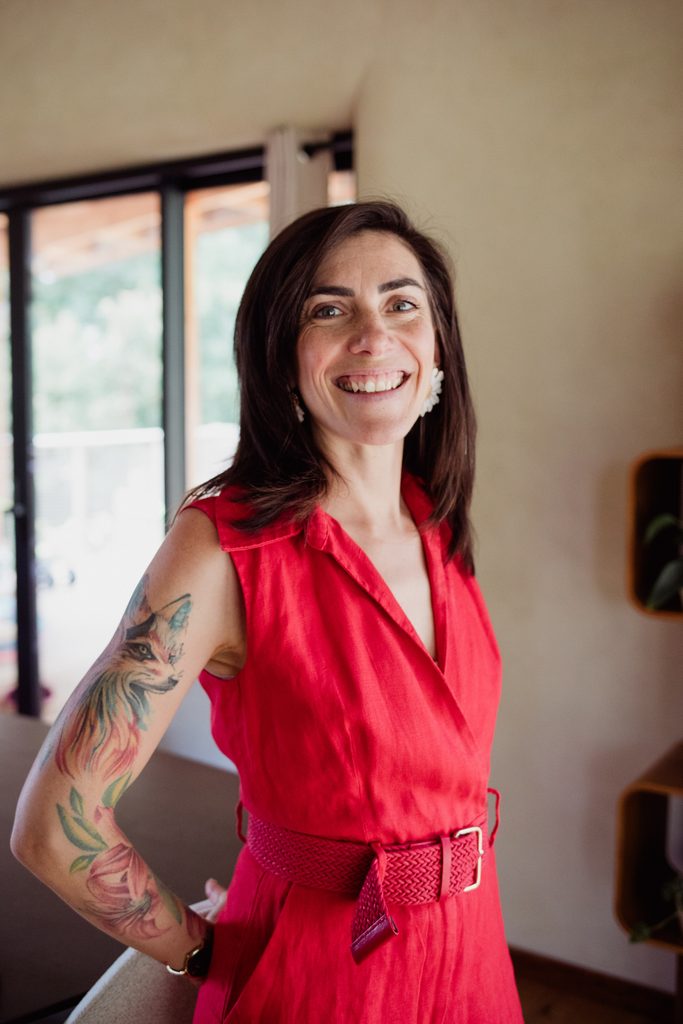
Her career explains the insistence on fieldwork. She was a camera assistant for ten years in cinema, until 2016. In 2017, she launched Fée du Tri and left the Paris region for Bordeaux, on a “now or never” basis. At that point she worked only with private individuals. She counts nearly 350 houses sorted by her own hand, and perhaps 400 today.
Very quickly, another request layered itself on top of the first. People called her to do the same job, about one a day. Over a year, she counts 300 calls, of thirty minutes to an hour each. Hence the training. The first session was held in person, with twelve places, and filled immediately. Covid arrived about three months later. She then put the training online, with a production company, which draws on her past as an image technician.
Selling online, she says, is another job. She stopped sorting herself and delegates to ambassadors whom she chooses. The site offers a search engine by département: one enters one’s own and arrives on the page of the person who covers it. In Île-de-France, there are four of them.
At the scale of the company, Fée du Tri states that it brings together more than 30 professionals and has trained more than 2,000 people, mainly women aged 25 to 55 changing careers. Its press release adds that Elodie Iglesias was trained by Marie Kondo. These elements are the company’s own, and none has been independently verified.
What the session establishes
What it allows us to establish is limited: a method (take everything out, decide together, set the sentimental aside), orders of magnitude for duration, an argument about the difference between tidying and sorting. It does not allow the effect to be measured. The benefits in mental clarity put forward by the company remain a claim, with no figure to support them. Only one indicator is given by Elodie Iglesias herself, and it is modest: the day after a sort, faced with a purchase, one asks oneself, “am I really going to buy this thing?”
Durations announced by Elodie Iglesias: a wardrobe, half a day; a bedroom or an office, about a day, depending on the volume of papers; a kitchen, a day; an entire apartment, six days on average. Bathrooms take more time than their surface area would suggest.
Website: https://feedutri.com/
Instagram: https://www.instagram.com/la.fee.du.tri/
Cette publication est également disponible en :


