
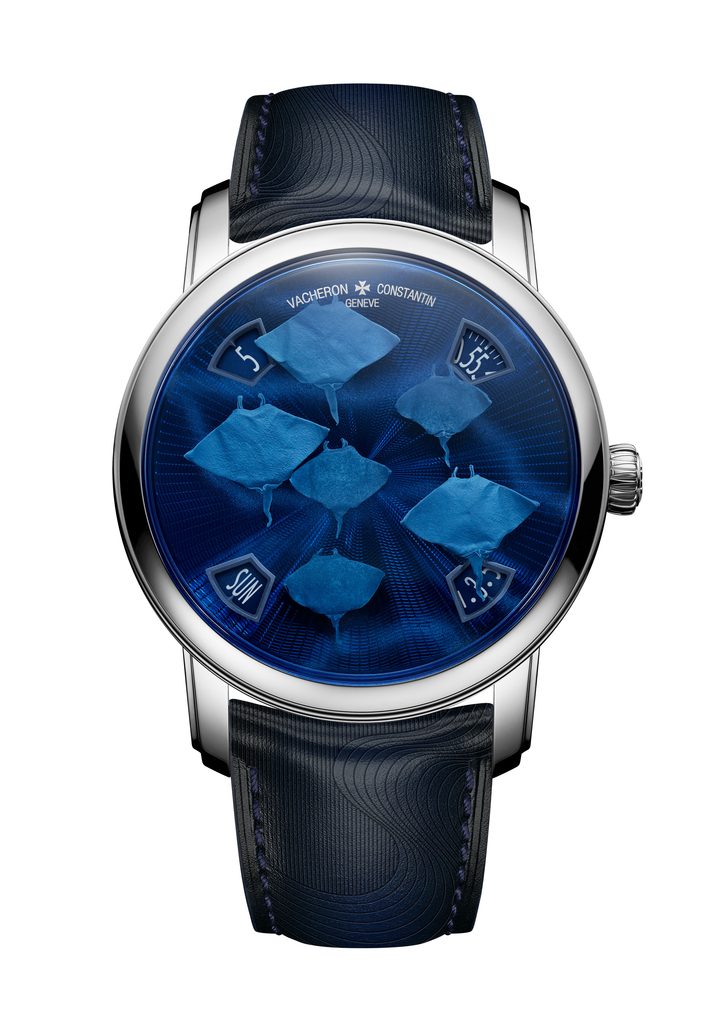
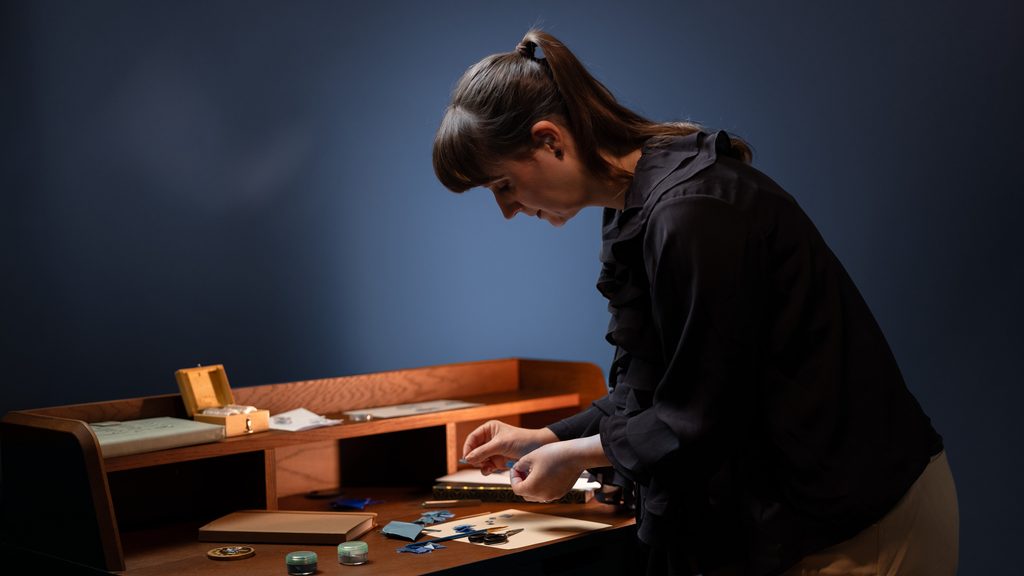
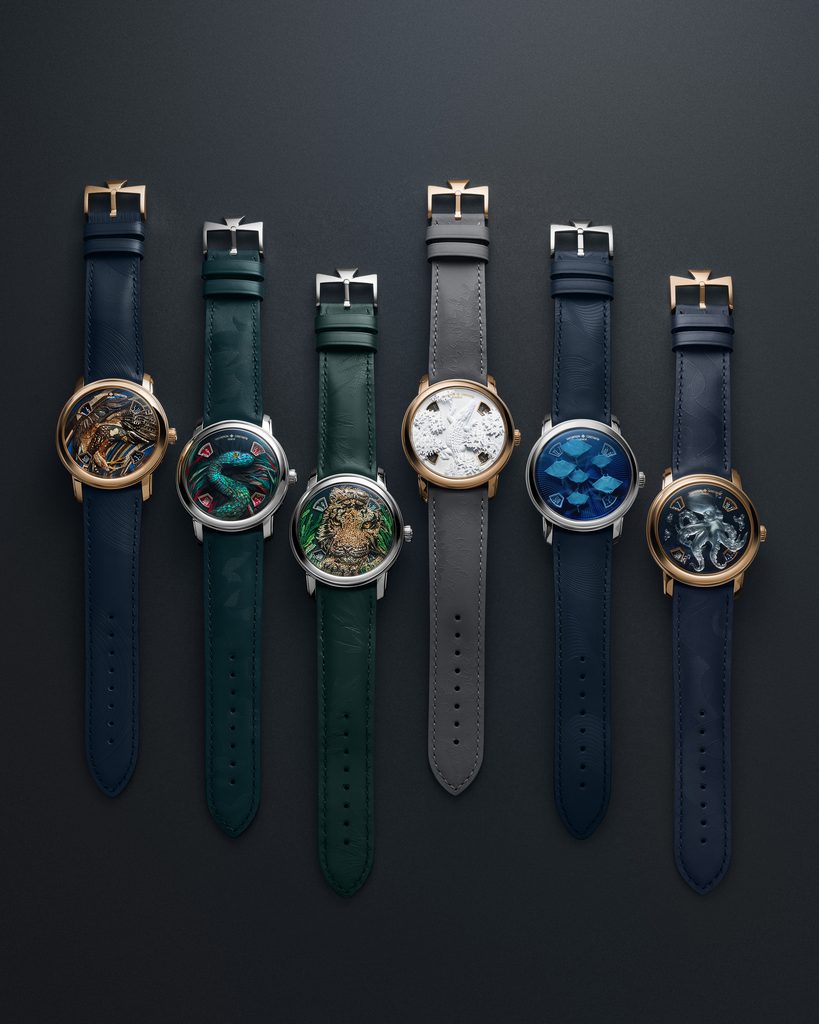
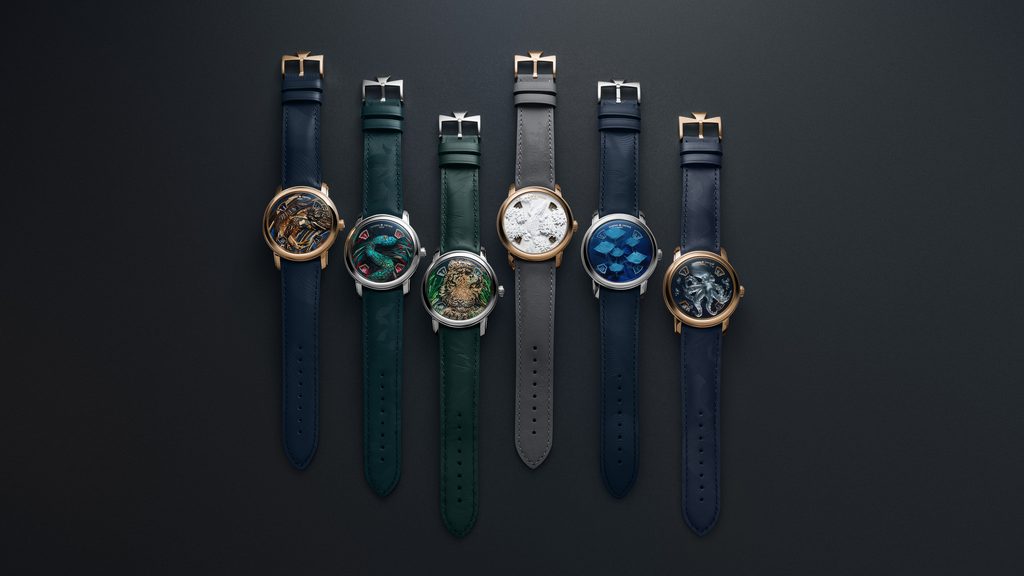
In a pocket of air no more than 4 millimetres deep between the sapphire crystal and the dial plate, ordinary craft is doomed to suffocate. For its series Métiers d’Art Hommage au Règne Animal, developed within the transmission programme One of Not Many Crafts, Vacheron Constantin has deliberately pushed six practitioners out of their comfort zones. None of them had ever set their practice within the confines of a watch case. The architecture of the manufacture calibre 2460 G4 supplies the mechanical premise of the project: by replacing the central hands with four trailing and jumping discs set in peripheral apertures for the hours, minutes, day and date, the movement frees the central space. Yet this cleared surface offers no respite in execution.
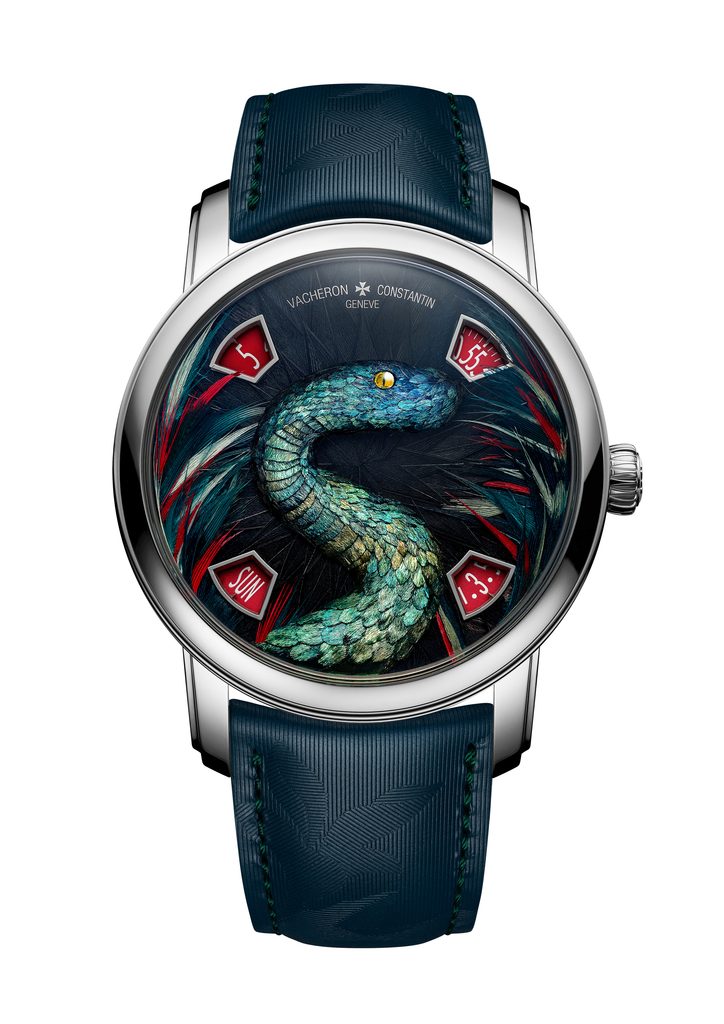
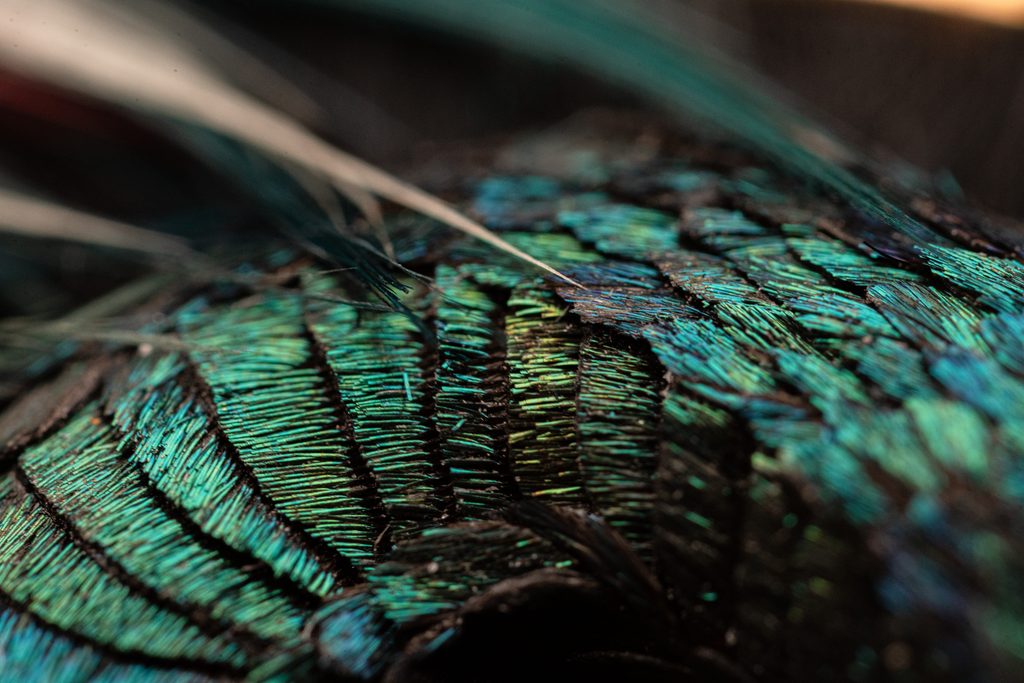
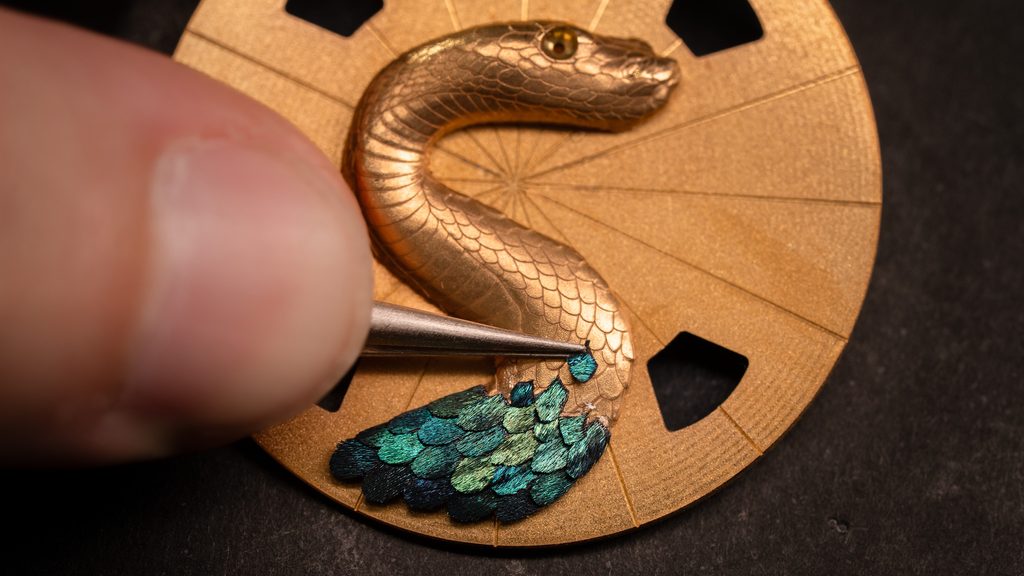
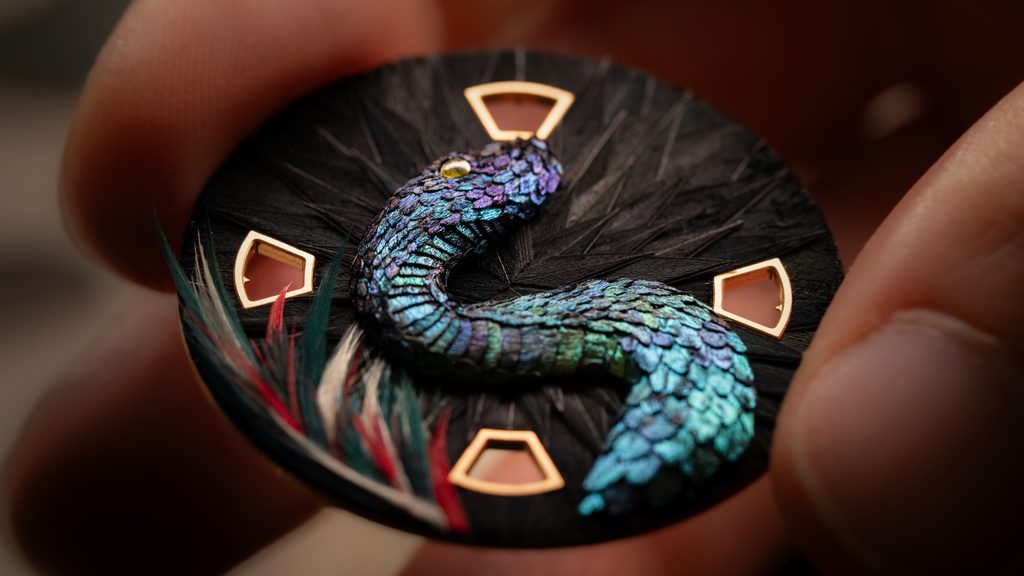
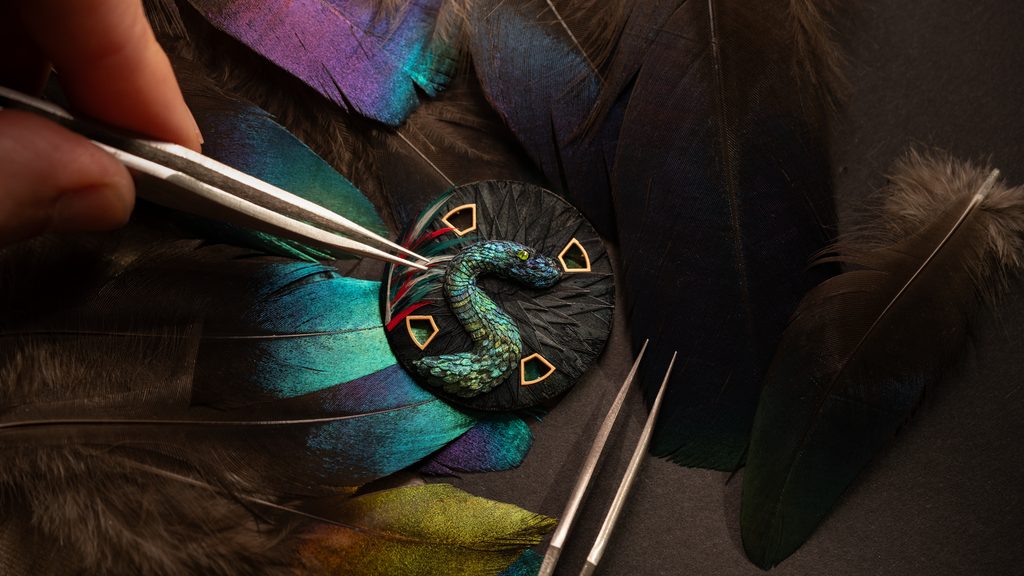
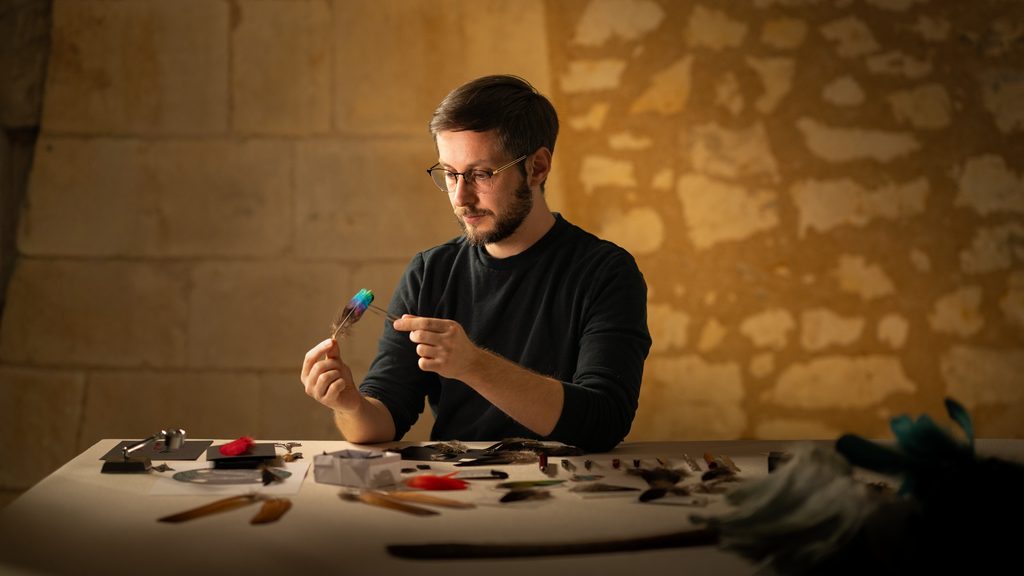
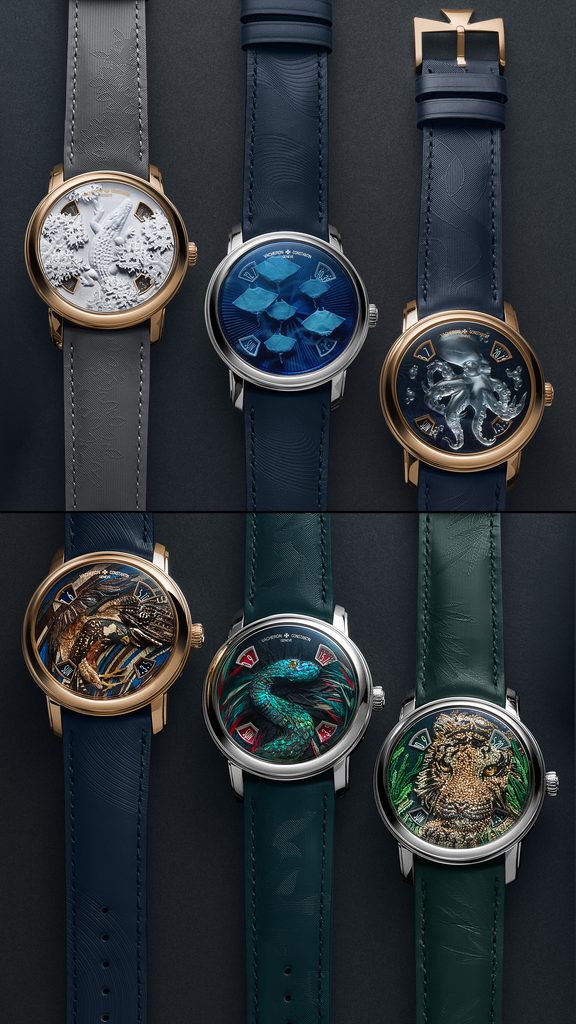
On the dial of the Feathersnake piece, the feather artist Julien Vermeulen had to set aside his workshop tools to fashion a micro-scalpel from the body of a reshaped needle. The material imposes a silent violence: the tiniest fragments taken from seven rare Lophophore feathers measure barely a few tenths of a millimetre. The rachis was meticulously excised to keep only the barbs, mounted on tissue paper before being pressed onto a metal matrix rising 3 millimetres above the surface. At this microscopic scale, an uncontrolled breath scatters the work, and the mechanical amplitude of the pulse in the fingers forces the artisan to stop after four hours of daily concentration. Two hundred and fifty hours of surgical adjustments were needed for the reptile’s eye, set in gold and enamel, to anchor a landscape in which natural iridescence replaces paint.
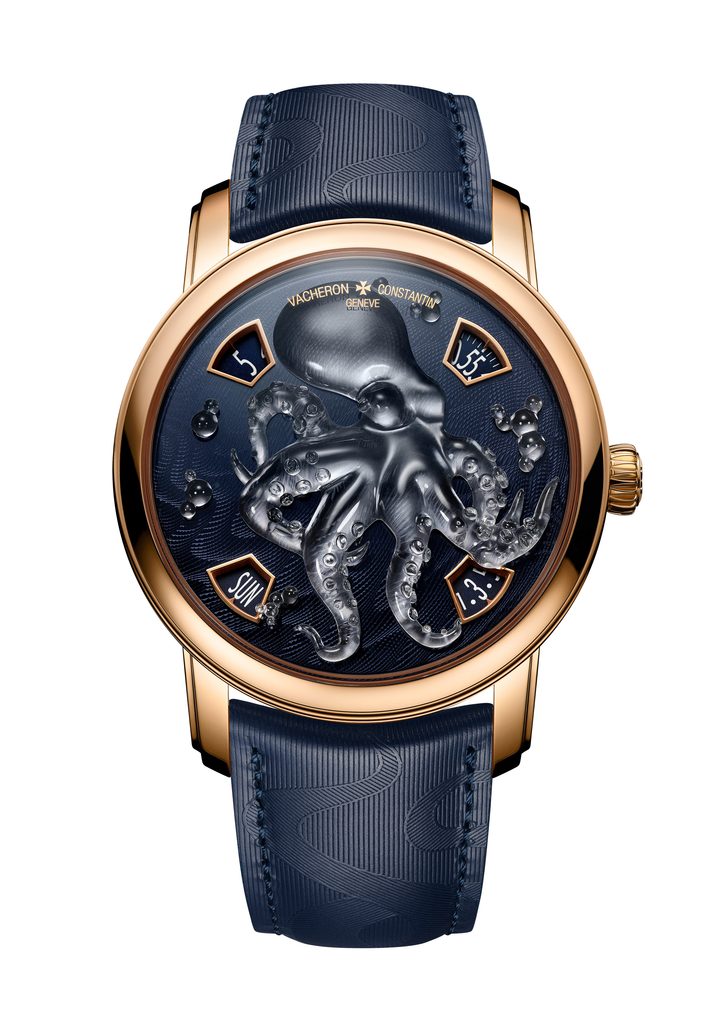
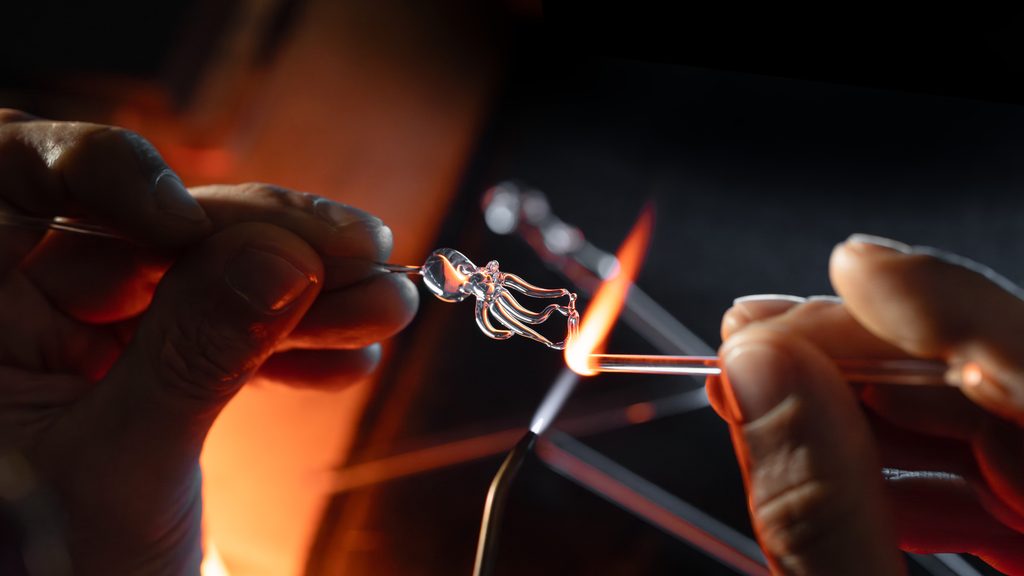
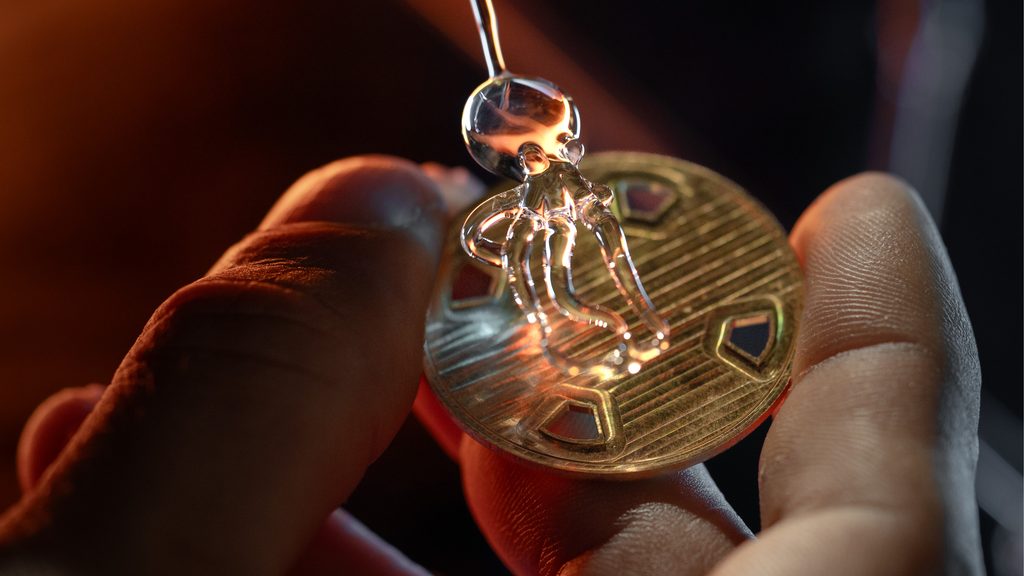
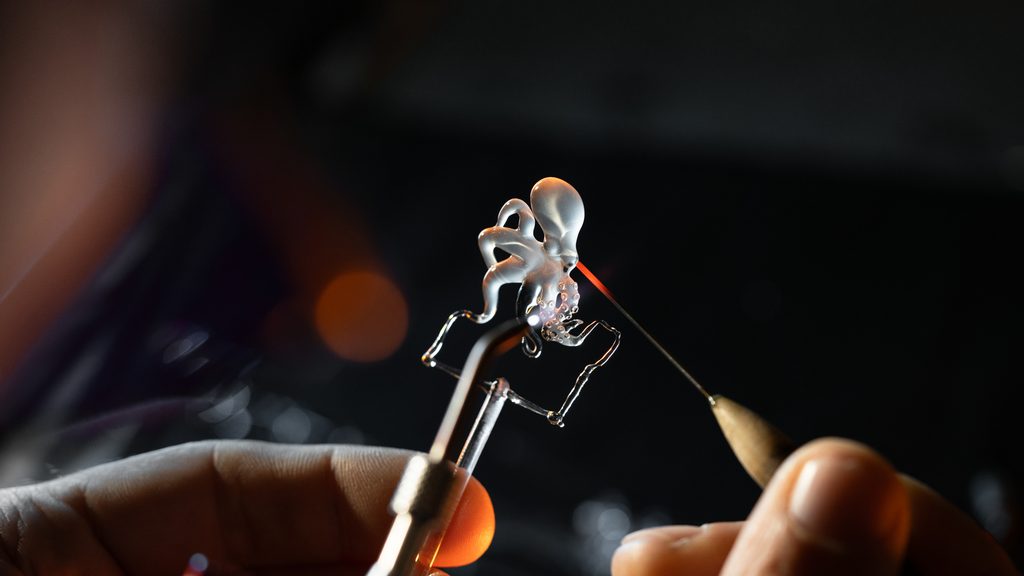
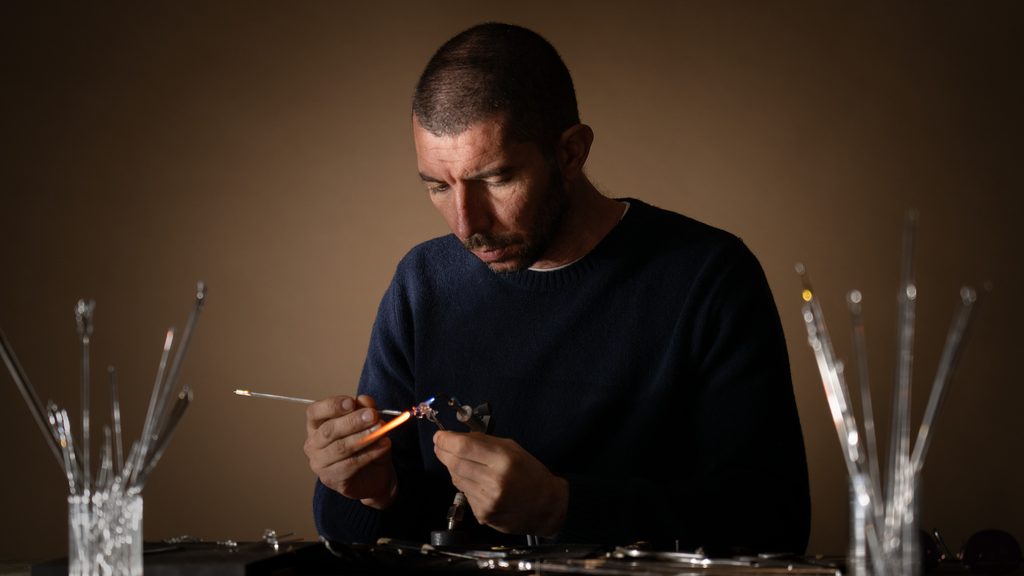
The ordeal is the same for the Venetian glassmaker Simone Crestani on the Glassoctopus piece. Accustomed to monumental works, the artisan had to reinvent his torch-fusing method to build a three-dimensional figure 3.5 millimetres high on a midnight-blue lacquered guilloché gold dial. Working point by point with bespoke tungsten tips designed to prevent thermal collapse of microscopic filaments, he composed each tentacle with the optical distortions of transparent glass in mind. The mechanical constraint is unforgiving: two arms of the cephalopod must overhang the time apertures, whose rims stand proud by only 0.2 millimetre.
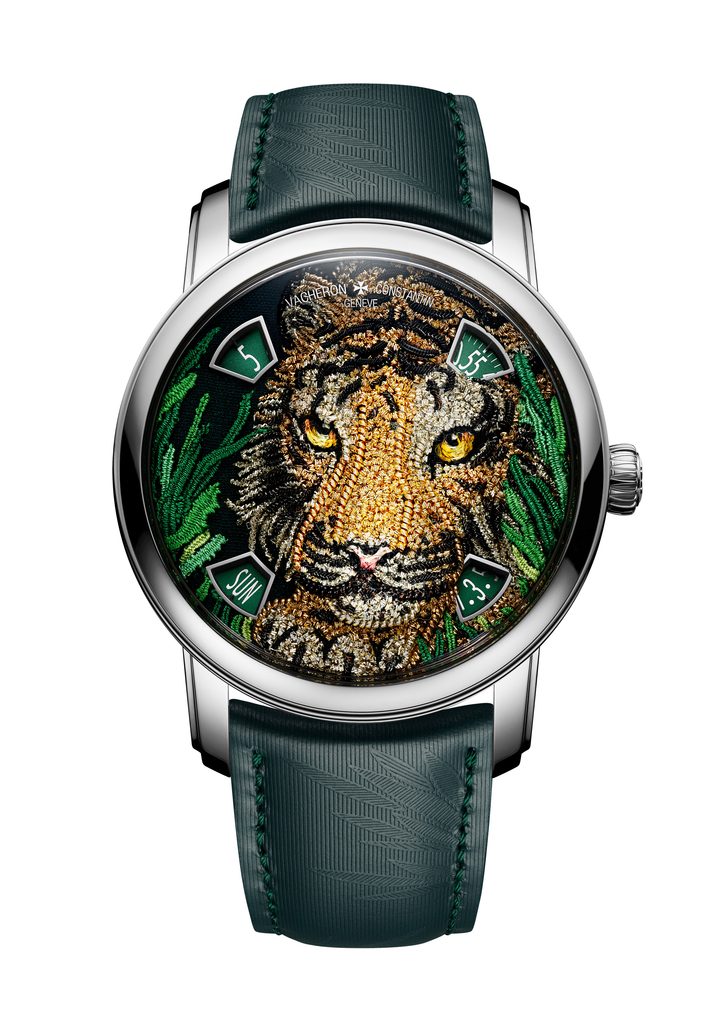
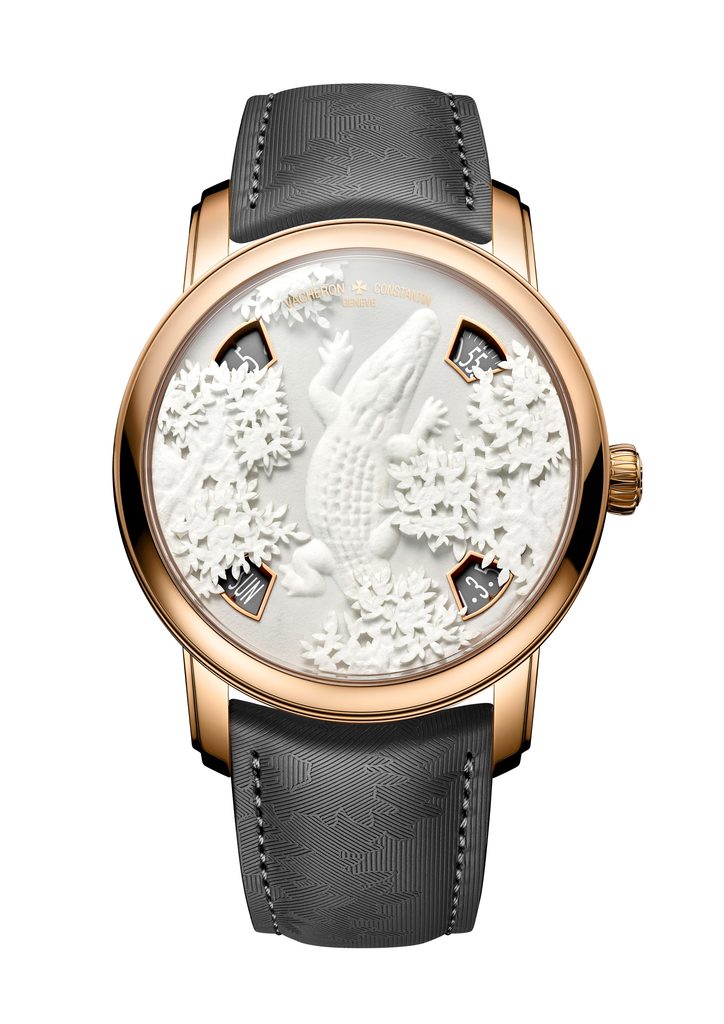
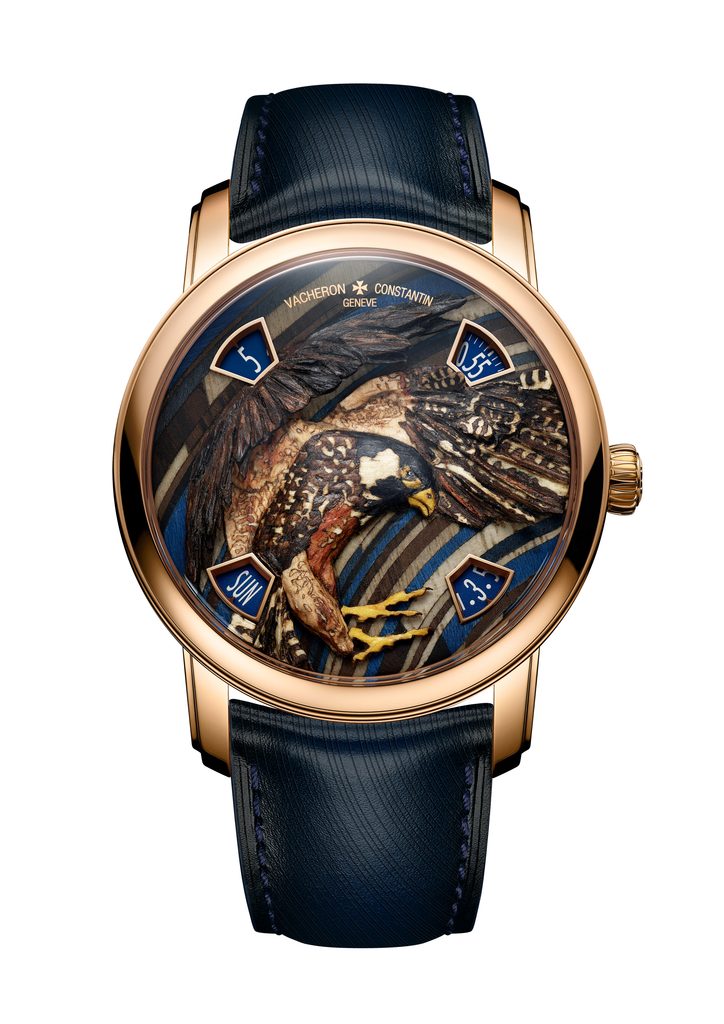
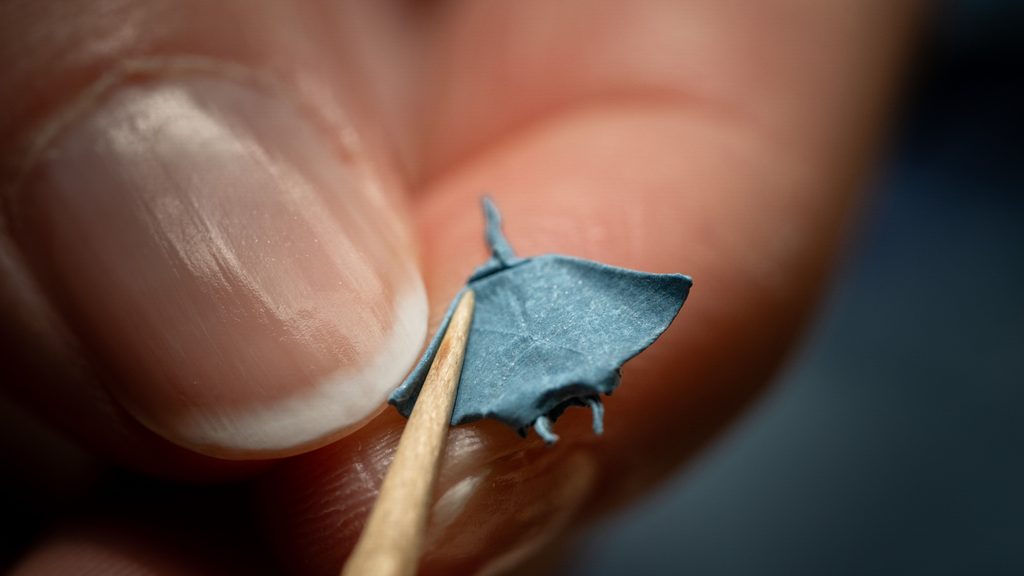
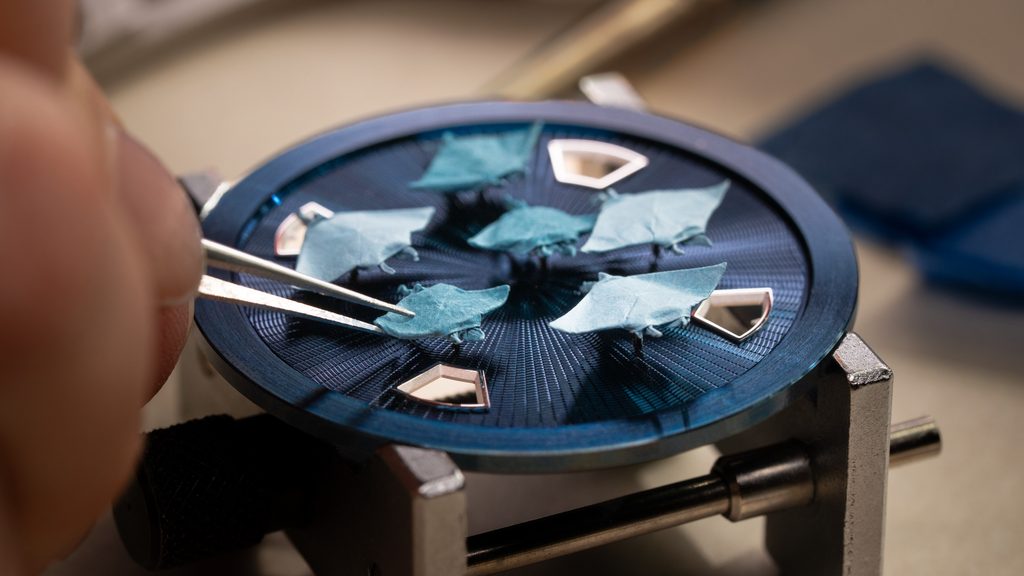
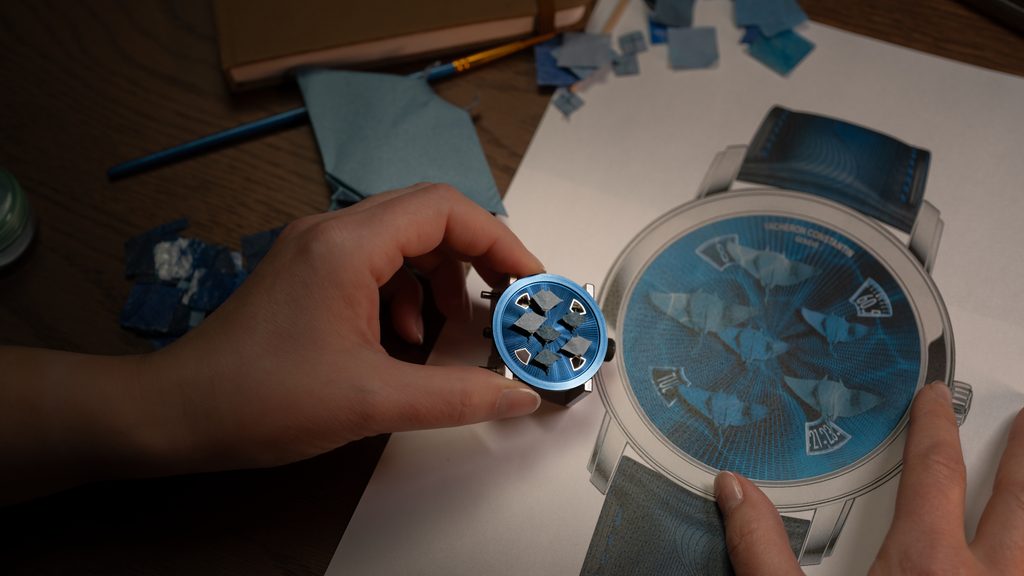
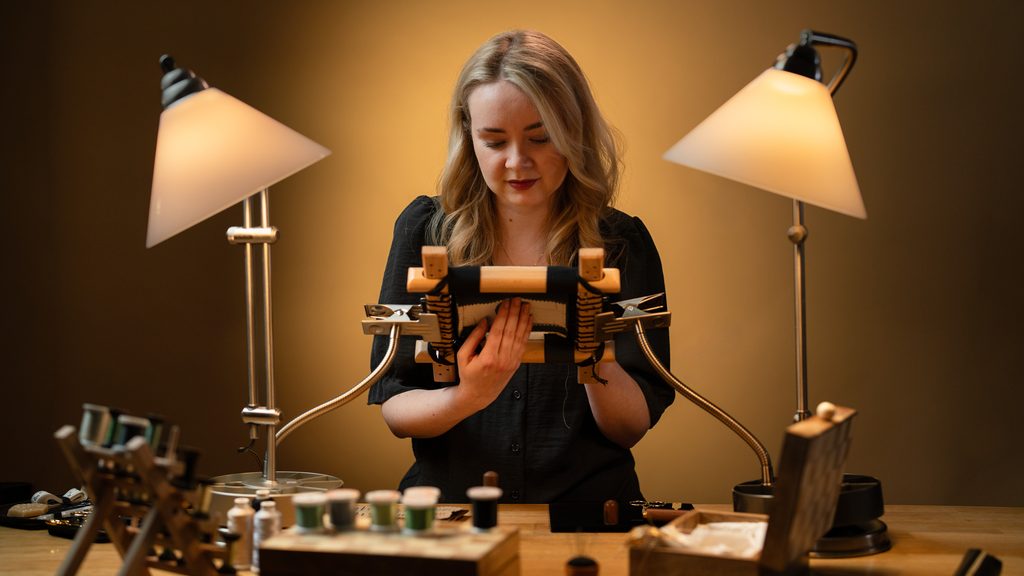
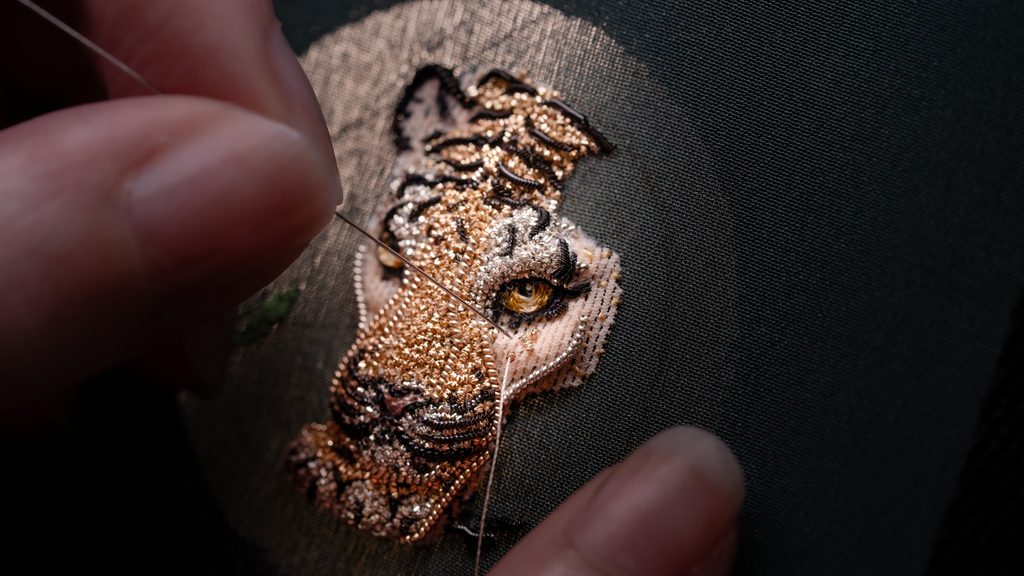
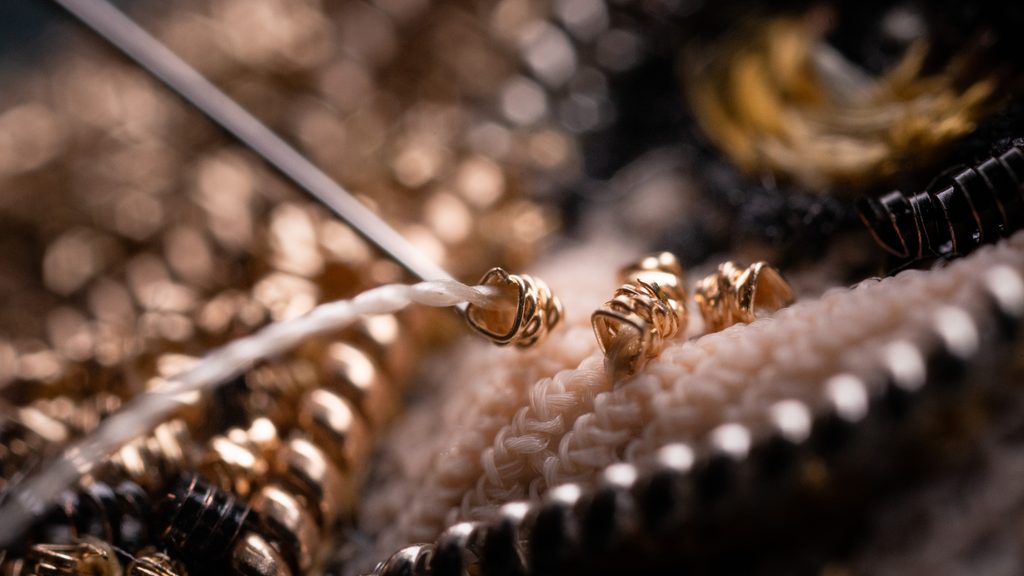
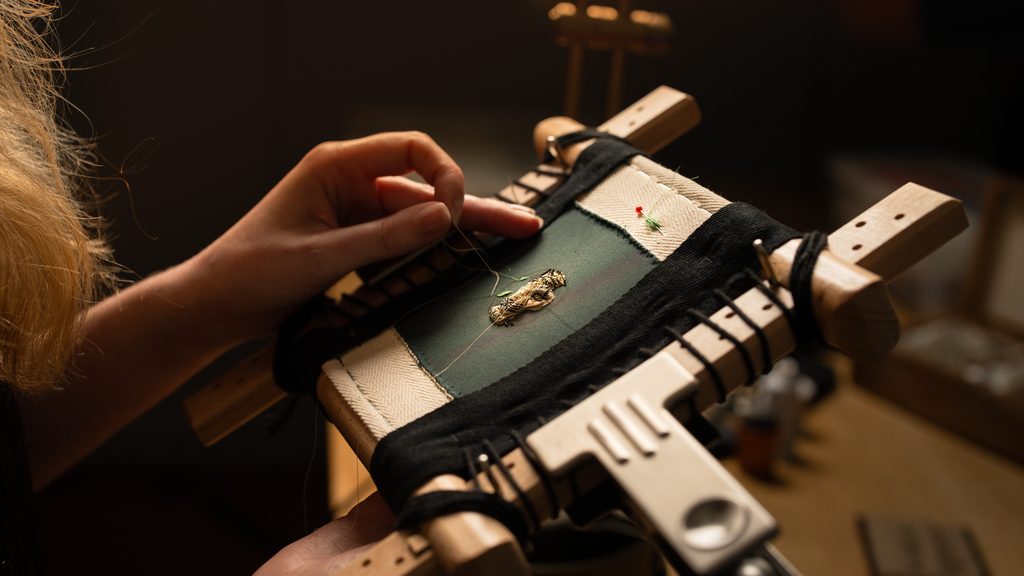
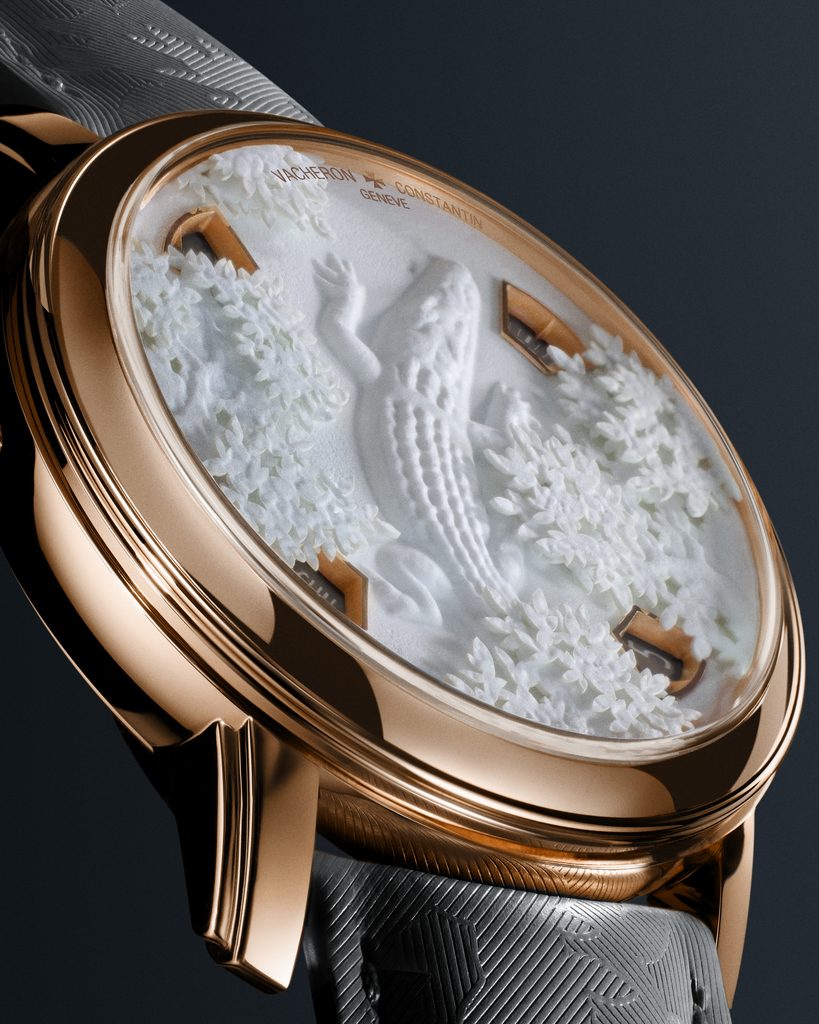
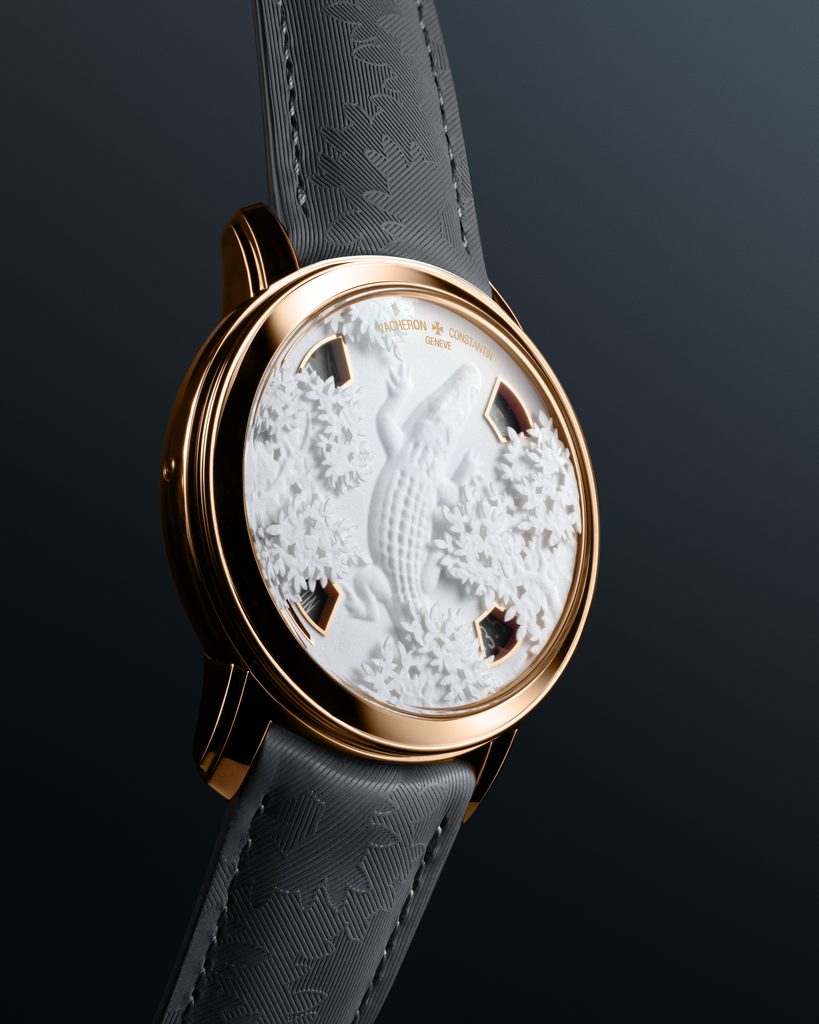
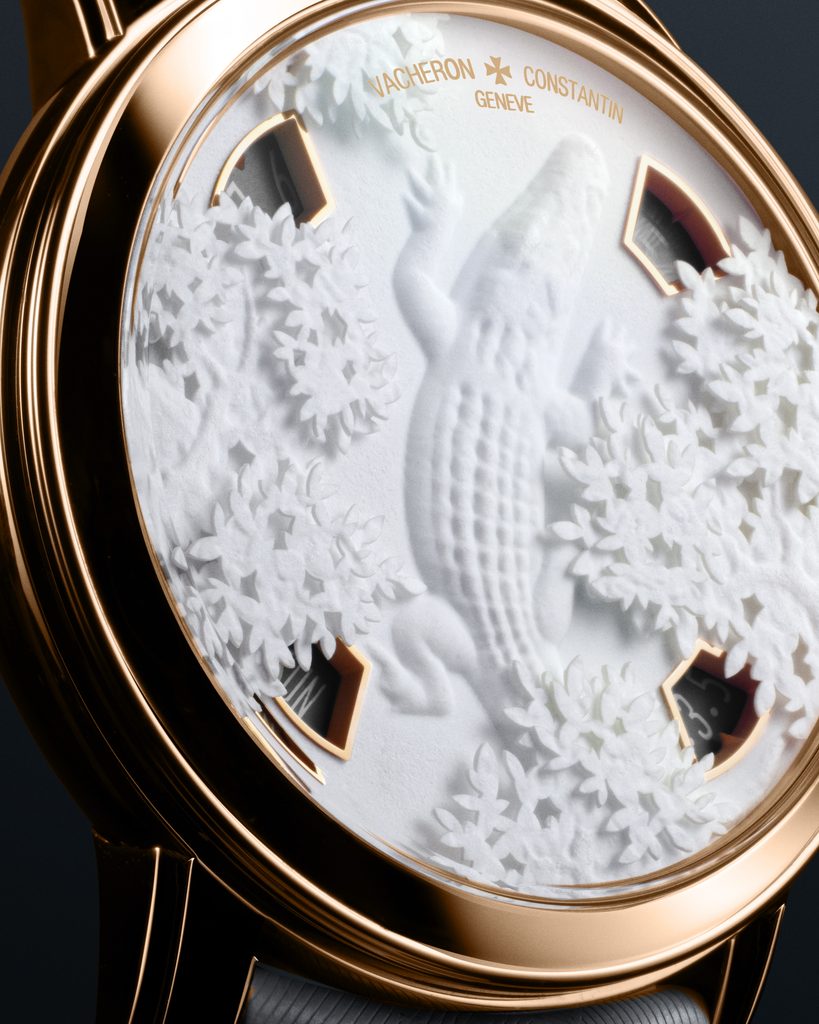
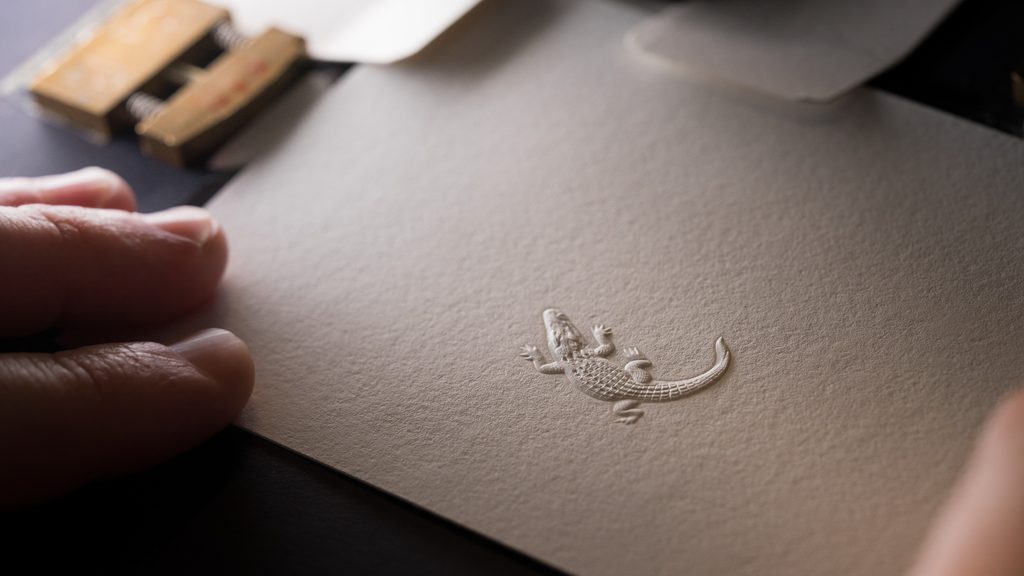
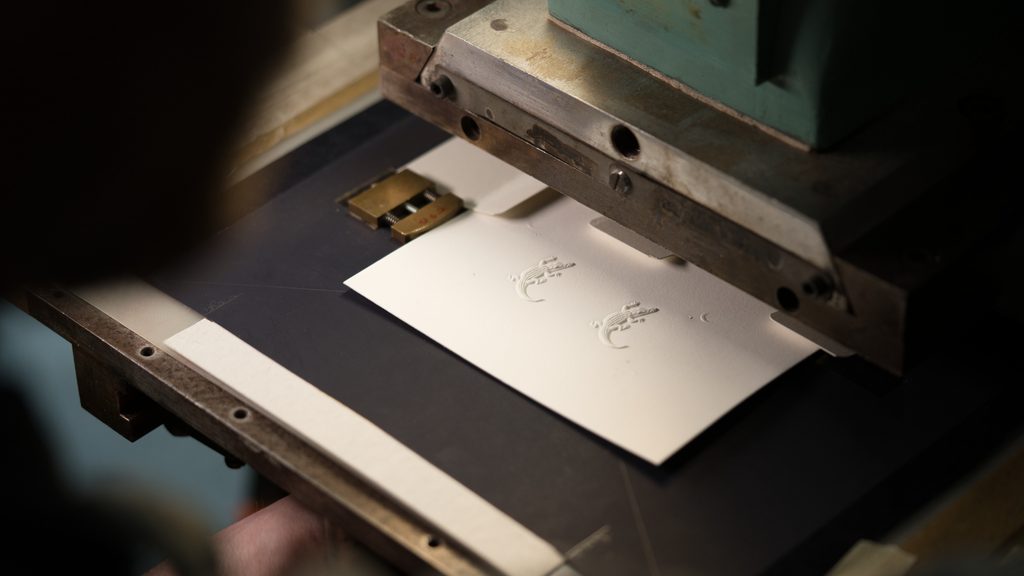
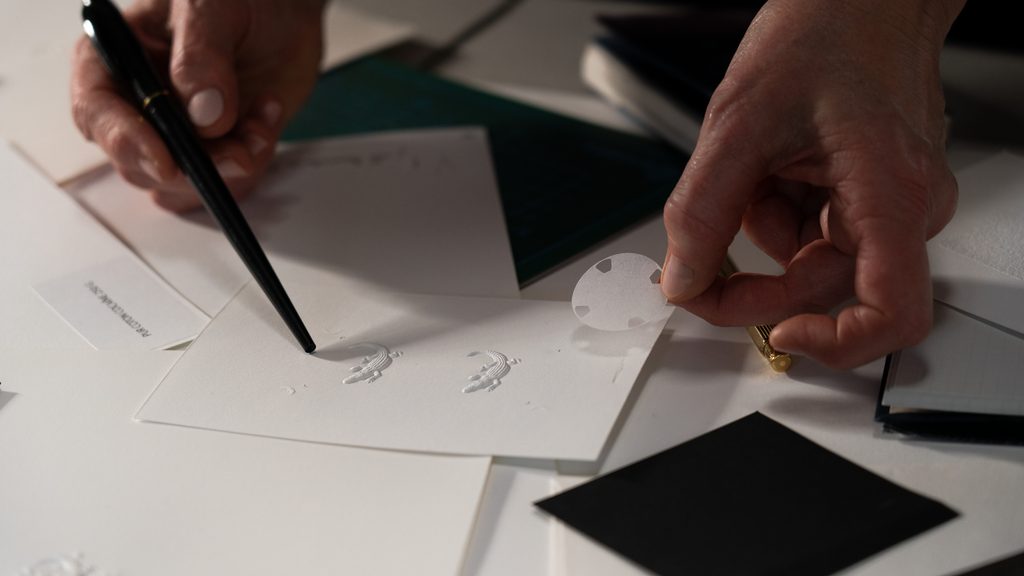
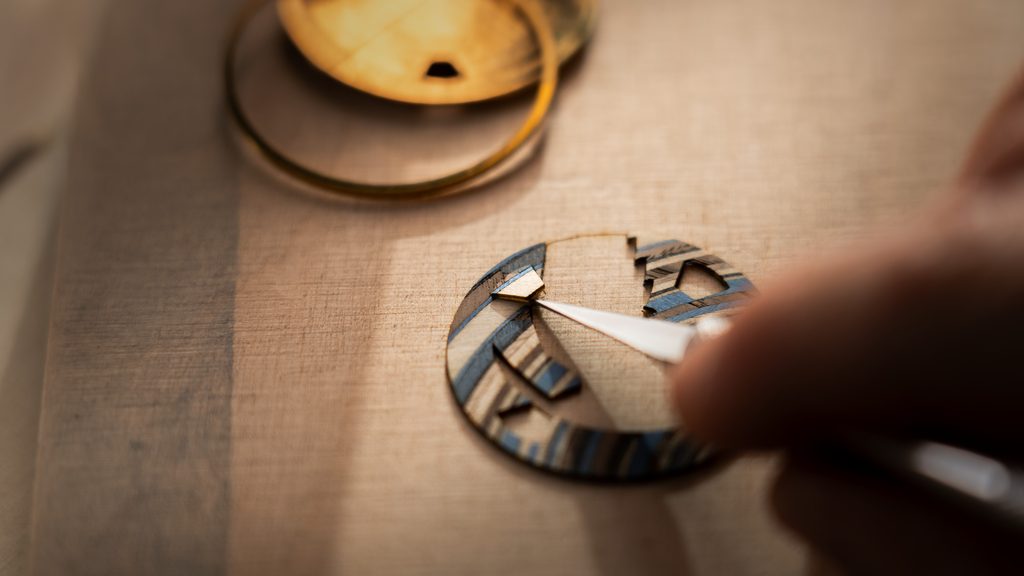
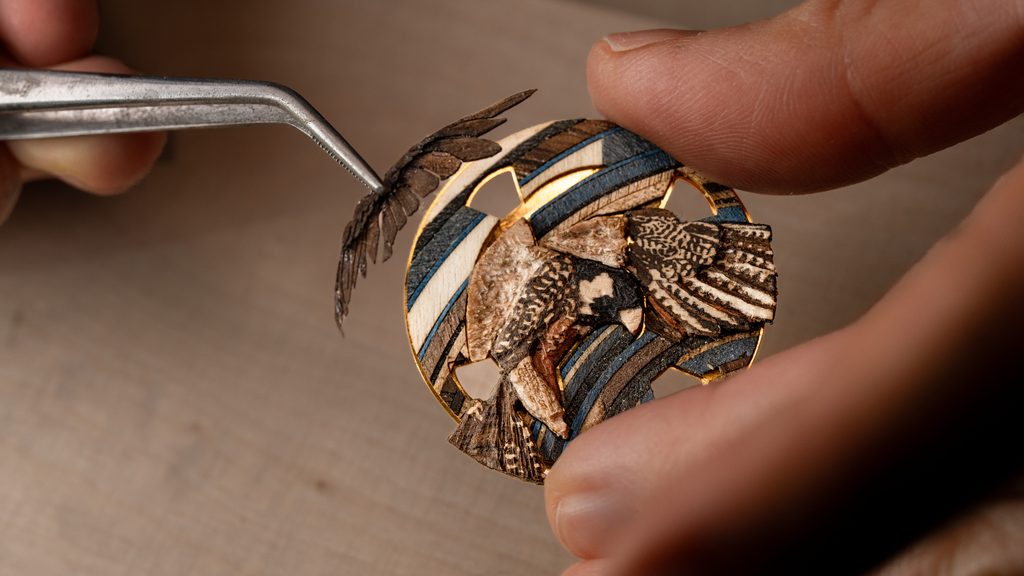
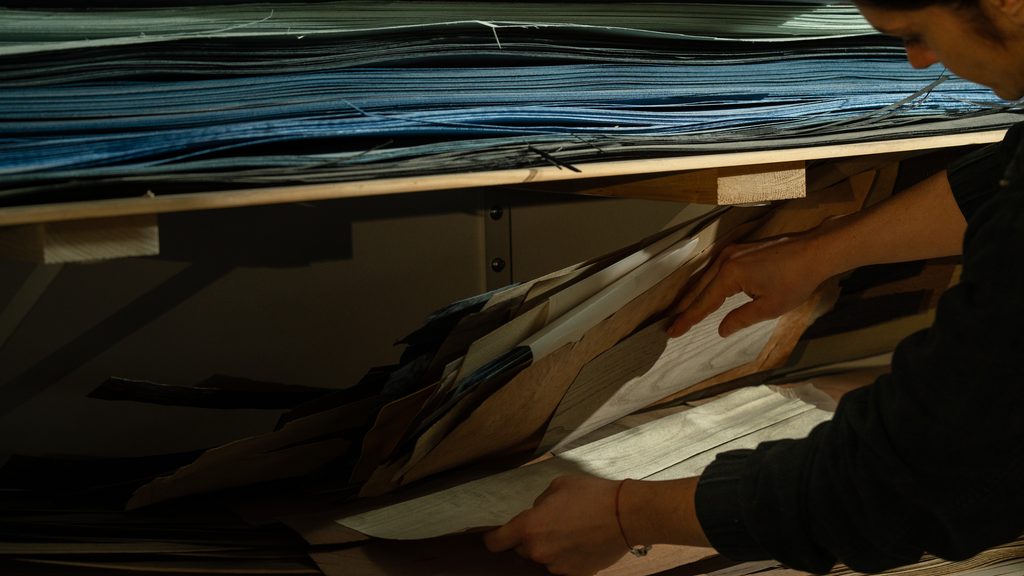
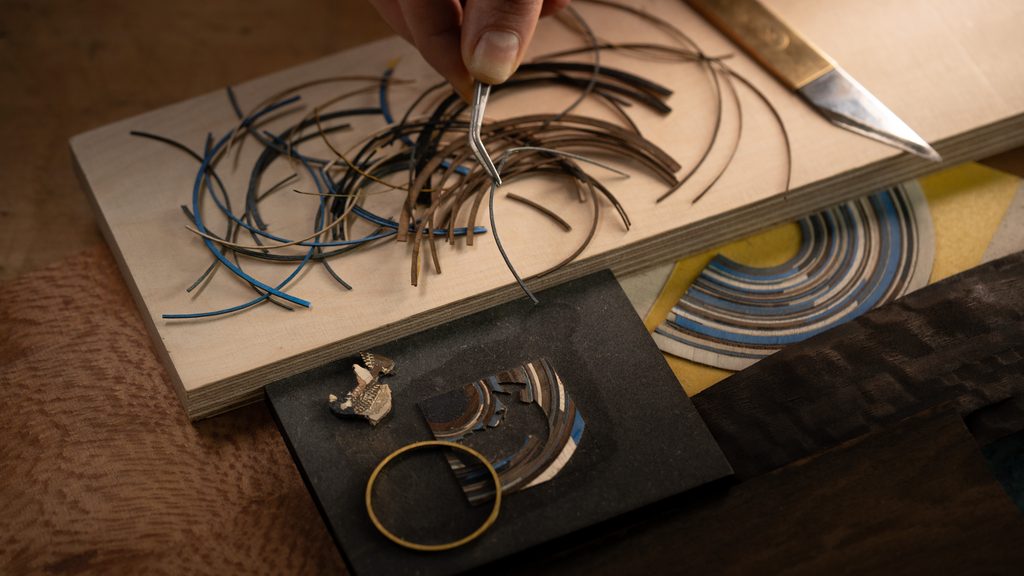
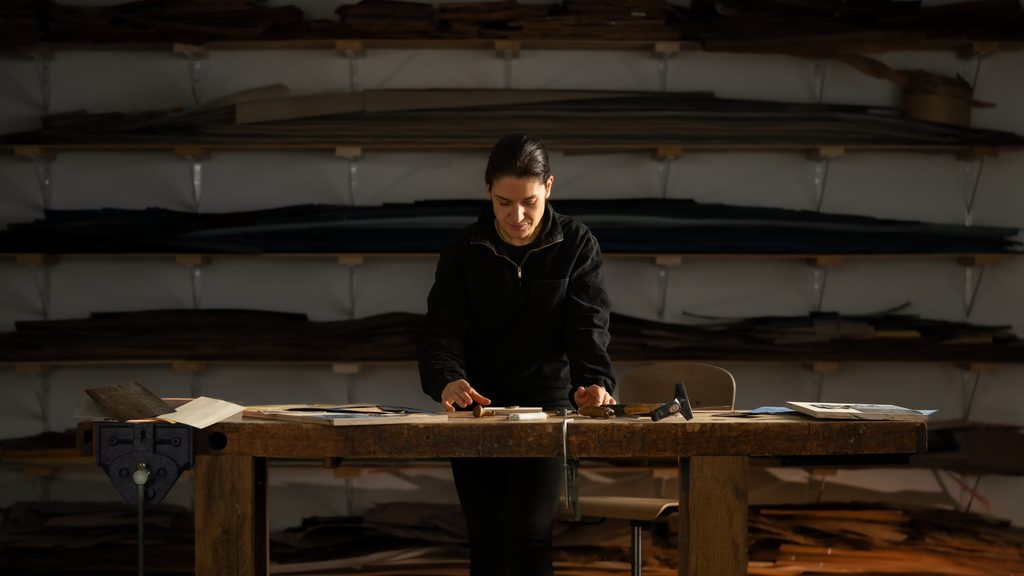
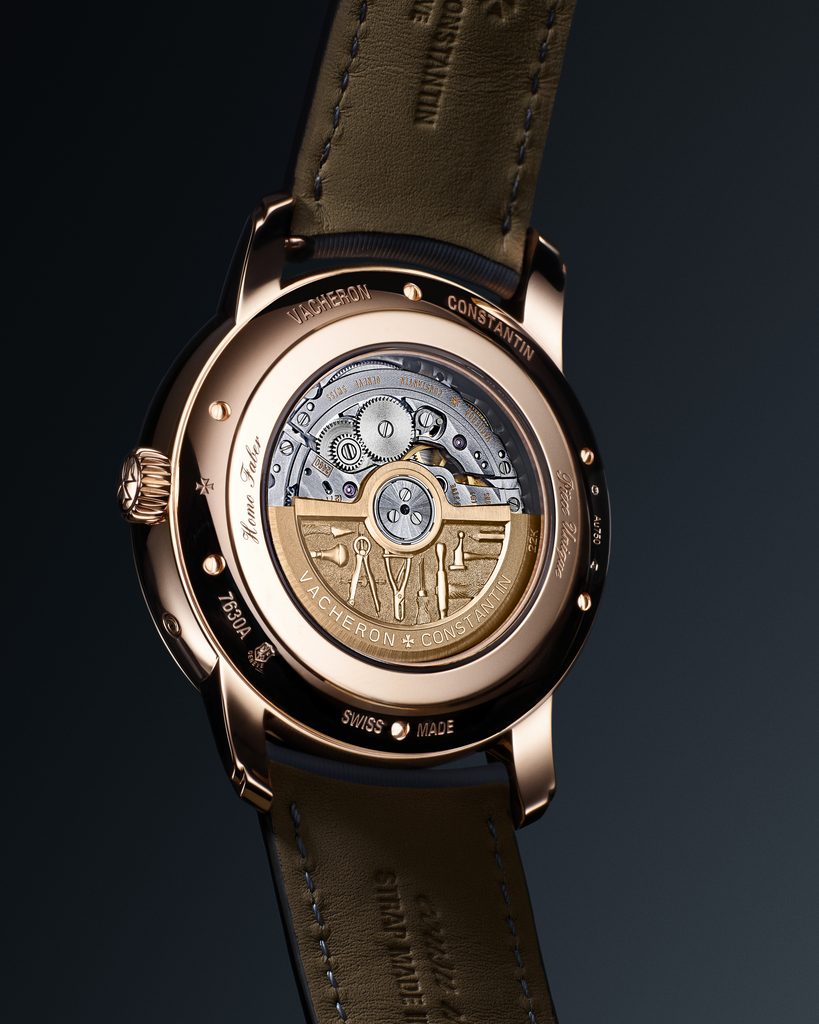
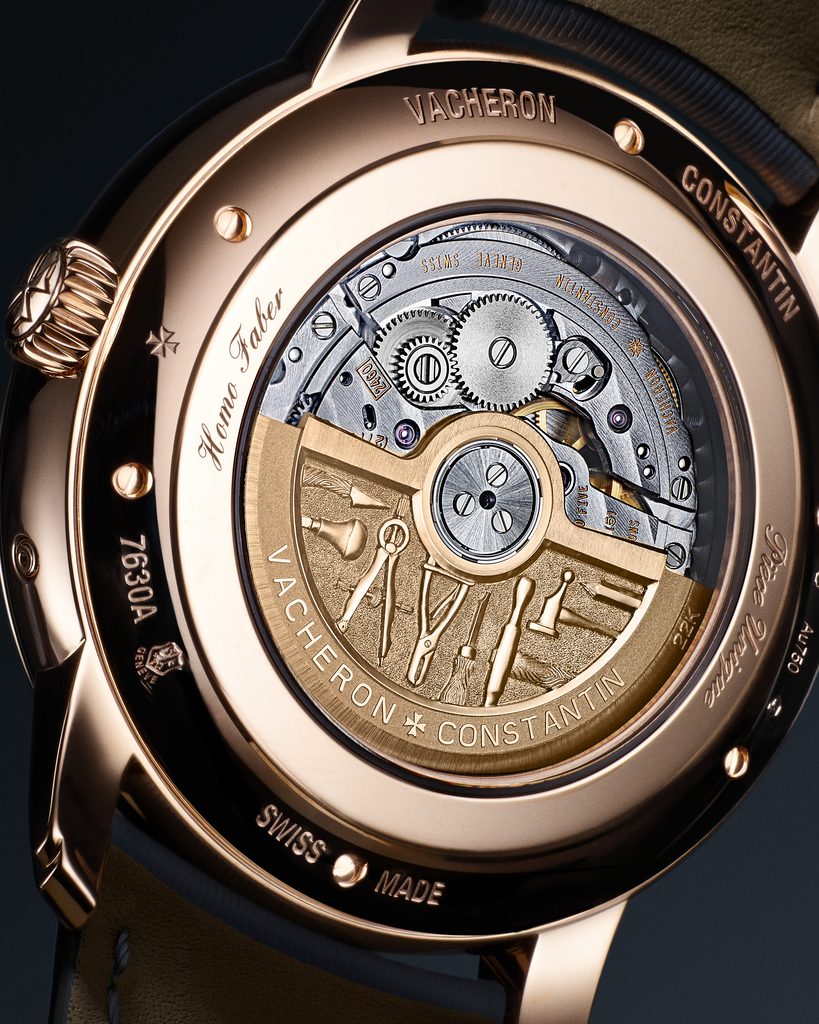
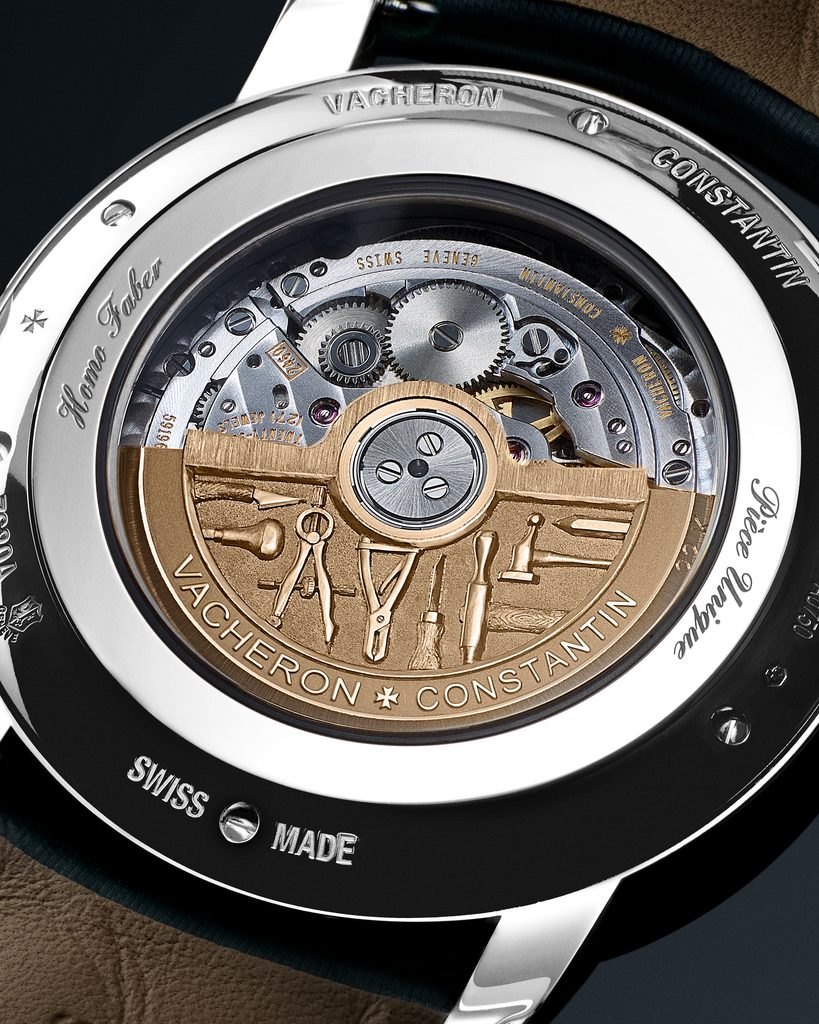
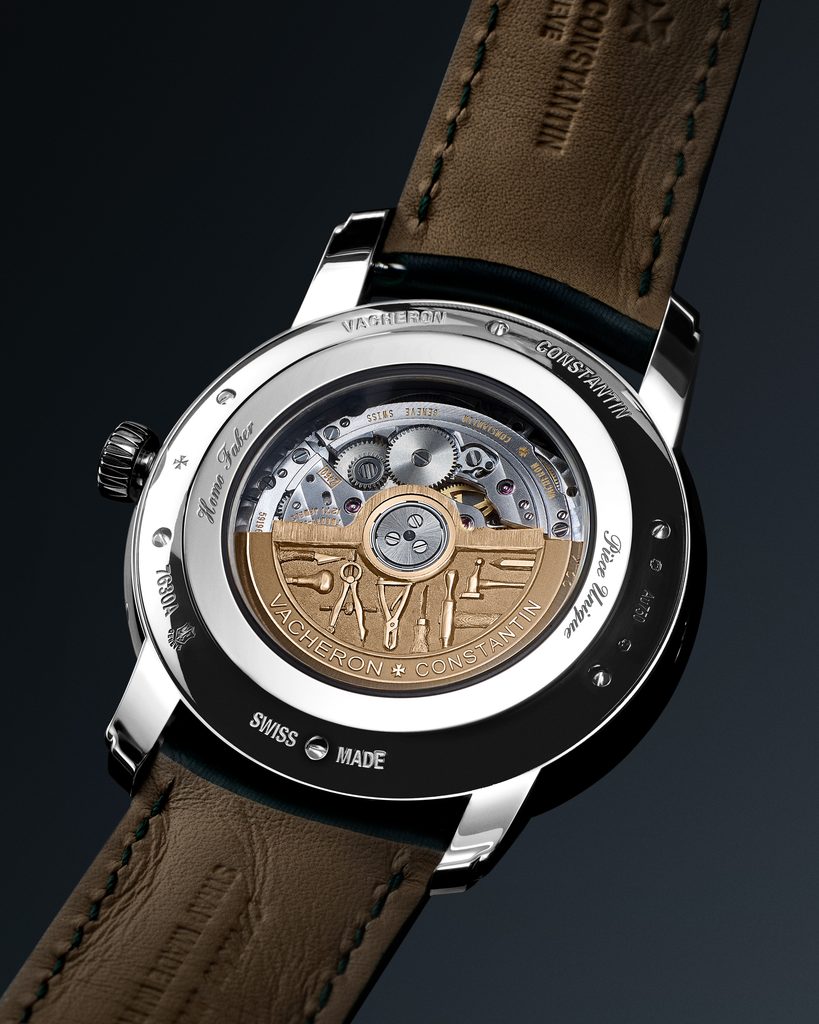
This reduction in scale strikes the material with the same intransigence in Anna Le Corno’s wood marquetry (Woodenwings). Working under a binocular microscope with tungsten-carbide scalpels and bits sourced from Japan, the cabinetmaker had to select twelve wood species, from birch madre to smoked eucalyptus — chosen not only for their grain or hue, but for their structural resistance to microscopic fraying. For Laura Baverstock’s gold-embroidered tiger (Tigerbroidery), the 375/1000 gold thread — its metallic stiffness defying a fine 0.25-millimetre needle — required a purpose-built loom and the drilling of a dedicated titanium dial plate. Further along, Marianne Guély’s monochrome crocodile (Papercroc) sets pure cotton fibres of 250 and 300 grams against embossing heated to 70°C, while Anya Midori (Oraygami) folds her manta rays bare-handed and without a loupe from rectangles of 20-gram Japanese paper reduced to 6 millimetres. On the back of the six 42-millimetre cases, the 916/1000 gold oscillating weight, engraved with the profiles of scalpels, needles and pliers, is a reminder that the watch captures not an animal motif, but the trace of tools reinvented to survive the infinitely small.
To assemble the feline’s stripes on Tigerbroidery, the copper wires were coated with a fine layer of black ceramic developed specially for the project, thereby avoiding metallic lustre in favour of a matt black that absorbs light beneath the sapphire.
Cette publication est également disponible en :


