
Coolness alone no longer explains the pull of the North.
What sets certain Scandinavian addresses apart today is their ability to weave together heritage, landscape, cuisine and light without reducing nature to mere backdrop.
From Stockholm to the Arctic Circle, five Maisons show five ways of making hospitality a reading of place.
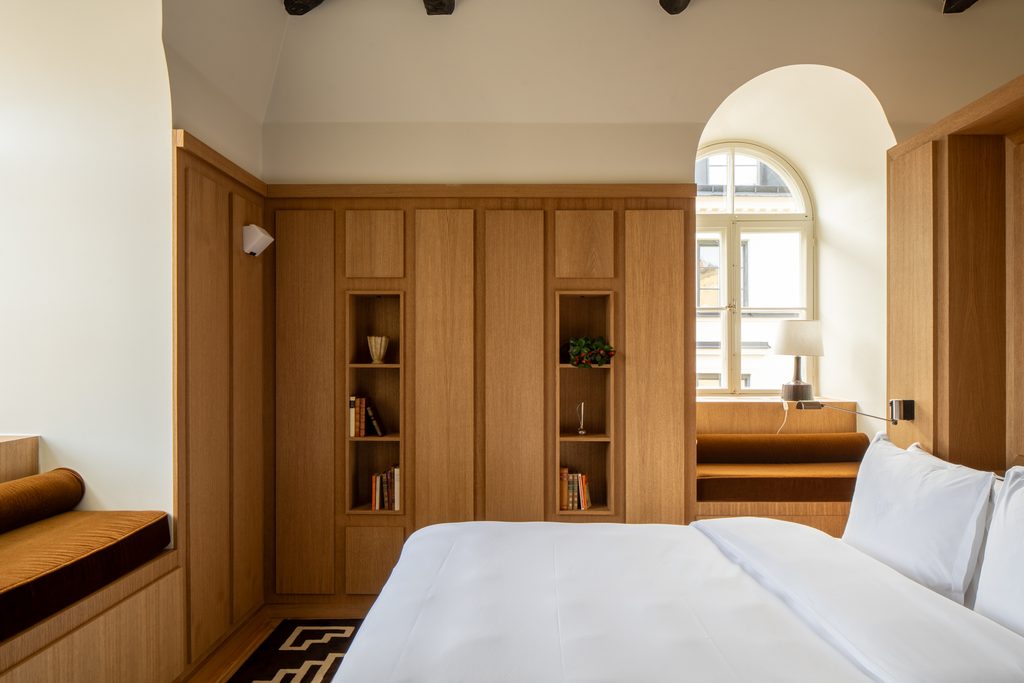
In Stockholm, the Stadshotell revives an old urban model. Housed in a building raised between 1873 and 1875 in memory of King Oscar I, the thirty-two-room hotel takes up the idea of the stadshotell: a town house conceived as much for residents as for travellers. The former chapel now holds the restaurant Matsalen, artist residencies and occasional events. Luxury here lies less in seclusion than in the ability to sustain a local life around the address.
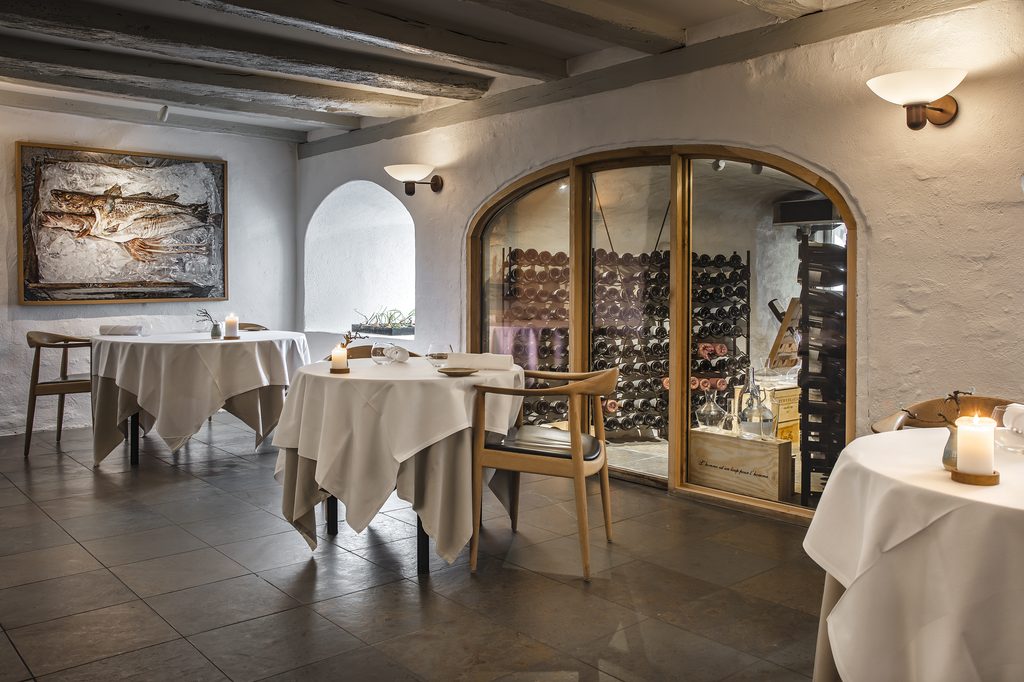
In Denmark, Falsled Kro reminds us that a hotel can also be a culinary conservatory. The inn has existed since 1744. In the 1970s, Lene and Sven Grønlykke gave it a new direction by introducing the influence of great French cuisine. Its twenty-six rooms and suites carry that story forward today, while garden, meadows, coastline and local produce shape the kitchen.
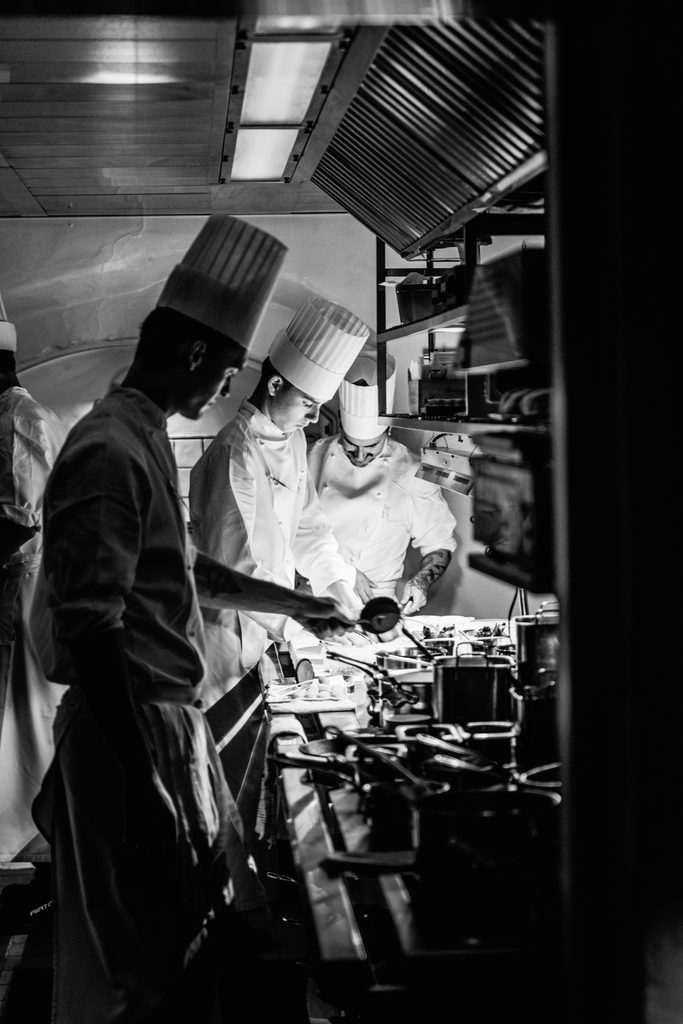
In Copenhagen, Kong Hans Kælder brings another depth of time. Opened in 1976, the restaurant became in 1983 the first Danish establishment to earn a Michelin star. In fifty years, only four chefs have led its kitchens. Since 2014, Mark Lundgaard has pursued a precise French reading there, rewarded with a second star in 2021. In a trade obsessed with novelty, such low turnover becomes almost a manifesto.
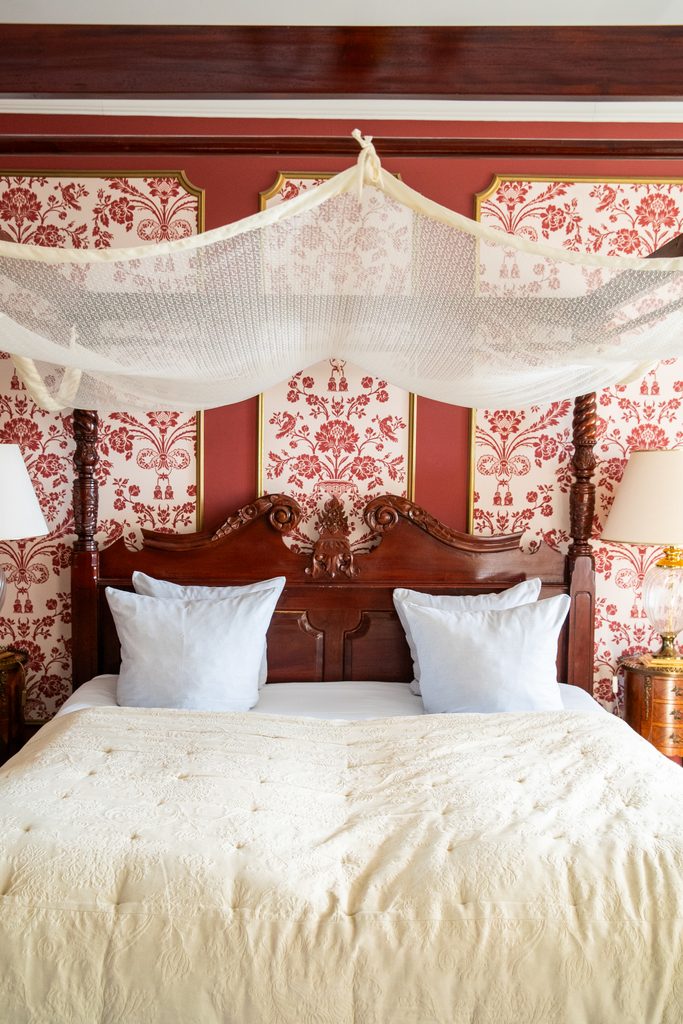
Further north, Dragsholm Slot joins built heritage with agricultural production. Founded around 1215, the castle has welcomed travellers since 1937. Its forty-one rooms and three restaurants sit within the Odsherred Geopark, recognised by UNESCO. The estate grows vegetables, berries and herbs around the castle, giving the notion of terroir a tangibility that many addresses invoke without producing.
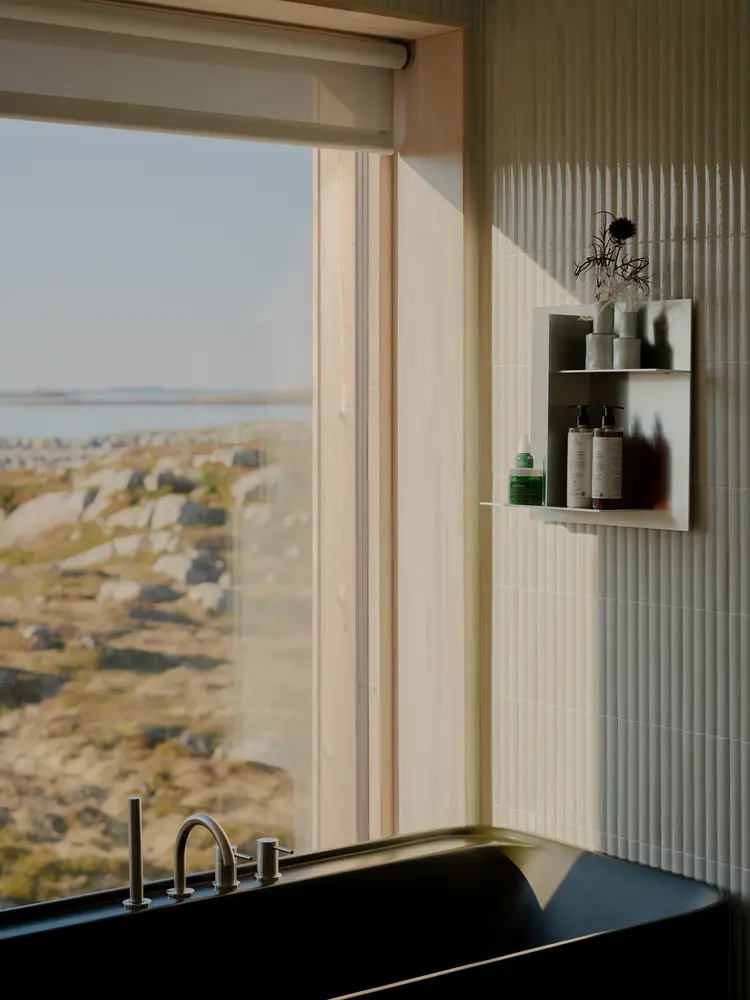
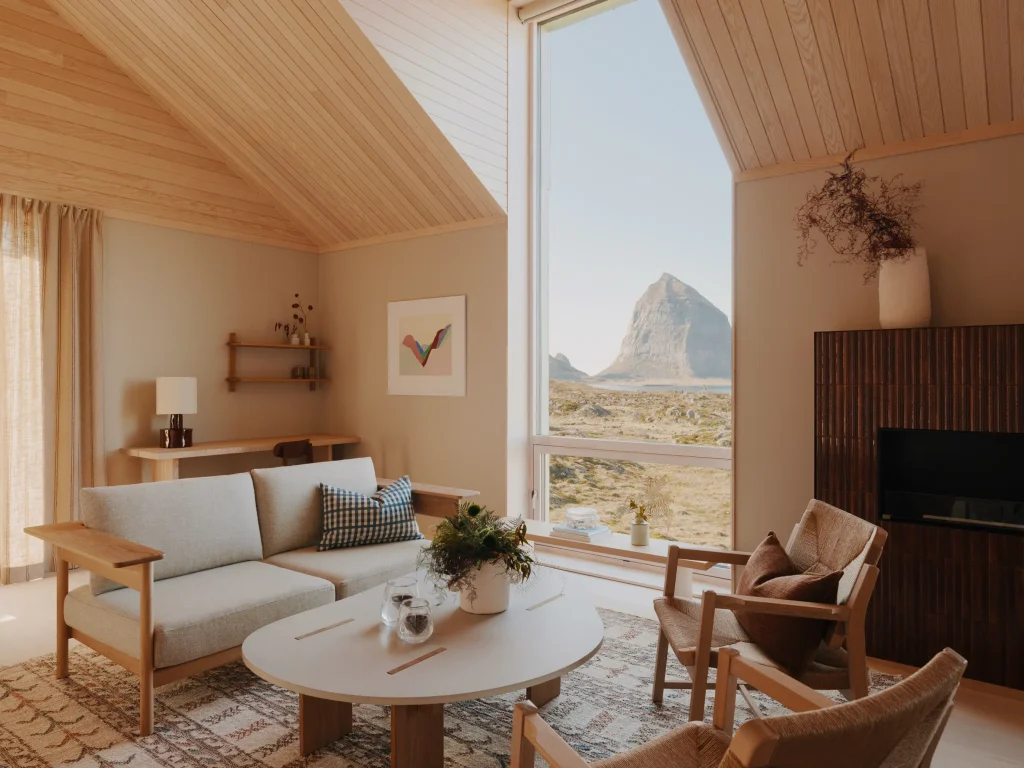
Finally, Ytri Island Retreat, opened in 2026 on Træna, offers the contemporary counterpoint. The retreat works with ash, Norwegian wool, linen and local stone. Chef Sean Ryan builds his cooking around fish, shellfish, seaweed and coastal botanicals. Here, novelty does not mean adding services but narrowing the distance between the interior, the archipelago and its resources.
These five addresses share neither the same age nor the same language. They do share a discipline: making the place something more than an image backdrop. As European summers grow warmer, Scandinavia may become ever more desirable. The question will be whether this new appeal preserves precisely what makes it singular today.
Cette publication est également disponible en :


