
Maison Joseph’s Spring-Summer 2026 collection doesn’t begin in a design studio. It begins in Casablanca—or rather, in the memories we hold of it after leaving the country to build a new life elsewhere.
Joseph Ettedgui founded his fashion house in London in the 1970s. He established a vision: women’s clothing as wearable architecture, structured minimalism, and silhouettes that rely on the body rather than ornamentation. For decades, his aesthetic was resolutely British, even continental. His Moroccan origins remained in the background—present in his sensibility, but absent from his public discourse.
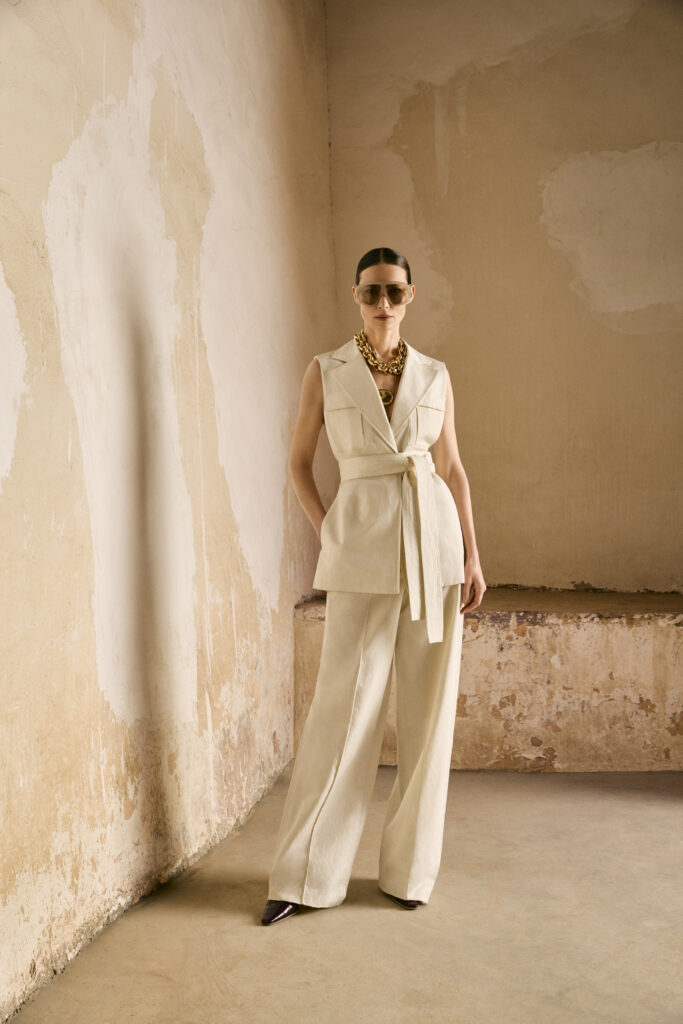
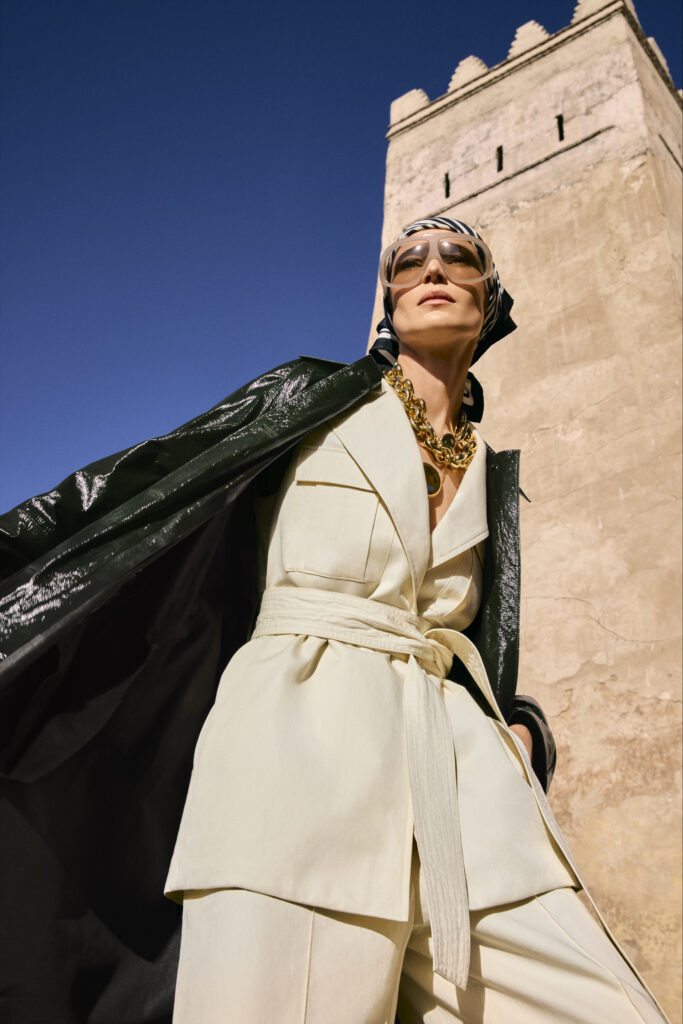
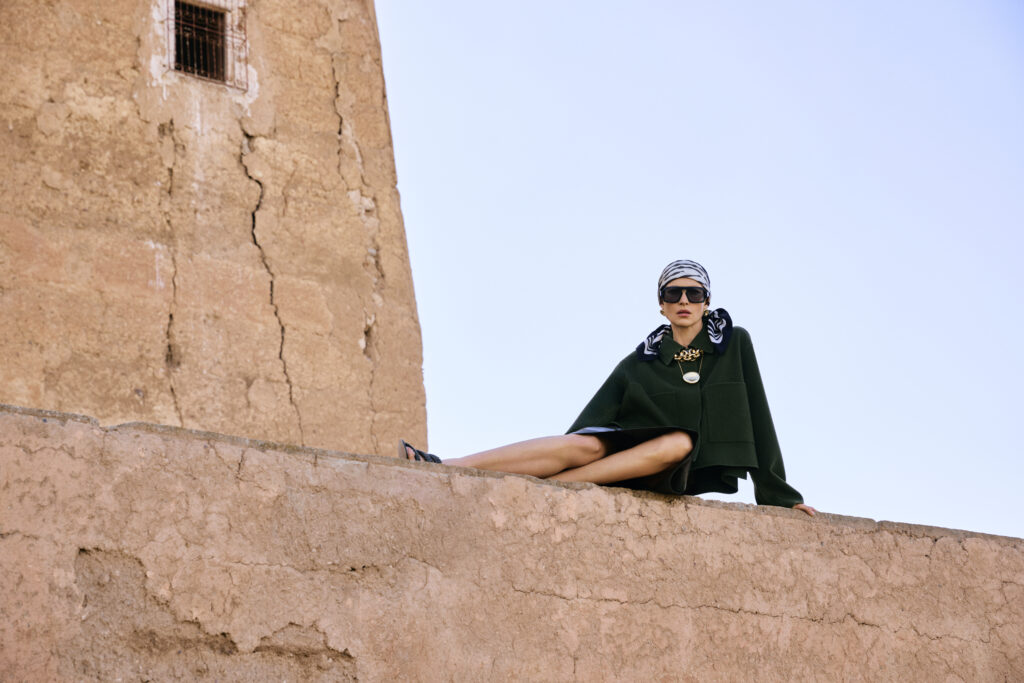
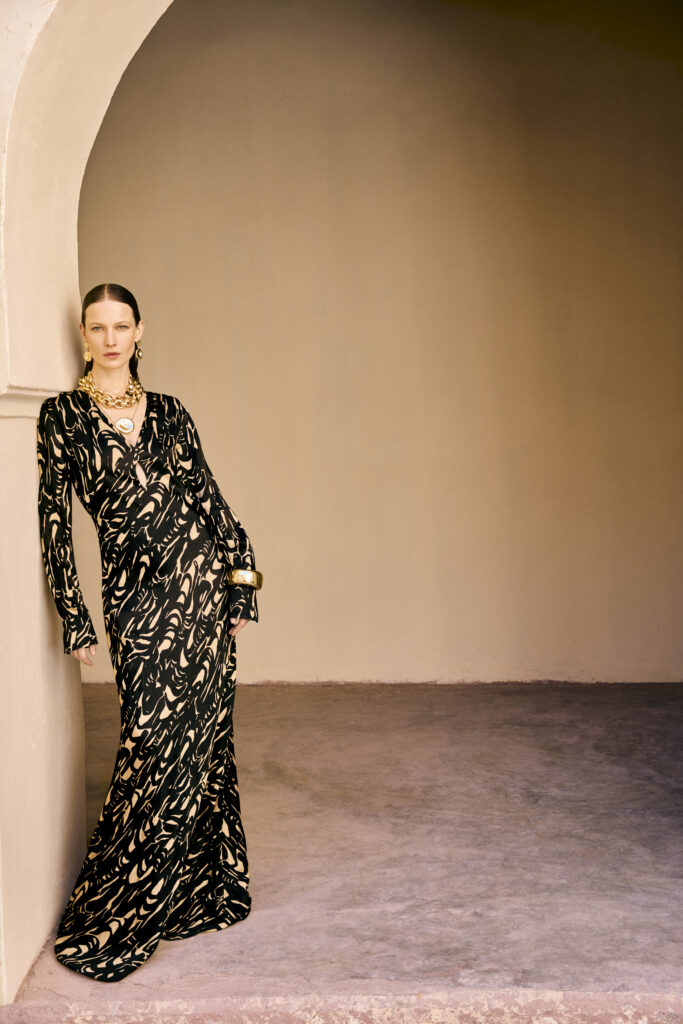
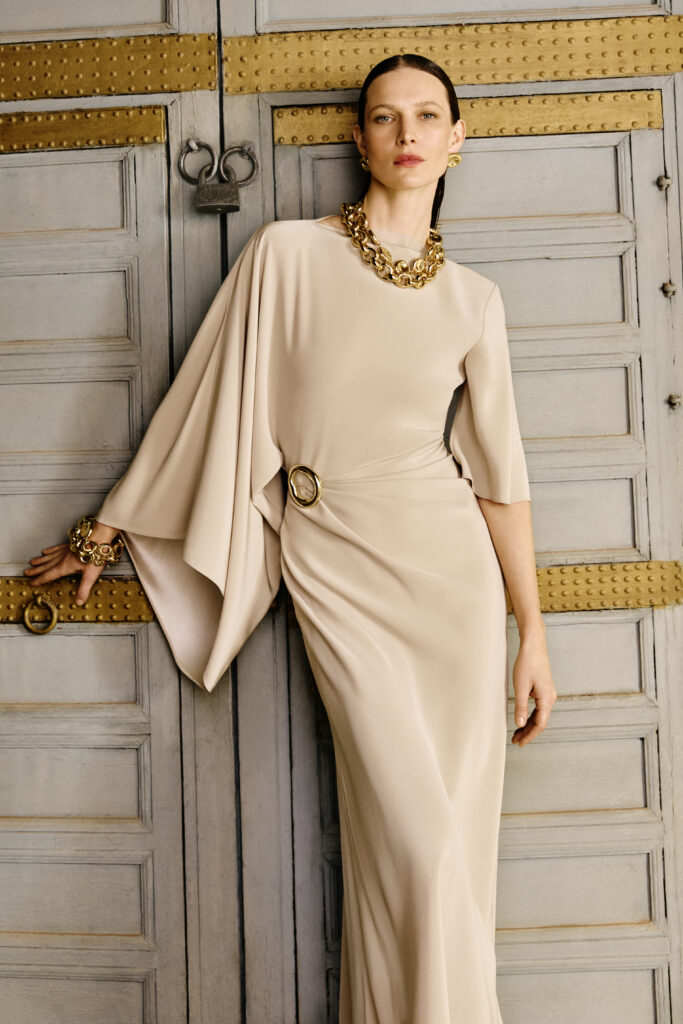
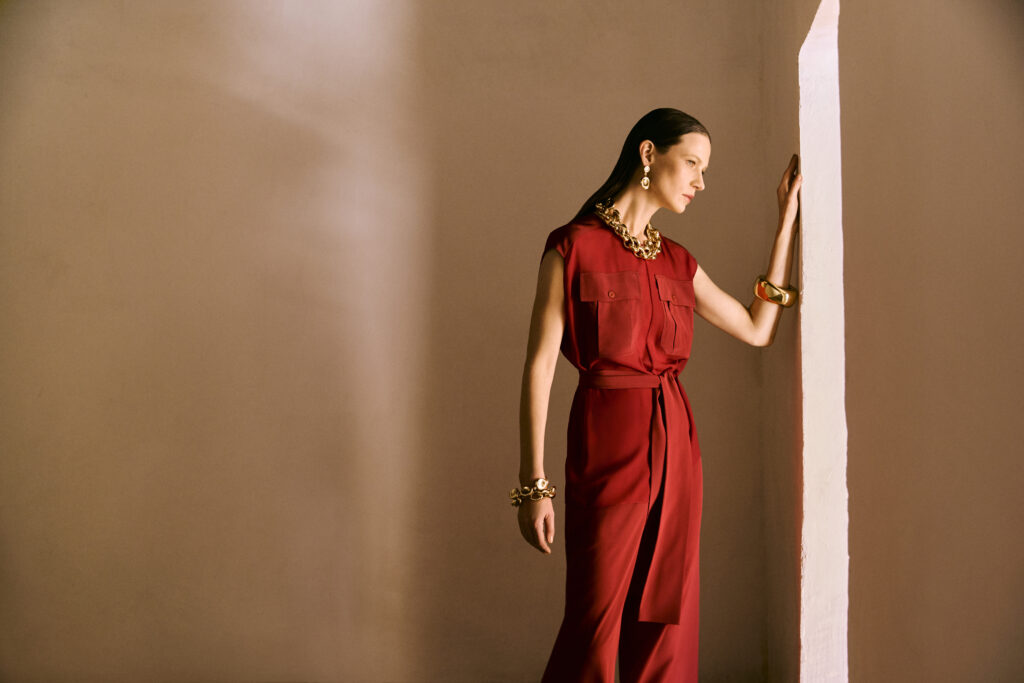
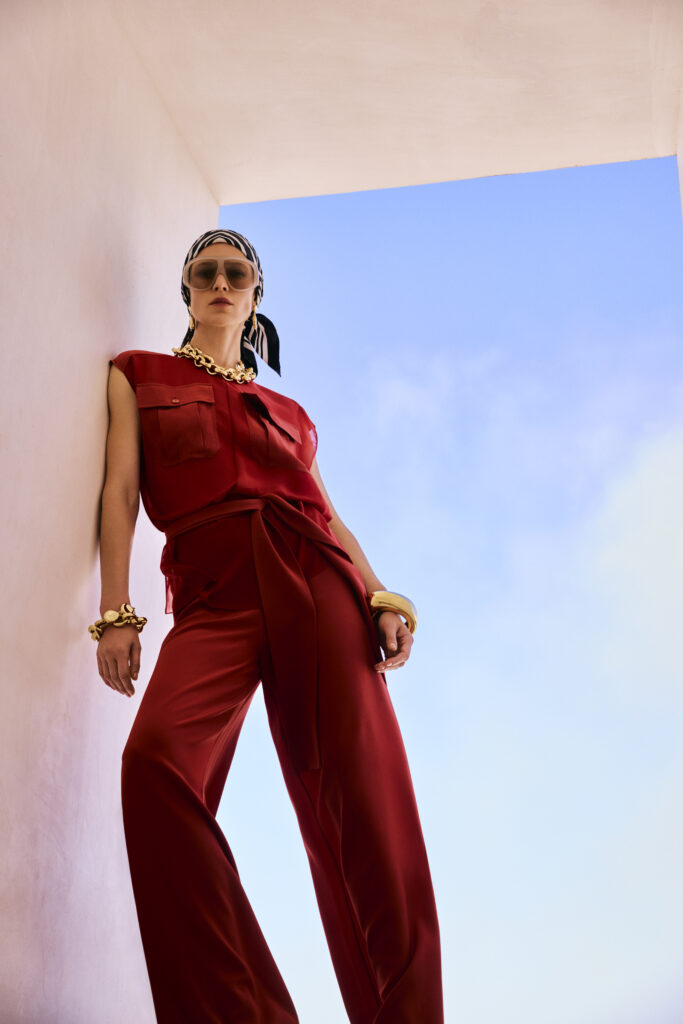
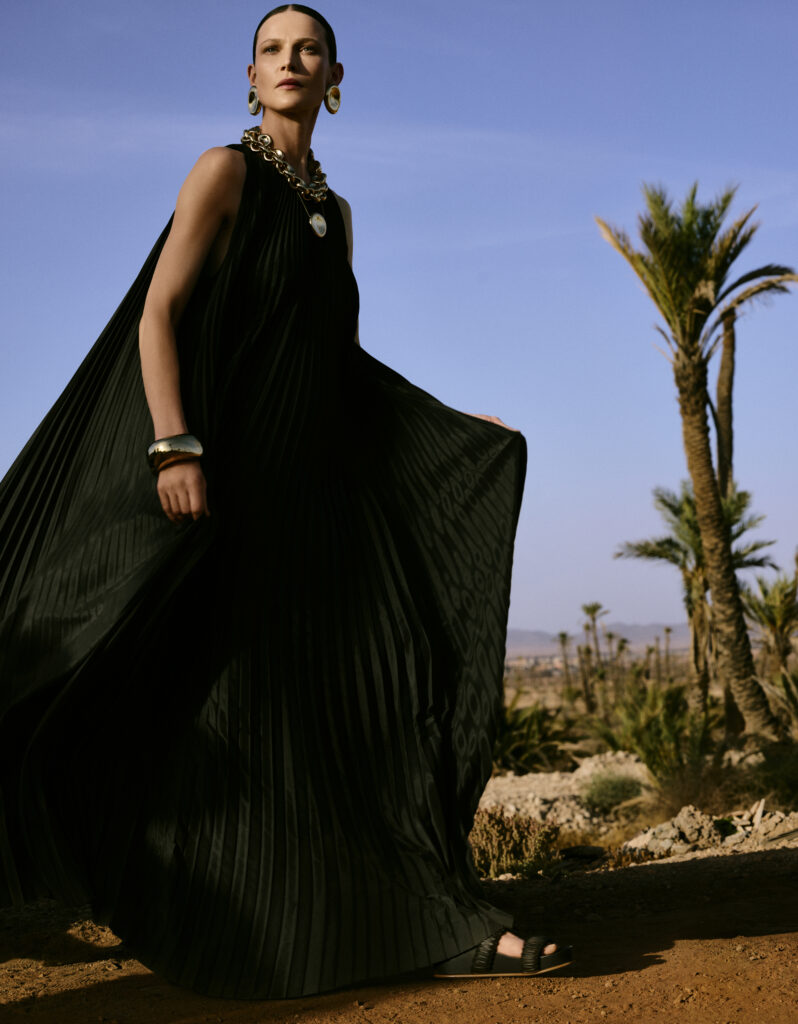
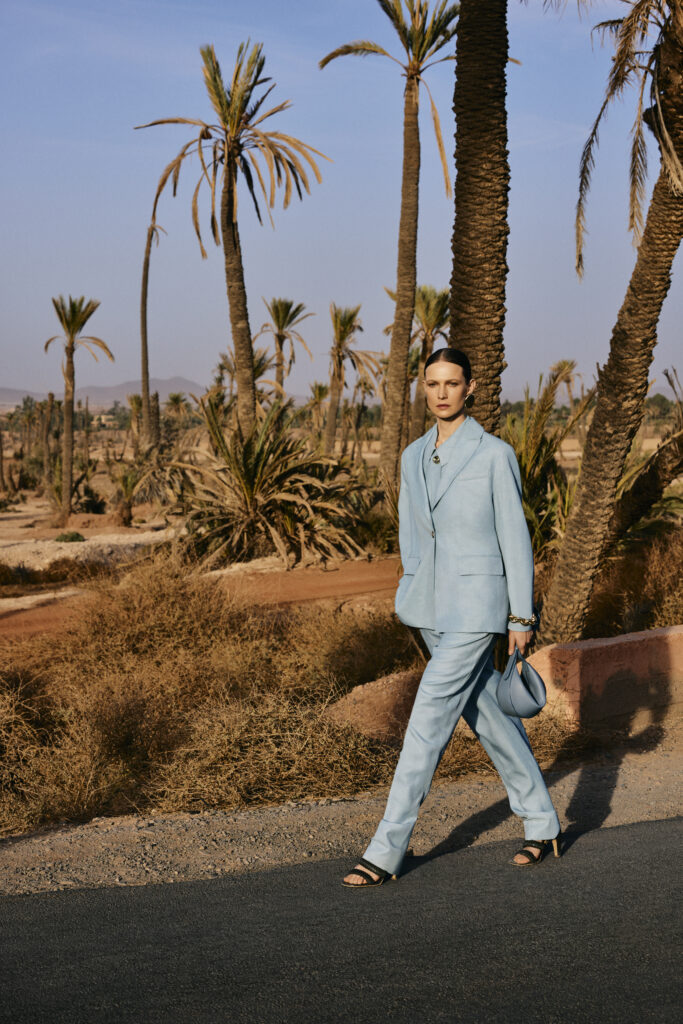
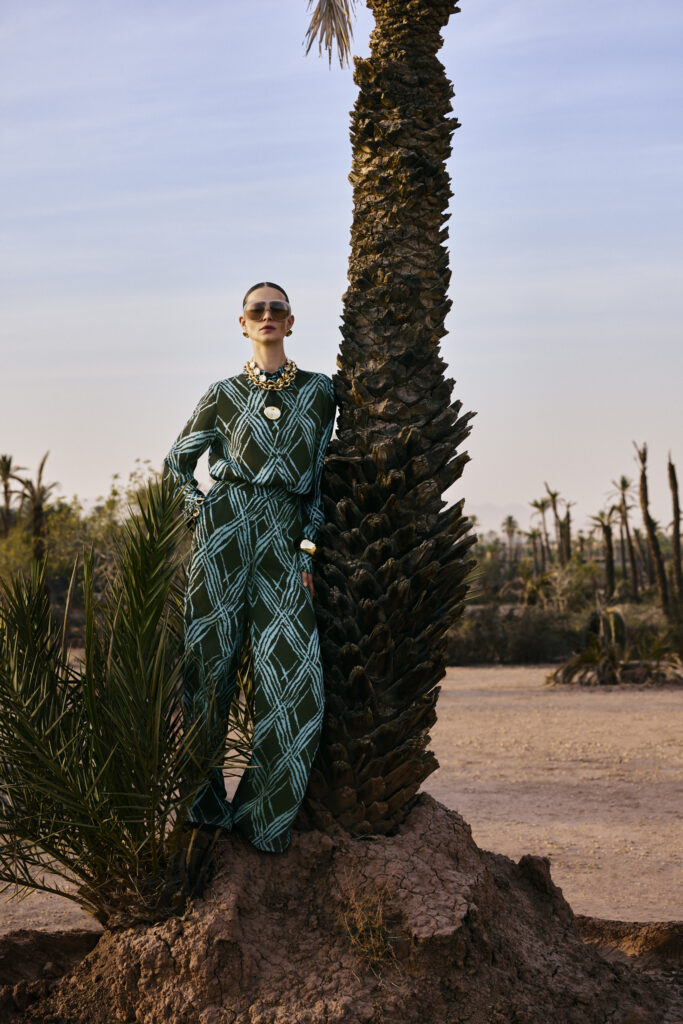
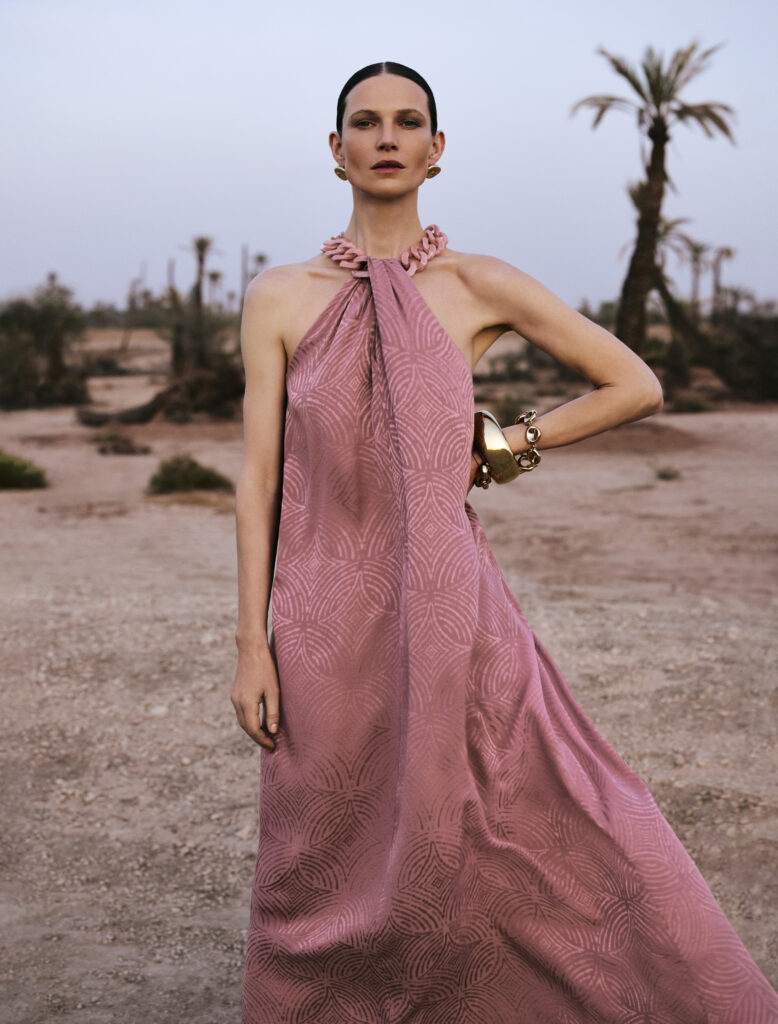
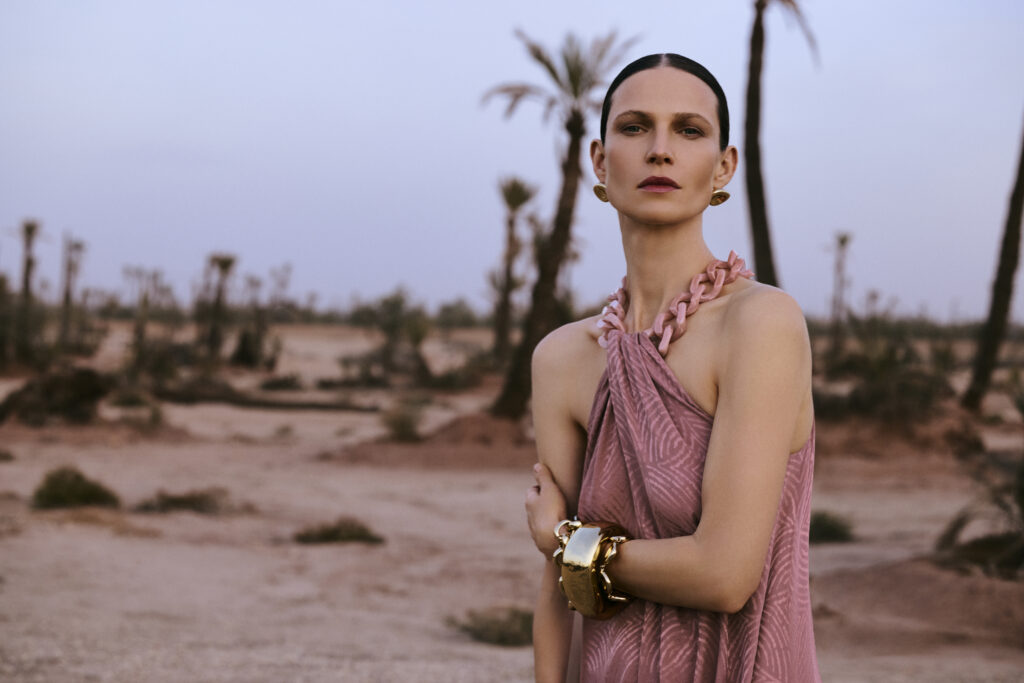
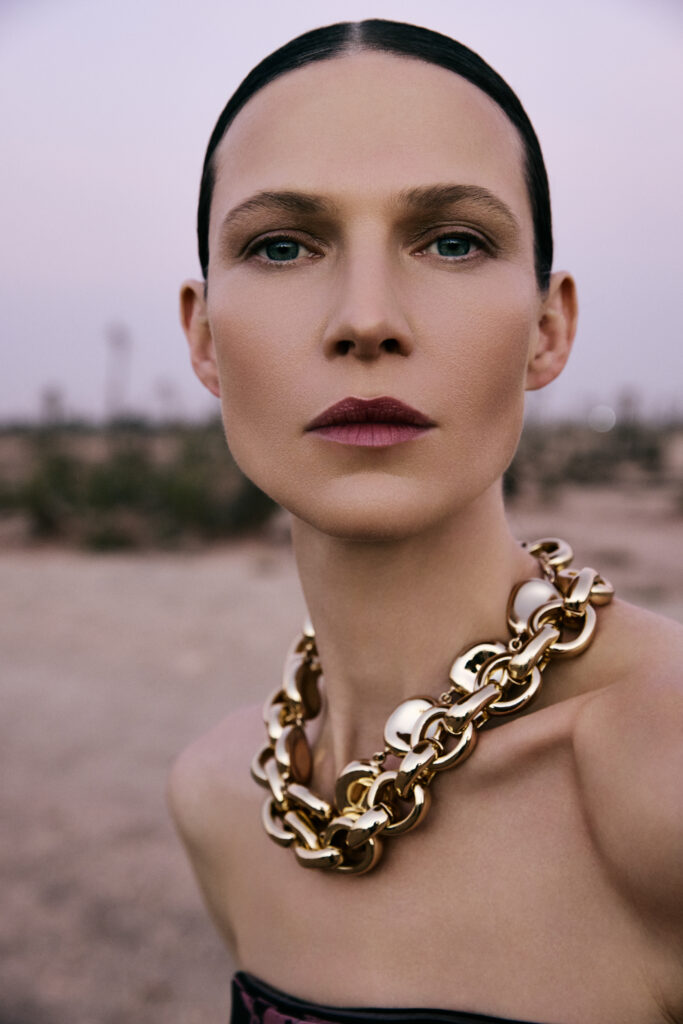
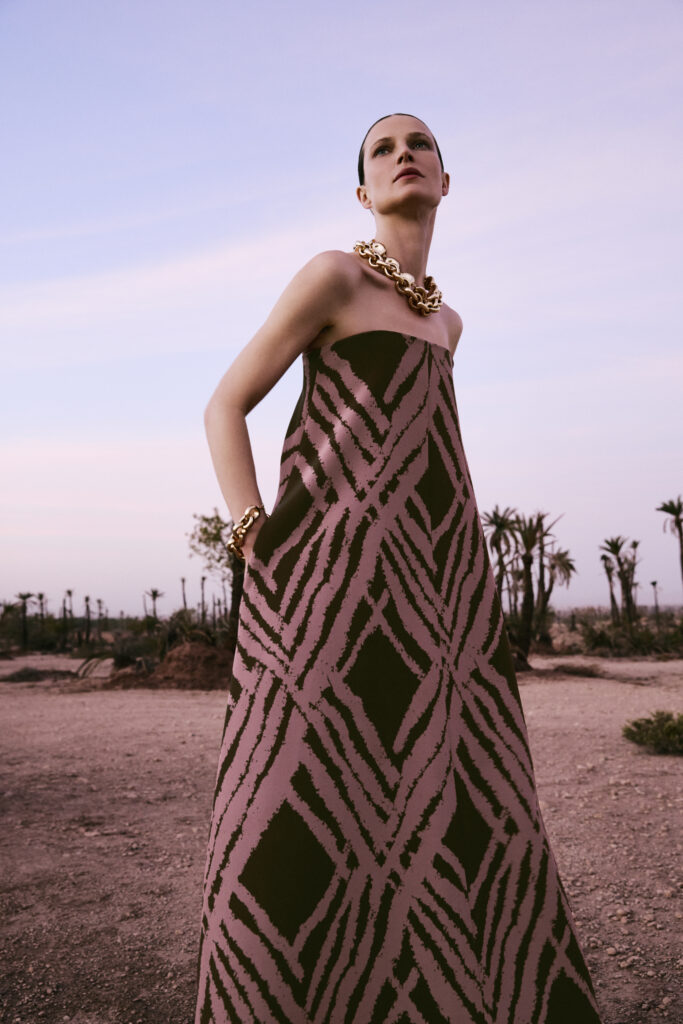
The 2026 campaign changes this equation. Photographers Randall Bachner and Nicholas Minuccian are sent not to a studio, but into the atmosphere of the medinas. The color palette created for the season—marble, powdery pink, mulberry, palm leaf, cocoa—is not merely a seasonal exercise in exoticism. These are the mineral and botanical hues of a country whose pigments have withstood even the harshest sun for centuries. The marble of Marrakech. The pink of the riads’ lime plaster. The brown of roasted cocoa in the souks. These are tones that don’t change from one year to the next because they aren’t trends—they are materials.
What this campaign implies is that a fashion house can spend several generations building its identity before returning to its roots—not as a nostalgic return, but as a statement.
The question the collection now raises is this: Will these colors remain part of Joseph’s palette, or are they just a seasonal interlude?
Color Details: This season’s palette is built around five shades inspired by Morocco’s mineral and plant-based hues: marble (white veined with gray), powdery pink (baked clay), mulberry (a violet-burgundy derived from natural dyes), palm leaf (desaturated dark green), and cocoa (warm brown). No synthetic colors are used.
Cette publication est également disponible en :

