
Paris is now home to more than 100 Michelin-starred restaurants—more than any other city in the world. This figure settles one question but raises another: there’s no shortage of places to dine; the real challenge is figuring out which one is right for that particular dinner.
What the star says—and what it doesn’t say
The Michelin star evaluates cuisine based on consistent criteria: quality of ingredients, mastery of cooking techniques, the chef’s personality, harmony of flavors, and consistency. These criteria are public—the MICHELIN Guide documents them in detail. What they do not cover, however, is the experience you are looking for.
A business lunch, a birthday dinner, a first gourmet experience, or a chance to discover a chef’s cuisine—these occasions don’t call for the same kind of restaurant. Two restaurants may share a Michelin star yet have almost nothing in common when it comes to their pace, decor, length of service, or interaction with diners. Choosing based solely on rankings means delegating to a guide what only your dining experience can determine.
So that’s where the Luxsure method begins: read the review before checking the star rating.
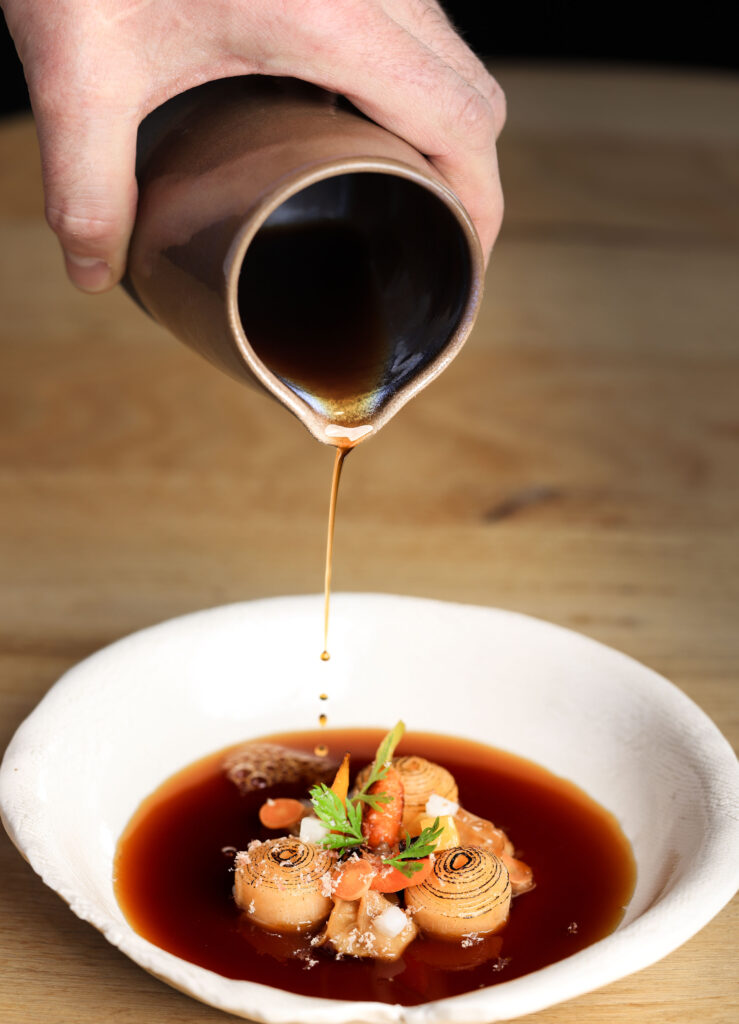
First criterion: the pace of service
A Michelin-starred dinner can last two hours or four. This isn’t just a minor detail—it’s the backbone of the evening.
The most discerning restaurants in Paris put on a lengthy ritual: ten- or twelve-course tasting menus, carefully orchestrated food-and-wine pairings, and the presentation of each dish by the chef or a sous-chef. This approach assumes that diners are there for that very reason—not to grab a quick bite before another commitment.
Other restaurants offer a more straightforward dining experience: a short menu, bold cooking styles, and unpretentious service. This format is better suited to a business lunch or a less formal evening out. Le Petit Étoilé at Anona belongs to this category: a Michelin-starred restaurant whose commitment to sustainability—short supply chains, plant-based ingredients, and deeply rooted seasonal cuisine—does not compromise the quality of the dishes, but presents them in a less formal setting.
Before you make a reservation, here’s a simple question: how long do you plan to stay at the table? The answer immediately rules out half the options.
Second criterion: the menu’s readability
A tasting menu can be very cohesive or overly showy. The difference is sometimes evident in the menu itself, even before the first course is served.
A menu that’s too long—fifteen courses or more—suggests a chef who’s trying to show off everything. That’s understandable for a grand opening or a special occasion dinner, but less so for an ordinary evening meal. A short but substantial menu, where each dish offers something unique, is often a sign of a more confident kitchen.
Parisian restaurants that offer both a tasting menu and à la carte options—a less common format among Michelin-starred establishments—provide valuable flexibility. They allow diners to tailor their experience based on the evening’s atmosphere, the number of guests, and the group’s preferences.
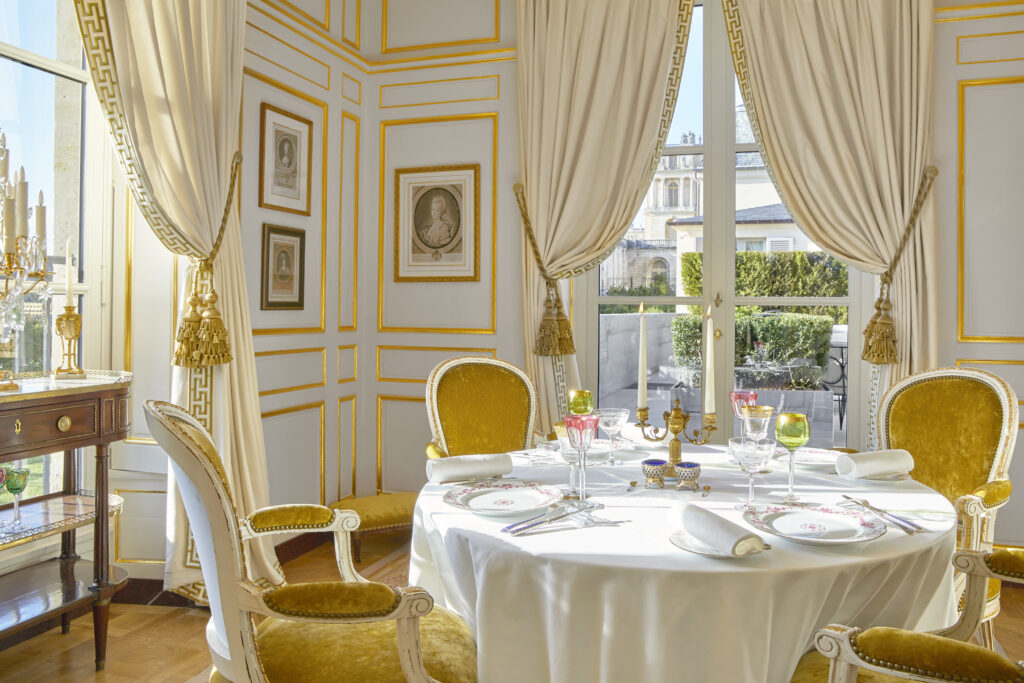
Third criterion: the dining room as an integral part of the meal
The decor of a Michelin-starred restaurant is not neutral. It sets the tone for the meal—and sometimes ruins it when it overshadows what’s on the plate.
There are two extremes in Paris. On the one hand, there are the top-tier restaurants in classic settings: elegantly decorated dining rooms, dim lighting, table spacing designed for intimacy, and staff who remain out of sight until needed. On the other, restaurants where the view or architecture is an attraction in its own right.L’Oiseau Blanc at the Peninsula Paris is the most obvious example in Paris: the terrace overlooks the rooftops of the Right Bank; the cuisine isn’t merely a pretext for the view, yet it cannot be separated from it. Dining there is as much an act of experiencing Paris as it is of enjoying fine dining.
At Pavillon Ledoyen, under the direction of Yannick Alléno, the approach is different: it is the rare concentration of several Michelin-starred restaurants within a single historic building on the Champs-Élysées that creates a unique setting. The dining room does not overlook Paris—it is in Paris, in the heritage sense of the word.
These two models cater to different preferences. Neither is superior to the other. They are not intended for the same dinner party.
What the budget doesn’t say either
A three-star restaurant isn’t always the most expensive meal of the year—and a one-star restaurant can end up costing more than some people might expect. The price of a tasting menu with wine pairings can vary by as much as threefold depending on the restaurant, the length of the menu, the wine list, and the service policy.
A few practical tips: Michelin-starred lunches are almost always less expensive than dinners, often featuring a shorter menu but created by the same chef. It’s the most affordable way to try a restaurant you’re new to. Wine pairings by the glass, offered at most top-tier restaurants, allow you to manage your budget without sacrificing the harmony of the pairing.
Booking a table at a Michelin-starred restaurant for the first time for lunch, choosing the shortest menu available, is still the best way to determine whether a restaurant is right for you before returning for a full-course dinner.
Discover Paris Through Its Restaurants
Paris has more than one culinary identity. There is luxury hotel cuisine—Peninsula, Bristol, George V—chef-driven cuisine at more low-key spots, Michelin-starred bistronomy, market-inspired gastronomy, and Franco-Japanese, Franco-Korean, and Franco-Peruvian cuisine. Each of these categories can be Michelin-starred. Each tells a different story of the city.
The Michelin Guide groups them all under the same symbol. Readers must learn to distinguish between them—not to rank them, but to make a precise choice. A disappointing dinner doesn’t necessarily mean the restaurant is bad; it’s often just the wrong table for that particular meal.
See also
- Petit Étoilé at Anona — sustainable fine dining, Paris
- L’Oiseau Blanc at The Peninsula Paris — a restaurant with a view of the rooftops
- Pavillon Ledoyen, Yannick Alléno — Michelin-starred restaurants on the Champs-Élysées
Cette publication est également disponible en :

