
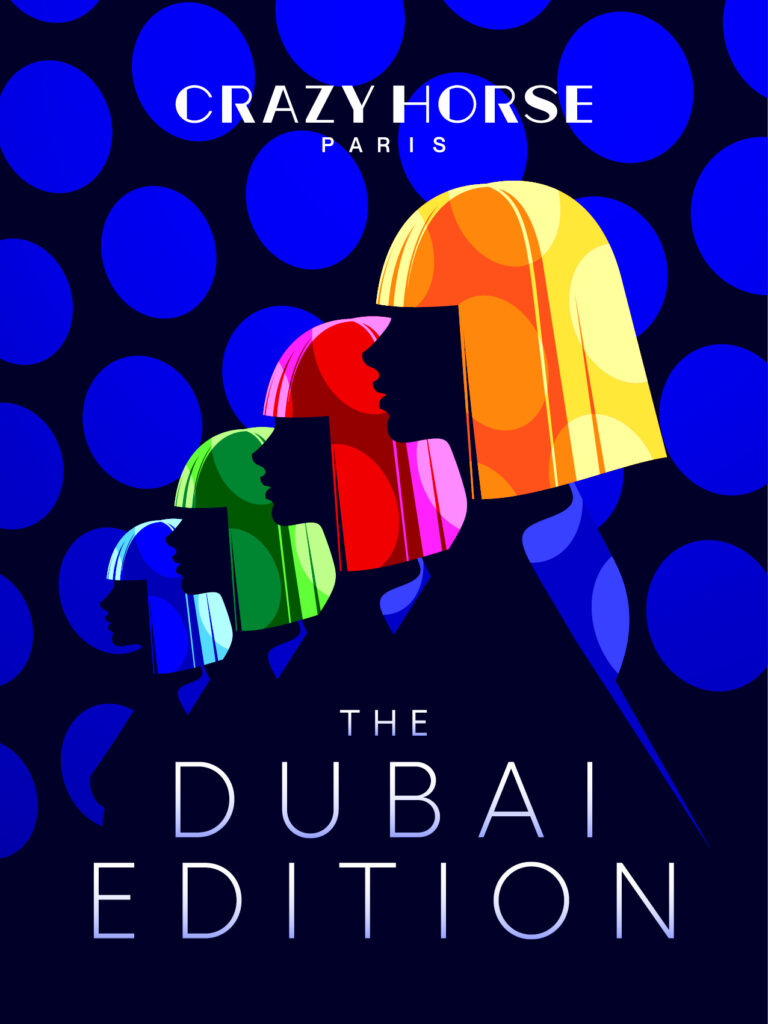
The key point is not that a Parisian cabaret is opening in Dubai. It is that, for the first time outside of Paris, it is establishing a permanent show there. Starting in November 2026, the Crazy Horse will thus transform a brand born on Avenue George V into an exportable cultural entity, with its own codes, its own constraints, and a new business model for live entertainment.
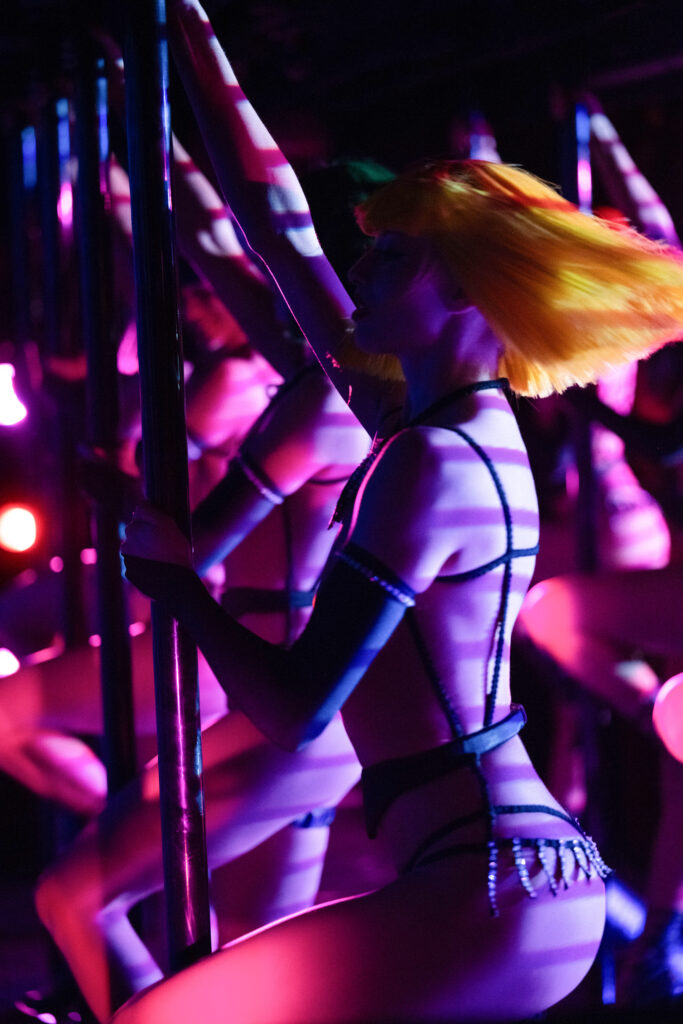
The project will take place at the Zabeel Theatre, located within the Jumeirah Zabeel Saray on Palm Jumeirah. The venue, which has been completely renovated, will be scaled down to 200 seats and equipped with a replica of the Crazy Horse stage, complemented by four additional stages distributed throughout the auditorium. This layout is no mere detail: it reduces the distance between the performers and the audience and makes the stage design itself part of the experience.
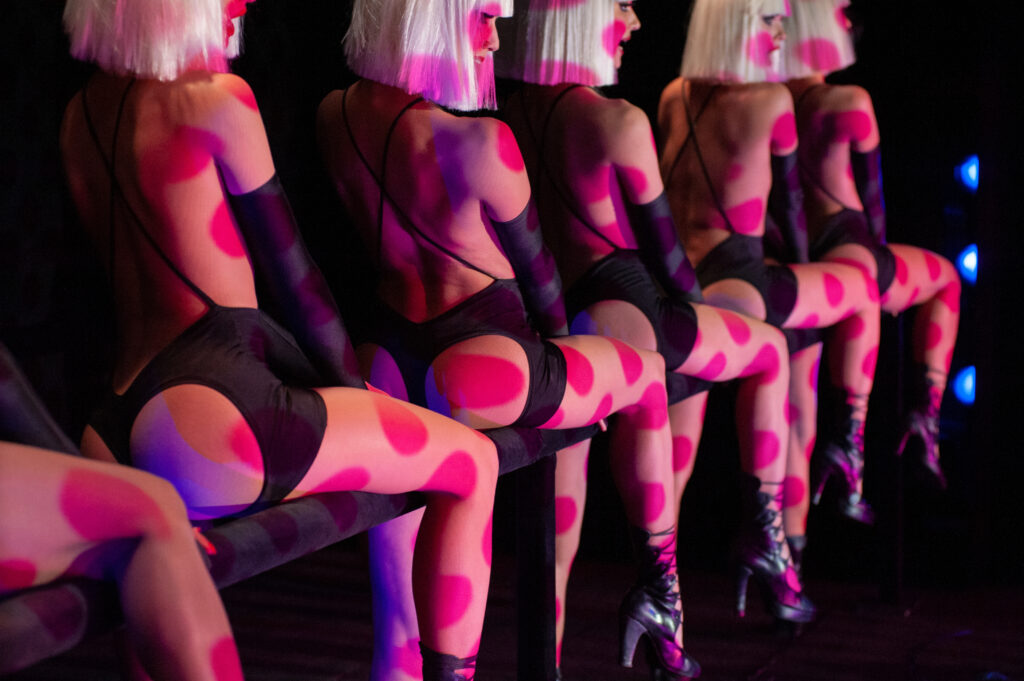
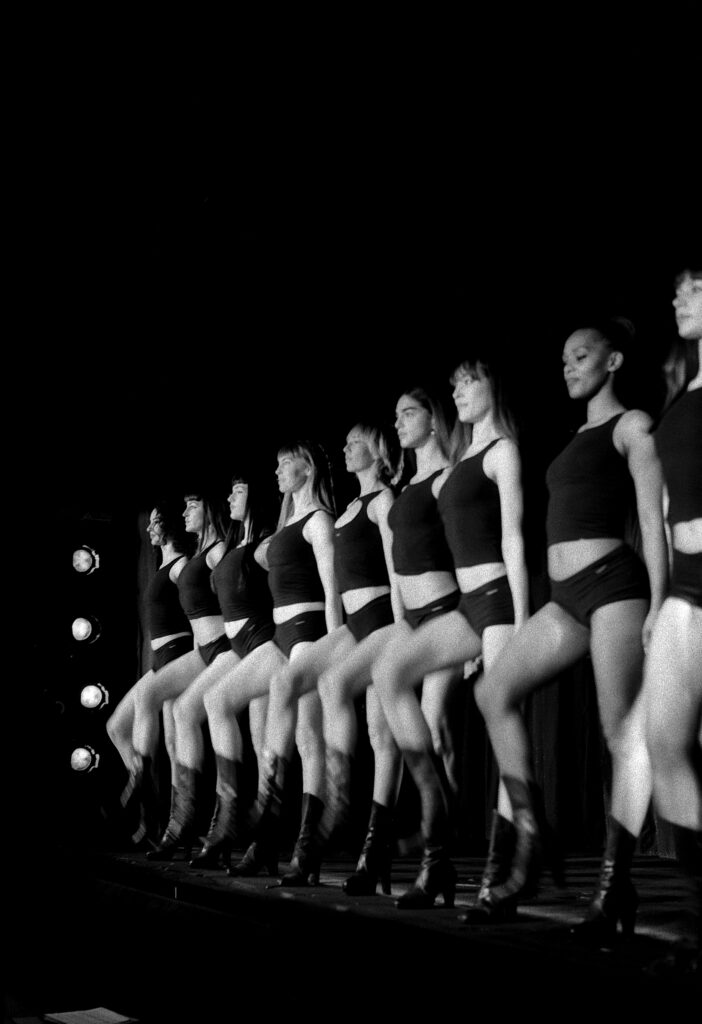
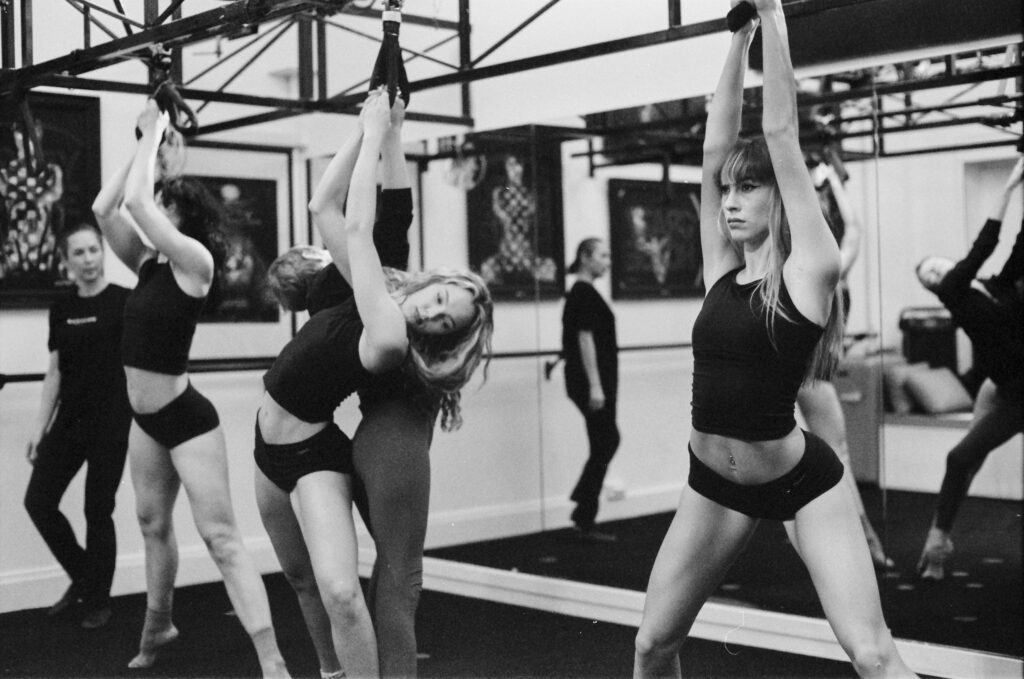
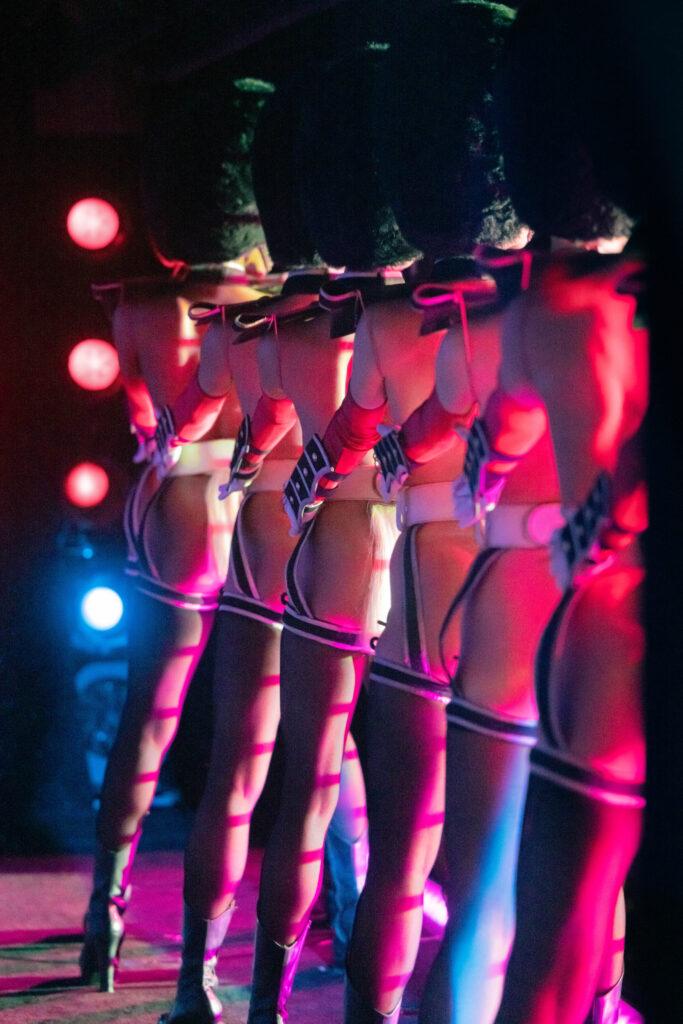
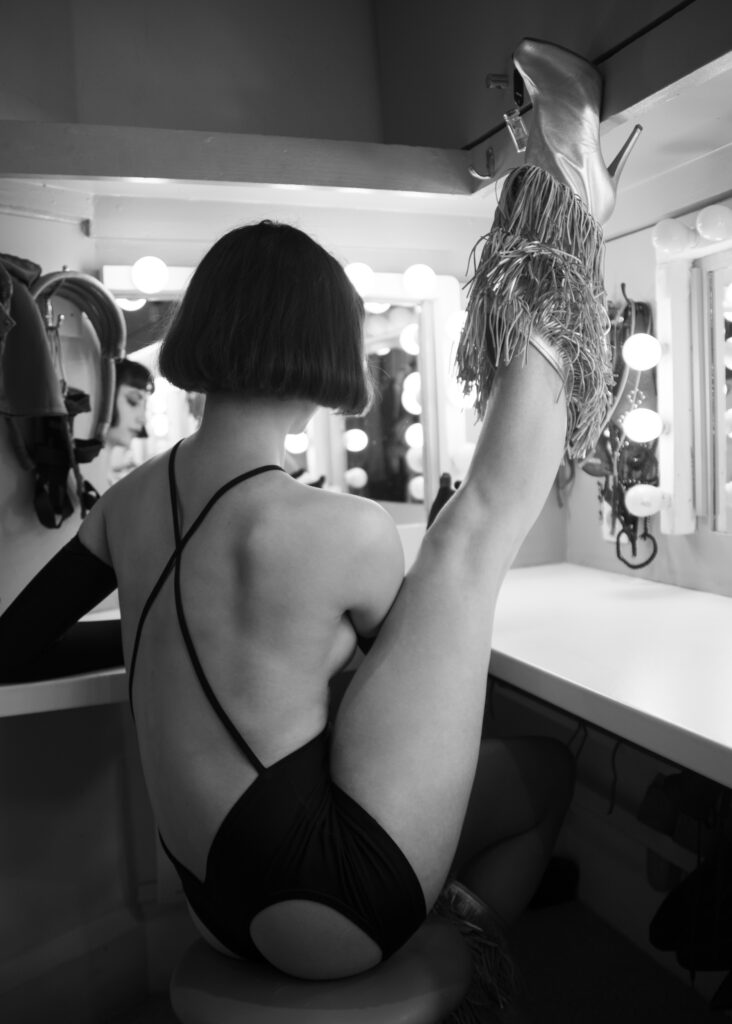
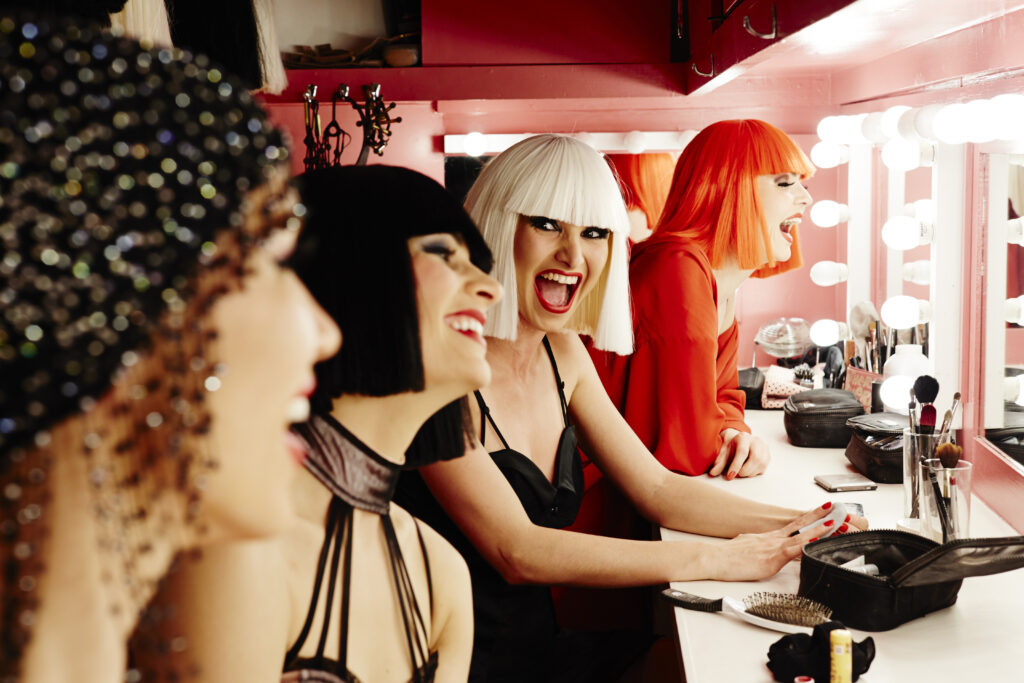
Artistic direction is entrusted to Andrée Deissenberg, Executive Director of Creation and Brands at Crazy Horse Paris. Eighteen dancers have been selected to form the troupe; twelve will perform each evening. All have undergone several months of training in Paris to master the choreographic style specific to cabaret. Classic numbers from the repertoire—including several choreographed by Philippe Decouflé—will be performed alongside new creations.
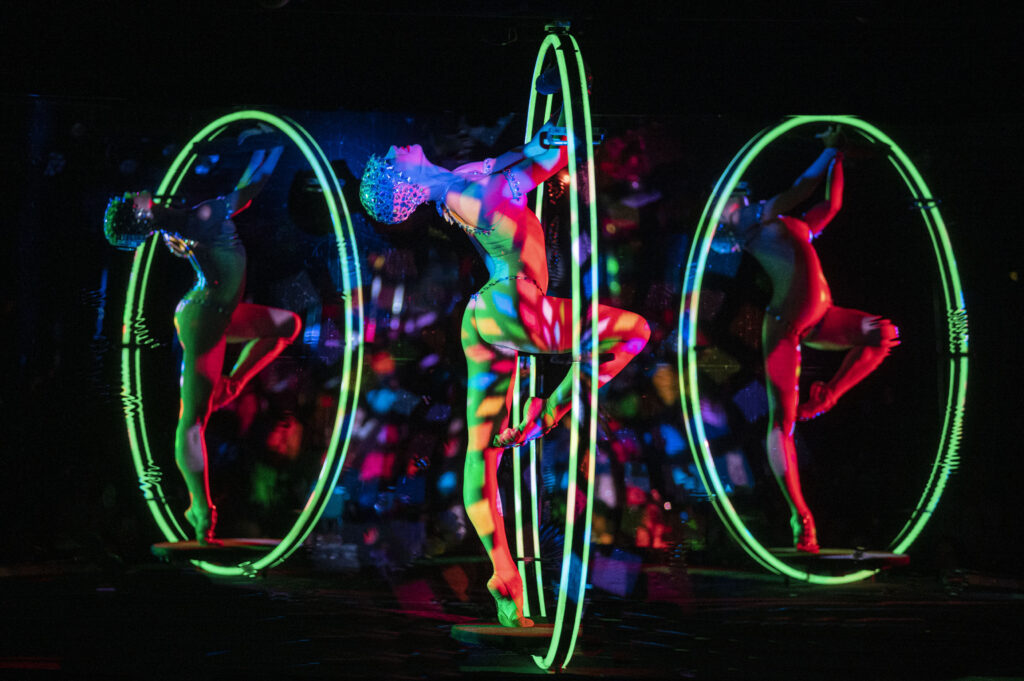
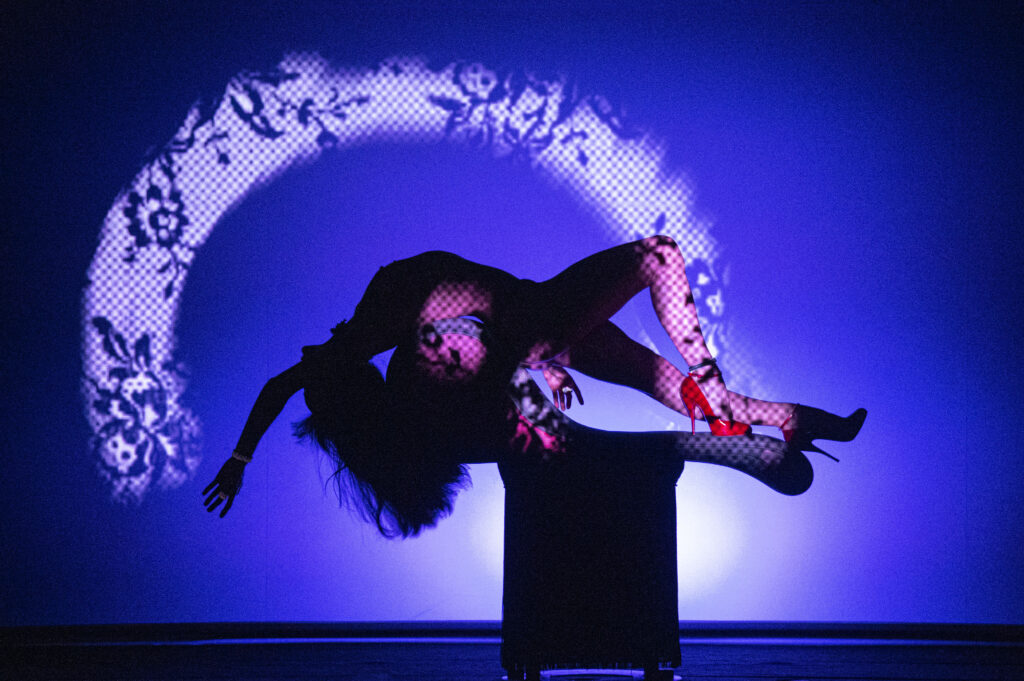
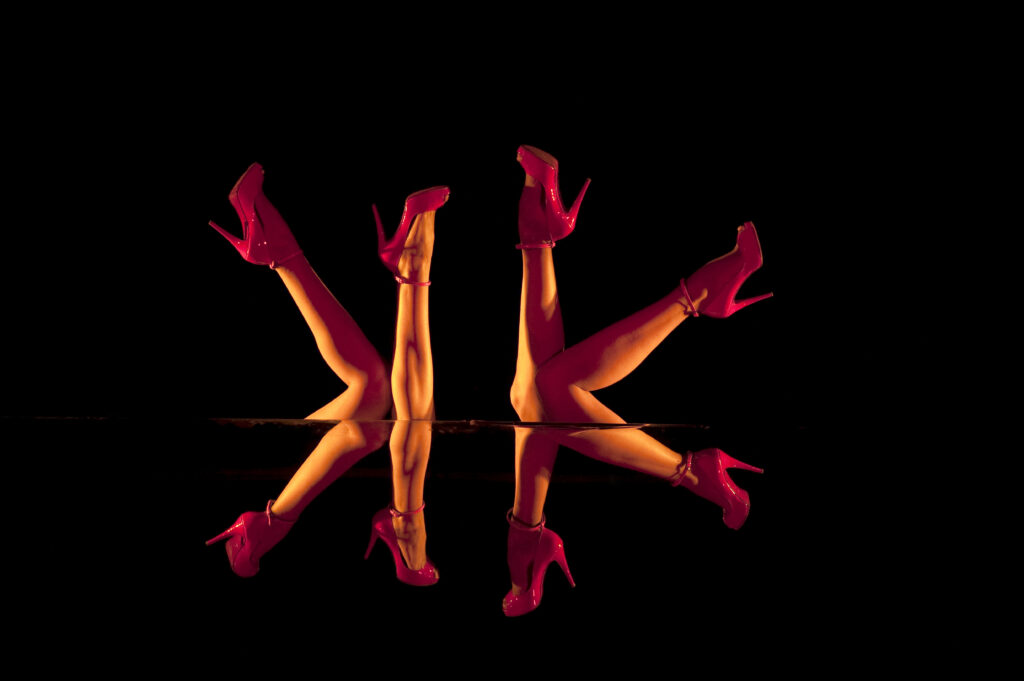
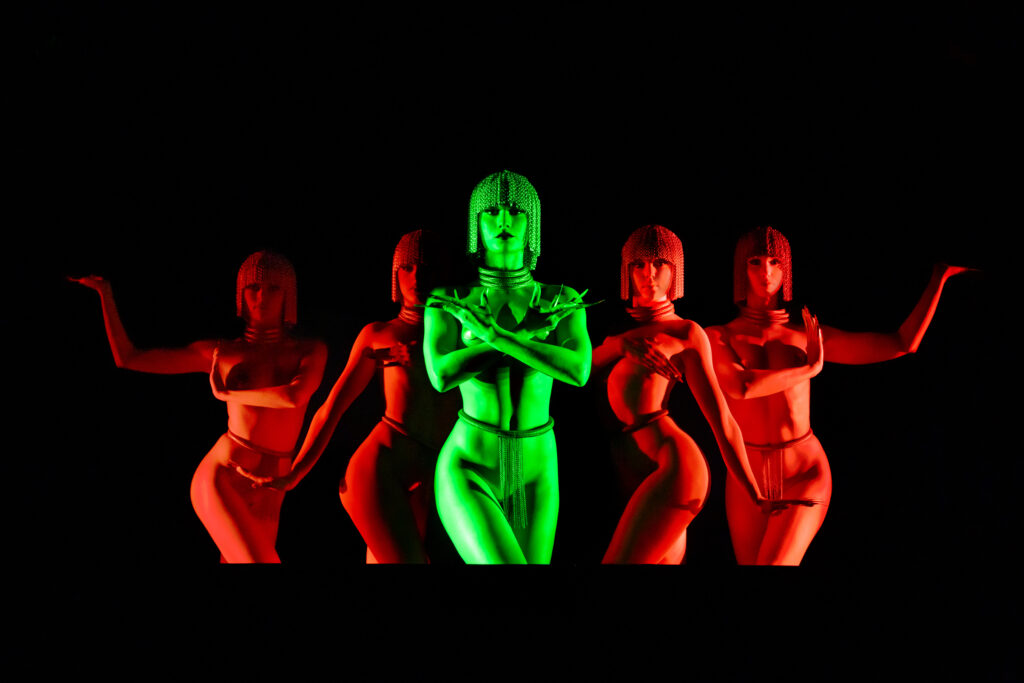
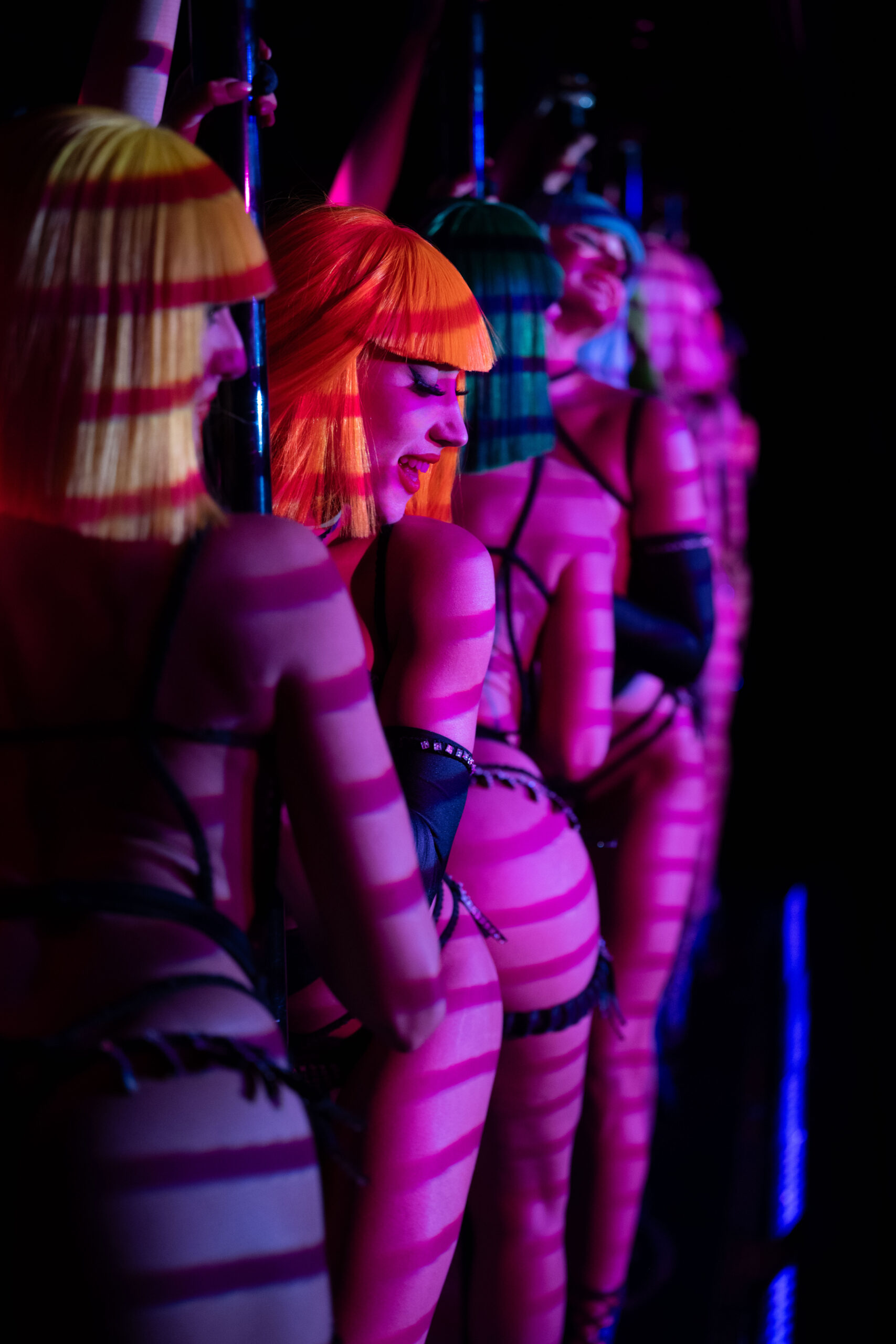
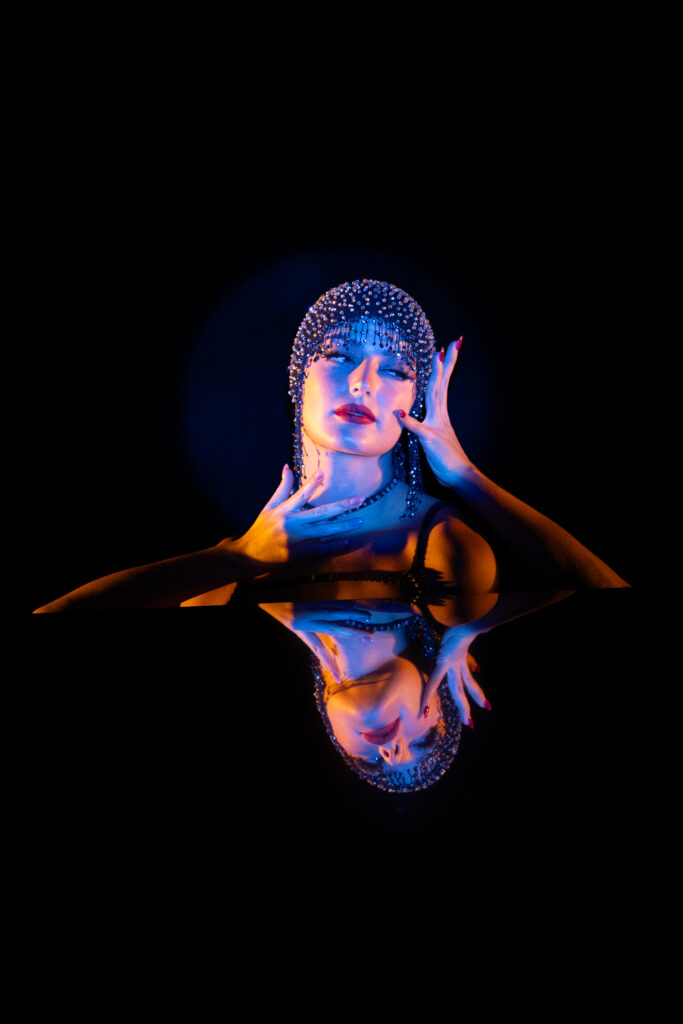
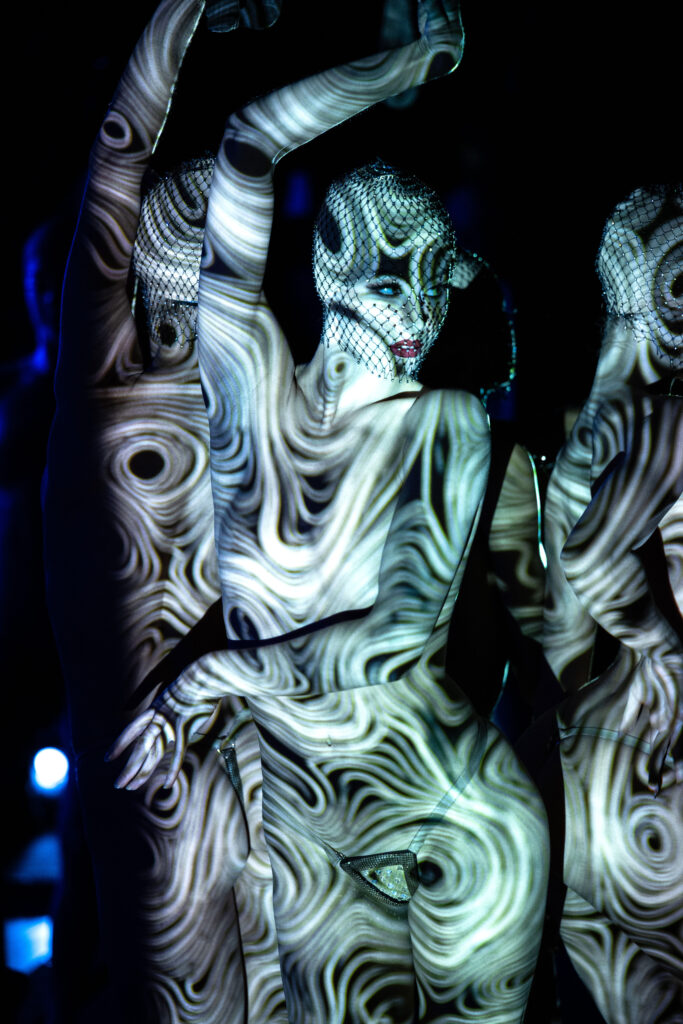
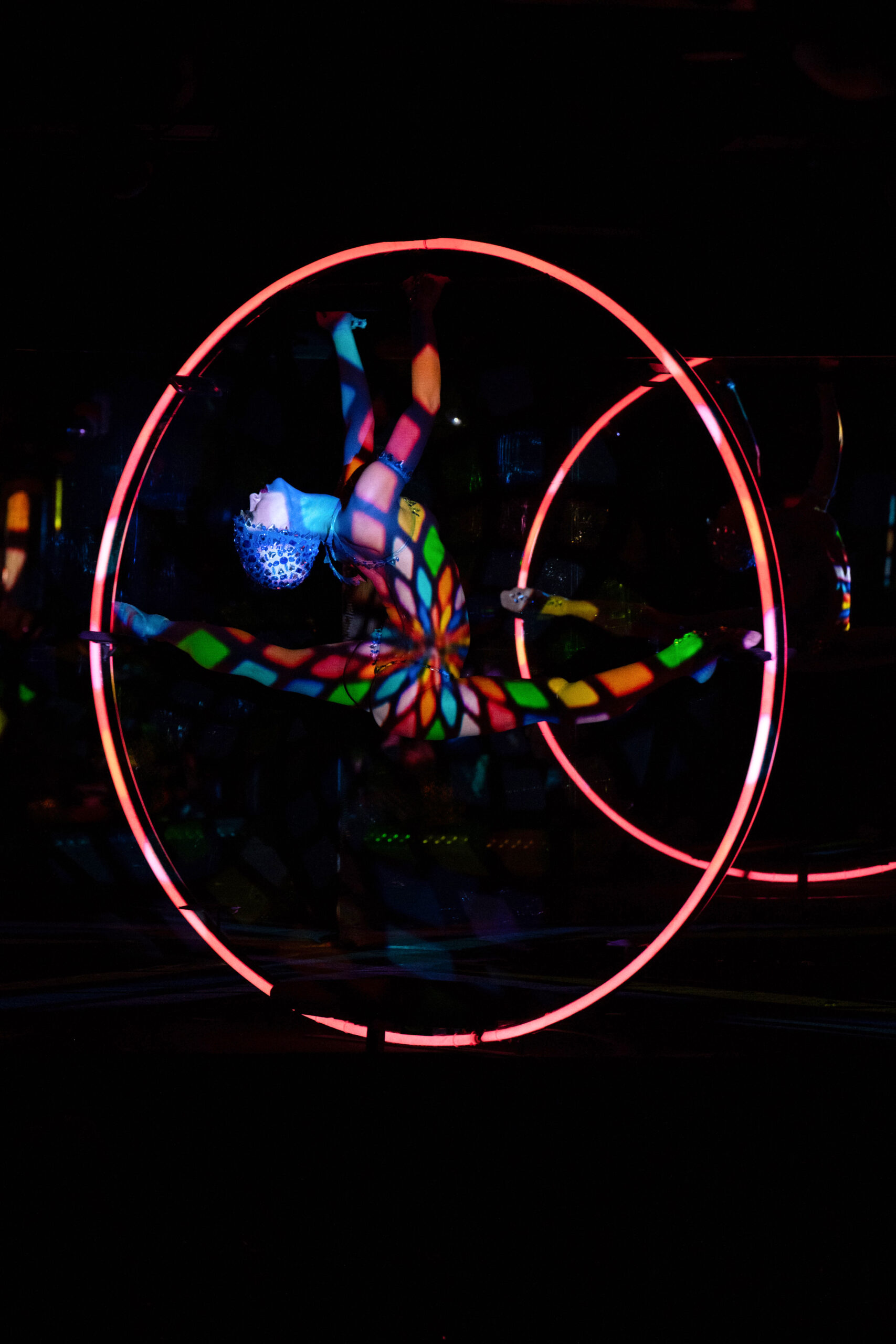
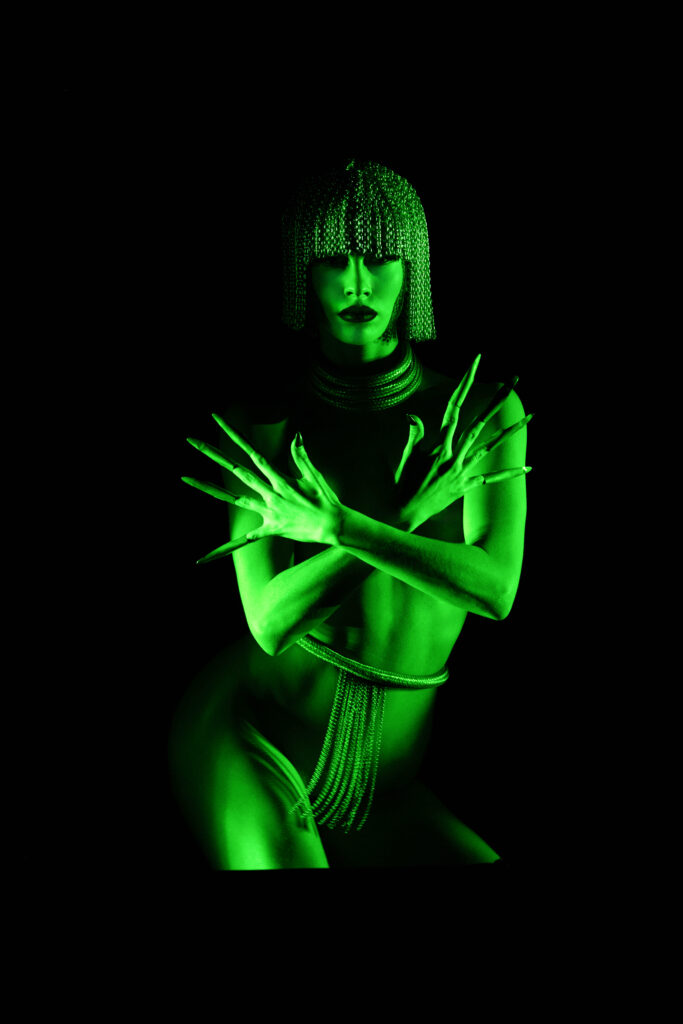
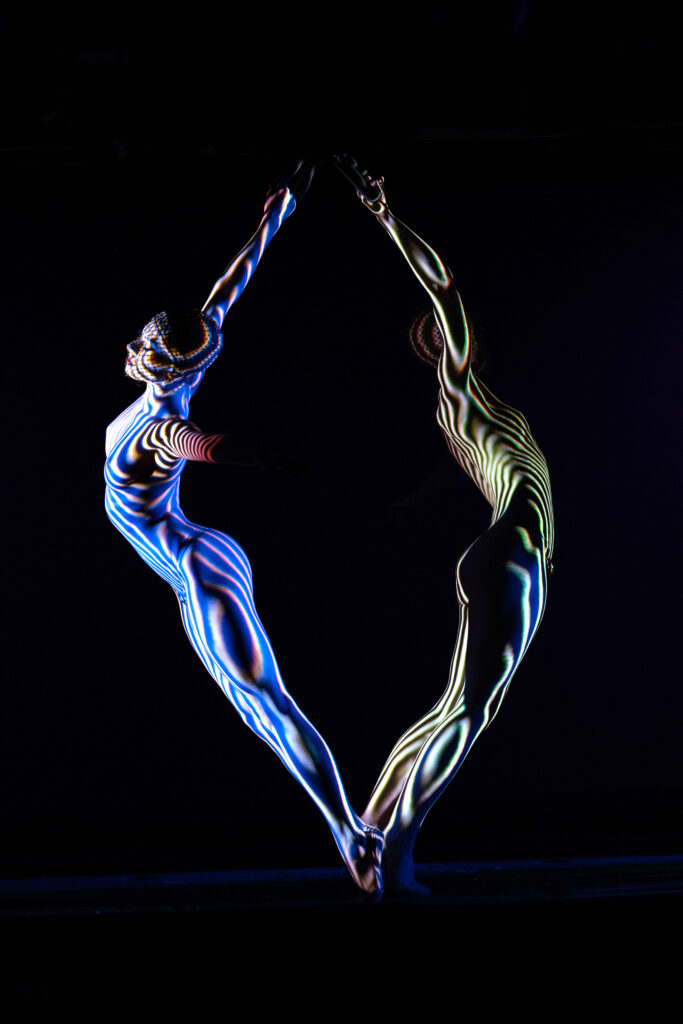
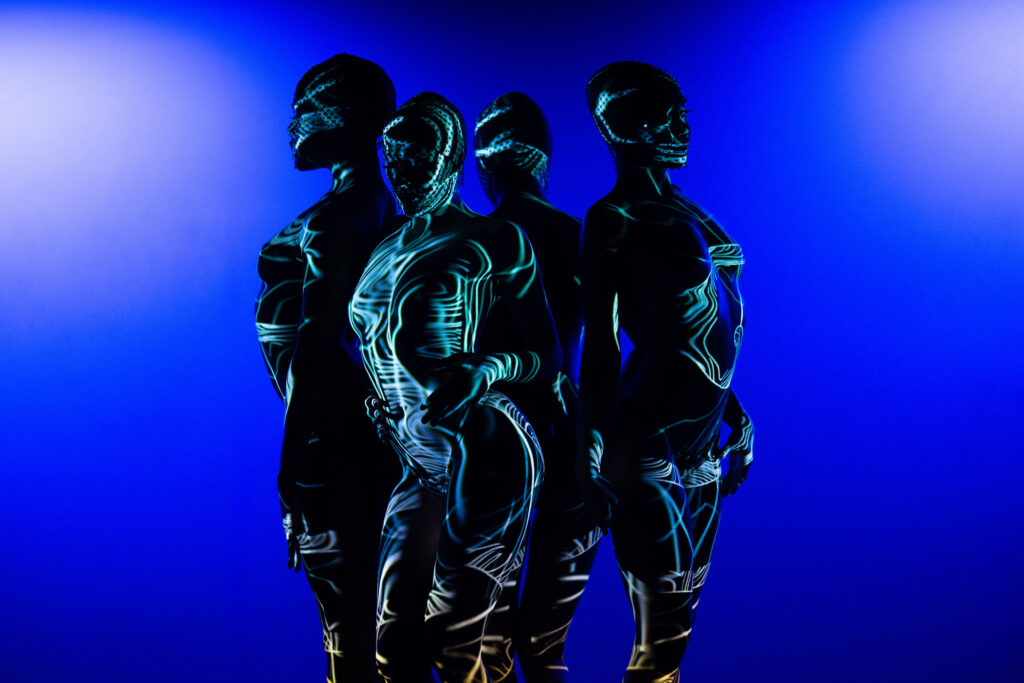
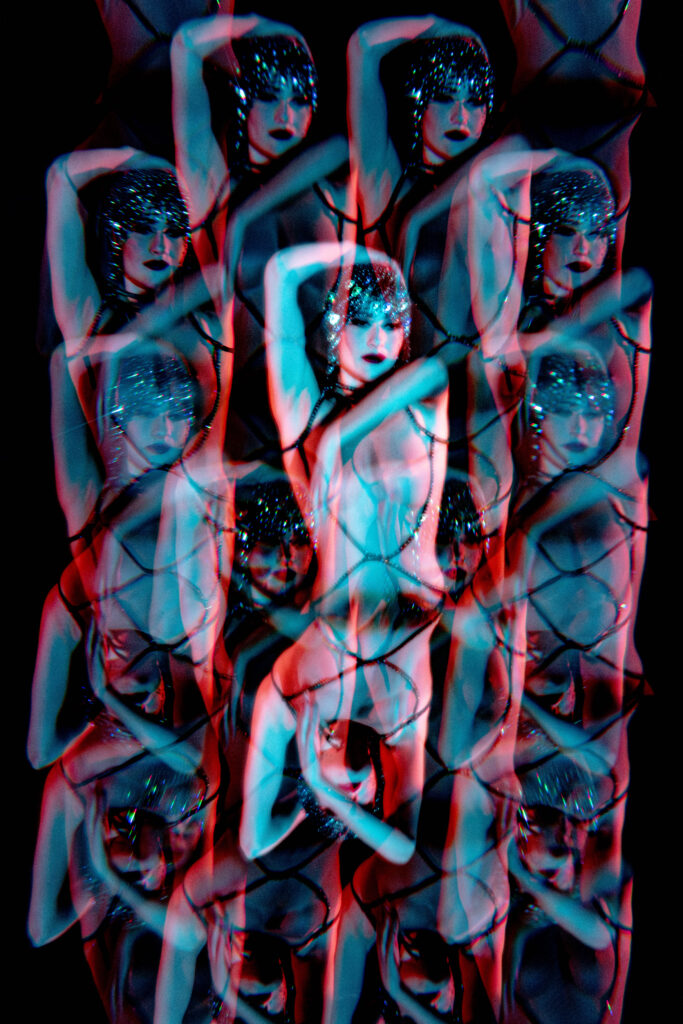
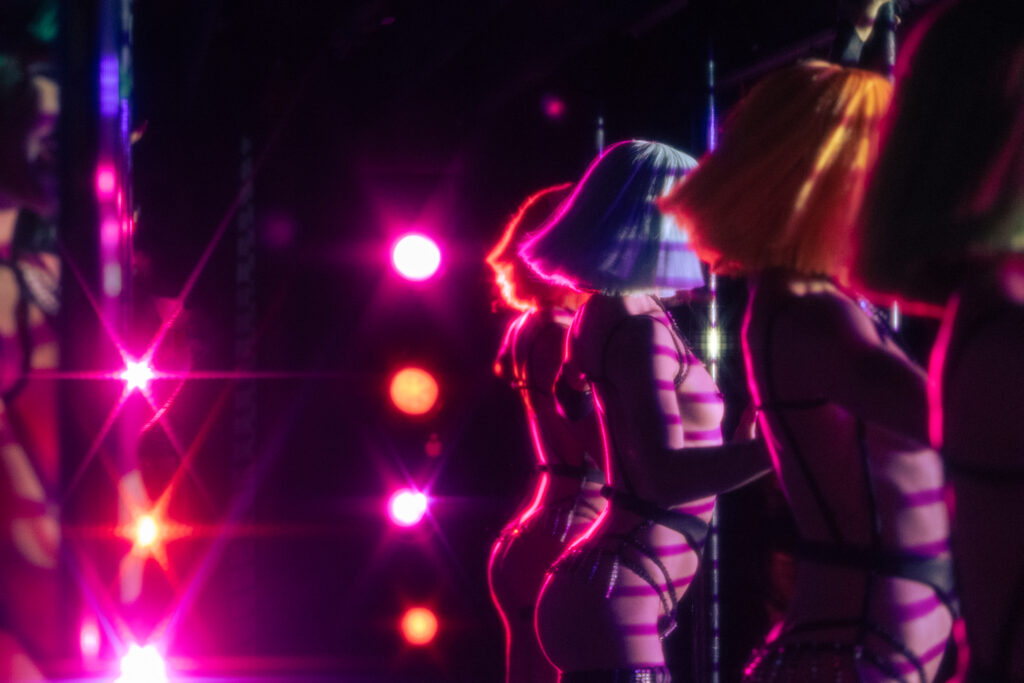
This is where the project becomes more than just a simple international expansion. The Crazy Horse isn’t just exporting a name or a set design—it’s attempting to transfer a method. The show remains built around lighting, costumes, and precise choreography, but it is adapted to a region where cultural consumption follows different rhythms.
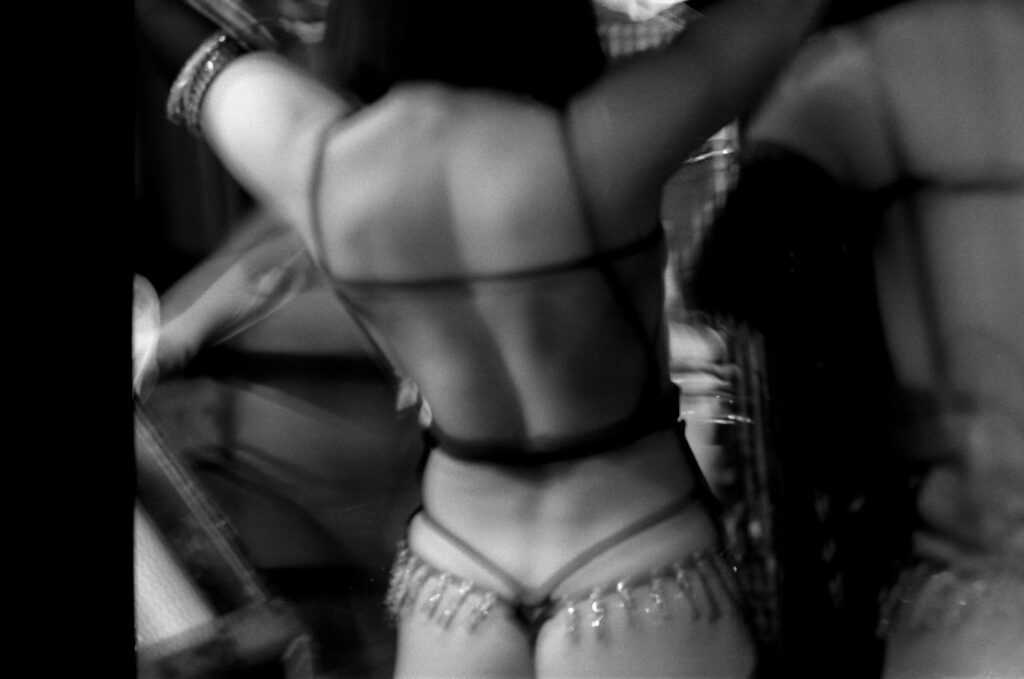
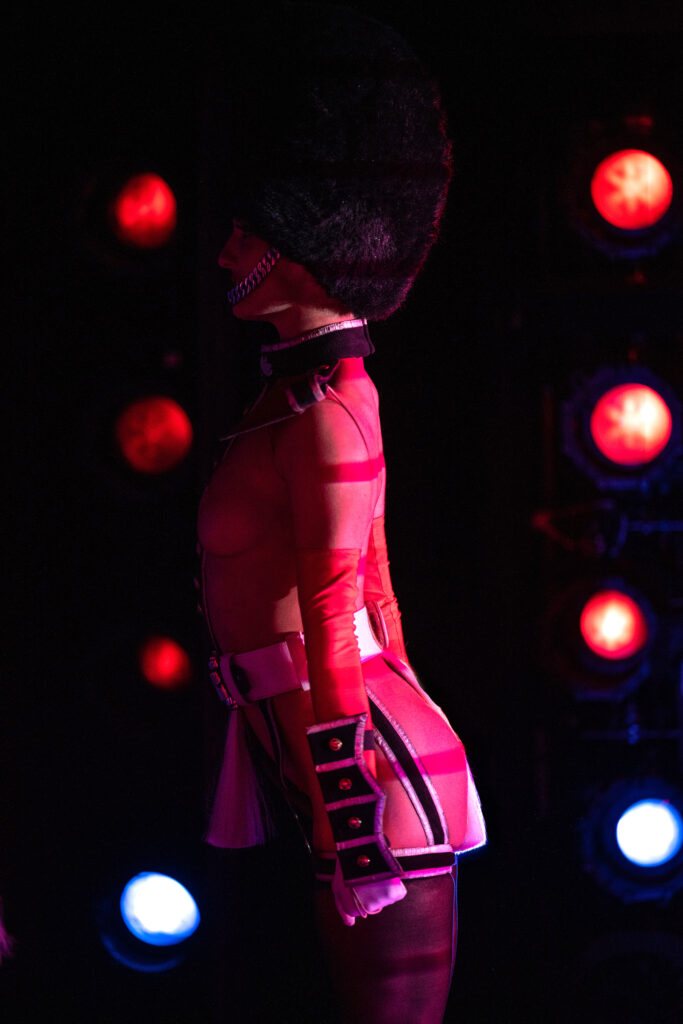
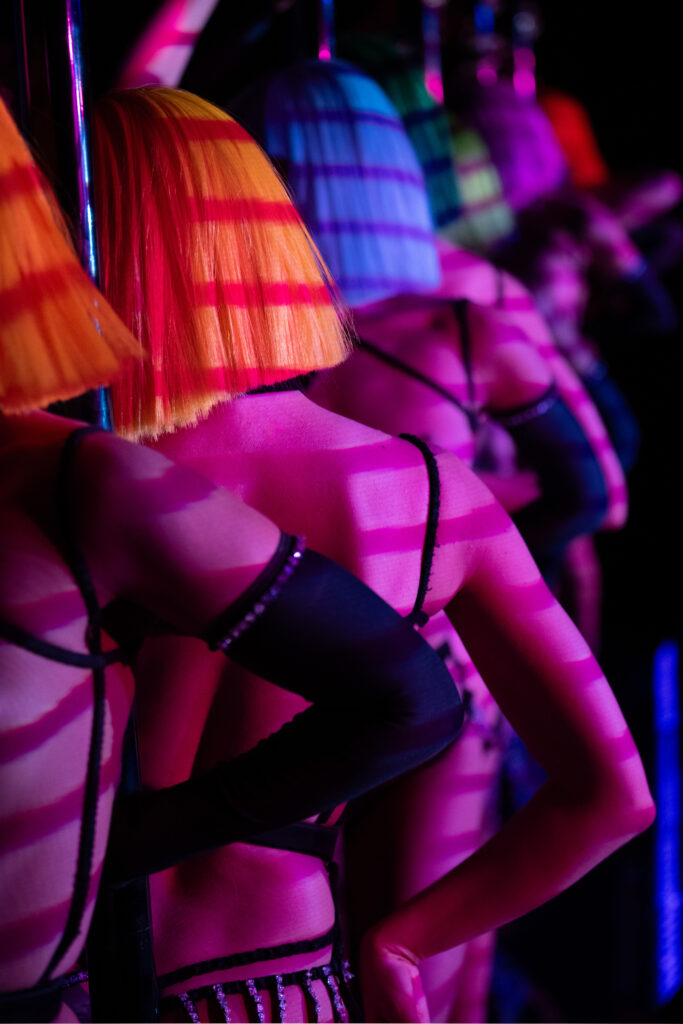
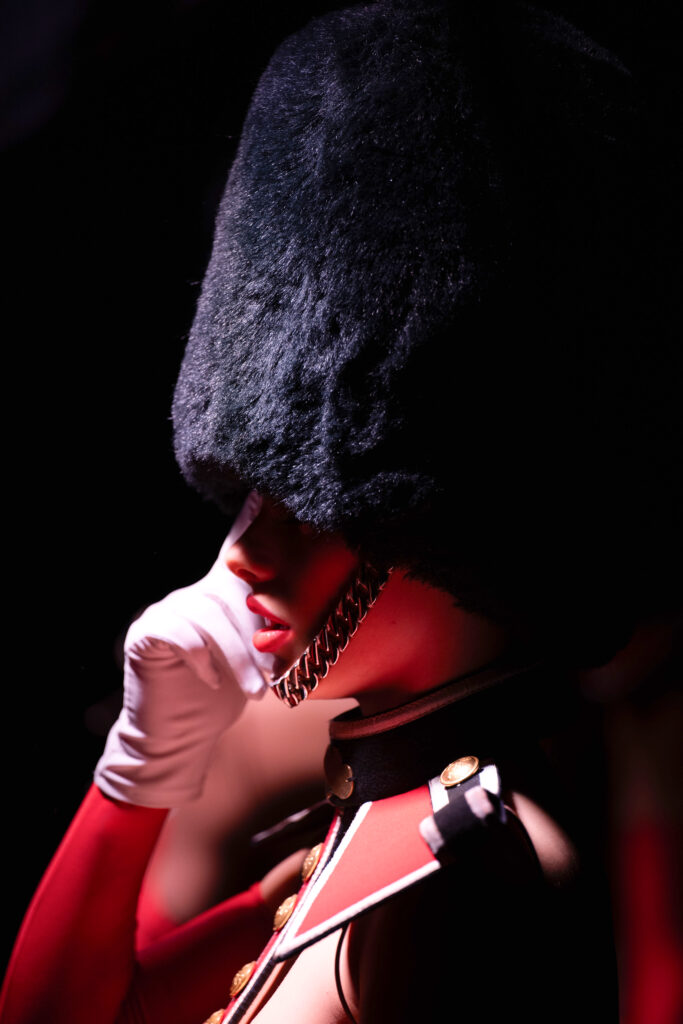
More than five hundred costume pieces were created specifically for *The Dubai Edition*. Designed by Antoine Kruk, they were custom-made in Paris by the Crazy Horse couture atelier. This continuity in production creates a tangible link to the parent company: while the project may relocate geographically, it retains part of its production and artistic language in Paris.
The most noticeable change, however, concerns the evening’s schedule. Two formats will be offered: a standalone show lasting about eighty minutes, similar to the Parisian model, and a dinner-show lasting nearly three hours, followed by a DJ set. Chef Dejan Cirovic will oversee the culinary aspect, while a French-style bar, private boxes, and a “Legacy Hall” dedicated to the Crazy Horse’s archives and collaborations will extend the theatrical experience beyond the main hall.
This shift is telling. In Paris, the Crazy Horse remains, first and foremost, a venue for live performances. In Dubai, it’s becoming a hybrid destination that combines live entertainment, dining, nightlife, and brand heritage. The cultural model is thus moving closer to the hospitality model: people no longer come just to see a performance, but to immerse themselves for several hours in a cohesive world.
For Philippe Lhomme, President of the Crazy Horse Paris Group, this opening marks a new phase in the company’s international expansion. The approach remains cautious, but the goal is clear: to establish a permanent presence for this Parisian cultural institution in one of the most competitive markets for premium entertainment.
The project’s success will be measured less by its ability to replicate Paris than by its capacity to maintain a high standard of design while adapting to Dubai’s context. This is precisely where soft power becomes interesting: not in the act of copying, but in the way an institution manages to remain recognizable as it changes in scale, audience, and location.
Cette publication est également disponible en :

