
Ferrari Luce, Bentley Supersports, Rolls-Royce Spectre, a LEGO replica capable of exceeding 100 km/h: at the Goodwood Festival of Speed, these vehicles seem to have nothing in common except for the same rubber on their wheels.
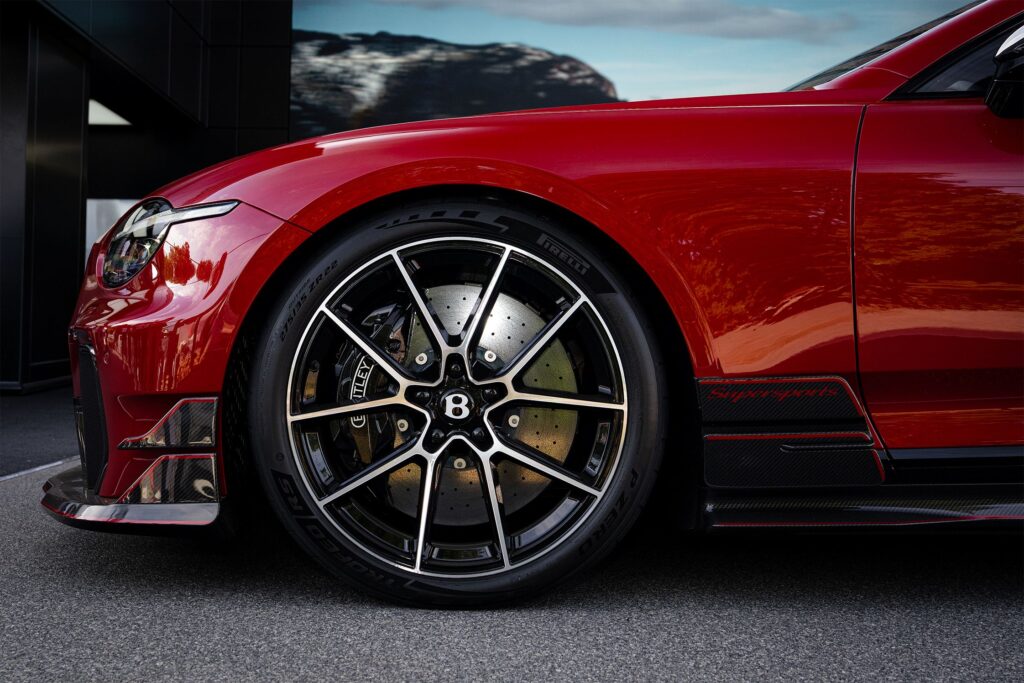
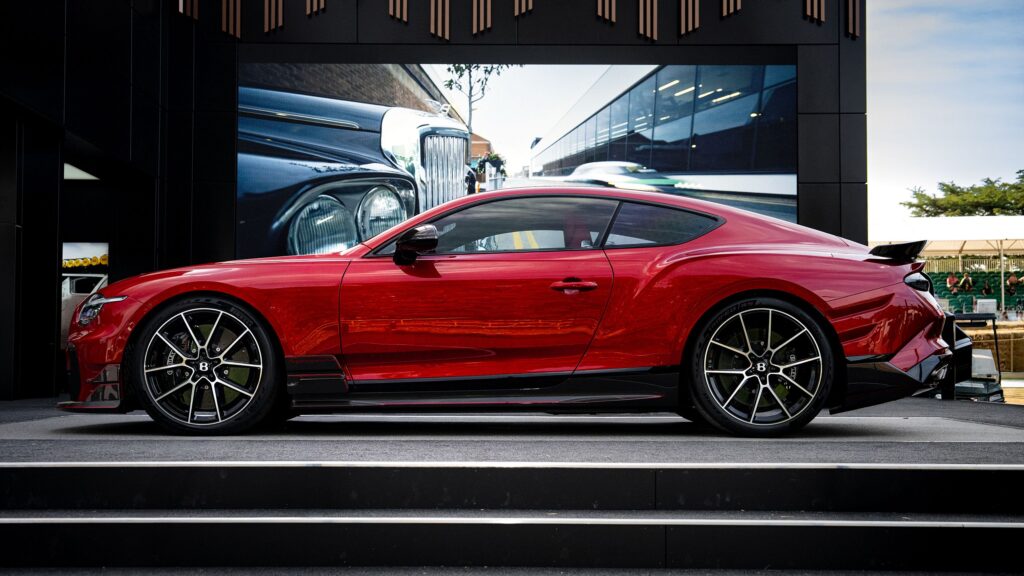
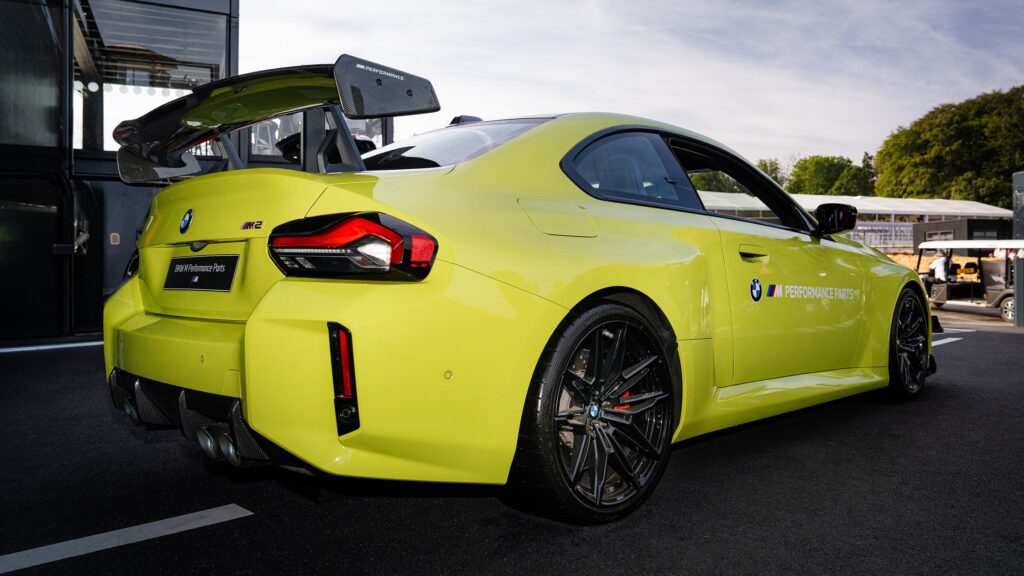
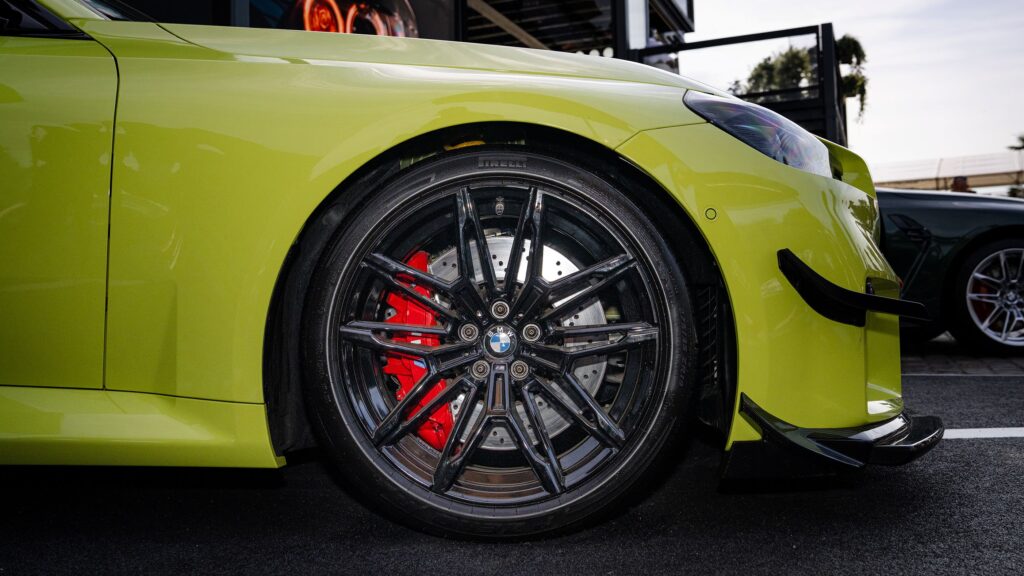
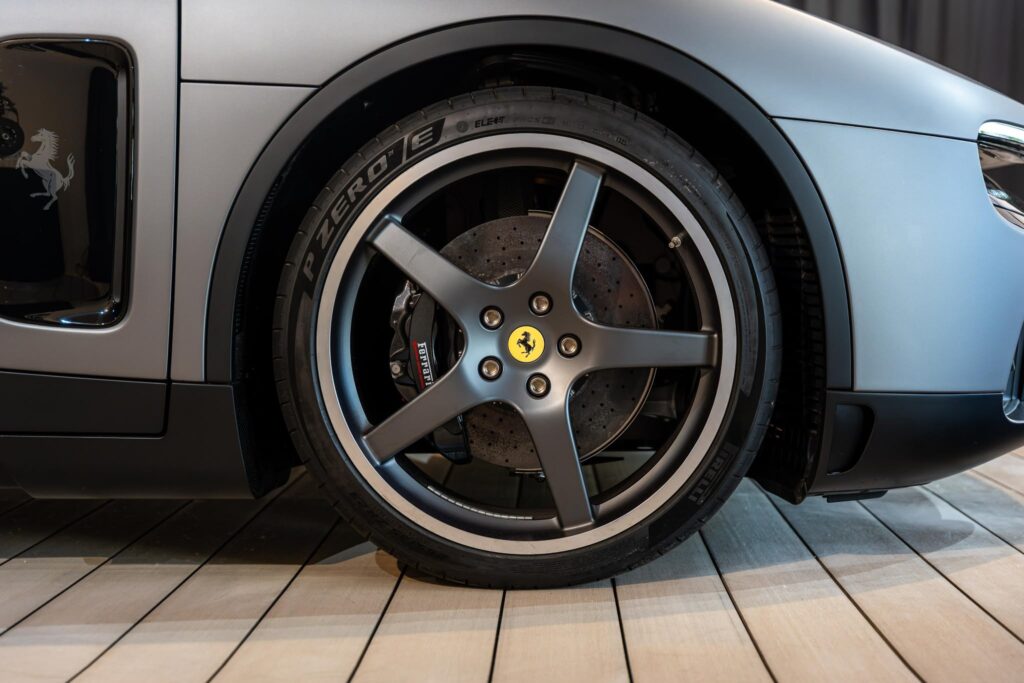
Every summer, the Goodwood Festival of Speed transforms a hill in Sussex into a showcase for everything desirable in the automotive world, from the most exclusive prototypes to the most legendary classics. Pirelli is back this year with its P Zero lineup, and the most revealing detail in the press kit isn’t the list of cars on display, but the diversity of technical solutions that had to be developed for each one. For the new Ferrari Luce, the Italian manufacturer custom-designed a P Zero E; for the Bentley Supersports, the Porsche Taycan Turbo GT equipped with the Manthey kit, and the BMW M2 fitted with the M Performance Track kit, the P Zero Trofeo RS was selected. Three cars, three driving philosophies, the same product line name, but three fundamentally different tires.
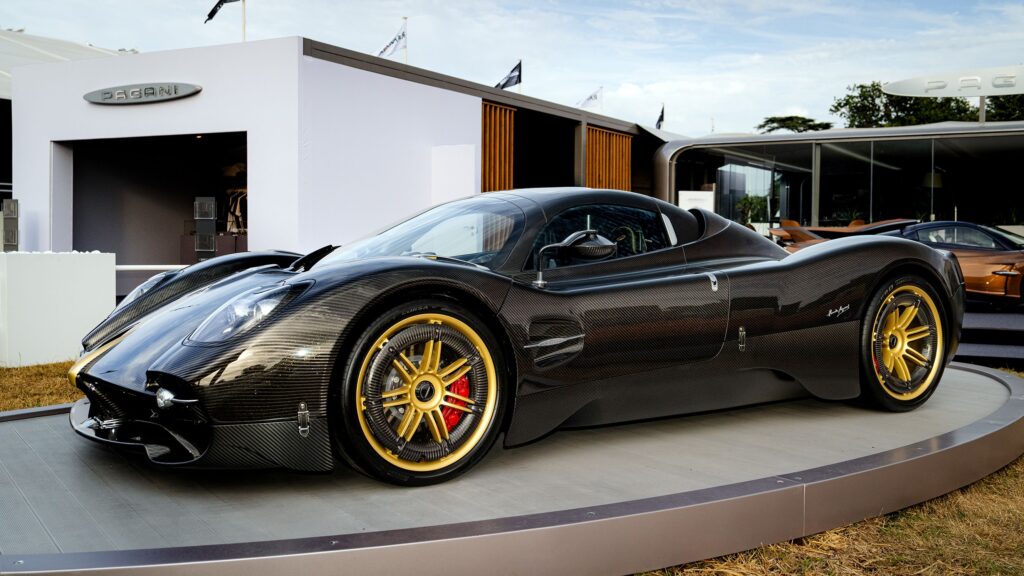
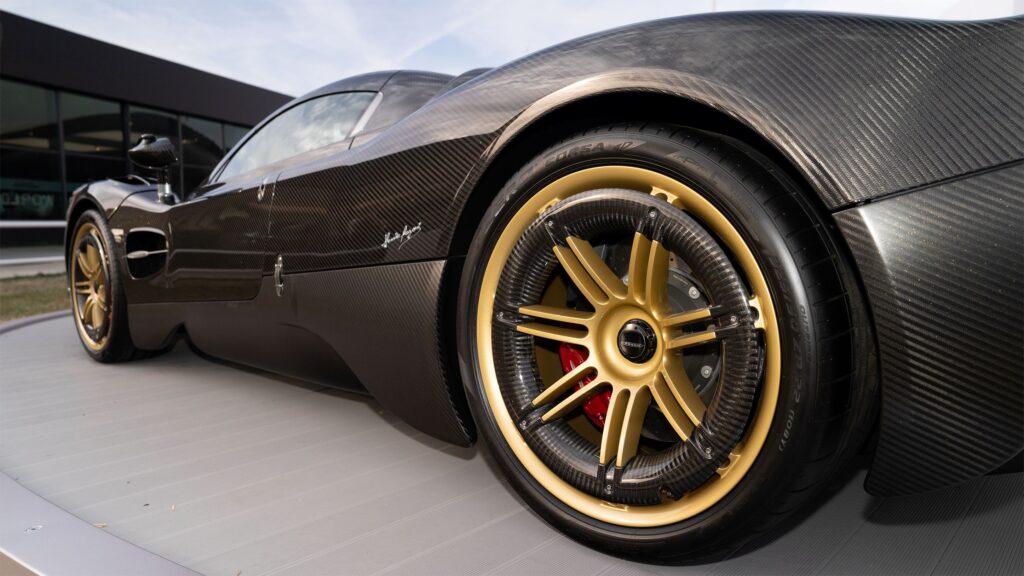
The Pagani Utopia Roadster takes this concept even further: equipped with a Pirelli semi-slick tire, it becomes the very first vehicle to feature the Cyber Tyre, a connected tire capable of transmitting real-time data on its own performance—pressure, temperature, and wear—directly to the car’s electronic systems. The tire thus ceases to be a mere piece of rubber and becomes a sensor in its own right, just like radar or onboard cameras. In an industry where innovation generally focuses on engines, batteries, or digital interfaces, this shift of intelligence to the point of contact with the road is noteworthy: the world’s fastest car is worthless without a tire that, too, knows what it’s doing.
The luxury electric vehicle segment presents a different kind of challenge, as illustrated by the Rolls-Royce Spectre and the Jaguar Type 01 with their P Zero ELECT tires—developed specifically for electric and plug-in hybrid vehicles, with diameters of up to 23 inches. The instant torque of electric motors, the additional weight of the batteries, and the quietness required of a luxury car impose constraints that conventional tire engineering alone cannot resolve—a useful reminder that the electrification of the luxury segment isn’t just about what’s under the hood, but also, quite literally, what’s on the road.
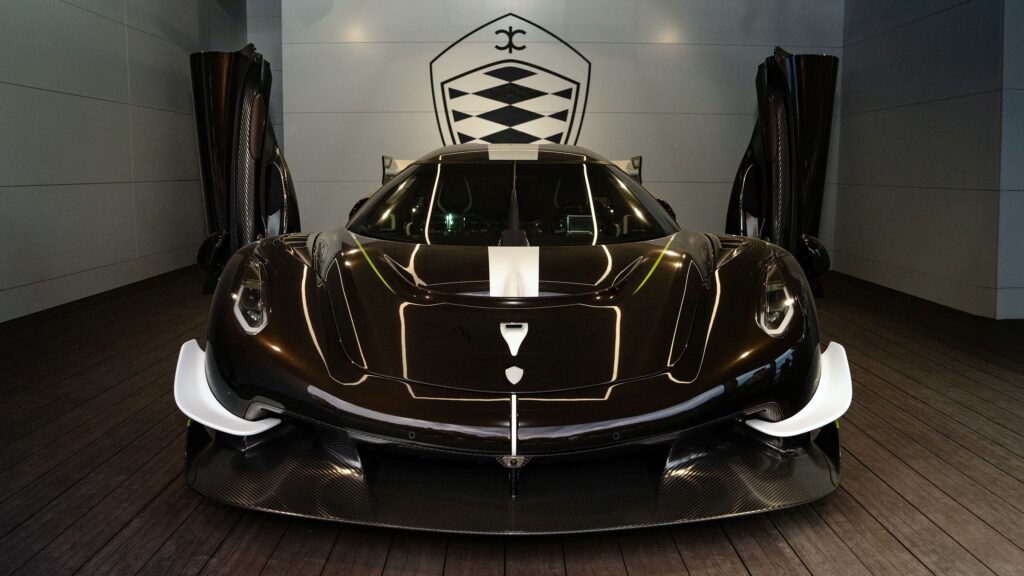
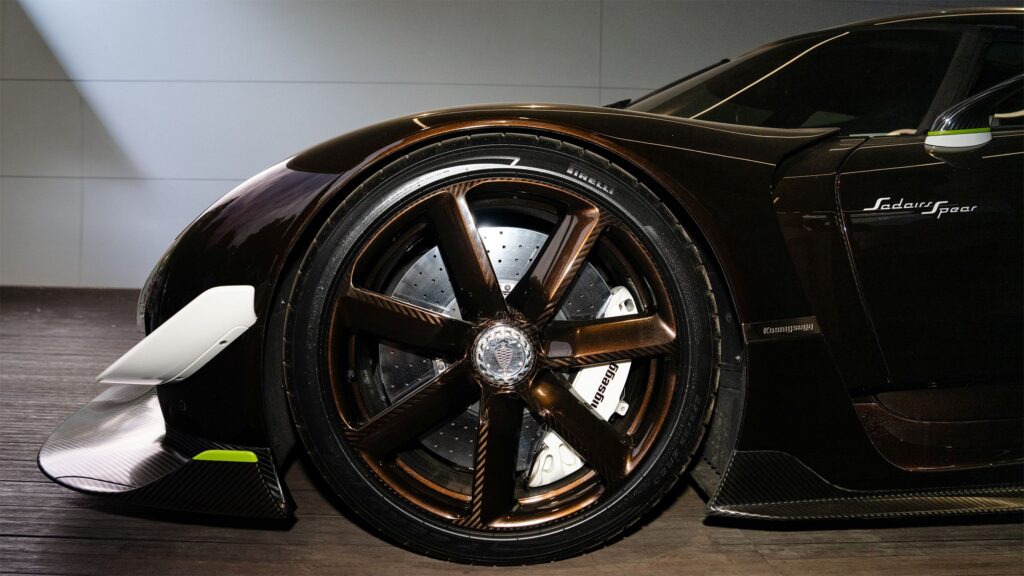
The most unexpected detail in the press release is undoubtedly the lightest one: Koenigsegg’s Sadair’s Spear megacar is shown alongside its own LEGO Technic replica, fitted with the same Pirelli P Zero Trofeo RS tires, which set the speed record for a road-going LEGO vehicle on the Goodwood Hill Climb, reaching 111 km/h. The anecdote is amusing, but it accurately captures what Goodwood showcases every year: a shared focus on performance, from an engineer’s toy to a street-legal hypercar, where the tire—the most unassuming, least photogenic, and least frequently mentioned component in technical specifications—continues to silently determine what drives fast and what stays in the garage.
Founded in 1993 by Lord March on the grounds of his family estate, the Goodwood Festival of Speed has established itself over three decades as Europe’s most-watched automotive event, a far cry from the traditional indoor auto show format: here, cars aren’t just on display—they climb the legendary 1.86-kilometer hill in front of an audience eager to witness real-world performance tests. This competitive format, where every vehicle must literally prove itself on the tarmac, likely explains why tire manufacturers find it a more honest showcase than anywhere else: at Goodwood, an ill-suited tire is immediately apparent, as the stopwatch confirms.
Cette publication est également disponible en :

