At the dawn of the 1860s, when the industrial revolution was accentuating urbanization in Europe, the Principality of Monaco remained on the sidelines, an isolated island without resources following its separation from the richly cultivated territory of Menton. Attempts to develop the gambling industry quickly ended in failure, leading to a stalemate. But the wheel of fortune was made to turn, and François Blanc’s 1863 opening of a casino on the hitherto deserted Spélugues plateau laid the foundations for an imminent boom. For Prince Charles III, “the new Casino de la Société des Bains de Mer will very soon rise to monumental proportions. Around the Casino, beautiful hotels will be built that will not fear comparison with those built in Paris, London or New York”. The inauguration of the Hôtel de Paris in 1864 and the opening of the Café Divan in 1868 (later to become the Café de Paris) marked the dazzling metamorphosis of the Spélugues plateau, which also saw the blossoming of superb villas and gardens. The construction of the Thermes Marins at La Condamine in 1860 met another need expressed by the European aristocracy, who were accustomed to stopping off at the Côte d’Azur spas to take the waters.
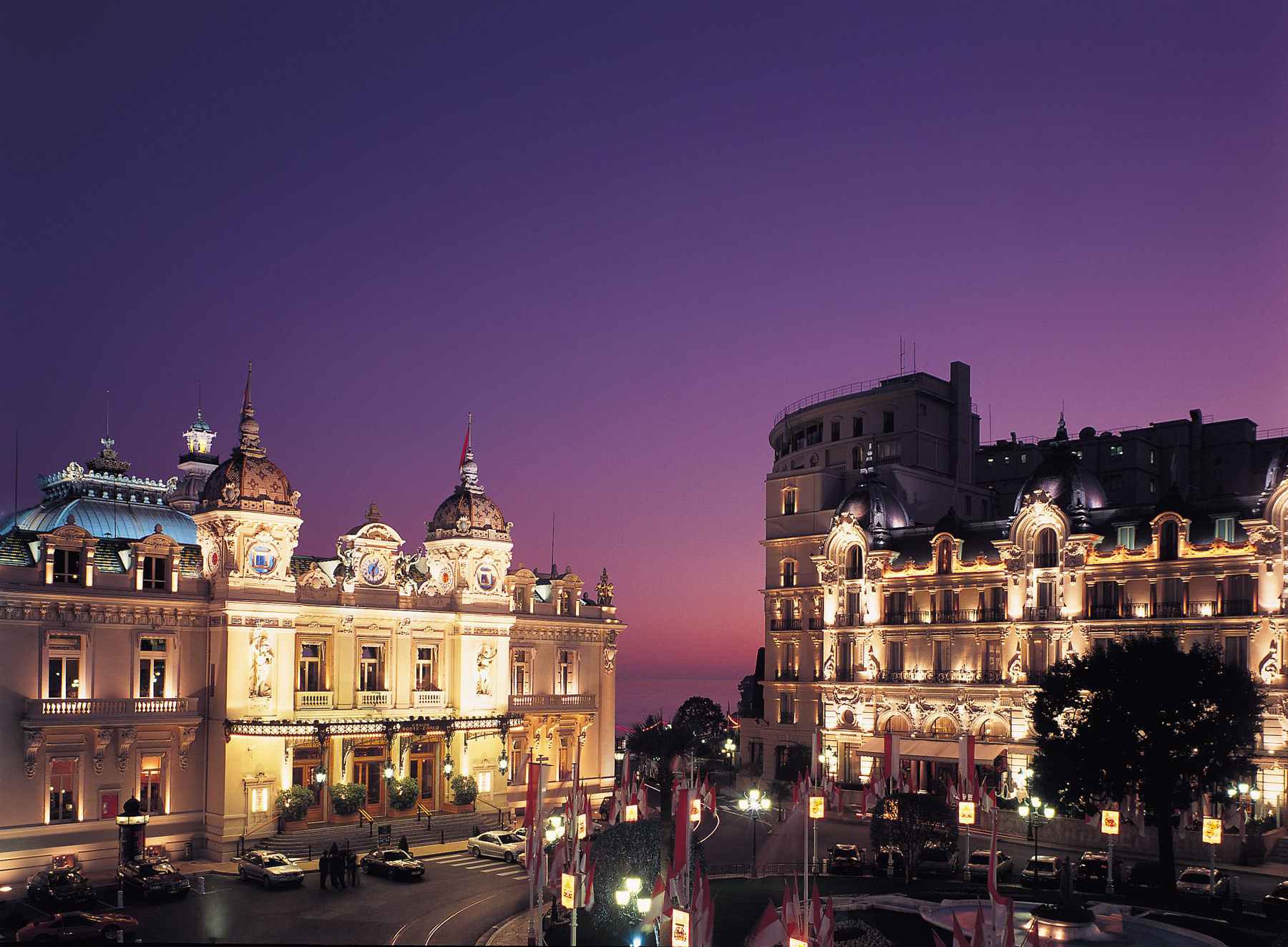
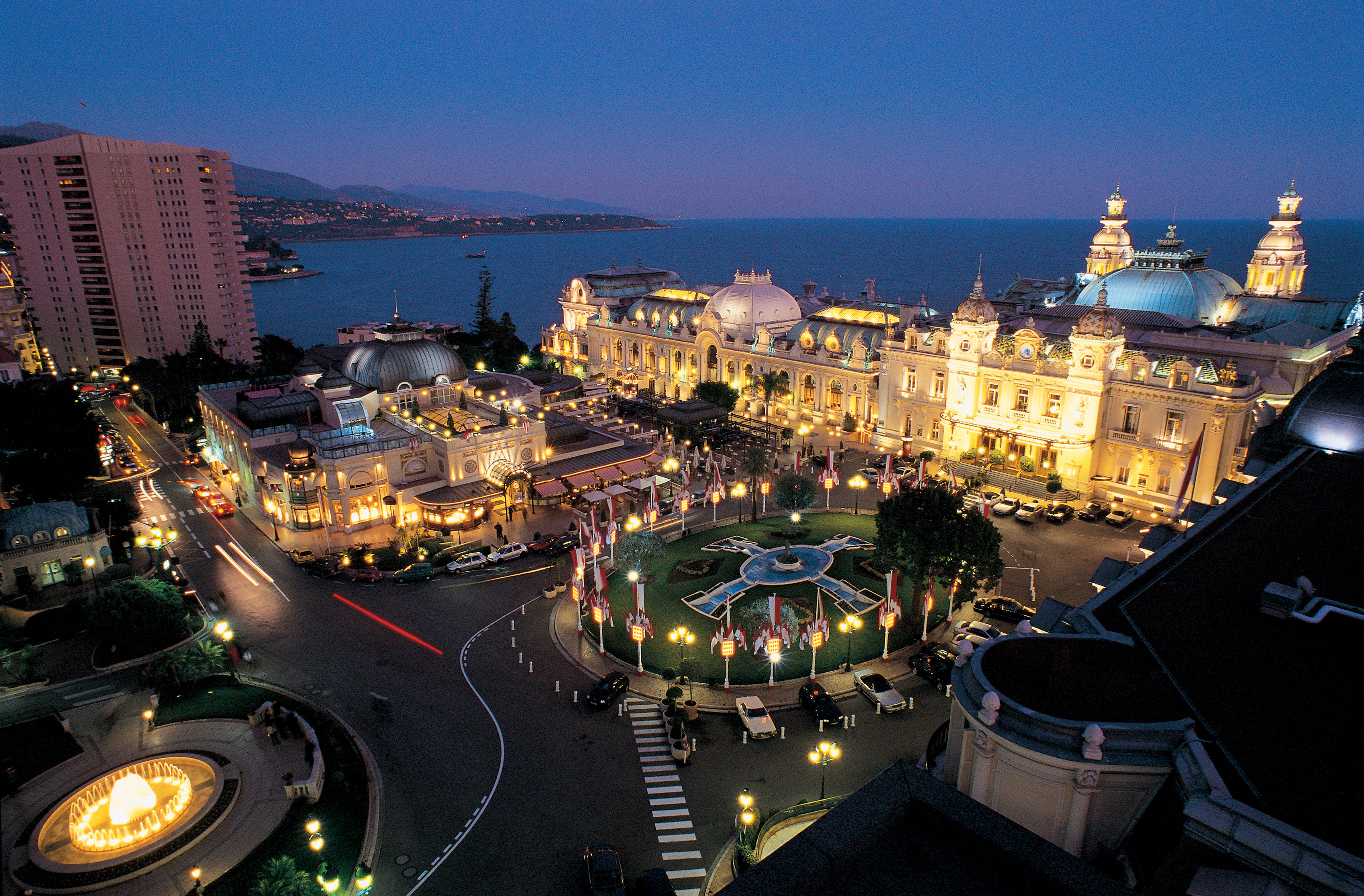
Access to this flourishing district was made easier by the arrival of the railroad, which opened up the area. A road links the port directly to Casino Square, reducing the distance separating tourists from the world of pleasures awaiting them. This world is becoming ever more diverse. The profound restructuring of the Casino in the late 1870s led to the emergence of new forms of entertainment. A theater took up residence, offering an eclectic repertoire of avant-garde performances and welcoming the greatest artists of the day.
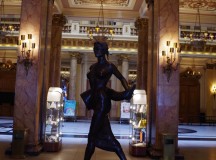
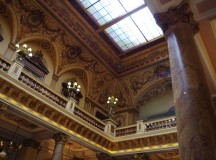
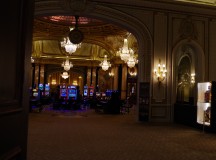
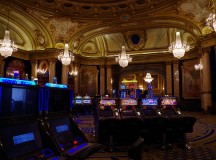
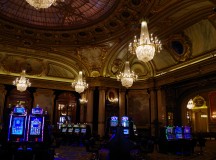
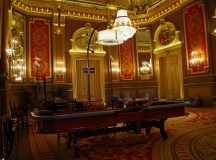
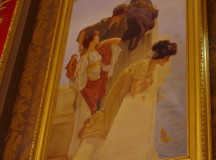
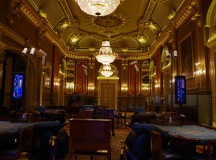
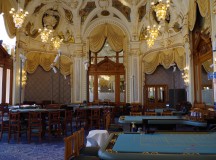
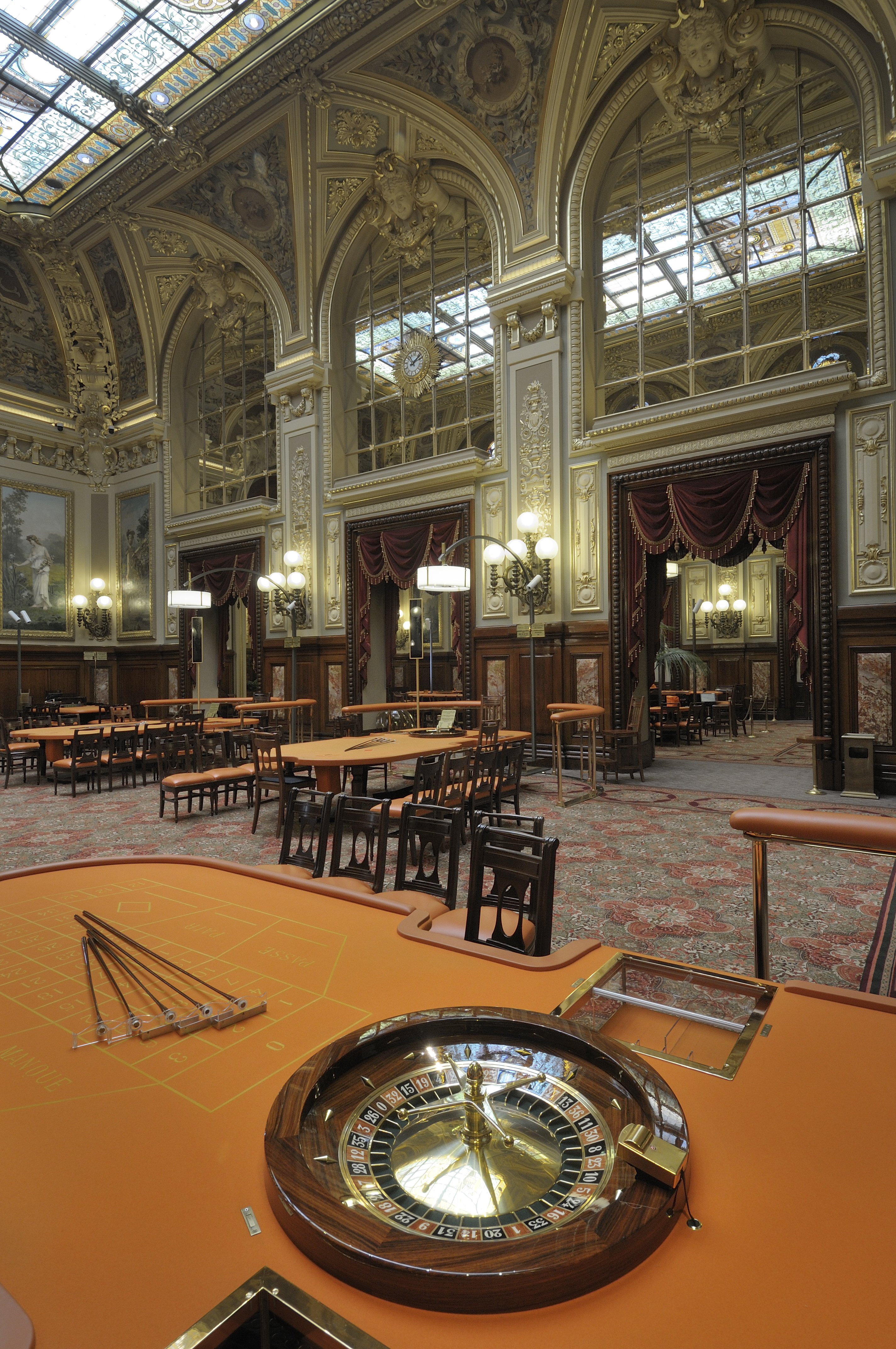
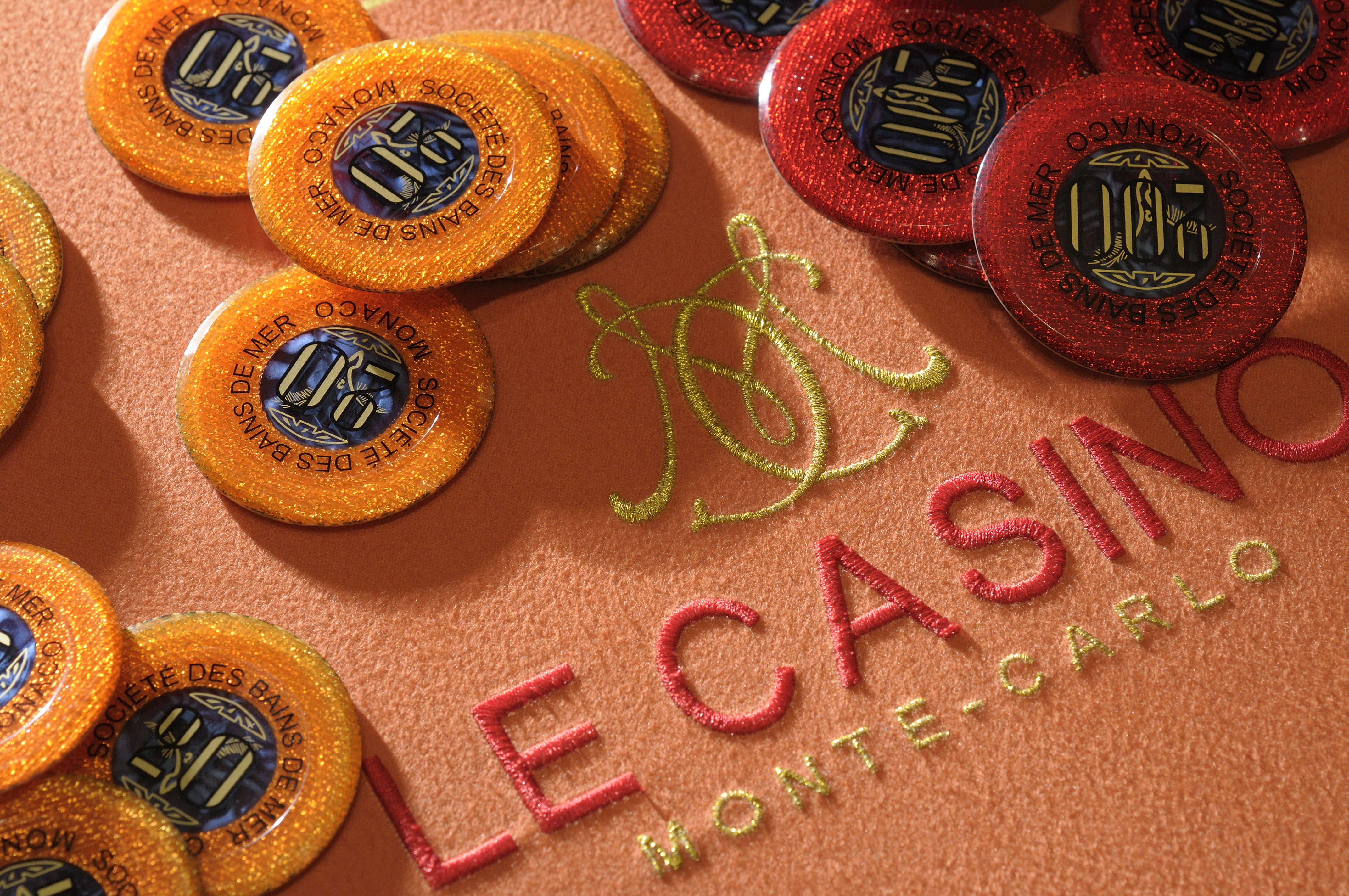
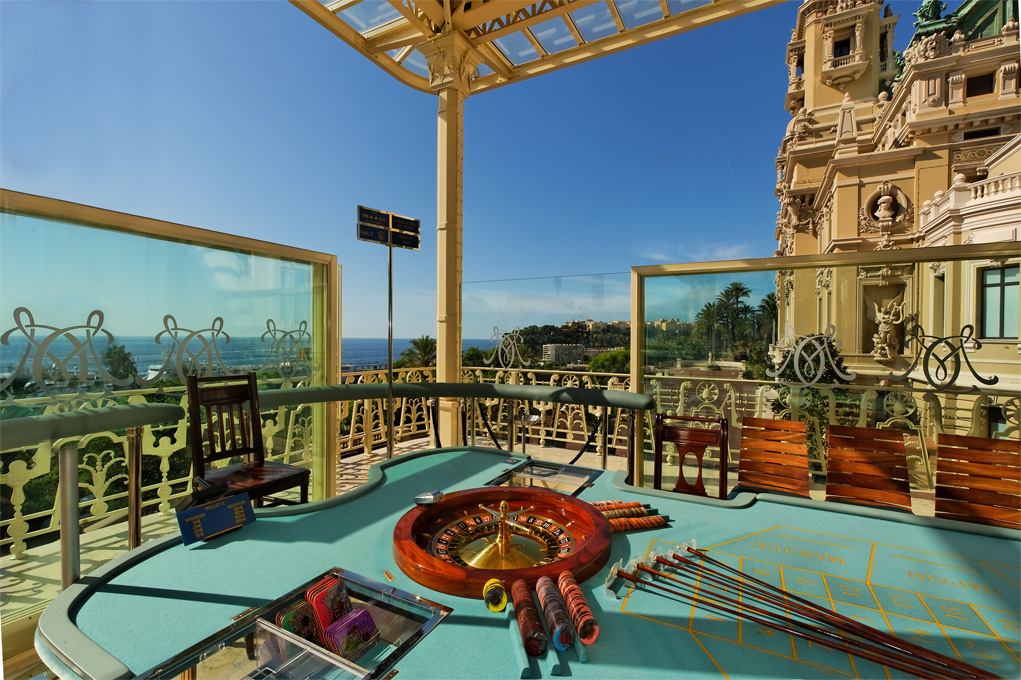
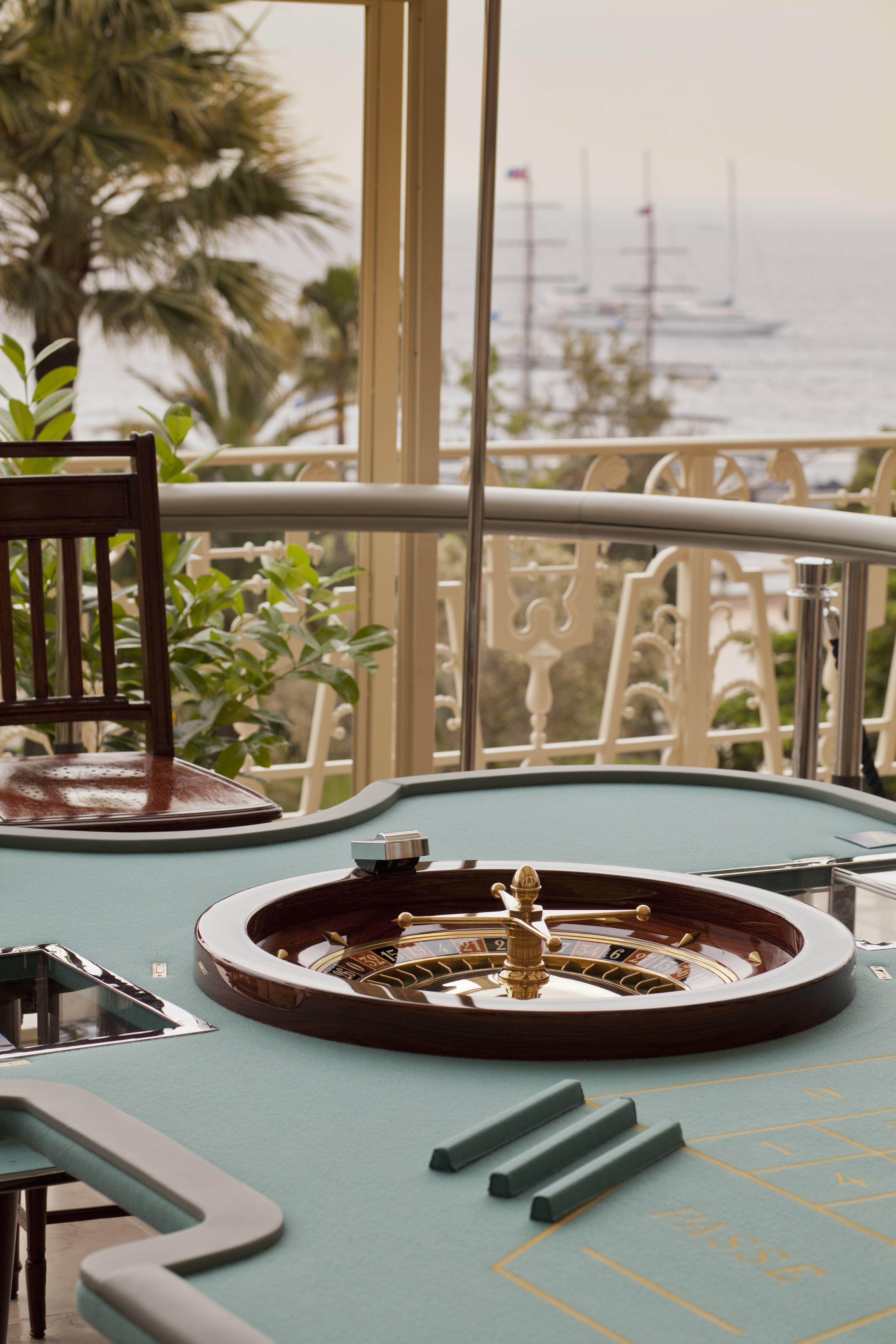
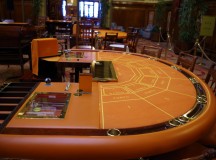
The opening of a new Casino in Monaco, in 1863, was the first founding act of SBM and the heart of the “resort” that François Blanc wanted to develop. Several attempts to establish a company in the Principality combining a gaming establishment with thermal baths had failed before his arrival. Despite the many difficulties, the entrepreneur nevertheless succeeded in creating a viable and profitable business, based on the operation of a casino and, in the years that followed, on the opening of luxurious hotel, catering and entertainment establishments. Since gambling was banned in most of Europe, the Casino de Monte-Carlo soon attracted a cosmopolitan mix of aristocrats, wealthy gamblers, artists, businessmen and royalty, all drawn by the flamboyance of the place, the luxury of the decor and the magic of chance… Little by little, a new world unfolded in Monte-Carlo. It was a world where adventure was the order of the day, where fortunes were at stake every night, and where eccentricity and fantasy had a greater right to flourish than anywhere else. From the late 1860s onwards, celebrities flocked to the gaming tables, where the single-zero roulette wheel (invented by François Blanc) and the trente-et-quarante (thirty-forty) were all the rage: The Duke of Hamilton, the future Edward VII, Emperor Franz Joseph of Austria-Hungary, Baron de Lesseps, Napoleon Bonaparte, as well as writers and artists such as Jacques Offenbach, Alexandre Dumas and Jules Verne, Saint-Saëns and Massenet, as well as socialites such as Liane de Pougy, Émilienne d’Alençon and the Belle Otéro, all of whom are depicted in a painting that can still be admired today in the Casino’s Salle Blanche…
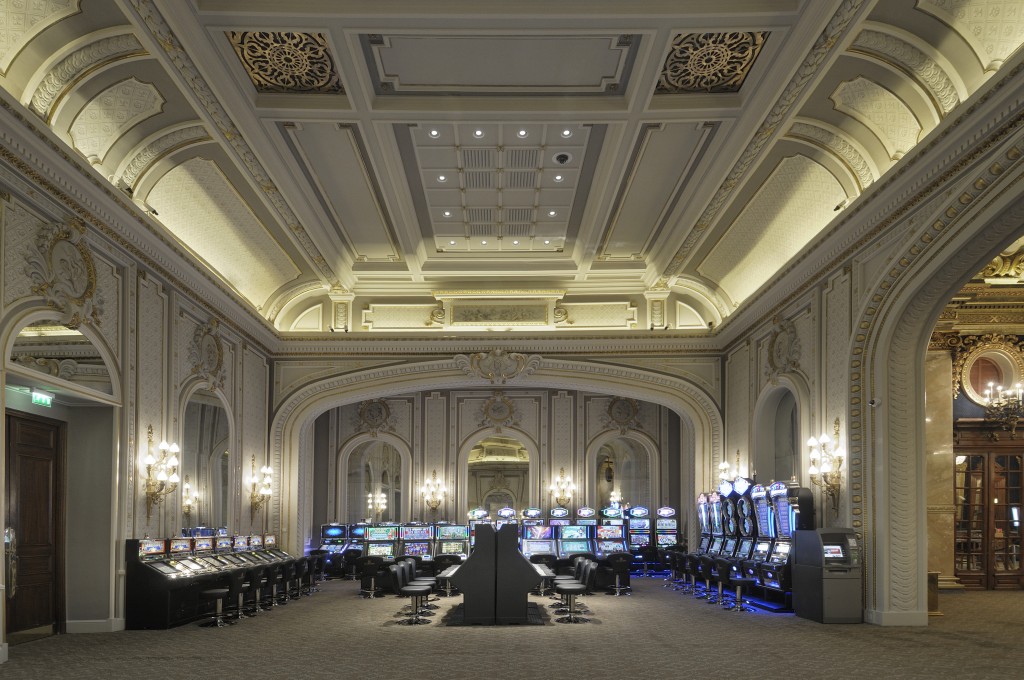
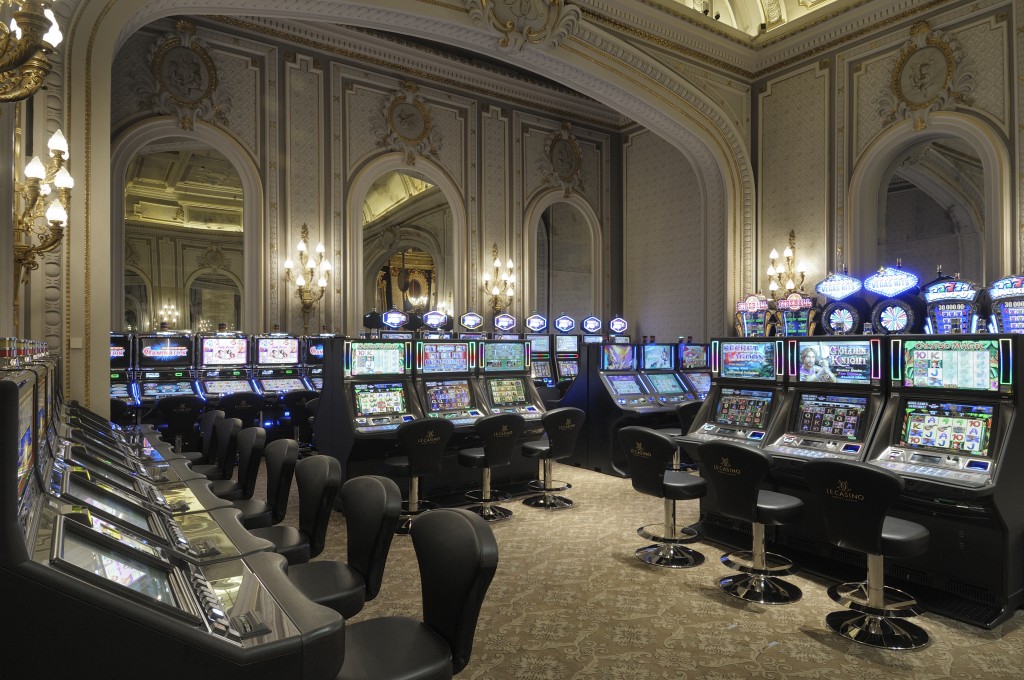
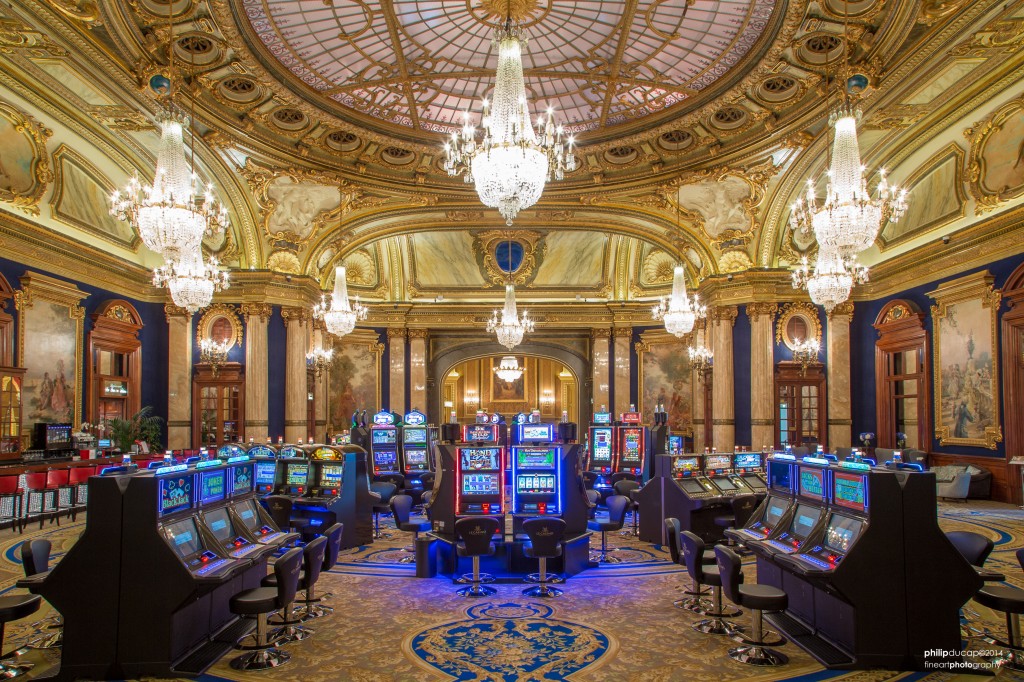
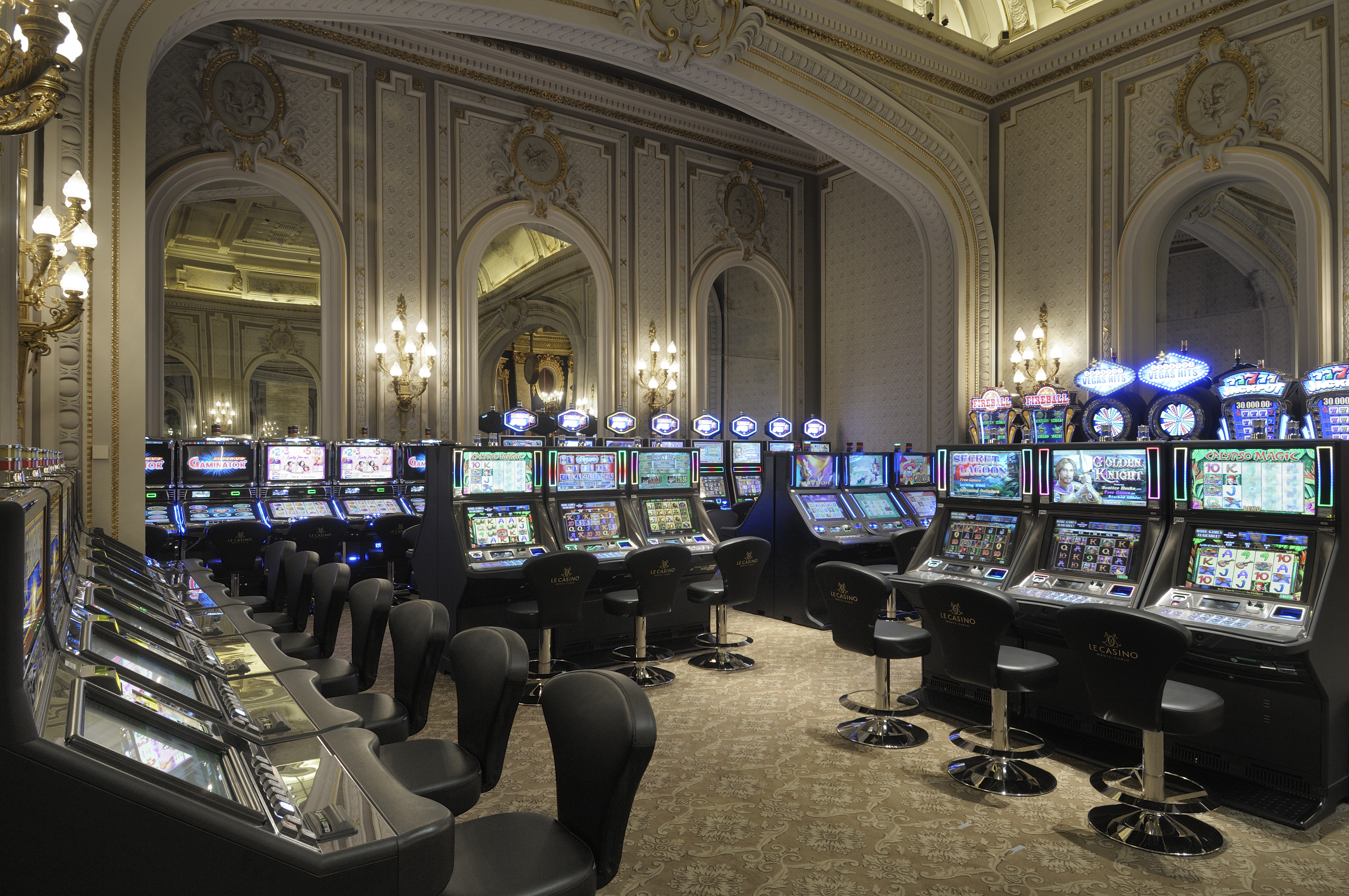
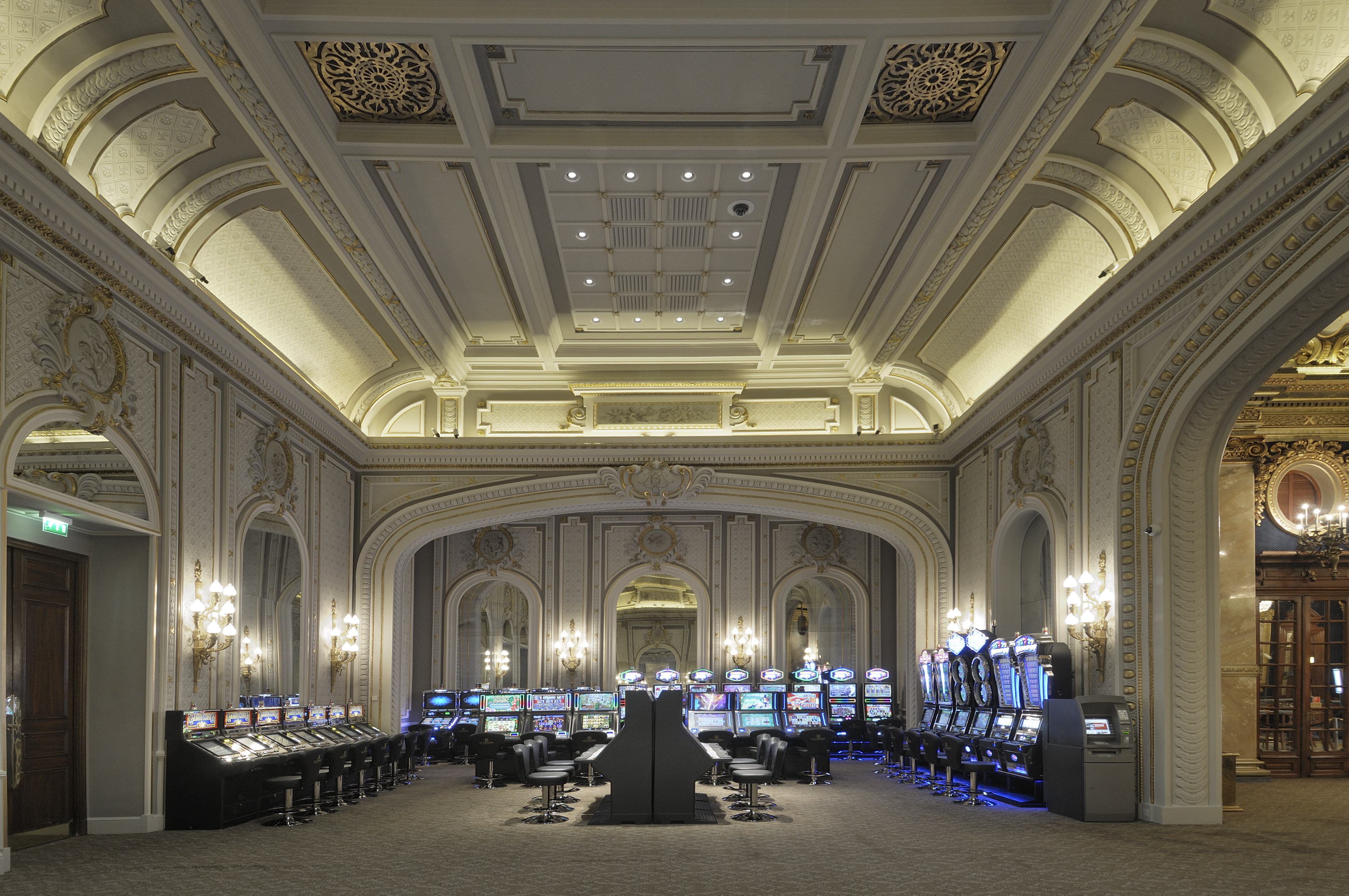
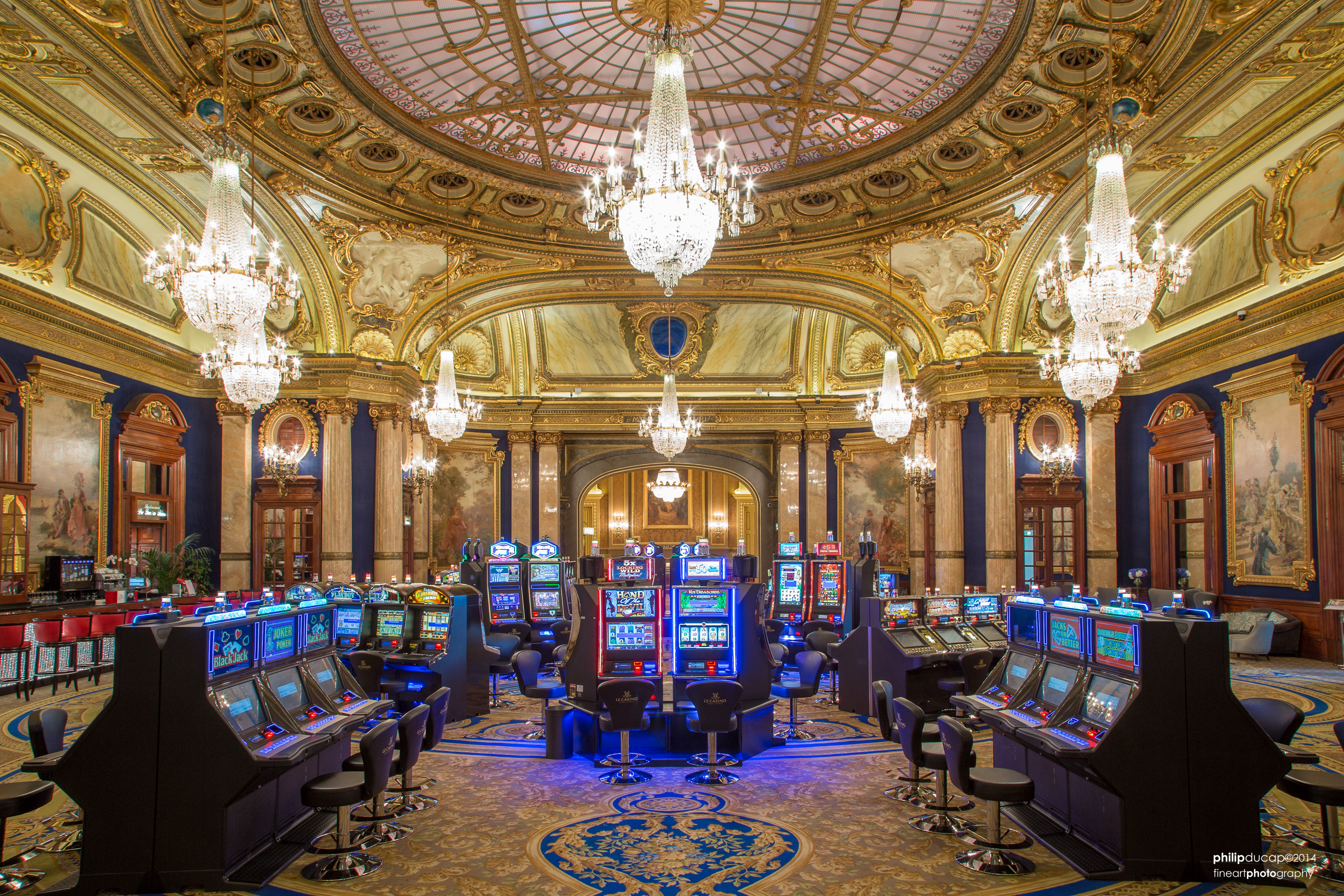
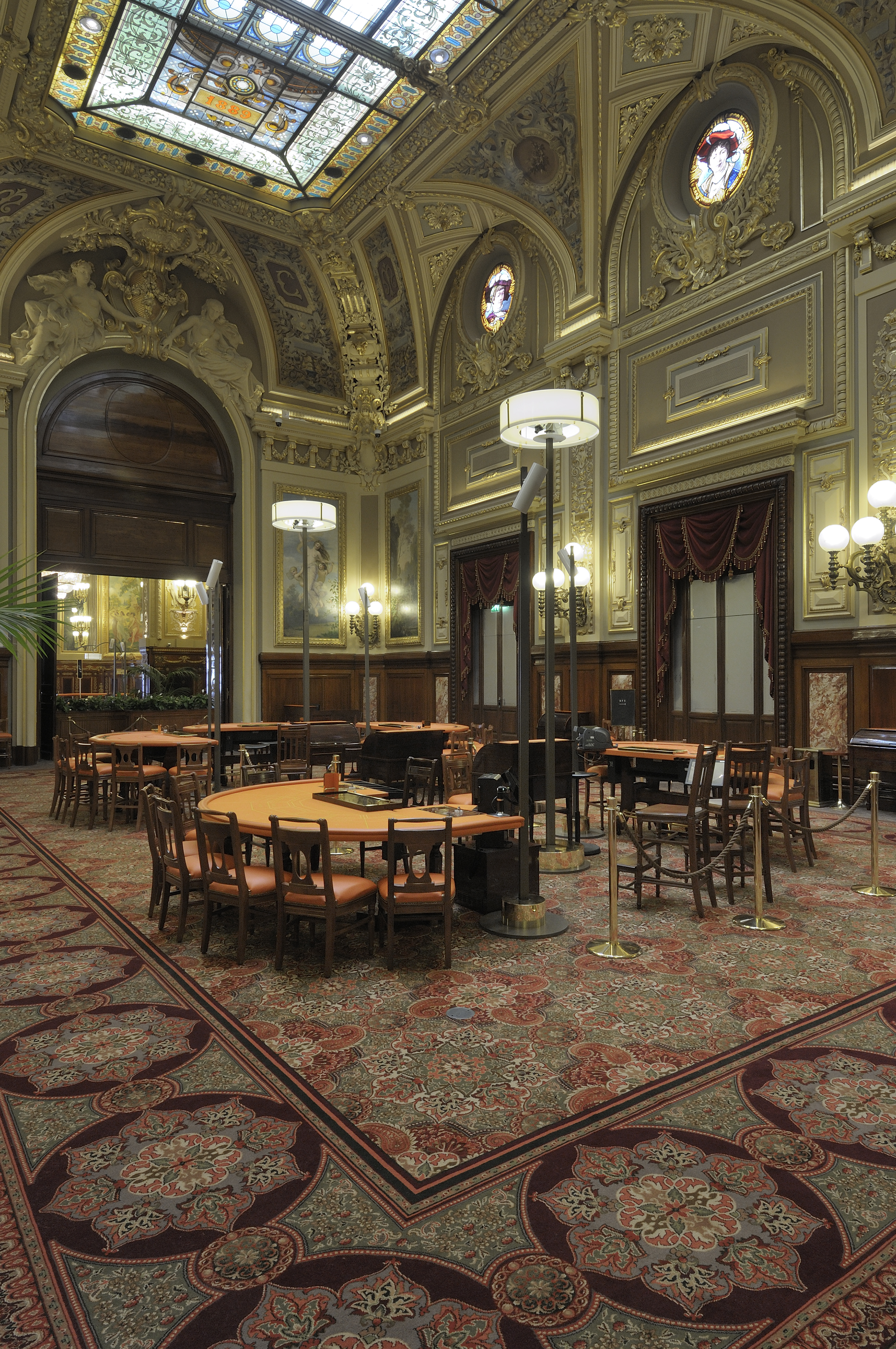
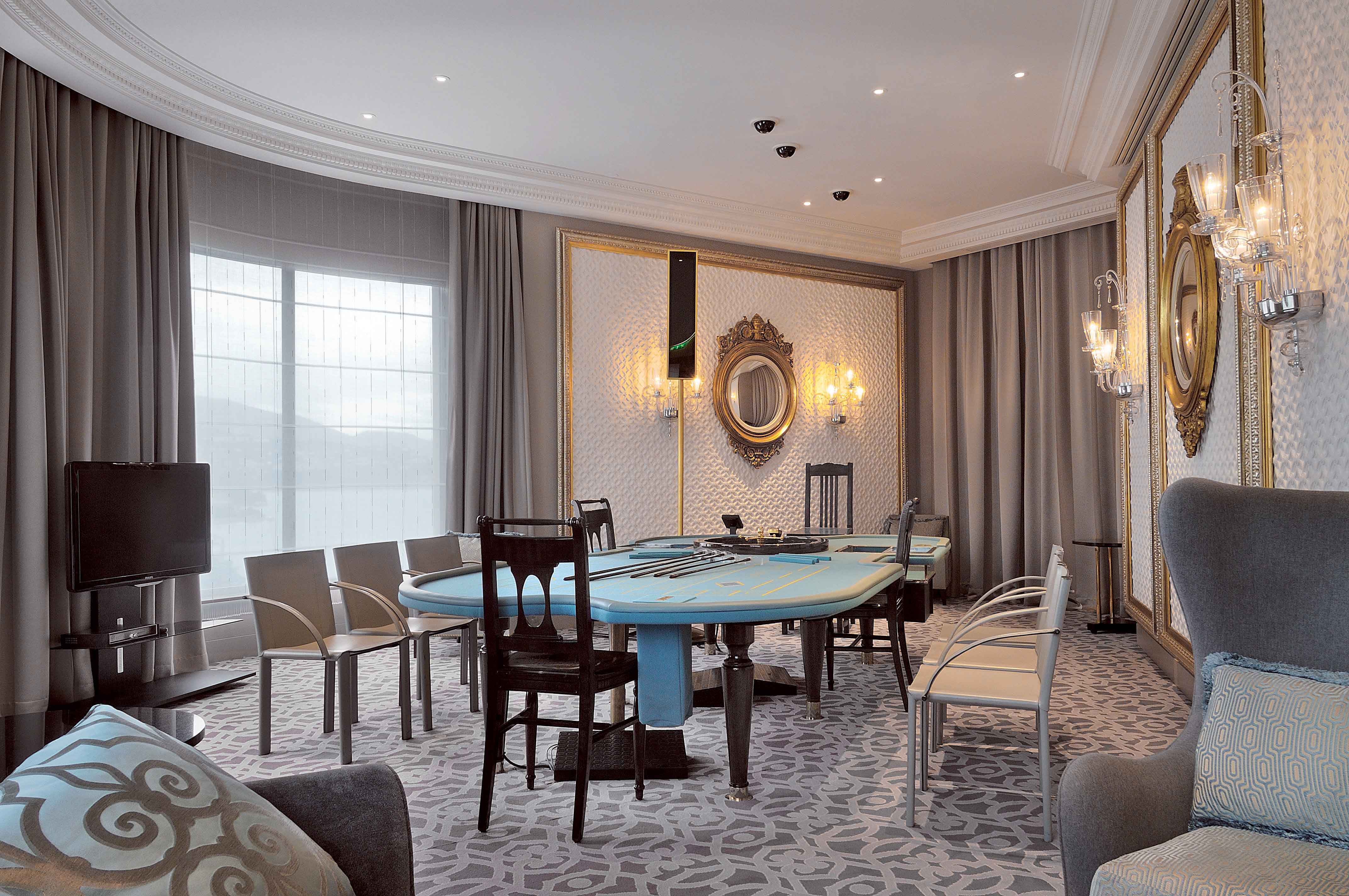
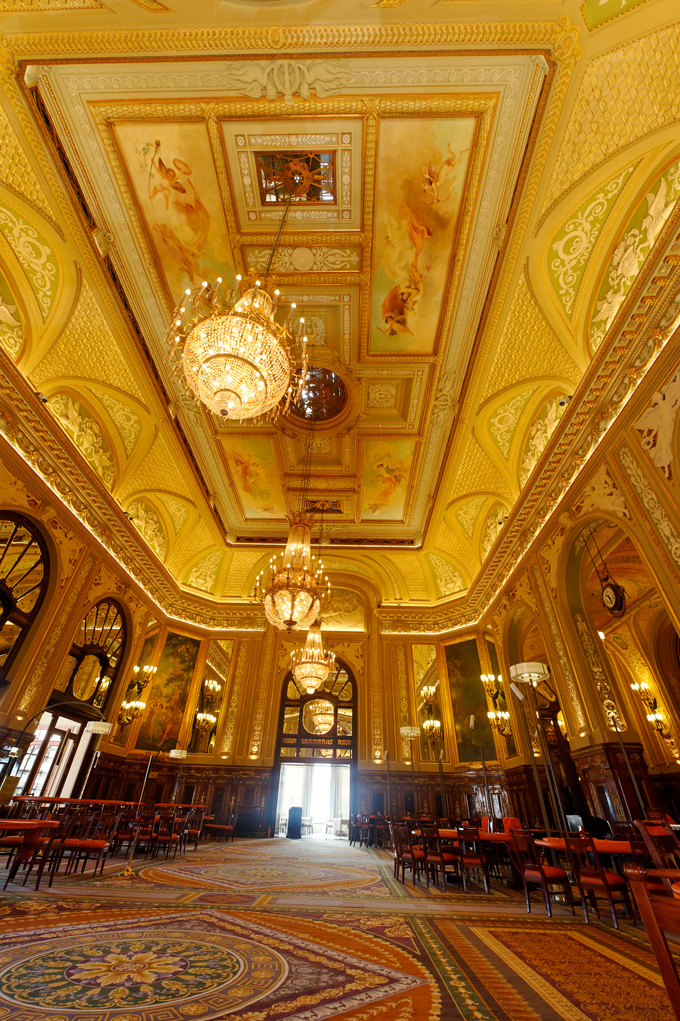
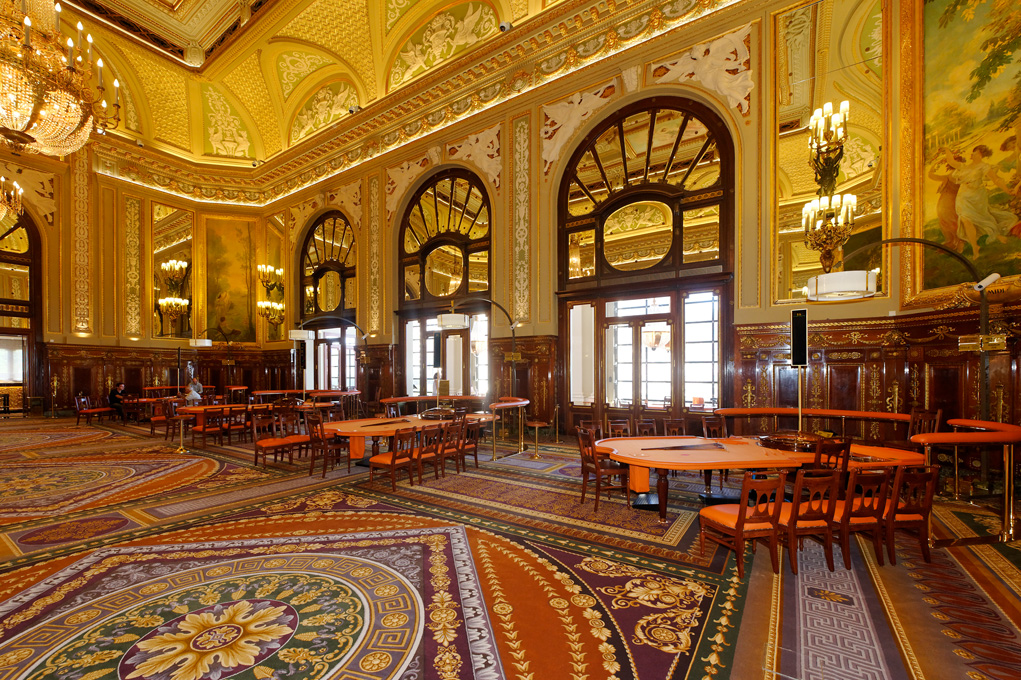
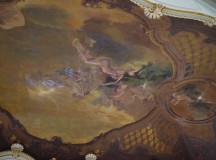
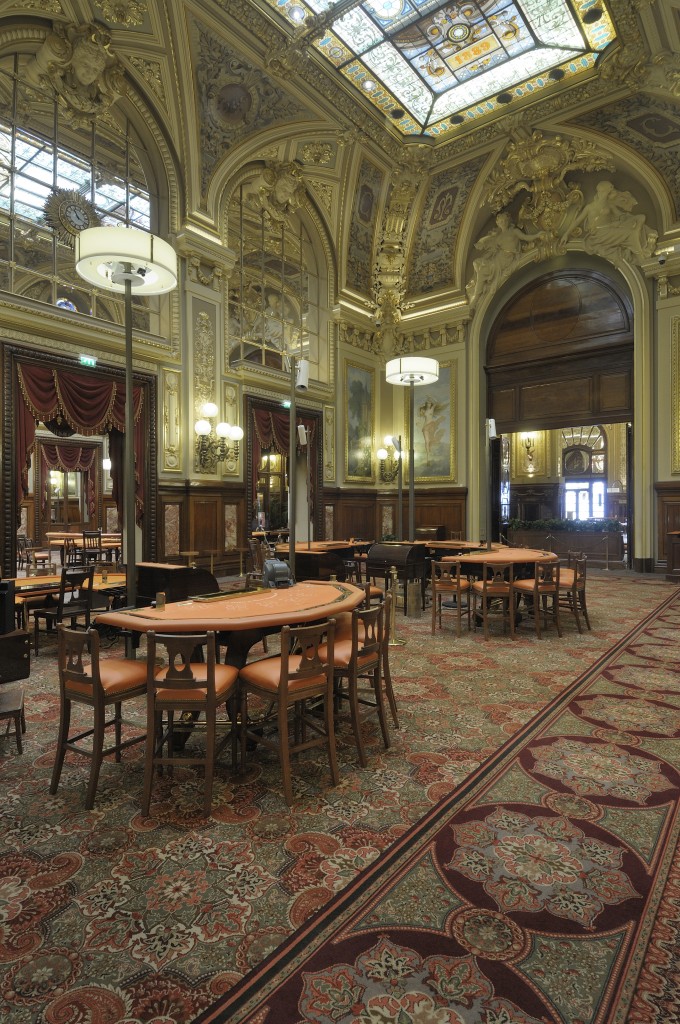
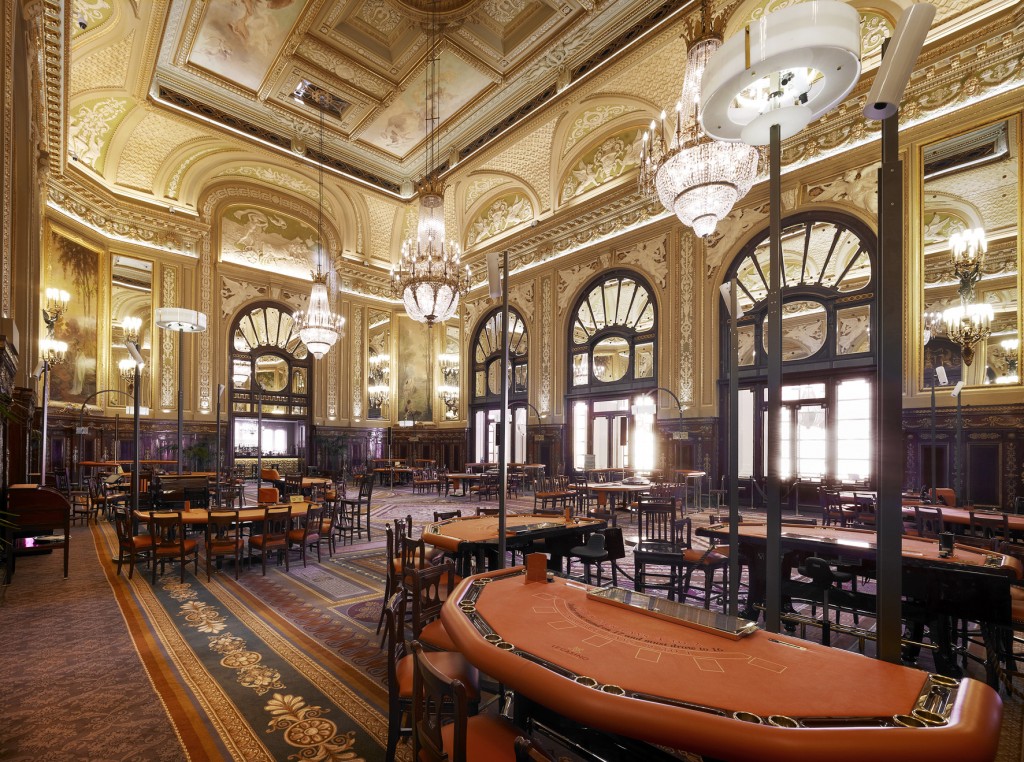
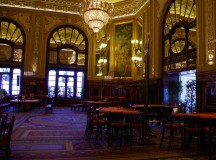
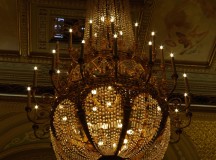
Since its opening in 1863, the building has undergone many modifications and refurbishments. The gaming rooms had to be enlarged to cope with the Casino’s growing success, and a theater (the Salle Garnier, inaugurated in 1879), reading rooms, restaurants, drinking and smoking areas had to be created… Many fashionable architects (Dutrou, Schmit, Garnier, Touzet…) and artists were called upon to make the Casino a model of sophistication and flamboyance. Marquetry, paintings, sculptures and stained-glass windows still adorn the rooms, creating a luxurious Belle Époque décor, conducive to the dreams and enchantment that François Blanc wished to offer his guests…
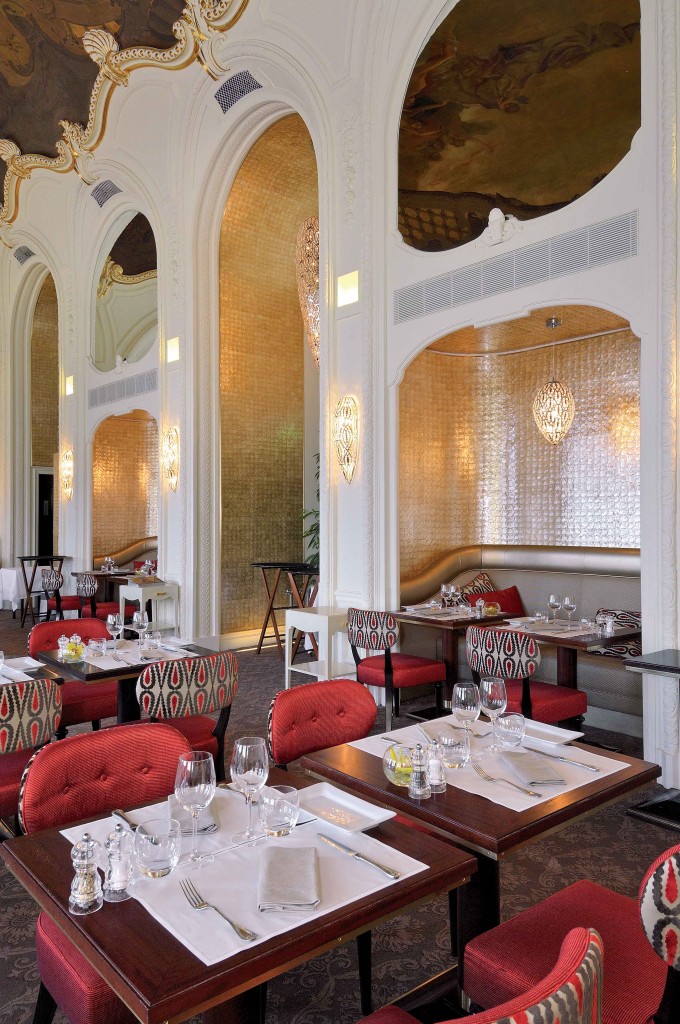
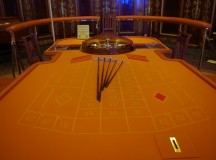
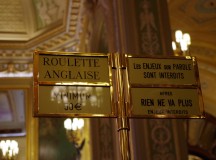
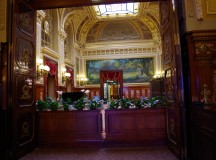
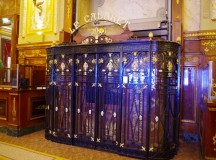
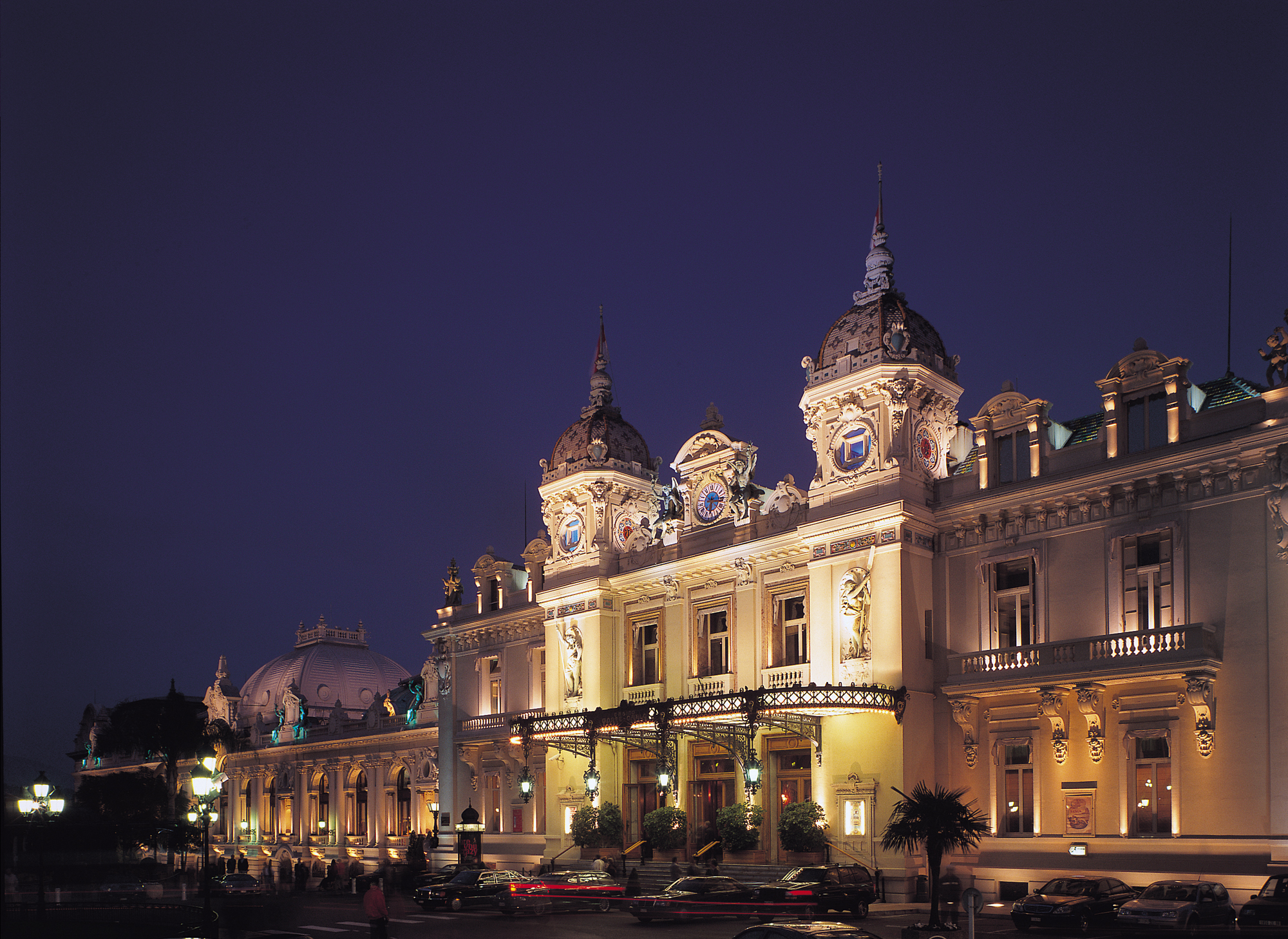
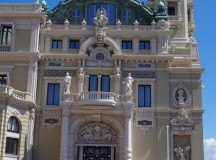
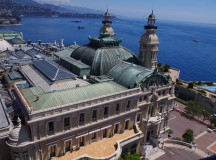
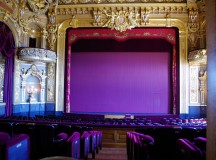
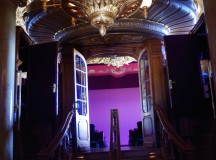
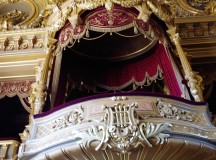
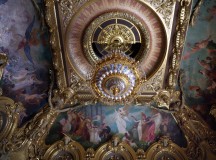
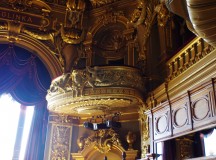
While the Second Empire was building numerous theaters, of which the Paris Opera was both the flagship and a symbol of the Belle Époque’s infatuation with the performing arts, Monte-Carlo was conducting its cultural life in its Casino. A situation that could no longer be contemplated. Aristocrats and bourgeois moved to the Côte d’Azur with their wives and families, staying for several months at a time. Monte-Carlo was more than just a place to pass through! To maintain its reputation, but also to attract glamorous women and artists – in short, everything that makes a place a must-see – the Société des Bains de Mer decided to add a concert hall worthy of the name to its casino, and to institutionalize cultural life in Monaco. To this end, Marie Blanc, who had been running the SBM since her husband’s death, called on Charles Garnier. By June 1878, over a hundred workers were busy on site. But to deliver the building on time – the theater had to be completed in 6 months! – the architect soon realized that the means at his disposal were not enough. He resorted to night work and the most modern techniques. To solve the lighting problem, he had a steam locomotive brought in from Paris to drive a dynamo that powered Jablochkoff candles, symbols of the arrival of electricity in French public lighting. Gustave Eiffel designed the iron beams for the structure. On October 15, masonry work was completed with the erection of the south wall. Large windows overlooking the sea make the auditorium unique in the world. Adorned with marble balconies and columns, and topped by a dome encircled by two Indian belfries, the new façade is a sight to behold as soon as visitors step off the train. Inside, Charles Garnier brought luxury and ornament to a climax: the marriage of the three golds (yellow, pink and green), abundant use of the lyre symbol, the curvature of the imposing princely box, Italian and antique artistic quotations…
The inauguration evening, held on January 25, 1879, was as grand as the event it consecrated. A host of opera and theater stars were on hand, including the greatest of them all: Sarah Bernhardt. Soon, the Opéra de Monte-Carlo became a place where the cultural avant-garde flourished, and where it became one of Europe’s most eminent stages. Jules Massenet was a regular, as were Serge Diaghilev’s Ballets Russes, who took up residence here several times, and in 1911 staged Le Spectre de la Rose with young prodigy Nijinsky. Other creative geniuses such as Georges Bizet, Gabriel Fauré, Camille Saint-Saëns, Verdi and Maurice Ravel also performed here. Works by Berlioz, Rossini and Wagner are brought to the stage in triumph. Numerous major lyrical works had their premiere performances here, including La Damnation de Faust (1893), L’enfant et les Sortilèges (1925), Don Quichotte (1910) and Déjanire (1911). The great voices of twentieth-century opera history resound in the Opéra de Monte-Carlo, from Nellie Melba to Enrico Caruso, from Tito Schipa to Georges Thillet, and more recently Ruggero Raimondi, Plácido Domingo and Luciano Pavarotti. Between 1905 and 1937, the great Fedor Chaliapine enjoyed some of his finest hours here. Nearly 80 operas, ballets and lyric works were produced in Monte-Carlo between 1894 and 1945. In 2003, the Opera embarked on an ambitious renovation project. The institution had to face the new century with improved conditions of safety, flexibility and comfort. Another objective: to restore one of Charles Garnier’s major works to its original splendor. The project is led by Alain-Charles Perrot, Architecte en Chef des Monuments Historiques, assisted by some 50 companies chosen for the quality of their expertise throughout Europe. Some of them are the latest ambassadors for the arts and crafts. The work was divided into four major phases: renovation of the roof, structural renovation of the building and basement, fitting out the stage, and renovation of the auditorium and chandelier. The auditorium reopened in 2005, to coincide with the enthronement of HSH Prince Albert II, giving spectators a chance to admire the brilliance of the Napoleon III style.
Cette publication est également disponible en :