
Roses have marked the life of Yves Piaget and the history of his famous House, and have nourished his creations. As early as the 1960s, this luminous flower enriched his watch and jewelry collections with its gold petals set with diamonds. In 1979, he designed the trophy for the International New Rose Competition in Geneva, and presented the winner with a gold rose made by the Piaget workshops. His passion for these delicate flowers was rewarded in 1982, when the competition winner, created by the famous horticulturist Meilland, was named “rose Yves Piaget”.
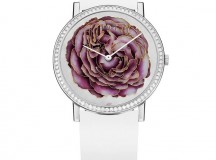
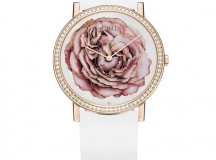
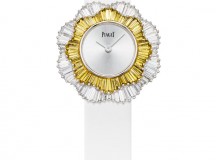
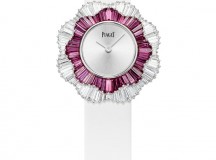
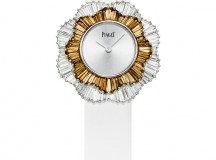
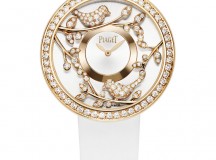
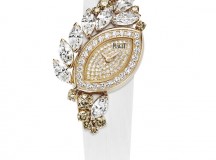
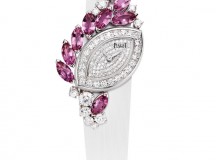
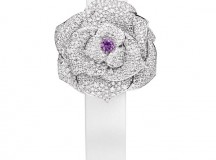
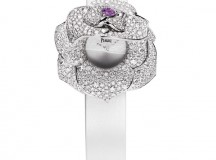
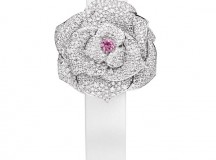
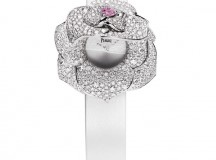
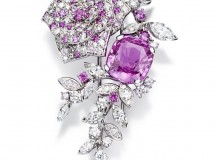
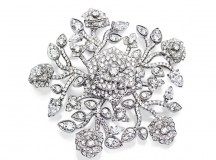
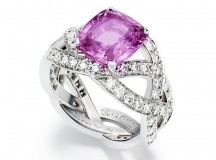

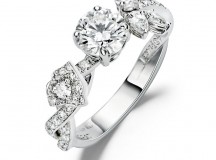
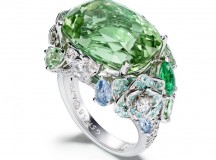

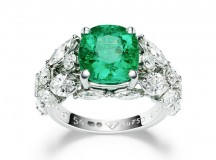
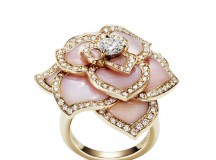
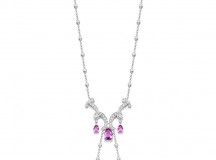
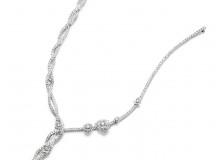
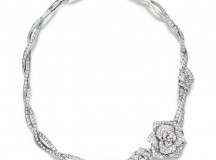
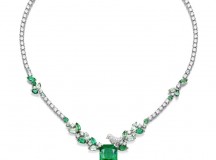
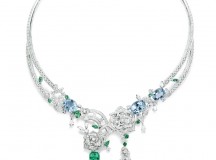
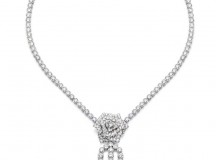
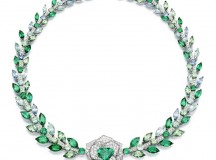
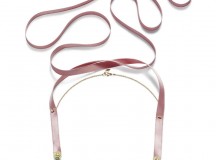
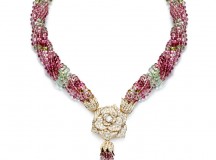
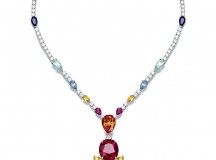
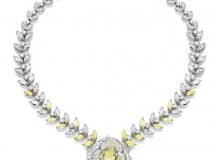
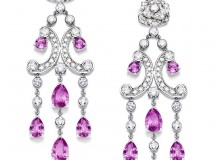
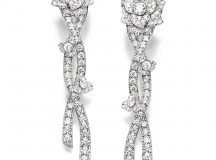
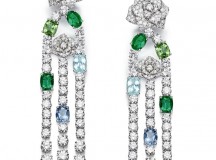
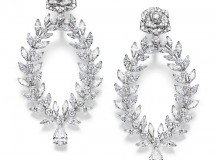
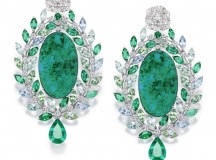
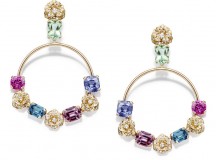
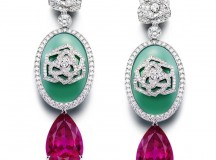
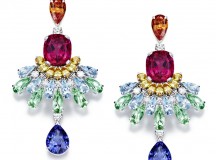
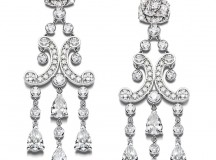
The Yves Piaget rose is most recognizable for its eighty serrated “Rose Pink” petals and its intoxicating, unmistakable fragrance. It is undoubtedly a “Queen of Flowers”.
For the love of roses, and as a tribute to the bewitching rose that has marked its history, Piaget has committed itself to the project to renovate the rose garden at the Château de la Malmaison, a passion shared with Joséphine de Beauharnais.
Joséphine de Beauharnais née Marie Josèphe Rose acquired the Château de la Malmaison in 1799. It was here that she developed her passion for zoology and botany. Exotic birds, llamas, gazelles and kangaroos roam the park in semi-liberty.
For more than 15 years, Joséphine brought back plants and roses from all over the world. Over 200 exotic plants were grown in the hot greenhouse she had built in 1805. And the rose garden at Malmaison contains over 250 cultivars of old roses. Her collection is a veritable treasure trove for French nurserymen.
Unfortunately, this botanical treasure trove has been damaged over the years, and very little remains of the rose garden of yesteryear. The Musée de la Malmaison, with the support of Piaget, is bringing them back to life by planting 750 old roses, to revive Joséphine’s work.
The Piaget Rose Passion Haute Joaillerie collection was born of this story. Inspired by the Empress’s love of nature and roses in particular, Piaget has created a collection that is feminine, modern and elegant, in the image of a woman with an extraordinary life.
100 pieces of Haute Joaillerie and Métiers d’Art, including 75 jewels and 25 watches, recount the passions of Piaget and Joséphine.
The Piaget Rose Passion Haute Joaillerie and Métiers d’Art collection
Garden rose, elegant rose, exotic rose: the Piaget Rose Passion collection, imbued with the personality of Joséphine de Beauharnais, shares her character traits and embodies her passions.
Through its interpretation of roses, the collection expresses the beauty of this flower, to which Joséphine devoted her life, embellishing each year her extraordinary collection of roses at Malmaison. Elegant, just like the Empress who wore magnificent gowns embroidered with gold and floral motifs. Piaget financed the restoration of a dress and an extraordinary court coat.
Colorful and exuberant, its exoticism recalls Joséphine’s origins, as she remained nostalgic for her native island of Martinique all her life.
With Piaget Rose Passion, the jeweler launches a bold, contemporary and glamorous jewelry collection, three adjectives that perfectly express the spirit of these new Piaget roses.
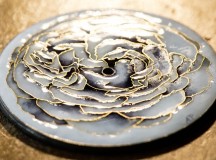
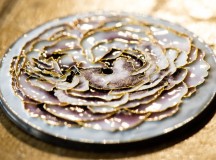
Signatures
Piaget has poured all its expertise and jewellery-making know-how into this particularly vast collection, comprising 100 creatively rich pieces. It includes watches, jewelry, haute joaillerie and Métiers d’art pieces, all linked by the common thread of the rose and the spirit of Josephine that inhabits each piece.
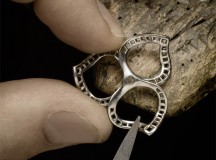
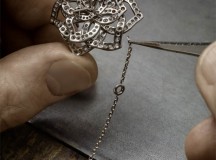
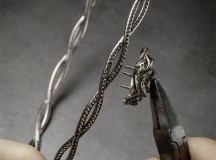
Entirely crafted in Piaget’s jewelry workshops, the collection features multi-wear jewelry, combs, tiaras and the brand’s signature cuff and secret watches. For the occasion, it rediscovers the exclusive techniques of haute joaillerie, whose sensitivity blends happily with the precision of the jeweler.
The Piaget Rose Passion collection is built around a luminous choice of colored stones, precious stones (yellow diamonds, emeralds, pink sapphires) and hard stones (chrysocolla, chrysoprase, chalcedony), with a predominance of pink to evoke the color of flowers and green for freshness.
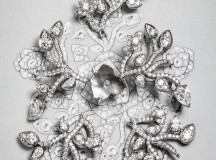
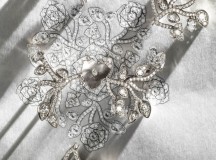
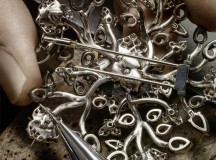
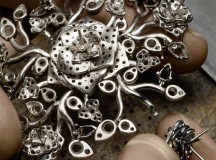
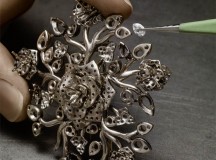
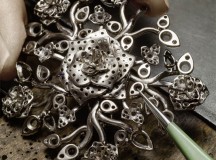
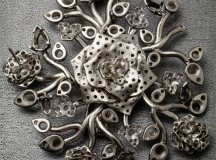
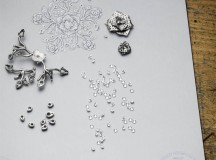
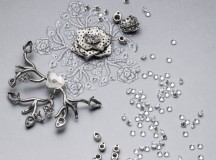
The laurel branches, with their leaves delicately represented by a marquise-cut diamond, evoke the elegant Empire motifs that Josephine loved and that adorned her feminine dresses, furniture, inlaid floors and ceiling paintings at Malmaison.
Know-how
Born at the end of the 60s from the claw setting, the petticoat setting, very early used by Piaget, gives breadth and volume to the jewelry piece. It is technically complex, as each stone is calibrated and the setting requires precise adjustment. The baguette-cut stones seem to undulate like a corolla, reflecting the light and exploring the play of contrasts between diamonds and colored sapphires, yellow, orange or pink, which twirl around the dial.
The precise swaddling and fine-clawed bezels are handcrafted one by one by the Maison’s jewellery artisans, highlighting the delicate shapes and beauty of the gemstones, which softly embrace décolletés and wrists.
For the glyptic work, the hard stones are engraved, sculpted and cut to give each petal its relief and the emotion it conveys.
For its Métiers d’art watches, Piaget has teamed up with prestigious craftsmen who excel in their art. Nothing is more exceptional than the passion that drives these men and women.
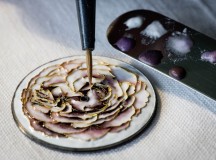
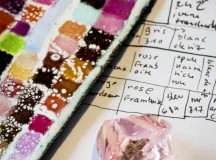
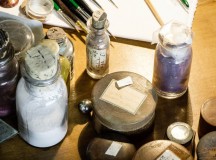
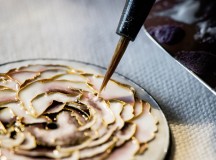
The cloisonné enamel is produced using an exclusive Grand Feu technique. This gives the dials of Altiplano rose watches unequalled depth and transparency of color.
The signature feature of high-fire enamels, compared with standard enamels, is their much higher melting point, between 820°C and 850°C.
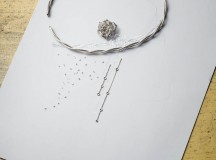
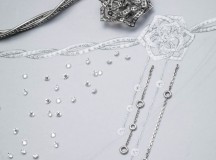


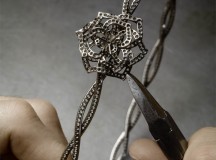
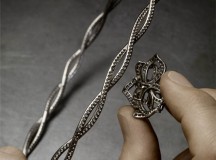
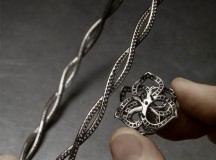




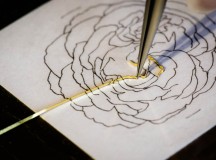
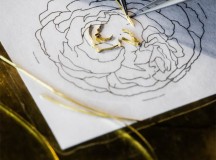
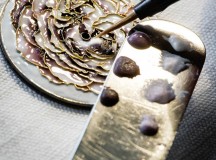
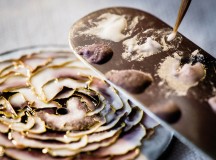
The cloisonné enameling technique involves the formation of small cells to create a pattern. First, the contours of the desired decorative motif are traced with silver or gold wire. Since Piaget’s primary concern is to ensure exceptional quality, the company uses only gold wire to delimit the cells. Once the design has been reproduced, it is fixed with gum tragacanth, which disappears during the firing process.
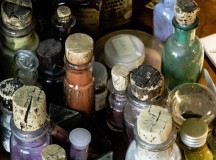
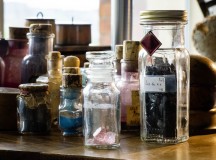
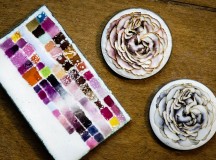
The wire thus delimits a number of cavities corresponding to the different color zones. Enamel is deposited in each of these cavities, and the piece is then fired. This operation may be repeated several times to increase color intensity. After a final kiln run, the surface of the piece is smoothed and covered with a final layer of transparent enamel.
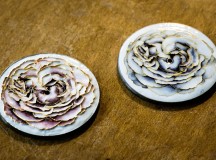
The six unique Métiers d’art pieces represent the same Yves Piaget rose, interpreted with 6 different sets of colors, demonstrating the richness and subtlety of color that the art of enameling is capable of delivering.
Emotive and passionate, the Piaget Rose Passion collection expresses all the beauty and elegance of Josephine, the adored Empress who shared Piaget’s passion for the Queen of Flowers.
Cette publication est également disponible en :

