
For spring-summer 2027, Kobi Halperin, who designs Ungaro’s womenswear, presents his clothes in a film whose setting is entirely digital. In a filmed statement, he insists: the garden is dreamed, the collection is real.
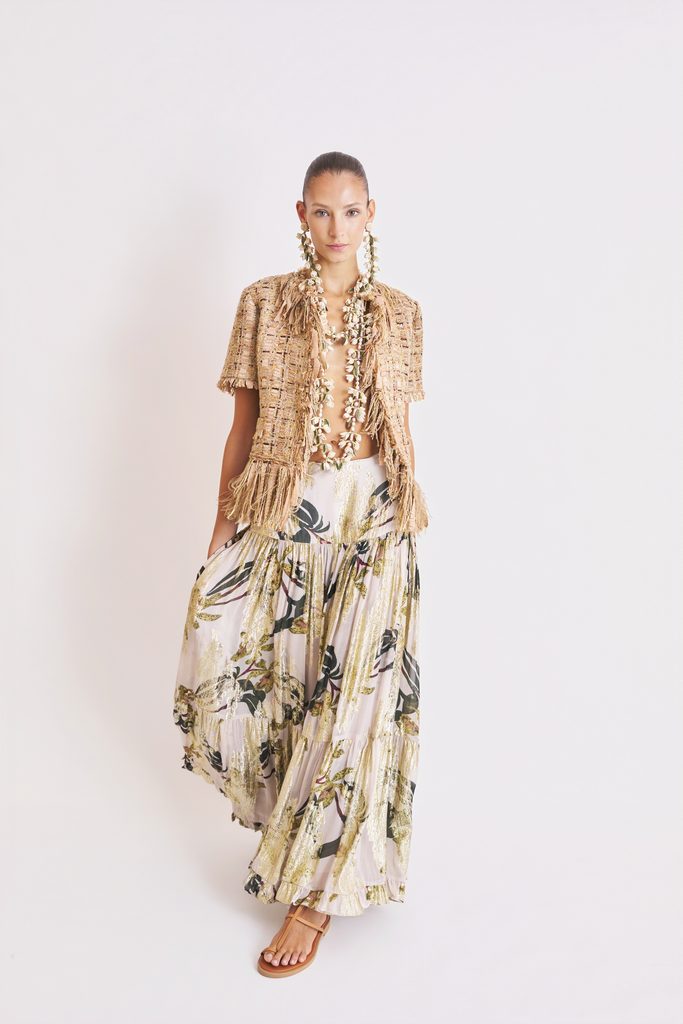
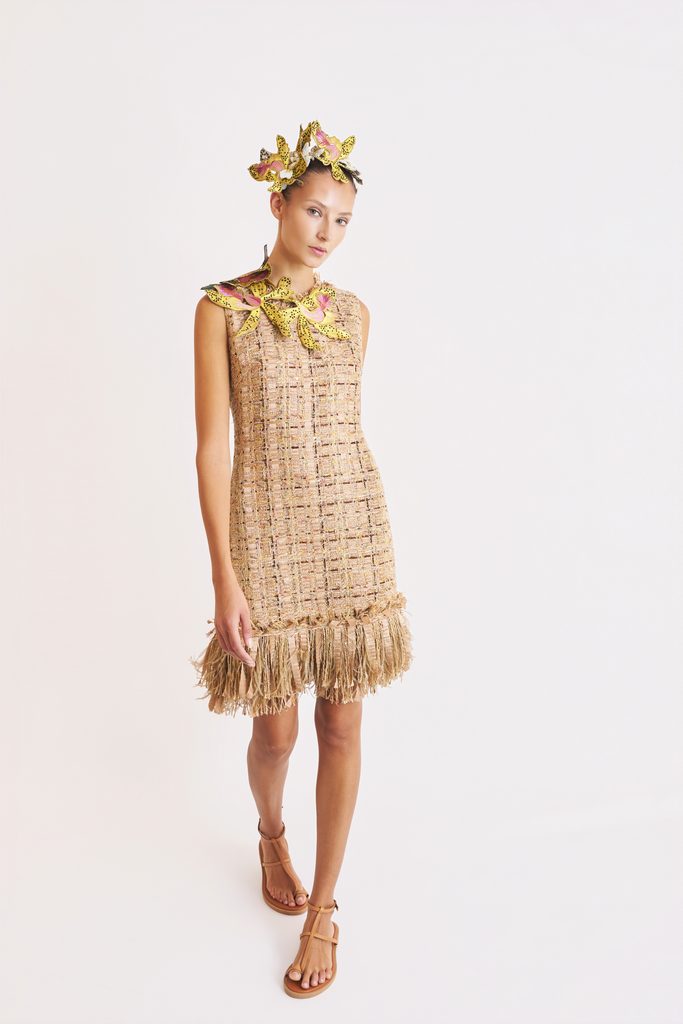
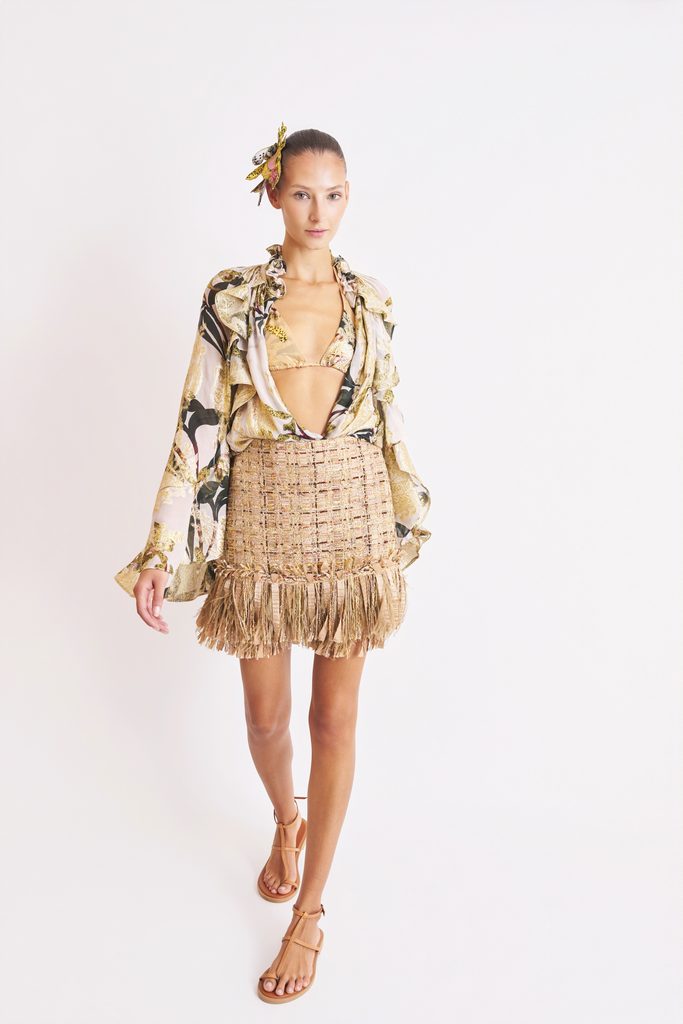
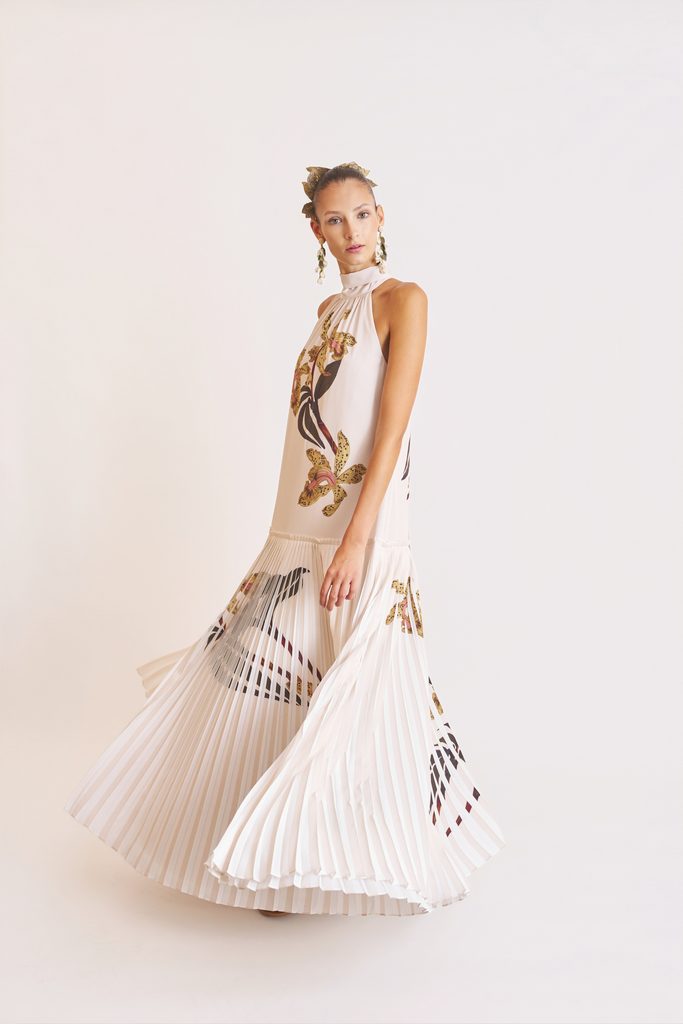
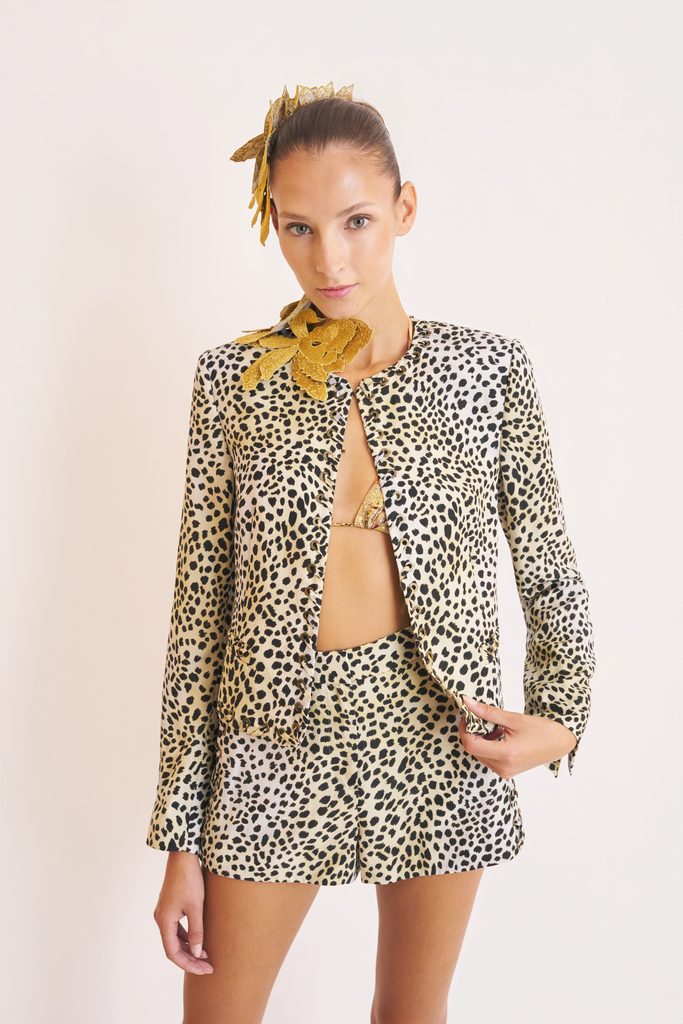
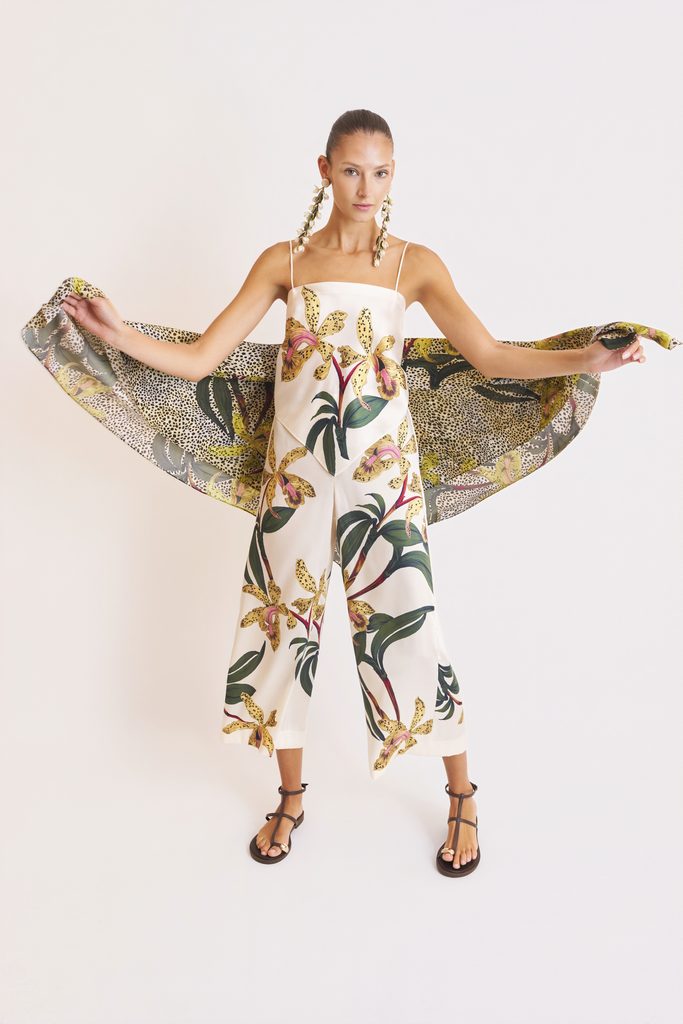
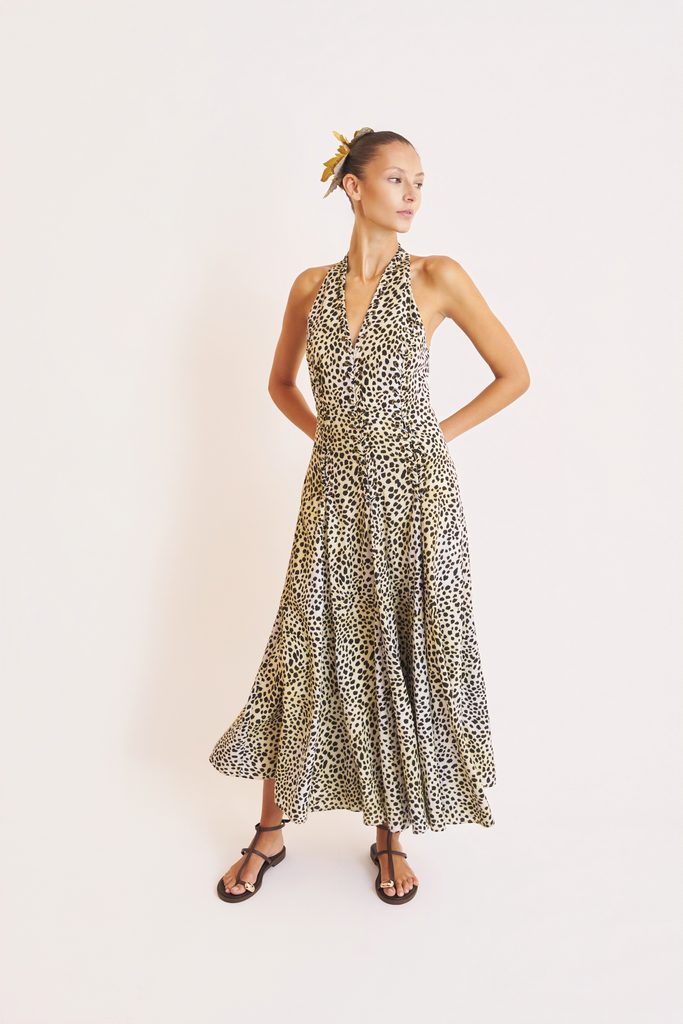
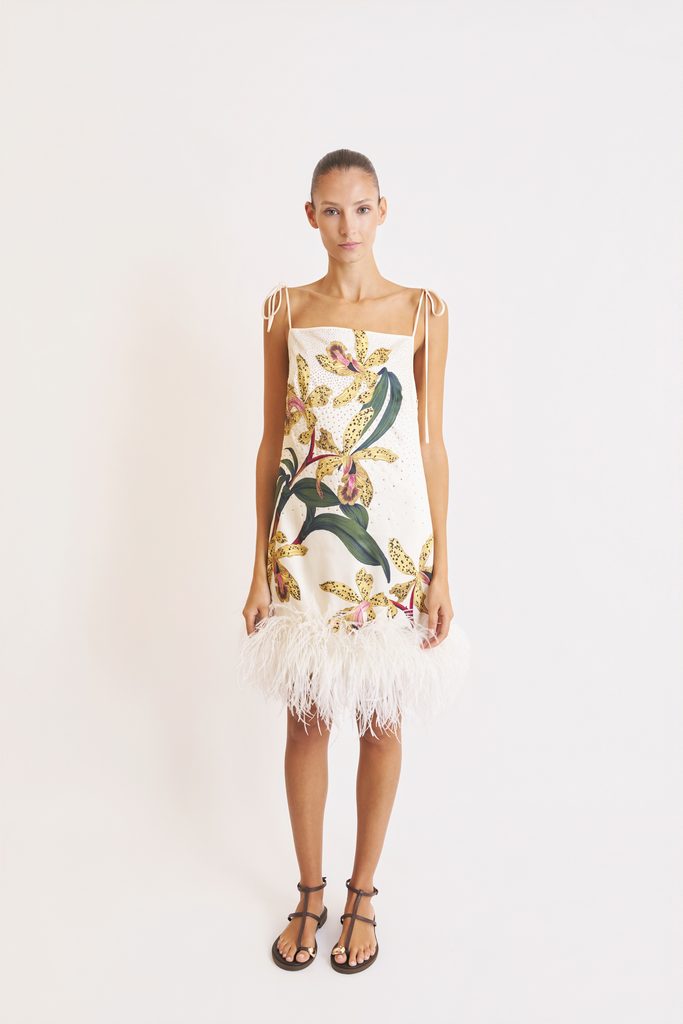
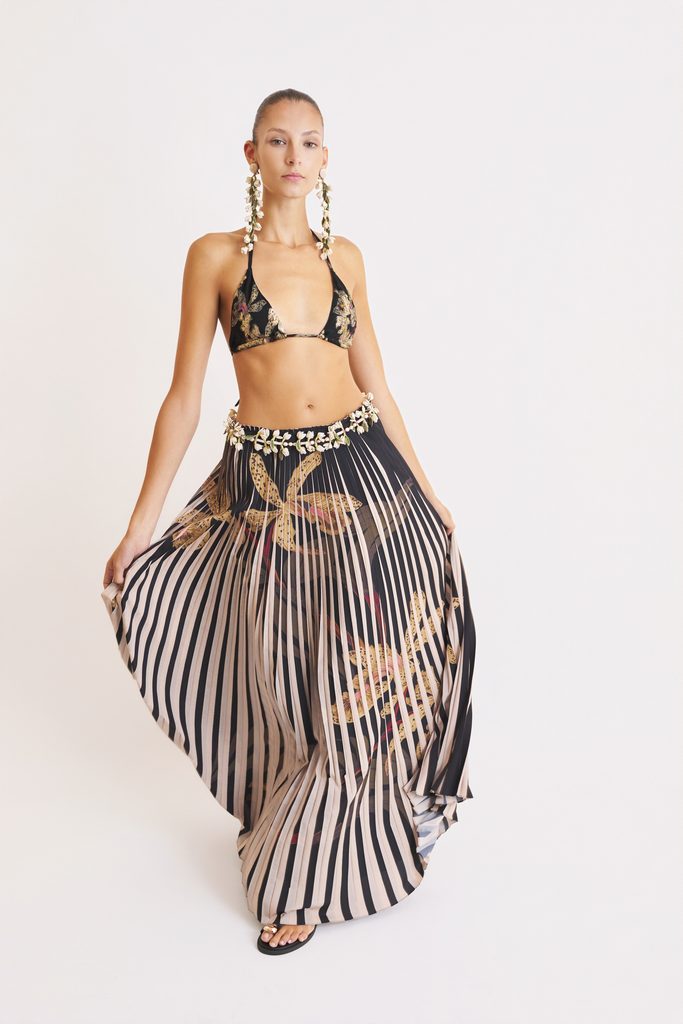
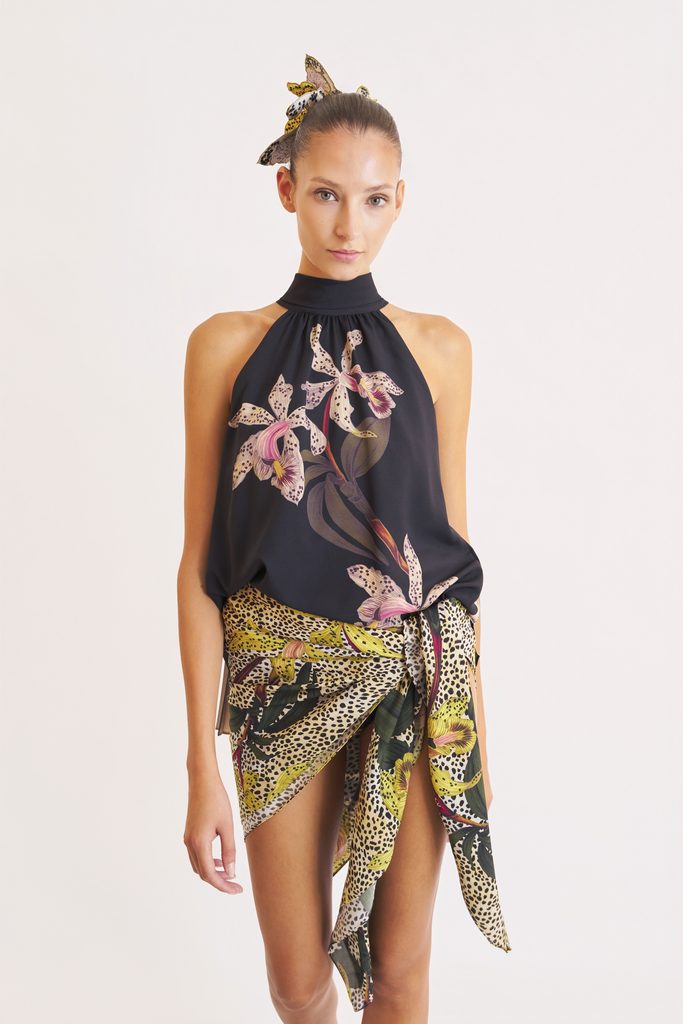
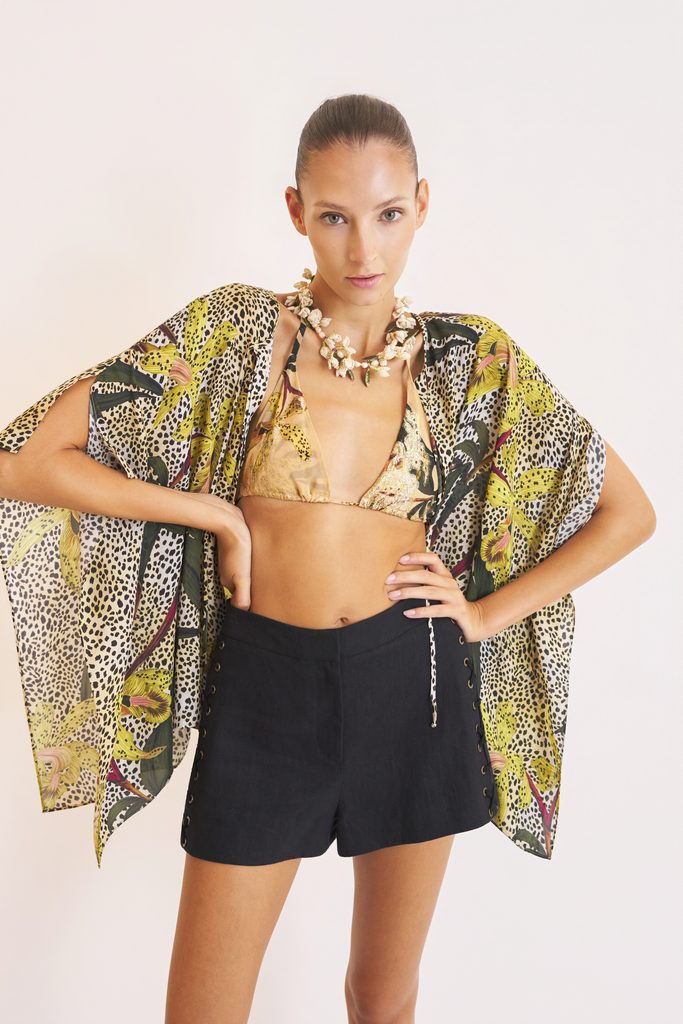
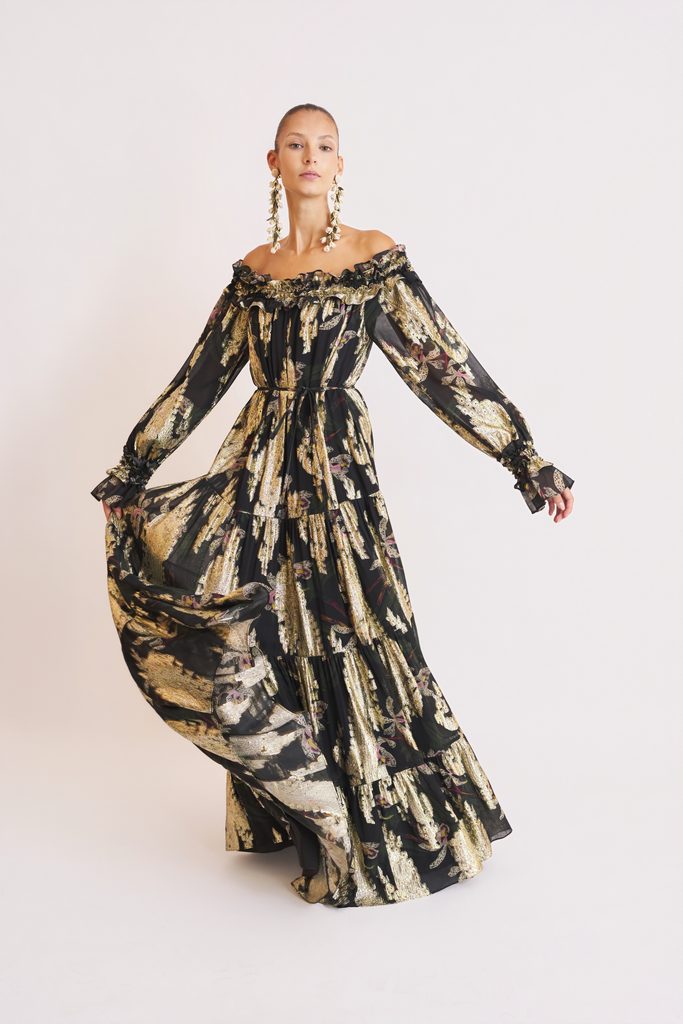
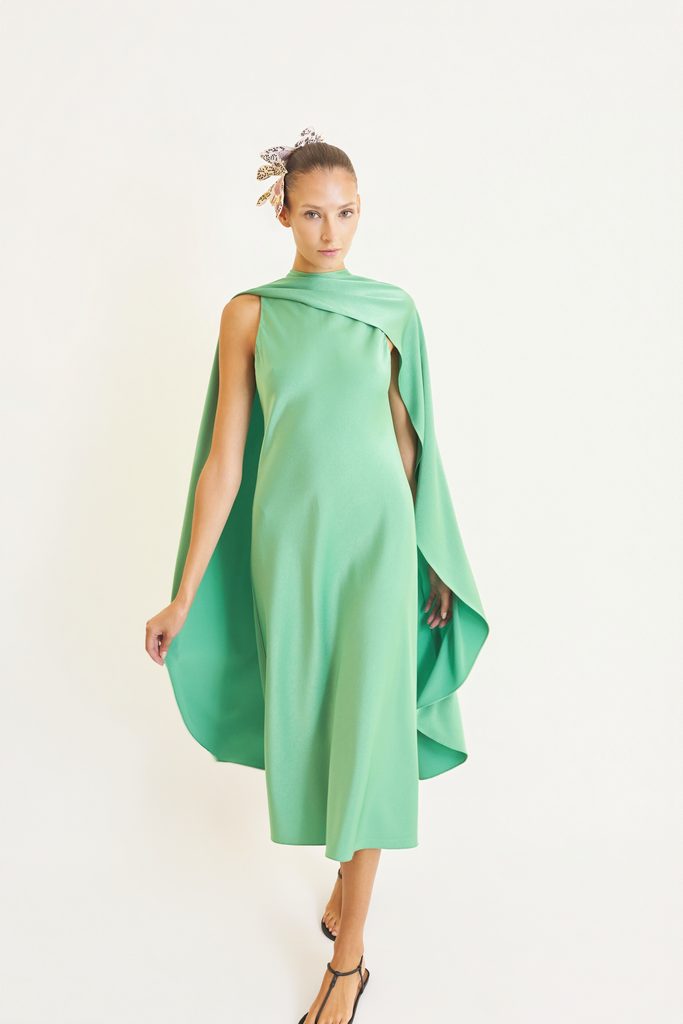
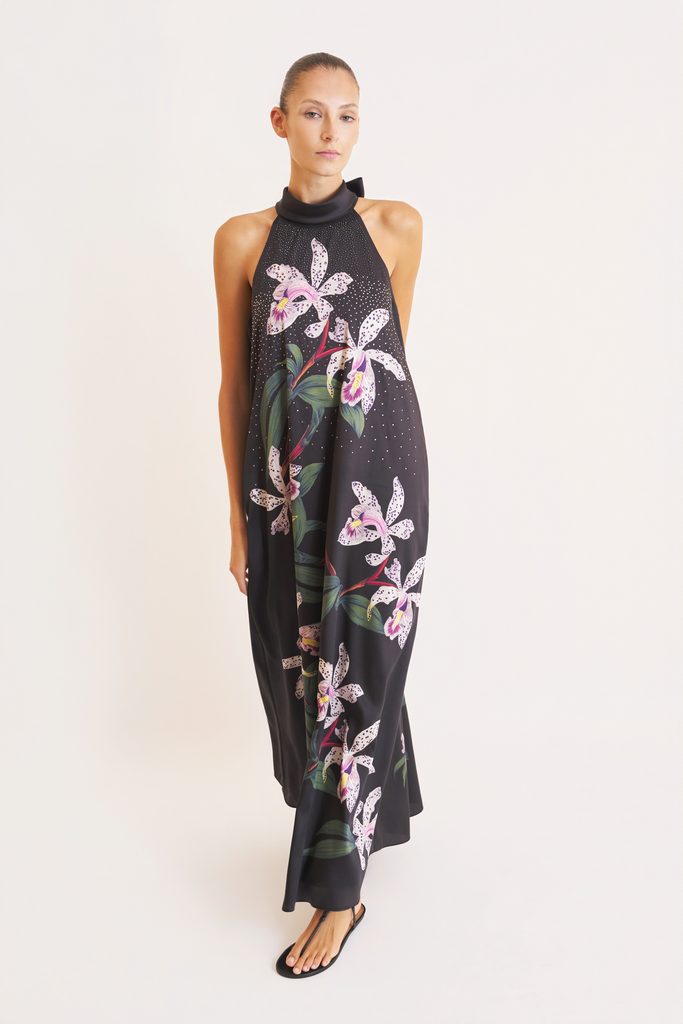
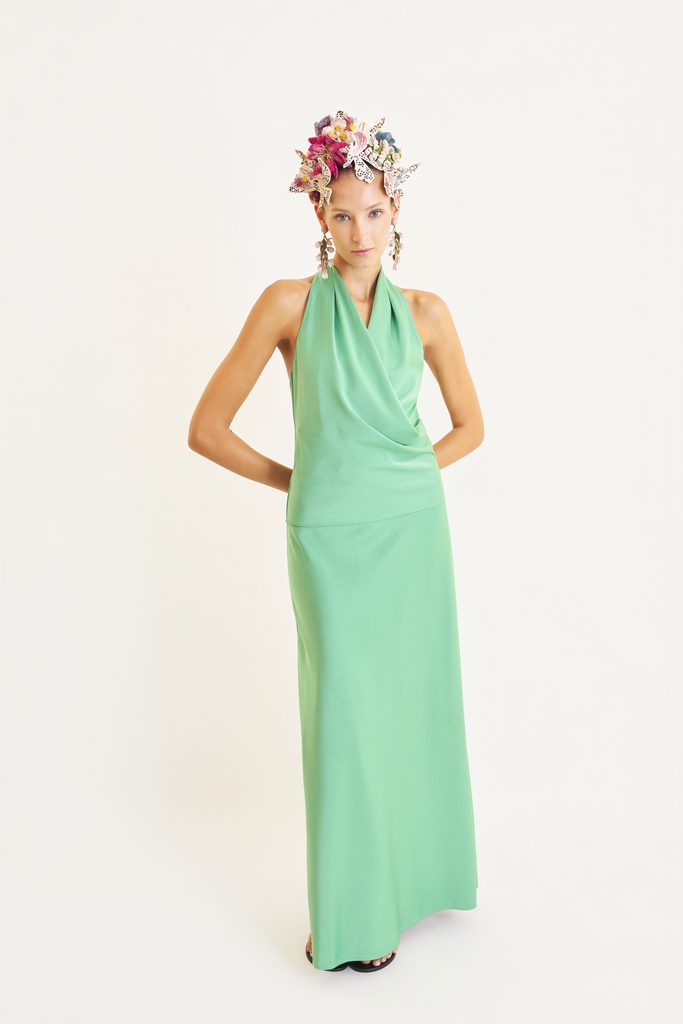
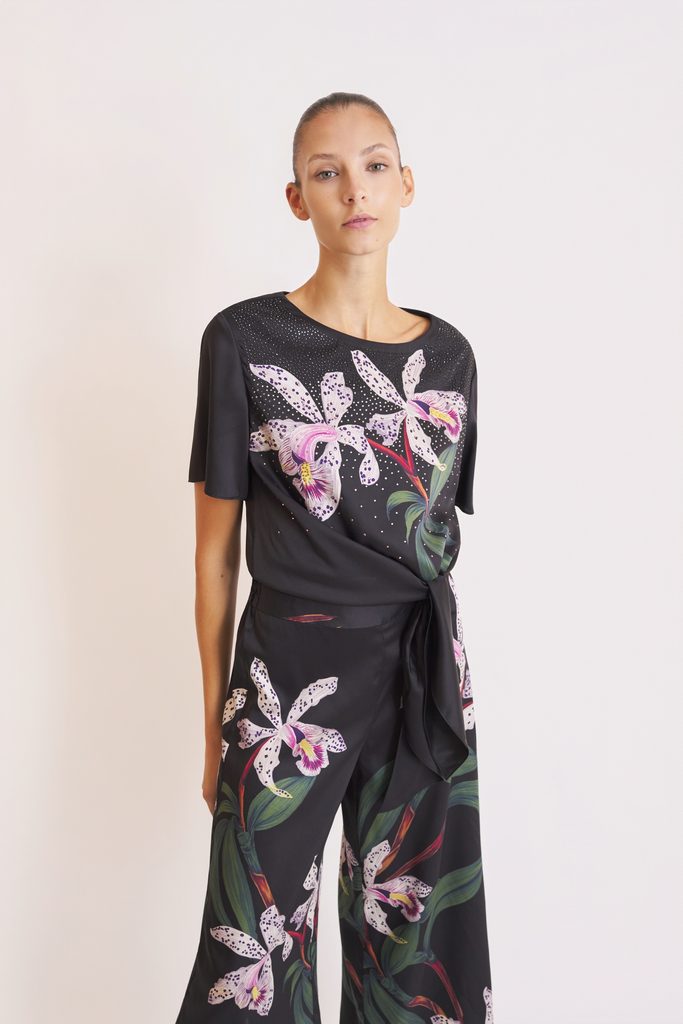
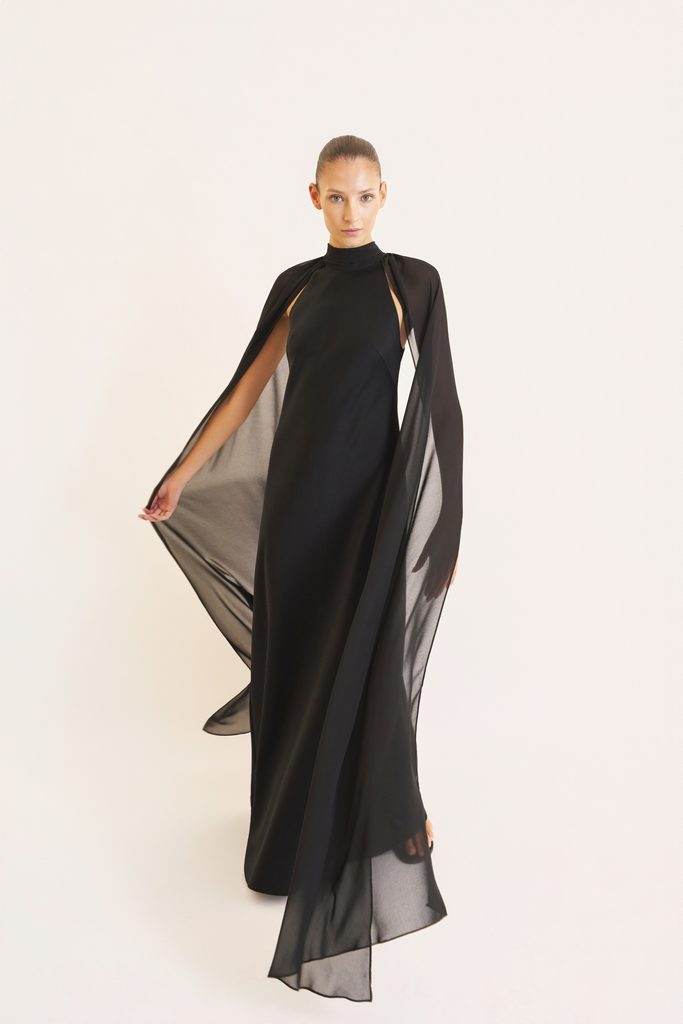
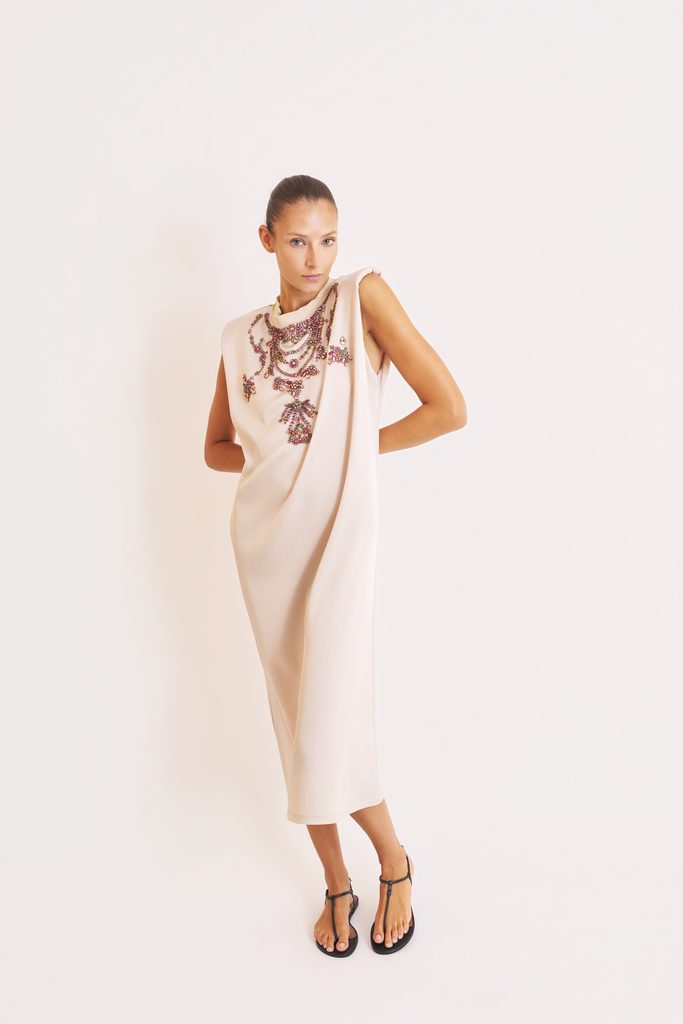
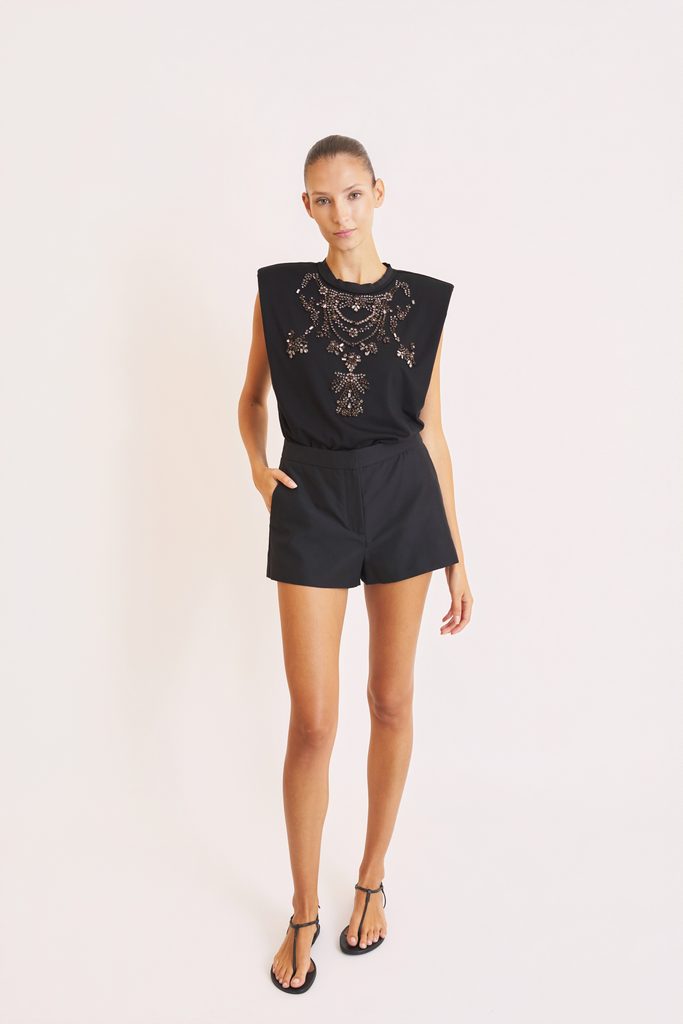
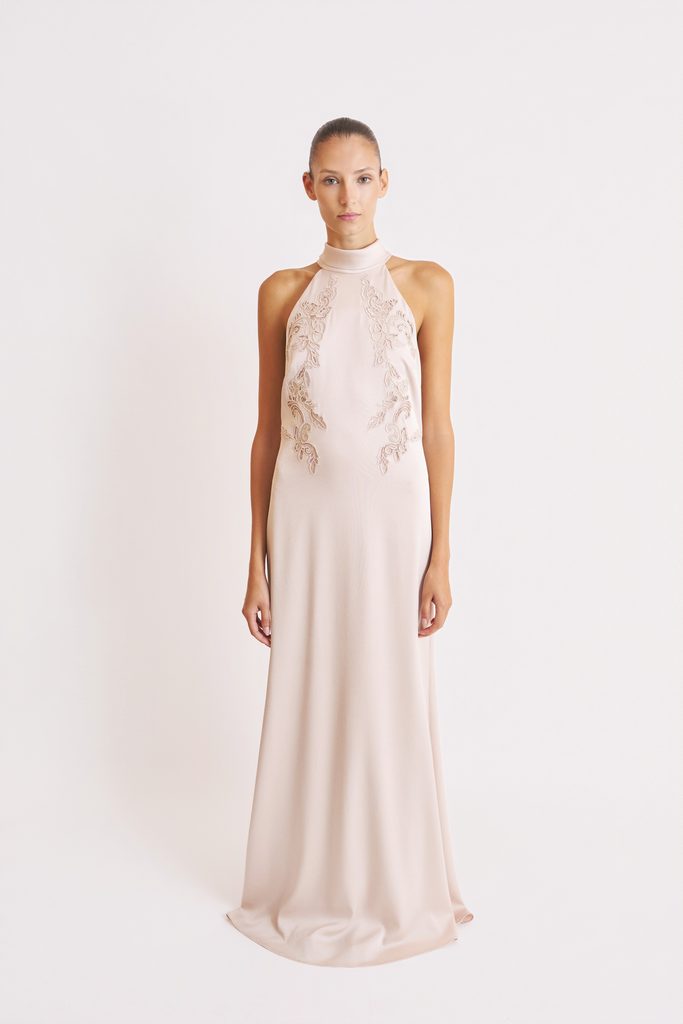
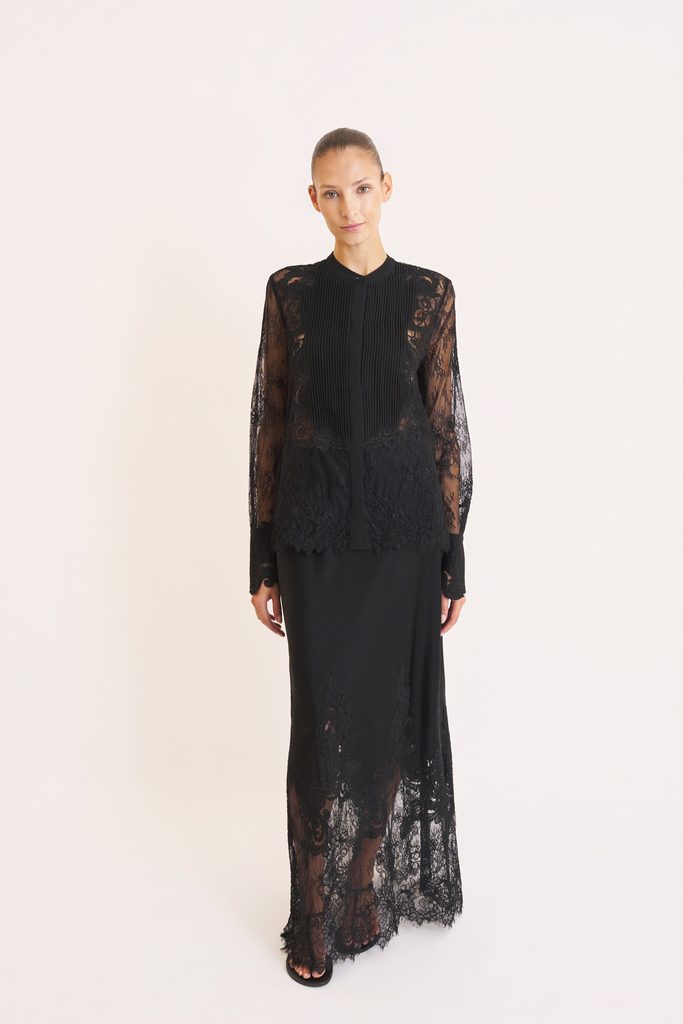
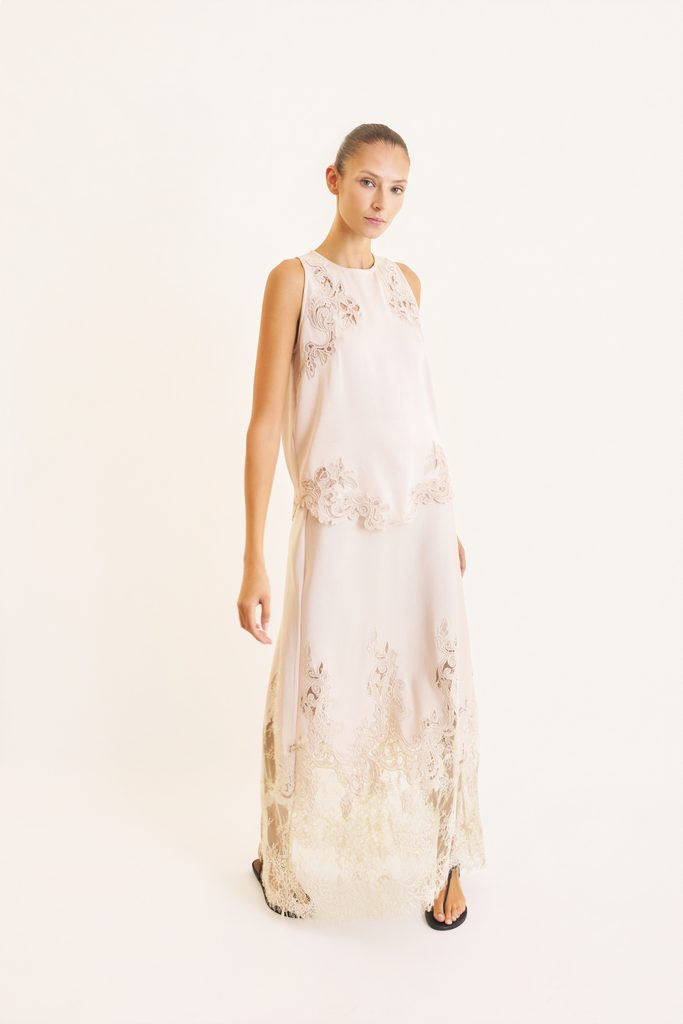
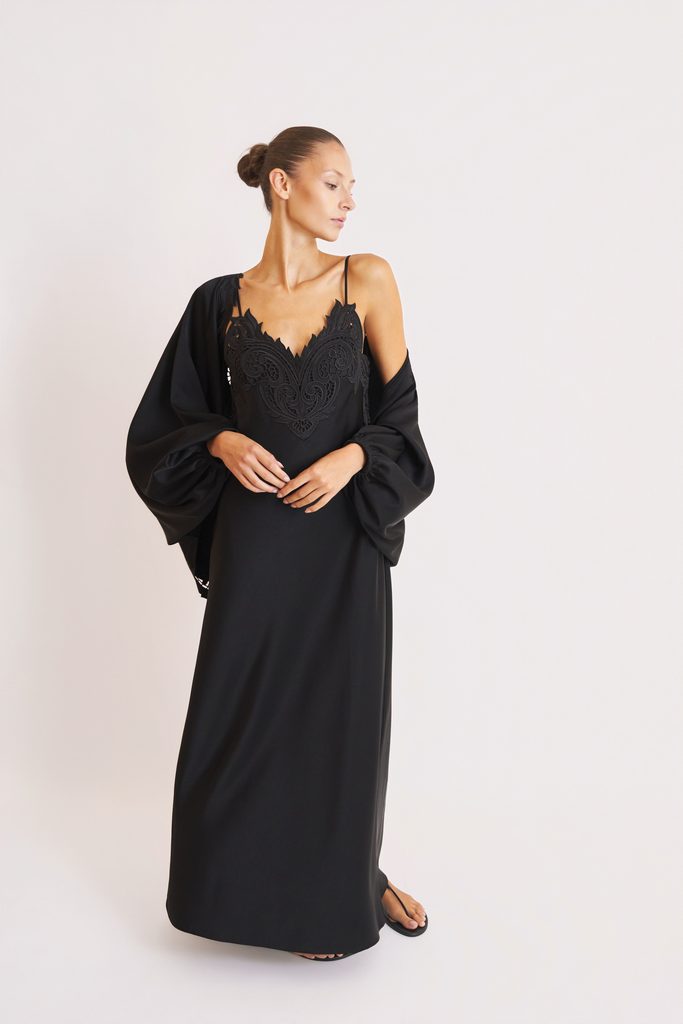
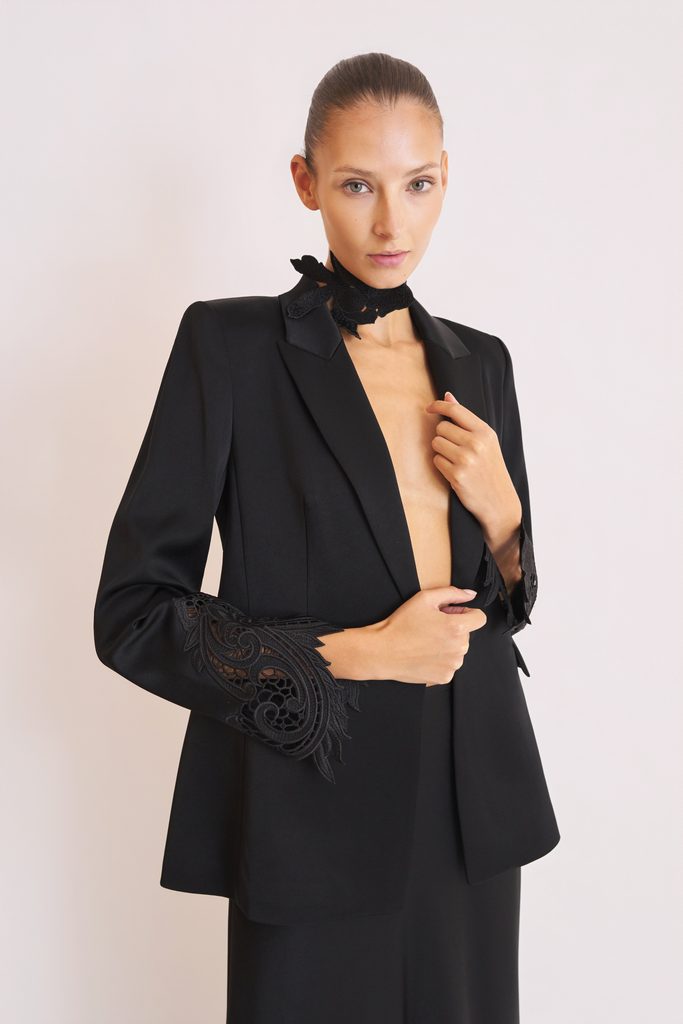
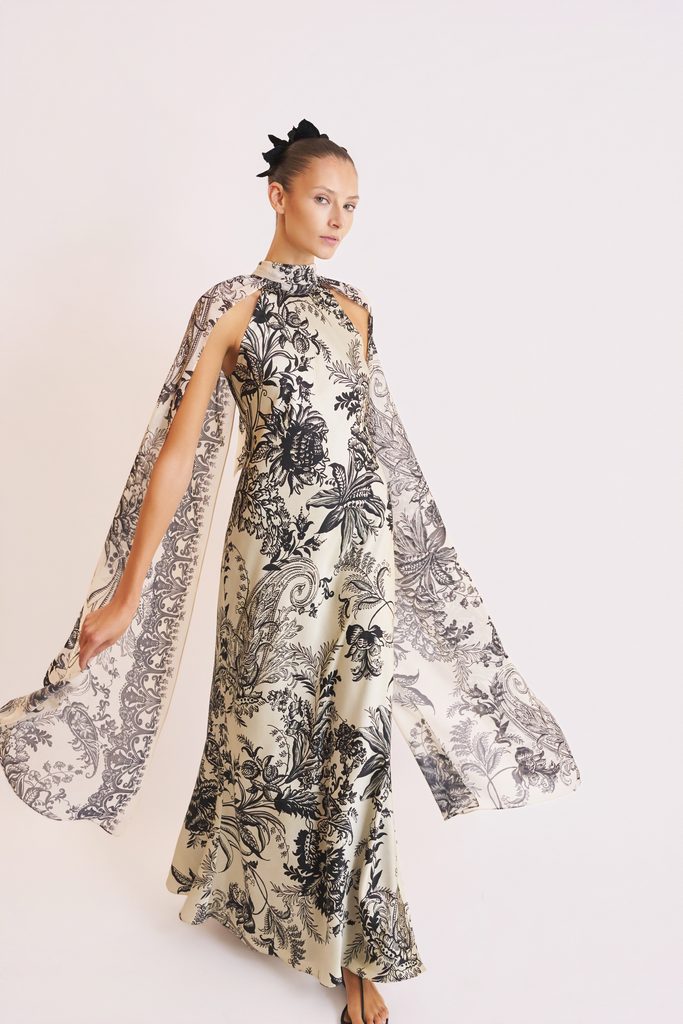
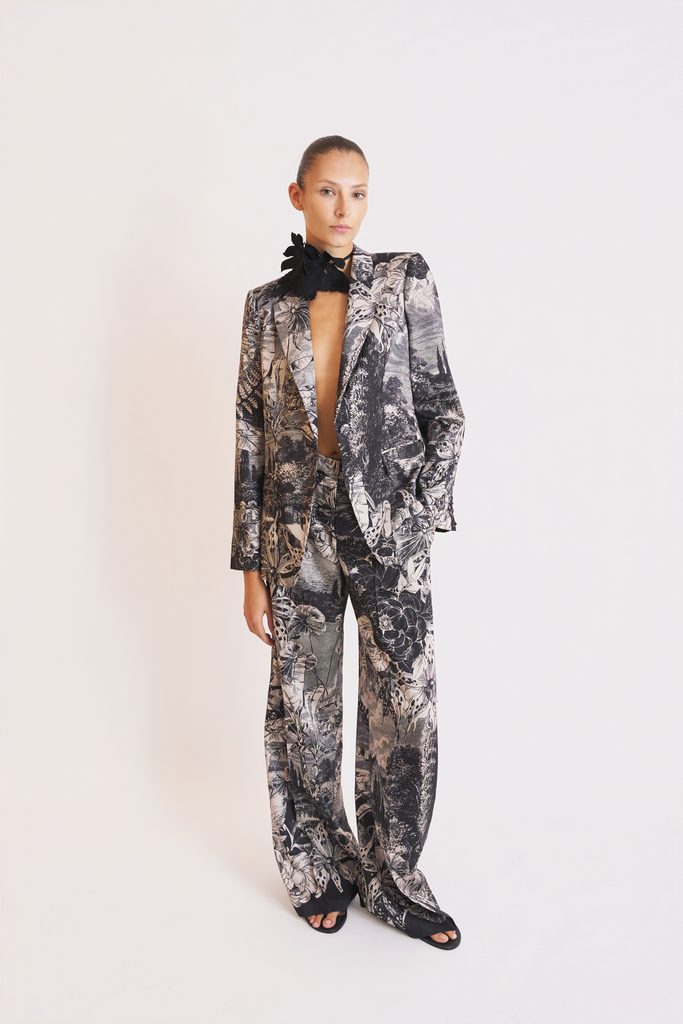
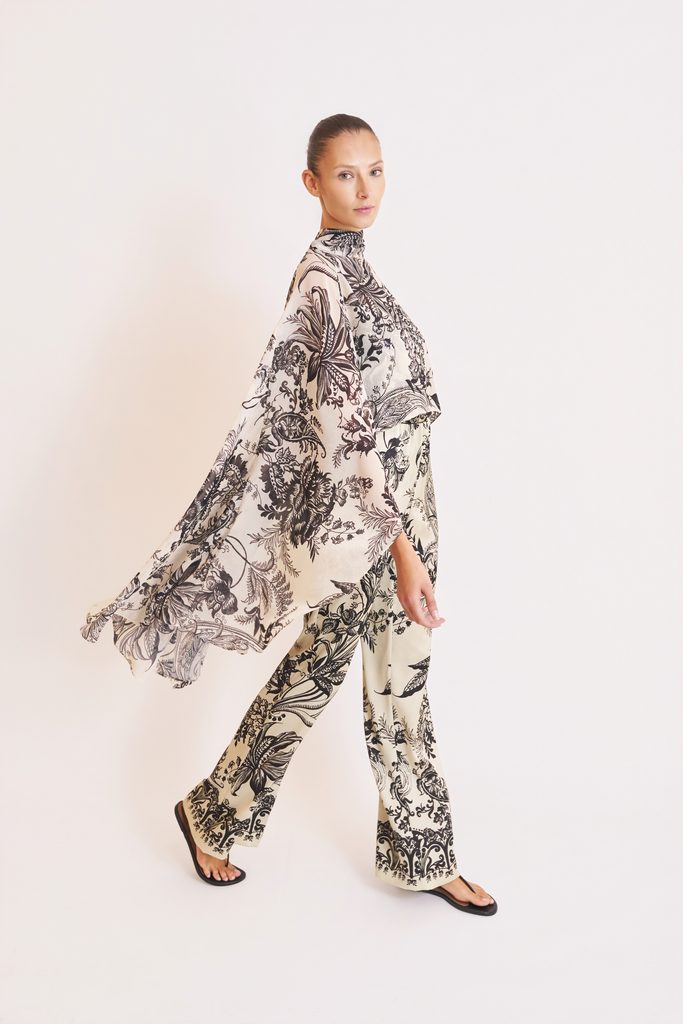
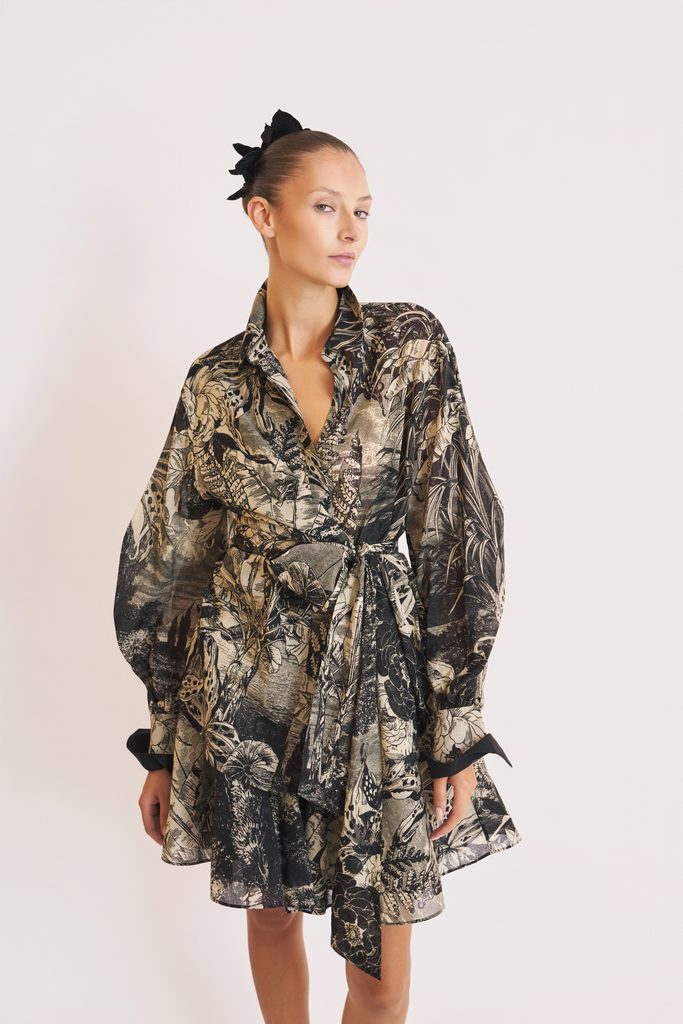
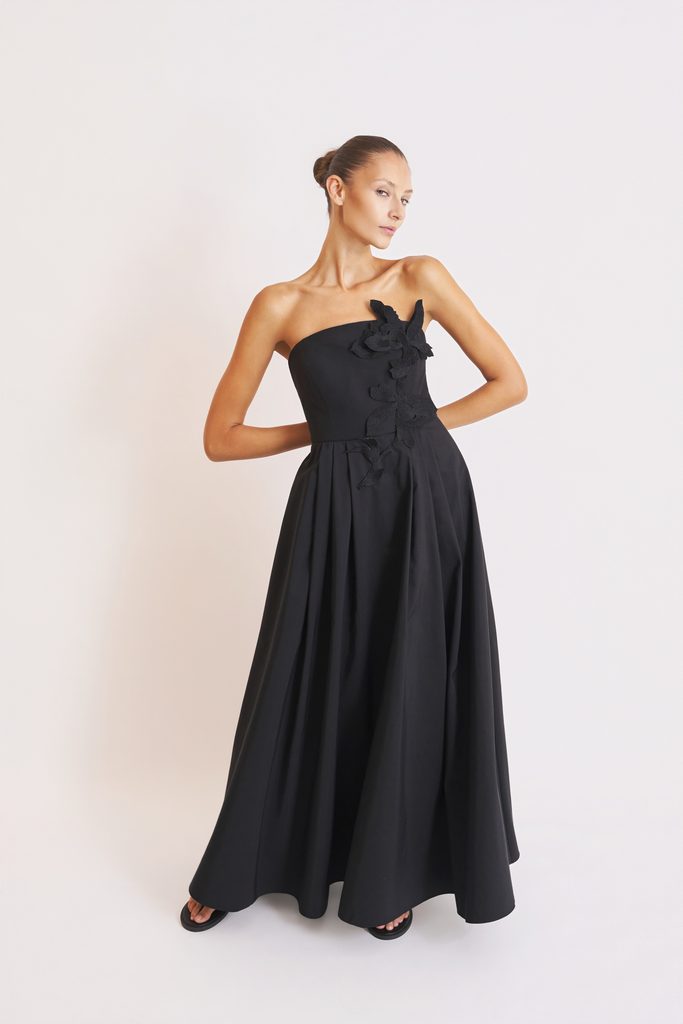
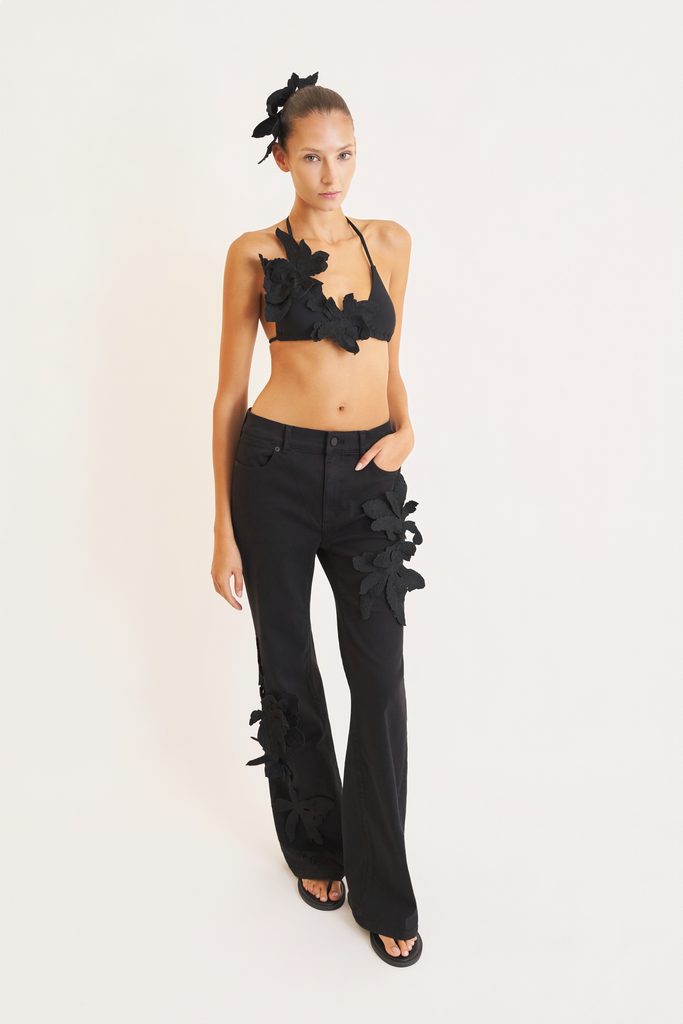
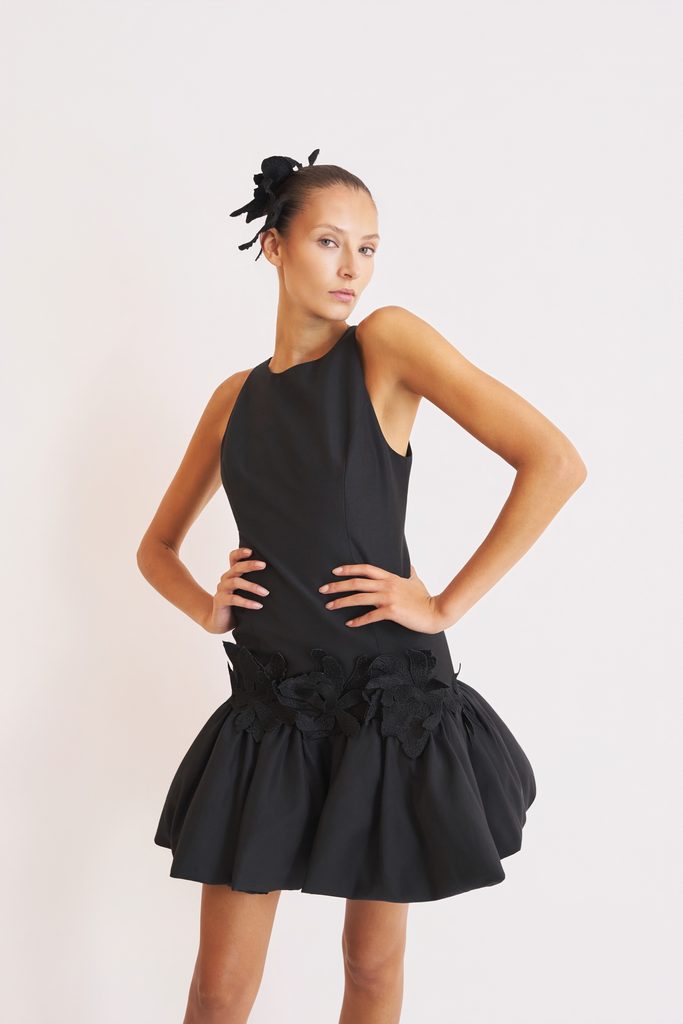
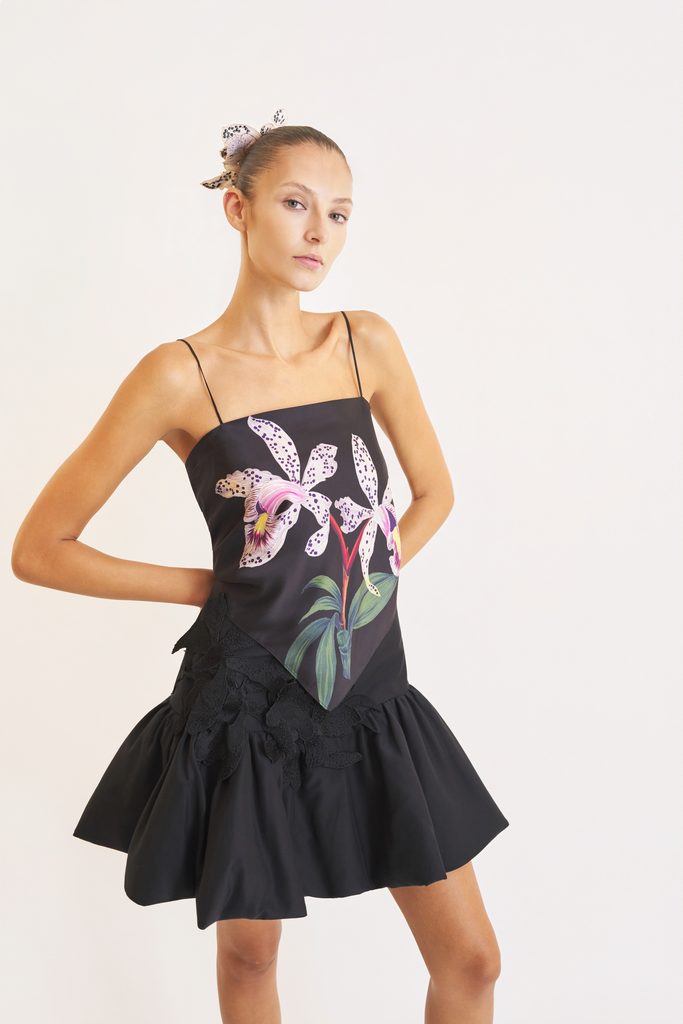
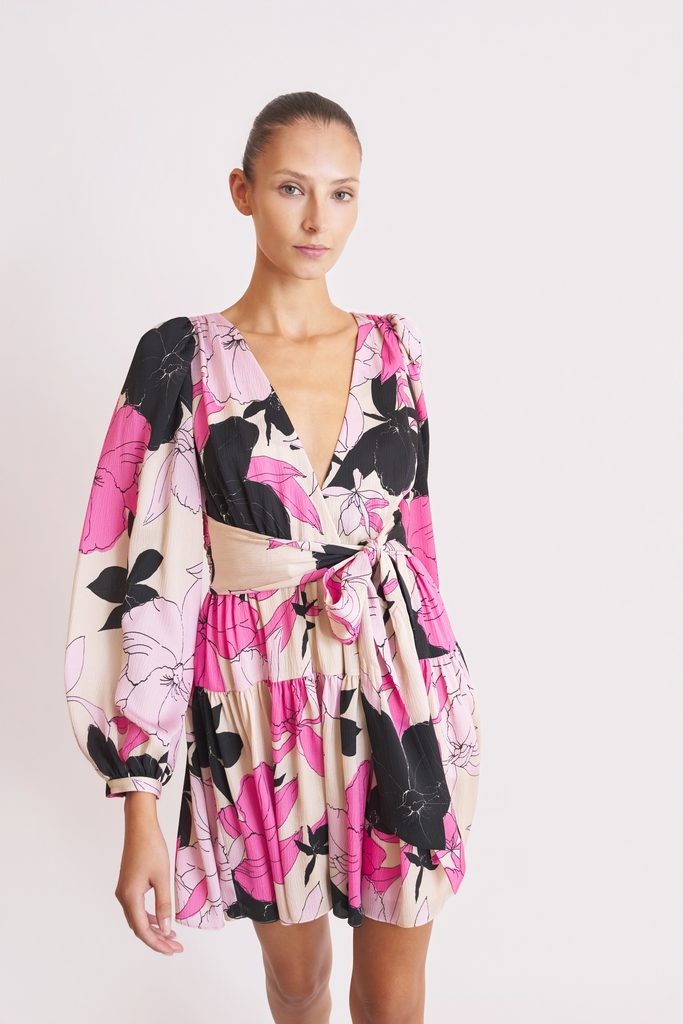
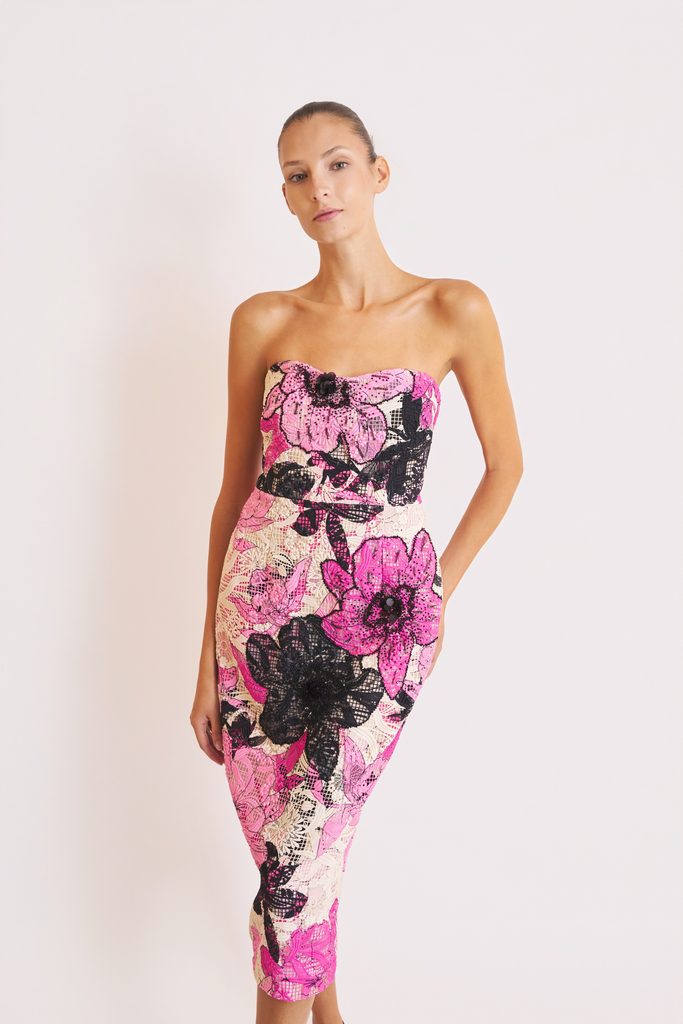
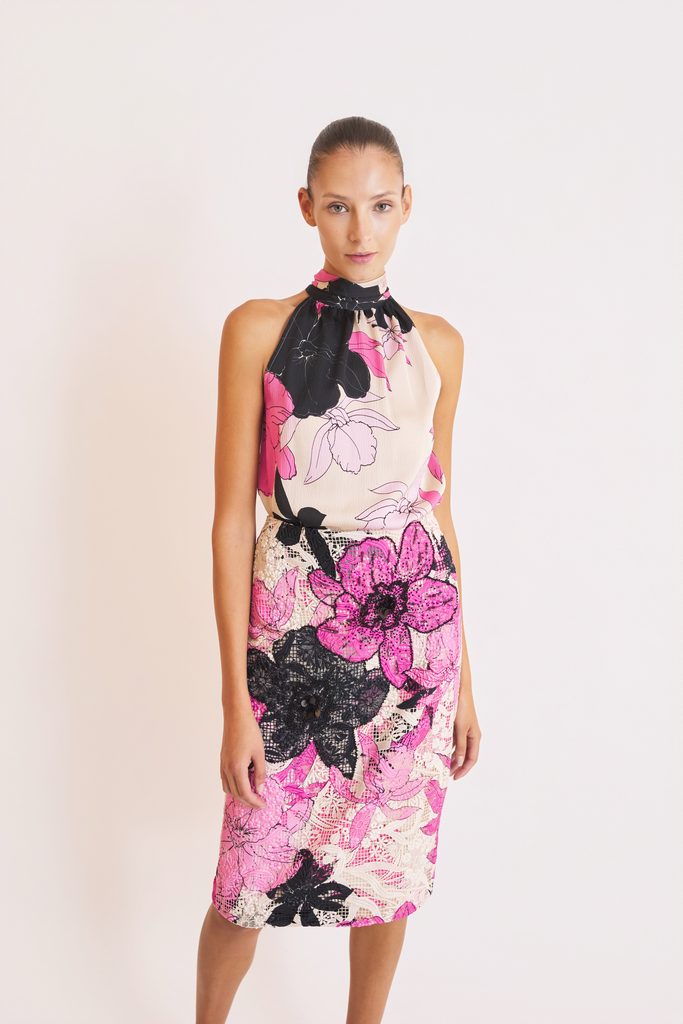
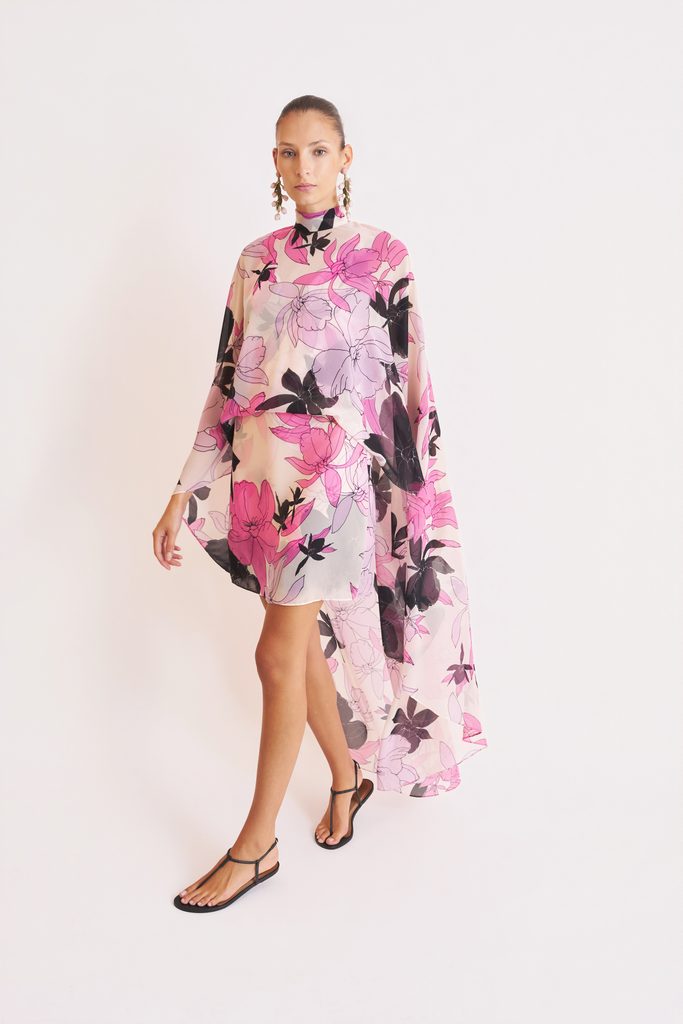
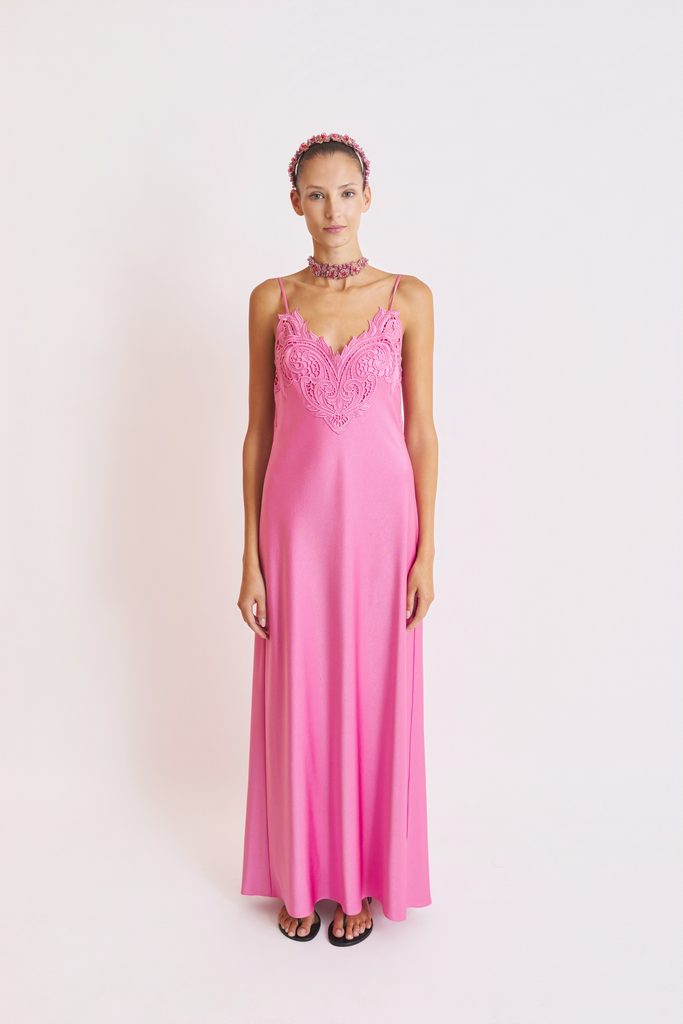
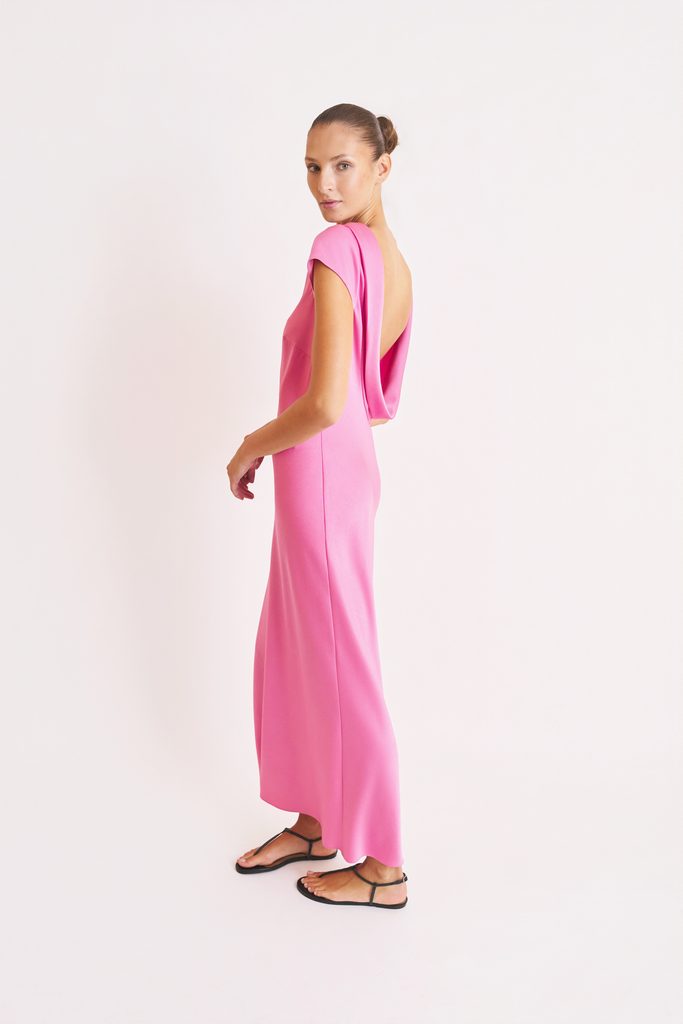
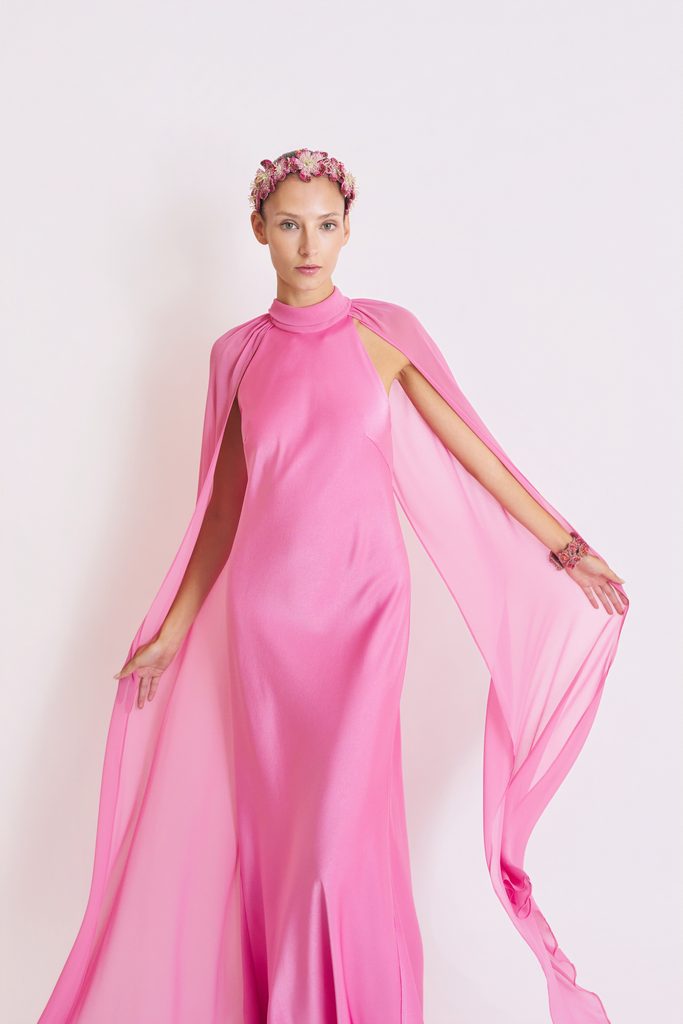
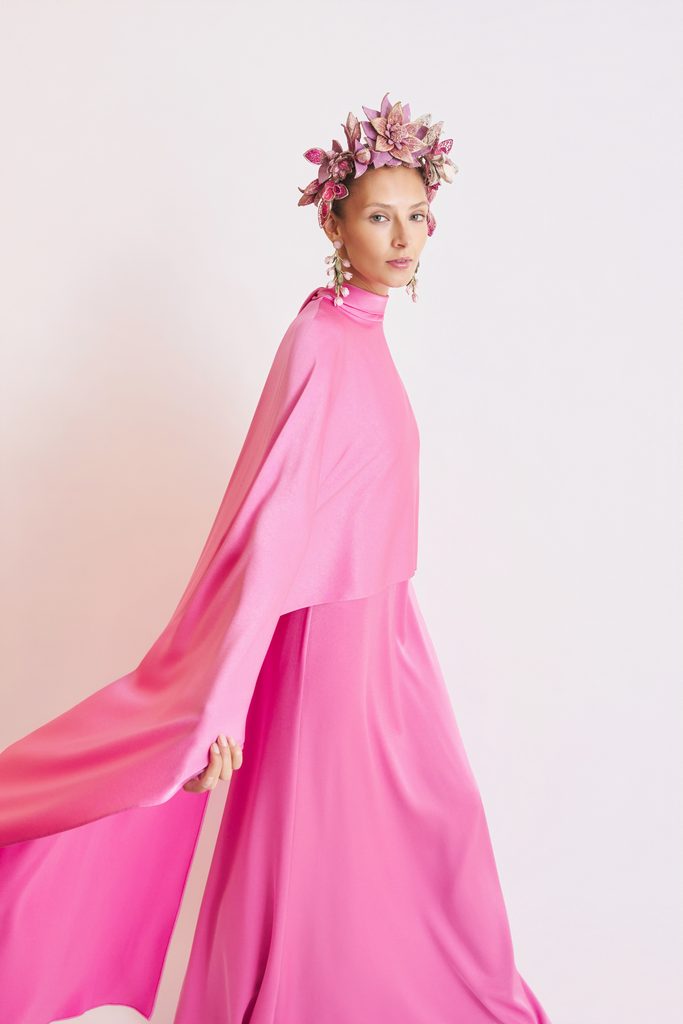
In the spring-summer 2027 presentation, everything that can be touched sits on one side, everything that is dreamed on the other. Each garment and each accessory was designed and made, then photographed on a model against a white background. Kobi Halperin explains, in a filmed statement, that this shoot took place in New York, where he is based. The garden, the ground and the models in the film, by contrast, are digital creations, built from photographs of the real pieces.
The subject explains the method. The Imaginary Garden depicts no real place: the House describes it as the way memories of India have stayed with him, with its vegetation, flowers, colours and the richness of its architecture. Such a garden cannot be shot on location. Placing it in a virtual world gives it the condition it claims, that of a memory.
The starting point is Varanasi. Kobi Halperin attended rites there surrounding the passage from life to death, long regarded with reverence and fear. He says he was moved by the place of flowers in religious rituals: floating on the Ganges, braided into offerings, accompanying prayer. In that solemn context, they brought a beauty that, in his eyes, the world today lacks and that he needs more than ever. Hence a collection that keeps both faces of the flower, beautiful in bloom and moving as it fades.
In a garden of pixels, nothing fades. Fragility therefore falls to the pieces, and the collection carries it by hand: embroidery, beads, cultured pearls, three-dimensional flowers. The headpieces, earrings, necklaces and chokers are the work of Deepa Gurnani, with a simple aim: that the flowers pass from the clothes to the body, around the neck, then into the hair. The film extends this path a step further, from the body to the garden.
The statement gives this dividing line its reason. Kobi Halperin voices his concern about craftsmanship that he sees being lost with the new generation, and presents the collection as a response: fabrics bought in Italy, know-how from India, all assembled, designed and photographed by himself. Everything is real, he repeats. The digital serves to show these pieces in the strongest and most luxurious way, to imagine a place, Indian architecture, models, around what already exists. He sums up his stance in three words: real story, real product, real tradition.
This choice changes the status of the image. The digital supplies the setting and the extras; the material remains that of the workshop. A photographed embroidery keeps what a rendering cannot reconstruct without effort: the uneven relief of handwork. Showing the artifice without mistaking it for the material is a rare stance in an exercise where computer-generated imagery so often tends to absorb everything.
A film judges neither a cut nor the hang of a fabric in motion. It states an intention, and here that intention is legible: a garden that never existed, to receive clothes that were, for their part, made.
A memory is not planted, it is transplanted. At Ungaro, real dresses in a garden that never had soil.
Read also on Luxsure: Ungaro Men FW25 : L’héritage britannique réinventé · Ungaro Homme Automne-Hiver 2024 : Une Ode à la Fluidité et au Mouvement
Cette publication est également disponible en :


