
The most interesting aspect of China Fashion Week 2026 is not its number of runway shows. It lies in how Beijing seeks to narrow the gap between presentation, trendsetting and transaction. Over thirty editions, Chinese fashion week has moved beyond the professional calendar towards a broader framework: cultural, commercial and urban.
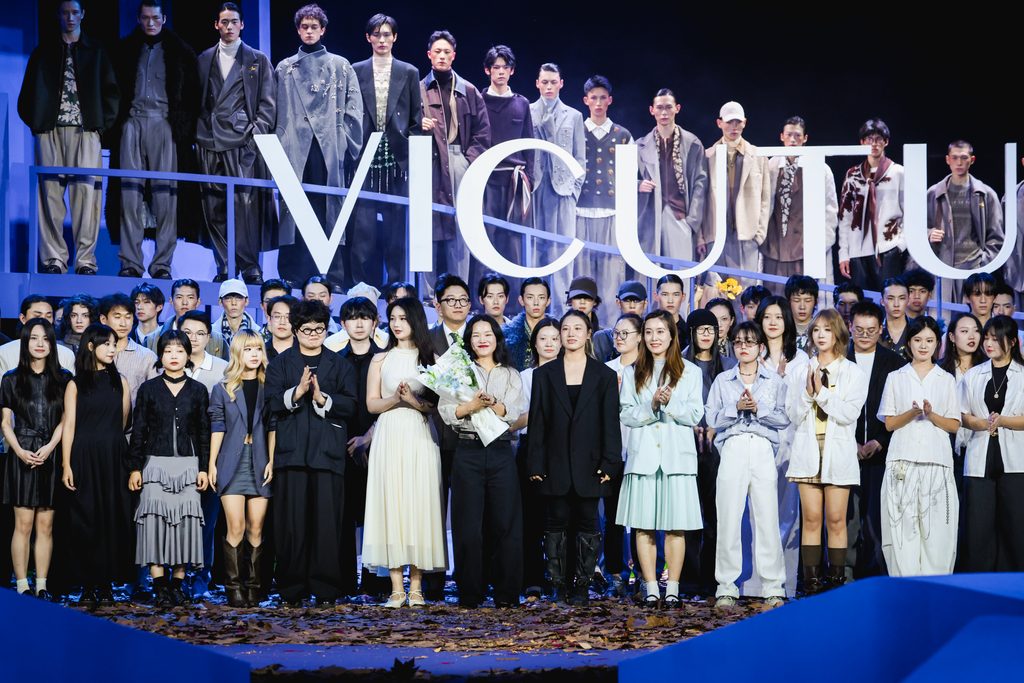
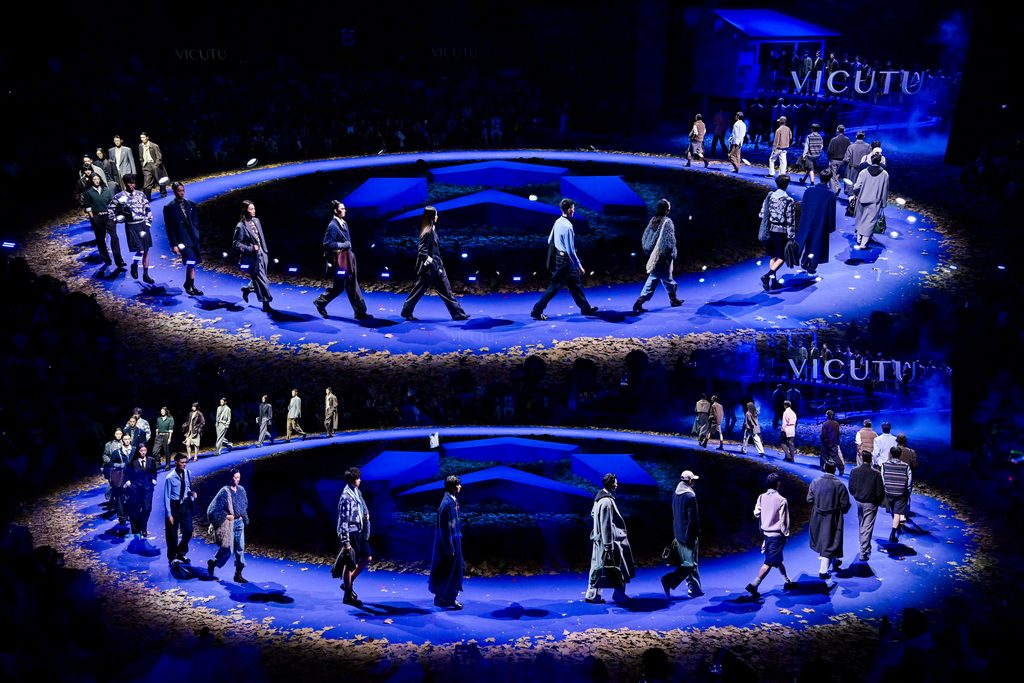
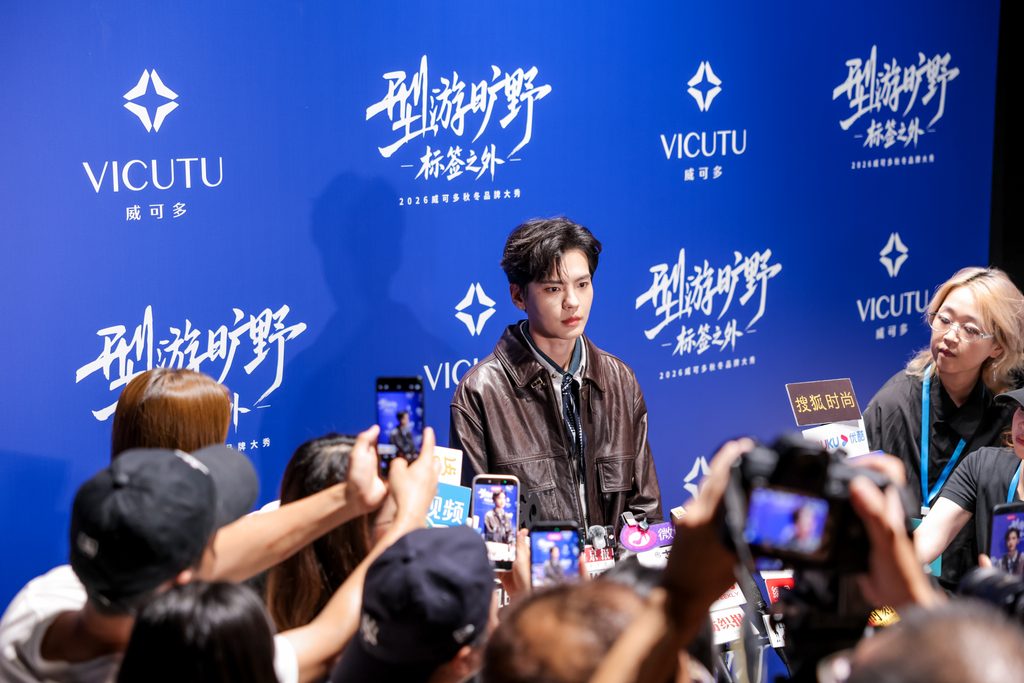
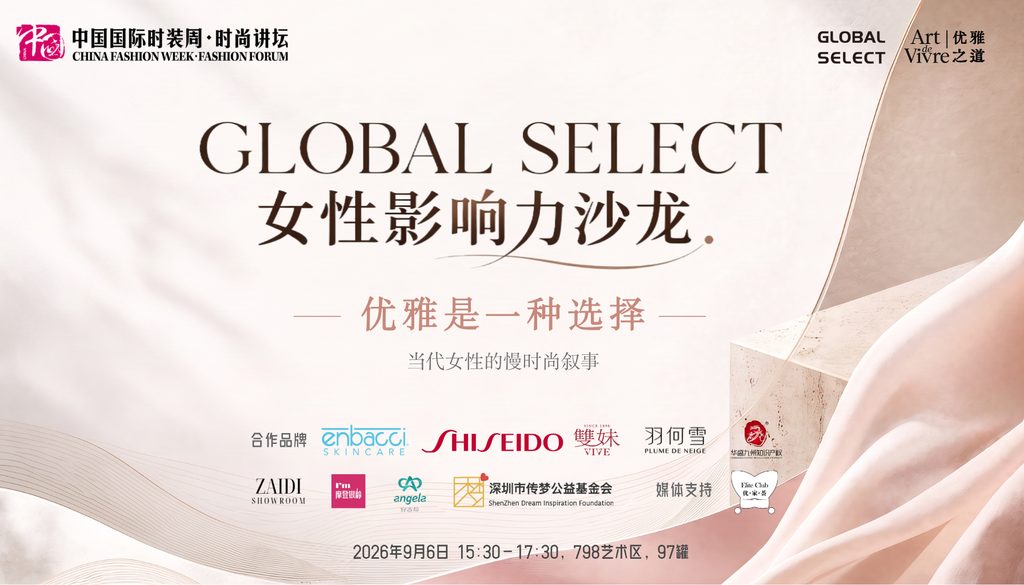
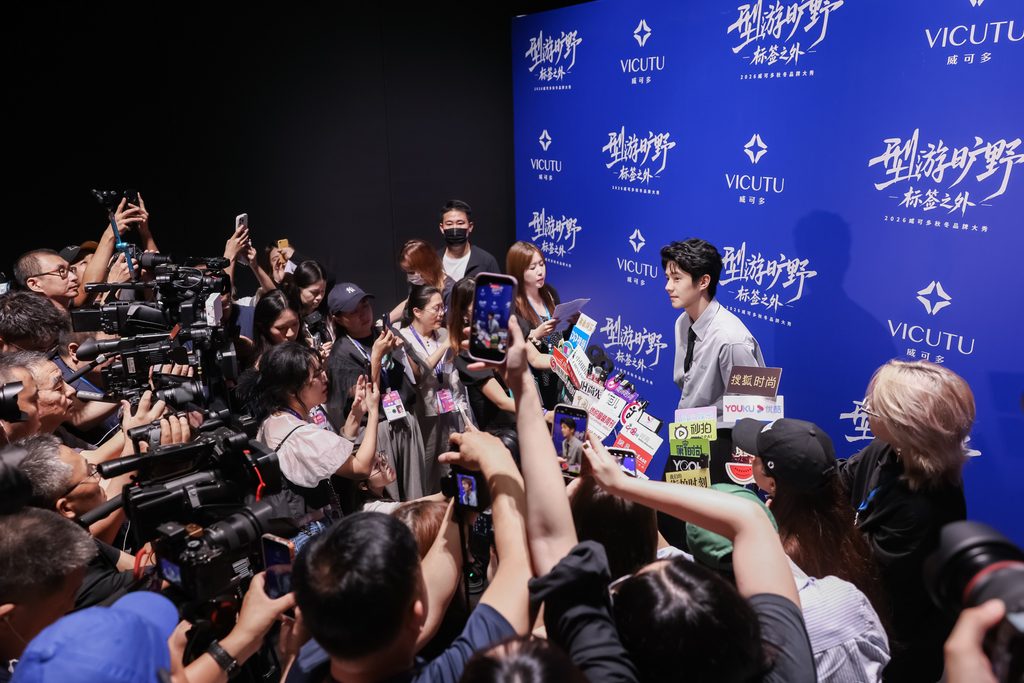
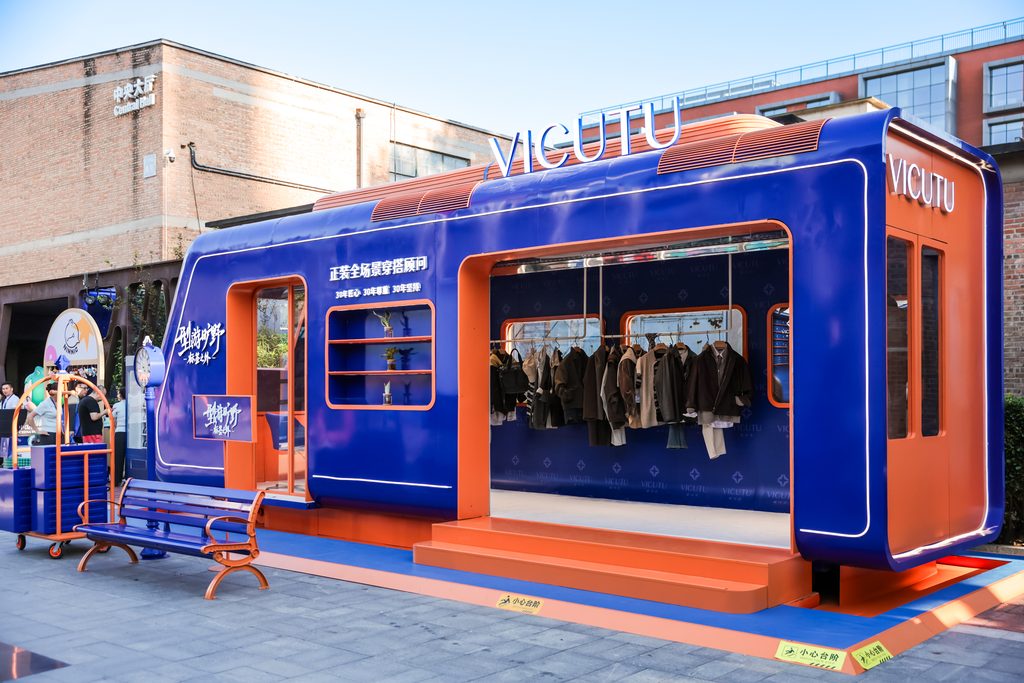
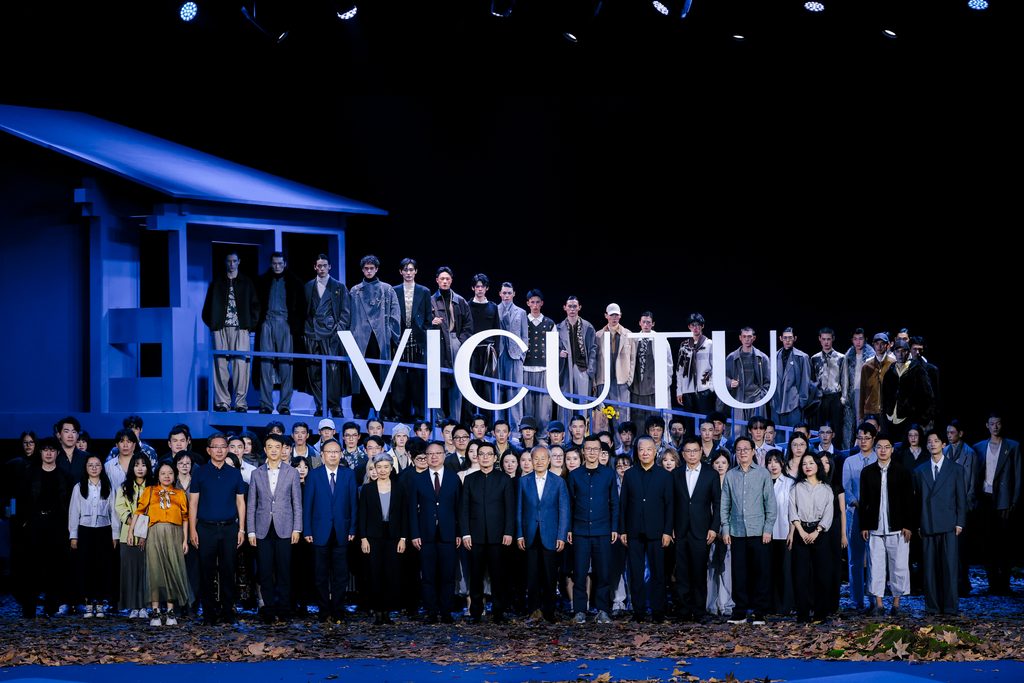
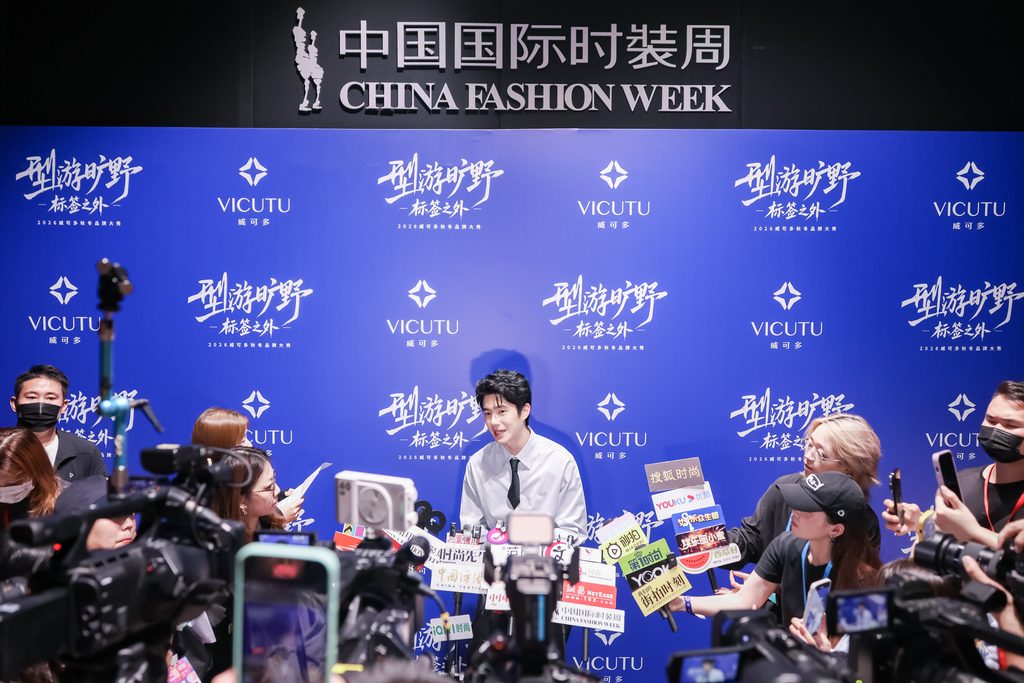
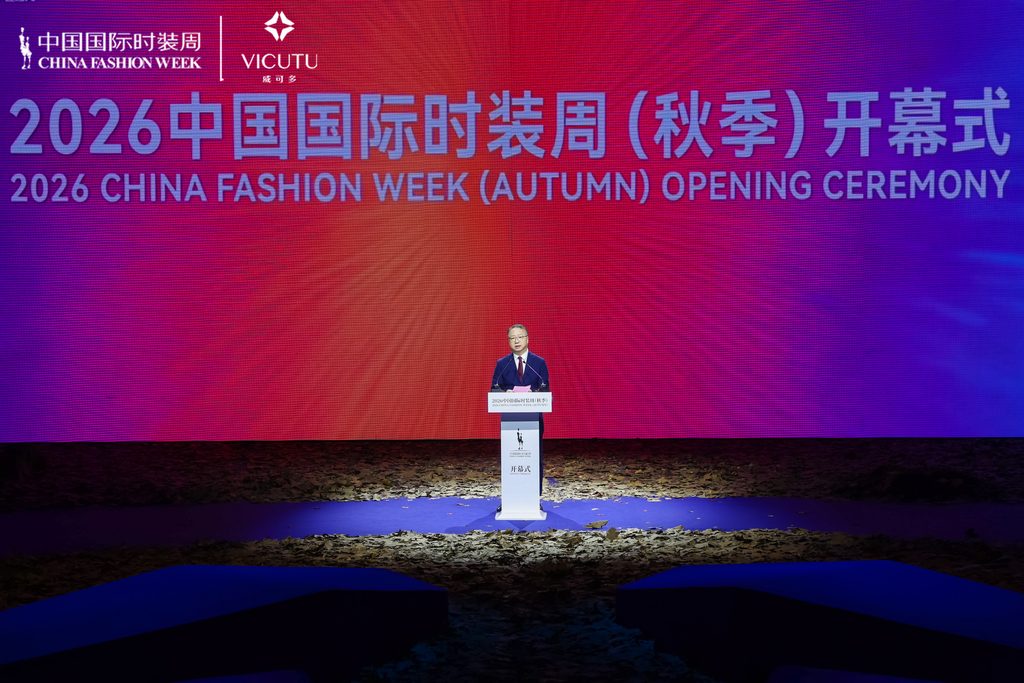
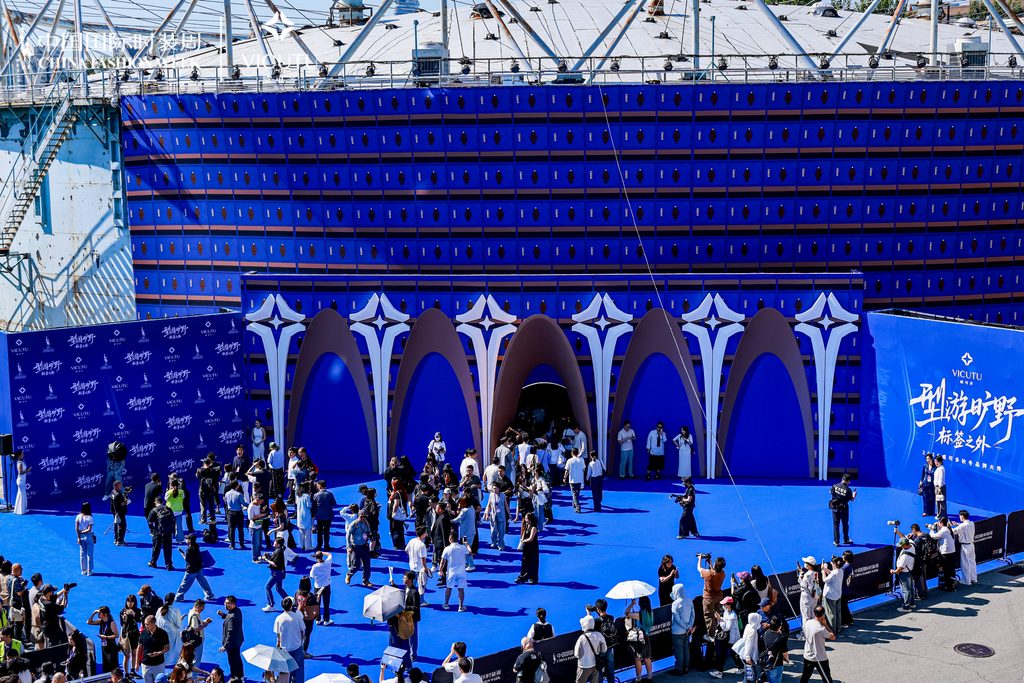
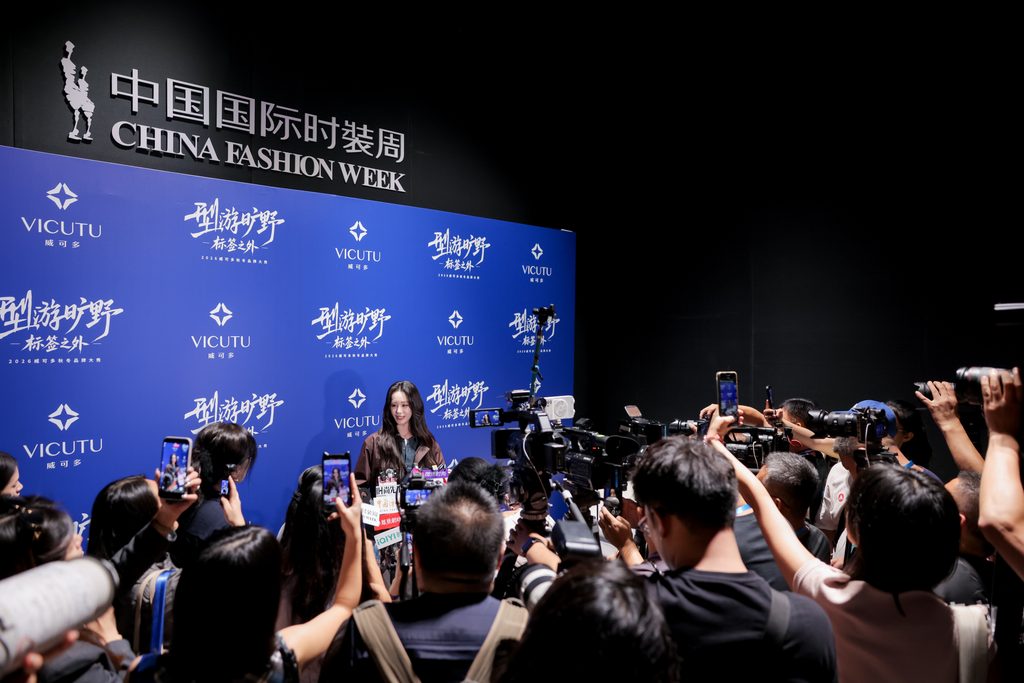
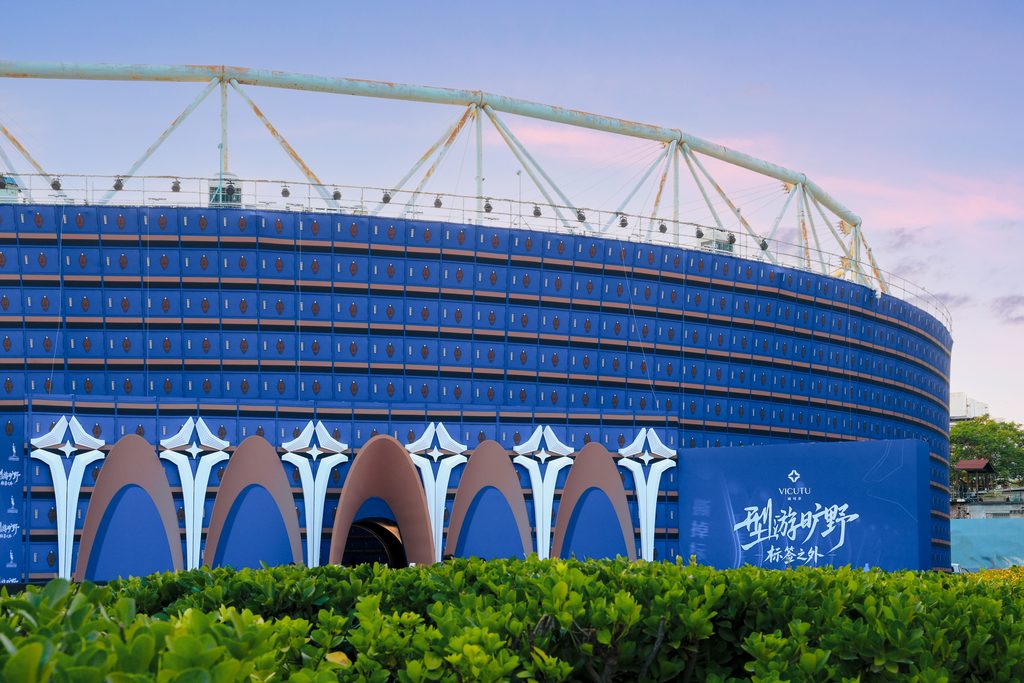
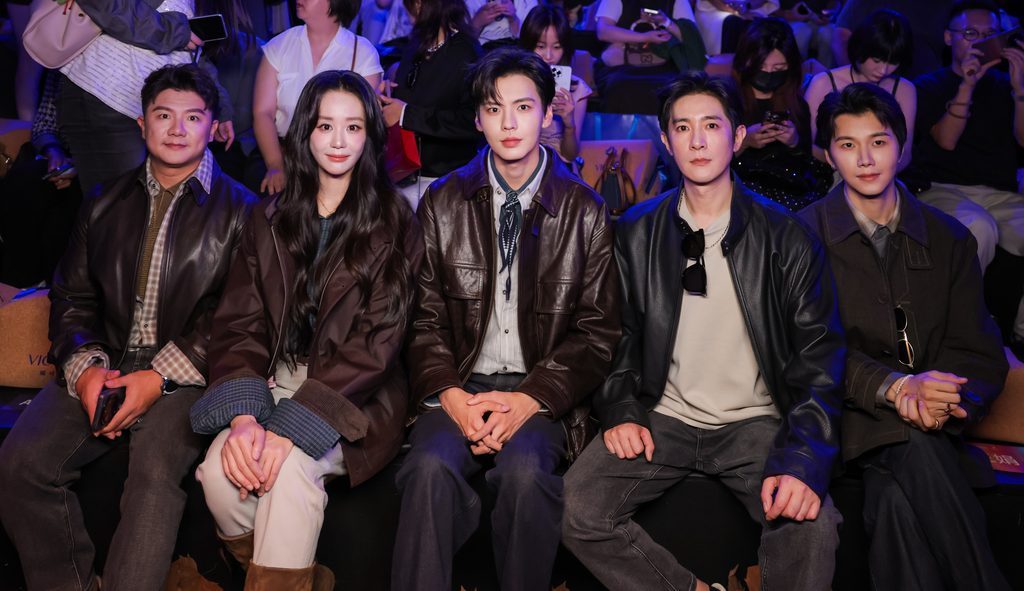
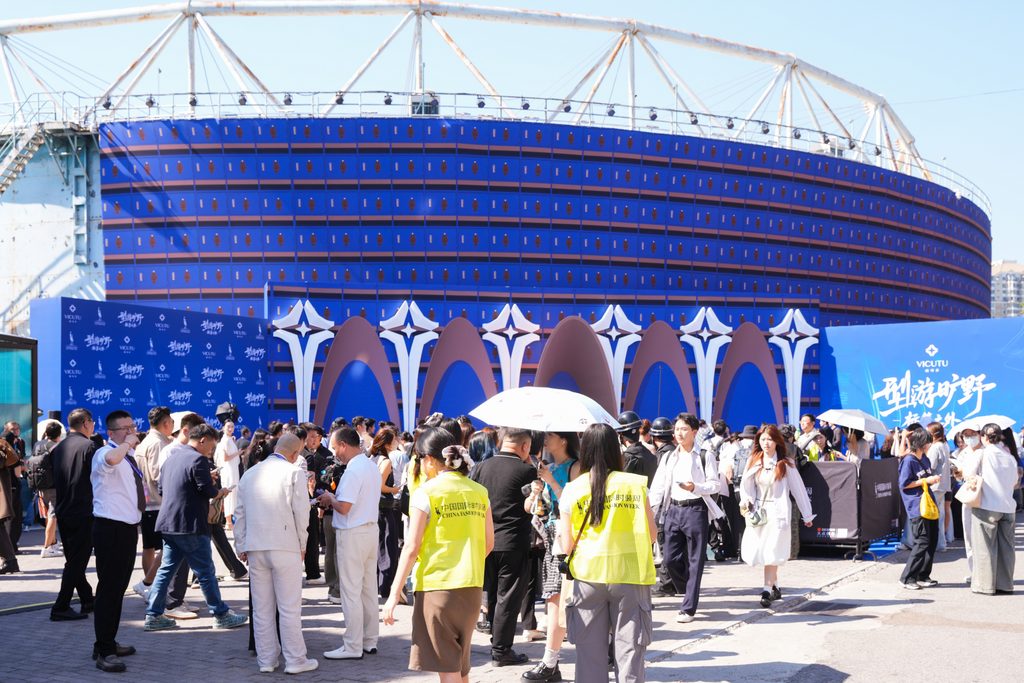
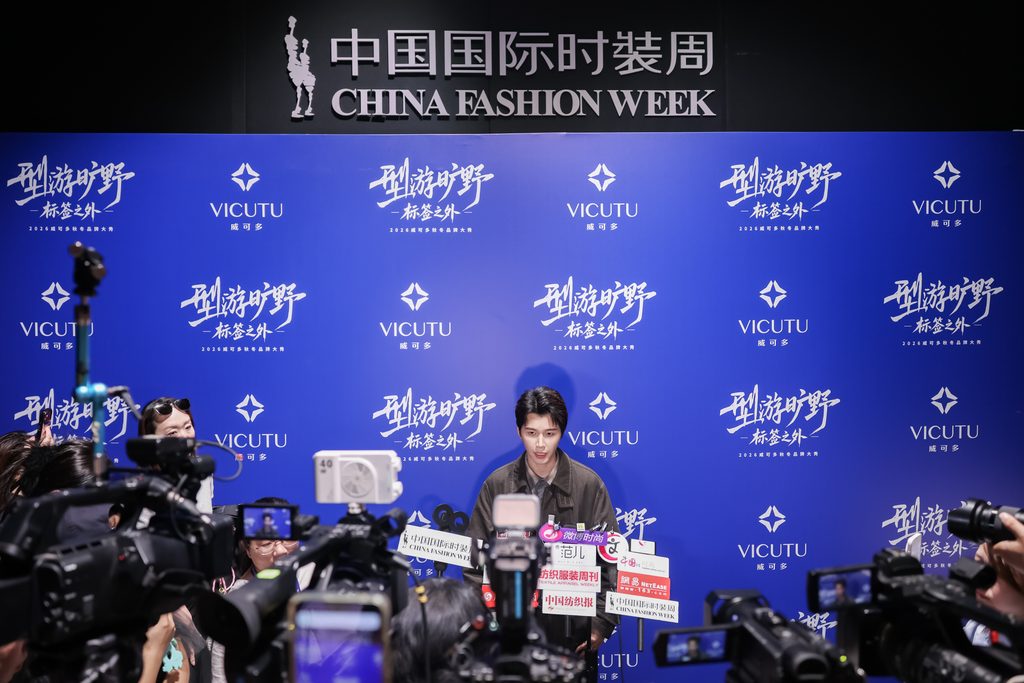
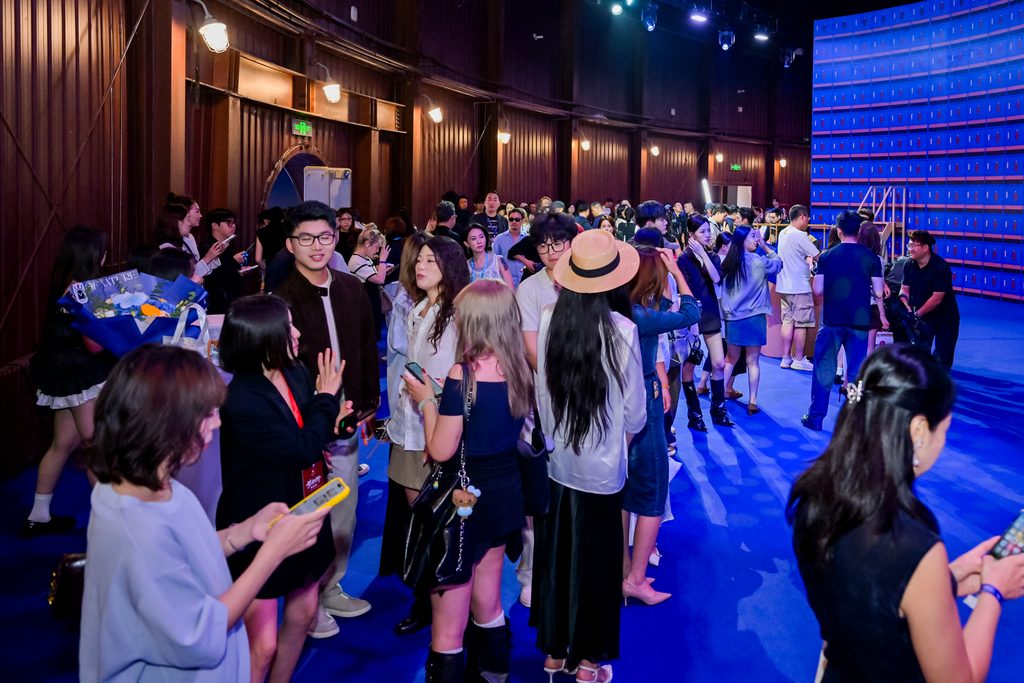
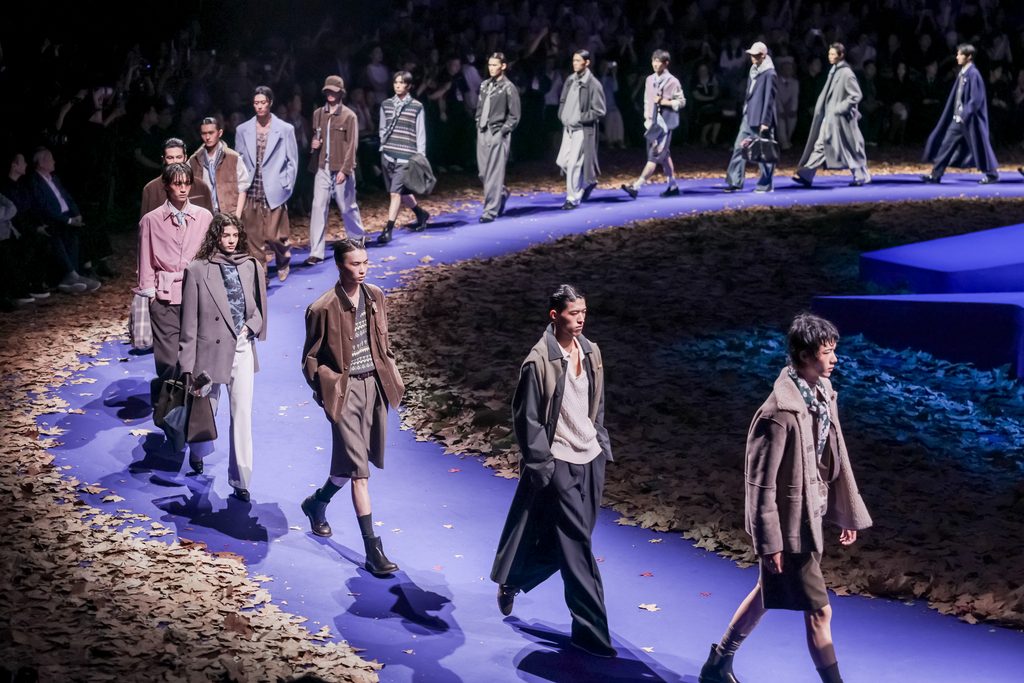
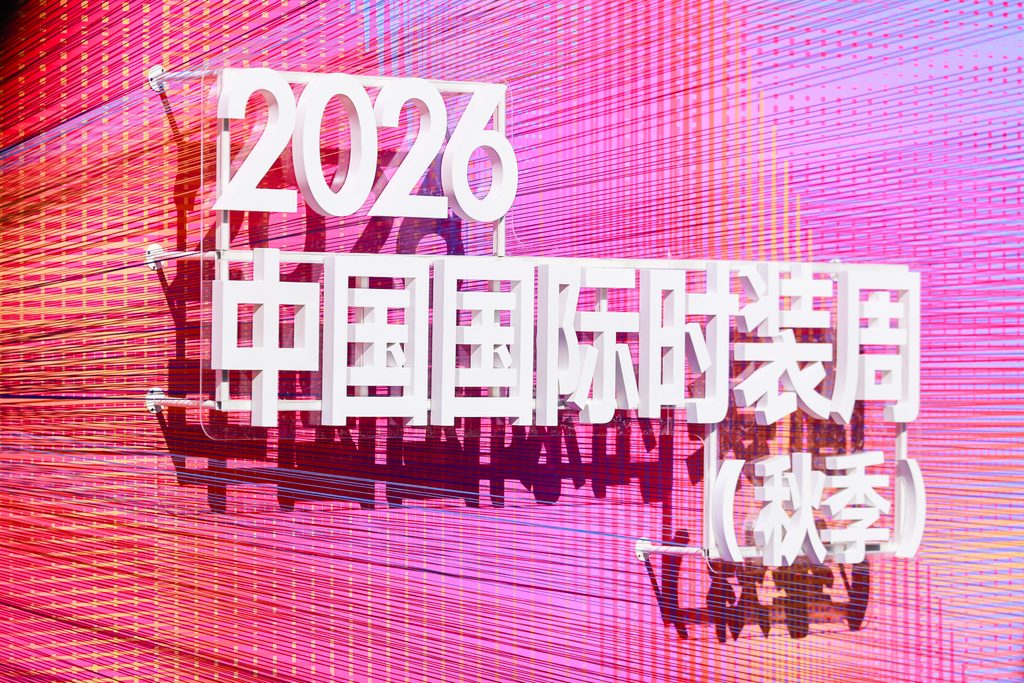
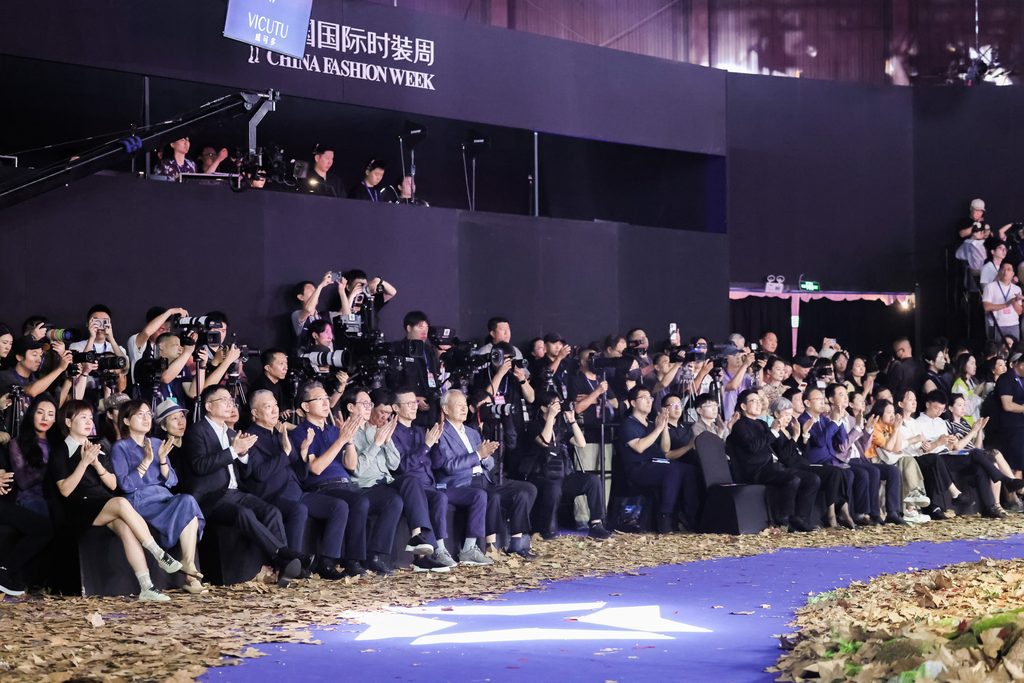
Opening on 3 September 2026, the anniversary edition brings together more than 220 fashion houses and labels from four continents over eight days. More than six hundred guests attended the launch, including institutional representatives, executives, buyers, media, diplomats, celebrities and designers. The opening show was entrusted to VICUTU, a Chinese menswear house, with Haoran Liu as ambassador.
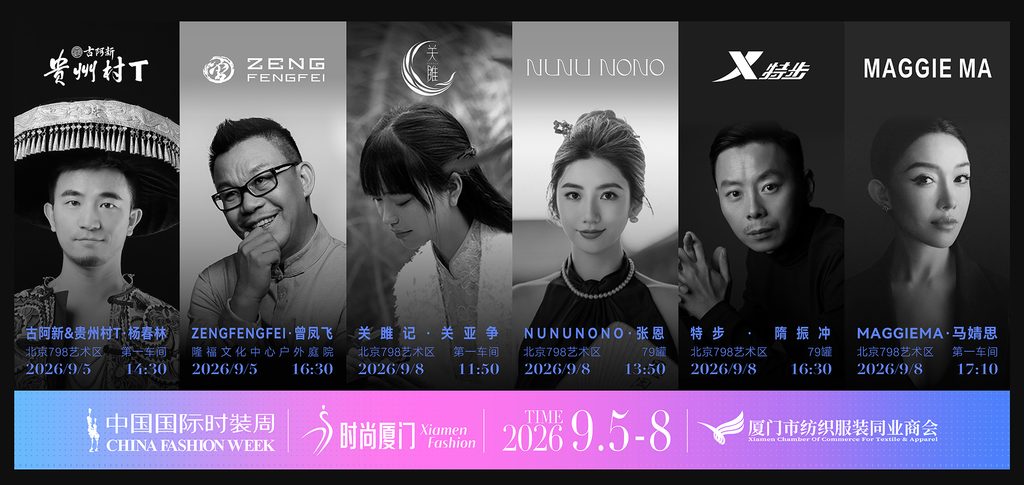
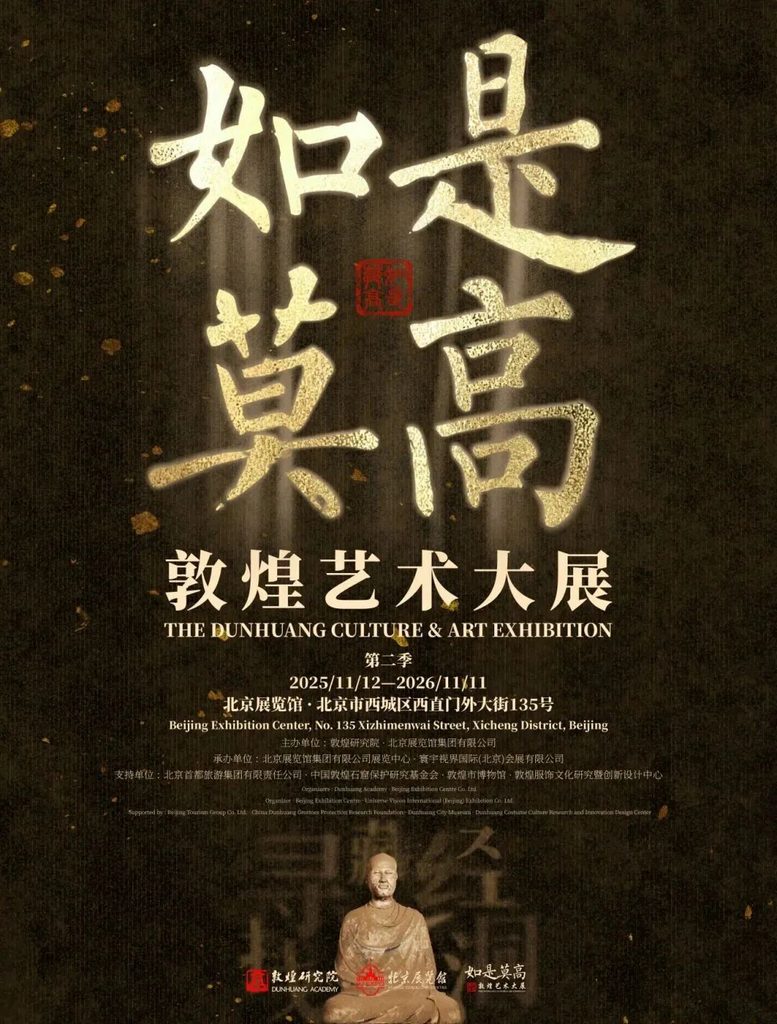
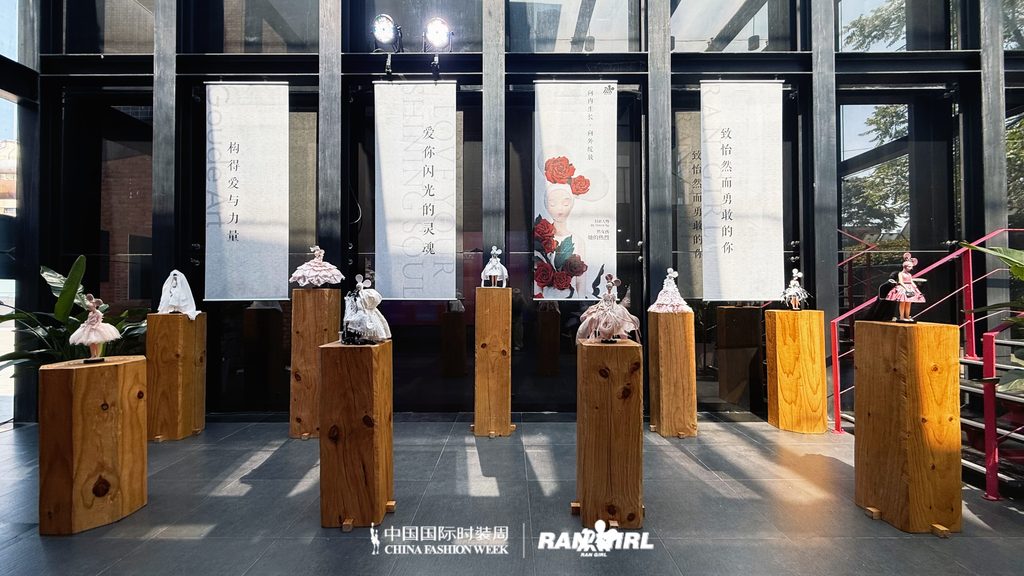
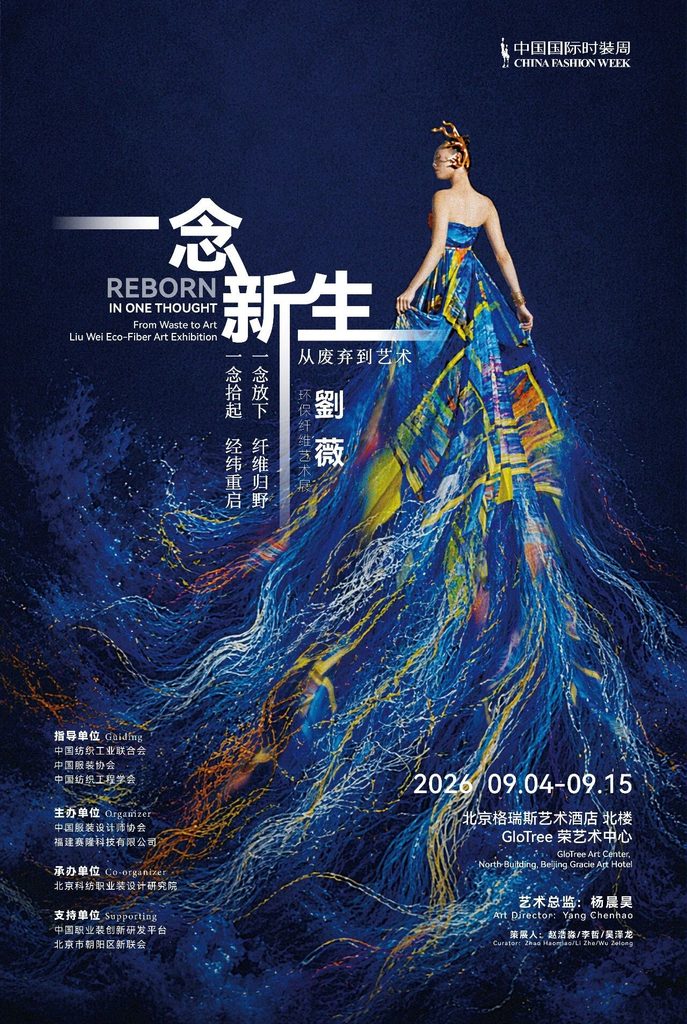
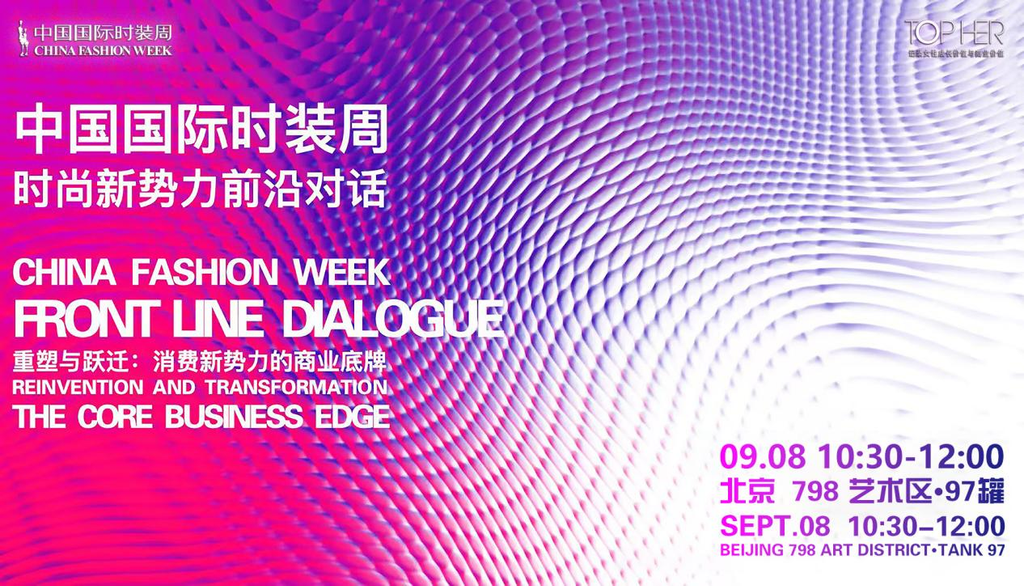
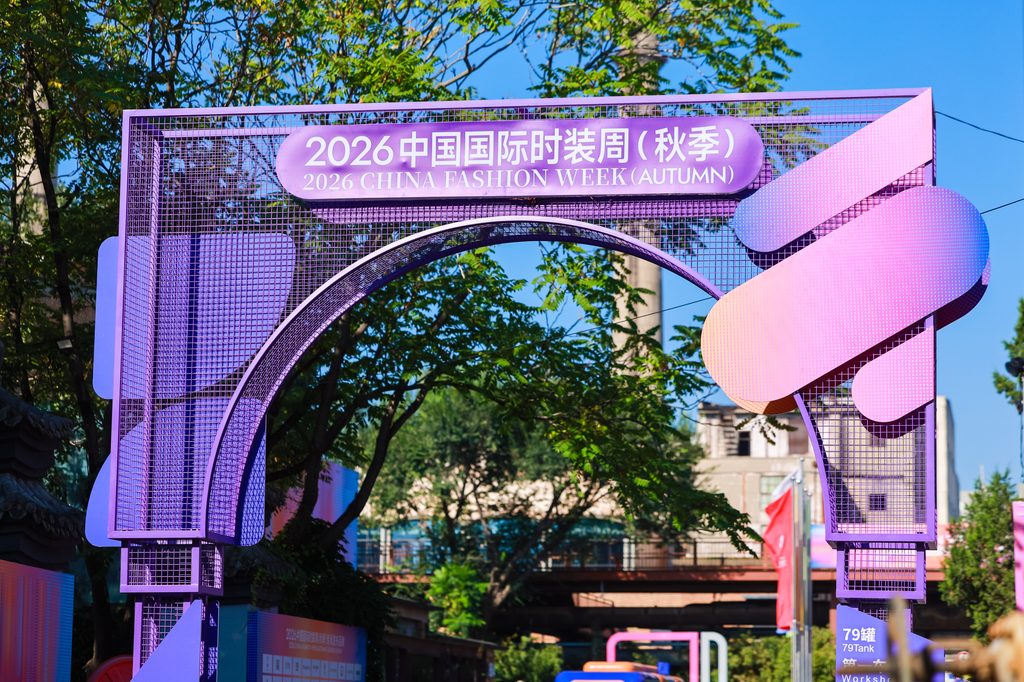
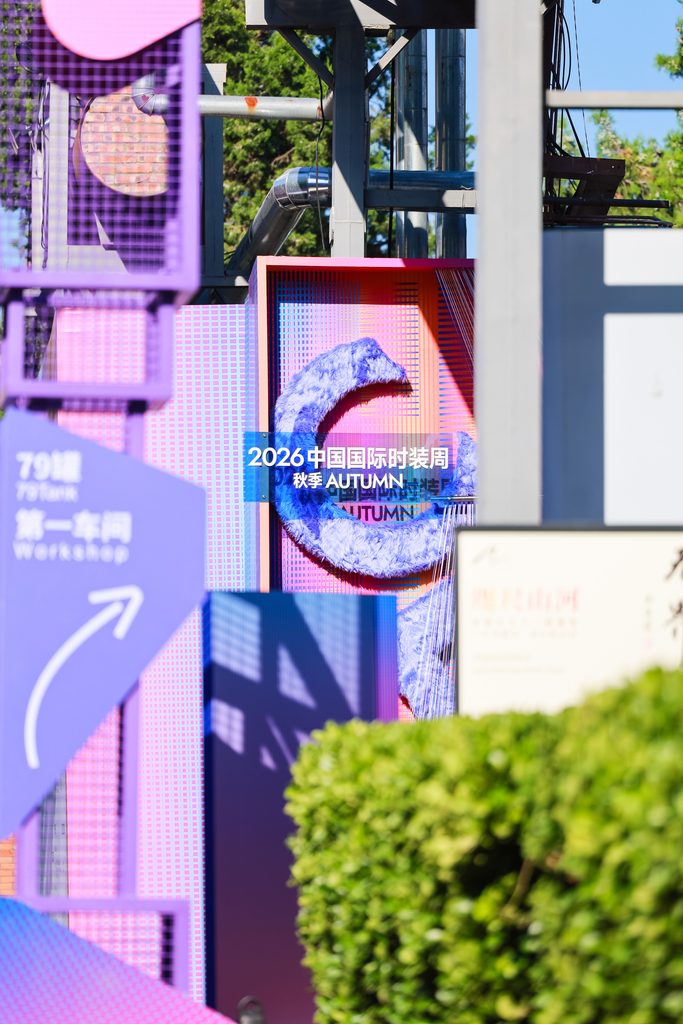
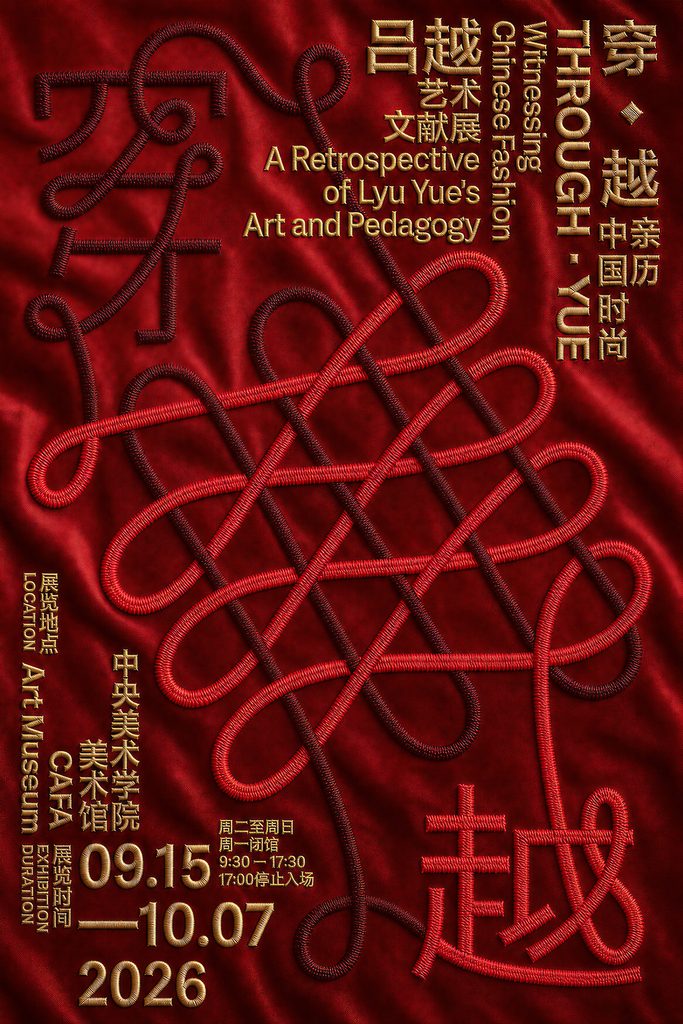
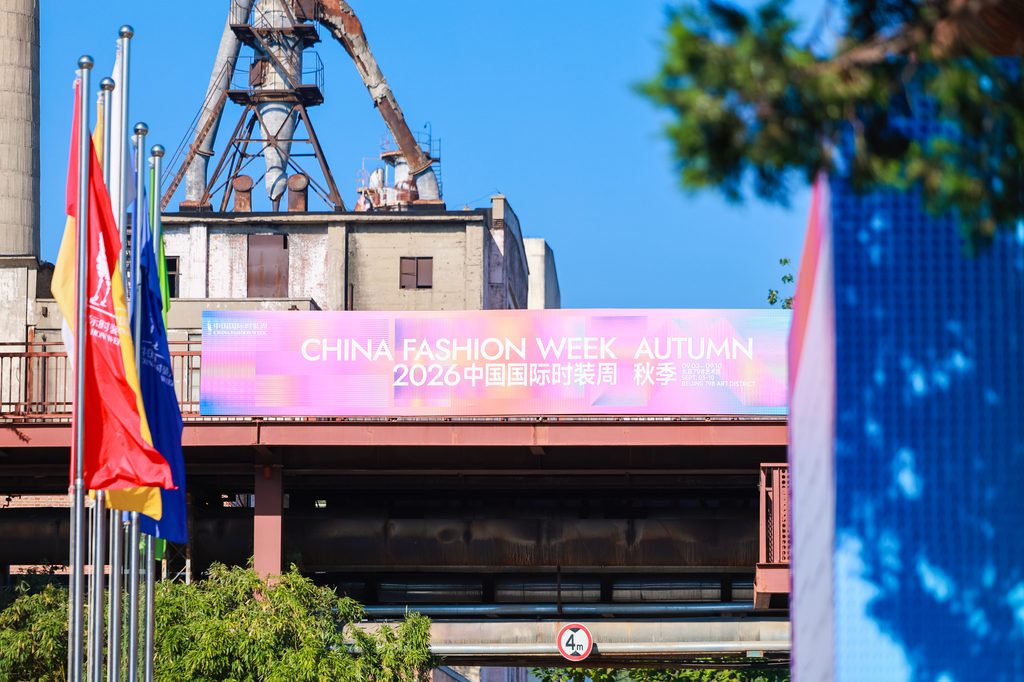
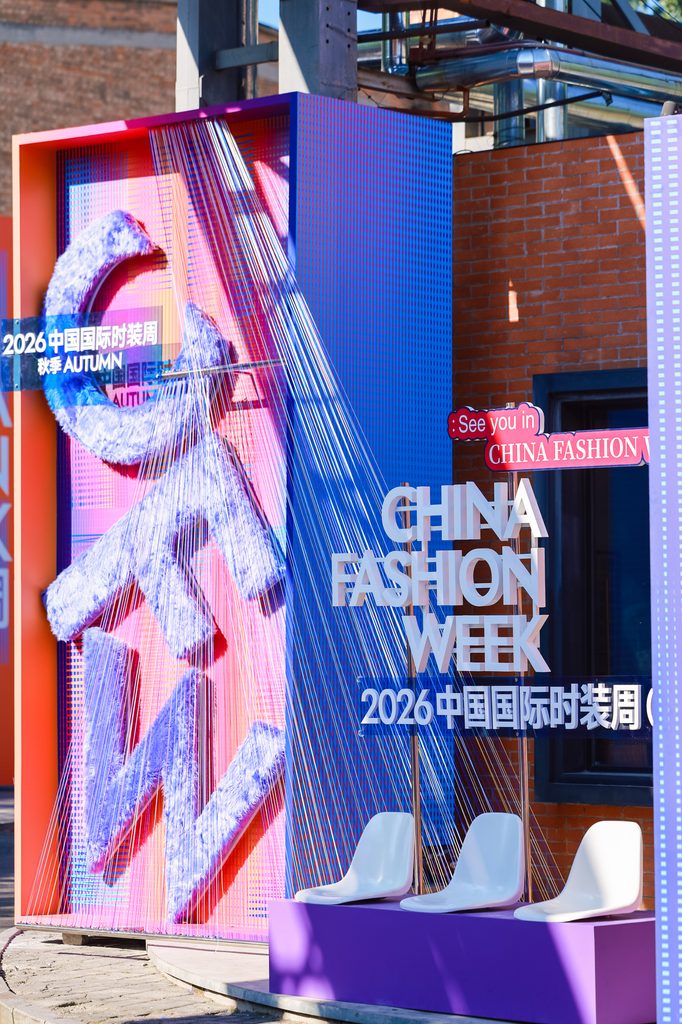
But the real strategy emerges from the geography of the event. The programme unfolds at the 798 Art District, Beijing Exhibition Center, CAFA Art Museum and Longfu Cultural Centre. This choice has a dual effect: placing fashion in established cultural venues and spreading activity beyond a single professional site. Beijing thus uses Fashion Week as an additional layer in its ambition to become an international consumption centre.
This connection between image and market becomes even clearer with the “see-now-buy-now” model. The principle is simple: minimise the time between a look appearing on the runway and the opportunity to purchase it. While Western Fashion Week has long relied on a staggered timetable — presentation, orders, production, then arrival in stores several months later — the Chinese edition claims an almost immediate continuity between spectacle and conversion.
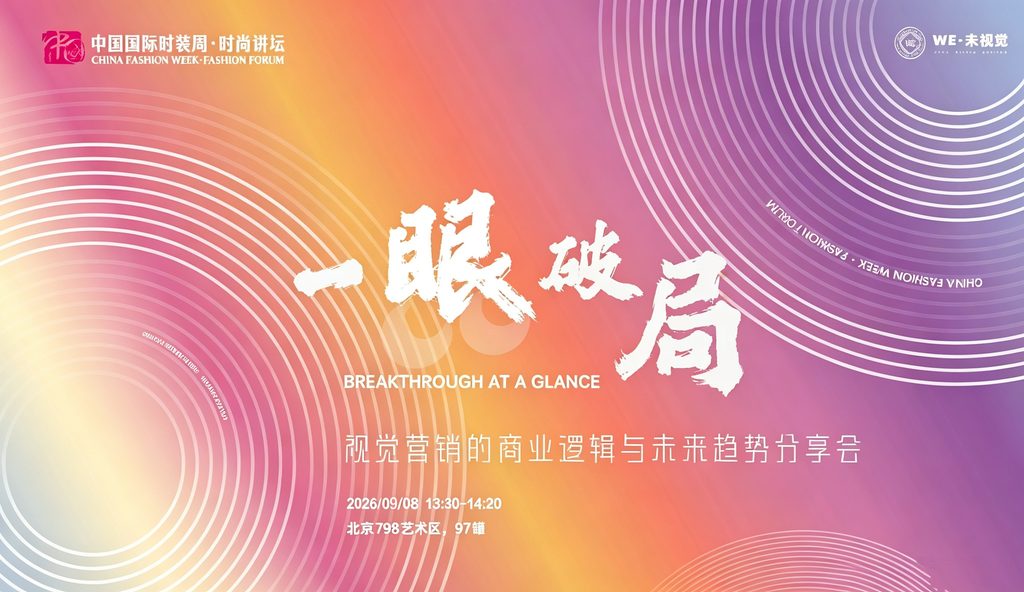
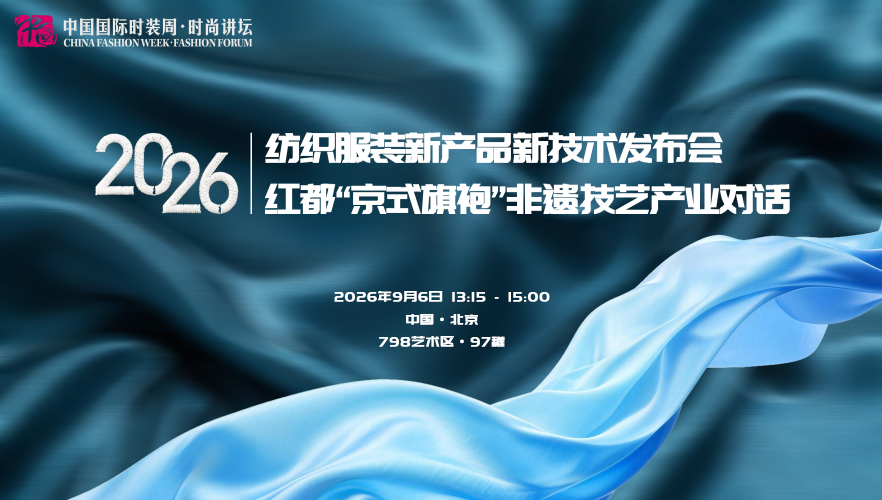
This shift is no minor detail. It turns the runway show into a commercial interface and Fashion Week into a tool for economic circulation. Presentations are linked to matchmaking initiatives, commercial districts, world premieres and a closing conference devoted to consumption trends. In other words, the week no longer merely showcases a sector: it seeks to organise its visibility, professional exchanges and market outlets simultaneously.
Soft power here is built less through imitation of the great historic fashion capitals than through a logic of its own. China already has considerable industrial depth; the challenge now is to strengthen its ability to produce narratives, aesthetic standards and fashion houses capable of travelling culturally. References to heritage, functional clothing, digital fashion and industrial clusters brought together in a single programme contribute to this desire to broaden the definition of Chinese creation.
Strategy and results must nevertheless be distinguished. The figures provided document the scale of the platform, but not yet its commercial effectiveness. No sales volumes generated by “see-now-buy-now”, order data, conversion rates or share of international buyers are disclosed. This is precisely where the next stage will be decided: demonstrating that Fashion Week can become not only a showcase of cultural confidence, but a measurable market infrastructure.
After thirty editions, Beijing is therefore no longer seeking merely to join the global calendar. The city is attempting to change its function. If this integration of creation, urban dissemination and transaction produces tangible results, the Chinese model could become less a regional variation of Fashion Week than a laboratory for what these events will be tomorrow.

Cette publication est également disponible en :


