
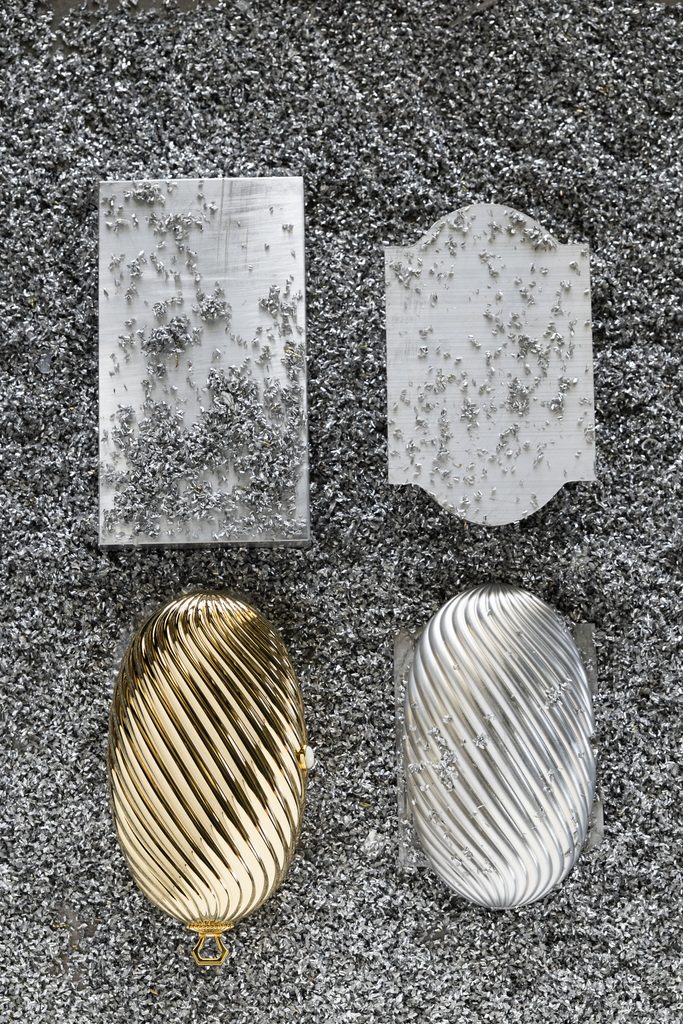
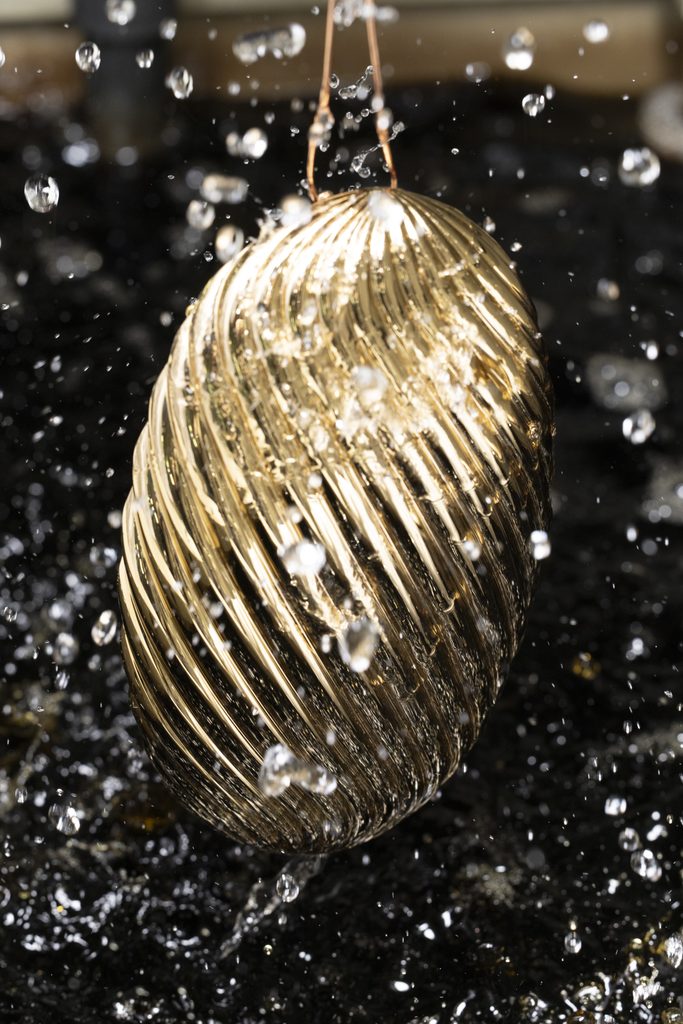
The Melone returns from the Bvlgari archives and will be available from October 2026. The announced change lies in the material: a gilded aluminium version.
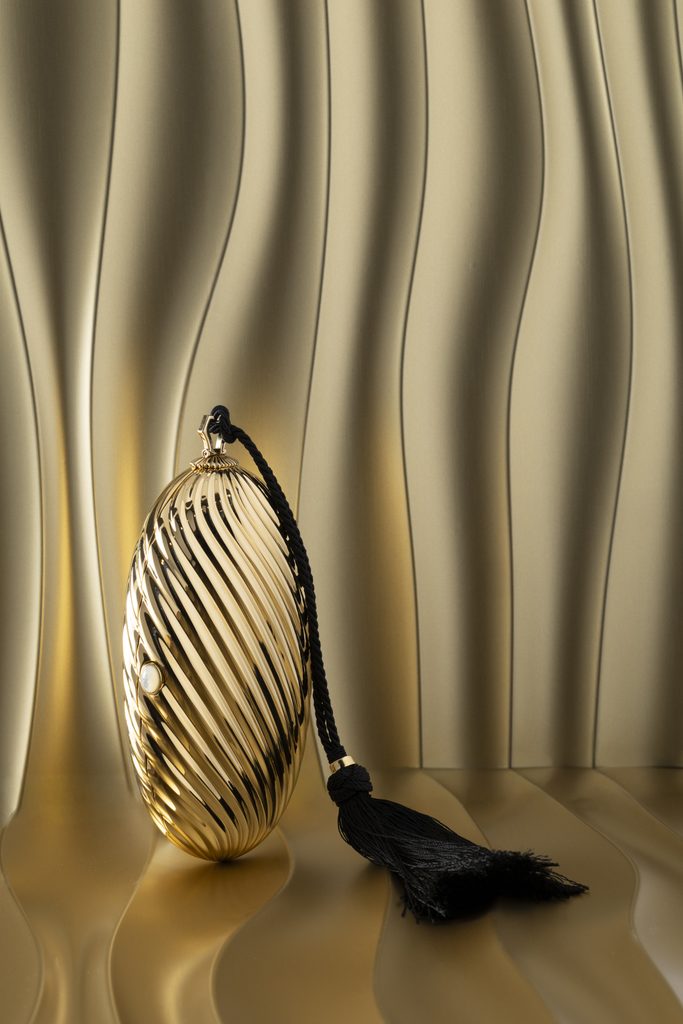
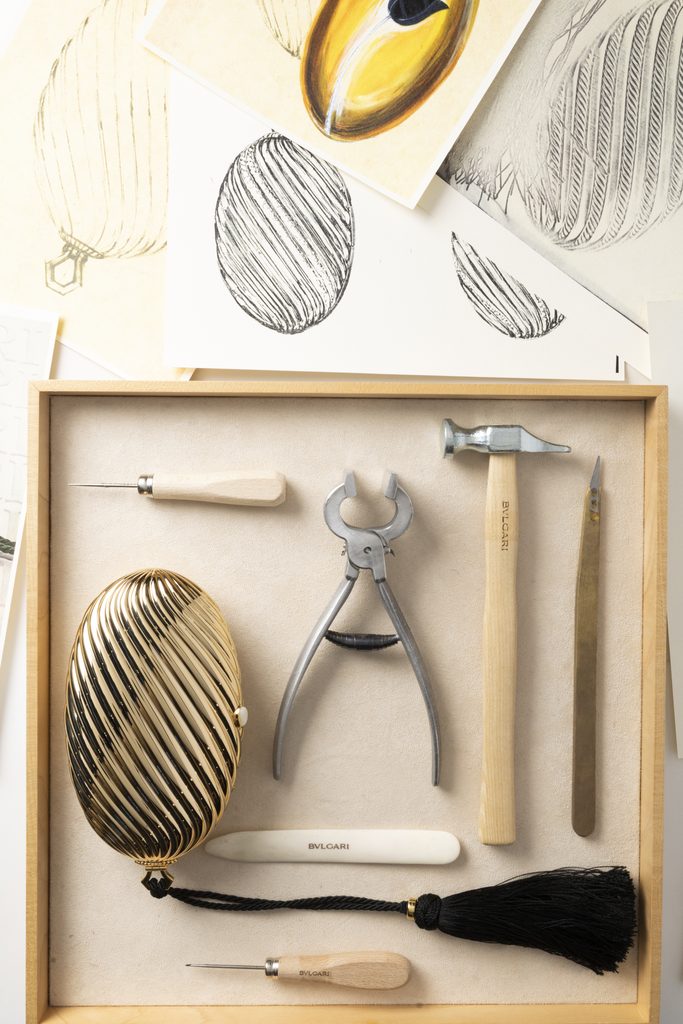
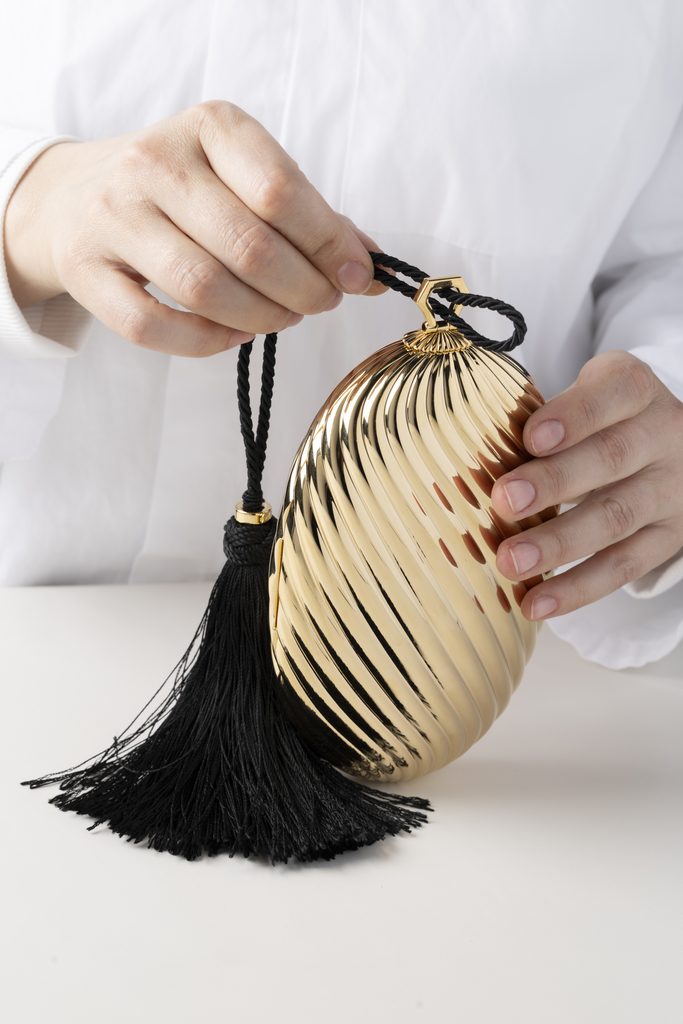
In the House’s visuals, the Melone stands upright, a tall oval fully fluted, like a fruit set on a table. Conceived in the 1970s, this minaudière borrows its name and shape from the melon, which the House of Bvlgari associates with abundance and prosperity. The House claims more than a reissue. It speaks of an object that blurs the boundaries between bag, jewel and collector’s piece.
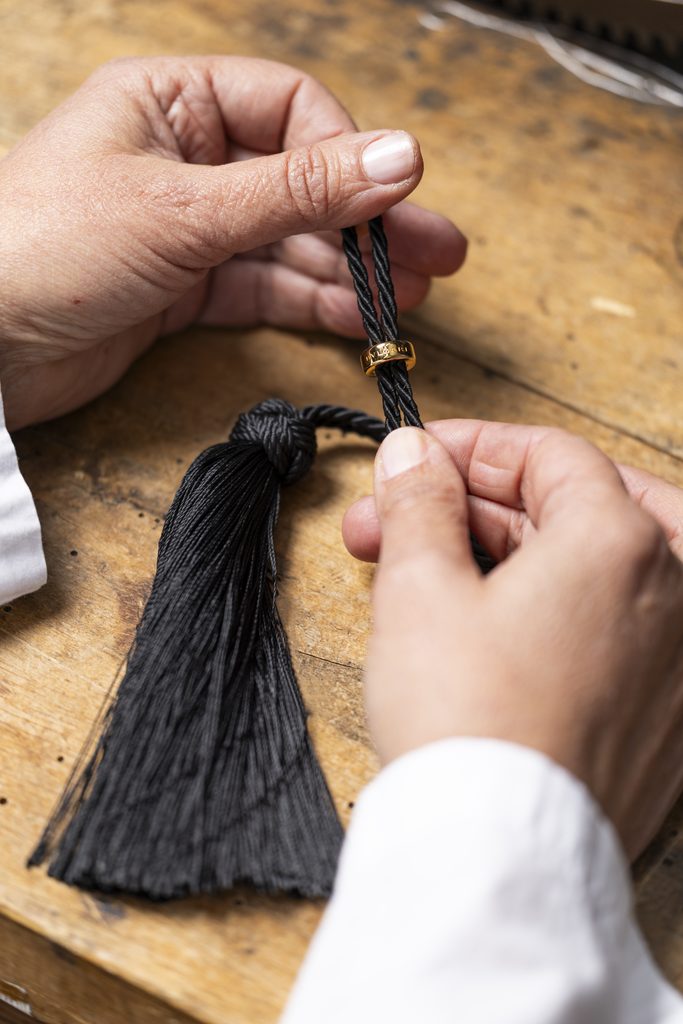
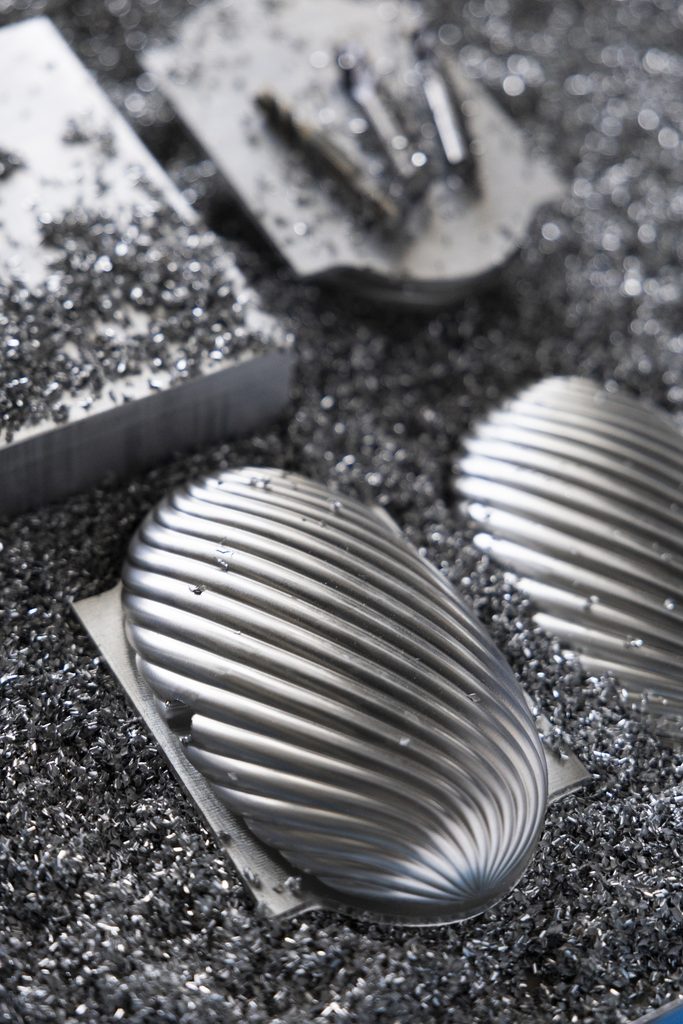
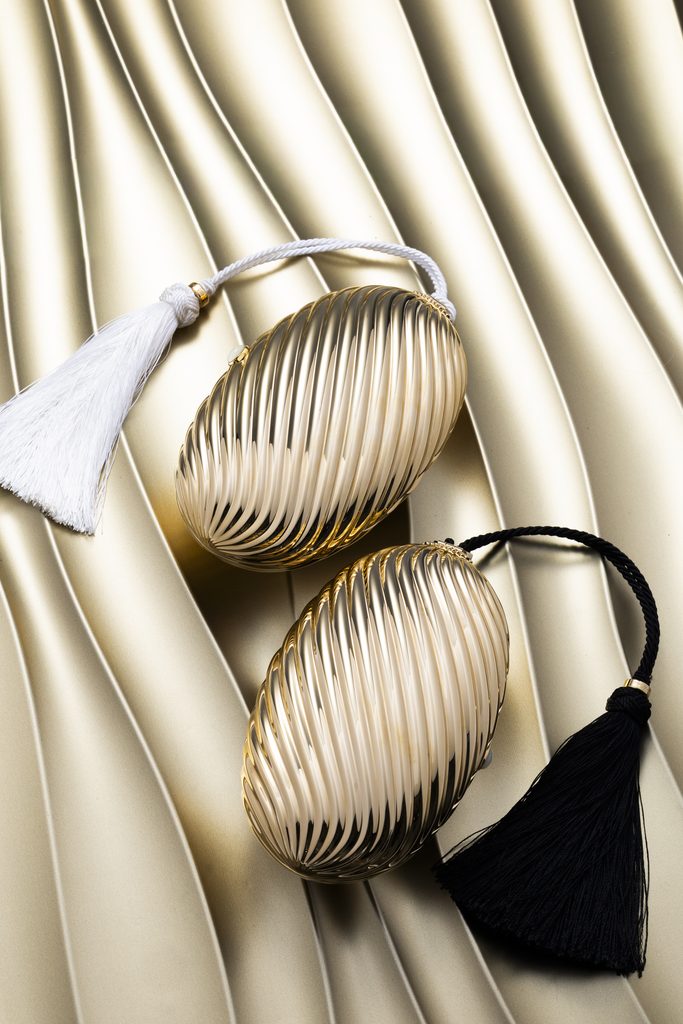
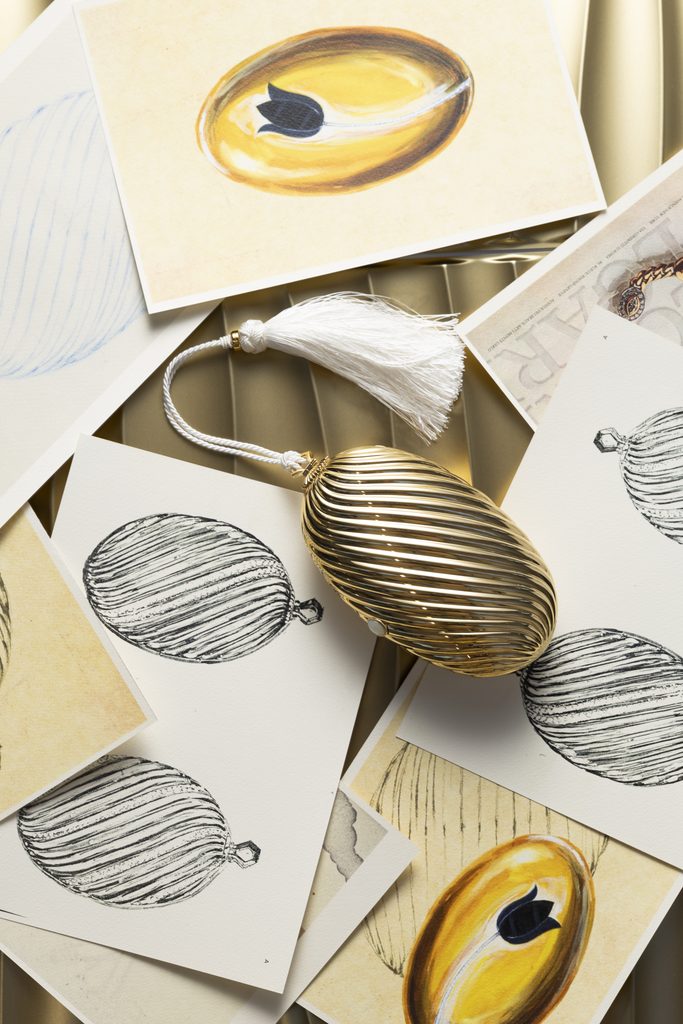
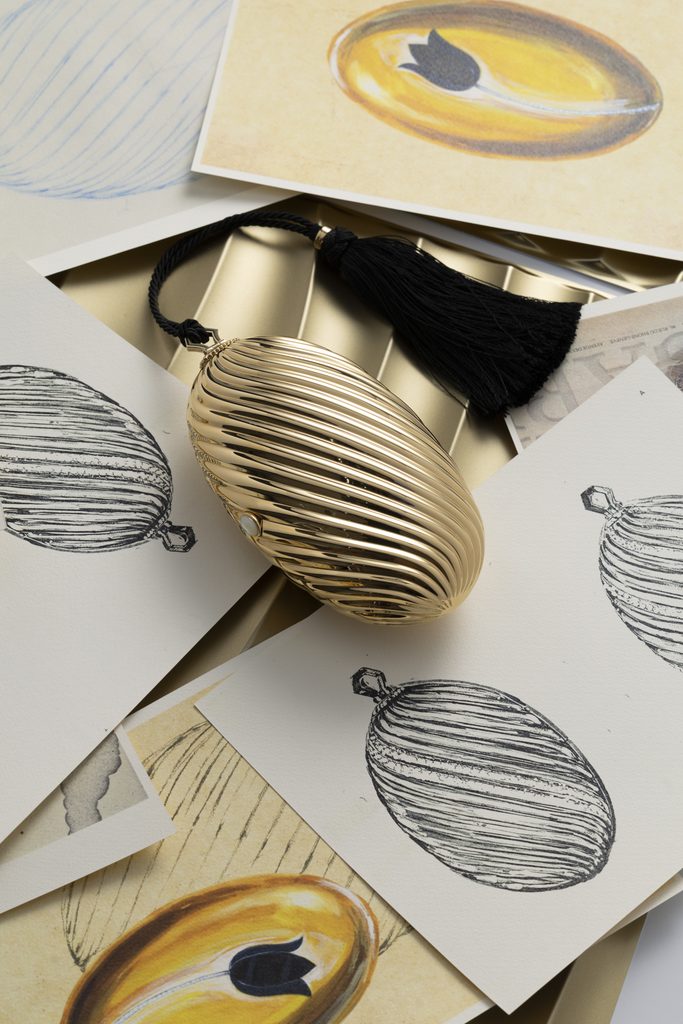
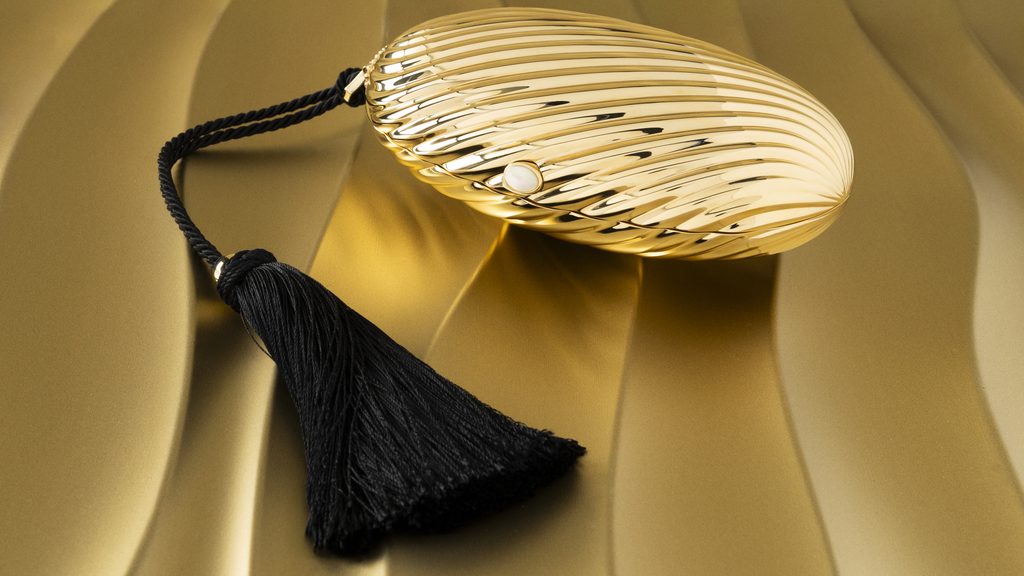
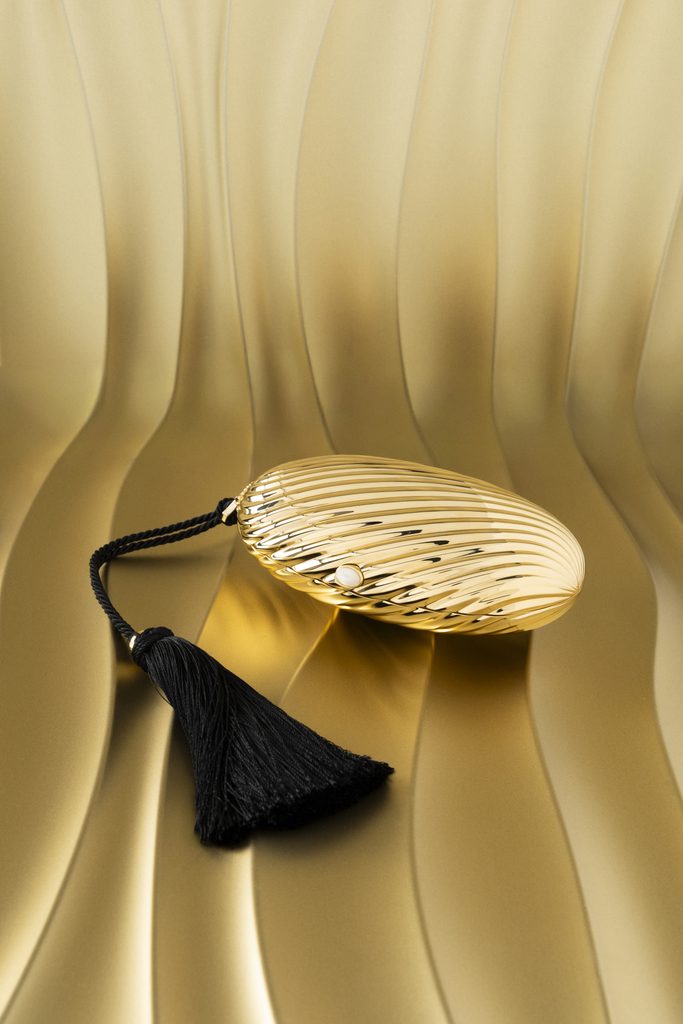
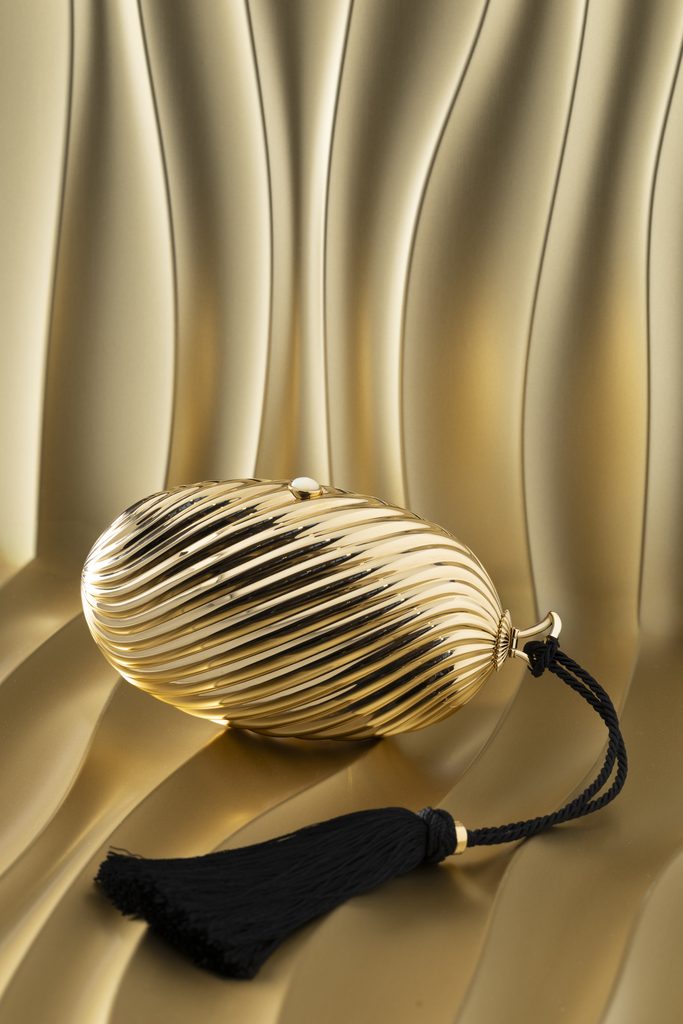
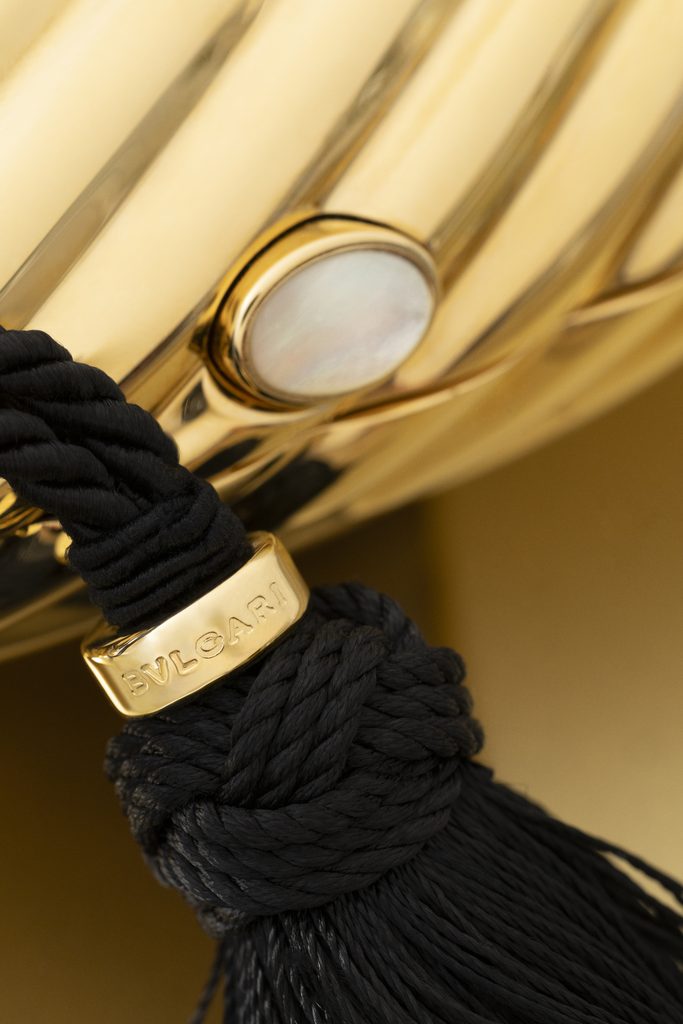
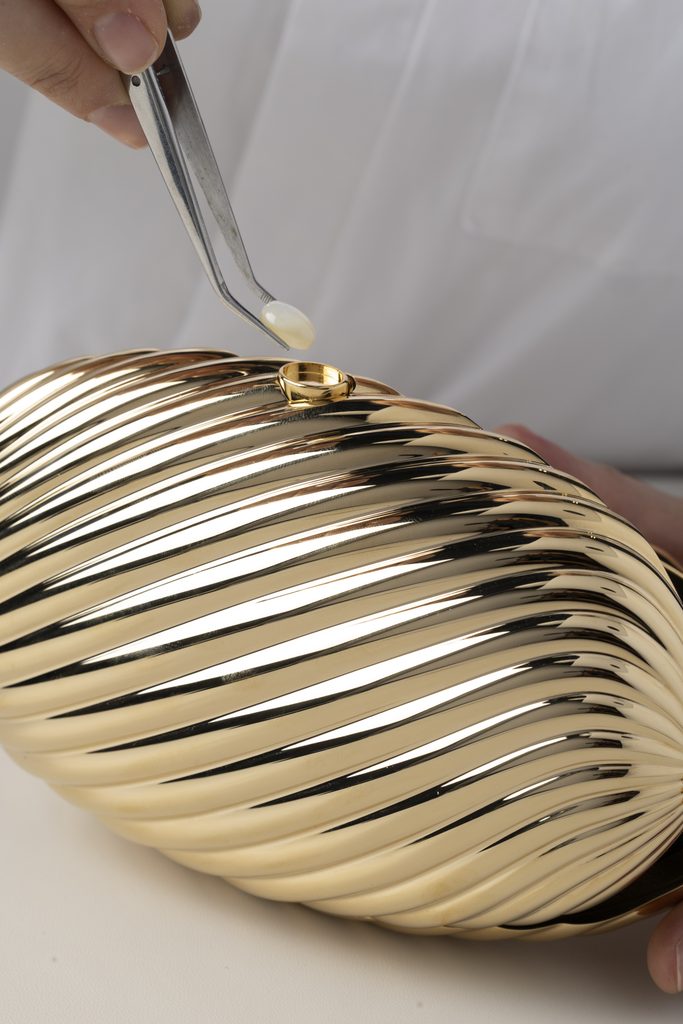
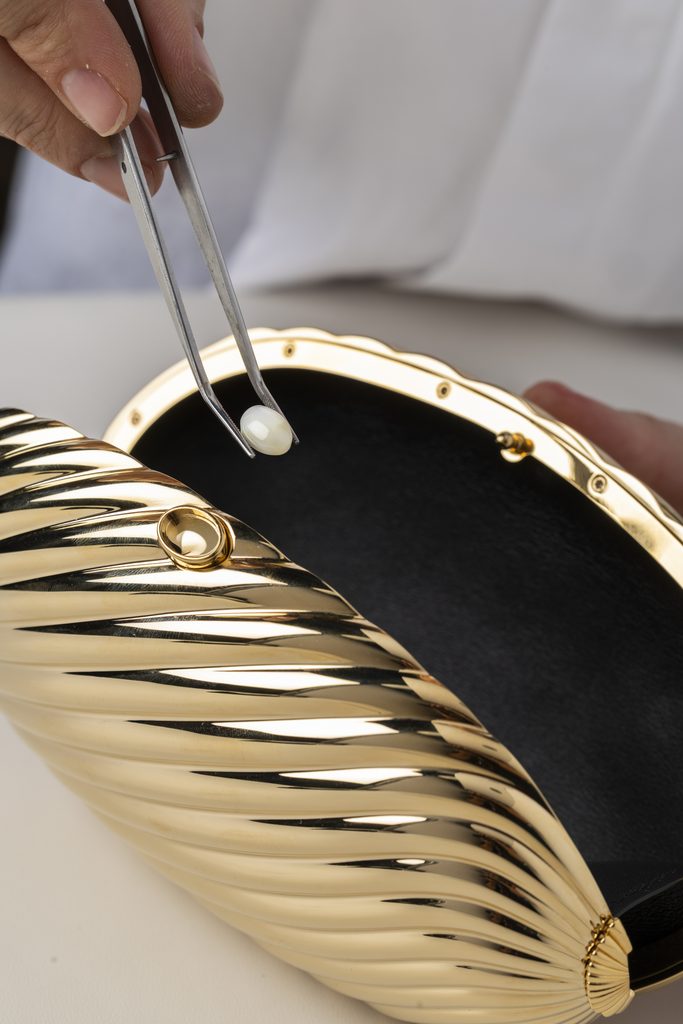
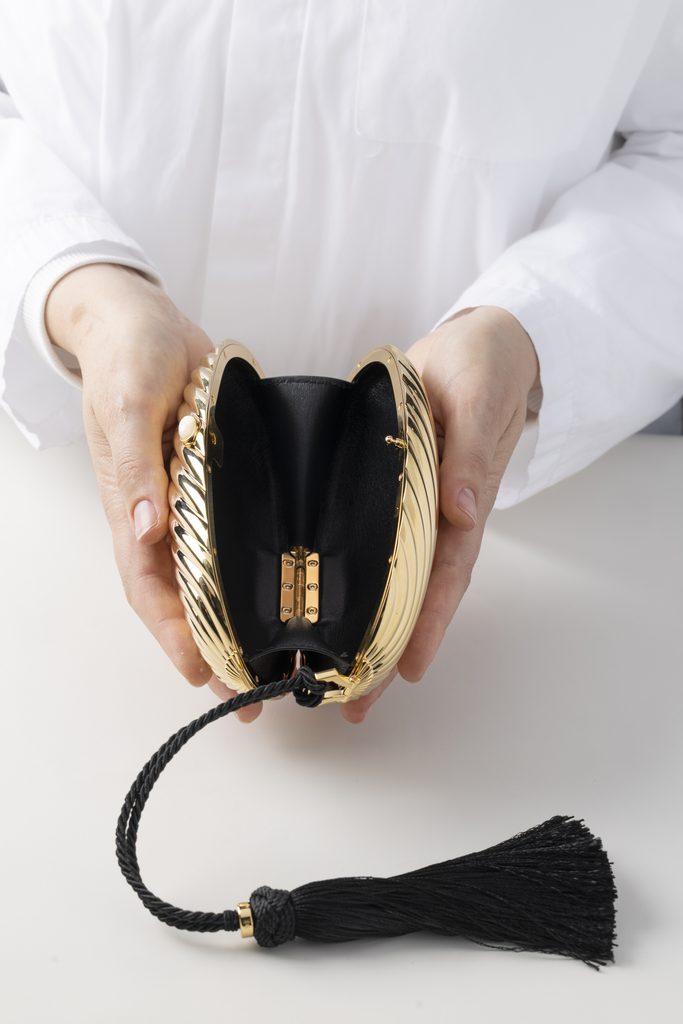
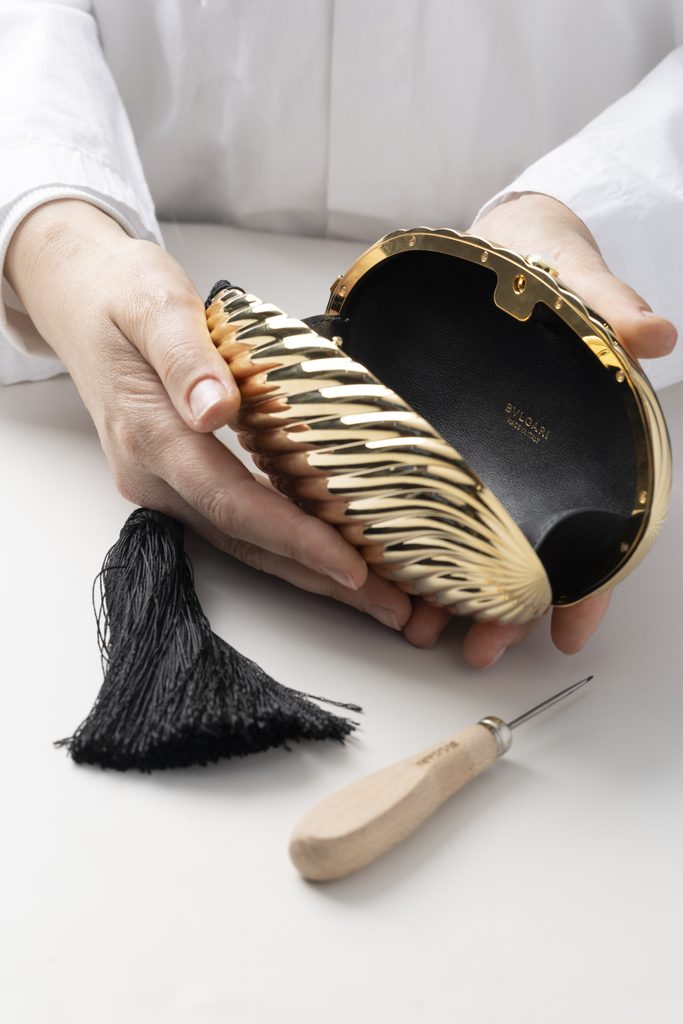
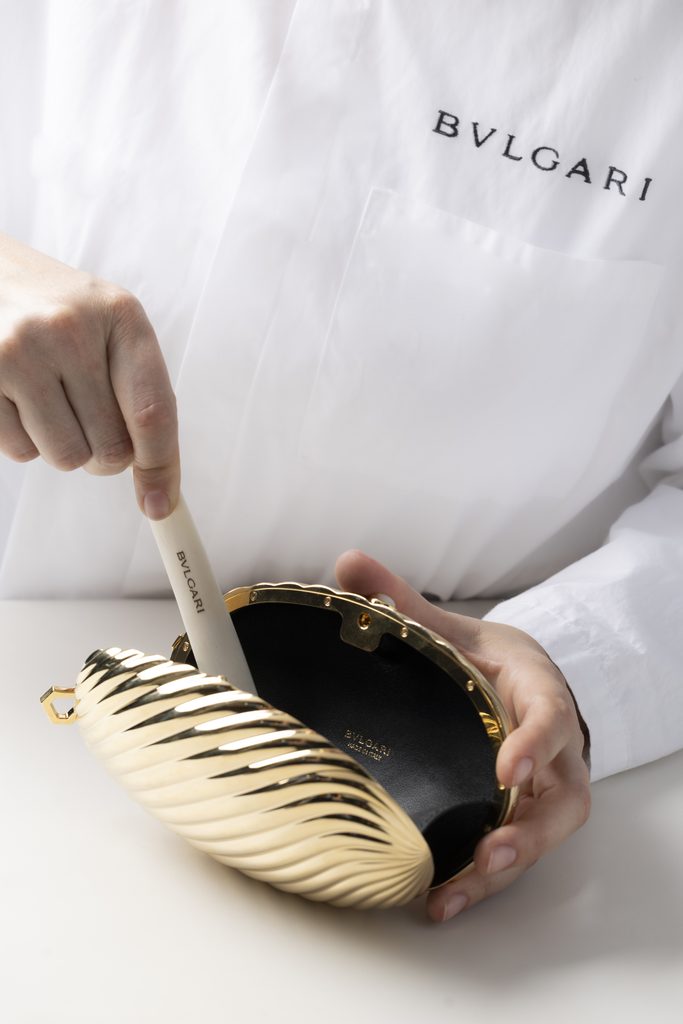
The facts of this version are few and precise. The body is in pleated gilded aluminium, in the House’s words. The clasp is a cabochon inlaid with white mother-of-pearl, set on the fluting. When opened, the minaudière separates into two symmetrical halves lined with nappa leather. A silk pompom, black or ivory, hangs from a twisted cord. The two are interchangeable, and twelve other colours are offered to order.
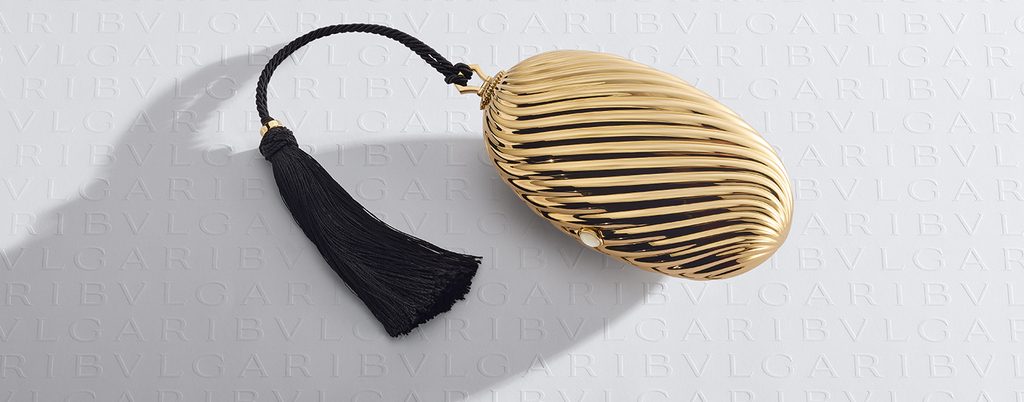
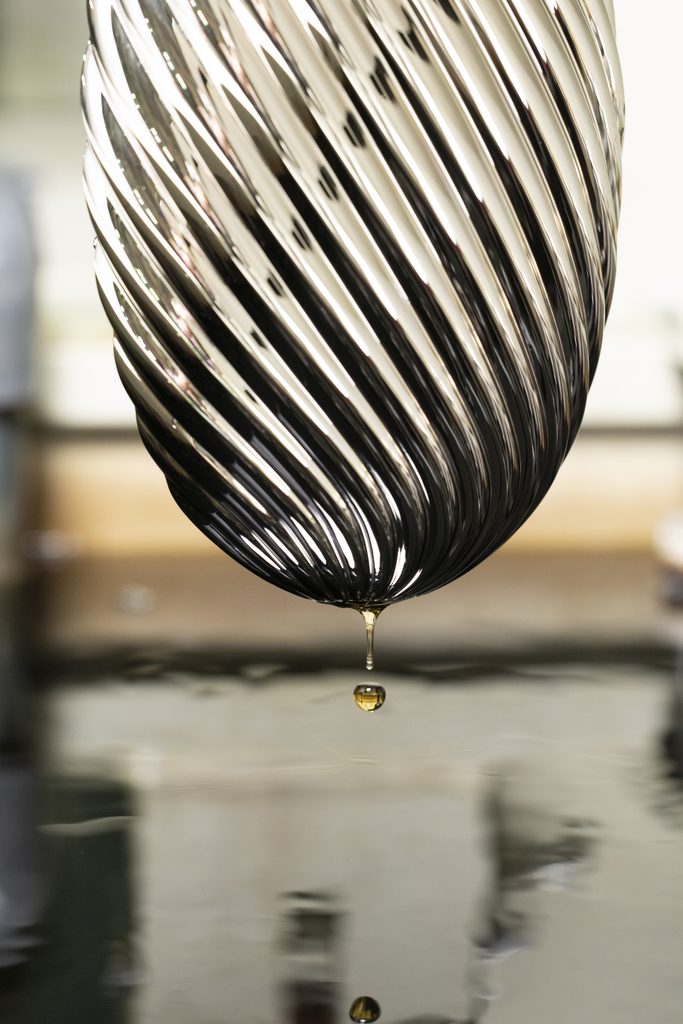
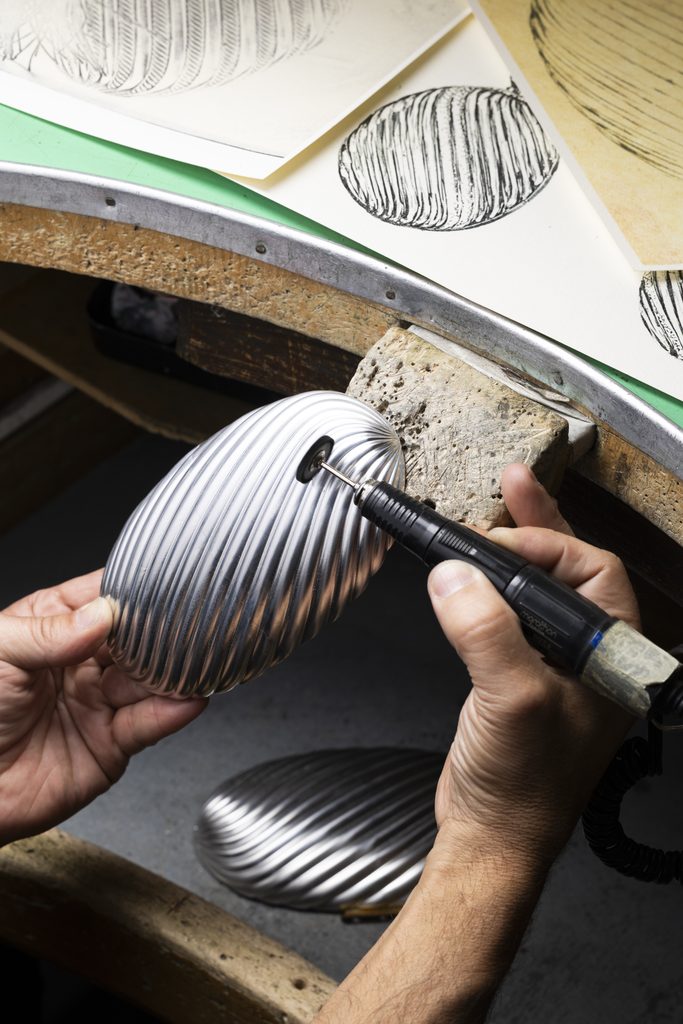
What draws attention is the choice of metal. A minaudière is a rigid case held in the hand, and its value has long been judged by its weight and the precision of its clasp. Aluminium is a light metal. Gilded, it keeps the lustre of gold without imposing its weight. The House says it did not content itself with a reissue, and this choice is its most visible translation. Whether the fluting keeps its promise in a light metal, whether the gilding withstands the friction of an evening and whether the two shells close with the crispness expected of a jewel can only be judged with the piece in hand.
The rest of the design points the same way. A pompom that can be changed, a shade chosen at the time of ordering: this implies an object that accompanies outfits and seasons. It is not the regime of the vault piece, which is looked at more than worn.
The Melone of 2026 will therefore be judged on a fundamental question. What remains of a collector’s object when rarity no longer lies in the metal? Bvlgari answers through form, mother-of-pearl, the nappa lining and the possibility of changing it. The answer is coherent, and it remains to be seen whether it is enough.
Cette publication est également disponible en :


