
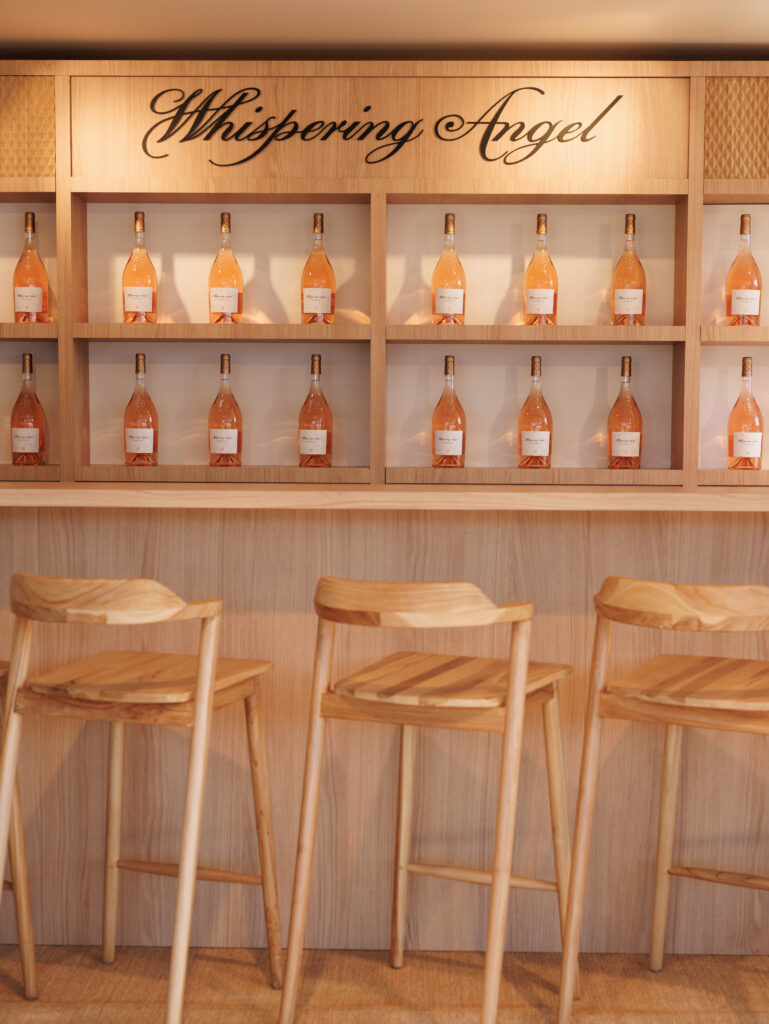
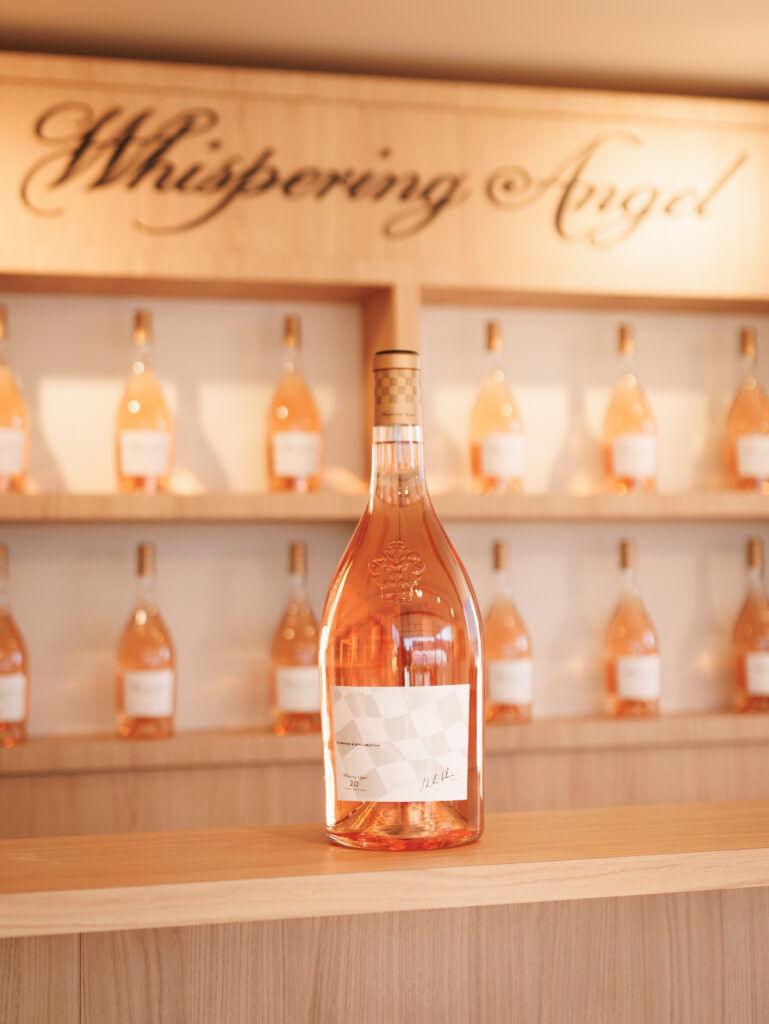
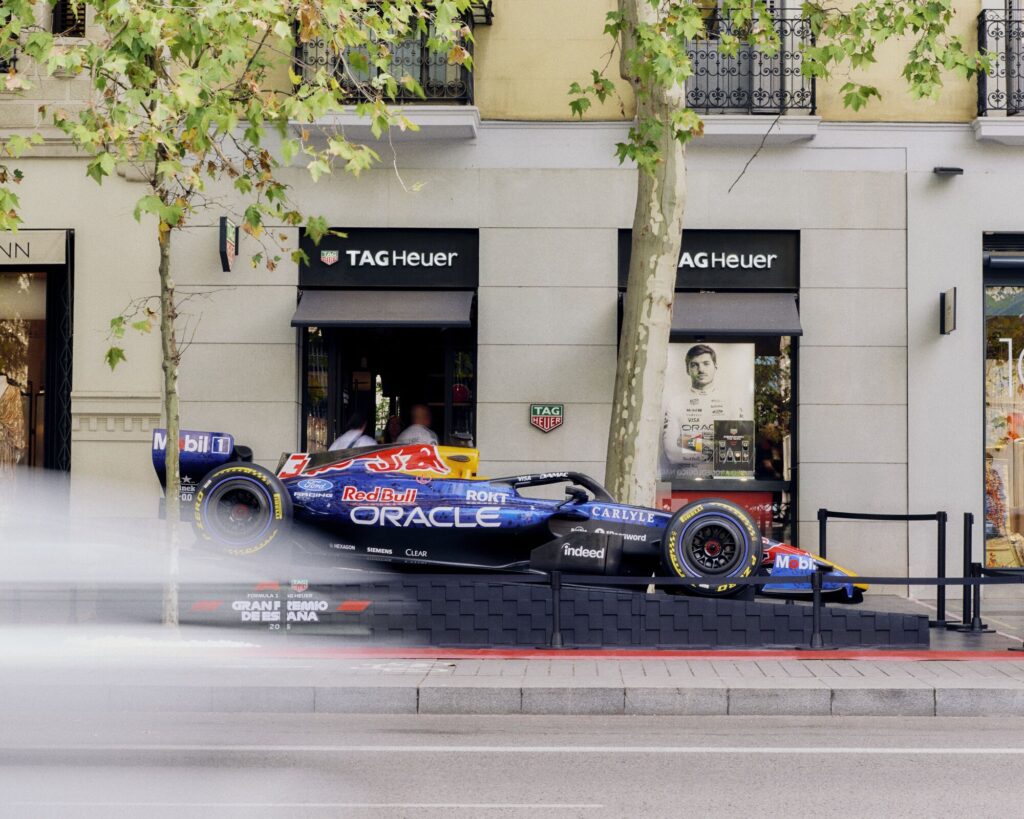
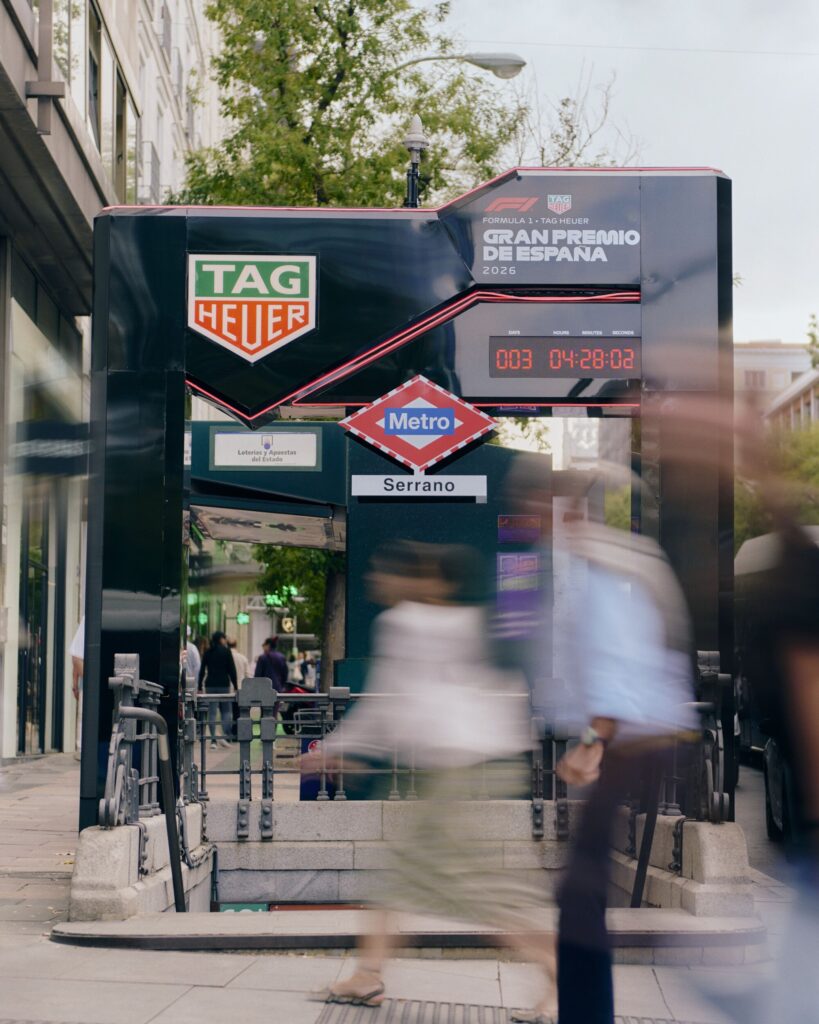
Formula 1 returned to Madrid on 13 September, after more than forty years away, on a layout that no one had yet raced on. Invited by Moët Hennessy, I first covered Madring by truck, at walking pace, before watching it contested from the TAG Heuer box.
A truck, a slope, the evening of qualifying
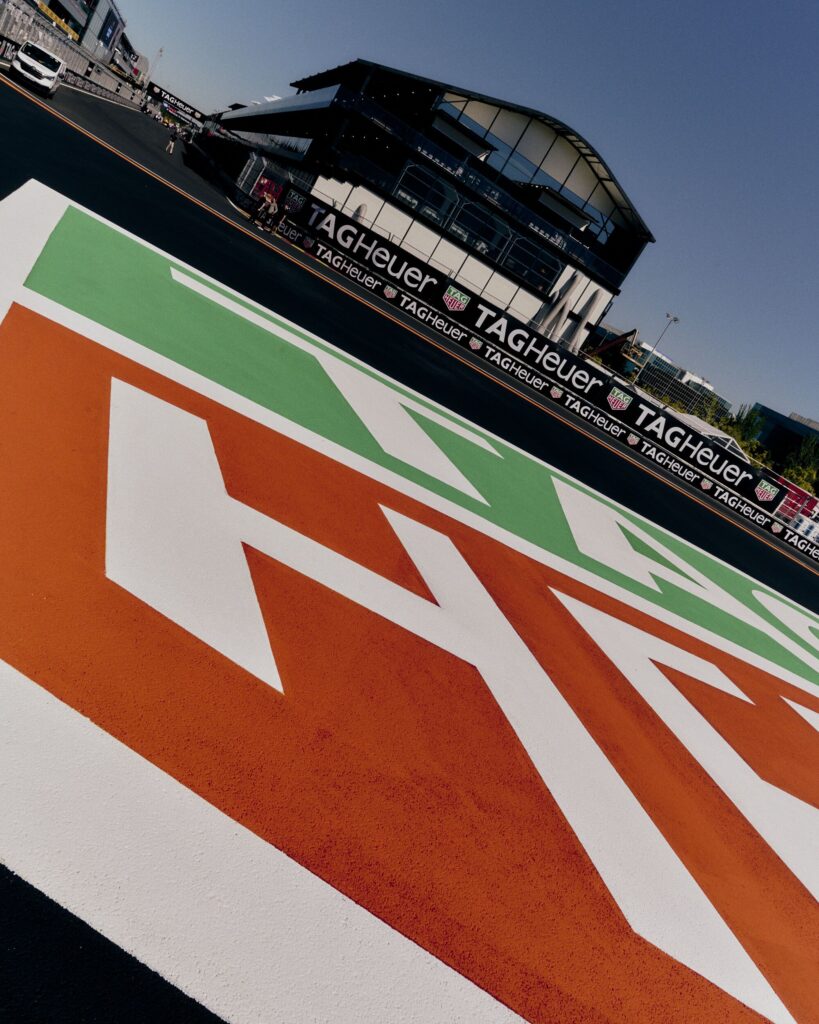
The truck advances at a crawl on the asphalt of Madring. Qualifying is over, the single-seaters are back in their garages, and the sun, already low, comes in from the side across the track. A few hours earlier, it belonged to the cars. It is the end of a September Saturday, after a day of Formula 2 and then qualifying.
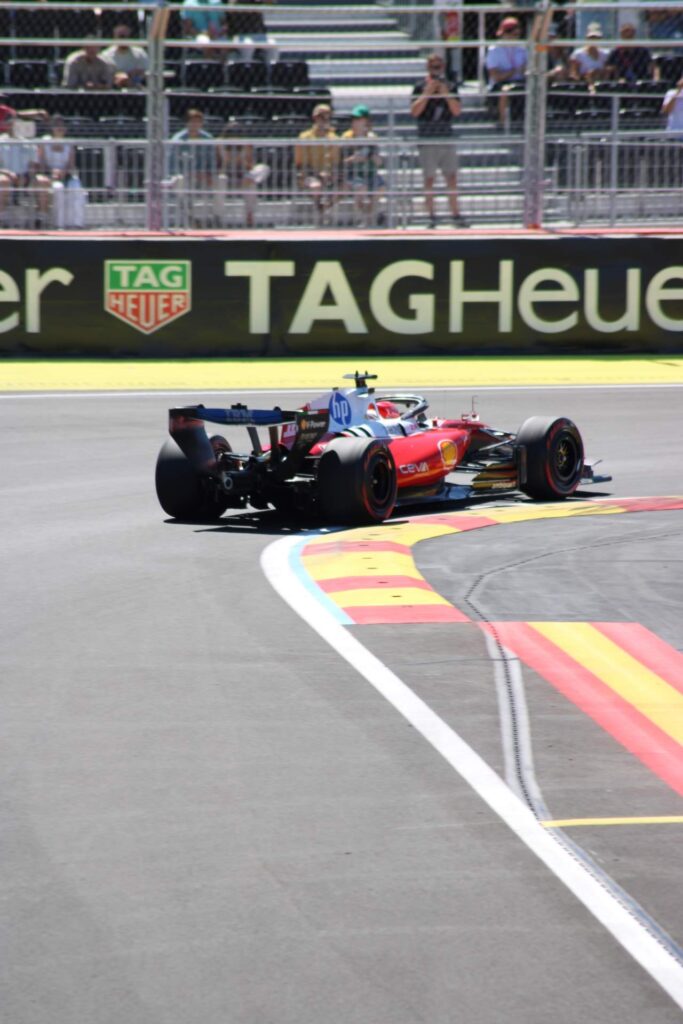
One learns little about a circuit from a grandstand. A car goes past, the noise arrives after it, it disappears behind a wall. Driving on it, even slowly, changes the scale. Then comes La Monumental, the twelfth corner: a 550-metre right-hander, banked up to 24%, the maximum the FIA allows. Its name comes from the Las Ventas bullring, and the truck enters it as one would enter an amphitheatre. The semicircle, the wall on the outside, a track twelve metres wide that points to no obvious line. At the truck’s pace, the slope is felt under the wheels, a camber that pushes the body towards the outside without any speed to account for it. One thinks that the same corner, taken flat out, must be something else.
Detail: La Monumental. The twelfth corner of Madring is the longest banked corner on the calendar: 550 metres, a maximum gradient of 24% (13.5 degrees), twelve metres wide. Carlos Sainz put the entry speed at between 180 and 200 km/h. A bump on the exit makes it momentarily blind. The cars exceed 300 km/h there before dropping to 140 in the slow corner that follows.
A circuit with no past
It had all begun on Friday with a morning flight, then the hotel, then the Maison’s teams. A tasting of Numanthia followed, in the presence of Julio Rodríguez Buren, managing director of the bodega. This Spanish wine from the group would be served all weekend in the hospitality areas, as it had been in Barcelona. In the evening, dinner at Ten con Ten, in a very lively room.
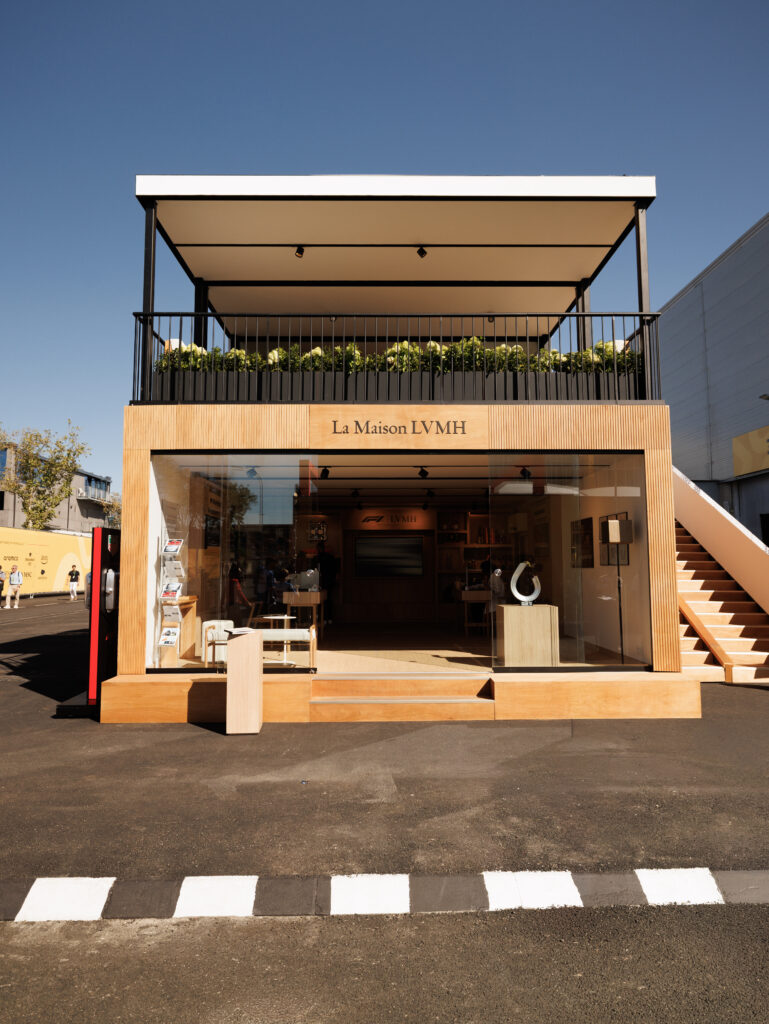
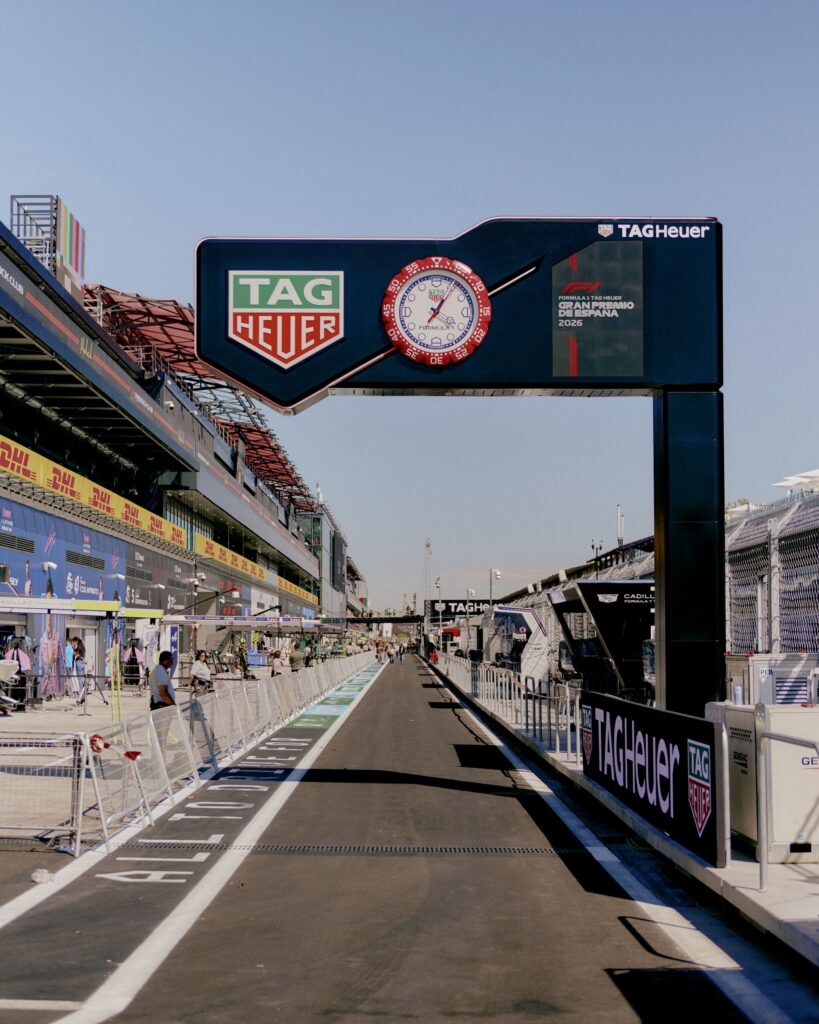
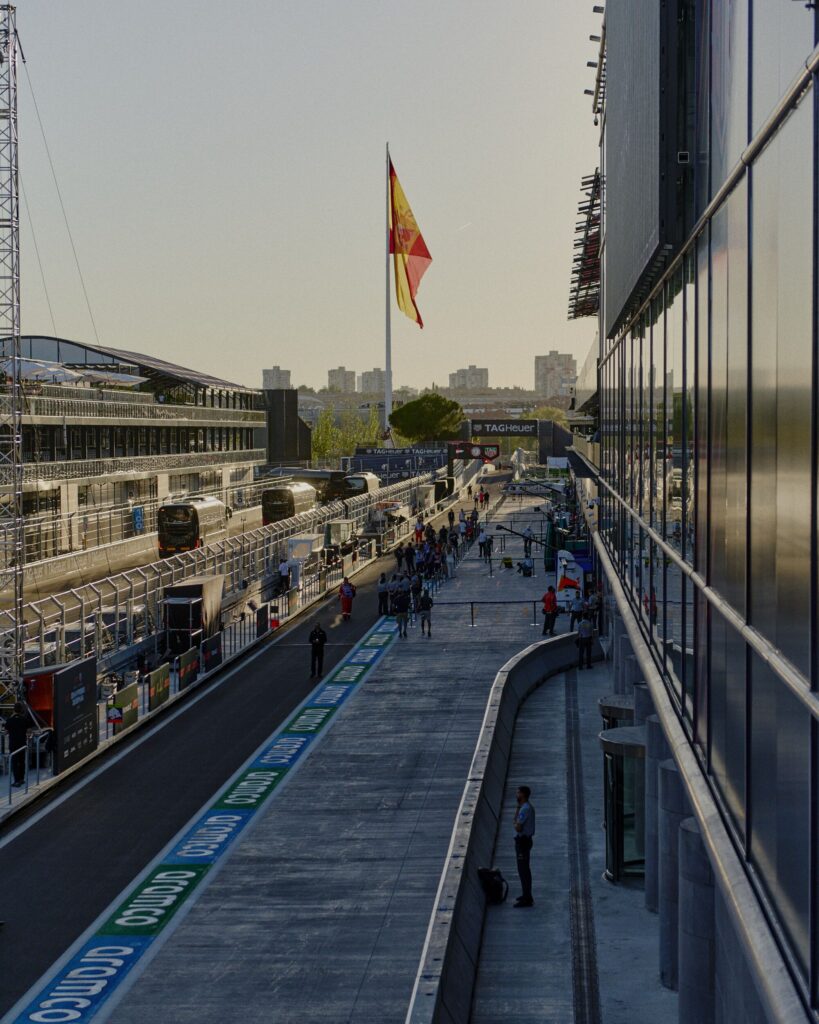
For everyone, this Grand Prix was a first. The new layout measures 5.4 kilometres and has 22 corners, laid out around the Ifema exhibition centre, near the airport. The hospitality areas had been entirely redesigned, and the teams hosting us were discovering the venue at the same time as we were. Everything was taken care of, from schedule to transfers. A circuit with no past has this effect: everyone arrives at the same level of ignorance, guests and drivers alike.
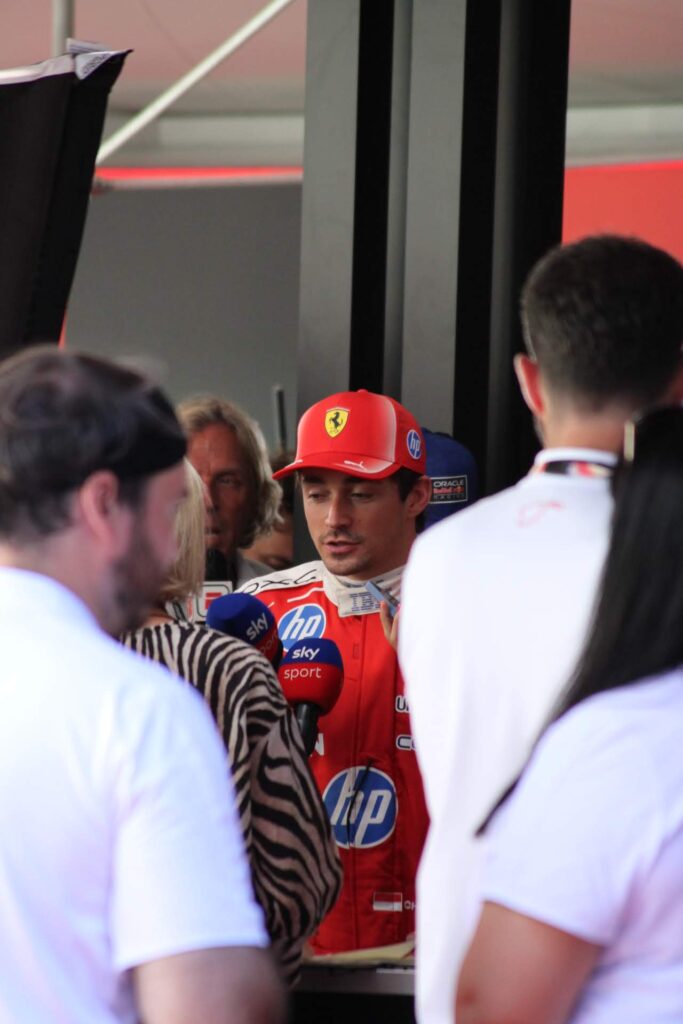
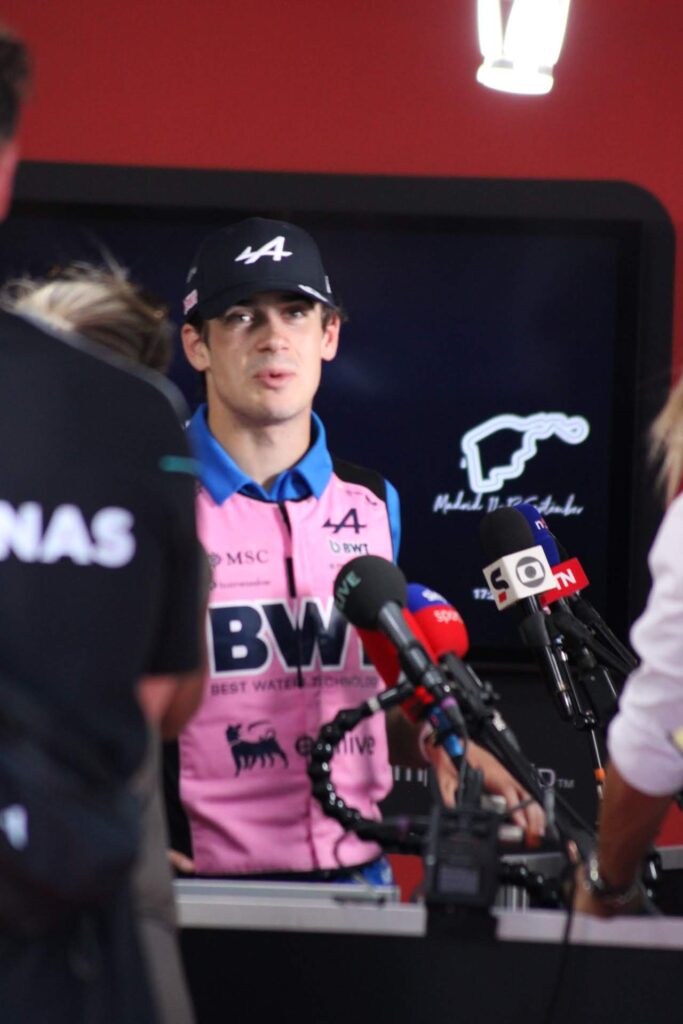
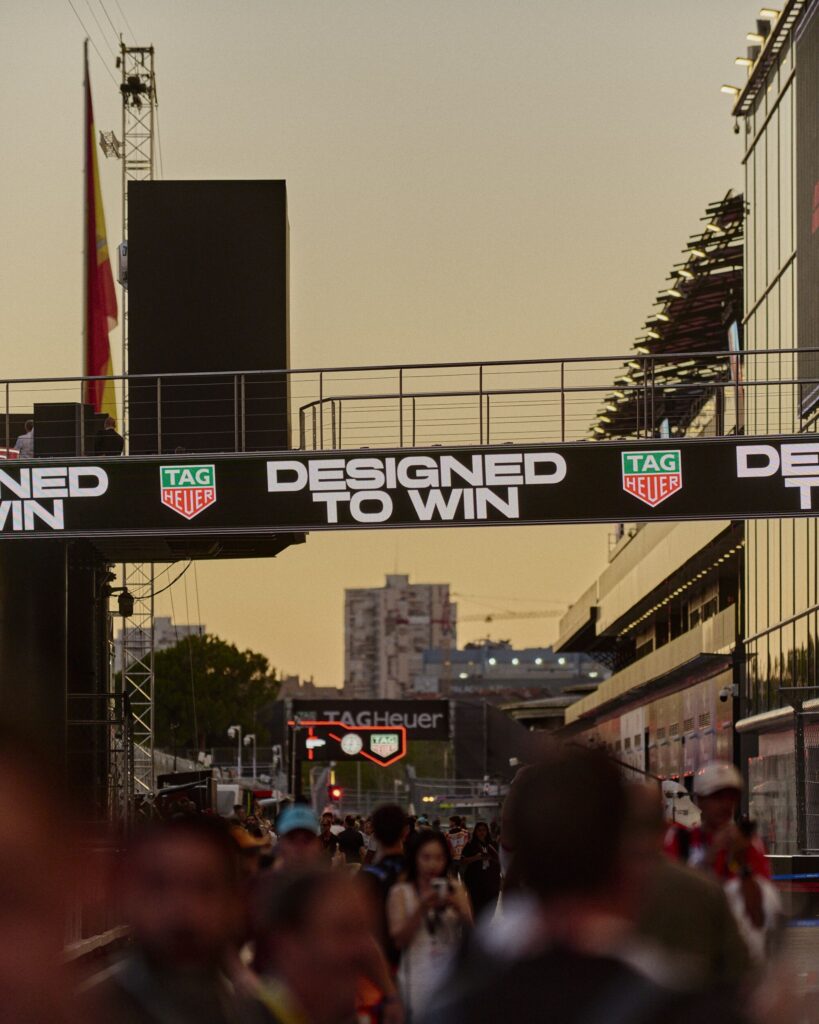
On Saturday, the Paddock Club. Behind the race there is a second stage, that of the paddocks. One sees the teams preparing, the entertainment, the drivers arriving through it all. It is a different rhythm from that of the track, slower and denser, where many things happen at once without any of them being decisive. The truck came at the end of that day. Then a dinner, then a nightclub where Belvedere was a partner of the evening, with the resident DJ of Pacha Ibiza. I will not dwell on it: it is not what remains.
The grid, before the noise
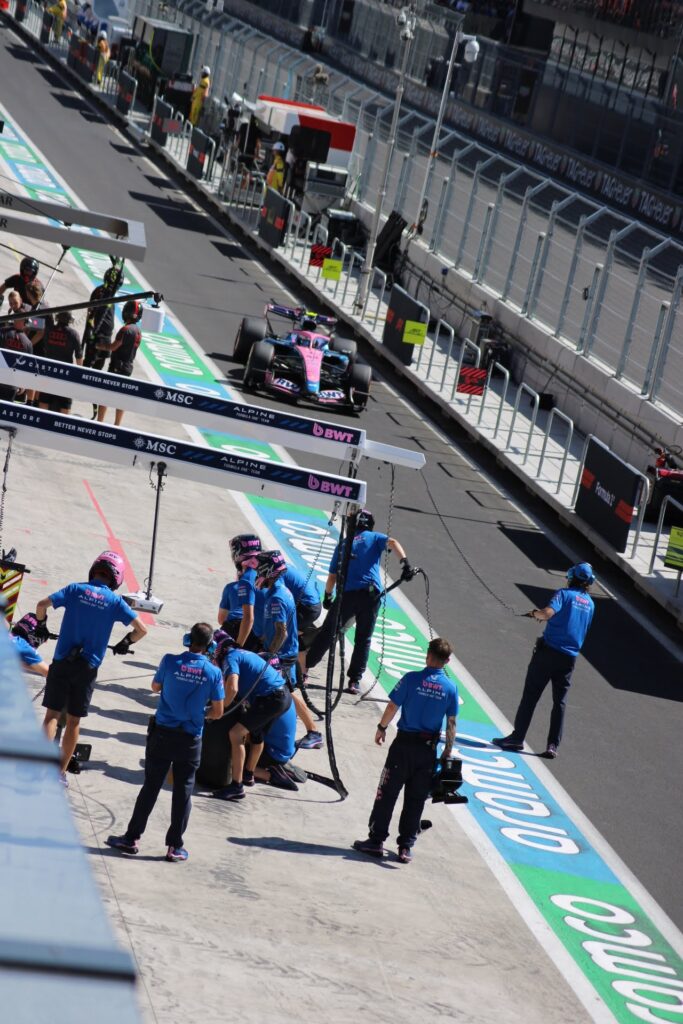
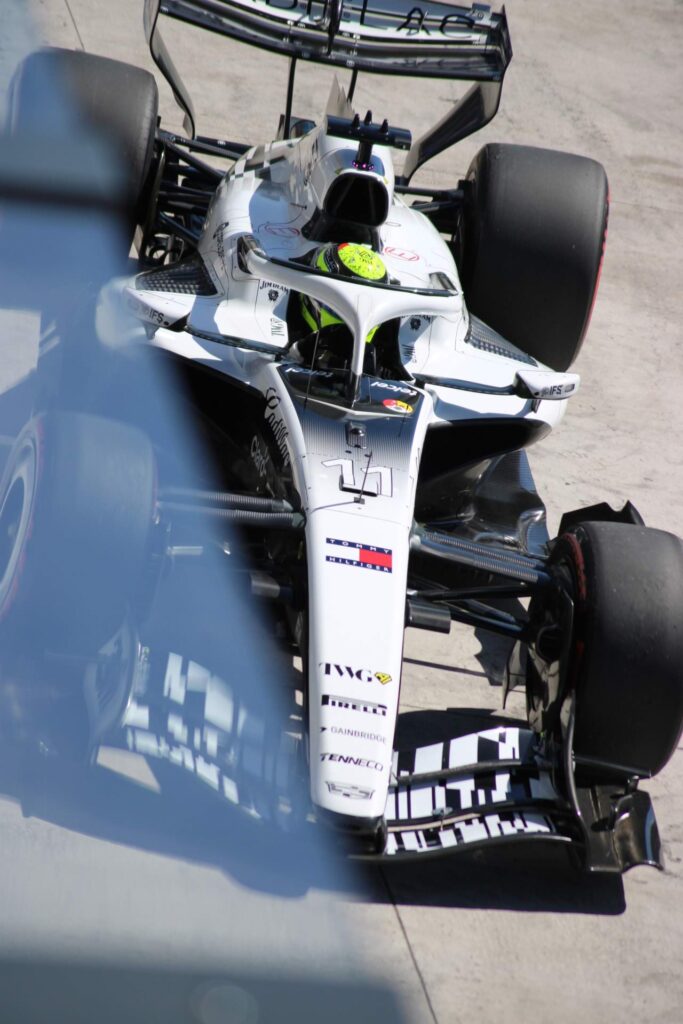
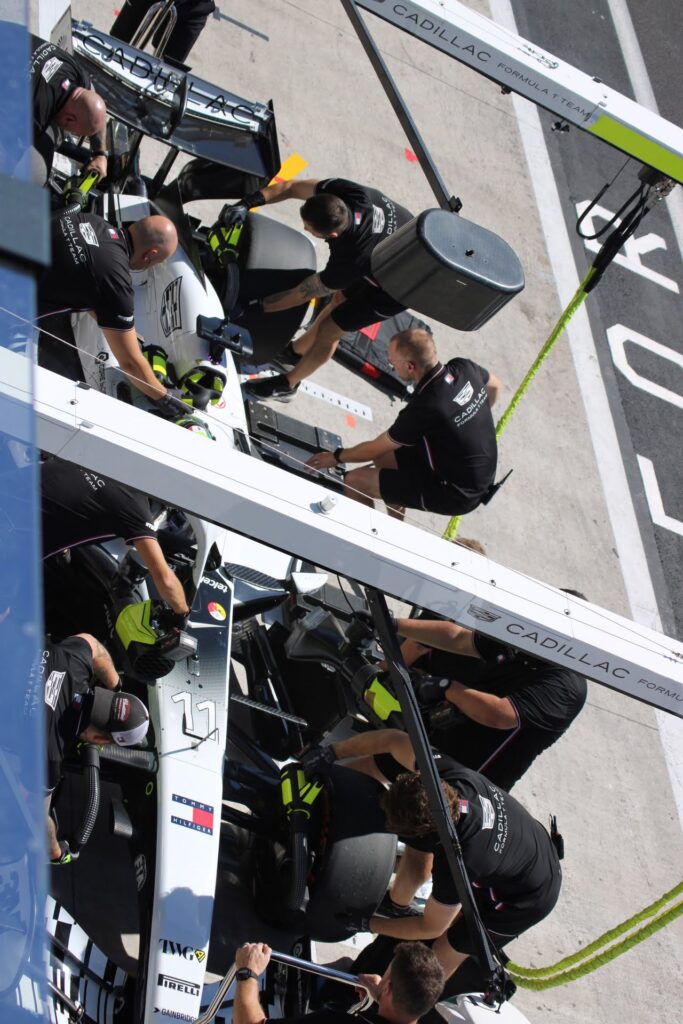
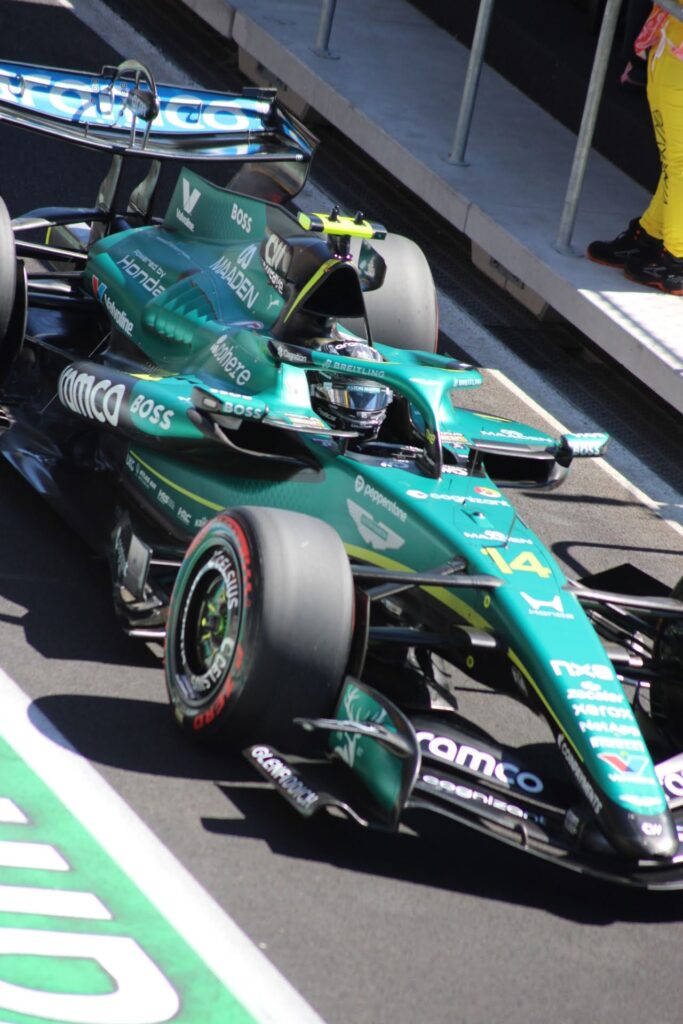
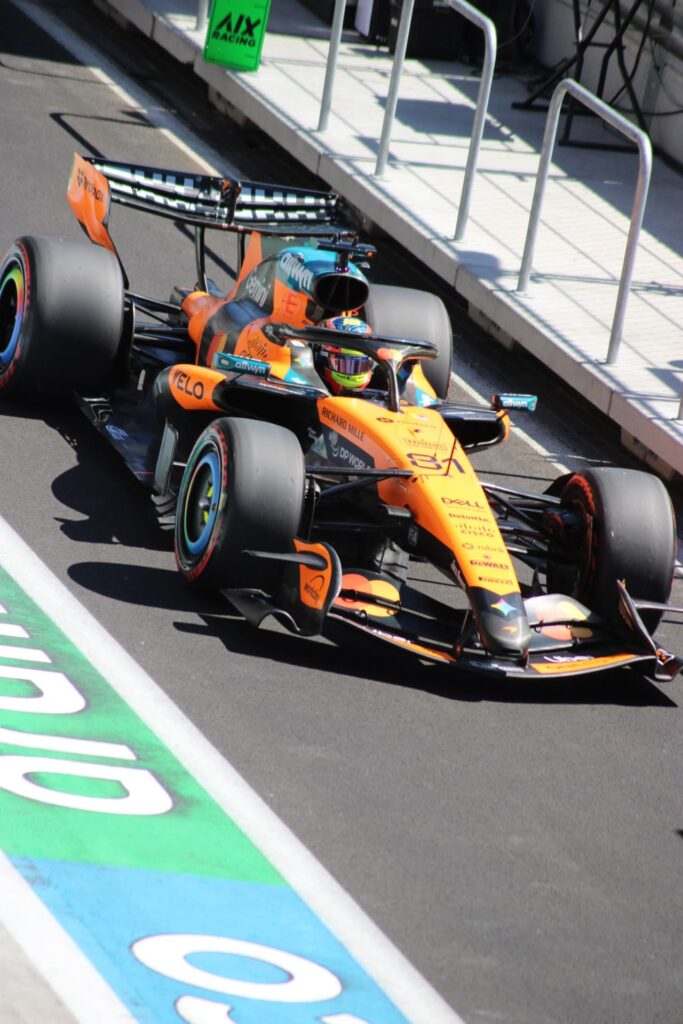
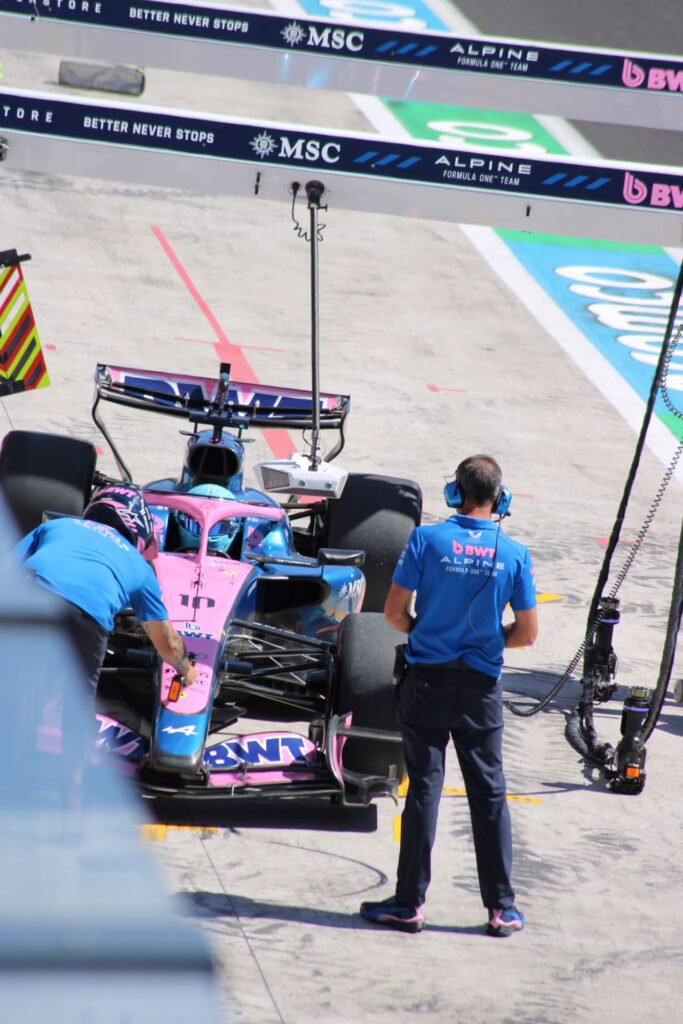
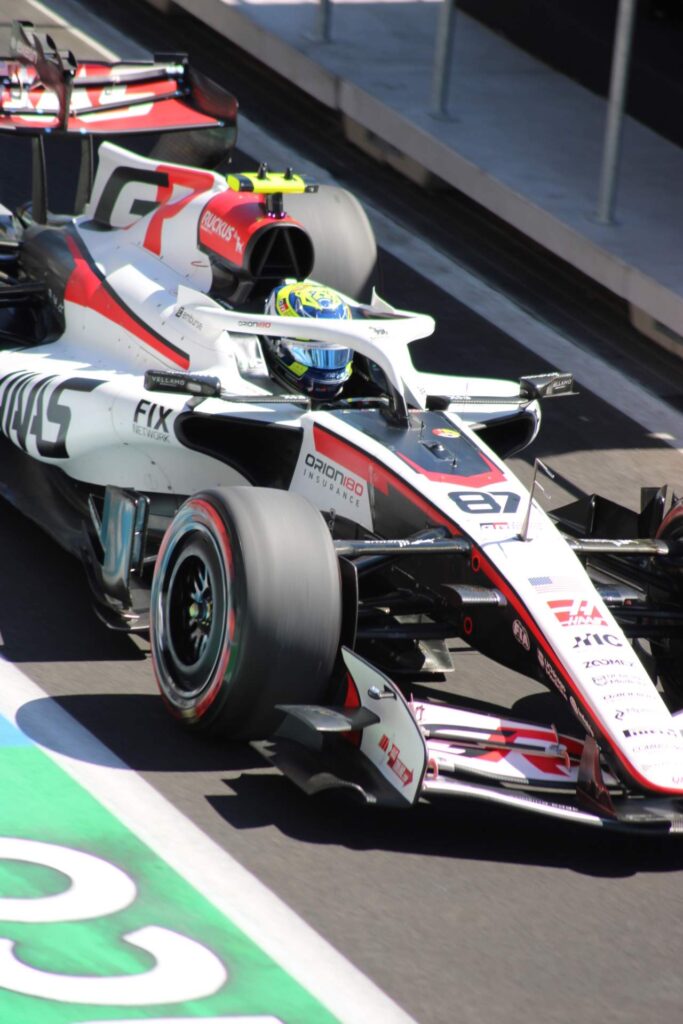
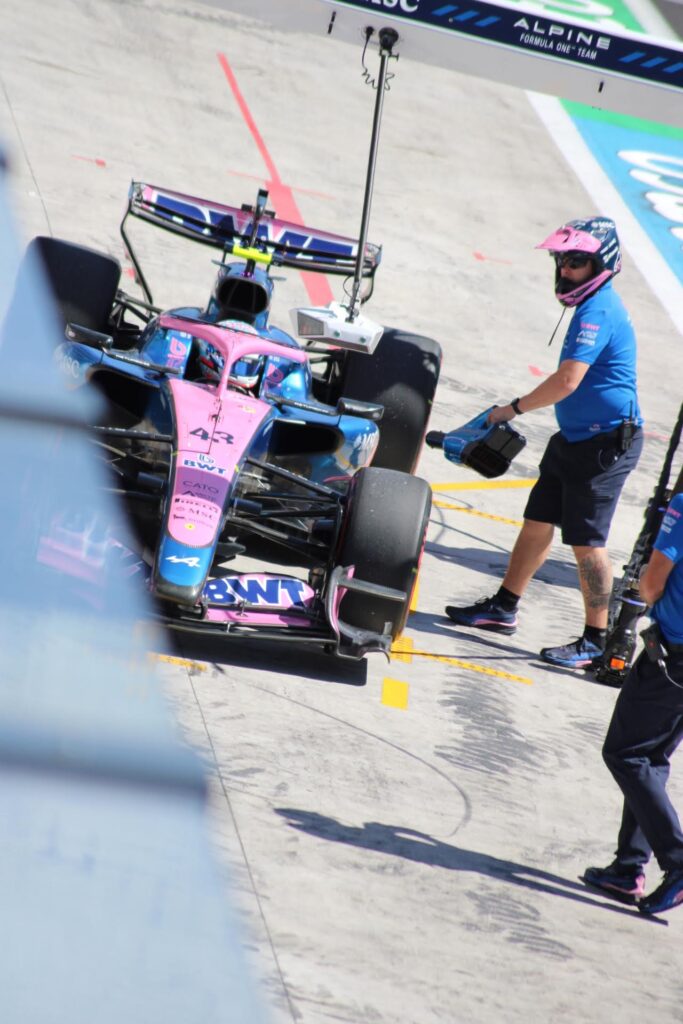
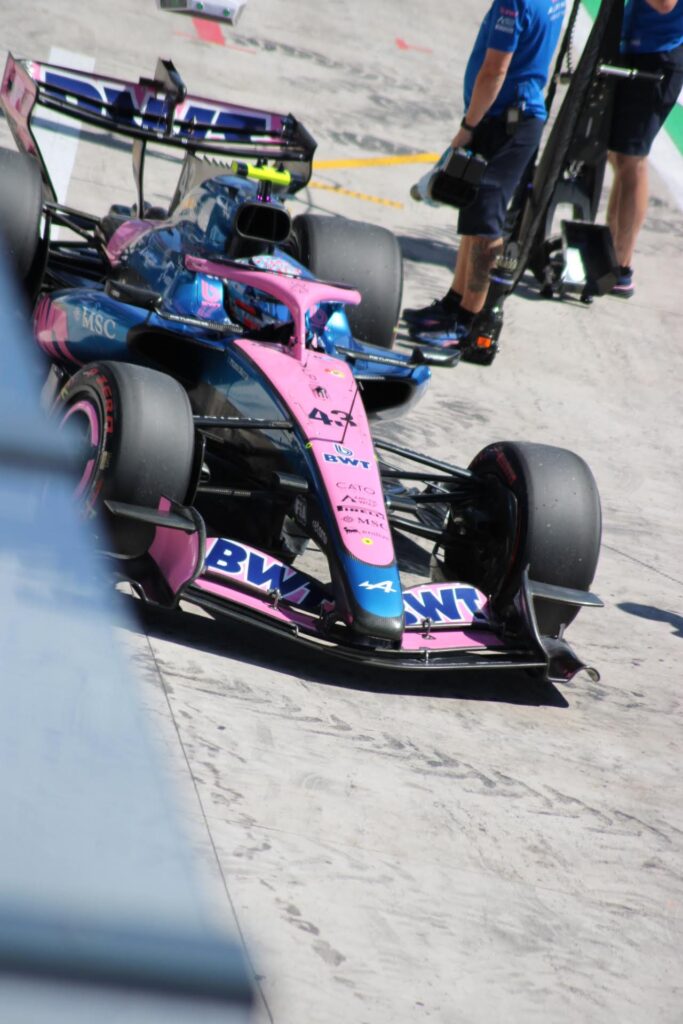
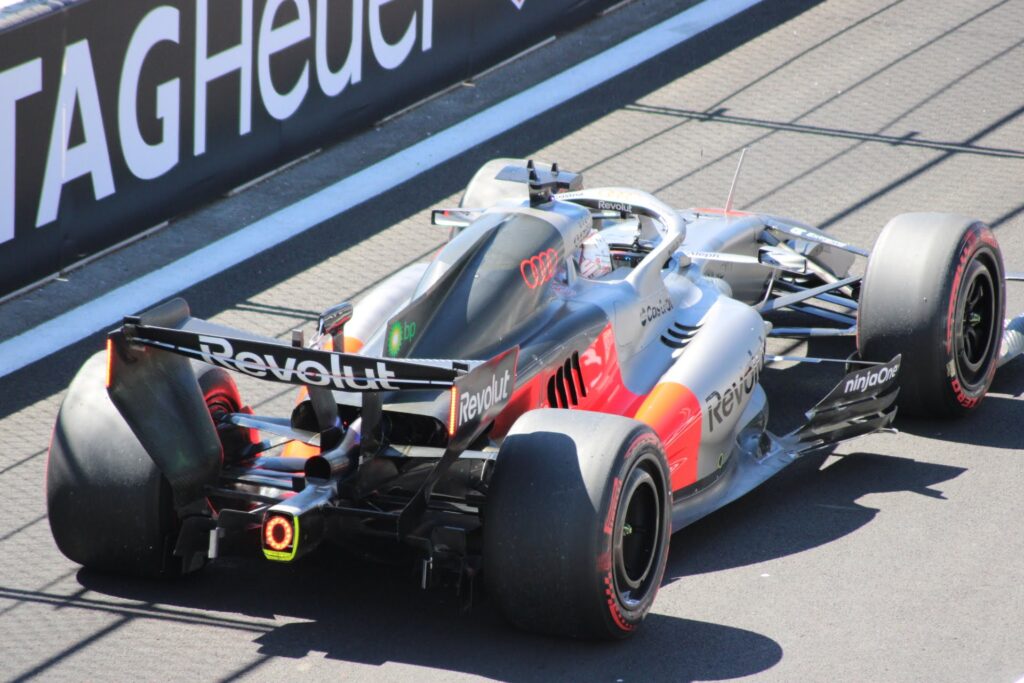
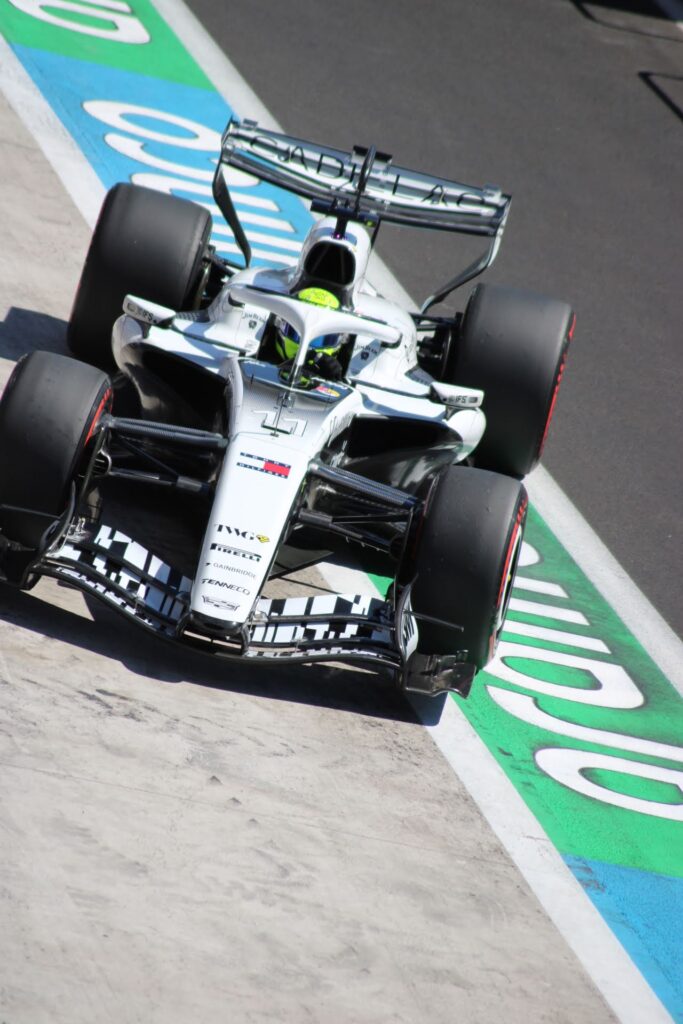
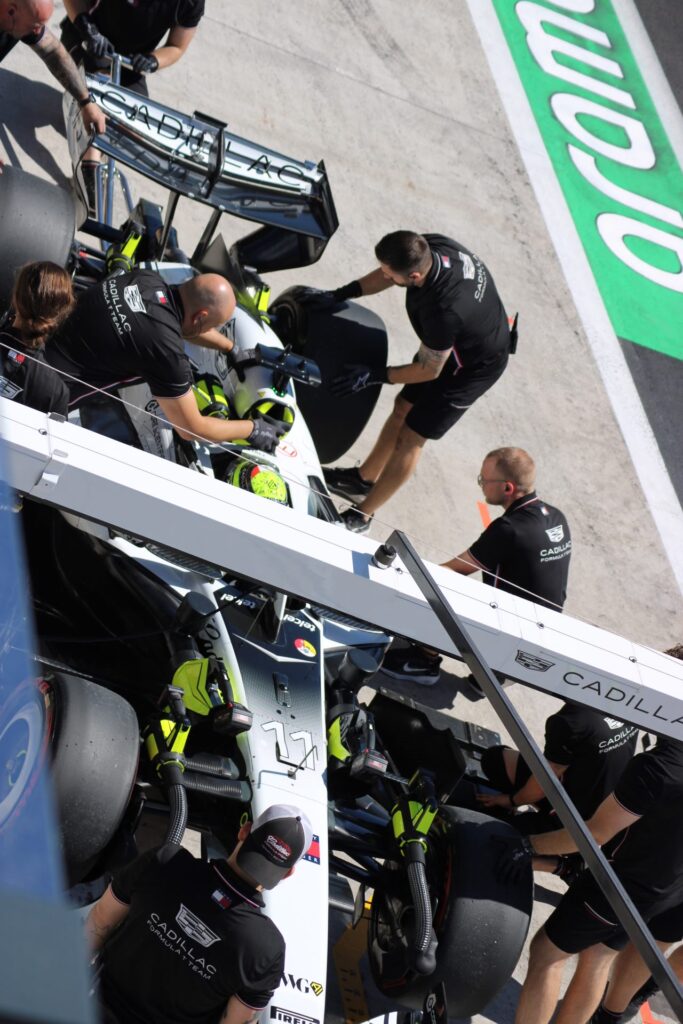
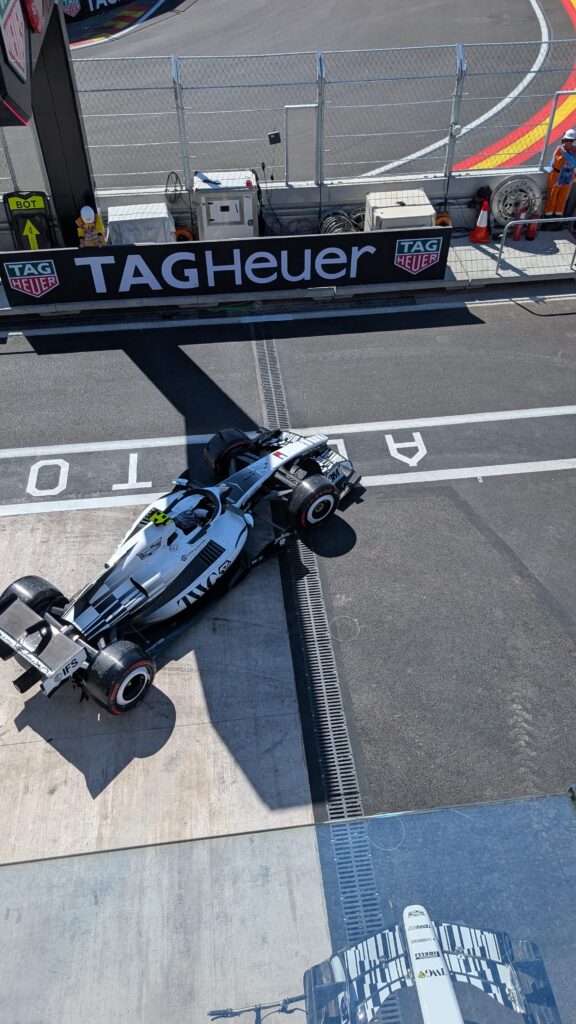
On Sunday, one walks onto the starting grid before the race, while the teams busy themselves around the cars until the last minute. It is called a photo safari: you get closer to the single-seaters than television will ever allow. The noise comes first, that of cars being readied to leave. All around, people hurrying, a movement that never stops. From the grandstand, none of this waiting can be perceived.
Three o’clock, from the box
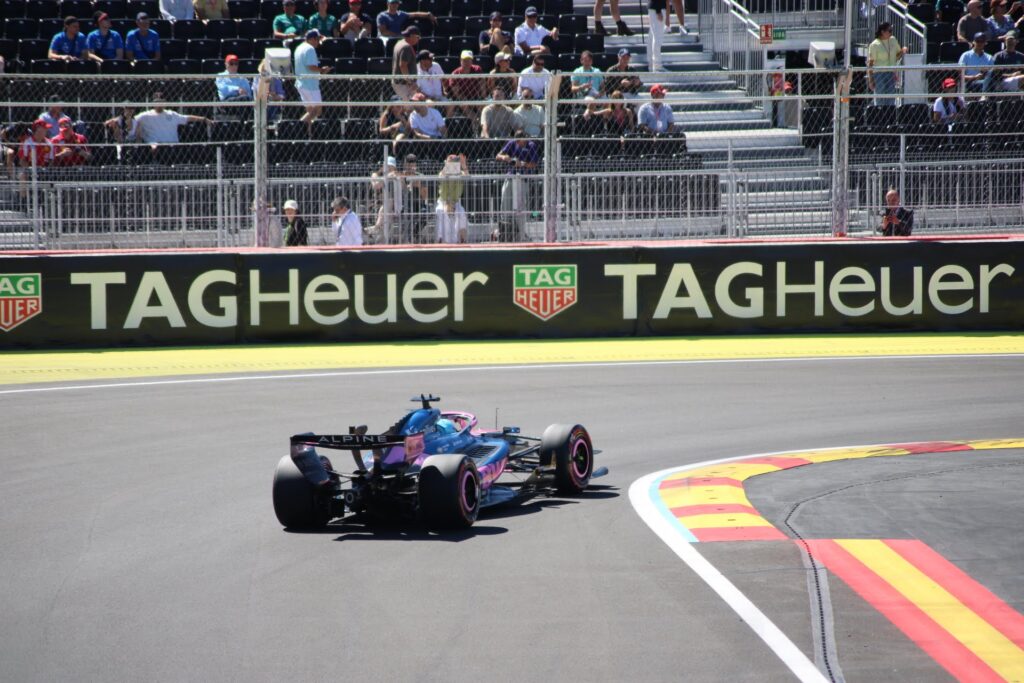
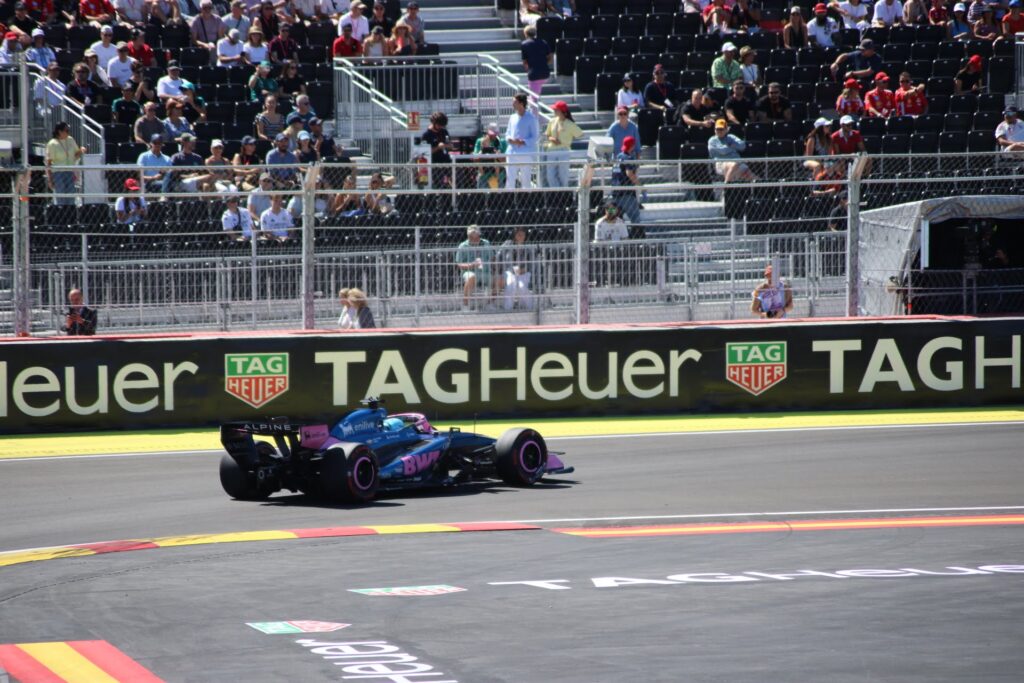
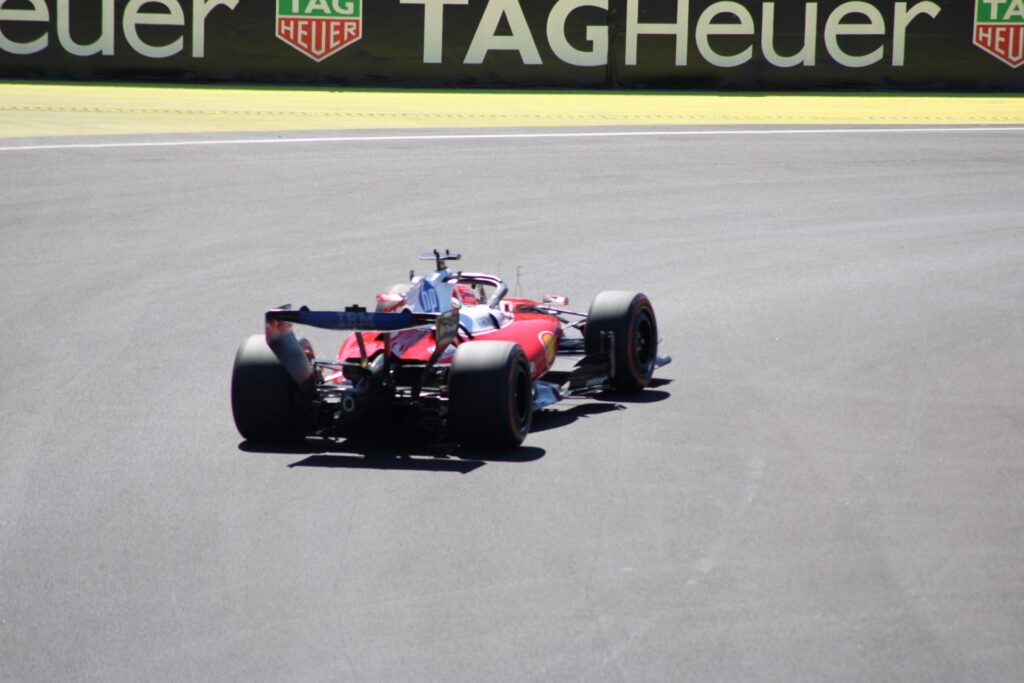
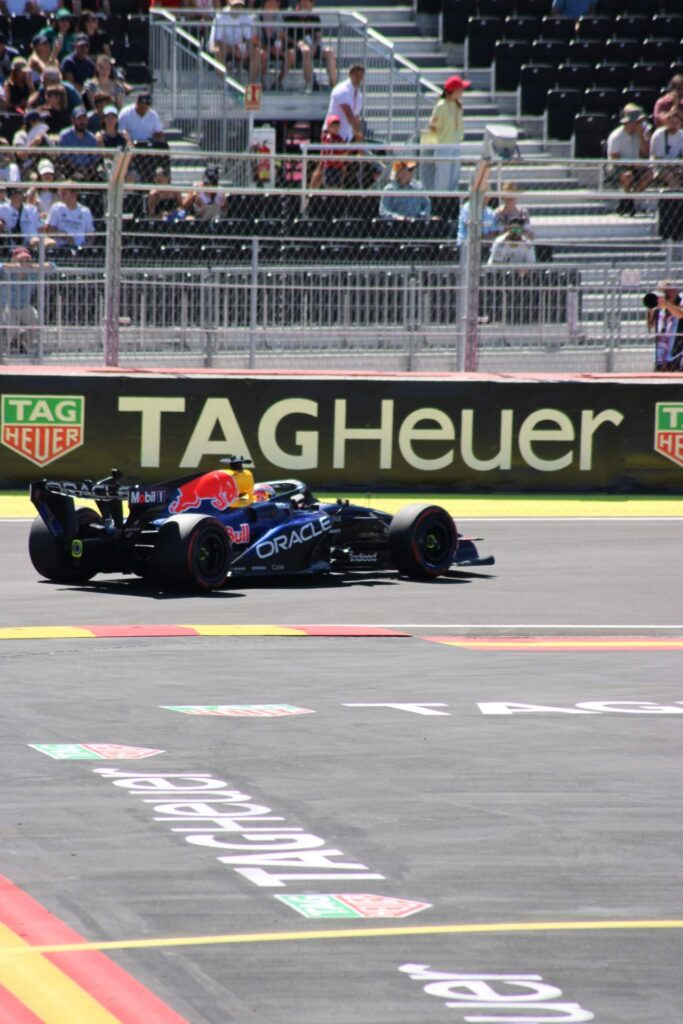
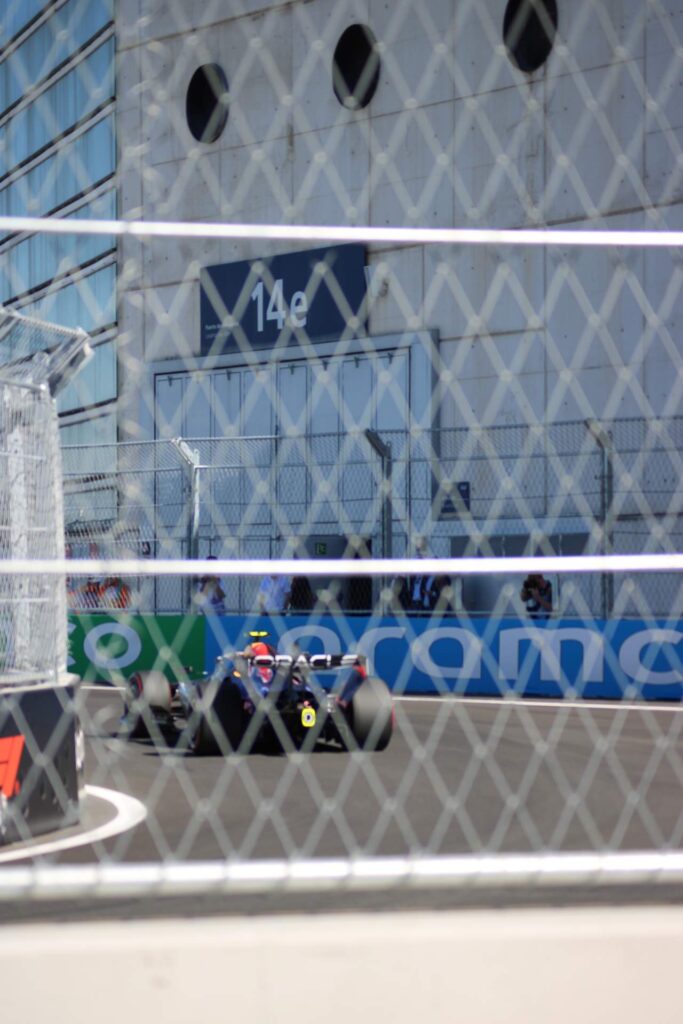
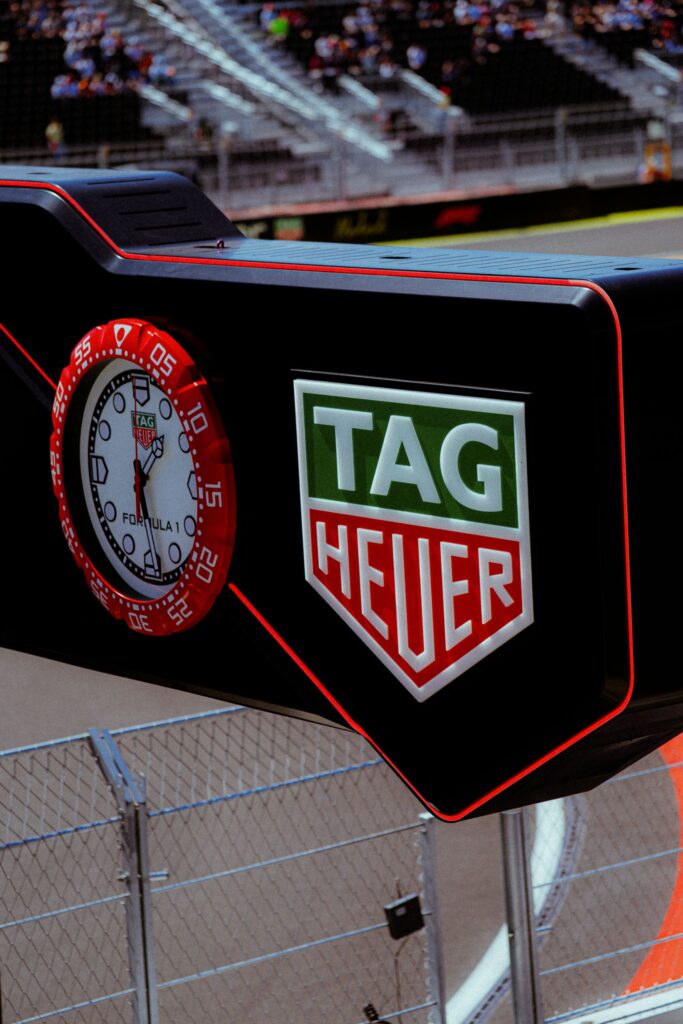
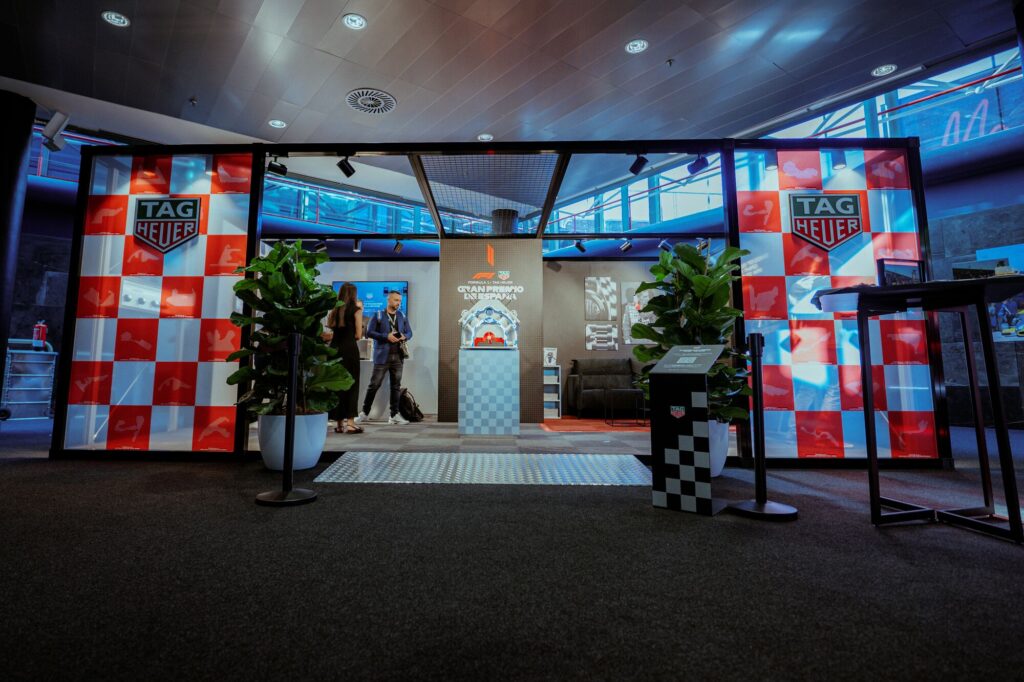
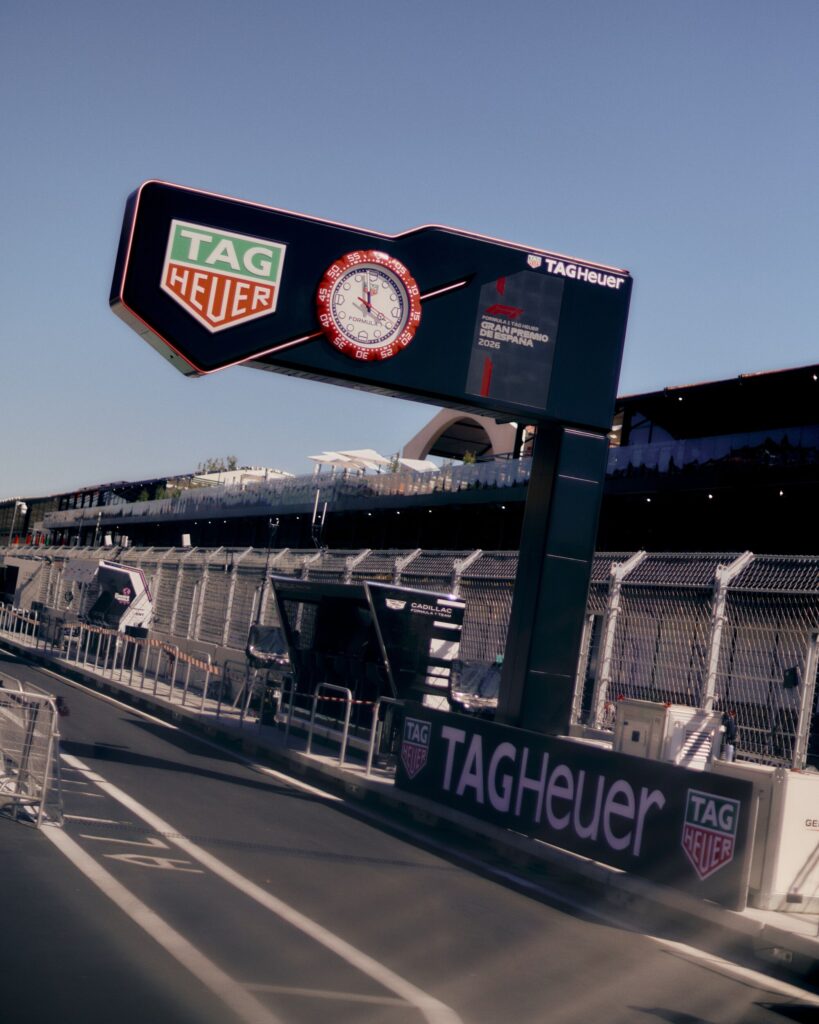
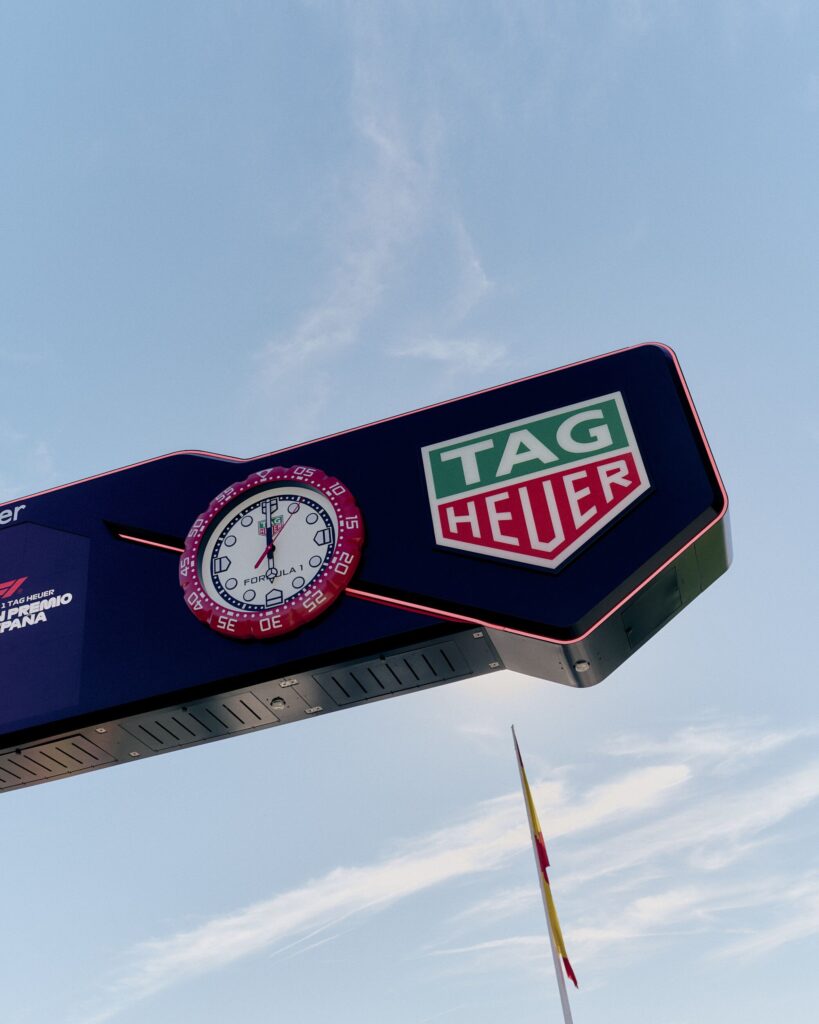
From the TAG Heuer box, one could see the end of the starting straight and a difficult corner through which every car had to pass. The Maison is the official timekeeper of Formula 1, and it ties its name to Spain through Jo Siffert in 1969 and Ayrton Senna’s victory in 1989. Madrid had nothing of the kind: no precedent, a race to be written from scratch.
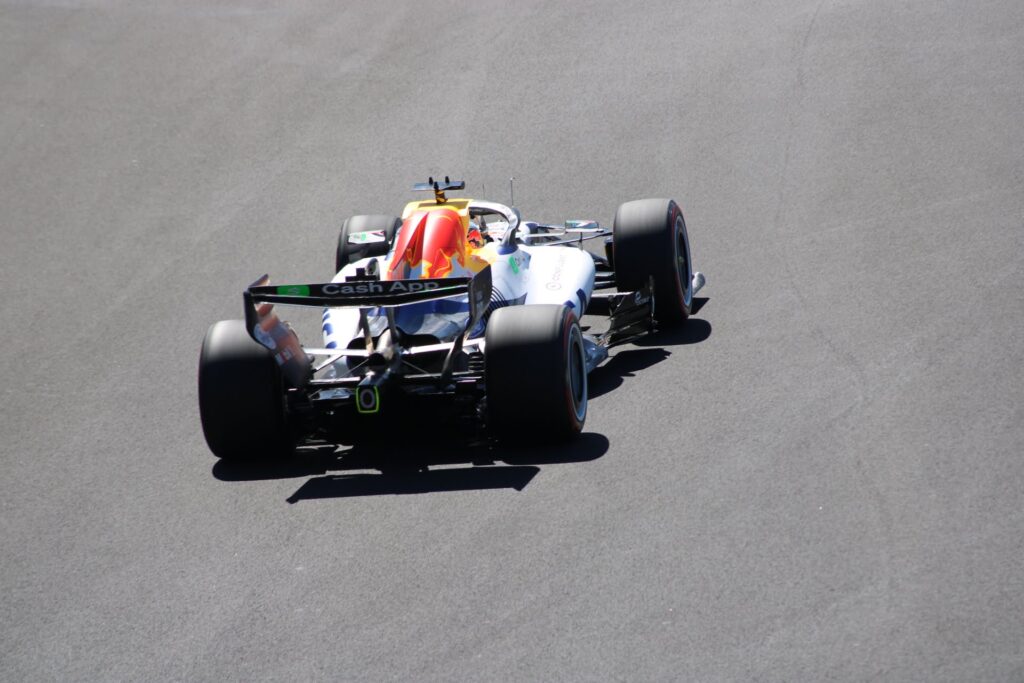
The start set the tone. Kimi Antonelli cut the chicane, Oscar Piastri and George Russell touched twice, Lewis Hamilton, passed by Max Verstappen, brushed the wall with his left rear. Lando Norris led. On lap thirteen, Lance Stroll hit the barriers at turn 20, brakes being blamed, and the virtual safety car reshuffled the race. Hamilton eventually stopped in turn, brakes again, then Sergio Pérez. Charles Leclerc, who had not pitted under the neutralisation, took the lead. Antonelli won, his eighth victory of the season.
From the box, what I retain is less the finishing order than the certainty that anything could happen on the next lap. On a new layout, no one yet knows the traps, and this shows in the way the cars approach the corners.
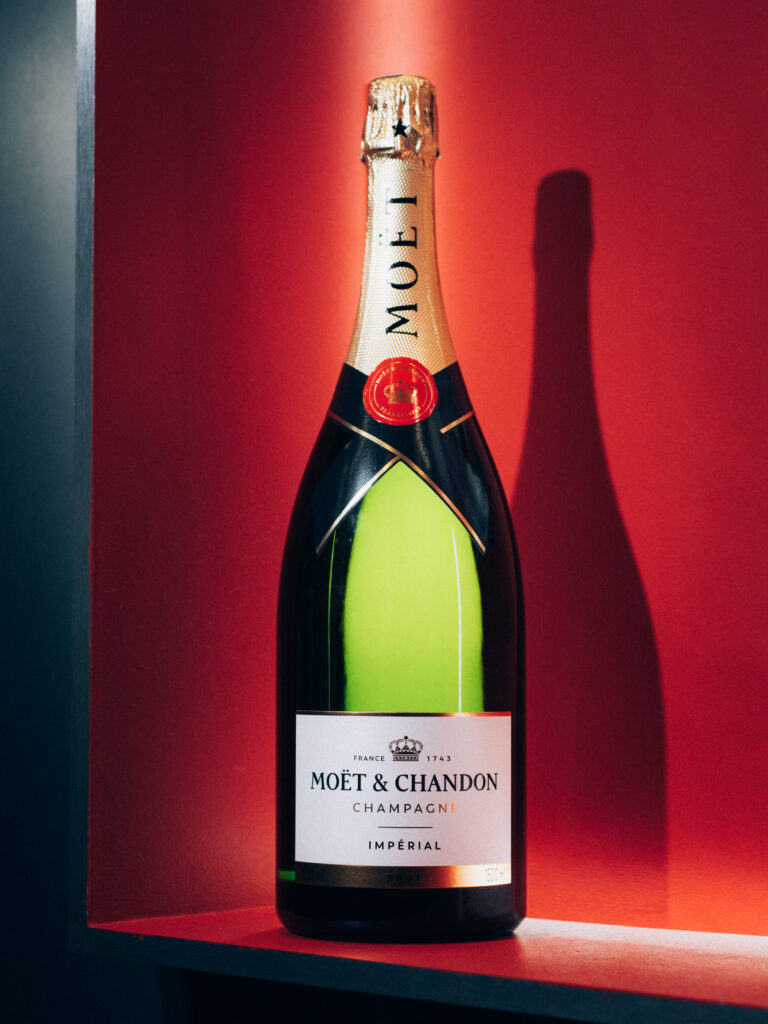
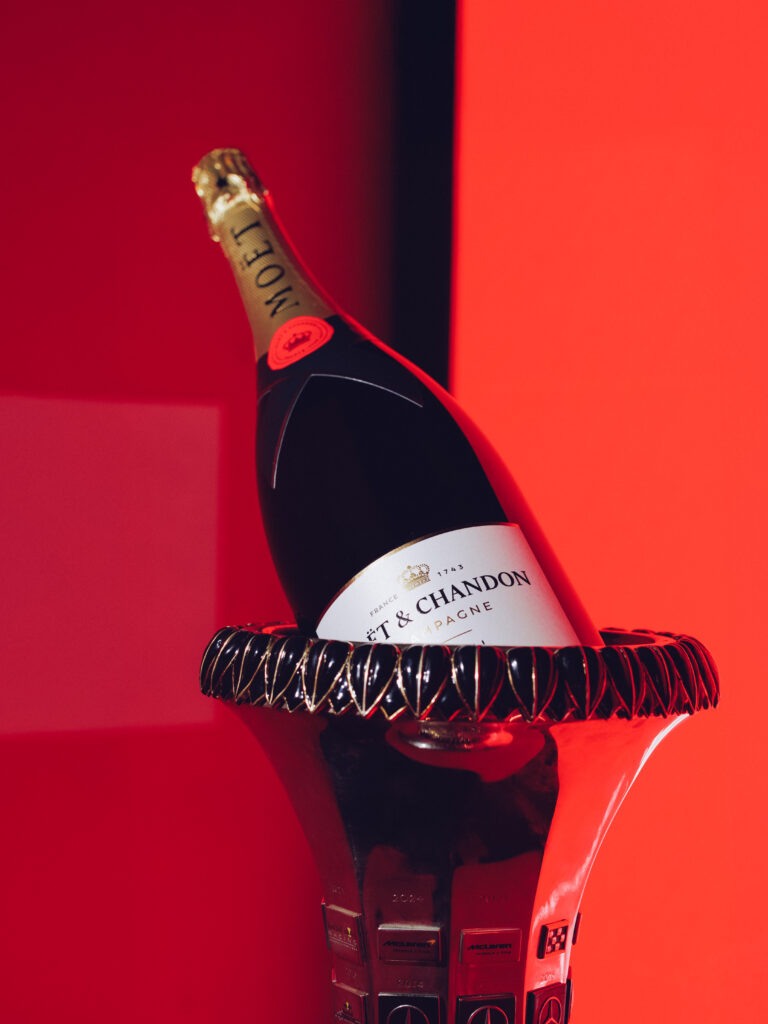
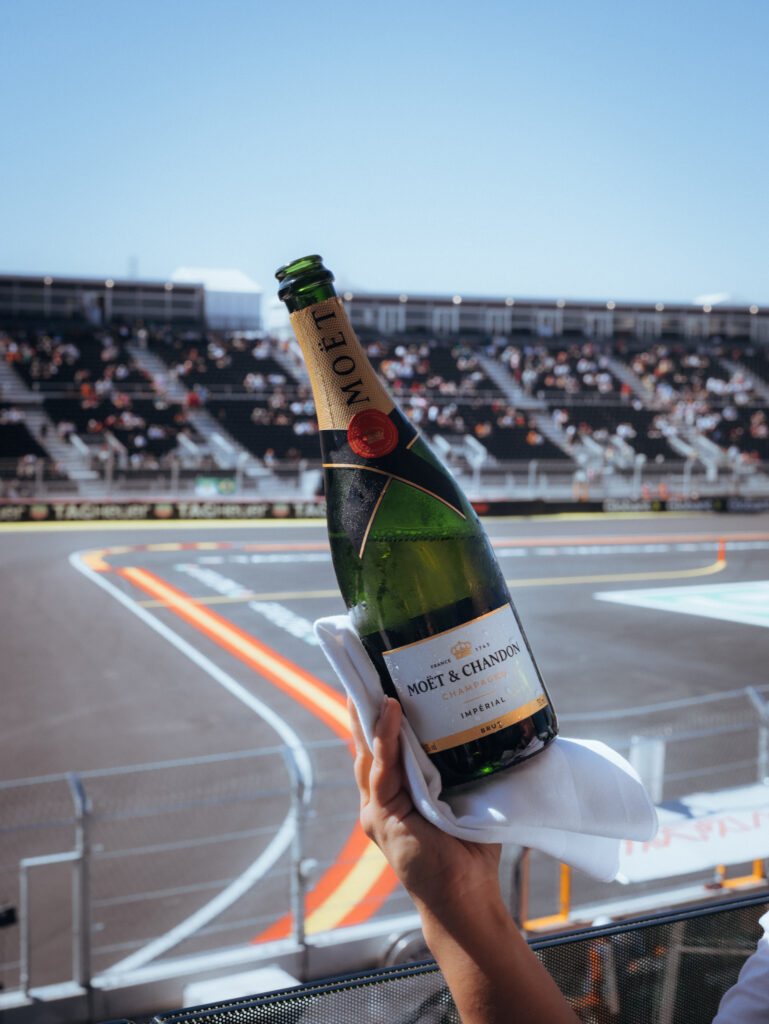
After the finish, we were shown the room where the top three catch their breath before going up on the podium. Moët & Chandon is everywhere, on the podium as in the room that precedes it. The group had redesigned its hospitality around this race, and I had followed it from the grid to this point.
Madring now has a first race behind it. The second will say what the first let slip.
Cette publication est également disponible en :


