
A photographer whose images have shaped the visual imagination of several generations is now slipping his signature into a smartphone app. Leica associates Steve McCurry’s eye with the new version of its Lux app, while unveiling a grip dedicated to the iPhone 18 and 18 Pro to accompany this update.
The Leica Lux app has never hidden its ambition: to transpose onto the smartphone part of the visual philosophy that has made the German brand’s reputation for a century. This new version pushes that logic further with the arrival of the Artist Look signed by Steve McCurry, an absolute reference in contemporary documentary photography, whose images, from Afghanistan to India, have helped define a certain idea of photographic reportage carried by colour and light. Bringing such a name into a simple mobile app is far from trivial for a brand like Leica, whose history was built precisely on the legitimacy of its collaborations with the greatest photographers; associating the same prestige with a tool as democratised as a smartphone app amounts to making two scales of photography talk to each other that, historically, hardly ever met.
Beyond this collaboration, the update introduces a new gallery interface, designed to make it easier to browse captured images, as well as full support for the iPhone 18 Pro range, a sign that Leica intends to keep as close as possible to the renewal pace of smartphones rather than settle for minimal compatibility. This race to update, in a sector where each new generation of phone imposes its own technical constraints, illustrates the difficulty photo app publishers have in remaining relevant without devoting continuous resources to it.
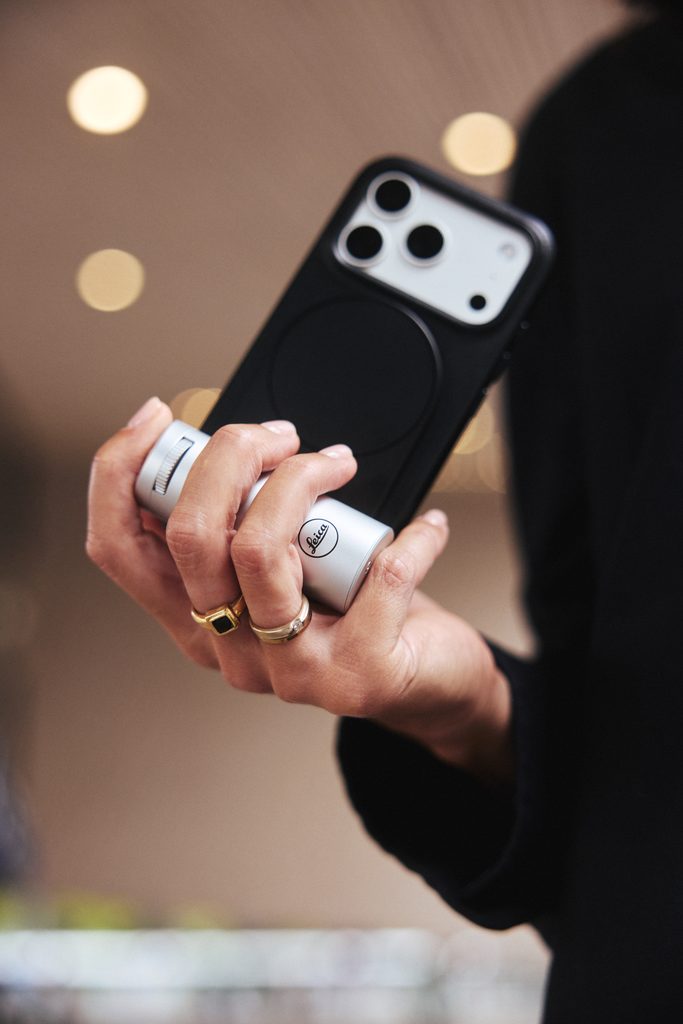
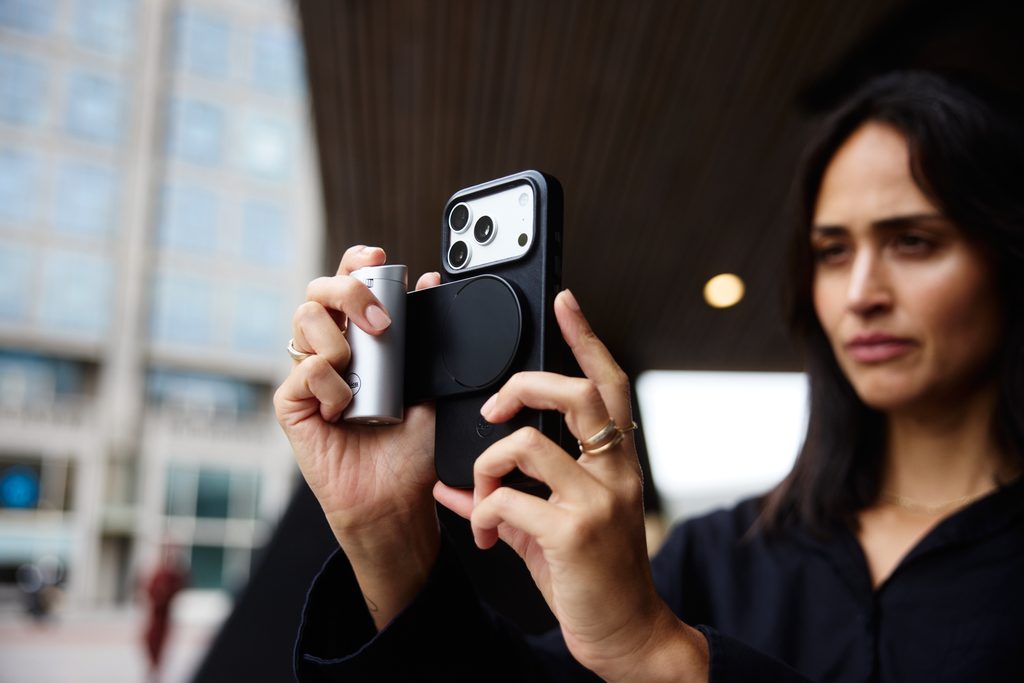
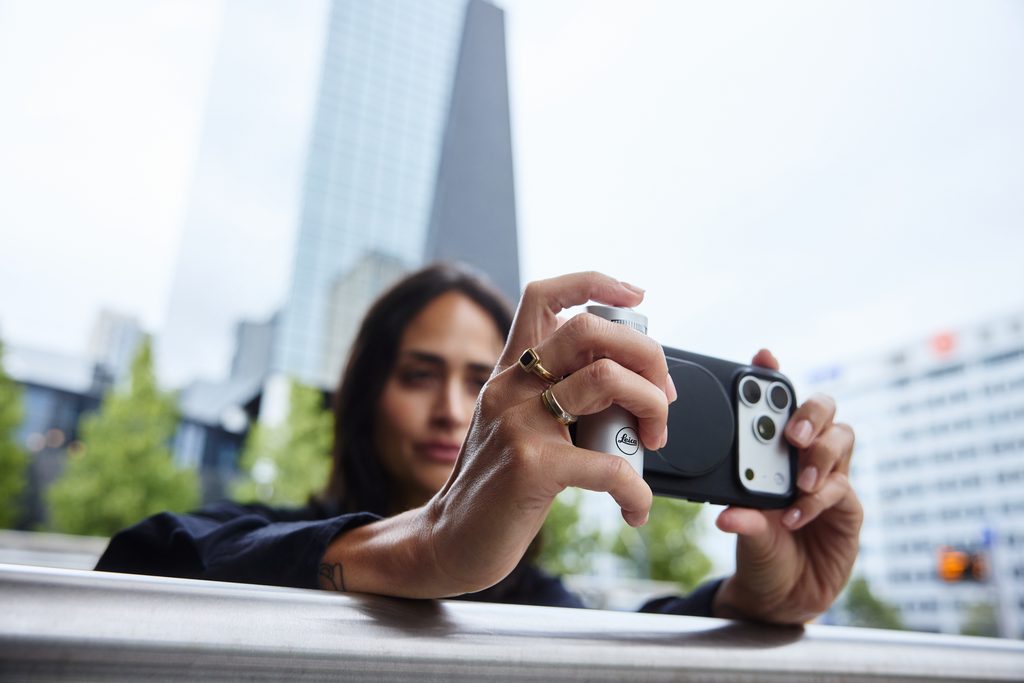
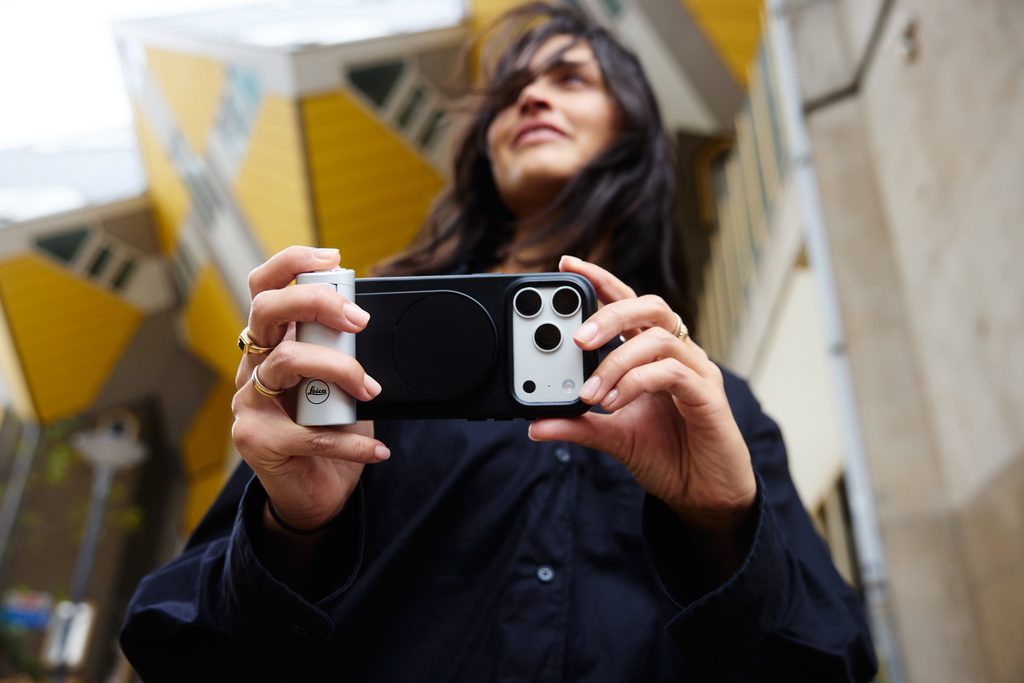
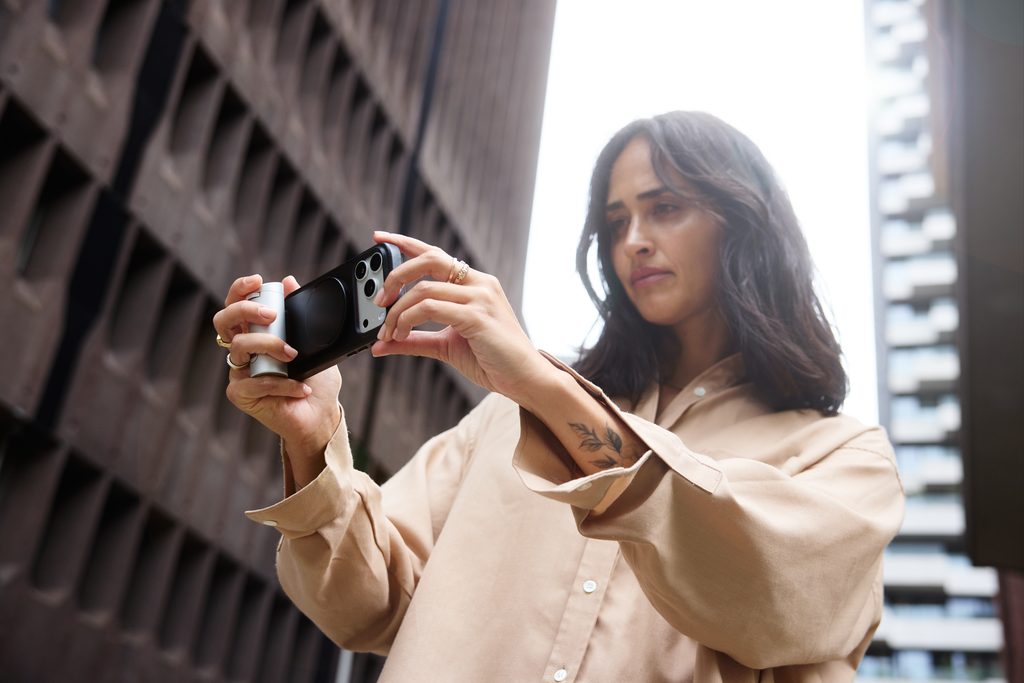
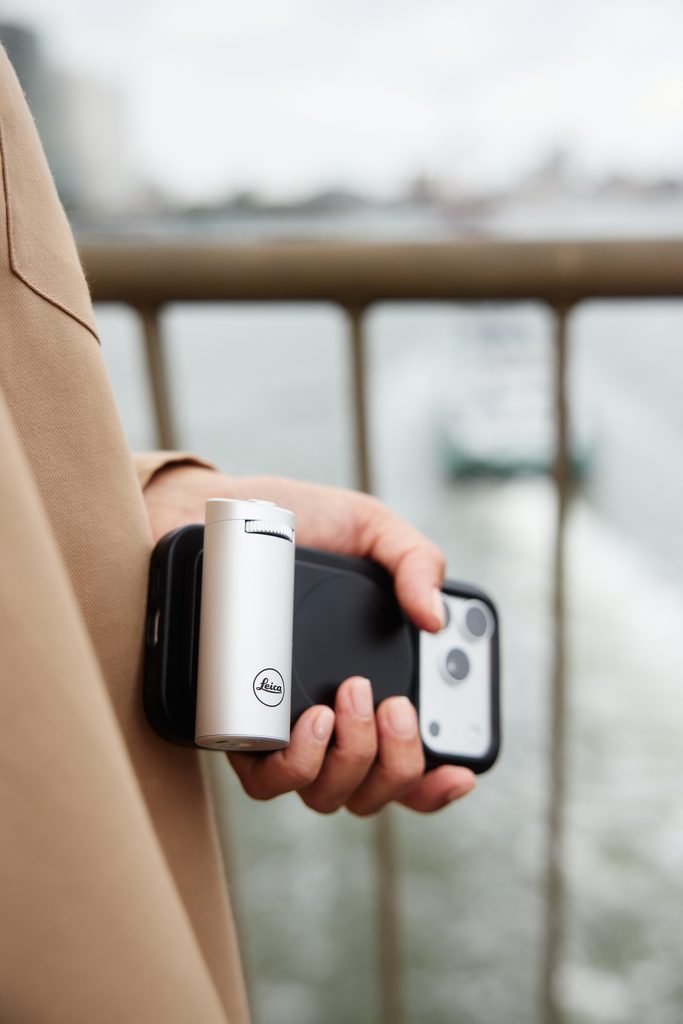
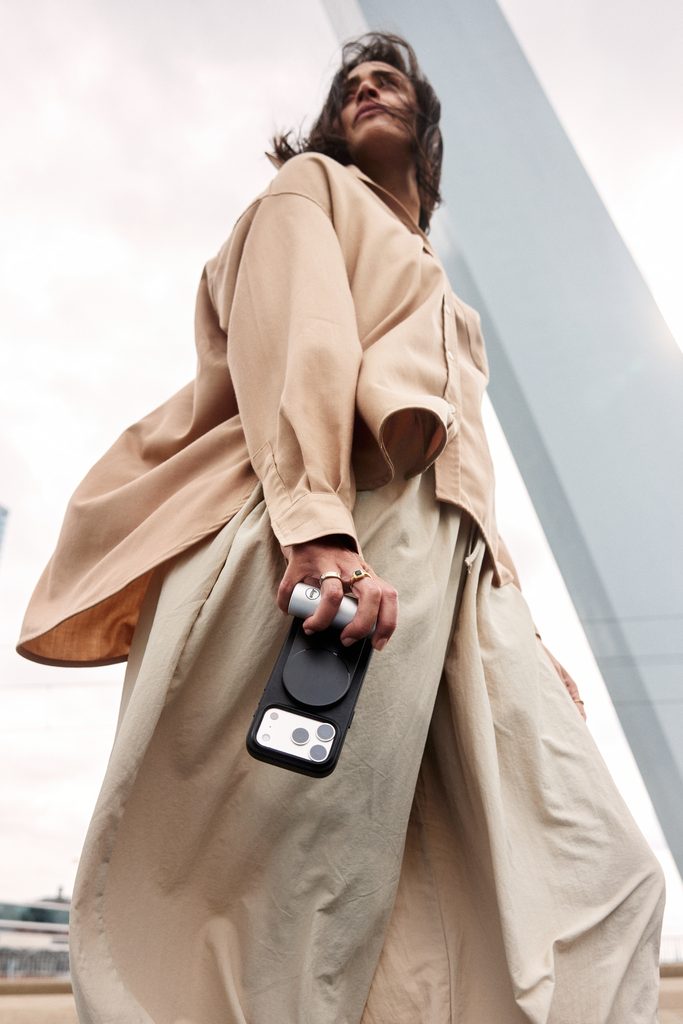
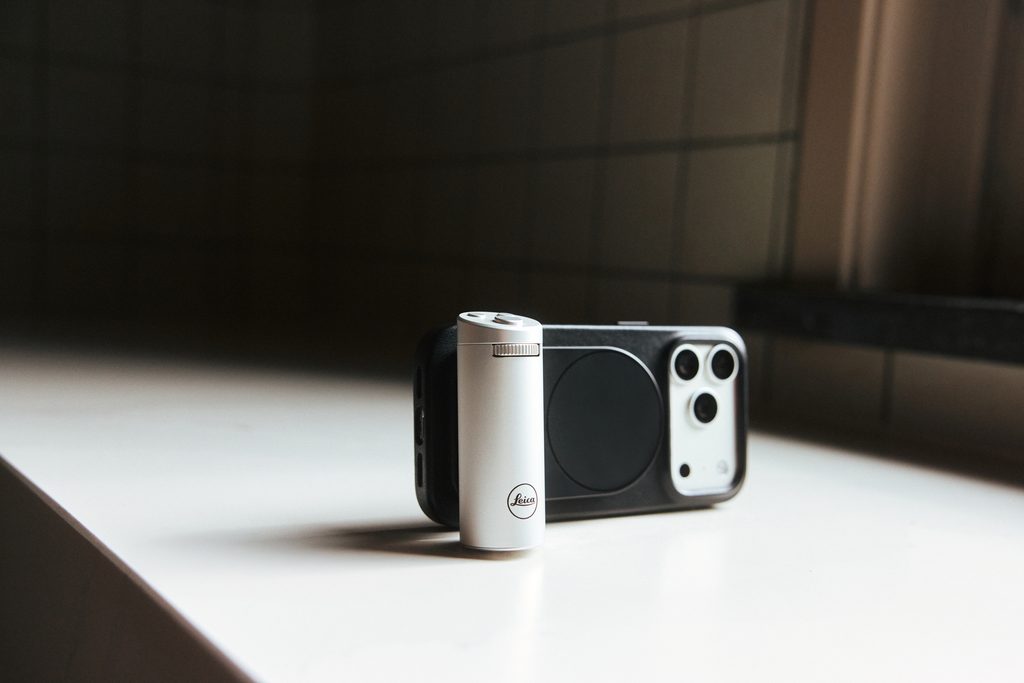
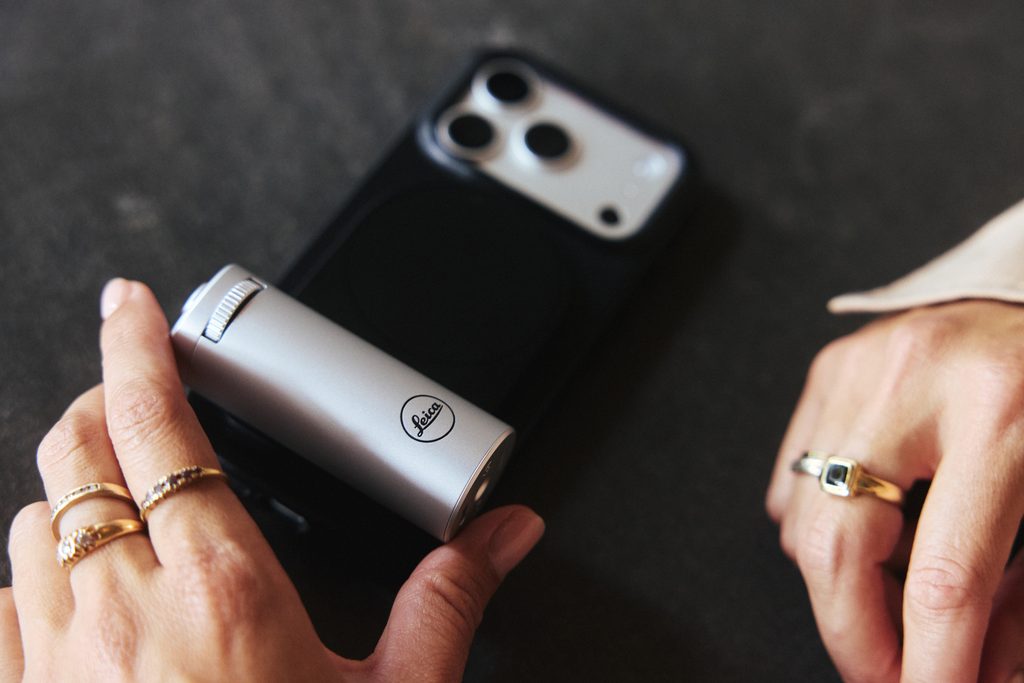
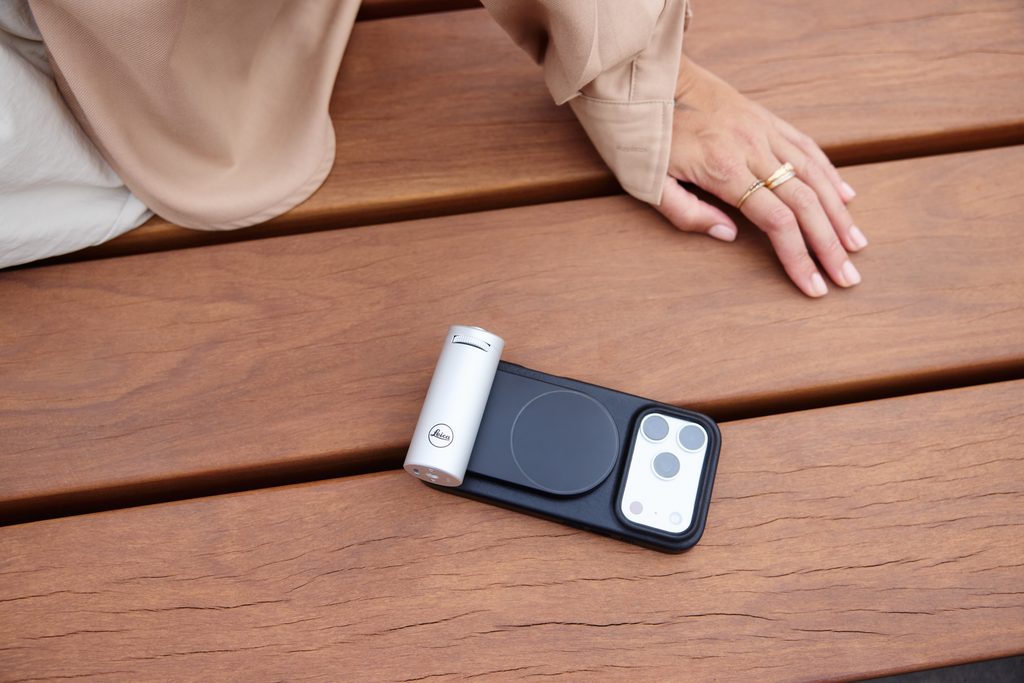
On the hardware side, the brand completes this software offering with a Leica Lux Argent grip and matching leather cases, conceived as the finishing touch of a system for smartphones rather than as mere protective accessories. This choice of vocabulary, speaking of a system rather than an accessory, says something about Leica’s ambition: not to settle for selling a protective shell, but to offer an object that brings the use of the smartphone closer, if only symbolically, to that of a real camera. The leather case, in particular, refers directly to the aesthetic codes of traditional Leica bodies, as if to remind visually, each time it is picked up, of the lineage between the brand’s historic camera and this accessory designed for a phone that, technically, has nothing to do with it.
It remains to be seen whether this strategy, which relies on material trim and artistic endorsement rather than on the Leica camera itself, succeeds in converting iPhone users who are already equipped into customers truly loyal to the brand’s universe, or whether it remains, for most of them, an isolated aesthetic gesture rather than the entry into a broader photographic system.
Cette publication est également disponible en :


