
At Ocean Cay, the MSC Foundation has just replanted thirty-two elkhorn coral fragments. The number looks modest against the scale of ocean disruption; it becomes more interesting once you notice the parallel decision: suspending part of the replanting to protect the fragments from a new heatwave.
Luxury tourism now likes to talk about regeneration. In the Bahamas, a program linked to a cruise group offers a more precise case study: a coral restoration effort willing to slow down when ecological conditions become incompatible with its stated goal.
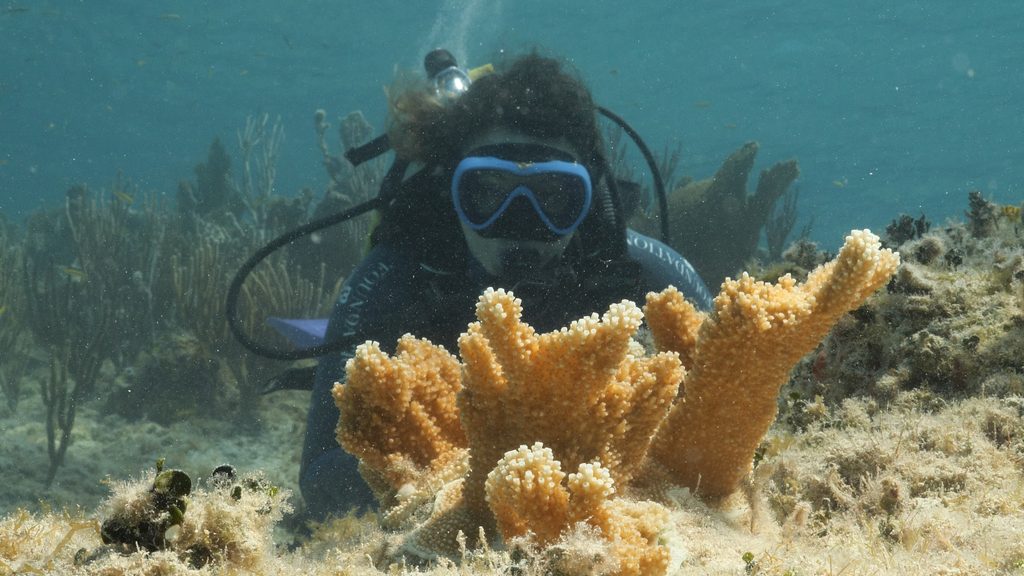
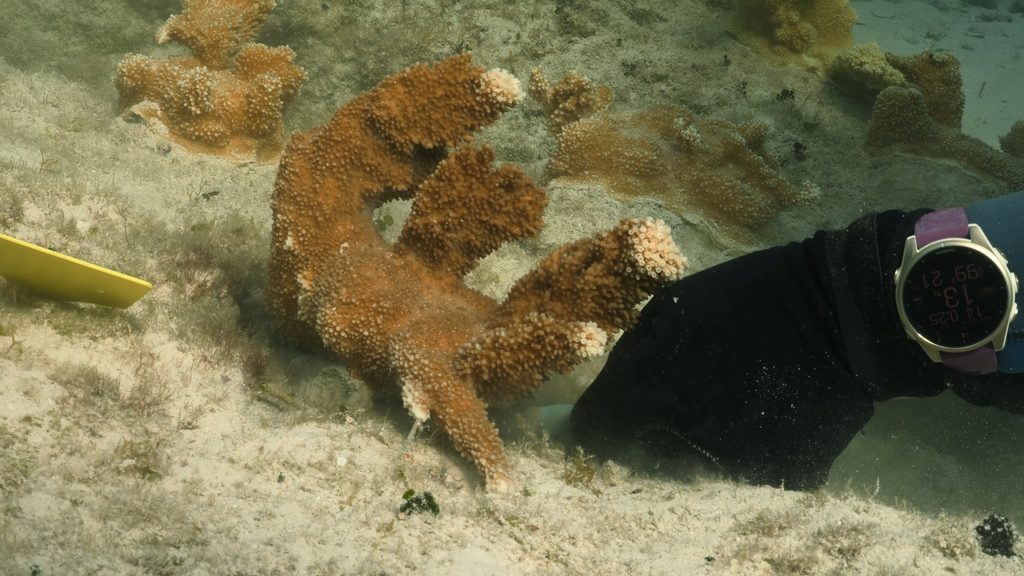
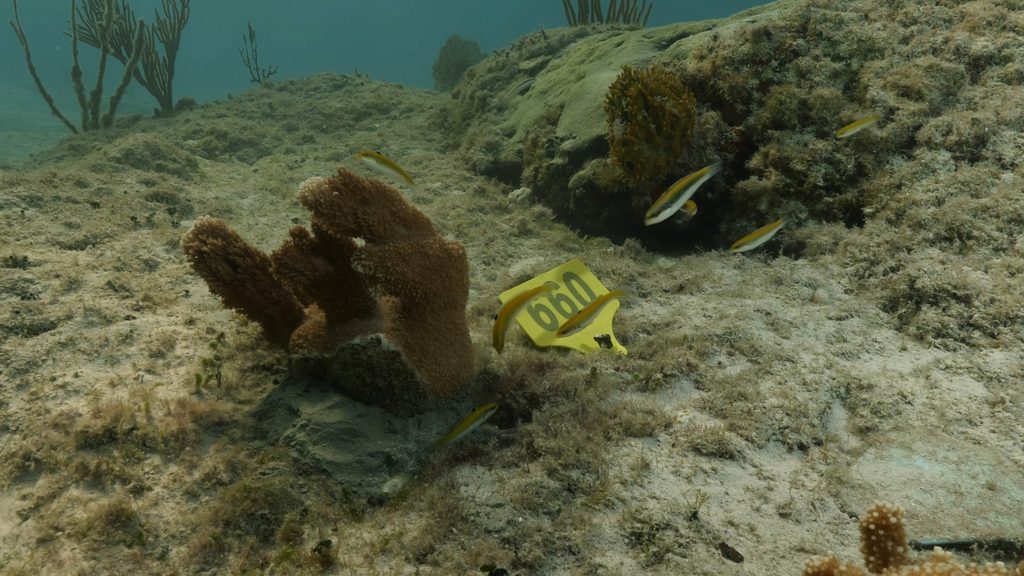
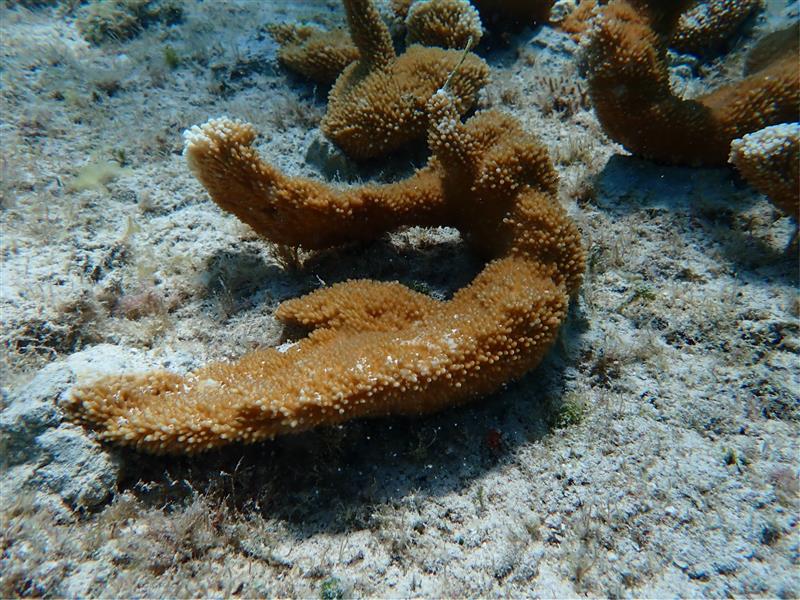
Thirty-two Acropora palmata fragments were replanted near Browns Cay, bringing to two hundred eighty-five the total number of corals replaced under the Super Coral Reefs program. The species, endemic to the Caribbean, is classified as critically endangered. Its populations in the region are estimated to have dropped by 97% since the 1980s, and some sites lost their colonies after the 2023–2024 marine heatwave.
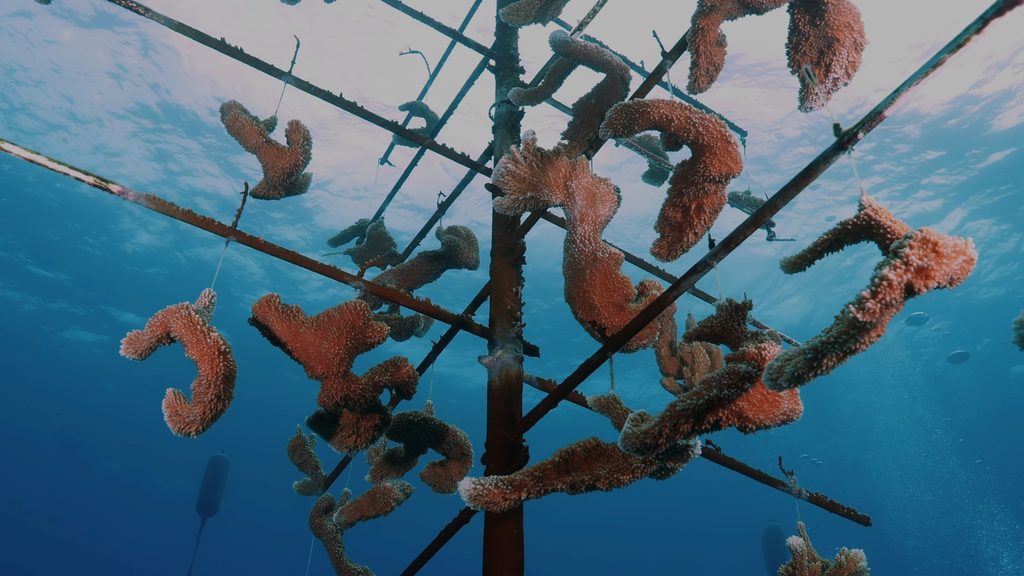
The program’s technical approach rests on selecting colonies that have shown natural tolerance to heat stress. The corals collected, grown and then replanted at Ocean Cay come from colonies that showed a 100% survival rate during the 2023–2024 heat episode. These fragments first spend nine to twelve months in underwater nurseries, suspended on tree-shaped structures. Each structure groups together genetic clones from a single donor colony.
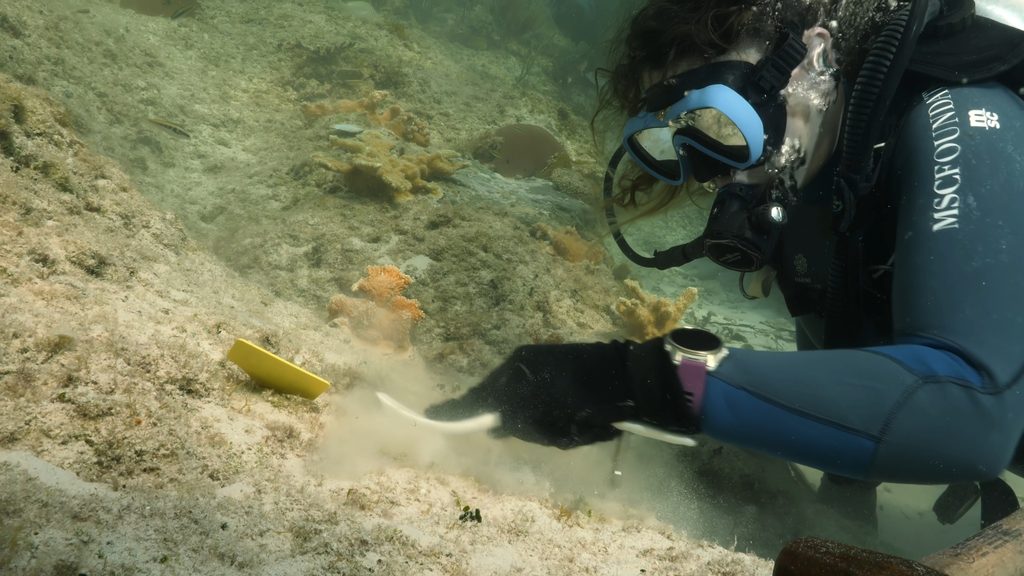
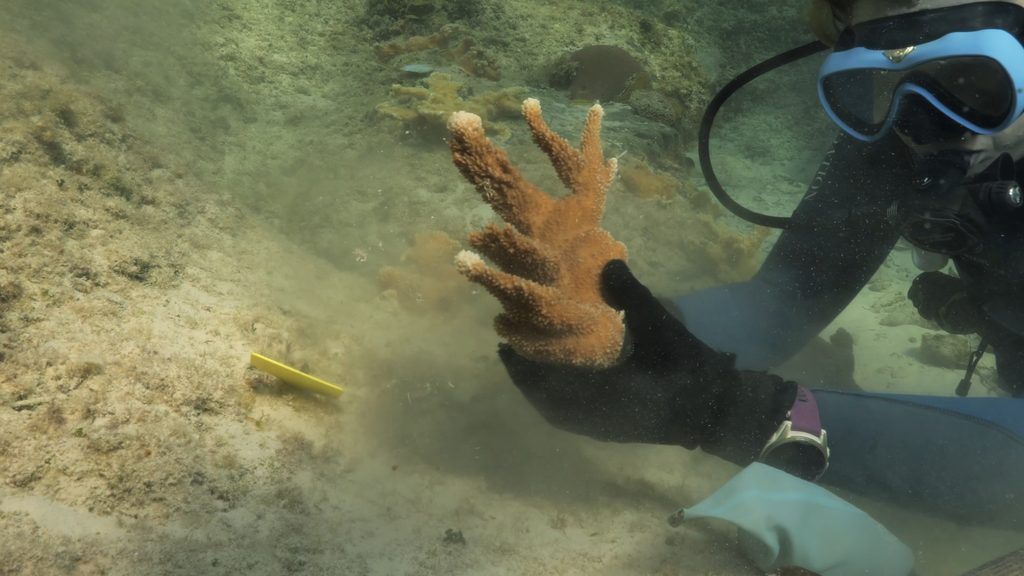
The method is not limited to multiplying fragments. Sites are chosen after reef studies and biodiversity assessments. On site, divers clear away sediment and algae before fixing the fragments with a marine cement prepared onshore. Clones from the same colony are grouped together to promote fusion; at the reef scale, fragments from different colonies are spread out to preserve a genetic diversity that may matter for future generations.
The most revealing point comes now. According to Emeline Bouchet, head of the marine program at the Ocean Cay Marine Conservation Center, NOAA’s Coral Reef Watch forecasts published in July anticipate a level-two bleaching risk in the northern Bahamas through September. Part of the fragments therefore remain in the nursery, under observation, instead of being immediately replanted.
This decision avoids a common pitfall of tourism-linked environmental programs: confusing quantity of actions with ecological effectiveness. The teams plan monthly monitoring of coral health and use photogrammetry to produce three-dimensional models of their growth. The value of the setup lies precisely in this capacity to document the long term, beyond the one-off announcement.
For the travel industry, the lesson is broader. Environmental credibility is no longer measured solely by the multiplication of visible initiatives, but by the ability to publish protocols, track results and, at times, temporarily hold back from acting. At Ocean Cay, the next important milestone will therefore not be the number of fragments replanted, but their survival after the next heat-stress season.
Cette publication est également disponible en :


