
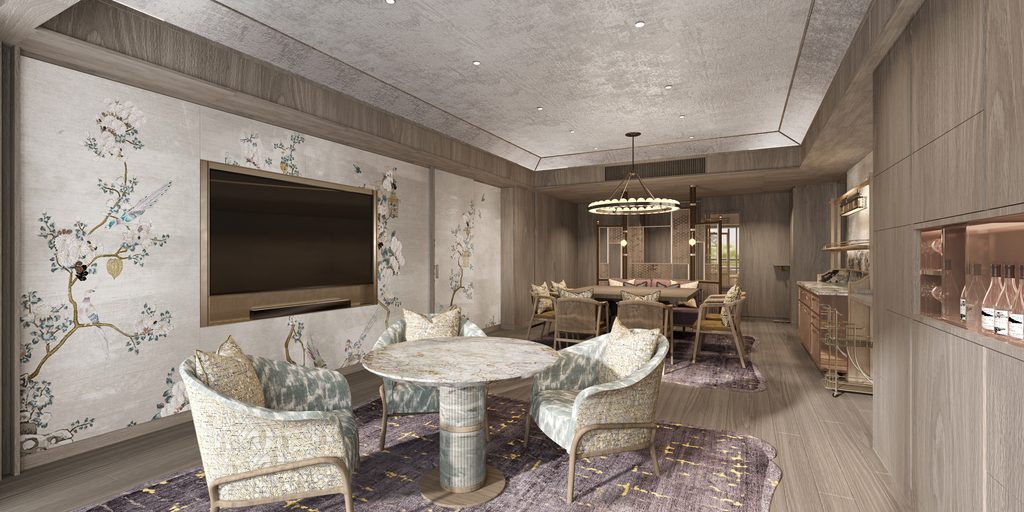
Facing Nijō Castle, the 77-room hotel reinterprets the grand residences of the Edo period within a collection conceived as a series of discreet houses.
A collection on a human scale
Shangri-La Group announces Songtei Kyoto, the second address in its ultra-luxury Shangri-La Signatures collection, conceived as a series of discreet residences intimately connected to their destination’s history and culture. The property will have 77 rooms and suites facing UNESCO World Heritage-listed Nijō Castle — a neighbour that immediately places the hotel in one of Japan’s most recognised heritage settings.
This smaller scale — 77 keys for a hotel group that owns or manages more than a hundred properties worldwide under the Shangri-La, Kerry, JEN and Traders brands — deliberately breaks with the volume-driven approach usually associated with group hospitality.
A site, a name, a history
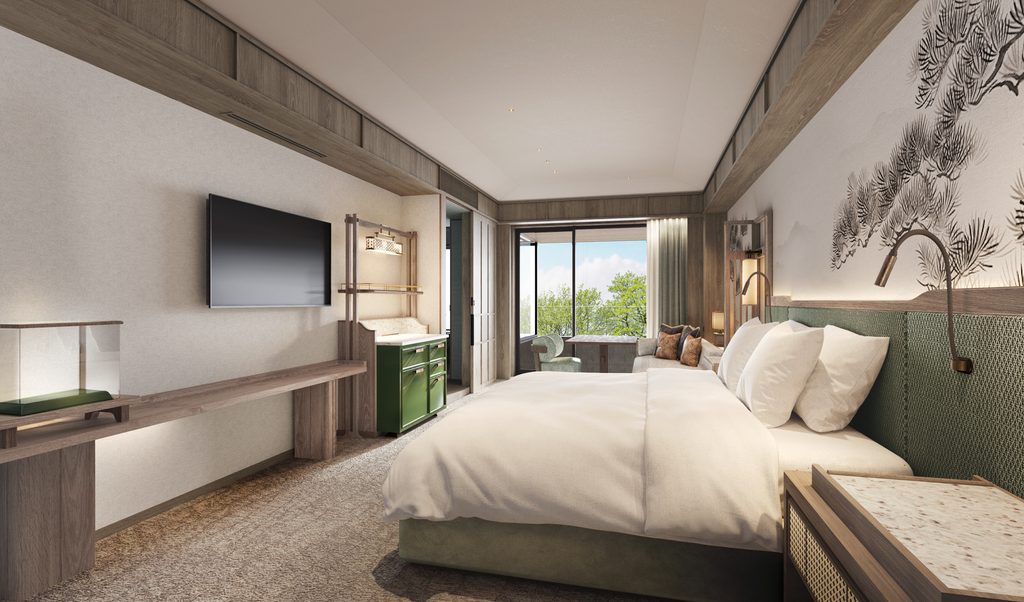
The hotel occupies the site of the former residence of the Kyoto Shoshidai, the shogun’s representative in Kyoto during the Edo period: a precise historical connection rather than a generic evocation of old Japan. The rooms have been designed to offer framed views of the Kita Ote-mon, the castle’s Great North Gate, its gardens and the surrounding landscape.
The name Songtei combines “Song”, the pine, a symbol of longevity and good fortune, and “Tei”, evoking a residence or a place where one feels at home. According to the group, it is a way of bringing Shangri-La’s hospitality heritage into dialogue with Kyoto’s refined spirit, rather than imposing a generic brand name on a distinctive destination.
The announced programme
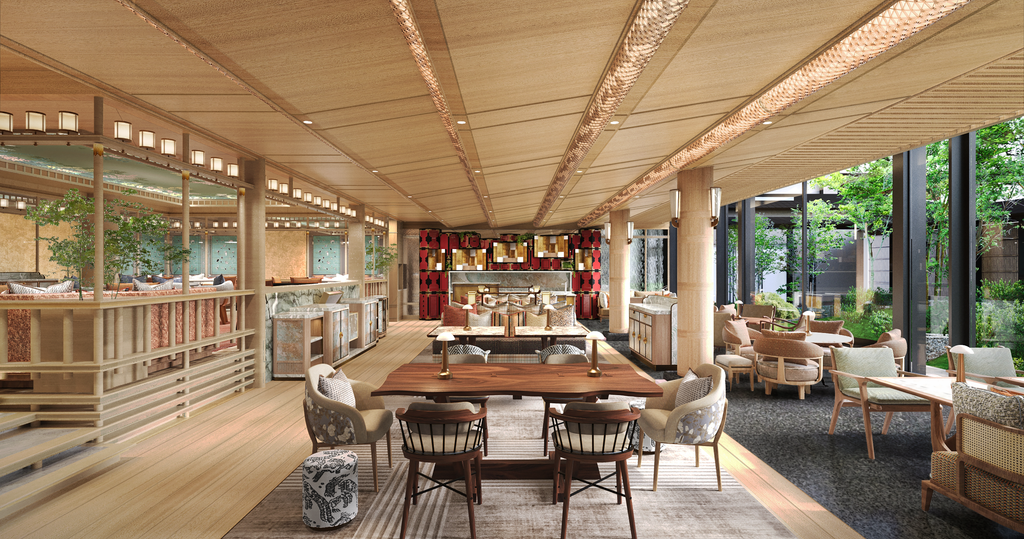
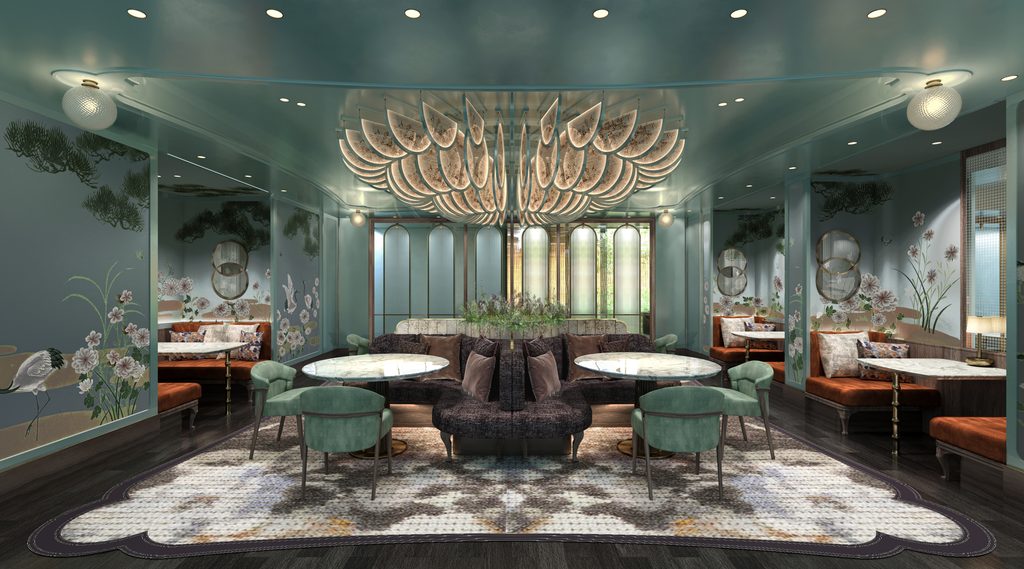
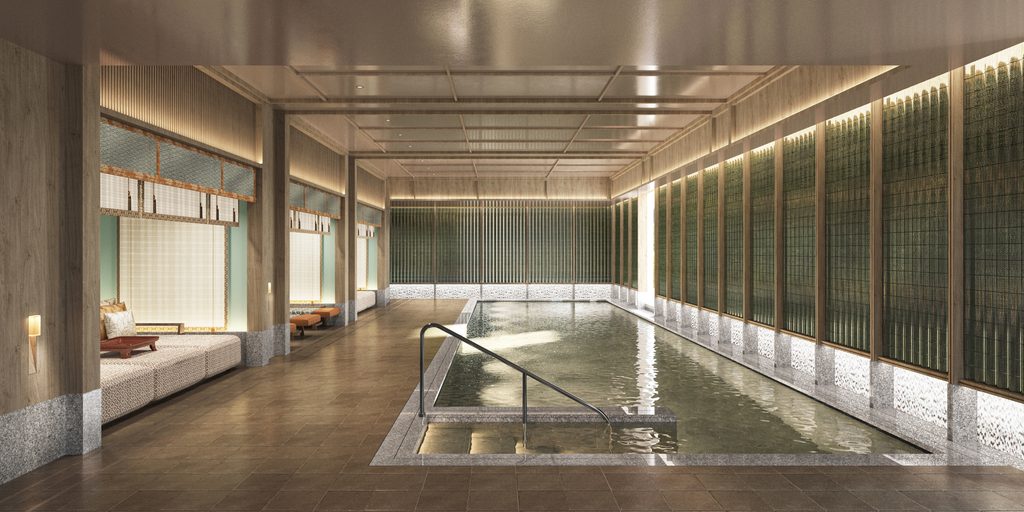
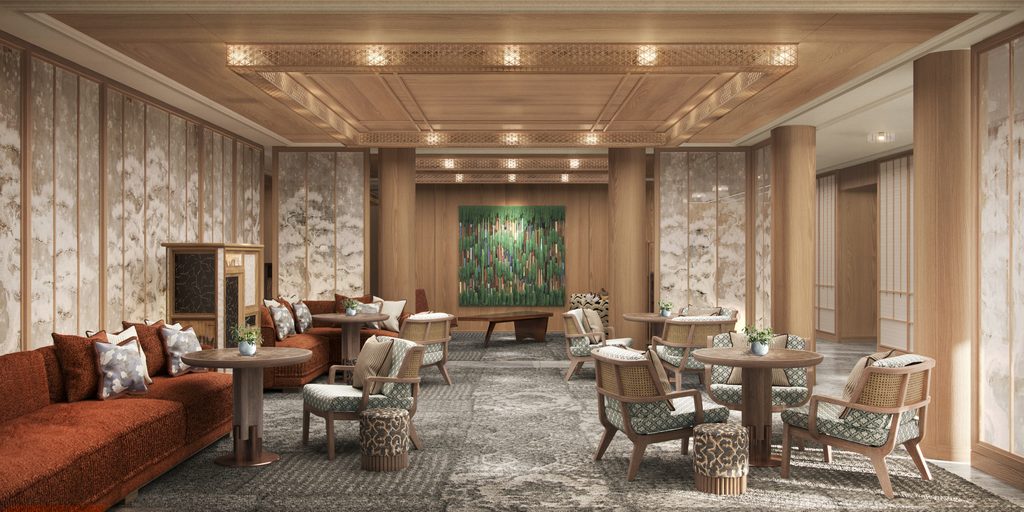
The property will include a wellness space with a private spa, indoor and outdoor hot baths, an indoor pool and a gym equipped with the latest technology. Its dining offer will centre on an all-day lounge, a fine-dining Chinese restaurant, a kappo-sushi counter and an intimate evening bar — a programme deliberately blending Asian cuisines rather than limiting itself to a strictly Japanese offer despite its Kyoto location.
The different spaces will open gradually from late 2026, ahead of a full opening scheduled for early 2027. This timetable, spread over several months, suggests a cautious rollout rather than a single spectacular inauguration.
A positioning announcement before a bookable product
The collection’s first address, The Silk Lakehouse in Hangzhou, opened in May 2025 on the shores of West Lake, also a UNESCO World Heritage site. Within its first year it joined TIME magazine’s World’s Greatest Places 2026 selection and the Prix Versailles World’s Most Beautiful Hotels 2026 list — a pace of recognition that Shangri-La explicitly highlights to frame expectations around Songtei Kyoto.
The release nevertheless specifies neither room categories nor rates nor the date when reservations will open, leaving these to the “coming months”. What is being announced today is the site, the name and the philosophy, not yet a bookable product. For a collection only reaching its second hotel after eighteen months of existence, this staggered announcement is also a way to sustain attention without saturating it, relying on the rarity of the timetable as much as that of the addresses themselves.
Kyoto, a contested destination at the very top end
Songtei Kyoto’s arrival is part of a broader movement by the most exclusive hotel collections into the former imperial capital. Several international groups have opened or announced ultra-luxury addresses there in recent years, drawn by the scarcity of historic land and growing demand from international travellers seeking immersive cultural experiences rather than standardised hotel stays.
In this competitive context, Shangri-La’s choice to rely on a historical connection as well documented as the Kyoto Shoshidai, rather than solely on the contemporary architectural signature favoured by some competitors, outlines a clear differentiation strategy. Its commercial effectiveness, however, can only be measured after the full opening planned for early 2027.
Cette publication est également disponible en :


