
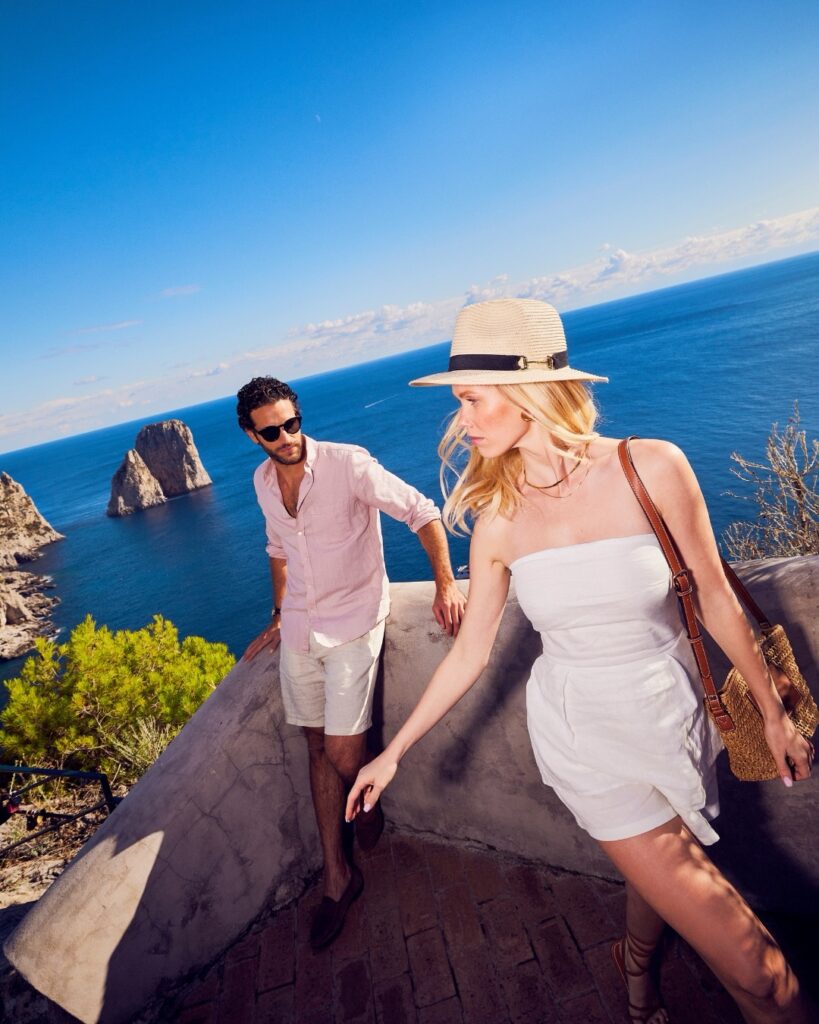
On Capri, true luxury may now be a question of pace. While the island remains associated with the social speed of the Piazzetta and the most conspicuous seaside itineraries, Jumeirah Capri Palace advocates another interpretation of a stay: discovery on foot, slower, quieter, almost corrective.
The idea is far from incidental. It responds to a profound shift in high-end travel: a search for experiences that no longer merely accumulate signs of distinction, but restore a quality of relationship with a place. From Anacapri, the hotel presents itself as a starting point for an island less saturated with images. This positioning rings true because it rests on real geography.
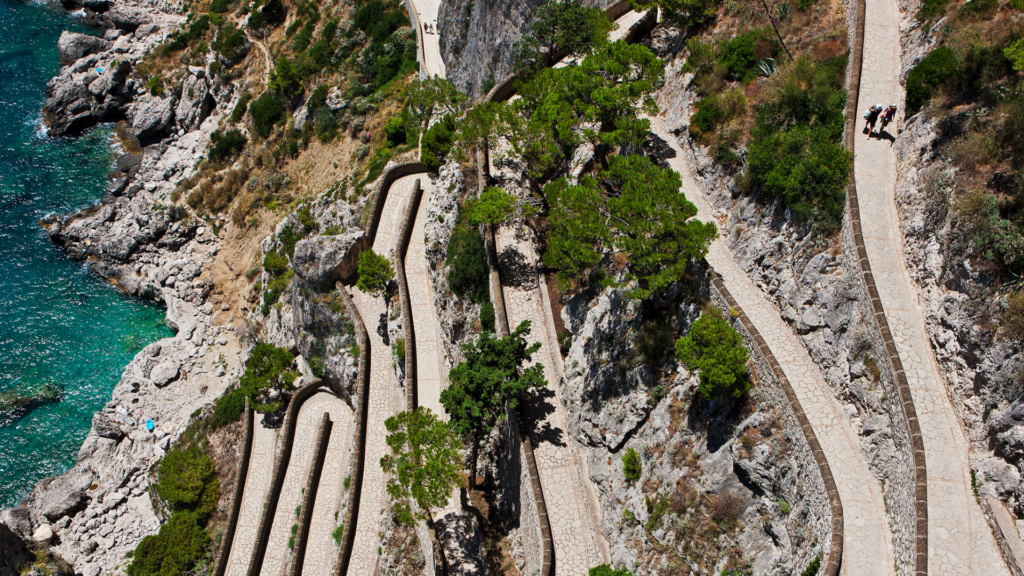
The Via dei Fortini, running for almost six kilometres between Punta Carena and the Blue Grotto, reveals a more rugged coastal Capri, punctuated by watchtowers and secluded coves. The Phoenician Steps, with their 921 steps, offer a renewed physical and historical relationship with the island. Monte Solaro and the Pizzolungo trail extend this experience through the panorama, without making it entirely about the spectacle of the viewpoint.
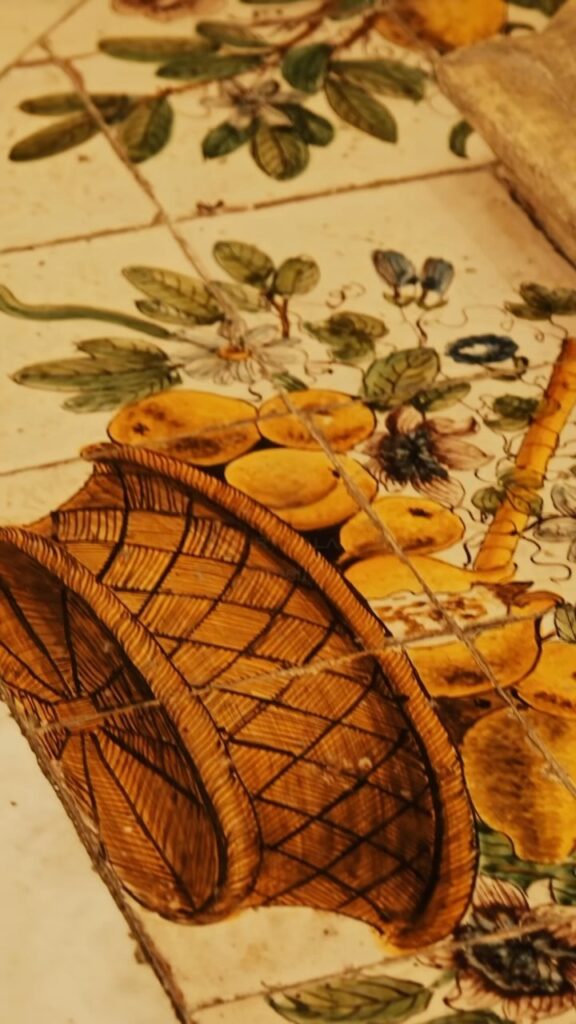
What makes the whole proposition more interesting is that the narrative does not stop at the landscape. Anacapri becomes a cultural counterpoint: artisan workshops, Villa San Michele, the church of San Michele and its majolica floor made up of more than 1,500 hand-painted tiles. The island then reveals itself as a fabric of gestures, not merely a postcard. For a hotel of this category, this curatorial direction is more relevant than a simple promise of switching off.
The continuation at the Capri Medical Spa, and more specifically Professor Francesco Canonaco’s Leg School programme, intelligently completes the proposition. Walking is no longer merely an activity; it becomes a way of experiencing the place and then returning to a state of well-being. The stay is thus organised as a coherent sequence, from trail to treatment.
Why does this subject matter now? Because iconic destinations must learn to protect themselves against their own overexposure. Capri is one of them. Restoring value to a step, to measured effort and to a detour through craftsmanship reintroduces rarity where imagery seemed to have consumed everything.
Cette publication est également disponible en :


