
Twenty years ago, if you ordered a Japanese whisky in a Paris bar, you would at best receive a puzzled look, at worst a shrug. Today, Hibiki and Yamazaki sit on the finest lists, at prices competing with the most sought-after Scottish single malts. Tequila is undergoing the same revolution — and two Mexican houses in particular embody that change.
Código 1530 and Altos arrive in France with distinct histories and different positioning, but the same ambition: to move tequila beyond its 6 p.m. shot image and restore the dignity it has possessed for centuries. With methods worth pausing over.
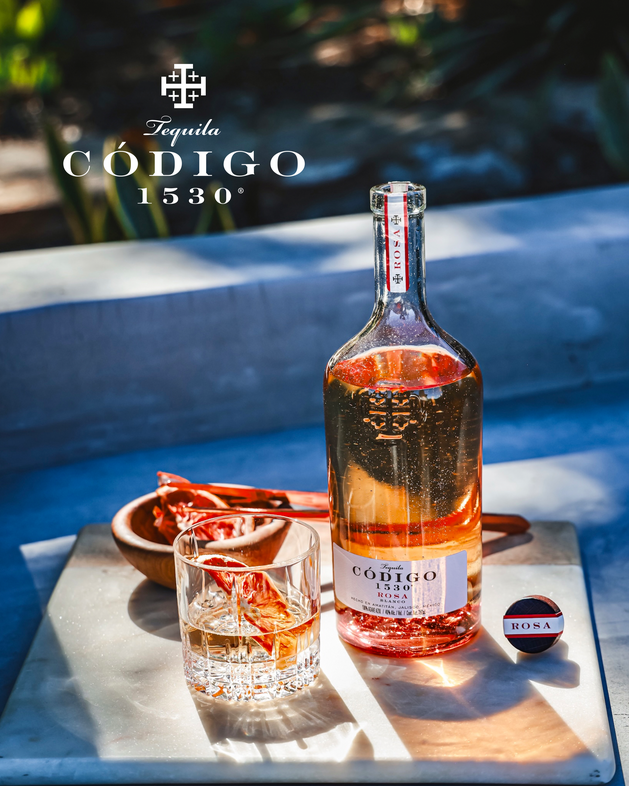
Código 1530: Napa Valley calls in Jalisco
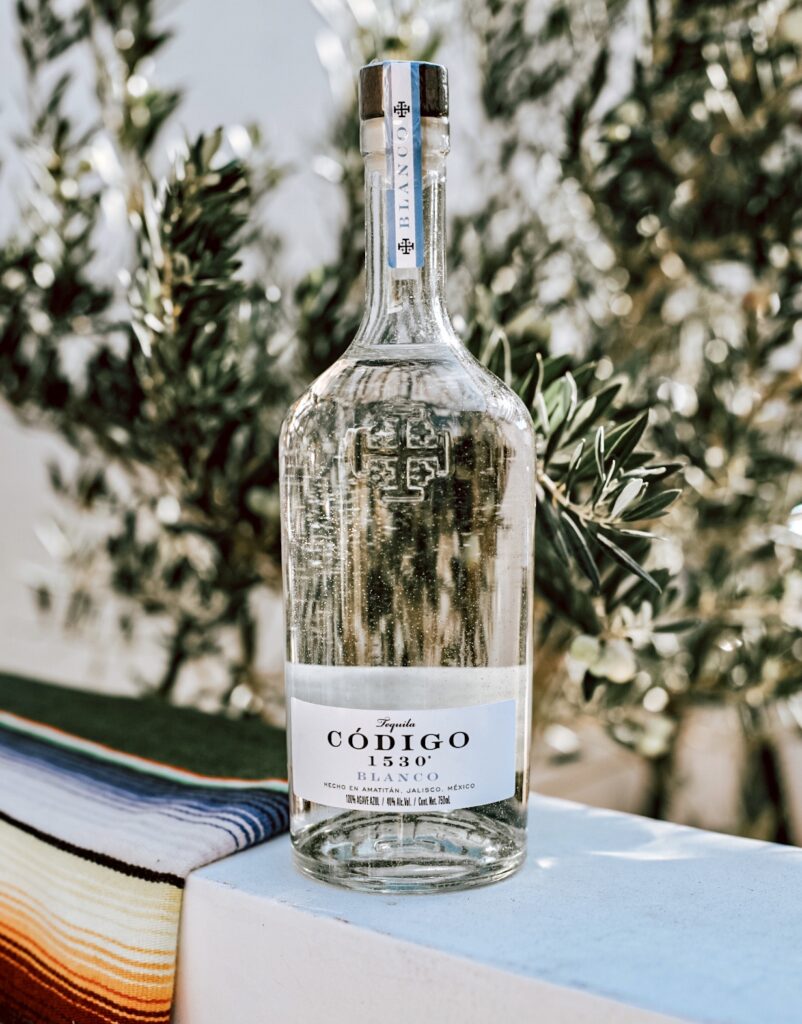
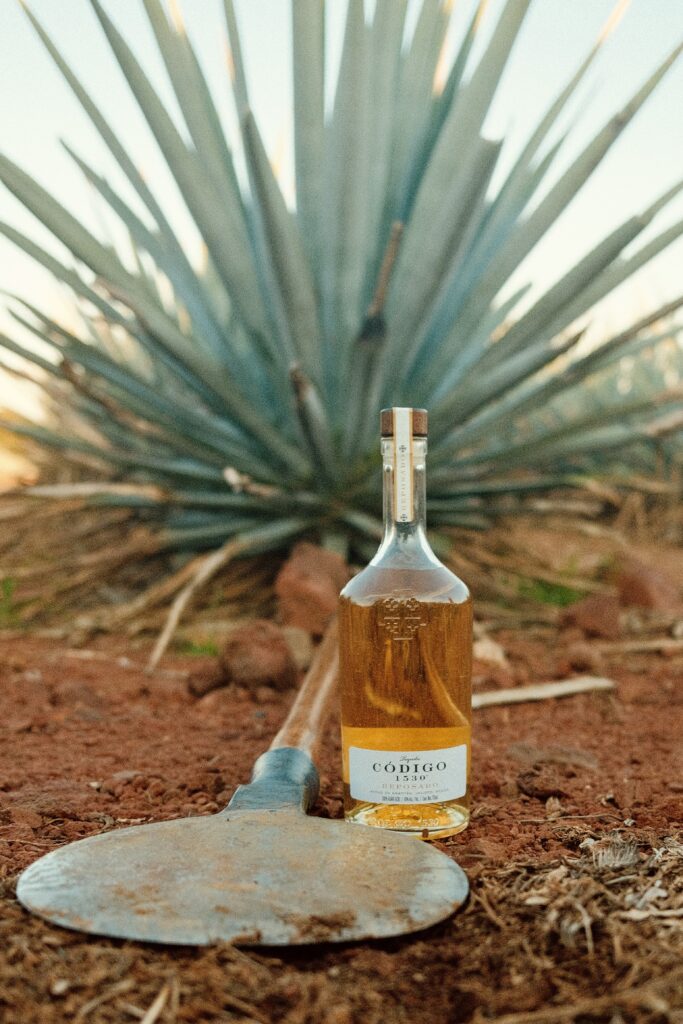
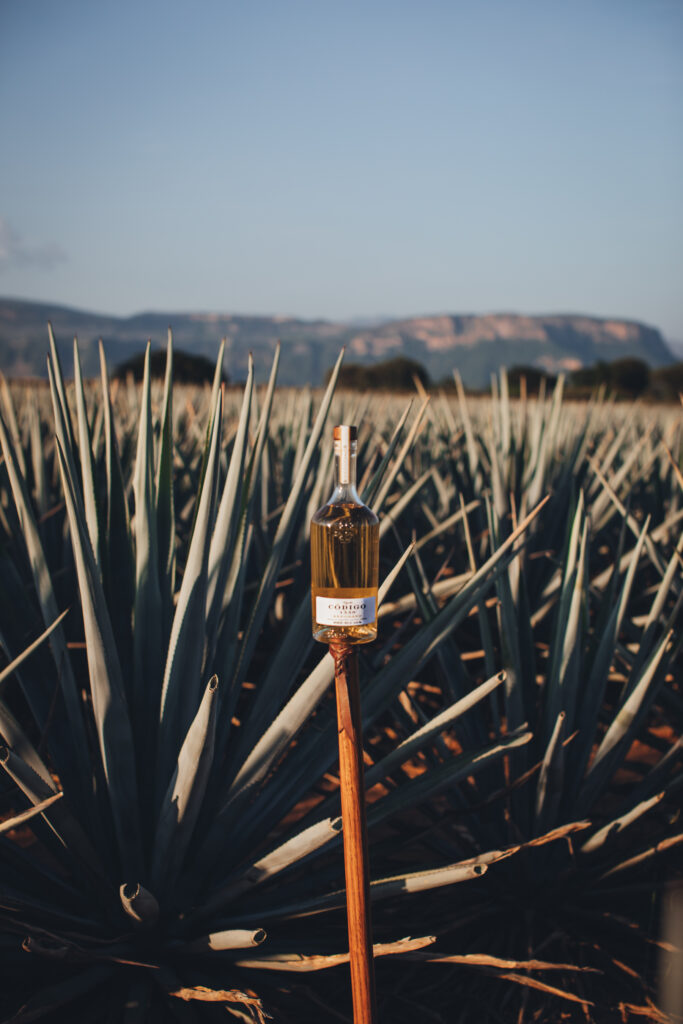
The name already says something. 1530: the year when the first blue agaves are said to have been cultivated in the Los Bajos region, in the heart of Mexico’s Jalisco. It was there that Alfredo Voices, a vineyard owner and spirits enthusiast, decided to bring two worlds together: ancestral Mexican techniques and the expertise of Napa Valley’s great barrels.
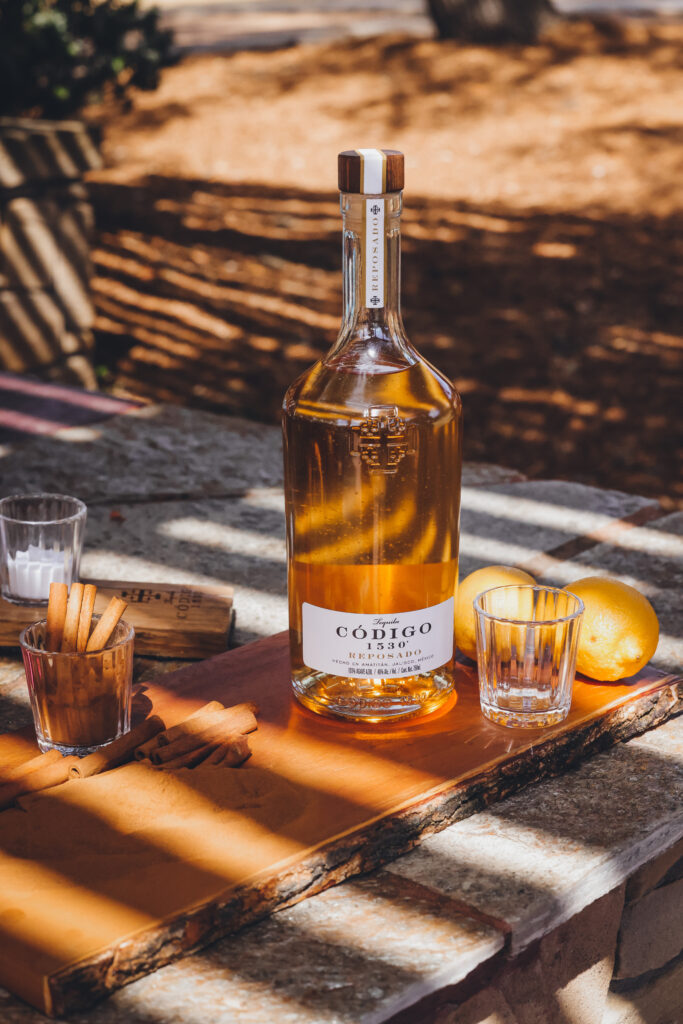
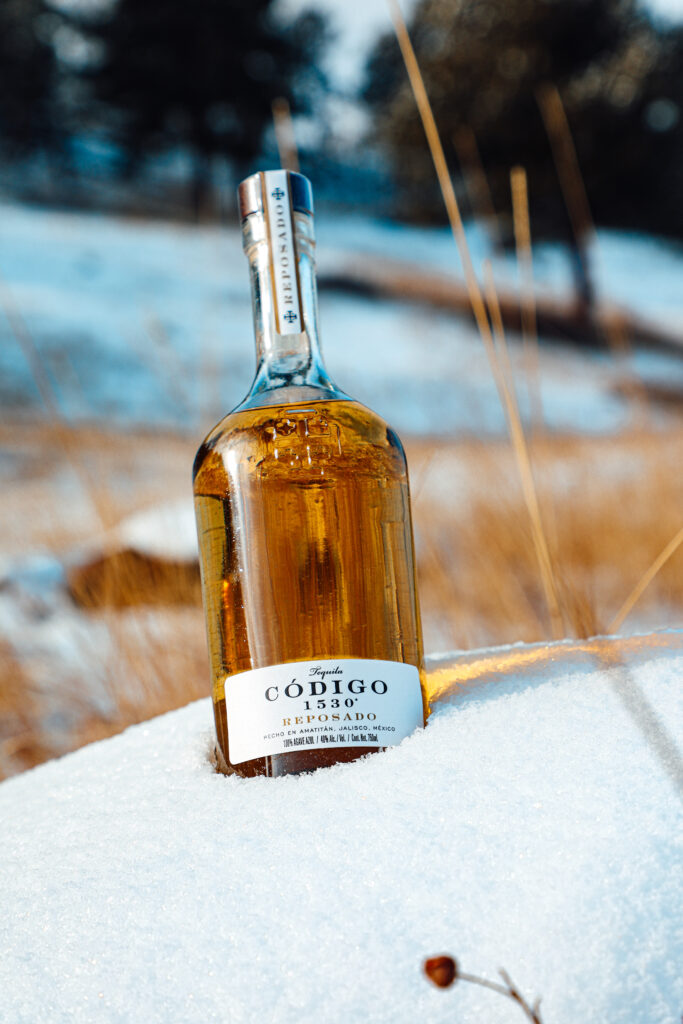
The result comes in two notable expressions. Reposado (€62) ages for six months in former French red-wine barrels. That time in wood brings a roundness, freshness and elegance not expected in a tequila of this range. Far from the aggressive fruit that occasional drinkers still associate with Mexican spirit, it is structured and nuanced, inviting contemplation.
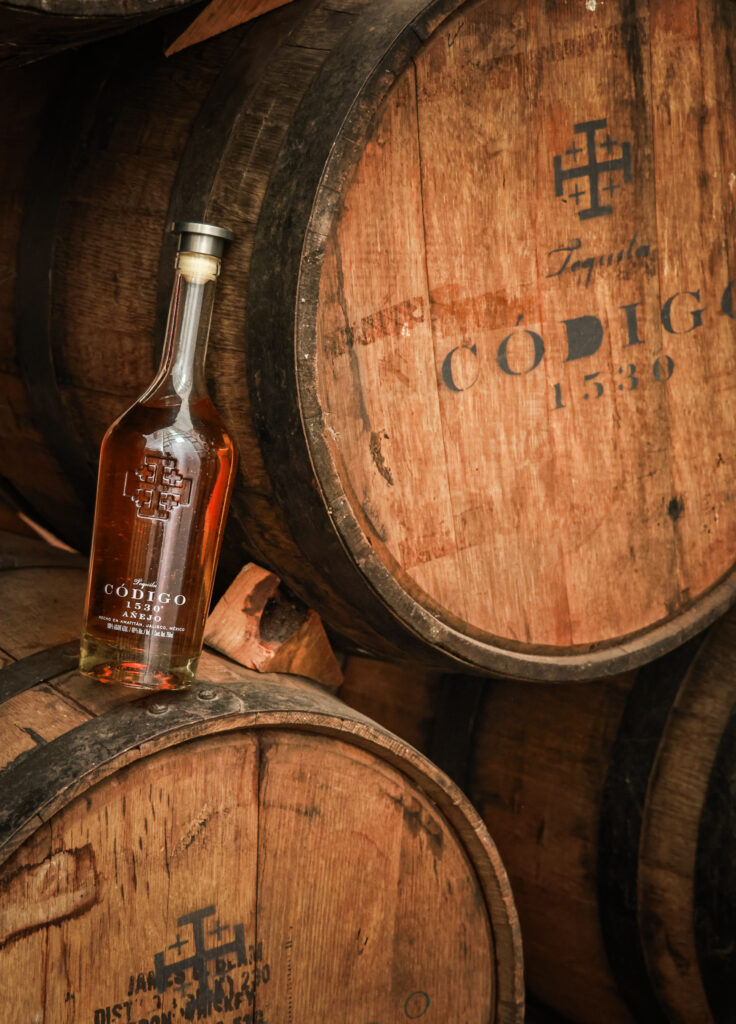
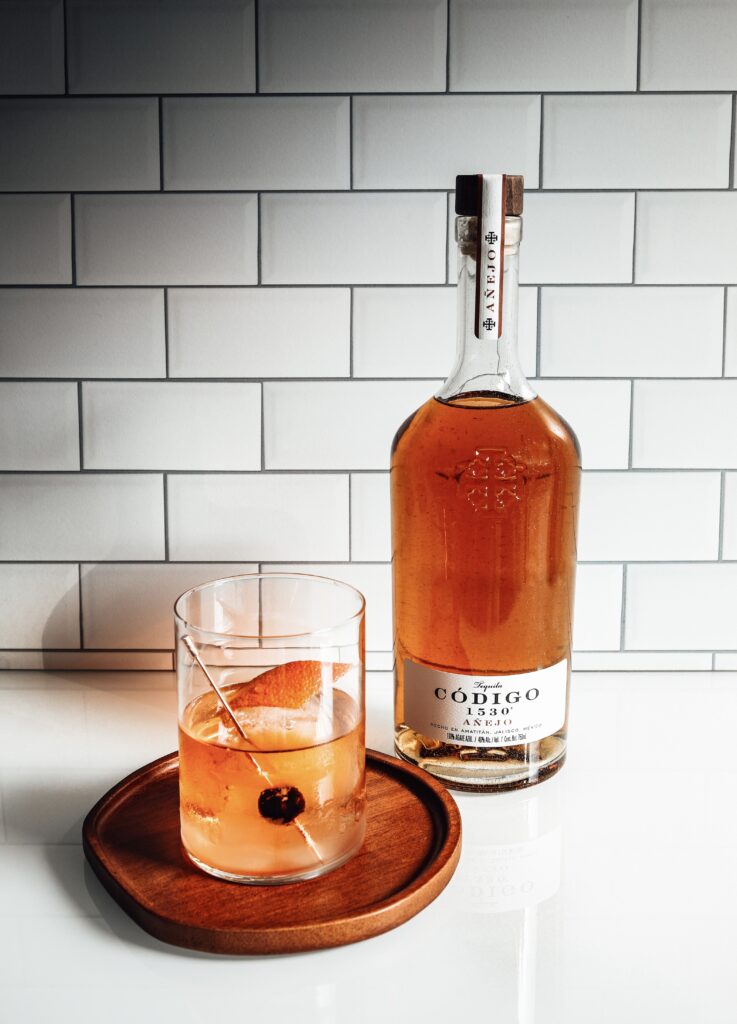
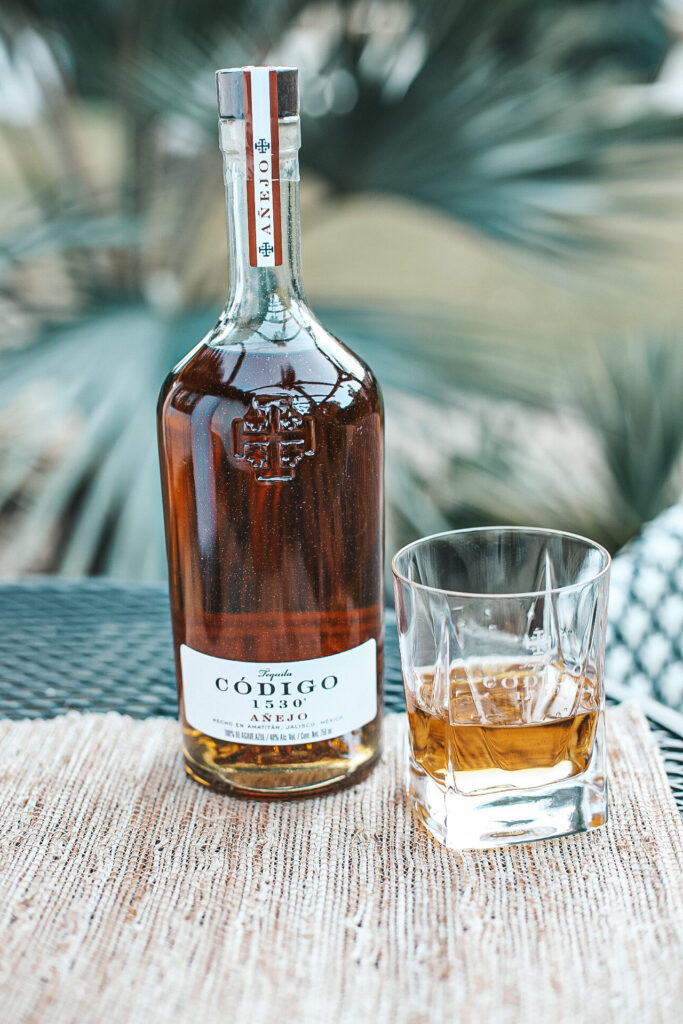
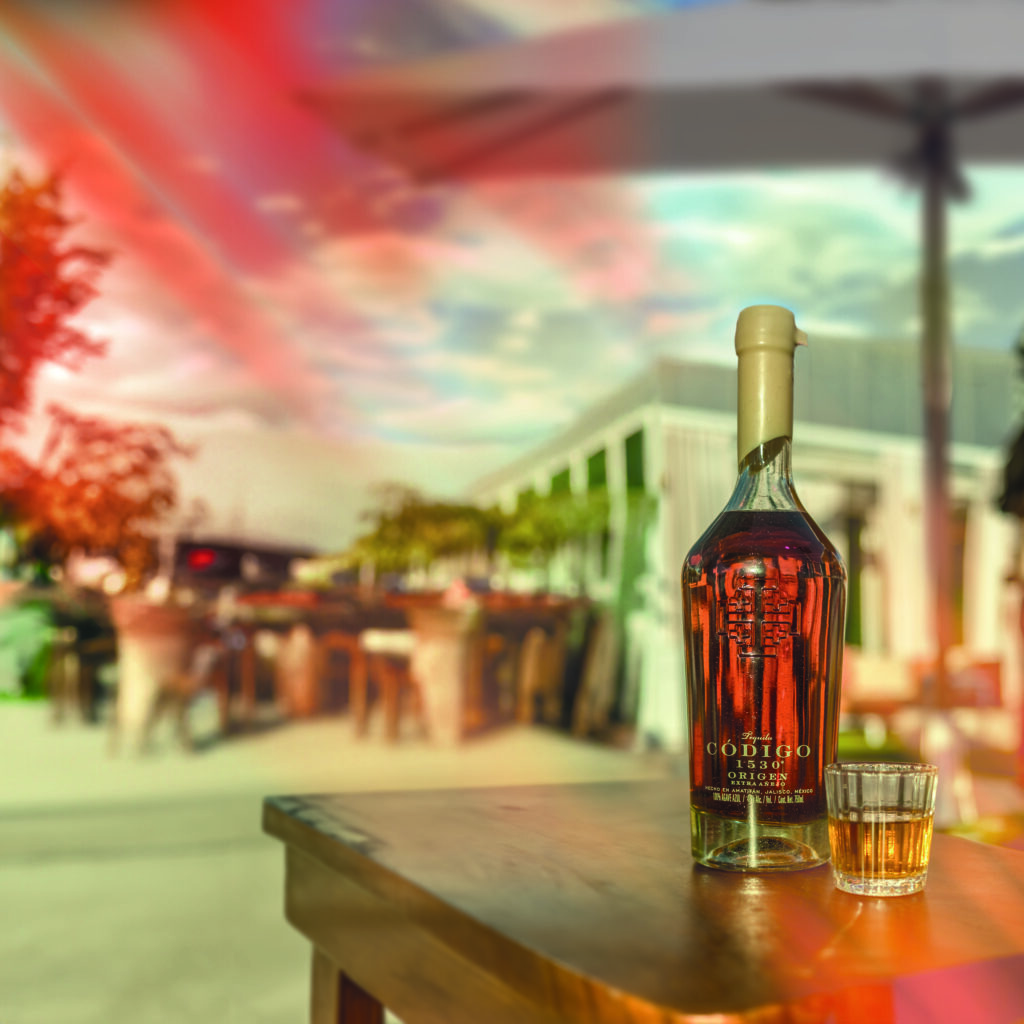
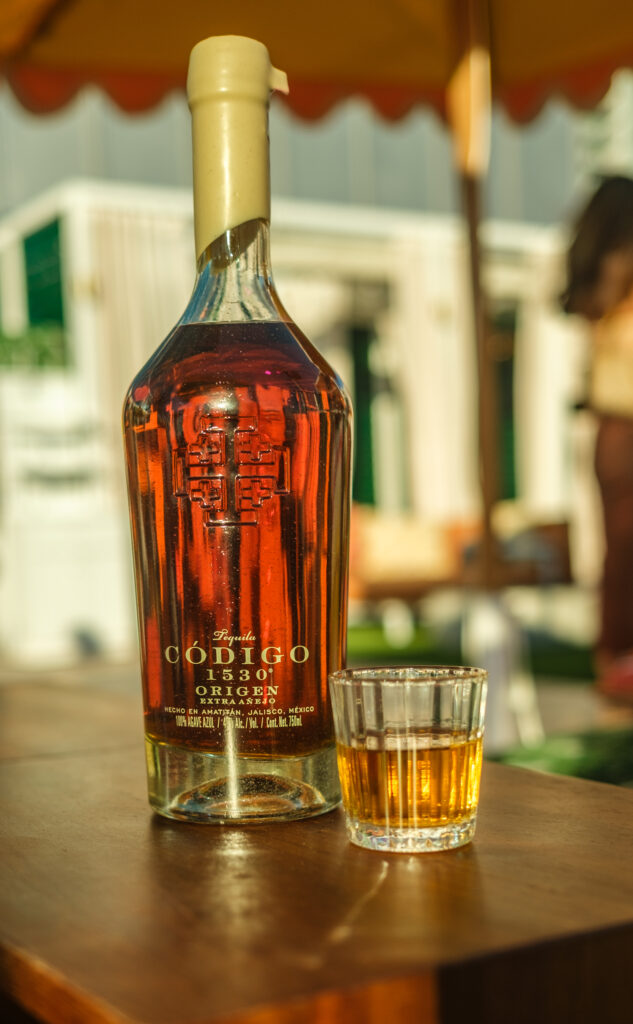
Añejo (€145.50) goes further. Its notes of roasted agave, vanilla and blond tobacco reveal controlled ageing, a complexity that has nothing to envy from the finest aged European spirits. At this price, it is a connoisseur’s product — and that is precisely what Código 1530 aims to be.
Altos: the bartender’s route
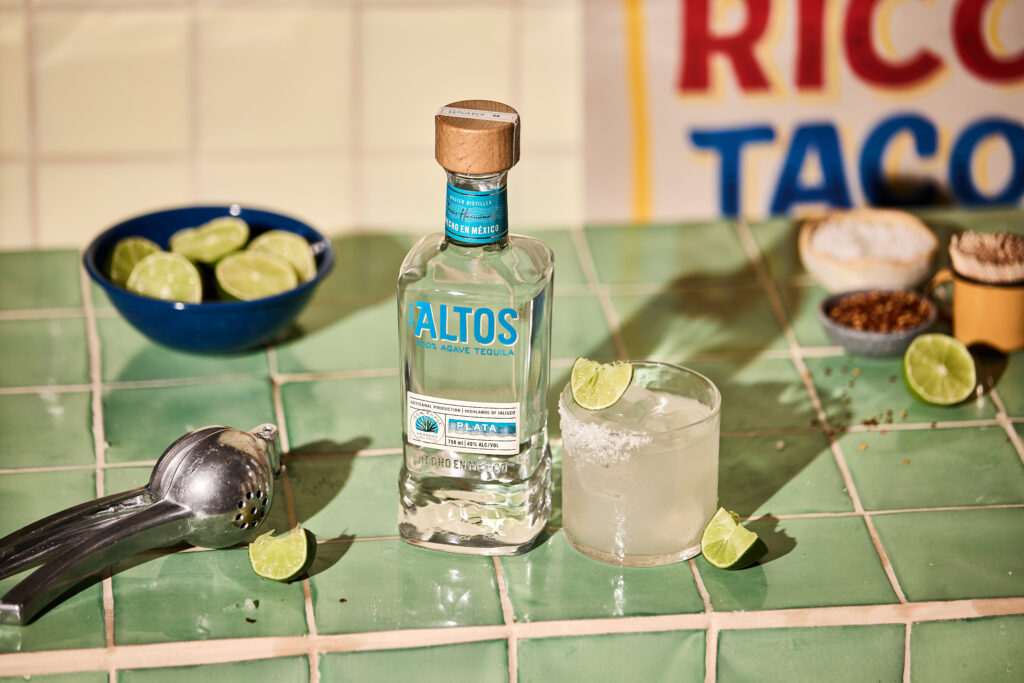
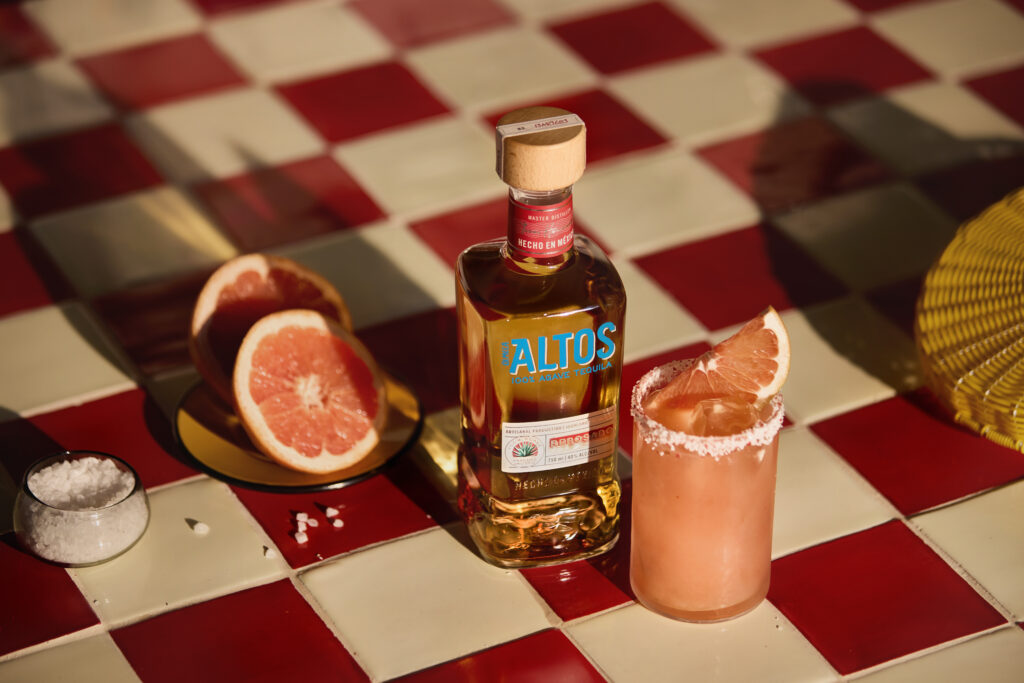
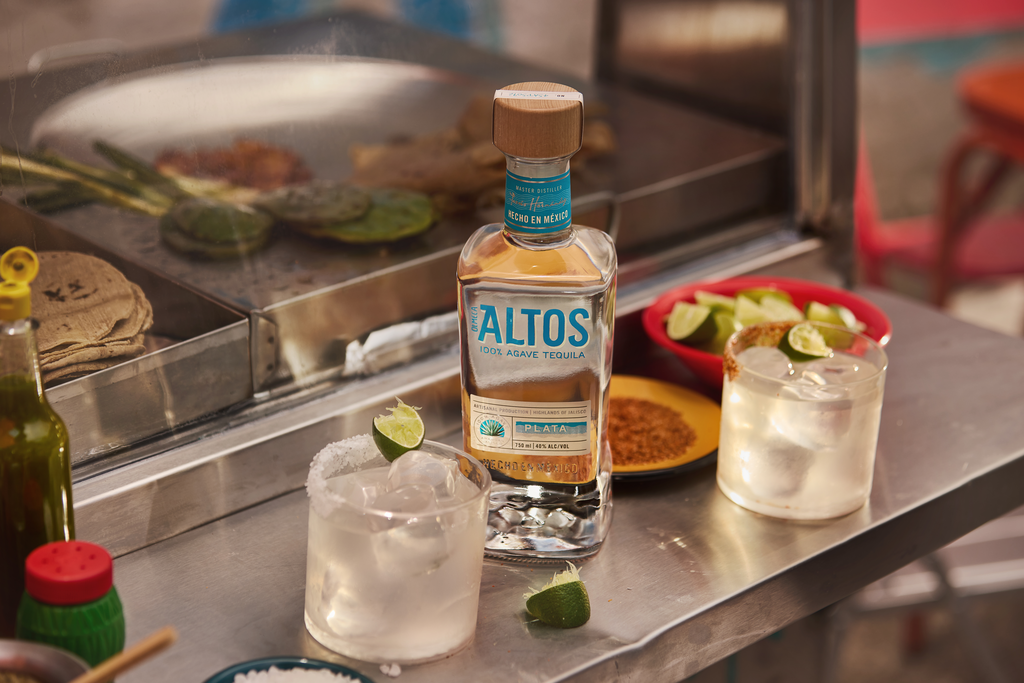
Altos tells another story — no less compelling, but different. Olmeca Altos Plata (€26.50) was born from a dialogue between Pernod Ricard and the world’s leading bartenders. The idea was to create a 100% blue-agave craft tequila made for cocktails but equally able to stand up to neat tasting.
What distinguishes Altos is its method. Blue agave is hand-harvested, cooked for three days in brick ovens, then crushed using the Tahona — a volcanic-stone wheel five centuries old. This artisanal process, which preserves the agave fibres during fermentation, produces an aromatic profile unlike industrially made tequilas: softer, more floral, more complex.
The signature cocktail proposed with the range — a revisited Paloma — neatly illustrates Altos’s ambition: reconciling artisanal excellence with immediate pleasure. Not a tequila for a cabinet, but one for terraces, summer and conversation.
The quiet agave revolution
What press releases do not say is that tequila’s move upmarket belongs to a broader shift. Young European spirits consumers — those raised on craft gins and agricultural rums — now seek history, terroir and process in their glass. With its eight hundred years of agave cultivation, Denominación de Origen and strict appellations, tequila has every element to meet that demand.
Código 1530 and Altos arrive at the right moment. One is for drinkers who want to sit with a glass and think about it; the other, for those who want the bartender to have done the thinking for them. Two philosophies, one territory: that of a Mexican spirit that no longer needs excuses to be served at the finest tables.
This summer, if a Código 1530 Reposado is offered at dinner, say yes. And if it is an Altos Paloma on a late-afternoon terrace, say yes to that as well. They are two different ways of feeling good — and two very Mexican ways of forgetting that summer will end.
Cette publication est également disponible en :


