
A century ago, wearing luxurious lingerie outside the bedroom was seen, in the 19th-century mindset, as a sign of belonging to the demi-monde. Yulia Yanina revisits this theme with “Provocation,” her Fall-Winter 2026–2027 haute couture collection, which transforms a historical stigma into a language of feminine confidence—without ever succumbing to exhibitionism.
The starting point for the collection is not lace itself, but its social history. The brand recalls that for decades, luxury lingerie was associated with women of the demi-monde, until the 20th century gradually redefined beauty and sensuality as a realm accessible to all. Yanina Couture chose to name her collection after this shift—*Provocation*—while taking care to clarify that, in her own vocabulary, provocation is never a cry. It is an intellectual, understated gesture, almost a confidence shared between the woman wearing it and the one looking at it.
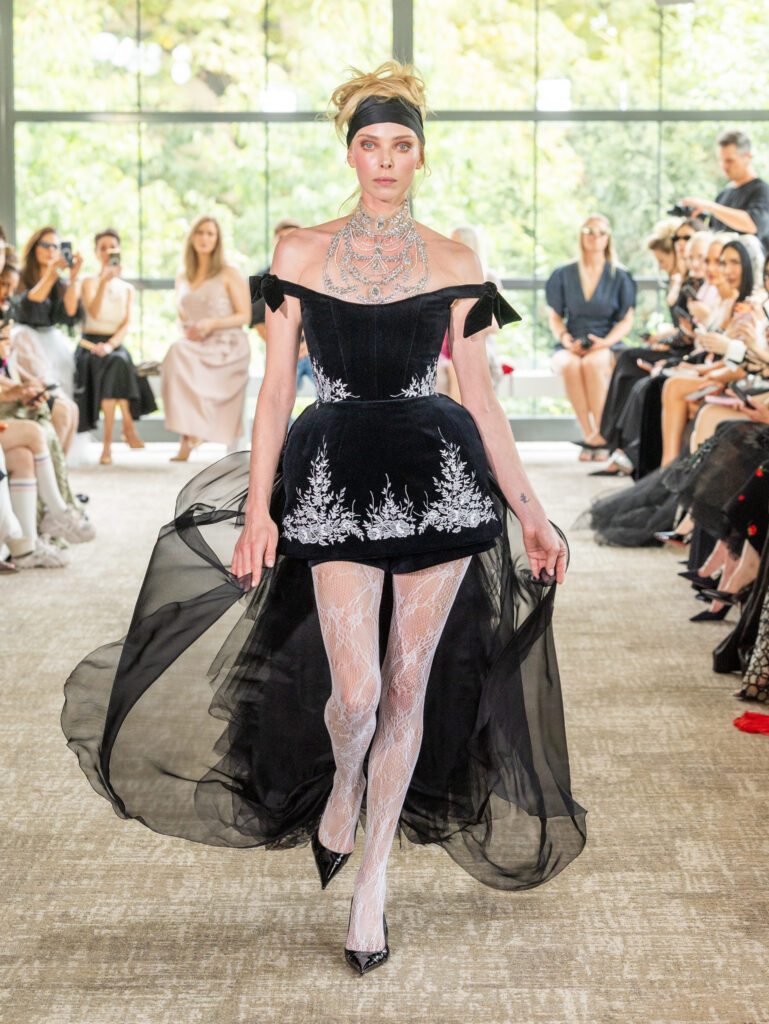
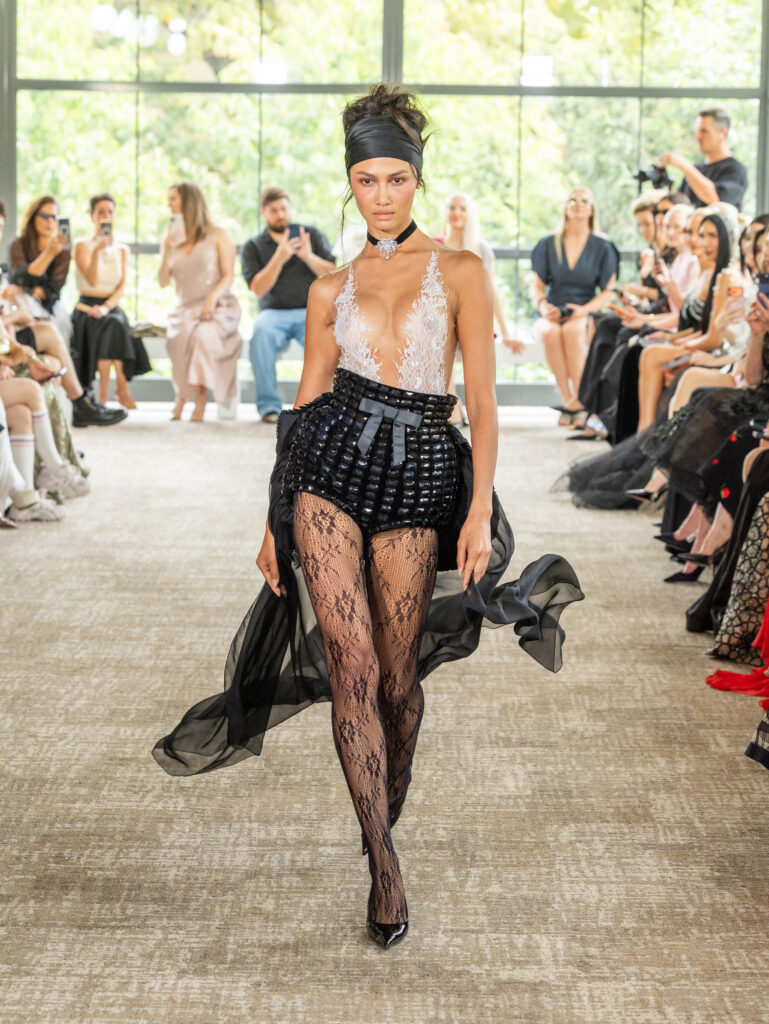
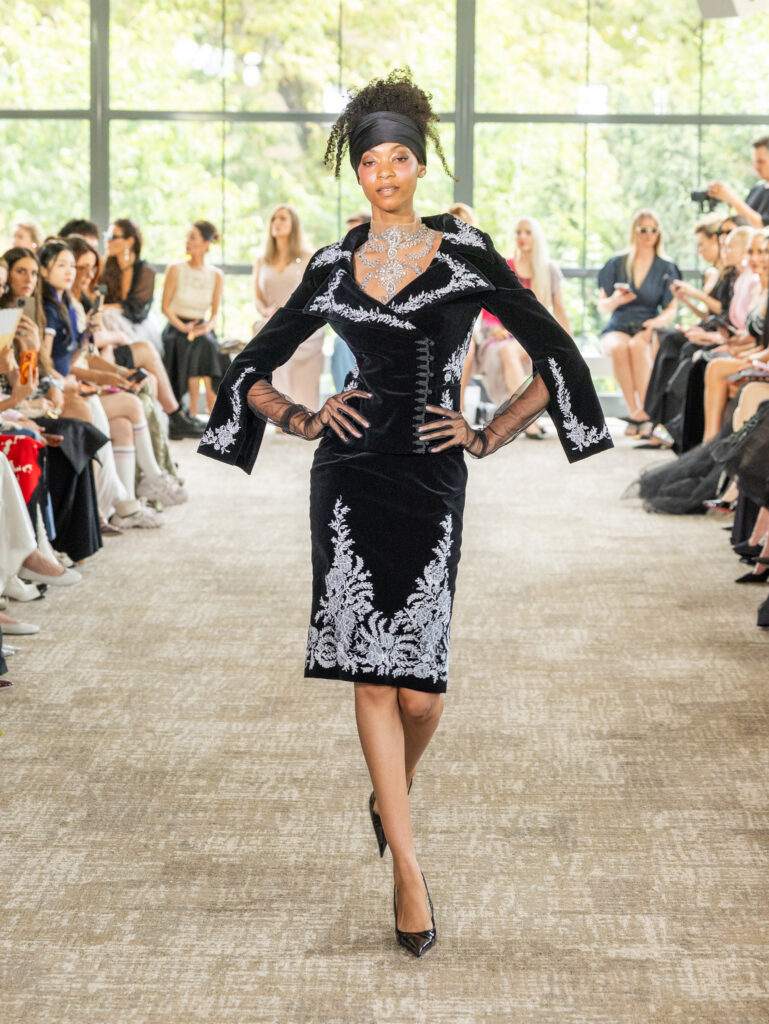
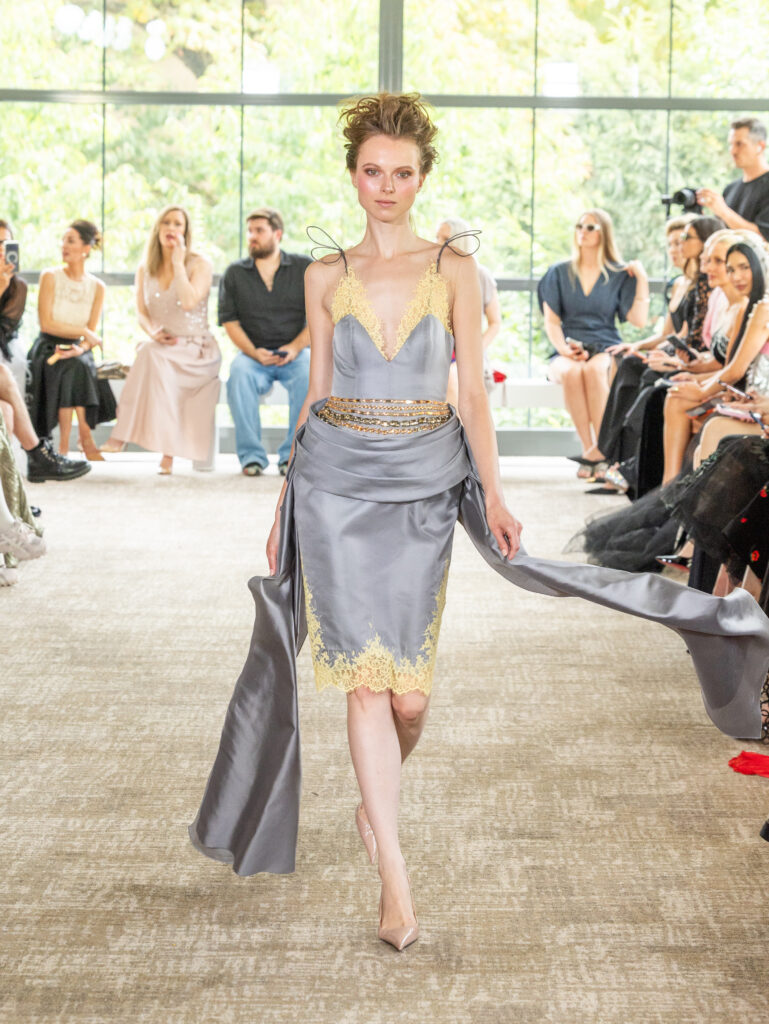
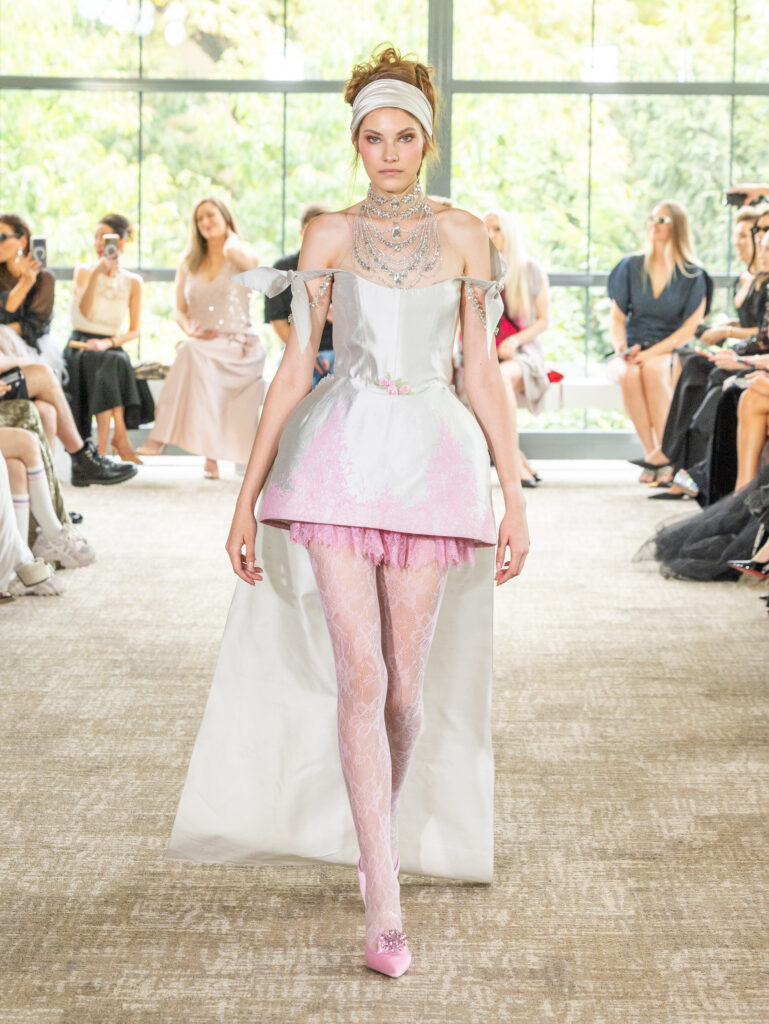
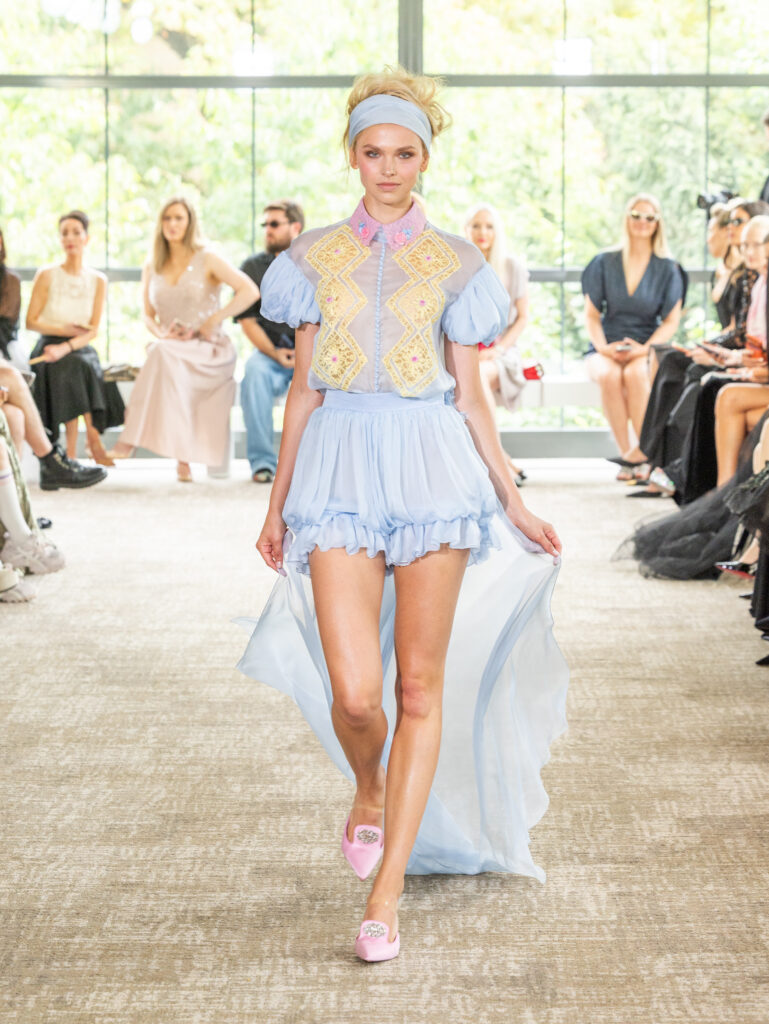
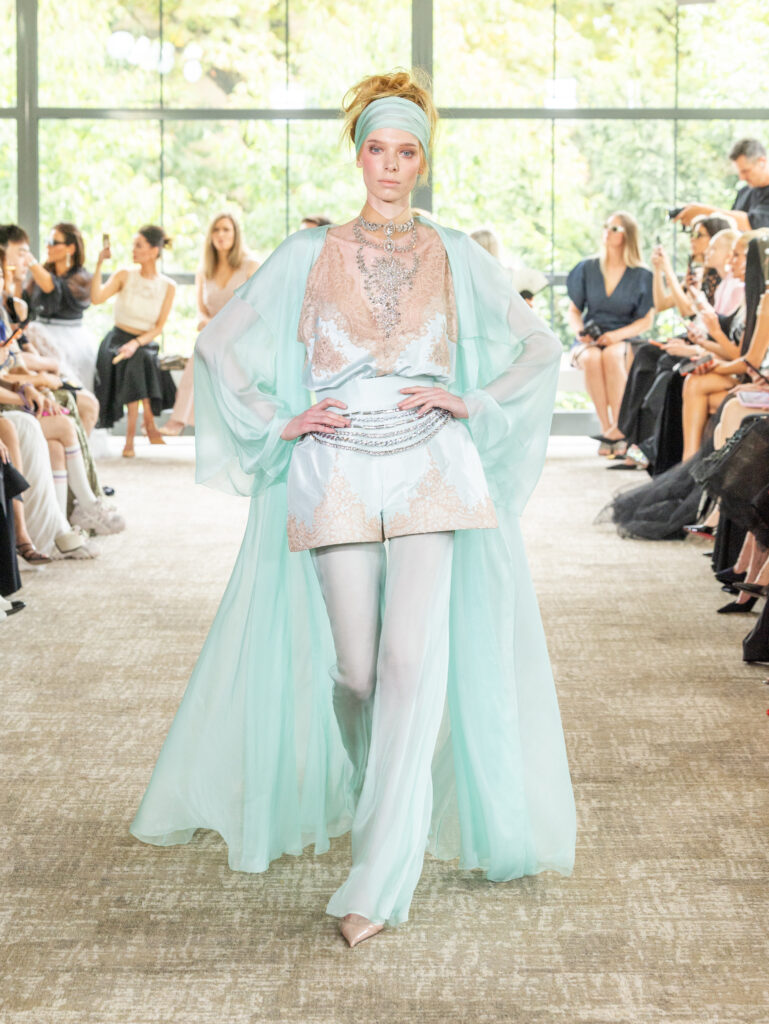
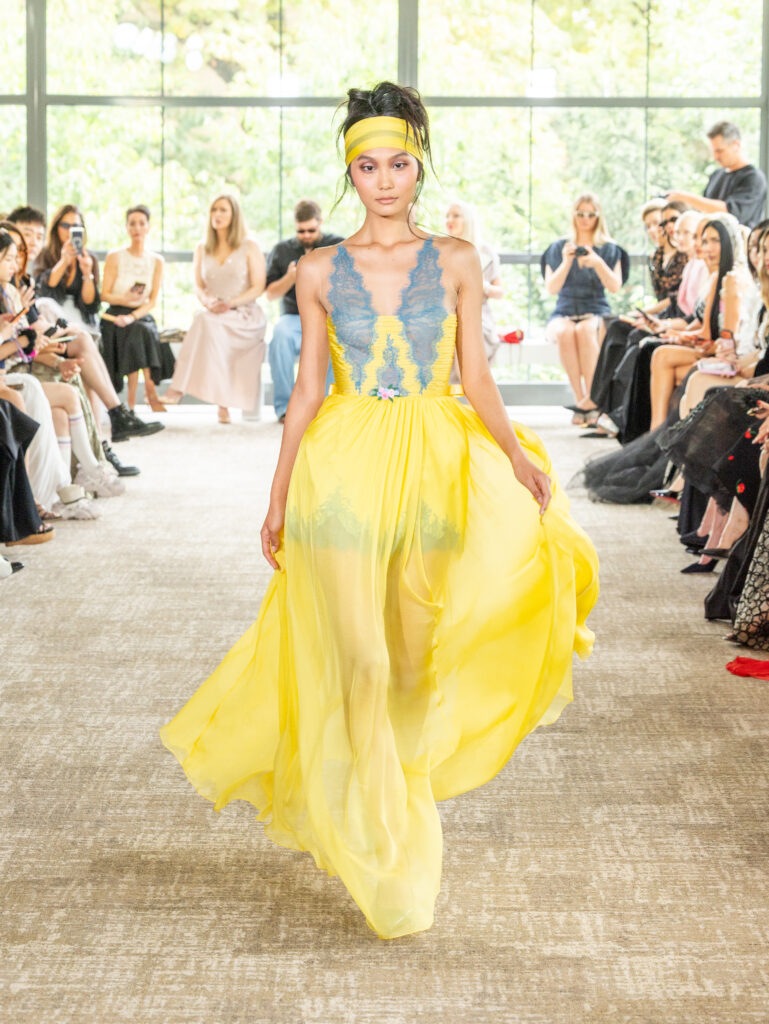
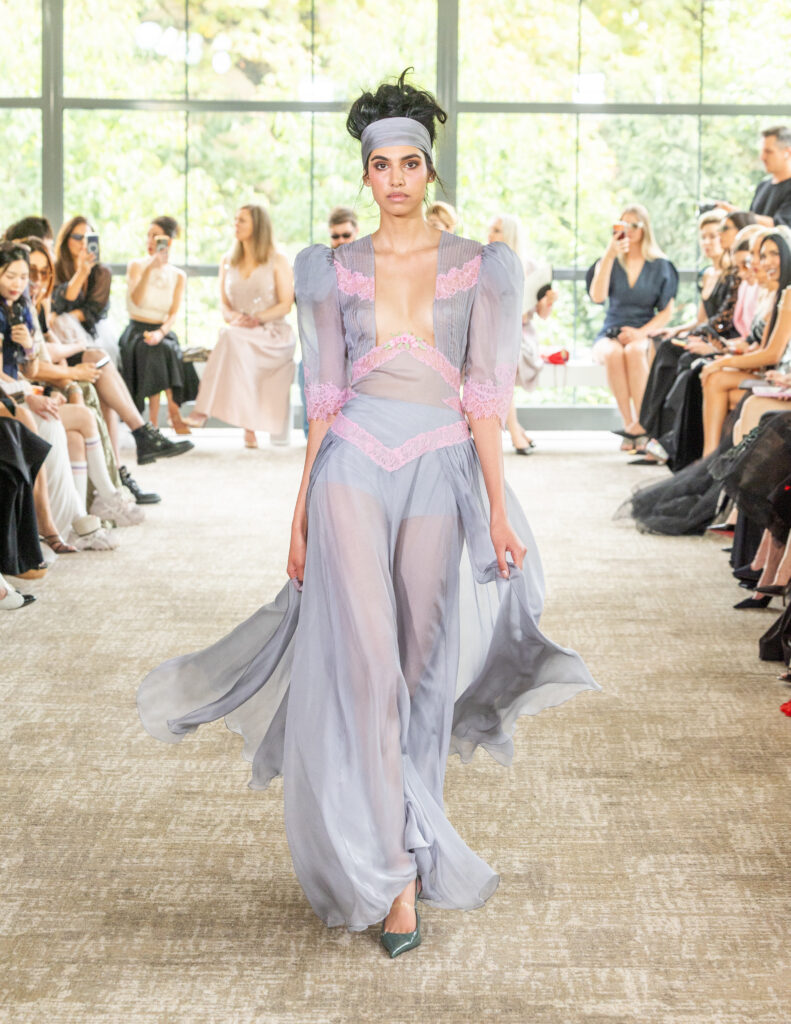
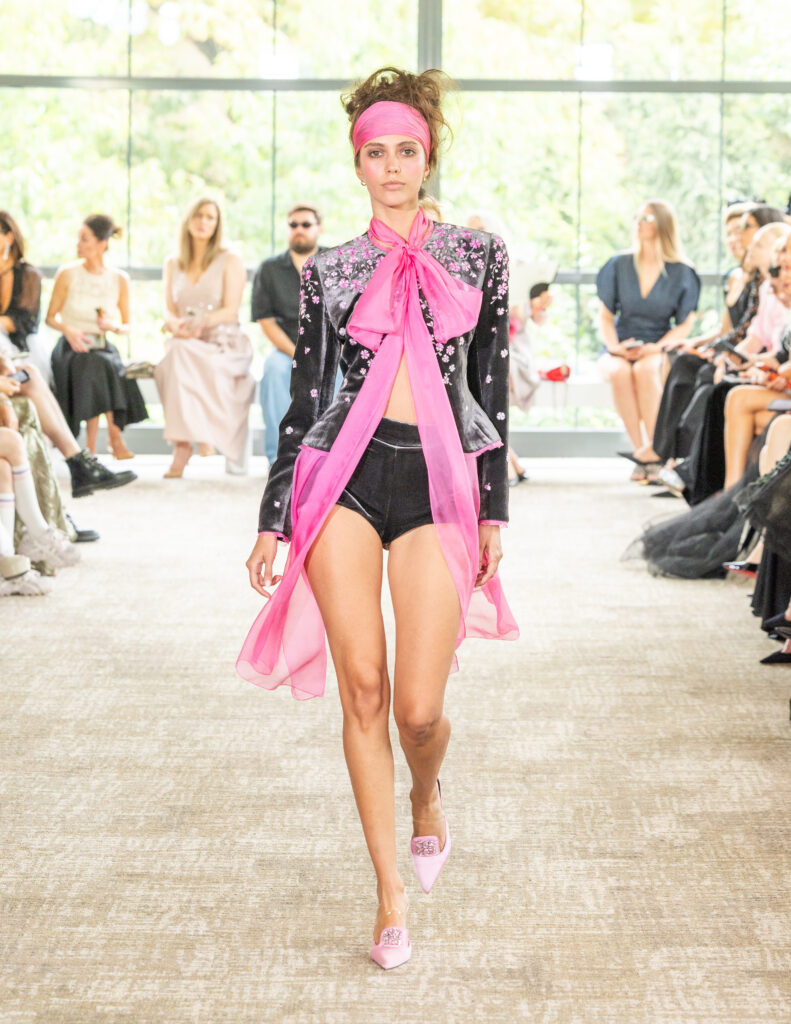
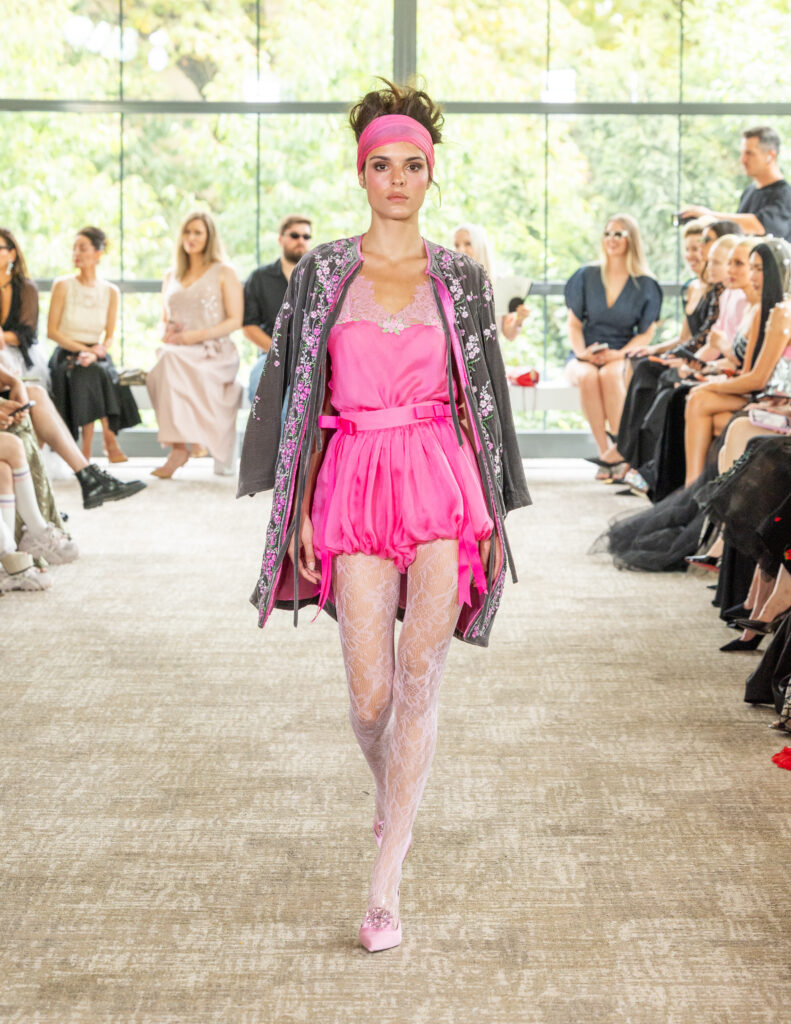
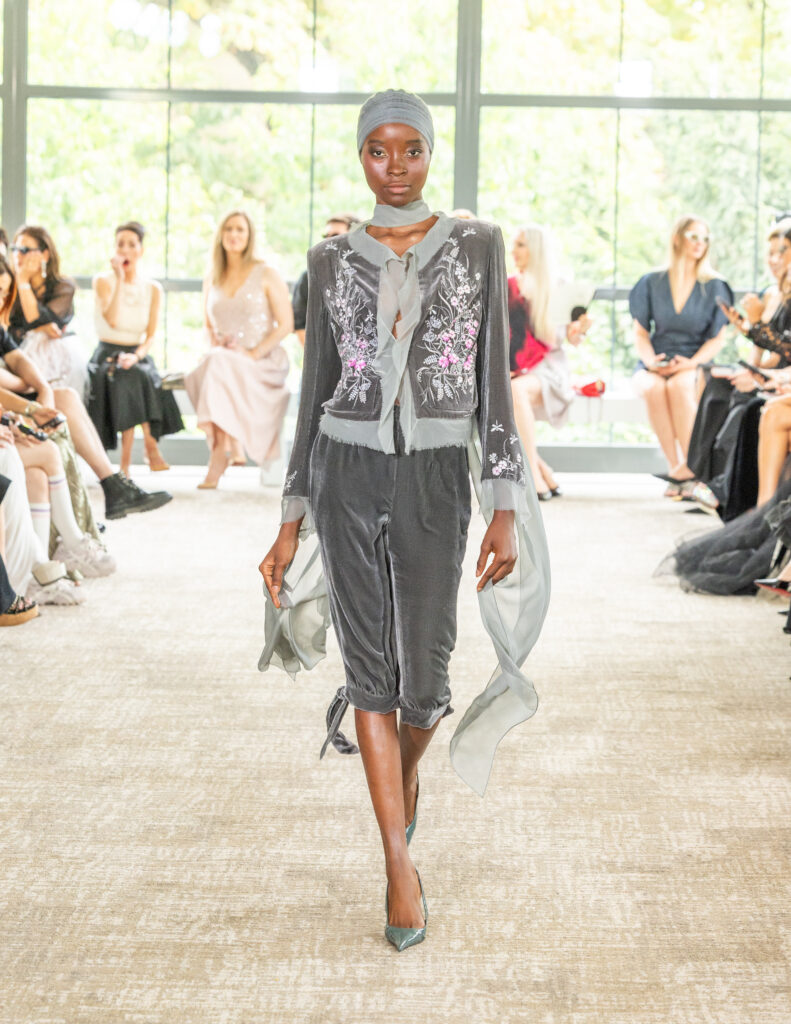
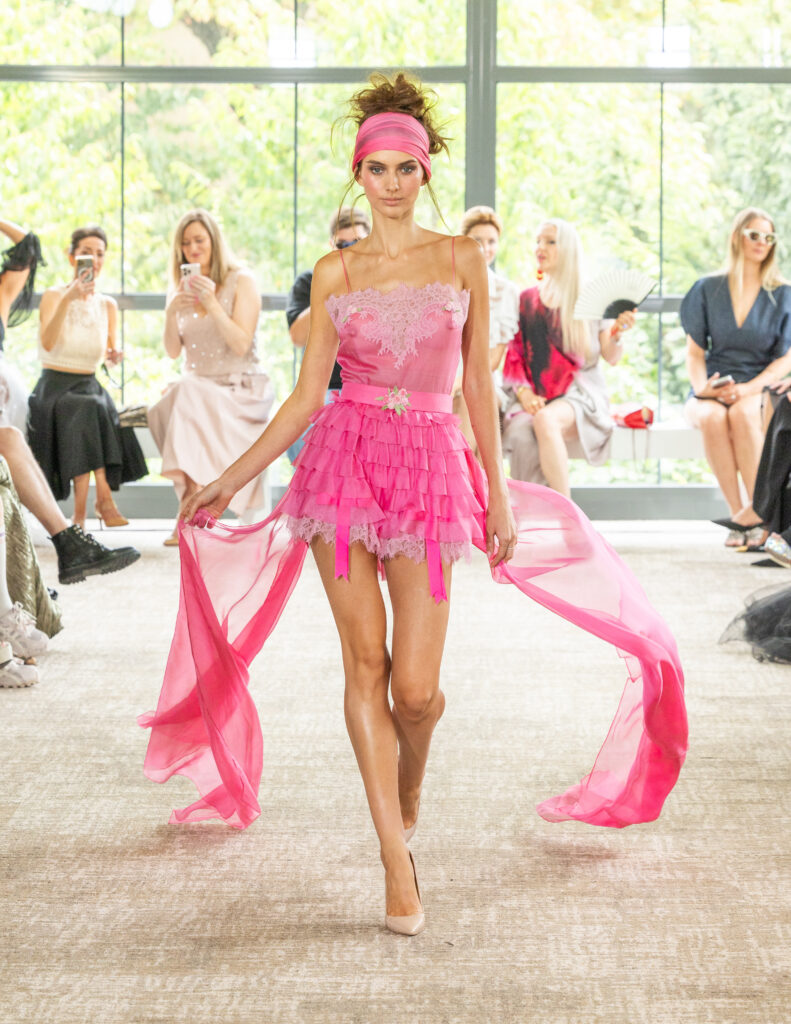
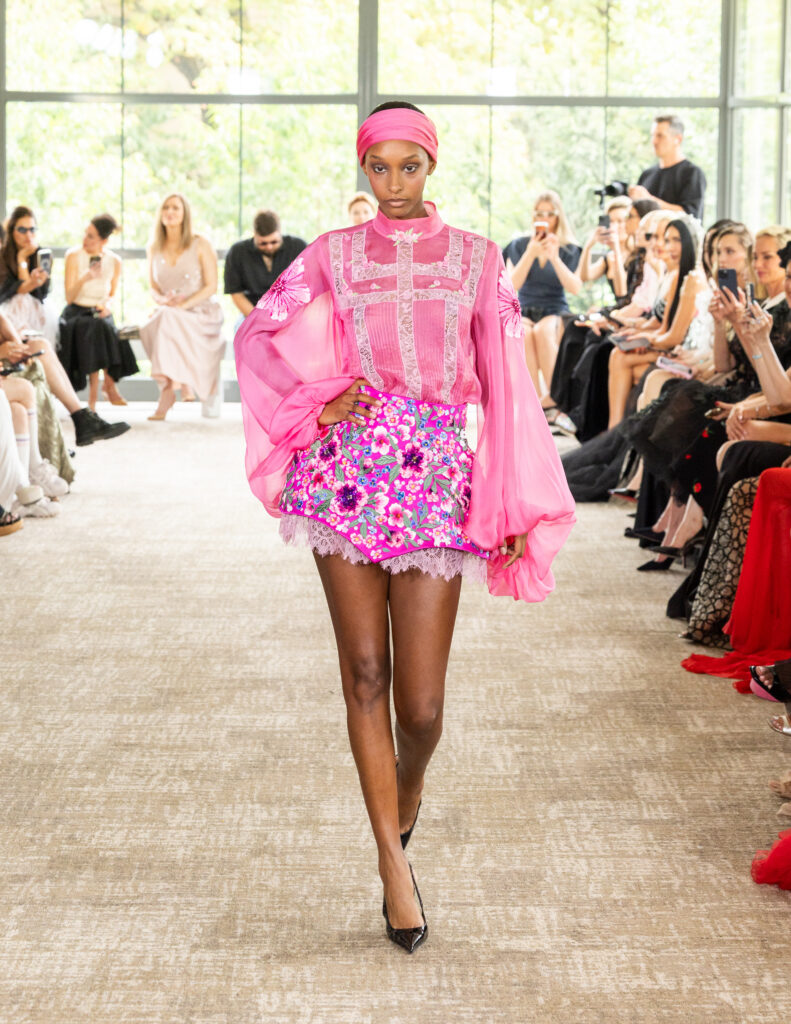
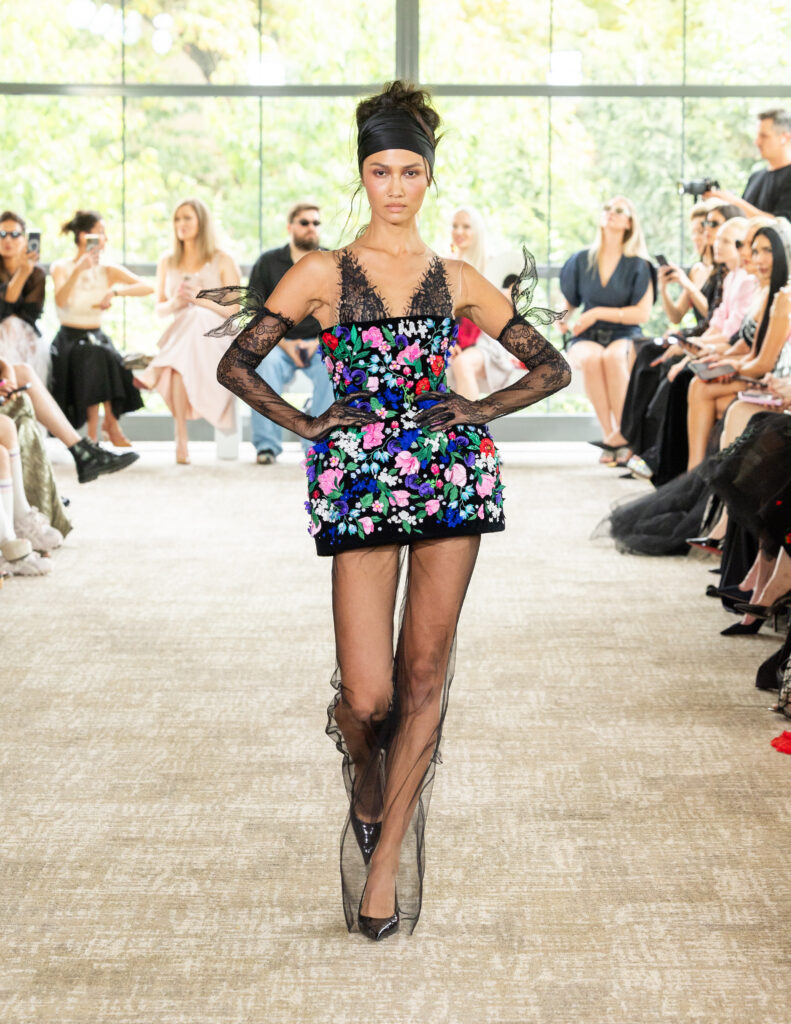
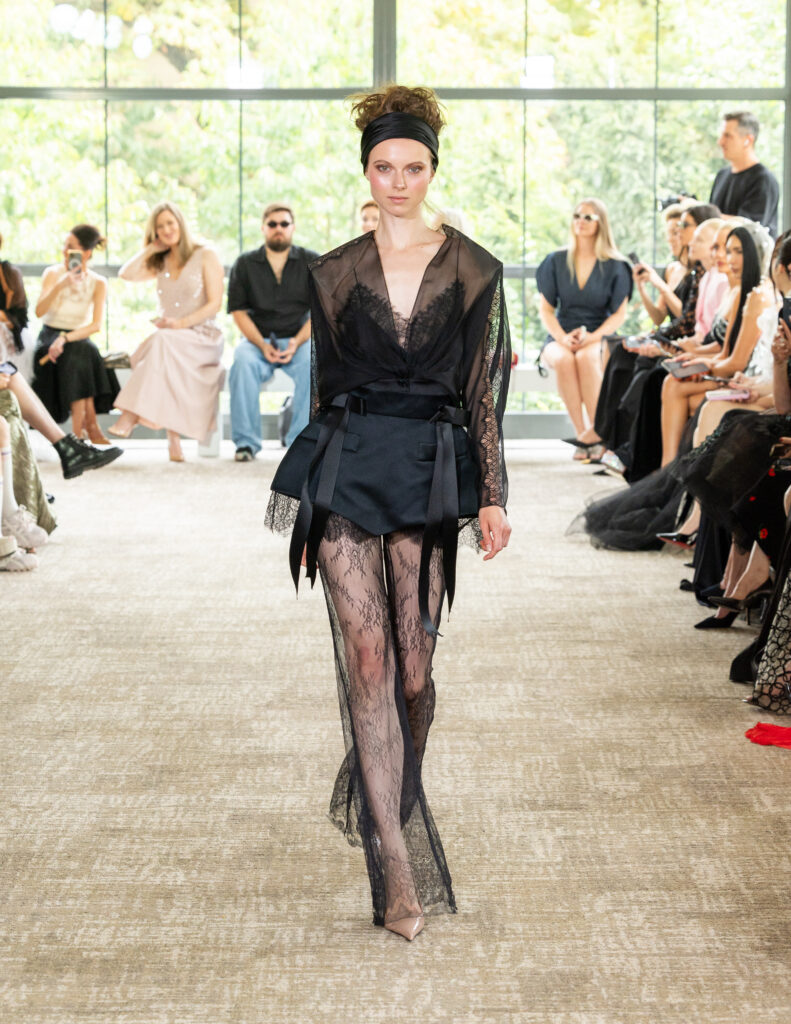
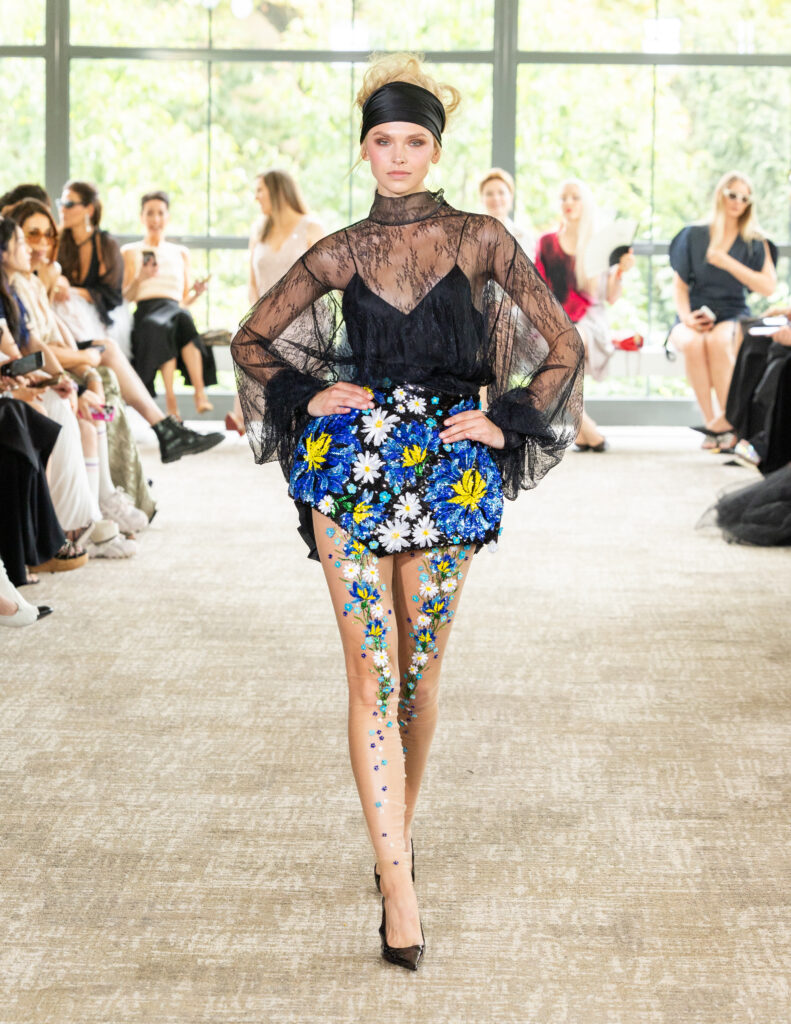
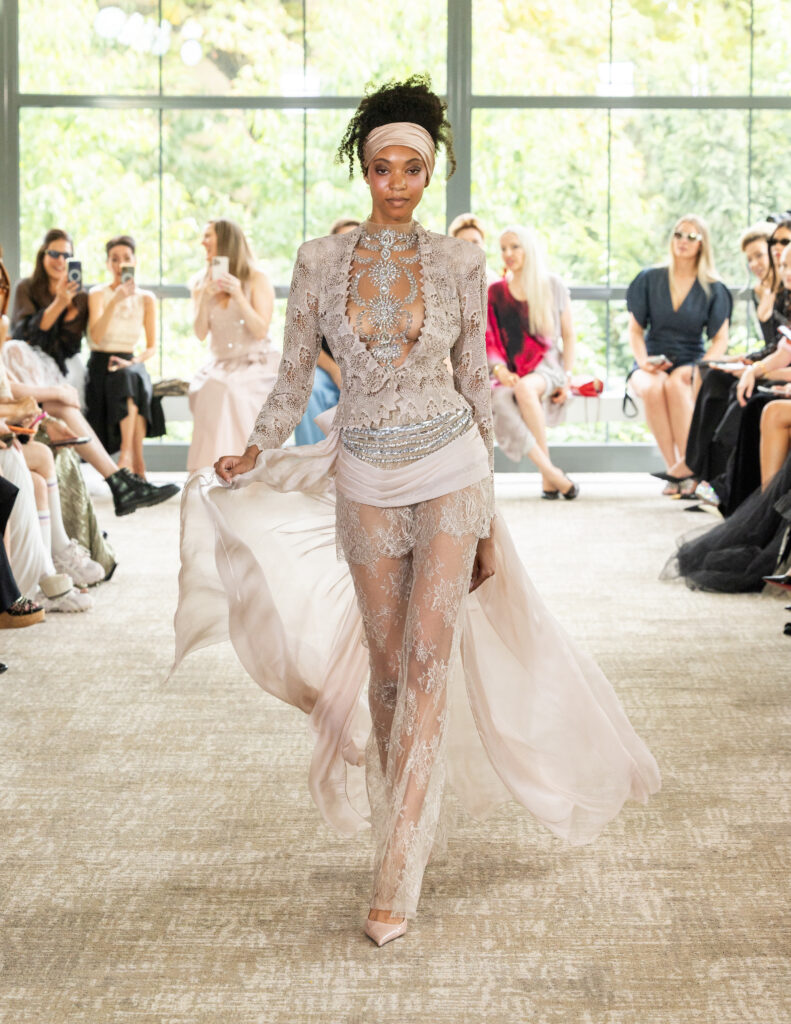
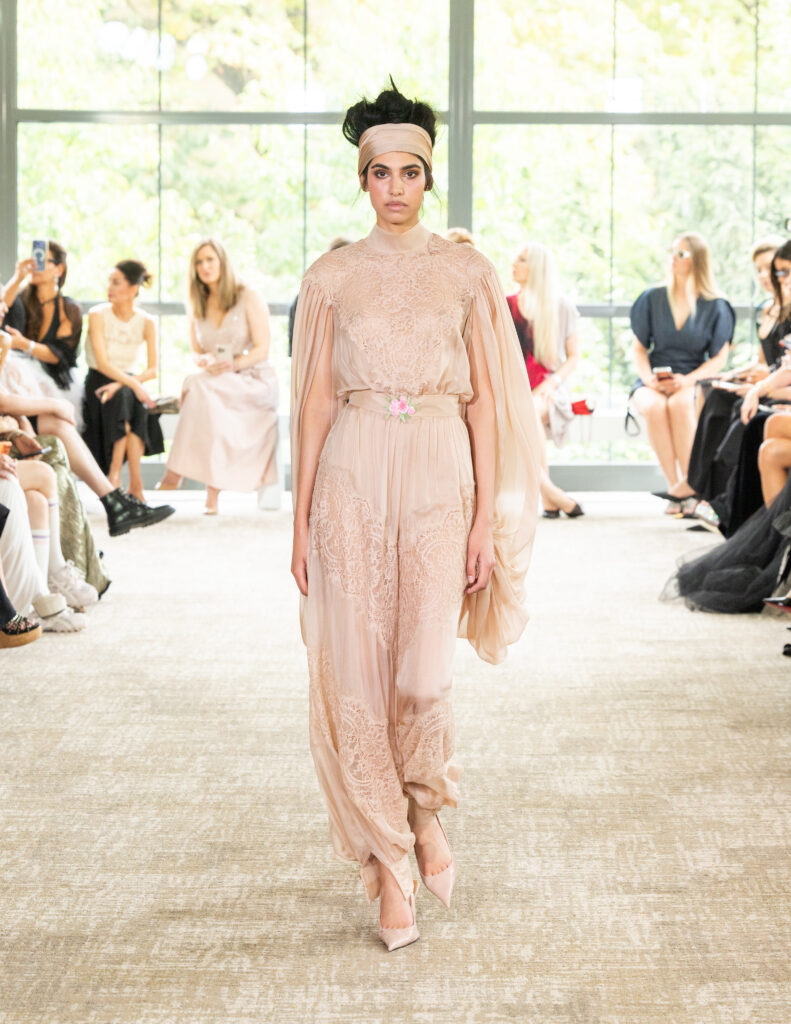
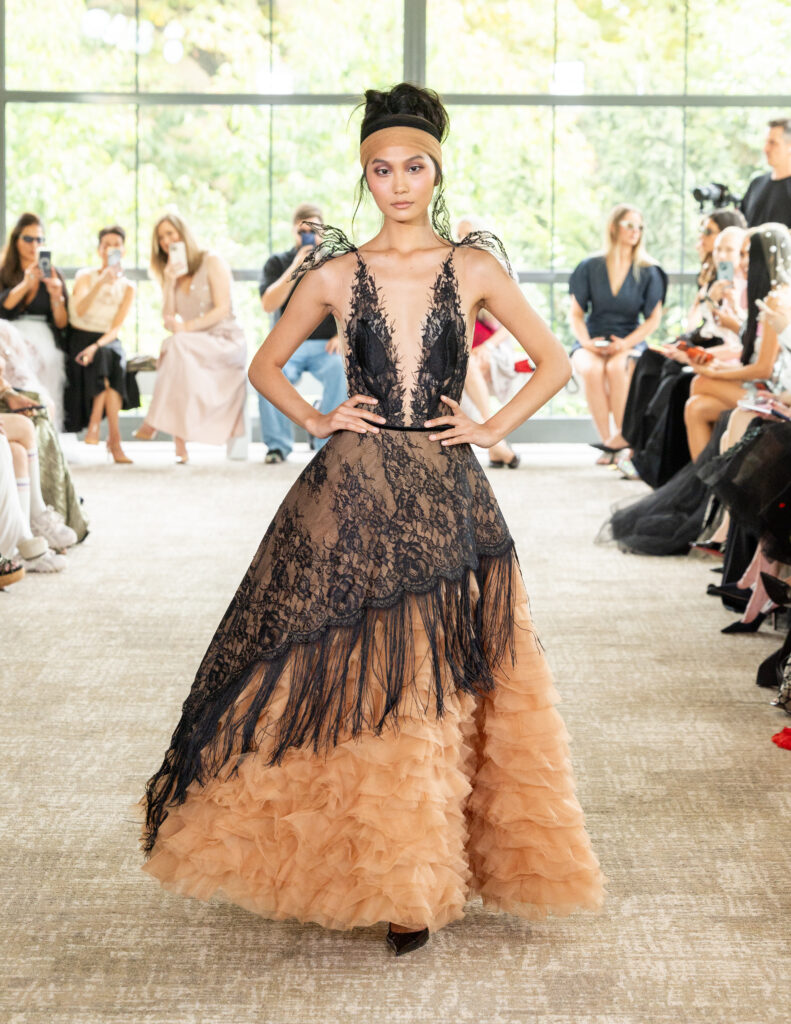
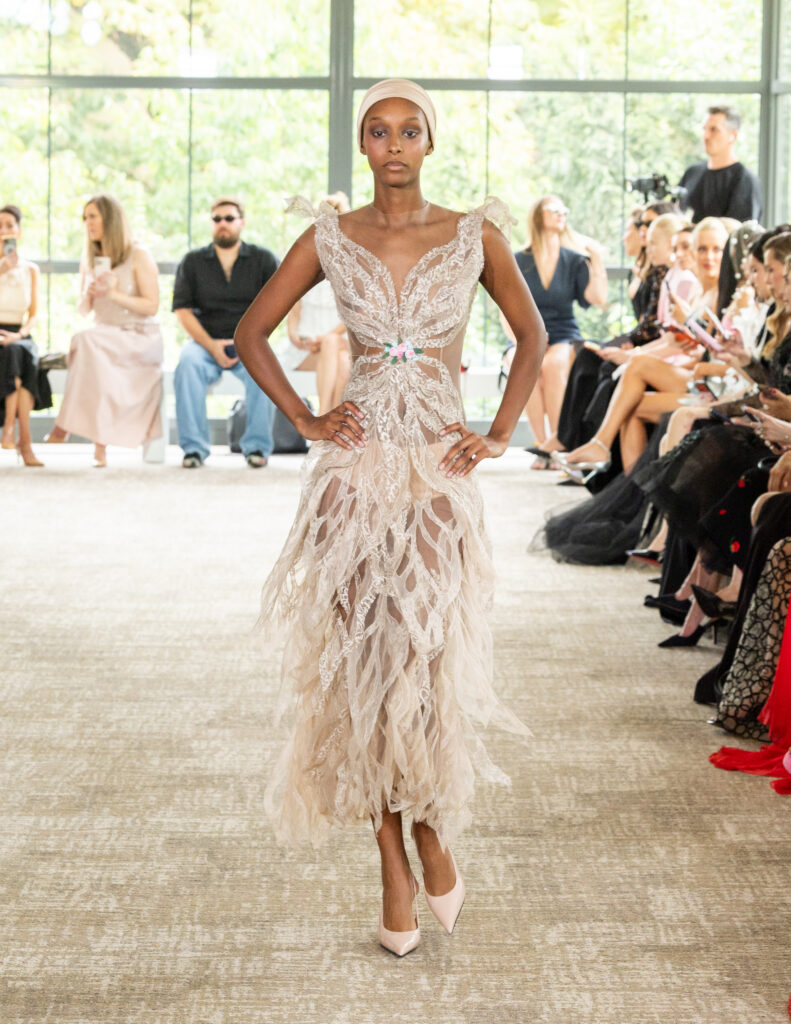
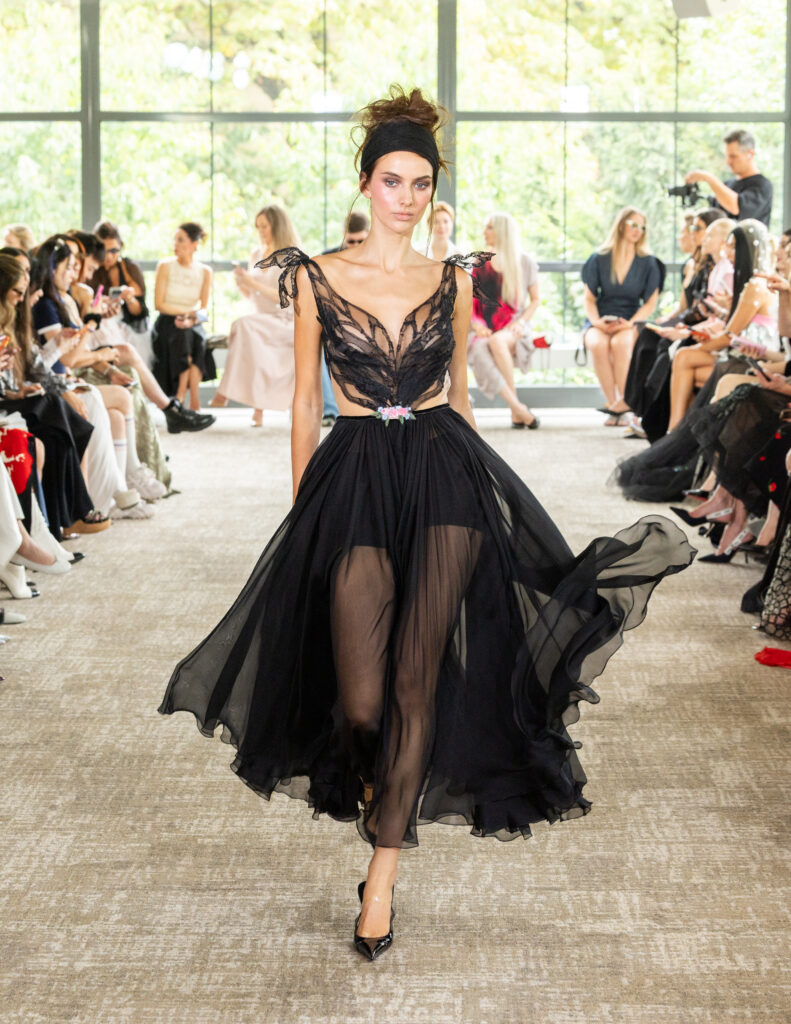
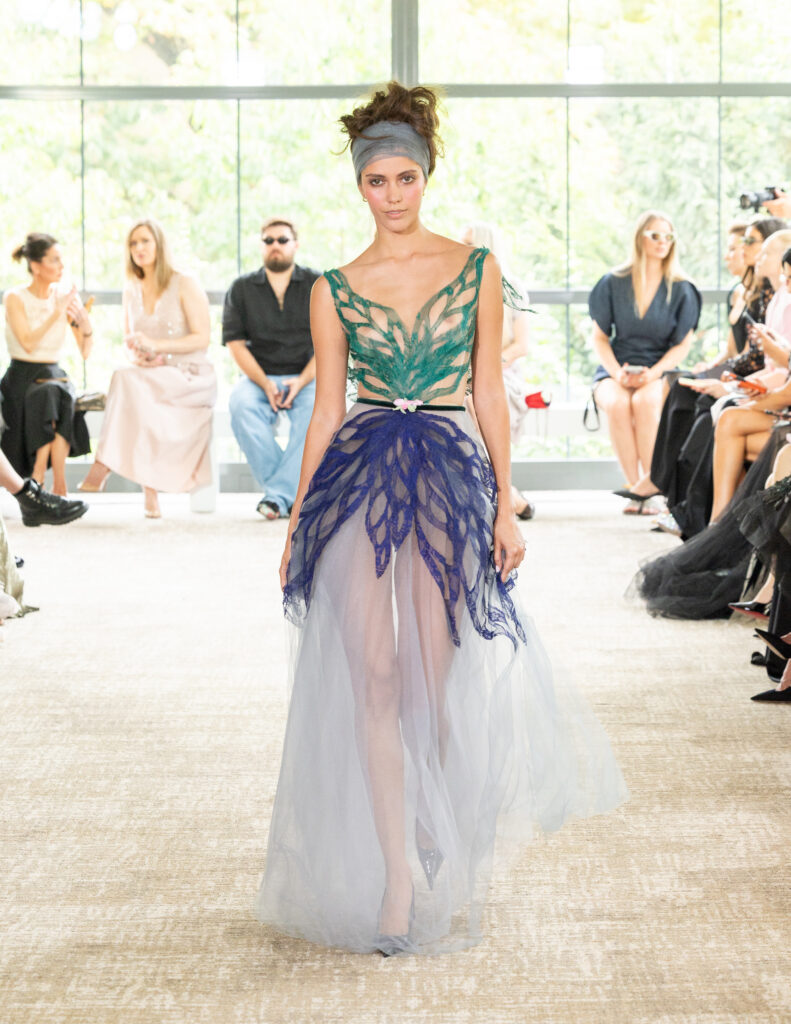
This subtlety is evident in the choice of historical references: 18th-century frock coats, the loose-fitting silhouettes of the late 19th century, and corsetry inspired by Marie Antoinette. None of this is referenced literally. The silk ribbons, lace, and embroidery—which once evoked a hidden, intimate world—become visible structural elements here, integrated into evening silhouettes that embrace their sensuality without ever veering into caricature.
The other layer of the collection is literary. Yulia Yanina says she drew inspiration from the heroines of Balzac, Maupassant, and Zola—young women dreaming of social advancement, courtesans aspiring to become ladies of high society, and ambitious ingénues in search of recognition. This choice is no accident: these characters, popularized by French realist novels, already embodied the tension between desire and respectability that the collection seeks to bring to life in fabric. “Provocation” is less about dressing a 21st-century woman in the guise of a 19th-century heroine than it is about a contemporary reader of these novels, aware of what they already revealed about female ambition.
The fashion house has built a reputation on spectacular looks worn on the red carpet, where visual exuberance often takes precedence over the narrative. *Provocation* reverses this hierarchy: it is the narrative—literary, historical, almost sociological—that dictates the form. The result is no less spectacular, but it is so for a specific reason, rooted in the history of how women have been viewed, rather than solely for the sake of the silhouette’s visual impact.
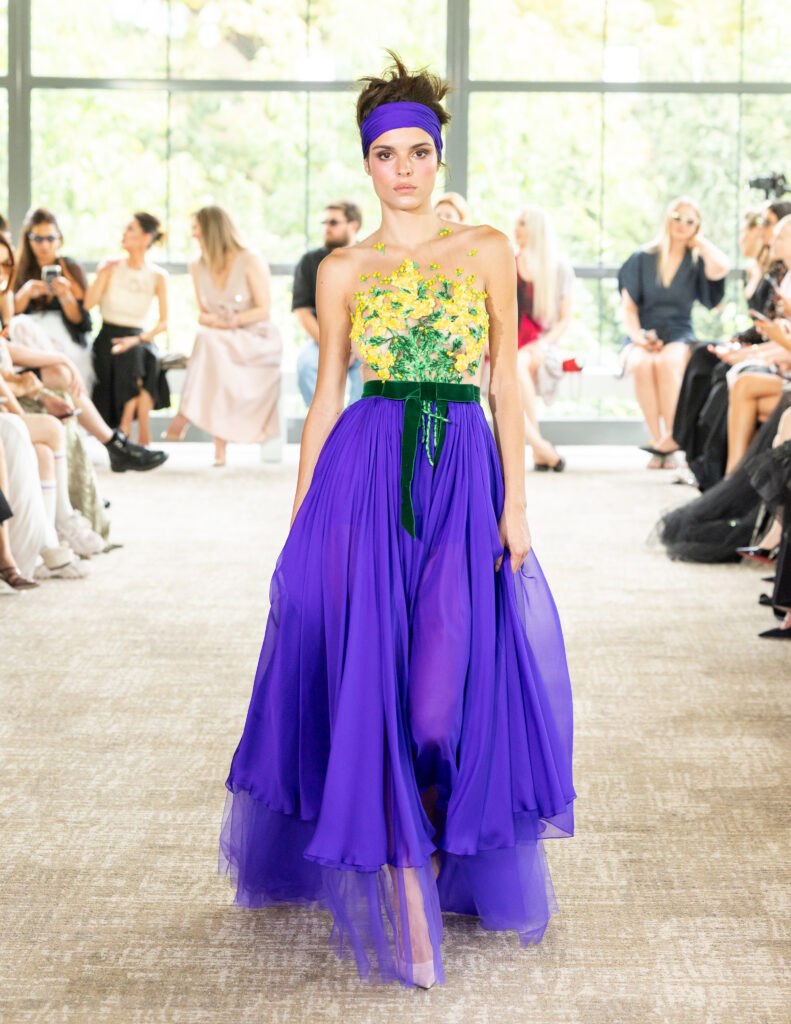
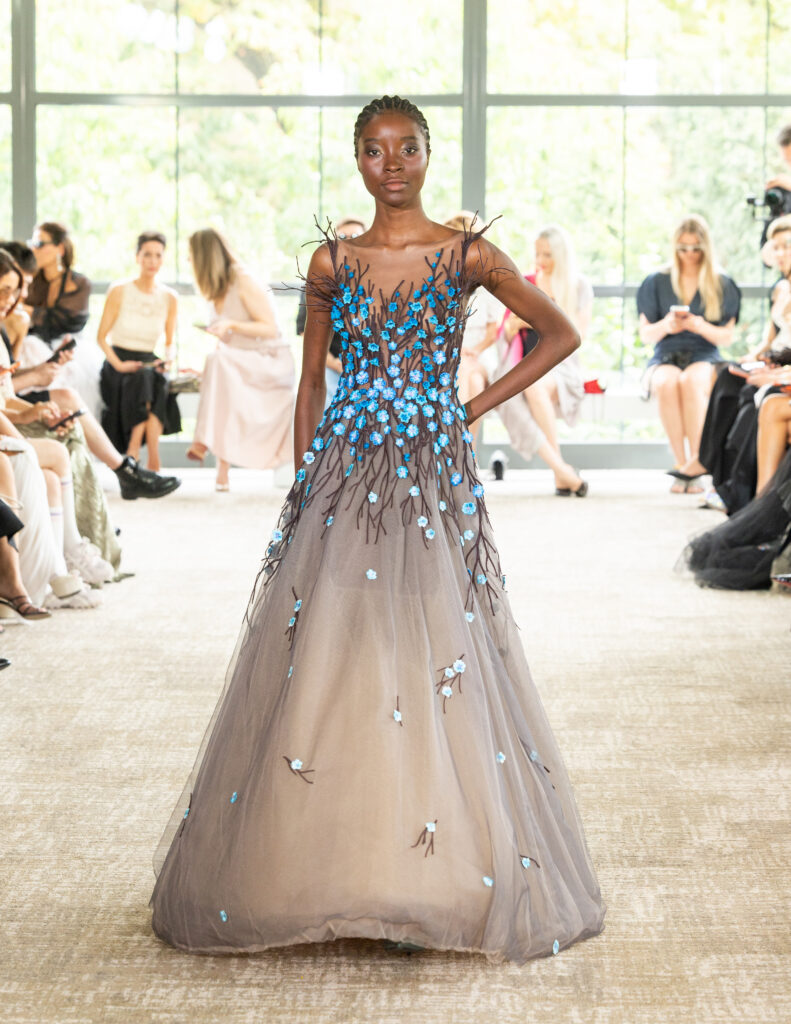
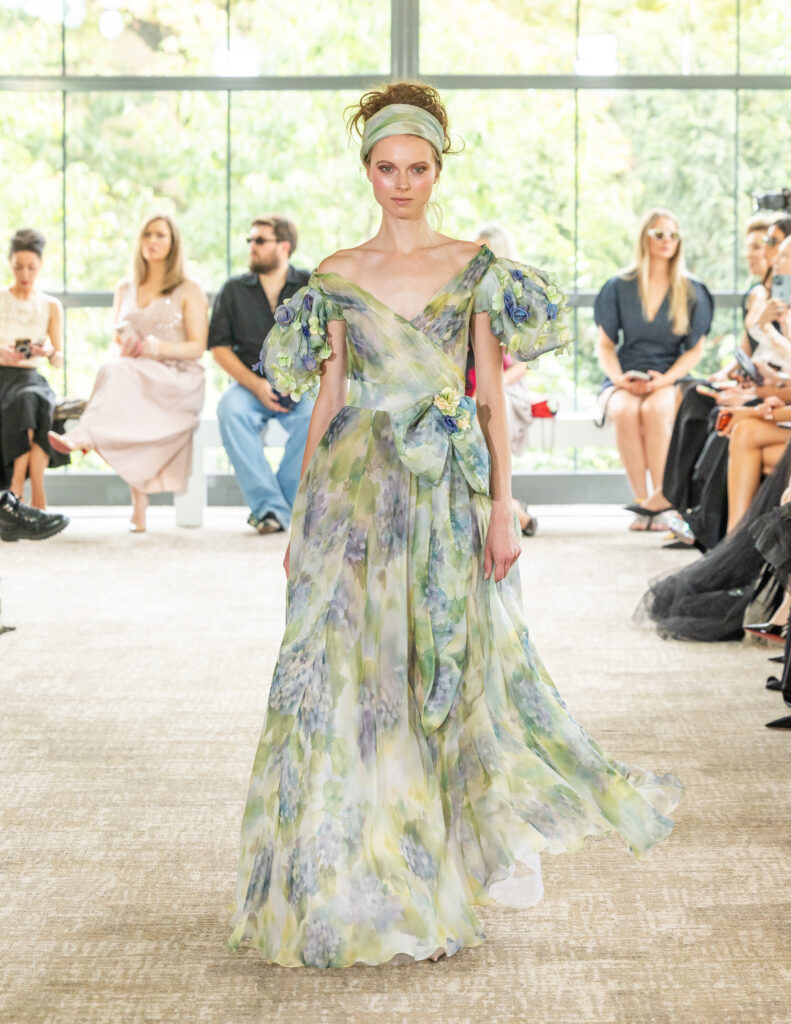
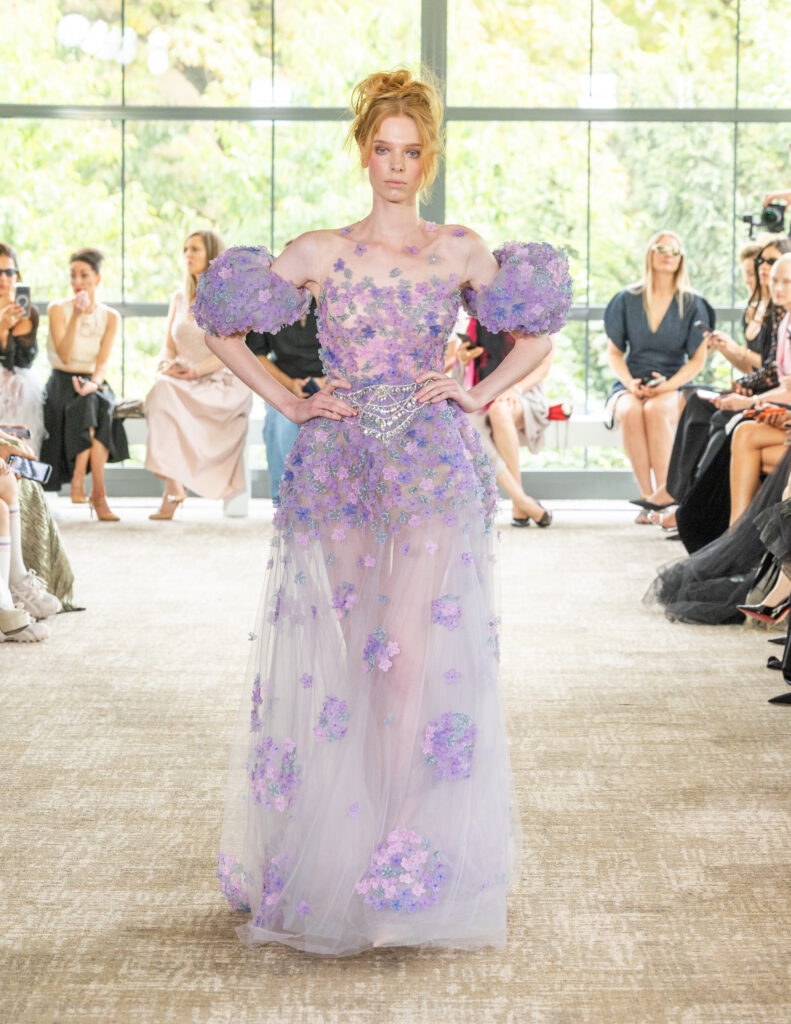
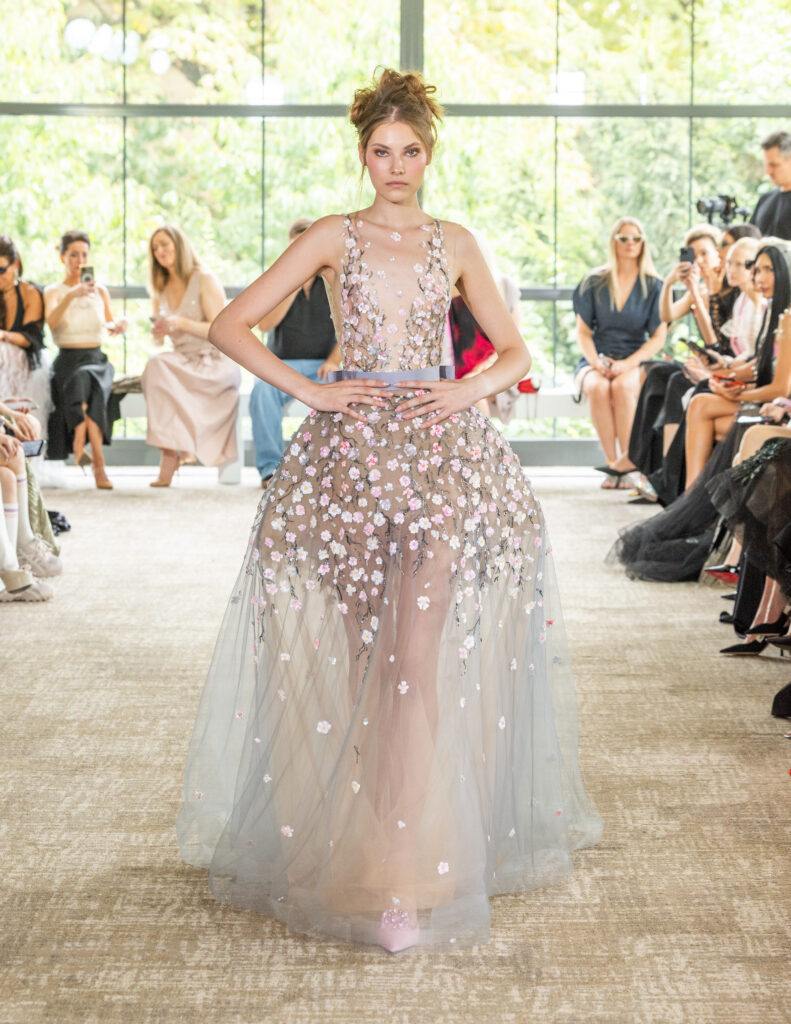
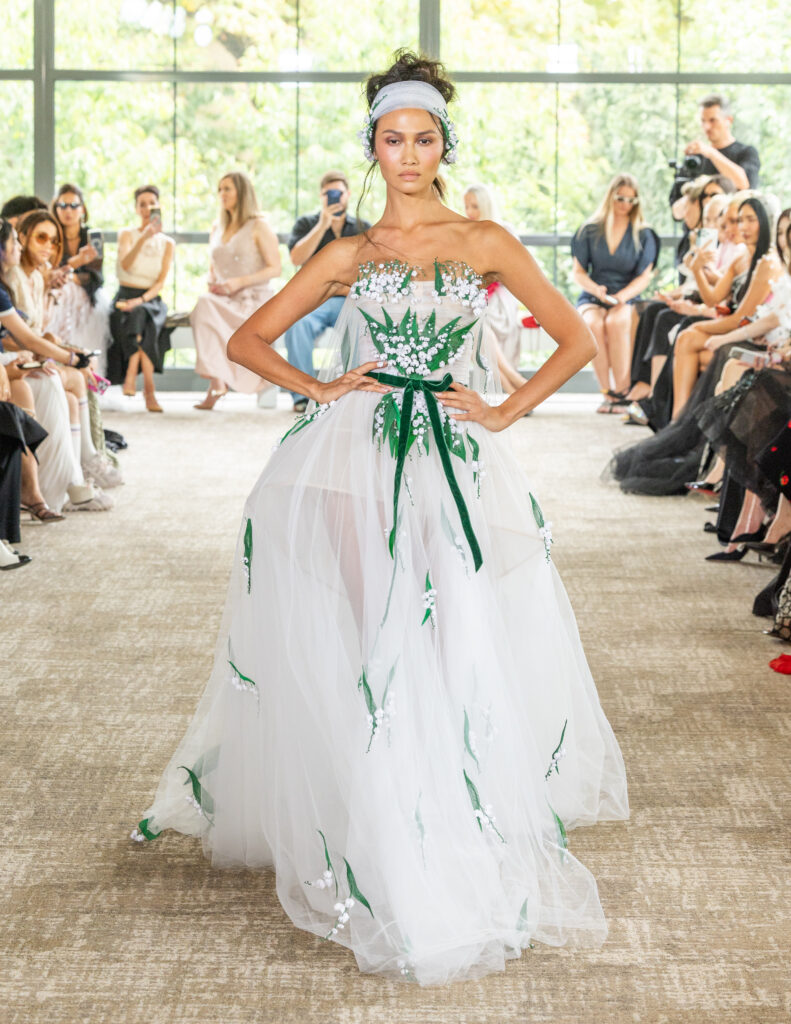
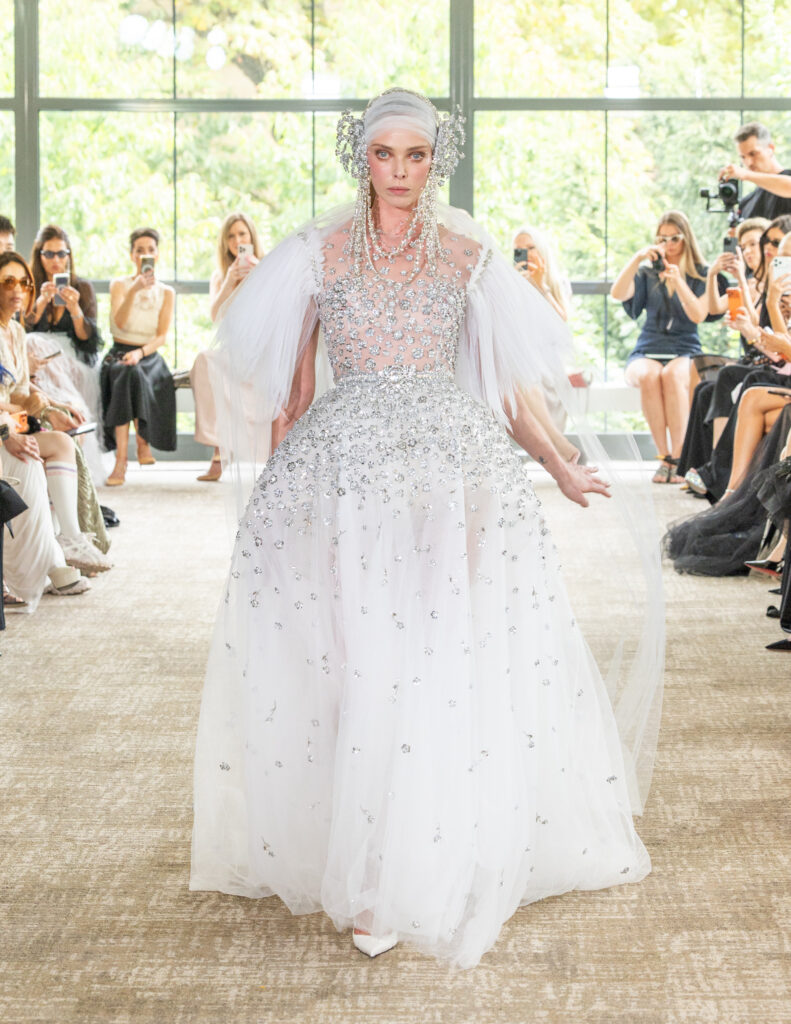
From a technical standpoint, the house has developed proprietary methods to add volume and depth to floral motifs—lily of the valley, apple blossoms, bellflowers—crafted using sculptural embroidery and couture appliqué. This level of artisanal precision, combined with the delicate wings adorning certain looks, places the collection on the edge of a fairy tale: a way to discreetly open a door to fantasy within an otherwise highly structured wardrobe.
The name of the collection plays on a double meaning that the fashion house fully embraces: to “provoke,” in the term’s most ancient sense, means above all to call—to summon. Yanina Couture therefore does not seek transgression for its own sake, but rather evokes a 19th-century imagination largely repressed by contemporary modesty, in order to bring it back into circulation in a form that today’s woman can wear without having to justify herself.
What is striking, in the final analysis, is that “Provocation” provokes almost nothing in the literal sense. Rather, it rehabilitates a memory—that of a garment long considered shameful—by transforming it into an object of unabashed pride. The question remains whether haute couture, by appropriating these once-marginal codes in this way, honors them or neutralizes them by making them respectable.
Cette publication est également disponible en :

