
By winning the 2026 Best Niche Fragrance Award in the “Rising Stars” category, L’Entropiste does more than simply honor a fragrance created by Bertrand Duchaufour. It also validates, one year after its launch, a riskier venture: turning disorder into a luxury aesthetic.
A name that is already a manifesto
L’Entropiste did not choose its name by chance. Entropy—that measure of disorder that physics imposes on any system left to its own devices—becomes a creative principle here: “revealing the unsuspected beauty of chaos,” in the words of its founders, Denis Bellaïche and Kris Fang. In the world of fine perfumery, where marketing almost always extols mastery, harmony, and the perfection of craftsmanship, championing disorder as a value is an anomaly worth pausing to consider.
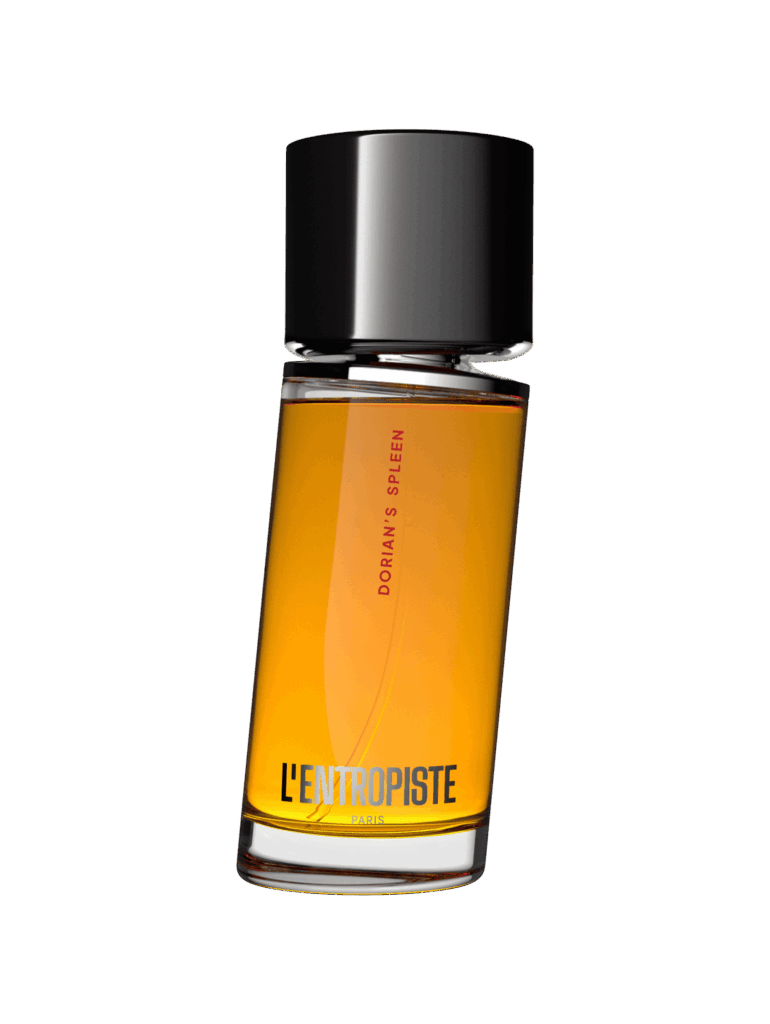
The jury of the Fragrance Foundation France made the right choice in honoring Dorian’s Spleen, which was selected in a blind test from among 122 creations by 24 experts and journalists. It’s not just a fragrance that has won: it’s a philosophy that, for the first time, has received institutional recognition.
Dorian Gray, or beauty that decays in silence
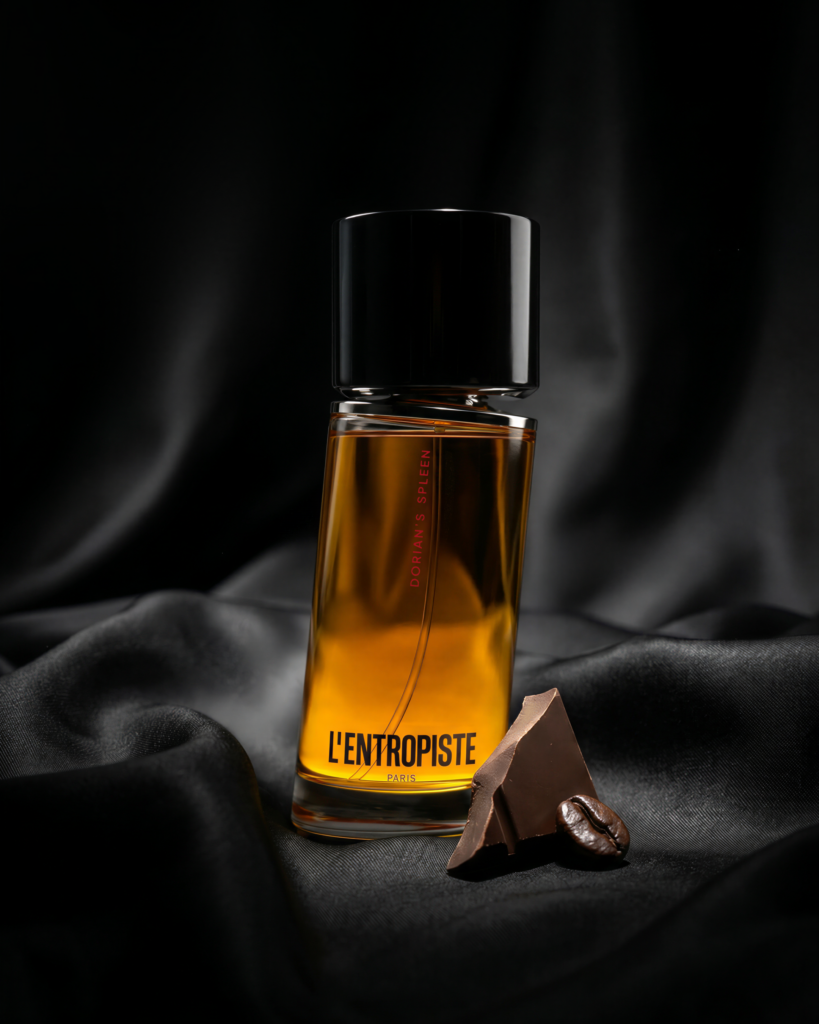
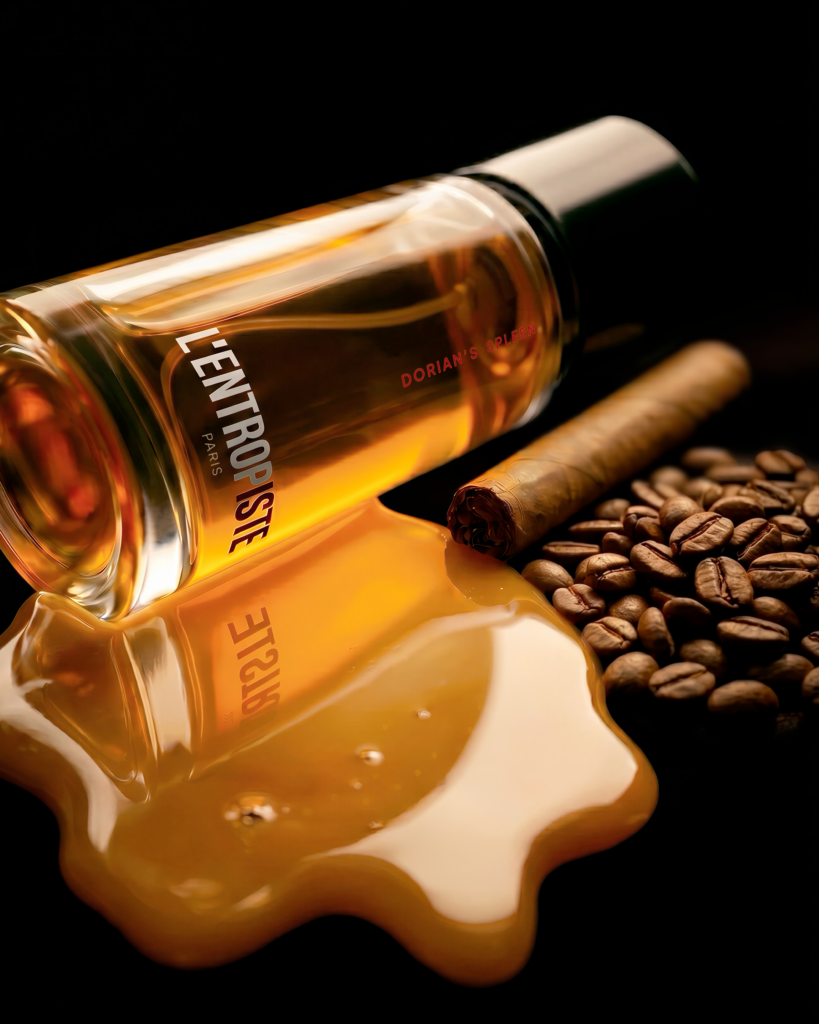
The choice of Oscar Wilde’s novel as an olfactory template is revealing. *The Picture of Dorian Gray* tells the story of a youth that remains outwardly preserved while the soul decays, unseen, within a hidden painting. Bertrand Duchaufour captures this duality with a whiskey accord enveloped in dark chocolate, coffee, and caramel, before shifting toward smoke, tobacco, and ash—a scent trail that grows darker as it unfolds, like a facade that is beginning to crack.
The press release emphasizes the “refined decadence” of the smoky gourmand; it suggests, albeit less explicitly, that the fragrance serves as a sensory warning: the beauty that is on display is never the kind that lasts.
A brand that’s moving faster than the market
Founded in February 2025, L’Entropiste has established itself in some 50 countries in just a few months—a pace of expansion rarely seen for an independent, niche perfume house, where patience is generally held up as a virtue. This paradox—a house that celebrates disorder while orchestrating a distribution process with almost industrial precision—may say something about contemporary luxury: chaos, it seems, now sells better when it is perfectly controlled behind the scenes.
It remains to be seen whether L’Entropiste will be able to continue selling imperfection as an aesthetic choice once it becomes—as it seems to be heading toward—an established and well-regarded fashion house. Once institutionalized, is disorder still disorder?
Cette publication est également disponible en :

